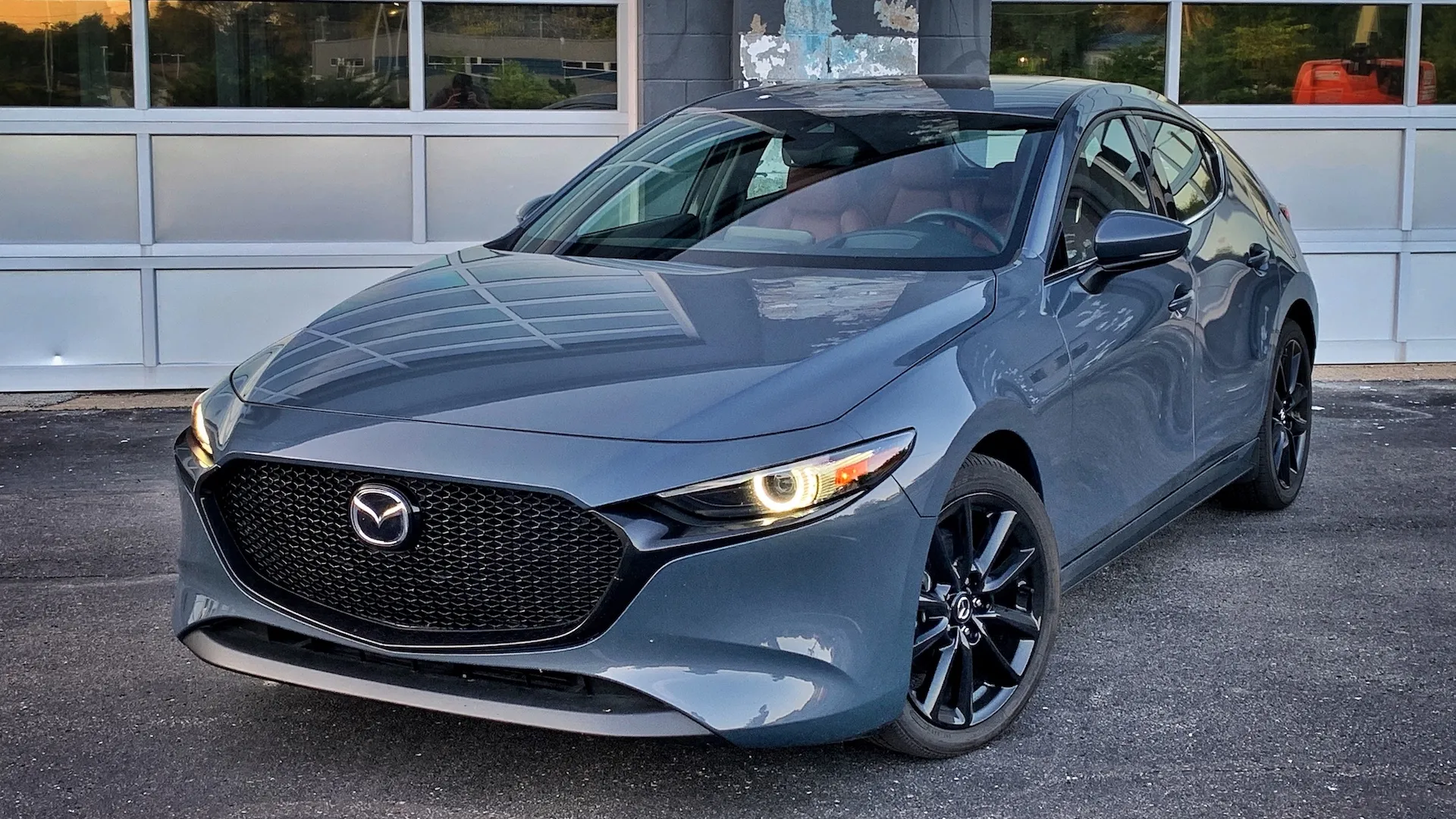
For most car buyers, reliability and low maintenance costs are just as important as style or performance. A vehicle that can stay on the road year after year without frequent repairs not only saves money but also reduces the stress of constant upkeep.
With advances in engineering, many modern cars are designed to last longer and require fewer service visits, from durable gasoline sedans to cutting-edge electric vehicles.
Some rely on simplified drivetrains with fewer moving parts, while others benefit from thoughtful design choices that minimize wear and tear. In compiling this list of 15 cars that keep running with minimal maintenance, we’ve highlighted models known for dependability, lower-than-average repair costs, and long-term durability.
Whether you’re searching for an affordable commuter, a family-friendly sedan, or a tech-forward EV, these vehicles prove that peace of mind on the road doesn’t have to come at a high price.
1. Honda Accord
The 2023 Honda Accord, now in its 11th generation, continues its reputation as a dependable midsize sedan that blends reliability, efficiency, and comfort. With refreshed styling and a focus on refinement, it offers trims ranging from practical to upscale, with higher trims featuring a standard hybrid powertrain achieving 44–48 mpg depending on wheel size.
The Accord’s combination of a spacious interior, advanced technology, and strong resale value makes it a popular choice for families.
Ownership costs remain low, with a 10-year estimate of $5,412 and a relatively modest 15.6% chance of major repairs. Honda’s engineering emphasizes durability, with many models surpassing 200,000 miles when properly maintained.
Engines like the 2.4L i-VTEC are built for longevity, and transmissions generally perform well if serviced on schedule. Routine maintenance is straightforward and cost-effective, aided by the Maintenance Minder system, while high-quality materials and a simplified design reduce the likelihood of premature failures.
On the road, the Accord emphasizes efficiency and comfort over sporty dynamics. The hybrid Sport-L accelerates from 0–60 mph in about seven seconds, and though handling is competent, it prioritizes stability and ride smoothness.
Cabin comfort is excellent, with well-controlled noise, adjustable seating, and good visibility, though taller passengers may find the sloping roofline restrictive. A 12.3-inch touchscreen with wireless smartphone integration comes standard, while higher trims add Google services. Honda Sensing driver-assist features enhance safety, though lane-keeping can feel intrusive.
Practicality is another strength: the Accord offers 16.7 cubic feet of trunk space, plentiful cabin storage, and rear seats that accommodate multiple child seats. Fuel economy ranges from 32 mpg for base models to 48 mpg for hybrids, keeping it competitive among midsize sedans.
While lower trims may lack some features offered by rivals like the Hyundai Sonata, the Accord’s strong build quality, efficiency, and proven reliability solidify its standing as a long-lasting, family-friendly vehicle.
2. Mazda 3
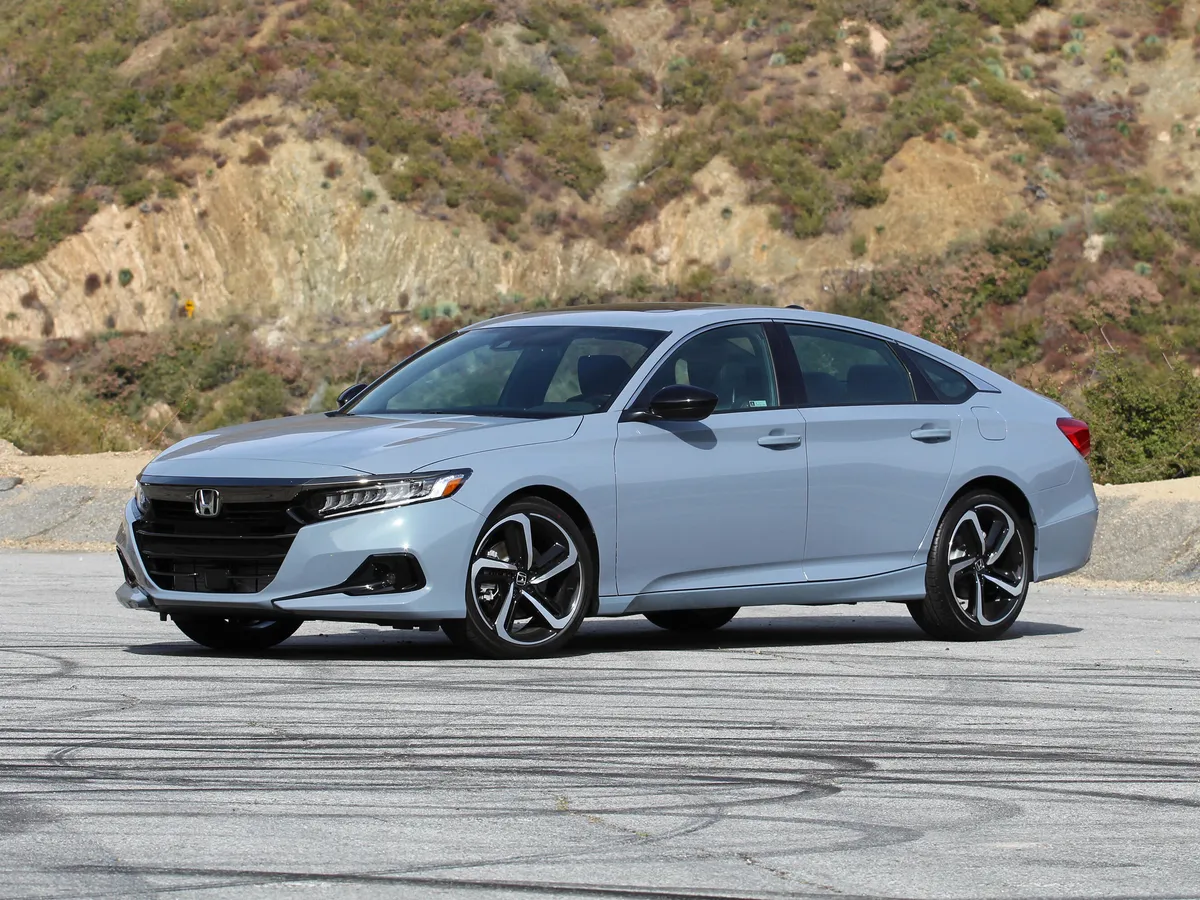
The Mazda 3 is a compact car offered in sedan and hatchback body styles, notable for its blend of engaging performance, refined design, and premium craftsmanship. Its addition of standard all-wheel drive enhances traction and year-round usability, complementing the car’s sharp handling and responsive steering.
With sleek styling, quality interiors, and strong driving dynamics, the Mazda 3 appeals to drivers seeking both practicality and a more upscale experience.
Ownership costs are competitive, with a 10-year estimate of $5,409 and a 16.2% chance of major repairs, keeping it among the more reliable compact cars. Mazda’s Skyactiv-G engine, designed with high compression ratios and reduced mechanical stress, emphasizes durability and efficiency.
It is less prone to carbon buildup compared to other direct-injection engines, which helps maintain long-term performance. The conventional Skyactiv-Drive six-speed automatic transmission also avoids many of the long-term issues found in CVTs, ensuring dependable operation.
Mazda prioritizes simplicity and proven designs, reinforced by its “Monotsukuri” philosophy of craftsmanship and stringent quality control. High-quality materials and precise assembly minimize defects and premature wear, allowing the cabin to retain a premium feel over time. With proper maintenance oil changes, fluid checks, and tire rotations the Mazda 3 can comfortably exceed 200,000 miles.
On the road, the standard 2.5-liter engine delivers smooth power, while the turbocharged option provides class-leading acceleration, reaching 60 mph in 6.5 seconds.
The suspension balances comfort and agility, giving the car a confident, poised ride. Inside, the driver-focused layout, excellent noise insulation, and supportive seats create a near-luxury atmosphere, though rear-seat space is limited and trunk capacity is modest compared to rivals.
Technology highlights include a clean infotainment system with a control knob, available Bose audio, and Apple CarPlay/Android Auto, though screen placement hinders reachability. Higher trims add Alexa Built-in and advanced driver aids, though lane-centering can feel sluggish. Fuel economy ranges from 27–31 mpg, depending on drivetrain and engine choice, without hybrid options.
Though priced higher than many compact competitors, the Mazda 3 justifies its cost with sophisticated styling, strong performance, and refined craftsmanship, making it an appealing choice for buyers seeking a premium compact car experience.
3. Nissan Versa
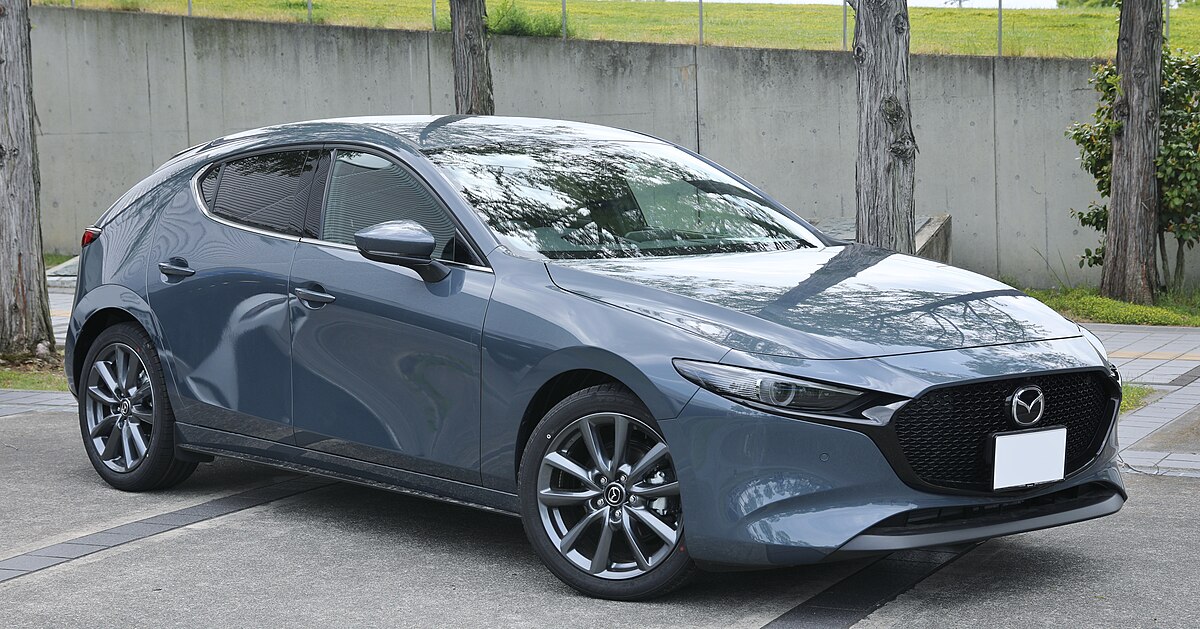
The Nissan Versa is a budget-friendly subcompact sedan designed for affordability, practicality, and efficiency, making it a strong option for first-time buyers and city drivers. It combines a comfortable cabin, respectable styling, and excellent fuel economy with standard safety features such as automatic emergency braking, which add reassurance for new drivers.
Ownership costs remain low, with a 10-year estimate of $5,331 and a 16.4% chance of major repairs. Reliability, however, depends heavily on transmission choice. Manual models are generally more dependable, while Versa’s CVT-equipped versions have a history of issues, including shuddering, overheating, and, in some cases, failure.
Nissan addressed these problems with warranty extensions for older models, but CVT repairs can be costly if they occur outside coverage. Routine maintenance and careful driving habits are essential for long-term dependability.
The four-cylinder engine is adequate for daily use but delivers modest performance, reaching 60 mph in about 10.4 seconds. Handling is composed, though not particularly engaging, and brakes provide smooth stopping power. Ride quality is acceptable for the class, though rough roads and highway wind noise can diminish comfort.
Inside, the Versa offers surprising room for a subcompact. Seats are supportive, though narrow, and rear seating works best for shorter trips. Trunk capacity is generous at 15 cubic feet, with fold-down rear seats for added flexibility, though cabin storage is limited.
Technology includes an available 8-inch touchscreen with Apple CarPlay and Android Auto, complemented by features like wireless charging and a six-speaker audio system in higher trims. Driver-assistance aids such as forward collision warning and lane-keeping notifications enhance safety, though some systems can be overly sensitive.
Fuel efficiency is a standout strength: CVT-equipped models achieve 35 mpg combined, with real-world testing reaching over 41 mpg. Pricing remains below $20,000 for most trims, while warranty coverage is competitive though shorter than some rivals.
The Nissan Versa balances affordability, practicality, and efficiency. Manual versions are the most reliable choice, but for budget-minded buyers seeking a safe, economical daily driver, the Versa remains a sensible small-sedan option.
4. Mitsubishi Mirage G4
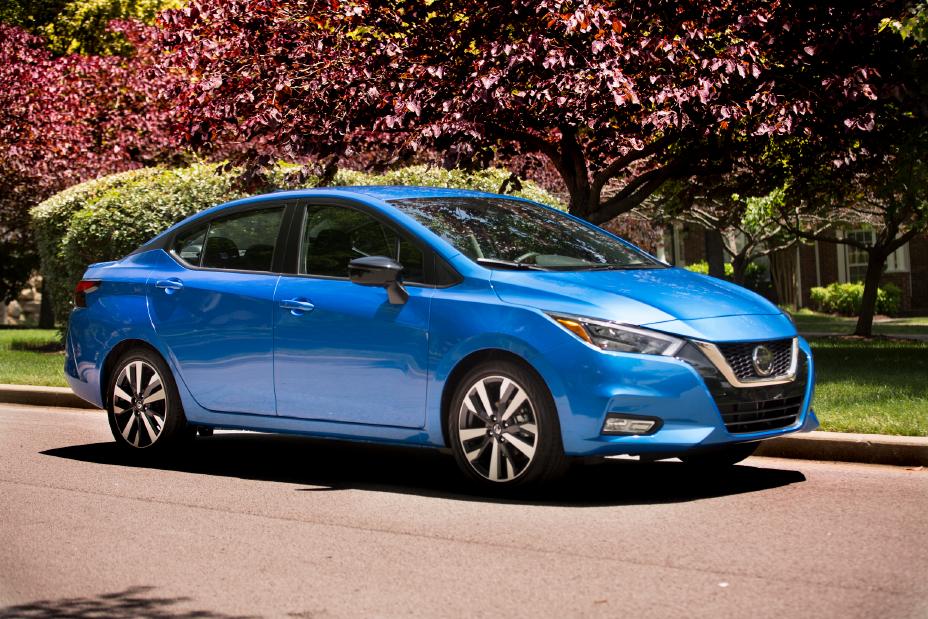
The Mitsubishi Mirage G4 is a budget-friendly subcompact sedan that prioritizes affordability and low running costs. Offering a traditional trunk instead of the hatchback’s liftgate, it appeals to buyers seeking basic, reliable transportation. Ten-year ownership costs are estimated at $5,254, with annual expenses starting at $175 and rising to $991 by the tenth year. The chance of a major repair sits at 16 percent, underscoring the car’s straightforward design.
Reliability comes from mechanical simplicity. The 1.2-liter three-cylinder engine is modest in output but free of complex components such as turbochargers, reducing failure points. Paired with a lightweight body, the drivetrain experiences little stress, contributing to longevity. The continuously variable transmission is tuned for efficiency rather than speed, and while durable with proper servicing, it struggles under heavy load or on steep inclines.
Maintenance remains essential, with routine oil changes, fluid inspections, and spark plug replacements required to ensure long life. Fortunately, parts are inexpensive, widely available, and easy to replace, keeping ownership costs low.
Driving dynamics are modest at best. Reaching 60 mph in 12.7 seconds, the Mirage G4 feels sluggish on the highway, though its light steering and tight turning radius make city maneuvering easy. Braking is predictable, though rear drums limit capability under hard stops. The ride is compliant at low speeds but becomes bouncy on uneven roads. Noise and vibration are constant companions, and the seats offer little long-distance support.
Practicality is a strength, with 12.3 cubic feet of trunk space and simple, easy-to-use technology, including Apple CarPlay and Android Auto. With its low price, long warranty, and inexpensive upkeep, the Mirage G4 is best suited to cost-conscious buyers seeking basic transportation over refinement.
5. Honda Civic
The Honda Civic remains one of the most trusted compact cars, offering sedan and hatchback body styles with trims that range from practical to sporty. Redesigned in 2022, it continues to stand out for reliability, efficiency, and refined driving manners. Ten-year ownership costs are estimated at $5,245, with a 15.6 percent chance of major repair, keeping it among the most affordable long-term choices in its class.
Honda’s reputation for durability stems from simple, robust engineering. Engines often use timing chains instead of belts, reducing costly maintenance, and modern designs focus on efficiency without overstressing components. The straightforward layout means fewer failure points, while widespread availability of replacement parts keeps repair costs low. Regular oil changes, fluid checks, and tire rotations remain essential for reaching the Civic’s long lifespan, which often exceeds 200,000 miles.
Performance varies by engine choice. The hybrid pairs efficiency with speed, producing 200 horsepower and reaching 60 mph in 6.6 seconds, rivaling the sporty Civic Si. Base gasoline models are slower but still deliver precise steering, balanced handling, and a composed ride. The Civic feels stable on rough surfaces, and while road noise is noticeable, wind intrusion is well controlled.
The cabin is practical and comfortable, with durable materials and intuitive controls. Front passengers enjoy supportive seating, while the sloping roofline slightly reduces rear headroom. The sedan offers 14.8 cubic feet of trunk space, and the hatchback hybrid expands that to 24.5 cubic feet.
Fuel economy is excellent, with up to 36 mpg combined for gasoline models and 49 mpg for the hybrid. With strong reliability, low running costs, and a well-rounded design, the Civic remains a benchmark in the compact car segment.
6. Toyota Supra
The Toyota Supra blends strong performance with a reputation for durability, offering lower ownership costs than many sports cars. Ten-year expenses are estimated at $4,950, and the likelihood of a major repair is just 12.6 percent.
The Supra’s legacy for reliability began with the fourth-generation model, built from 1993 to 1998. Its 2JZ inline-six engine, featuring a cast-iron block and forged internals, became famous for withstanding high power levels while maintaining everyday dependability. Many examples continue to run smoothly after hundreds of thousands of miles.
The fifth-generation Supra, launched in 2019, shares its platform and turbocharged B58 inline-six with BMW, yet Toyota’s tuning gives it a unique character. While more complex than the 2JZ, the B58 has proven dependable with consistent oil changes and proactive transmission servicing. Maintenance costs are also lower than the BMW Z4, despite the mechanical similarities.
Performance is at the core of the Supra’s appeal. The MK5 reaches 60 mph in 4.4 seconds, with sharp steering and a strong grip that creates a lively yet controlled feel. Brakes stop the car confidently, though high-performance pads may be desirable for track use. Ride quality is firm but manageable, and cabin noise contributes to the sporty atmosphere.
Inside, the Supra offers a compact driver-focused cockpit, supportive seating, and a mix of Toyota and BMW design. Cargo and storage are limited, but technology includes wireless Apple CarPlay, a premium audio system, and advanced driver-assist features.
Efficient for its class, the Supra achieves 26 mpg combined, making it a balanced sports car that delivers excitement without excessive upkeep.
7. Mitsubishi Mirage
The Mitsubishi Mirage is a subcompact hatchback aimed at buyers who value affordability and fuel efficiency above all else. It provides dependable transportation at one of the lowest ownership costs in its class, relying on simple engineering and a lightweight design to minimize expenses.
Over a ten-year span, ownership costs are estimated at $4,939 with a 15.1 percent chance of requiring a major repair. The Mirage’s three-cylinder engine produces only 78 horsepower, which keeps stress on the drivetrain and CVT low. Its mechanical simplicity means fewer potential problems and modest repair costs, though consistent oil changes, tire rotations, and fluid checks remain essential for longevity.
Performance is modest, with testing showing a 0 to 60 mph time of 12.7 seconds. Acceleration feels strained during highway merges and passing maneuvers. Steering is light and convenient in the city, but it does not self-center effectively, which requires extra attention on highways. The brakes are easy to modulate yet lack strong stopping power in emergency situations.
The Mirage handles urban driving well thanks to its compact size and tight turning radius. Ride comfort is adequate over smaller bumps but becomes unsettled on uneven roads. Cabin noise is persistent, with engine drone under acceleration and noticeable wind noise at speed.
The cabin prioritizes function over refinement. Front seats provide little support, which contributes to fatigue during longer drives, while the rear bench is firm and upright, limiting comfort for adults. Interior noise and idle vibrations further diminish the driving experience, though visibility is generally good because of slim roof pillars and large windows.
Rearward visibility is somewhat restricted by integrated headrests. Controls are straightforward, and access is convenient with light doors and an agreeable step-in height. Seat adjustments are limited, and the steering wheel does not telescope, making it difficult for all drivers to find an ideal position.
A 6.5-inch touchscreen with Bluetooth comes standard, while Apple CarPlay and Android Auto are offered only on higher trims. Navigation must be accessed through a smartphone. The audio system is functional but basic. Safety equipment includes automatic emergency braking, though competitors often provide more comprehensive driver assistance as standard.
Cargo space is reasonable for a car of this size, with split-folding rear seats that increase flexibility. The fabric lining can catch when loading larger items, and storage options within the cabin are sparse. Cupholders are small, and personal item storage is limited. Car seat anchors are included but not clearly marked, which can make installation difficult. Rear space is tight for families with multiple child seats.
Fuel economy is where the Mirage stands out. The CVT delivers an EPA-rated 39 mpg combined, one of the highest figures for a non-hybrid vehicle. Real-world results tend to align closely with this estimate, making the Mirage especially cost-effective for daily commuting.
The Mitsubishi Mirage offers an affordable path to ownership with excellent fuel economy and low long-term costs. Its long warranty coverage adds peace of mind for budget-focused buyers. However, compromises in performance, comfort, and interior refinement are clear, making it best suited for those who simply need basic and efficient transportation rather than a car that excels in driving enjoyment or features.
Also Read: 10 Cars With The Most Reliable AWD Systems vs 10 That Fail Often
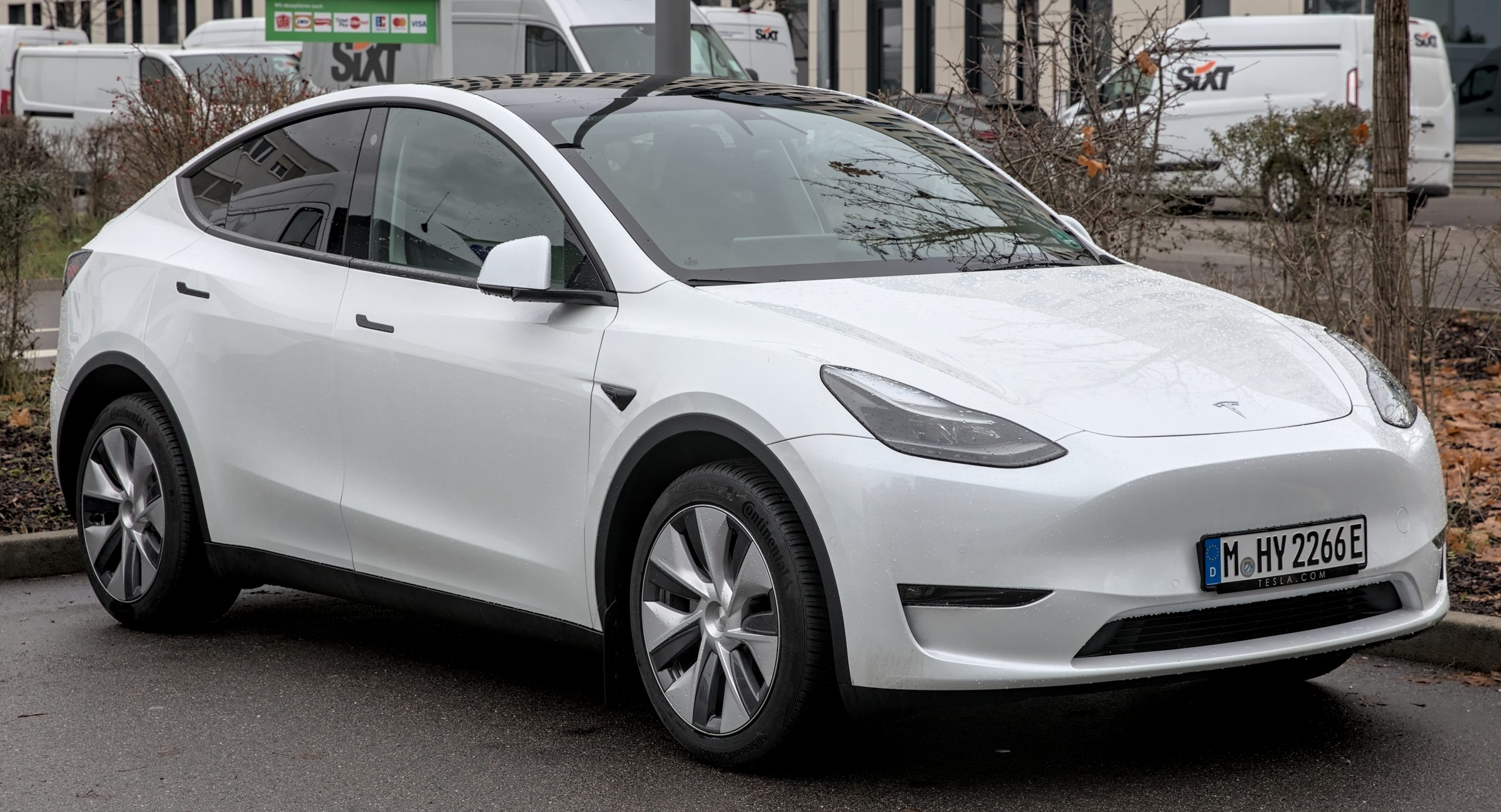
8. Tesla Model Y
The Tesla Model Y builds on the foundation of the Model 3, combining the efficiency of Tesla’s electric powertrain with the versatility of a compact SUV. With an EPA-estimated range of up to 330 miles, it delivers the distance needed for daily commuting and long trips while keeping ownership costs low.
Over a 10-year period, the Model Y carries an estimated ownership cost of $4,732, with a low 11.7% chance of major repair. This stems from the simplicity of its electric drivetrain, which has about 20 moving parts compared to thousands in a gasoline engine.
Routine tasks like oil changes, spark plug replacements, and emissions-related services are unnecessary. Regenerative braking reduces wear on pads and rotors, though occasional use of the friction brakes is still needed to prevent rust.
Owners should maintain regular inspections of tires, suspension, and fluids such as brake fluid and battery coolant. Cleaning Autopilot cameras and keeping software updated are unique service items compared to traditional vehicles.
The Model Y Long Range AWD accelerates from 0 to 60 mph in 4.2 seconds, offering speed that rivals many compact SUVs. Regenerative braking enables smooth one-pedal driving, while emergency braking is strong and confidence-inspiring.
The suspension delivers comfort over a variety of surfaces, though handling feels less sharp than some sport-oriented rivals. Rear visibility is limited by the small back window, but Tesla’s camera system and driver aids help offset the drawback.
Advanced features such as Full Self-Driving (supervised) can navigate urban streets, stop at signals, and perform lane changes, offering a taste of semi-autonomous driving while still requiring close attention.
Inside, the Model Y provides a spacious, quiet cabin. The front seats offer lumbar support and ample adjustments, while rear passengers benefit from generous legroom and space for child seats.
Comfort features include heated and ventilated front seats, heated rear seats, a heated steering wheel, and dual-zone climate control. A rear touchscreen gives passengers control of entertainment and comfort settings, adding to usability.
Noise insulation is effective at highway speeds, helping the cabin maintain a calm environment.
A central touchscreen manages nearly all functions, including navigation, climate, and media. The interface is sleek and intuitive, though performance may lag in areas with poor connectivity. Tesla omits Apple CarPlay and Android Auto, relying instead on built-in streaming services such as Spotify, Apple Music, and Tidal.
A 16-speaker audio system, dual wireless phone chargers, and Tesla’s frequent software updates keep the system modern and capable. Over-the-air improvements add new features and refine performance over time.
The Model Y is one of the most versatile compact electric SUVs, with 33.1 cubic feet of cargo space behind the rear seats and 76 cubic feet with them folded flat. Additional compartments include a front trunk (frunk), a hidden underfloor rear storage area, and a deep center console.
While the cupholders are modest in size, storage throughout the cabin is abundant. The Model Y can also tow up to 3,500 pounds when properly equipped, matching or exceeding rivals in its class.
The Long Range AWD trim delivers an EPA-estimated 327 miles, closely aligned with real-world testing. Efficiency is strong at 26.8 kWh per 100 miles, ahead of several key competitors.
Charging speed is a standout feature. Using a 250 kW Supercharger, the Model Y can add 169 miles of range in about 15 minutes. On average, it replenishes 100 miles of range in under 15 minutes, making long-distance travel highly practical.
The Tesla Model Y blends performance, comfort, and utility into a well-rounded compact electric SUV. It offers ample range, versatile cargo space, and low operating costs, supported by Tesla’s strong warranty and extensive Supercharger network.
With pricing that starts above $60,000 for a fully loaded model, the Model Y competes directly with luxury SUVs while providing the long-term efficiency and minimal upkeep of an EV. For buyers seeking a high-tech, low-maintenance, and family-friendly electric crossover, it remains one of the most compelling options available.
9. Tesla Model S
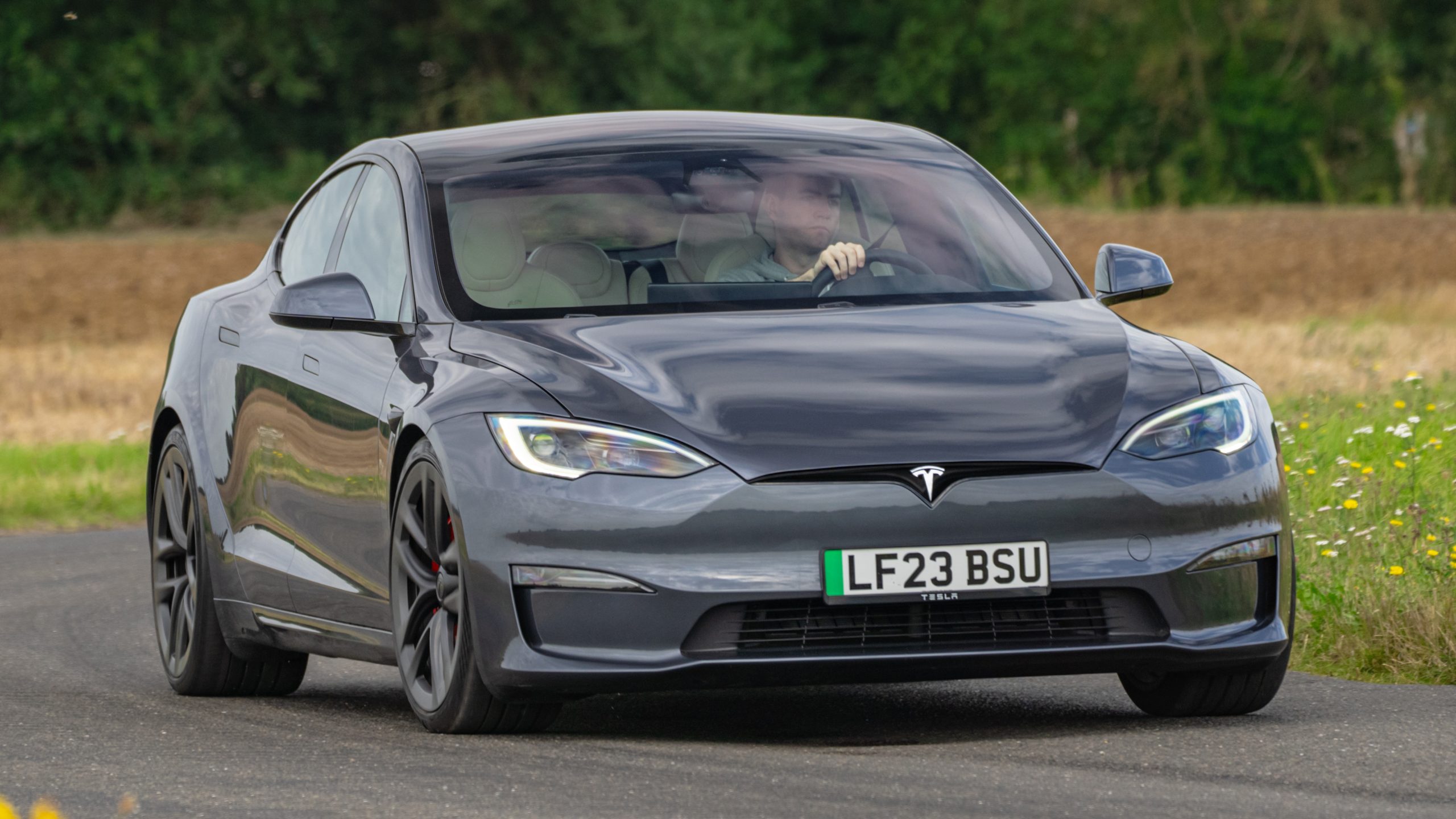
The Tesla Model S reshaped the electric vehicle market by combining long range, high performance, and luxury comfort in one package. With an EPA-estimated range close to 400 miles, it competes with many gasoline cars on distance while offering significantly lower long-term maintenance needs.
The Model S benefits from the simplicity of its electric powertrain. Its motor contains only about 20 moving parts, compared to the hundreds in a gasoline engine. This design removes the need for common service tasks like oil changes, spark plug replacements, or fuel system repairs.
The single-speed transmission is less complex than a traditional multi-gear setup, reducing the risk of costly failures. Maintenance is generally limited to consumables such as tires, cabin air filters, wiper blades, and the low-voltage 12V battery.
Some fluids, including coolant for the battery system and brake fluid, still require occasional attention, but service intervals are far less frequent than with combustion engines.
Regenerative braking reduces wear on brake pads and rotors by recapturing energy when slowing down, extending the lifespan of components and contributing to lower ownership costs.
Tesla also provides over-the-air software updates, which allow improvements to performance, safety, and infotainment without requiring service visits. This unique feature further reduces downtime and increases the car’s long-term usability.
Performance is where the Model S sets benchmarks. The Plaid trim accelerates from 0 to 60 mph in just 2.3 seconds and completes the quarter-mile in 9.4 seconds, making it one of the quickest production cars available.
Handling is enhanced by optional track-focused upgrades like carbon-ceramic brakes and high-performance tires, while Track Mode allows drivers to fine-tune torque vectoring and handling balance. Despite its speed, the adaptive air suspension ensures a refined ride on everyday roads.
Braking is predictable, steering is responsive, and the car feels agile for its size. Drivers can choose between a traditional steering wheel or the more polarizing yoke design.
The Model S interior is both spacious and modern. The all-glass roof creates an open feel with generous headroom, though rear passengers may find the floor height slightly high. Seating is supportive, with ventilated front seats and heated rear seats enhancing comfort.
A 17-inch central touchscreen manages nearly all functions, from navigation to climate control. While learning the system requires some adjustment, it integrates Google Maps, media, and vehicle settings in a connected layout. Tri-zone climate control provides precise comfort, and storage throughout the cabin includes deep compartments and flat-folding rear seats for added flexibility.
Technology is central to the Model S experience. Autopilot driver assistance offers lane centering, adaptive cruise control, and automated braking, while optional Full Self-Driving features extend automation further, though they still require active supervision.
Entertainment is equally advanced. A 22-speaker premium audio system provides immersive sound, while a second screen for rear passengers supports streaming and gaming. Multiple USB ports, wireless charging pads, and strong connectivity keep devices powered and connected.
The Model S is versatile, with over 60 cubic feet of cargo space when the rear seats are folded. A rear trunk with a flat load floor is complemented by a front trunk (frunk), making it one of the most spacious EV sedans in its class.
Everyday storage is supported by sliding compartments, cupholders, and a deep center console. Installing child seats is straightforward thanks to accessible anchors, though limited rear headroom may affect taller passengers.
The Model S stands out for its long-distance capability. In testing, a Plaid version with 21-inch wheels achieved 345 miles on a charge, close to its official rating. Energy use measured 32.1 kWh per 100 miles, making it one of the more efficient large EVs.
With access to Tesla’s Supercharger network, the Model S can add about 523 miles of range per hour of charging under optimal conditions, outpacing many rivals. This makes long trips far more practical compared to most EVs on the market.
The Tesla Model S remains one of the most influential luxury EVs, offering exceptional speed, long range, and low maintenance needs. Its combination of cutting-edge technology, advanced driver assistance, and spacious practicality keeps it competitive more than a decade after its debut. For buyers seeking a high-performance electric sedan with strong everyday usability, the Model S continues to set the standard.
10. Toyota Avalon
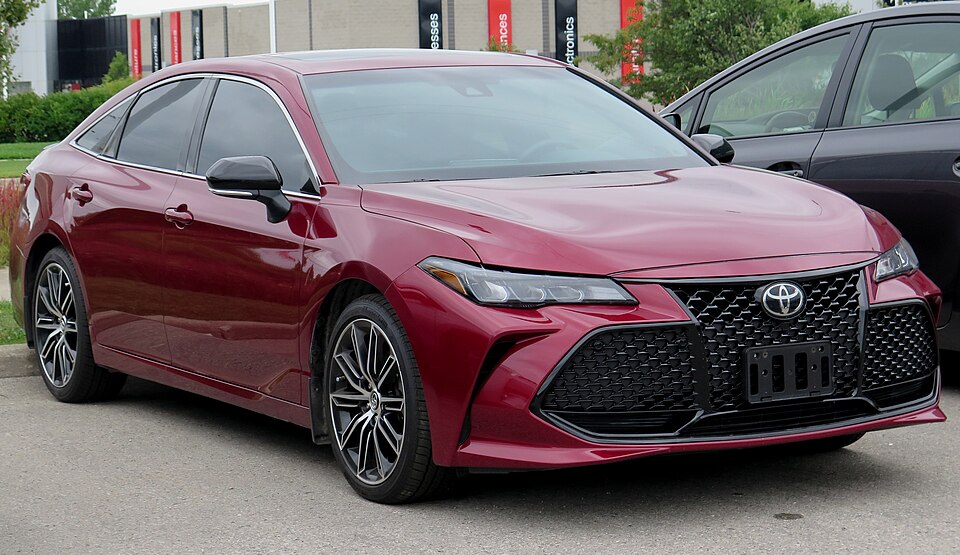
The Toyota Avalon, now discontinued, served as the larger, more luxurious sibling of the Camry, offering a spacious cabin, robust V6 power, and ride quality often compared to entry-level luxury sedans. Built on Toyota’s philosophy of proven engineering, the Avalon combined durability with low long-term ownership costs. Sharing much of its foundation with the Camry, including the 3.5-liter V6, the Avalon benefits from a timing chain in many models, eliminating the need for costly belt replacements. With regular oil changes and adherence to maintenance schedules, Avalons frequently exceed 200,000 miles with minimal major issues.
Toyota’s approach of refining established designs rather than introducing untested systems further enhances reliability. Highway driving, common for large sedans, reduces drivetrain stress, and typical issues, such as minor electrical faults or occasional transmission roughness, are generally infrequent. Years like 2006 and 2014 showed slightly higher problem rates, but most Avalons remain more dependable than many full-size competitors.
The 301-horsepower V6 paired with a smooth automatic transmission delivers confident acceleration, and steering and braking feel stable and controlled. Despite its size, the Avalon handles corners with composure, while its suspension prioritizes a calm, isolated ride suitable for daily use and long trips.
Inside, leather-trimmed supportive seats, generous front and rear legroom, and effective climate control create a comfortable environment. Infotainment includes a 9-inch touchscreen with Apple CarPlay and Android Auto, USB ports, wireless charging, and practical storage throughout the cabin. The trunk is wide, flat, and expandable via fold-down rear seats.
With 25 mpg combined fuel economy, two years of complimentary maintenance, and Toyota’s reputation for reliability, the Avalon offers near-luxury comfort and practicality at a lower cost, making it a strong choice in the used full-size sedan market.
11. Toyota Camry
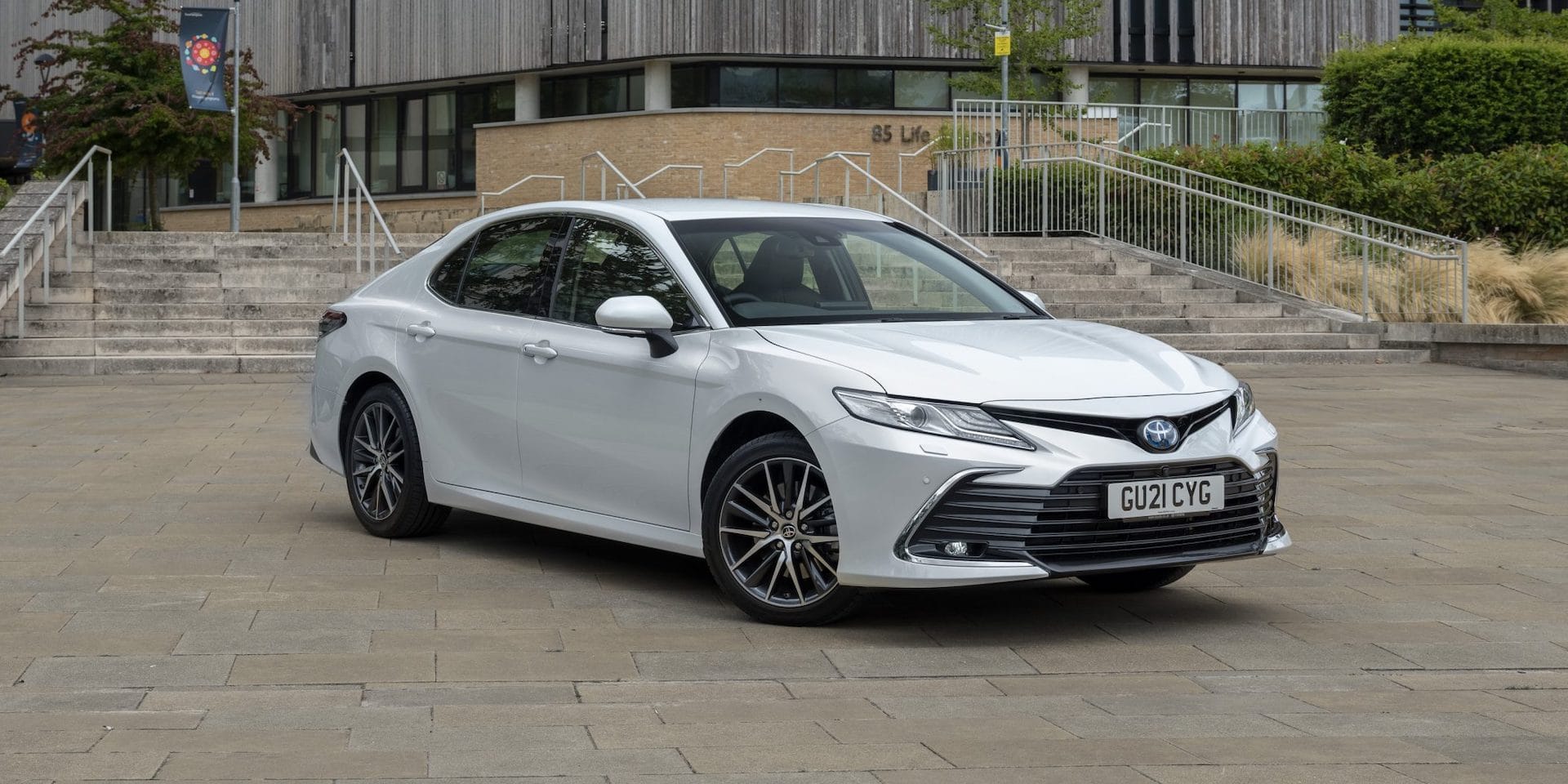
The Toyota Camry has earned a reputation for durability, comfort, and practicality, offering a reliable choice in the mid-size sedan segment. Before transitioning to hybrid-only powertrains, it provided buyers with both four-cylinder and V6 engines, balancing efficiency and performance while keeping long-term ownership costs low.
Its dependability is rooted in Toyota’s philosophy of proven engineering and durable components. Both the 2.5-liter four-cylinder and 3.5-liter V6 engines are built to last, featuring timing chains that reduce costly replacements. With routine service and high-quality oil, these engines often surpass 200,000 miles.
Incremental engineering refinements and relatively simple electronic systems reduce the risk of mechanical failures, while Toyota’s quality control ensures precise assembly. Regular maintenance, including oil changes, tire rotations, and brake inspections, is important to maximize reliability, typically at intervals of 5,000 miles or six months.
On the road, the Camry delivers smooth acceleration and confident handling. The XSE trim with front-wheel drive reaches 0–60 mph in 7.8 seconds, and sport-tuned models provide more engaging cornering, though all trims maintain comfort and composure on long drives. Supportive front seats, ample legroom, and effective cabin isolation contribute to a quiet, family-friendly environment.
Higher trims feature a 12.3-inch touchscreen with wireless Apple CarPlay and Android Auto, while optional JBL audio, wireless charging, and multiple USB ports enhance convenience. Safety is reinforced through adaptive cruise control, lane-keeping assist, and Traffic Jam Assist.
The Camry Hybrid achieves 44–51 mpg combined, with real-world testing showing 45.9 mpg. A 15.1-cubic-foot trunk, accessible LATCH anchors, and generous cabin storage improve practicality. Toyota supports the Camry with a two-year/25,000-mile complimentary maintenance plan, eight-year/100,000-mile hybrid coverage, and two years of roadside assistance. Combining efficiency, comfort, and reliability, the Camry remains a highly practical choice for long-term ownership.
12. Toyota Prius Prime
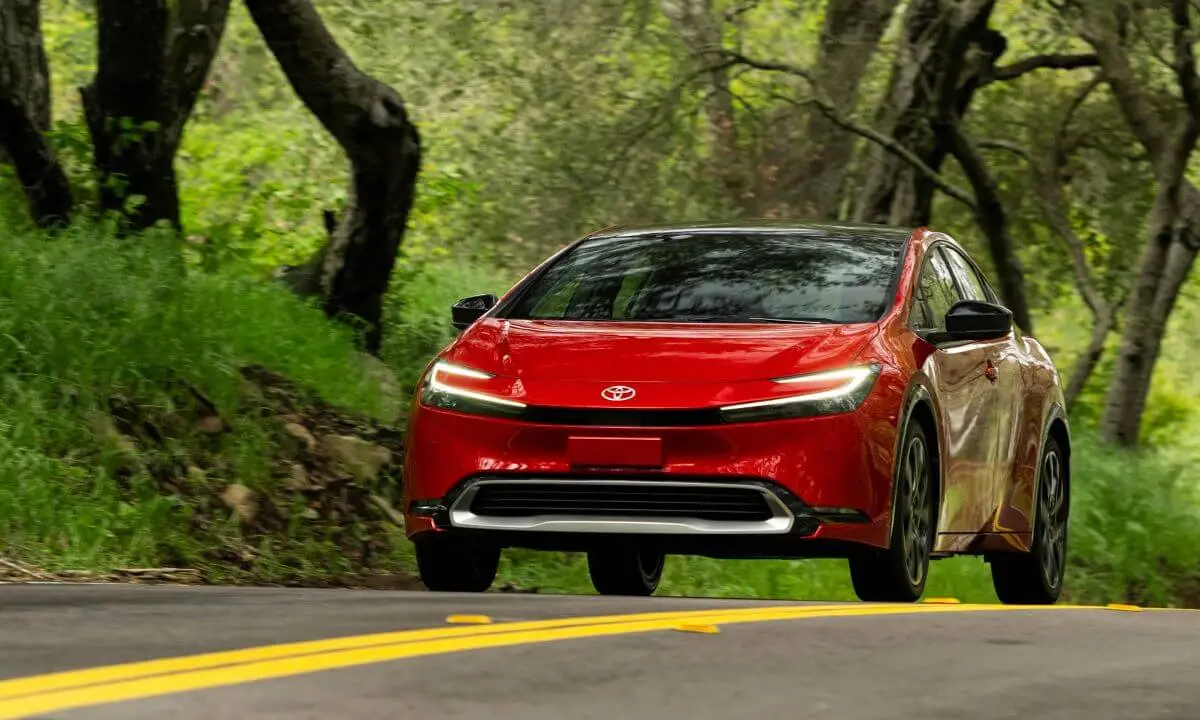
The Toyota Prius Prime is a plug-in hybrid that blends electric efficiency with gasoline convenience, offering up to 44 miles of battery-only driving for many commutes without using fuel.
When the battery is depleted, it operates as a traditional hybrid, achieving an estimated 54 mpg combined. By keeping the gasoline engine idle during short trips and reducing workload during hybrid operation, the Prius Prime minimizes mechanical wear.
Features like a warm-start system for coolant protection, regenerative braking, and the absence of a starter motor and alternator further reduce maintenance demands. Brake pads and rotors often last over 100,000 miles, and Toyota provides a 10-year/150,000-mile warranty for the hybrid battery.
Routine upkeep is still required, including oil changes, tire rotations every 5,000 miles, fluid inspections, and cleaning the hybrid battery cooling filter to prevent overheating. When serviced properly, the Prius Prime can exceed 200,000 miles.
Electric motors deliver instant torque, giving the car an EV-like feel in city driving, and combined power allows 0–60 mph acceleration in 6.9 seconds. The suspension offers a composed ride, and steering is precise though lacking feedback, while road and wind noise are noticeable at higher speeds.
The interior is clean and functional, with supportive seating for front and rear passengers. Rear headroom is limited by the sloping roofline, and cargo space measures 20.3 cubic feet. Higher trims include a 12.3-inch touchscreen, wireless Apple CarPlay and Android Auto, multiple USB-C ports, and driver aids such as adaptive cruise control, lane keeping assist, and optional Traffic Jam Assist.
Real-world EV range averages just under 34 miles, with the gasoline engine sustaining fuel economy above 50 mpg. Toyota backs the Prius Prime with strong warranties and two years of complimentary maintenance, making it a practical choice for drivers seeking electric efficiency without range anxiety.
13. Toyota Corolla
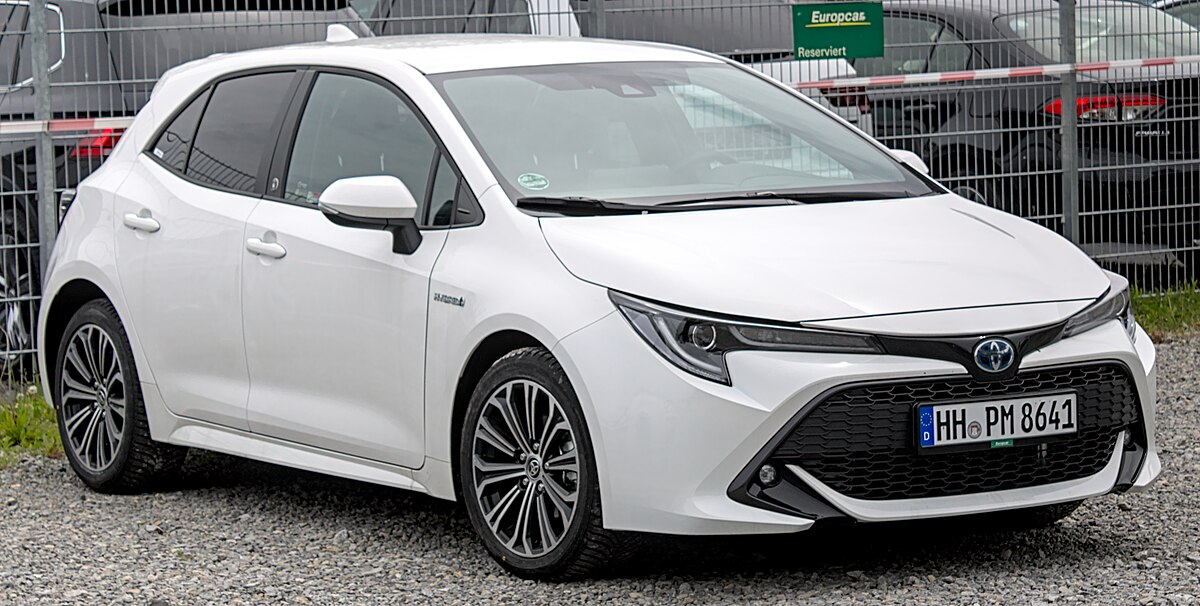
The Toyota Corolla is a compact sedan renowned for its reliability, affordability, and efficiency. With an estimated 10-year maintenance cost of $4,087 and a low likelihood of major repairs, it remains one of the most economical vehicles to own.
Toyota’s conservative engineering and use of proven platforms ensure long-term dependability, while engines and transmissions are designed to operate well within their limits, allowing the Corolla to achieve high mileage with fewer issues.
Decades of refinement and rigorous manufacturing processes have addressed weak points, and the widespread popularity of the Corolla keeps parts affordable and repairs straightforward.
Performance is modest, with a 0–60 mph time of 8.8 seconds, but the car handles predictably, offering secure cornering, light steering, and a comfortable ride. The suspension absorbs bumps effectively, and front seats provide long-distance support, though road and wind noise can intrude at highway speeds.
The cabin is simple and functional, with logically placed controls and comfortable seating up front. Rear passengers may find headroom limited, and interior space is tighter than some competitors.
Technology is competitive, featuring an 8-inch standard touchscreen, an available 10.5-inch display, wireless Apple CarPlay and Android Auto, and an optional JBL audio system.
Toyota’s driver-assistance suite enhances safety with lane-keeping assist, blind-spot monitoring, and adaptive cruise control. Cargo space measures 13 cubic feet, expandable with split-folding rear seats, while storage compartments are modest but practical.
Fuel efficiency is a key strength, achieving up to 35 mpg combined and exceeding 40 mpg in real-world testing, with the hybrid model reaching 50 mpg. Two years of complimentary maintenance reinforce the Corolla’s value. Practical, dependable, and efficient, the Corolla continues to be a trusted choice for cost-conscious drivers seeking long-term reliability.
Toyota Corolla
14. Toyota C-HR
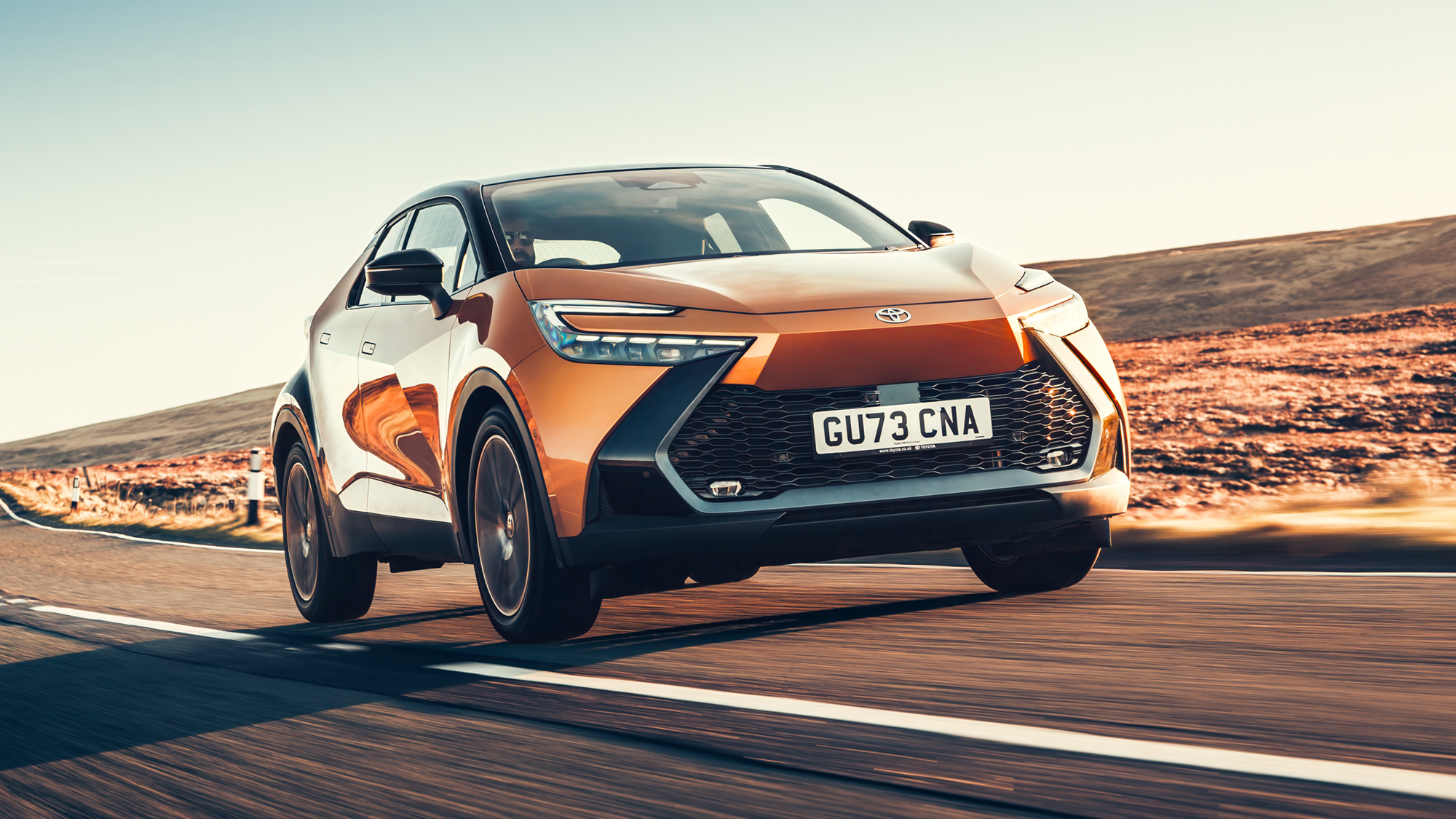
The Toyota C-HR is a subcompact SUV designed for buyers seeking distinctive styling and low ownership costs. It’s estimated that 10-year maintenance and repair expenses total $5,425, with only a 16.1% chance of needing major repairs, reflecting Toyota’s emphasis on reliability.
Hybrid trims benefit from reduced engine strain and regenerative braking, which extends the life of brake pads and helps keep running costs low. Toyota further supports the vehicle with two years of complimentary maintenance and extended hybrid component coverage.
Performance is modest, with the four-cylinder engine reaching 60 mph in 10.6 seconds, making highway merging and passing slower than competitors. Steering is light and precise, the brake pedal is smooth, and the C-HR handles well on twisty roads. Limitations include restricted tire grip and the absence of all-wheel drive, which reduces off-road and all-weather capability compared with rivals such as the Mazda CX-30 and Hyundai Kona.
The cabin offers a comfortable front row, supportive seats, and a suspension that absorbs minor bumps, but rear passengers face tight quarters and limited visibility due to the sloping roofline and thick pillars. Interior storage is minimal, with only modest compartments and cupholders. Cargo capacity measures 19 cubic feet behind the rear seats and 37 cubic feet with them folded, below many competitors.
An 8-inch touchscreen with Apple CarPlay and Android Auto provides clear operation, while Toyota Safety Sense 2.5 adds adaptive cruise control, lane departure alert, and pre-collision braking.
Fuel economy is strong, with EPA estimates of 29 mpg combined and real-world averages around 34 mpg. The C-HR delivers bold style, low maintenance, and strong safety, appealing to buyers prioritizing efficiency and reliability over power and space.
15. Tesla Model 3
The Tesla Model 3 is a pioneering electric vehicle that combines affordability, cutting-edge technology, and low maintenance. Its streamlined electric drivetrain, with roughly 20 moving parts versus hundreds in a traditional engine, removes routine service tasks such as oil changes, spark plug replacements, and emissions testing, resulting in a 10-year maintenance cost of only $3,587.
Regenerative braking reduces wear on brakes, and over-the-air software updates enhance performance and add features without requiring service visits. The battery and drivetrain are built for longevity and are covered by an eight-year warranty spanning 100,000–150,000 miles, depending on the trim.
Performance is a key strength, with the Long Range AWD accelerating from 0–60 mph in 4.2 seconds and the Performance trim doing it in three seconds. Instant torque and agile handling make driving engaging, while regenerative braking supports one-pedal operation. Tesla’s AutoPilot offers adaptive cruise control and lane centering, though driver attention remains essential.
The interior follows a minimalist design with supportive, heated, and ventilated front seats and adequate rear legroom, though taller passengers may find the low seat height restrictive.
All controls, including climate settings, are managed through a 15.4-inch touchscreen. Child-seat anchors are included but can be difficult to access, and technology features include a 17-speaker audio system and an optional rear passenger display, though Apple CarPlay and Android Auto are not supported.
Cargo capacity is flexible, with a 21-cubic-foot trunk, underfloor storage, folding rear seats, and a 3.1-cubic-foot front trunk. The Model 3 delivers a balance of efficiency, performance, and practicality while maintaining the lowest long-term maintenance in its class, making it an attractive option for EV buyers.
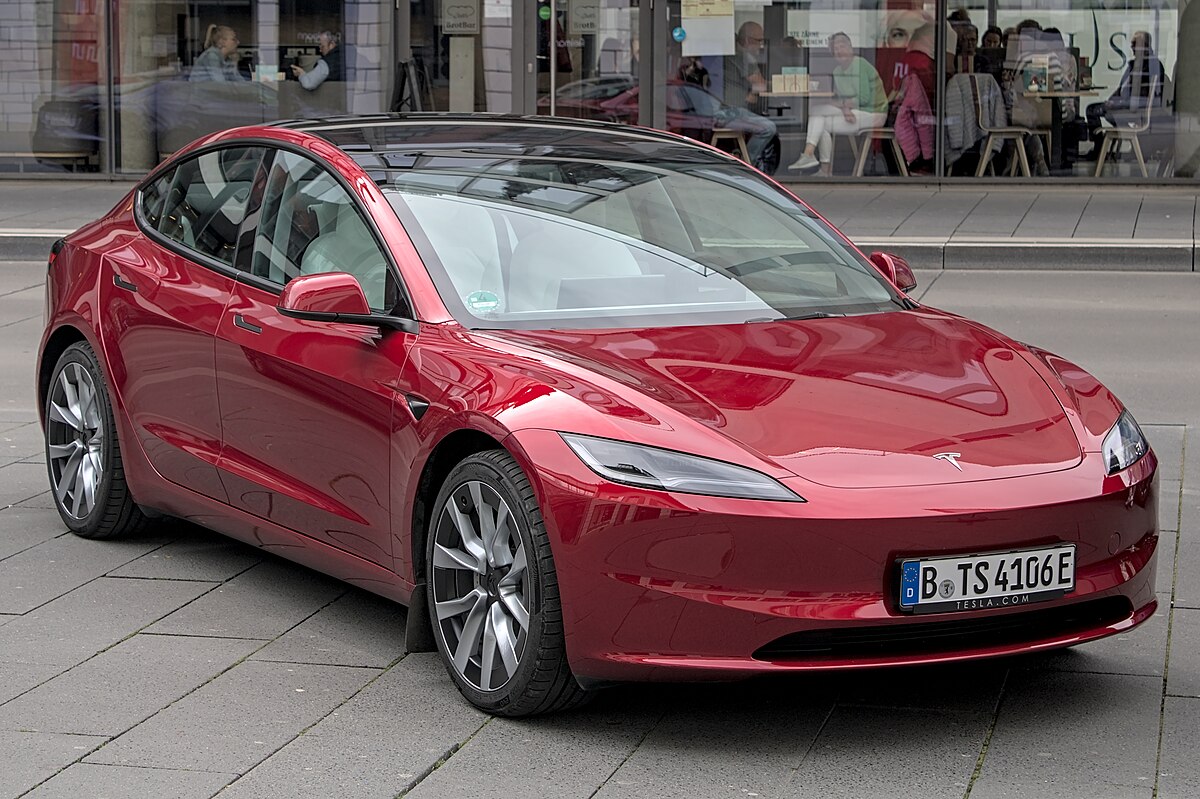
Range is one of the Model 3’s strongest attributes. The Long Range Rear-Wheel Drive model can travel up to 363 miles on a single charge according to EPA estimates, while the All-Wheel Drive version achieves 341 miles.
In independent testing, the car traveled 338 miles on a full charge, making it one of the longest-range EVs in its price category. Efficiency is also exceptional, with the car consuming just 25.3 kWh per 100 miles, beating many rivals that require far more energy to cover the same distance.
Tesla’s charging infrastructure provides another advantage. The Supercharger network allows the Model 3 to regain up to 175 miles of range in just 15 minutes at peak 250 kW charging speeds. An included adapter ensures compatibility with non-Tesla charging stations, broadening charging options for long-distance trips.
The Model 3 continues to set benchmarks for value in the electric vehicle segment. While its starting price is higher than that of many gasoline sedans, the savings in maintenance, fuel, and long-term reliability make it a financially sound choice for many buyers. Interior quality has improved noticeably in recent years, addressing earlier criticisms about design and materials.
Combined with Tesla’s strong warranty coverage and access to an unmatched charging network, the Model 3 presents a compelling package for those seeking an affordable, forward-looking EV.
Also Read: 10 Cars With The Best Resale Reliability vs 10 That Drop Quickly