
For decades, the American pickup truck has been more than just a workhorse it’s been a cultural symbol, a family heirloom, and in many cases, a financial safety net.
In today’s uncertain economic climate, many investors are questioning whether stocks, bonds, or even real estate are the best places to store their money.
Interestingly, certain pickup trucks particularly those with timeless designs, limited production runs, or proven durability are not just retaining their value but appreciating at a pace that rivals or even surpasses traditional investments.
Unlike stocks, which can plummet overnight due to unpredictable market swings, well-chosen classic and modern pickups benefit from something Wall Street can’t replicate: nostalgia, scarcity, and functional utility.
Enthusiasts and collectors alike are willing to pay a premium for well-kept examples, and as demand continues to grow in the U.S. (and increasingly abroad), trucks are becoming safer investments than many blue-chip companies.
Below, we highlight 10 pickup trucks that are proving to be smarter, safer bets than stocks in 2025.
1. 1990–1993 GMC Sierra 454 SS
The early ’90s GMC Sierra 454 SS was a performance-focused pickup that blended muscle car attitude with truck practicality. Equipped with a big-block V8, this truck has become a cult classic for enthusiasts seeking raw power and retro style.
Limited production numbers ensure rarity, and auction prices for clean, low-mileage examples have surged in recent years.
While the stock market struggles with inflationary pressures, the 454 SS has quietly tripled in value over the past decade, making it a serious contender for collectors looking for returns with staying power.
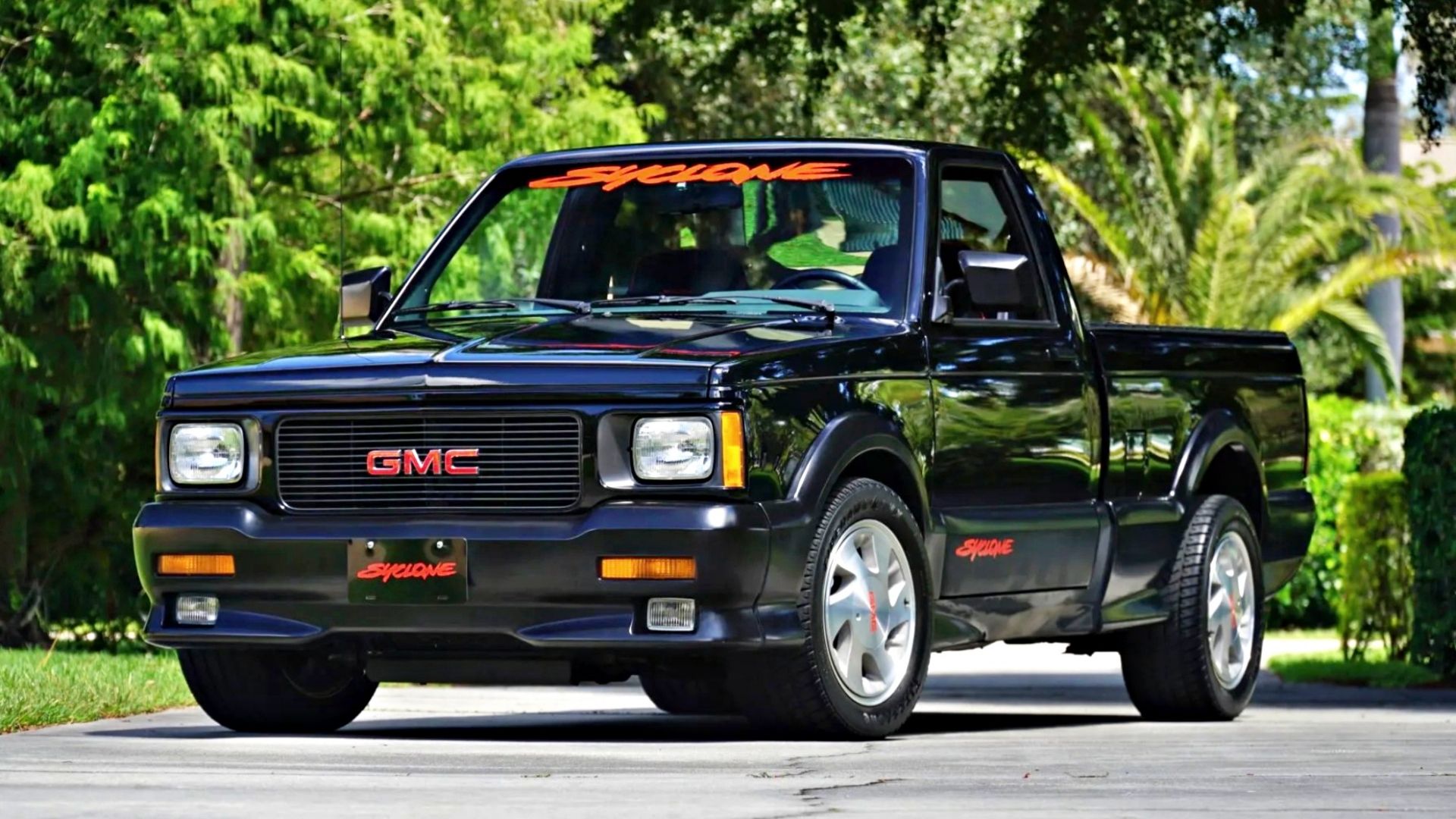
Performance-oriented trucks straight from the factory are a fairly modern phenomenon. While exceptions like the Lil Red Express popped up back in the 1970s, it wasn’t until the early 1990s that Detroit seriously leaned into the concept of producing its own muscle-bound pickups.
Flashy contenders such as the turbocharged GMC Syclone and later the supercharged Ford F-150 Lightning earned most of the spotlight, yet one of the earliest trailblazers in this niche has slipped into relative obscurity: the Chevrolet 454 SS.
From a styling standpoint, the 1990 Chevrolet 454 SS didn’t break new ground. Instead, it followed a tried-and-true formula, dropping a massive engine into a comparatively modest platform. Granted, the 454 SS was still a full-size truck, but Chevrolet based it on the lightest version of the C1500: a two-wheel-drive, short-bed, single-cab setup.
To sharpen its handling, engineers added upgrades such as a stouter front sway bar, Bilstein shocks, quicker steering, and 275/65 R15 tires, which were impressively wide for the era before 20-inch wheels became common.
Beneath the hood, Chevrolet borrowed directly from its heavy-duty lineup, slotting in a 454-cubic-inch V-8 that generated 230 horsepower and a stout 385 lb-ft of torque.
That torque figure was no small feat at the time, the ’90 Camaro IROC-Z’s small-block, for comparison, made 245 horsepower but only 345 lb-ft. A three-speed automatic transmission handled gear changes in the truck’s first production year, allowing the SS to sprint to 60 mph in under eight seconds.
Drivers, however, had to be careful with throttle input. Like most big-block trucks, the 454 SS had very little weight over its rear axle, making it eager to roast its tires under hard acceleration.
This tendency became even more pronounced in 1991, when Chevrolet swapped in a new four-speed automatic paired with a shorter 4.10 rear gear (replacing the previous 3.73) and bumped output to 255 horsepower and 405 lb-ft of torque.
Chevrolet made sure no one mistook the 454 SS for an ordinary pickup. The truck came with massive “454 SS” decals on both bed sides, a red bowtie badge up front, and on some versions, another bold decal on the tailgate.
The 1990 models were offered exclusively in black with a blackout grille, integrated fog lamps in the air dam, and chrome wheels. Additional paint options, Summit White and Victory Red, arrived for 1992 and 1993, which marked the end of the model’s production run.
Dual exhaust on ’91–’93 examples further distinguished them. Inside, unique bucket seats trimmed in red upholstery and a dedicated center console gave the cabin a special, performance-inspired feel.
Also Read: 10 Honda Civic Years Still Popular With Daily Drivers
2. 1979–1993 Dodge Power Wagon (W-Series)
Known for its rugged durability, the Dodge Power Wagon from this era holds legendary status among off-road enthusiasts. Its solid front axle, bulletproof engines, and military-grade toughness have kept demand high, especially as overlanding becomes more popular in the U.S. and abroad.
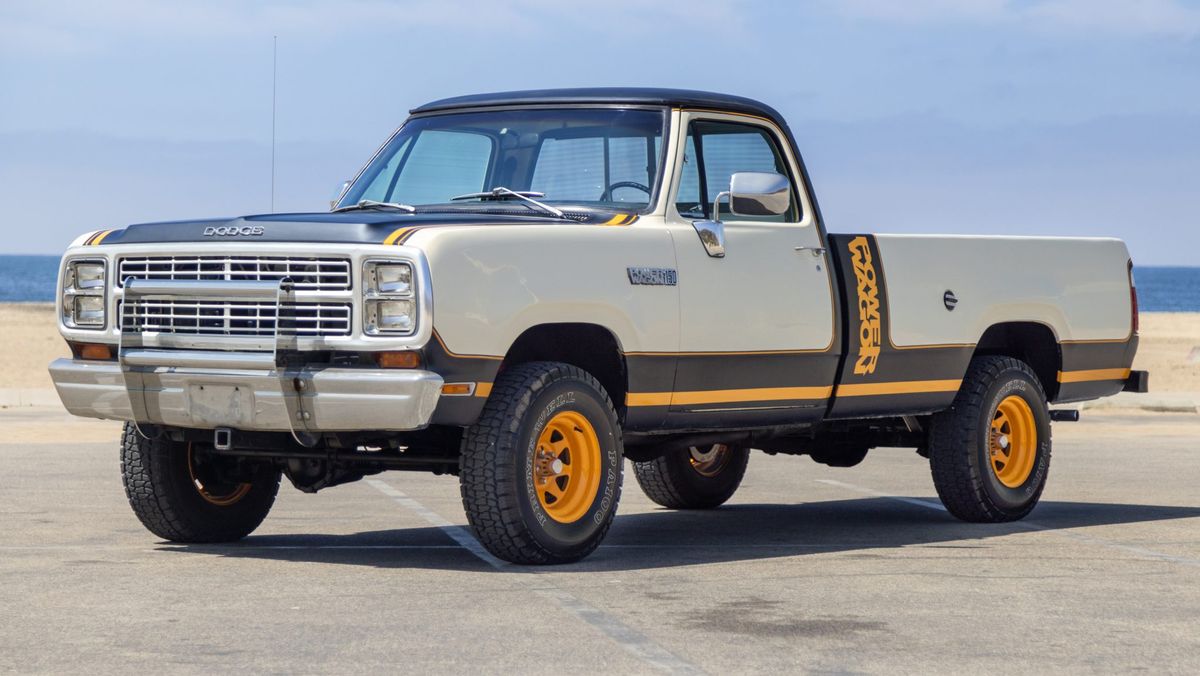
Unlike stocks, which depend on abstract corporate performance, the Power Wagon’s value is rooted in its proven capability and limited supply. Restored models often fetch well over six figures at auctions, and original survivors are rapidly appreciating.
3. 1967–1972 Chevrolet C10
The “Action Line” Chevrolet C10 is widely considered one of the most beautiful pickup designs in American history. With its sleek body lines, endless customization potential, and strong aftermarket support, the C10 appeals to both restorers and hot-rodders.
Clean, rust-free examples are increasingly rare, which has caused prices to skyrocket in recent years. Collectors see this truck as a safe hedge against inflation because even driver-quality models appreciate steadily—something you can’t always say about volatile tech stocks.
The 1960s were a period of sweeping change for Chevy C10 and GMC light-duty pickups. By 1967, Chevrolet introduced the second generation of the series with a timeless design from Harry Bradley that continues to be admired today.
A fascinating footnote in the C10’s history is Harry Bradley’s small-window cab design, which stirred debate in the classic truck community. Traditionally, in Chevy, Ford, or Dodge pickups, the larger rear window option cost extra when new and adds value in today’s collector market.
Yet, for the 1967 C10, the opposite has become true, trucks with the smaller window, which Bradley intended to mimic the intimate feel of a 1932 Ford three-window coupe, are now more desirable than those with the optional Panoramic rear window.
Interestingly, in 1967 the Panoramic window was available at no additional cost, but today small-window trucks command more attention. The 1967 model year brought an all-new look for Chevy and GMC pickups.
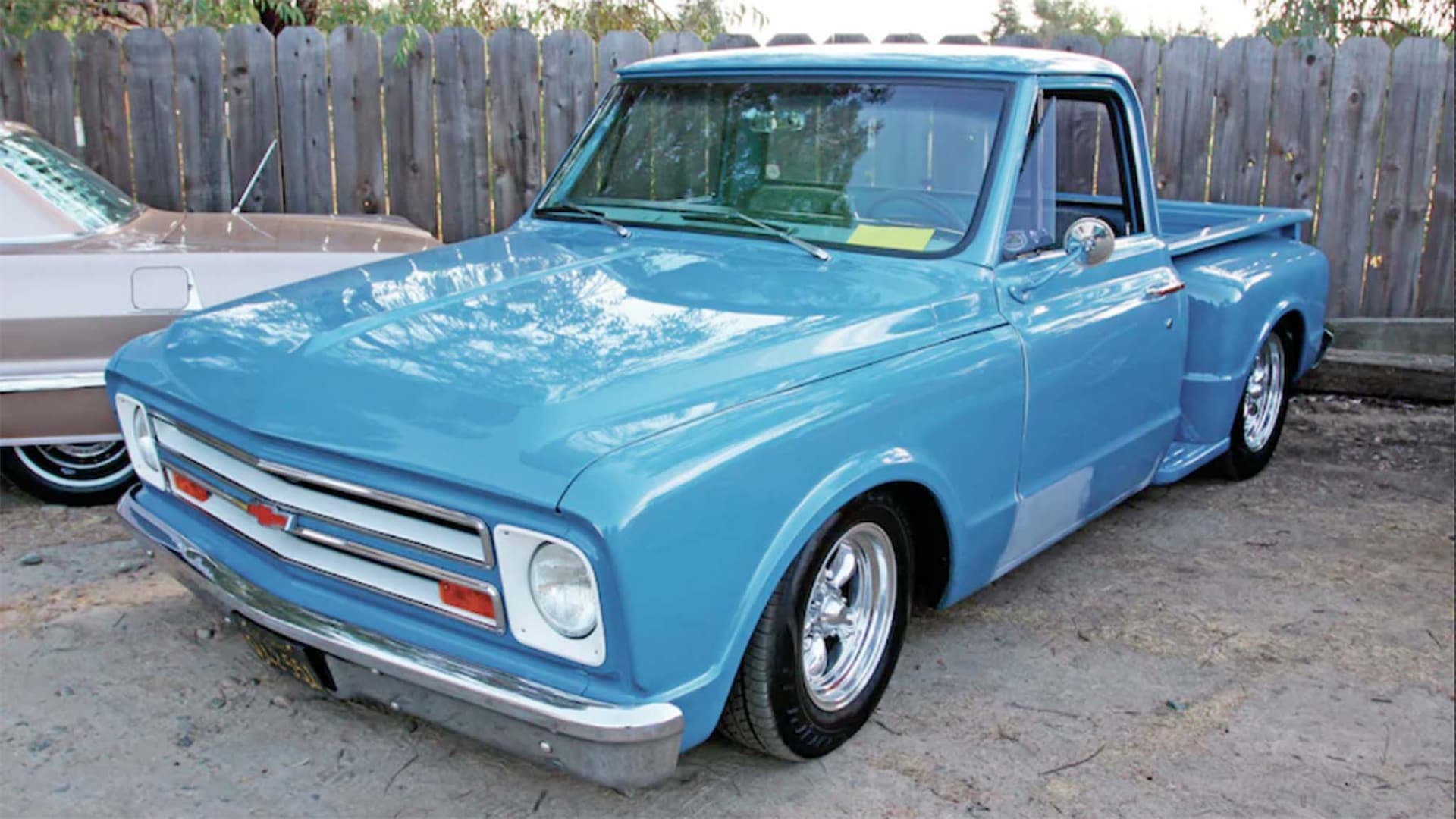
The redesign included longer front sheetmetal, a lower stance, and a tighter cab-to-box fit. One of the most notable upgrades was the switch from exposed tailgate latches and chains, found on 1960-1966 models, to concealed latches and supports with a single center-mounted handle, making the tailgate easier to operate with one hand.
For 1967, Stepside models received updated rear fender styling to match the new cab and front fenders. A rare option that year was RPO B98 trim moldings, which ran along the front fenders, doors, and rear cab quarters with black-painted accents.
Though available at no extra cost, they are seldom seen today. The featured blue 1967 Stepside shown here includes another interesting detail: an RPO A10 Panoramic rear window. Collectors should also note that B98 trim moldings for Fleetside trucks were not only a factory option but could also be installed as dealer accessories.
The redesign of 1967 didn’t just impact Chevy, Ford also rolled out a new F-100 that year. But Chevy gained an edge by offering more choices, such as either a wood or steel bed floor and the option of a big or small rear window. By contrast, Ford’s 1967-1972 F-100 came only with a steel bed floor and a large rear window.
Since the major body components on all 1967-1972 Chevy C10s, cab, bed, hood, grille, and fenders, are interchangeable, it’s easy to mistake one year for another. Ultimately, the only definitive way to determine the model year is to go by what’s listed on the truck’s title.
For buyers researching these trucks, the VIN prefix offers key insights: a “CS” indicates the truck originally came with a six-cylinder engine, while a “CE” prefix denotes a factory V-8. In 1968, the base engine was a 250-cubic-inch inline-six producing 155 horsepower.
That same year, Chevrolet increased the base V-8 displacement from 283 to 307 cubic inches, bumping output to 200 horsepower. Not surprisingly, one of the most common upgrades enthusiasts make to 1967-1972 C10s is replacing the six-cylinder with a more powerful V-8.
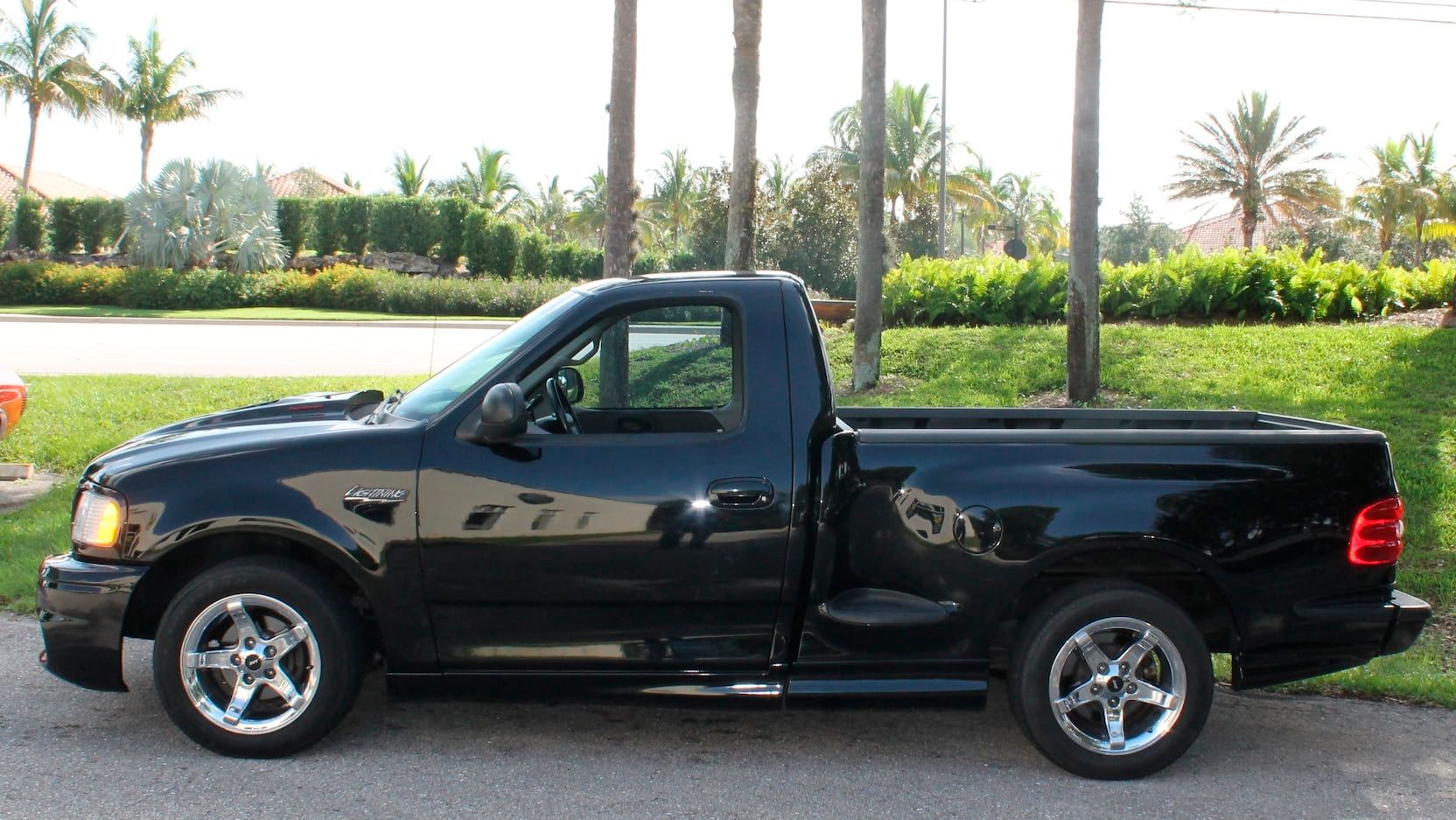
4. 1999–2004 Ford SVT Lightning
The SVT Lightning was Ford’s answer to performance pickups at the turn of the millennium, featuring a supercharged 5.4-liter V8 that made it one of the fastest trucks of its time.
Ford’s Special Vehicle Team (SVT), created to focus on high-performance machines, made its debut in 1993 with two standout models: the SVT Mustang Cobra and the SVT F-150 Lightning. Fortunately for Ford, enough buyers sided with the latter to justify a follow-up version, which arrived in 1999 with a significant jump in power.
Between 1999 and 2004, Ford rolled out just over 28,000 second-generation SVT F-150 Lightnings. Each one wore the polarizing aerodynamic styling (along with the Flareside bed) that had debuted on the ’97 F-150.
The relatively limited production numbers ensured they weren’t everywhere, but they were plentiful enough to spark a passionate community. To this day, dedicated owner forums remain active, and enthusiast gatherings take place across the country.
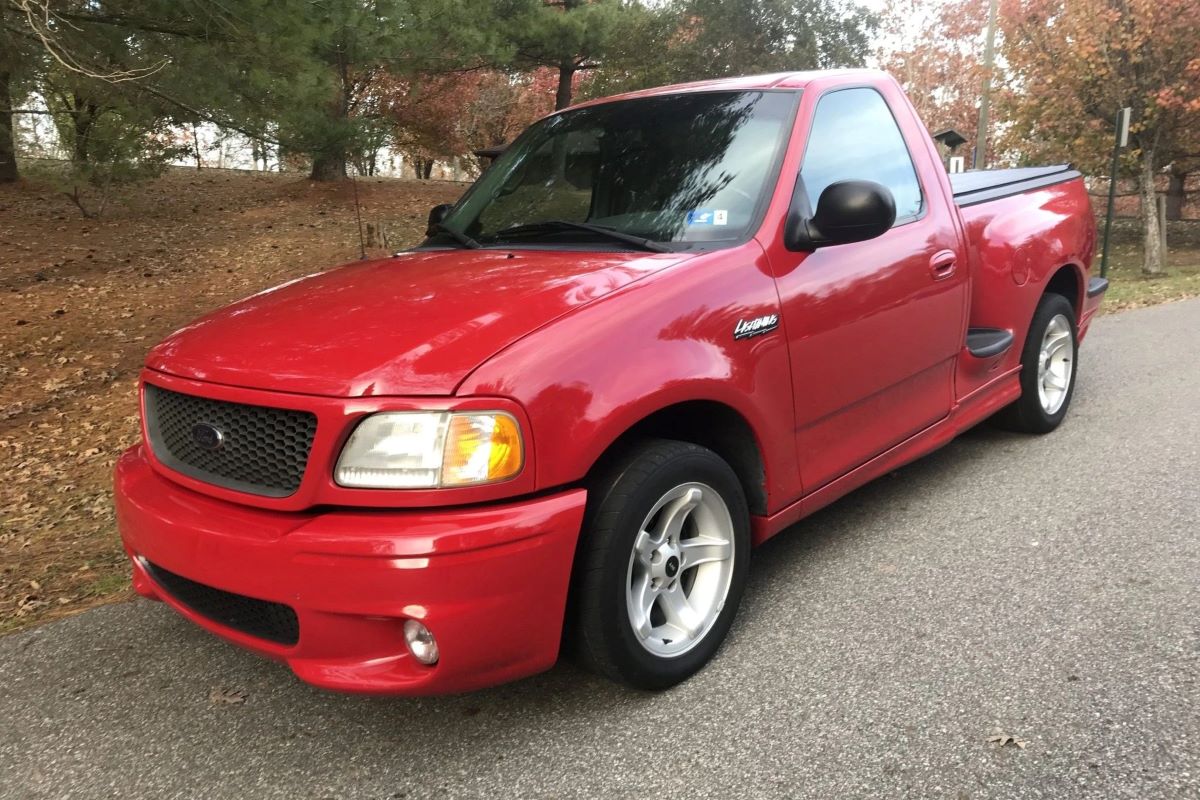
Starting in 2001, the Lightning lineup received meaningful upgrades, including a revised Triton 5.4-liter V-8 with added horsepower, a shorter rear-axle ratio, and Bilstein monotube shocks. Collectors and fans often point to the 2003–2004 models as the best choices, thanks to factory revisions that addressed known trouble spots.
Still, the wide availability of aftermarket modifications means any potential purchase requires a close inspection. Prospective owners should verify that upgrades were done properly and plan to replace any questionable components before pushing the truck to its limits.
With a loyal following and limited production, its value has been climbing steadily. While investors lost money during recent market downturns, those who purchased well-kept Lightnings have seen consistent appreciation.
The truck appeals to both muscle car and truck fans, ensuring strong demand in collector circles.
Also Read: 10 Least Reliable Cars With CVT Transmissions To Avoid
5. 1973–1979 Ford F-150 (“Dentside” Era)
Often overlooked for years, the “Dentside” Ford pickups have recently exploded in value. With their tough styling, reliable engines, and nostalgic charm, these trucks have become must-haves for classic collectors.
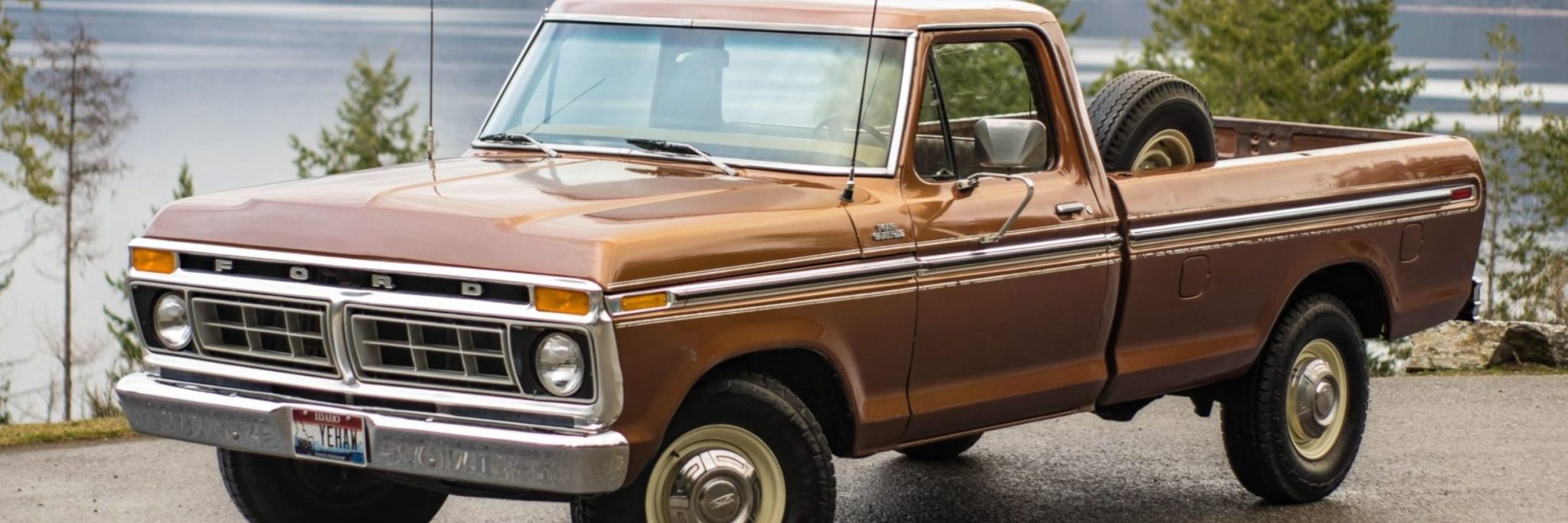
What makes them unique is that they’re still affordable in project form, but restored examples now fetch prices that rival rare sports cars. Their appreciation curve is far more stable than speculative tech IPOs, making them a practical investment choice with long-term growth.
6. 1989 Toyota Hilux (Fourth Generation)
The Toyota Hilux has long been celebrated globally as an indestructible truck, and the late ’80s fourth-gen models are especially desirable in the U.S. thanks to their compact size, legendary reliability, and association with pop culture icons like Back to the Future.
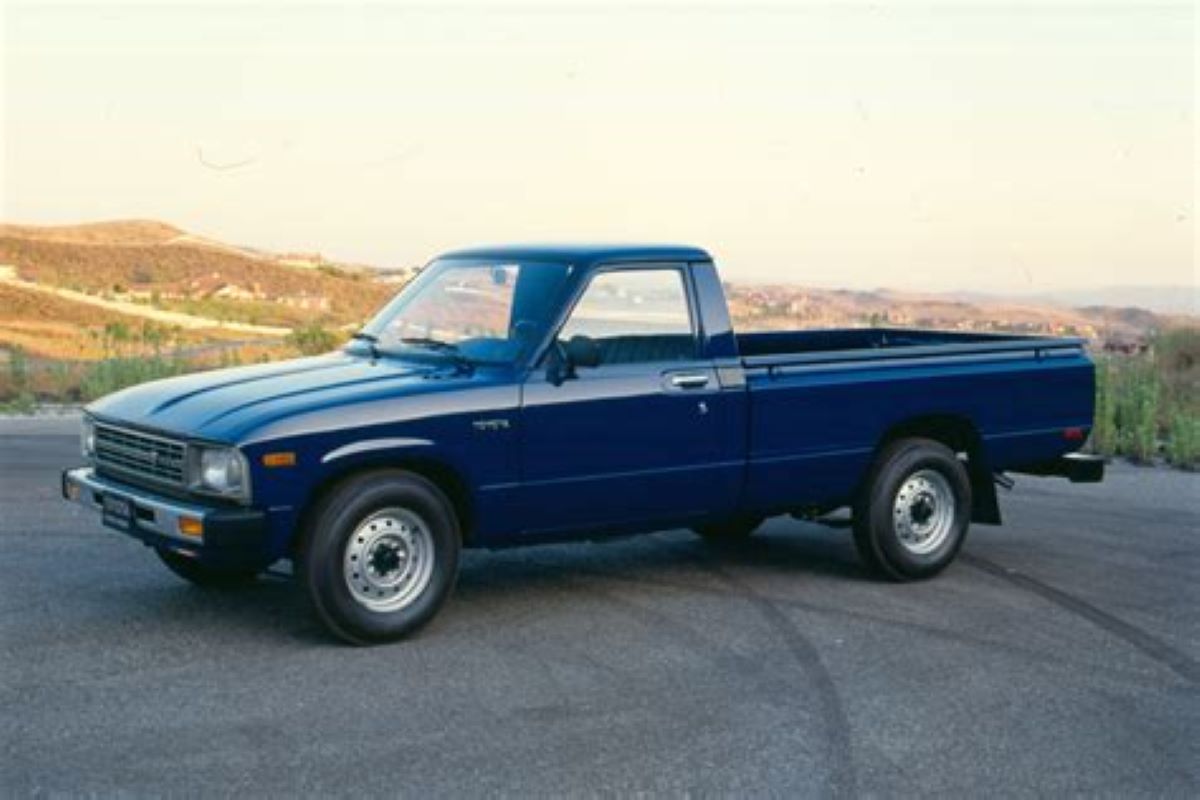
Unlike volatile investments, a Hilux isn’t just a showpiece it’s a functional daily driver that holds its value or even appreciates. Export restrictions have also made clean U.S.-spec Hilux models extremely rare, driving values upward.
7. 1993–1998 Toyota Tacoma (First Generation)
When the Tacoma replaced the Hilux in the U.S., it continued Toyota’s reputation for toughness but added more refinement. Today, first-gen Tacomas, especially in 4×4 or TRD trims, are commanding top dollar in the used market.
Their reputation for long-lasting engines often pushing well past 300,000 miles makes them irresistible to buyers seeking both utility and collectability. With limited depreciation and increasing scarcity, these trucks have been a safer place to park money than many mutual funds.
When it comes to mid-size pickups, the Toyota Tacoma sits firmly at the top of the hierarchy. This segment leader has earned its reputation through legendary reliability, impressive durability, and strong off-road performance, making it a favorite among daily drivers, overlanding enthusiasts, and hardcore off-roaders alike.
With the fourth generation set to debut for the 2024 model year, it’s the perfect moment to look back at the origins of this iconic truck.
Back in 1995, long before oversized infotainment screens, TRD Pro trims, and computer-assisted terrain features became common, a brand-new model rolled into North American dealerships: the Toyota Tacoma.
At the time, Toyota could hardly have predicted the lasting impact of this truck. Nearly three decades later, the Tacoma continues to dominate as the best-selling mid-size pickup in the United States.
Many assume every Toyota mid-size pickup sold in North America has always carried the Tacoma name, but that isn’t the case. The Tacoma officially entered the scene in 1995.
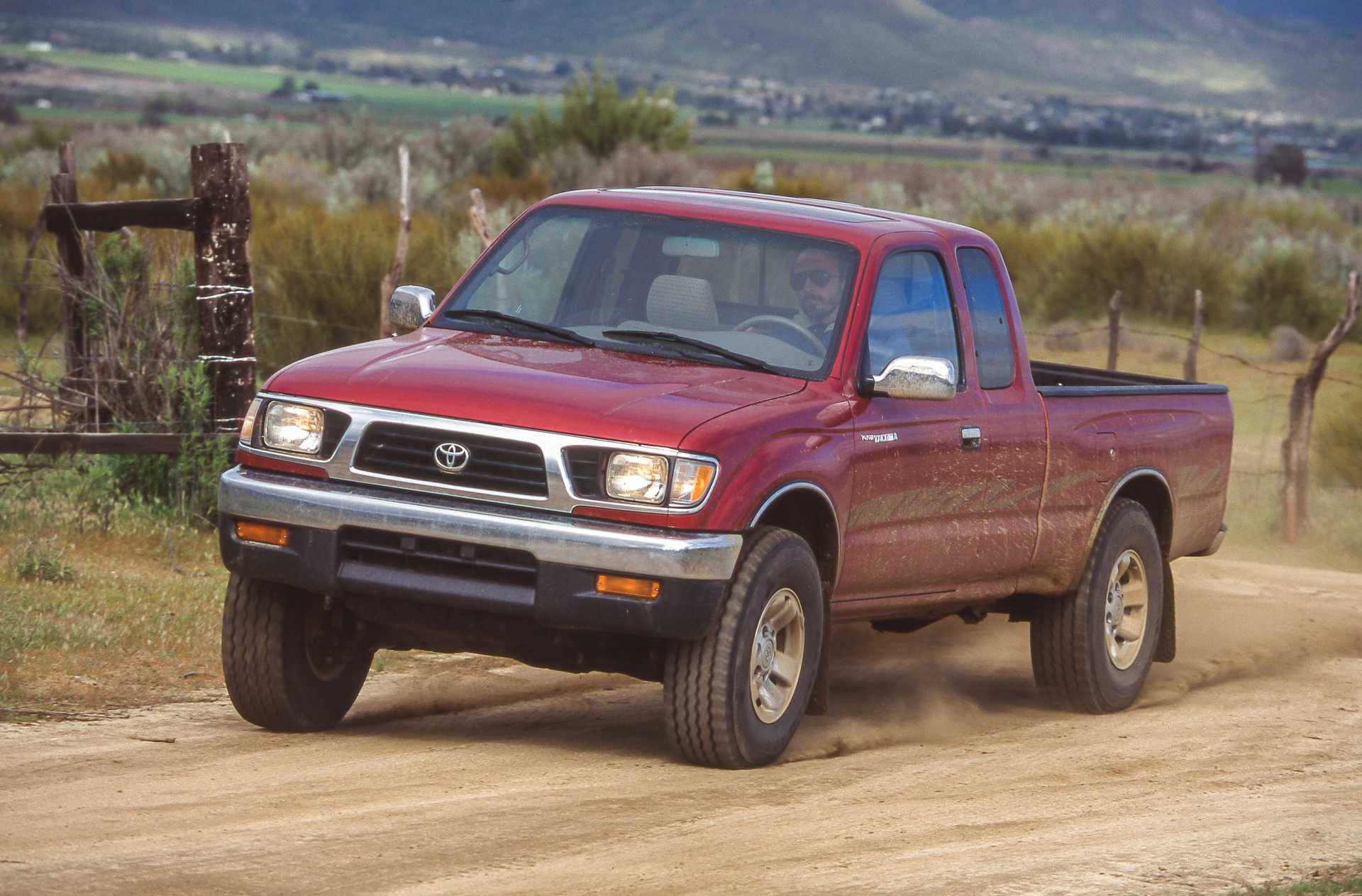
From 1968 through 1994, Toyota’s mid-size offering was simply called the “Toyota Pickup.” These trucks were essentially rebadged, left-hand-drive versions of the global Toyota Hilux, tailored for the North American market.
By the late 1980s and early 1990s, Toyota recognized a shift in the U.S. and Canada, where buyers increasingly used pickups not only for farm or job-site duties but also for personal transportation.
To better cater to this lifestyle trend, Toyota phased out the “Toyota Pickup” and introduced a more refined, comfort-focused compact truck designed specifically for North America: the Toyota Tacoma.
Over its decade-long production run, the first-generation Tacoma received several updates, or “facelifts.” The first came in 1997, followed by another in 2000, both of which brought cosmetic upgrades like new headlights, grilles, fascias, and tail lamps.
The only major functional change arrived in 2001, when Toyota launched the double-cab version featuring four full-size doors and a shorter five-foot bed.
After nearly ten years of service, Toyota retired the compact first-generation Tacoma and replaced it with the larger, mid-size second-generation model, a move that solidified the Tacoma’s role as a benchmark in the mid-size pickup segment.
8. 1981–1986 Jeep CJ-8 Scrambler
Part Jeep, part pickup, the CJ-8 Scrambler is one of the rarest pickups of the 1980s. Produced in low numbers, it combines the off-road prowess of the CJ with the utility of a truck bed, making it highly collectible today.
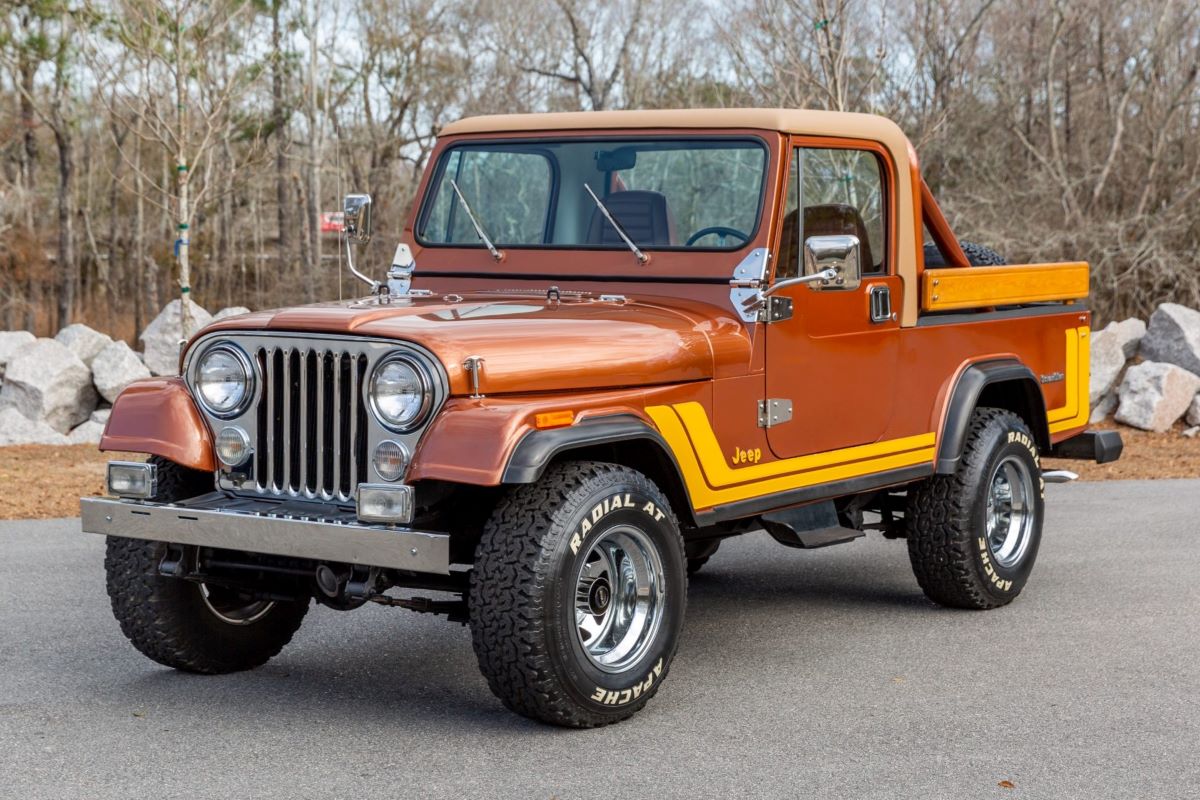
Enthusiasts prize originality, and prices for clean Scramblers have soared, often doubling in less than a decade. The rarity factor alone gives this truck stability in the collector market something stock traders can only dream of.
9. 2003–2006 Chevrolet Silverado SS
Chevrolet’s Silverado SS was a bold attempt at creating a performance-oriented full-size pickup, with aggressive styling and a powerful V8 engine. Although overshadowed at the time by Ford’s Lightning, the Silverado SS has found its footing in the collector market.
The idea of a high-performance truck isn’t exactly new, but the previous generation of American muscle pickups pushed the concept into fresh territory. Ford kicked things off with the F-150 Lightning, a supercharged standard-cab powerhouse that paired strong performance with respectable handling.
Dodge went even further with the Ram SRT-10, dropping in a detuned version of the legendary Viper V-10. Positioned between those two extremes, Chevrolet introduced the Silverado SS, reviving a beloved performance badge and applying it to its full-size pickup.
Where Ford and Dodge took bold risks, Chevrolet opted for a more measured approach. Built on the Silverado extended-cab platform, the SS featured a 6.0-liter pushrod V-8 producing 345 horsepower and 380 lb-ft of torque.
Essentially the same big V-8 from Chevy’s heavy-duty lineup, it was transplanted into the lighter 1500-series chassis. The formula was straightforward: more power plus less weight should equal stronger performance.
The Silverado SS arrived late in the 2003 model year, paired exclusively with a four-speed automatic and Chevrolet’s excellent all-wheel-drive system. In 2006, AWD was dropped in favor of rear-wheel drive, a move that stayed through the Silverado Classic models of 2007.
Unlike the Lightning’s strict standard-cab layout and the Ram SRT-10’s eventual move to the Quad Cab in 2005, the Silverado SS was always built on the extended-cab configuration with a 6.5-foot bed. Though it gave up horsepower and torque compared to its rivals, the SS offered a much more practical package.
Through 2005, the truck was sold only in higher trims, coming standard with 20-inch wheels, an LT-grade interior, full-time AWD, and four-wheel disc brakes.
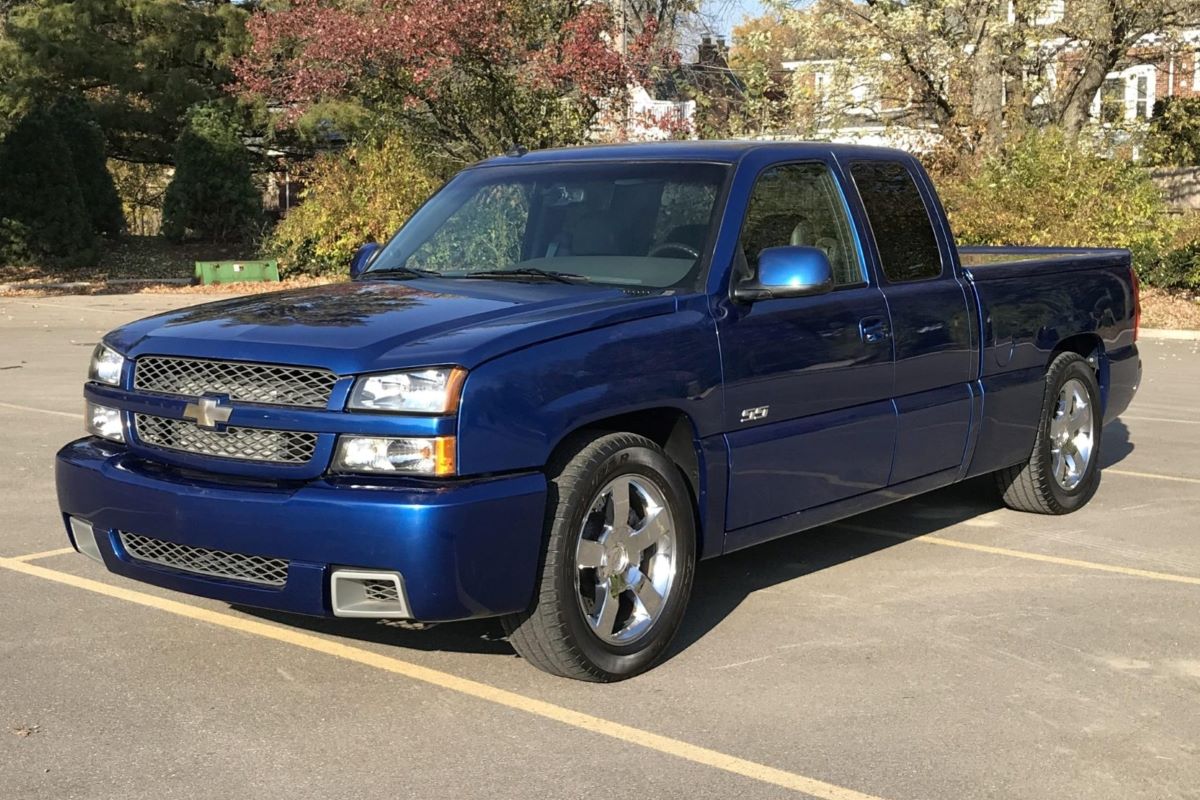
However, after the initial sales surge, demand tapered off, largely because of the price. A well-equipped SS could easily top $40,000. To keep the model viable, Chevrolet simplified the package for 2006 and beyond, removing some content, reverting to rear drive, and switching to disc/drum brakes.
Since there was essentially just one version of the Silverado SS, differences among used examples mostly come down to options such as leather upholstery, a Bose sound system, in-dash CD player, or a power sunroof.
Outside, unique front and rear fascias distinguished the SS from mainstream Silverados without resorting to flashy styling cues. Chevrolet managed to give it a subtle, performance-oriented look.
In its first year, Chevy moved around 11,000 units, but production numbers dropped by half in the following years. As a result, these trucks are relatively scarce on today’s used market. The early AWD versions with four-wheel disc brakes are generally more desirable than the later, cost-cut models.
Owners report that the robust Vortec V-8 fits the 1500 chassis well, and the firmer suspension doesn’t come at the expense of Chevrolet’s traditionally smooth ride. Just be prepared for higher running costs, replacing those 20-inch tires can be expensive.
That said, thanks to its balance of power and practicality, the Silverado SS is often less abused than other muscle trucks, making a well-kept example the one worth seeking out.
Prices for pristine models are rising as enthusiasts recognize its combination of rarity, muscle, and everyday usability. Unlike stocks, which can fluctuate based on quarterly earnings reports, Silverado SS values have shown steady upward momentum.
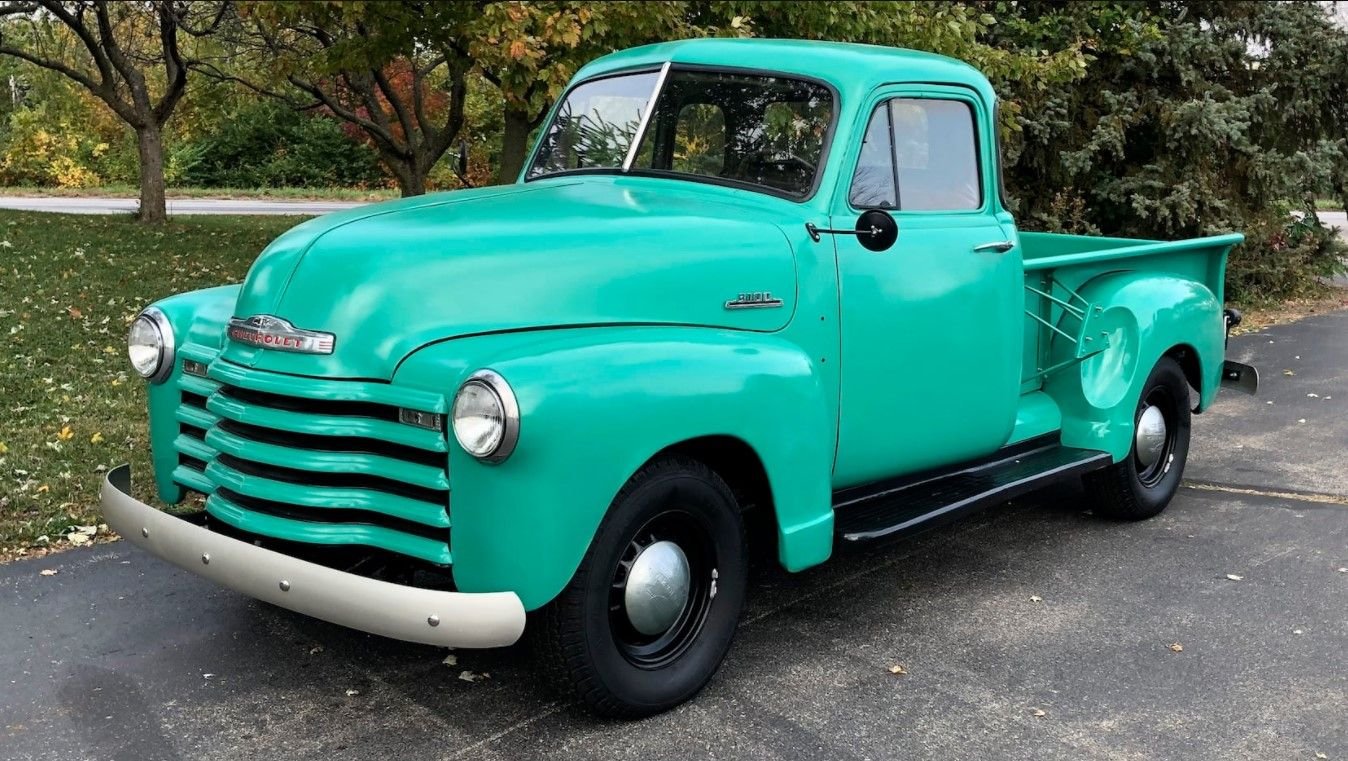
10. 1947–1953 Chevrolet Advance Design 3100
Perhaps the most iconic classic American truck, the Advance Design series has cemented itself as a blue-chip collectible. Its post-WWII heritage, timeless styling, and strong enthusiast community make it one of the safest bets in the vintage vehicle market.
These trucks have consistently appreciated in value for decades, and demand only grows as younger collectors enter the hobby. In contrast to volatile stock indexes, owning one of these is like holding onto a tangible piece of history that only gets more valuable with time.
While Wall Street can deliver impressive returns in short bursts, it also comes with high volatility and the ever-present risk of loss.
Classic and performance-oriented pickup trucks, on the other hand, represent a unique blend of practicality, cultural significance, and financial resilience. They not only retain their value but often appreciate due to rarity, nostalgia, and enduring demand.
For Americans looking to hedge against inflation or diversify their assets in a more tangible way, owning one of these 10 trucks could prove safer and more rewarding than betting on the stock market.
After all, you can’t drive a stock certificate down Main Street, but you can cruise a vintage Chevy C10 or Toyota Hilux, all while watching its value climb year after year.
