
BMW has long carried a reputation for blending performance with engineering precision, but one quality often overlooked is the durability of its engines.
While some drivers associate high-end European cars with complex maintenance, certain BMW engines have consistently proven that they can last hundreds of thousands of miles when properly cared for.
These engines not only showcase advanced engineering but also highlight the brand’s ability to build powertrains that stand the test of time.
From the older straight-six blocks that powered classic sedans to the modern turbocharged units found in today’s lineup, BMW has produced a wide variety of engines.
What sets these particular ones apart is their track record. They hold value in the used market, are praised by enthusiasts, and continue to power vehicles reliably well beyond expectations.
Dealers, mechanics, and longtime owners all recognize these engines as some of the most dependable in BMW’s history.
They combine strong internal components with designs that handle stress effectively, meaning they can tolerate both spirited driving and regular commuting.
This balance has helped them build a reputation for durability without losing the signature performance feel that BMW is known for.
In 2025, many of these engines remain in high demand, whether in pre-owned vehicles or as trusted platforms for restoration projects.
From naturally aspirated classics to modern turbocharged units, these engines prove that BMW can deliver both excitement and long-term reliability. Below, we look at fourteen of the most durable BMW engines ever produced.
Also Read: 12 SUVs That Avoid Frequent Dealer Visits
1. BMW M20 Inline-Six
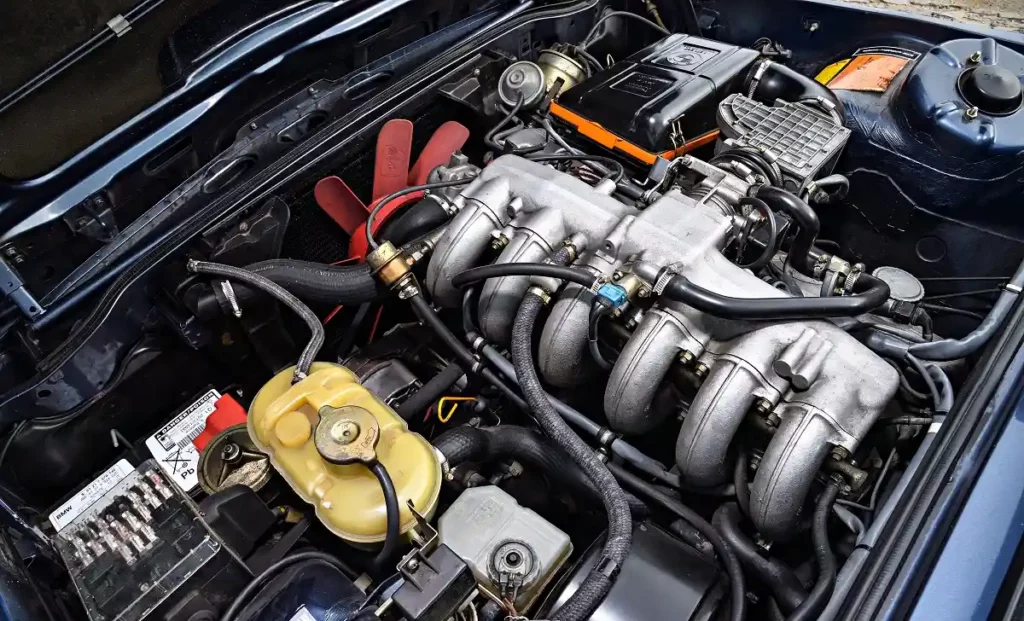
The BMW M20 inline-six, produced from the late 1970s through the early 1990s, is often regarded as one of the most dependable engines BMW ever built.
Found in models such as the E30 3 Series and E28 5 Series, the M20 provided a perfect blend of smooth performance and long-lasting reliability. Enthusiasts and mechanics alike appreciate its straightforward design, which makes it easier to maintain compared to newer, more complex engines.
One of the defining features of the M20 is its robust construction. With a cast-iron block and aluminum head, it was designed to handle both daily driving and spirited use.
When maintained with timely oil changes and cooling system care, these engines can easily surpass 300,000 miles, which is why they are still respected today.
The M20’s simplicity is also a factor in its durability. Lacking the heavy electronic systems of modern engines, it relies on proven mechanical engineering.
This makes it less prone to the types of failures that can plague newer technology-driven designs. Many owners also appreciate how well it responds to regular servicing, keeping costs predictable over the years.
Even decades after its introduction, the M20 continues to power classic BMWs with minimal fuss. Its reputation for long life and reliability has made it a favourite among collectors, restorers, and daily drivers who want an engine that will keep running strong. The M20 is a clear example of BMW’s engineering excellence during a golden era.
2. BMW M30 Inline-Six
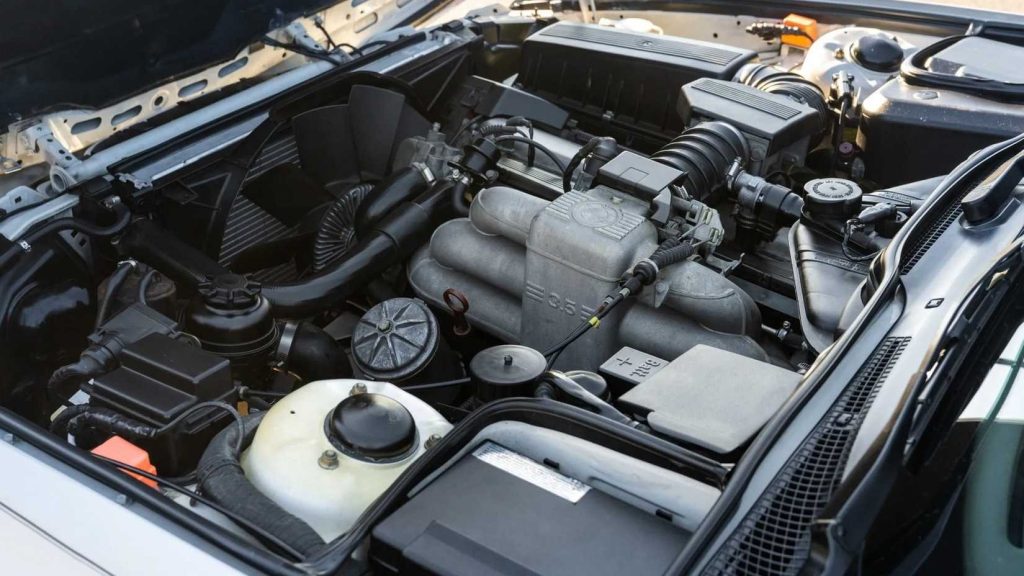
The BMW M30 engine, often nicknamed the “Big Six,” is another durable classic from BMW’s past. Produced from the 1960s to the early 1990s, it is one of the longest-running production engines in BMW’s history.
Found in cars like the E23 7 Series, E24 6 Series, and E34 5 Series, the M30 became legendary for its combination of smooth power delivery and nearly unmatched durability.
Its cast-iron block and robust design allowed it to handle high mileage with ease. Many M30 engines have surpassed 400,000 miles without major issues when given proper maintenance, an achievement that speaks volumes about its engineering quality.
This reputation for longevity is why the M30 remains one of the most respected BMW engines among enthusiasts.
The engine was also highly versatile, powering everything from sedans to performance coupes. Its flexibility and reliability made it a staple for BMW across multiple decades.
Owners often note that the M30 has a unique character, delivering strong torque and a satisfying driving experience while still being dependable enough for long-term ownership.
Mechanics also appreciate its relatively simple construction compared to later engines. With fewer complicated electronics and a durable mechanical setup, it is easier to maintain and repair, keeping long-term costs reasonable.
Overall, the M30 represents one of BMW’s finest examples of engineering, striking a balance between performance and longevity. Even today, cars powered by this “Big Six” are still on the road, proving its well-earned reputation for extreme durability.
3. BMW M50 Inline-Six
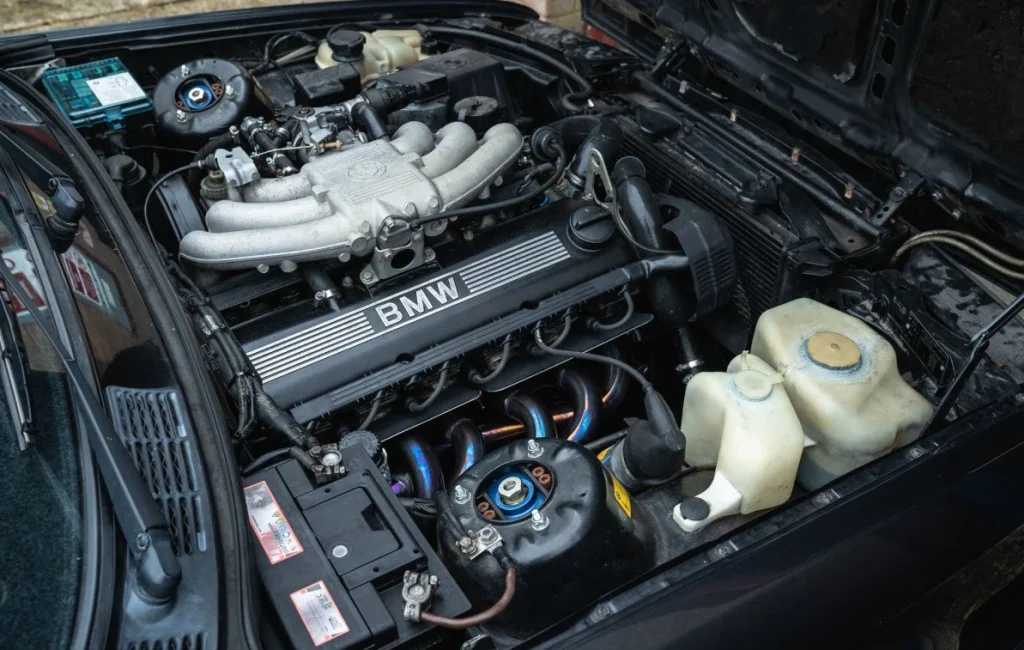
The BMW M50 engine marked a shift toward more modern technology while still retaining durability. Produced in the early 1990s, it powered cars such as the E34 5 Series and the early E36 3 Series.
The M50 introduced features like dual overhead cams and, in some versions, BMW’s first application of VANOS variable valve timing. Despite these advancements, the engine maintained a reputation for long-term reliability.
One of the reasons the M50 is considered extremely durable is its strong construction. It featured a cast-iron block, which gave it the toughness needed to handle high mileage and performance use.
With regular maintenance, M50 engines have been known to reach 300,000 miles or more, making them highly sought after among enthusiasts today.
Another factor is its relative simplicity compared to later BMW engines. While it included modern features, it was not overloaded with electronics or overly complex systems that could create expensive problems. This balance of modern technology and durable design has made it one of the most respected engines from the 1990s.
The M50 also gained popularity in the tuning community. Its ability to handle modifications without sacrificing reliability further demonstrated its robust engineering.
Dealers and private buyers continue to value cars equipped with the M50, as they know it offers both driving pleasure and long-term dependability.
Overall, the M50 stands out as a bridge between BMW’s classic engines and its modern lineup, delivering proven strength along with technological progress.
4. BMW M52 Inline-Six
The BMW M52, produced in the mid-to-late 1990s, carried on the strong reputation of its predecessor, the M50, while refining efficiency and smoothness.
Found in the E36 3 Series, E39 5 Series, and other models, the M52 became a cornerstone for BMW during that era. While some criticized its switch from an iron block to an aluminum block in many markets, the engine has proven itself to be long-lasting when properly maintained.
The M52 delivered an excellent balance of performance and fuel efficiency. Owners appreciated how effortlessly it pulled through the rev range, while still offering the reliability needed for daily use.
Cooling system maintenance is especially important, as overheating can compromise its longevity, but when cared for correctly, the M52 is known to easily cross 250,000 miles.
One of the defining features of the M52 is its versatility. It powered a wide variety of BMWs, from entry-level sedans to larger executive models, without losing its core reliability.
The addition of single VANOS on many versions provided smoother torque delivery while keeping the engine straightforward compared to later, more complex designs.
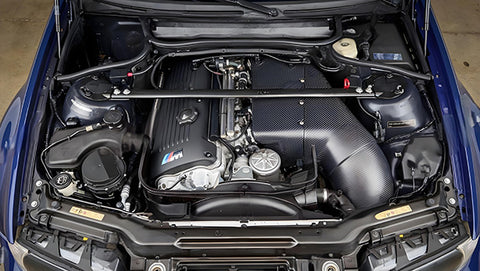
Enthusiasts often highlight how well the M52 blends old-school BMW durability with more modern refinements. It marked an era where BMW engines were evolving, but still held onto the toughness of earlier generations.
Today, cars equipped with the M52 remain popular among those looking for a durable, enjoyable BMW that can stand the test of time.
5. BMW M54 Inline-Six
The BMW M54, produced between 2000 and 2006, is one of the most respected engines from BMW’s modern lineup. Found in models like the E46 3 Series, E39 5 Series, and early X5 SUVs, it is known for its smooth power delivery and durability.
In fact, the M54 earned a place on Ward’s 10 Best Engines list for three consecutive years, a recognition of both performance and engineering quality.
Built with an aluminum block and head, the M54 is lighter than its predecessors but still engineered for long service life.
It often surpasses 250,000 miles when maintained, proving itself as one of BMW’s most enduring designs of the early 2000s. Many owners continue to rely on cars with this engine as dependable daily drivers.
One of the advantages of the M54 is its balance between modern performance features and reliability.
It included double VANOS for improved efficiency and response, yet it remained less complex than some of the engines that came after it. This made it easier to maintain without giving up the benefits of technological advancement.
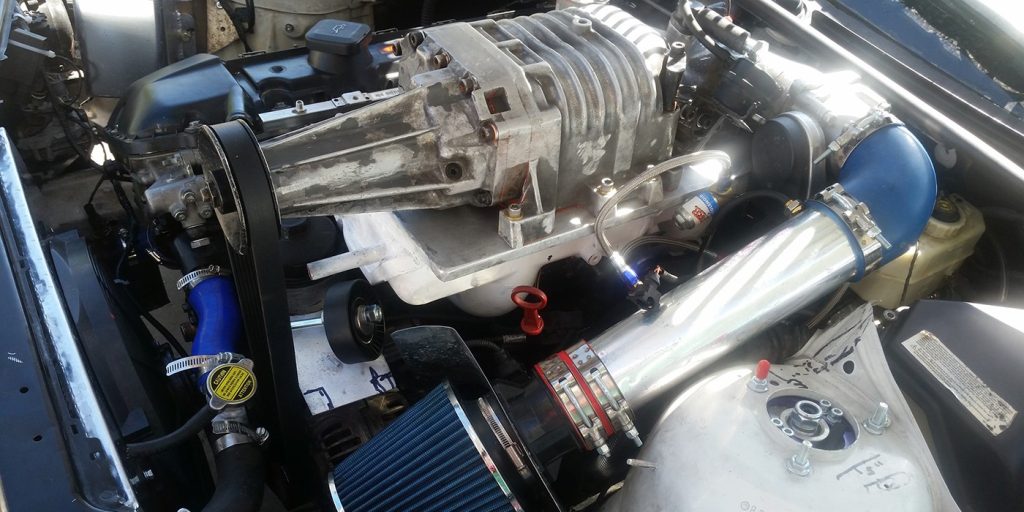
The M54 is also appreciated for its versatility. It powered everything from sporty coupes to larger sedans and SUVs, always providing a consistent level of strength.
Mechanics often point out that when the cooling system and oil seals are serviced on schedule, the engine remains nearly bulletproof.
Even decades later, the M54 holds a reputation as a reliable and rewarding engine, representing one of BMW’s best achievements in durability.
6. BMW M57 Diesel Inline-Six
The BMW M57 diesel inline-six, produced from the late 1990s through the 2000s, is widely regarded as one of the toughest diesel engines BMW has ever made.
Found in vehicles such as the E39 530d, E60 530d, and X5 models, it quickly gained a reputation for both power and extreme durability.
What sets the M57 apart is its ability to combine strong performance with remarkable longevity. Known for its robust cast-iron block and reliable fuel injection system, it has often been reported to exceed 400,000 miles with proper servicing.
For many owners, the M57 became a favorite for long-distance driving thanks to its smooth torque delivery and efficiency.
The M57’s design is relatively straightforward for a modern diesel, which contributes to its durability. While later diesels became more complex with emissions equipment, the M57 remained solid and dependable, making it easier to maintain.
Owners also value its resilience under heavy loads, as it performs well in both passenger cars and larger SUVs.
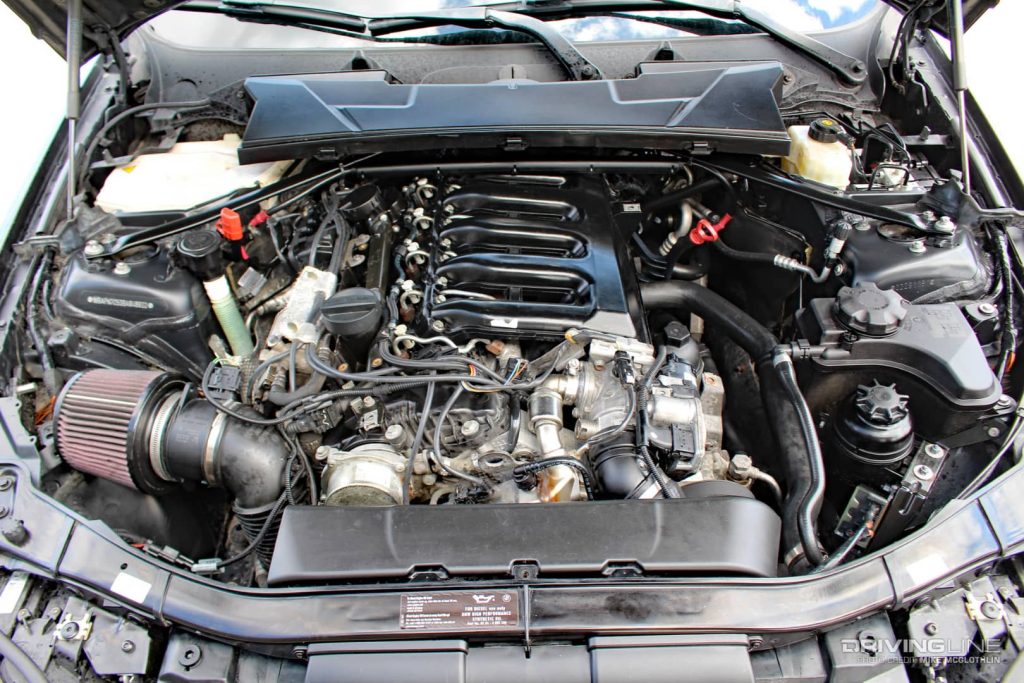
Another factor in its long life is its adaptability. The M57 was offered in multiple power outputs and configurations, but all versions maintained the same reputation for reliability. Enthusiasts and fleet owners alike trust the M57 as one of the longest-lasting BMW engines ever built.
Today, vehicles equipped with the M57 remain in demand for those seeking a dependable diesel. It represents a peak period for BMW’s engineering, combining strength, efficiency, and the ability to stand the test of time.
7. BMW N52 Inline-Six
The BMW N52, produced between 2004 and 2015, was one of the last naturally aspirated inline-six engines from BMW, and it remains a favorite among enthusiasts and owners who value long-term dependability.
Found in models like the E90 3 Series, E60 5 Series, and Z4, it delivered a smooth and refined driving experience while being engineered for durability.
Built with a magnesium–aluminum composite block, the N52 was ahead of its time in terms of lightweight construction.
Despite concerns about this design, it has proven remarkably reliable when maintained with quality oil and regular cooling system care. Many owners report these engines lasting well beyond 250,000 miles without major internal problems.
The N52 also featured BMW’s Valvetronic system, which adjusted valve lift for better efficiency. While this technology sounded complex, it did not compromise reliability in the long term. Its balance of modern engineering with robust design helped it build a reputation for toughness.
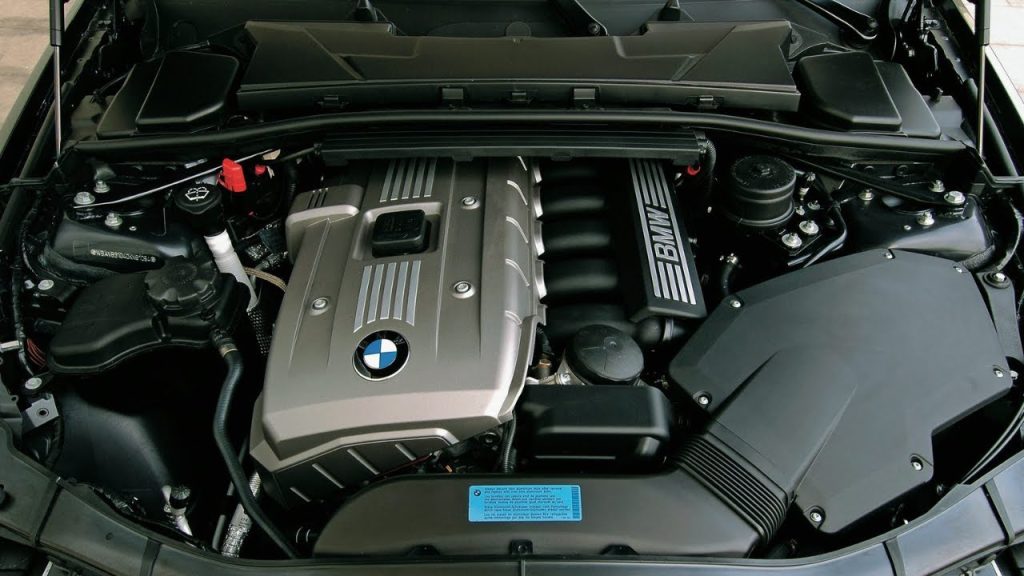
Owners appreciate that the N52 can handle both city commutes and spirited highway driving without showing signs of strain. It may not deliver the same raw performance as BMW’s turbocharged engines, but its simplicity makes it appealing for those who prioritize endurance.
Even today, cars equipped with the N52 remain popular in the used market because buyers know they are getting a dependable powerplant. It marked the end of an era, standing as one of BMW’s most durable naturally aspirated six-cylinder engines.
8. BMW S54 Inline-Six
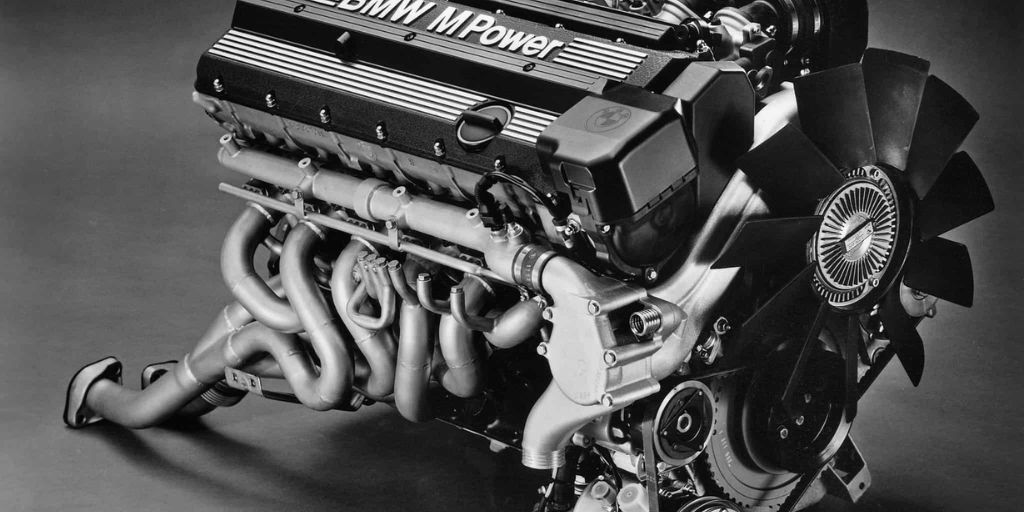
The BMW S54, produced from 2000 to 2006, powered some of the brand’s most iconic performance cars, including the E46 M3, Z3 M, and Z4 M.
Despite being a high-revving sports engine, it has proven to be surprisingly durable when maintained correctly. For enthusiasts who wanted both performance and long life, the S54 delivered on both fronts.
This naturally aspirated 3.2-liter inline-six was capable of producing up to 333 horsepower in U.S. models, with European versions making even more. Its motorsport-inspired design included individual throttle bodies, a high compression ratio, and BMW’s double VANOS system, all working together to create one of the best straight-sixes ever built.
While the S54 is more demanding in terms of upkeep compared to BMW’s standard engines, it rewards those who follow service schedules.
Regular oil changes with high-quality synthetic oil, along with timely valve adjustments, are essential for keeping it running strong. When cared for, the S54 often exceeds 200,000 miles, impressive for a performance-focused motor.
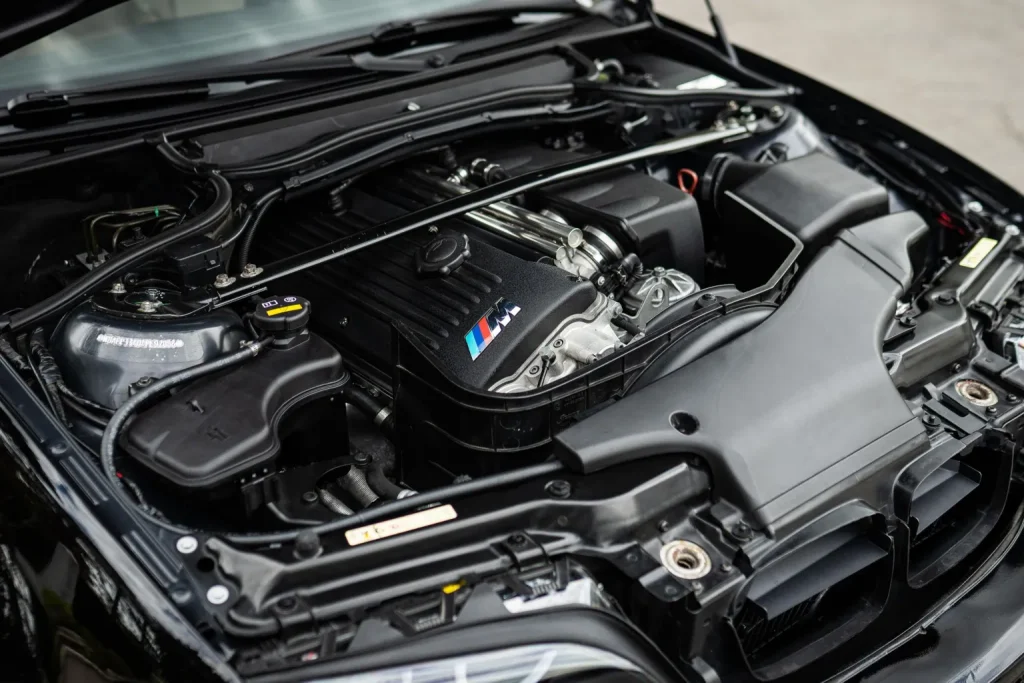
Enthusiasts highlight that the S54 offers both endurance and excitement. Unlike many high-output engines that wear quickly, this one was designed with durability in mind, thanks to its robust block and precision engineering. It has become a legend not just for performance but also for its staying power.
Even today, cars with the S54 are highly sought after, with values remaining strong due to the engine’s reputation as both powerful and long-lasting.
9. BMW N55 Turbo Inline-Six
The BMW N55, introduced in 2009, replaced the twin-turbocharged N54 and quickly established itself as a more reliable and durable option while retaining impressive performance.
Found in vehicles such as the F30 3 Series, F10 5 Series, and X5, it became a cornerstone of BMW’s modern turbocharged lineup.
The N55 was the first BMW inline-six to use a single twin-scroll turbocharger rather than a twin-turbo setup.
This simplified design reduced stress on components while still delivering strong power and responsiveness. It also incorporated direct fuel injection and Valvetronic technology, blending efficiency with smooth performance.
One of the reasons the N55 is respected for durability is that it avoided many of the issues that plagued its predecessor, the N54.
While regular maintenance is still critical, the N55 is known to last well over 200,000 miles when serviced on schedule. Owners often praise its ability to provide both everyday usability and sporty acceleration without compromising longevity.
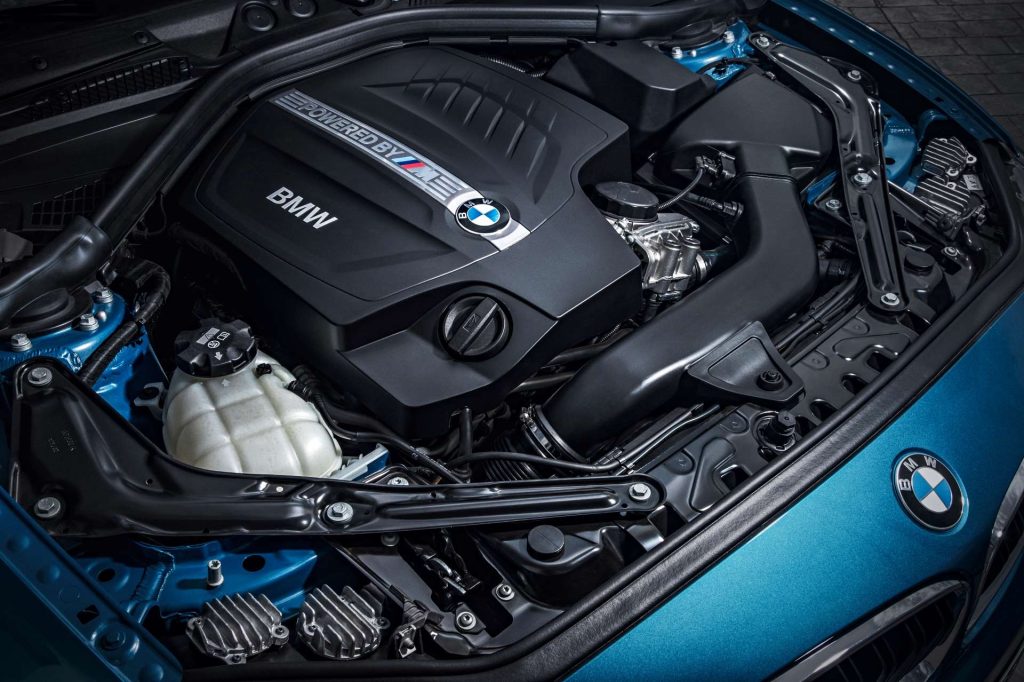
The N55 also proved versatile, being used in everything from smaller sedans to larger SUVs and even performance models like the M235i. This adaptability further demonstrated its strong engineering foundation.
Even today, the N55 remains desirable in the used car market. It offers modern performance with a proven track record of durability, making it one of BMW’s standout turbocharged engines. Many enthusiasts consider it the perfect blend of innovation and reliability in the brand’s recent history.
10. BMW B58 Turbo Inline-Six
Introduced in 2015, the BMW B58 is widely considered one of the brand’s finest modern engines. It replaced the N55 and has been praised for its blend of performance, refinement, and durability.
Found in models like the G20 3 Series, G30 5 Series, X3, X5, and even the Toyota Supra, it has quickly earned a reputation as one of BMW’s most dependable turbocharged engines.
The B58 features a closed-deck block design, which provides added strength compared to its predecessor. This makes it more resistant to high pressures, a key factor in both performance tuning and long-term reliability.
Owners frequently note that the B58 can handle significant mileage without major issues when maintained with proper oil changes and cooling system care.
Another highlight is its efficiency. Despite producing more power than earlier six-cylinder engines, it delivers strong fuel economy.
The single twin-scroll turbocharger keeps things simple, reducing potential points of failure. This balance of performance and dependability has made the B58 a favorite among enthusiasts and casual drivers alike.
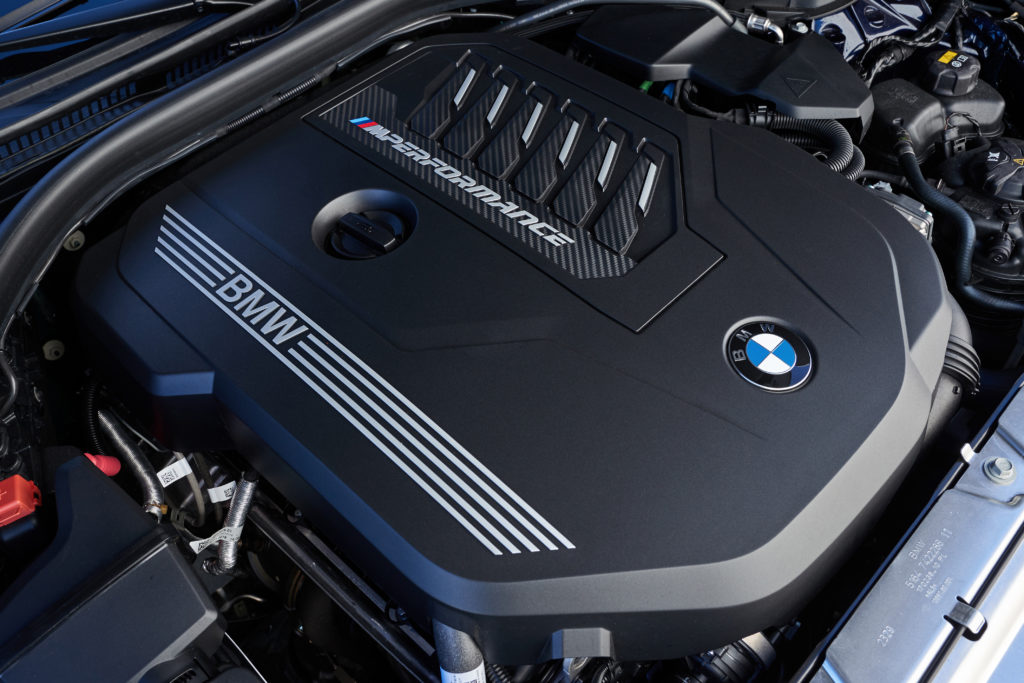
BMW also designed the B58 with adaptability in mind, offering it in multiple power levels across a variety of models. Regardless of configuration, it maintains its reputation for toughness.
Today, the B58 is regarded as one of the best engines of BMW’s modern era. Its durability, combined with its smooth and powerful delivery, ensures that it will remain desirable in the used market for many years.
11. BMW S62 V8
The BMW S62 V8, produced from 1998 to 2003, powered the legendary E39 M5 and Z8 roadster. This naturally aspirated 4.9-liter V8 is remembered not only for its thrilling performance but also for its impressive durability. Despite being a high-output motor, it has shown remarkable endurance over decades of use.
The S62 featured advanced engineering for its time, including individual throttle bodies, double VANOS, and a forged crankshaft.
These elements contributed to its smooth power delivery and high-revving nature. Producing 394 horsepower, it was among the most powerful naturally aspirated engines BMW had created up to that point.
Owners of the E39 M5 often praise the S62 for its reliability when properly serviced. Regular oil changes, cooling system attention, and VANOS maintenance help ensure long life.
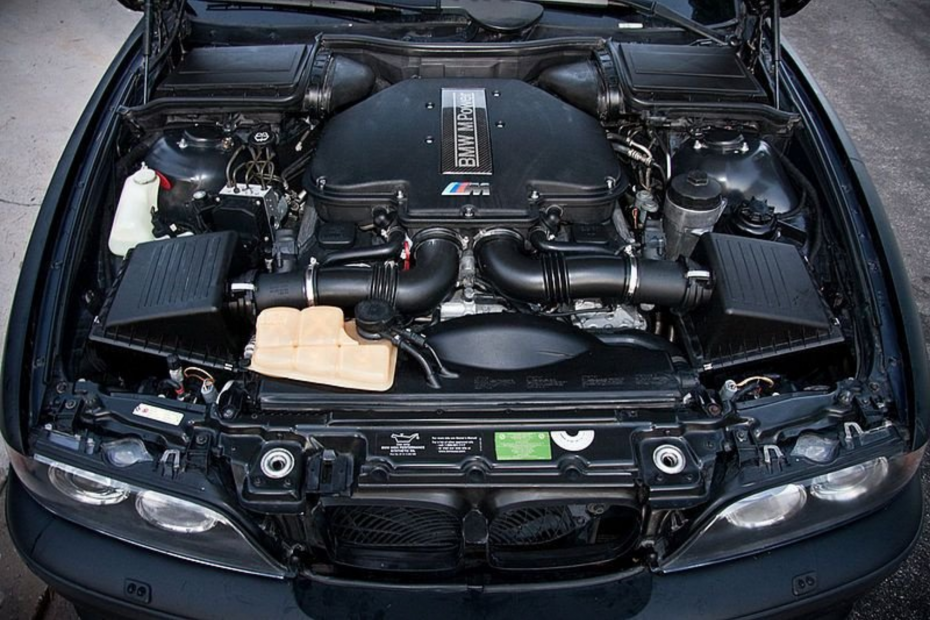
Many examples of the engine have surpassed 200,000 miles, an impressive feat for a performance-focused V8.
The S62 also stands out for its robust internal components. Unlike some later BMW V8s that struggled with complexity and reliability issues, the S62 maintained a straightforward toughness that made it easier to trust over the long haul.
Even today, the S62 remains one of BMW’s most respected performance engines. Its combination of power, character, and endurance has made it a legend among enthusiasts, keeping the E39 M5 in high demand decades after its debut.
12. BMW N63 V8
The BMW N63 V8, introduced in 2008, powers many of BMW’s modern performance and luxury models, including the 5 Series, 7 Series, X5, and X6.
Despite being a twin-turbocharged engine, it has earned a reputation for durability when properly maintained. Its robust design and engineering advancements allow it to deliver both high performance and long-term reliability.
The N63 features a closed-deck aluminum block and direct injection, combined with twin turbochargers to provide strong power output while keeping mechanical stress under control.
While it requires careful maintenance, especially regarding oil and cooling systems, many examples have exceeded 200,000 miles without major failures. Owners who adhere to recommended service intervals often report exceptional longevity for a modern V8.
One of the key advantages of the N63 is its adaptability. It powers everything from sporty sedans to large SUVs, maintaining reliability across a variety of vehicle types.
BMW also implemented technologies like variable valve timing and high-precision fuel injection in a way that does not compromise durability when serviced correctly.
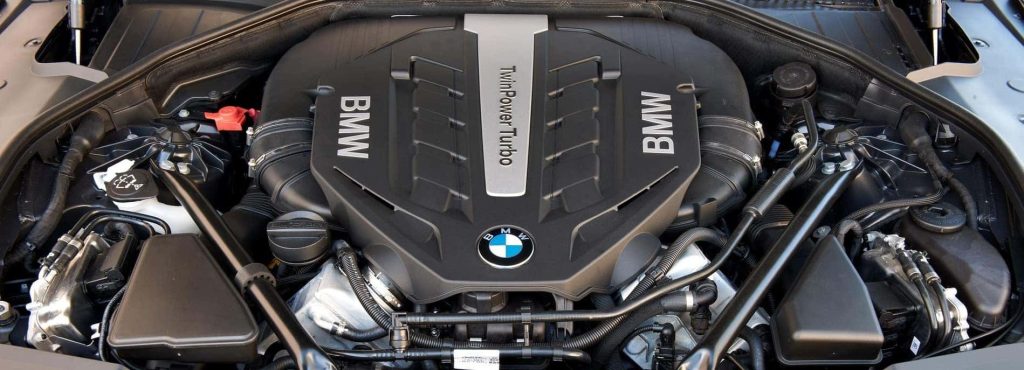
While early production models had minor issues, BMW addressed these in later iterations, improving overall reliability. Enthusiasts recognize the N63 as a high-performance engine capable of long-term use, making it a standout among modern twin-turbo V8s.
Today, the N63 continues to demonstrate that even forced-induction engines from BMW can achieve durability levels approaching naturally aspirated predecessors, combining excitement with reliability for both daily driving and spirited performance.
13. BMW S65 V8
The BMW S65 V8, produced from 2007 to 2013, powered the legendary E90/E92 M3. Known for its high-revving character and motorsport-inspired engineering, the S65 is also respected for its durability when properly maintained. It represents one of BMW’s finest naturally aspirated V8s.
The 4.0-liter S65 produced up to 414 horsepower, yet its forged internals and robust block made it capable of handling high RPMs consistently.
Maintenance plays a key role in longevity, including regular oil changes, valve adjustments, and attention to the cooling system. With these practices, the S65 often exceeds 150,000 to 200,000 miles, a notable achievement for a high-performance engine.
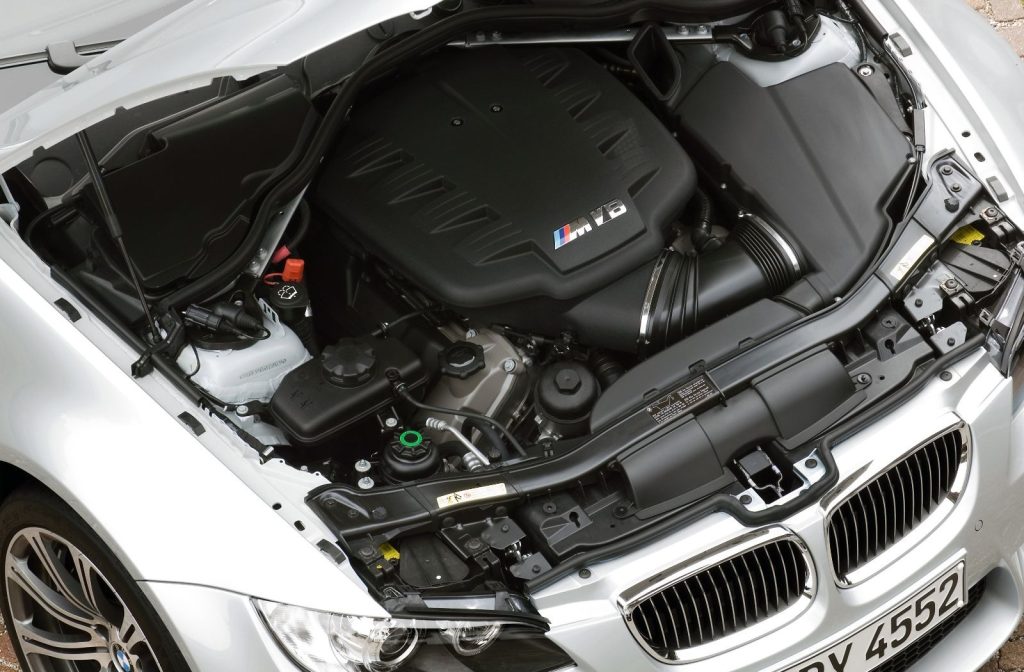
BMW designed the S65 to balance performance and reliability. Its lightweight construction, aluminum block, and advanced lubrication system help reduce wear under spirited driving conditions. Owners frequently highlight how it combines track-capable performance with everyday usability, without sacrificing engine life.
Even years after production ended, the S65 remains highly sought after by enthusiasts who value its reliability alongside its exhilarating driving characteristics. It demonstrates that high-output BMW engines can be engineered for both excitement and long-term durability.
12. BMW N54 Turbo Inline-Six
The BMW N54, produced from 2006 to 2016, was BMW’s first mass-produced twin-turbocharged inline-six engine and quickly gained a reputation for strong performance and reliability.
Found in models like the E90/E92 3 Series 335i, E60 5 Series 535i, and early 1 Series M models, it became a favorite for both enthusiasts and everyday drivers.
The N54 is known for its robust construction, including an iron block in early versions and high-quality internal components designed to handle the stress of forced induction.
Despite being twin-turbocharged, it maintains durability when properly maintained, often exceeding 200,000 miles with regular oil changes and attention to cooling systems.
One of the key features of the N54 is its versatility. It delivers strong low-end torque and high-revving capability, making it suitable for both spirited driving and comfortable daily commuting.
The twin-scroll turbochargers reduce lag and improve efficiency, while the engine’s proven internals ensure longevity under moderate tuning.
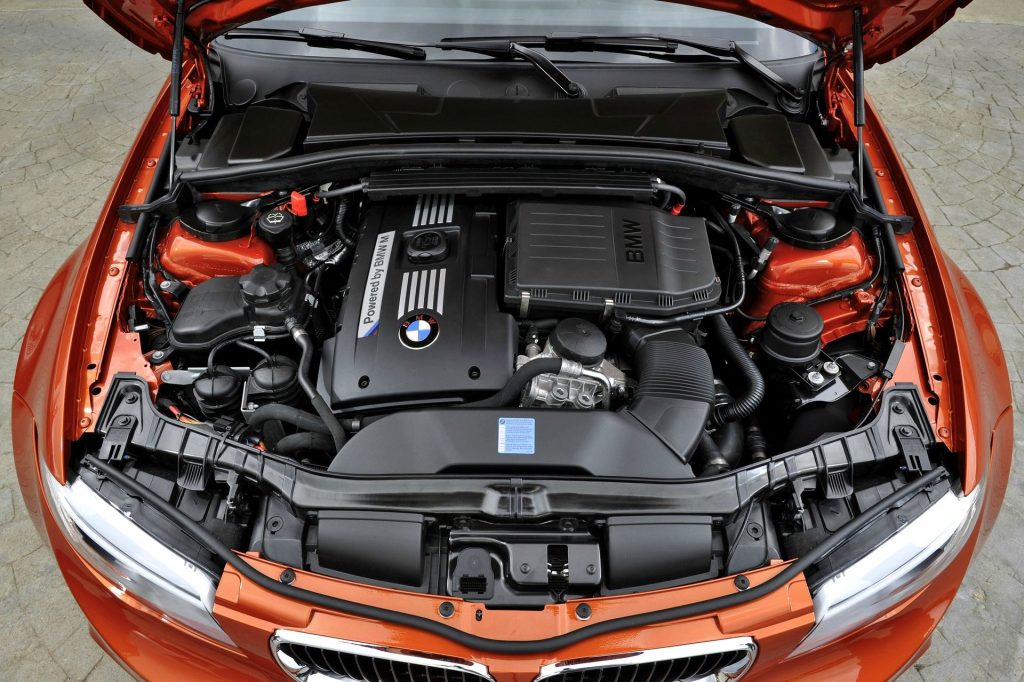
Enthusiasts value the N54 for its ability to handle performance upgrades without sacrificing reliability. Unlike some turbo engines that struggle with heat or premature wear, the N54’s design allows it to maintain strength even under increased power output.
Today, the N54 continues to be a highly respected engine, especially among enthusiasts who appreciate turbocharged performance with dependable engineering. It stands as a prime example of BMW’s ability to combine modern technology with long-term durability.
