
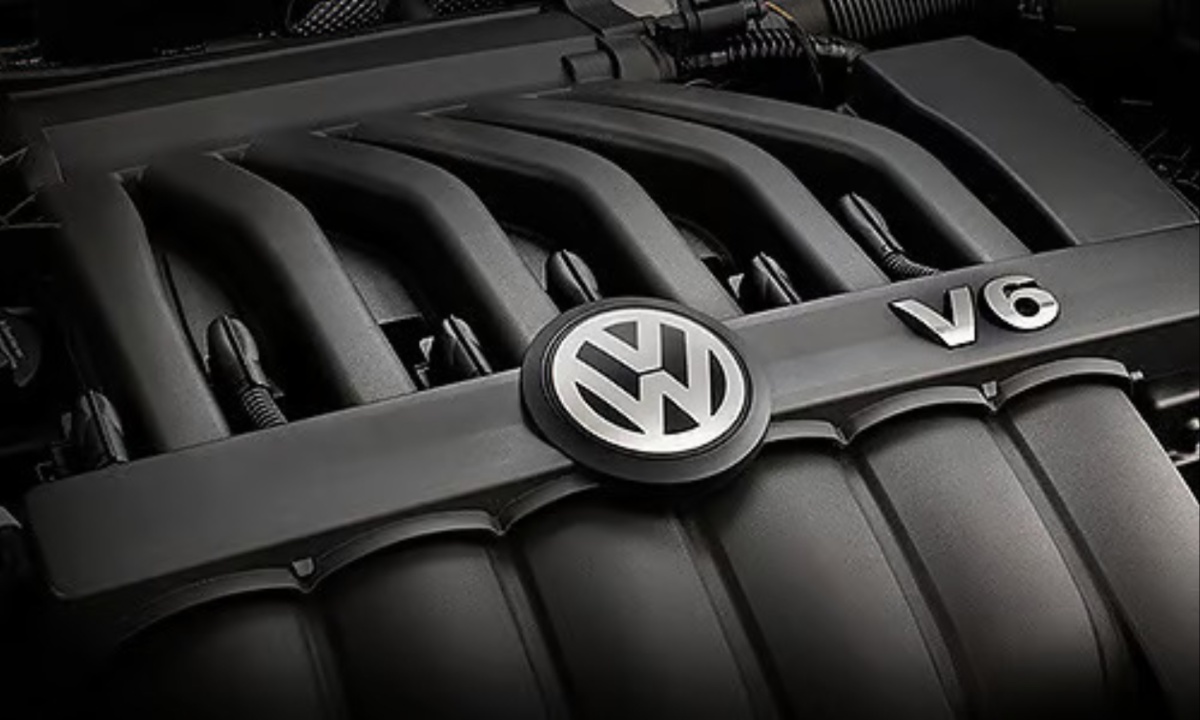
For decades, the V6 engine has been the middle ground between fuel efficiency and raw performance. It provides more power than a four-cylinder while maintaining better balance and compactness compared to larger V8 options.
Many carmakers have relied on V6 powerplants for everything from family sedans to sports cars, trucks, and SUVs. What makes certain V6 engines stand out is not just the performance figures on paper but their ability to stay reliable even after hundreds of thousands of miles.
Owners want an engine that starts every morning, handles long commutes, and takes road trips without causing constant trips to the mechanic.
Reliability in an engine comes from thoughtful design, robust construction, and years of refinement. The best ones combine strong internals, proven fuel systems, and durable transmissions that complement the motor.
Maintenance still plays a role, but some V6 engines seem to have been built to take abuse, poor conditions, and age far better than others.
This list focuses on twelve V6 engines that are widely regarded for their dependability. They represent a variety of manufacturers, from American muscle cars to Japanese family haulers and European luxury models.
What unites them is their proven track record for longevity, often reaching milestones of 200,000 miles or more without needing major internal work. Each of these engines has developed a loyal following among owners, mechanics, and enthusiasts alike.
Whether you are looking at buying a used car or simply curious about which V6 engines have earned a reputation for strength, these twelve examples stand as some of the toughest and most dependable engines ever produced.
Also Read: 12 Cars With Engines Stronger Than Their Bodies
1. Toyota 2GR-FE V6
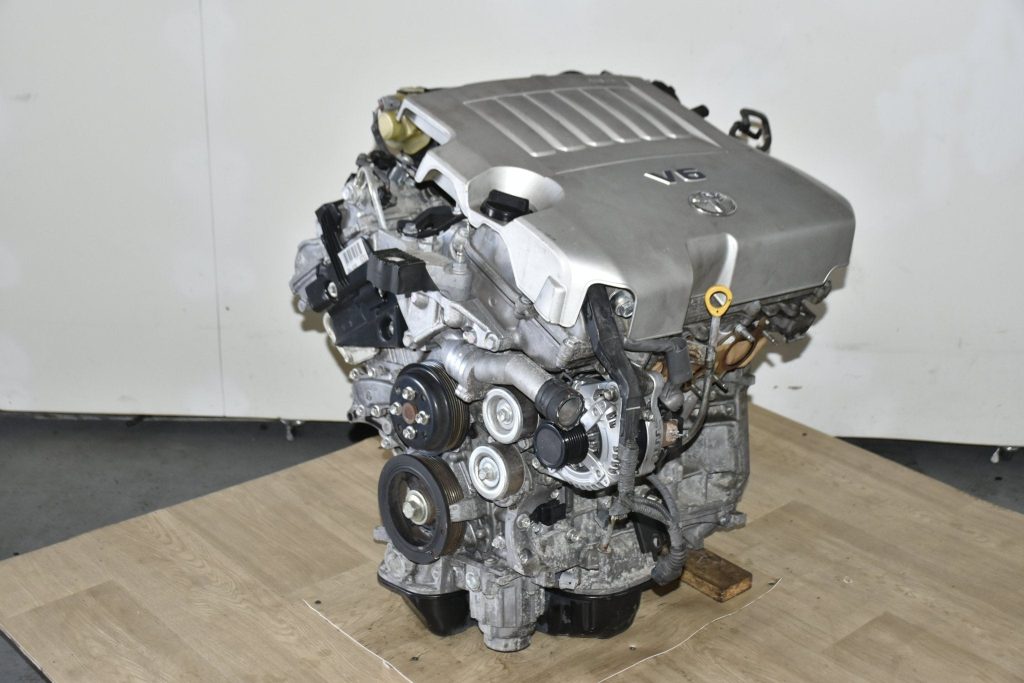
Toyota has long been known for building reliable engines, and the 2GR-FE V6 is a textbook example of that reputation.
Introduced in the mid-2000s, this 3.5-liter engine powered a wide range of vehicles, including the Toyota Camry, Avalon, Highlander, Sienna, and several Lexus models.
It struck a balance between smooth power delivery and long-term dependability, quickly becoming one of Toyota’s most respected engines.
The 2GR-FE features an aluminum block with dual overhead cams and Toyota’s VVT-i technology for variable valve timing. What sets it apart is not just efficiency but the way it tolerates heavy use.
Taxi fleets, delivery vans, and families have pushed this engine well past 250,000 miles without major mechanical failures. Its timing chain design reduces the risk of catastrophic belt failures, while the cooling system and oil circulation have proven robust in both hot and cold climates.
Mechanics often praise the 2GR-FE for being straightforward to maintain. Spark plugs, sensors, and even water pumps are relatively easy to access compared to other modern engines.
Common issues like oil line leaks and water pump replacements are considered minor in the grand scheme and rarely threaten the engine’s overall life.
What owners love most is how the engine holds power even with age. At nearly 270 horsepower in some applications, it provided strong acceleration without straining.
This combination of strength and consistency explains why used vehicles with the 2GR-FE often retain value better than competitors. For drivers who want a V6 that simply runs year after year with minimal drama, Toyota’s 2GR-FE is one of the most reliable bets.
2. Honda J35 V6
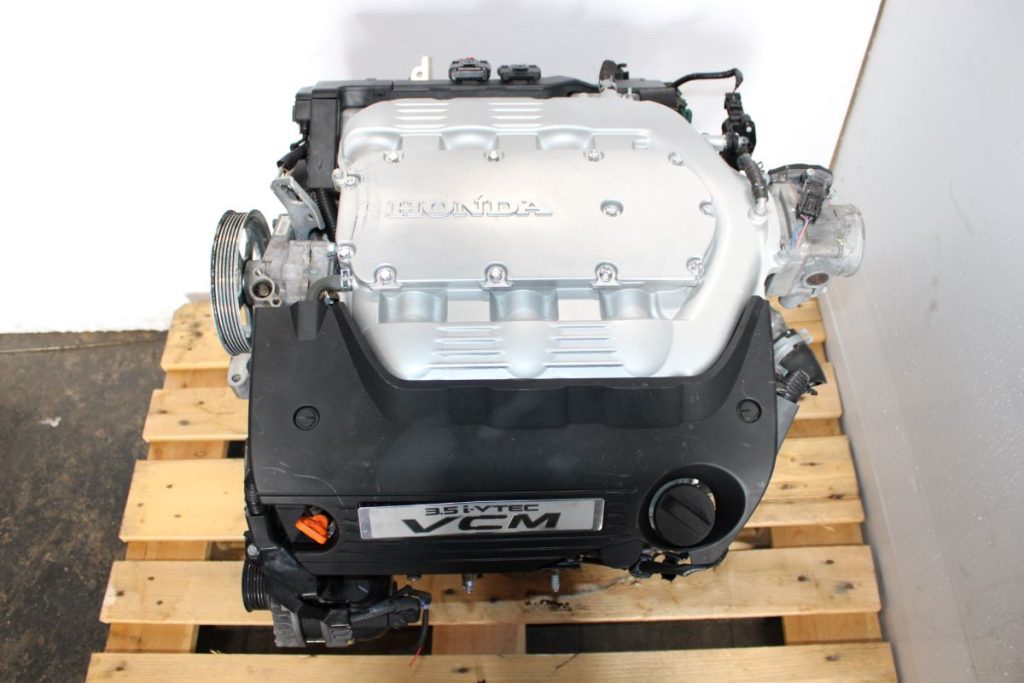
Honda’s J-series V6 engines have earned a reputation for durability, and the J35 is arguably the best of the lineup.
Found in models like the Honda Odyssey, Pilot, Accord, Ridgeline, and Acura MDX, this 3.5-liter engine has powered millions of vehicles across North America and beyond.
Its widespread use means mechanics are familiar with it, parts are readily available, and long-term ownership costs remain manageable.
The J35 is built with an aluminum block and head, along with Honda’s VTEC system that optimizes valve timing for both efficiency and performance. Depending on the vehicle, it produces between 240 and 280 horsepower, giving family vehicles a lively and dependable character.
One of the main reasons the J35 is celebrated is its ability to handle high mileage. Many examples have crossed the 300,000-mile mark with only routine maintenance such as timing belt changes, valve adjustments, and fluid replacements.
While the timing belt does require replacement at intervals, it is not considered a weakness when maintained properly.
Transmission issues have sometimes overshadowed the J35 in certain models, but the engine itself rarely fails. Oil consumption can appear in high-mileage examples, yet it seldom shortens the engine’s life when checked regularly.
Owners often remark that the J35 feels smooth even as it ages, with minimal vibration and strong pull across the rev range.
Families have trusted this engine for long road trips, while tradespeople have relied on it in Ridgelines for dependable work duty. Its flexibility across so many platforms is proof of its durability and versatility.
The J35 stands out as a V6 that blends Honda’s reputation for engineering precision with real-world toughness. For those seeking a proven engine that will not quit easily, the J35 remains a top contender.
3. Nissan VQ35DE V6
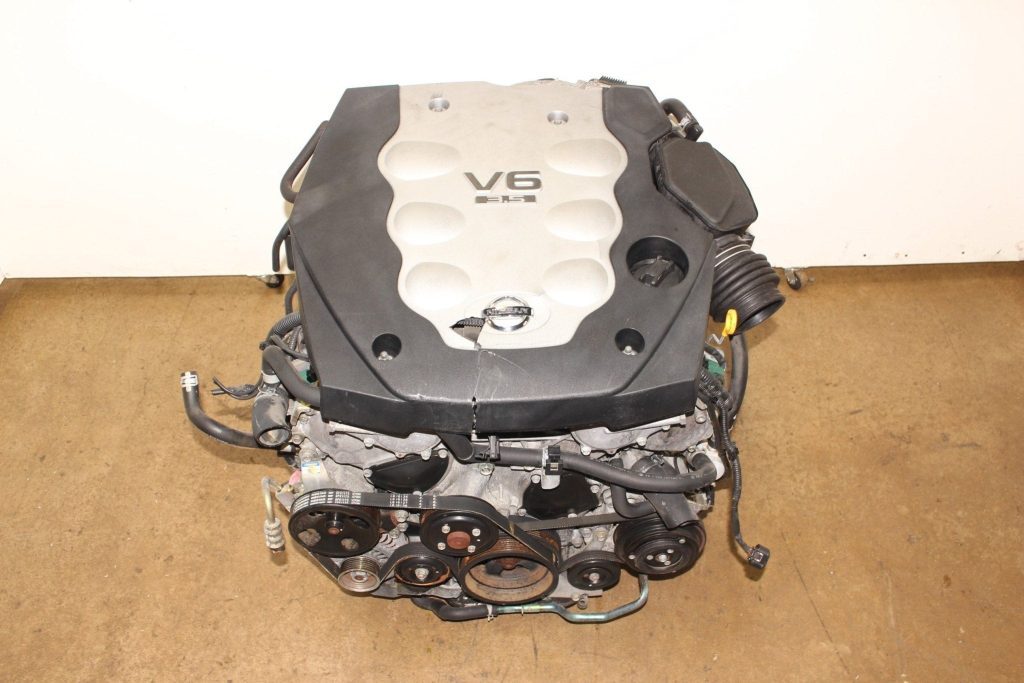
The Nissan VQ35DE is one of the most recognized V6 engines of the past two decades. Introduced in the early 2000s, this 3.5-liter engine powered vehicles such as the Nissan Maxima, Altima, Pathfinder, 350Z, and Infiniti G35.
It quickly became respected for blending strong performance with surprising durability, earning a spot on Ward’s 10 Best Engines list multiple times.
Built with an aluminum block and dual overhead cams, the VQ35DE delivered between 240 and 300 horsepower depending on the model. It was designed to rev freely, offering both power and refinement in everyday driving.
Despite its performance leanings, it proved reliable when maintained properly. Many owners have reported engines lasting well beyond 200,000 miles, even in sporty cars where they were regularly pushed hard.
A key reason for its durability lies in Nissan’s engineering of the bottom end. The forged crankshaft and sturdy connecting rods allow the engine to withstand stress without failure.
Timing chains rather than belts add another layer of security, eliminating the risk of sudden belt breakage. Common issues such as valve cover gasket leaks or oil consumption appear with age, but these rarely prevent the engine from achieving high mileage.
The VQ35DE also became a favorite among enthusiasts who modified their cars, proving it could handle additional horsepower through tuning or forced induction. That resilience in stock and modified forms only reinforced its reputation for toughness.
Even today, a used Nissan with the VQ35DE is seen as a safe bet mechanically, as long as maintenance has been respected.
It represents Nissan’s peak era of engine design, combining lively character with durability. For drivers who want a V6 that can take abuse while still delivering smooth power, the VQ35DE remains one of the most dependable choices.
4. Ford Duratec 3.0L V6
Ford’s 3.0-liter Duratec V6, introduced in the mid-1990s, powered a wide range of models, from the Taurus and Escape to the Fusion and even some Mazda vehicles.
Designed in collaboration with Porsche engineers, the Duratec earned a reputation as one of Ford’s most reliable modern engines, staying in production for over 15 years.
With an aluminum block and dual overhead cam design, the Duratec 30 produced between 200 and 240 horsepower depending on tuning.
While it was not the most powerful V6 in its class, its smoothness and longevity stood out. Owners frequently reported reaching 250,000 miles or more with only basic upkeep such as oil changes, spark plug replacements, and coolant flushes.
One of the Duratec’s strengths was its chain-driven timing system, which eliminated costly belt replacements.
It also used strong internals, allowing it to handle daily commuting, fleet service, and family hauling without complaint. The design was simple compared to some competitors, making repairs straightforward and reducing labor costs.
Although the engine had occasional issues with coil packs or minor oil leaks, catastrophic failures were rare.
The cooling system required attention, but once maintained, it posed little long-term risk. Mechanics often recommended the Duratec because of its predictable reliability and wide availability of affordable parts.
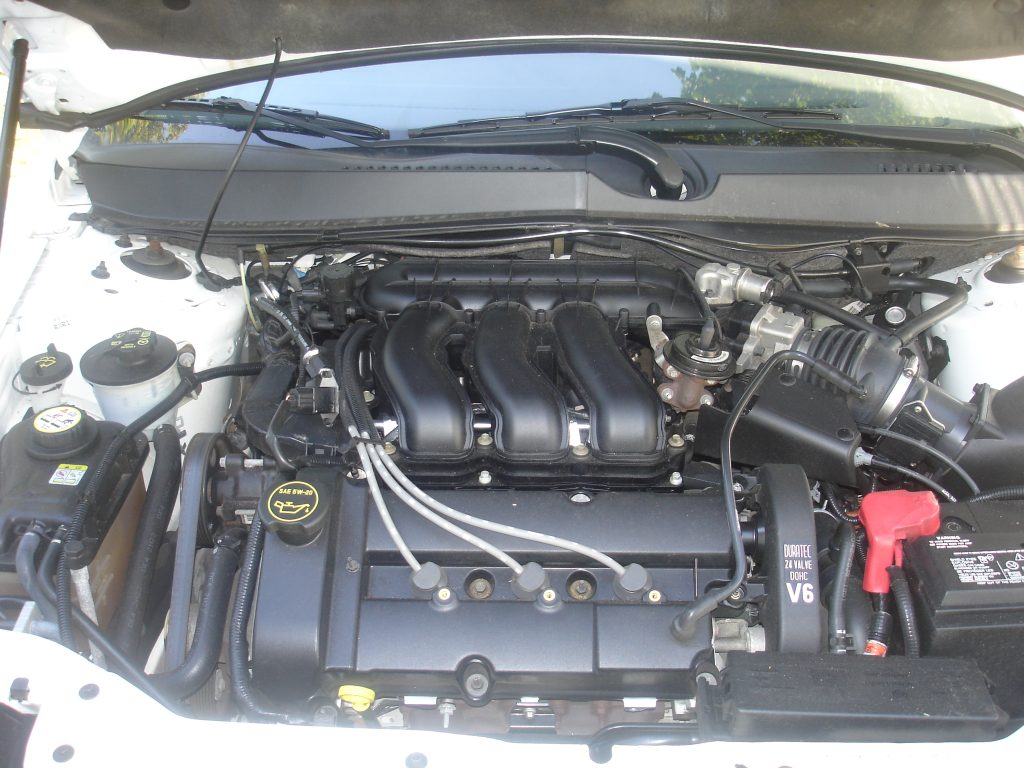
Another factor in its reputation is how versatile it was across different vehicles. Whether in a family sedan, a compact SUV, or even performance-leaning trims, the Duratec provided consistent service. Its long production run meant Ford trusted it as a cornerstone engine for years.
For anyone considering a used Ford from the 2000s, finding one with the Duratec 3.0 under the hood is a reassuring sign. It may not excite enthusiasts the way some V6 engines do, but its ability to keep running for decades makes it a standout in dependability.
5. GM 3800 Series II V6
Few engines have earned the kind of legendary status in North America that the GM 3800 Series II V6 has.
Produced from the mid-1990s through the 2000s, this 3.8-liter pushrod engine powered countless vehicles under Buick, Pontiac, Chevrolet, and Oldsmobile. Known for its bulletproof construction, it remains one of the most durable V6 engines ever built.
The 3800 used a cast-iron block and heads, along with a simple overhead valve design. While this setup was considered old-fashioned compared to newer overhead cam engines, it proved nearly indestructible in daily driving.
With output ranging from 170 to 205 horsepower in naturally aspirated form, it was never about raw numbers but about consistent and reliable performance. A supercharged version offered more excitement while still retaining long-term toughness.
What made the 3800 remarkable was its ability to handle neglect. Many owners skipped maintenance, yet these engines often kept running without complaint.
High-mileage examples regularly exceed 300,000 miles, and stories of 400,000-mile 3800s are not uncommon. The engine’s forgiving nature made it a favorite among mechanics, as even neglected units could often be revived with minimal work.
Common issues included intake manifold gasket failures and sensor problems, but these were inexpensive repairs compared to major internal work. The bottom end of the engine was incredibly strong, and the transmission pairings were generally robust as well.
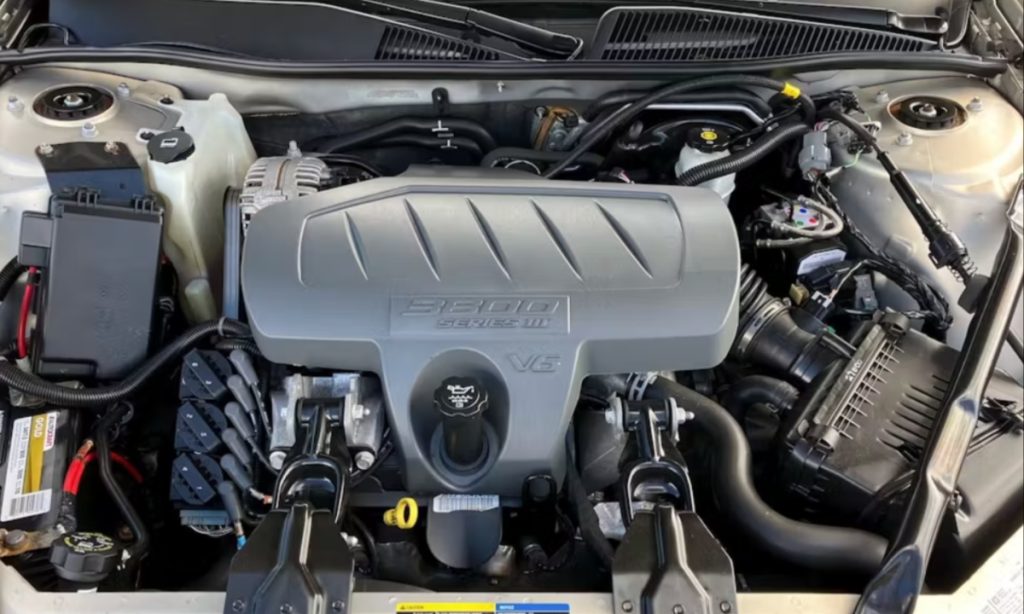
The 3800 also delivered excellent fuel efficiency for its era, often achieving over 30 mpg on the highway in full-size sedans. This efficiency combined with durability cemented its reputation.
Even though production ended years ago, the GM 3800 Series II remains respected in automotive circles.
For buyers of older cars, seeing this engine under the hood is almost a guarantee of long-lasting service. It is a true workhorse that set a benchmark for durability in V6 engines.
6. Chrysler Pentastar 3.6L V6
The Chrysler Pentastar 3.6L V6 is one of the most important engines in the modern era for Stellantis (previously Chrysler and FCA).
Launched in 2010, it replaced a wide range of older V6 engines and quickly became the go-to powerplant across Dodge, Jeep, Chrysler, and Ram vehicles.
Today, it remains widely used in everything from minivans to rugged off-road SUVs, proving itself both versatile and dependable.
With an aluminum block, dual overhead cams, and variable valve timing, the Pentastar balances power and efficiency.
Depending on the application, output ranges from 283 to 305 horsepower, which is strong enough to move heavy vehicles while still maintaining respectable fuel economy. It has been praised for its smoothness and surprisingly refined performance for a mass-market engine.
What truly makes the Pentastar stand out is its ability to handle high mileage with relatively few issues. Millions of vehicles have been produced with this engine, and many owners report surpassing 200,000 miles without major internal problems.
Timing chains replaced the maintenance-heavy belts of older designs, and improvements to the cooling system over the years have reduced early concerns.
Minor issues such as rocker arm wear or oil cooler leaks do appear in some models, but they are not costly compared to the lifespan of the engine. Mechanics appreciate the engine’s common design across so many vehicles, which makes repairs straightforward and parts plentiful.
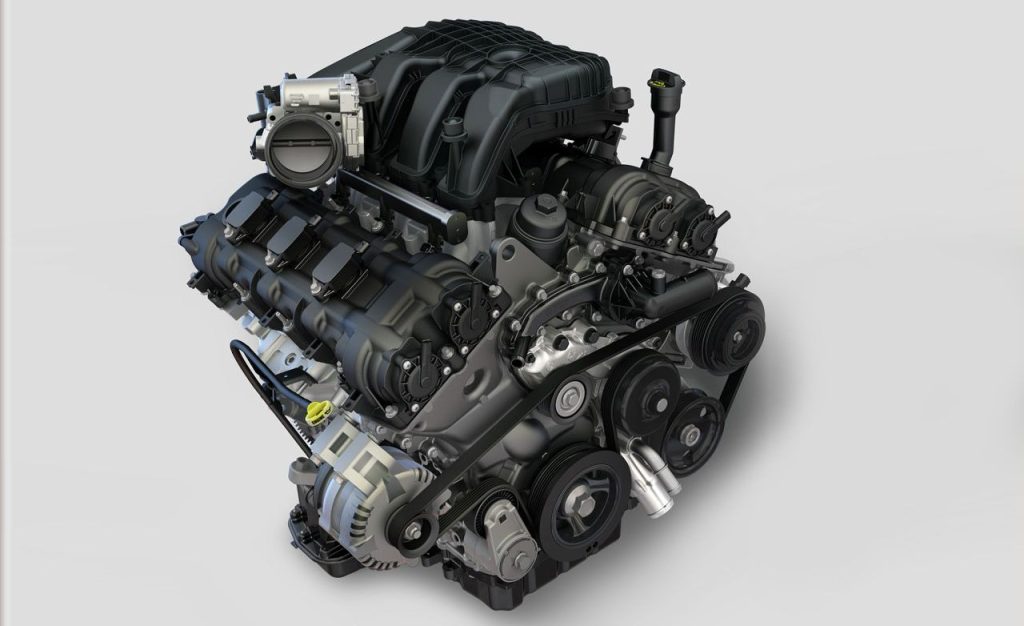
The Pentastar’s success is also tied to how adaptable it has been. It powers everything from the Jeep Wrangler to the Dodge Charger, handling diverse roles without losing reliability.
For drivers who want a modern V6 with a strong record of endurance, the Pentastar 3.6 remains a proven choice and a cornerstone of Chrysler engineering.
7. Mercedes-Benz M112 V6
Mercedes-Benz has produced many sophisticated engines, but the M112 V6 stands out as one of the most reliable. Introduced in the late 1990s, this 3.2-liter and 2.6-liter V6 series powered models such as the E-Class, C-Class, M-Class, and CLK.
Unlike some modern European engines that gained reputations for complexity and costly upkeep, the M112 became known for its ability to last hundreds of thousands of miles with proper maintenance.
The M112 used an aluminum block with a 90-degree V angle, along with a single overhead camshaft per bank and three valves per cylinder.
While not the most advanced setup compared to rivals, it was designed for longevity and smooth operation. Power ranged from about 215 to 220 horsepower, which was adequate for luxury sedans and SUVs of the era.
One of the main reasons the M112 earned praise is its durability. Many examples have been documented surpassing 300,000 miles, especially when paired with Mercedes’ durable automatic transmissions of the time. Timing chains, rather than belts, added confidence to long-term ownership.
Issues such as oil leaks from valve covers or occasional sensor failures were typical but rarely catastrophic. The engine tolerated extended service intervals better than many competitors, and parts availability remains strong due to the sheer number of vehicles produced.
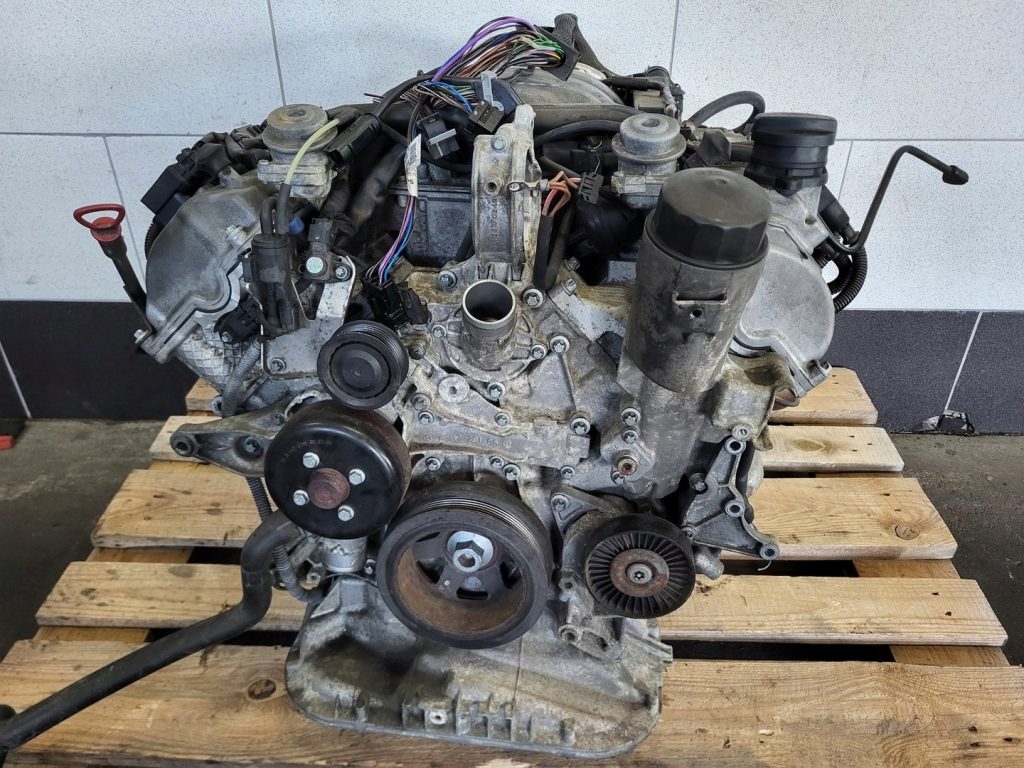
Another highlight is the smoothness of operation. Even with high mileage, the M112 tends to run quietly and with minimal vibration, giving owners a sense of quality that matched the Mercedes badge.
Enthusiasts and mechanics alike often recommend older Mercedes models with the M112 as some of the brand’s most reliable used cars.
For those seeking a luxury car experience without constant repair bills, the M112 V6 represents one of the best balances of German engineering and long-term dependability.
8. Volkswagen VR6
The Volkswagen VR6 is one of the most unique V6 engines ever made, and it also happens to be one of the toughest. First introduced in the early 1990s, it powered models such as the Golf, Jetta, Passat, and later even larger vehicles like the Touareg.
Its unusual “VR” configuration combined a narrow-angle V design with a single cylinder head, creating a compact engine that could fit in smaller cars while delivering six-cylinder performance.
Displacements ranged from 2.8 to 3.6 liters, with output from 172 to more than 280 horsepower depending on the version. The VR6 quickly developed a reputation for its smooth power delivery, distinctive exhaust note, and impressive longevity when maintained properly.
The engine’s cast-iron block gave it exceptional strength, while the design allowed for a relatively simple construction compared to other V6 layouts.
Many owners report VR6 engines surpassing 250,000 miles, and in some cases, even higher with only routine service. Timing chains provided durability, though chain guides and tensioners sometimes required replacement at higher mileage.
Common wear points included coil packs and cooling system components, but these issues rarely caused complete engine failure.
The VR6 proved capable of handling high stress, with many modified versions producing significantly more power without losing reliability. This resilience only added to its reputation among enthusiasts.
One of the reasons the VR6 is still admired is how it gave compact cars the character of larger performance vehicles while remaining dependable.
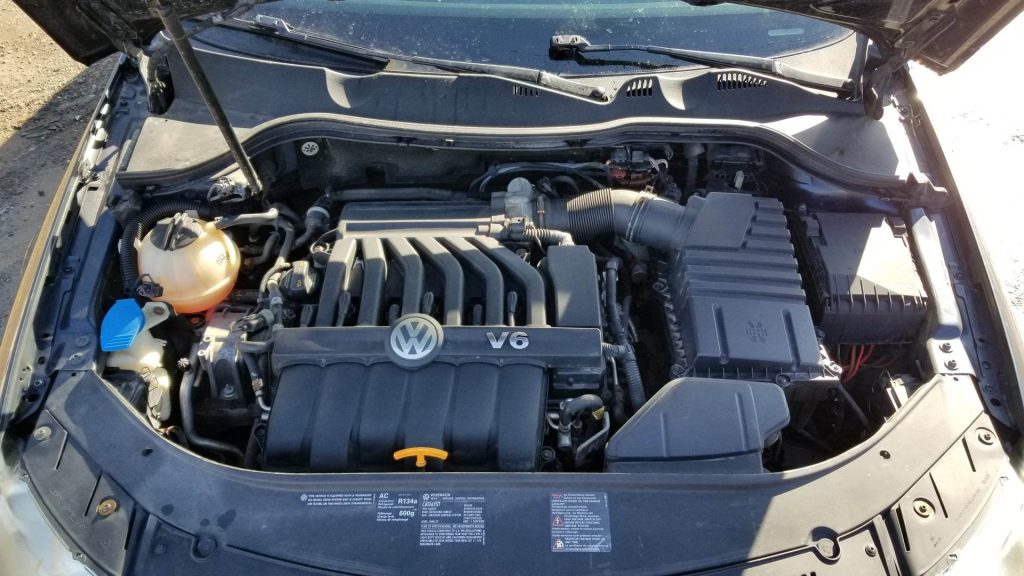
It has a loyal following, with many owners holding onto their VR6-powered cars because of the engine’s unique qualities and long-term toughness.
For anyone considering a used Volkswagen from the 1990s or 2000s, finding one with the VR6 under the hood is a sign of both performance and reliability. It remains a standout example of German engineering with surprising durability.
9. Toyota 1MZ-FE V6
Before the 2GR-FE became Toyota’s flagship V6, the 1MZ-FE had already established a reputation for reliability.
Produced throughout the 1990s and early 2000s, this 3.0-liter engine powered vehicles such as the Toyota Camry, Avalon, Sienna, Lexus ES300, and RX300. It was widely praised for its smoothness, quiet operation, and remarkable longevity.
The 1MZ-FE featured an aluminum block with dual overhead cams and four valves per cylinder.
Power ranged from 190 to 210 horsepower, which was sufficient for midsize sedans and crossovers of its time. Toyota also equipped some versions with VVT-i (variable valve timing), which improved efficiency and broadened the powerband.
What made the 1MZ-FE special was its ability to keep running even under neglect. Many examples have crossed the 300,000-mile mark with only routine servicing.
It was a favorite among families who relied on their Toyotas for daily driving, long trips, and even light towing. The timing belt required scheduled replacement, but beyond that, the engine rarely gave major trouble.
Some owners reported minor oil sludge buildup in neglected engines, but when oil changes were performed consistently, the issue was easily avoided. The overall design was forgiving, and the engine’s internals were strong enough to handle decades of use.
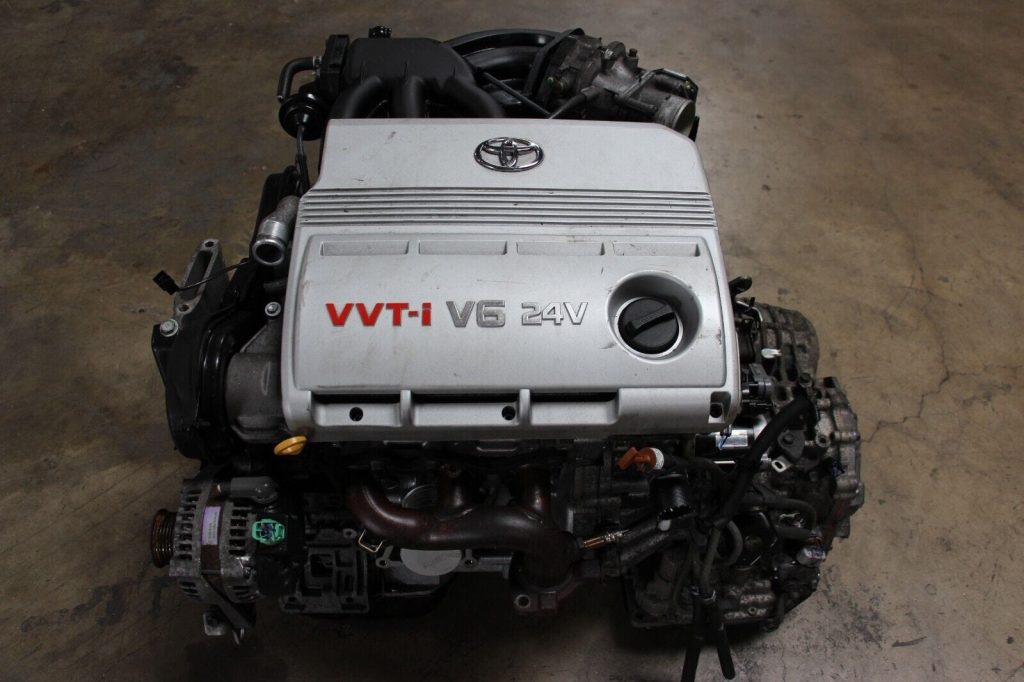
Mechanics often describe the 1MZ-FE as “overbuilt” for its class, noting how it maintained performance even with age.
Owners loved how quiet it remained, contributing to Toyota’s reputation for refinement. Even today, used cars equipped with the 1MZ-FE are sought after because of the engine’s track record.
The 1MZ-FE may not have been flashy, but it delivered what drivers value most: dependable service year after year. It remains one of the strongest examples of Toyota’s approach to building engines that simply do not quit easily.
10. Honda C32A V6
The Honda C32A V6, part of the C-series family, earned recognition in the 1990s and early 2000s for its blend of refinement and strength.
Found in vehicles like the Acura Legend, Acura RL, and Honda Inspire, this 3.2-liter V6 was a luxury-oriented engine that proved itself remarkably durable over time.
With an aluminum block, four valves per cylinder, and Honda’s precision engineering, the C32A produced between 200 and 225 horsepower depending on the application. It was designed to deliver smooth, quiet power for upscale sedans while still being capable of long-term endurance.
The C32A became known for running quietly even at high mileage. Many examples from the 1990s are still on the road today with 250,000 or more miles.
Timing belts required replacement at intervals, but when serviced correctly, the engine had very few weak points. Oil leaks and worn motor mounts appeared with age but were inexpensive compared to internal repairs.
One of the reasons the C32A is respected is the quality of its build. Honda engineered it with tight tolerances, and when combined with regular oil changes, the result was an engine that resisted wear for decades. Owners frequently praised how little vibration the engine produced, even in older vehicles.
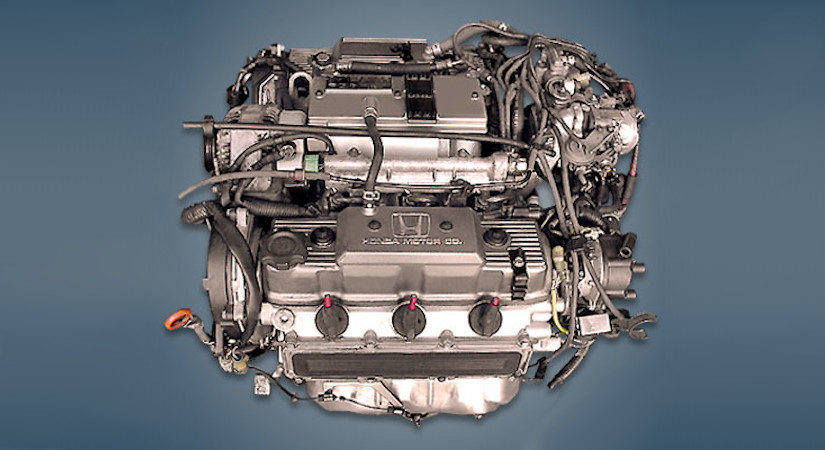
The C32A also contributed to Honda’s reputation for reliability in its luxury Acura lineup, helping establish trust among buyers in North America and Asia. Enthusiasts often seek Acura Legends or early RL models with this engine specifically because of how well it holds up.
Although overshadowed by later Honda J-series engines, the C32A deserves recognition as a workhorse in its own right. For anyone considering an older Honda or Acura, the C32A remains a solid, dependable V6 that has proven its strength over decades.
11. Jaguar AJ-V6
Jaguar has sometimes struggled with reliability perceptions, but the AJ-V6 engine helped counter that reputation.
Introduced in the late 1990s and developed with Ford, this 2.5- and 3.0-liter V6 powered models such as the Jaguar S-Type, X-Type, and later versions of the XF. Despite skepticism, the AJ-V6 proved itself to be a dependable powerplant when maintained properly.
Built with an aluminum block and dual overhead cams, the AJ-V6 delivered between 200 and 240 horsepower depending on displacement and tuning.
It was based on Ford’s Duratec architecture, which already had a strong track record for durability. Jaguar engineers refined it for smoother delivery and added performance for luxury applications.
Over time, the AJ-V6 earned a reputation for high-mileage reliability. Many examples have exceeded 200,000 miles, especially in vehicles where regular servicing was performed. The chain-driven timing system reduced maintenance needs, while the bottom-end design gave it resilience against wear.
Typical issues included coil pack failures, oil leaks, or cooling system weaknesses, but these were considered minor compared to the longevity of the engine itself. Owners often noted that while other Jaguar components might cause frustration, the AJ-V6 remained solid.
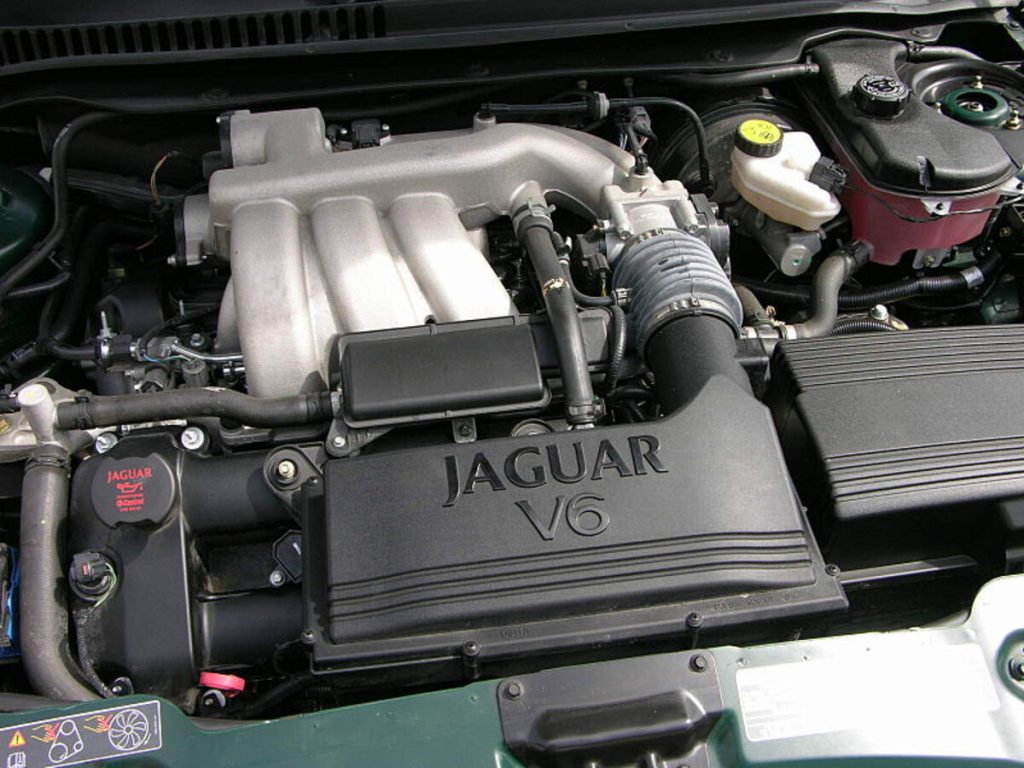
Mechanics appreciate the AJ-V6 because it rarely suffers from catastrophic internal problems. Its Ford connection also means parts availability is better than for some other Jaguar engines, lowering long-term costs. For buyers of older Jaguars, the AJ-V6 is usually considered a safe bet compared to other options.
While it may not carry the same legendary reputation as Toyota or Honda units, the AJ-V6 deserves recognition for proving that Jaguar could produce a long-lasting and trustworthy V6. It allowed the brand to compete in the luxury segment with an engine that owners could count on for years of service.
12. Alfa Romeo Busso V6
The Alfa Romeo Busso V6, often simply called the “Busso,” is one of the most admired engines ever produced by the Italian brand. Built from the 1970s through the mid-2000s, it appeared in models such as the Alfa Romeo GTV6, 164, 156, and GT.
While Alfa Romeo has often been criticized for reliability, the Busso V6 stands out as an exception, known for its toughness and character.
Displacements ranged from 2.5 to 3.2 liters, with outputs from about 160 horsepower in early versions to over 240 in later models. Beyond the numbers, the Busso became famous for its distinctive exhaust note and willingness to rev, giving Alfa vehicles a unique personality.
Despite Alfa’s reputation for fragile cars, the Busso itself is widely considered reliable. Many examples have reached 200,000 miles or more with consistent maintenance.
Its cast-iron block and aluminum heads provided a durable foundation, while the relatively simple design made it easier to service than many contemporary European engines.
Owners report that when oil changes and timing belt replacements are handled on schedule, the Busso rarely fails.
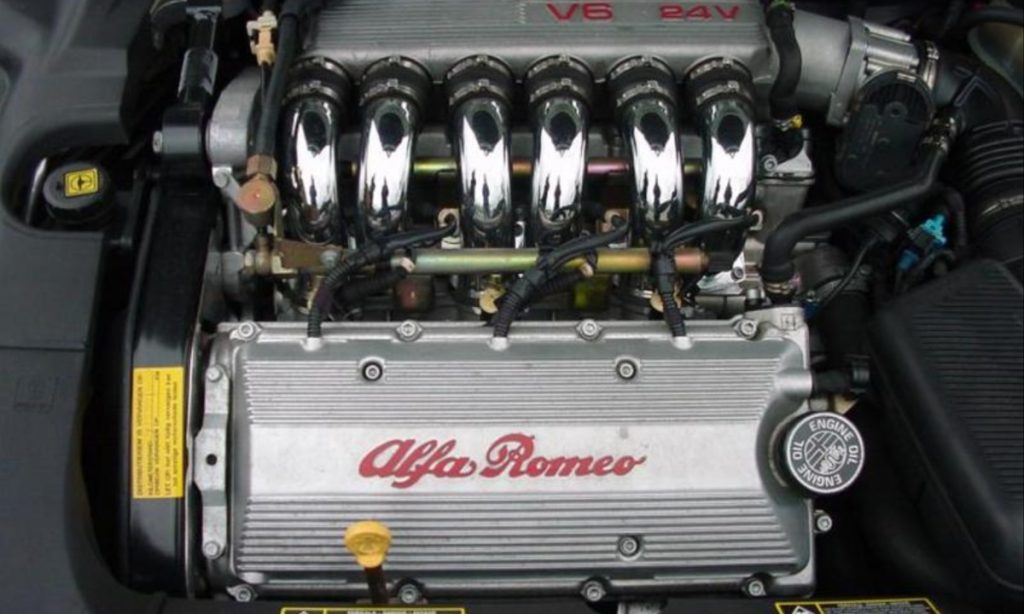
Typical issues include worn cam seals or intake gaskets, but these are manageable and do not compromise the engine’s overall life. Enthusiasts admire the engine for combining durability with a sense of passion that few other V6s deliver.
Another reason the Busso remains respected is its adaptability. It powered sedans, coupes, and even high-performance variants, always maintaining its dependable nature.
Today, cars equipped with the Busso are highly collectible, in part because the engine has proven itself as both robust and enjoyable.
For those seeking an engine that defies stereotypes about Italian reliability, the Alfa Romeo Busso V6 is the standout example. It remains one of the strongest and most admired six-cylinder engines ever made.
Also Read: 12 Engines That Outlast Their Cars Entirely
