
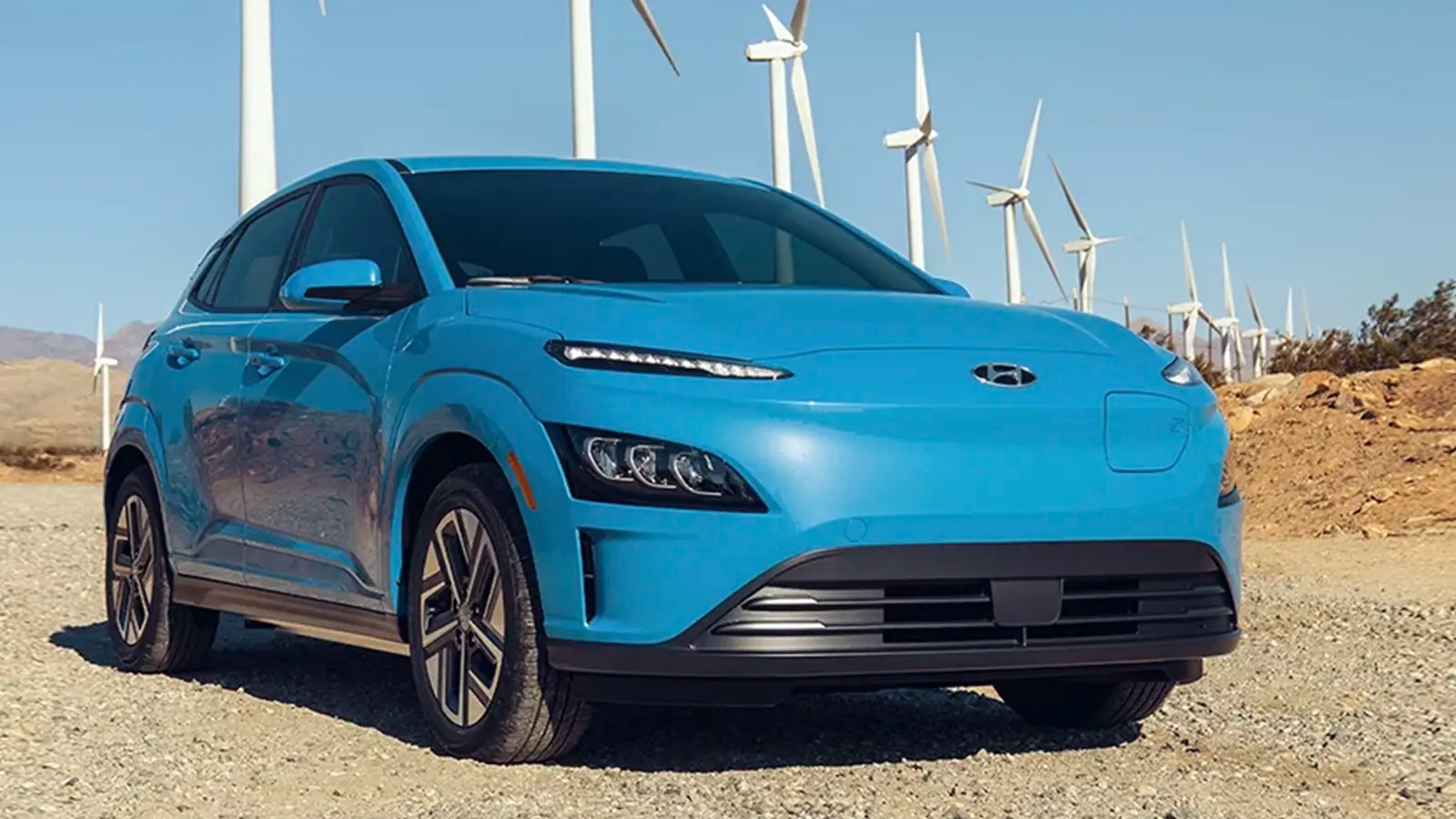
Electric vehicles (EVs) have grown in popularity over the past decade, offering efficient, zero-emission transportation with fewer mechanical components than traditional gasoline-powered cars.
One of the most notable advantages of EVs is their longevity. While early electric vehicles faced concerns about battery degradation and component wear, many modern EVs have proven capable of exceeding their factory warranties by several years.
Drivers are increasingly discovering that these vehicles can remain reliable well beyond the expected coverage period, making them an attractive long-term investment.
The key to EV durability lies in thoughtful engineering. Automakers who invest in high-quality batteries, cooling systems, and electric drivetrains produce vehicles that maintain performance even after hundreds of thousands of miles.
Battery chemistry, thermal management, and software control play a significant role in extending the life of electric motors and energy storage systems.
Additionally, EVs benefit from regenerative braking, which reduces wear on mechanical brakes and contributes to overall system longevity.
This article highlights twelve electric vehicles that consistently outperform their warranty expectations. Each vehicle is analyzed for the reasons behind its durability, including battery reliability, motor efficiency, and overall build quality.
Real-world owner experiences are considered to illustrate how these EVs handle daily commuting, long-distance driving, and various weather conditions.
For anyone considering an EV, understanding which models have a track record of lasting far beyond warranty coverage is crucial for making an informed decision.
From compact city cars to luxury electric SUVs, these twelve models demonstrate that electric mobility can be both sustainable and dependable over the long term.
Also Read: 12 Cars That Remain Reliable Even After Sitting For Years
1. Tesla Model 3 (2017–Present)
The Tesla Model 3 has become one of the most recognized electric vehicles globally, not only for its performance but also for its long-term reliability.
With a combination of efficient electric motors, high-quality battery packs, and sophisticated thermal management, the Model 3 has consistently outlasted its factory warranty, often reaching over 200,000 miles without significant issues.
Real-world owners report that even after years of daily use, the powertrain remains strong, and battery capacity degradation is modest.
A major factor in the Model 3’s durability is Tesla’s battery chemistry and cooling system. The lithium-ion cells are carefully monitored by software that manages charging and discharging patterns, preventing overheating and reducing long-term wear.
Additionally, the dual-motor all-wheel-drive system, available on certain trims, distributes power evenly, minimizing stress on any single component. These features ensure consistent performance over thousands of charging cycles and miles.
Maintenance for the Model 3 is relatively low. Without an internal combustion engine, there is no need for oil changes or complex transmissions, reducing the number of components that can fail prematurely.
Routine checks, such as tire rotation, brake inspections, and occasional software updates, are usually sufficient to maintain optimal performance. The regenerative braking system also reduces wear on traditional brakes, further contributing to the vehicle’s long-term reliability.
Beyond the drivetrain, the build quality of the Model 3 contributes to its longevity. The electric platform minimizes vibrations and mechanical strain, protecting key components.
Owners consistently praise the car for retaining high efficiency, smooth acceleration, and dependable operation even after many years on the road.
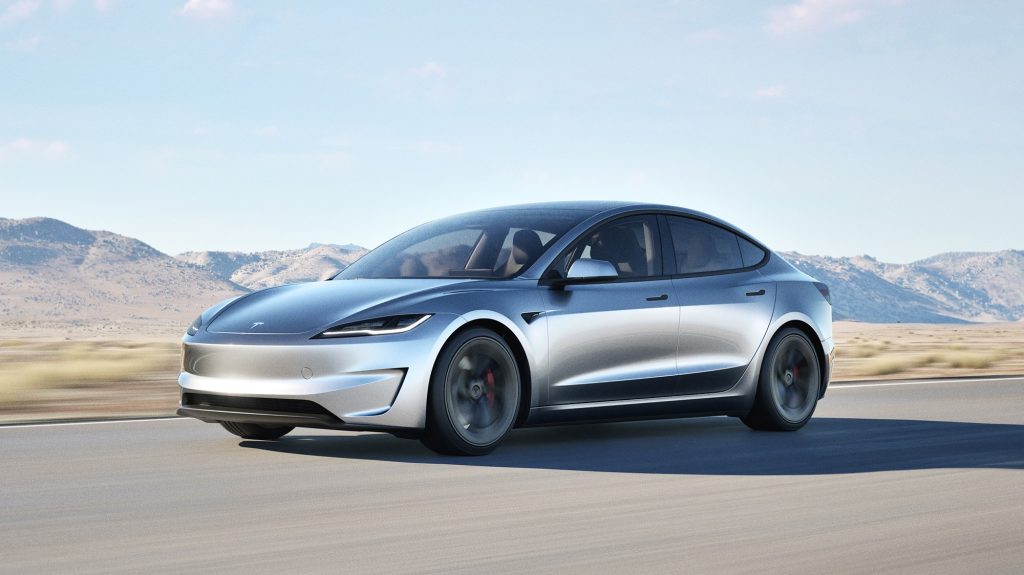
Overall, the Tesla Model 3 demonstrates that a well-engineered electric vehicle can outperform warranty expectations.
Its combination of battery reliability, durable electric motors, and minimal maintenance requirements makes it one of the longest-lasting EVs on the market, appealing to drivers seeking a vehicle that will continue performing reliably well beyond standard coverage periods.
2. Chevrolet Bolt EV (2017–Present)
The Chevrolet Bolt EV is recognized for its practicality and exceptional battery longevity. With a 60 kWh battery pack and a single electric motor, the Bolt has proven that a compact EV can provide consistent performance for years, often exceeding its eight-year/100,000-mile battery warranty.
Real-world data shows minimal capacity loss, even after heavy daily commuting, making it a reliable choice for long-term ownership.
The Bolt’s battery management system is central to its durability. Thermal management prevents overheating during fast charging or extended highway trips, reducing degradation over time.
Additionally, the electric motor is designed with simplicity in mind, with fewer moving parts compared to traditional engines. This reduces the risk of mechanical failure and contributes to the vehicle’s reputation for long-lasting performance.
Maintenance requirements are minimal. With no internal combustion engine, there are no oil changes or transmission services.
Routine checks for tires, brakes, and coolant systems are typically sufficient to ensure reliability. Regenerative braking also reduces wear on the mechanical brakes, extending their lifespan and lessening maintenance costs over time.
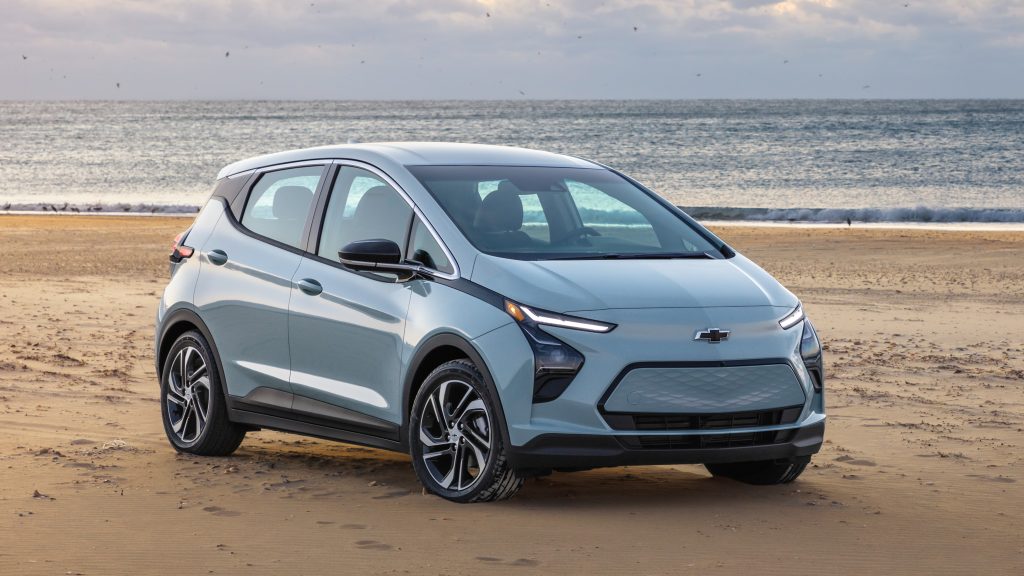
Driving behavior further influences the Bolt’s longevity. Many owners report that smooth, steady acceleration and moderate use of fast charging help maintain battery health. However, even with frequent use, the Bolt retains strong efficiency, with minimal loss in range after several years.
Overall, the Chevrolet Bolt EV combines simplicity, efficient battery design, and durable components, making it an EV that often outlasts its warranty by several years.
Its reliable performance, low maintenance needs, and proven battery longevity make it a practical choice for drivers seeking a long-term electric vehicle.
3. Nissan Leaf (2018–Present)
The second-generation Nissan Leaf is known for its reliability and ability to maintain battery performance well beyond its warranty period.
Equipped with a 40 kWh or 62 kWh battery pack and a single electric motor, the Leaf has proven capable of delivering dependable transportation for over 150,000 miles in real-world usage.
Owners frequently report that the battery retains most of its capacity, allowing the vehicle to remain practical for daily commuting and longer trips.
Battery management plays a critical role in the Leaf’s longevity. The system carefully monitors charge levels and temperature, protecting cells from excessive heat or rapid charging stress.
This approach helps prevent premature degradation, keeping the battery healthy over many years. The electric motor is similarly robust, with minimal mechanical components that could fail, further supporting long-term reliability.
Maintenance is straightforward. Without a gasoline engine, oil changes and transmission services are unnecessary.
Regular inspections of tires, brakes, and coolant systems are usually sufficient. The regenerative braking system reduces mechanical wear, allowing the vehicle to maintain consistent operation with fewer repairs.
The Leaf’s design also prioritizes efficiency and simplicity. Its platform minimizes vibrations and stress on components, and software updates from Nissan help improve energy management and overall performance.
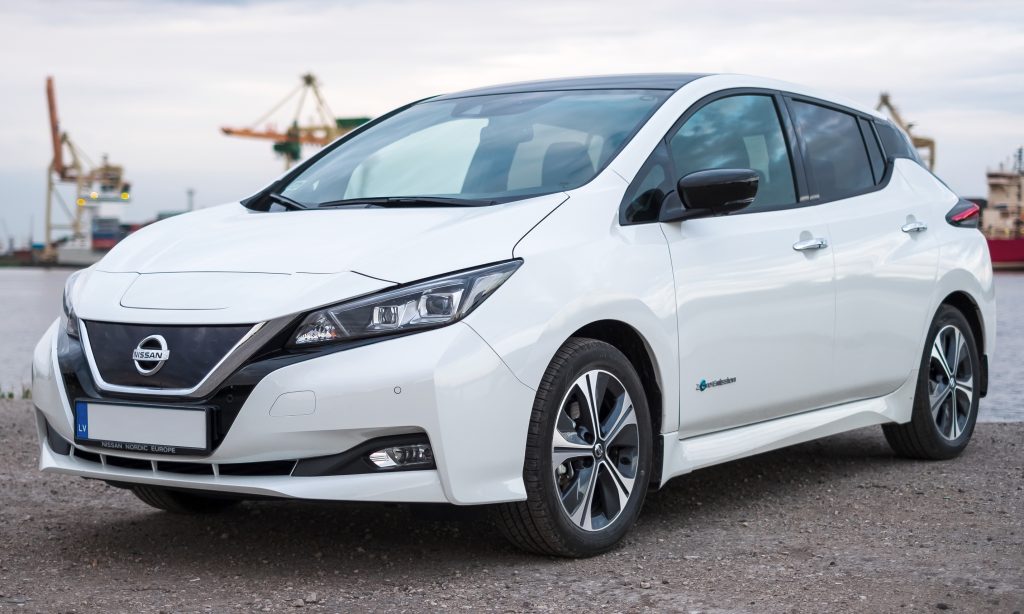
Many drivers have noted that their Leafs continue to perform smoothly even after several years of continuous use.
Overall, the Nissan Leaf demonstrates that an EV can be both practical and durable. With careful battery management, a reliable electric motor, and minimal maintenance requirements, it consistently outlasts its warranty.
For those seeking a dependable, long-lasting electric vehicle, the Leaf remains one of the most proven options available.
4. Tesla Model Y (2020–Present)
The Tesla Model Y, Tesla’s compact electric SUV, has quickly gained a reputation for durability and long-lasting performance.
Built on the same platform as the Model 3, it features high-efficiency electric motors and robust lithium-ion battery packs that often exceed the standard warranty expectations.
Real-world owners report minimal battery degradation and reliable operation even after significant mileage, making it a dependable choice for long-term ownership.
A key factor in the Model Y’s longevity is Tesla’s advanced battery management system. The software actively monitors temperature, charging rates, and energy consumption to prevent overheating and excessive wear.
Dual-motor all-wheel-drive variants distribute power evenly across the axles, reducing stress on individual components. These features allow the vehicle to maintain consistent performance over thousands of miles.
Maintenance requirements for the Model Y are relatively low. Without an internal combustion engine, there is no need for oil changes or complex transmission servicing.
Regular checks on tires, brakes, and software updates are usually sufficient to ensure continued reliability. Regenerative braking reduces wear on mechanical brakes, further supporting long-term durability.
The vehicle’s build quality also contributes to its resilience. Minimal vibrations from the electric powertrain reduce stress on critical systems, while software updates enhance efficiency and optimize battery health over time.
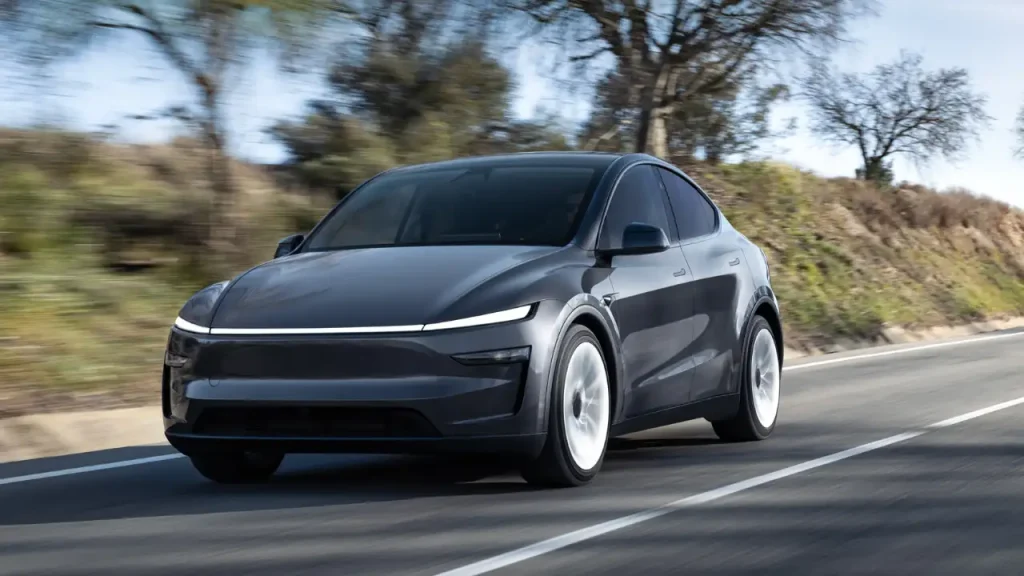
Many owners report smooth acceleration, stable handling, and sustained range even after years of daily use.
Overall, the Tesla Model Y demonstrates that a carefully engineered electric SUV can surpass warranty expectations.
Its combination of durable battery packs, reliable motors, and low maintenance requirements makes it one of the longest-lasting electric vehicles available today.
5. Hyundai Kona Electric (2018–Present)
The Hyundai Kona Electric is a compact SUV that has earned recognition for its long-lasting battery and reliable electric powertrain.
With a 64 kWh battery pack and a single electric motor, the Kona Electric is capable of maintaining range and performance well beyond the typical warranty period. Many owners report that their vehicles remain efficient and dependable even after years of regular use.
Battery longevity is a major factor in the Kona Electric’s durability. Hyundai incorporates a robust thermal management system that prevents overheating during high-speed driving or fast charging.
The electric motor itself is simple and efficient, reducing the likelihood of mechanical failure. These features allow the Kona Electric to consistently deliver strong performance over time.
Maintenance is minimal, with no oil changes, transmission work, or engine servicing required. Routine inspections of brakes, tires, and coolant systems are usually sufficient. Regenerative braking further reduces wear on the mechanical brakes and helps preserve overall vehicle longevity.
The Kona Electric’s design ensures consistent performance in various driving conditions. Whether used for daily commuting, highway travel, or light cargo transport, the vehicle’s powertrain remains smooth and efficient.
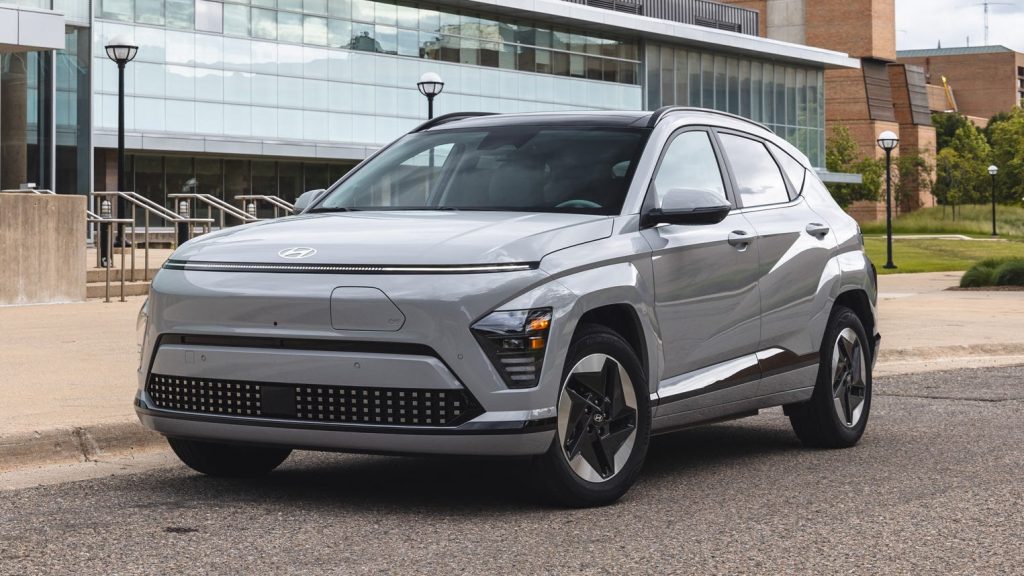
Drivers consistently note stable range retention and minimal issues with battery capacity even after extensive use.
Overall, the Hyundai Kona Electric combines a dependable battery system, low-maintenance electric motor, and durable components.
Its ability to maintain performance and range well beyond the warranty makes it a practical and reliable option for those seeking a long-lasting electric SUV.
6. Audi e-tron (2019–Present)
The Audi e-tron is a luxury electric SUV that offers both performance and longevity. With dual electric motors and a 95 kWh battery pack, the e-tron demonstrates strong durability, often exceeding the manufacturer’s warranty in real-world conditions.
Owners frequently report that the vehicle maintains smooth acceleration, consistent range, and reliable operation even after extended use.
A significant factor in the e-tron’s reliability is Audi’s sophisticated thermal management system. The battery and motors are carefully monitored to prevent overheating and excessive degradation.
Additionally, the dual-motor setup ensures power is distributed efficiently, reducing strain on individual components and promoting long-term durability.
Maintenance requirements are straightforward for an electric vehicle. Without an internal combustion engine, there are no oil changes or transmission servicing needs.
Routine inspections of tires, brakes, and cooling systems, along with occasional software updates, are sufficient to maintain optimal operation. The regenerative braking system reduces mechanical wear and contributes to long-term reliability.
The e-tron is designed for smooth performance across a range of driving conditions. Whether navigating urban streets, cruising on highways, or handling steep inclines, the electric drivetrain provides consistent power without undue stress on the components.
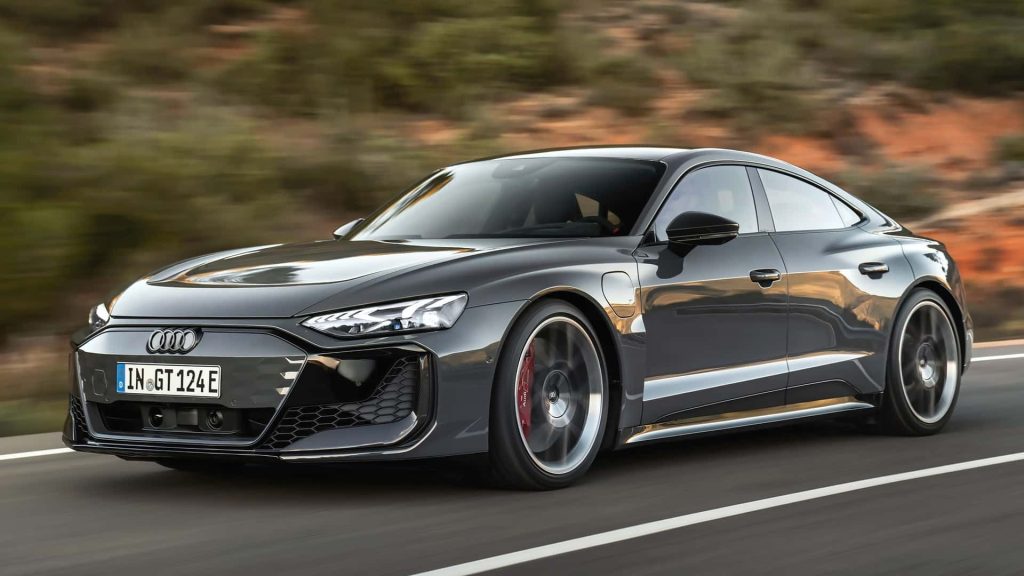
Many owners note that the battery retains a high percentage of its original capacity even after several years of use.
Overall, the Audi e-tron demonstrates that a luxury electric SUV can combine performance, comfort, and long-term reliability.
Its robust battery, efficient dual-motor system, and minimal maintenance requirements allow it to outlast its warranty by years, making it a dependable choice for those seeking a high-end electric vehicle that will remain durable over time.
7. Kia EV6 (2022–Present)
The Kia EV6 is a modern electric crossover that combines efficiency, performance, and longevity. With a 77.4 kWh battery pack and an advanced electric drivetrain, the EV6 has quickly gained a reputation for durability.
Early owner reports suggest that the vehicle maintains battery health and consistent performance well beyond the manufacturer’s standard warranty.
A major factor in the EV6’s long-term reliability is its sophisticated battery management system. Thermal management prevents overheating during high-speed driving or fast charging, helping to preserve the battery’s lifespan.
The electric motors are engineered for minimal mechanical stress, reducing the likelihood of component failure. Dual-motor all-wheel-drive variants distribute power efficiently, further decreasing strain on individual components.
Maintenance for the EV6 is minimal. Without a gasoline engine, oil changes, fuel system inspections, or transmission work are unnecessary.
Routine checks for tires, brakes, and cooling systems are generally sufficient to ensure reliable operation. Regenerative braking reduces wear on the mechanical brakes and lessens stress on the drivetrain, contributing to long-term durability.
The vehicle performs consistently across various driving conditions. Urban commuting, highway travel, and moderate cargo loads do not significantly impact battery performance or efficiency.
Drivers report smooth acceleration, stable handling, and reliable range even after extensive daily use, reflecting the vehicle’s robust engineering.
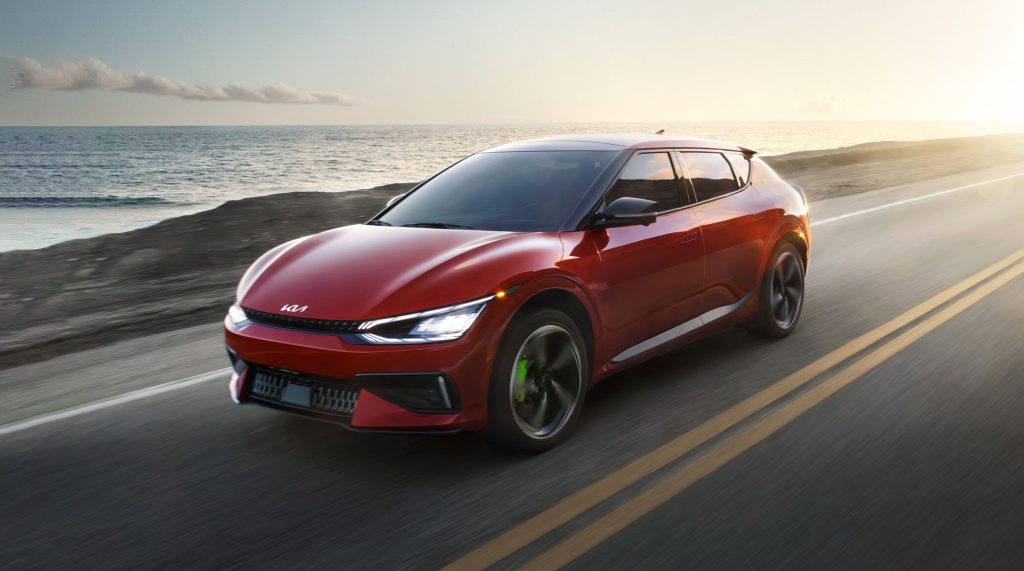
Overall, the Kia EV6 demonstrates that a well-designed electric crossover can provide lasting reliability.
Its efficient powertrain, strong battery management, and low-maintenance requirements make it a practical choice for anyone seeking an EV that outlasts its warranty while maintaining consistent performance.
8. Hyundai Ioniq 5 (2021–Present)
The Hyundai Ioniq 5 is a midsize electric crossover praised for longevity and innovative engineering. Its 77.4 kWh battery and single or dual electric motors deliver reliable performance that frequently surpasses warranty expectations. Real-world users have reported minimal battery degradation and smooth operation even after several years of heavy use.
Battery management is central to the Ioniq 5’s durability. Thermal control systems prevent overheating during rapid charging or high-speed driving, which helps extend battery life.
The electric motors are designed with efficiency and minimal wear in mind, reducing the likelihood of premature component failure. Dual-motor all-wheel-drive models distribute power evenly, further protecting the drivetrain.
Maintenance is minimal. Routine checks for tires, brakes, and cooling systems are sufficient to ensure continued operation. Regenerative braking reduces mechanical stress on the brakes and drivetrain, contributing to the vehicle’s long-term reliability.
The absence of a gasoline engine eliminates the need for oil changes and complex engine maintenance, simplifying ownership.
The Ioniq 5 handles different driving conditions well. City commuting, long highway trips, and moderate cargo loads do not significantly affect performance or battery life.
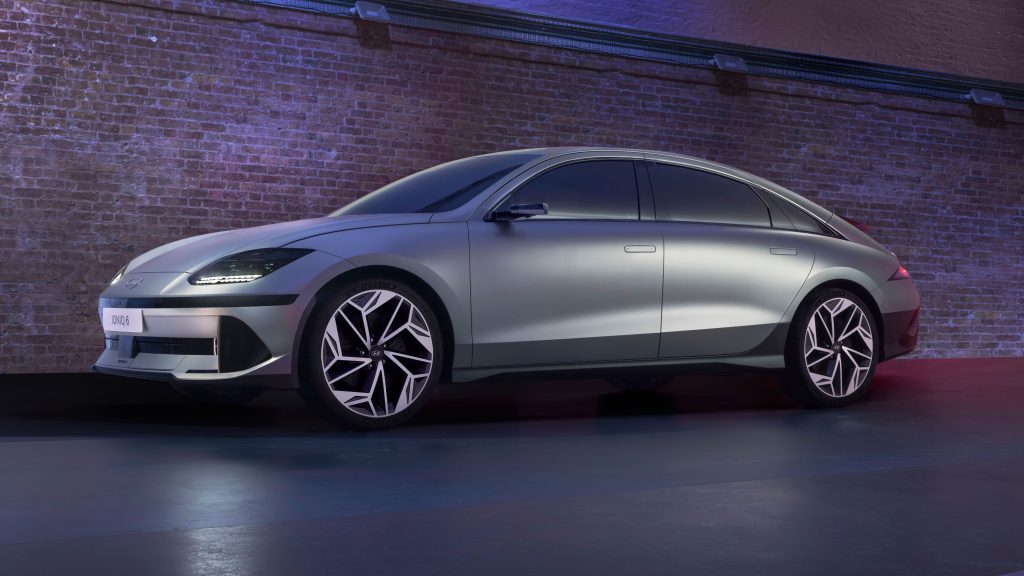
Owners report stable range retention, smooth acceleration, and consistent handling even after extensive use, reflecting the vehicle’s robust engineering.
Overall, the Hyundai Ioniq 5 demonstrates how thoughtful design and efficient systems result in an EV that frequently outlasts its warranty.
Its dependable battery, low-maintenance drivetrain, and strong performance make it a practical option for drivers seeking a long-lasting electric vehicle.
9. BMW i4 (2022–Present)
The BMW i4 is a luxury electric sedan that combines performance and durability. With battery capacities ranging from 66.5 kWh to 83.9 kWh and high-efficiency electric motors, the i4 has proven capable of maintaining performance beyond the standard warranty period. Owners report consistent range and smooth driving dynamics after years of regular use.
A key factor in the i4’s reliability is its advanced battery management system. Thermal regulation prevents overheating, while software optimizes charging and discharging to reduce stress on battery cells.
The electric motors feature minimal moving parts, lowering the likelihood of mechanical issues. Dual-motor all-wheel-drive versions distribute power evenly, reducing strain on components and enhancing longevity.
Maintenance requirements are minimal. Without a gasoline engine, there is no need for oil changes or complex transmission work.
Routine inspections of brakes, tires, and cooling systems, along with software updates, are sufficient to keep the vehicle in optimal condition. Regenerative braking further reduces wear on mechanical brakes and the drivetrain.
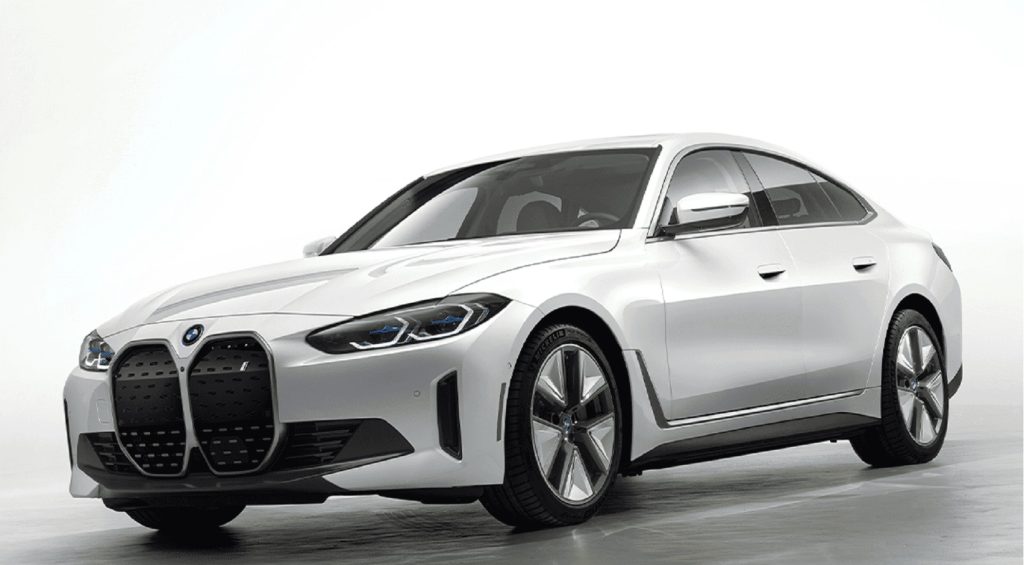
The i4 delivers consistent performance in a variety of driving conditions. It handles city traffic, highway speeds, and spirited driving without significant battery or motor stress.
Owners have reported stable range retention and minimal degradation in performance even after substantial mileage, demonstrating the vehicle’s engineering quality.
Overall, the BMW i4 proves that a luxury electric sedan can combine high performance with long-term durability.
Its reliable battery system, efficient electric motors, and minimal maintenance needs make it an EV that consistently outlasts its warranty while delivering dependable performance.
10. Porsche Taycan (2020–Present)
The Porsche Taycan is a high-performance electric sedan known for combining sporty driving with long-term reliability.
With battery options ranging from 79.2 kWh to 93.4 kWh and dual electric motors, the Taycan has demonstrated the ability to maintain performance and range well beyond its warranty period. Owners report minimal battery degradation and consistent acceleration even after several years of regular use.
A major factor in the Taycan’s durability is its sophisticated thermal management system. The battery and motors are actively cooled to prevent overheating during fast charging or spirited driving.
The dual-motor setup distributes power efficiently, reducing stress on individual components and extending the overall lifespan of the drivetrain. Porsche’s high-quality engineering and precision manufacturing contribute further to reliability, minimizing premature wear on critical parts.
Maintenance requirements for the Taycan are straightforward for an electric vehicle. There is no need for oil changes or transmission service.
Routine inspections of tires, brakes, and cooling systems, along with software updates, are generally sufficient. The regenerative braking system helps reduce wear on mechanical brakes, further supporting long-term durability.
The Taycan performs consistently under a range of conditions, from city commuting to highway cruising. Drivers note smooth handling, reliable energy efficiency, and minimal loss of battery range even after extended use.
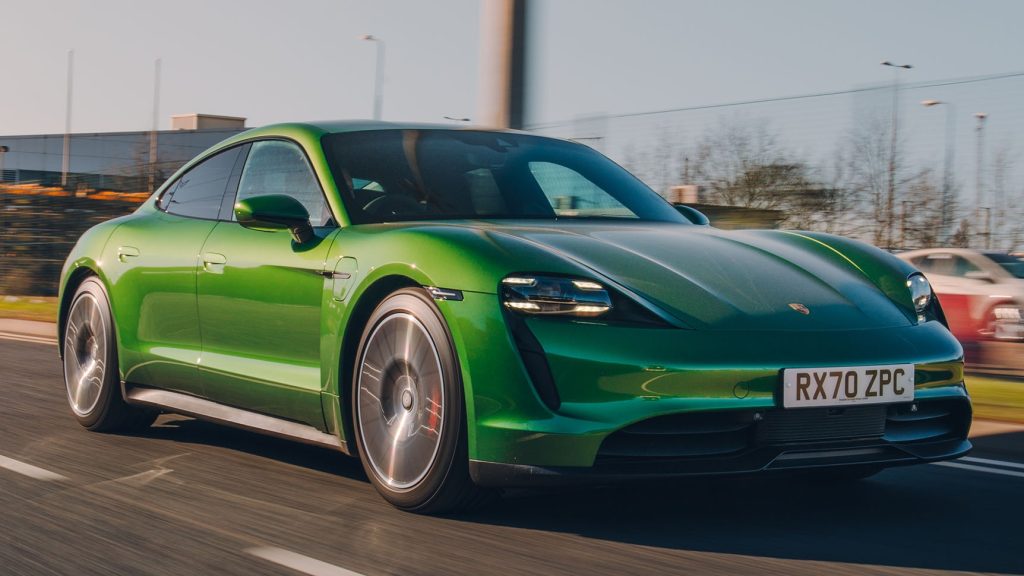
The combination of advanced engineering and a well-managed electric drivetrain ensures that the Taycan can deliver dependable performance for many years.
Overall, the Porsche Taycan demonstrates that a luxury performance EV can offer longevity and reliability alongside sporty driving. Its durable battery, efficient dual-motor system, and low-maintenance design allow it to consistently exceed warranty expectations.
11. Ford Mustang Mach-E (2021–Present)
The Ford Mustang Mach-E is an all-electric SUV that has gained attention for its durability and performance.
With battery capacities ranging from 68 kWh to 91 kWh and an efficient electric drivetrain, the Mach-E often maintains range and performance well beyond the manufacturer’s warranty. Owners report reliable operation even after heavy daily commuting and long-distance travel.
The Mach-E’s long-term reliability stems from its battery management system. Thermal regulation prevents overheating, while software controls charging and discharging cycles to reduce stress on the cells.
Electric motors are designed with minimal moving parts, decreasing the chance of mechanical failure. Dual-motor all-wheel-drive models distribute power efficiently, reducing strain on the drivetrain.
Maintenance is simple. There is no internal combustion engine, so oil changes and transmission service are unnecessary.
Routine inspections of tires, brakes, and cooling systems, combined with software updates, are sufficient to maintain optimal performance. Regenerative braking reduces wear on mechanical brakes, contributing to overall durability.
The Mach-E handles various driving conditions efficiently, including city traffic, highway speeds, and occasional heavy loads.
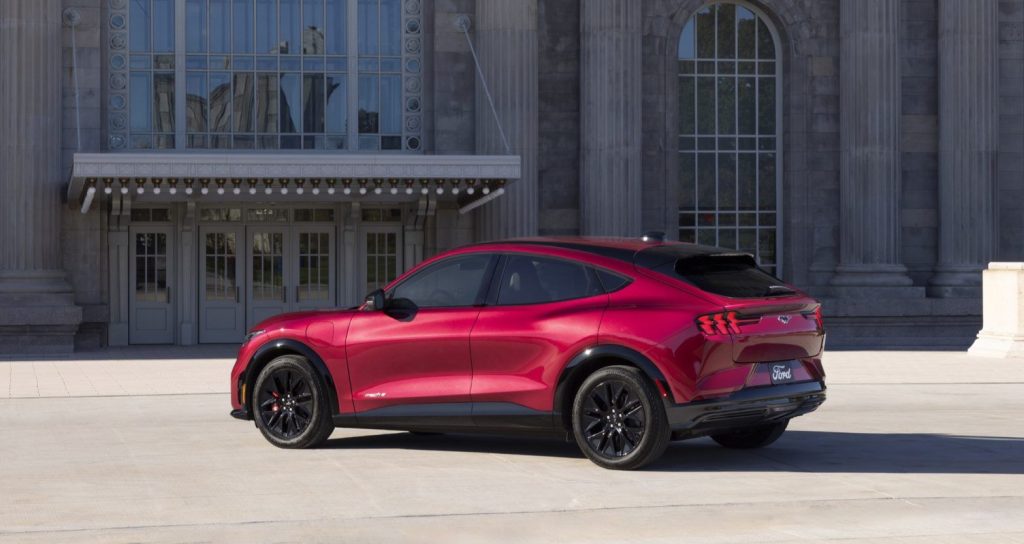
Drivers report stable range, consistent performance, and minimal battery degradation even after extensive use, reflecting the vehicle’s well-engineered electric platform.
Overall, the Ford Mustang Mach-E demonstrates that a practical electric SUV can maintain performance far beyond warranty coverage.
Its reliable battery, efficient electric motors, and low-maintenance requirements make it a strong choice for drivers seeking a dependable long-term EV.
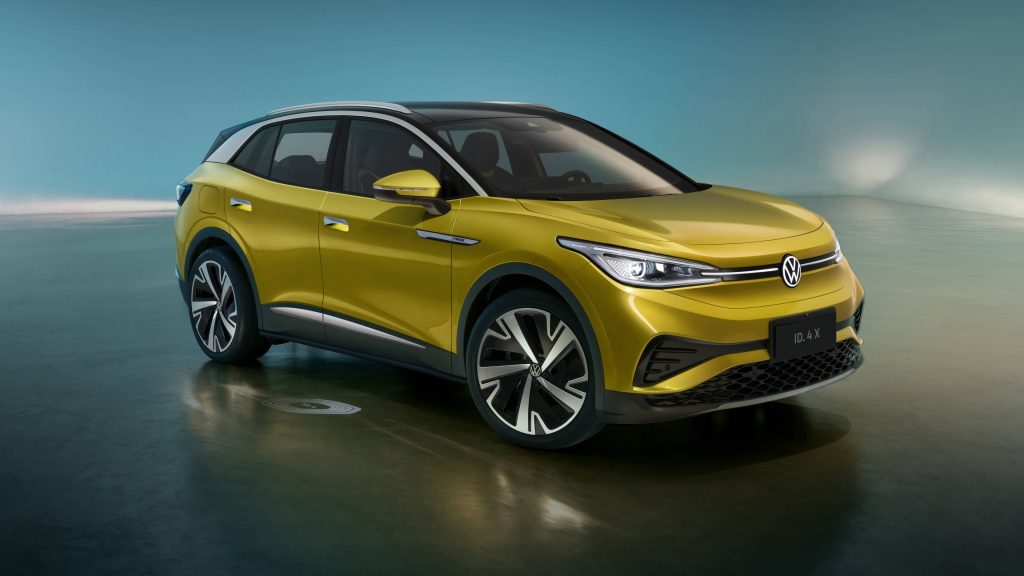
12. Volkswagen ID.4 (2021–Present)
The Volkswagen ID.4 is a compact electric SUV designed for efficiency, reliability, and long-term ownership.
With a 77 kWh battery pack and single or dual electric motors, the ID.4 consistently outperforms warranty expectations. Many owners report that their vehicles maintain range and power delivery even after years of daily use.
The ID.4’s durability is largely due to its battery management and electric drivetrain design. Thermal systems prevent overheating, while software carefully monitors charging and discharging to protect the battery cells.
Electric motors feature minimal moving parts, reducing mechanical wear. Dual-motor all-wheel-drive configurations distribute power evenly, decreasing stress on critical components.
Maintenance is minimal. Without a gasoline engine, there is no need for oil changes or complex engine servicing.
Routine inspections of tires, brakes, and cooling systems, along with occasional software updates, are sufficient. The regenerative braking system reduces wear on mechanical components, further supporting long-term reliability.
The ID.4 performs well across different driving conditions. Urban commuting, highway travel, and light cargo transport do not significantly affect battery or motor performance.
Drivers report smooth acceleration, stable handling, and minimal battery degradation, reflecting the vehicle’s strong engineering.
Overall, the Volkswagen ID.4 demonstrates that a well-designed electric SUV can maintain reliable performance for years.
Its dependable battery system, efficient electric drivetrain, and low-maintenance design allow it to exceed warranty expectations, making it a practical choice for drivers seeking a long-lasting electric vehicle.
Electric vehicles have proven that longevity and reliability can extend far beyond the standard warranty period.
The twelve EVs highlighted demonstrate how thoughtful engineering, efficient battery management, and robust electric drivetrains contribute to long-term performance.
From compact cars like the Nissan Leaf and Chevrolet Bolt to luxury sedans such as the Tesla Model S and BMW i4, each vehicle shows that careful integration of electric motors, batteries, and software systems can minimize wear and maintain efficiency over many years.
Battery management systems play a critical role in preserving capacity and performance. Thermal control, optimized charging and discharging cycles, and regenerative braking all reduce stress on components, ensuring that motors and batteries remain durable.
Vehicles like the Tesla Model 3, Hyundai Kona Electric, and Kia EV6 illustrate how consistent software oversight and smart engineering can prevent premature failures.
Minimal maintenance requirements further enhance reliability. Without internal combustion engines, these EVs eliminate oil changes, complex transmissions, and fuel-related repairs.
Routine inspections, tire rotations, and occasional software updates are typically sufficient to keep the vehicles operating at peak performance.
Overall, these twelve EVs demonstrate that electric vehicles can be dependable, long-lasting, and practical for everyday use.
They offer a compelling combination of efficiency, low-maintenance operation, and durability, proving that modern EVs often outlast their warranty by years while maintaining strong performance and owner satisfaction.
Also Read: 12 Cars That Are Proof Good Engineering Lasts Forever
