
Hybrid vehicles have steadily gained popularity over the past two decades, not only for their fuel efficiency but also for their reliability.
While some early hybrid models faced skepticism regarding battery longevity and engine durability, many modern hybrids have proven themselves capable of running hundreds of thousands of miles with minimal issues.
Drivers now have the advantage of technology that combines traditional internal combustion engines with electric powertrains to create systems that are both efficient and long-lasting.
A critical factor that determines the durability of a hybrid is its engineering. Automakers that invest in high-quality components, robust battery management systems, and well-tested hybrid powertrains often produce models that resist premature failure.
Some engines stand out because they maintain consistent performance under heavy use, while others are recognized for minimal maintenance costs over time.
For buyers who prioritize long-term ownership, choosing the right hybrid can mean fewer repairs, lower ownership costs, and a vehicle that remains dependable for years.
This article highlights twelve hybrid engines known for their reliability and longevity. Each entry focuses on a specific model, providing insight into what makes the engine stand out, how it handles daily driving and mileage, and what real-world owners report about its durability.
From compact sedans to SUVs, these hybrids offer a balance of efficiency, power, and resilience.
Whether you are considering your first hybrid or seeking a replacement vehicle with a proven track record, understanding which engines rarely fail prematurely is essential for making an informed decision.
Also Read: 12 Engines That Outlast Their Cars Entirely
Table of Contents
Toggle1. Toyota Prius (2nd & 3rd Generation) Hybrid Engine
The Toyota Prius, particularly the second and third generations, has earned a reputation for its reliable hybrid powertrain. Its engine combines a 1.5-liter or 1.8-liter gasoline engine with Toyota’s proven hybrid synergy drive.
The system’s key strength lies in the seamless integration of the electric motor and internal combustion engine, which reduces strain on each component.
Owners often report that the Prius engine easily surpasses 200,000 miles with routine maintenance, making it a standout example of longevity in hybrid engineering.
A major factor contributing to this durability is the sophisticated battery management system. Toyota’s nickel-metal hydride batteries are engineered to maintain capacity over long periods, while the hybrid control software ensures optimal performance and prevents overheating.
The internal combustion engine also benefits from conservative tuning, with emphasis on reliability over peak performance. This approach reduces wear on pistons, valves, and other critical components, making it less prone to early failure compared to some high-performance engines.
Maintenance requirements for the Prius are straightforward. Regular oil changes, cooling system inspections, and hybrid battery checks are usually sufficient to keep the powertrain operating efficiently.
Unlike some hybrids that require frequent component replacements, the Prius powertrain rarely presents unexpected issues, with many vehicles exceeding 300,000 miles when cared for properly.
Another advantage is the engine’s adaptability to different driving conditions. The hybrid system efficiently handles city traffic, long highway drives, and varying temperatures, while the regenerative braking system reduces wear on conventional brakes and supports the longevity of the entire drivetrain.
This balance between gasoline and electric power ensures the engine remains stress-free under normal driving conditions.
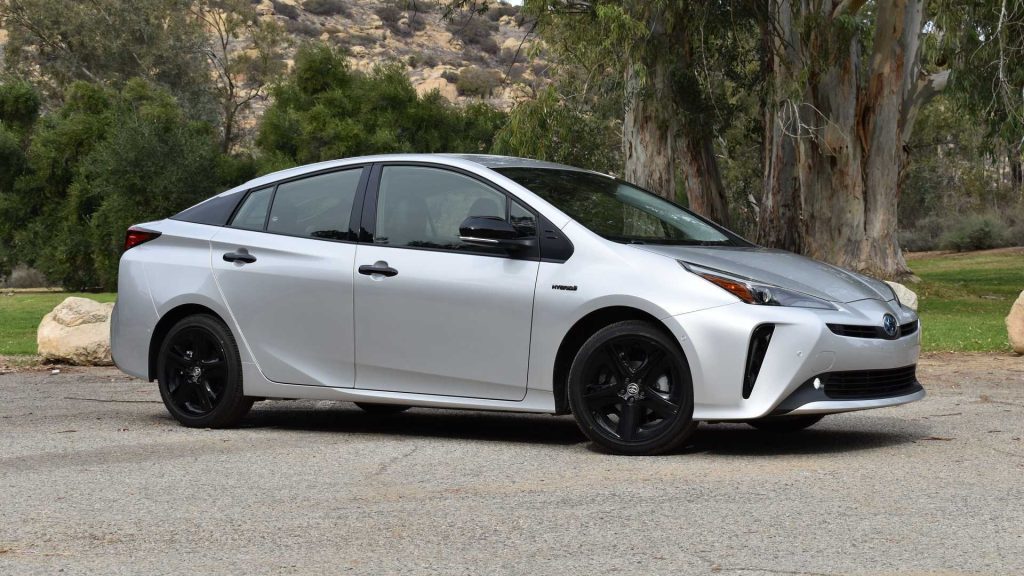
Overall, the Prius hybrid engine represents a combination of efficiency and reliability that few other hybrids can match. Its engineering emphasizes durability, with a proven track record among daily commuters and long-distance drivers alike.
The thoughtful integration of electric and gasoline power, coupled with manageable maintenance, makes it a dependable choice for anyone seeking a hybrid that will last for many years.
This consistent performance and minimal repair history are why the Toyota Prius continues to be considered a benchmark for hybrid longevity.
2. Honda Insight (2nd Generation) Hybrid Engine
The Honda Insight, particularly the second-generation model introduced in the late 2000s, has a hybrid engine known for its reliability and efficient performance. Its powertrain combines a 1.3-liter gasoline engine with Honda’s integrated motor assist system.
Unlike some hybrids, the Insight uses a relatively simple design that emphasizes reliability over complexity, allowing it to perform consistently with minimal mechanical issues.
Many owners report that these engines can easily exceed 150,000 to 200,000 miles without major problems when routine maintenance is performed.
One of the standout features of the Insight’s hybrid system is the integration of the electric motor directly with the engine. This configuration allows the engine to operate in its optimal range, reducing strain and wear on components.
The battery pack, typically nickel-metal hydride in this generation, has a reputation for longevity. Honda designed the system with robust thermal management and efficient charging patterns, which helps prevent premature battery degradation, a common issue in older hybrids.
Maintenance is straightforward. Regular oil changes, coolant inspections, and periodic checks on the hybrid system ensure continued reliability. The Insight’s engine design also benefits from Honda’s reputation for durable naturally aspirated engines.
This means fewer surprises and lower repair costs compared to more complex hybrid systems. Additionally, regenerative braking reduces mechanical stress on the engine, further extending its life.
The driving experience is another area where longevity is enhanced. The engine operates quietly and efficiently in both city and highway conditions, while the hybrid system handles variable loads smoothly. By reducing constant high RPM operation, the Insight’s powertrain experiences less wear over time.
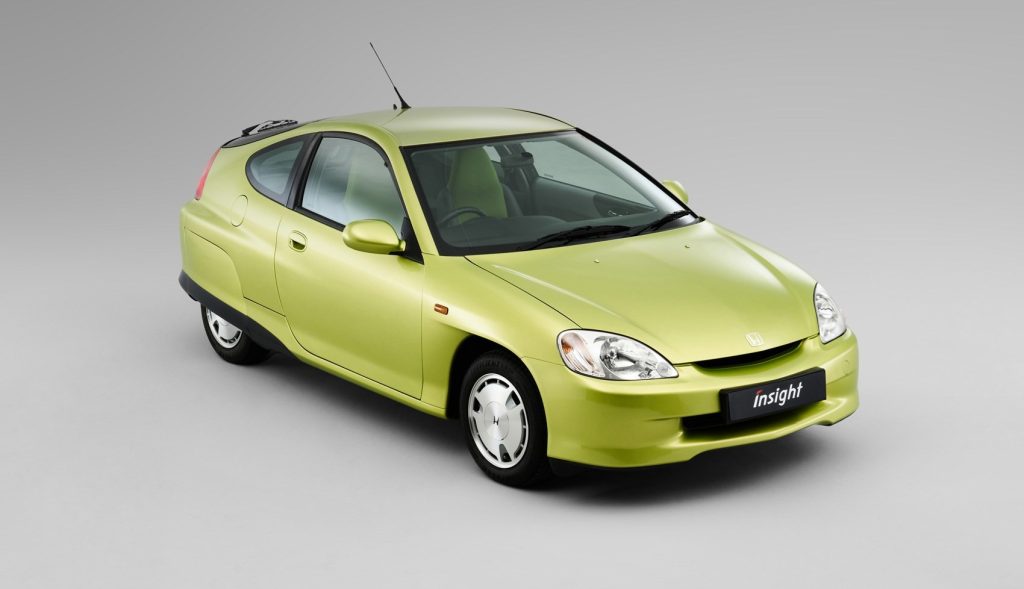
Overall, the Honda Insight hybrid engine stands out for its simplicity, efficiency, and durability. For buyers prioritizing reliability and low maintenance costs, this engine provides peace of mind.
It demonstrates how a well-engineered hybrid system can balance performance with long-term dependability, making it a wise choice for anyone seeking a hybrid that will remain trouble-free for years.
3. Toyota Camry Hybrid (2012–Present)
The Toyota Camry Hybrid combines the proven Camry gasoline engine with a hybrid electric motor to create a system that is both efficient and long-lasting.
Using a 2.5-liter four-cylinder engine paired with Toyota’s hybrid synergy drive, the Camry Hybrid is known for durability and minimal maintenance issues.
Real-world data shows that many Camry Hybrids surpass 200,000 miles without requiring major engine work, thanks to thoughtful engineering and conservative tuning.
One reason for this reliability is the Camry Hybrid’s focus on balance rather than performance extremes. The gasoline engine operates efficiently in combination with the electric motor, which assists during acceleration and low-speed driving.
This reduces wear on pistons, valves, and other engine components. The hybrid battery is engineered to maintain performance over many years, and the system’s cooling and management software prevent overheating, a common cause of early hybrid failure in some competitors.
Maintenance for the Camry Hybrid is straightforward. Standard oil changes, periodic inspections of the hybrid system, and occasional coolant checks are usually sufficient to maintain optimal operation.
Unlike some hybrids that require complex or frequent servicing, the Camry Hybrid is known for predictable, low-cost upkeep. Owners also benefit from Toyota’s extensive network of service centers familiar with hybrid systems.
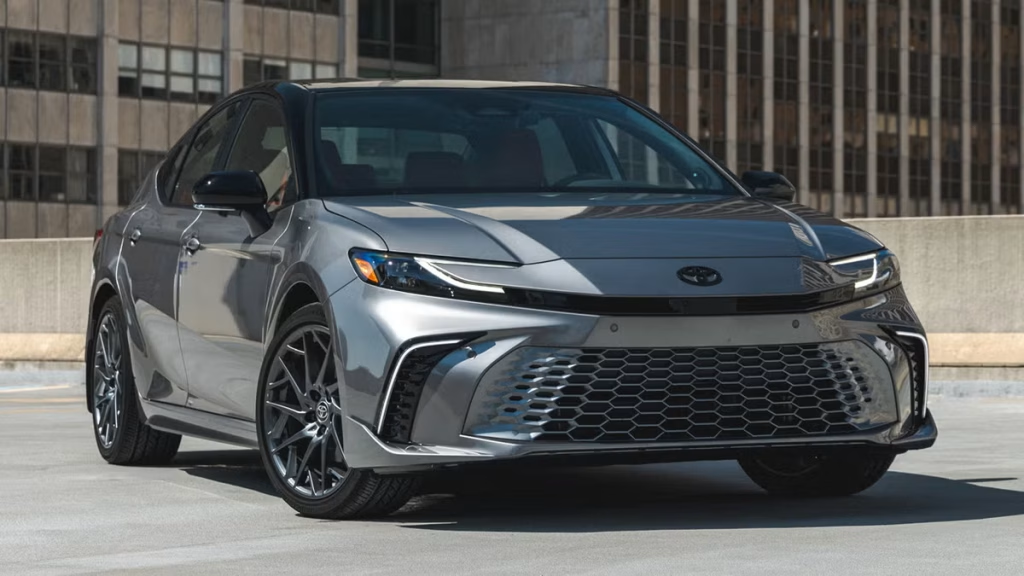
The hybrid powertrain also improves longevity by reducing stress on the engine during city driving. Regenerative braking and electric-only operation in certain conditions allow the gasoline engine to run less aggressively, extending its service life.
This results in lower wear on components and contributes to the vehicle’s reputation for trouble-free ownership.
Overall, the Toyota Camry Hybrid’s engine demonstrates how combining a well-designed gasoline engine with an intelligently managed electric motor can yield long-term reliability.
It is a practical choice for drivers who want a hybrid that can handle daily commuting and long-distance travel without frequent repairs, making it one of the most dependable hybrid engines available.
4. Lexus RX 450h Hybrid Engine
The Lexus RX 450h hybrid SUV is equipped with a 3.5-liter V6 engine paired with a sophisticated hybrid system that prioritizes performance and durability. Unlike smaller hybrids, this system handles the demands of a larger vehicle while maintaining reliability.
Owners frequently report that the RX 450h engine remains strong well past 150,000 miles, with many vehicles surpassing 200,000 miles with proper care.
A key factor in its longevity is Lexus’s careful attention to hybrid integration. The engine works in harmony with multiple electric motors and a continuously variable transmission.
This setup reduces mechanical stress, as the gasoline engine often operates in an optimal range while the electric motors handle acceleration and low-speed maneuvering. The lithium-ion battery is engineered for thermal stability and long life, further supporting the system’s durability.
Routine maintenance is straightforward for an engine of this complexity. Regular oil and filter changes, inspections of coolant and hybrid fluid, and battery monitoring help ensure reliable operation.
The hybrid system also employs regenerative braking, which reduces wear on the gasoline engine and brakes, extending overall lifespan. Additionally, Lexus’s reputation for high build quality means that internal components experience less premature wear than in some competitors.
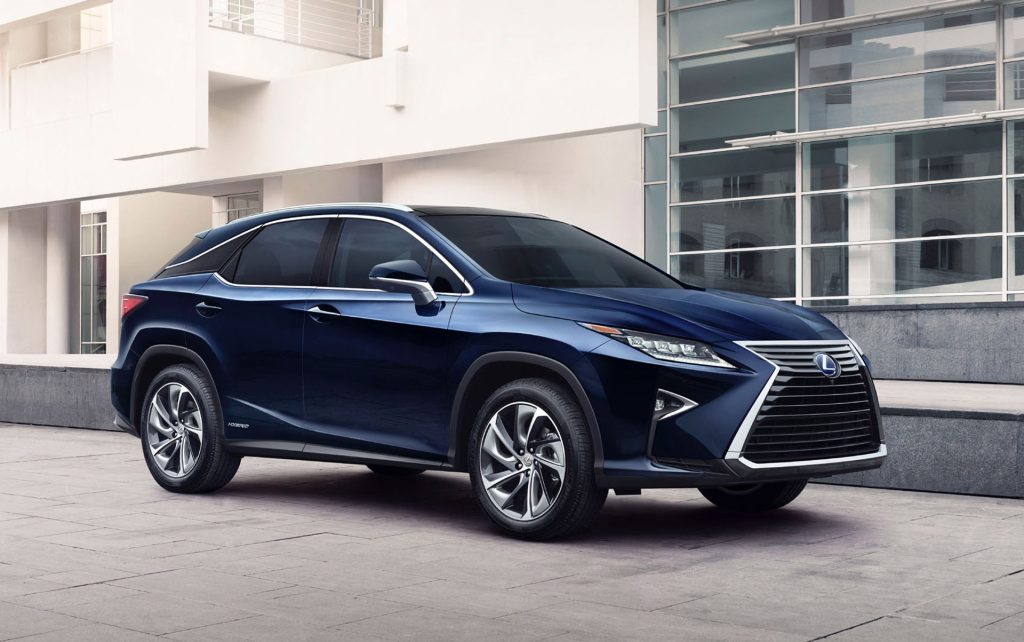
The RX 450h’s engine also adapts well to various driving conditions. Whether used in city traffic, highway cruising, or light off-road conditions, the hybrid system distributes power efficiently. This reduces the likelihood of component fatigue and contributes to long-term reliability.
In summary, the Lexus RX 450h hybrid engine combines power, smooth operation, and a proven hybrid system to deliver long-term durability.
Its thoughtful engineering, maintenance simplicity, and well-integrated electric components make it a reliable choice for drivers seeking a luxurious hybrid SUV that will last for many years.
5. Ford Fusion Hybrid (2013–2020)
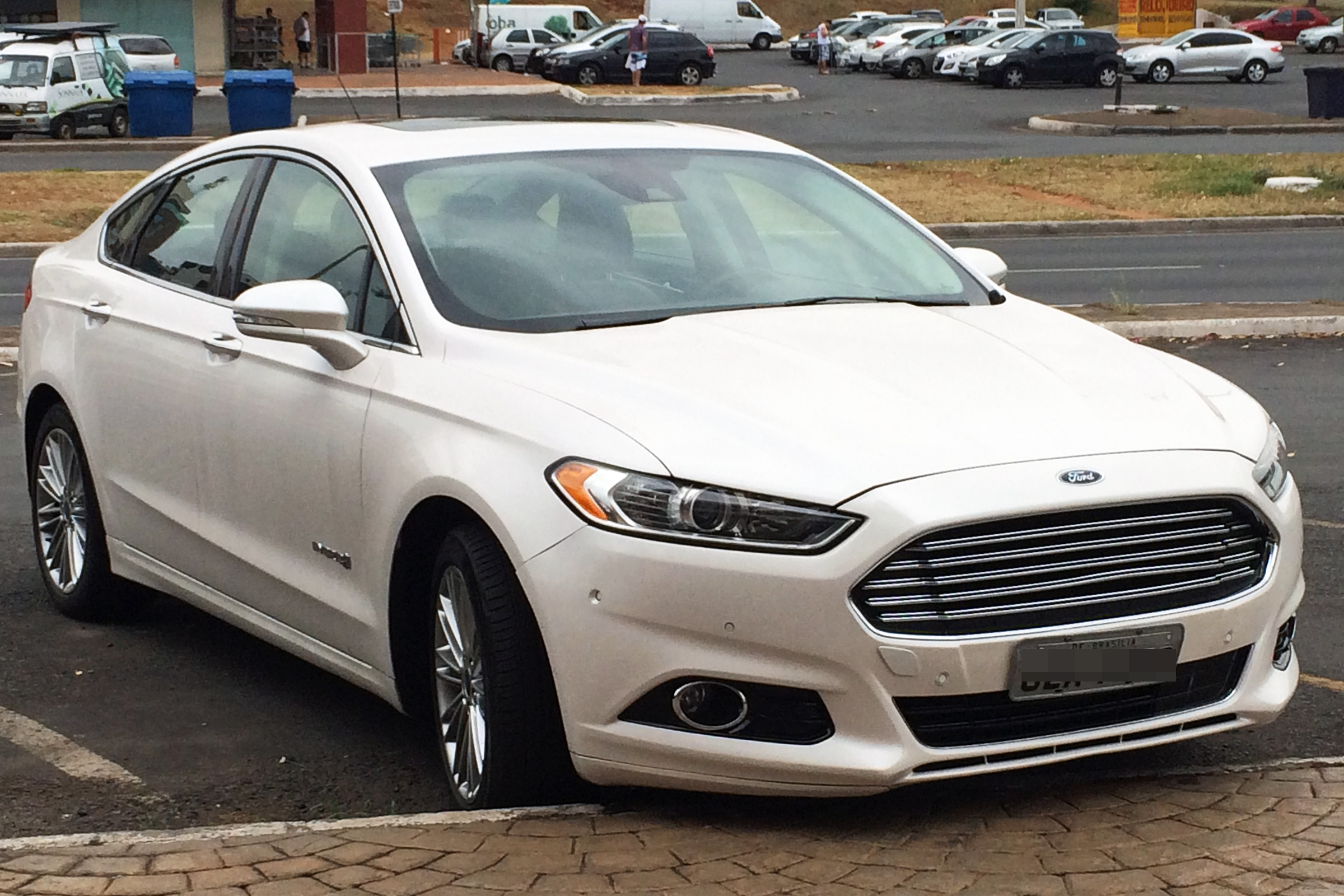
The Ford Fusion Hybrid, especially models produced between 2013 and 2020, features a 2.0-liter Atkinson-cycle gasoline engine paired with an electric motor.
This combination delivers a balance of efficiency and reliability, making it one of the more dependable midsize hybrid sedans on the market.
Real-world reports from owners indicate that the Fusion Hybrid powertrain can exceed 200,000 miles without major engine issues when regular maintenance is followed.
A notable aspect of the Fusion Hybrid’s engine is its Atkinson-cycle design. By optimizing the engine’s thermodynamic efficiency, Ford reduced stress on critical components such as pistons, valves, and timing mechanisms.
The electric motor provides additional power during acceleration, reducing the demand on the gasoline engine. This division of labor ensures that neither component is overworked, which contributes to the system’s overall durability.
The hybrid battery, typically lithium-ion in these models, benefits from a well-designed thermal management system.
Heat is a primary factor in battery degradation, and the Fusion Hybrid’s cooling systems prevent excessive wear, allowing the battery to maintain capacity for many years. Owners report minimal battery issues even after 150,000 miles, provided routine inspections are conducted.
Maintenance is straightforward. Regular oil changes, coolant inspections, and occasional hybrid system checks are usually sufficient to preserve reliability.
The Fusion Hybrid also employs regenerative braking, which reduces wear on traditional brake components and minimizes engine strain. Drivers find that the car remains smooth and responsive across various driving conditions, from city traffic to highway cruising.
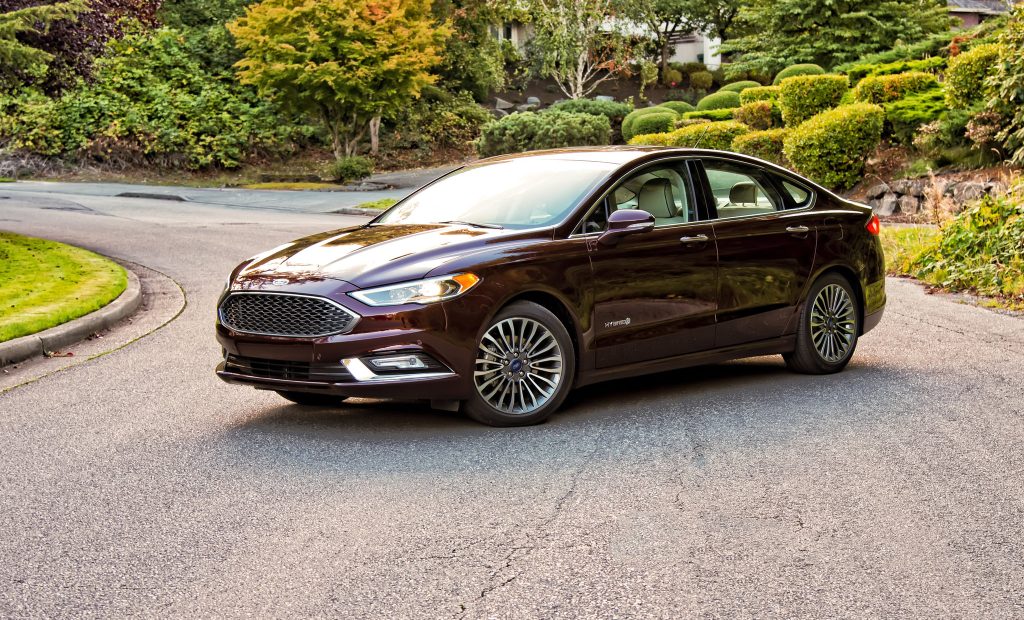
The Fusion Hybrid’s combination of a robust engine, reliable hybrid system, and manageable maintenance makes it a practical choice for long-term ownership.
Its ability to maintain performance and fuel efficiency while minimizing mechanical stress distinguishes it as a hybrid engine that rarely fails prematurely. For buyers seeking a dependable hybrid sedan with proven longevity, the Fusion Hybrid remains a solid option.
6. Hyundai Sonata Hybrid (2016–Present)
The Hyundai Sonata Hybrid pairs a 2.0-liter four-cylinder engine with an electric motor, creating a hybrid system that emphasizes both efficiency and durability.
Since its redesign in 2016, the Sonata Hybrid has gained recognition for dependable powertrains that remain operational beyond 150,000 miles with standard maintenance.
The engine is tuned to prioritize longevity over peak performance, reducing the likelihood of premature wear on critical components.
A key strength of the Sonata Hybrid lies in its engine and electric motor integration. The hybrid system distributes power intelligently, allowing the gasoline engine to run at optimal efficiency while the electric motor assists during acceleration and low-speed driving.
This reduces stress on the engine and transmission, contributing to the system’s long-term durability. The lithium-ion battery is supported by a thermal management system that ensures consistent operation in varied climates, preserving battery life and performance.
Routine maintenance for the Sonata Hybrid is user-friendly. Regular oil changes, coolant checks, and periodic hybrid system inspections are typically sufficient to maintain reliability.
Additionally, regenerative braking reduces wear on the engine and brake components, extending the lifespan of critical systems. Hyundai’s attention to build quality ensures that internal engine components experience minimal premature wear.
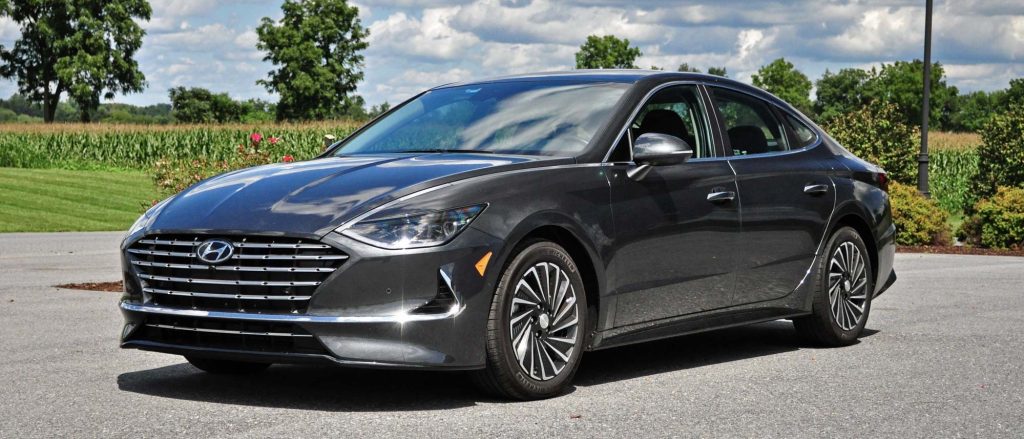
The driving experience also promotes longevity. The hybrid system allows for smooth transitions between electric and gasoline power, minimizing harsh loads on the engine.
This careful design reduces long-term mechanical stress and ensures that components remain functional for years.
Overall, the Hyundai Sonata Hybrid demonstrates how thoughtful engineering and well-managed hybrid systems result in reliable, long-lasting engines.
Its combination of efficient power delivery, low-maintenance requirements, and durable components makes it an excellent choice for drivers seeking a hybrid that rarely encounters early failure.
7. Kia Niro Hybrid (2017–Present)
The Kia Niro Hybrid features a 1.6-liter four-cylinder gasoline engine coupled with an electric motor, offering both efficiency and dependable performance.
Since its launch in 2017, the Niro has earned praise for a hybrid system designed to handle urban commuting and highway driving without excessive wear on the engine. Many owners report minimal mechanical issues even beyond 150,000 miles when regular maintenance is followed.
The engine’s Atkinson-cycle design contributes to long-term reliability. By operating in a more efficient combustion mode, the system reduces stress on pistons, valves, and other internal components.
The electric motor assists during acceleration and low-speed driving, which further decreases the load on the gasoline engine. This shared workload is crucial for extending engine life and preventing premature failure.
The hybrid battery is designed with longevity in mind. Advanced thermal management prevents overheating, maintaining performance across varying temperatures. Owners have noted that the battery often retains high capacity even after years of daily use, making it a standout feature in terms of durability.
Maintenance for the Niro Hybrid is simple. Regular oil changes, coolant inspections, and checks on hybrid components keep the system in optimal condition.
The regenerative braking system reduces wear on traditional brakes and the engine, further extending the life of key mechanical parts. Kia’s focus on component quality ensures minimal premature wear, contributing to overall reliability.
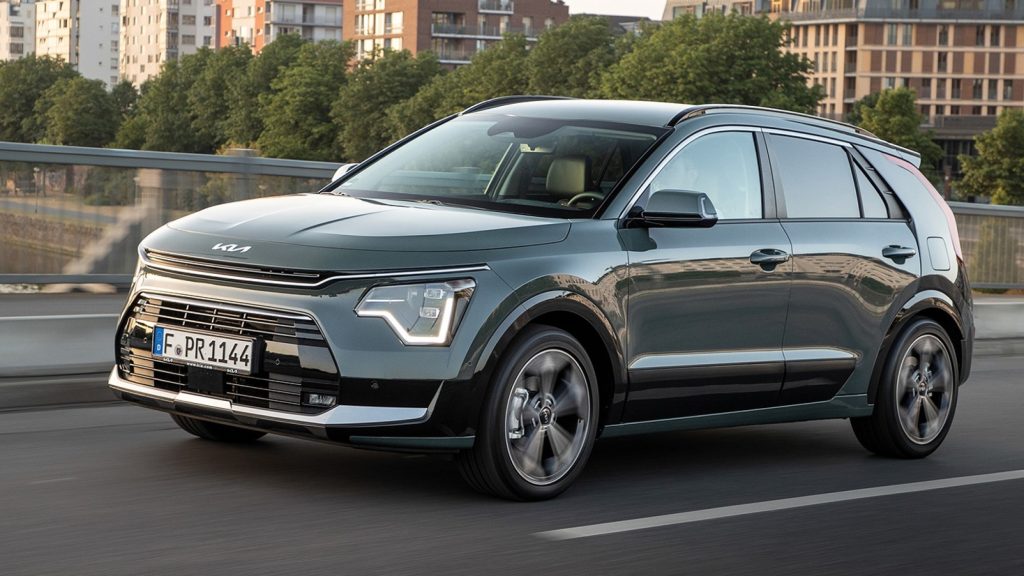
The Niro’s hybrid system also handles different driving conditions efficiently. Whether in stop-and-go city traffic or highway cruising, the engine operates smoothly with minimal stress. This balance between gasoline and electric power helps the Niro maintain dependable performance over long periods.
In conclusion, the Kia Niro Hybrid engine demonstrates the benefits of thoughtful hybrid engineering. Its efficient powertrain, low-maintenance requirements, and proven durability make it a practical choice for drivers who value reliability and long-term performance.
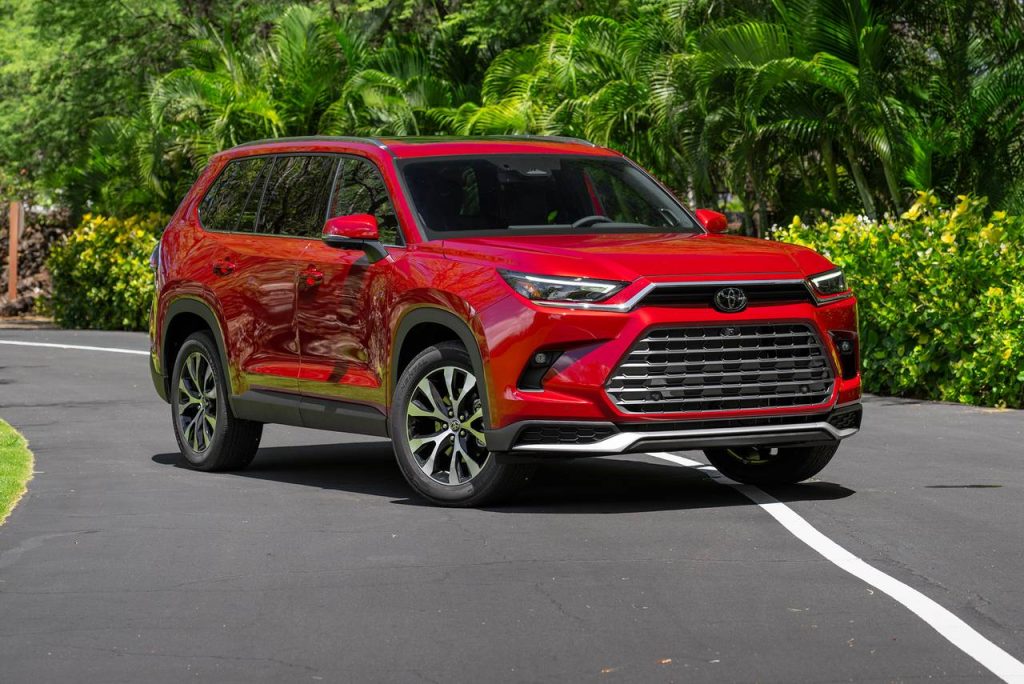
8. Toyota Highlander Hybrid (2014–Present)
The Toyota Highlander Hybrid combines a 3.5-liter V6 engine with Toyota’s hybrid synergy drive system, delivering both power and reliability.
This SUV hybrid is known for its durable engine, capable of covering over 200,000 miles with consistent maintenance. Its popularity among families is partly due to the dependable performance of its hybrid powertrain.
A key factor in the Highlander Hybrid’s longevity is the smooth integration of the gasoline engine with electric motors. The V6 operates primarily in its optimal efficiency range, while the electric motors provide assistance during acceleration and low-speed driving.
This reduces stress on engine components and transmission parts, minimizing wear over time. The hybrid battery, typically nickel-metal hydride or lithium-ion depending on the model year, is engineered for durability, with advanced thermal management systems to maintain battery health over long-term use.
Maintenance is relatively straightforward for an SUV of this size. Regular oil and filter changes, cooling system checks, and routine hybrid system inspections keep the engine and battery in excellent condition.
Regenerative braking reduces wear on both the engine and brakes, which contributes to the vehicle’s overall longevity. Owners consistently report minimal issues even after several years of daily use.
The Highlander Hybrid also performs well under varying driving conditions. From city commutes to long highway trips, the hybrid system ensures smooth transitions between electric and gasoline power.
This consistent operation reduces mechanical stress, extending the life of the engine and hybrid components.
Overall, the Toyota Highlander Hybrid’s engine demonstrates how thoughtful design and reliable hybrid integration create a long-lasting powertrain.
Its combination of efficiency, performance, and durability makes it a dependable choice for drivers seeking a hybrid SUV that will remain trouble-free for many years.
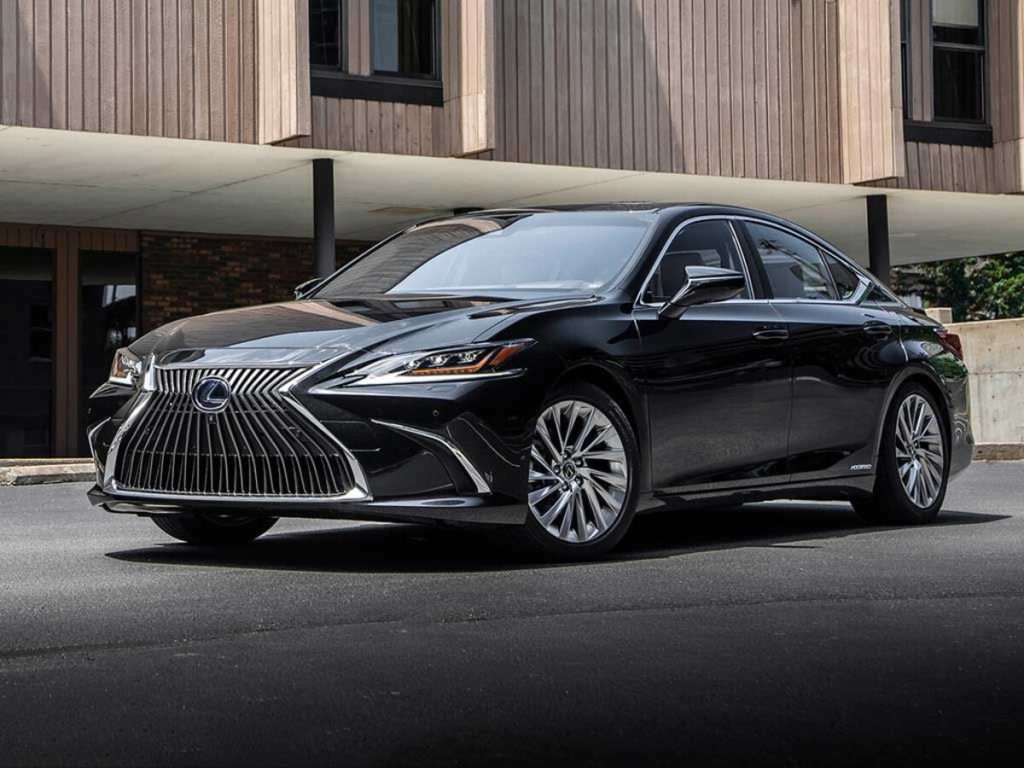
9. Lexus ES 300h Hybrid Engine
The Lexus ES 300h pairs a 2.5-liter four-cylinder engine with an electric motor, delivering a smooth, efficient, and reliable hybrid experience.
Introduced in 2012 and updated through recent model years, the ES 300h engine is designed for durability, offering drivers a long-lasting powertrain with minimal maintenance concerns. Many vehicles easily surpass 150,000 to 200,000 miles when cared for properly.
One strength of this hybrid engine is its smooth coordination between the gasoline engine and electric motor.
The system reduces mechanical stress by optimizing the engine’s operating range, while the electric motor assists during low-speed acceleration and city driving.
This combination limits wear on critical components like pistons, valves, and timing chains. The lithium-ion battery is supported by a reliable thermal management system, preventing overheating and preserving performance for many years.
Routine maintenance for the ES 300h is simple. Regular oil changes, hybrid system checks, and coolant inspections are typically sufficient to maintain engine performance.
The regenerative braking system further extends component life by reducing reliance on conventional brakes and reducing engine load during deceleration. Lexus’s high manufacturing standards ensure that internal engine parts experience minimal premature wear.
The ES 300h adapts well to a range of driving conditions, from congested city streets to long-distance highway trips.
Its hybrid system ensures smooth power delivery, reducing abrupt mechanical stress. This contributes significantly to the vehicle’s reputation for reliability and long-term durability.
Overall, the Lexus ES 300h hybrid engine combines efficiency, smooth operation, and proven reliability.
Its thoughtful engineering and dependable components make it an excellent choice for drivers seeking a hybrid that rarely encounters early mechanical problems, maintaining strong performance for years of ownership.
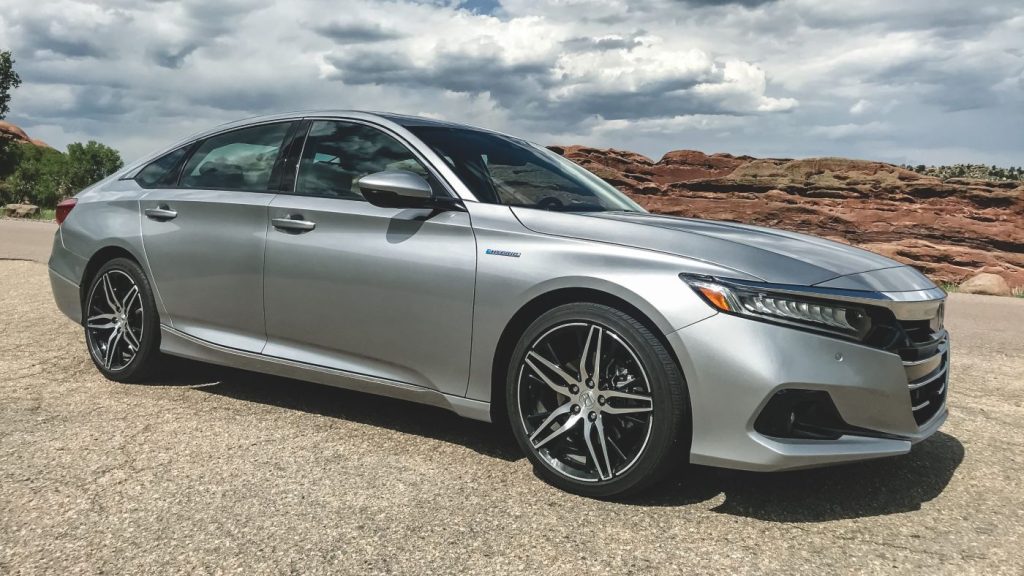
10. Honda Accord Hybrid (2014–Present)
The Honda Accord Hybrid features a 2.0-liter Atkinson-cycle four-cylinder engine paired with an electric motor and lithium-ion battery, delivering a hybrid system known for efficiency and long-term reliability.
Introduced in 2014, the Accord Hybrid quickly gained recognition for its dependable powertrain, with many vehicles surpassing 150,000 miles with minimal repairs.
A key factor in the engine’s durability is Honda’s focus on simplicity and efficiency. The gasoline engine operates primarily in its optimal range, while the electric motor assists with acceleration and city driving.
This division of labor reduces stress on engine components, including pistons, valves, and the timing system. The lithium-ion battery is designed for longevity, supported by a thermal management system that maintains performance under various conditions.
Routine maintenance is straightforward. Regular oil changes, hybrid system inspections, and cooling system checks are typically sufficient to maintain optimal performance.
The regenerative braking system reduces mechanical strain on the engine and brakes, extending the overall lifespan of critical components. Honda’s reputation for high-quality engineering ensures minimal premature wear in the powertrain.
The Accord Hybrid also performs consistently under varying driving conditions. Whether commuting in heavy traffic or cruising on highways, the system ensures smooth transitions between electric and gasoline power. This reduces abrupt mechanical stress and contributes to long-term reliability.
Overall, the Honda Accord Hybrid engine exemplifies how thoughtful hybrid integration can create a durable and dependable vehicle.
Its combination of efficient design, manageable maintenance, and reliable components makes it a strong choice for drivers seeking a hybrid that will continue to perform well over many years.
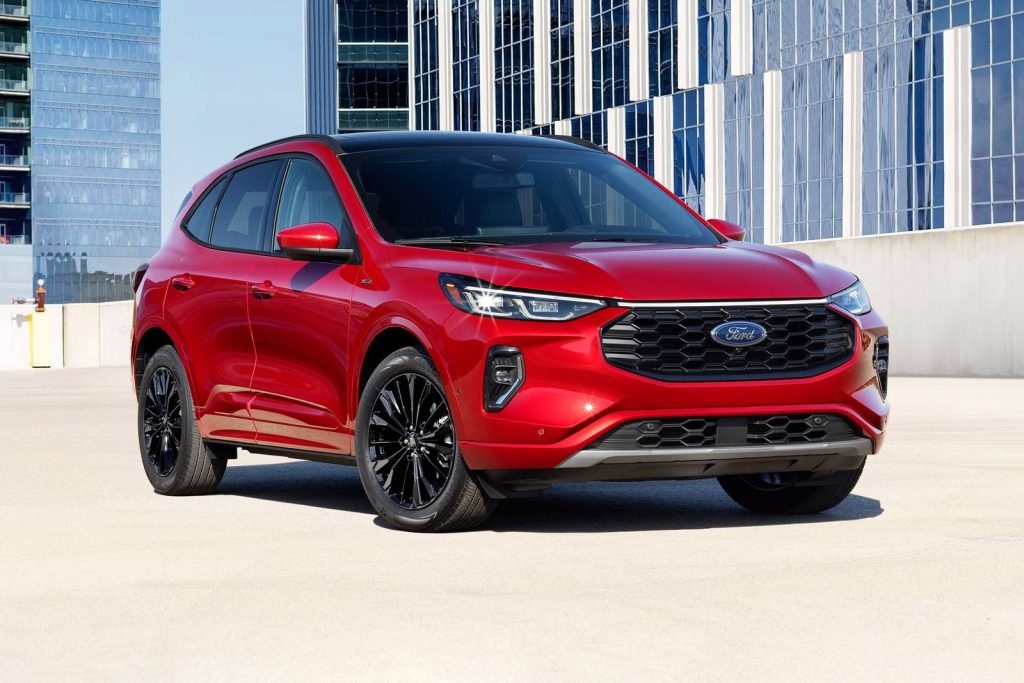
11. Ford Escape Hybrid (2013–2019)
The Ford Escape Hybrid, particularly models produced between 2013 and 2019, combines a 2.5-liter four-cylinder engine with an electric motor to create a reliable hybrid system.
This compact SUV has earned a reputation for durability, with many owners reporting over 150,000 miles of trouble-free operation when maintenance is properly followed.
A key element of the Escape Hybrid’s longevity is the integration of its gasoline engine with the electric motor. The engine primarily operates in its optimal efficiency range, while the electric motor assists during low-speed driving and acceleration.
This reduces stress on internal engine components and the transmission, extending the overall life of the powertrain.
The lithium-ion battery is equipped with thermal management technology to maintain performance under a variety of driving conditions, helping prevent premature battery degradation.
Maintenance is straightforward for a hybrid of this size. Regular oil changes, hybrid system inspections, and coolant checks are usually sufficient to keep the engine and battery functioning optimally.
The Escape Hybrid also employs regenerative braking, which reduces wear on traditional brakes and decreases engine load, contributing to the vehicle’s long-term reliability.
The hybrid system also adapts well to diverse driving conditions. Whether navigating city streets or cruising on highways, the engine delivers smooth power with minimal stress.
The balanced use of gasoline and electric power reduces mechanical fatigue and helps the vehicle maintain dependable performance over many years.
Overall, the Ford Escape Hybrid engine demonstrates how careful hybrid engineering can result in long-term reliability.
Its well-integrated powertrain, low-maintenance requirements, and durable components make it a practical choice for drivers seeking a hybrid SUV that performs consistently without early failures.
12. Toyota RAV4 Hybrid (2016–Present)
The Toyota RAV4 Hybrid pairs a 2.5-liter four-cylinder engine with an electric motor, offering a hybrid SUV that combines efficiency, power, and reliability.
Since its 2016 redesign, this model has gained recognition for its durable powertrain, with many vehicles exceeding 200,000 miles without major engine issues.
A critical factor in the RAV4 Hybrid’s longevity is the seamless integration between the gasoline engine and electric motors. The engine often operates in its optimal efficiency range, while the electric motors provide assistance during acceleration and low-speed driving.
This reduces mechanical stress and prolongs the lifespan of engine components. The hybrid battery, usually lithium-ion, benefits from advanced thermal management, which preserves battery health and prevents premature degradation.
Maintenance requirements are user-friendly. Regular oil changes, hybrid system checks, and cooling system inspections are typically sufficient to maintain reliability.
Regenerative braking decreases stress on both the engine and brakes, contributing to the system’s overall durability. Toyota’s engineering standards ensure that internal engine parts experience minimal wear over time, supporting the vehicle’s long-term dependability.
The RAV4 Hybrid adapts well to city traffic, highway cruising, and light off-road conditions. The hybrid system delivers smooth transitions between electric and gasoline power, ensuring that mechanical stress is minimized.
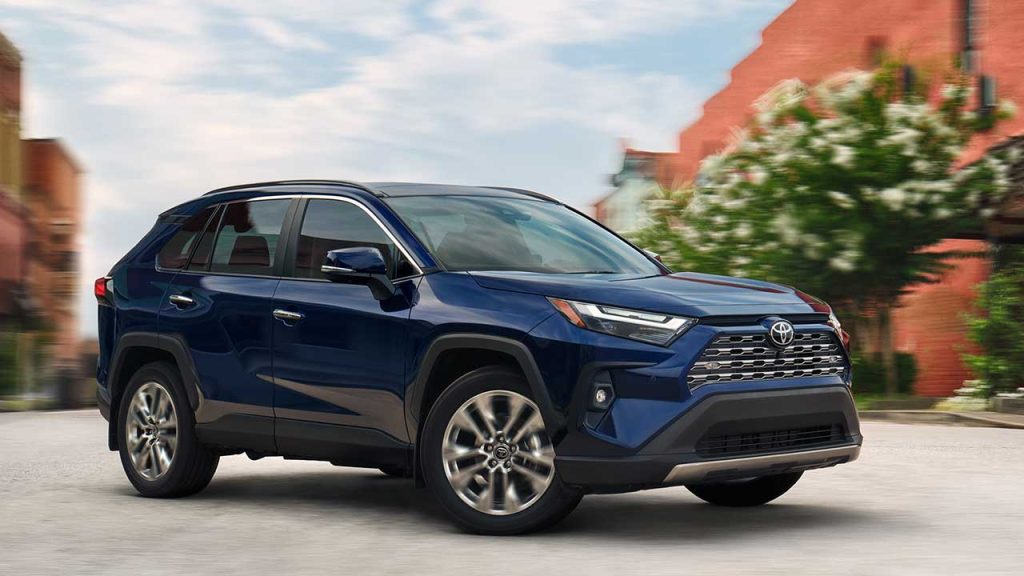
This careful design allows the engine and battery to remain functional for many years, making it a reliable choice for daily driving and long-distance trips alike.
Overall, the Toyota RAV4 Hybrid engine exemplifies a successful hybrid powertrain. Its combination of efficient performance, low-maintenance requirements, and durable components makes it a practical and dependable option for anyone seeking a hybrid SUV with proven longevity.
Also Read: 12 Cars That Are Proof Good Engineering Lasts Forever
