
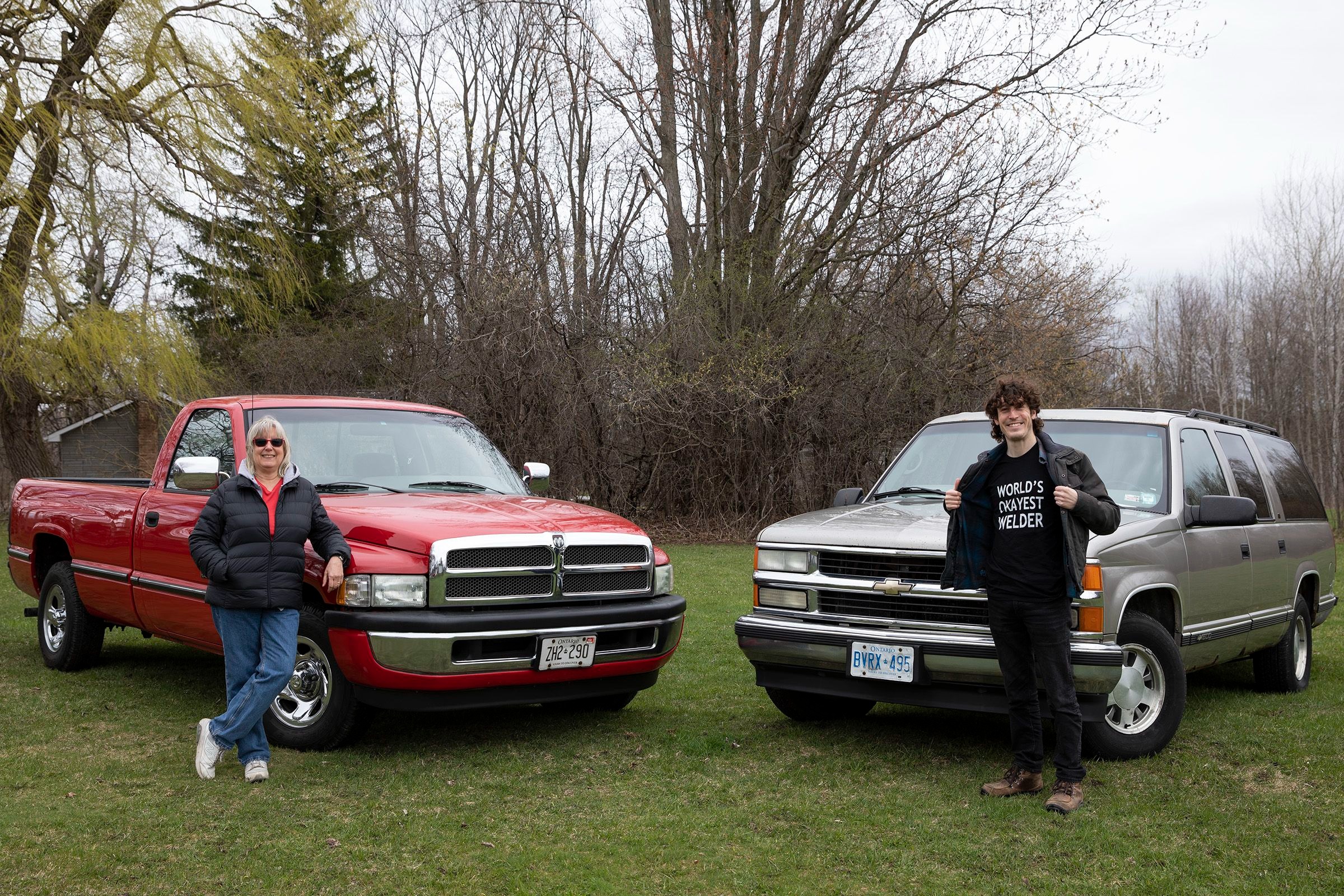
There are some vehicles people buy only because they want to get from one place to another. But when it comes to pickups, the story is usually deeper. A pickup truck is more than transport; it is a working partner, a family mover, a tool for survival, and in many cases, a long-lasting companion on tough roads.
The challenge many owners face, however, is rust. Salt spread on icy roads during winter eats metal quickly, and rust can turn a strong pickup into weak scrap in just a few years.
That is why it matters to know which trucks can truly stand the test of time, even in regions where cold, wet, and salty conditions are part of everyday driving. Rust not only reduces beauty but also destroys frames, suspensions, and body panels.
For people who live in snowy or coastal areas, picking the wrong truck could mean heavy repair bills. But the good news is that some pickups have proven themselves year after year to fight against corrosion much better than others.
When talking about trucks that rarely rust, it is not just about one shiny part; it involves the engineering choices, the paint protection, the frame treatment, and even the materials used by manufacturers.
Owners often testify how, after more than a decade of use, some trucks still look clean underneath, while others fall apart in half that time. It is this difference that separates ordinary trucks from the ones that can truly withstand harsh winters.
This list of seven pickups shines a light on models that keep their bodies solid even after heavy exposure to snow, ice, and salted highways. They are not free from rust forever, no vehicle is, but they resist it better than most. Anyone considering a pickup that must last through cold and punishing climates will find this guide a strong companion in making the right choice.
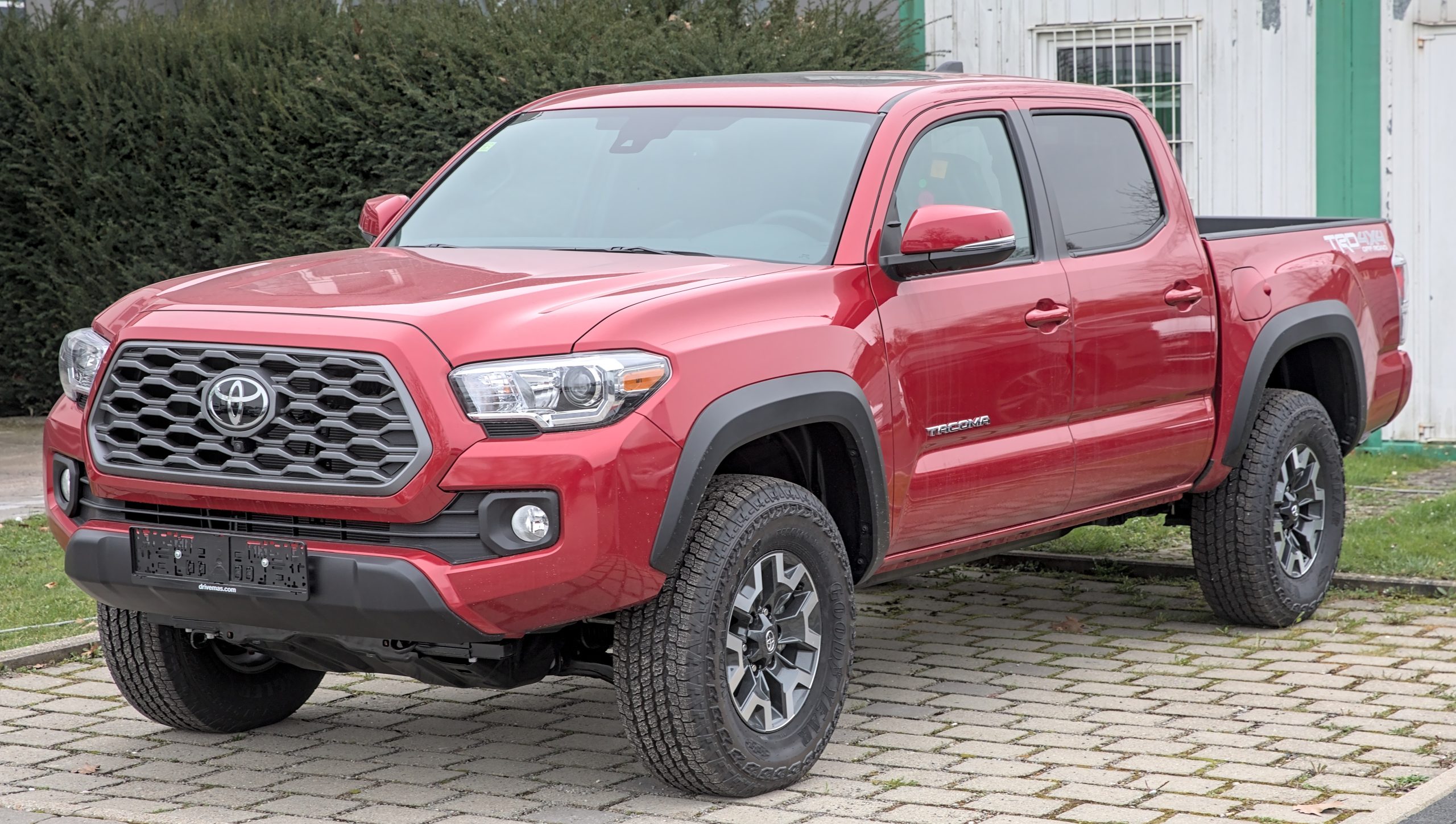
1. Toyota Tacoma (2005-Present)
When people speak about pickups that stand the test of time, the Toyota Tacoma often comes up first. This truck has carried a name for ruggedness and reliability, and part of that credit goes to how it handles rust in difficult weather.
Toyota made sure that from 2005 onward, the Tacoma received stronger anti-corrosion treatment on its frame and underbody, solving the frame rust issues that had affected earlier models. For many drivers in regions where winter is long and snow is constant, this upgrade has proven itself year after year.
The Tacoma is different because Toyota paid attention not only to the frame but also to the body panels. The panels are built thick and are well-coated, which means the paint holds longer and doesn’t bubble easily when exposed to salty roads.
This is important because once paint bubbles, rust sneaks in quickly. Owners who have driven Tacomas for more than a decade often say the body still looks presentable with only small scratches, not the heavy rust patches you would expect.
Another clever thing about the Tacoma is in its structure. The design does not trap dirt, slush, and water in hidden corners. Areas like the wheel wells, suspension parts, and exhaust system are positioned in ways that allow easy flow of water and quick drying. That makes a big difference because rust feeds on trapped moisture. Even when roads are covered with salt and mud during winter, Tacoma’s design helps protect against long-term damage.
But it is not only Toyota’s engineering that makes the Tacoma stand out. Owners also play their part. Many people see this truck as a long-term asset rather than something to use and dispose of quickly. Because of that, they take care of it by washing it often, especially after driving on salted highways.
That frequent cleaning removes salt before it eats into the metal. The combination of Toyota’s rust protection and the discipline of owners has made the Tacoma a truck that stays strong long after others have given way.
This reputation means that used Tacomas from the mid-2000s will still attract attention by 2030. While many other trucks from the same period may have their frames eaten up by corrosion, the Tacoma will keep rolling with solid bones and clean bodywork. That lasting durability ensures its value remains high, proving why this pickup is trusted even in places where winter weather is harshest.
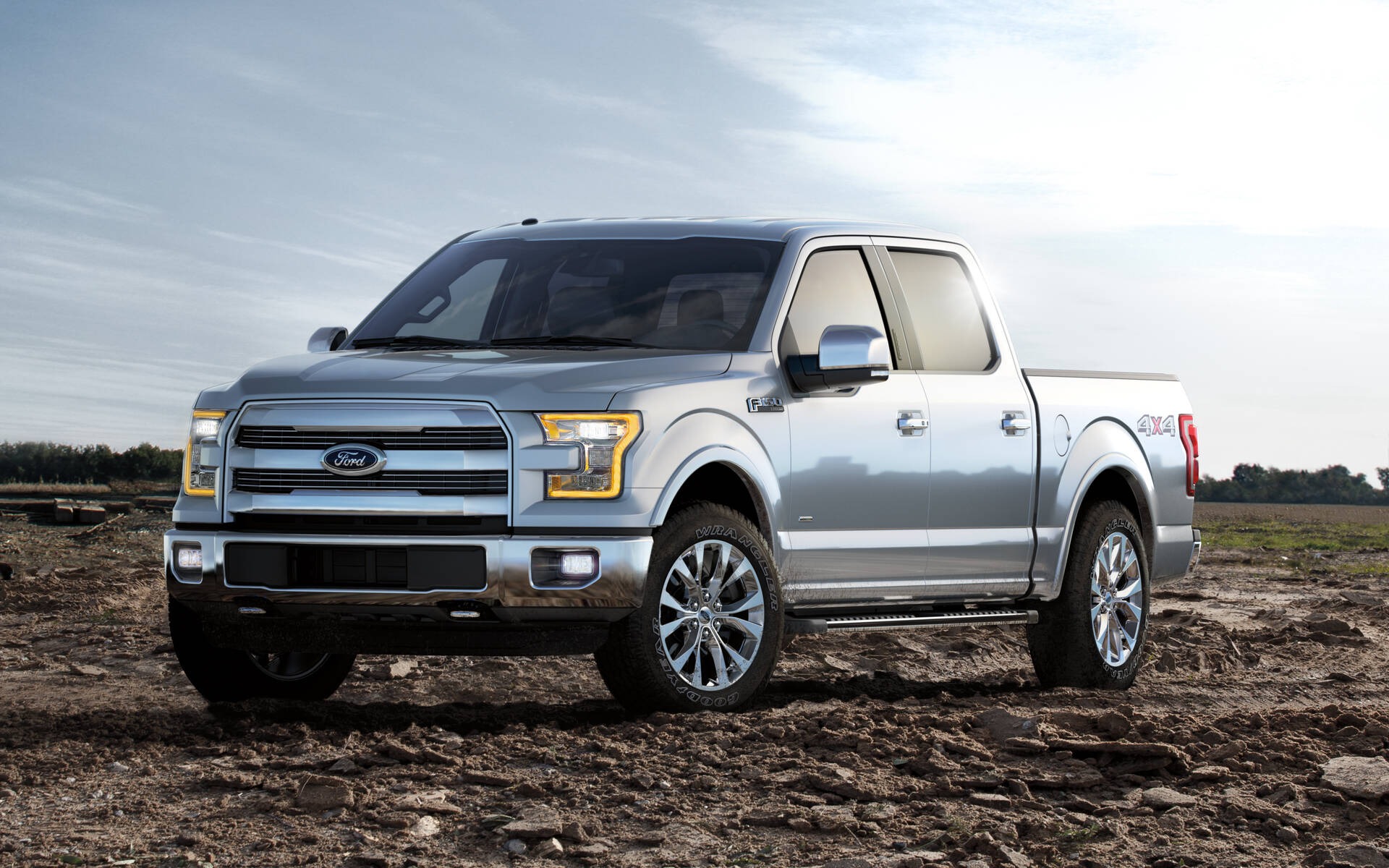
2. Ford F-150 (2015-Present)
When Ford introduced the 2015 F-150, many people were surprised that the company decided to change from the usual steel body to a high-strength aluminum alloy. It was a risk that raised eyebrows at first, but the outcome showed why the idea made sense.
Aluminum does not rust the same way steel does, and that instantly gave the F-150 an advantage in snowy areas where salt and ice quickly damage vehicles. Drivers began to notice that their trucks looked fresher for a longer time, without the bubbling paint and reddish patches that had haunted older steel models.
The backbone of the truck, which is the frame, remains steel. But Ford did not leave it bare. They applied strong protective coatings that help it resist the effects of salt and moisture.
With this combination of aluminum body and treated steel frame, the F-150 became one of the most reliable choices for people who live where winter can be very tough. Many long-time Ford owners agreed that the truck now kept its sharp look much longer than they were used to.
That does not mean the vehicle cannot suffer wear. Aluminum can develop corrosion if scratched down to the raw surface. However, Ford prepared for this by adding strong finishes and protective coatings that slow down any reaction. The result is that snow and salt take a much longer time to damage the panels, compared to competitors that still depend fully on steel.
Another clever design point is the way the F-150 allows easy cleaning. Many drivers said they could use a pressure washer underneath the truck after winter drives, which removes salt and helps the steel frame last longer. Reports from owners who have used the aluminum-bodied F-150 for six years or more confirm that the body still shines, while rival trucks often show heavy rust by that stage.
Ford’s decision to step away from tradition has paid off. The F-150 shows how changing materials can solve a problem that has bothered truck users for decades. By mixing aluminum panels with tough rustproofing on the frame, the F-150 manages to hold its strength and appearance, even when winter roads try their best to wear it down.
Also Read: 10 Pickup Trucks That Are Safer Investments Than Stocks
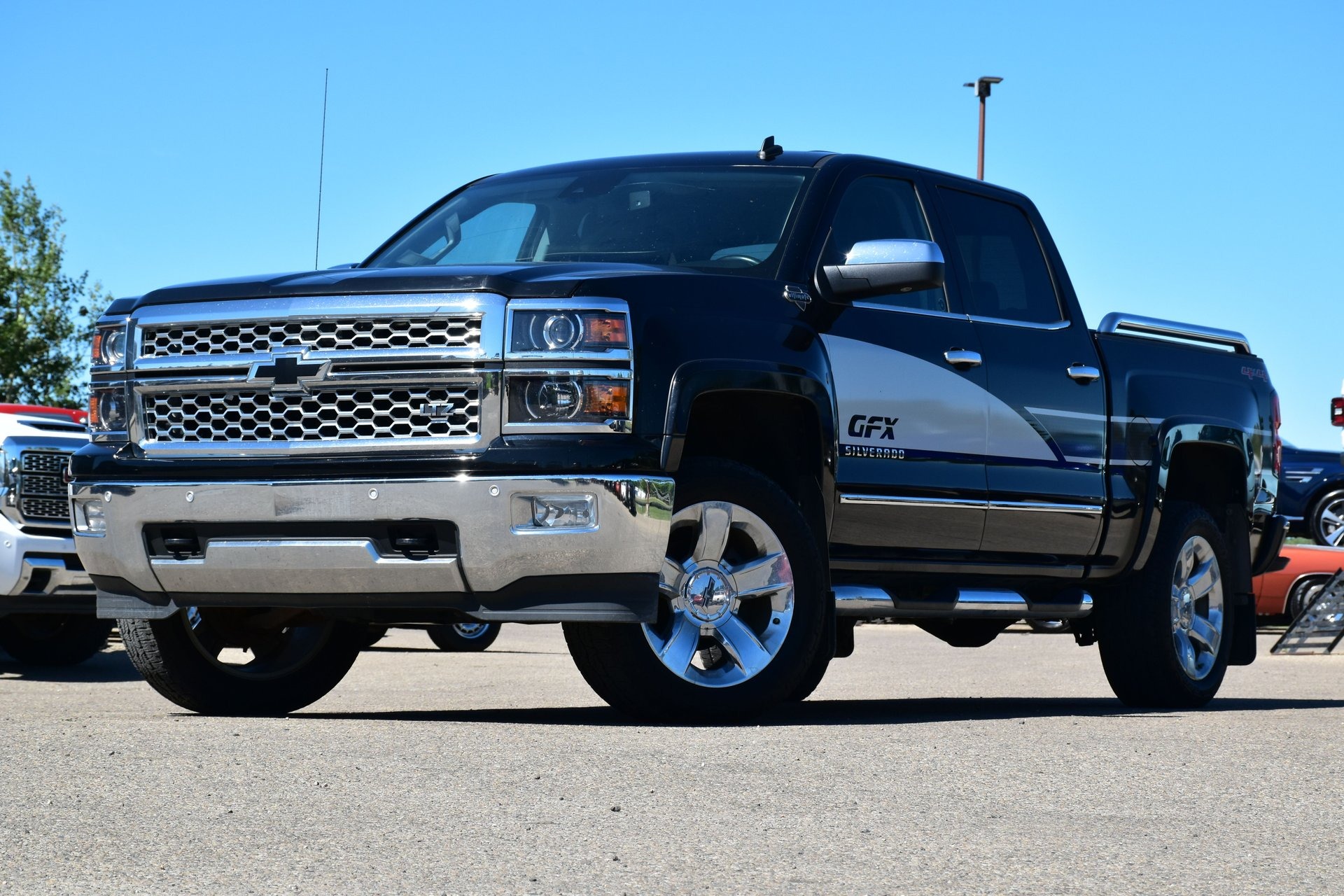
3. Chevrolet Silverado 1500 (2014-Present)
Chevrolet has long carried a name in the pickup market, but from 2014, it started paying extra attention to rust protection on the Silverado 1500. This fresh focus was not just about adding paint; it involved a complete rethink of how materials and coatings could resist winter conditions.
General Motors made a move to apply wax-based protectants on the frame instead of the old paint layers. That change meant the steel underneath could handle road salt and icy slush far better than before. For truck owners, it translated into frames that stayed stronger for longer, even when winter hit hard.
Galvanized steel also became a major advantage. By covering steel panels with zinc, Chevrolet added another level of safety against corrosion. Zinc works almost like a shield that sacrifices itself when rust tries to attack.
Even if small scratches appear on the surface, the zinc prevents the damage from spreading. Drivers living in snowy regions quickly noticed this difference, since their trucks looked clean and solid years after purchase, while older pickups from other brands started to show patches of rust.
Design decisions also played a big role. Rust often begins around wheel arches and rocker panels because those areas trap moisture and salt. Chevrolet reshaped these sections on the Silverado to make sure melted slush and water could drain out instead of settling inside.
That little adjustment helped stop rust before it even had a chance to grow. People driving in areas where road salt is poured daily during winter saw how this detail gave their trucks a longer life. Many owners have shared how their Silverados kept a firm structure even after a full decade of heavy winters.
Mechanics in cold states also noticed the difference, often saying that newer Silverados were far better protected than the older GM trucks they used to repair. For those who need a truck that can carry heavy loads yet still stand against tough winters, the Silverado proves dependable.
Chevrolet combined strong coatings, zinc layering, and practical drainage design to create a pickup that smartly resists rust. While no truck will remain completely free from corrosion forever, the Silverado 1500 from 2014 onwards has shown it can handle the punishment of salted roads better than many rivals. For anyone who wants both strength and durability through icy seasons, this truck remains a wise option.
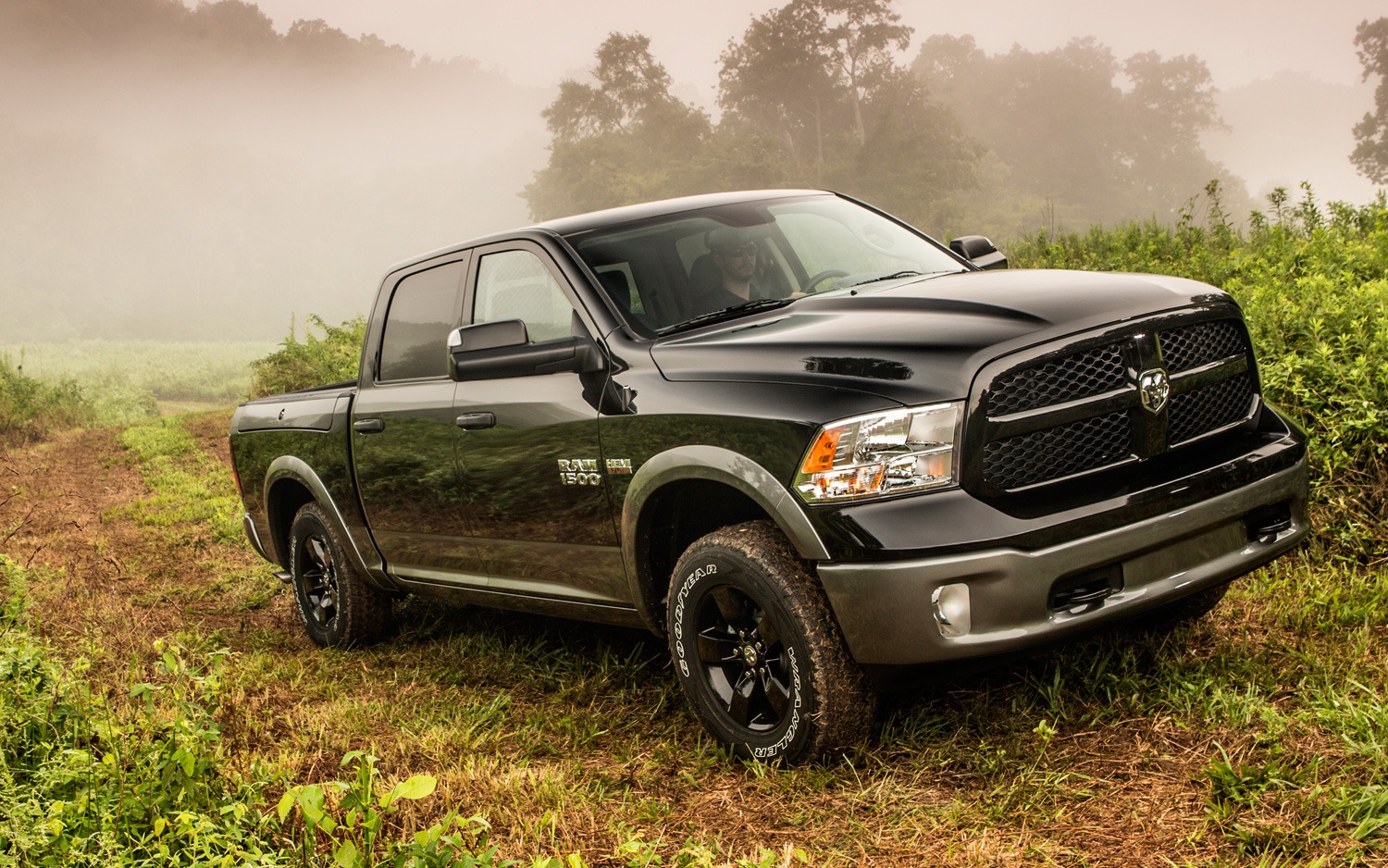
4. Ram 1500 (2013-Present)
Ram pickups are often admired for their smooth and comfortable ride, something that sets them apart from many rivals. Much of this comfort comes from their coil-spring suspension, which has been a strong selling point for years.
But there is another strength that people sometimes overlook: how impressively the Ram 1500 resists rust, especially in places where winters are long, snowy, and filled with road salt. From 2013 onwards, Ram made a smart move by improving its use of galvanization on important panels.
That single upgrade changed how the truck stood against corrosion compared to earlier versions. One of the most valuable touches is the use of galvanized steel on body areas that are usually the first to show wear.
The doors, hoods, and fenders all benefit from this protective treatment, which means they stand up better to salty slush thrown up from the road. Drivers living in cold areas often share stories about how their Ram looks cleaner and more solid, even when trucks parked next to them start showing rust spots after just a few winters.
What keeps the Ram 1500 strong in these tough conditions is not just its panels, but also what lies underneath. During production, Ram gives the underbody a thick protective coating that helps block the usual damage caused by salt sticking to the frame.
This means areas like crossmembers and support beams last longer without crumbling away. Many mechanics who see these trucks daily in snowy regions agree that Rams tend to remain healthier underneath than older models from some competing brands.
Drainage design also plays a role in this story. Around the rocker panels and wheel wells, water often collects and lingers on many trucks. Ram shaped those areas carefully to allow water and slush to drain more easily, cutting down the chances of hidden rust developing slowly as time goes on. For drivers who spend months each year running through icy puddles and salted highways, this makes a difference that adds years of solid use.
Drivers regularly highlight that their Ram 1500 trucks stay solid after 8 to 10 years of regular winter driving. Some even point out that just sticking to simple washing routines during the harsh salt season is enough to keep them looking almost brand new underneath.
This consistent feedback has made the Ram 1500 a respected name among rust-resistant pickups, proving that it offers not only comfort and strength but also durability where it matters most.
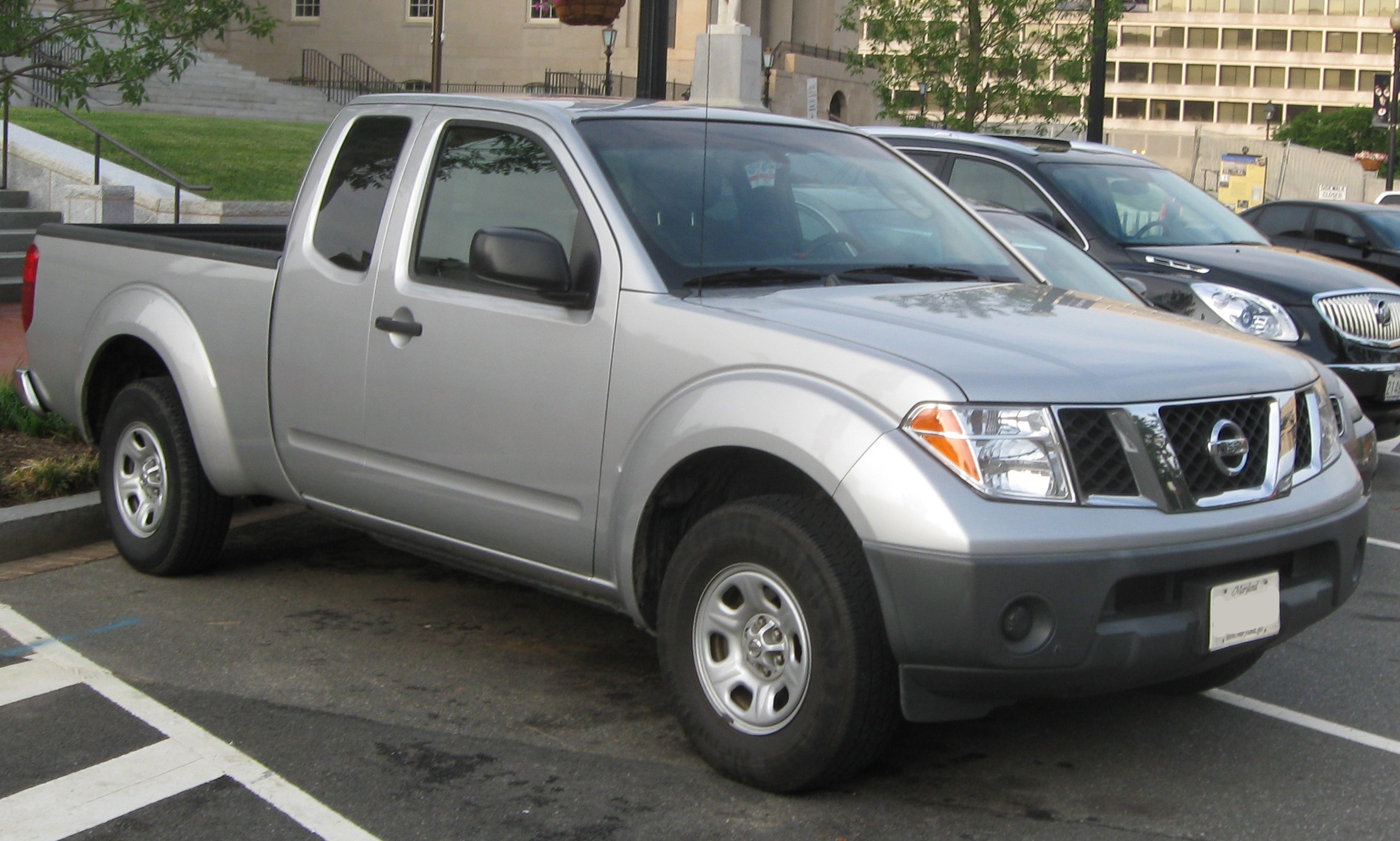
5. Nissan Frontier (2005-Present)
When people talk about pickup trucks, the Nissan Frontier is not always the first to come up in the conversation. Yet, those who live in regions where winter brings heavy snow and salted roads often praise this truck for its ability to stay clean from rust.
From 2005 until today, Nissan has made strong efforts to protect the Frontier by applying thick undercoating and using materials that can stand up to salt, ice, and long years of harsh conditions. This made the Frontier a dependable choice for drivers who do not want to spend every season fighting rust patches.
One of the strongest qualities of this truck is the simplicity of its shape. Larger pickups sometimes have complicated designs with many corners, layers, and small hidden areas where water and dirt can remain.
That type of structure creates perfect hiding places for corrosion. The Frontier does not suffer from that problem. Its straightforward body gives fewer weak points for rust to begin, and because of that, owners enjoy many years of use without worrying about holes or peeling paint caused by salt damage.
Nissan also gave the Frontier extra protection in areas most prone to damage. The doors, fenders, and other exposed panels were built using galvanized steel, a material that naturally holds off rust much longer than untreated metal.
Drivers who bought this pickup in the mid-2000s often report that even after 10 or 15 years, their trucks still carried solid, rust-free bodies compared to other mid-size pickups from the same era. Such reports show the Frontier was built with real attention to durability.
Another reason why the Frontier tends to stay looking good lies with the type of people who buy it. Many owners are not looking for flashy trucks; they prefer reliability and strength. Because of that, they often care for their vehicles with regular washing and protection, especially during winter. But interestingly, even for those who did not give much attention to constant cleaning, the Frontier still proved more resistant than its rivals.
By the time 2030 arrives, clean and well-kept Frontiers from these years will be highly desirable in the used market. Buyers will know that a Frontier that still carries a clean body after decades of snow and road salt is a rare gem. That is why this mid-size truck deserves a strong mention among pickups that rarely rust, even in the harshest winters.
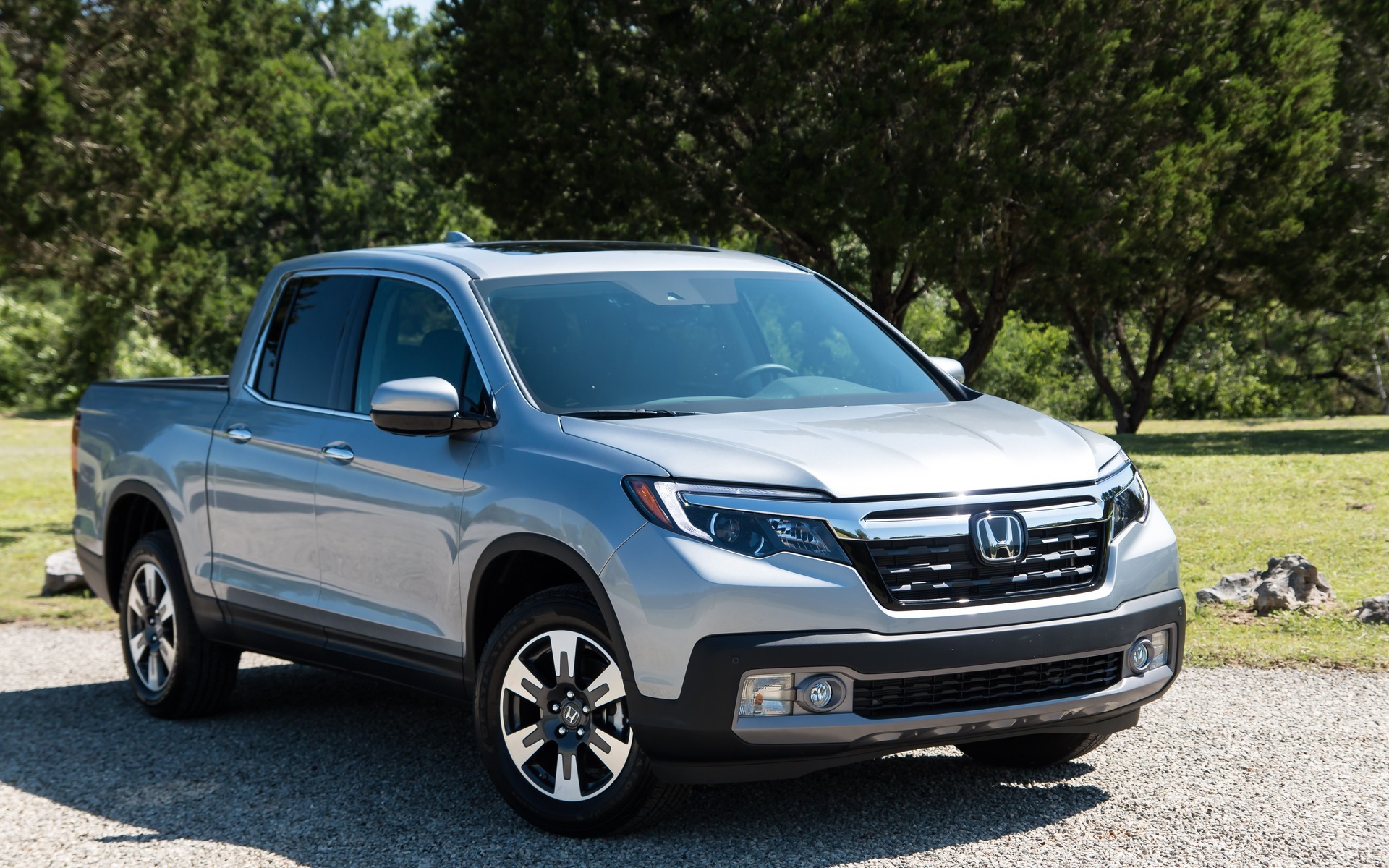
6. Honda Ridgeline (2017-Present)
The Honda Ridgeline stands apart from many other pickups because of how it is built. Instead of the usual body-on-frame arrangement that most trucks use, Honda chose a unibody construction.
That decision may not sound like much to some people, but it plays a very important role in how the Ridgeline resists rust. With no exposed frame rails or body mounts where salt and dirty water can hide, there are simply fewer places for corrosion to begin its damage.
People who live in areas where snow is heavy often share their experiences with this truck. They say the Ridgeline stays cleaner underneath when compared to other pickups. Part of the reason is Honda’s use of advanced anti-rust coatings on the underbody.
These coatings act like an extra shield, keeping salt and moisture from eating into the metal. The result is that the Ridgeline continues to maintain its strength even after being driven in winter conditions for several years.
Honda also paid attention to small but important design details. For example, the wheel wells and rocker panels of the Ridgeline were shaped to drain water properly. Many traditional pickups trap water and slush in corners, and as time goes on, rust begins to eat away silently.
The Ridgeline avoids this problem by making sure moisture does not sit where it can cause damage. The body panels of the Ridgeline also carry a solid layer of paint and undercoating. This makes it very difficult for rust bubbles to appear on the surface.
While some truck enthusiasts complain that the Ridgeline is not a “real pickup” because it lacks a separate frame, buyers who value durability know that this design helps them in the long run. For many, it is better to have a truck that lasts longer than one that only follows tradition.
Looking at the future, it is very likely that Ridgelines from the current generation will still be on the road by 2030 with very little rust compared to other trucks of similar age. That is why people in northern regions, where winter roads are constantly coated with salt, often prefer the Ridgeline. It offers them not only comfort and reliability but also the peace of mind that their truck will not rot away under their feet.
Also Read: 10 Compact Pickups That Survive Daily Abuse
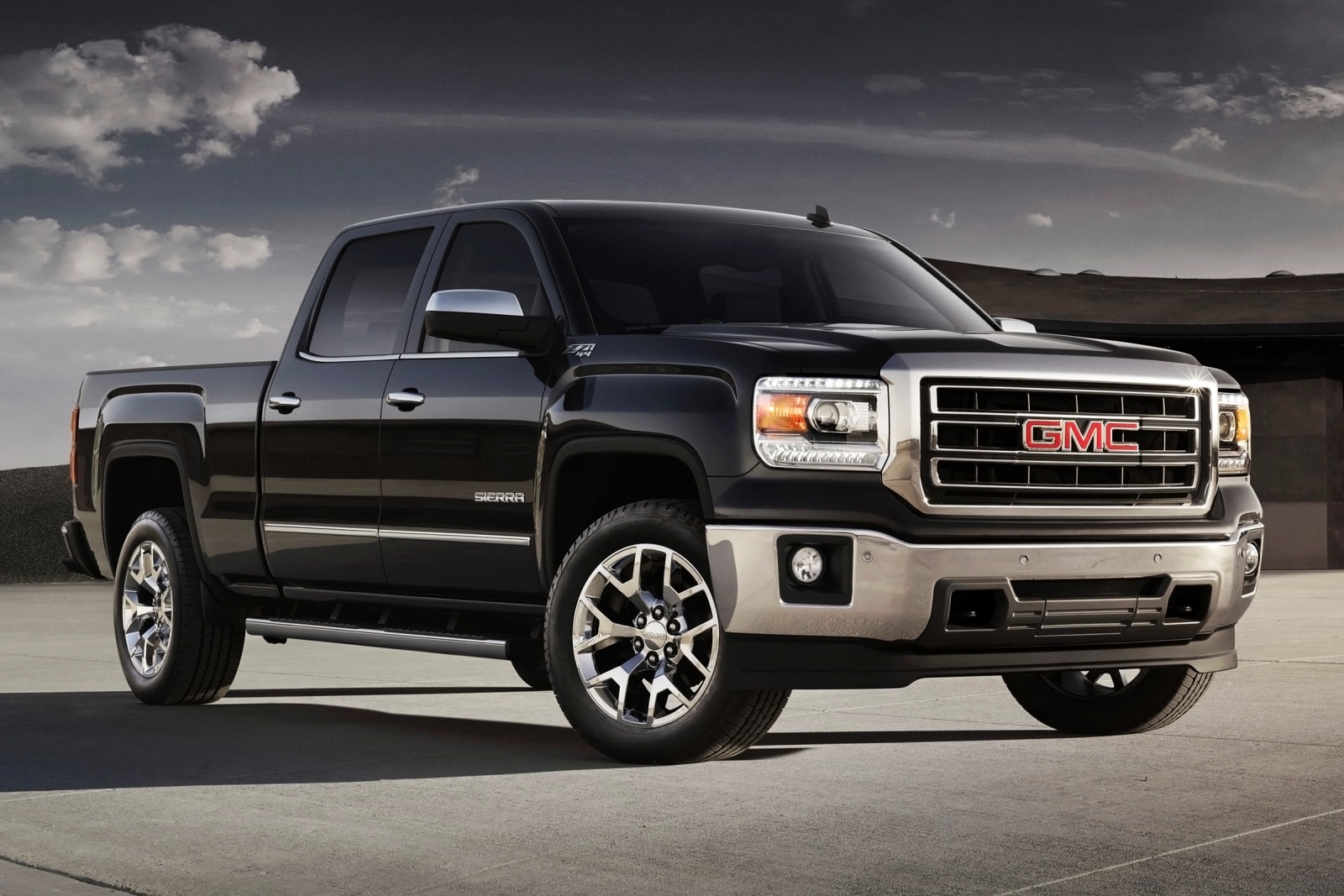
7. GMC Sierra 1500 (2014-Present)
When people talk about tough pickups that can carry heavy loads yet still look stylish after years of use, the GMC Sierra 1500 often comes into the conversation. While it shares its backbone with the Chevrolet Silverado, this model stands apart with its own sharp design, refined details, and a proud image on the road.
From 2014 onwards, GMC engineers introduced major upgrades that changed how well this truck resists rust. They used wax-based frame coatings, galvanized panels, and improved drainage pathways that stop salty water from collecting under the body. These updates mean the Sierra ages gracefully even in areas known for brutal winters.
Drivers in places like Wisconsin, Minnesota, and Michigan usually speak with pride about how their Sierras still look neat after years of ploughing through salted roads. Many say the frame coating is strong enough to fight against road chemicals, while the galvanized steel panels protect against bubbling and hidden rust that often destroys older trucks.
Another advantage is the thick layer of paint applied to the Sierra. This coat is not just for beauty; it plays a serious role in defending the body against scratches and stone chips that usually lead to rust if left unchecked. The zinc-treated steel under that paint adds one more shield, keeping the body in good condition even after countless winters.
Mechanics working in northern workshops often confirm these praises. They remember how older GMC models easily rusted at the rocker panels and cab corners, but they now say the modern Sierra has reduced such problems to a large degree.
By the time 2030 comes, there will still be many clean Sierras on the road, moving between construction sites during the week and carrying families during weekends without showing heavy corrosion. What makes the GMC Sierra 1500 stand out is that GM clearly took lessons from its past struggles and fixed them with smart engineering.
If you want a truck that is not just powerful but also handsome and durable against salt and snow, the Sierra proves to be a trusted partner. It balances strength with style, giving owners confidence that their investment will last for many more years, even under the toughest winter conditions.
