Every car enthusiast knows that engines require regular maintenance to perform at their best. Oil changes, tune-ups, and proper care are part of keeping a motor healthy. Yet, there are certain engines that have built legendary reputations for lasting far beyond expectations, even when owners fail to give them the attention they deserve.
These are the workhorses and performance icons that keep running despite neglect, proving that durability and reliability can sometimes outweigh strict maintenance schedules.
From Toyota’s nearly indestructible inline-sixes to Honda’s high-revving four-cylinders, some engines are so well-engineered that they shrug off abuse, poor upkeep, and years of hard driving without missing a beat.
They’ve been pushed on the track, modified by tuners, and worked hard in trucks and daily drivers, yet stories of them reaching hundreds of thousands of miles are common. Their robust design, overbuilt components, and forgiving nature have made them favorites across generations of drivers.
This list explores engines that truly stand apart. They aren’t just powerful or efficient; they’ve proven to be survivors. Whether naturally aspirated, turbocharged, or V8-powered, these engines represent the gold standard in reliability and endurance, showcasing what happens when great engineering meets real-world toughness.
1. Chrysler Slant-Six: The Legendary G-Engine
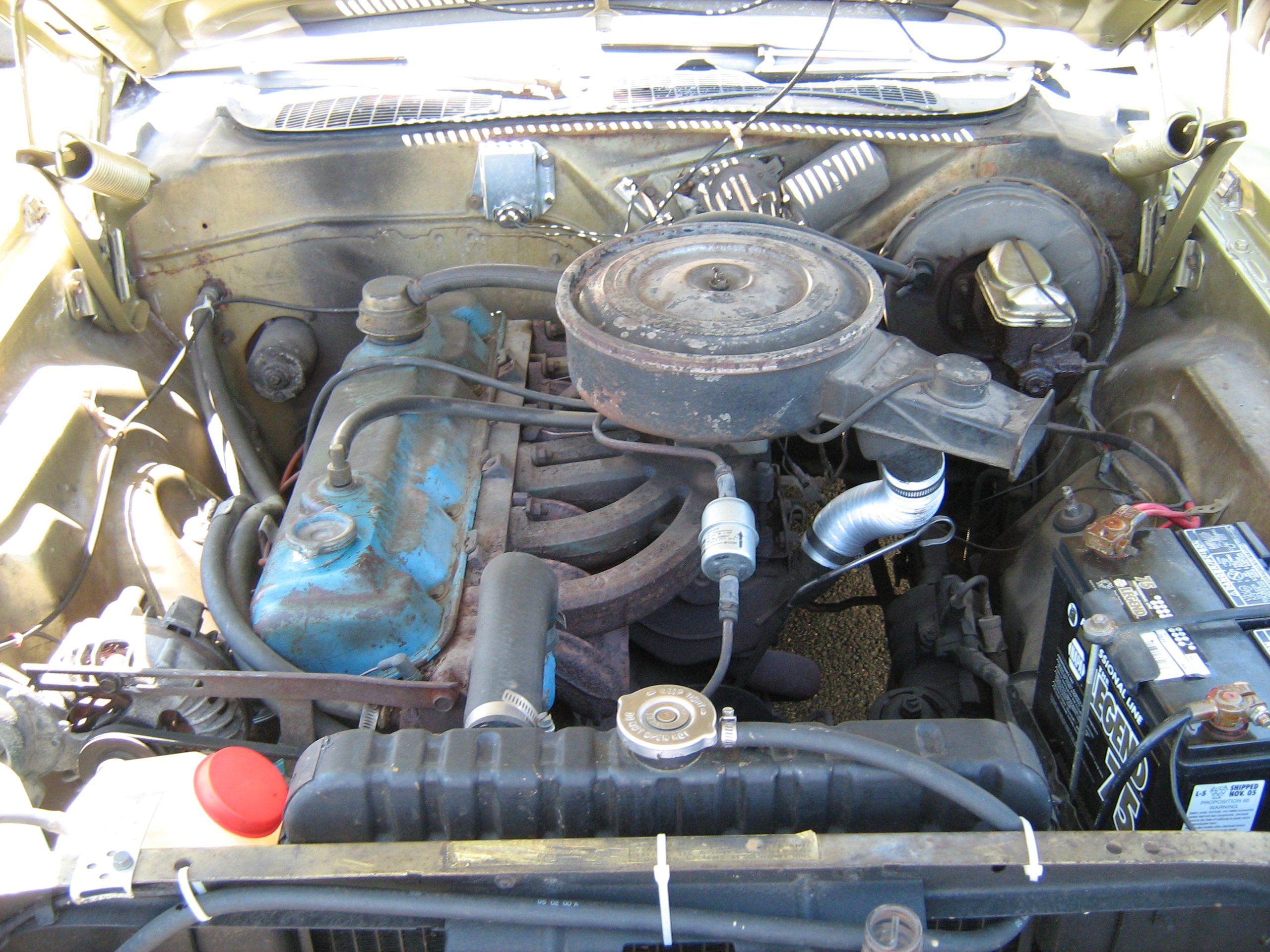
The Chrysler Slant-Six, also known as the G-engine, stands as one of the most enduring engines in automotive history. Produced from 1959 to 2000, this inline-six powered over 31 different Chrysler, Dodge, and Plymouth models.
Renowned for its rugged reliability and versatility, the Slant-Six became a cornerstone of Mopar engineering, proving itself across passenger cars, light trucks, taxis, and even motorsport applications.
The engine’s defining characteristic was its 30-degree tilt to the right, which allowed for a lower hood profile and better packaging. Chrysler offered three primary displacements: 170, 198, and 225 cubic inches (2.8, 3.2, and 3.7 liters), each built with variations in block design, bearing numbers, and material composition.
Both cast iron and aluminum versions were produced, with the core design emphasizing strength and cooling efficiency. Despite these variations, the fundamental build ensured unmatched toughness.
The Slant-Six earned a reputation for longevity due to its deep-skirt cast iron block, forged steel crankshaft, and thick internal components. Its mechanical simplicity reduced the chances of complex failures, making it easy to maintain under varying conditions. While not a powerhouse, the engine excelled in low-end torque, making it ideal for hauling, heavy-duty work, and enduring stop-and-go city driving.
Durability was the Slant-Six’s greatest asset. Many engines routinely surpassed hundreds of thousands of miles with minimal maintenance, cementing their role in taxis, industrial machinery, and even military vehicles.
Its simplicity made it forgiving of poor upkeep, while its adaptability allowed it to be modified with performance headers, turbocharging, or industrial-grade upgrades. This balance of toughness and flexibility made it an engine that could serve nearly any purpose.
Even decades after production ceased, the Slant-Six enjoys a loyal following among Mopar enthusiasts and mechanics. Its charm lies not in high horsepower but in its mechanical honesty, an engine built to last under the harshest conditions. Many examples remain on the road today, underscoring Chrysler’s engineering success.
The Chrysler Slant-Six was more than just an engine; it was a symbol of reliability, endurance, and practicality. Spanning 41 years of production and countless applications, it proved that performance is not always about raw power, but about unwavering dependability. Its cult following ensures that the Slant-Six will remain a celebrated piece of automotive history.
2. Ford 300 Straight-6: The Indestructible Workhorse
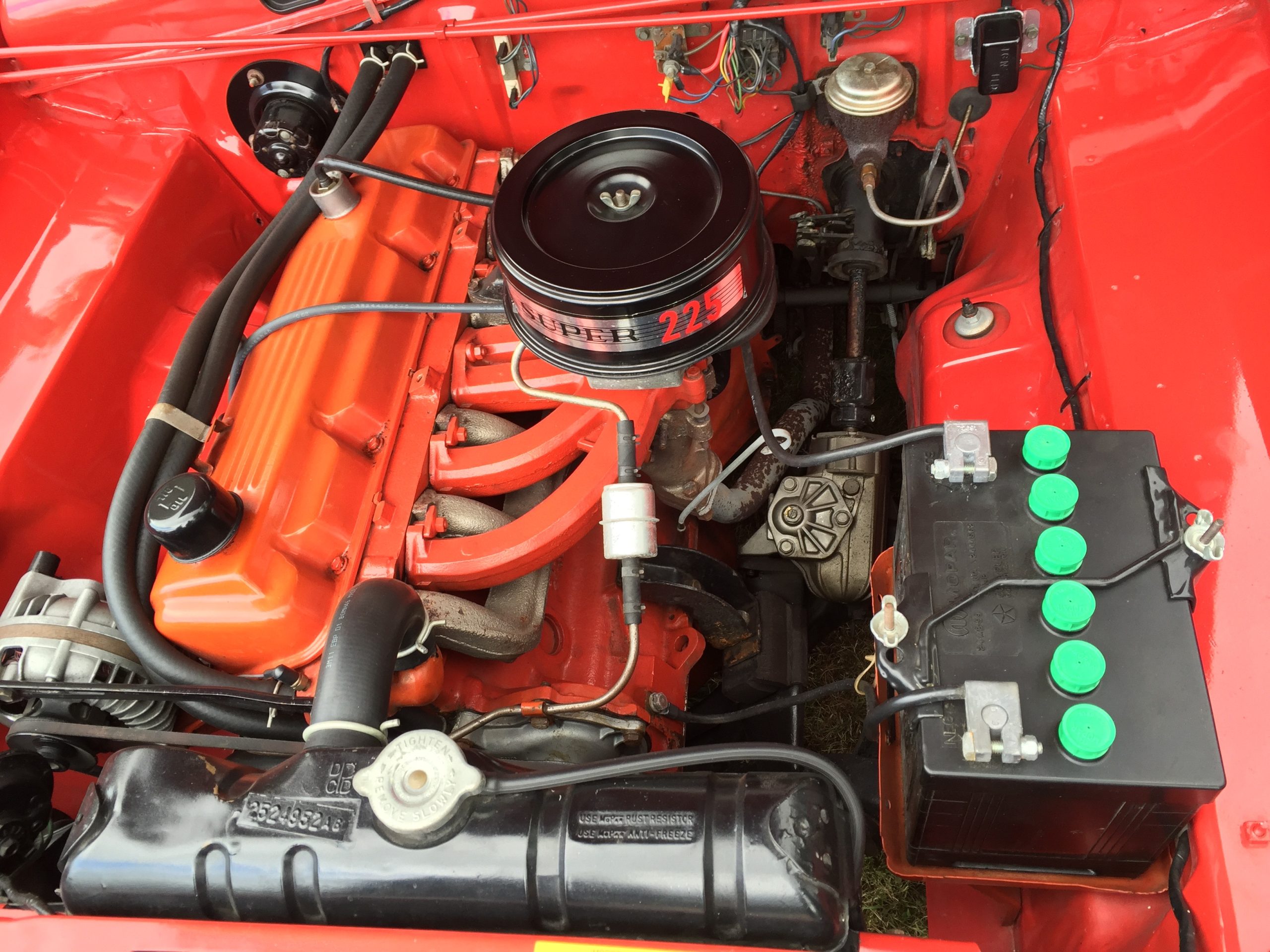
Produced from 1964 to 1996, the Ford 300 Straight-6 remains one of the most respected engines in automotive history. First introduced in the 1965 F-Series pickup, this 4.9-liter inline-six was developed as a long-stroke version of Ford’s 240 six-cylinder.
Initially rated at 170 hp, changes in power measurement standards later revised its official figures to 114 hp in 1978. Over time, performance improved, with output reaching 150 hp by 1987 after the adoption of fuel injection.
The Ford 300 was never designed to be a performance engine. Instead, its strengths lie in its low-end torque and resilience under heavy loads. Its cast-iron block and head, along with forged internals in heavy-duty versions, made it capable of powering vehicles and machinery far beyond standard pickup trucks.
The engine was used in F-Series trucks, tractors, dump trucks weighing up to 20,000 lbs, water pumps, ski lifts, wood chippers, and even UPS delivery vehicles. Its versatility extended to motorsports, with Scott Donohue piloting a Ford 300-powered truck to victory in the Baja 1000 three times.
What truly set the Ford 300 apart was its near-indestructible design. Known for surviving poor maintenance, low oil levels, and general neglect, it became a favorite among mechanics and truck owners alike.
Stories of engines surpassing hundreds of thousands of miles with minimal repairs are common, reinforcing its reputation as “unkillable.” Its gear-driven camshaft, hydraulic lifters, and simple construction made it not only robust but also easy to repair.
The engine’s main advantages included extreme durability, strong low-end torque, and straightforward maintenance. Its torque-heavy powerband made it ideal for towing, hauling, and commercial use. Owners also appreciated the availability of inexpensive parts and the ease of service.
While incredibly reliable, the Ford 300 had limitations. Its heavy cast-iron construction added weight, and it lacked the horsepower of modern engines. It was never intended for speed or high performance, focusing instead on practical work applications.
Production ended in 1996 in the U.S., though it continued in other regions worldwide. Enthusiasts still modify the engine with upgrades such as performance camshafts, ported heads, and stroker kits, proving its continued relevance. Ultimately, the Ford 300 Straight-6 remains a benchmark for durability, simplicity, and utility, an engine that earned its reputation as one of the toughest ever built.
3. Mercedes-Benz OM617: A Diesel Legend
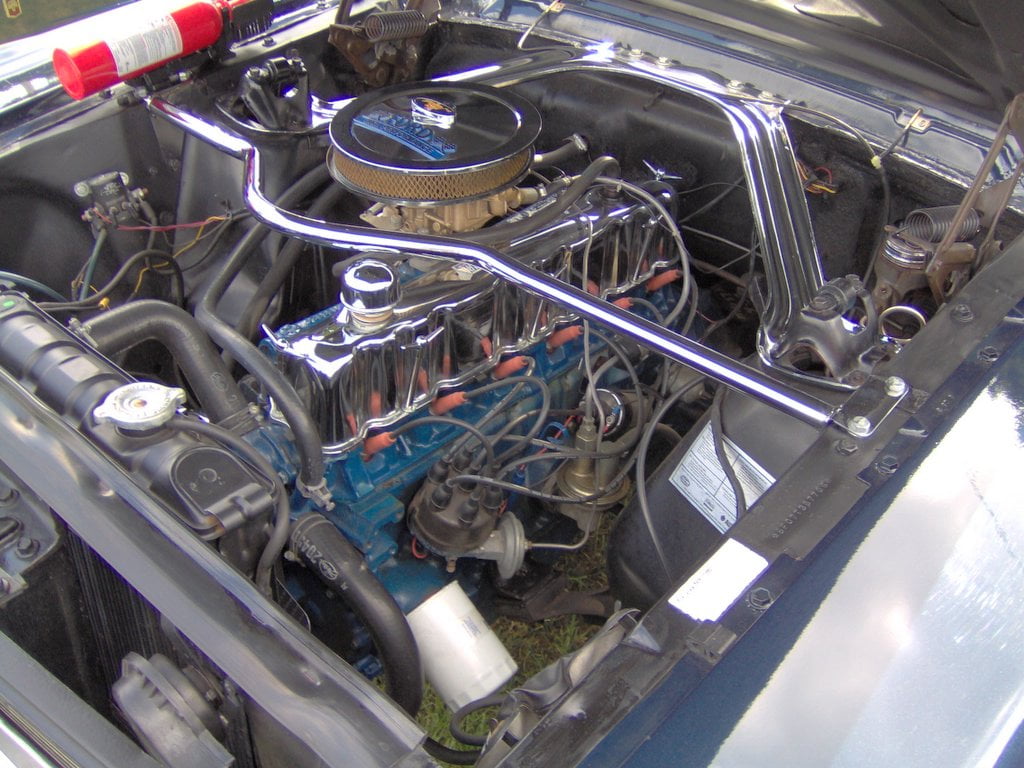
Produced from 1974 to 1991, the Mercedes-Benz OM617 earned its place in history as one of the most reliable diesel engines ever built. This five-cylinder, 3.0-liter engine was known for its cast-iron durability, chain-driven single overhead camshaft, and ability to reach more than 1,000,000 kilometers (620,000 miles) with proper care.
It not only powered Mercedes passenger cars but also shaped the brand’s reputation for longevity, particularly in the U.S. during the 1980s.
The OM617 was derived from the four-cylinder OM616 and debuted in 1974 in the Mercedes W115 sedan, producing 79 hp and 127 lb-ft of torque in its naturally aspirated version.
Just two years later, a turbocharged version emerged, developing 187 hp and powering the Mercedes C111-IID concept car, which set 16 world land speed records. By 1978, output rose to 227 hp, helping the C111 secure an additional nine records. This innovation also led to the OM617 becoming the heart of the world’s first turbodiesel production sedan, the North America-exclusive W116 300SD.
The OM617 became legendary for its durability. Its cast-iron block and head could withstand harsh conditions, while its simple design minimized the chances of failure. With very few electrical components, it was straightforward to repair and required only basic maintenance tasks such as oil and fuel filter changes and manual valve adjustments.
Its Bosch mechanical fuel injection pump was not only rebuildable but also more forgiving than electronic systems, further enhancing longevity. The engine also proved resilient to overheating, a common downfall of aluminum-headed motors.
Despite its reputation, the OM617 was not without limitations. Compared to modern diesel engines, it delivered modest power and fuel efficiency. Cold-weather starting could be challenging without proper preparation, and maintenance neglect often leads to issues such as glow plug failures or injection pump drift.
Additionally, as the years go by, sourcing certain parts has become increasingly difficult, though many remain available through enthusiast communities.
The secret to the OM617’s remarkable lifespan lies in consistent maintenance. Regular oil changes, fuel filter replacements, valve adjustments, and the use of clean, high-quality diesel fuel ensured its reliability. Preventive care served as insurance against costly repairs, allowing the engine to remain operational for decades.
From taxis in Germany to production cars in the U.S., the OM617 cemented Mercedes-Benz’s reputation for bulletproof engineering. Even today, enthusiasts and collectors seek out vehicles with this engine, valuing its unmatched reliability, simplicity, and proven endurance.
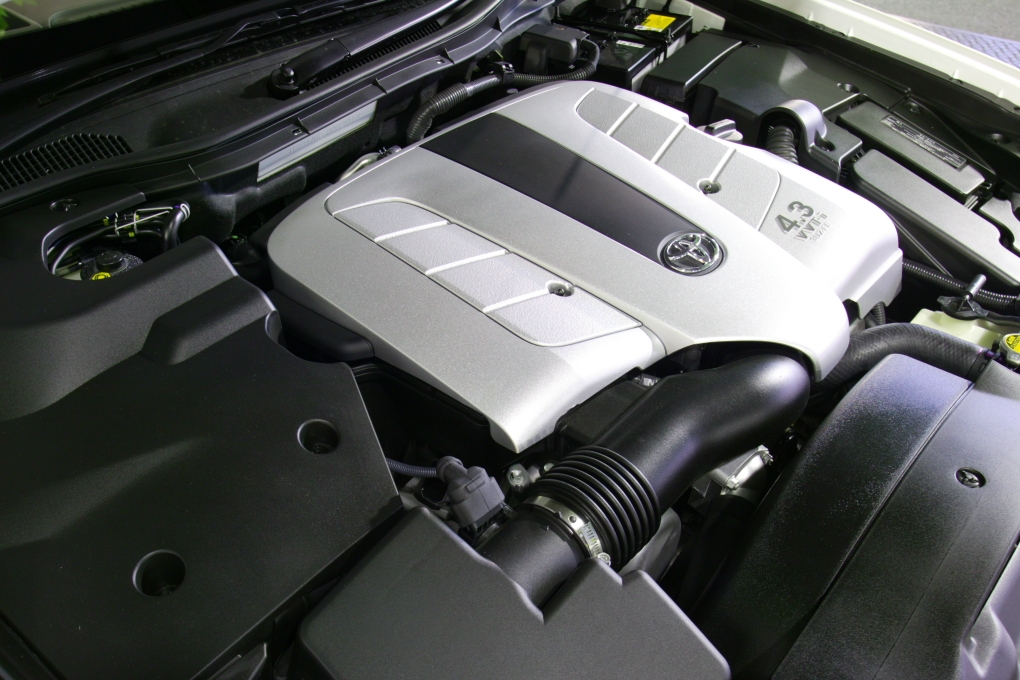
4. Toyota 1/2/3UZ-FE: The Over-Engineered V8 Icons
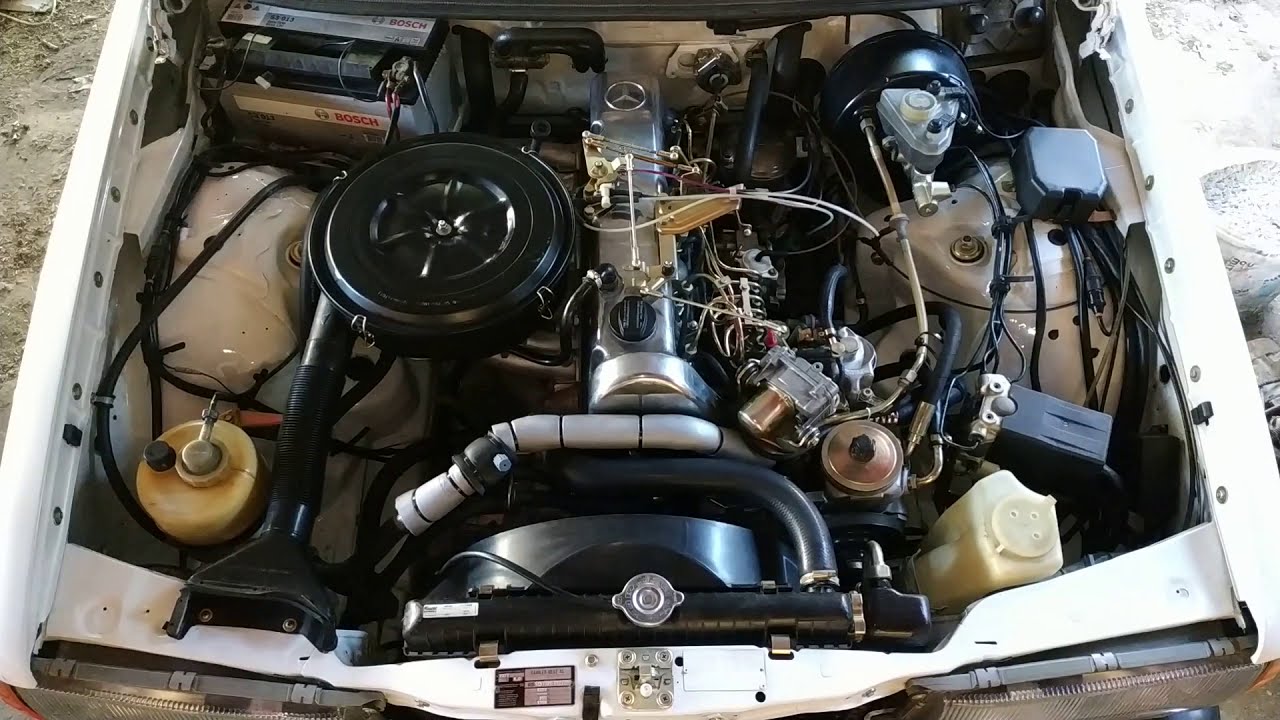
From 1989 to 2013, the Toyota UZ engine family, made up of the 1UZ-FE, 2UZ-FE, and 3UZ-FE, proved that Toyota could engineer V8s as durable as they were refined.
Built with an “over-engineered” philosophy, these 90-degree V8s powered luxury sedans, pickup trucks, SUVs, minibusses, marine applications, and even aviation prototypes. Their reputation for strength and longevity made them global favorites, often seen as the alternative to the GM LS in engine swaps outside the U.S.
The 1UZ-FE debuted in 1989 under the hood of the Lexus LS 400, Toyota’s challenge to established German luxury brands. A 4.0-liter aluminum V8 with quad camshafts and 32 valves, it was praised for smoothness, quietness, and reliability. Its six-bolt main bearings, forged crankshaft, and durable internals made it nearly unbreakable. It set the tone for Lexus as a luxury brand built on refinement and dependability.
In 1998, Toyota introduced the 2UZ-FE, a 4.7-liter variant built for toughness. Unlike the all-aluminum 1UZ, the 2UZ used a cast-iron block to withstand the demands of trucks and SUVs.
Found in the Toyota Land Cruiser, Sequoia, and Tundra, as well as the Lexus LX and GX, it emphasized torque and durability over outright horsepower. With outputs ranging from 228–271 hp, it became a trusted engine for off-road and heavy-duty use, favored by overlanders and adventure seekers.
The 3UZ-FE arrived in 2000 as a 4.3-liter evolution of the family. Featuring VVT-i, it powered the Lexus LS 430, GS 430, and SC 430, delivering up to 300 hp while improving efficiency and emissions compliance.
Motorsport variants expanded to 4.5 and 5.0 liters, producing as much as 500 hp in Japanese Super GT and Grand Am racing. The 3UZ balanced refinement with modern performance, securing the UZ family’s legacy in both luxury and competition.
The UZ family was celebrated for its smooth delivery, high-mileage reliability, and ability to handle neglect. Common weak points included exhaust manifold cracks and, in the 3UZ, occasional oil and coolant leaks. Regular maintenance, especially fluid changes, was crucial for longevity.
Beyond road cars, the UZ engines were adapted for marine and even twin-turbo aviation use, demonstrating their versatility. Tuners continue to favor them for performance builds thanks to their robust construction. The Toyota 1/2/3UZ-FE family remains an enduring symbol of overbuilt engineering, balancing reliability, power, and refinement across decades.
5. BMW M50: The Inline-Six That Defined a Generation
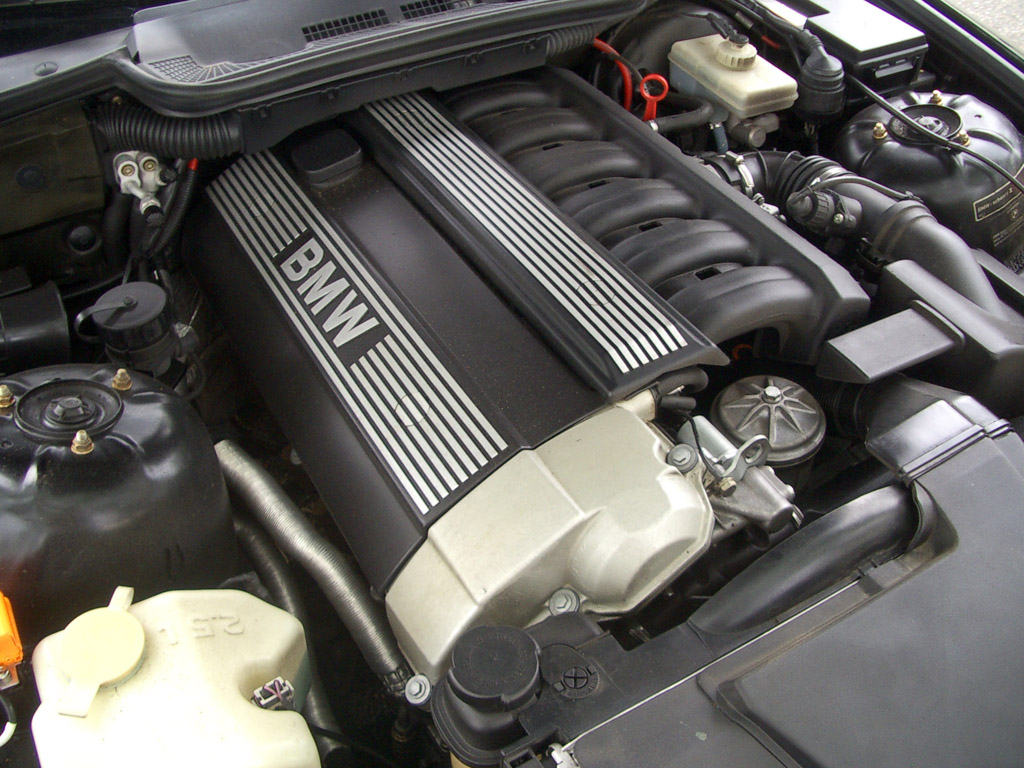
The BMW M50, produced between 1990 and 1996, is often regarded as one of the most important engines in BMW’s history. Introduced as the successor to the M20, it debuted in the E34 5 Series and was later fitted in the E36 3 Series. With displacements ranging from 2.0 to 2.5 liters, the M50 produced between 148 and 189 horsepower, offering a refined balance of performance, efficiency, and reliability.
One of the defining characteristics of the M50 was its role in advancing BMW’s engineering. In 1992, it became the first BMW engine to feature VANOS, a variable valve timing system applied to the intake camshaft.
This innovation improved torque delivery and efficiency, making the engine more versatile across driving conditions. Beyond its technical achievements, the M50 also provided the foundation for the S50, the performance variant that powered the E36 M3, producing up to 316 horsepower.
The M50’s reputation is built not only on its performance but also on its robust design. The engine employed a cast-iron block, a feature that gave it extraordinary strength and durability. This made it a favorite among tuners, as the block could reliably handle significant levels of forced induction.
In stock form, the M50 was already smooth and dependable, but with turbocharging, enthusiasts have extracted well over 400 horsepower, a testament to the engine’s capability.
Reliability is another hallmark of the M50. With proper maintenance, these engines are known to surpass 200,000 miles while maintaining strong performance. Common issues include cooling system weaknesses, such as failing radiators or water pumps, as well as oil leaks from valve cover gaskets. Additionally, the early VANOS units could wear out, causing rough idle or reduced performance, though replacements are readily available.
For owners, regular servicing of the cooling system and attention to oil seals are key to ensuring longevity. When maintained correctly, the M50 combines durability with BMW’s trademark silky-smooth power delivery, making it both a reliable daily driver and a performance platform.
In retrospect, the M50 not only kept BMW competitive in the 1990s but also set the template for future inline-six engines. Its blend of engineering innovation, reliability, and tuning potential has ensured its legacy as one of BMW’s most beloved engines, an enduring example of German engineering at its best.
Also Read: 12 Engines That Will Outlast Your Transmission
6. Toyota 1JZ/2JZ: Legendary Inline-Sixes With Endless Potential
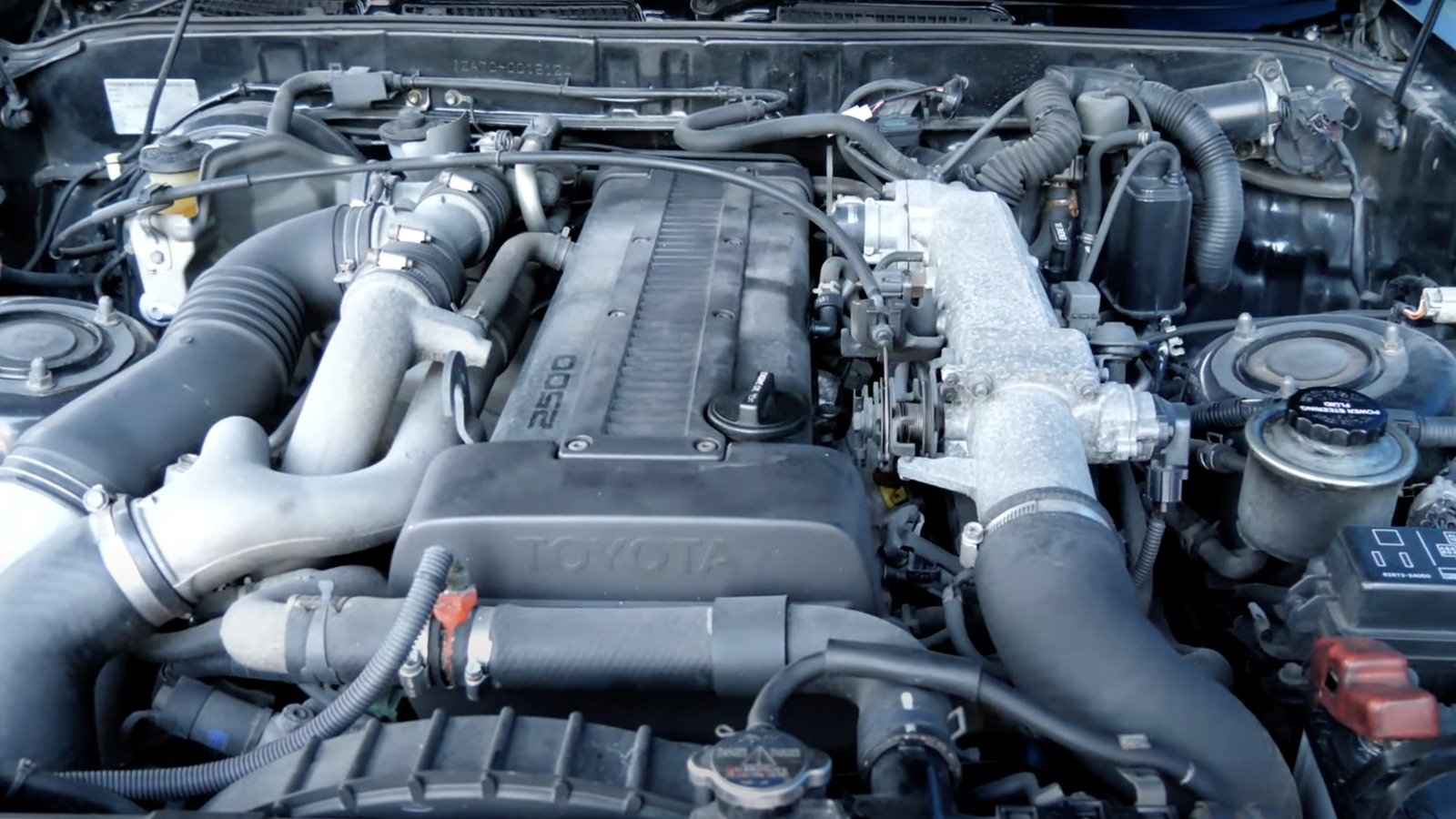
Few engines have achieved the legendary status of Toyota’s 1JZ and 2JZ inline-six family, produced from 1990 to 2007. Known for their balance of reliability and performance, these engines powered everything from sports cars to sedans, while also earning a cult following among tuners worldwide.
The 1JZ debuted as a 2.5-liter inline-six, offering smooth power delivery and a rev-happy character. The 2JZ, a 3.0-liter variant, is the most famous of the two, thanks to its role in the Mk IV Toyota Supra, where it proved capable of immense power while maintaining factory-level reliability.
Stock power outputs ranged from 168 horsepower in naturally aspirated versions to 276 horsepower in turbocharged configurations, though both engines became renowned for their ability to handle far beyond factory numbers. On stock internals, the 1JZ can manage 650–700 horsepower, while the 2JZ can withstand up to 800 horsepower, with some tuners pushing close to 1,000.
A big part of this reputation comes from the JZ’s robust construction. Both engines feature cast-iron blocks with aluminum heads, offering inherent strength, durability, and smooth operation.
The inline-six configuration also contributes to their natural balance, making them both refined and reliable. Owners who keep them stocked often report hundreds of thousands of miles with only routine maintenance, cementing their reputation as “bulletproof” engines.
Despite their similarities, the 1JZ and 2JZ each bring unique strengths. The 1JZ, with its smaller displacement, revs freely and shines at high RPMs, making it a favorite for drift builds and those who prioritize responsiveness. It also delivers a distinctive sound, complete with pops and crackles on deceleration, that enthusiasts find especially satisfying.
The 2JZ, by contrast, provides greater torque and quicker spool, giving it the edge for high-horsepower street and drag racing applications. Its larger displacement makes it slightly less eager to rev but far more versatile for serious performance builds.
Another factor behind the engines’ enduring popularity is the extensive aftermarket support. From turbo kits and fuel systems to standalone ECUs, there is a massive global industry built around helping enthusiasts unlock the full potential of the JZ platform.
In the end, choosing between the 1JZ and 2JZ comes down to priorities: the 1JZ for high-revving character and affordability, or the 2JZ for torque-rich performance and ultimate power potential. Either way, both engines represent Toyota engineering at its finest and remain cornerstones of performance culture.
7. Volkswagen ABF: A Rev-Happy 16-Valve Classic With Swap-Friendly Reliability
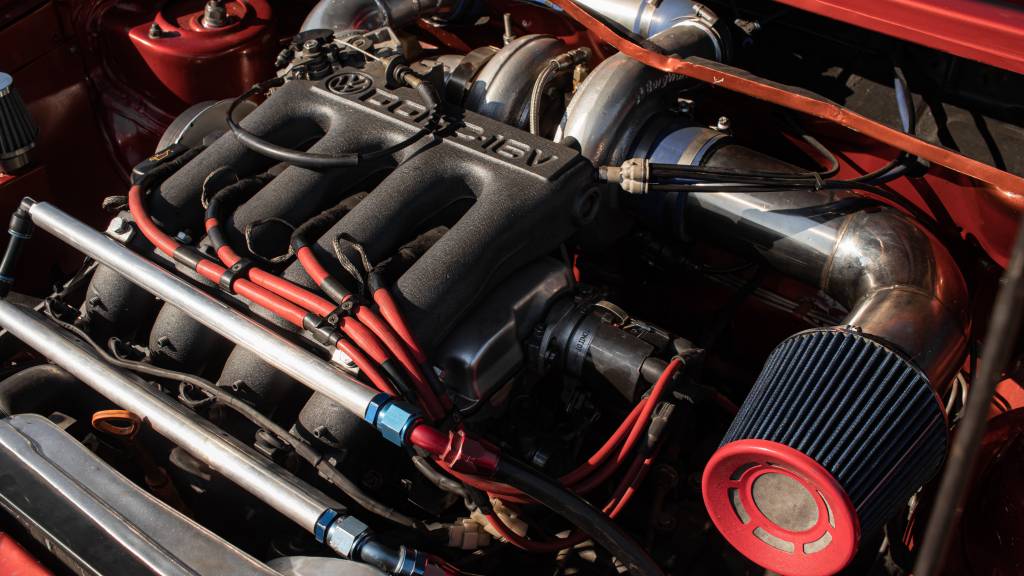
The Volkswagen ABF engine, produced from 1992 to 1999, is one of VW’s most respected performance four-cylinders. A 2.0-liter 16-valve inline-four, it powered the Mk3 Golf GTI and fourth-generation Passat in several markets. Known for its lively character and robust design, the ABF has become a favorite among classic VW enthusiasts, particularly for engine swaps into earlier models like the Mk2 Golf.
From the factory, the ABF produced 148 horsepower at 6,000 rpm and 133 lb-ft of torque at 4,800 rpm, making it one of the strongest naturally aspirated engines in VW’s lineup at the time. Its cast-iron block and aluminum head, combined with hydraulic lifters and fuel injection, gave it durability and responsiveness.
Owners often describe it as “rev-happy,” with a willingness to be pushed hard without complaint, while also offering strong low-end torque for everyday drivability. Many ABF engines are known to exceed 250,000 miles under spirited use without major failures, showcasing their reliability.
Beyond its factory performance, the ABF earned an iconic status in the VW tuning scene. It is frequently used for engine swaps, replacing older VW engines like the KR in the Mk2 Golf, thanks to its higher power output and minimal compatibility issues.
Enthusiasts also praise its distinctive exhaust note, often considered one of the best-sounding four-cylinder VW engines. Combined with strong aftermarket support, the ABF remains a rewarding platform for both restoration projects and performance builds.
Despite its strengths, the ABF does have a few common issues, most of which are age-related. Problems with the idle stabilization valve or throttle body microswitch can cause erratic idling, while crank sensor failures from corrosion or wiring issues may lead to a no-spark condition.
Oil leaks from the distributor or rocker cover gaskets, and coolant leaks from the water pump, are also typical maintenance concerns. The coil pack is another known weak spot, often prompting owners to carry a spare. Additionally, while fuel economy was decent for its era, it can be unimpressive when driven aggressively.
The Volkswagen ABF is celebrated for its blend of reliability, performance, and character. It provides a thrilling driving experience with its rev-happy nature and strong torque delivery, while remaining robust enough to handle decades of use. For classic VW fans, whether left stock or used in a swap, the ABF stands as one of the brand’s most beloved and dependable engines.
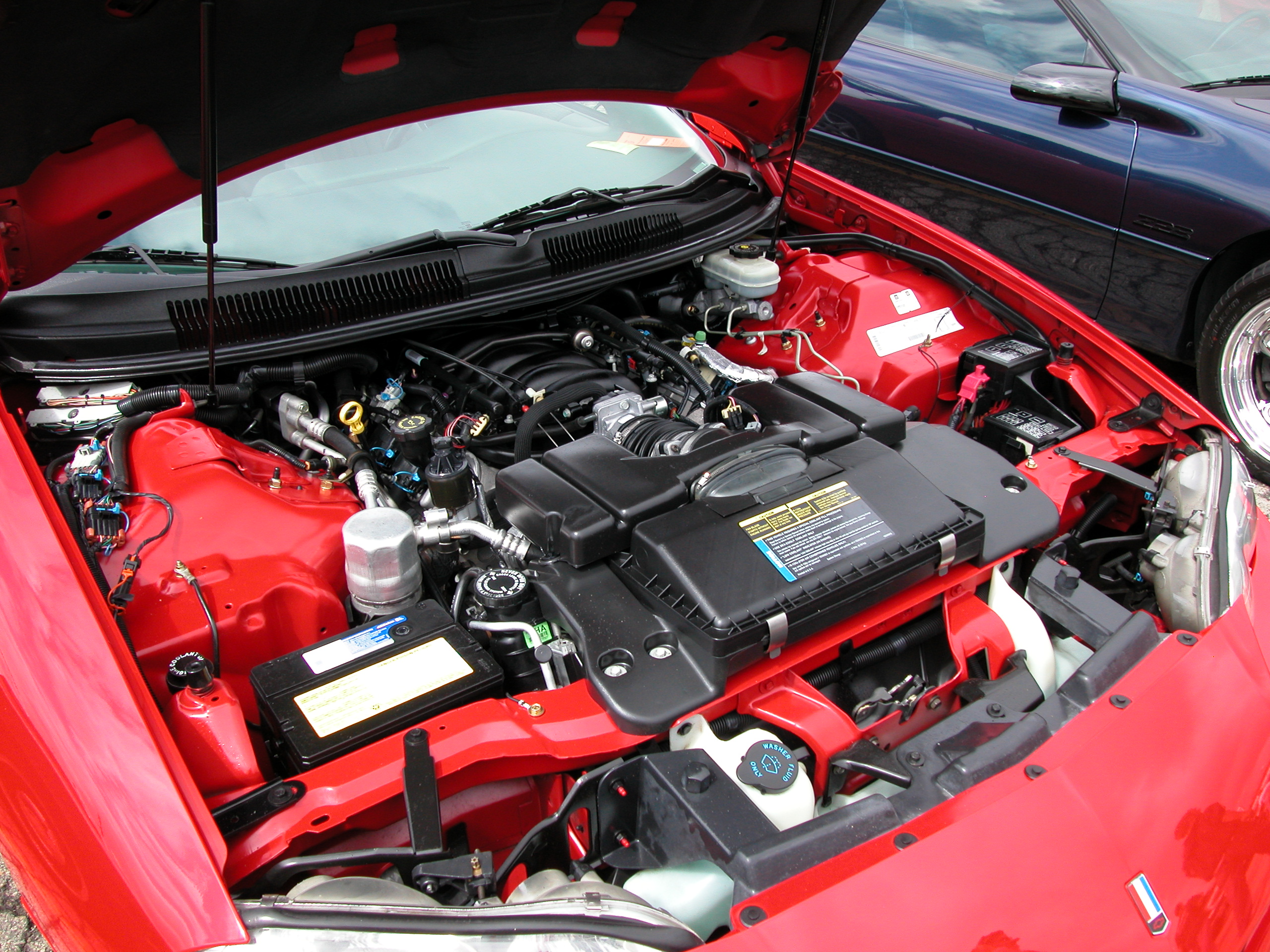
8. GM LS V8: America’s Legendary Small-Block Powerhouse
Since its debut in 1997, the GM LS V8 has become one of the most celebrated modern engines, carrying on the legacy of Chevrolet’s small-block V8 lineage.
Spanning three generations and with a fourth on the way, the LS family has powered everything from workhorse pickups like the Chevy Silverado to performance icons like the Camaro and Corvette, all while earning a reputation for reliability, adaptability, and immense tuning potential.
Available in displacements ranging from 4.8 liters to 7.4 liters, the LS covers an extraordinary performance spectrum. Factory outputs stretch from a modest 255 horsepower in base truck variants to an astonishing 1,250 horsepower in the most extreme turbocharged applications.
Among its many iterations are 5.3-, 5.7-, 6.0-, 6.2-, 6.6-, and 7.0-liter versions, offering buyers and builders a wide range of options. The LS’s combination of strength, simplicity, and compact packaging quickly made it not only a staple of GM’s lineup but also the go-to engine for swaps across countless platforms worldwide.
The LS is renowned for its durability and versatility. Truck owners frequently report engines lasting hundreds of thousands of miles with only basic maintenance, while tuners have embraced the LS for its ability to handle extensive modifications.
Thanks to its lightweight aluminum block in many variants or compact cast iron alternatives, it provides an ideal blend of strength and efficiency. Add in excellent low-end torque, affordability, and widespread aftermarket support, and it’s no surprise the LS has become a cornerstone of both OEM production and the enthusiast community.
That said, the LS isn’t entirely without flaws. Later models equipped with cylinder deactivation (Active Fuel Management/Dynamic Fuel Management) can suffer from lifter and valvetrain issues, compromising reliability. The shallow, flat oil pan design can also make oil level checks finicky if the car isn’t perfectly level. Additionally, certain high-performance variants require premium fuel, adding to ownership costs.
Even with these drawbacks, the GM LS V8 is universally regarded as a benchmark engine. Its tuning potential rivals any modern platform, with crate motors and aftermarket parts readily available for nearly any application.
Whether in a daily-driven truck, a race-ready Camaro, or swapped into something entirely unexpected, the LS continues to prove why it’s considered one of the greatest V8 engines ever built, an American icon with global appeal.
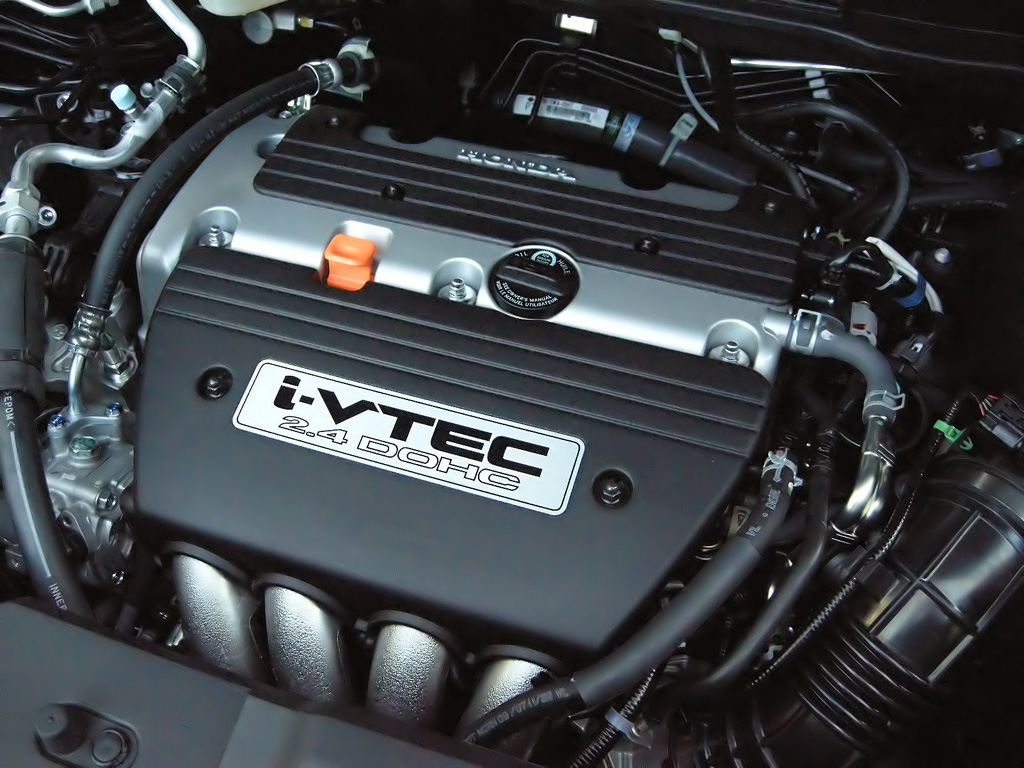
9. Honda K-Series: High-Revving Reliability With Endless Tuning Potential
When it comes to reliable performance engines, Honda’s K-Series is one of the most iconic and versatile four-cylinder platforms of the modern era. First launched in 2001, the K-Series replaced Honda’s older B- and H-Series engines with a more advanced design, delivering greater torque, improved efficiency, and a higher ceiling for performance tuning.
Over the years, it has powered everything from the Civic Type R and Integra to the Accord, CR-V, and Acura RDX, cementing its reputation for reliability and excitement.
Displacements in the K-Series range from 2.0 to 2.4 liters, with output varying between 150 and 320 horsepower depending on configuration. Enthusiasts gravitate most toward the K20 and K24 variants, which combine Honda’s signature VTEC technology with strong bottom-end torque and a willingness to rev well past 8,000 rpm in performance builds.
Naturally aspirated versions are celebrated for their responsive throttle and high-revving personality, while turbocharged K-Series engines deliver even greater potential for reliable, big-power setups.
Honda engineered the K-Series with forged internals, cast-iron cylinder sleeves, and a robust ladder-frame main bearing design, making it one of the most durable inline-fours in its class.
Many examples comfortably surpass 200,000 miles with regular maintenance, while tuned builds continue to prove the engine’s resilience in demanding motorsport environments.
Early models in particular are praised for their sound, rev-happy character, and rock-solid reliability, while later direct-injected versions added efficiency, though at the cost of slightly reduced aftermarket support.
One of the K-Series’ biggest strengths is its adaptability. Thanks to a vast aftermarket, it has become one of the most popular engine swap candidates worldwide, especially in Honda’s own older chassis, such as the Civic and Integra.
Swap kits and tuning solutions are widely available, enabling builders to extract massive power while retaining Honda’s trademark dependability. Whether in drag racing, time attack, or daily-driven builds, the K-Series delivers performance that scales effortlessly with modification.
There are a few considerations. Later direct-injection variants don’t yet enjoy the same level of affordable aftermarket support as earlier port-injected models, and high-mileage engines can develop oil leaks around the timing cover. However, these are minor concerns compared to the K-Series’ strengths.
In the end, the Honda K-Series has earned legendary status as a bulletproof, high-revving engine with endless tuning potential. Whether left stock or built to the extreme, it remains a favorite for enthusiasts who want the best of both performance and reliability.
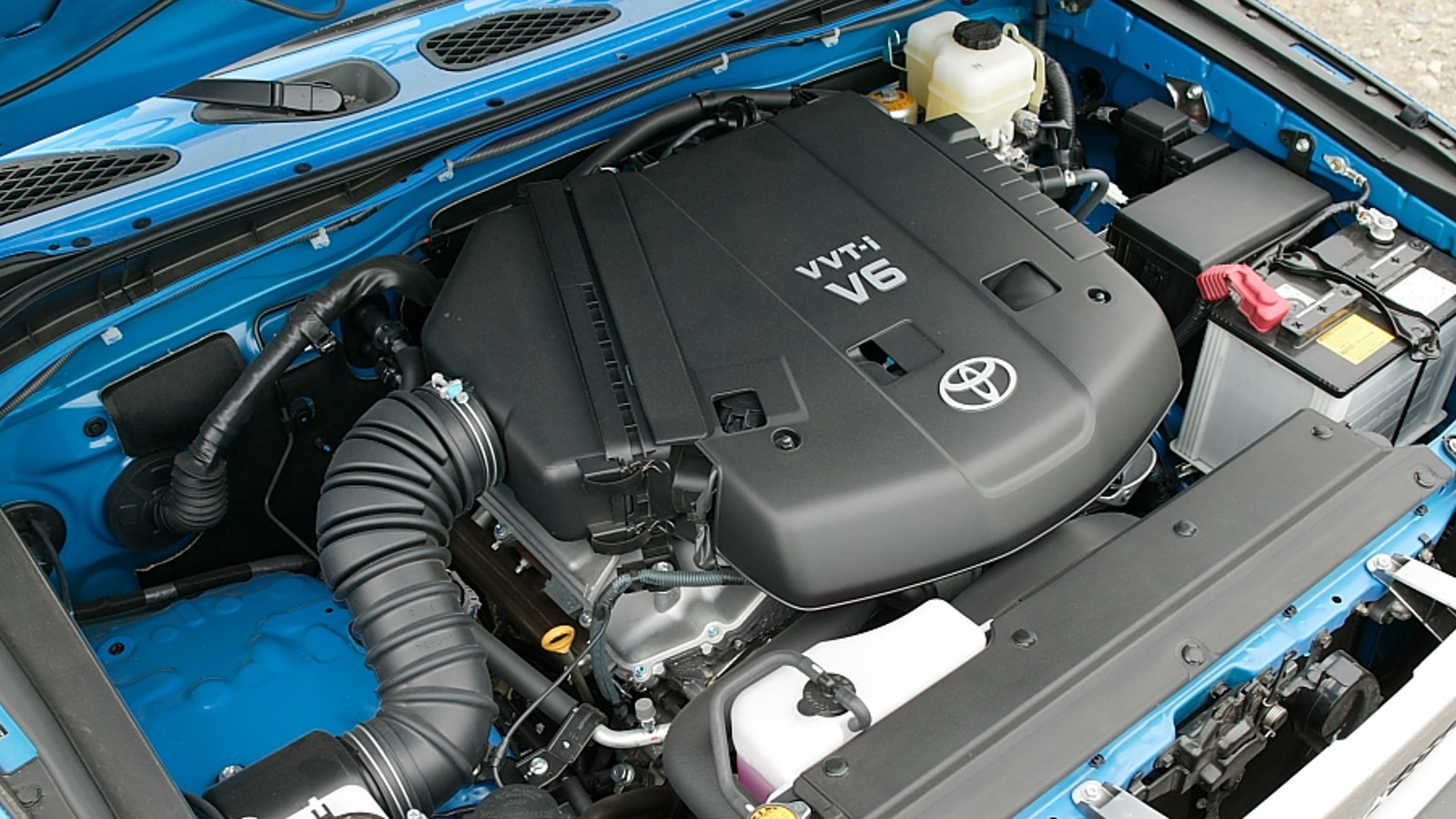
10. Toyota 2GR: A Proven V6 Balancing Power, Efficiency, and Reliability
Introduced in 2005, the Toyota 2GR has earned a global reputation as one of the most dependable and versatile V6 engines of the modern era. Part of the broader GR engine family, the 2GR is a 3.5-liter, 60-degree V6 that powered a wide range of Toyota and Lexus vehicles, from everyday sedans like the Camry and Avalon to SUVs such as the Highlander, RX, and Tacoma, and even performance-oriented models like the Lotus Evora and Toyota’s racing-spec Corolla.
This broad application demonstrates the engine’s adaptability and strength across diverse platforms.
With outputs ranging from 237 to 316 horsepower, the 2GR delivers smooth, refined power suitable for both commuting and spirited driving.
Built with a die-cast aluminum block and aluminum cylinder heads, it represents a more modern construction compared to older Toyota stalwarts while maintaining the brand’s focus on durability. Variants such as the 2GR-FSE have even earned a place on Ward’s 10 Best Engines list, underlining its excellence in both design and performance.
One of the 2GR’s greatest strengths lies in its reliability and longevity. Many owners report engines easily surpassing 200,000 miles with routine maintenance. Its smooth operation and relatively strong fuel efficiency make it particularly popular in family and luxury vehicles, where refinement matters as much as performance.
In Lexus applications, the 2GR is praised for its quiet, composed character, while in the Lotus Evora, it demonstrated its ability to deliver genuine sports car thrills.
Of course, like many modern engines, the 2GR has its quirks. Early versions suffered from plastic cooling components that were prone to failure, though later revisions corrected this issue.
The water pump is a known weak point that often requires replacement earlier than expected, and the engine’s complex layout can make repairs labor-intensive and costly, especially in cramped engine bays. More recent versions, such as the 2GR-FKS, introduced improvements in fuel efficiency but are sometimes considered less robust than the original 2GR-FE.
Despite these considerations, the Toyota 2GR remains a benchmark in V6 design. It combines robust performance, smooth power delivery, and excellent durability, making it a favorite among both everyday drivers and enthusiasts. Whether powering a luxury Lexus, a dependable Toyota SUV, or a track-ready Lotus, the 2GR has proven itself as a reliable and versatile workhorse that continues to earn respect worldwide.
Not all engines are created equal. Some demand meticulous care, while others prove themselves capable of withstanding years of neglect and still firing up every morning. The engines on this list fall into that rare category of mechanical legends. They’ve become the backbone of family sedans, the soul of sports cars, and the trusted heart of workhorses, earning reputations that extend far beyond their original designs.
Part of their appeal lies in the confidence they inspire. Owners know that even if maintenance schedules slip, these engines have the strength and resilience to keep moving forward.
That durability has made them favorites for engine swaps, tuning projects, and long-haul drivers who simply need something they can rely on. From smooth-revving fours to thunderous V8s, they’ve set benchmarks for what an engine should be.
While neglecting maintenance is never recommended, these motors show what’s possible when engineering excellence meets real-world demands. They remind us that the best engines are more than just sources of power; they’re trusted companions built to endure. For enthusiasts and everyday drivers alike, these are the engines that refuse to quit, even when the odds are stacked against them.
Also Read: 13 Most Efficient Engines That Never Burn Oil Excessively