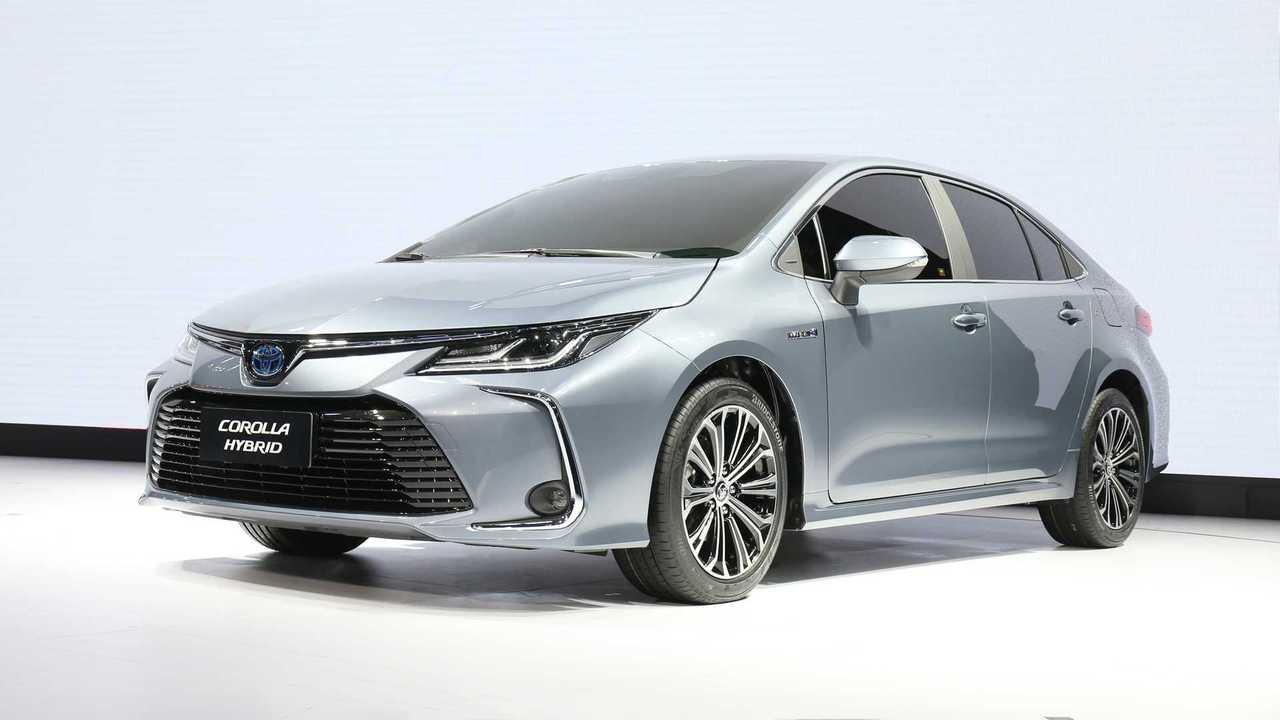
When it comes to buying a car, longevity often tops the list of priorities. While many vehicles begin to show their age after a decade, there are some that continue to surprise owners with their resilience even after 20 years.
These models prove that durability isn’t just about luck it’s about smart engineering, dependable parts, and a reputation for standing the test of time. From reliable sedans to rugged SUVs, these cars remain common sights on the road, serving as daily drivers long after others have been retired.
With proper care, they often surpass 200,000 miles, offering unbeatable value and peace of mind. This list highlights 14 cars that deliver on that promise, showcasing vehicles that balance comfort, performance, and affordability while refusing to quit.
Starting with the Honda Accord, we’ll explore why these models continue to earn the trust of drivers two decades later.
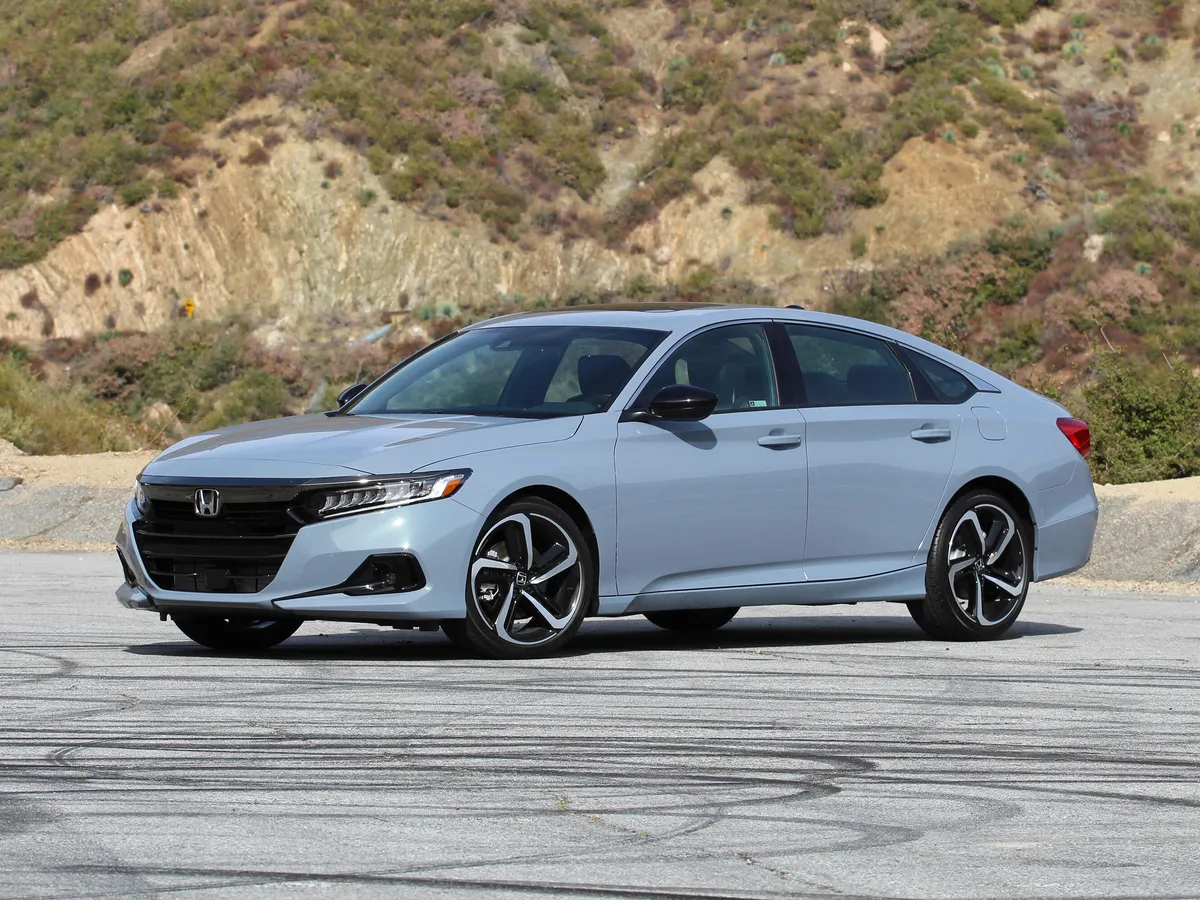
1. Honda Accord
The Honda Accord has earned its place as one of the most enduring midsize sedans on the market. Early 2000s models remain common today, with many still running reliably thanks to strong engines, durable interiors, and affordable repair costs.
Both the four-cylinder and V6 engines can surpass 250,000 miles with regular maintenance, while manual transmissions are particularly sought after for their sturdiness. This long-term dependability, paired with reasonable ownership costs, explains why so many older Accords remain in daily use.
The Accord has long stood out for its balance of comfort and control. Earlier models provided engaging handling compared to other family sedans, while newer versions emphasize refinement. The latest hybrid powertrain delivers 204 horsepower and smooth acceleration, reaching 0–60 mph in 7 seconds during testing.
It doesn’t quite recapture the sportiness of older Accords, but it provides efficiency and everyday drivability with ease. Steering is precise, and the suspension smooths out bumps while keeping the ride composed.
Inside, the Accord continues to prioritize passenger space and ease of use. The cabin features wide openings for easy entry, generous legroom in both rows, and intuitive controls.
Taller passengers may find rear headroom limited due to the sloping roofline, but comfort remains high. Noise insulation is solid, and ride quality improves further on trims with smaller wheels. The driver’s seat could use more padding but remains highly adjustable to suit most drivers.
Technology is straightforward yet modern. Upper trims feature a sharp 12.3-inch touchscreen with wireless Apple CarPlay and Android Auto, though some functions like Google integration are limited to top trims.
The Honda Sensing suite of driver aids works well, though lane-keeping can feel intrusive at times. Storage is generous, with 16.7 cubic feet of trunk space and practical cabin cubbies. Rear seats accommodate child seats easily thanks to accessible anchors.
Fuel efficiency is another Accord strength, with EPA estimates ranging from 32 mpg combined for the base engine to 48 mpg combined for the hybrid. Real-world testing returned 41.5 mpg with the hybrid Sport-L.
Build quality is excellent, with durable materials and a solid structure, though lower trims feel light on features compared to rivals. While warranty coverage is average, the Accord remains a well-rounded, long-lasting family sedan that blends dependability, comfort, and efficiency.
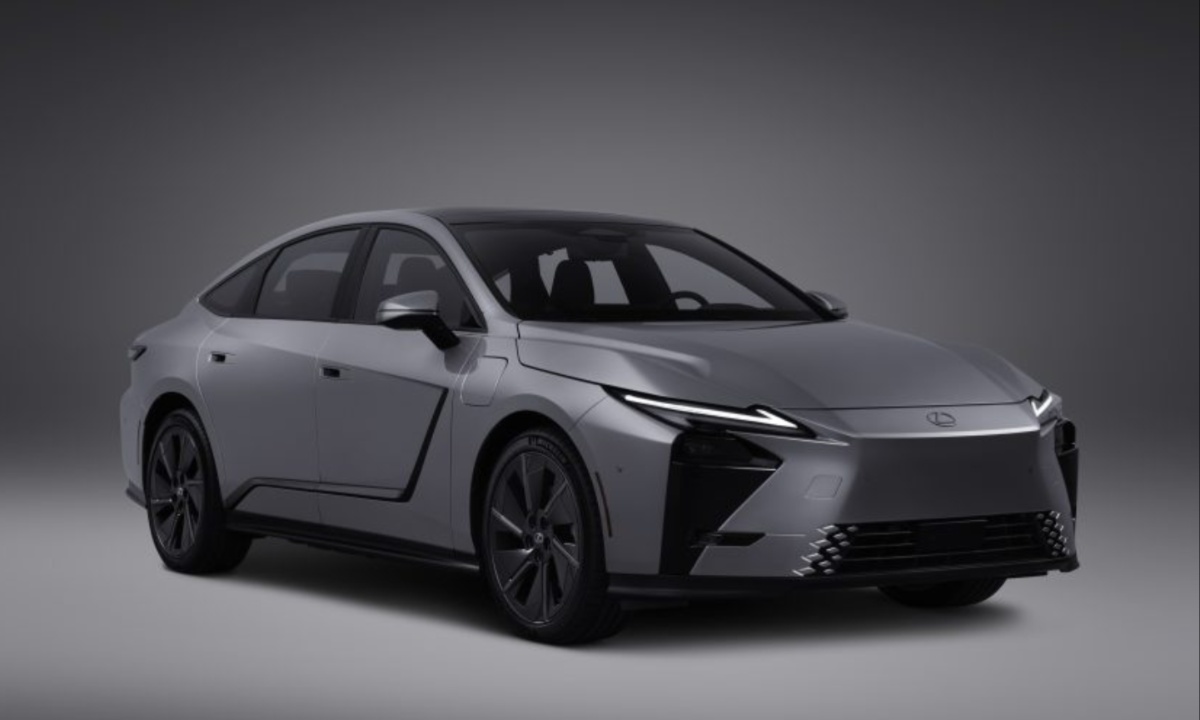
2. Lexus ES
The 2025 Lexus ES continues to cement its reputation as one of the most reliable midsize luxury sedans available. While it doesn’t deliver the excitement or cutting-edge features of some competitors, the ES stands out for its exceptional dependability, refined comfort, and lasting value. J.D. Power gave it the highest predicted reliability score in its class, and long-term data confirms that older ES models are just as durable.
Available in three main versions: ES 250, ES 300h, and ES 350, the sedan caters to different needs. The ES 250 offers standard all-wheel drive, the hybrid ES 300h delivers an excellent 44 mpg combined, and the ES 350 provides a smooth 302-horsepower V6.
On the road, the ES isn’t the most thrilling car, but it impresses with refined steering, silky gear changes, and effortless cruising. Around town or on the highway, it glides quietly, making every trip feel relaxed.
Comfort is one of the ES’s strongest qualities. Supportive seats, a smooth suspension, and a quiet cabin make long drives fatigue-free. Wind noise is minimal, and road imperfections are absorbed with ease. Interior materials are top-notch, with leather upholstery, detailed stitching, and Lexus’ signature fit-and-finish giving the cabin a premium feel.
The ES features an updated 12.3-inch infotainment display, wireless Apple CarPlay and Android Auto, and voice command functionality. While graphics aren’t the flashiest, the system is responsive and easy to use. Cargo capacity sits at 13.9 cubic feet, adequate for everyday needs, though the rear seats don’t fold to expand space.
Starting at $43,435, the ES offers luxury at a reasonable price. Higher trims, such as the ES 350 F Sport Design, remain under $50,000, making them competitive in the luxury segment. Fuel economy is decent, though real-world results may fall short of EPA ratings.
Ultimately, the Lexus ES appeals to buyers seeking reliability, comfort, and quality over sporty handling or trend-setting tech. It may not dazzle with excitement, but its serene driving experience and bank-vault build make it a luxury sedan that’s easy to live with for years.
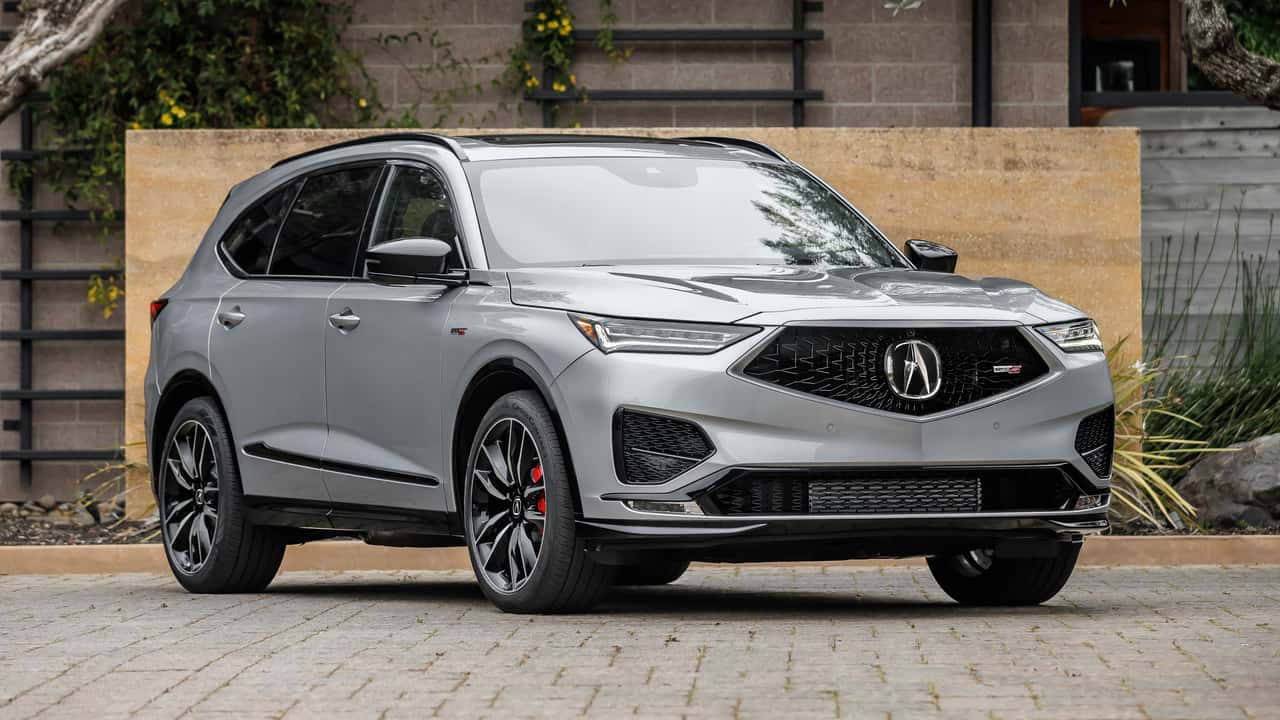
3. Acura MDX
The 2025 Acura MDX remains a standout in the three-row luxury SUV segment, blending practicality, upscale features, and competitive pricing. With its latest update, Acura has addressed past infotainment issues by replacing the old touchpad interface with a more intuitive 12.3-inch touchscreen.
A mild styling refresh and a new optional Bang & Olufsen audio system also enhance the package. Reliability looks promising too, with J.D. Power giving the MDX a strong “Great” rating for quality and dependability.
The MDX is offered with a capable V6 engine and Acura’s Super Handling All-Wheel Drive, which gives it nimble handling for its size. While the base engine’s acceleration lags behind rivals, the MDX Type S, with its 355-horsepower turbocharged V6, brings more excitement.
Steering precision and cornering composure make the MDX enjoyable to drive, whether handling city streets or winding mountain roads. Updated driver-assist systems, now standard across trims, further improve confidence behind the wheel.
Inside, the MDX impresses with supportive front seats, spacious second-row accommodations, and a flexible layout. The third row is best suited for kids or short trips, but is easier to access thanks to a push-button release and removable center seat.
Climate control is effective for the first two rows, though third-row passengers get limited ventilation. Road noise is slightly higher than some rivals, but comfort remains a strong point. Cargo space is generous, with up to 71.4 cubic feet available when both rear rows are folded, along with bonus storage under the rear floor.
The new touchscreen is a welcome upgrade, offering quick responses and clear graphics. Higher trims benefit from the 19-speaker Bang & Olufsen audio system, which delivers rich sound quality. Multiple USB ports and wireless charging add to the convenience for passengers.
Starting at $52,550, the MDX undercuts many European competitors while offering more standard features. The Type S starts at $76,600, still competitive for its class. Fuel economy is average at 21 mpg combined, and towing capacity reaches 5,000 pounds with AWD models.
The 2025 Acura MDX balances space, comfort, and performance while maintaining excellent value, making it a top choice for families seeking a premium yet practical SUV.
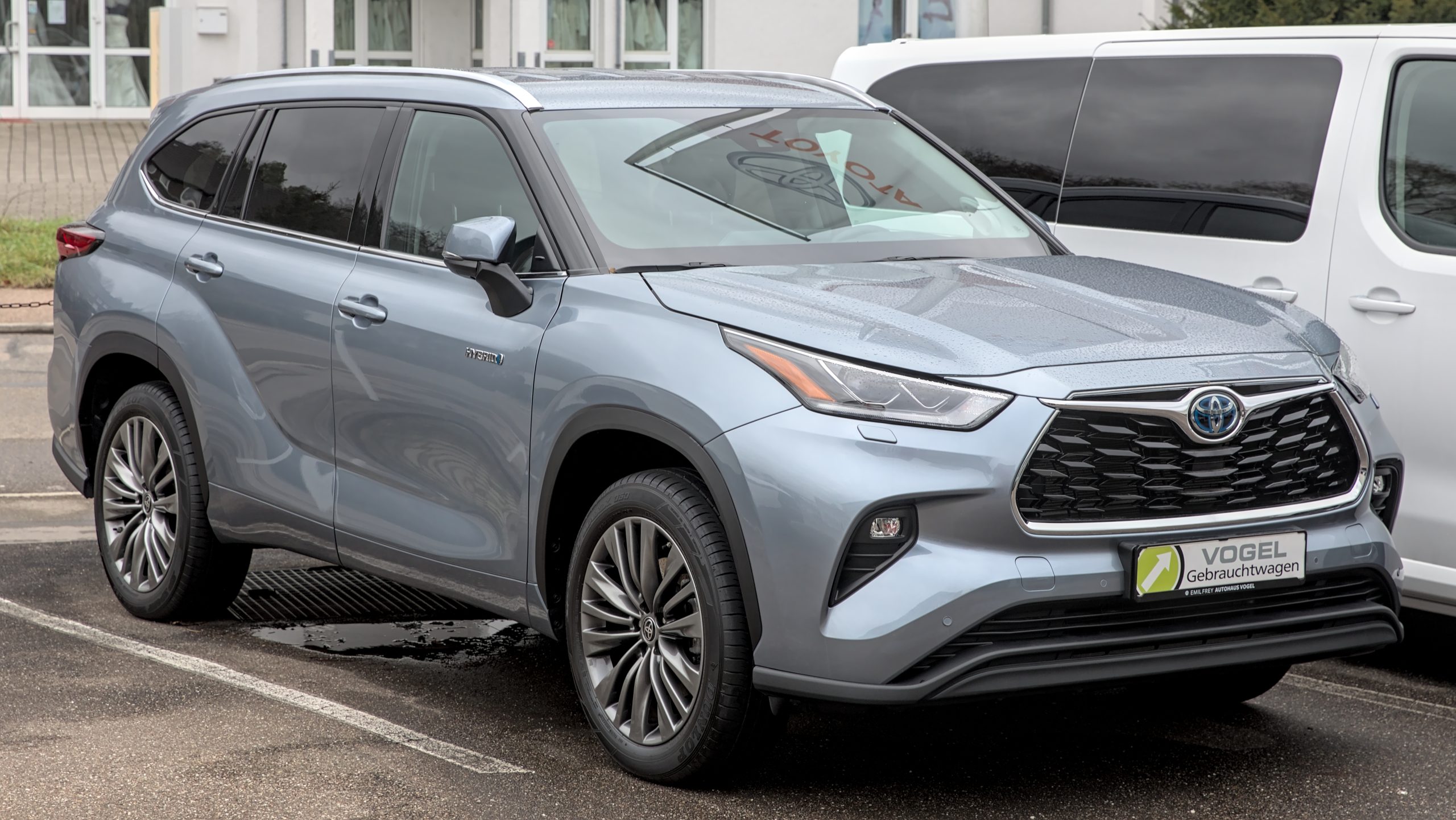
4. Toyota Highlander
The 2025 Toyota Highlander continues to be a dependable choice in the midsize SUV segment despite facing tougher competition both within Toyota’s lineup and from rivals.
Backed by a “Great” reliability rating from J.D. Power and strong longevity data from iSeeCars, the Highlander stands out for families seeking long-term peace of mind. Pricing starts at $41,770 for the base LE trim, while higher trims like the Limited and Hybrid Platinum can push the total above $60,000 with options.
Powered by a four-cylinder engine, the Highlander delivers solid performance, with a 0–60 mph time of 7.4 seconds, quicker than many V6-equipped competitors. Its suspension balances comfort with composure, soaking up road imperfections while keeping body roll in check.
Available torque-vectoring all-wheel drive enhances handling and traction, making the Highlander surprisingly agile for its size. Visibility is excellent, and Toyota’s suite of driver aids, including adaptive cruise control and lane keeping assist, comes standard.
Comfort is a key strength. The first and second rows feature cushioned, supportive seating, especially when equipped with available captain’s chairs. The third row, however, remains cramped and better suited for children.
Ride quality is smooth, and the cabin stays impressively quiet, even at highway speeds. Tri-zone climate control works well, though seat heating and ventilation are only modestly effective. Child seat installation is easy in the second row, but anchors are missing from the third.
Toyota has modernized its tech offering with an optional 12.3-inch touchscreen that responds quickly, though reflections can hinder visibility. The Highlander provides multiple USB ports for front and second-row passengers but omits them for the third row.
Cargo space is a mixed bag: just 16 cubic feet behind the third row, but a generous 48.4 cubic feet behind the second. Clever in-cabin storage solutions, such as dash shelves, add practicality.
The Highlander offers solid build quality and competitive pricing compared with rivals like the Honda Pilot and Kia Telluride. EPA ratings stand at 24–25 mpg combined, and real-world testing showed an impressive 26.6 mpg. For even greater savings, the Highlander Hybrid achieves up to 36 mpg combined.
The 2025 Highlander blends reliability, efficiency, and comfort into a well-rounded family SUV, even if third-row space and cargo capacity fall short of the best in class.
5. Cadillac Escalade
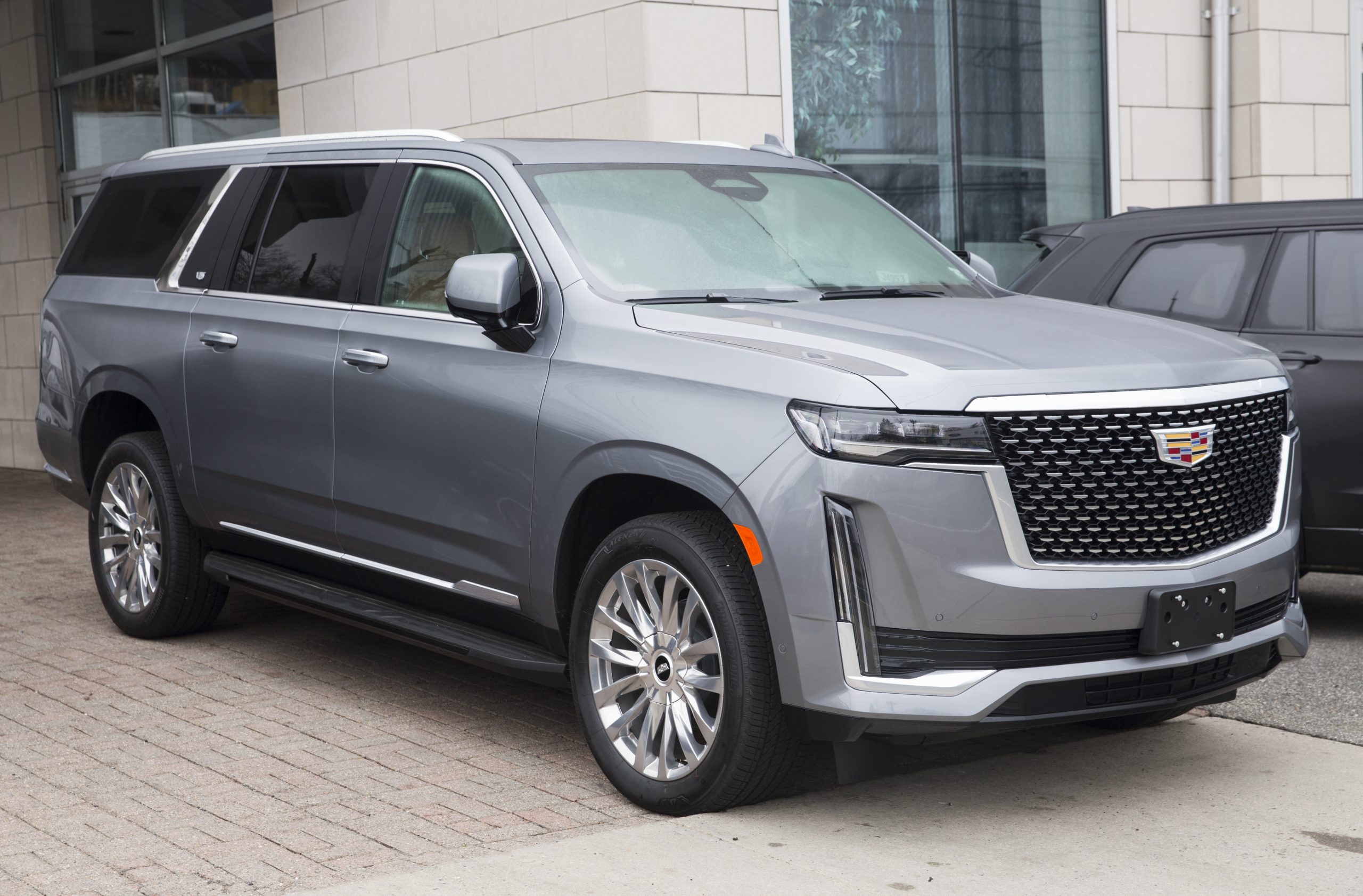
The 2025 Cadillac Escalade continues its reign as one of the most iconic luxury SUVs, now enhanced with a mid-cycle refresh. Both the standard Escalade and extended-wheelbase Escalade ESV appear on iSeeCars’ list of longest-lasting vehicles, and J.D. Power predicts strong reliability for the latest model.
Updates for 2025 include revised styling, slimmer vertical headlights, and a massive 55-inch dash-spanning display that blends driver instruments, central infotainment, and a passenger screen. Cadillac also added new tech features like ambient lighting with 126 color choices and optional “executive” second-row seating with massagers and tray tables.
Under the hood, the Escalade retains its 6.2-liter V8, good for a 0–60 mph time of 6.7 seconds. While not the fastest in its class, it delivers smooth power and a satisfying exhaust note. The Escalade-V, with a supercharged V8 producing 682 horsepower, offers an even more commanding presence.
Steering is light and direct, masking the SUV’s size in daily driving. Air suspension and adaptive dampers soften most bumps, though ride quality can suffer with the optional 24-inch wheels. GM’s Super Cruise hands-free system remains a highlight, ranking among the best semi-autonomous driving aids available.
The Escalade is spacious, with seating for up to eight and a generous cargo capacity. Front seats are supportive, though not as plush as some rivals, while the second and third rows feel less premium than those in competitors like the Mercedes GLS.
The cabin is generally quiet, but the climate controls lack fine adjustment. Luxury touches include optional carbon fiber trim, dual-zone ambient lighting, and premium AKG sound systems with up to 40 speakers.
The 55-inch infotainment display looks impressive but doesn’t always use its size efficiently, with small text and graphics. Still, wireless Apple CarPlay, Android Auto, and quick response times add usability. Cargo space is vast, and the Escalade can tow up to 8,200 pounds when properly equipped.
Starting at $90,295, the Escalade demands deep pockets, with top trims like the V-Series exceeding $165,000. While not the most refined in terms of ride or rear-seat luxury, it remains unmatched in presence, tech showmanship, and American-style boldness, making it a lasting symbol of luxury on wheels.
6. Porsche Cayenne E-Hybrid
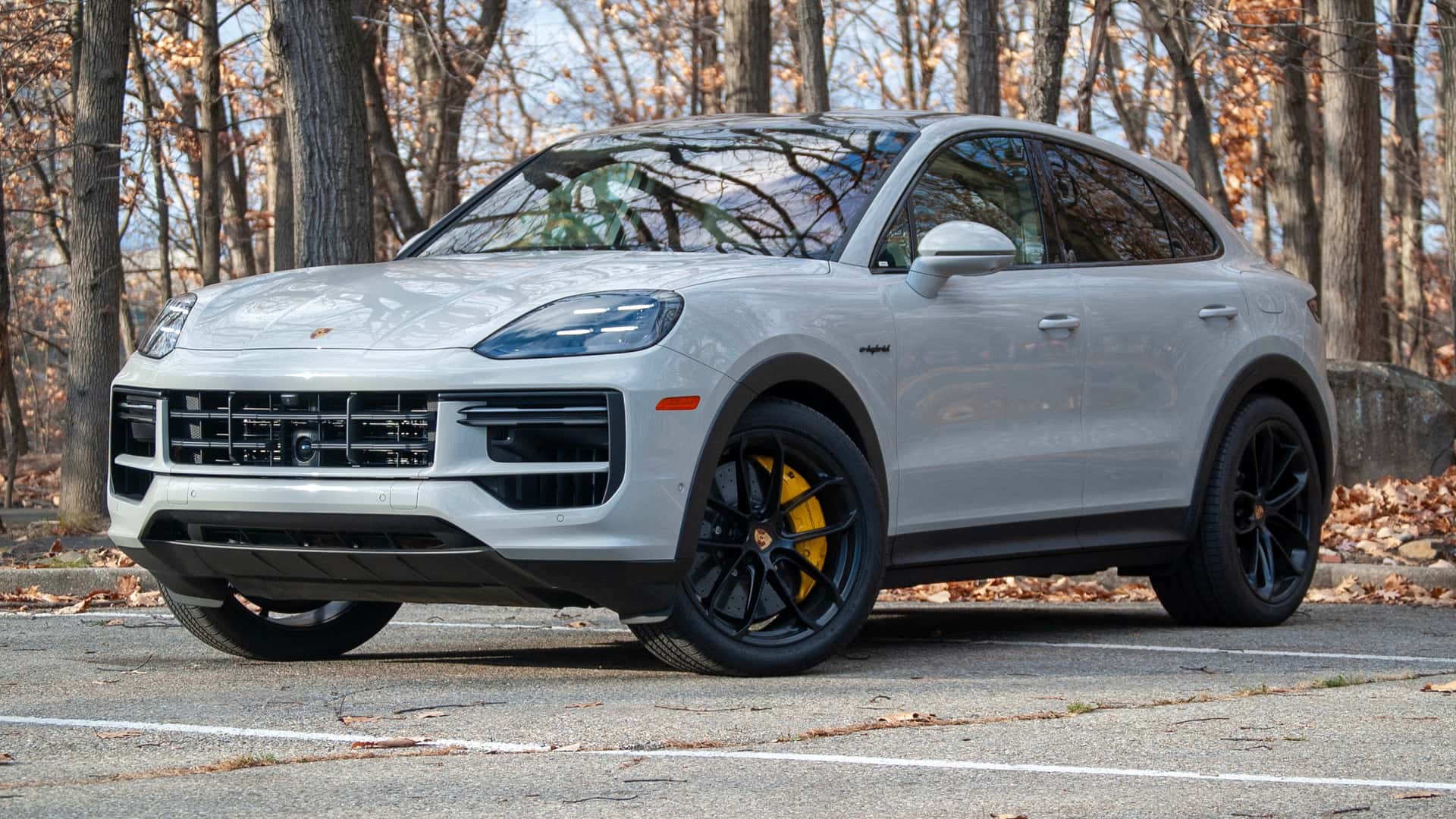
The 2025 Porsche Cayenne E-Hybrid continues to stand out as a benchmark in the luxury SUV segment, offering a mix of performance, advanced technology, and refined comfort. Despite Porsche’s sports car reputation, the Cayenne has proven itself a reliable workhorse, earning a “Great” predicted reliability score from J.D. Power and ranking among the longest-lasting hybrids according to iSeeCars.
Powered by a turbocharged V6 paired with an electric motor, the E-Hybrid delivers both smooth daily driving and thrilling acceleration when pushed hard. A boost function maximizes output for short bursts, while Porsche’s trademark styling and premium cabin materials reinforce its upscale appeal. However, affordability remains a challenge, with pricing starting at $103,550 before options.
Performance is central to the Cayenne experience. Even the base model offers nearly 350 horsepower, while the Turbo E-Hybrid leads the lineup with an impressive 729 hp.
The reintroduced GTS trim strikes a balance between power and price, packing a 493-hp twin-turbo V8 and enhancements like sport-tuned suspension, a water-cooled all-wheel-drive system, and unique styling. At the Edmunds track, the GTS sprinted to 60 mph in just 4.1 seconds, though its heavy weight and firm suspension slightly compromise everyday comfort.
Inside, the Cayenne offers a well-appointed, spacious cabin with adjustable seating for both sporty and traditional SUV driving positions. While climate controls are intuitive, the haptic panel can be cumbersome, and visibility suffers due to narrow windows and thick pillars.
Technology is modern but limited in standard form. Wireless Apple CarPlay, Android Auto, and a responsive infotainment screen are included, but advanced driver-assist features like adaptive cruise control and blind-spot monitoring remain optional.
Storage is adequate, with up to 60.3 cubic feet of cargo space and decent small-item storage in the cabin. Fuel economy, however, is below average for the class, with the GTS rated at 18 mpg combined. The E-Hybrid offers the best efficiency with plug-in capability and short-range electric driving.
Though expensive, the Cayenne remains one of the most rewarding midsize luxury SUVs. With a strong blend of power, technology, and craftsmanship, it continues to deliver an emotional connection that few rivals can match.
7. Honda CR-V
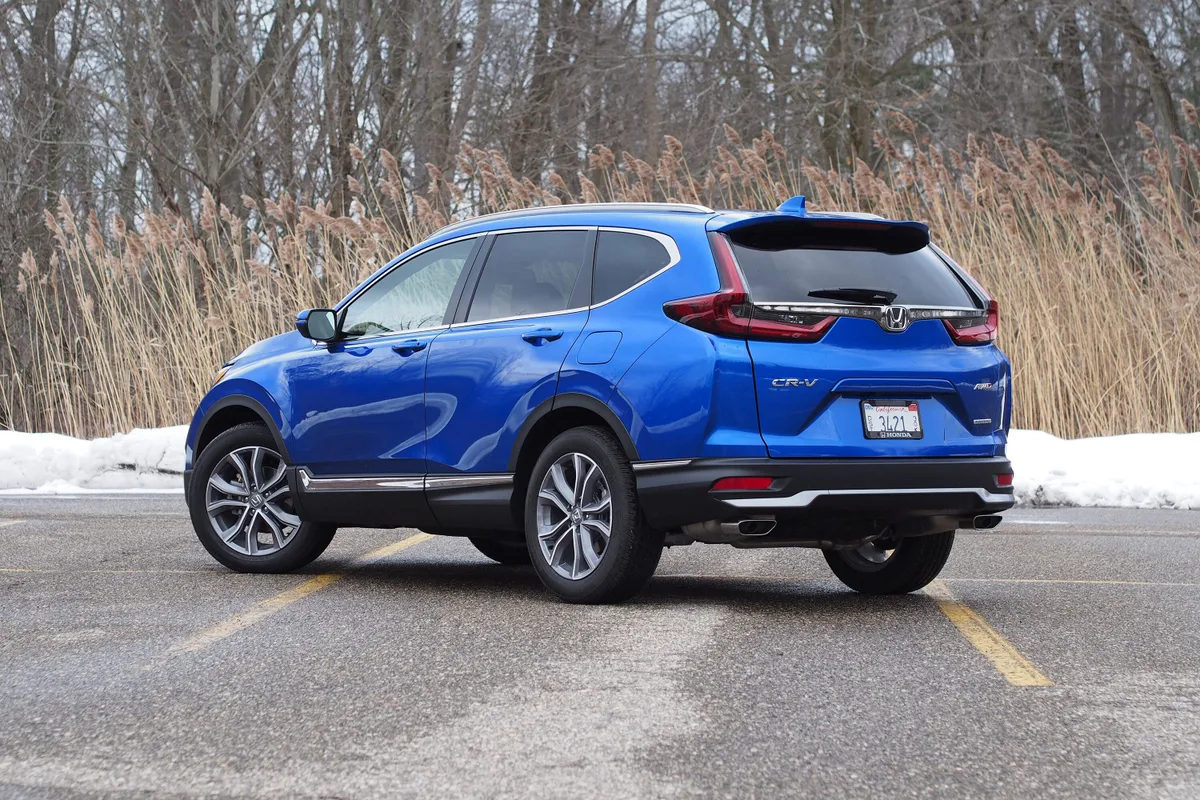
The 2026 Honda CR-V builds on the SUV’s long-standing success with subtle yet meaningful updates. Already one of the most popular models in its class, the CR-V continues to dominate sales, with more than 363,000 units sold in 2024. For 2026, Honda introduces a TrailSport trim, a larger infotainment screen, and standard wireless Apple CarPlay and Android Auto, further enhancing its appeal.
Pricing remains one of the CR-V’s strongest selling points. The base model starts at $32,315 including destination, while the well-equipped Sport Touring Hybrid tops out at $43,645. Even with all available packages and accessories, the CR-V remains under $50,000, making it a strong value in today’s SUV market.
On the road, the CR-V isn’t designed for thrills, but it is impressively composed. The hybrid Sport Touring reaches 60 mph in 8.0 seconds, which is typical for the segment. Smooth braking, predictable handling, and excellent ride quality make it a pleasant daily driver. Visibility is mixed, but advanced driver-assist features help compensate.
Comfort is another highlight. The CR-V offers generous space in both rows, with excellent rear legroom and wide door openings for easy entry. Front seats are supportive, and the cabin feels airy thanks to large windows.
Installing child seats is also straightforward. While interior storage has been scaled back slightly, it remains functional with ample cubbies, cupholders, and a large under-armrest bin. Cargo capacity is among the best in its class, though hybrid models sacrifice some space and lose the spare tire.
Technology is user-friendly but lags behind rivals in screen size, with a 9-inch display standard compared to larger offerings elsewhere. Still, wireless phone connectivity, wireless charging, and multiple USB ports are included, ensuring everyday convenience.
Fuel economy is another strength. Non-hybrid CR-Vs reach up to 30 mpg combined, while the hybrid is rated at 40 mpg (37 mpg with AWD). Real-world testing showed slightly lower results at 33.3 mpg on highways, but daily driving favors better efficiency.
While not flashy, the CR-V’s restrained design, reliability, and balanced driving dynamics explain its enduring popularity. It’s an SUV built to blend in rather than stand out, yet it consistently delivers on practicality, efficiency, and lasting value.
Also Read: 10 Cars That Become Expensive Nightmares After 100k
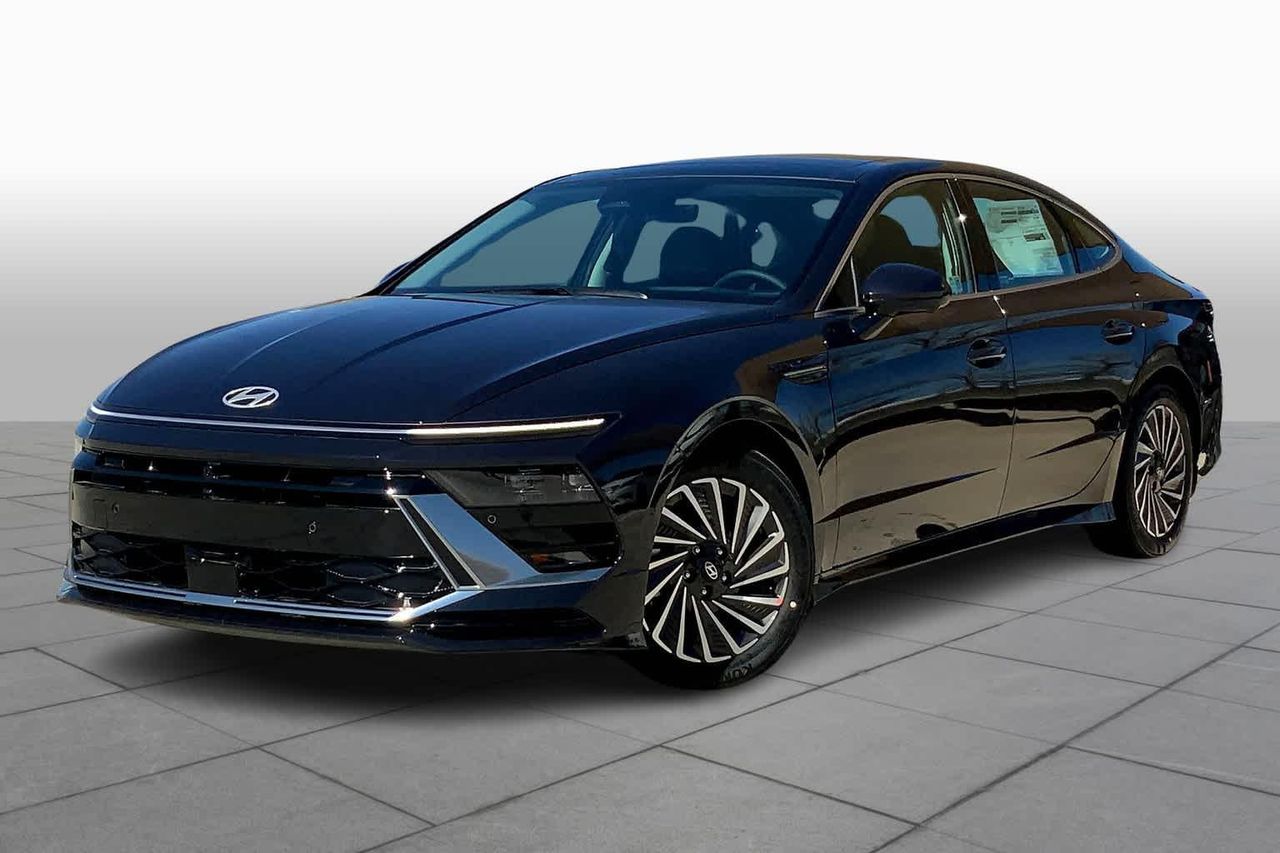
8. Hyundai Sonata Hybrid
In a market increasingly dominated by SUVs and crossovers, the 2025 Hyundai Sonata Hybrid stands out as one of the few midsize sedans that balances affordability, efficiency, and technology.
Priced from $32,495 including destination, the Sonata Hybrid offers two trims: the base and the Limited Hybrid, which starts at $38,945. Both use a 192-hp hybrid 2.0L four-cylinder engine, while the Limited adds premium touches like leather seating, a panoramic sunroof, and remote parking assist.
The Sonata Hybrid ranks among the longest-lasting hybrid cars in iSeeCars’ study and earns a “Great” predicted reliability rating from J.D. Power, placing it ahead of some rivals such as the latest Toyota Prius. For buyers seeking more excitement, the Sonata N Line trim swaps efficiency for performance, boasting a 290-hp turbocharged engine and sport-focused features.
On the road, the Sonata Hybrid feels lively around town, though acceleration tapers at higher speeds. It reaches 60 mph in 8.3 seconds, slower than hybrid versions of the Honda Accord and Toyota Camry. Braking is smooth and confidence-inspiring, while ride quality is one of its strengths, absorbing bumps without feeling floaty. However, steering feedback is artificial, and grip is limited in sharp corners.
Inside, the Sonata provides generous space in both rows, supportive seating, and an intuitive control layout. The standard 12.3-inch touchscreen is sharp, responsive, and larger than most competitors, while wireless Apple CarPlay and Android Auto come standard.
Tech highlights include natural voice controls, a surround-view camera, and lane-change side-view cameras. Storage is practical, with a wide trunk, rear seat release levers, and ample in-cabin cubbies. Installing child seats is straightforward, though lower anchors are buried in the upholstery.
Fuel economy is a standout, with EPA ratings of 47 mpg combined. Impressively, real-world testing exceeded expectations at just over 51 mpg. Warranty coverage is another strong suit, with Hyundai’s 10-year/100,000-mile powertrain warranty outshining most rivals.
While newer hybrid sedans like the Accord and Camry may offer sharper driving dynamics and more refined interiors, the Sonata Hybrid remains a strong value proposition. With excellent efficiency, tech-loaded features, and long-term reliability, it continues to be a solid contender in the midsize sedan market.
9. Toyota 4Runner
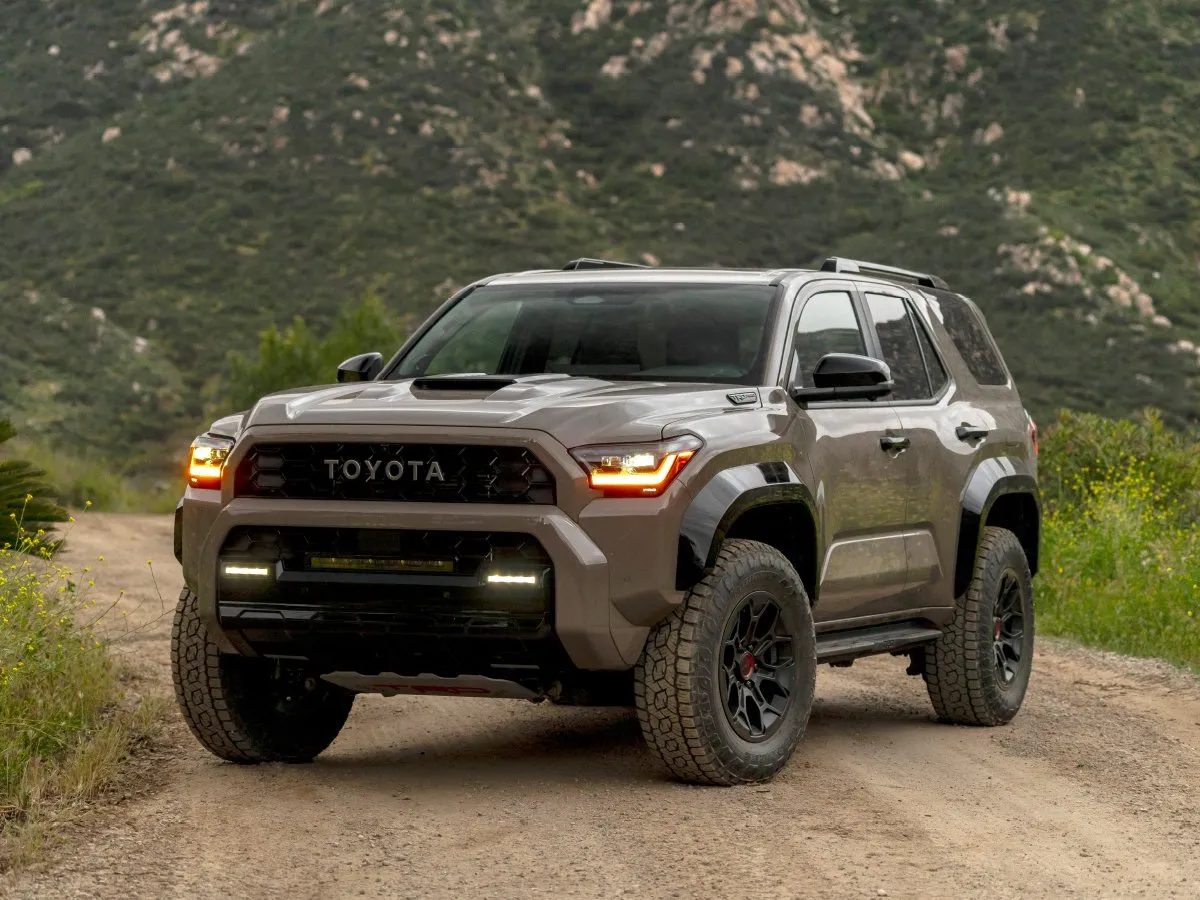
After 14 years without a full redesign, the 2025 Toyota 4Runner arrives as a modernized yet familiar midsize SUV that retains its rugged, off-road-focused character. Still built on a truck-based platform, the new 4Runner expands its lineup with nine trims, two engine options, and a wide range of equipment for everyone from casual adventurers to serious overlanders.
Pricing starts at $42,770 including destination for the SR5 but climbs quickly, with the TRD Pro and new Trailhunter trims beginning at $68,900. At that level, luxury competitors including the Lexus GX enter the conversation. Still, the 4Runner preserves its strong reliability reputation, earning high J.D. Power ratings.
Every 2025 4Runner comes with a new turbocharged four-cylinder engine, replacing the old V6. It offers better low-end torque and fuel efficiency, with an optional hybrid version delivering even more power. Performance is adequate, though not thrilling: the gas model runs 0–60 mph in 8.2 seconds, while the hybrid cuts that to 7.7 seconds.
Ride comfort, however, remains a weakness, with noticeable body roll, unsettled suspension, and vague steering. Still, it’s more refined than the Ford Bronco and Jeep Wrangler, even if it trails the Honda Passport on-road.
Inside, Toyota has improved cabin quality and tech. Depending on trim, buyers get either an 8-inch or a 14-inch touchscreen with wireless Apple CarPlay and Android Auto, plus ample USB ports.
Toyota’s safety suite is standard, including adaptive cruise control, lane-keeping assist, and blind-spot monitoring. Comfort is mixed: front seats are supportive, but the rear is cramped and less practical for child seat installation. Noise levels are also higher than rivals when the engine is pushed.
Cargo capacity is strong, with up to 48.4 cubic feet behind the second row and 6,000 pounds of towing capacity. Hybrid models lose some practicality due to the battery placement but remain versatile. Fuel economy tops out at 22 mpg combined for gas models and 23 mpg for hybrids competitive for its class.
Ultimately, the 2025 4Runner shines brightest off-road, where its rugged design, advanced trims, and classic Toyota dependability make it an appealing choice for outdoor enthusiasts, even if on-road comfort and pricing aren’t as strong as its adventurous spirit.
10. Lexus RX Hybrid
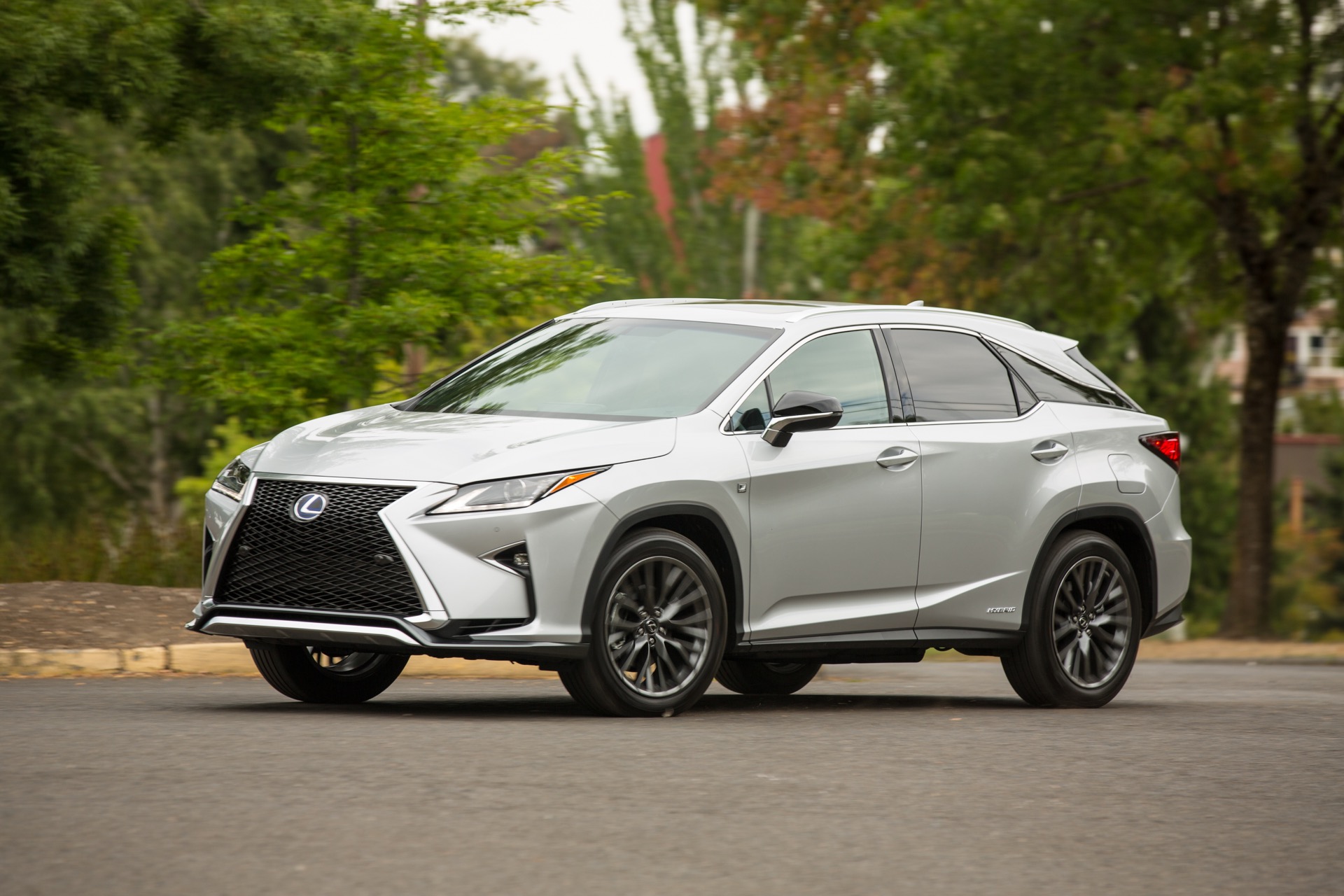
The 2025 Lexus RX Hybrid comes in several versions, including the RX 350h, RX 450h+ plug-in hybrid, and RX 500h F Sport Performance. While the F Sport is the sportiest of the lineup, it still trails behind rivals like the Genesis GV80 or Mercedes-Benz GLE when it comes to speed and agility.
The RX 500h offers stronger acceleration, while the 450h+ provides a longer electric-only driving range, making it a more balanced option. Steering is predictable, and braking feels confident, though the handling lacks excitement.
Comfort remains a standout trait of the RX. Front seats are soft and supportive, with quick-acting heating and ventilation. Rear seating is well-shaped but offers less legroom and headroom compared to competitors such as the Acura MDX.
Ride quality depends heavily on the trim: the F Sport Handling, with its adaptive suspension and 21-inch wheels, feels firmer and may be too stiff for buyers prioritizing plushness. Cabin insulation is effective, with minimal wind noise, though tire hum is noticeable.
Inside, Lexus blends premium design with practical touches. The sharp 14-inch touchscreen impresses with clean graphics and fast responses, while the optional 21-speaker Mark Levinson system delivers excellent sound.
However, quirks exist, such as the Prius-style shift lever and multifunction steering wheel buttons that rely on the head-up display. Wireless smartphone integration is standard, but built-in navigation requires a subscription after a trial period. Safety System+ 3.0 comes standard, providing a full suite of driver aids.
Cargo capacity is adequate at 29.6 cubic feet behind the rear seats, but it trails most rivals. The RX does better with interior storage, offering practical bins and a two-way opening center console. Towing capacity tops out at 3,500 pounds, notably lower than segment leaders.
Lexus continues to dominate in reliability, topping J.D. Power’s brand rankings for the third year in a row. The RX Hybrid follows suit, offering peace of mind along with competitive pricing for a luxury SUV. Starting at $52,875, it balances value, comfort, and dependability, even if it lacks the excitement of some competitors.
11. Toyota Camry Hybrid
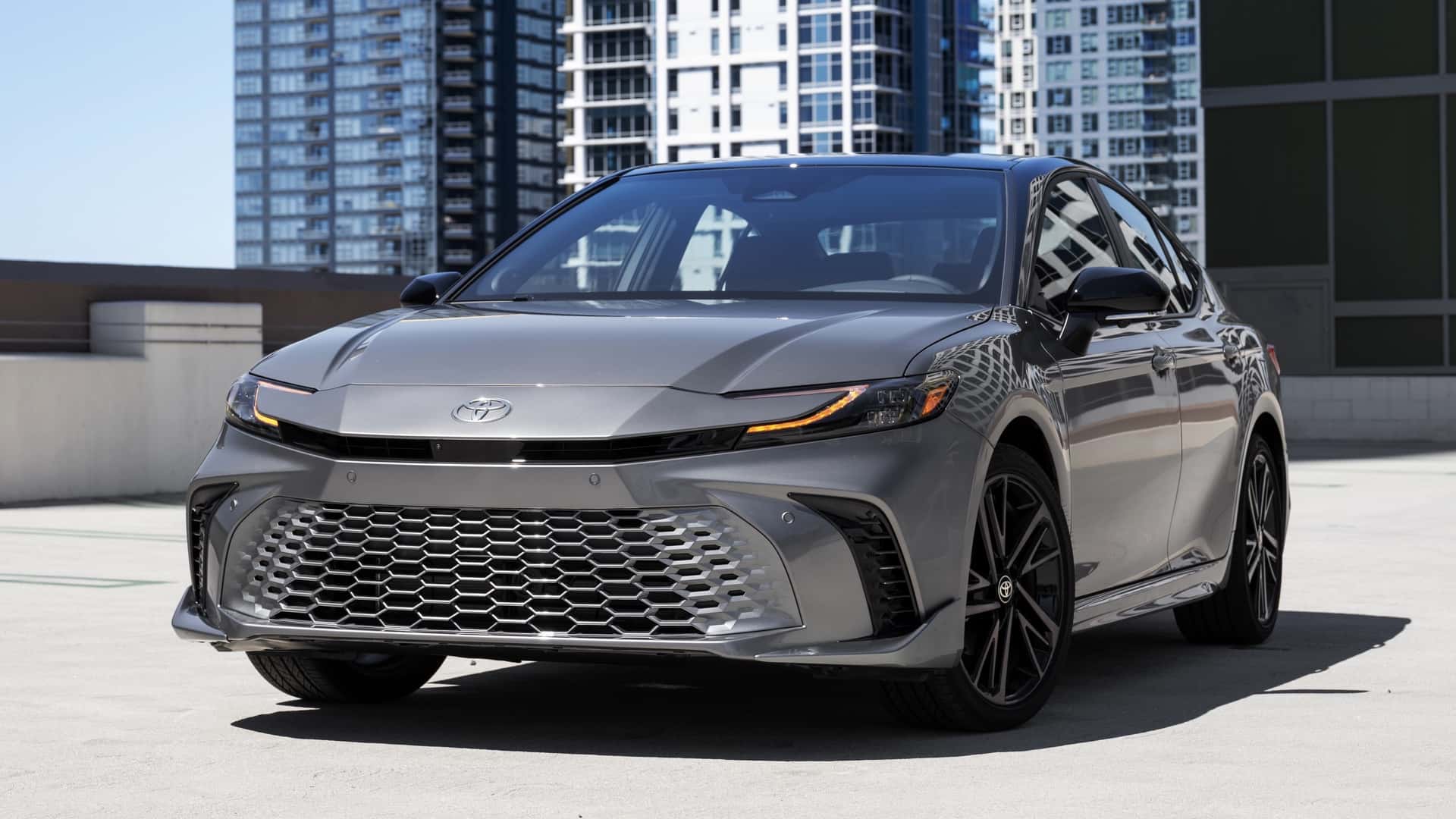
For 2025, the Toyota Camry transitioned into an all-hybrid lineup, making electrification standard across every trim. Buyers can choose between front-wheel drive and all-wheel drive, with pricing starting at $29,795 including destination.
The hybrid system combines a four-cylinder engine with electric assistance, producing 225 horsepower with FWD and 232 hp with AWD. Acceleration is smooth, delivering a 0–60 mph time of 7.8 seconds in testing quicker than hybrid rivals such as the Honda Accord and Hyundai Sonata. Steering is responsive, brakes are strong, and handling feels secure, especially in the sportier SE and XSE trims.
The Camry balances comfort and composure well. Its suspension absorbs bumps with ease, keeping the cabin stable without feeling disconnected from the road. Road and wind noise are well controlled, though the engine becomes coarse when pushed hard.
The front seats are firm but supportive over long trips, while rear passengers benefit from ample legroom and headroom thanks to the upright seating position and flat roofline. Climate control is intuitive, with strong airflow and quick adjustments.
The latest-generation Camry, introduced in 2025, saw a major cabin upgrade. The layout includes user-friendly physical controls beneath the touchscreen, complemented by well-placed storage solutions. Higher trims feature a 12.3-inch touchscreen with wireless Apple CarPlay and Android Auto, alongside an efficient wireless charging pad.
Optional equipment includes a nine-speaker JBL system, though rivals still offer stronger audio quality. Driver-assist technology is a highlight: adaptive cruise, lane centering, and the available Traffic Jam Assist provide advanced support, allowing limited hands-free driving in slow-moving traffic.
The Camry’s 15.1-cubic-foot trunk offers adequate space for luggage and groceries, though it trails rivals on paper. Small-item storage is excellent, with multiple cubbies, large door pockets, and a handy bin by the charger. Installing child seats is straightforward thanks to accessible LATCH anchors and a wide rear bench.
Efficiency is a standout: depending on trim, the Camry achieves 44–51 mpg combined, among the best in its class for a non-plug-in vehicle. Toyota backs the hybrid system with an eight-year/100,000-mile warranty, plus complimentary maintenance and roadside assistance. The Camry remains a reliable, affordable, and highly efficient choice in a shrinking sedan market.
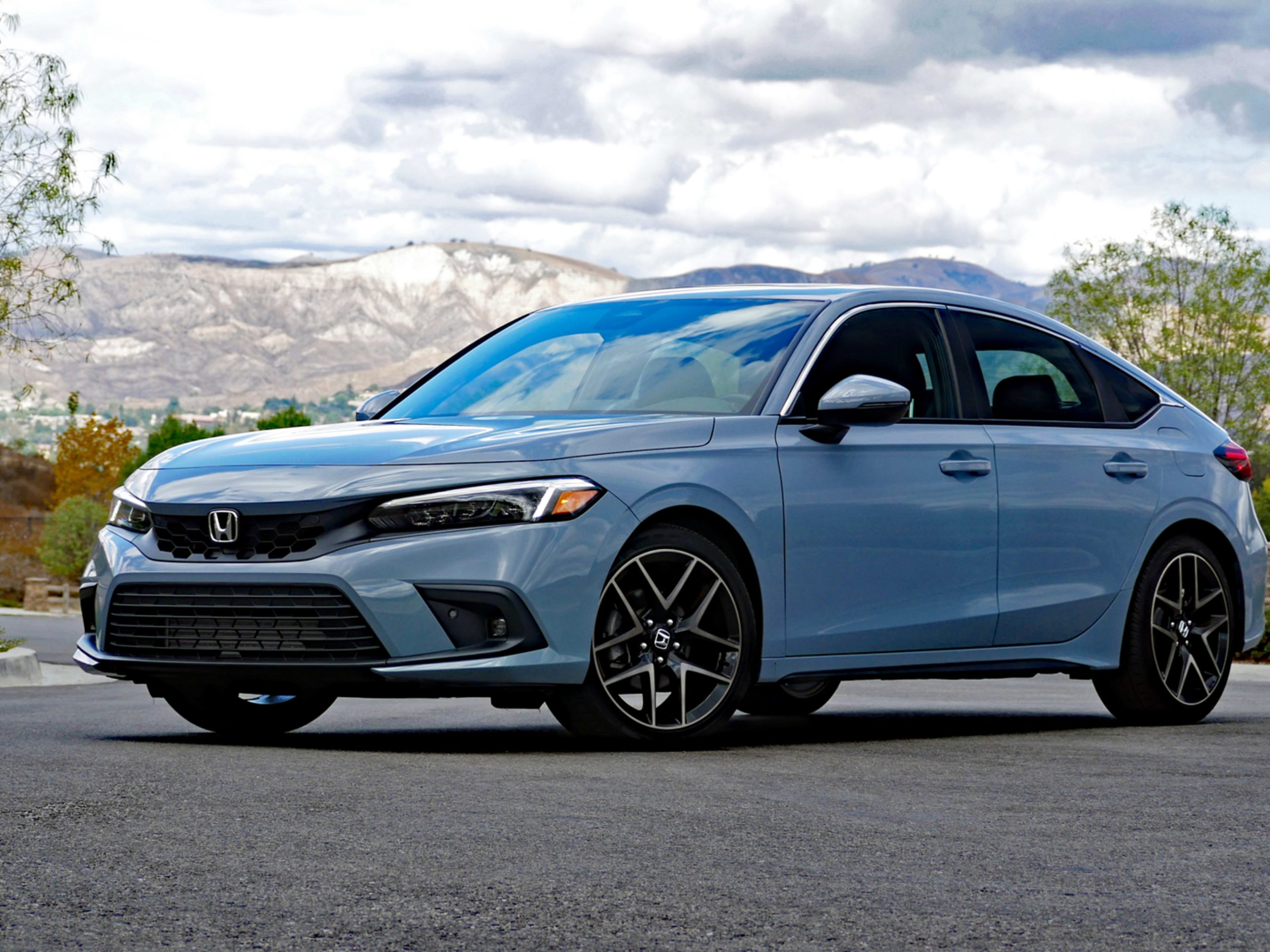
12. Honda Civic
The 2025 Honda Civic stays true to its winning formula: efficient, practical, and fun to drive. Buyers can choose between a 150-horsepower gas engine, a 200-hp hybrid, or the sporty Civic Si. The hybrid is the standout, blending efficiency with speed.
It accelerates from 0–60 mph in just 6.6 seconds, quicker than the Toyota Prius and even faster than the Civic Si, thanks to its strong low-end torque. The base gas engine is far slower, taking nearly 10 seconds for the same sprint, but still benefits from the Civic’s precise steering and balanced handling.
Ride quality is composed across trims. The hybrid’s added weight actually improves stability, while gas-powered models remain more comfortable than most rivals. Noise levels are respectable, with some road hum but minimal wind intrusion.
Seats are supportive, making long drives easy, though the cabin isn’t as plush as larger sedans. The Civic strikes a balance between everyday comfort and sharp handling rarely seen in compact cars.
The Civic’s interior is modern, functional, and roomy for its size. The front seats comfortably fit tall and short passengers alike, while the sloping roof slightly limits headroom for taller rear passengers. Visibility is excellent up front, aided by slim roof pillars and well-placed mirrors, though rearward visibility is tighter.
Storage is strong for the class: the sedan offers 14.8 cubic feet of trunk space, unaffected by the hybrid setup, while the hatchback expands this to 24.5 cubic feet with folding rear seats for added versatility.
Tech is straightforward and user-friendly. All Civics come with standard driver-assist features like adaptive cruise and lane keeping, though Honda’s adaptive cruise isn’t as smooth as Toyota’s.
The base touchscreen is easy to use, while higher trims feature a 9-inch display with Google Built-In, wireless Apple CarPlay, and Android Auto. Audio options range from a standard system to upgraded premium setups depending on trim.
Efficiency remains a Civic hallmark. The base gas model returns up to 36 mpg, while the hybrid delivers an impressive 49 mpg combined in both EPA ratings and real-world testing. Pricing starts at $25,745 for the sedan and $28,600 for the hatchback, with the Civic Si at $32,145. While it costs more than rivals like the Corolla or Elantra, the Civic justifies its price with stronger performance, a refined interior, and excellent practicality.
13. Toyota Avalon
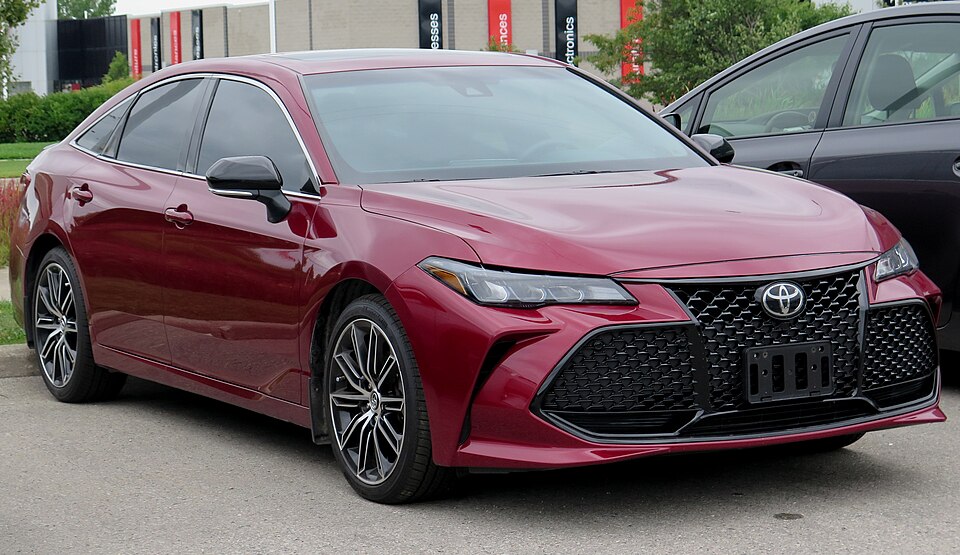
Though discontinued after the 2022 model year, the Toyota Avalon remains a strong contender for buyers seeking a dependable, nearly-new sedan. Replaced in Toyota’s lineup by the Crown, the Avalon earned excellent reliability scores, making it an attractive choice for long-term ownership at a lower used-car price point.
Powered by a 301-horsepower V6 paired with a smooth transmission, the Avalon delivers strong acceleration and steady performance across daily driving, commutes, and long road trips. Braking is smooth and predictable, adding to its relaxed driving nature.
While not a sport sedan, it surprises with agility for its size, handling corners with unexpected composure. Its performance balances muscle with refinement, making it versatile for both city driving and highway cruising.
Comfort is the Avalon’s biggest strength. All seats are supportive and cushioned, with high-quality leather upholstery lending a near-luxury feel. The suspension absorbs bumps effortlessly, ensuring a quiet, cushioned ride. The climate control system is quick and effective, enhancing cabin comfort. Road noise is present but never overwhelming.
The Avalon’s interior is spacious and practical, with generous legroom and a highly adjustable driving position. Visibility is excellent up front, though rear headroom is tighter due to the sloping roofline. While most controls are well placed, a few functions are harder to access, and the low-resolution rearview camera could use updating.
Equipped with Toyota’s Entune infotainment system and a responsive 9-inch touchscreen, the Avalon supports both Apple CarPlay and Android Auto. It also includes wireless charging, multiple USB ports, and voice commands that work best for audio functions. Some features are locked while driving, which limits convenience compared to competitors.
The Avalon offers a wide trunk opening, low load height, and ample storage cubbies, making it practical for daily use. Its rear bench is especially accommodating for child seats, a plus for families.
With 25 mpg combined (22 city/31 highway), the Avalon delivers strong efficiency for a full-size sedan. Its refinement and near-Lexus quality at a lower cost make it an excellent value, especially in today’s used market.
14. Toyota Corolla
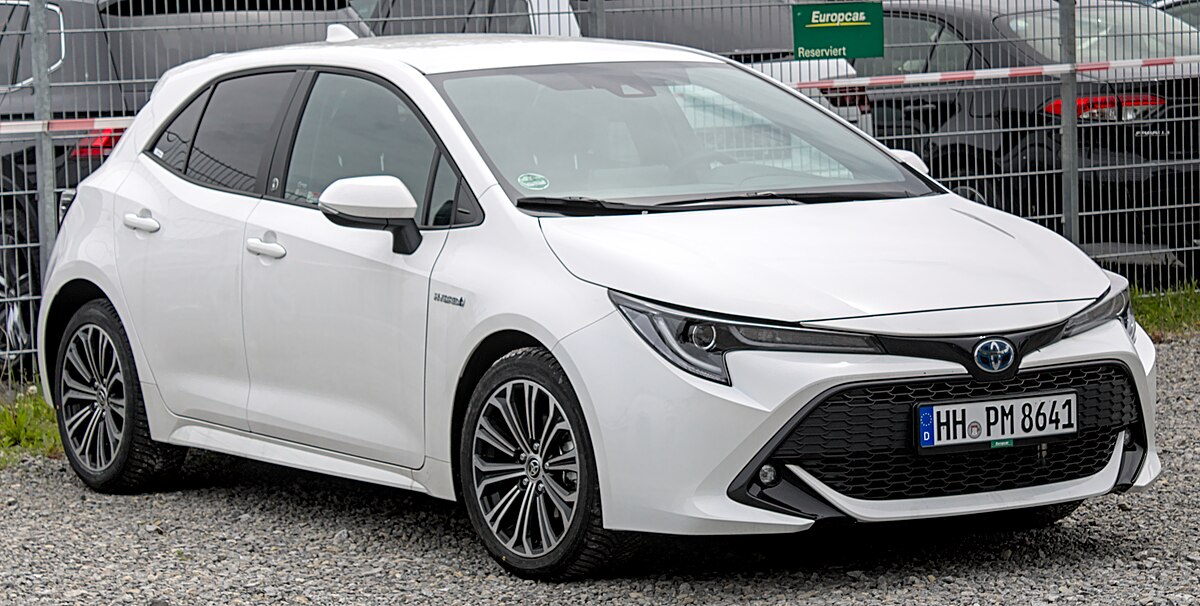
Few cars symbolize long-term dependability like the Toyota Corolla. Even models from the early 2000s remain on the road today, thanks to their simple yet durable engineering.
Small, efficiency-focused four-cylinder engines reduce mechanical strain, while both manual and automatic transmissions are sturdy and low-maintenance. Affordable replacement parts, widely available due to the Corolla’s global popularity, make it easy and inexpensive to keep older models running well beyond 200,000 miles.
The Corolla is not designed for excitement but for consistency. Acceleration is modest: the 2.0-liter engine and CVT combination took 8.8 seconds to reach 60 mph in testing. While highway merging and passing require effort, the car’s predictable braking and easy maneuverability make it well suited for city driving. Handling is unremarkable but stable, with some body lean in corners and limited tire grip.
Ride quality is a strength, as the Corolla handles daily commutes and longer drives with composure. The seats are supportive, and cloth upholstery offers better breathability than synthetic leather on hot days. Road noise, however, is noticeable, especially at highway speeds, and the engine can sound strained under hard acceleration despite CVT-simulated gear shifts that help reduce droning.
Inside, the Corolla emphasizes simplicity. Controls are logically placed, visibility is strong up front, and entry and exit are easy. Front passengers enjoy good space, though taller rear passengers may find headroom tight compared to rivals like the Honda Civic. Storage is average, with a 13-cubic-foot trunk and modest cabin cubbies, though child seat installation is straightforward thanks to clearly marked anchors.
Tech offerings include an 8-inch or optional 10.5-inch touchscreen with Apple CarPlay and Android Auto, though lag in response and subscription-based connected services detract from usability. Driver aids are effective, especially the smooth lane-keeping system. Higher trims benefit from a JBL audio upgrade, wireless charging, and multiple USB-C ports.
Fuel efficiency is excellent, with real-world testing exceeding EPA estimates at over 40 mpg. The Corolla Hybrid pushes this further with 50 mpg. With solid build quality, free scheduled maintenance for two years, and Toyota’s reliability reputation, the Corolla stands as one of the best values in the compact sedan class.
In a market filled with constant upgrades and flashy new releases, it’s easy to forget that some of the best cars ever built have already proven their worth. The vehicles on this list are more than just modes of transportation they’re long-term companions that demonstrate what true durability looks like.
Whether it’s the Honda Accord’s balanced dependability, the Toyota 4Runner’s rugged strength, or the Lexus ES’s refined reliability, these cars share one thing in common: they keep going when others give up.
Their ability to last 20 years or more shows that quality engineering and thoughtful design always stand out, no matter the era. For buyers seeking peace of mind in a used car or simply appreciating automotive legends that refuse to fade away, these models prove that durability never goes out of style.
Also Read: 12 Cars That Mechanics Secretly Admire for Reliability