
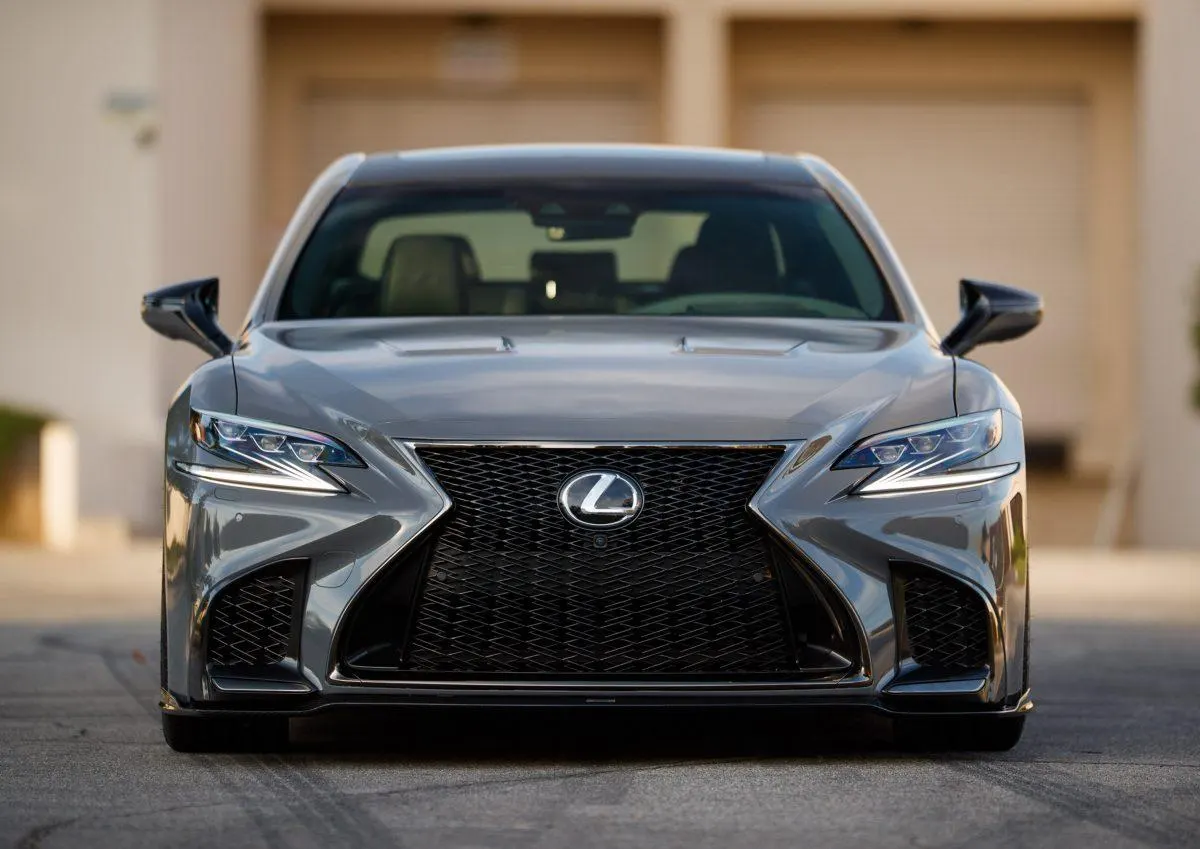
When most people buy a car, they expect it to last a decade or two at most before major problems arise. Yet, some vehicles defy that timeline and go far beyond what owners imagine possible.
These cars aren’t just reliable, they’re engineered with such precision and care that they keep running smoothly long after the odometer has climbed past milestones that would send other cars to the scrapyard.
From luxury sedans built with obsessive attention to detail, to rugged trucks designed to withstand punishing conditions, and even small economy cars that deliver decades of faithful service, these models have all proven their ability to outlive expectations.
Whether it’s surviving extreme abuse, racking up hundreds of thousands of miles, or offering comfort and performance decades after production, each car on this list has a story of durability worth celebrating.
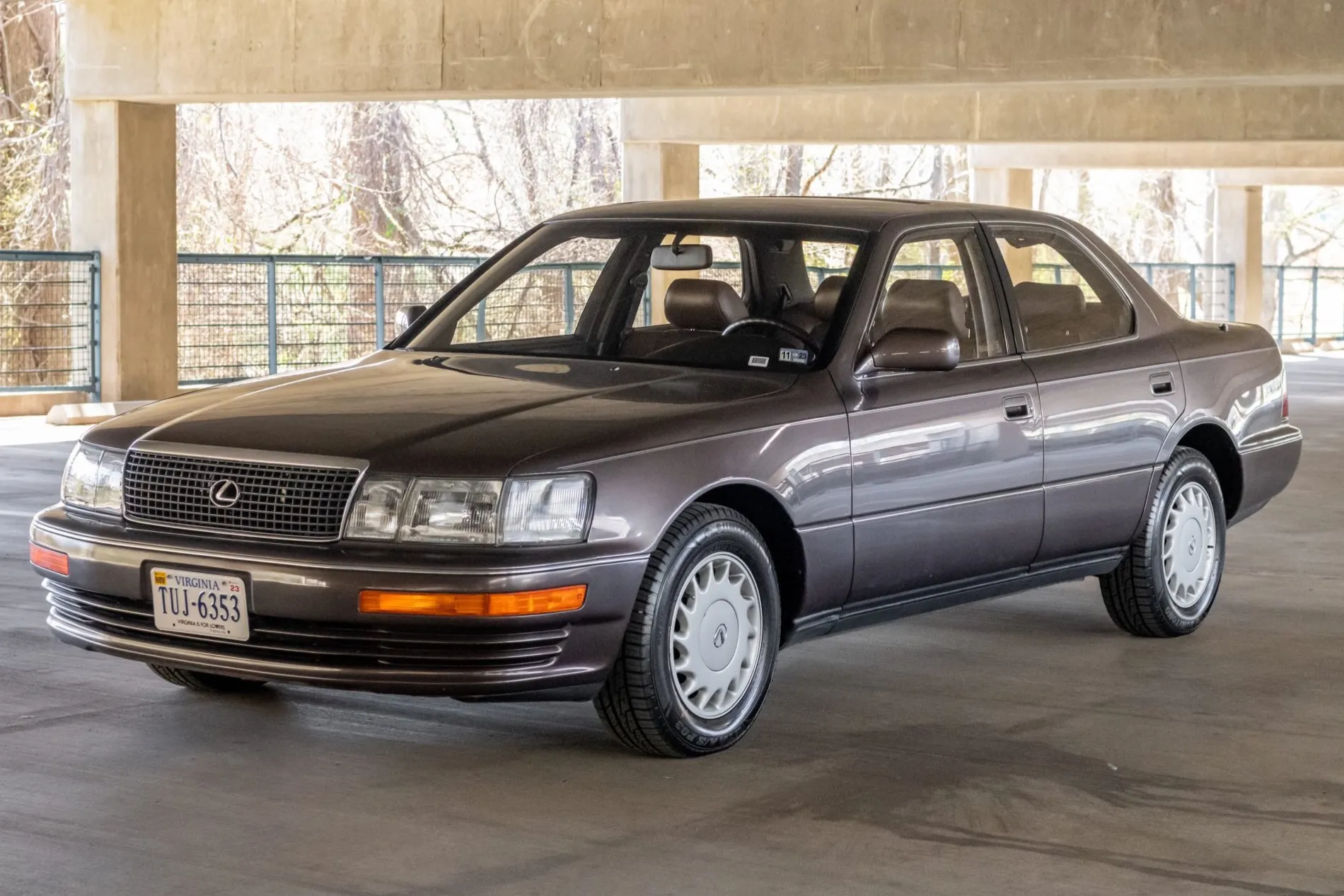
1. Lexus LS 400: Toyota’s Over-Engineered Luxury Flagship
The Lexus LS 400, produced from 1989 to 2000, remains one of the most iconic luxury sedans ever built. Created as Toyota’s bold attempt to rival established European brands like BMW and Mercedes-Benz, the LS 400 was developed with a “blank check” philosophy.
The company assembled a massive team of 60 designers, 1,400 engineers split into 24 groups, and another 2,500 workers tasked with building the ultimate flagship sedan from scratch. This unprecedented effort resulted in a car so meticulously crafted that it quickly became known for its durability, refinement, and understated luxury.
The attention to detail bordered on obsessive. Teams tested 24 types of wood and numerous leathers over two years before finalizing the interior materials. Even the damping on the buttons was fine-tuned by a dedicated specialist.
As a result, well-preserved LS 400 models still feel premium decades later. With production years spanning from 1989 to 2000, standout model years with the fewest complaints included 1990, 1994, 1995, and 1998.
Performance was another area where the LS 400 impressed. Powered by a refined V8 engine, later versions included variable valve timing and a five-speed automatic transmission, achieving 0–60 mph in just 6.5 seconds while maintaining impressive fuel efficiency and low emissions. Despite its size, the LS 400 delivered smooth acceleration and whisper-quiet operation, rivaling far pricier German sedans.
Inside, luxury was front and center. Leather seats, handcrafted wood trim, and meticulous design details created an atmosphere of sophistication. Lexus even reported that producing the wood-and-leather steering wheel alone took three weeks.
A touchscreen was introduced with navigation capability powered by a 1.5-gigabyte hard drive, offering maps for major U.S. cities and GPS guidance. Advanced climate control automatically adjusted airflow based on pollution or humidity levels, showcasing Toyota’s forward-thinking approach to driver comfort.
Despite its strengths, the LS 400 wasn’t without criticism. It’s almost excessive refinement isolated drivers from the road, leaving enthusiasts wanting more engagement behind the wheel.
For buyers seeking excitement, it could feel more like a luxury cocoon than a driver’s car. Still, for those who valued comfort, quietness, and reliability, the LS 400 was nearly unbeatable, especially given its lower price compared to European rivals.
Today, the Lexus LS 400 is celebrated as an over-engineered masterpiece that redefined what a Japanese luxury sedan could be. Its combination of long-lasting quality, exceptional comfort, and groundbreaking attention to detail sets new standards in the industry.
More than three decades later, the LS 400 continues to symbolize the heights of Toyota’s engineering ambition and remains one of the most respected luxury cars ever produced.
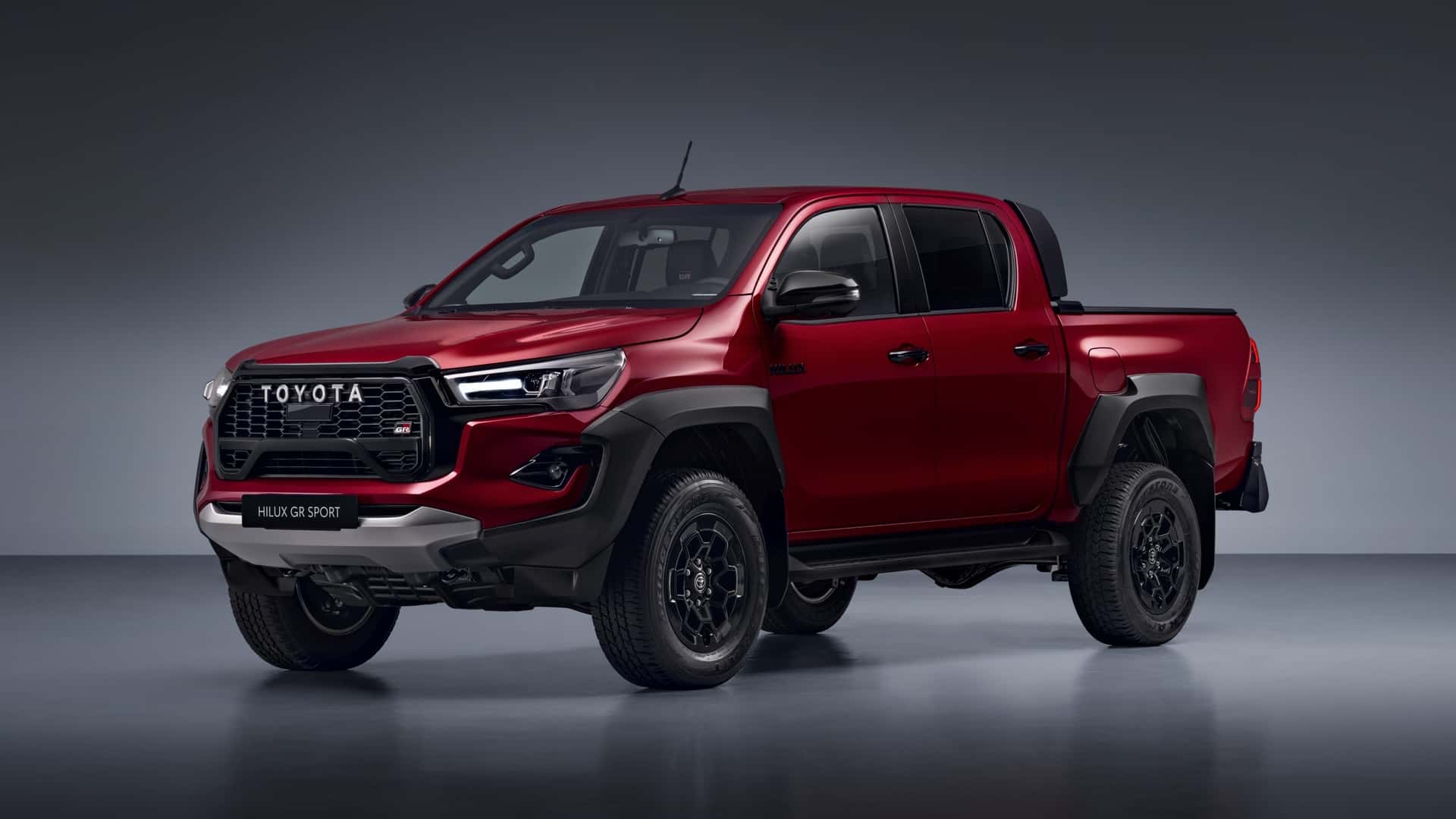
2. Toyota Hilux: The Indestructible Workhorse
The Toyota Hilux, produced since 1968, has earned a legendary reputation for durability, reliability, and versatility. Famous for surviving extreme abuse, including a Top Gear challenge where it was virtually destroyed but refused to die, the Hilux has proven itself a near-indestructible pickup truck.
Among its many generations, the sixth generation (1997–2004) is often praised as the most robust, offering engines like the naturally aspirated 3.0-liter diesel or the turbocharged 3.0-liter KZ-TE, producing 123 horsepower and 218 lb-ft of torque at 2,000 rpm.
Its rugged frame, capable of decades of hard use, coupled with the widespread availability of parts worldwide, makes it a favorite for both work and adventure.
Globally, the Hilux has been a massive success, selling over 27 million units and even achieving four Dakar Rally victories (2019, 2022, 2023, and 2025). Its reputation as a dependable workhorse extends across continents, from farmers to off-road enthusiasts.
Despite strong competition from trucks like the Ford Ranger and VW Amarok, Toyota has maintained the Hilux’s core qualities while also catering to modern lifestyle buyers seeking higher comfort and tech features.
The latest Hilux models feature more powerful and efficient engines, including a 2.8-liter diesel option that outperforms the older 2.4-liter.
For improved fuel efficiency, Toyota offers a 48-volt mild hybrid version, which assists the engine with up to 16 hp and 48 lb-ft of torque for smoother acceleration, quieter restarts, and better consumption. Despite these updates, performance remains practical rather than sporty, with 0–62 mph times around 10 seconds for the 2.8 engines.
Toyota has also upgraded the interior and technology to match lifestyle demands. Higher trims offer heated leather seats, dual-zone climate control, touchscreen infotainment with smartphone integration, LED lighting, JBL audio systems, and panoramic cameras.
Safety and convenience features include automatic service reminders, e-call, and remote diagnostics, though the cabin remains rugged rather than luxurious.
Special editions like the Hilux GR Sport and GR Sport II bring Dakar-inspired styling, stiffer suspension, and revised shocks and brakes. While these trims improve handling and aesthetics, they don’t add significant engine performance, preserving the Hilux’s identity as a reliable workhorse rather than a performance machine.
The Hilux continues to balance rugged practicality with modern comforts. Its off-road capability, reliable engines, and robust build ensure it remains a trusted tool, while lifestyle enhancements make daily driving more comfortable. Whether on a remote farm, city streets, or off-road adventures, the Hilux remains a symbol of Toyota’s engineering resilience, durable, dependable, and nearly impossible to destroy.
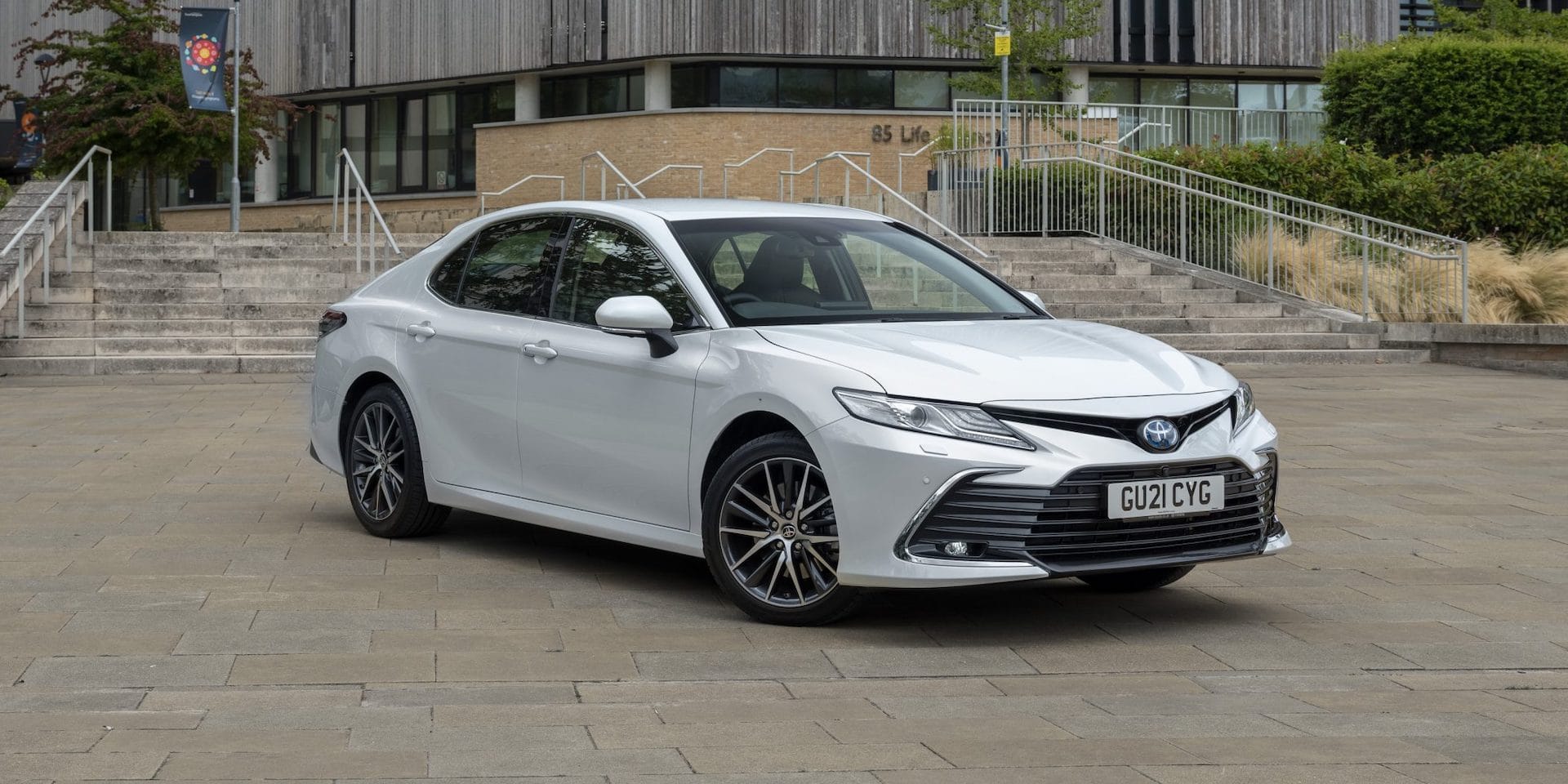
3. Toyota Camry: Reliable, Efficient, and Family-Friendly
The Toyota Camry, in production since 1982, has long been celebrated as one of the most reliable midsize sedans on the market. Its enduring popularity stems from a simple, proven formula: a transverse-mounted four- or six-cylinder engine, front-wheel drive (with all-wheel drive available in recent models), spacious seating for five, and a large trunk.
This straightforward design has allowed the Camry to maintain exceptional longevity, with several model years, 1987, 1988, 1989, 1994, and 1995 receiving particularly few complaints. The Camry consistently ranks among vehicles most likely to exceed 250,000 miles, proving its value as a dependable family car.
The 2026 Camry continues this tradition, offering hybrid powertrains as standard. Front-wheel-drive models produce 225 horsepower, while all-wheel-drive variants deliver 232 horsepower, ensuring competent acceleration for daily commuting and highway passing.
The Camry’s EPA-estimated fuel economy reaches up to 51 mpg combined, making it one of the most efficient non-plug-in midsize sedans available. Performance is smooth and controlled, with responsive steering, stable handling, and strong brakes. Sport-tuned XSE trims add a touch of dynamic driving while maintaining comfort.
Inside, the Camry combines practicality with subtle refinement. The 2025 redesign introduced a more intuitive layout, pairing a large touchscreen with easy-to-use physical climate controls. Driver and passenger space is generous, with good headroom and a high, upright seating position offering excellent visibility.
Storage solutions are thoughtfully placed, from door pockets that accommodate large bottles to bins for phones and keys. The trunk provides 15.1 cubic feet, enough for luggage or groceries, while LATCH anchors make child-seat installation straightforward.
Toyota equips the Camry with a comprehensive suite of modern technology. The XLE and XSE trims feature a 12.3-inch touchscreen, wireless Apple CarPlay and Android Auto, and a functional wireless charging pad.
Optional JBL audio systems enhance in-car entertainment, while driver-assist features, including adaptive cruise control, lane-centering, and Traffic Jam Assist, offer near-flawless safety and convenience. These systems can adjust speed, monitor lane changes, and even allow hands-off driving at low speeds under the right conditions.
Comfort is a highlight, with supportive front seats and a quiet cabin. The climate control system works efficiently, and the suspension absorbs bumps and road imperfections without feeling disconnected. While engine noise can be a bit coarse under hard acceleration, refinement remains impressive for the segment.
The Camry delivers exceptional value, particularly with hybrid efficiency as standard, a range of trim options, and solid reliability backed by Toyota’s warranty coverage. With its balance of comfort, technology, fuel economy, and long-term dependability, the Camry remains a top choice for families, commuters, and anyone seeking a trustworthy, well-rounded midsize sedan.
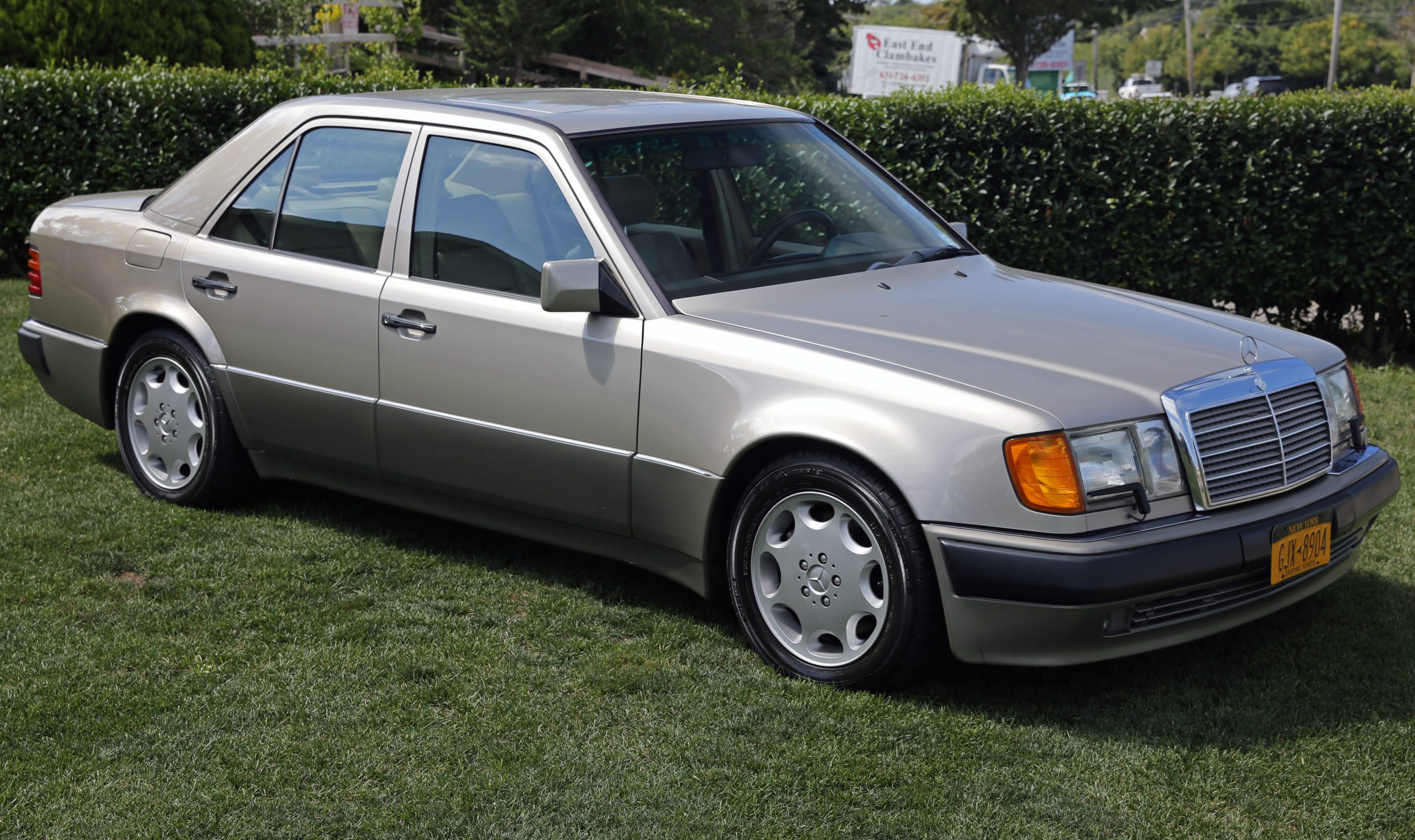
4. Mercedes-Benz E-Class (W124): Over-Engineered Durability
The Mercedes-Benz W124, produced between 1984 and 1995, is widely regarded as one of the most reliable and enduring vehicles ever built. Preceding the formal E-Class designation, this generation of Mercedes was engineered during a period when the brand focused on exceptional build quality, over-engineering, and long-term durability.
Known for its solid construction and meticulous engineering, the W124 remains a benchmark for reliability, capable of covering 500,000 miles or more with proper maintenance. Diesel-powered variants, in particular, have earned a reputation for extreme longevity, though the entire range is praised for robustness.
The W124 offers a combination of comfort, refinement, and longevity that few modern vehicles can match. Its cabin is quiet, well-insulated, and ergonomically designed, delivering a smooth driving experience even after decades of use.
For enthusiasts, the 500 E (later E 500), developed in cooperation with Porsche, represents the pinnacle of performance and engineering within this range. However, for those seeking a dependable daily driver without excessive costs, standard W124 models provide a practical yet luxurious option.
Despite its strengths, the W124 is not entirely free from age-related issues. Rust remains a primary concern, particularly on subframes, wheel arches, and sills. Later models, especially diesel variants, utilized biodegradable wiring looms that deteriorate over time, potentially leading to expensive replacements.
Owners may also encounter wear on electrical components, such as power windows, wiper motors, and instrument clusters, as well as suspension components like coil springs and shock absorbers that can sag or reduce ride quality over time. Engine issues can arise in high-mileage cars, including exhaust smoke from worn valve stem seals and timing chain checks for some four-cylinder models.
Proper care and maintenance are essential for preserving a W124’s reliability. Adhering to the manufacturer’s recommended maintenance schedule, including timely oil changes, fluid checks, and suspension inspections, is crucial.
Prospective buyers should conduct thorough inspections to identify rust or failing components and review the vehicle’s service history to confirm consistent upkeep. Budgeting for annual maintenance and potential repairs is also recommended, as even the most reliable vehicles require attention with age.
The Mercedes-Benz W124 E-Class exemplifies over-engineered durability, blending solid construction, comfort, and performance in a package that can endure decades of use.
With attentive maintenance, these vehicles remain capable, reliable, and comfortable, making them prized choices among collectors and enthusiasts who value longevity and traditional Mercedes-Benz engineering. Even after decades, the W124 stands as a testament to an era when precision engineering and long-term reliability were paramount, offering a driving experience that remains relevant and dependable today.
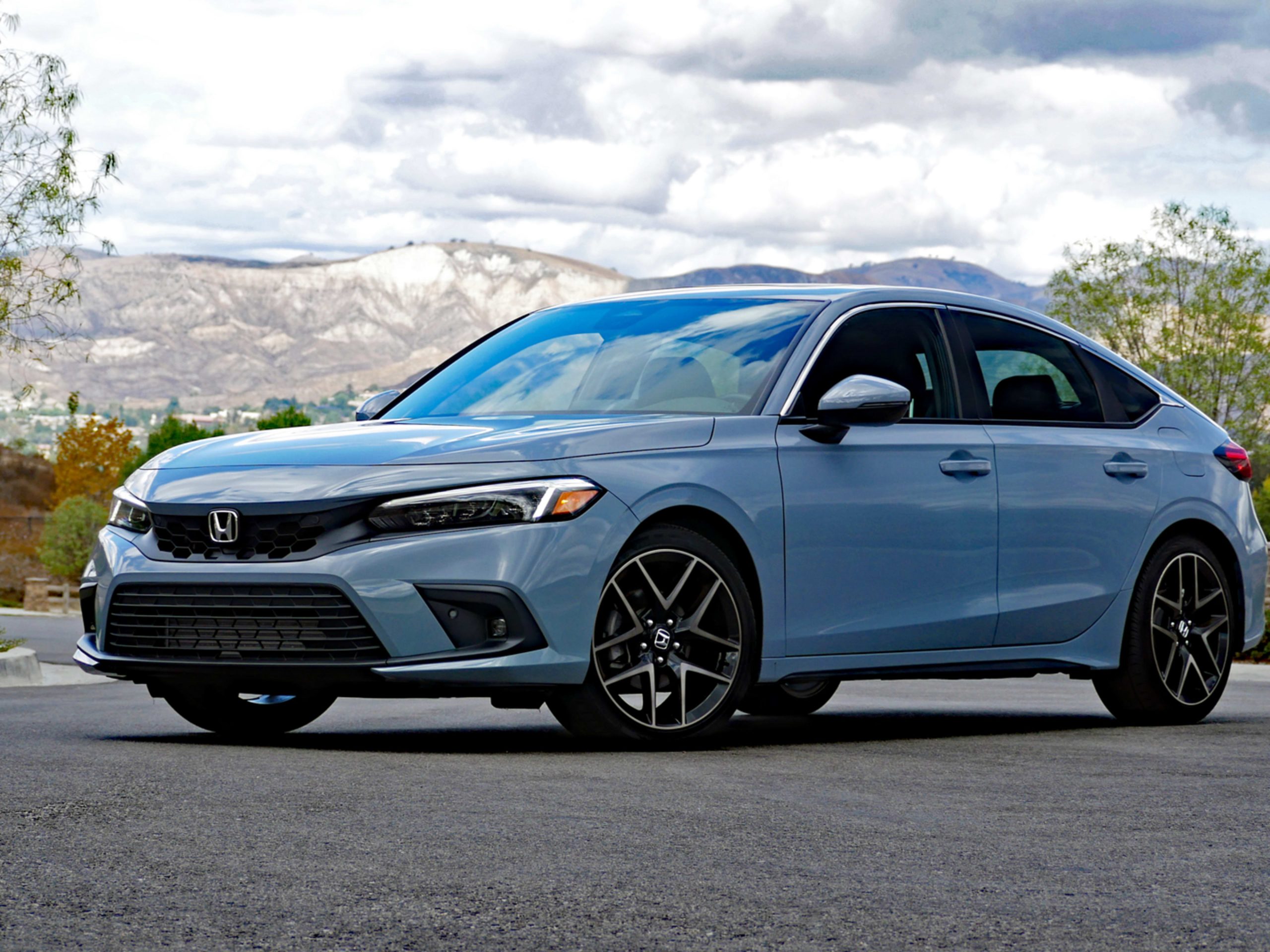
5. Honda Civic: Practical, Efficient, and Exceptionally Reliable
The Honda Civic, in production since 1972, has earned a reputation for reliability, efficiency, and practicality, making it one of the most enduring compact cars on the market. Several model years, 1988 through 1992, are particularly praised for their durability.
The Civic’s enduring appeal lies in its simple, thoughtful design: small but capable engines, front-wheel drive, easy-to-maintain mechanical components, and a spacious, user-friendly interior.
Honda’s focus on building vehicles that are both inexpensive to maintain and long-lasting ensures the Civic remains an attractive choice for first-time buyers, budget-conscious shoppers, and even enthusiasts seeking dependable performance.
Performance in the Civic varies depending on the engine choice. Base gasoline models provide adequate acceleration, reaching 0–60 mph in around 10 seconds, while the hybrid powertrain significantly improves both performance and efficiency.
The hybrid variant produces 200 horsepower, achieving 0–60 mph in just 6.6 seconds, outperforming many other compact sedans and even some sportier trims like the Civic Si. All Civics handle well, with precise steering and composed suspension, making them enjoyable around town and on winding roads. The hybrid’s added weight also contributes to a smoother, more stable ride.
Comfort is balanced with practicality. The Civic’s seats provide good support for long drives, and the suspension soaks up bumps effectively, though it’s firmer than some rivals. Cabin noise is well-managed, with wind and road sounds kept to a minimum.
The interior is thoughtfully laid out, offering intuitive controls, adequate headroom for most passengers, and a high driving position for better visibility. Rear-seat space is sufficient for adults, though taller passengers may feel constrained under the sloping roofline.
Technologically, the Civic is equipped with straightforward and functional features. All trims include driver-assist technologies, while higher trims offer a 9-inch touchscreen with Google Built-In, wireless Apple CarPlay, and Android Auto. Safety and convenience features, such as adaptive cruise control, lane-keeping assist, and multi-angle rearview cameras, enhance usability and confidence while driving.
Cargo and storage are practical. The sedan offers 14.8 cubic feet of trunk space, with the hybrid battery minimally impacting capacity. The hatchback version increases versatility, providing 24.5 cubic feet and fold-flat rear seats, outperforming many hybrid competitors in storage space.
Fuel economy is a strong point. Base Civics achieve up to 36 mpg, while the hybrid version reaches an EPA-estimated 49 mpg, a figure confirmed in real-world testing. This efficiency, combined with Honda’s reliability and thoughtful engineering, makes the Civic a compelling value despite a slightly higher price than some competitors.
With a practical interior, efficient powertrains, and excellent long-term reliability, the Honda Civic continues to be a standout in the compact car segment.
Also Read: 5 Cars With Great Handling and 5 That Shake Apart
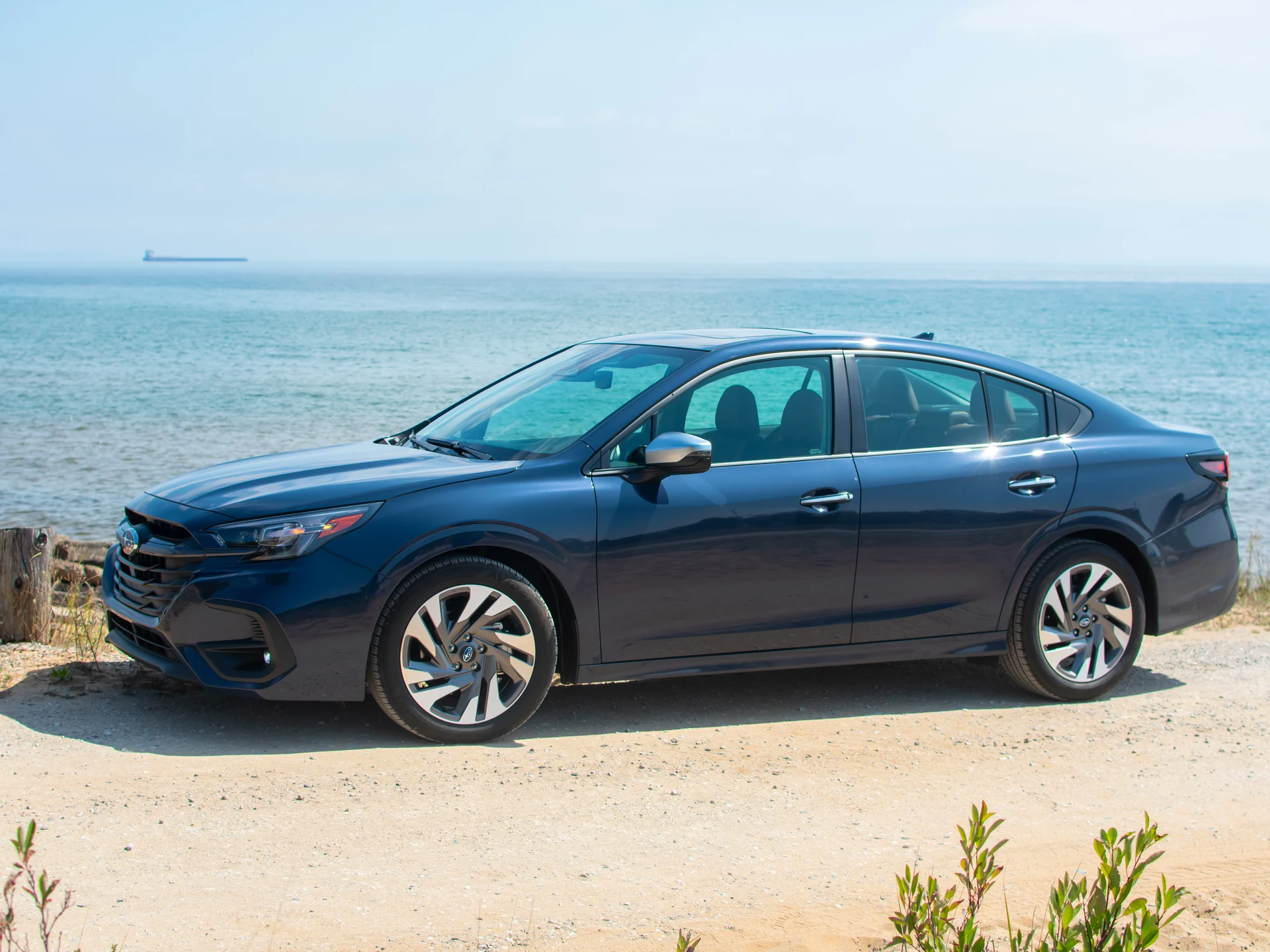
6. Subaru Legacy: All-Wheel-Drive Versatility Meets Comfort
The Subaru Legacy, in production since 1989, has quietly earned a reputation as a practical and dependable midsize sedan. While often overshadowed by Subaru’s larger Outback, the Legacy offers a compelling mix of space, comfort, and performance, particularly in its later generations.
Notable model years with minimal complaints include 1991, 1992, 1995, 1996, and 1997, reflecting the sedan’s long-term reliability. With six generations and over 1.3 million sales, the Legacy combines all-wheel-drive capability, available turbocharged engines, and an inviting interior, making it a strong contender for buyers who prioritize safety, stability, and versatility.
Performance varies depending on engine choice. Base models equipped with the 2.5-liter engine achieve 0–60 mph in 8.5 seconds, offering adequate acceleration but slightly lagging behind similarly powered competitors. For those seeking more spirited driving, the available turbocharged engine delivers ample power, enhancing responsiveness and handling.
Standard all-wheel drive provides confident traction in various conditions, while the Legacy’s steering is well-weighted, precise, and communicates road conditions effectively. Braking is responsive, though a noticeable nosedive occurs under hard stops, and the automatic start-stop system can feel abrupt at low speeds.
Comfort is a key strength of the Legacy. Its seats are supportive and well-bolstered, keeping occupants secure during turns, while rear seating is surprisingly spacious. The ride quality strikes a balance between smoothness and control, though road and wind noise are more pronounced than in some rivals. The dual-zone climate control performs well, though some features have a minor learning curve.
The Legacy’s interior is spacious and practical, offering excellent visibility and easy ingress and egress. Storage options are versatile, with a 15.1-cubic-foot trunk, fold-flat rear seats, and a variety of cabin compartments for small items. Car seat anchors are easily accessible, enhancing family-friendliness.
Technology is abundant but sometimes inconsistent. Subaru’s Starlink infotainment system includes Apple CarPlay and Android Auto as standard, while the EyeSight suite of driver-assist features enhances safety. However, some systems like adaptive cruise and forward-collision warning can be overly sensitive, and the infotainment interface is occasionally slow or prone to crashes.
Fuel economy for the base engine is competitive, with an EPA-estimated 29 mpg combined, matching real-world performance at around 30 mpg. This efficiency, combined with standard all-wheel drive, sets the Legacy apart from many midsize competitors that lack AWD capability.
Pricing is slightly higher than similar midsize sedans, but the added cost is justified by the standard all-wheel-drive system, upscale interior materials, and strong versatility. With its balance of comfort, handling, safety, and practical features, the Subaru Legacy remains a solid choice for buyers seeking a dependable, capable, and family-friendly midsize sedan.
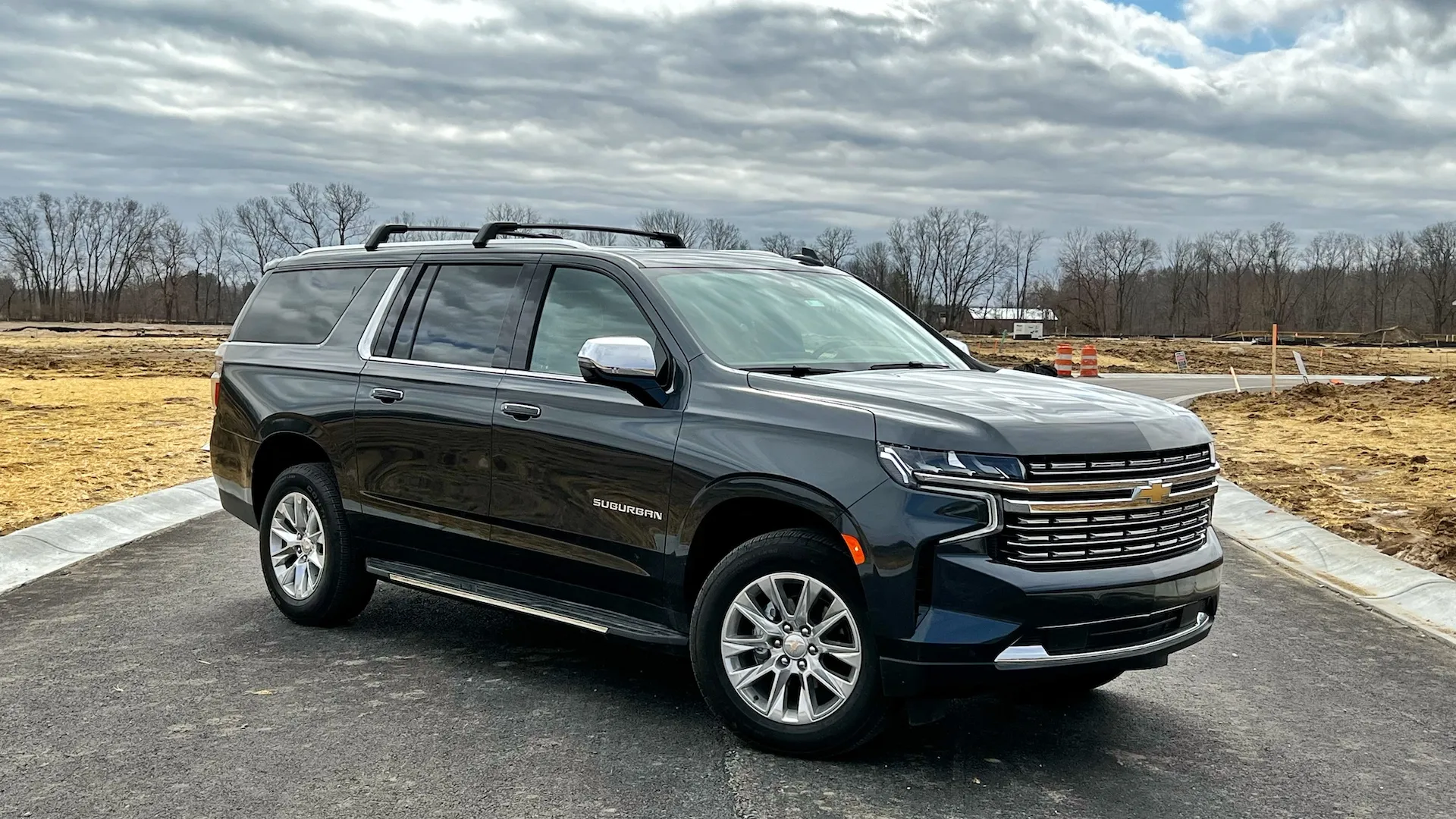
7. Chevrolet Suburban: Spacious, Powerful, and Family-Ready
The Chevrolet Suburban, in continuous production since 1934, is one of the most iconic full-size SUVs on the market. Known for its sheer size, versatility, and durability, the Suburban is especially appealing in the final model year of each generation, when reliability is typically at its peak.
Notable model years with minimal complaints include 1991, 1992, 1993, 2000, and 2006, reflecting the SUV’s reputation for long-term dependability when properly maintained.
The Suburban excels as a people- and cargo-hauler, offering seating for seven to nine passengers and impressive towing capabilities exceeding 8,000 pounds. Its size and power make it a practical choice for large families, recreational activities, or heavy-duty utility needs.
Performance is a standout feature of the Suburban. Equipped with the available 6.2-liter V8 engine, it delivers smooth acceleration through a 10-speed automatic transmission, achieving 0–60 mph in 6.7 seconds.
While its steering can feel less communicative in tight corners, the Suburban handles bumps and uneven road surfaces with composure, especially when paired with optional Magnetic Ride Control or adaptive air suspension. Braking is strong, and driver-assistance technologies, including adaptive cruise control and lane-keeping assistance, enhance safety on long journeys.
Comfort and interior space define the Suburban experience. The SUV features wide, leather-trimmed front seats with power adjustments and supportive bolstering, while rear and third-row seating offer ample room for adults or child seats.
Step-in height is significant, but available power running boards mitigate this challenge. Cabin noise is minimal, contributing to a serene environment for long trips, though some rear entertainment systems can interfere with large child seats.
In-cabin technology has been updated with larger, brighter screens, smartphone-style infotainment layouts, multiple USB-C ports, and wireless charging. Wireless Apple CarPlay and Android Auto are included, though the system may require occasional resets. Storage is exceptional, with 41.5 cubic feet of cargo space behind the third row and up to 93.8 cubic feet with seats folded, outpacing most competitors.
Fuel economy is modest but competitive for the class. Our test Suburban with the 6.2-liter V8 achieved 18.7 mpg on mixed driving, aided by cylinder deactivation technology, though it requires premium fuel. Pricing ranges from a base LS trim at $65,000 to the fully loaded High Country, nearing $90,000, offering a mix of value and luxury features depending on trim selection.
Ultimately, the Chevrolet Suburban’s defining characteristic is its massive presence. Its size contributes to both its appeal and its challenges, making it feel imposing on the road. Yet, for buyers seeking a powerful, spacious, and capable SUV capable of hauling passengers, cargo, and trailers for years, the Suburban remains an unmatched choice in the full-size SUV segment.
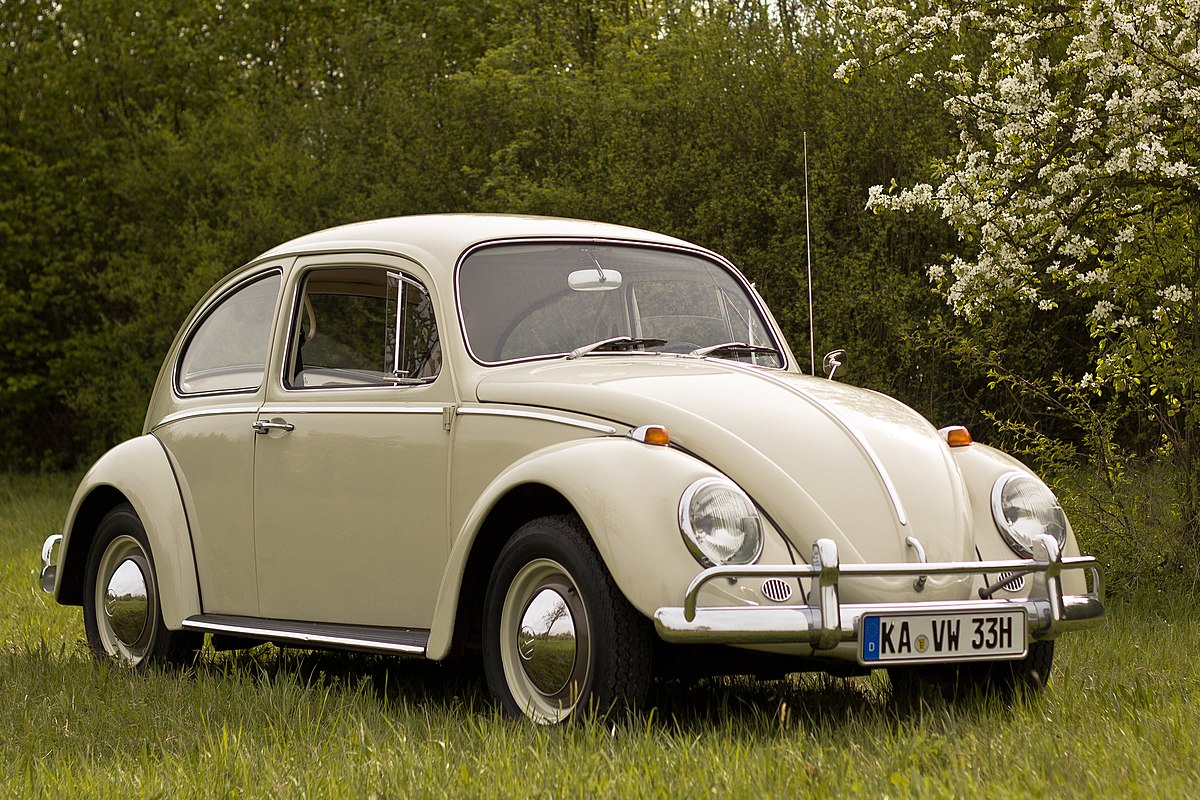
8. Volkswagen Beetle: Iconic, Simple, and Enduring
The Volkswagen Beetle, produced from 1938 to 2019, remains one of the most recognizable and historically significant cars ever built. Initially conceived under the Nazi regime, it was salvaged and popularized post-World War II by British Major Ivan Hirst, who saw its potential amid the ruins of Wolfsburg’s bombed factory.
Over its lengthy production run, the Beetle became a symbol of peace and prosperity, with over 23 million units sold worldwide, making it the longest-running and most-manufactured car in history. Its enduring popularity stems not only from its iconic styling but also from its simplicity, robust construction, and reliability, qualities that have made it a favorite for first-time car buyers and enthusiasts alike.
The Beetle’s mechanical simplicity is a core strength. It features a straightforward air-cooled flat-four engine, which is highly durable and easy to maintain. Parts are readily available even decades after production, ensuring that repairs are manageable and affordable.
While it is not a high-performance vehicle, the Beetle provides competent acceleration for daily driving and freeway overtaking, though its brakes can feel less responsive than modern cars, requiring extra attention when decelerating.
Comfort in the Beetle is surprisingly good for a small, retro-styled car. The seats are supportive without being restrictive, and the suspension effectively absorbs bumps and road imperfections, creating a smooth ride.
Exterior noise is minimal, allowing for a quiet and pleasant cabin environment. The airy interior, enhanced by large windows and a high roofline, makes the front seats accommodating even for taller adults, though the rear seating is limited and better suited for children.
Inside, the Beetle blends retro charm with practicality. Hard, body-colored plastic trim is prevalent and may take some adjustment, while rear visibility is somewhat compromised by small windows and thick pillars. Storage space is modest, but the cargo area is sufficient for daily errands or weekend trips, and small-item storage options are adequate for personal belongings.
Technology in the Beetle is functional and user-friendly. Infotainment is straightforward, with clear screen resolution and easy-to-navigate menus. Apple CarPlay and Android Auto are standard on most trims, and safety features such as a rearview camera, blind-spot monitoring, and rear cross-traffic alert are included, providing a modern touch to the classic design.
The Volkswagen Beetle is a testament to durability, practicality, and timeless design. Its simplicity, ease of maintenance, and iconic status make it an enduring favorite, especially for those seeking a compact car that is both fun to drive and historically significant.
While it may lack the advanced technology or high performance of contemporary vehicles, the Beetle’s charm, reliability, and cultural legacy make it a standout choice in automotive history.
9. Citroën 2CV: Ingenious Simplicity and Enduring Charm
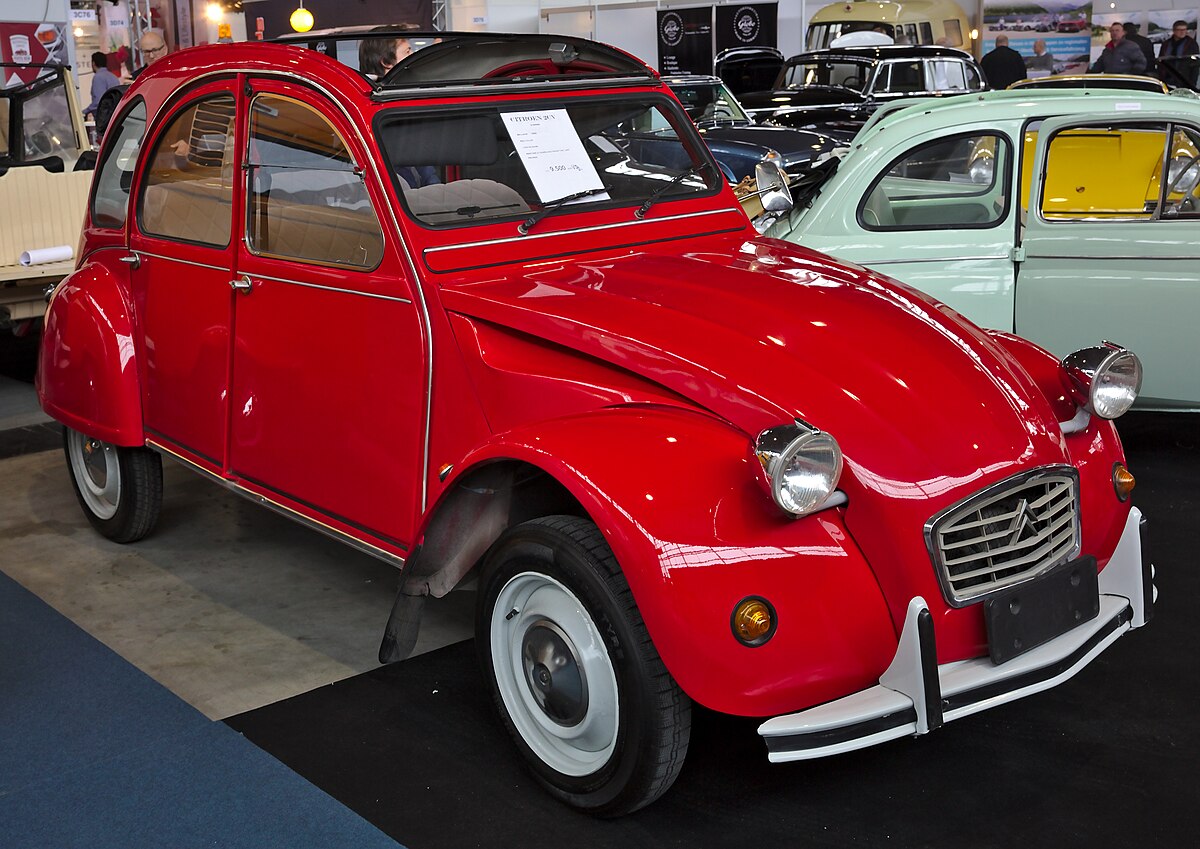
The Citroën 2CV, produced between 1948 and 1990, is one of the most iconic and characterful cars ever built.
Conceived by Pierre-Jules Boulanger in the late 1930s, it was designed with an ambitious and highly specific brief: to carry four passengers and 50 kilograms of goods at 30 mph across rough, unpaved roads while consuming minimal fuel, about 80 miles per gallon, and transporting fragile items like eggs without breaking them.
Despite these unusual constraints, Citroën succeeded, creating a vehicle that became legendary for its simplicity, durability, and ingenuity.
The 2CV’s powertrain reflects its practical design. Early models were equipped with a 375cc air-cooled two-cylinder engine producing just 9 horsepower, enough for a top speed of 40 mph. Over the years, upgrades increased output to 33 horsepower in the 1970s with a 602cc engine.
The car was never fast by modern standards, with acceleration from 0 to 60 mph often humorously described as taking “about a day,” but speed was never the point. A notable variant, the 2CV Sahara, featured a unique dual-engine four-wheel-drive layout for exceptional off-road capability.
Simplicity extended beyond the engine. The 2CV’s chassis is a ladder frame made of steel tubing, with a thin steel body mounted on top, making repairs easy and inexpensive. The suspension system, linked front to rear, was designed to be soft and self-leveling, allowing the car to maintain stability and cornering ability even under heavy loads.
This clever engineering also minimized the risk of rolling, despite its narrow tires and tall profile. Rust, a common issue for many vehicles of the era, was mitigated by the separate steel chassis and easily replaceable body panels.
Inside, the 2CV is Spartan but functional. The cabin accommodates four passengers comfortably, with a straightforward layout and minimal controls. Exterior noise is modest, and the vehicle’s lightweight design contributes to its nimble handling, even on rough terrain. Though lacking modern conveniences, the 2CV’s design emphasizes practicality and ease of maintenance, allowing owners to perform most repairs at home.
The 2CV’s cultural impact is significant. Over four decades of production, it developed a cult following for its quirky aesthetics, ingenious engineering, and accessibility. It was a car for the people, embodying a spirit of utility, reliability, and charm. Today, restored models and rare variants like the Sahara command collectible status, but even ordinary examples remain a testament to Citroën’s forward-thinking design.
Ultimately, the Citroën 2CV stands as a landmark in automotive history. Its innovative engineering, simplicity, and enduring character have earned it a place alongside icons like the Volkswagen Beetle and Mini, celebrated not for speed or luxury but for ingenuity, practicality, and timeless charm.
10. Mazda MX-5 Miata: Lightweight Fun and Enduring Reliability
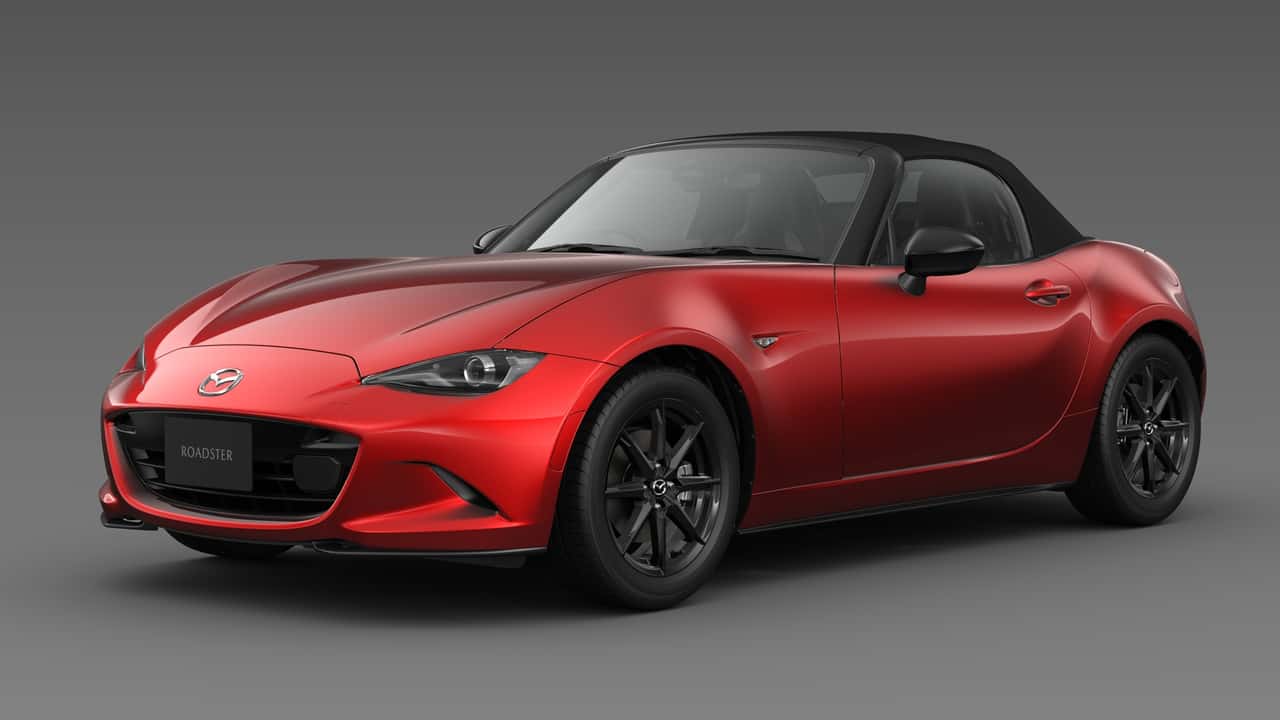
The Mazda MX-5 Miata, in production since 1989, is a standout among sports cars for its combination of fun, reliability, and affordability. Unlike more aggressive models such as the Honda S2000, the Miata balances excitement with everyday usability, earning a reputation for robustness, especially from the NC generation onward.
Even first-generation Miatas are durable, often surpassing 200,000 miles with minimal issues. Repairs and maintenance are straightforward and inexpensive, with plentiful parts, making the Miata an ideal choice for enthusiasts who enjoy hands-on servicing.
Performance is where the Miata truly shines. Powered by a 2.0-liter four-cylinder engine producing 181 horsepower and 151 lb-ft of torque, its numbers may seem modest, but the car’s light weight, rear-wheel drive, and short-shifting six-speed manual create an engaging driving experience.
Acceleration from 0 to 60 mph takes roughly 6.4 seconds, with sharp braking and responsive handling making it fun on both winding roads and everyday commutes. The Miata’s predictable behavior and excellent grip provide confidence for spirited driving, even when pushed to its limits.
Comfort in a small roadster is inherently limited, but the Miata performs surprisingly well for day-to-day use. Its supportive seats and smooth suspension handle minor road imperfections effectively, though wind noise is significant at highway speeds with the top up.
The interior is compact but thoughtfully designed, with controls within easy reach. Taller drivers may find headroom and legroom constrained, and storage is minimal, with just 4.6 cubic feet of trunk space and a small center bin for essentials.
The Miata’s technology setup balances simplicity with modern connectivity. Android Auto and Apple CarPlay are standard, alongside two USB ports. Driver-assist features, including blind-spot monitoring, enhance safety without compromising the driving experience.
The available nine-speaker Bose audio system delivers quality sound, though wind noise can compete with the audio at higher speeds. Navigation is functional but basic.
Fuel economy is impressive for a sports car, with EPA estimates of 29 mpg combined for the manual-equipped Miata, achievable in real-world conditions. Combined with its low maintenance costs and durable construction, this makes the Miata not only fun to drive but also practical for daily use.
The MX-5 Miata offers excellent value, delivering a solid, well-built interior with upscale-feeling materials despite its compact size. Mazda’s three-year/36,000-mile bumper-to-bumper and five-year/60,000-mile powertrain warranties are standard, along with three years of roadside assistance.
With its combination of reliability, driving enjoyment, and low ownership costs, the Miata remains one of the most beloved and enduring small sports cars in automotive history.
The true test of a car isn’t how it performs fresh from the dealership; it’s how it holds up after years of daily driving, harsh weather, and demanding conditions. The vehicles highlighted here continue to prove themselves long after others have faded away, offering owners reliability, comfort, and peace of mind that only a handful of models can match.
From indestructible workhorses to meticulously engineered luxury sedans and iconic compacts, these cars showcase what happens when manufacturers prioritize durability and timeless design. For drivers who want a vehicle that won’t quit, these ten cars stand as benchmarks of longevity and trust, consistently outliving the expectations of those who own them.
Also Read: 10 Cars Mechanics Call Unkillable Even After Long Service History
