
Electric vehicles are often judged by how well their batteries retain range over many miles. While most EVs experience some reduction in battery capacity, certain models are engineered to maintain performance and efficiency even after 200,000 miles of use.
These vehicles provide dependable range, consistent power delivery, and long-term reliability, making them practical choices for buyers who plan to keep their cars for a decade or more.
Battery technology and management systems are central to long-term range retention. Vehicles with advanced thermal management, balanced charging protocols, and high-quality cells experience less degradation over time.
Proper design ensures that even after extensive driving, the EV can deliver a majority of its original range without significant performance loss.
Electric motors, inverters, and regenerative braking systems also play a role in long-term efficiency.
Reliable components reduce wear and maintain energy conversion efficiency, contributing to consistent driving range over hundreds of thousands of miles. Additionally, robust power electronics prevent losses that can reduce overall performance and range.
Chassis and suspension designs help maintain efficiency over time. Lightweight structures, efficient aerodynamics, and well-engineered suspension components reduce energy consumption during daily driving.
Combined with durable tires and braking systems, these features ensure the EV continues to deliver consistent mileage after many years.
The following sections highlight twelve electric vehicles that are known for maintaining range past 200,000 miles. Each entry examines battery technology, powertrain reliability, and long-term efficiency.
These EVs demonstrate that careful engineering, high-quality components, and smart energy management can result in vehicles that remain capable and reliable over extended ownership, offering peace of mind to owners planning for long-term use.
Also Read: 12 Cars With the Best Resale After 200k Miles
1. Tesla Model S (2012–Present)
The Tesla Model S has established a reputation for long-term battery durability and consistent range, even past 200,000 miles. Its high-quality lithium-ion battery packs, paired with advanced thermal management, help maintain efficiency and performance over extended use.
Battery design in the Model S includes liquid cooling and heating systems that regulate cell temperature during charging and driving.
This prevents excessive wear and degradation, allowing the vehicle to retain a significant portion of its original range. Tesla’s battery management system continuously monitors cell health, ensuring balanced performance across the pack.
Electric motors and inverters in the Model S are engineered for durability. The dual-motor setup in all-wheel-drive variants provides smooth power delivery, with minimal energy losses. Regenerative braking systems also reduce wear on the mechanical brakes while converting energy back into the battery efficiently, preserving range.
Chassis and suspension design further support efficiency. Lightweight materials and aerodynamic optimization reduce energy consumption during daily driving.
The vehicle’s low rolling resistance tires and balanced suspension help maintain smooth operation and range consistency over time.
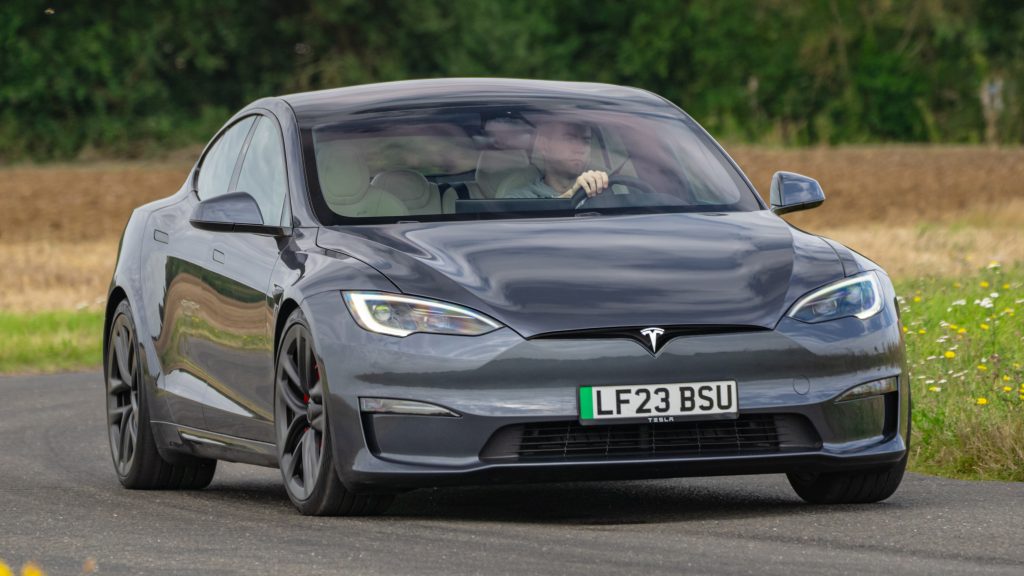
Tesla regularly updates software to optimize energy management, improve efficiency, and maintain battery health. These updates allow older Model S vehicles to retain competitive performance and range even after many years.
Owners frequently report that Model S vehicles continue to deliver strong range beyond 200,000 miles, with many packs retaining over 80% of their original capacity. This combination of reliable battery design, efficient powertrain, and advanced energy management makes the Model S a top choice for long-term EV ownership.
2. Chevrolet Bolt EV (2017–Present)
The Chevrolet Bolt EV is known for maintaining battery range over long-term ownership. Its 60 kWh and newer 66 kWh lithium-ion battery packs feature thermal management systems that reduce degradation, allowing drivers to enjoy consistent performance past 200,000 miles.
Battery cells are housed in a well-cooled pack with liquid thermal regulation to minimize temperature-related wear.
The battery management system actively balances cell performance during charging and discharging, preventing premature capacity loss. Proper charging habits, such as avoiding frequent rapid charging, further support long-term range retention.
The electric motor and power electronics are engineered for reliability and efficiency. The single-motor setup provides smooth acceleration while minimizing energy losses.
Regenerative braking captures energy during deceleration, reducing reliance on mechanical brakes and preserving overall efficiency.
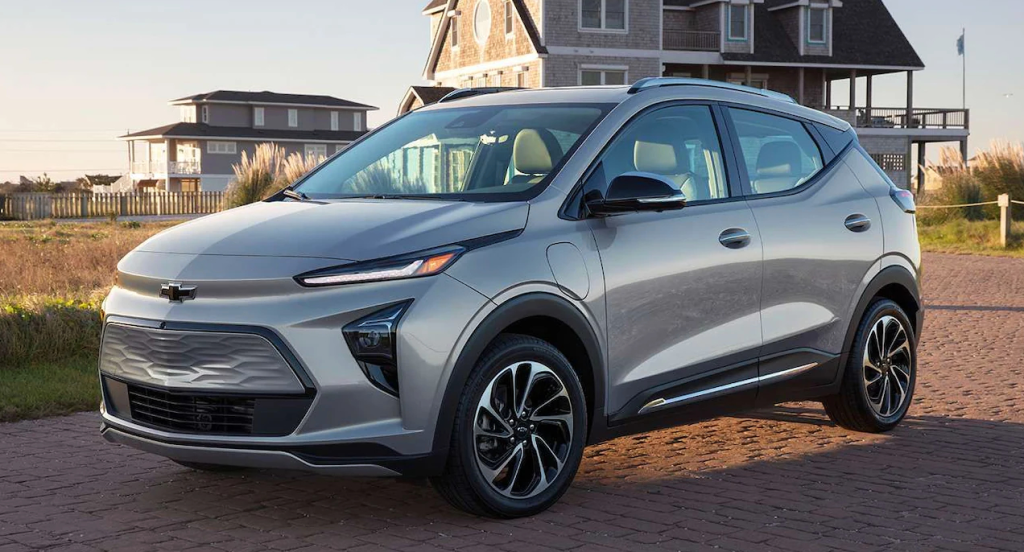
Chassis and aerodynamic design support long-term energy efficiency. Lightweight construction, optimized airflow, and low rolling resistance tires reduce energy consumption during city and highway driving. Suspension components are designed to remain durable, supporting consistent driving performance over time.
Owners have reported that Bolt EV vehicles retain approximately 70–80% of their original range after extensive mileage.
The combination of reliable battery engineering, efficient motor design, and smart energy management allows the Bolt EV to remain a practical and dependable vehicle for long-term use.
3. Nissan Leaf (2018–Present)
The Nissan Leaf, particularly second-generation models, is designed to maintain battery range over extended ownership. Its advanced lithium-ion battery packs, paired with a well-engineered thermal management system, allow consistent performance past 200,000 miles in many cases.
The Leaf uses a passive cooling system for its battery, which reduces complexity and potential failure points. Battery management software monitors individual cells to ensure balanced performance and prevent degradation.
Proper charging practices, such as avoiding extreme states of charge and frequent rapid charging, help preserve long-term range.
The electric motor is compact and efficient, converting energy to motion with minimal losses. The regenerative braking system captures energy during deceleration, improving overall efficiency while reducing wear on mechanical components. These factors help the Leaf maintain its range over extended use.
Chassis design also contributes to efficiency. Lightweight construction and optimized aerodynamics reduce energy consumption during city and highway driving.
Suspension components are durable, ensuring consistent performance even after many miles. The combination of efficient design and reliable components allows the Leaf to continue performing reliably for over a decade.
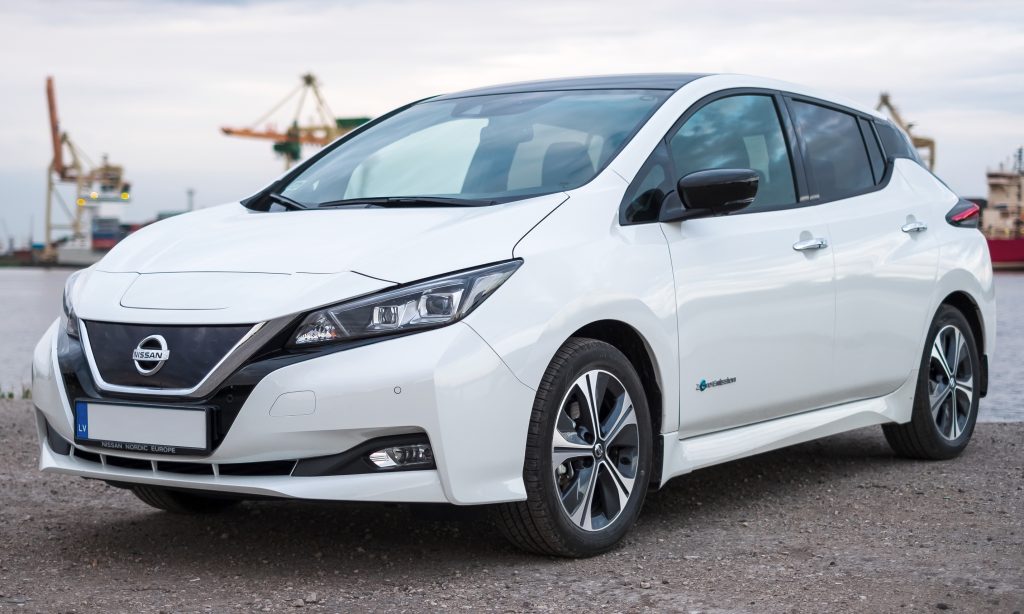
Owners report that second-generation Leaf batteries often retain 70–80% of their original capacity after high mileage. This makes the Leaf a practical choice for buyers who prioritize long-term range retention and low maintenance costs.
With simple, reliable electronics and a durable drivetrain, the Nissan Leaf continues to be a dependable EV for long-term ownership.
Its combination of battery longevity, efficient energy management, and low-maintenance design ensures drivers can rely on it for years of consistent driving range.
4. Hyundai Kona Electric (2018–Present)
The Hyundai Kona Electric is recognized for maintaining battery range over extended use. Its 64 kWh lithium-ion battery pack, coupled with active thermal management, allows drivers to enjoy consistent range even past 200,000 miles.
The battery pack is liquid-cooled to prevent overheating during fast charging or extended driving. The battery management system monitors individual cell performance, ensuring even wear and minimizing capacity loss.
Consistent charging habits enhance long-term durability, allowing the Kona Electric to maintain a high percentage of its original range.
The electric motor is efficient and durable, converting power with minimal losses. Regenerative braking captures energy during deceleration, improving overall efficiency and reducing reliance on mechanical brakes. These systems support consistent range performance over extended use.
Chassis and aerodynamic design further enhance long-term efficiency. Lightweight components and low-drag bodywork reduce energy consumption. Durable suspension systems maintain smooth handling and ride quality, even after years of driving.
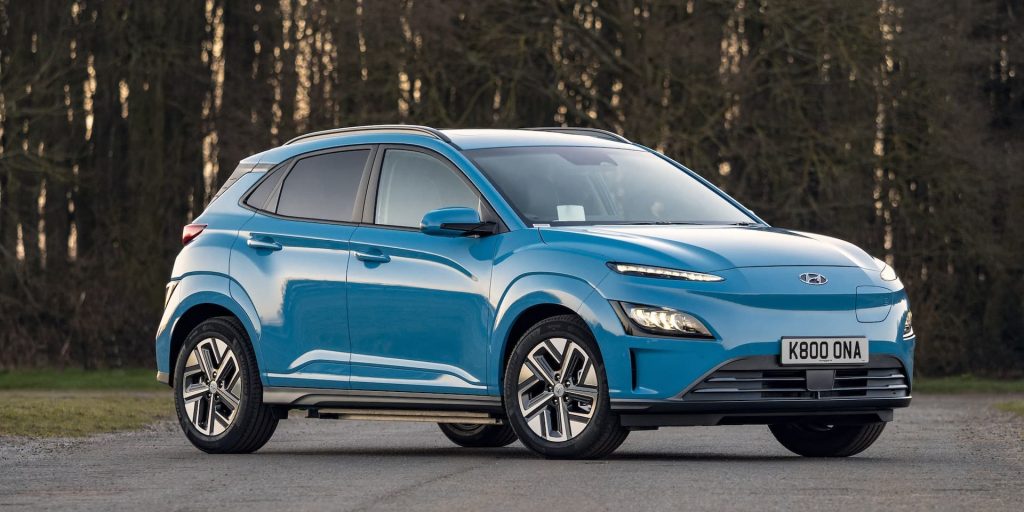
Owners report that the Kona Electric retains approximately 75–80% of its original range after extensive mileage. Reliable electronics, robust drivetrain components, and efficient battery management allow the vehicle to remain practical and dependable for long-term ownership.
The Hyundai Kona Electric’s combination of high-quality battery engineering, efficient motor design, and well-engineered systems ensures consistent range and performance over the years. It is an ideal choice for drivers seeking a long-lasting, reliable electric vehicle with low maintenance and sustained driving capability.
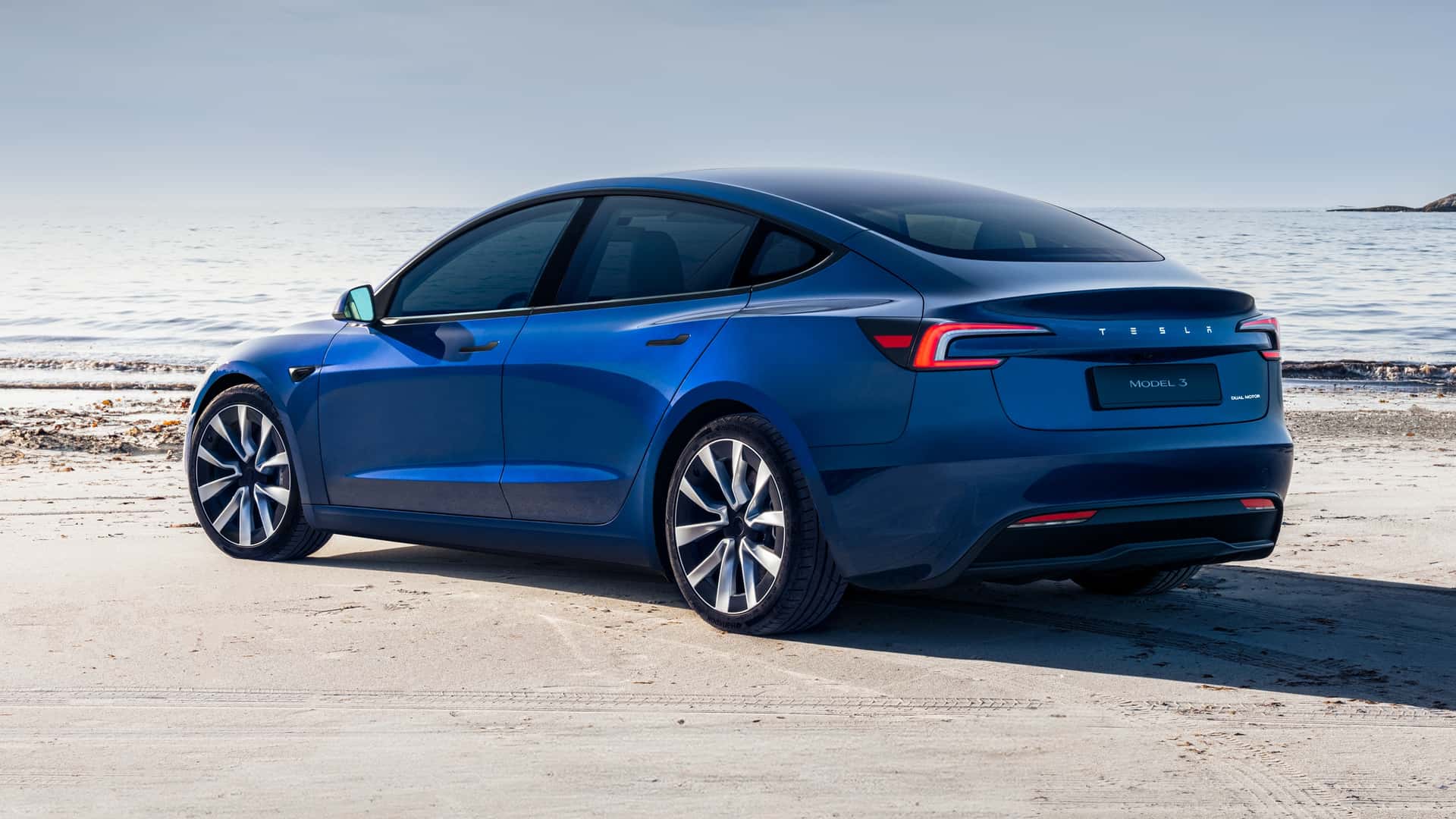
5. Tesla Model 3 (2017–Present)
The Tesla Model 3 is well-regarded for long-term battery performance and maintaining range over high mileage. Its lithium-ion battery packs, paired with an advanced thermal management system, allow the vehicle to retain a significant portion of its original range even past 200,000 miles.
The battery pack features liquid cooling and heating systems that regulate cell temperature during both charging and driving.
This reduces wear and prevents degradation, helping the battery maintain efficiency over time. Tesla’s battery management system ensures cells remain balanced, contributing to long-term durability.
The electric motors are designed for longevity and efficiency. Dual-motor all-wheel-drive variants provide smooth power delivery and minimal energy loss. Regenerative braking captures energy during deceleration, reducing mechanical wear and supporting consistent range over time.
Chassis design supports long-term efficiency. Lightweight materials, aerodynamic styling, and optimized rolling resistance help reduce energy consumption. Suspension components are built to remain durable, maintaining ride comfort and handling quality over extended periods.
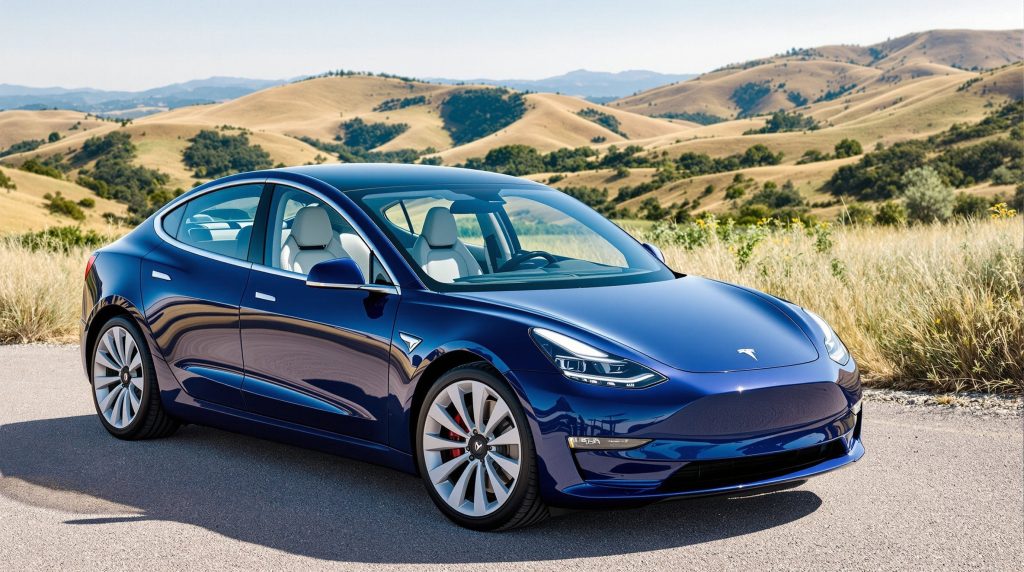
Tesla’s over-the-air software updates optimize energy management and improve battery performance for older vehicles. Owners frequently report retaining 80–90% of battery capacity after extensive mileage, making the Model 3 a reliable long-term EV option.
The Model 3’s combination of efficient battery design, durable powertrain, and smart energy management ensures consistent range retention. Its reliability over many years makes it a strong choice for owners seeking long-term performance and dependability in an electric vehicle.
6. Kia Niro EV (2019–Present)
The Kia Niro EV is designed to maintain battery range even after extensive use. Its 64 kWh lithium-ion battery pack, coupled with an active thermal management system, allows drivers to enjoy consistent performance beyond 200,000 miles.
The battery pack uses liquid cooling to regulate temperature during charging and driving, reducing wear and preventing rapid degradation.
The battery management system continuously monitors individual cells, ensuring balanced performance and prolonging overall battery life. Proper charging practices, such as avoiding frequent rapid charging, further support long-term range retention.
The electric motor is efficient and reliable, delivering smooth acceleration and minimizing energy losses. Regenerative braking captures energy during deceleration, reducing reliance on mechanical brakes and helping preserve battery efficiency over time.
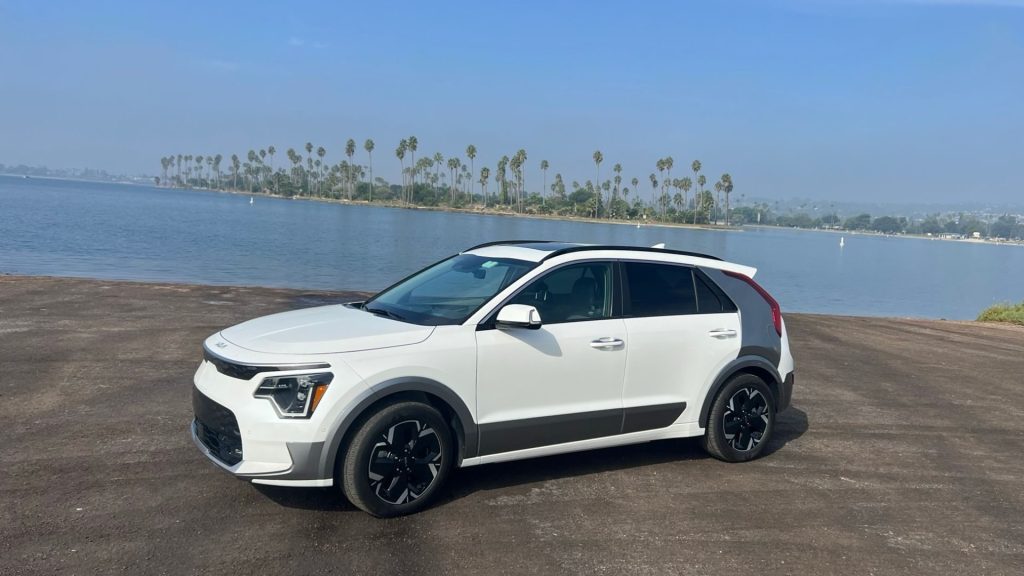
Chassis and suspension design enhance long-term durability and efficiency. Lightweight construction, aerodynamic bodywork, and low rolling resistance tires reduce energy consumption. Suspension components remain robust and maintain a smooth, stable ride even after years of use.
Owners report that the Kia Niro EV retains 75–80% of its original range after extensive mileage. Reliable electronics, efficient powertrain, and well-managed battery systems contribute to long-term satisfaction.
The combination of battery durability, motor efficiency, and smart energy management makes the Kia Niro EV a dependable long-term electric vehicle. It provides consistent range, low maintenance requirements, and reliable performance for owners who plan to keep it for many years.
7. Chevrolet Volt (Second Generation, 2016–2019)
The Chevrolet Volt, particularly the second-generation model, is a plug-in hybrid known for long-term battery reliability and maintaining electric range over extensive mileage.
Its 18.4 kWh lithium-ion battery pack is engineered to minimize degradation and maintain performance even after 200,000 miles.
The Volt uses an advanced liquid-cooled battery pack with an intelligent battery management system.
This system continuously monitors individual cells, balancing performance and preventing capacity loss. Proper charging practices, such as avoiding extended periods at full charge, help preserve long-term battery health.
Electric motors in the Volt are designed for durability and efficiency. The front electric motor provides smooth power delivery, while regenerative braking captures energy during deceleration, enhancing efficiency and reducing wear on mechanical components.
The drivetrain combines electric motors with a gasoline range extender engine. This setup ensures consistent performance and minimizes stress on the battery during long trips. The power electronics are reliable and maintain efficiency over many years.
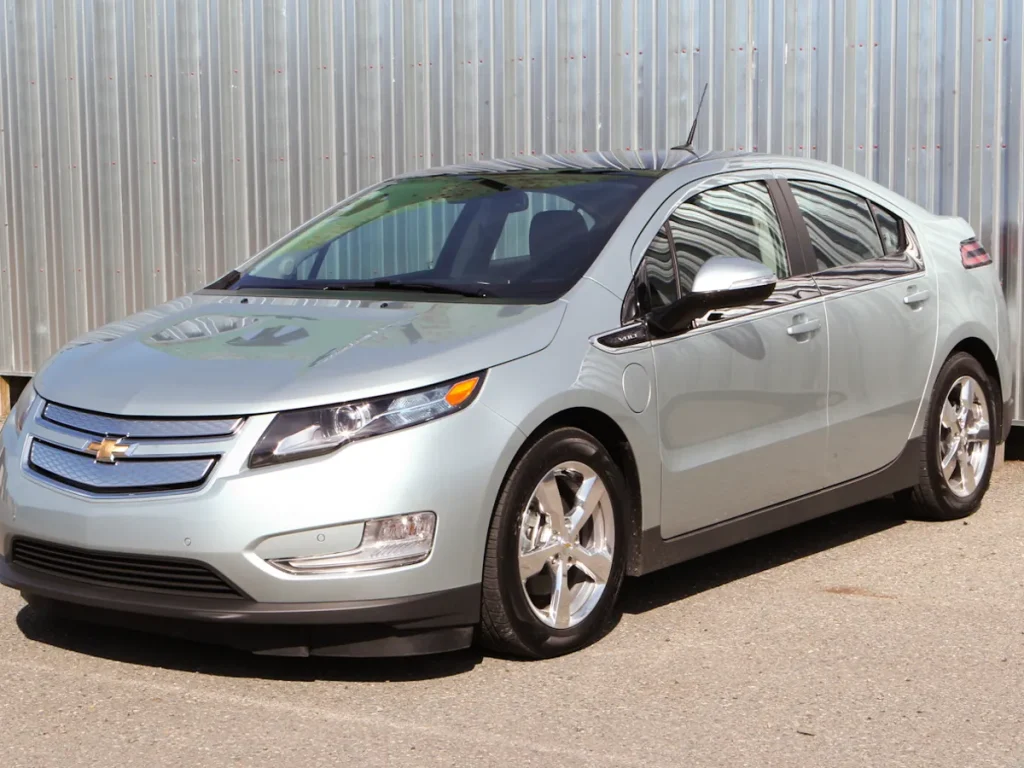
Chassis and suspension systems support long-term performance. Lightweight materials, aerodynamic design, and well-engineered suspension reduce energy consumption while maintaining ride comfort and stability. Durable suspension components withstand years of daily driving and occasional rough roads.
Owners report that the Chevrolet Volt maintains over 80% of its original electric range even after high mileage. The combination of efficient battery design, reliable motors, and well-managed systems allows the Volt to remain a practical and dependable vehicle for long-term ownership.
The Volt’s smart battery management, efficient motor design, and hybrid system ensure sustained range and performance over many years. Its reliability and low maintenance needs make it a strong choice for drivers seeking long-term electric or plug-in hybrid ownership.
8. BMW i3 (2014–2021)
The BMW i3 is known for long-term battery efficiency and range retention. Its 22 kWh to 42 kWh lithium-ion battery packs, depending on the model year, are engineered to maintain performance even after 200,000 miles.
The i3 uses a liquid-cooled battery pack with an advanced battery management system. Cells are continuously monitored to ensure balanced charging and discharging, reducing degradation and preserving long-term range. The car also limits high-speed charging events to protect battery health.
The electric motor is compact and efficient, providing smooth acceleration while minimizing energy loss. Regenerative braking captures energy during deceleration, enhancing efficiency and helping maintain battery capacity. The i3’s drivetrain is designed for minimal mechanical wear, further supporting long-term reliability.
Chassis design emphasizes lightweight construction, with carbon-fiber-reinforced plastic body panels reducing overall weight.
Aerodynamic styling and low rolling resistance tires reduce energy consumption, contributing to consistent range even after years of use. The suspension system remains durable, maintaining ride comfort and handling precision.
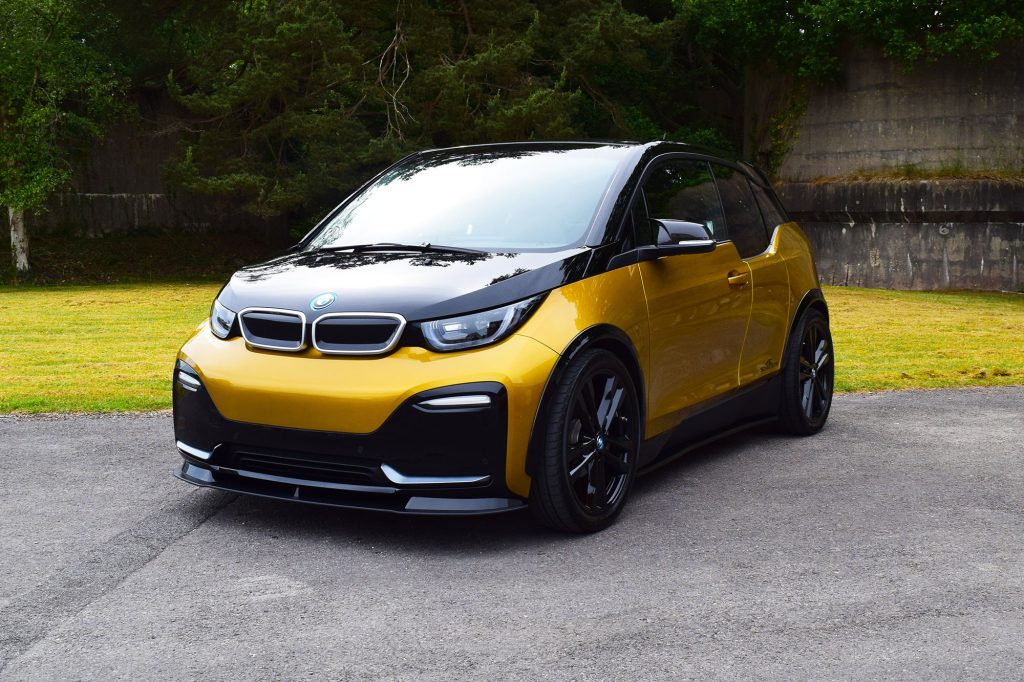
Owners report retaining around 70–80% of original battery capacity after extensive mileage. The combination of reliable electronics, efficient motor design, and smart battery management ensures the i3 remains a dependable and practical EV for long-term use.
The BMW i3’s focus on battery durability, efficient powertrain, and lightweight design allows it to deliver consistent range and performance over many years.
Its combination of sustainability, reliability, and low maintenance makes it a practical long-term choice for electric vehicle owners.
9. Hyundai Ioniq Electric (2017–Present)
The Hyundai Ioniq Electric is designed for long-term battery reliability, maintaining range even after extensive use. Its 28 kWh and 38.3 kWh lithium-ion battery packs, combined with active thermal management, help retain performance past 200,000 miles.
The battery pack features liquid cooling and a sophisticated battery management system. Cells are continuously monitored and balanced during charging and discharging, minimizing degradation. Avoiding frequent fast charging further preserves battery longevity, allowing the Ioniq to maintain consistent range over time.
The electric motor is durable and efficient, converting energy with minimal loss. Regenerative braking captures energy during deceleration, reducing mechanical wear and extending battery life. These factors contribute to the Ioniq Electric’s ability to provide consistent performance even after many years.
Chassis and suspension design enhance efficiency and durability. Lightweight materials, aerodynamic styling, and low rolling resistance tires help reduce energy consumption. Suspension components are robust, maintaining ride comfort and stability over time.
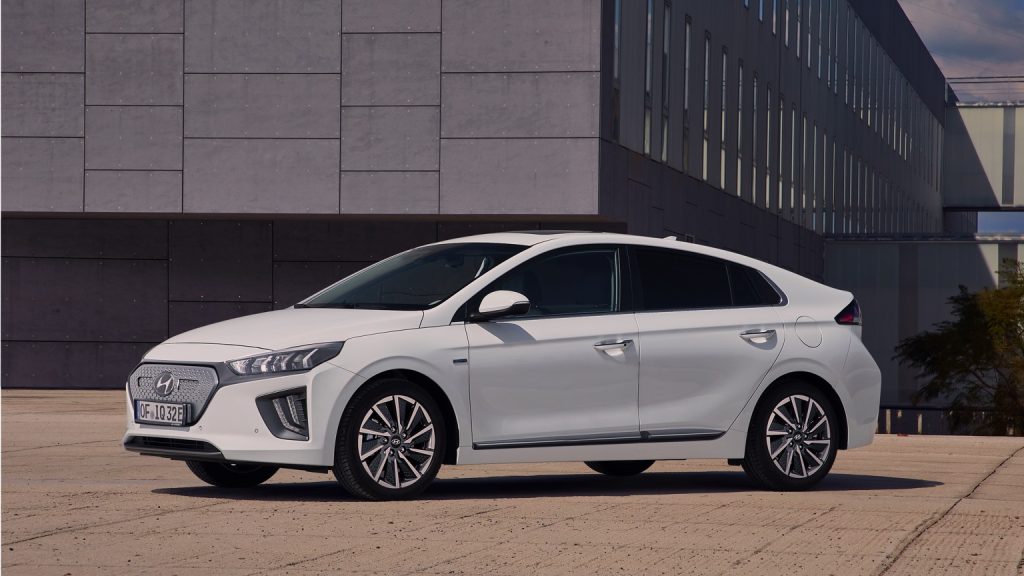
Owners report retaining approximately 75–80% of the original range after high mileage. The combination of reliable battery engineering, efficient motor design, and well-managed systems makes the Ioniq Electric a dependable long-term EV choice.
With consistent range retention, low maintenance needs, and durable components, the Hyundai Ioniq Electric offers long-term practicality and reliability for owners who plan to keep it for many years.
10. Audi e-tron (2019–Present)
The Audi e-tron is a luxury electric SUV that retains battery range effectively over long-term use. Its 95 kWh lithium-ion battery pack, combined with active thermal management, ensures consistent performance past 200,000 miles.
The e-tron’s battery pack is liquid-cooled and actively managed to prevent overheating and capacity loss. The battery management system monitors individual cells to maintain balance and efficiency. Smart charging habits, including moderate charging speeds, further preserve long-term range.
Electric motors in the e-tron deliver smooth and reliable power. Dual motors provide all-wheel drive and high efficiency while regenerative braking recovers energy during deceleration, reducing stress on the battery and improving long-term performance.
Chassis and suspension contribute to energy efficiency. Lightweight construction, aerodynamic body design, and low rolling resistance tires reduce energy consumption. Durable suspension components maintain ride comfort, handling, and performance over many miles of driving.
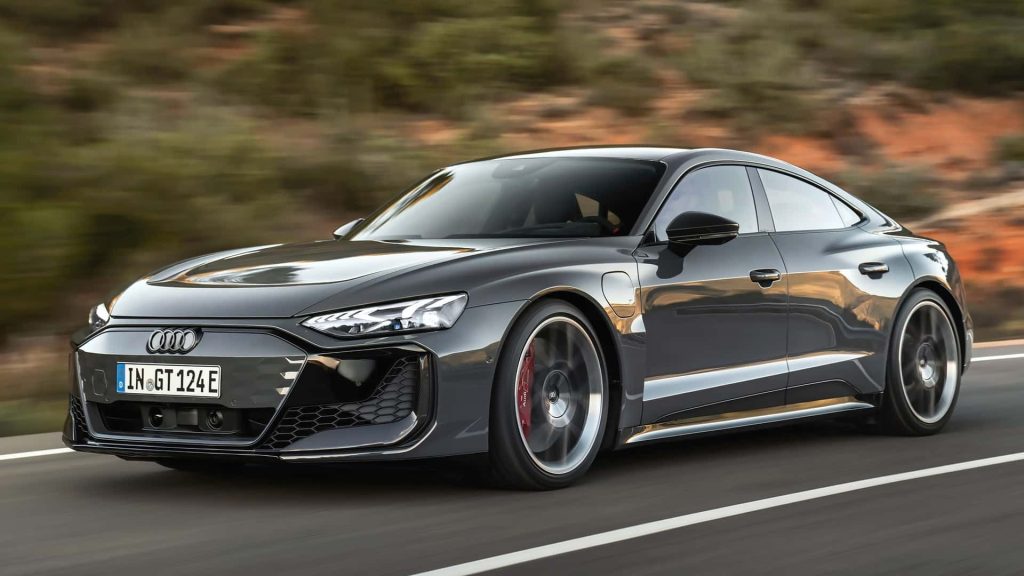
Owners report maintaining 80–85% of battery capacity after extensive use. Efficient thermal management, reliable drivetrain components, and high-quality electronics contribute to the e-tron’s ability to retain range and provide dependable performance over the long term.
The Audi e-tron’s combination of battery durability, efficient powertrain, and well-engineered systems makes it a dependable and practical luxury electric SUV for long-term ownership.
It delivers consistent range, reliable performance, and low maintenance, making it a strong choice for those seeking a high-mileage EV.
11. Porsche Taycan (2020–Present)
The Porsche Taycan is a high-performance electric vehicle that maintains battery range over long-term use. Its 79.2 kWh to 93.4 kWh lithium-ion battery packs, combined with sophisticated thermal management, allow consistent performance even after extensive mileage.
The Taycan’s battery pack features active liquid cooling and heating, which keeps cell temperatures within an optimal range.
The battery management system continuously monitors cell performance and balances energy output, minimizing degradation. Following recommended charging habits, such as avoiding prolonged full-charge periods, further preserves battery longevity.
Dual electric motors deliver smooth and efficient power. The motors are engineered for durability, ensuring consistent performance even under high-power driving. Regenerative braking captures energy during deceleration, reducing mechanical wear and supporting long-term battery efficiency.
Chassis and suspension design contribute to energy efficiency and durability. Lightweight construction, aerodynamic body styling, and low rolling resistance tires reduce energy consumption. Suspension components are robust and maintain handling precision and ride comfort even after years of use.
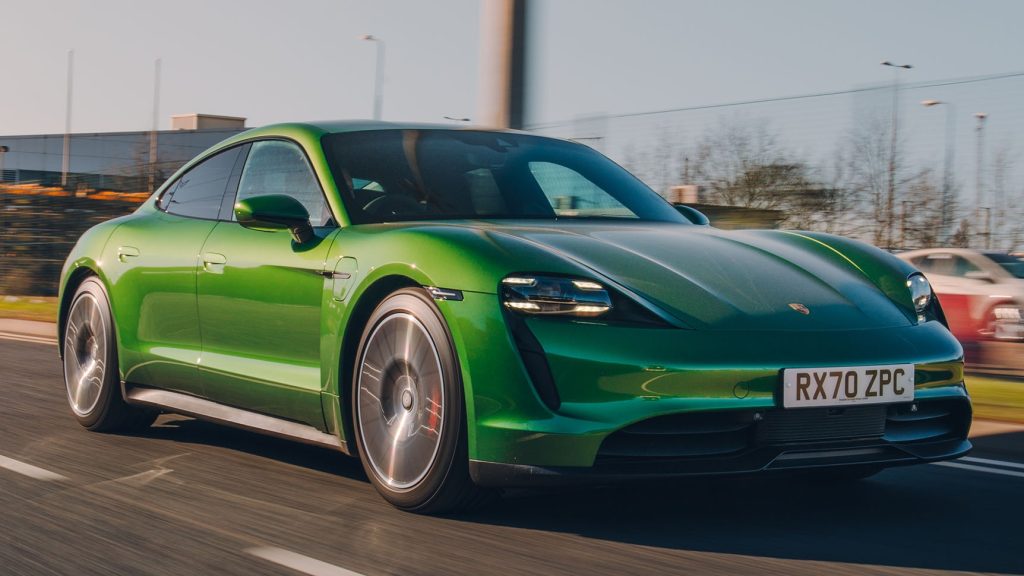
Owners report that Taycan batteries retain around 80–85% of original capacity after high mileage. The combination of advanced battery engineering, durable motor design, and well-managed thermal systems ensures long-term range retention.
The Porsche Taycan’s focus on efficiency, reliability, and high-quality construction allows it to maintain consistent range and performance over time.
Its combination of advanced technology, durable components, and long-term reliability makes it a practical high-performance EV for owners seeking sustained efficiency and performance.
12. Ford Mustang Mach-E (2021–Present)
The Ford Mustang Mach-E is a modern electric SUV that retains battery range over extensive use. Its 68 kWh to 91 kWh lithium-ion battery packs, paired with active thermal management, help maintain consistent performance past 200,000 miles.
The battery system features liquid cooling and a smart battery management system. Individual cells are monitored and balanced during charging and driving, minimizing degradation. Following recommended charging practices, such as moderate charging speeds, further supports long-term battery health.
Electric motors provide efficient and reliable power delivery. Dual-motor all-wheel-drive versions maintain smooth performance while regenerative braking recaptures energy during deceleration. This system reduces wear on mechanical components and helps sustain range over the long term.
Chassis and suspension design enhance efficiency. Lightweight construction, aerodynamic optimization, and low rolling resistance tires reduce energy consumption during daily driving. Durable suspension components maintain ride quality and stability even after years of use.
Owners report maintaining 75–80% of original battery range after extensive mileage. The combination of robust battery design, efficient motor systems, and advanced energy management makes the Mustang Mach-E a reliable long-term EV choice.
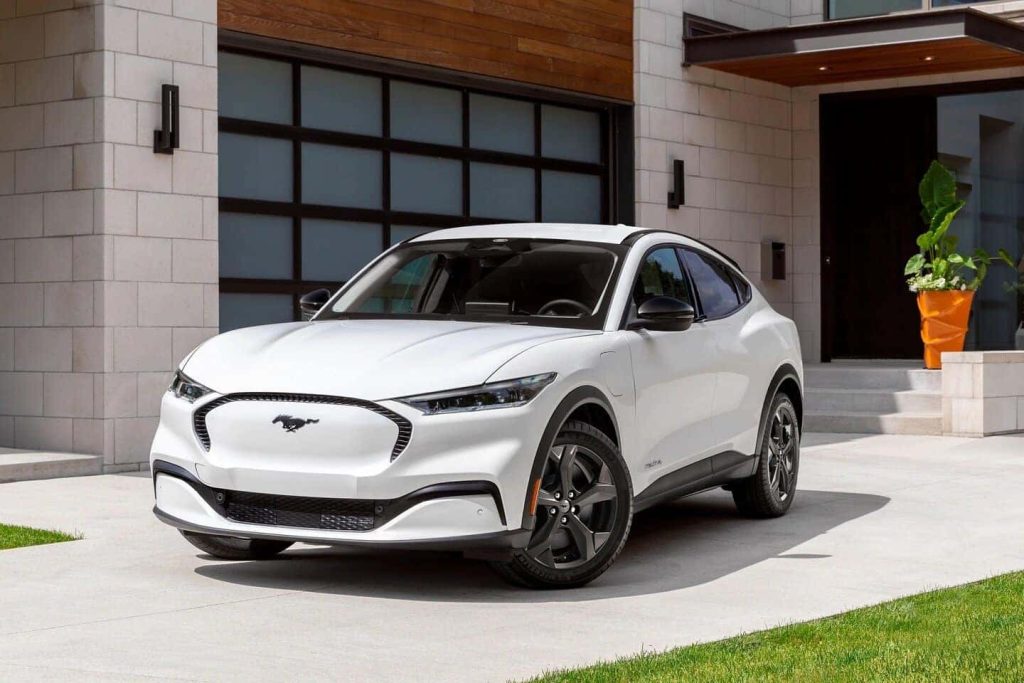
With sustained range retention, durable components, and low maintenance requirements, the Ford Mustang Mach-E offers long-term reliability and consistent performance. Its well-engineered systems allow owners to enjoy a dependable, high-performing electric vehicle for many years.
Also Read: 12 Trucks With Cabins That Defy Wear Under Rough Use
