
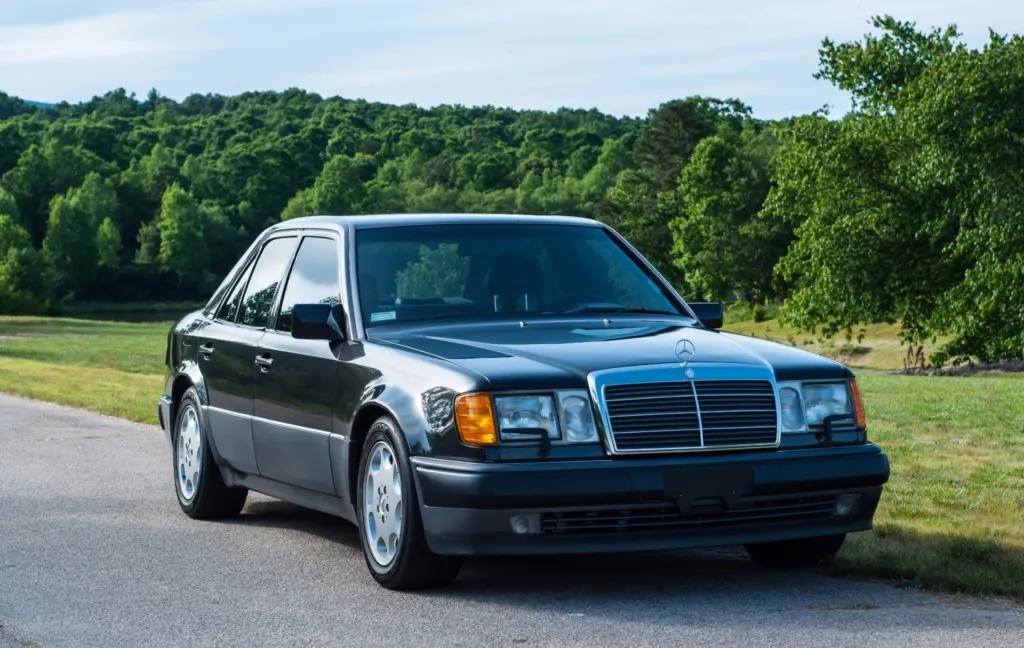
For decades, Mercedes-Benz has stood as a symbol of engineering precision and long-lasting quality. While many luxury brands focus heavily on styling and comfort, Mercedes has consistently proven that durability is equally important.
Some models from the brand have been known to outlast not just their rivals but also their owners’ initial expectations of how long a car should remain useful.
A major reason behind this endurance is the company’s commitment to building engines and drivetrains that can handle high mileage. Owners often report that with consistent maintenance, their Mercedes models continue performing reliably even past 200,000 miles.
This kind of staying power has earned the brand a reputation for producing cars that are not just stylish but also mechanically resilient.
Another factor is the design philosophy that prioritizes structural integrity. Even older Mercedes cars feature robust frames and solid body construction. These qualities allow them to resist wear from daily driving, road conditions, and time itself.
Paired with premium materials in the cabin, many of these vehicles look and feel fresh long after others begin to show their age.
For drivers, this combination of endurance and luxury creates a unique experience. Few brands deliver cars that continue to feel special after decades of use, but Mercedes has done so consistently across different segments, from sedans to coupes and even wagons.
These vehicles often end up being passed down through generations, proving their worth far beyond the average ownership cycle.
This article highlights ten Mercedes cars that embody these values. Each model has its own character, yet all share the ability to run strong for years when cared for properly.
For enthusiasts and everyday drivers alike, these vehicles stand as proof that Mercedes-Benz remains committed to building cars that endure far longer than most people expect.
Also Read: 12 Engines That Will Outlast Your Transmission
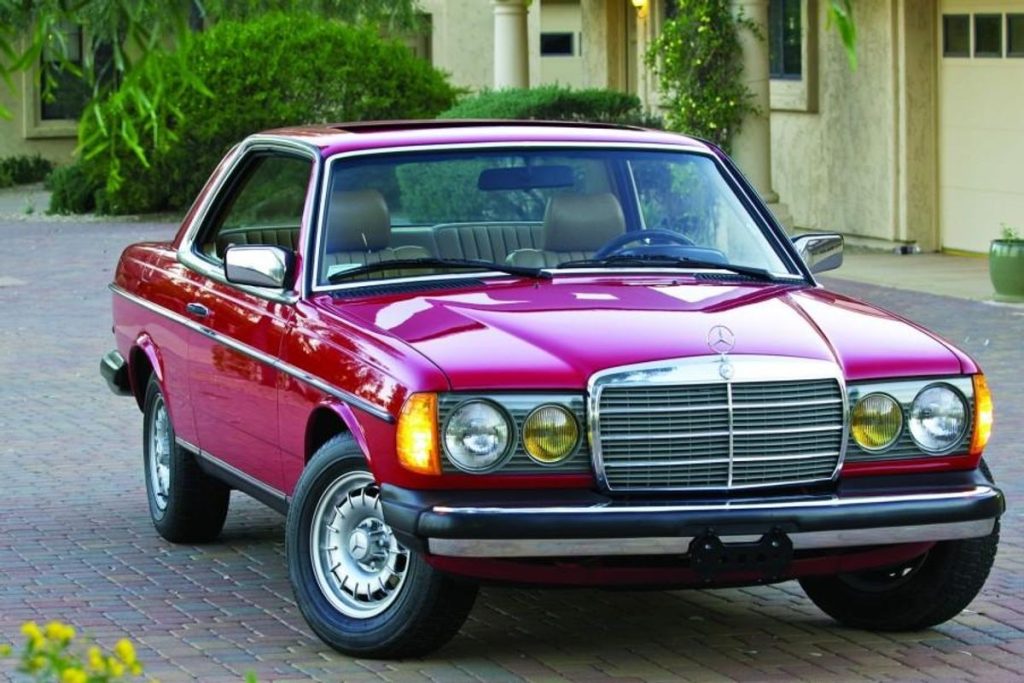
1. Mercedes-Benz W123 (1976–1985)
The Mercedes-Benz W123 has become legendary for its durability. Produced during the late 1970s and early 1980s, it is often regarded as one of the most dependable vehicles ever made. Owners around the world still drive these cars daily, which speaks volumes about their ability to outlive expectations.
The W123 came in several body styles, including sedan, coupe, and wagon. Engines ranged from fuel-efficient diesels to smooth six-cylinder gas options.
The diesel models, in particular, built a reputation for running half a million miles or more with proper maintenance. Taxi services in Europe, Africa, and Asia often used them for decades, relying on their toughness to survive heavy daily use.
One of the keys to its longevity lies in its simple engineering. The engines are relatively easy to service, and parts are still widely available. Unlike many modern cars filled with sensitive electronics, the W123 was designed with a mechanical focus, which reduces failure points over time.
Inside, the cabin was built with long-lasting materials. Seats, trim, and switches often remain functional even after years of use. The straightforward design also makes it easier for owners to maintain comfort without expensive repairs.
Structurally, the W123 was built with a heavy-duty frame that resisted rust better than many rivals of its era.
This solid construction, combined with dependable drivetrains, makes it one of the most enduring Mercedes models ever produced. For many owners, the W123 is not just a car but an heirloom that can be passed down through generations.
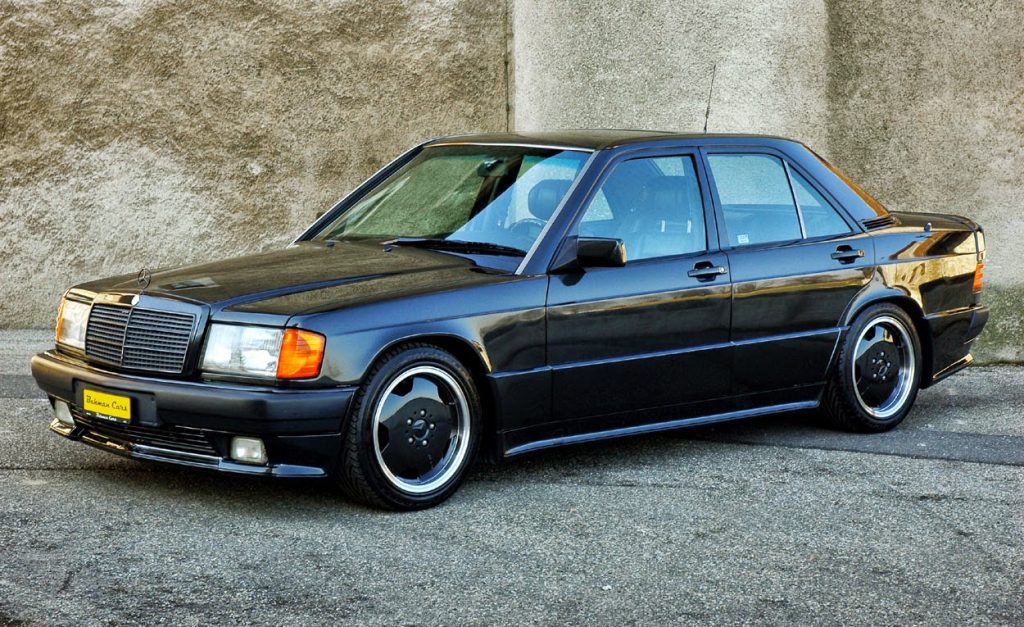
2. Mercedes-Benz 190E (W201) (1982–1993)
The Mercedes 190E, also known as the W201, marked the brand’s move into the compact luxury segment. While smaller than other Mercedes sedans of its time, it was engineered to the same high standard. Many examples still run today, a testament to its long-lasting nature.
Equipped with a variety of engines ranging from four-cylinder units to high-performance six-cylinders, the 190E was known for its robust mechanicals.
The 2.3- and 2.6-liter versions are especially celebrated for their ability to rack up hundreds of thousands of miles with minimal issues. With consistent servicing, these engines remain reliable even under demanding use.
The 190E’s chassis was advanced for its time. Featuring multi-link rear suspension, it provided excellent handling while maintaining durability. This setup, paired with a rigid body structure, ensured the car aged gracefully without developing serious mechanical fatigue.
Owners also praise its interior durability. Leather or cloth upholstery from this era often holds up better than newer vehicles, and the switchgear continues to function after decades of use. The cabin design emphasizes practicality, which has helped keep these cars comfortable long-term.
Another reason for its longevity is the strong aftermarket support. Replacement parts are affordable and widely available, making upkeep manageable for enthusiasts. The 190E may have been the entry-level Mercedes of its day, but it has proven to be anything but disposable.
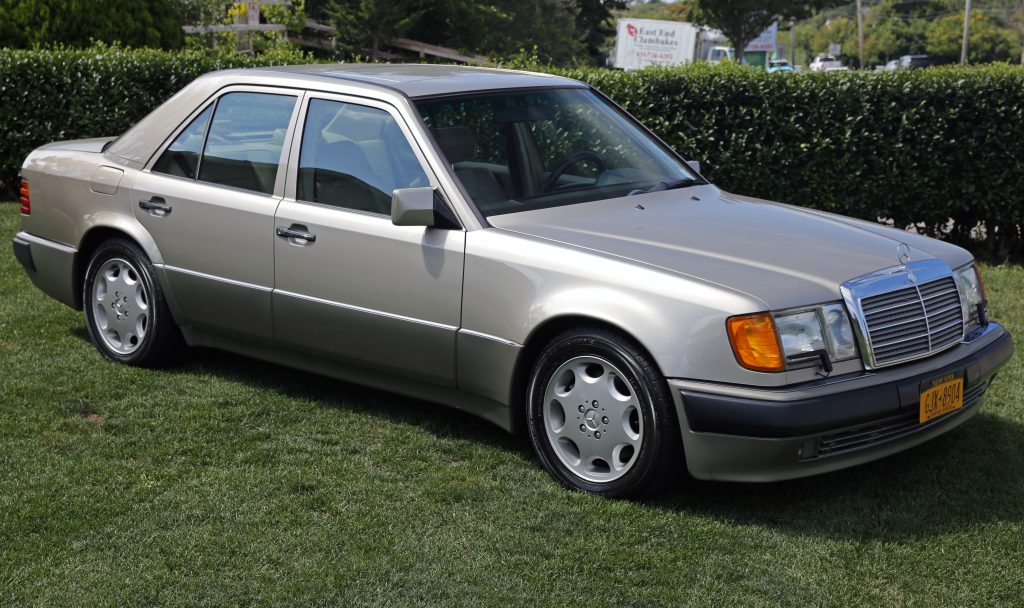
3. Mercedes-Benz E-Class (W124) (1984–1997)
The W124 generation of the E-Class is widely considered one of the most over-engineered cars Mercedes ever produced. It set new benchmarks for reliability and comfort, and decades later, it continues to be a favorite among enthusiasts who value longevity.
Offered in sedan, coupe, convertible, and wagon forms, the W124 came with a wide range of engines. The inline-six models, in particular, are praised for their durability. Diesel variants are also renowned for long service lives, with many still in operation as daily drivers in different parts of the world.
One of the standout features of the W124 is its structural integrity. The body was designed to resist corrosion and withstand years of heavy use. Combined with advanced safety engineering for its time, this model offered both toughness and protection.
The interior is another area where the W124 shines. Materials such as leather, wood, and high-quality plastics were chosen for durability. Even after decades, many cabins remain intact, and switches still work reliably. This focus on quality makes the W124 feel fresh even after years of service.
Mechanics appreciate the car’s straightforward yet precise engineering. Routine maintenance is simple, and major components are built to last. This combination of reliability, serviceability, and timeless design has allowed the W124 to remain one of the most respected long-life sedans in automotive history.
4. Mercedes-Benz S-Class (W126) (1979–1991)
The W126 S-Class set the standard for luxury sedans in the 1980s, blending refinement with remarkable durability.
While it was designed as a flagship model, many owners discovered that it was built to last far longer than they initially expected. Even today, well-kept examples remain on the road, proving the strength of Mercedes engineering during this era.
Engines included smooth inline-sixes, durable V8s, and even a diesel option in some markets. The 3.0- and 4.2-liter V8s stand out for their ability to handle high mileage with minimal issues when maintained properly. Many have been known to reach 300,000 miles or more without requiring major overhauls.
Structurally, the W126 was built with safety and longevity in mind. It introduced crumple zones and reinforced passenger protection, but the body also resisted rust better than earlier models. Its solid frame allows these cars to age without severe deterioration, making them attractive for collectors and drivers alike.
Inside, the S-Class offered unmatched comfort for its time. Leather upholstery, wood trim, and advanced features like climate control were built with longevity in mind. Owners often remark that their cabins remain in excellent shape decades later, with switches and systems still operating smoothly.
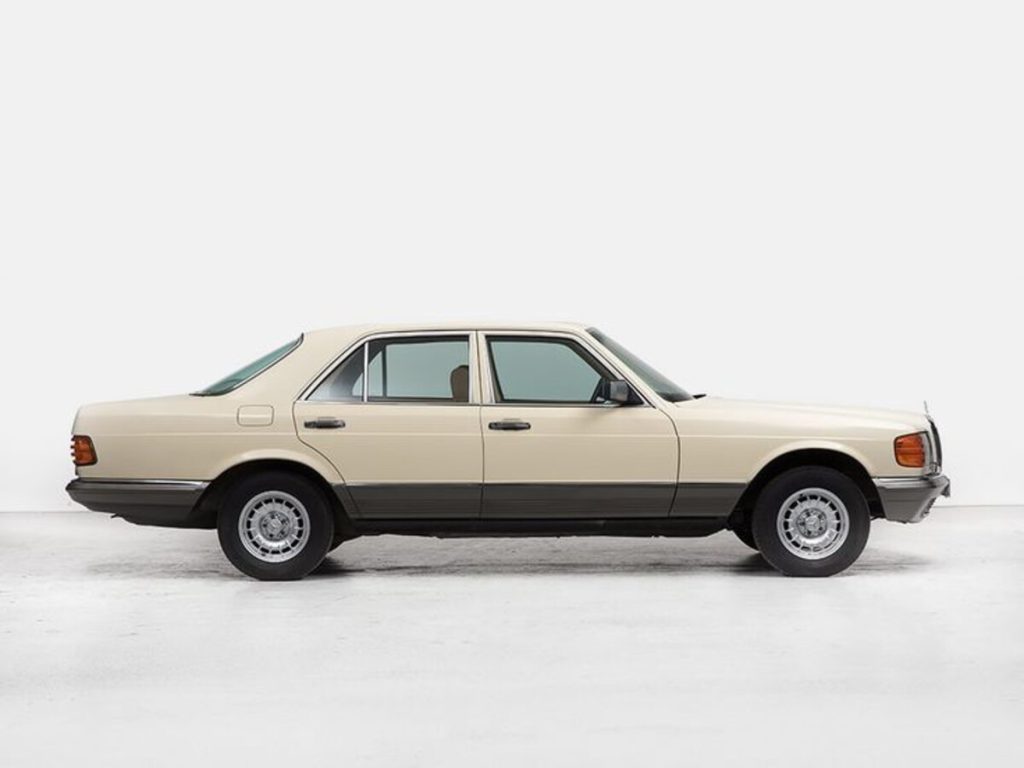
Mechanics appreciate the W126 because its engineering balances sophistication with serviceability. Replacement parts are still available, and many independent shops are familiar with the model. For drivers seeking a luxury sedan that outlasts expectations, the W126 continues to deliver.
5. Mercedes-Benz G-Class (G-Wagen) (1979–Present, Early Models)
The Mercedes G-Class, originally designed as a military vehicle, has become one of the most durable SUVs ever made. Early civilian versions from the 1980s and 1990s are still in use worldwide, proving the G-Wagen’s ability to handle extreme conditions without giving up.
Engines in these older models were often simple but strong, including four-cylinder diesels and inline-sixes.
These powertrains prioritize reliability over speed, which is why so many continue to run after decades of service. With proper care, they can cover hundreds of thousands of miles without major mechanical breakdowns.
The G-Class’s boxy design is more than aesthetic it provides structural toughness. The ladder-frame chassis, combined with solid axles, makes the vehicle nearly indestructible.
Owners often keep their G-Wagens for decades because they can handle rough off-road terrain as well as long stretches of highway driving.
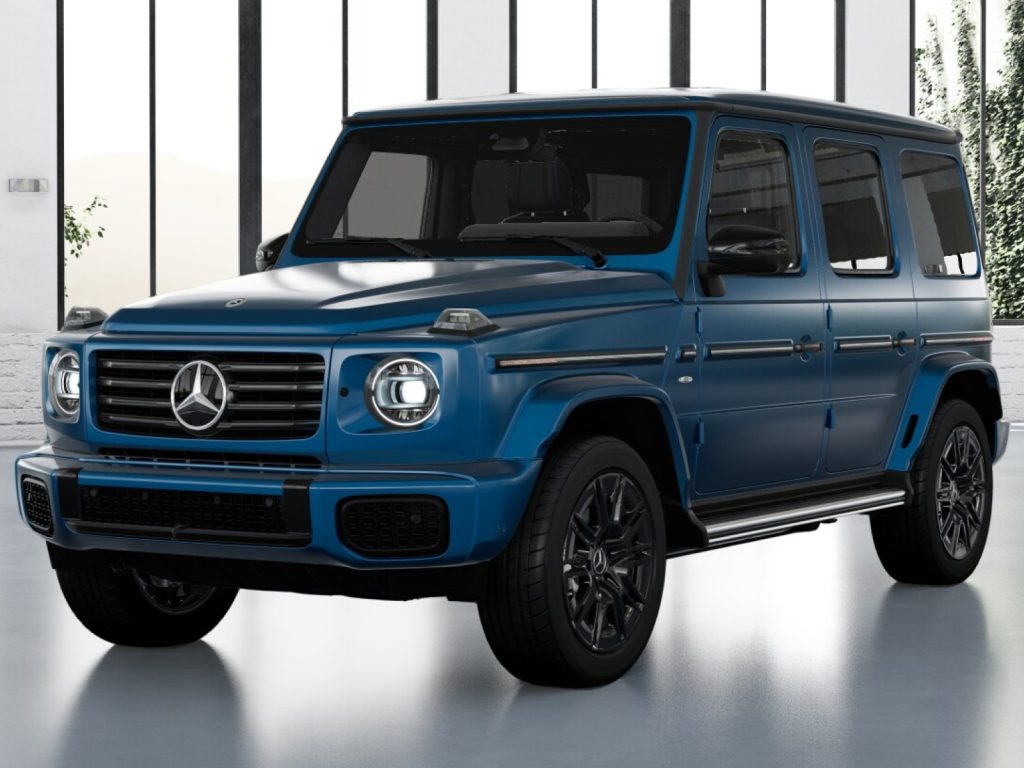
Inside, early G-Class models were minimal compared to modern versions. However, their simple design and durable materials mean that interiors withstand years of heavy use. Seats and controls remain functional, reinforcing the SUV’s reputation for longevity.
Because the G-Class has been in production for decades, replacement parts and support remain strong. Enthusiasts value these early models for their mechanical simplicity and bulletproof design, making them a true example of a Mercedes that outlives expectations.
6. Mercedes-Benz C-Class (W202) (1993–2000)
The W202 C-Class was Mercedes’ first compact sedan after the 190E, and it carried forward the brand’s tradition of long-lasting quality. Although marketed as an entry-level model, the W202 was engineered with the same durability as larger Mercedes sedans. Many are still running today, often with high mileage.
Engines ranged from efficient four-cylinders to stronger six-cylinders, and all were designed with longevity in mind. The 2.2- and 2.8-liter engines are particularly known for running past 200,000 miles with basic servicing. These cars can still be found in daily use, a reflection of their resilience.
The chassis design provided a stable and safe driving experience, while also being durable enough to withstand years of road use. Owners often remark that the suspension components, when maintained, continue to provide a smooth ride long after rivals from the same period have worn out.
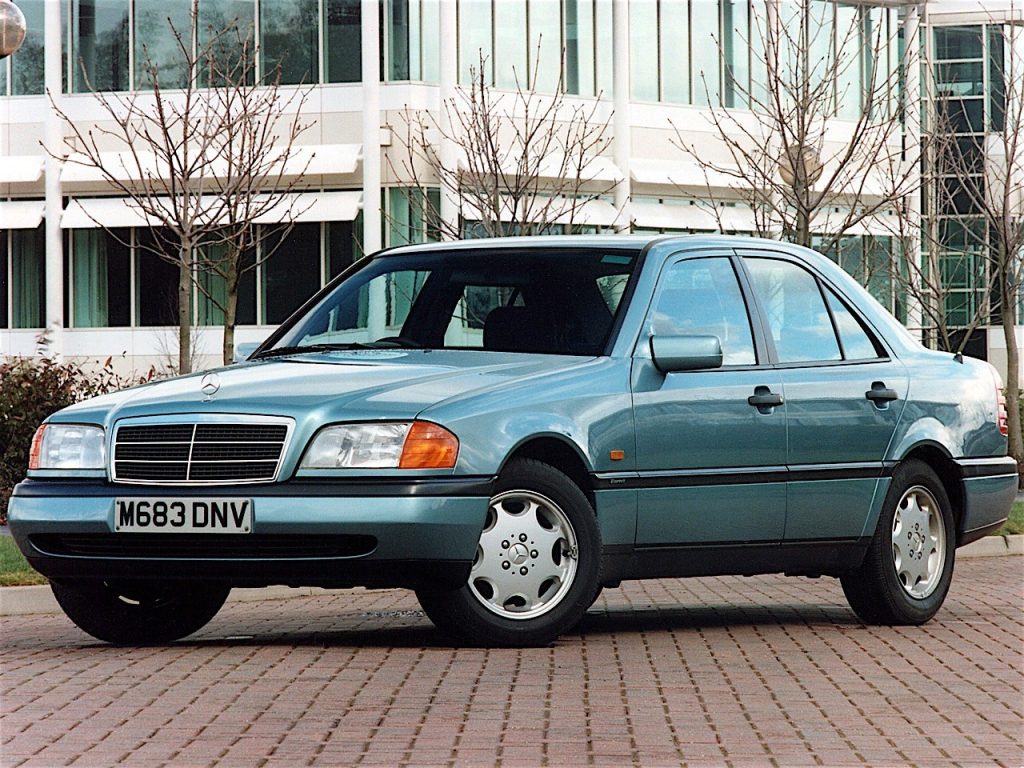
Inside, the W202 offered comfort without unnecessary complexity. Materials hold up well, and while not as luxurious as higher-tier Mercedes models, the cabins are known for their durability. Switches and controls typically remain functional even after decades of use.
Another reason for the W202’s longevity is its affordability in the used market, which has encouraged enthusiasts to keep them running.
With abundant spare parts and straightforward engineering, the W202 has proven that even Mercedes’ smaller sedans can exceed expectations for long life.
7. Mercedes-Benz SL-Class (R129) (1989–2001)
The R129 SL-Class roadster is renowned for combining luxury, performance, and remarkable longevity. Its engineering emphasized durability alongside cutting-edge technology, making it a model that owners often keep for decades with proper care.
The R129 came with a range of engines, from inline-sixes to powerful V12s. These engines are known for their mechanical resilience, particularly the naturally aspirated six- and eight-cylinder options. When maintained with regular servicing and oil changes, they can continue performing reliably even after 200,000 miles.
Structurally, the R129 was built to last. Its body and chassis components resisted corrosion, and the car’s weight distribution contributed to long-term stability. The convertible top mechanism is also durable when lubricated and used correctly, adding to the car’s longevity.
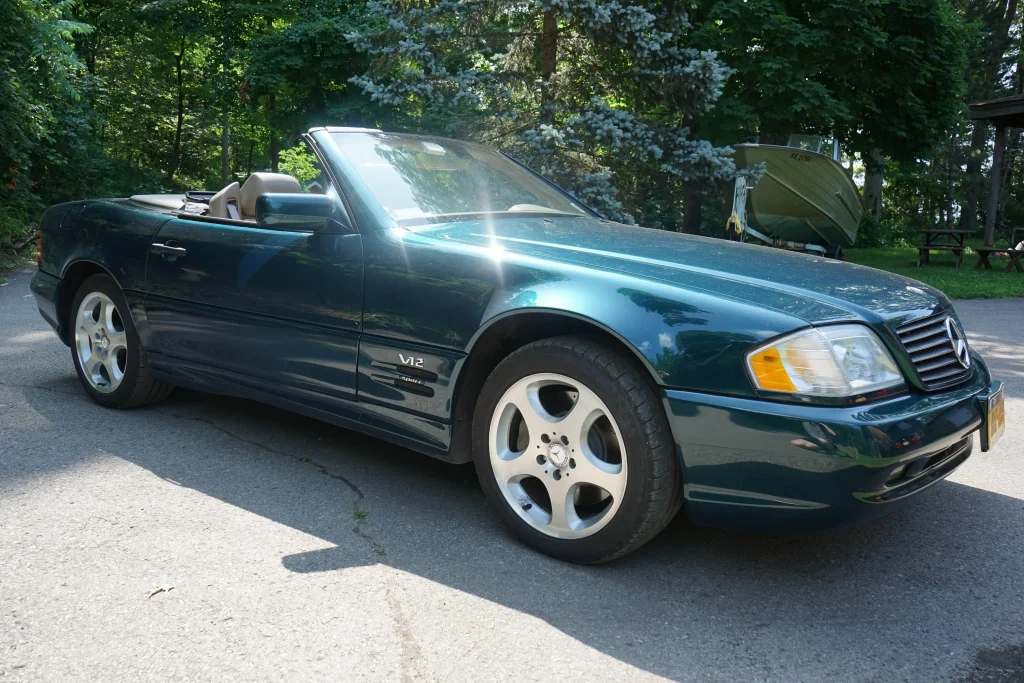
Inside, Mercedes used high-quality materials that remain comfortable and functional decades later. Leather seats, wood trim, and robust controls are still in working order for many R129s, reinforcing the vehicle’s reputation as a long-lasting luxury roadster.
Maintenance is straightforward compared to more modern vehicles with complex electronics. This simplicity, combined with mechanical robustness, allows owners to enjoy the SL-Class for years, sometimes outlasting more expensive contemporary models.
8. Mercedes-Benz E-Class (W210) (1995–2002)
The W210 E-Class earned praise for its solid build and reliability. It carried forward the Mercedes tradition of producing vehicles that could handle high mileage and long-term ownership without frequent major repairs.
Engines ranged from four-cylinder units to V8s, with the six-cylinder models being especially reliable. Many W210 E-Class vehicles have surpassed 300,000 miles, particularly when owners adhered to routine maintenance schedules for timing chains, fluid changes, and suspension components.
The body structure emphasized safety and durability. Rust-resistant materials and a sturdy chassis allowed these vehicles to remain in service far longer than many competitors. The W210’s suspension was tuned for comfort but built to withstand years of driving without significant wear.
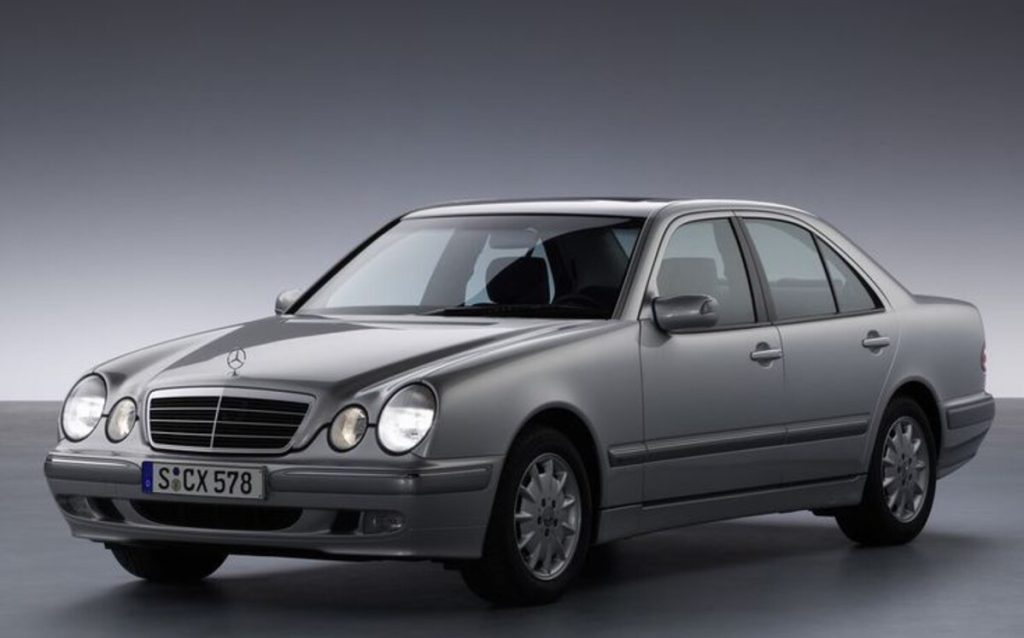
Inside, the cabin materials were durable and maintained their quality over time. Switchgear and interior panels often remain functional, and many W210s still provide a comfortable driving environment decades after production.
Mechanically, the W210 is approachable for maintenance. Replacement parts are widely available, which encourages long-term ownership. This combination of mechanical simplicity, robust engines, and strong construction makes it one of the Mercedes models most likely to outlive its original owners’ expectations.
9. Mercedes-Benz S-Class (W140) (1991–1998)
The W140 S-Class represented the pinnacle of Mercedes engineering in the 1990s. It offered advanced features for its time while maintaining the brand’s reputation for durability and long-term performance.
Engines ranged from inline-sixes to large V12s, with most models capable of covering extensive mileage if properly maintained. Diesel options were particularly long-lived, often reaching several hundred thousand miles with minimal issues.
The W140’s body and frame construction were exceptionally robust. Rust protection, solid suspension components, and reinforced chassis sections contributed to its legendary longevity. Many W140s remain on the road decades after production, still providing a smooth and safe driving experience.
The interior emphasized luxury and durability. Leather, wood trim, and high-quality plastics have often survived extensive use without significant wear. Many of these vehicles still maintain functional electronics and controls, which is rare for a luxury car from this era.
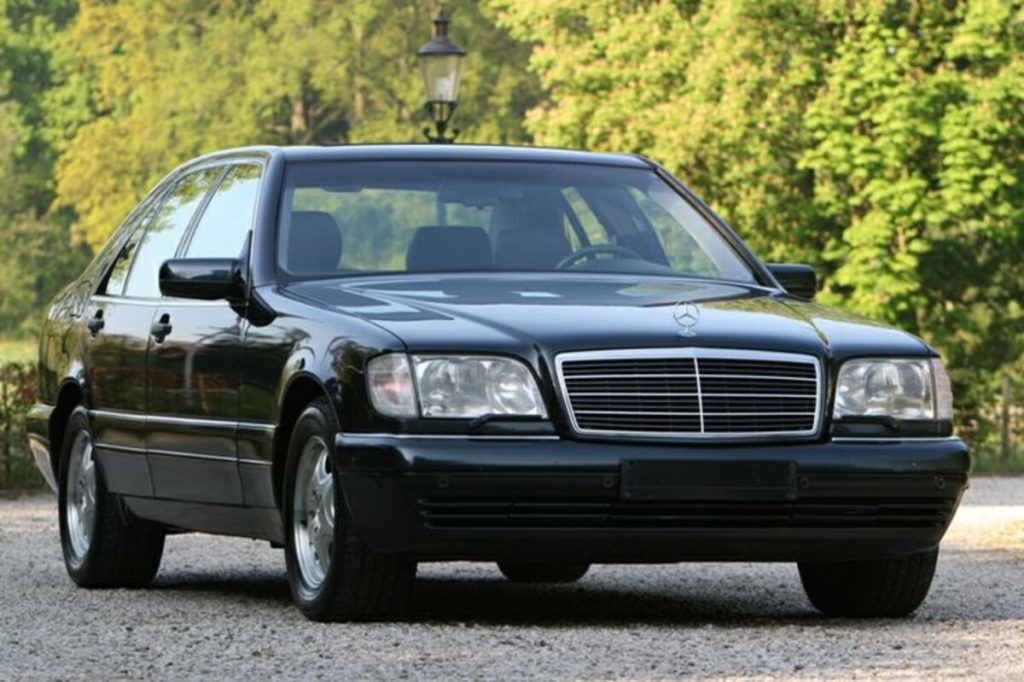
Maintenance is relatively straightforward for those familiar with Mercedes vehicles of this generation. The W140 continues to be a sought-after model for enthusiasts who appreciate longevity combined with classic luxury and engineering excellence.
10. Mercedes-Benz CLS-Class (C219) (2004–2010)
The first-generation CLS-Class was a groundbreaking model that combined the practicality of a four-door sedan with the styling of a coupe. While initially controversial for its shape, it quickly proved that Mercedes could offer both design flair and long-term reliability in a single package.
The CLS came with a variety of engines, including V6 and V8 options. These powertrains are robust when properly maintained, with many owners reporting smooth performance beyond 200,000 miles. Regular servicing, fluid changes, and timing chain inspections keep these vehicles running without major issues.
The chassis was engineered for stability and durability. Despite its sporty stance, the CLS maintains Mercedes’ traditional focus on safety and structural integrity. Many examples remain on the road today, demonstrating the success of this engineering approach.
Inside, the CLS-Class combines luxury and durability. High-quality leather, wood trim, and solid control mechanisms withstand daily use well. Even after years, cabins often retain their premium feel, making them enjoyable for long-term ownership.
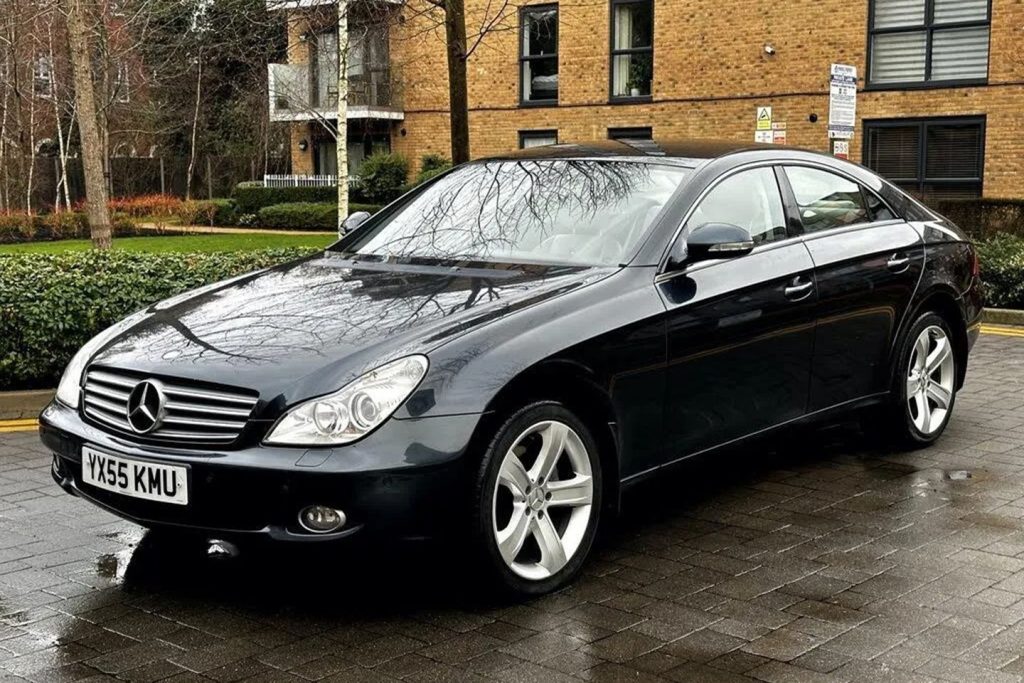
Maintenance for the C219 is manageable. While some electronic features are more advanced than earlier Mercedes models, the core mechanicals are straightforward, allowing enthusiasts and professional mechanics to keep these cars running reliably for decades.
With its combination of innovative styling, durable mechanics, and high-quality interior materials, the CLS-Class proves that Mercedes can offer a vehicle that not only impresses at launch but continues to deliver dependability long after.
Mercedes-Benz has consistently produced vehicles that go beyond ordinary expectations of longevity.
From the rugged G-Class to the luxurious S-Class and the innovative CLS-Class, these models demonstrate that careful engineering, durable materials, and thoughtful design contribute to long-term reliability.
Each car on this list shows how Mercedes combines mechanical precision with structural integrity, ensuring that vehicles remain safe, comfortable, and functional even after decades of use.
Owners of these Mercedes models often discover that routine maintenance, combined with the brand’s inherent build quality, allows their vehicles to continue performing well past 200,000 miles.
Diesel and six-cylinder engines frequently surpass expectations, while robust chassis and body structures resist rust and wear. Interiors crafted from quality materials maintain usability and comfort, further enhancing the longevity experience.
The enduring value of Mercedes-Benz cars is evident in how they are preserved and maintained worldwide. Enthusiasts, collectors, and everyday drivers continue to rely on these vehicles, passing them down through generations.
Their reputation for reliability, combined with timeless engineering and comfort, ensures that Mercedes vehicles often outlive the initial expectations of their owners.
These ten models stand as proof that when quality and care come together, longevity is not just possible it becomes a defining characteristic of ownership.
Also Read: 10 SUVs That Survive Harsh Weather and Off-Roading
