
Hybrid vehicles have earned a reputation for efficiency and reduced fuel costs, but concerns about battery reliability often linger among prospective buyers.
While some early hybrid models experienced battery failures, many modern hybrids are designed with advanced battery management systems, durable components, and proven engineering, making serious battery issues rare.
Choosing the right hybrid can mean decades of trouble-free ownership, where the battery remains dependable even past high mileage thresholds.
Certain hybrids stand out because they combine excellent fuel efficiency with engineering that prioritizes long-term reliability.
These vehicles typically feature well-tested lithium-ion or nickel-metal hydride batteries, strong cooling systems, and software that carefully regulates charging and discharging cycles.
Mechanics and owners alike report that these systems remain functional for years without needing costly replacements, which is a key factor in maintaining overall ownership satisfaction.
Buyer confidence also plays a role in why some hybrids maintain their reputation. With low battery failure rates, owners can enjoy peace of mind while benefiting from reduced fuel expenses and lower emissions.
Some models even surpass 200,000 miles without any significant hybrid system issues, proving that careful engineering and regular maintenance create vehicles that remain practical and reliable.
This list highlights 10 hybrids that rarely require battery repairs. From compact sedans to SUVs, each has a proven track record for longevity, showing that hybrid technology can be both efficient and durable.
For anyone considering a hybrid, these models represent a safe bet, combining eco-friendly driving with a strong record of battery reliability.
Also Read: 12 Engines That Will Outlast Your Transmission
1. Toyota Prius
The Toyota Prius is widely recognized as one of the most reliable hybrids, particularly when it comes to battery longevity. With decades of production and extensive real-world testing, the Prius has earned a reputation for batteries that last well beyond 200,000 miles in many cases.
Owners often report minimal issues, and replacement is rarely required when standard maintenance schedules are followed.
A key factor in the Prius’ battery durability is its proven hybrid system. Toyota uses nickel-metal hydride (NiMH) batteries in most generations, which are known for longevity and stable performance.
The battery management system carefully regulates charge and discharge cycles, preventing overheating and reducing wear over time. Newer models may also incorporate lithium-ion batteries, which offer similar durability with slightly improved efficiency and weight reduction.
Beyond battery engineering, the Prius benefits from straightforward servicing and extensive dealer knowledge. Mechanics are familiar with the hybrid system, making preventative care easier and less costly. Replacement components, if ever needed, are widely available due to the model’s popularity.
The vehicle’s overall design contributes to long-term reliability as well. The combination of a robust engine, smooth CVT transmission, and well-cooled electronics ensures that both hybrid and non-hybrid components function harmoniously.
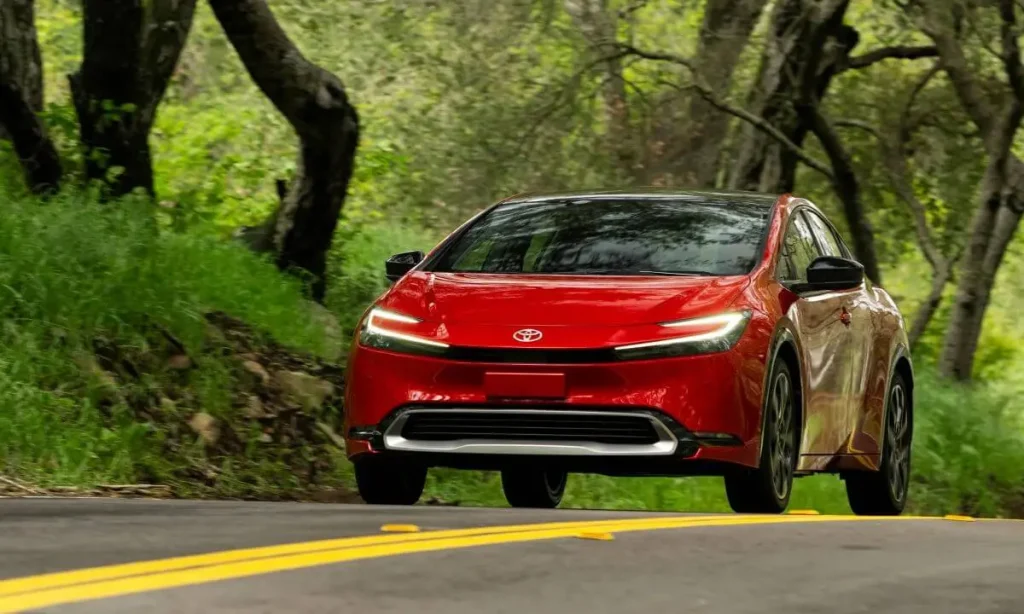
Owners report that their Prius remains efficient and dependable even after extensive use, with the hybrid system performing consistently.
For those prioritizing battery reliability in a hybrid, the Toyota Prius stands out. Its decades-long track record, proven engineering, and minimal battery failure rates make it one of the safest choices for long-term ownership in the hybrid segment.
2. Honda Insight
The Honda Insight has earned a solid reputation for hybrid reliability, particularly regarding its battery system.
From its first generation, the Insight utilized a hybrid setup designed for longevity and low maintenance. Owners frequently report minimal battery issues, with many vehicles surpassing 200,000 miles without replacement.
A major reason for its dependable battery is Honda’s choice of a nickel-metal hydride chemistry in early models, which provides stability and resistance to rapid degradation.
The Insight’s hybrid management system efficiently regulates charging cycles and prevents overheating, ensuring long-term performance. Later generations introduced lithium-ion batteries in some trims, improving efficiency without compromising durability.
The vehicle’s design prioritizes simplicity and reliability. The Insight integrates the hybrid system seamlessly with its gasoline engine, allowing the components to work efficiently without placing excessive strain on the battery.
Mechanics familiar with Honda’s engineering report few hybrid-related service calls, highlighting the model’s durability.
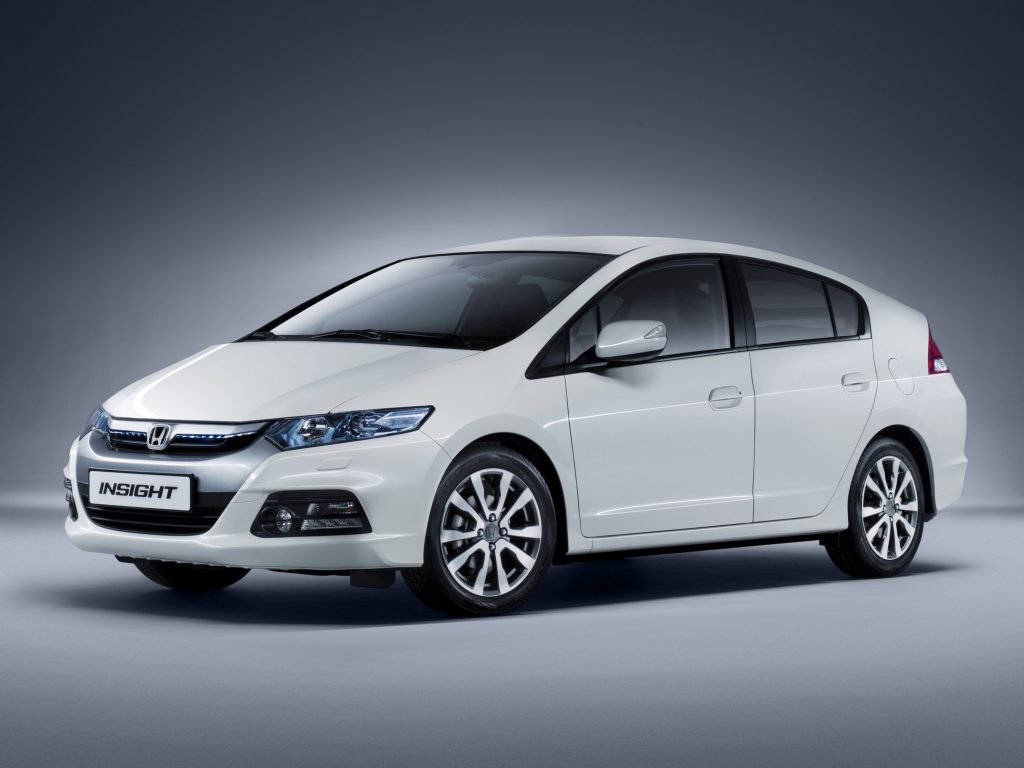
Regular maintenance, including fluid checks and system diagnostics, further enhances battery longevity. Even high-mileage examples demonstrate consistent performance, retaining fuel efficiency and smooth operation over many years.
Practical, fuel-efficient, and dependable, the Honda Insight remains one of the top choices for drivers seeking a hybrid that rarely requires battery repairs. Its thoughtful engineering and consistent performance make it a model that combines efficiency with long-term reliability.
3. Lexus RX 450h
The Lexus RX 450h blends luxury with hybrid reliability, offering drivers a high-end experience without frequent battery concerns. Its hybrid system is engineered for durability, and owners often report trouble-free performance well beyond 150,000 miles.
Battery replacements are uncommon when regular maintenance is performed, making it a dependable choice for luxury hybrid buyers.
The RX 450h uses a combination of a gasoline V6 engine and an electric motor powered by a robust battery pack. Lexus employs advanced thermal management systems to maintain consistent battery temperatures, reducing wear and prolonging battery life.
These safeguards prevent the overheating issues that can affect hybrid components in lesser-engineered vehicles.
Another factor is the quality of components. Lexus integrates the hybrid system with precision, ensuring the transmission, motor, and battery work in harmony.
Software management monitors energy flow, while regenerative braking helps preserve battery health by avoiding unnecessary strain.
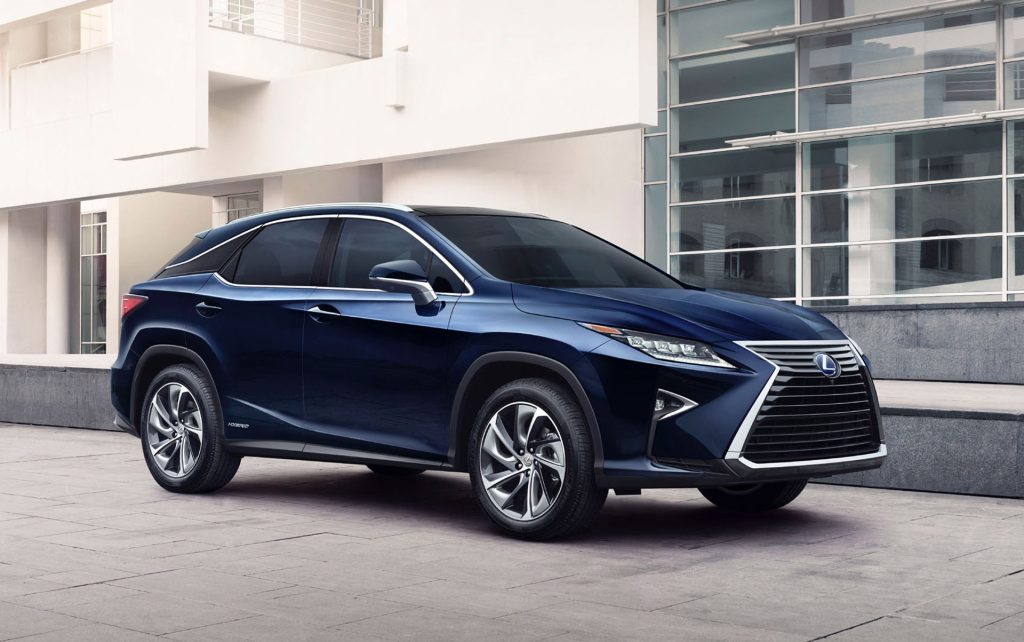
Maintenance is straightforward for those familiar with Lexus models. Dealers and experienced mechanics can perform regular system diagnostics, ensuring the hybrid components remain in optimal condition. Replacement batteries are infrequently needed, even in high-mileage examples.
For drivers seeking a reliable luxury hybrid, the Lexus RX 450h combines smooth performance, fuel efficiency, and battery longevity. Its engineering excellence makes it one of the hybrids least likely to encounter battery-related repairs, offering peace of mind alongside comfort and refinement.
4. Toyota Highlander Hybrid
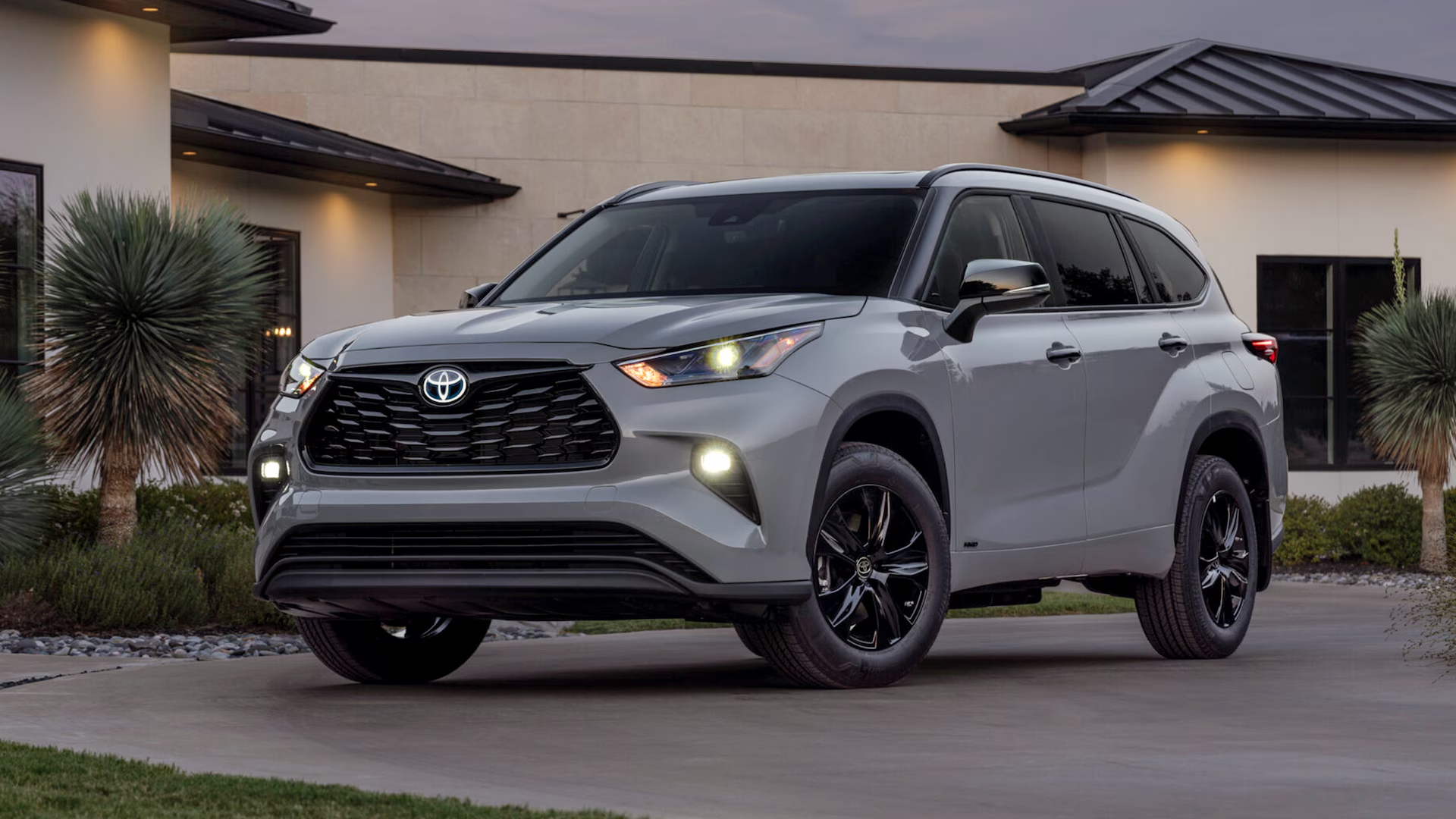
The Toyota Highlander Hybrid is a midsize SUV that offers both practicality and hybrid reliability. Owners frequently report minimal battery issues even after long-term use, with many vehicles surpassing 200,000 miles without requiring replacements.
Its hybrid system is engineered for longevity, combining performance and durability in a family-friendly package.
The Highlander Hybrid uses Toyota’s proven nickel-metal hydride battery technology in most trims, while newer models incorporate lithium-ion units in certain versions.
The battery management system ensures proper charge regulation, temperature control, and efficient energy flow, preventing premature wear and maintaining consistent performance.
This SUV’s reliability is enhanced by the integration of its hybrid components with a gasoline engine and automatic transmission.
The system allows smooth transitions between electric and gas power while minimizing stress on the battery. Regenerative braking further supports battery health by recapturing energy without excessive strain.
Owners also benefit from Toyota’s extensive dealer network and familiarity with hybrid systems. Preventive maintenance, system diagnostics, and software updates are straightforward, making long-term ownership manageable and stress-free.
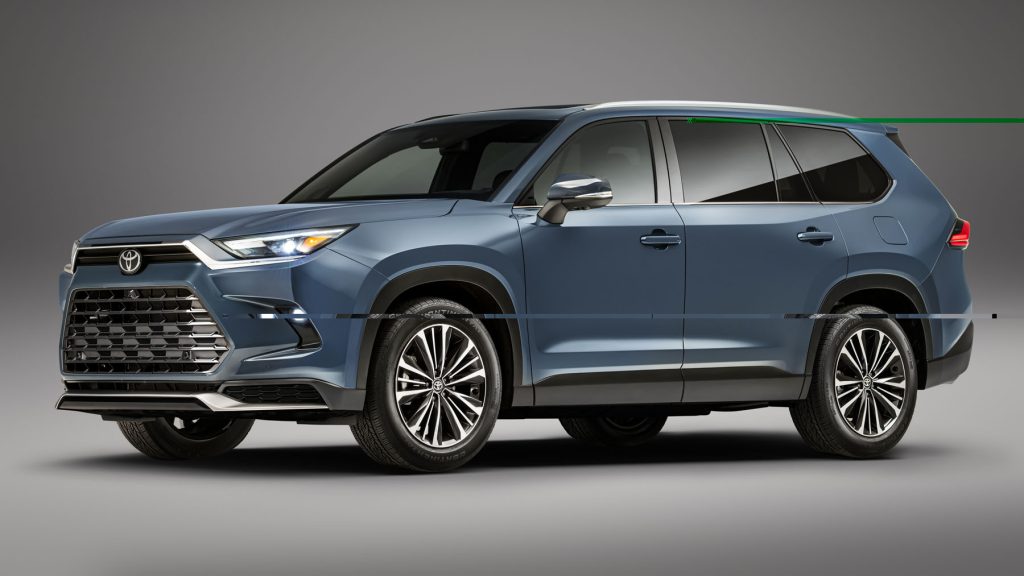
For those seeking a dependable hybrid SUV, the Highlander Hybrid stands out. Its combination of space, comfort, and proven battery durability makes it an excellent option for families and long-distance drivers who want a hybrid that rarely requires battery repairs.
5. Ford Escape Hybrid
The Ford Escape Hybrid offers a compact SUV option that combines practicality with dependable hybrid technology.
Owners often report that battery issues are rare, even in vehicles exceeding 150,000 miles, making it a reliable choice for those seeking efficiency without frequent repairs.
One reason for the Escape Hybrid’s durability is its well-engineered lithium-ion battery pack and hybrid system. The system efficiently regulates charging and discharging cycles, while the thermal management system helps maintain optimal battery temperatures. This prevents rapid degradation and extends the life of the hybrid components.
Integration with the gasoline engine and automatic transmission ensures smooth transitions between electric and gas power. Regenerative braking contributes to energy recapture without placing excessive strain on the battery, further enhancing longevity.
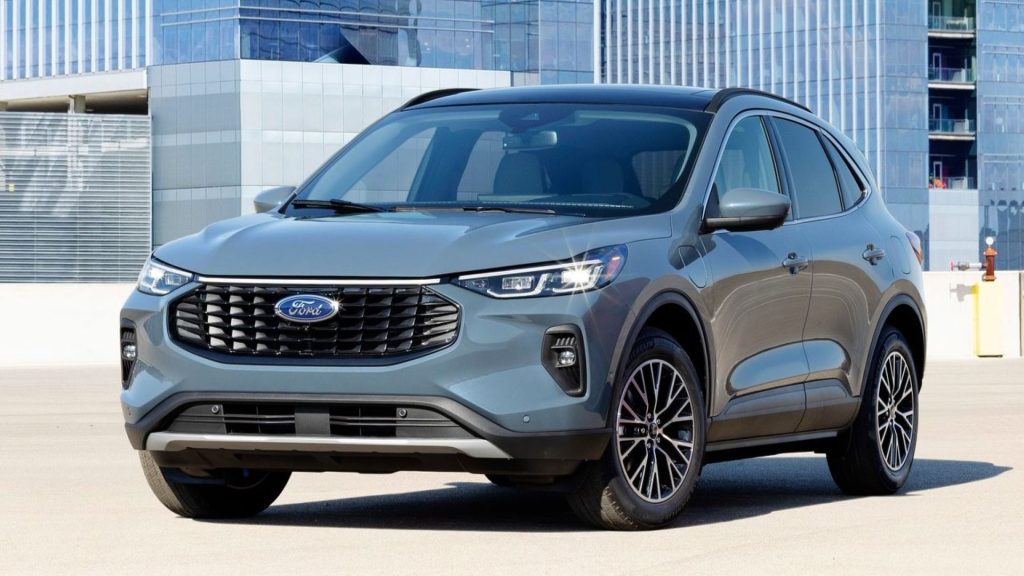
The Escape Hybrid also benefits from widespread familiarity among mechanics and a solid service network. Preventive maintenance, including system checks and software updates, is straightforward and ensures long-term performance. Replacement batteries are seldom required, even in high-mileage vehicles.
For buyers who want a compact SUV with fuel efficiency and reliability, the Ford Escape Hybrid offers a strong combination of performance, practicality, and durable hybrid components. Its reputation for battery longevity makes it a top contender for long-term ownership.
6. Lexus ES 300h
The Lexus ES 300h is a luxury hybrid sedan known for its smooth ride, refined interior, and dependable hybrid system. Owners often report minimal battery issues, even after extensive use, with vehicles consistently performing efficiently beyond 150,000 miles.
This reliability stems from Lexus’ hybrid engineering. The ES 300h utilizes a well-designed lithium-ion battery coupled with advanced thermal management, ensuring stable temperatures and reducing wear over time. The battery management system carefully controls charging and energy use, extending battery life.
Integration with the gasoline engine and electronic continuously variable transmission allows seamless operation and reduces stress on hybrid components. Regenerative braking contributes to energy recovery while minimizing strain, further supporting battery longevity.
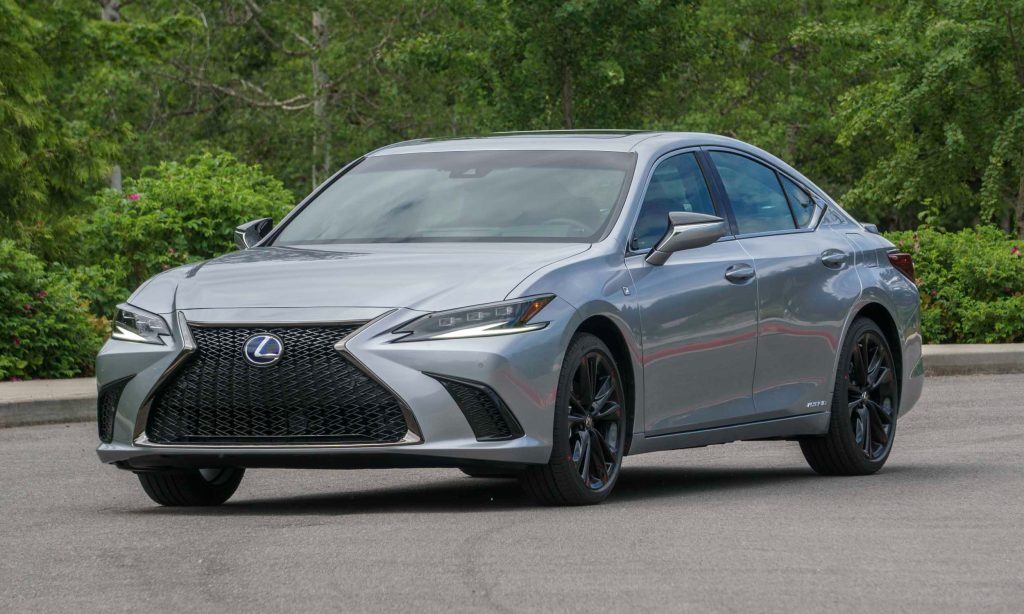
Lexus’ reputation for quality and service also plays a role. Regular maintenance, diagnostics, and software updates are straightforward, and the availability of replacement components is excellent. Mechanics familiar with Lexus hybrids report low failure rates, providing peace of mind to buyers.
For drivers seeking a luxurious, reliable hybrid, the ES 300h offers performance, comfort, and long-term durability. Its battery rarely requires replacement, making it a strong choice for those prioritizing both efficiency and reliability.
7. Toyota Camry Hybrid
The Toyota Camry Hybrid combines the reliability of the Camry nameplate with an efficient hybrid system that rarely experiences battery problems.
Owners frequently report smooth performance over many years and high mileage, often exceeding 200,000 miles without replacement.
The Camry Hybrid uses a nickel-metal hydride or lithium-ion battery depending on the model year, paired with a proven hybrid system.
Its battery management system regulates charging cycles and monitors temperature to prevent excessive wear. Regenerative braking recaptures energy efficiently, reducing strain on the battery while improving overall fuel efficiency.
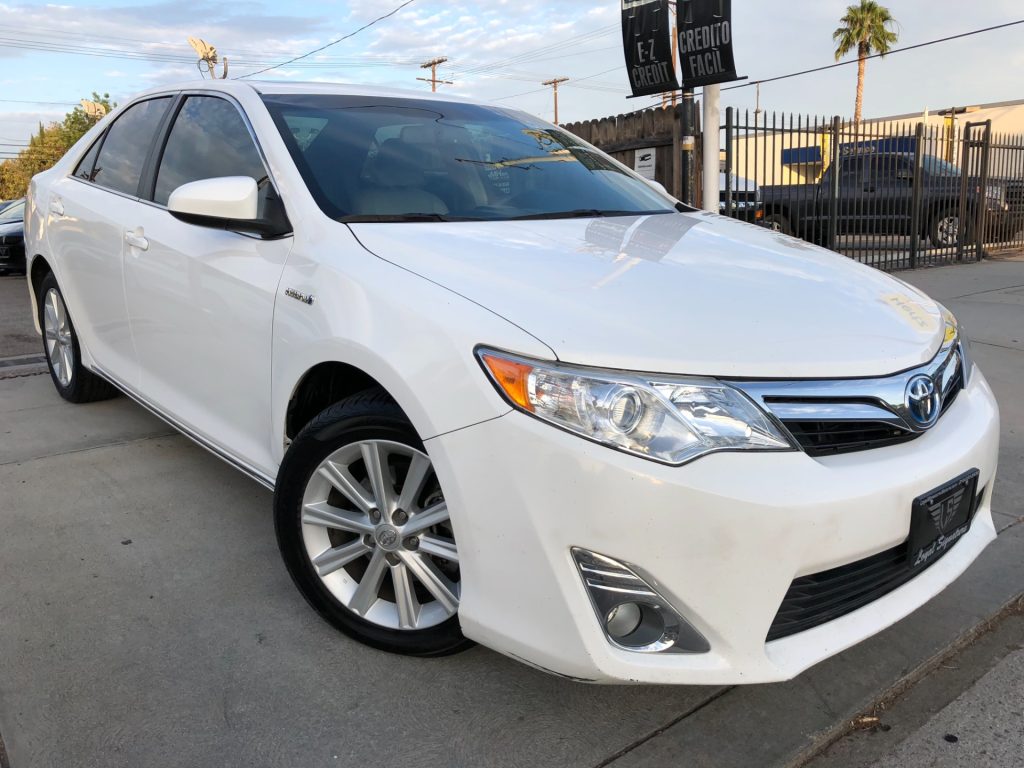
Integration with the gasoline engine and continuously variable transmission ensures smooth operation and long-term reliability. Components are designed to withstand the demands of daily driving while maintaining consistent performance.
Toyota’s extensive service network and familiarity with hybrid systems contribute to the Camry Hybrid’s low maintenance needs. Preventive diagnostics, fluid checks, and software updates are straightforward, ensuring that the battery and hybrid components remain in excellent condition.
For drivers seeking a dependable hybrid sedan, the Camry Hybrid provides excellent fuel efficiency, comfort, and proven battery longevity. Its engineering ensures minimal issues, making it a practical choice for long-term ownership.
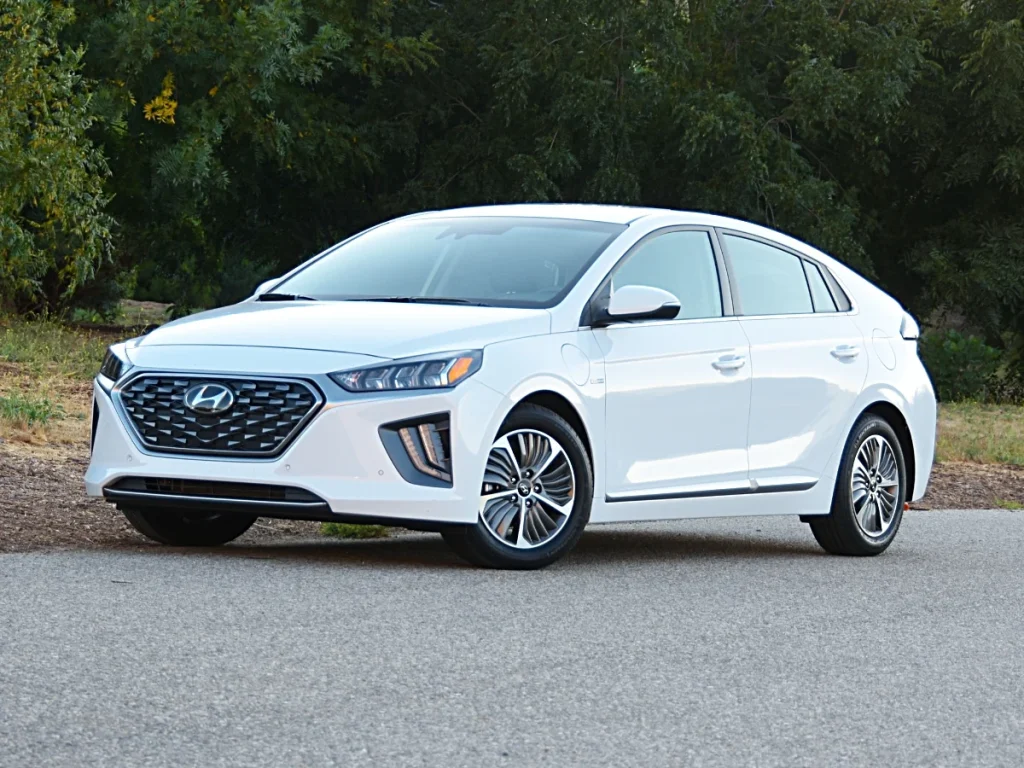
8. Hyundai Ioniq Hybrid
The Hyundai Ioniq Hybrid is designed with efficiency and reliability in mind, featuring a battery system that rarely requires replacement.
Owners often report that the hybrid components remain effective for hundreds of thousands of miles, making it a strong contender in the compact hybrid segment.
Its lithium-ion battery pack, combined with a robust hybrid system, ensures long-lasting performance. The system monitors charge cycles and temperature, preventing excessive wear and prolonging battery life. Regenerative braking helps maintain efficiency while reducing strain on the battery.
The Ioniq Hybrid integrates seamlessly with its gasoline engine and transmission, delivering smooth transitions between electric and gas power. This careful engineering minimizes stress on components and supports long-term durability.
Hyundai’s service network and accessible maintenance practices make ownership straightforward. Regular system checks and software updates are simple, and replacement parts are widely available, providing confidence to buyers.
The combination of fuel efficiency, comfort, and battery reliability makes the Hyundai Ioniq Hybrid an appealing choice for drivers seeking a dependable compact hybrid. Its proven durability ensures minimal issues, offering peace of mind for long-term ownership.
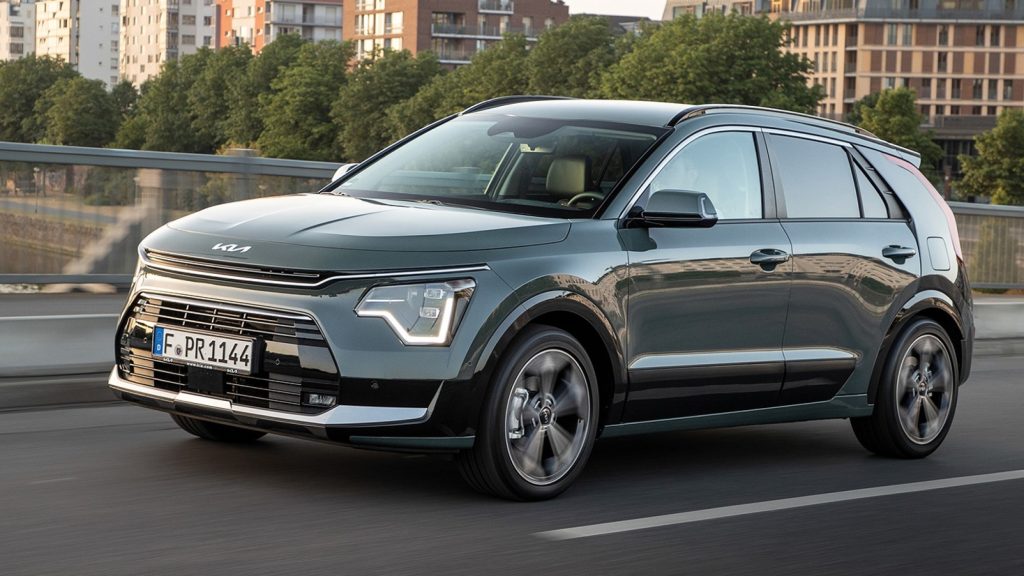
9. Kia Niro Hybrid
The Kia Niro Hybrid has quickly become a reliable choice for drivers seeking a compact hybrid with minimal battery issues. Its hybrid system is engineered to withstand long-term use, and owners often report trouble-free operation well past 150,000 miles.
The Niro combines efficiency, comfort, and modern features, making it a practical option for both city and highway driving while maintaining strong battery durability.
The Niro utilizes a lithium-ion polymer battery, paired with a well-calibrated hybrid system that carefully regulates charging and discharging cycles.
Thermal management ensures the battery operates within optimal temperature ranges, reducing the risk of overheating or degradation. Regenerative braking further assists by capturing energy during deceleration and feeding it back into the battery, which minimizes wear while maximizing efficiency.
Integration with the gasoline engine and transmission allows smooth transitions between electric and gas power.
The hybrid system is designed to function seamlessly under varied driving conditions, from stop-and-go traffic to highway cruising. This careful engineering contributes to the Niro’s reputation for long-lasting hybrid performance.
Regular maintenance is straightforward and widely supported by Kia dealerships, including diagnostic checks, fluid inspections, and software updates for the hybrid system. Even older, higher-mileage examples retain reliability because the hybrid components are built to endure years of daily use.
The interior comfort, cargo flexibility, and fuel efficiency make the Niro Hybrid a well-rounded choice, appealing to commuters, families, and environmentally conscious drivers alike. Its low incidence of battery failures strengthens its reputation in the hybrid market.
For anyone prioritizing durability and long-term performance in a compact hybrid, the Kia Niro Hybrid offers a dependable, worry-free ownership experience, making it one of the most trusted models in its class.
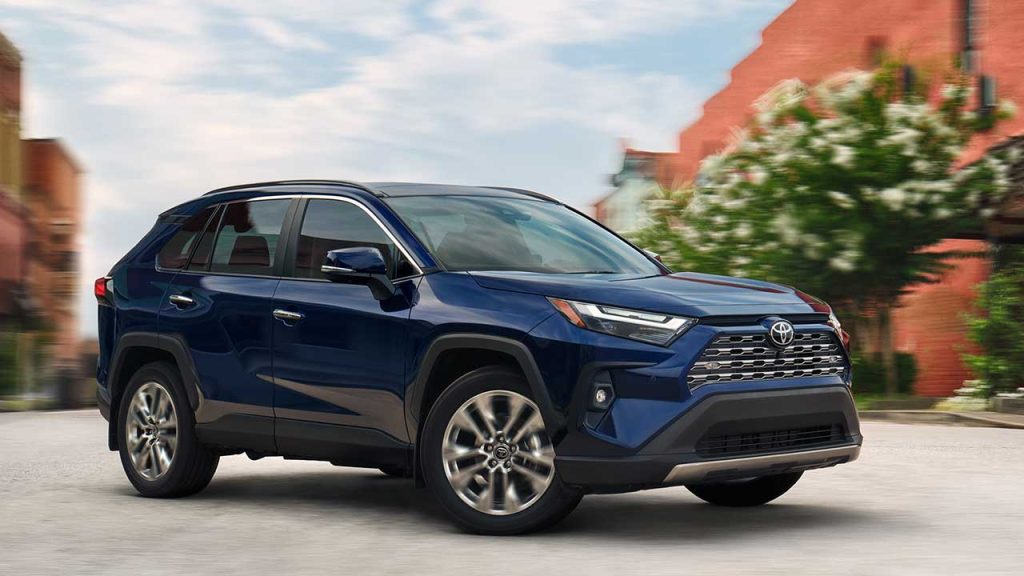
10. Toyota RAV4 Hybrid
The Toyota RAV4 Hybrid is a midsize SUV that combines Toyota’s renowned reliability with an efficient and durable hybrid system. Owners often report minimal battery issues, even after extensive use and high mileage, making it a standout choice for drivers seeking both space and dependability.
The RAV4 Hybrid employs Toyota’s proven nickel-metal hydride or lithium-ion battery depending on the model year. Its battery management system carefully regulates charging cycles, monitors temperature, and maintains consistent energy output.
This prevents excessive wear, reduces the risk of overheating, and ensures the battery remains efficient for years. Regenerative braking assists in energy recovery while minimizing strain on the battery, contributing to long-term durability.
Integration between the hybrid system, gasoline engine, and continuously variable transmission ensures smooth power delivery and efficient operation under all driving conditions.
The system is designed to handle daily commutes, highway driving, and light towing without compromising battery life.
Toyota’s extensive dealer network makes maintenance simple. Preventive diagnostics, fluid inspections, and software updates are straightforward, helping maintain optimal battery performance. Even higher-mileage RAV4 Hybrids rarely require battery replacement, reflecting the engineering excellence behind the hybrid system.
The RAV4 Hybrid offers a blend of comfort, fuel efficiency, and practical cargo space, making it appealing for families, commuters, and outdoor enthusiasts.
Its strong track record of battery reliability ensures peace of mind for owners seeking a midsize hybrid SUV that performs efficiently and remains dependable over many years.
The RAV4 Hybrid’s combination of durability, utility, and proven hybrid technology solidifies its place as one of the most trusted hybrid SUVs on the market.
Hybrid vehicles have become a cornerstone of fuel-efficient and environmentally conscious driving, yet many potential buyers worry about the long-term reliability of their battery systems.
The 10 hybrids highlighted in this article demonstrate that careful engineering, proven battery chemistry, and robust system management can deliver decades of dependable performance with minimal need for battery replacement.
Each model has earned a reputation for reliability through real-world use, offering peace of mind to owners who expect both efficiency and long-term durability.
The Toyota Prius stands out as the benchmark for hybrid reliability. Its well-tested nickel-metal hydride batteries, combined with precise thermal management and charge control, allow many owners to exceed 200,000 miles without battery concerns.
Similarly, the Honda Insight maintains a strong record with durable batteries and straightforward maintenance, making it an attractive option for compact hybrid buyers seeking low upkeep costs. Both vehicles emphasize simplicity and longevity, demonstrating how careful system integration contributes to battery durability.
Luxury hybrids like the Lexus RX 450h and ES 300h provide owners with premium comfort while maintaining exceptional reliability.
Advanced thermal regulation, seamless integration with gasoline engines, and software monitoring ensure that battery packs function efficiently over many years. Owners report consistent performance even under high-mileage conditions, proving that luxury and longevity can coexist in hybrid technology.
Midsize and compact SUVs, including the Toyota Highlander Hybrid, Ford Escape Hybrid, Kia Niro Hybrid, and Toyota RAV4 Hybrid, deliver reliability without sacrificing utility.
These models integrate regenerative braking, sophisticated battery management, and hybrid-gasoline synergy to minimize stress on components.
Their widespread dealer networks and easy access to service further reduce the likelihood of battery issues, allowing owners to enjoy efficiency and space without concern for costly replacements.
Sedans like the Toyota Camry Hybrid and Hyundai Ioniq Hybrid combine fuel economy with proven durability.
Careful integration of lithium-ion or nickel-metal hydride batteries, effective thermal controls, and energy recapture systems allow these vehicles to maintain consistent performance even after extensive use. Owners frequently report low maintenance needs, highlighting the success of the engineering behind these models.
Across all ten models, a pattern emerges: hybrids that prioritize battery longevity through reliable chemistry, temperature regulation, and careful integration with gasoline engines offer the best long-term ownership experience.
Drivers benefit from minimal downtime, reduced repair costs, and consistent efficiency, making these hybrids practical choices for families, commuters, and environmentally conscious consumers.
By choosing any of these ten hybrids, buyers can enjoy the advantages of modern hybrid technology without the common anxiety associated with battery repairs.
These vehicles demonstrate that, with proper design and maintenance, hybrid ownership can be both efficient and worry-free, ensuring peace of mind for years of reliable driving.
Also Read: 12 SUVs That Avoid Frequent Dealer Visits
