
Hybrid vehicles have steadily gained a reputation for combining efficiency with performance. Unlike traditional gas-powered cars, modern hybrids deliver strong fuel economy without sacrificing power, handling, or comfort.
Their designs integrate advanced battery systems with high-performance engines, allowing drivers to enjoy longer ranges and smoother rides.
One of the key advantages of hybrids is their ability to reduce environmental impact. By using both electric and gasoline power, these cars emit fewer pollutants while still providing the reliability expected from conventional vehicles.
Drivers no longer have to compromise between saving on fuel costs and enjoying a responsive driving experience.
Over the past decade, automakers have refined hybrid technology to improve durability and reduce maintenance concerns.
Many models now offer regenerative braking, intelligent energy management, and enhanced battery longevity, making them practical for daily commuting and long trips alike. This combination of efficiency, performance, and reliability positions hybrids as strong contenders against their gas-powered counterparts.
Another noteworthy aspect is the technological innovation packed into these vehicles. Infotainment systems, driver assistance features, and aerodynamic designs contribute to an elevated driving experience.
Some hybrids even outperform their gas-only siblings in acceleration and handling, showing that eco-friendly cars can also be fun to drive.
For buyers who value both economy and performance, hybrids provide a compelling option. They continue to challenge the notion that fuel efficiency comes at the cost of driving enjoyment. As hybrid technology evolves, more models are proving that reduced emissions and strong performance can coexist.
This article highlights ten hybrid cars that outperform their gas-powered equivalents. Each model is chosen for its efficiency, reliability, and overall driving experience, showcasing the best that hybrid engineering has to offer.
Also Read: 10 Engines That Keep Running Despite Neglect
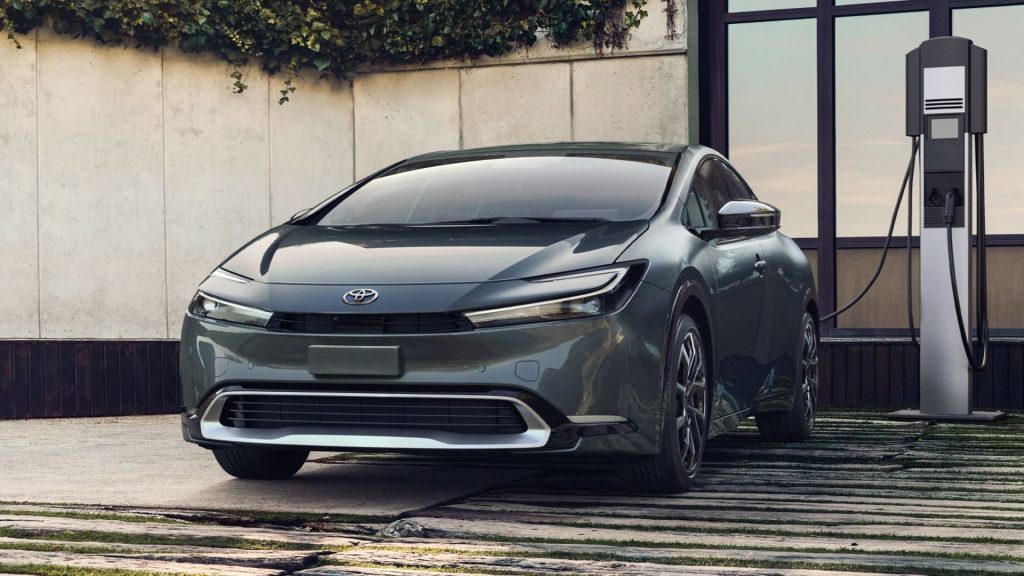
1. Toyota Prius Prime
The Toyota Prius Prime is a benchmark in hybrid technology. Its plug-in capability allows short daily commutes to be completed entirely on electric power, which drastically reduces fuel costs. For longer trips, the gasoline engine seamlessly takes over, providing a smooth and reliable driving experience.
Acceleration is steady and predictable. The electric motor offers instant torque, making city driving effortless. Unlike traditional hybrids that sometimes feel underpowered, the Prius Prime delivers sufficient power for highway merging and overtaking. Drivers report a smooth transition between electric and gasoline modes, which enhances comfort and responsiveness.
Inside, the cabin is spacious and functional. The seats are supportive for long journeys, and the infotainment system provides real-time feedback on energy use.
Drivers can monitor battery levels, regenerative braking efficiency, and fuel consumption at a glance. Safety technology includes adaptive cruise control, lane-keeping assist, and automated emergency braking, all of which contribute to stress-free driving.
Fuel efficiency is where the Prius Prime excels. In hybrid mode, it can achieve over 50 miles per gallon, surpassing many conventional compact cars. The regenerative braking system recovers energy that would normally be lost, further extending range and improving overall efficiency.
Reliability is another strength. Toyota’s hybrid systems are known for longevity, with minimal concerns about battery degradation. Maintenance is straightforward and similar to a standard gas-powered vehicle, making ownership stress-free.
The Prius Prime proves that hybrids can be both efficient and enjoyable to drive. It combines advanced technology, low operating costs, and high reliability, offering a superior alternative to gas-only sedans. For buyers prioritizing fuel savings without compromising performance, this model is hard to beat.
2. Honda Accord Hybrid
The Honda Accord Hybrid is a midsize sedan that pairs traditional comfort with hybrid efficiency. Its dual-motor system allows smooth switching between electric and gasoline power, providing a quiet and refined ride.
Acceleration is responsive, especially in stop-and-go traffic. The electric motor delivers instant torque, while the gasoline engine maintains steady performance on highways. Compared to the standard Accord, the hybrid version offers better fuel economy without compromising handling or ride quality.
The interior is roomy and thoughtfully designed. Materials feel premium, and the cabin layout is intuitive. The infotainment system displays hybrid-specific data, including battery charge, energy flow, and fuel consumption.
Safety features include adaptive cruise control, lane-keeping assist, and collision mitigation braking, making the Accord Hybrid practical for families and commuters alike.
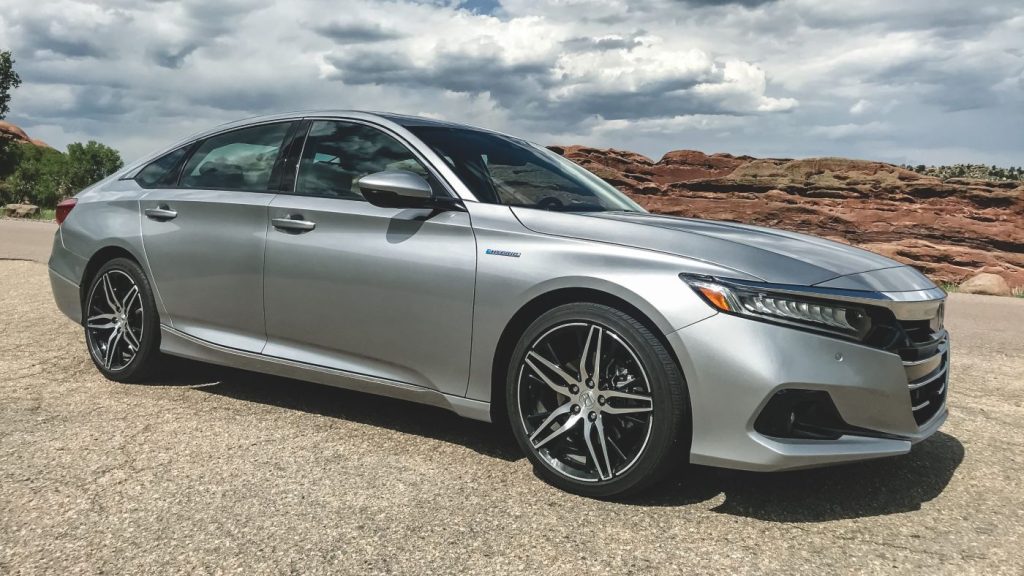
Fuel economy is a major highlight. The Accord Hybrid consistently achieves more than 45 miles per gallon, significantly higher than the conventional gasoline model. Regenerative braking recovers energy efficiently, particularly in urban traffic, reducing trips to the gas station.
Reliability is well-documented. Honda’s hybrid powertrain has been refined over several generations, with long-lasting battery performance and minimal maintenance issues. Regular service intervals are comparable to the gasoline Accord, ensuring affordable upkeep.
The Honda Accord Hybrid demonstrates that hybrid technology can coexist with performance, comfort, and reliability.
It appeals to drivers who want a practical sedan without sacrificing fuel efficiency or driving enjoyment. With a spacious cabin, modern safety features, and strong efficiency, it outshines many gas-only sedans in multiple aspects.
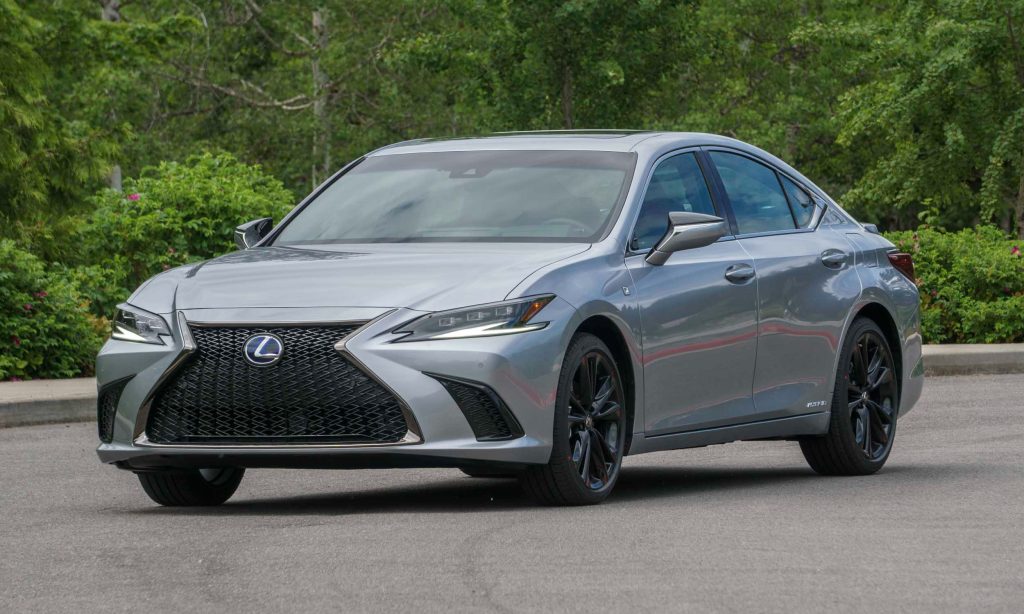
3. Lexus ES 300h
The Lexus ES 300h is a luxury hybrid sedan that balances performance, comfort, and fuel efficiency. Its combination of a four-cylinder gasoline engine and electric motor provides smooth and predictable acceleration, making it feel effortless in city and highway driving.
Ride quality is exceptional. The suspension absorbs road imperfections while minimizing cabin noise, creating a quiet and refined experience. Handling is composed, and the hybrid powertrain adds seamless power delivery that feels natural under acceleration. Drivers often notice smoother transitions compared to gas-only luxury sedans.
The interior is crafted with high-quality materials and thoughtful design. The seats are supportive and spacious, with ample legroom for both front and rear passengers.
The infotainment system provides energy management information alongside standard multimedia features. Driver assistance technologies include adaptive cruise control, pre-collision systems, blind-spot monitoring, and parking sensors.
Fuel efficiency is impressive for a vehicle in the luxury segment. The ES 300h achieves around 44 miles per gallon, surpassing many conventional sedans with similar size and power. Regenerative braking enhances energy recovery, and the hybrid system optimizes electric and gasoline power for maximum efficiency.
Maintenance remains manageable. Lexus designs its hybrid components for durability, and the warranty covers both the hybrid system and battery for long-term peace of mind. Owners report minimal issues even after extended use, making it a reliable luxury hybrid option.
The ES 300h proves that luxury and hybrid efficiency are not mutually exclusive. It delivers a quiet, comfortable ride, strong reliability, and fuel savings without sacrificing performance. For those seeking a sophisticated hybrid sedan, it stands out as a top choice.
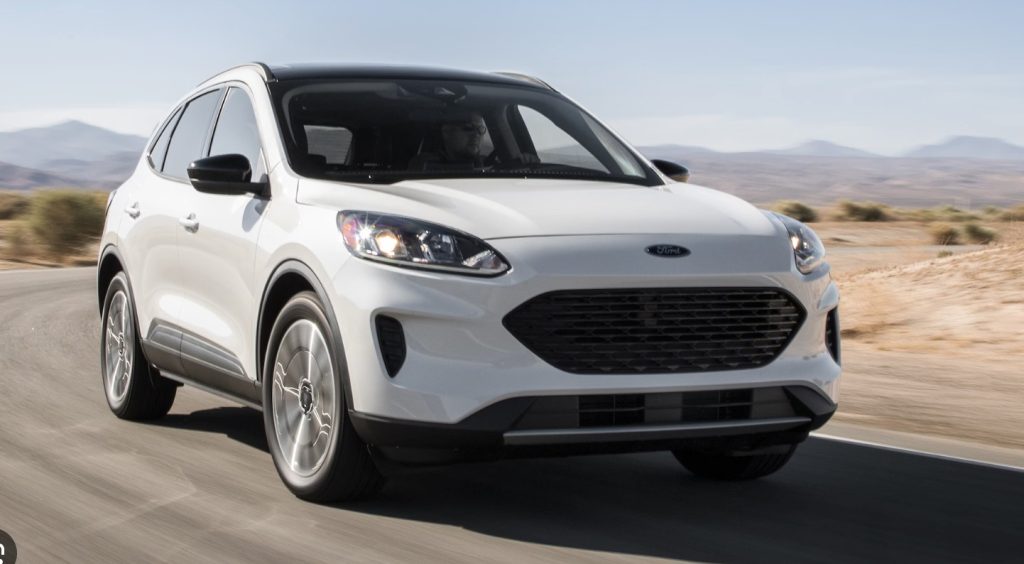
4. Ford Escape Hybrid
The Ford Escape Hybrid brings hybrid efficiency to the compact SUV segment. Its combination of gasoline and electric power provides balanced performance while maintaining strong fuel economy.
Acceleration is smooth, with the electric motor providing immediate torque for city driving. The gasoline engine handles highway speeds seamlessly, giving the Escape Hybrid a well-rounded driving experience. Compared to the standard Escape, it offers significant fuel savings without compromising capability.
The cabin is spacious and practical. Seats are comfortable for adults, and cargo space is generous for a compact SUV.
The infotainment system is easy to use, with hybrid-specific displays for monitoring energy flow and efficiency. Advanced safety features include lane-keeping assistance, blind-spot monitoring, and automated emergency braking.
Fuel efficiency is remarkable for its class. The Escape Hybrid achieves over 40 miles per gallon, much higher than gas-only competitors. Regenerative braking recaptures energy during stops, reducing fuel consumption and extending driving range.
Maintenance is straightforward. Ford’s hybrid system has proven reliability, and battery issues are uncommon. Regular servicing follows a schedule similar to conventional SUVs, keeping long-term costs manageable.
The Escape Hybrid proves that a hybrid SUV can be practical, efficient, and reliable. It combines strong performance, fuel savings, and modern features, making it a standout choice for drivers who want versatility without sacrificing economy or comfort.
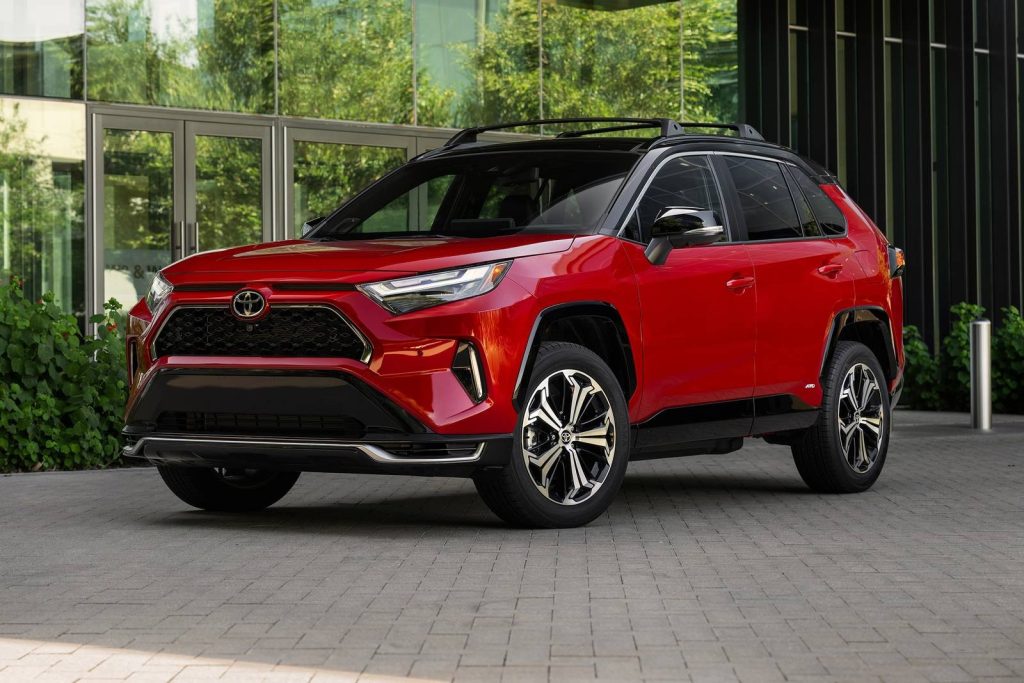
5. Toyota RAV4 Hybrid
The Toyota RAV4 Hybrid combines SUV practicality with hybrid efficiency. Its powertrain merges a gasoline engine with two electric motors, producing a balanced driving experience suitable for city streets and highways alike.
Acceleration is smooth, with electric assistance providing instant torque for quick starts. The gasoline engine engages seamlessly, giving it solid highway performance. Compared to the gas-only RAV4, the hybrid version offers better fuel economy while maintaining the SUV’s versatility.
Inside, the cabin is spacious and user-friendly. Seats are supportive, and there is ample cargo space for family trips or errands.
The infotainment system displays hybrid-specific energy usage, allowing drivers to optimize efficiency. Safety features are extensive, including adaptive cruise control, lane-departure alert, and automatic emergency braking.
Fuel efficiency is a standout feature. The RAV4 Hybrid averages around 40 miles per gallon combined, significantly higher than its gasoline counterpart. Regenerative braking recaptures energy during deceleration, improving overall efficiency and reducing fuel stops.
Maintenance is reliable and affordable. Toyota’s hybrid technology has a proven track record of durability, with minimal issues related to battery longevity or hybrid components. Standard servicing intervals are straightforward, making long-term ownership hassle-free.
The RAV4 Hybrid is ideal for those seeking a practical SUV without compromising efficiency. Its combination of fuel savings, reliability, and comfort makes it a superior alternative to traditional gas-powered SUVs.
Drivers benefit from lower operating costs while retaining all the functionality and capability of a compact SUV.
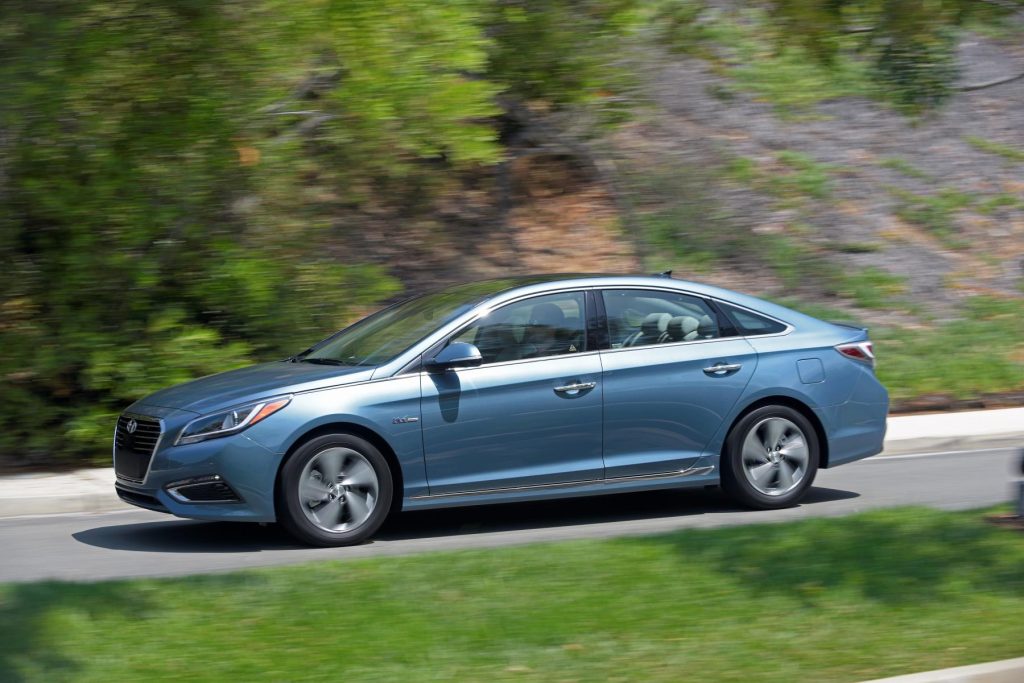
6. Hyundai Sonata Hybrid
The Hyundai Sonata Hybrid is a midsize sedan that blends performance with efficiency. Its hybrid system uses a gasoline engine paired with an electric motor, delivering smooth acceleration and reduced fuel consumption.
City driving is effortless due to the electric motor’s torque. The gasoline engine kicks in seamlessly at higher speeds, maintaining a refined and quiet ride. Handling is composed, with responsive steering that feels more dynamic than many other midsize hybrids.
The interior is well-appointed. The cabin offers comfortable seating, intuitive controls, and a hybrid energy display that informs drivers about battery usage and fuel economy. Hyundai includes advanced safety technologies such as forward-collision warning, lane-keeping assist, and blind-spot detection.
Fuel efficiency is impressive. The Sonata Hybrid regularly achieves over 45 miles per gallon, far exceeding the conventional Sonata. Regenerative braking captures energy effectively, extending the vehicle’s electric driving range and improving overall efficiency.
Reliability is strong. Hyundai designs its hybrid components to last, and long-term maintenance remains manageable. The battery and hybrid system are covered under extended warranties, providing peace of mind to owners.
For those looking for a comfortable, efficient, and stylish midsize sedan, the Sonata Hybrid delivers. Its blend of technology, fuel savings, and smooth performance positions it ahead of many gasoline-powered competitors.
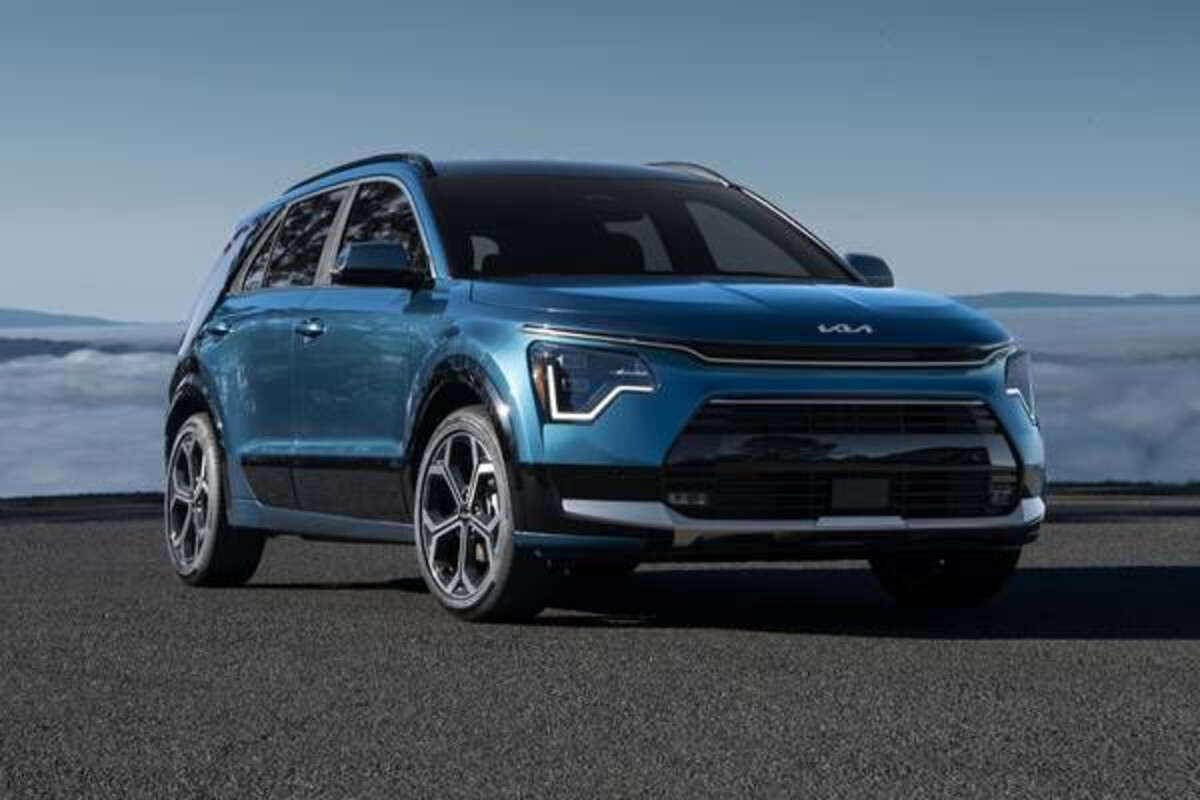
7. Kia Niro Hybrid
The Kia Niro Hybrid is a compact crossover designed for efficiency without sacrificing practicality. Its hybrid powertrain pairs a gasoline engine with an electric motor, offering responsive acceleration and excellent fuel economy.
City commutes are easy, thanks to the electric motor’s torque, while highway driving remains smooth and composed. The transition between electric and gasoline power is seamless, providing a refined and quiet ride compared to standard gas-powered crossovers.
Inside, the Niro Hybrid is practical and comfortable. There is ample legroom for passengers, and cargo space is sufficient for daily errands. The infotainment system includes hybrid-specific displays for monitoring battery charge, energy flow, and fuel usage.
Safety technologies include adaptive cruise control, lane-keeping assistance, and forward-collision warning, ensuring a secure driving experience.
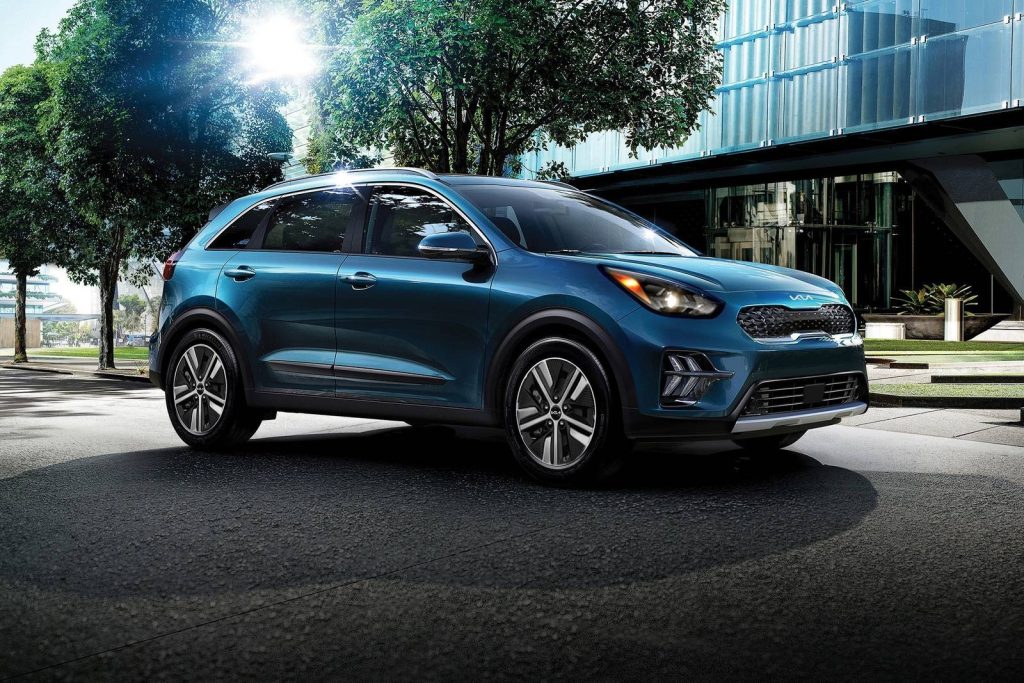
Fuel efficiency is impressive. The Niro Hybrid achieves around 50 miles per gallon combined, outperforming many small SUVs with conventional engines. Regenerative braking captures energy during deceleration, further improving efficiency and reducing fuel stops.
Maintenance is straightforward. Kia’s hybrid systems are reliable, and battery issues are uncommon. Regular servicing is simple, and overall maintenance costs are lower than many gas-only competitors.
The Kia Niro Hybrid is ideal for drivers who prioritize fuel savings and practicality. Its combination of efficiency, reliability, and comfort makes it a superior alternative to conventional compact SUVs, delivering an enjoyable driving experience without compromise.
8. Honda CR-V Hybrid
The Honda CR-V Hybrid brings hybrid efficiency to the popular compact SUV segment. Its dual-motor system combines a gasoline engine with electric power, producing smooth acceleration and strong fuel economy.
Acceleration is responsive, especially in city traffic, where the electric motors provide immediate torque. Highway driving remains composed, and the hybrid system ensures seamless transitions between power sources, outperforming gas-only CR-V models in fuel efficiency.
Inside, the cabin is spacious and comfortable. Seats offer good support, and the infotainment system is easy to use, with energy-monitoring displays that help drivers track battery charge and fuel consumption. Advanced safety features include lane-keeping assistance, blind-spot monitoring, and adaptive cruise control.
Fuel efficiency is a highlight. The CR-V Hybrid achieves over 40 miles per gallon combined, surpassing its conventional counterpart. Regenerative braking recaptures energy during stops, increasing efficiency and extending driving range.
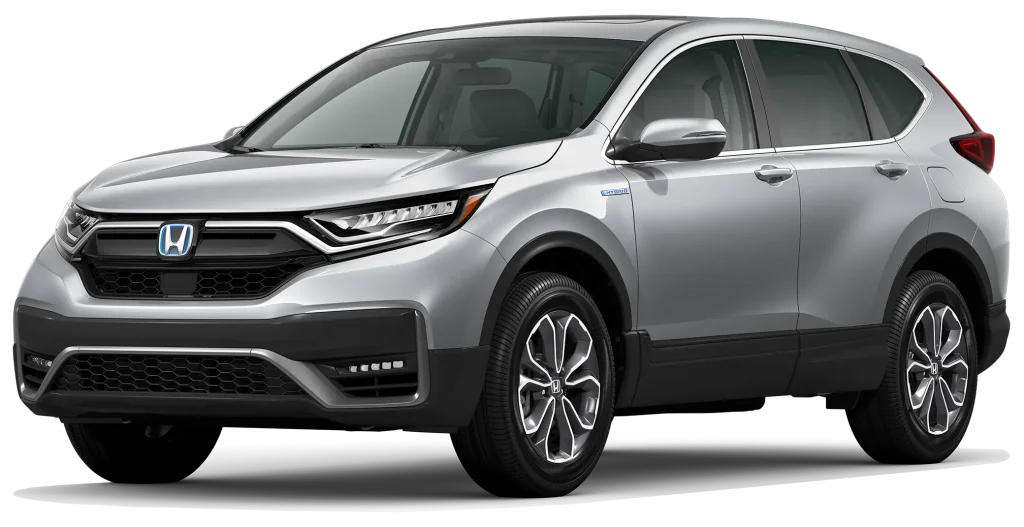
Maintenance is manageable. Honda’s hybrid technology is reliable, and battery concerns are minimal. Standard service intervals are simple, keeping long-term costs reasonable.
For buyers seeking an efficient, practical, and comfortable SUV, the CR-V Hybrid stands out. It combines strong fuel savings, reliability, and versatility, making it a compelling choice over traditional gas-powered compact SUVs.
9. Toyota Camry Hybrid
The Toyota Camry Hybrid combines a midsize sedan’s comfort with hybrid efficiency. Its powertrain pairs a gasoline engine with an electric motor, providing smooth acceleration and excellent fuel economy.
City driving is effortless due to the electric motor’s torque. The gasoline engine seamlessly engages at higher speeds, maintaining quiet and composed performance. Compared to the standard Camry, the hybrid version offers superior fuel efficiency without compromising handling or ride comfort.
Inside, the cabin is spacious with supportive seats and high-quality materials. The infotainment system displays hybrid-specific information, including battery charge, energy flow, and fuel consumption.
Safety features are comprehensive, with adaptive cruise control, lane-departure warning, and automatic emergency braking, providing peace of mind for daily commuting or long trips.
Fuel efficiency is a major strength. The Camry Hybrid regularly achieves more than 50 miles per gallon, far higher than its gasoline counterpart. Regenerative braking recaptures energy during stops, contributing to overall efficiency and reducing trips to the gas station.
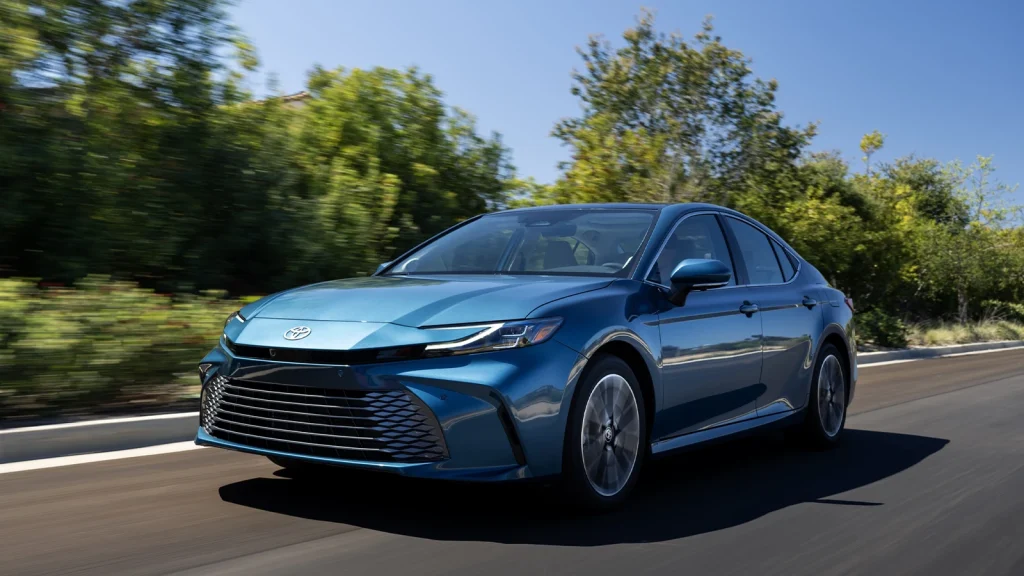
Reliability is well established. Toyota’s hybrid technology has been refined over several generations, resulting in long-lasting batteries and minimal issues with hybrid components. Maintenance costs remain similar to the gasoline Camry, making it practical for long-term ownership.
The Camry Hybrid demonstrates that fuel efficiency and performance can coexist. Its smooth ride, advanced features, and low operating costs make it an attractive alternative to traditional midsize sedans. Drivers benefit from both comfort and savings, solidifying its place as a top hybrid choice.
10. Ford Fusion Hybrid
The Ford Fusion Hybrid is a midsize sedan that balances fuel efficiency with responsive performance. Its hybrid system combines a gasoline engine and electric motor, delivering smooth acceleration in city and highway driving.
Acceleration is steady, with the electric motor providing immediate torque. The gasoline engine handles high-speed driving effortlessly, and the hybrid system ensures smooth transitions between power sources.
Compared to the standard Fusion, the hybrid version offers lower fuel consumption without sacrificing performance or handling.
The cabin is comfortable and well-appointed. Seats provide support for long trips, and the infotainment system includes energy-monitoring displays to track battery use and fuel economy. Safety technologies such as lane-keeping assist, blind-spot monitoring, and adaptive cruise control enhance security for both drivers and passengers.
Fuel efficiency is impressive for a midsize sedan. The Fusion Hybrid regularly achieves over 40 miles per gallon combined, outperforming the gas-only version. Regenerative braking recaptures energy normally lost during stops, improving efficiency and reducing fuel costs.
Maintenance is straightforward. Ford’s hybrid components are reliable, and battery issues are uncommon. Regular servicing is simple, keeping long-term ownership costs reasonable.
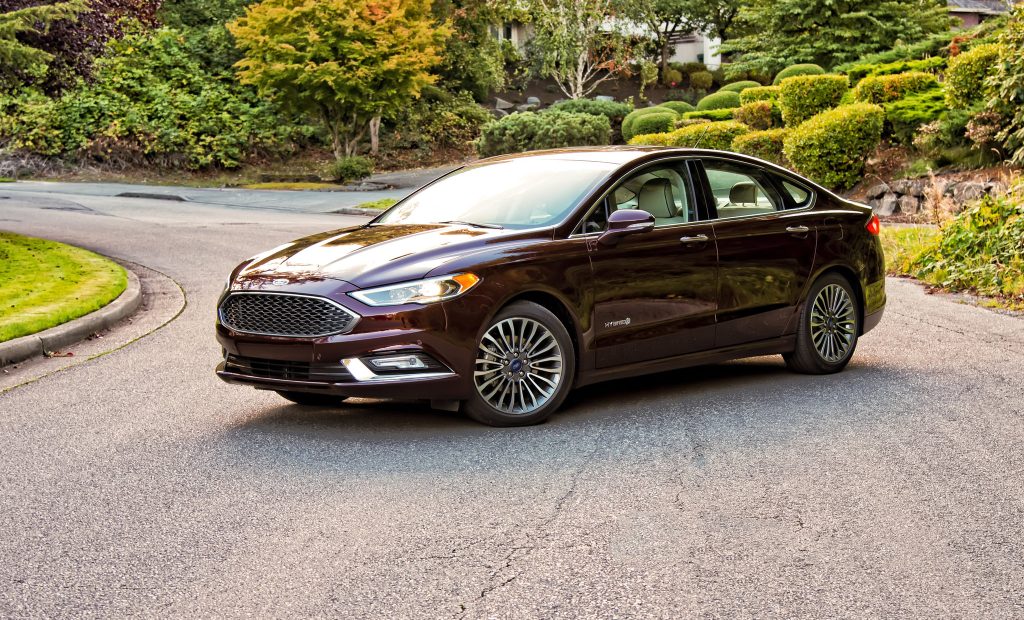
The Fusion Hybrid offers a balanced package of efficiency, reliability, and comfort. Drivers enjoy reduced fuel costs, smooth performance, and modern features, making it a compelling alternative to traditional gasoline sedans. Its combination of practicality and efficiency ensures it remains a popular hybrid option.
Hybrid vehicles have evolved into a mainstream choice, offering drivers the ability to reduce fuel costs without sacrificing performance or comfort.
Modern hybrids combine gasoline engines with electric motors, providing both power and efficiency. Many models now outperform their gas-only counterparts in acceleration, handling, and overall driving experience.
One of the key advantages of hybrids is fuel efficiency. Vehicles like the Toyota Prius Prime and Toyota Camry Hybrid achieve more than 50 miles per gallon in hybrid mode. This exceeds what most conventional sedans deliver and significantly reduces trips to the gas station.
Regenerative braking systems in these vehicles recover energy that would otherwise be lost, further improving efficiency. Even hybrid SUVs, such as the Toyota RAV4 Hybrid and Honda CR-V Hybrid, surpass 40 miles per gallon, making them practical for families and commuters alike.
Reliability is another important factor. Brands like Toyota, Honda, and Lexus have spent years refining their hybrid systems. Batteries are durable, and hybrid components have proven longevity, often lasting well beyond typical ownership periods.
Regular maintenance is straightforward, similar to conventional vehicles, and hybrid-specific repairs are minimal. Long-term ownership costs remain manageable, making these vehicles a smart financial choice.
Comfort and technology have not been compromised in hybrid models. Sedans like the Lexus ES 300h and Honda Accord Hybrid provide quiet, smooth rides with supportive seating, premium interiors, and advanced infotainment systems.
Hybrid-specific displays allow drivers to monitor energy use, battery levels, and fuel efficiency, enhancing the driving experience.
Safety features, including adaptive cruise control, lane-keeping assistance, and automated emergency braking, are standard on most models, ensuring peace of mind for drivers and passengers.
Performance has improved alongside efficiency. Cars such as the Kia Niro Hybrid and Ford Fusion Hybrid offer responsive acceleration, smooth handling, and seamless transitions between electric and gasoline power.
Drivers no longer have to sacrifice driving enjoyment for fuel savings. Even hybrid SUVs provide strong torque, stable handling, and capable performance, rivaling gas-powered versions in real-world driving.
Hybrids also demonstrate versatility. Vehicles like the Ford Escape Hybrid and RAV4 Hybrid maintain the practicality of compact SUVs, offering ample cargo space and passenger comfort while reducing fuel costs. Plug-in models, such as the Prius Prime, allow short trips to be completed entirely on electric power, combining convenience with economy.
In essence, modern hybrids have matured into well-rounded vehicles that outperform many gasoline-powered counterparts. They offer substantial fuel savings, long-term reliability, advanced safety, comfort, and engaging driving dynamics.
From midsize sedans to compact SUVs, hybrids now deliver an unmatched balance of efficiency, practicality, and performance.
Drivers seeking lower operating costs, dependable technology, and a more sustainable driving experience can confidently choose hybrids without compromising on quality or enjoyment.
Across all ten vehicles highlighted from the Prius Prime and Camry Hybrid to the Lexus ES 300h and Kia Niro Hybrid, it is clear that hybrid technology has achieved a level of refinement that makes these cars superior alternatives to gas-only models.
Each model demonstrates that eco-friendly driving can coexist with performance, comfort, and reliability, offering a practical solution for a wide range of driving needs.
