
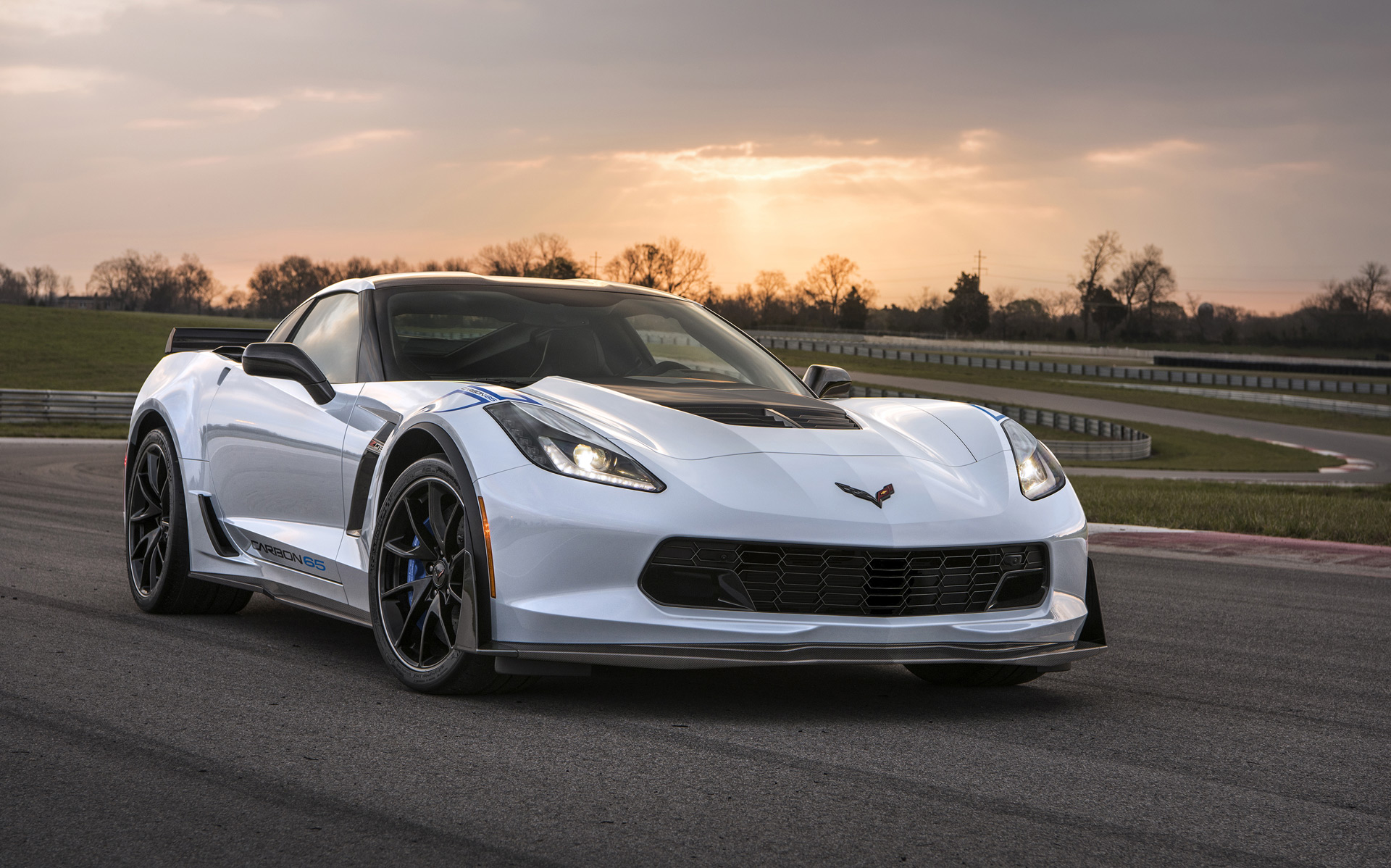
When shopping for a new or used vehicle, many buyers focus on horsepower, comfort, and technology, but long-term ownership costs can be just as important. Repairs and maintenance often pile up over the years, making some cars far more expensive to own than their sticker price suggests.
However, not every high-performance machine or daily driver breaks the bank. Some models deliver both driving excitement and reliability without constant visits to the mechanic.
From muscle cars like the Dodge Challenger and Ford Mustang to dependable sedans like the Toyota Camry and Honda Accord, certain vehicles prove that power and practicality can go hand in hand.
These cars not only hold their value but also keep maintenance costs surprisingly low, giving owners the best of both worlds. Here are 10 cars that stand out for their ability to thrill drivers while staying budget-friendly over the long haul.
1. 2019 Dodge Challenger
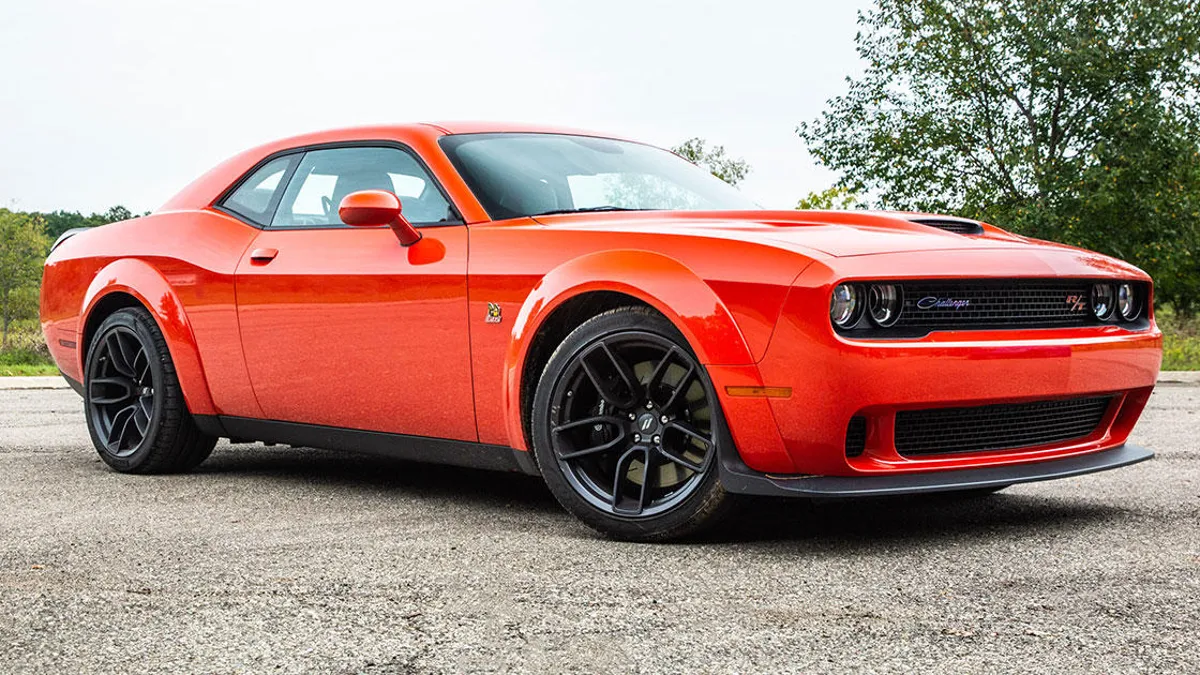
The Dodge Challenger has stood as a symbol of American muscle cars for more than 50 years, and the 2019 model carries that legacy forward with an ideal balance of power and usability. Its base 3.6L V6 delivers 305 horsepower, while higher trims like the SRT Hellcat Redeye boast an astonishing 797 horsepower.
Despite its brute force and aggressive styling, the Challenger is surprisingly practical compared to rivals like the Ford Mustang and Chevrolet Camaro, offering a spacious trunk and adult-friendly rear seats.
Dodge also introduced key updates for 2019, including all-wheel drive on the base SXT, the Widebody treatment on the R/T Scat Pack, and a new dual-snorkel hood for added power. With an average annual maintenance cost of just $1,000, the Challenger combines thrilling performance with reasonable ownership costs.
Driving the Challenger is about raw fun rather than pinpoint handling. The Scat Pack Widebody, equipped with a 6.4L V8 and a six-speed manual, produces 485 horsepower and accelerates from 0 to 60 mph in 4.9 seconds. While slightly slower than its muscle car rivals, its acceleration remains deeply satisfying.
Braking is confident, stopping from 60 mph in just 105 feet, while steering feels solid though heavy around town. Despite its bulk of over 4,200 pounds, the Challenger’s wide tires and adaptive suspension deliver respectable grip and controlled body roll.
Muscle cars are rarely praised for comfort, yet the Challenger excels here. Even with the Widebody’s firmer suspension, highway rides are smooth, and seats remain supportive on long drives.
The rear seats offer genuine adult-size accommodations, a rarity in the class. Road and engine noise are present but add character, especially the V8’s growl under acceleration. Dual-zone climate control is effective, though some functions require digging into touchscreen menus.
Inside, the Challenger prioritizes space and usability. Its cabin is the roomiest among muscle cars, with generous front legroom and a rear bench that fits three passengers, unlike the two-seat setups in rivals.
Cargo capacity stands at an impressive 16.2 cubic feet, rivaling midsize sedans, with folding rear seats adding versatility. Entry and exit can be cumbersome due to heavy, oversized doors, and outward visibility suffers from thick pillars, but practicality still surpasses competitors.
The Challenger’s Uconnect infotainment system remains one of the most user-friendly on the market. Standard Apple CarPlay and Android Auto enhance connectivity, while available navigation and voice commands keep things simple on the go.
Driver aids include a standard rearview camera and optional blind-spot monitoring with rear cross-traffic alert. While some features feel dated compared to modern systems, the intuitive layout and ease of use keep the Challenger competitive.
The 2019 Dodge Challenger defies the stereotype that muscle cars sacrifice practicality for performance. With immense power, a comfortable ride, adult-friendly seating, and class-leading cargo space, it blends classic style with everyday functionality. While not the sharpest in handling, its unique mix of muscle and livability makes it one of the most well-rounded and enduring choices in its segment.
2. 2018 Chevrolet Corvette
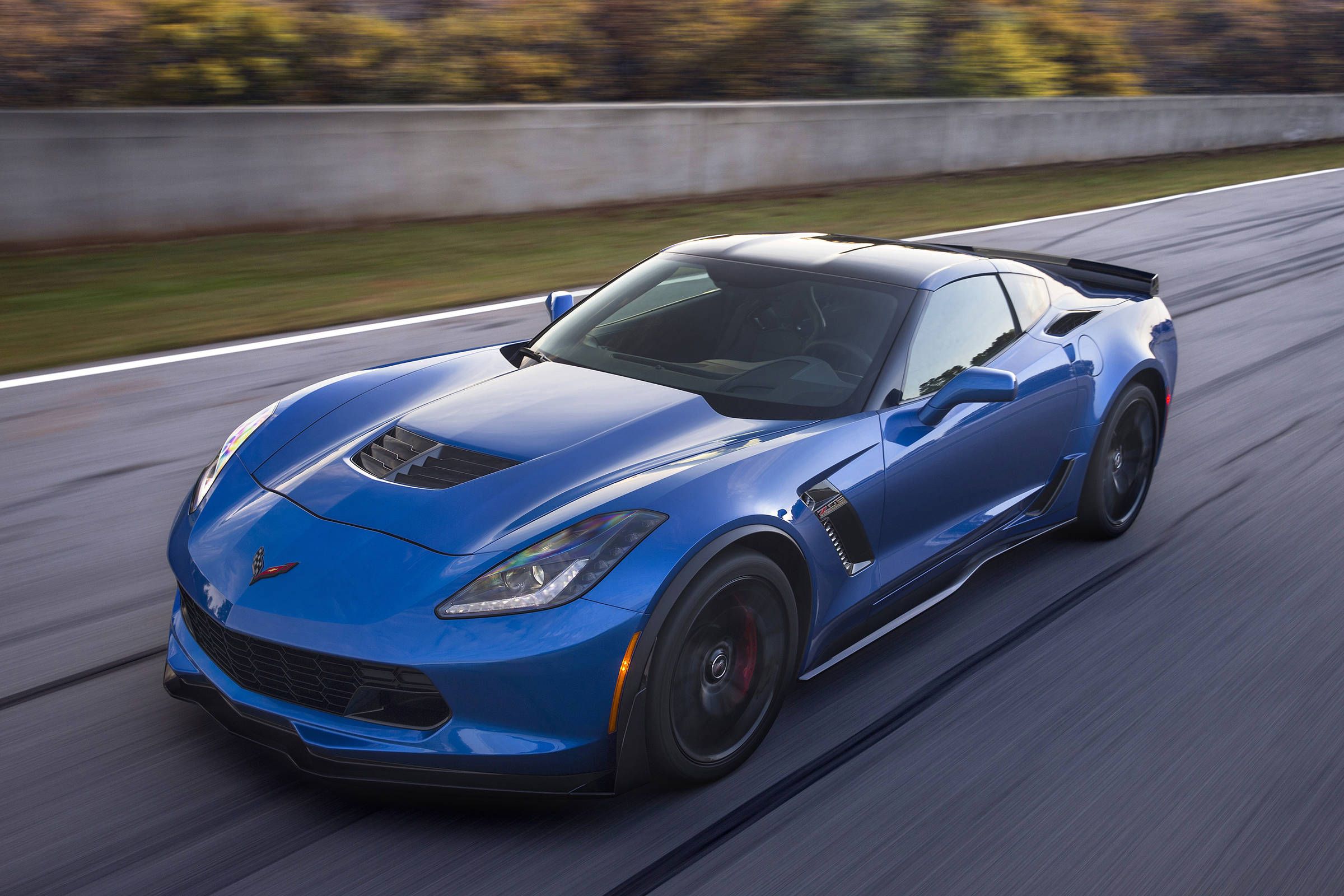
The 2018 Chevrolet Corvette continues its legacy as one of America’s most iconic sports cars, delivering world-class performance at a price far below European rivals. Powered by a 6.2L V8 producing 455 horsepower and 460 lb-ft of torque, the base Stingray rockets from 0-60 mph in just 3.7 seconds.
Even more impressive is its affordability: according to Edmunds, annual repair and maintenance costs average just $1,662, making it one of the most cost-effective performance cars in its league.
For 2018, the Corvette introduces minor but meaningful updates. These include enhancements to the optional performance data recorder, adaptive dampers now available as a standalone option, and a limited Carbon 65 Edition with unique styling cues and carbon-fiber accents.
The Corvette’s model lineup ranges from the base Stingray to the track-ready Grand Sport and the blistering Z06, which produces 650 horsepower. Each variant builds on the same performance ethos: precise control, explosive acceleration, and track-capable handling.
Acceleration is immediate and satisfying, with the base V8 providing relentless power across the rev range. The Grand Sport trim adds specialized aerodynamics and suspension tuning for sharper cornering.
Braking performance is equally strong, with the Corvette stopping from 60 mph in just 95 feet during testing. Steering is precise, if a bit lacking in feedback, while the chassis remains composed even under aggressive maneuvers.
Despite its raw performance, the Corvette surprises with livability. Magnetic Ride Control delivers a compliant ride that avoids the harshness typical of sports cars, and the seats strike a balance between support and comfort.
Entry and exit can be cumbersome due to heavy, oversized doors, and outward visibility suffers from thick pillars, but practicality still surpasses competitors. Road and tire noise are noticeable, particularly with the convertible top down, though wind and engine sounds are kept under control at highway speeds. Heated and cooled seats further add to everyday usability.
The Corvette’s cabin is driver-focused, with controls laid out for easy reach and thoughtful ergonomics. Head-up display and driving mode selectors enhance the driving experience, while materials feel appropriate for its class.
The biggest drawbacks are limited visibility, tricky entry and exit due to the low ride height, and modest storage space. The convertible sacrifices much of the coupe’s trunk room, offering just 10 cubic feet, enough for light luggage or a weekend trip. Clever touches like hidden storage behind the touchscreen add some practicality, though utility remains limited.
Chevrolet equips the Corvette with a full suite of connectivity options, including Apple CarPlay, Android Auto, Bluetooth, OnStar, and optional Wi-Fi hotspot capability. The MyLink infotainment system is quick and easy to navigate, while the Bose sound system delivers strong performance even with the top down.
Driver-assist technology is minimal, with only parking cameras available, no blind-spot monitoring or collision alerts, making the driver fully responsible for control.
The 2018 Chevrolet Corvette blends jaw-dropping performance with surprising comfort and affordability. Whether in base Stingray form or as the ferocious Z06, it delivers thrills rivaling far pricier European exotics.
While compromises in storage, visibility, and everyday practicality exist, they are easily forgiven given the Corvette’s balance of power, refinement, and value. For enthusiasts, it remains one of the best bargains in the sports car world.
3. 2019 Toyota Tacoma TRD Pro
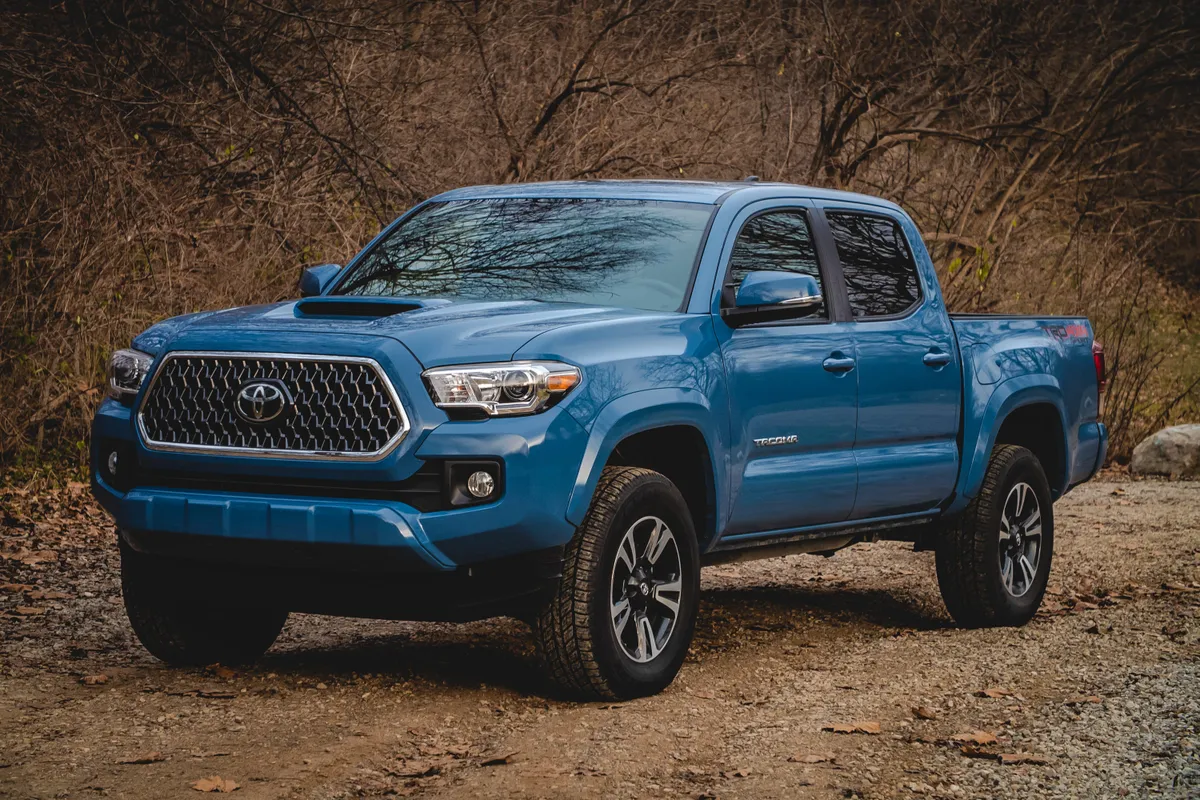
As part of Toyota’s reputation for low-cost maintenance, the 2019 Tacoma TRD Pro benefits from inexpensive parts and servicing. Annual maintenance and repair costs average just $1,271, making it a bargain in the midsize pickup segment. Powered by a 3.5L V6 engine delivering 278 horsepower and 265 lb-ft of torque, the Tacoma balances everyday utility with serious off-road capabilities.
On paved roads, the Tacoma’s biggest weakness is its transmission. The six-speed automatic tends to hunt for gears and lacks responsiveness, requiring higher revs to unlock the V6’s power. Acceleration is modest, with a 0-60 mph time of 8.1 seconds, slower than rivals such as the Chevrolet Colorado and Honda Ridgeline. Braking is average, with 140 feet needed to stop from 60 mph.
Where the Tacoma shines is off-road. The TRD Pro trim includes Bilstein shocks, a locking rear differential, Multi-Terrain Select, and Crawl Control. These systems allow the truck to tackle rough terrain with confidence, while steering remains predictable and reassuring both on and off pavement. Handling on winding roads is stable, with gradual body roll and solid grip from off-road tires.
Ride quality is smoother than older Tacomas, thanks to off-road suspension tuning and compliant 16-inch tires. Seats are comfortable and supportive, though the low floor creates a legs-out driving position that feels awkward compared to other trucks. Cabin noise is well managed, but the engine and exhaust note grow harsh under load. Dual-zone climate control with large, easy-to-use knobs adds convenience.
The Tacoma’s cabin is functional and logically laid out, with intuitive controls and solid build quality. Visibility is strong thanks to a high driving position and large windows. However, entry and exit are challenging due to a high step-in height, and taller drivers may find the seating position unusual. Interior space is adequate, with front passengers enjoying comfort while rear seats feel tight for adults on longer trips.
Utility remains one of Tacoma’s strengths. The composite truck bed resists damage and features tie-down cleats, storage compartments, and an optional 120-volt outlet. With a towing capacity of up to 6,800 pounds and payload versatility, it stands as one of the most capable midsize trucks for hauling gear. The rear seats fold to create a flat load surface, adding more flexibility.
Toyota equips the Tacoma with standard active safety features across all trims, including adaptive cruise control, lane departure warning, forward collision mitigation, and automatic high beams, advantages over rivals where such features often cost extra.
The infotainment system, however, is dated. The Entune system lacks Android Auto and Apple CarPlay, limiting smartphone integration. Still, the optional JBL audio system and built-in navigation offer solid performance.
The 2019 Toyota Tacoma TRD Pro remains a top contender for drivers who value rugged capability, reliability, and low ownership costs. While its road manners and tech lag behind competitors, its off-road hardware, towing ability, and Toyota’s legendary dependability make it a smart choice for adventure seekers.
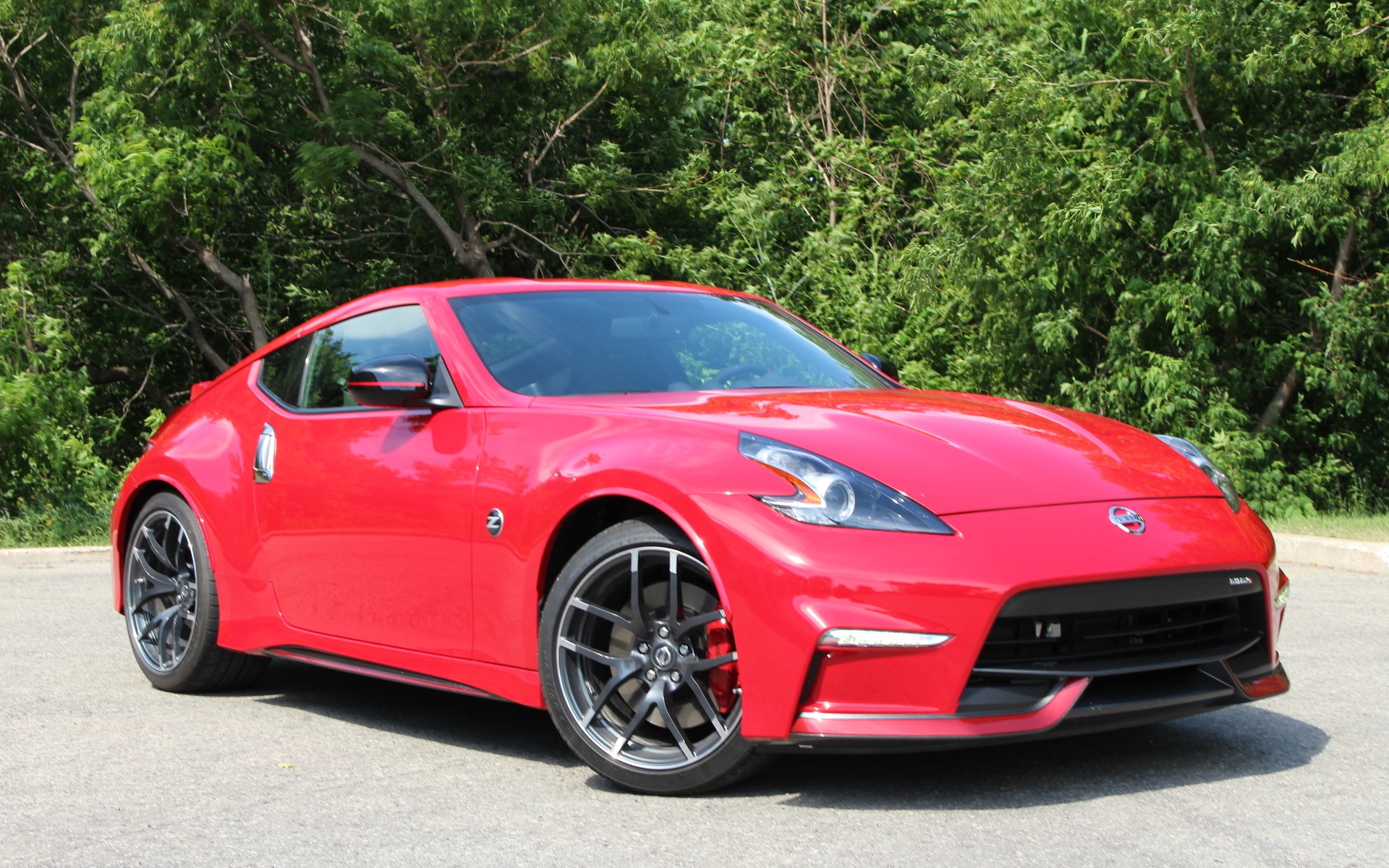
4. 2019 Nissan 370Z
The Nissan 370Z continues the Z-car tradition as an affordable entry-level sports car with genuine performance credentials. Its 3.7-liter V6 produces 332 horsepower and 270 lb-ft of torque, with the Nismo variant pushing that figure up to 350 hp.
Buyers can choose between a six-speed manual with rev-matching or a seven-speed automatic, as well as coupe, convertible, or performance-focused trims. Despite being a proper sports car with a sub-5-second 0-60 mph time, the 370Z is surprisingly inexpensive to maintain, averaging around $1,232 annually.
On the road, the Z delivers plenty of straight-line speed and sharp steering, but its handling is let down by the lack of a limited-slip differential on lower trims and relatively modest tire grip. Acceleration to 60 mph takes 5.3 seconds, making it quick but not class-leading.
Braking performance is stable, with a 113-foot stop from 60 mph, though the pedal feel isn’t ideal for heel-toe driving. Ride quality is commendably compliant for a sports coupe, absorbing bumps well, though cabin noise and drivetrain harshness remain constant companions.
Inside, the 370Z offers a straightforward, no-frills layout with supportive but firm seats, limited adjustability, and tight passenger space. Visibility is a weak point, hindered by thick rear pillars and minimal driver aids.
Cargo capacity is modest, with a shallow trunk and few storage solutions. Technology is outdated, lacking Apple CarPlay, Android Auto, or modern infotainment options, making the Z feel behind the times compared to rivals.
The 2019 370Z may not match the refinement or tech of the Mustang, Camaro, or even the lighter Mazda MX-5, but it remains an honest, old-school sports car. Its combination of strong V6 power, rear-wheel-drive balance, and low ownership costs appeals to purists who value simplicity over gadgets.
5. 2019 Ford Fiesta ST
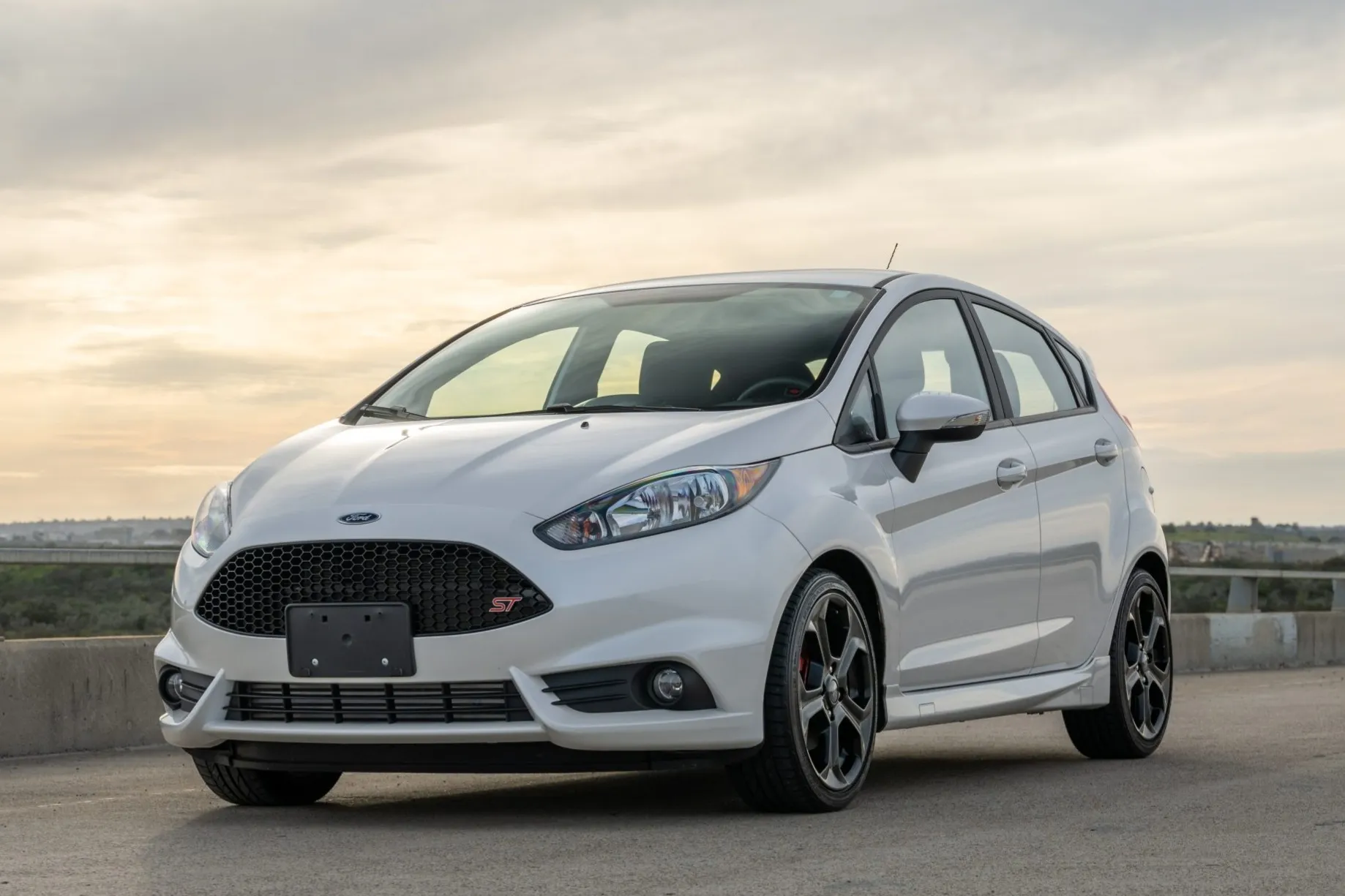
The 2019 Ford Fiesta ST is proof that small cars can deliver big thrills. Serving as the performance-tuned version of Ford’s long-running subcompact, the Fiesta ST combines affordable ownership with serious hot-hatch credentials.
With Ford discontinuing most of its small cars in favor of SUVs and crossovers, the 2019 model marks the final chapter for the Fiesta in the U.S. market. For enthusiasts, that makes the Fiesta ST an appealing send-off a car that blends personality, agility, and value in a way few competitors can match.
Under the hood, the Fiesta ST is powered by a turbocharged 1.6-liter four-cylinder engine producing 200 horsepower. In a car this light and compact, the output feels far stronger than the numbers suggest, giving the ST an eager and responsive character.
Paired with a six-speed manual transmission, the car comes alive in the hands of an enthusiast. Despite its performance, it’s remarkably affordable to maintain, with average annual repair and maintenance costs estimated at just $1,147, on par with the most economical small cars from Toyota and Honda. For a hot hatch, that’s an impressive bargain.
On the road, the Fiesta ST delivers an experience that’s fun at nearly every speed. Steering is quick and precise, offering excellent feedback through its chunky, grippy wheel. The sport-tuned suspension makes the car shine in corners, giving it a level of agility that rivals larger hot hatches like the Volkswagen GTI.
Braking is reassuring, with a pedal that’s easy to modulate in daily driving. While acceleration times aren’t groundbreaking compared to bigger rivals, the Fiesta ST feels eager and energetic, making every trip engaging.
Ride quality is on the firmer side, which is expected from a performance hatch. The short wheelbase and stiff chassis can make the ride a bit choppy over rough pavement, but it never feels uncomfortable enough to detract from its appeal. Noise levels are relatively subdued at highway speeds, and while the engine is always audible, its character contributes to the car’s sporty charm.
Inside, the Fiesta ST balances function with a touch of flair. The cabin features Ford’s intuitive Sync 3 infotainment system with sharp graphics, responsive controls, and a 6.5-inch touchscreen. The system supports voice recognition and features like emergency assistance, which enhance the daily driving experience.
Build quality is solid for the class, though soft-touch materials are limited. Seating is snug and sporty, with supportive bolstering, though some drivers may find the padding a little firm for longer trips. Rear-seat space is limited, as expected in a subcompact, and cargo capacity lags behind rivals such as the Honda Fit. However, the Fiesta makes up for it with excellent small-item storage options and good visibility.
The 2019 Ford Fiesta ST may not offer the space or practicality of some competitors, but it excels at what matters most in a hot hatch: fun. Affordable, lively, and surprisingly cheap to maintain, it’s a true enthusiast’s bargain. As the last Fiesta to roll off Ford’s lineup in the U.S., the ST leaves behind a lasting legacy as one of the most entertaining budget performance cars of its time.
Also read: 15 Cars That Sell Fast at Auctions After Long-Term Use
6. 2018 Subaru WRX
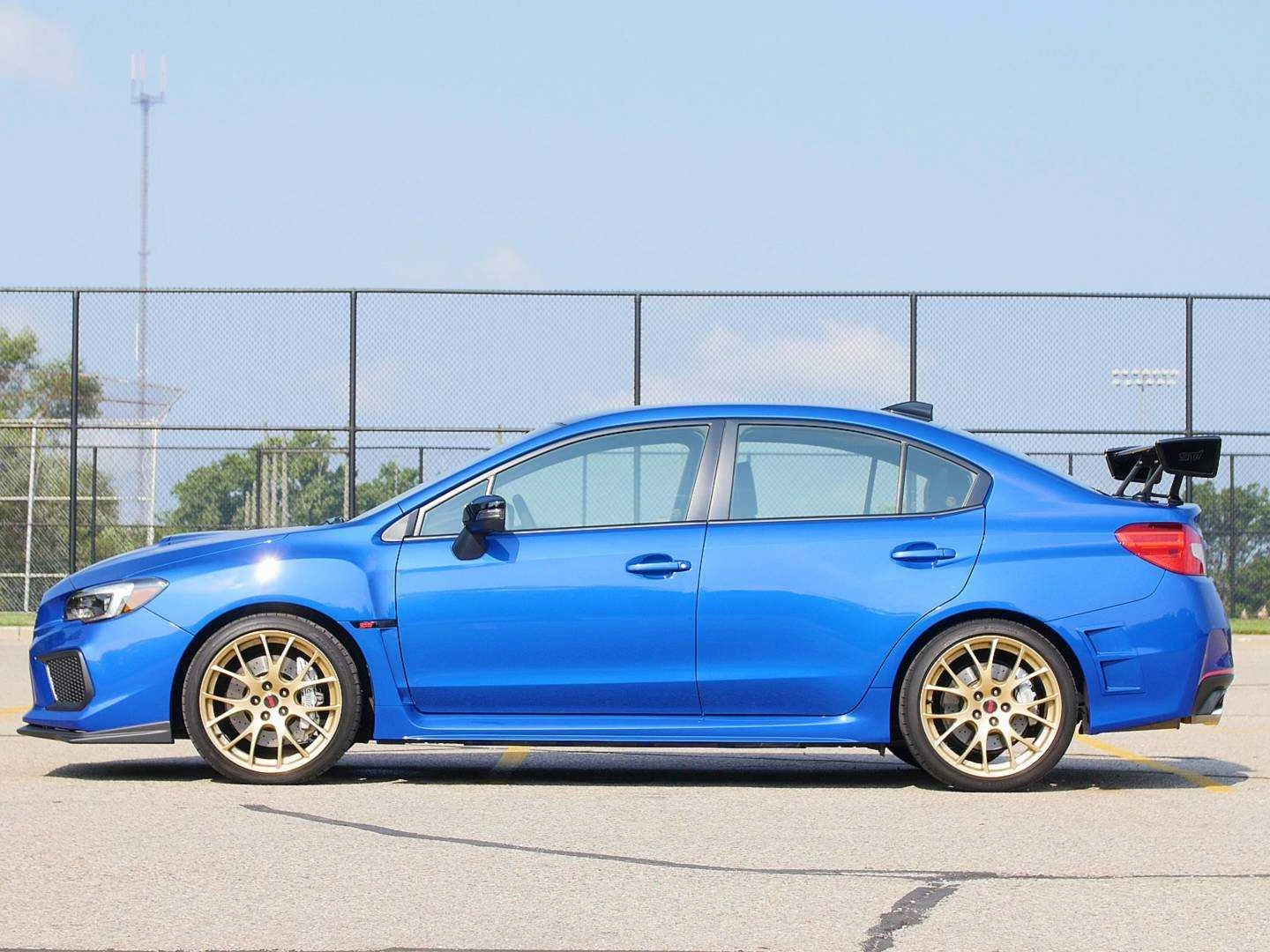
The 2018 Subaru WRX delivers one of the most exciting driving experiences in the compact sport sedan segment. Powered by a turbocharged 2.0-liter four-cylinder engine producing 268 horsepower, it accelerates from 0–60 mph in 5.4 seconds with impressive midrange power.
The WRX’s all-wheel-drive system ensures remarkable grip, whether carving through corners or tackling slippery surfaces. Handling is sharp, with steering that offers direct feedback and confidence-inspiring control. Braking performance is solid, stopping from 60 mph in 110 feet, though pedal response is average.
While quick, the WRX requires a skilled touch to extract its best. The heavy clutch, tricky engagement point, and jerky throttle can make stop-and-go traffic less enjoyable. Still, enthusiasts will find the raw, rally-inspired character worth the trade-off.
The WRX is not the quietest or softest ride in its class. Road, wind, and engine noise are constant companions, and the stiff suspension makes uneven pavement noticeable. However, Subaru has tried to improve refinement with thicker glass and better insulation for 2018.
Supportive front seats shine here, providing excellent bolstering for spirited driving while remaining comfortable for long journeys. The eight-way power driver’s seat offers broad adjustment, though lumbar support is missing.
Rear-seat passengers benefit from surprisingly generous space for a compact performance sedan, with room for taller occupants. Visibility is another strength, thanks to large windows, slim pillars, and a low dashboard.
Though not as polished as rivals like the Volkswagen GTI, the WRX’s interior is functional and durable. Controls are straightforward, with easy-to-use climate dials and logically placed buttons.
The infotainment system comes in multiple forms: a base 6.2-inch screen, a mid-level 7-inch Multimedia Plus setup with smartphone integration, and a top-tier system with navigation. Features like Bluetooth, voice commands, and Siri Eyes Free enhance convenience, though the WRX lacks Apple CarPlay and Android Auto.
The sedan body style provides a 12-cubic-foot trunk with split-folding rear seats for added flexibility. While no longer offered as a hatchback, Subaru compensates with useful accessories such as roof racks for active lifestyles. Small-item storage is average but practical, with decent cupholders and a center bin.
Technology offerings include available navigation, premium audio, and app-based services like remote lock/unlock and roadside assistance. Safety tech is competitive, with available driver aids such as adaptive cruise control, lane departure warning, and automatic emergency braking through Subaru’s EyeSight package. Blind-spot monitoring and rear cross-traffic alert are also offered.
Surprisingly, the WRX is not expensive to maintain for a performance car. Average annual repair and maintenance costs come in at $1,272 during the first five years, competitive with mainstream sedans and much lower than some rivals. Combined with decent fuel economy (23 mpg with the manual), the WRX balances thrills with reasonable long-term ownership costs.
The 2018 Subaru WRX isn’t the most refined or luxurious option in the compact sport sedan segment, but it offers an unbeatable mix of performance, practicality, and value.
With rally-inspired handling, strong all-wheel-drive grip, and daily usability, it appeals to enthusiasts who want a fun car they can rely on every day. For those who prioritize excitement over quiet comfort, the WRX remains one of the most compelling choices in its class.
7. 2019 Toyota Camry
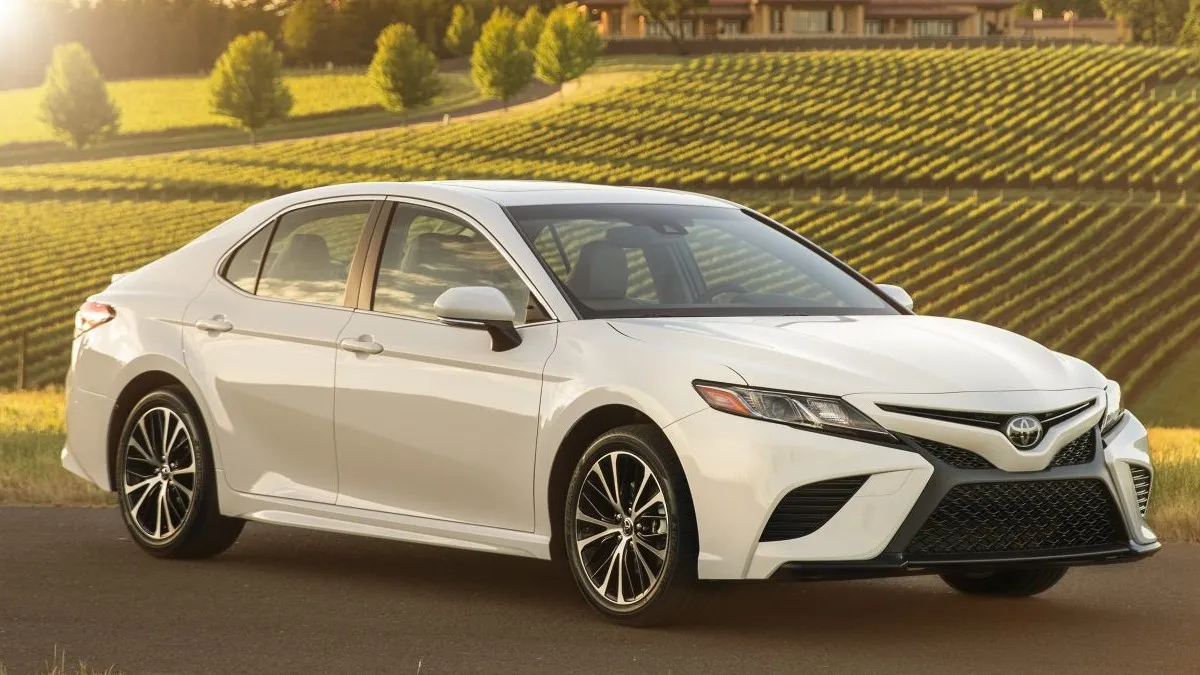
The 2019 Toyota Camry stands out as one of the most dependable midsize sedans available. Beyond its reputation for durability, it is also one of the cheapest vehicles in its class to maintain.
According to Edmunds, average repair and maintenance costs for the first five years amount to just $902 annually or roughly $75 per month. This makes the Camry not only a practical daily driver but also an excellent long-term investment for cost-conscious buyers.
This generation of Camry is more engaging than past models, thanks to improved handling and more responsive steering. The standard 2.5-liter four-cylinder engine provides 203 horsepower, delivering a 0–60 mph time of 7.9 seconds. While adequate for most situations, it can feel underwhelming at lower speeds. A stronger V6 option is available, though it’s more of a luxury than a necessity.
The Camry’s braking is predictable and easy to control, stopping from 60 mph in 122 feet, which is average for its class. Steering feels suitably direct and well-weighted, while handling remains tidy with minimal body roll. SE trims offer sportier suspension tuning with only a slight trade-off in ride comfort. The eight-speed automatic transmission shifts smoothly, helping the car feel composed in city driving and on the highway.
Comfort is a major strength of the Camry. Wide, well-padded front seats provide excellent long-distance support, while the rear seats are upright and roomy enough for most passengers. Ride comfort is solid, soaking up typical road imperfections without feeling floaty, though bumpy roads can cause vertical motions.
Noise levels are a weak point, with engine buzz, wind noise, and tire roar noticeable, particularly at highway speeds. Still, the effective and quiet climate control system enhances cabin comfort, keeping the interior cool even in hot conditions.
The Camry’s cabin favors function over flash, with intuitive controls and straightforward ergonomics. Large gauges, clear buttons, and simple climate controls make the car user-friendly for drivers of all ages. Visibility is excellent, aided by slim roof pillars and a low dashboard. Soft-touch materials and thoughtful design give the interior an appealing look without being overly luxurious.
Practicality is another strong suit. The Camry offers a spacious trunk with wide access and 60/40-split folding rear seats for larger items. Child seat installation is easy thanks to well-positioned anchors and tether points. Interior storage is decent, with multiple bins and cupholders, though some compartments are on the smaller side.
The 2019 Camry is equipped with an impressive suite of standard driver-assist features, including adaptive cruise control, automatic emergency braking, and lane keeping assist. However, the lane departure system can feel overly sensitive. For infotainment, Apple CarPlay is finally standard, but Android Auto is still absent.
Built-in navigation is limited, with Toyota instead relying on its Entune system and the Scout GPS Link app, which can feel clunky compared to rivals. On the plus side, the audio system is simple to operate, and voice control options like Siri Eyes Free provide reliable alternatives.
The 2019 Toyota Camry blends comfort, reliability, and affordability better than most midsize sedans. It may not offer the quietest ride or the most advanced tech, but its spacious interior, smooth driving dynamics, and unbeatable ownership costs make it a top choice. For families and commuters alike, the Camry continues to deliver on its promise of dependable value.
8. 2019 Honda Accord
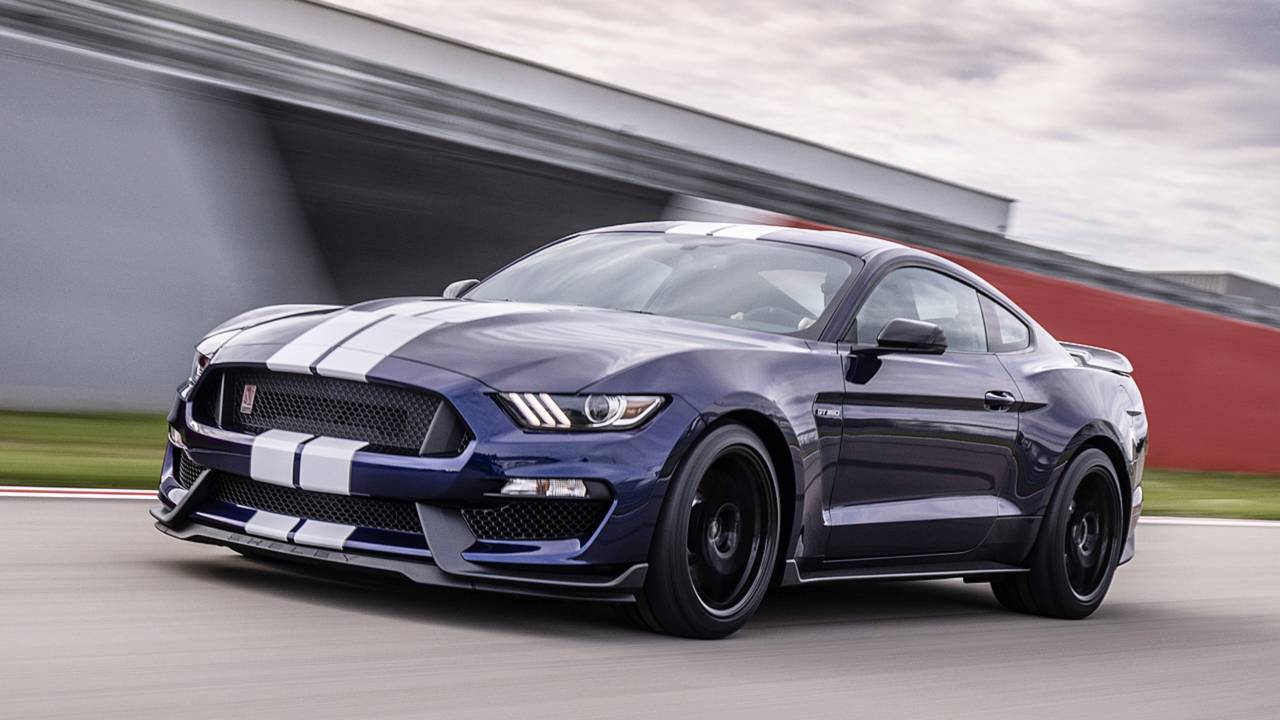
The 2019 Honda Accord strikes a balance between power, efficiency, and drivability. Its standard 2.0L four-cylinder engine produces 192 horsepower, with options for a 252-horsepower turbocharged engine or a 212-horsepower hybrid. The Accord’s driving dynamics are responsive, offering smooth acceleration and stable handling.
The Touring trim, with its adaptive suspension, enhances cornering stability and comfort. While the steering is accurate, it lacks natural road feedback, which can feel artificial to some drivers. Braking is firm and confidence-inspiring, with a panic-stop distance of 122 feet from 60 mph, which is competitive in the midsize sedan segment.
Honda designed the Accord to prioritize comfort without compromising agility. The cabin is quiet in most conditions, isolating passengers from traffic noise. Tire noise becomes more noticeable at highway speeds, but it’s still quieter than many rivals.
Front seats offer good support, though the cushions could benefit from more padding for long drives. The Touring’s adaptive dampers smooth out bumps better than the standard suspension, creating a ride that feels almost luxury-like for the price.
Inside, the Accord impresses with its spacious cabin and upscale design. Classified as a full-size car by EPA standards, it provides excellent legroom in both rows, though taller rear passengers may find headroom limited. The trunk is a standout feature, offering 16.7 cubic feet of space, along with 60/40-split folding rear seats for added versatility.
Small-item storage is well thought out, with a large center console bin, wide door pockets, and practical cupholders. The interior materials are mostly soft-touch and high quality, though some plastics feel less premium.
Honda equips the Accord with a user-friendly infotainment system featuring physical buttons, crisp graphics, and straightforward menus. Apple CarPlay and Android Auto are standard on all trims except the base LX, while higher trims add wireless charging, a head-up display, and a premium audio system.
However, sound quality from the upgraded speakers is just average. Safety technology is abundant, with adaptive cruise control, lane keeping assist, and forward collision warning standard across most trims. Blind-spot monitoring and rear cross-traffic alert are limited to higher trims. Voice controls are functional but require specific phrasing, making them less intuitive.
Practicality remains a core strength of the Accord. Its wide trunk opening and large interior volume make it one of the most usable sedans in its class. LATCH anchors are easy to access, making car seat installation simple. Despite its large size, the Accord feels maneuverable, aided by Honda’s smooth CVT transmission that balances efficiency with quick response when needed.
The 2019 Honda Accord checks nearly every box for buyers seeking an affordable yet refined midsize sedan. It combines responsive performance, excellent practicality, and advanced safety features, all while keeping maintenance costs low.
With its roomy cabin, generous trunk, and modern technology, the Accord stands out as one of the most well-rounded choices in its class. Whether for daily commuting, long trips, or family use, it offers a blend of value and driving enjoyment that makes it hard to overlook.
9. 2018 Jeep Wrangler Sport
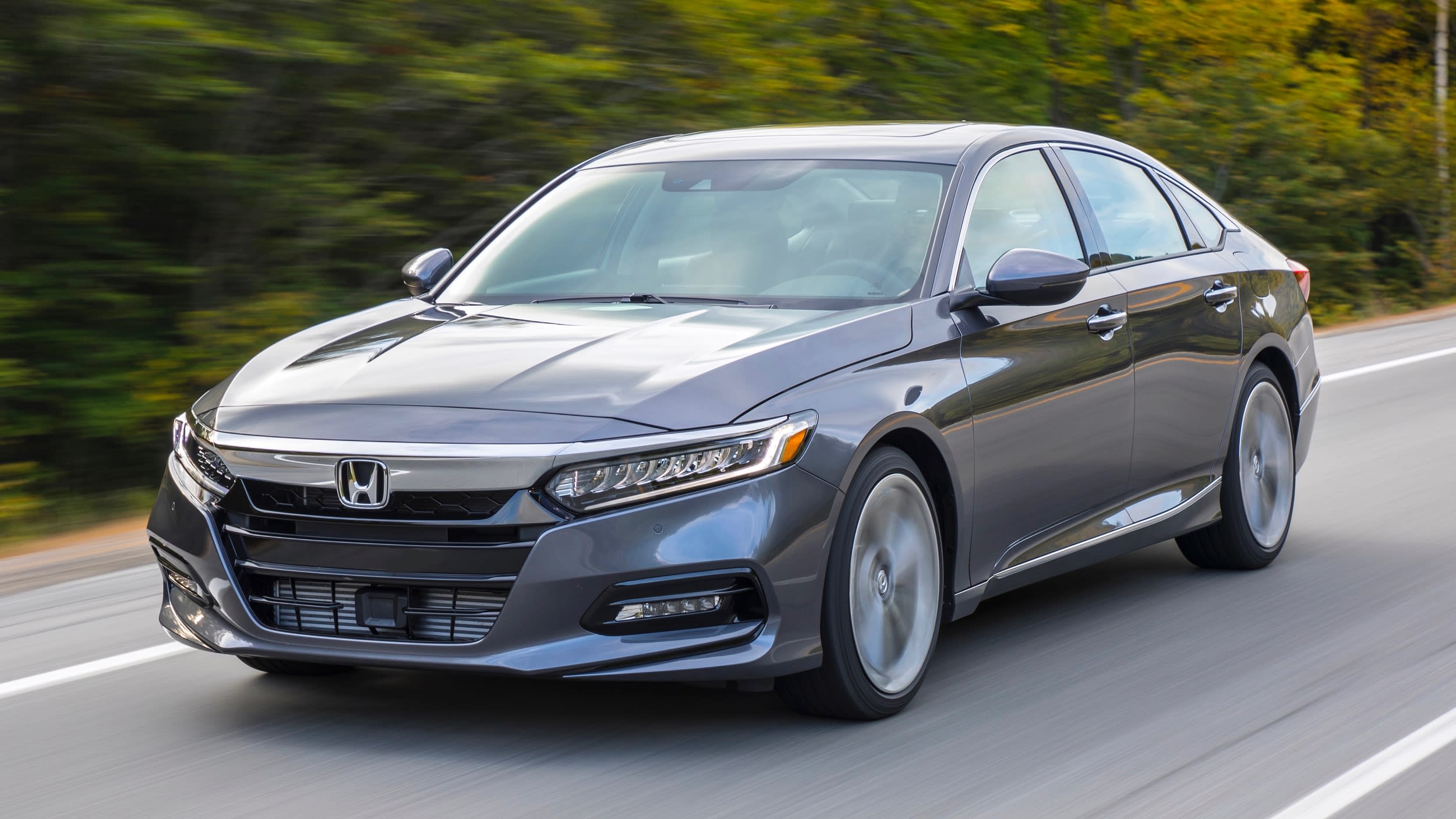
The 2018 Jeep Wrangler Sport is one of the most affordable off-road SUVs to maintain, despite its robust design and strong performance. Annual repair and maintenance costs during the first five years average just $1,156. This is largely due to the use of simple, widely available parts and Jeep’s long-standing popularity. For buyers, this means dependable ownership without steep long-term expenses.
The 2018 model year introduced significant updates. Jeep offered two Wranglers: the outgoing JK and the new-generation JL, which is longer, wider, and taller. The JL boasts refreshed styling, better interior quality, and a wider range of engines, including the standard 3.6L V6 and an all-new 2.0L turbocharged four-cylinder.
Transmission choices include a six-speed manual or an optional eight-speed automatic, greatly improving drivability. With added comfort and safety features, the Wrangler now appeals to a broader SUV market while retaining its legendary toughness.
The Wrangler is a five-star off-road performer, especially in the Rubicon trim with 33-inch tires, lockable differentials, and a disconnectable stabilizer bar. Even base Sport and Sahara trims benefit from solid axle suspension and excellent ground clearance.
On-road performance is solid, with the V6 accelerating to 60 mph in 7.6 seconds. Steering feels loose at highway speeds, but its tight turning radius aids maneuverability. Braking is consistent, if slightly long, while the eight-speed automatic delivers smooth and intelligent shifts.
The Wrangler balances rugged character with noticeable improvements in comfort. Front seats are supportive, while the rear bench, though firmer, reclines for added usability.
Ride quality remains firm, particularly over cracks and potholes, but is more stable than past generations. Noise levels are reduced thanks to an improved soft top and better insulation. Dual-zone climate control, easy-to-use vents, and effective air circulation enhance daily comfort for all passengers.
Inside, the Wrangler feels more practical and thoughtfully designed than ever before. Though narrower than other midsize SUVs, it makes efficient use of space. The cargo room is somewhat limited, but the layout is versatile enough to accommodate car seats and everyday needs. Tow ratings are solid, and the Wrangler can also be flat-towed behind an RV, making it a strong choice for adventurers.
Jeep equipped the 2018 Wrangler with modern infotainment options. The available 8.4-inch Uconnect system is quick and intuitive, featuring Apple CarPlay, Android Auto, multiple USB and USB-C ports, and seamless Bluetooth support.
Navigation is crisp and user-friendly, blending touchscreen controls with physical buttons. However, advanced driver aids are limited; while blind-spot monitoring and rear cross-traffic alerts are available, features like adaptive cruise control or lane-keeping assistance are absent.
The 2018 Jeep Wrangler Sport strikes an impressive balance between off-road dominance and everyday livability. With reduced noise, improved comfort, and advanced technology, it appeals to a wider range of drivers while staying true to its rugged heritage. Affordable maintenance and unmatched off-road ability make it a standout choice for adventure seekers who want both capability and practicality.
10. 2019 Ford Mustang GT
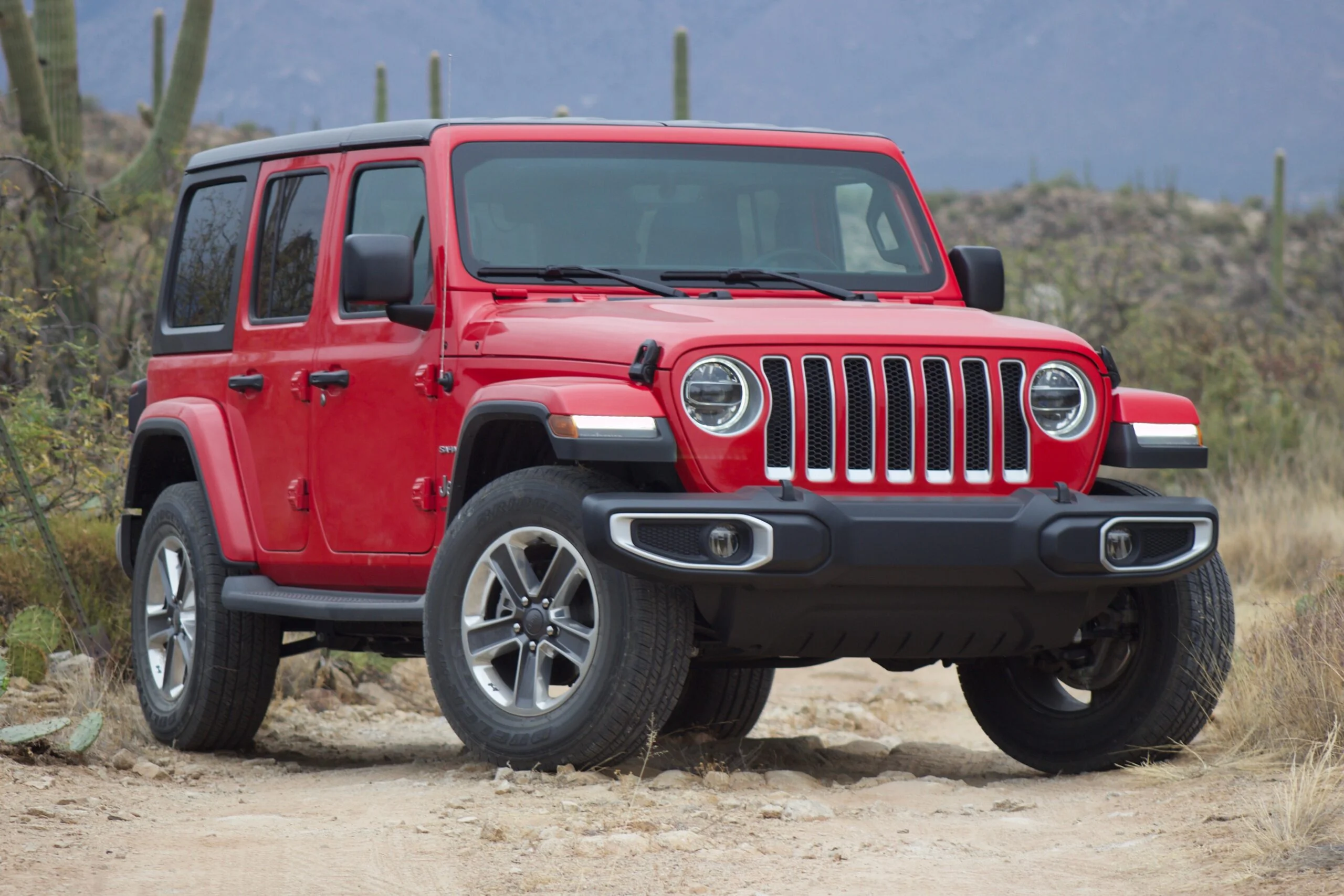
The 2019 Ford Mustang GT isn’t just a muscle car; it’s a full-fledged sports coupe delivering 455 horsepower from its 5.0L DOHC V8. With 0–60 mph acceleration in just 4.2 seconds, it offers thrilling performance while remaining surprisingly affordable to maintain.
Edmunds estimates average annual repair and maintenance costs at only $1,120, making it competitive with everyday cars. However, its thirst for fuel does raise running costs.
The Mustang has evolved significantly since 2015, when it received an independent rear suspension for the first time in 50 years. This upgrade dramatically improved ride quality, handling, and refinement. For 2019, Ford introduced additional trims such as the revived Bullitt and the California Special, with rumors circulating about an even more powerful GT500.
Meanwhile, GT models gained a rev-matching manual transmission feature, making downshifts smoother and more professional. Even base EcoBoost Mustangs received a dual-mode active exhaust to enhance sound quality, signaling Ford’s commitment to improving the lineup across the board.
Even without performance add-ons, the Mustang GT remains impressively capable. Its naturally aspirated V8 pairs with a smooth-shifting 10-speed automatic transmission, although manual paddle shifters respond with slight delay. Tested acceleration came in at 4.6 seconds to 60 mph, respectable for the class.
Braking required 118 feet from 60 mph, slightly behind rivals, though the car remained stable and composed. Steering is responsive, offering light effort at low speeds and more weight on highways, with enough feedback for spirited driving. Handling is balanced, with minimal body roll and predictable grip limits, making the GT both entertaining and approachable.
For a performance-focused coupe, the Mustang delivers impressive comfort. The front seats balance bolstering with long-distance support, while ventilated options add luxury for hot climates. Rear seats remain cramped and best suited for children. Ride comfort is good, though undulating pavement can cause some movement inside the cabin. Road noise is present, but wind noise is minimal.
With the optional active exhaust, drivers can enjoy a controlled V8 burble in quiet mode or unleash its full roar when desired. Dual-zone climate control, effective air circulation, and well-placed vents ensure a pleasant driving environment.
The interior strikes a balance between retro-inspired design and modern practicality. Controls are logically arranged, with a mix of physical buttons and touchscreen functions. Cabin space is generous in the front, though rear room remains limited.
Cargo capacity is a strength, with a 13.5-cubic-foot trunk larger than the Camaro’s but smaller than the Challenger’s. Wide openings and low liftover height add practicality, making the Mustang easier to live with day-to-day.
The Mustang embraces modern tech with available digital displays, intuitive controls, and strong smartphone integration. Apple CarPlay and Android Auto are standard, while the optional Shaker audio system delivers powerful sound.
Ford’s Sync interface works well, and voice control is accurate, though many drivers prefer using smartphone-based assistants. Driver-assist features such as blind-spot monitoring, lane-keeping assist, adaptive cruise control, and forward-collision warning are available and well-calibrated, further enhancing safety and usability.
The 2019 Ford Mustang GT proves itself as a well-rounded muscle car that balances raw power with surprising refinement. It’s fast, comfortable enough for daily use, and equipped with modern tech while still offering classic Mustang character.
Against rivals like the Chevrolet Camaro and Dodge Challenger, the Mustang stands out as the most balanced and desirable choice for enthusiasts seeking both performance and practicality.
Cars are often judged by their performance figures, comfort, and style, yet true value becomes clear only after years of ownership. The vehicles on this list prove that low lifetime repair costs don’t have to come at the expense of excitement or practicality.
Whether it’s the commanding presence of the Dodge Challenger, the refined power of the Chevrolet Corvette, or the rugged dependability of the Toyota Tacoma, each model demonstrates that careful engineering and smart design keep costs down while maintaining performance.
For families, commuters, and enthusiasts alike, these cars strike a rare balance between driving pleasure and financial sense. Owning a vehicle should enhance daily life without draining your wallet, and these 10 options make that goal a reality. For anyone seeking dependable performance and lower long-term expenses, these cars are proof that smart choices deliver rewards well beyond the showroom floor.
Also Read: 10 Cars That Outlive Owner Expectations Every Time
