
When you live in the United States, chances are your truck has to deal with a wide range of weather and terrain.
From the snow-packed mountains of Colorado to the salty, humid coasts of Florida, and from the arid heat of Arizona to the freezing windchill of North Dakota, trucks face brutal conditions that test their durability.
While some vehicles struggle to adapt, a select group of trucks has earned a reputation for staying solid no matter the climate. These pickups are known not only for their strength but also for their ability to resist rust, maintain mechanical reliability, and offer confidence to drivers year after year.
Whether you’re hauling lumber in sweltering heat, towing a camper through icy mountain passes, or just want something that won’t corrode after a decade, these 10 trucks have proven they can withstand almost anything Mother Nature throws their way.
1. Ford F-150
The Ford F-150 has long been the bestselling truck in America, and part of its success is its adaptability across climates.
Owners in Minnesota rely on its strong heating systems and reliable 4WD in frigid winters, while drivers in Texas and Nevada praise its air conditioning and ability to handle extreme heat.
Its aluminum body panels also resist rust better than traditional steel, making it a smart choice for people who live in coastal states where salt can eat through vehicles quickly. With a broad range of engines and trims, the F-150 remains versatile, durable, and battle-tested across the U.S.
As much a cultural touchstone as it is a workhorse, the Ford F-150 continues its reign as the bestselling vehicle in the United States. Ford has produced the F-150 for decades, with the 14th generation arriving in 2021 and receiving updates for 2024.
For 2025, the model carries forward with only minor adjustments, including some trims that debut at lower starting prices but lose a few standard amenities. Key rivals in the full-size pickup segment include the Ram 1500, Toyota Tundra, and Chevrolet Silverado.
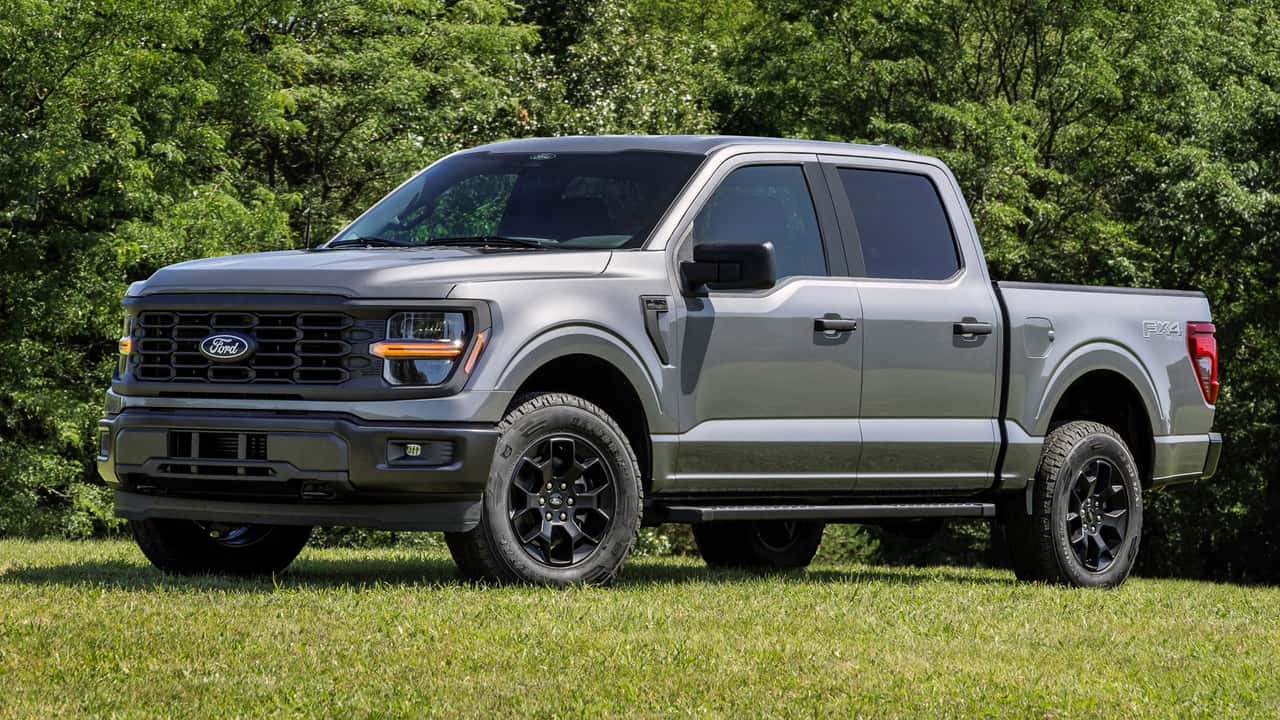
The Ford F-150 continues to champion a “have it your way” approach, offering an expansive range of body styles, powertrains, and customization options. Shoppers can select from traditional gasoline engines, hybrid variants, or even the fully electric F-150 Lightning, making it adaptable for nearly any purpose.
Lower trims provide the basics for commuting and worksite duties, while upper-level models lean heavily into luxury with premium materials and features. Specialized off-road versions cater to adventure seekers, whether through rugged rock crawling or high-speed desert running.
In practice, the F-150 delivers a comfortable ride regardless of load. The twin-turbocharged V-6 options offer strong towing and hauling performance, while the Raptor R thrills with its supercharged V-8 and advanced chassis.
The Tremor trim offers a balanced blend of off-road ability and daily usability, and the all-new F-150 Lobo targets street truck enthusiasts, expanding on the smaller Maverick Lobo’s debut.
The interior remains practical and versatile, with large displays, flat floors for added cargo capacity, and a stowaway shifter to maximize utility.
Despite its many strengths, there are a few drawbacks. First, while traditional truck buyers may appreciate the F-150’s recognizable look, some may feel Ford has been too conservative with exterior design changes.
Second, the hybrid version suffers from overly sensitive brake tuning. Lastly, the best-equipped configurations come at a steep price, leaving budget-conscious buyers with fewer appealing options.
That said, these shortcomings haven’t dulled our overall excitement for the F-150. Although Ford has cut some standard content from lower trims for 2025, it has offset those losses with reduced starting prices.
The result is a lineup that remains broad, flexible, and highly competitive, solidifying the F-150 as a leading choice among full-size pickups.
2. Toyota Tacoma
The Toyota Tacoma has built a cult-like following because of its reputation for durability in extreme conditions. This midsize truck thrives in desert heat, mountain snow, and coastal humidity.
Tacoma frames in the past had rust concerns, but Toyota addressed them with improved coatings and corrosion protection, giving modern Tacomas impressive longevity.
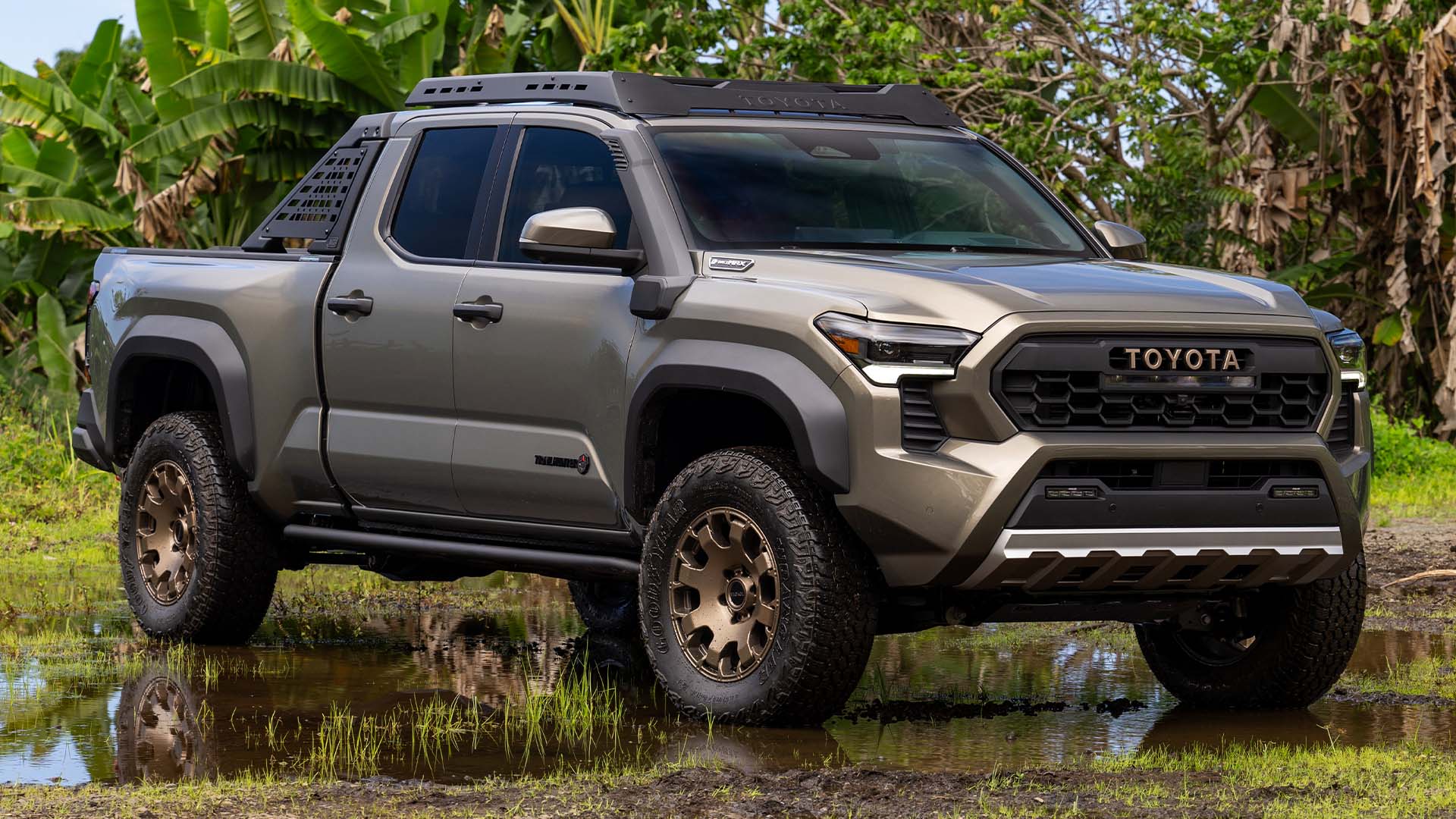
Off-road enthusiasts especially love the TRD models, which handle mud, sand, and ice with ease. If you’re looking for a truck that can survive Alaska’s harsh winters or Arizona’s relentless summers, the Tacoma won’t let you down.
The 2022 Toyota Tacoma remains a strong choice for work and a standout in the off-road world, though its tight cabin and less refined road manners place it behind other midsize trucks in terms of comfort.
It’s the only pickup in its class that still comes with a manual transmission, but its underwhelming four-cylinder engine and the 270-hp V-6 don’t deliver particularly impressive results. A six-speed automatic is available, though it lacks refinement as well.
That said, Toyota’s reputation for long-term dependability bolsters the Tacoma’s appeal, and its off-road-focused models remain highly capable. With their durable equipment and compliant suspension, they thrive in challenging conditions, helping the Tacoma hold its ground alongside icons such as the Jeep Wrangler and its pickup variant, the Gladiator.
While the Tacoma doesn’t offer the same level of customization as the Jeep or the composed ride of the Chevy Colorado and GMC Canyon, it stands tall as a rugged and well-equipped midsize truck loaded with standard driver-assistance features.
The lifted versions of the Tacoma climb even higher for 2022. Both the Trail Edition and TRD Pro models now sit a half-inch taller at the rear and add 1.1 and 1.5 inches of height up front, respectively. This boost improves approach, departure, and breakover angles, making it easier to traverse uneven terrain.
The TRD Pro also gets a bold, exclusive Electric Lime paint option, while the Trail Edition can now be finished in Lunar Rock, previously a TRD Pro-only shade.
Enhancing the Trail Edition’s appearance are bronze 16-inch wheels and bronze grille lettering, while the TRD Pro gains a debossed “TRD Pro” logo on the rear bedsides and updated hood graphics.
We recommend the TRD Off-Road crew cab (Double Cab) model. It comes standard with an electronic locking rear differential, and we’d pair it with the optional four-wheel-drive system. The base four-cylinder doesn’t deliver enough performance, so the upgrade to the V-6 is worthwhile.
While opting for the manual transmission excludes some features, it avoids the automatic’s clunky behavior and makes driving more engaging. This choice does restrict the setup to the 5.0-foot bed, as the 6.0-foot version isn’t compatible with manuals, and Premium packages are unavailable with this configuration.
Even so, every Tacoma comes standard with 16-inch wheels, protective black over-fenders, an infotainment system with Apple CarPlay and Android Auto, Wi-Fi hotspot capability, and a suite of driver-assistance features. Adding the Technology package is a smart move, as it equips the truck with LED-enhanced headlights, blind-spot monitoring, rear cross-traffic alert, and parking sensors.
The Tacoma’s V-6 is the better option, providing respectable towing strength and more responsive power, though the base four-cylinder feels underpowered and is best skipped. We also suggest avoiding the six-speed automatic transmission with either engine, as it can be frustratingly unrefined.
A six-speed manual paired with the V-6 is the ideal combination. The TRD Sport and Limited trims cater more toward urban driving, while the TRD Off-Road and TRD Pro aim for trails and rugged backroads.
None of the models are especially quick, and ride comfort isn’t the Tacoma’s strongest suit, but its off-road ability is undeniable. The Limited trim offers the smoothest and quietest ride of the group, making it the best choice for those who prioritize comfort.
In contrast, the TRD Pro excels in tough terrain thanks to its taller suspension, aggressive shock absorbers, and all-terrain tires, though these features also make it less pleasant for daily use.
3. Chevrolet Silverado 1500
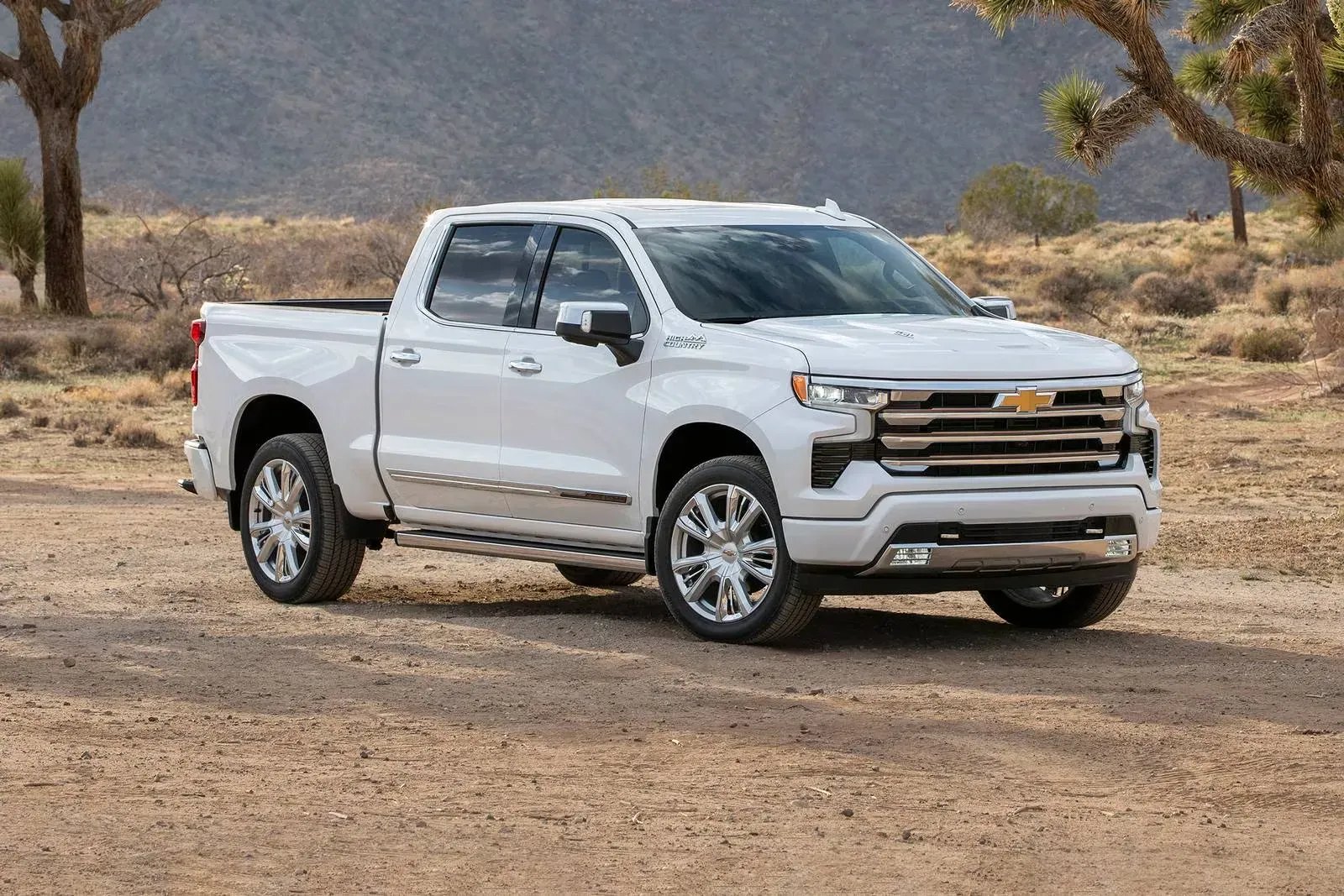
The Chevy Silverado 1500 has carved out its place as one of the most dependable trucks for U.S. drivers in all kinds of climates.
Its powerful engines, especially the V8 options, are designed to handle both towing heavy loads in high-altitude mountain regions and cruising effortlessly across flat, hot highways.
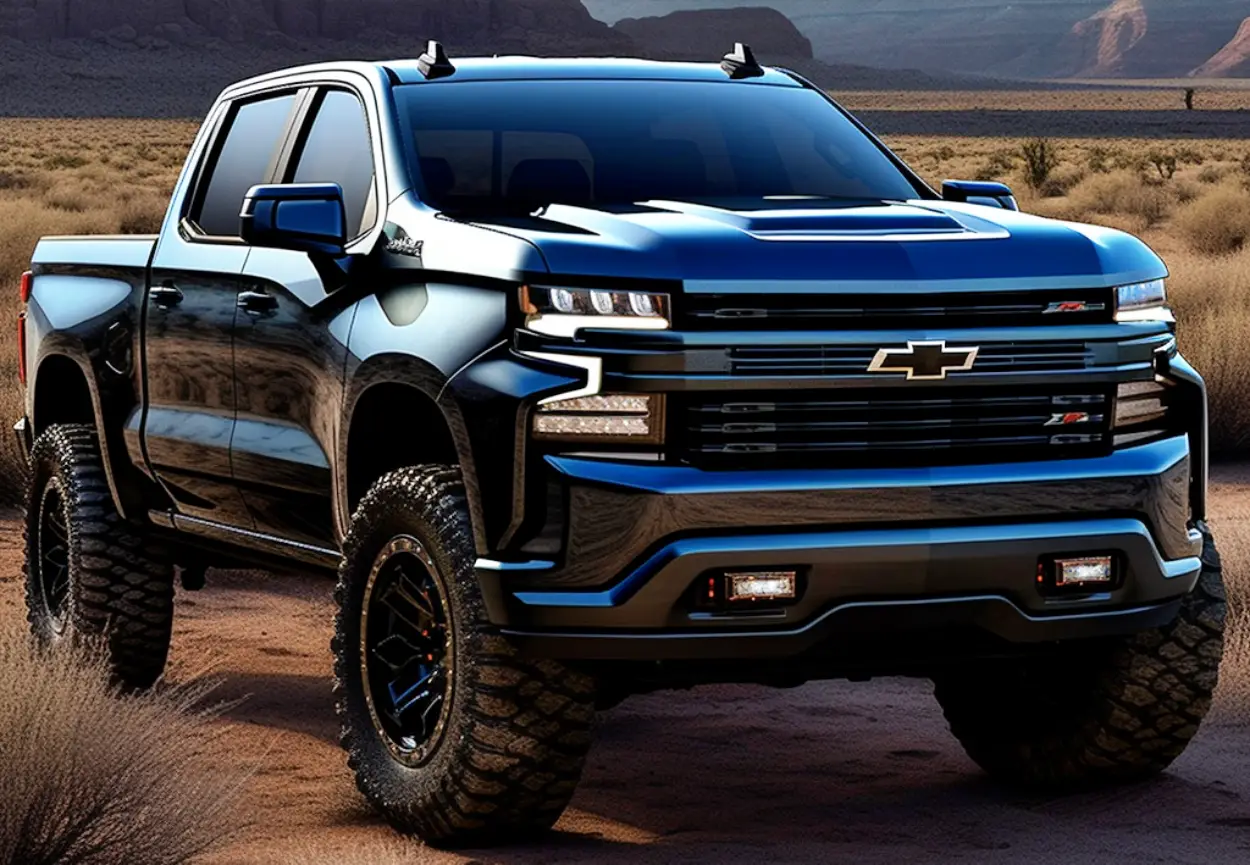
With robust undercoating and modern corrosion-resistant designs, the Silverado holds up well in regions that use heavy amounts of road salt. The Silverado’s mix of comfort and toughness makes it a practical year-round truck for Americans from Maine to California.
4. Ram 1500
The Ram 1500 is often praised for its smooth ride, thanks to coil-spring or available air suspension, but beneath that comfort is rugged durability.
Ram trucks are built to endure tough weather, and their interiors are insulated well, which is crucial in both extreme cold and hot regions.
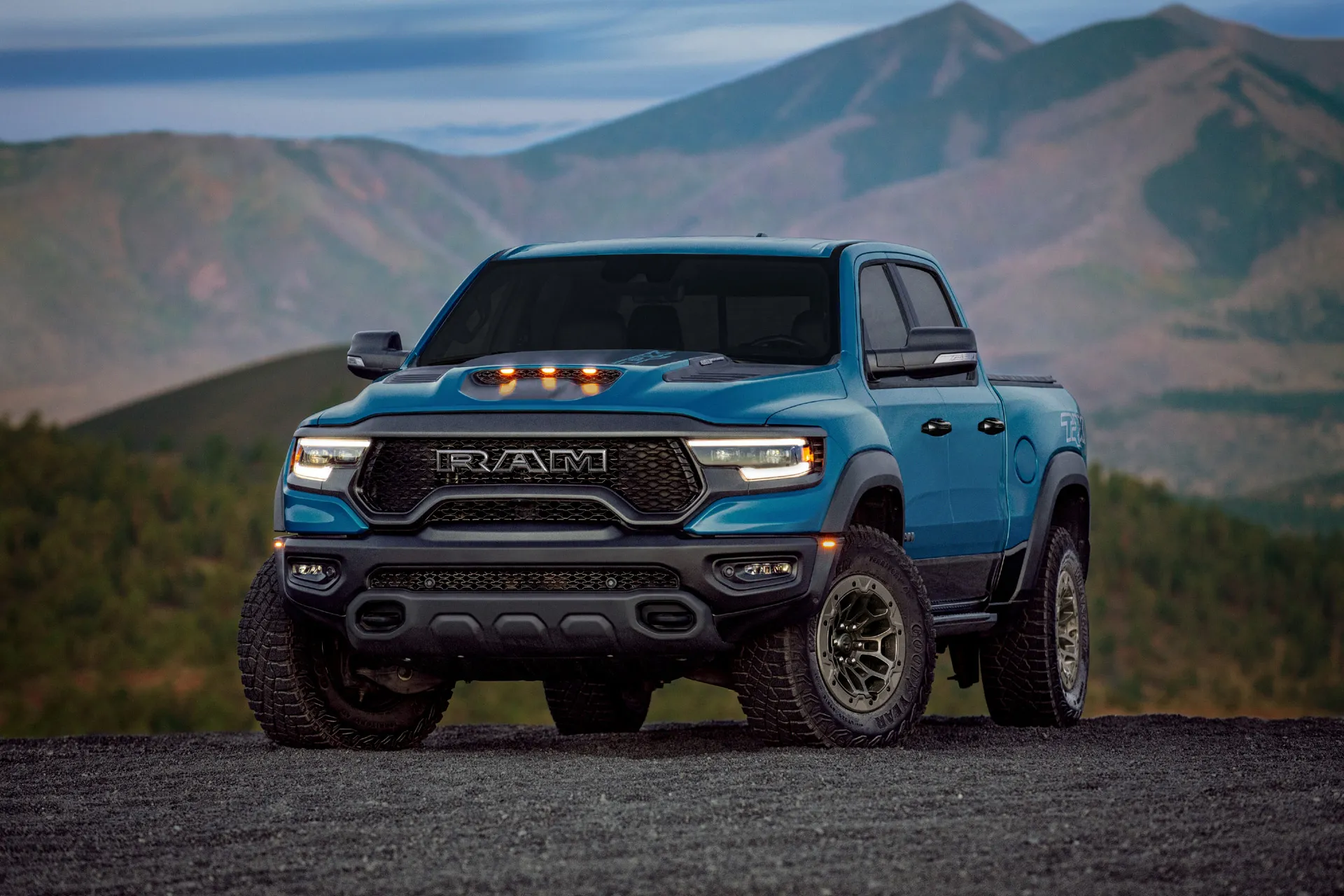
The HEMI V8 options have a proven track record of reliability, while the EcoDiesel variant appeals to drivers who want torque for towing in mountainous terrain.
Whether you’re facing muddy backroads in the South or icy highways in the Midwest, the Ram 1500 provides dependable performance.
5. Toyota Tundra
The Toyota Tundra is one of the most reliable full-size trucks on the market, and its durability across climates is legendary. Known for engines that can surpass 300,000 miles with regular maintenance, the Tundra thrives in every U.S. region.
Unlike many competitors, it has a strong track record of resisting corrosion even in coastal states and the salted winter roads of the Rust Belt.
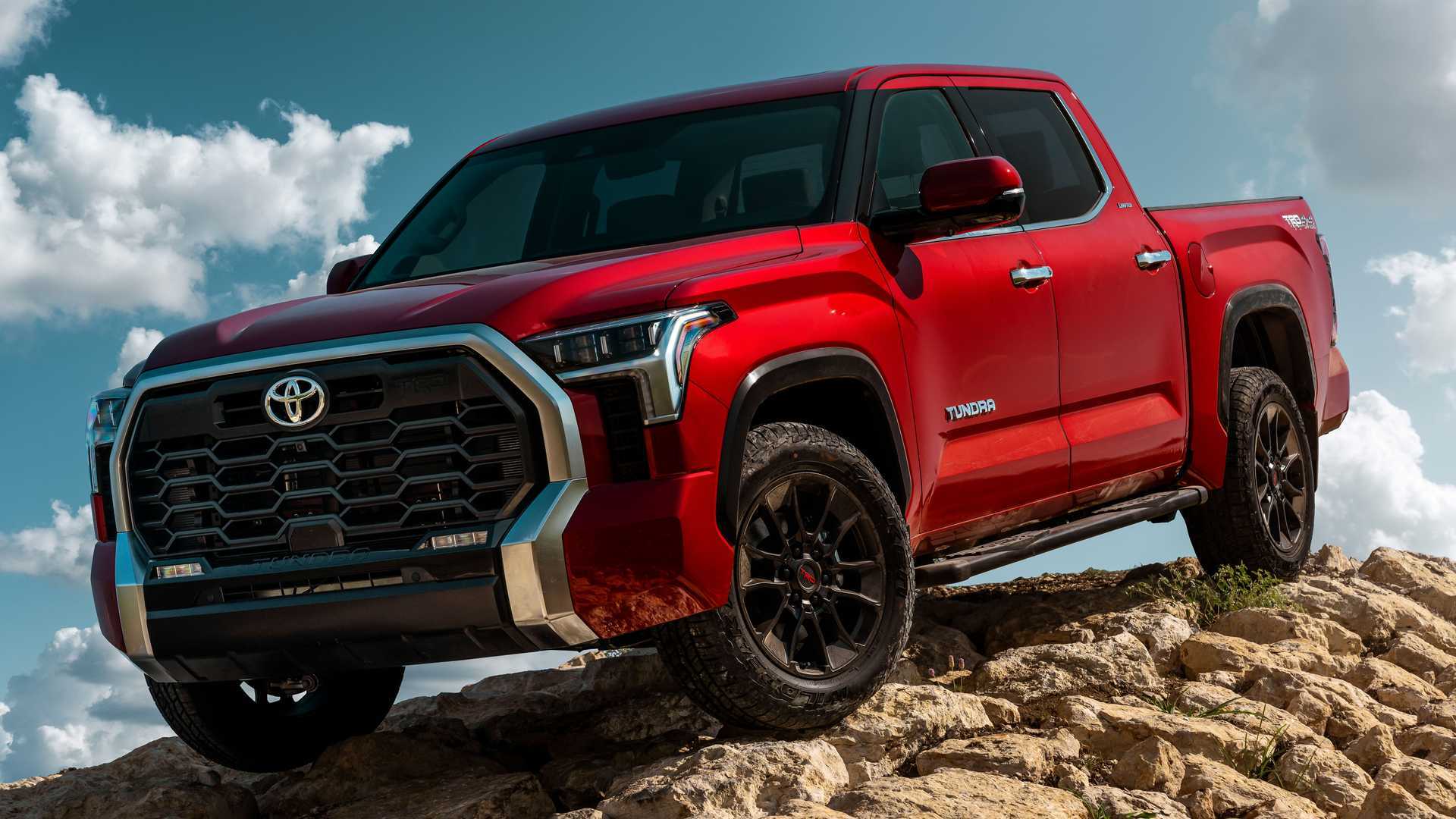
Its naturally aspirated V8 was beloved for simplicity and longevity, and the newer twin-turbo V6 maintains that reputation while adding efficiency. If you want a truck that won’t blink at a decade of punishing weather, the Tundra stands tall.
6. Nissan Frontier
The Nissan Frontier may not be as flashy as some rivals, but its rugged build has earned it a loyal following among truck owners in diverse climates. It’s particularly popular in areas with rough terrain and unpredictable weather because of its sturdy suspension and proven powertrains.
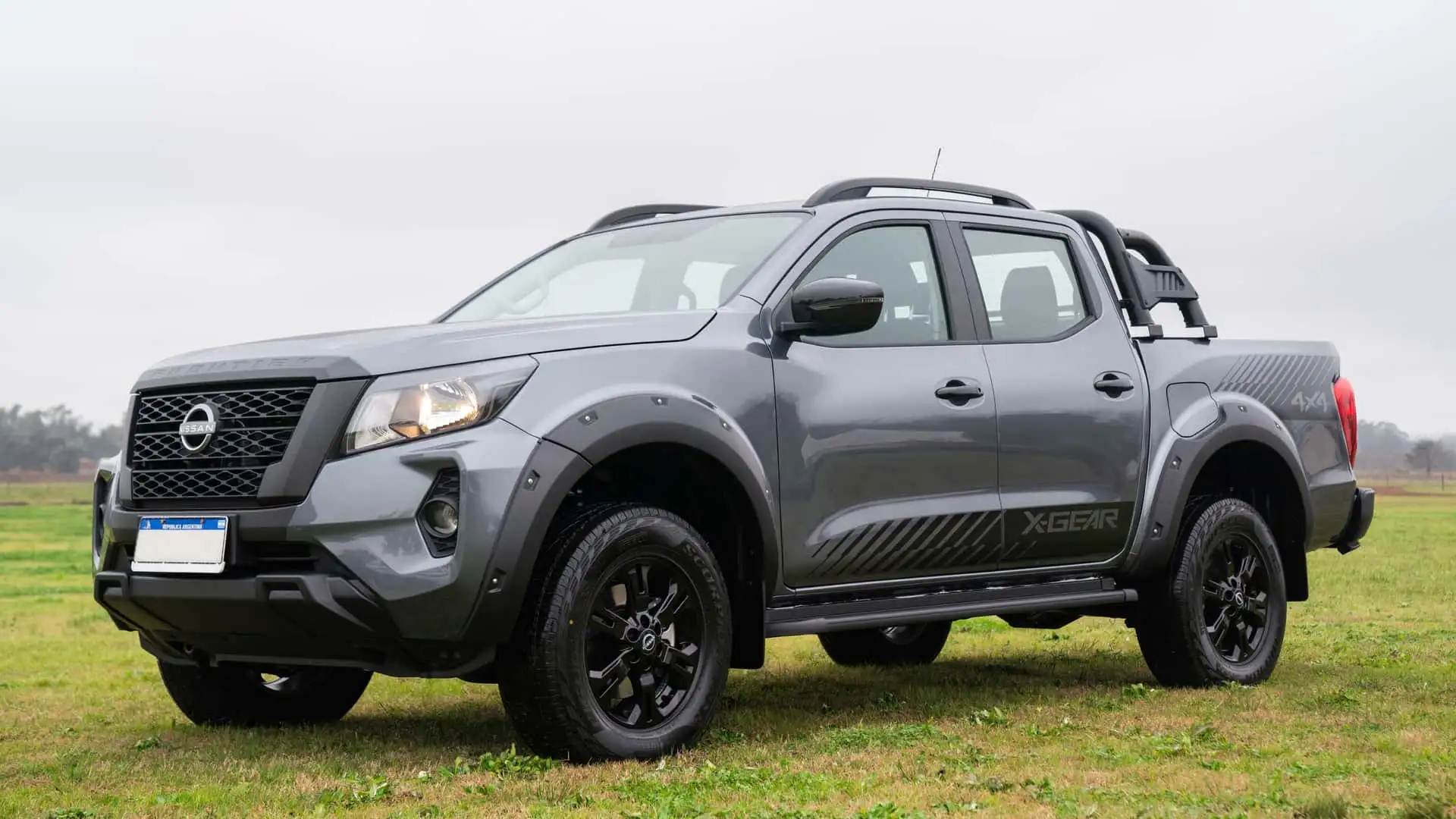
The Frontier is simple compared to others, which means fewer electronics to fail in extreme cold or heat. For drivers who prioritize durability over luxury and want something that feels dependable on dirt trails, snow-packed backroads, or sun-baked highways, the Frontier is a no-nonsense workhorse.
After more than 15 years without a major update, Nissan’s Frontier finally gets the full redesign it desperately needed for 2022.
The last generation debuted in 2005, and by the time 2021 rolled around, the Frontier was far behind rival midsize pickups in technology, comfort, towing, and hauling capability. With this year’s improvements, the 2022 Frontier feels far more competitive and appealing to truck buyers.
On the outside, the Frontier adopts a boxier, more upright design that gives it a tougher, more rugged presence. Underneath, however, it still shares many of its mechanical underpinnings with the prior model.
That includes the 310-horsepower 3.8-liter V6 engine Nissan introduced just a couple of years ago, which remains the only powertrain option. Where the changes are most obvious is inside the cabin.
The interior has been fully reworked, with a much cleaner dashboard and center console layout that finally meets modern expectations. Nissan also added upgraded technology and an expanded list of driver-assistance features, making the new Frontier far better equipped than before.
7. GMC Sierra 1500
Closely related to the Chevrolet Silverado, the GMC Sierra 1500 adds a touch of refinement without sacrificing strength.
What makes the Sierra appealing in different climates is its combination of advanced features like adaptive suspension and solid engine options with corrosion resistance and structural toughness.
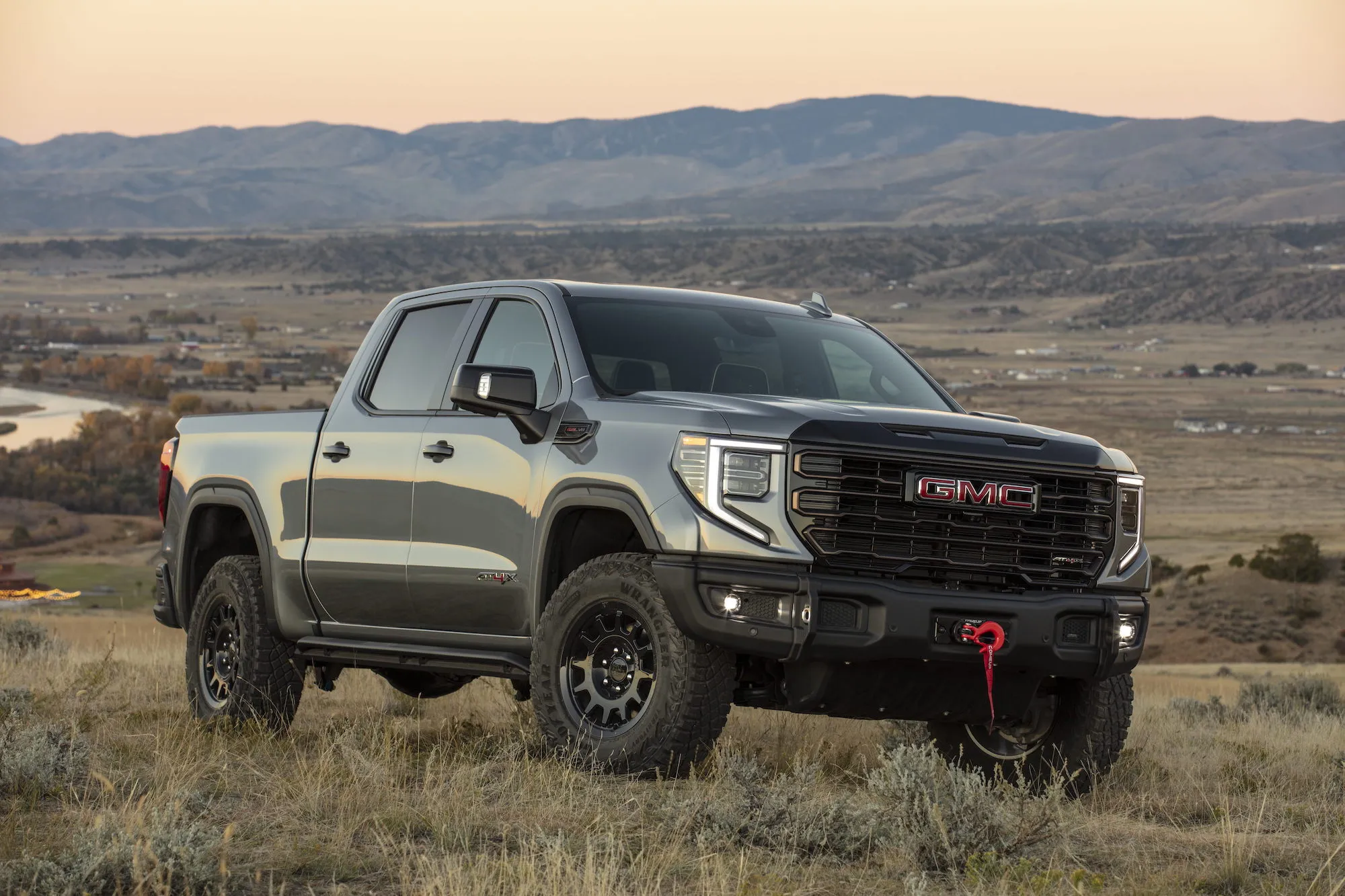
It handles cold-weather startups reliably and has cooling systems designed to withstand sweltering summers. For people who want a balance of comfort and toughness in climates that swing between extremes, the Sierra delivers.
The GMC Sierra 1500 offers plenty of variety under the hood, with four engines, two transmissions, and the choice of rear- or four-wheel drive. The standard engine is a turbocharged 2.7-liter four-cylinder producing 310 horsepower and 420 pound-feet of torque, paired with an eight-speed automatic.
Buyers can also opt for two V-8s, a 355-hp 5.3-liter or a 420-hp 6.2-liter, as well as a torque-heavy diesel inline-six that generates 460 pound-feet of torque. Each of these three engines is matched to a 10-speed automatic transmission.
At the test track, a fully equipped Denali Ultimate with the 6.2-liter V-8 sprinted to 60 mph in just 5.4 seconds, showing the Sierra’s serious muscle. The truck can also be fitted with adaptive dampers and wheels up to 22 inches in size.
Although the Sierra doesn’t reach the extreme off-road capability of the Ford F-150 Raptor, it does provide two rugged off-road-focused trims.
The AT4 comes with a 2.0-inch suspension lift and other functional upgrades, while the AT4X mirrors the Chevrolet Silverado ZR2 with advanced spool-valve dampers, locking front and rear differentials, reinforced skid plates, and aggressive off-road tires wrapped around black 18-inch wheels.
For even more hardcore adventuring, the AT4X AEV edition adds steel rock sliders, AEV 18-inch wheels, and a steel front bumper equipped with a winch. While the Sierra rides more firmly than the Ram 1500, it delivers impressive control on the road with responsive steering and limited body roll.
8. Honda Ridgeline
While the Honda Ridgeline often gets dismissed by hardcore truck enthusiasts because of its unibody design, it’s actually one of the most climate-friendly pickups on the market.
Its unibody construction means less exposed metal to rust, making it an excellent choice for coastal states. Its all-wheel-drive system is engineered to handle snow and rain with ease, and the Ridgeline’s car-like comfort makes it appealing for families who live in regions where weather changes quickly.
It may not be the go-to for towing massive loads, but for everyday use in harsh climates, it’s hard to beat.
Overall, the Honda Ridgeline continues to win favor for its carlike ride and light-duty pickup capability, all wrapped in a clean, practical design.
Since its debut nearly 20 years ago, the Ridgeline has been something of a lightning rod in the truck world, with debates still swirling about whether it qualifies as a “real” truck. Regardless, it performs many tasks well.
That said, the midsize pickup market has grown more competitive, with rivals offering broader configurations, stronger performance, and greater flexibility. Compounding matters is the Ridgeline’s aging powertrain, which increasingly feels like a weak point.
The current generation is approaching a decade on the market, and despite Honda’s efforts, it hasn’t generated much excitement in recent years.
The good news for buyers is that the 2026 Honda Ridgeline sees only modest price increases, just $500 more than 2025 across all trims. Updates are minimal, consisting of a new Ash Green Metallic paint option for the TrailSport and a contrasting black roof now available for the Black Edition model.
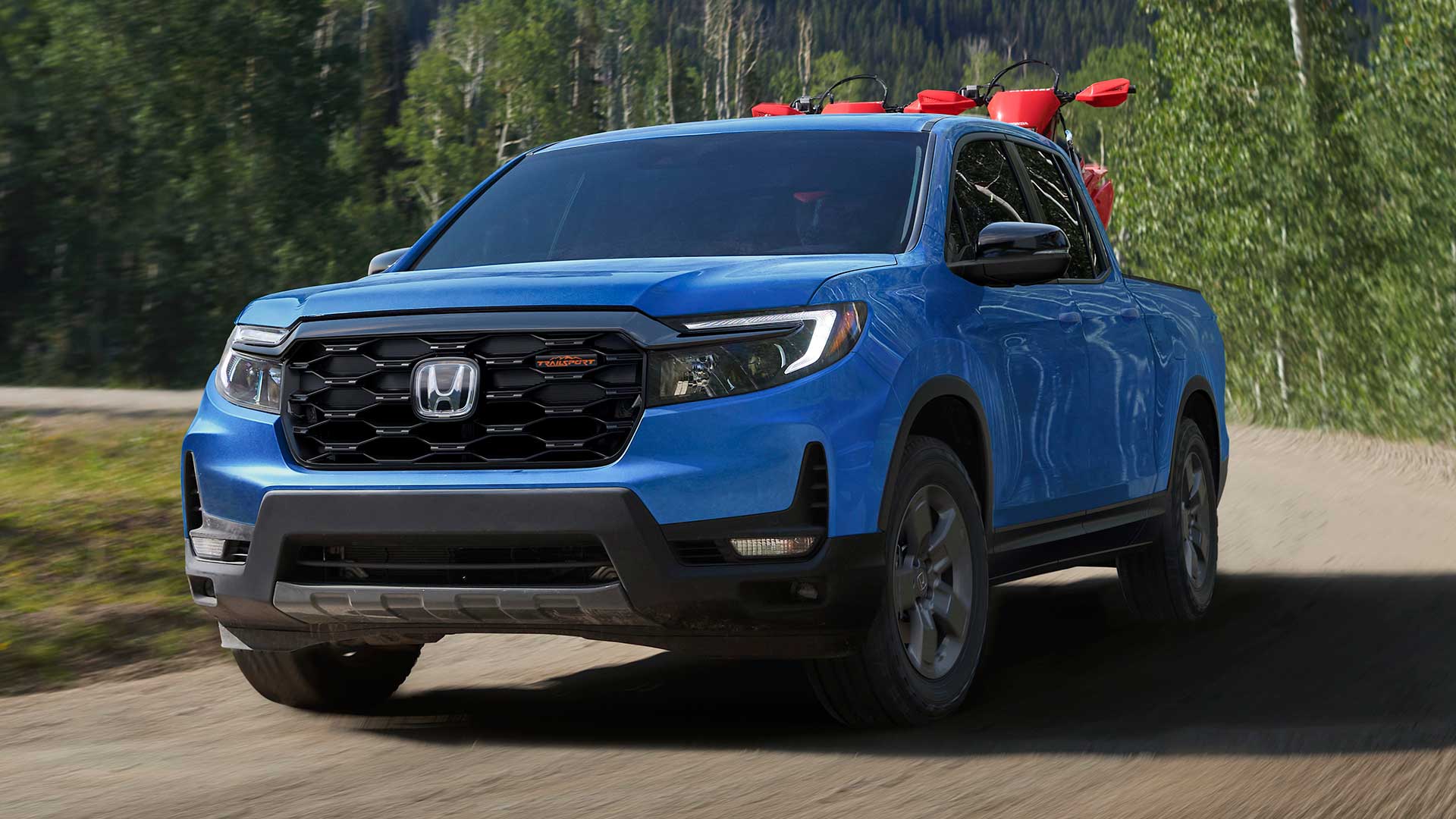
With a starting price of $42,090, the Ridgeline sits above the least expensive AWD midsize pickup, the Chevrolet Colorado WT 4WD at $36,895. At the other end of the spectrum, the Ridgeline Black Edition tops out at $48,690, which undercuts several rivals by thousands.
For instance, the 2025 Jeep Gladiator Mojave X asks $63,095, nearly $15,000 more. Even the Ford Ranger Lariat 4WD costs slightly more, at $49,150, while the Toyota Tacoma Limited Double Cab 4WD pushes nearly $6,000 higher than the Ridgeline Black Edition. The only competitor to come in lower is the Colorado Z71 at $45,595.
Standard features remain consistent with previous years: all Ridgelines come with all-wheel drive, a smooth 3.5-liter V-6, crew-cab body style, and a single bed length, though the clever in-bed trunk provides extra utility.
What the lineup lacks is any form of electrification, leaving it behind rivals like the Toyota Tacoma, which now offers a 2.4-liter turbocharged i-Force Max hybrid.
That setup provides 46 more horsepower and an additional 203 lb-ft of torque over the Ridgeline’s 280-hp, 262-lb-ft V-6. Even the Tacoma’s standard turbocharged 2.4-liter outpaces the Honda in torque, delivering up to 317 lb-ft depending on trim.
9. Ford Super Duty (F-250/F-350)
For those who need something larger than the F-150, the Ford Super Duty lineup provides unmatched capability while holding up well in extreme conditions.
Farmers in the Midwest depend on these trucks to start on sub-zero mornings, while contractors in the Southwest count on them not to overheat in punishing desert heat.
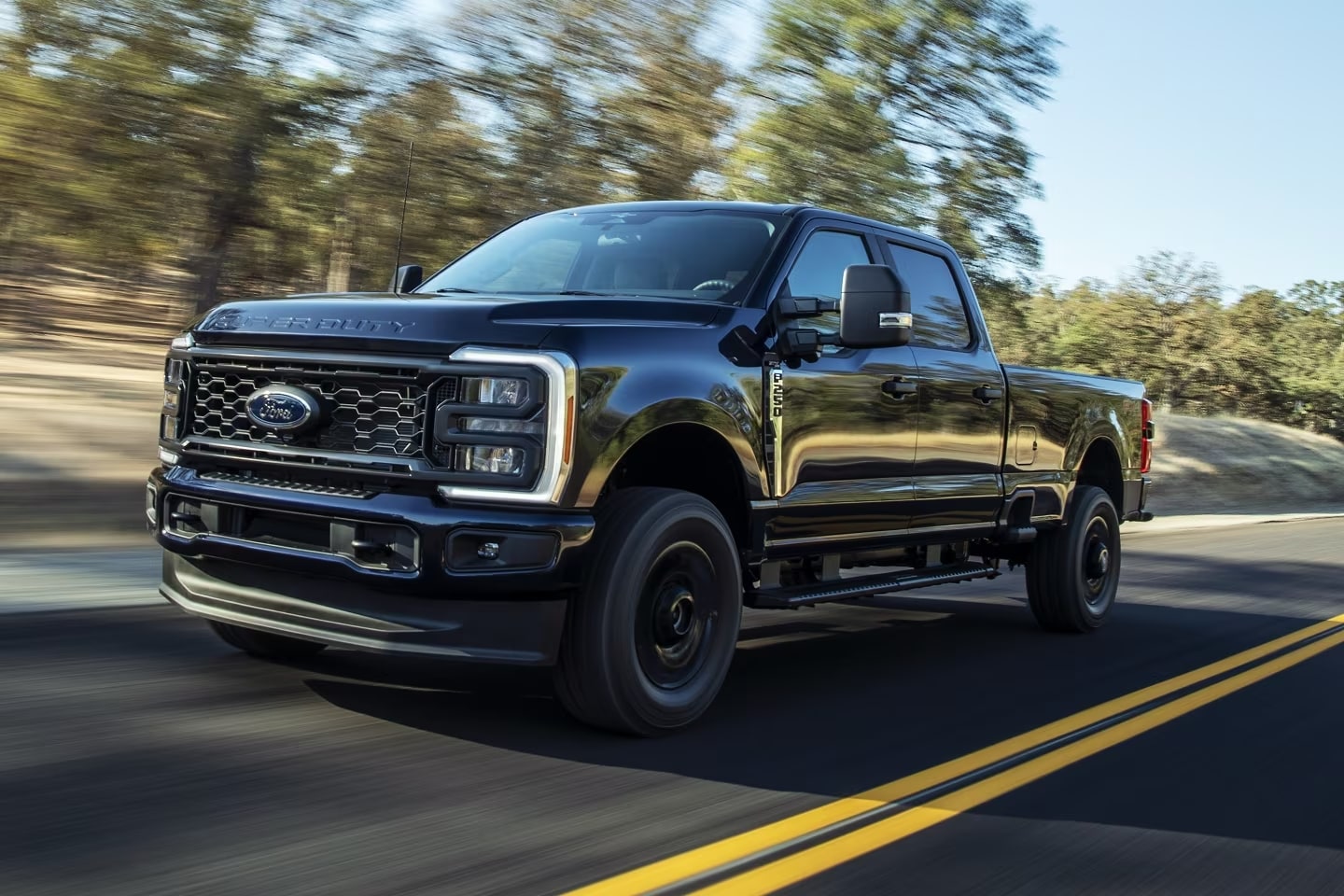
The heavy-duty frames and reinforced components also mean these trucks don’t crumble under the stress of salted winter roads or heavy use in wet, muddy areas. When it comes to climate resilience, few trucks are more prepared.
The 2023 Ford Super Duty lineup retains the same trim hierarchy as the previous model year. Among them, the midlevel Lariat stands out as the best balance of value and features.
It delivers a generous set of amenities, including LED lighting, power-adjustable front seats, a 360-degree camera system, and a premium B&O audio setup, without climbing into the higher price brackets of the King Ranch and Platinum trims.
The entry-level XL trim comes standard with a 6.8-liter V-8 producing 400 horsepower and 445 pound-feet of torque. For those wanting more muscle, a 7.3-liter V-8 with 430 horsepower and 485 pound-feet is available and comes standard on XLT models and above.
The crown jewel of the lineup, however, is the Power Stroke 6.7-liter diesel V-8. Depending on the configuration, this engine generates between 475–500 horsepower and a staggering 1050–1200 pound-feet of torque, with the higher output reserved for the upgraded version.
Across the board, a 10-speed automatic transmission manages power delivery, while buyers can opt for either single- or dual-rear-wheel axles to suit their towing and hauling needs.
For those who venture off the pavement, Ford offers the Tremor package, which equips the Super Duty with a lifted suspension, more aggressive tires, and other trail-ready hardware. Performance-wise, these trucks live up to expectations for heavy-duty rigs designed to tow as much as 19 tons.
When unloaded, the ride tends to feel firm and bouncy, though it noticeably smooths out under a payload or with a trailer in tow. Higher-end trims also excel at keeping wind and road noise to a minimum, making highway cruising more pleasant.
During testing, the Super Duty impressed with firm, confidence-inspiring brake response and steering that remained relatively easy to manage at lower speeds, despite the size of the longest models.
On the track, a diesel-powered F-250 Platinum Tremor accelerated to 60 mph in just 5.5 seconds, showcasing surprising quickness for such a massive workhorse.
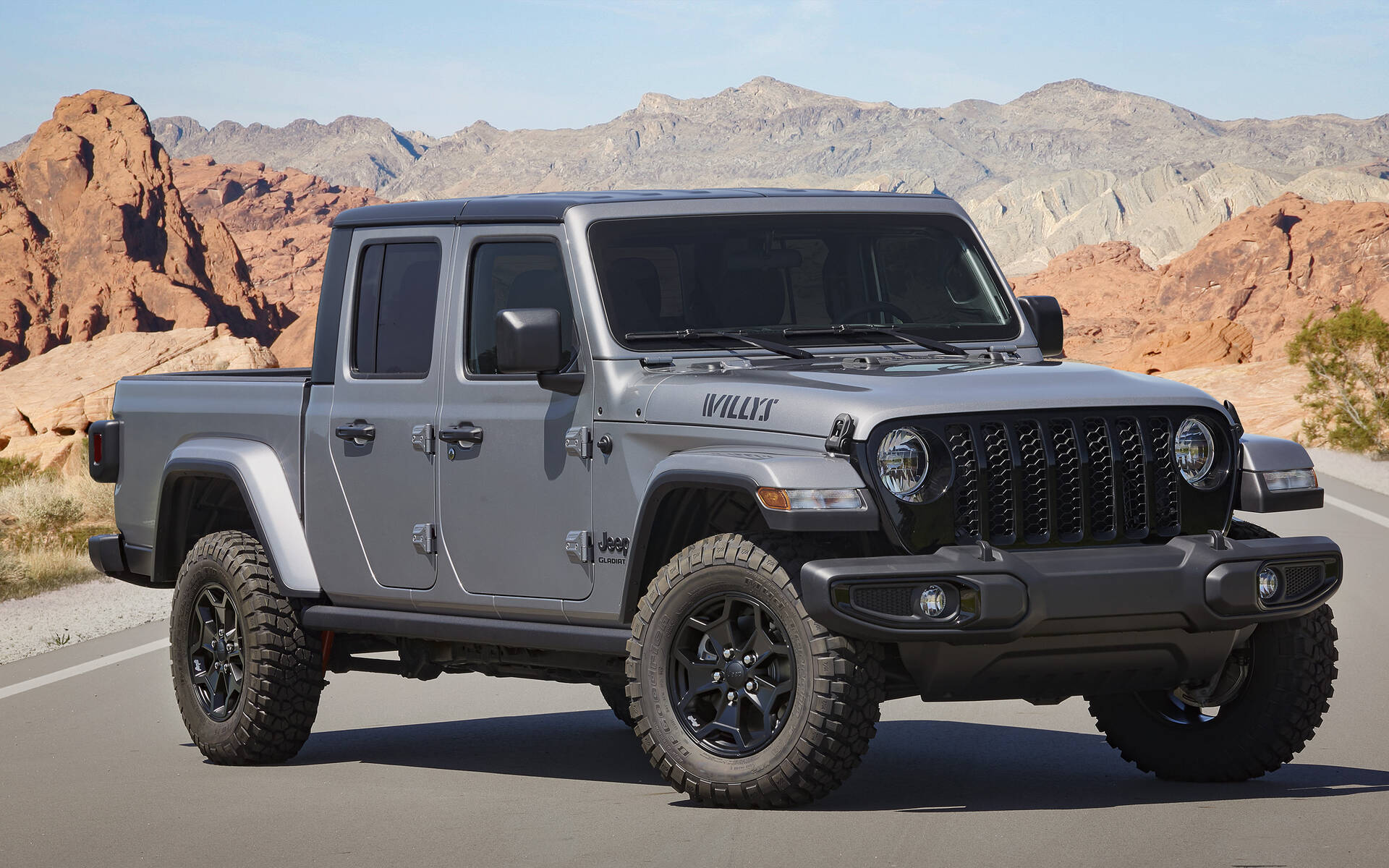
10. Jeep Gladiator
The Jeep Gladiator brings Jeep’s off-road DNA into the truck world, and that makes it an excellent option for climates that demand versatility.
In snowy states, the Gladiator’s 4WD and traction control systems provide confidence, while in desert regions, its trail-rated durability shines.
Jeep also engineered the Gladiator with corrosion protection, which is crucial for areas with salty air or heavy road salt. While it’s not the biggest hauler on this list, it’s one of the most adventurous trucks for drivers who need something capable of thriving in unpredictable climates.
For Americans, climate plays a huge role in how long a vehicle lasts. The trucks on this list aren’t just popular they’re proven survivors in extreme weather conditions.
From the Toyota Tacoma’s desert resilience to the Ford Super Duty’s ability to power through snowstorms, these trucks stand apart because they don’t just perform well in ideal circumstances they stay solid when the weather turns brutal.
If you live in a state where the seasons push vehicles to their limits, choosing one of these trucks can mean the difference between constant repairs and decades of reliable service.
