When most people go car shopping, they’re looking for something that balances price, comfort, and maybe a few modern features like a touchscreen or driver-assist tech.
But for seasoned mechanics, another factor looms large longevity. Some vehicles are simply “overbuilt,” designed with durability and engineering that goes beyond what the average driver would ever need.
These are cars that can withstand hundreds of thousands of miles with minimal major repairs, cars where the phrase “runs like new” can still be true after decades.
In the United States, where many drivers keep their cars for 10 years or longer, finding one of these overbuilt models can mean huge savings in maintenance and replacement costs.
While modern vehicles often rely heavily on electronics and thinner components to reduce weight and improve efficiency, the cars mechanics consistently recommend as long-lasting tend to emphasize simplicity, robust engineering, and proven drivetrains.
Here are 12 cars that mechanics across the country say are overbuilt for longevity and why they continue to earn that reputation.
1. Toyota Land Cruiser
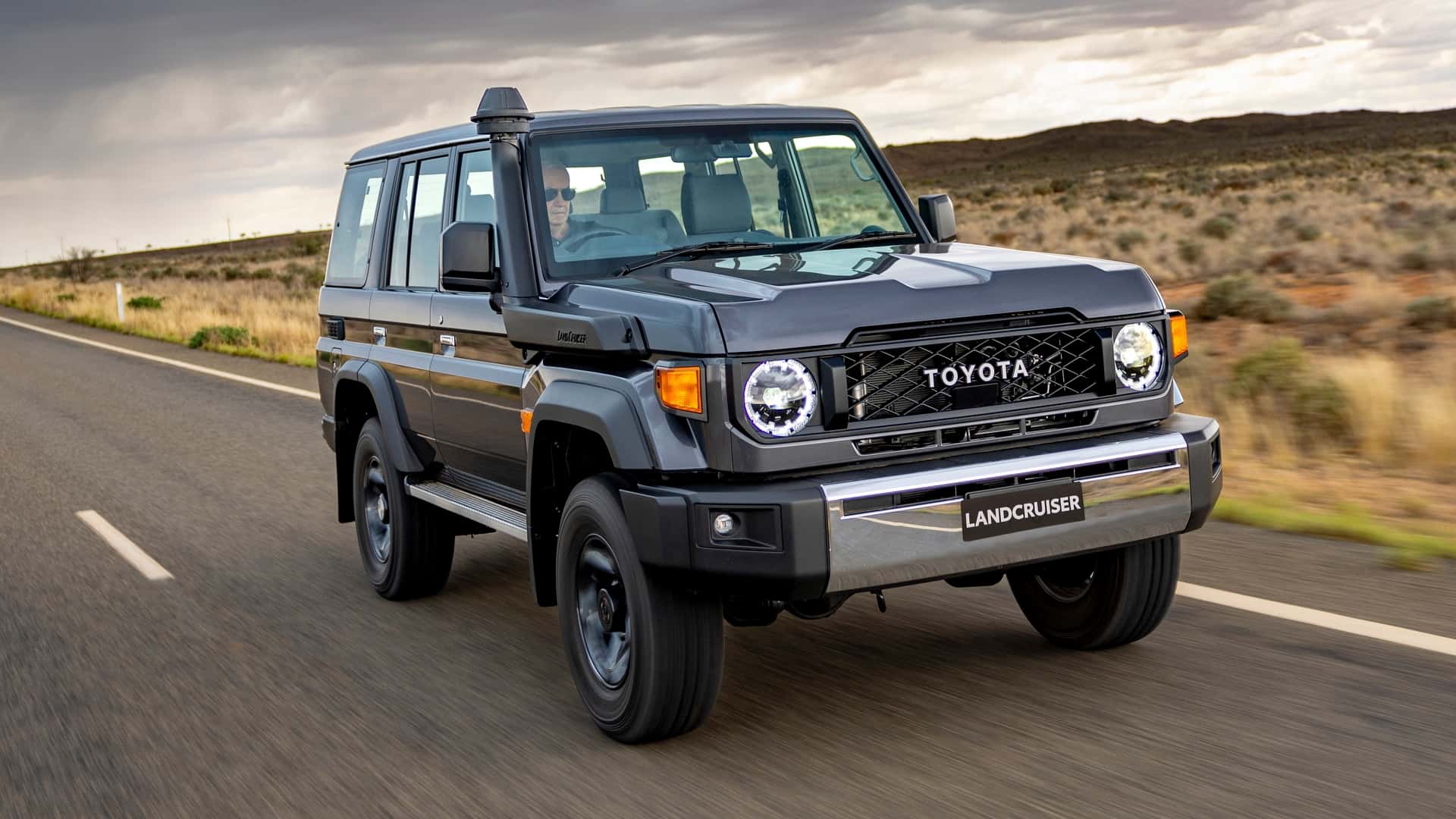
The Toyota Land Cruiser has legendary status for a reason. Mechanics point out that Toyota engineered this SUV to handle some of the world’s harshest terrains from Australian deserts to Middle Eastern dunes.
In the U.S., it’s more likely to see suburban duty, but its overbuilt frame, naturally aspirated V8 engines, and conservative engineering make it virtually indestructible.
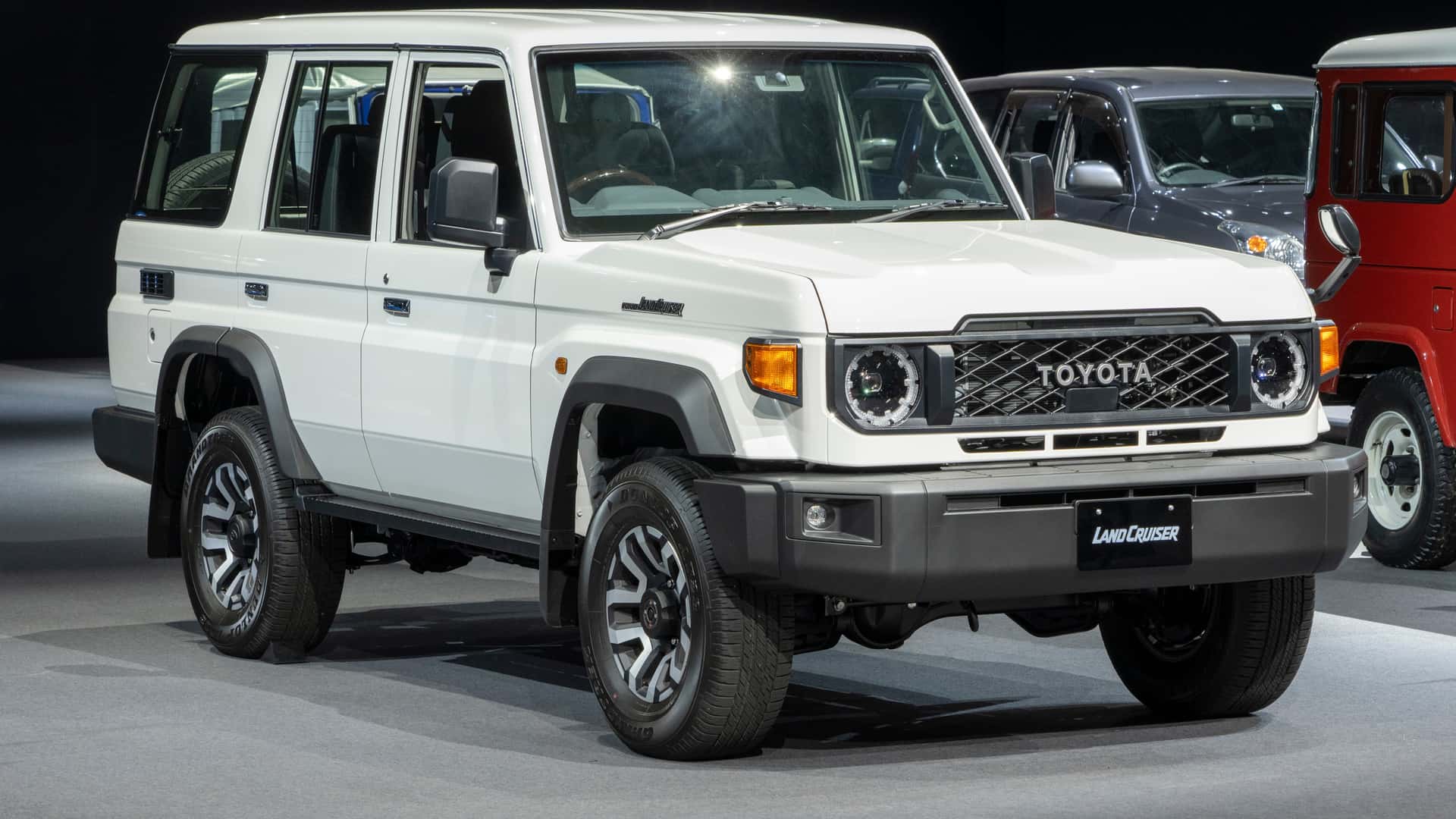
Many Land Cruisers cross the 400,000-mile mark with their original drivetrain intact, something few vehicles can claim. Even though Toyota has discontinued it in the American market, its reputation for outlasting anything else keeps resale values sky-high.
2. Lexus LS400
When Toyota launched Lexus in 1989, the LS400 was its crown jewel, and they spared no expense in making it bulletproof. The V8 engine, built with forged internals, is famous among mechanics for running smoothly well past 300,000 miles.
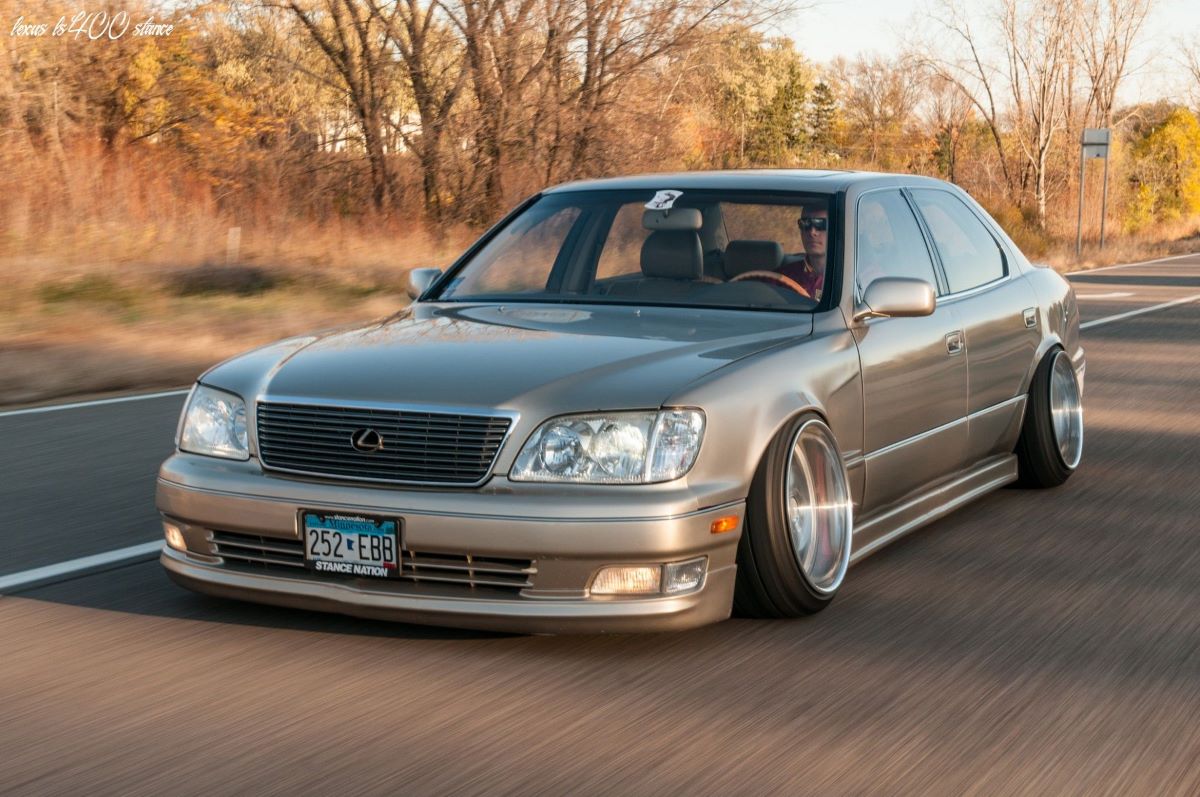
The build quality of the cabin and electronics also reflected Toyota’s goal to rival Mercedes-Benz and BMW but without the maintenance headaches. For many technicians, the LS400 represents peak “overbuilt” engineering a luxury car that didn’t cut corners anywhere.
The Lexus LS 400 debuted in 1989 as a direct challenger to European luxury sedans, offering exceptional build quality and refinement at a more affordable price.
More than a decade later, the LS remains one of the leading luxury sedans on the market. However, rivals from Europe have closed the gap, particularly in terms of value, and today the LS 400’s price is nearly on par with models like the BMW 540i and Mercedes-Benz E430.
Under the hood, the LS 400 is powered by a 4.0-liter V8 engine equipped with Lexus’s variable valve timing system, known as VVT-i. This setup produces 290 horsepower at 6,000 rpm and 300 pound-feet of torque at 4,000 rpm.
The result is power delivery that is impressively smooth and whisper-quiet. A five-speed electronically controlled automatic transmission sends power to the rear wheels, enabling the LS 400 to accelerate from zero to 60 mph in just 6.4 seconds, according to Lexus.
Safety technology is also a strong point. The LS 400 comes standard with Vehicle Skid Control (VSC), which helps maintain traction by detecting and correcting wheel spin in demanding driving conditions. For the 2000 model year, Lexus added a brake-assist feature to the VSC system.
This function recognizes a sudden, forceful application of the brake pedal as an emergency stop and, if the driver hasn’t pressed hard enough to activate the ABS, automatically increases braking pressure to provide maximum stopping force.
Inside, the LS 400 surrounds passengers with high levels of comfort and luxury. Leather upholstery and walnut wood trim are generously applied throughout the cabin, with four leather color choices available.
The automatic climate-control system uses an activated charcoal filter to capture dust and pollen, while a built-in smog sensor switches the system to recirculation mode when outside air quality drops.
Both driver and passenger enjoy 10-way power-adjustable seating, with heated seats offered as an option. The electroluminescent gauge cluster is clean and easy to read, and when paired with the optional navigation display, the interior takes on a distinctly high-tech feel.
The available navigation system is touch-operated, integrating audio and climate controls within the same interface. It provides turn-by-turn guidance via both voice instructions and on-screen prompts.
Instead of relying on CDs, the LS 400’s system uses a 2.0-gigabyte hard drive to store mapping data, covering all major highways and approximately 90 metropolitan areas across the United States.
In essence, the LS 400 is designed to handle everything for its driver. It delivers strong performance, outstanding quietness, and impressive comfort, while also offering a high degree of safety with front and side airbags, a rigid chassis, and optional xenon high-intensity discharge headlights.
Lexus has crafted a nearly flawless luxury vehicle for effortless travel from point A to point B. Still, some critics argue that the LS 400 removes too much of the driving experience, creating an overly isolated feel behind the wheel.
Also Read: Top 10 Cars That Are Built Like Tanks
3. Honda Accord (1990s–2000s models)
The Honda Accord has always been a safe bet for dependability, but mechanics often point to the late ’90s and early 2000s models as being particularly overbuilt. These sedans were engineered during a period when Honda emphasized mechanical robustness over cost-cutting.
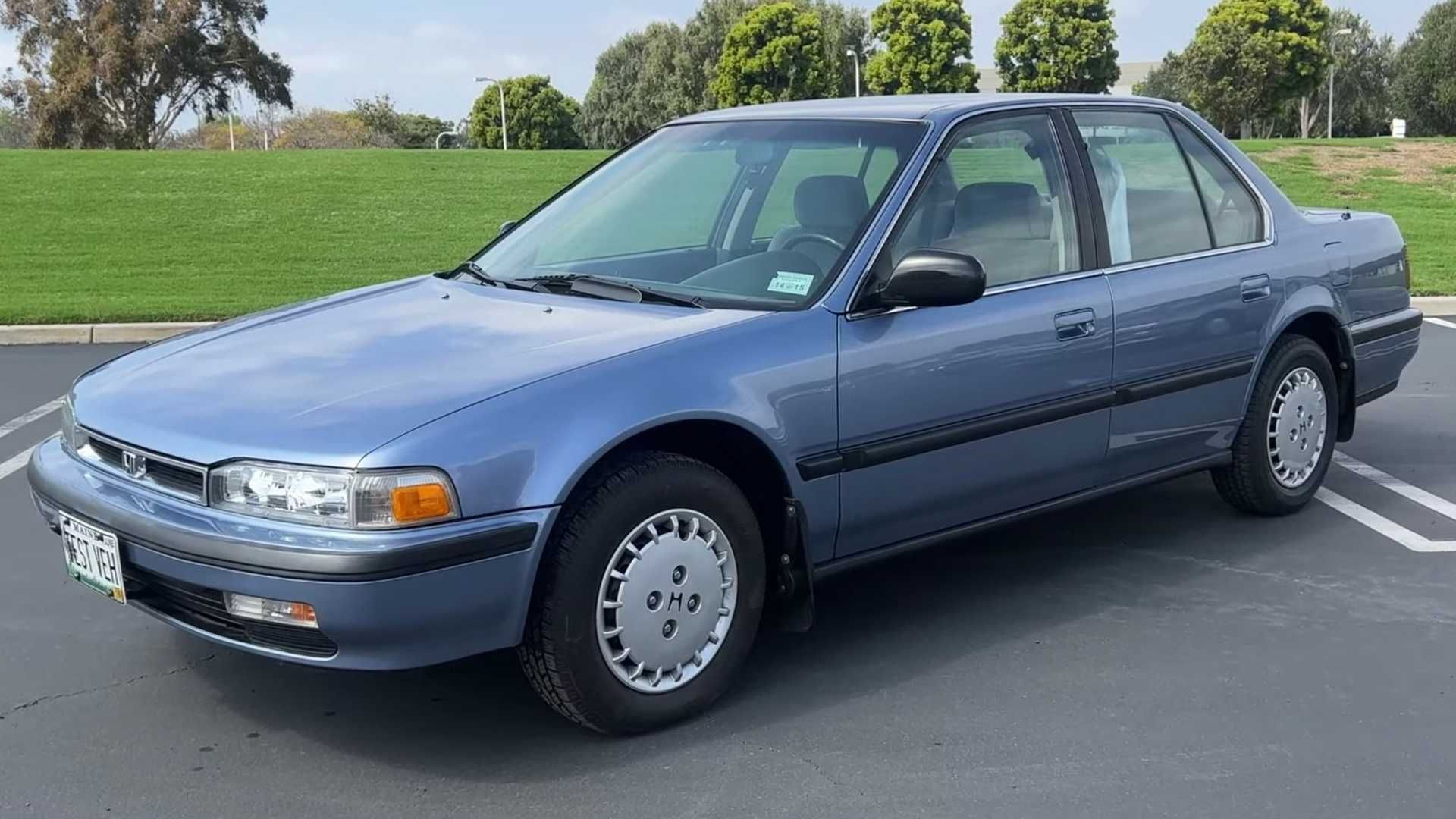
he inline-four engines, manual transmissions, and even the suspension systems were designed to handle abuse without breaking. Many older Accords are still daily drivers today with odometers reading well into the 300,000s.
The midsize sedan market isn’t as strong as it once was, and in the coming years, the number of choices will shrink even further.
Despite this, the Honda Accord has consistently remained one of the most dependable family sedans, and the 2025 model is expected to carry on that tradition. While the Accord continues to stand tall as a likely leader in the segment, competition among midsize sedans remains close.
For 2025, the Honda Accord lineup sees a few key changes, the biggest being the new SE trim, which takes the place of the previous EX model. Across all trims, rear climate-control vents and two USB-C charging ports are now standard. Meanwhile, hybrid versions benefit from the addition of a wireless phone charging pad to their equipment list.
The entry-level 2025 Honda Accord LX starts at $28,295, offering impressive features for its price point. Standard amenities include Apple CarPlay and Android Auto compatibility, a seven-inch touchscreen display, and a 10.2-inch digital driver information screen.
Moving up to the hybrid lineup, the Sport Hybrid starts at $33,655 and brings even more tech and comfort features. A larger 12.3-inch touchscreen is included, along with wireless Apple CarPlay and Android Auto, plus a wireless phone charging pad as part of the standard package.
The gas-powered Honda Accord delivers solid performance, courtesy of a 1.5-liter turbocharged four-cylinder engine paired with a CVT and front-wheel drive.
This setup generates 192 horsepower and 192 lb-ft of torque, making it slightly more powerful than the Hyundai Sonata, which produces 191 horsepower and 181 lb-ft of torque.
or those choosing the hybrid, the Accord is equipped with a 2.0-liter four-cylinder engine working alongside two electric motors. Paired with an eCVT and front-wheel drive, the hybrid version produces a combined 204 horsepower and 247 lb-ft of torque.
4. Toyota 4Runner
Like its cousin, the Land Cruiser, the Toyota 4Runner was built for durability, especially in its body-on-frame design. Mechanics often describe it as “too tough for its own good,” meaning it’s more durable than most owners will ever need.
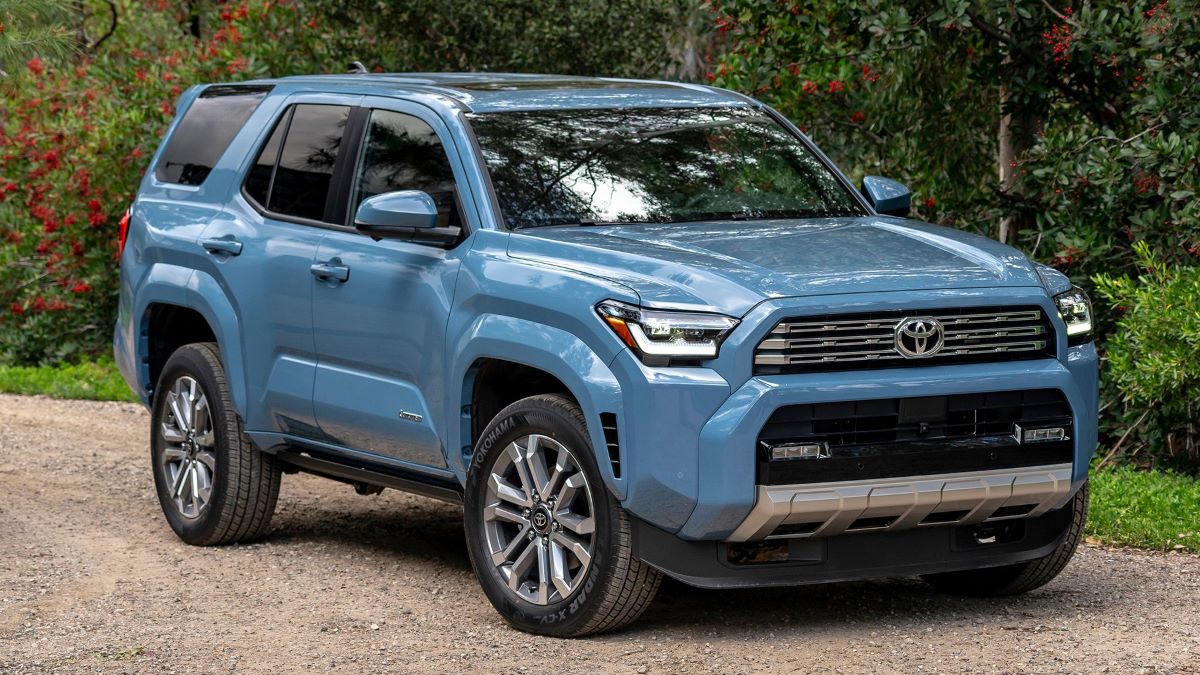
While newer SUVs shifted toward unibody construction for ride comfort, Toyota stuck with the old-school design that allows 4Runners to handle rough use year after year. It’s not unusual for a 4Runner to go 20 years without needing anything beyond routine maintenance.
5. Volvo 240
The Volvo 240 may not be the prettiest car on this list, but mechanics often joke that it will outlast humanity itself. Built from the late 1970s through the early 1990s, the 240 used thick-gauge steel, overengineered safety features, and simple mechanical components.
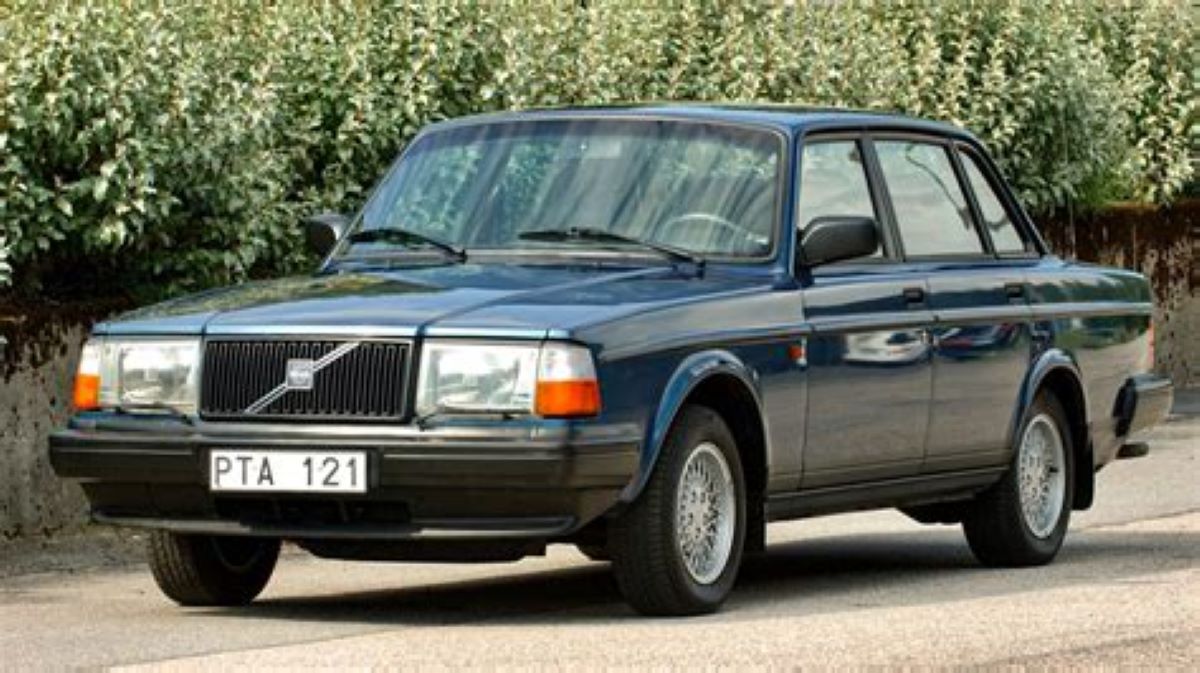
Its four-cylinder engines, while not powerful, were nearly indestructible. Many mechanics still see 240s coming into their shops today, proving that this Swedish box was designed with serious longevity in mind.
The Volvo 240 is not a car that immediately demands attention. Yet, as Hagerty’s Sam Smith notes, it’s a model that fundamentally reshaped the brand. It was the product of millions invested in research and development, aimed at moving Volvo away from its somewhat stodgy reputation and improving drivability.
During the 1960s, Volvo’s best-seller was the 140 series, which was offered in three body styles and enjoyed an eight-year production run that saw more than a million units sold.
Its replacement, however, would go on to surpass even that success. The Volvo 240 proved faster, safer, and more comfortable than its predecessor, ultimately becoming a major hit with 2.8 million units built over a 19-year production span.
Reliability played a big role in its popularity. So much so that Volvo created a “high mileage club” to honor dedicated owners who put significant miles on their cars. Any Volvo with over 100,000 miles qualified, and the brand would send out a new badge for every additional 50,000 miles achieved.
Of course, the 240 doesn’t appeal to everyone. Its design is boxy and devoid of the flair or curves seen in many other classics. Still, once you spend time behind the wheel, its unique charm begins to shine through.
What makes the 240 especially appealing today is its practicality as a usable classic. This stems from Volvo’s emphasis on over-engineering, with durable transmissions, strong differentials, robust suspension components, and an engine designed to be under-stressed.
Replacement parts are also relatively easy to find, with many shared across different Volvo models produced during its long run. However, for buyers seeking strict originality, it’s worth checking that interchangeable parts haven’t been swapped in along the way.
For enthusiasts considering ownership, now might be the right time. Values have been climbing, with average prices jumping about 60 percent to $8,500 by mid-2020, and good examples reaching around $9,200 as of last month.
6. Mercedes-Benz W123
Before Mercedes became known for costly electronic repairs, it was famous for overbuilding its cars to last forever. The W123, built from 1976 to 1985, is the poster child for this philosophy.
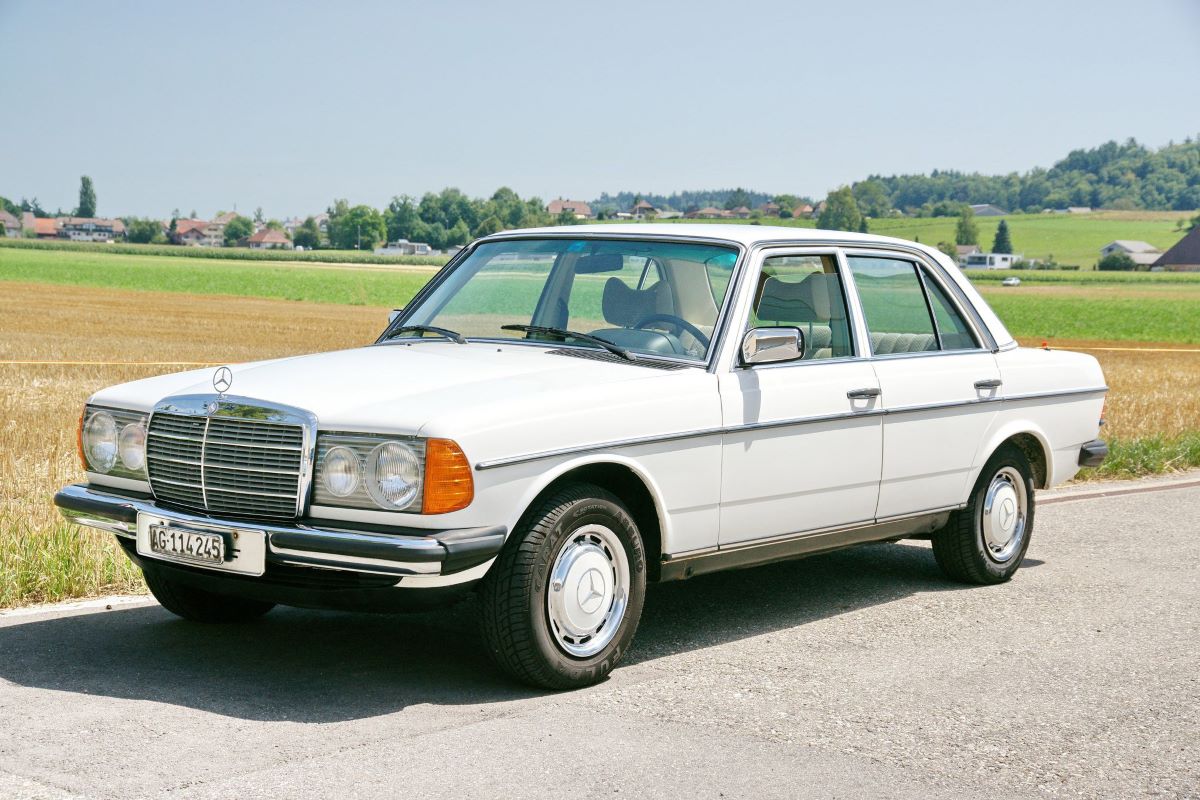
Mechanics rave about the bulletproof diesel engines that can cross half a million miles with only routine servicing. Even the body panels were engineered for longevity, with many examples still on the road decades later.
It’s one of the few luxury cars mechanics say was built like an industrial machine.
Also Read: 10 Cars That Withstand Daily Stop-and-Go Traffic
7. Toyota Camry (1990s–2000s models)
Much like the Accord, the Toyota Camry of the 1990s and early 2000s is widely regarded as overbuilt. The 2.2-liter 5S-FE and later 3.0-liter V6 engines are among the most reliable Toyota ever made.
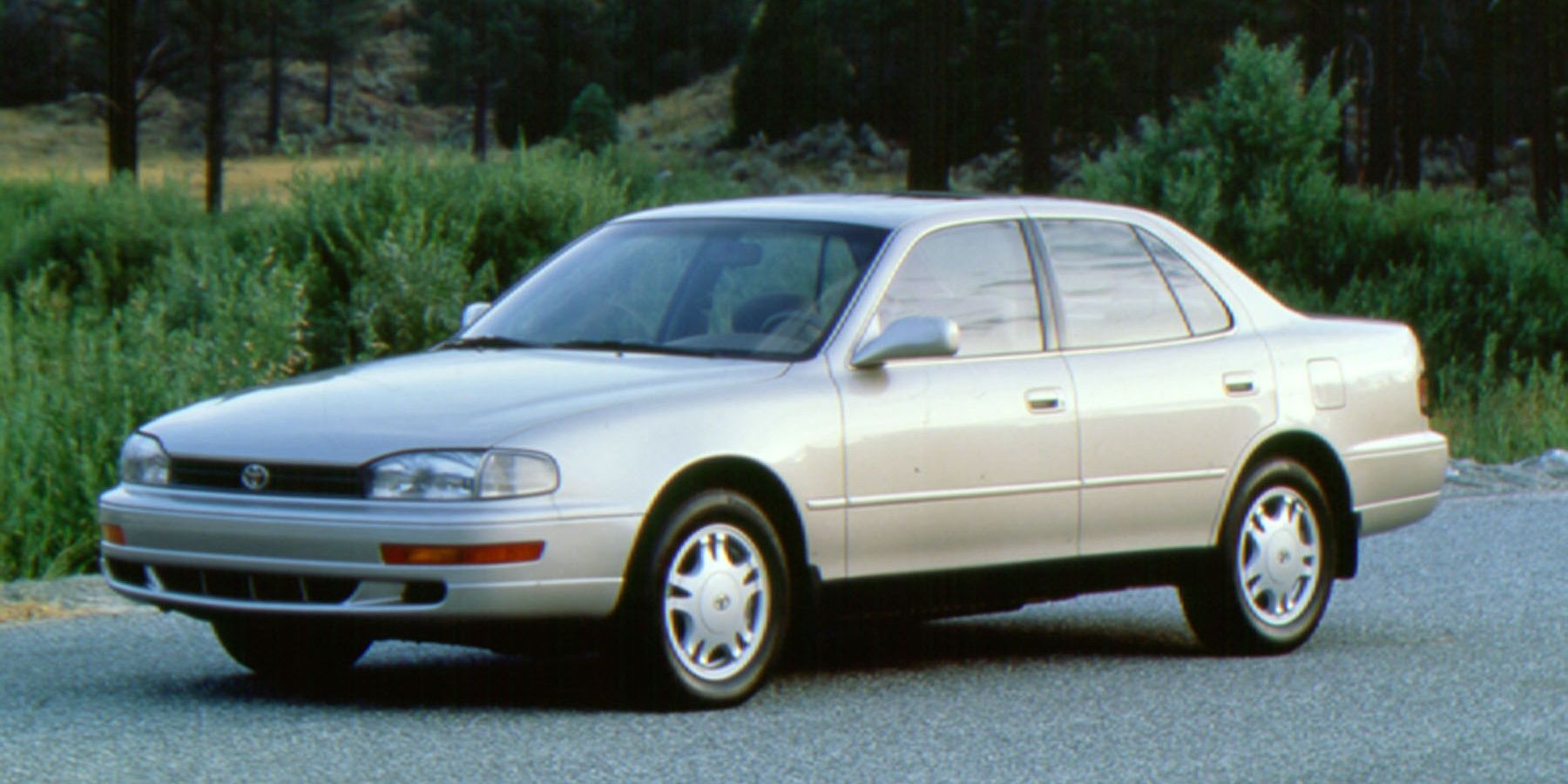
Mechanics appreciate these Camrys for their simplicity straightforward engines, durable transmissions, and interiors that hold up over decades.
While later generations shifted toward cost-saving designs, the older Camry models continue to be prized as nearly unbreakable commuters.
8. Subaru Outback (early generations)
Subaru’s Outback was designed for adventurous drivers, but the earlier models also benefited from robust engineering. Mechanics point out that the EJ22 engine, used in the ’90s Outbacks, is one of Subaru’s longest-lasting powerplants, often surviving well beyond 300,000 miles.
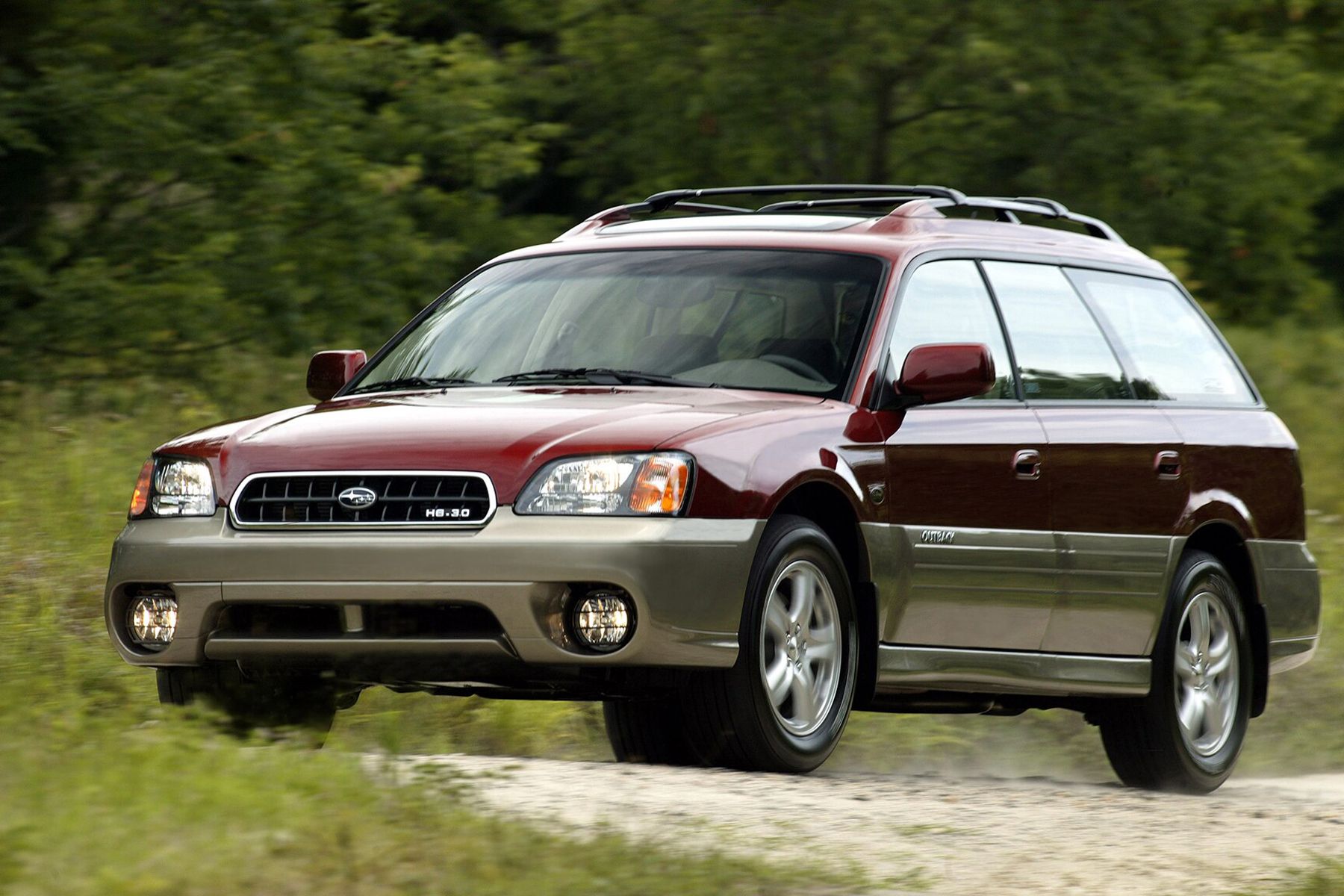
Paired with a rugged AWD system, these cars were essentially built to handle rough winters and unpaved roads year after year without falling apart.
Subaru markets the Outback as an SUV, but in truth, it’s more of a station wagon raised with additional ground clearance. Its versatility as both a capable cargo hauler and a dependable all-weather vehicle makes it particularly appealing to buyers with a taste for adventure.
Power comes from Subaru’s well-known horizontally opposed engines, a 2.5-liter four-cylinder and a 3.6-liter six-cylinder, that deliver respectable fuel economy. However, the Outback doesn’t quite offer the engaging driving experience that enthusiasts often desire.
What it does emphasize, though, is safety. Along with excellent crash-test ratings, Subaru equips the Outback with an array of advanced driver-assistance technologies, including automated emergency braking, adaptive cruise control, and automatic high-beam headlights.
As with all Subarus, all-wheel drive comes standard, further strengthening the Outback’s reputation as the go-to choice for outdoor lifestyles.
For 2018, the rugged Outback receives a refreshed look, highlighted by updates to its front bumper, grille, and headlamps. The Limited trim gains a new wheel design that sets it apart from other versions in the lineup. Subaru has also introduced a number of refinements aimed at improving comfort and drivability.
The electrically assisted power steering has been retuned, while the suspension has been revised to deliver a smoother ride. The continuously variable automatic transmission (CVT) has been made quieter, at least according to Subaru, and exterior sound levels are further reduced by thicker rear wheel-well liners, newly designed aerodynamic side mirrors, and insulated side front windows.
Inside, the cabin benefits from updates such as a redesigned steering wheel and center console. The infotainment system sees upgrades as well, with the standard screen growing from 6.2 inches to 6.5 inches and now offering Apple CarPlay and Android Auto compatibility.
A larger 8.0-inch touchscreen, up from last year’s 7.0-inch option, is also available. Additionally, adaptive headlamps debut for 2018, pivoting with the steering wheel to provide improved nighttime visibility.
9. Lexus GX
Often called a “Land Cruiser in disguise,” the Lexus GX is another vehicle mechanics consistently rank as overbuilt. Sharing much of its platform and drivetrain with Toyota’s global Prado model, the GX was engineered for extreme reliability in off-road environments.
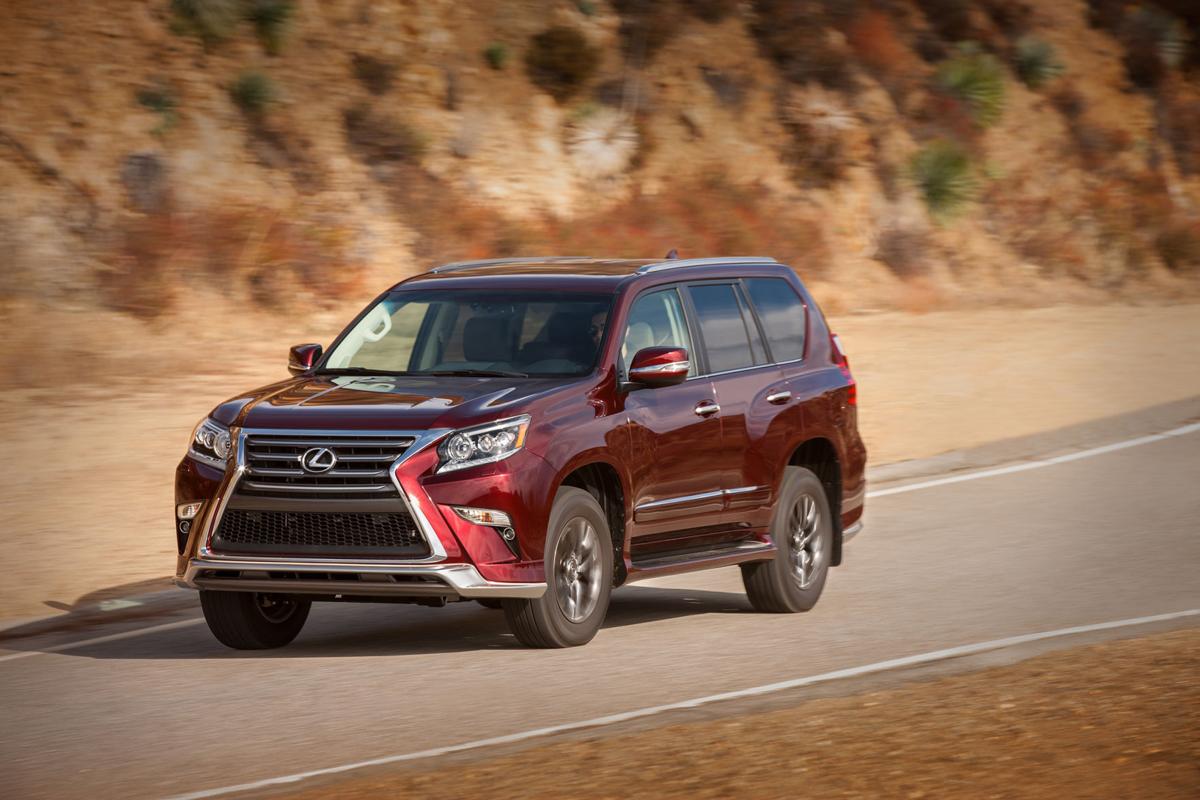
In the U.S., most GX models live easier lives, which means they last even longer. Mechanics love the simple, understressed V8 engine that rarely gives trouble, even at high mileage.
The Lexus GX 460 and the Toyota Land Cruiser both belong to Toyota’s Land Cruiser family of SUVs. Within this lineup, the Land Cruiser represents the automaker’s most premium offering, featuring a leather-and-wood interior with every piece of equipment included as standard.
The GX, on the other hand, builds upon this luxury positioning but is available with two additional option packages: Premium and Luxury. This Land Cruiser family holds an iconic reputation, competing on the global off-road stage while also standing alongside prestigious rivals like the Land Rover Range Rover.
The Lexus GX 460 itself is a large, boxy luxury SUV equipped with standard four-wheel drive, capable of tackling rugged terrain yet equally at home parked in front of upscale restaurants next to Bentleys and Ferraris.
The current generation of the Lexus GX debuted in the 2010 model year, receiving a styling refresh in 2014 that introduced the brand’s signature “spindle” grille, visually aligning it with the rest of the Lexus lineup. For 2018, the GX sees only a couple of small changes.
Within the GX 460 Luxury package, the semi-aniline leather second-row bench seat with diamond-cut perforations is now included as standard rather than being an added-cost option. Additionally, second-row captain’s chairs, offered as an alternative to the bench, have been incorporated into the Sport Design Package.
Powering the Lexus GX 460 is a 4.6-liter V-8 paired with a six-speed automatic transmission, delivering 301 horsepower and 329 pound-feet of torque. For an SUV of this size and weight, those numbers are far from impressive.
Its maximum towing capacity of 6,800 pounds is underwhelming, and fuel economy is too low to offset these shortcomings. The GX is ultimately an aging, body-on-frame sport-utility in a segment where competitors are constantly updating their models with modern improvements.
That said, its off-road credentials remain authentic, thanks to full-time four-wheel drive and a Torsen limited-slip differential with electronic locking functionality. However, its ride quality leans heavily toward the trucklike and firm side when compared with newer car-based unibody SUVs.
With the available automatic-leveling rear air suspension and the Kinetic Dynamic Suspension System, which automatically adjusts the anti-roll bars, the GX’s handling and body control are noticeably better than one might expect given its considerable weight and tall center of gravity.
10. Honda Civic (early 2000s)
The Honda Civic has long been one of America’s favorite compact cars, and for good reason. The early 2000s Civics, in particular, were overbuilt in ways modern compacts aren’t.
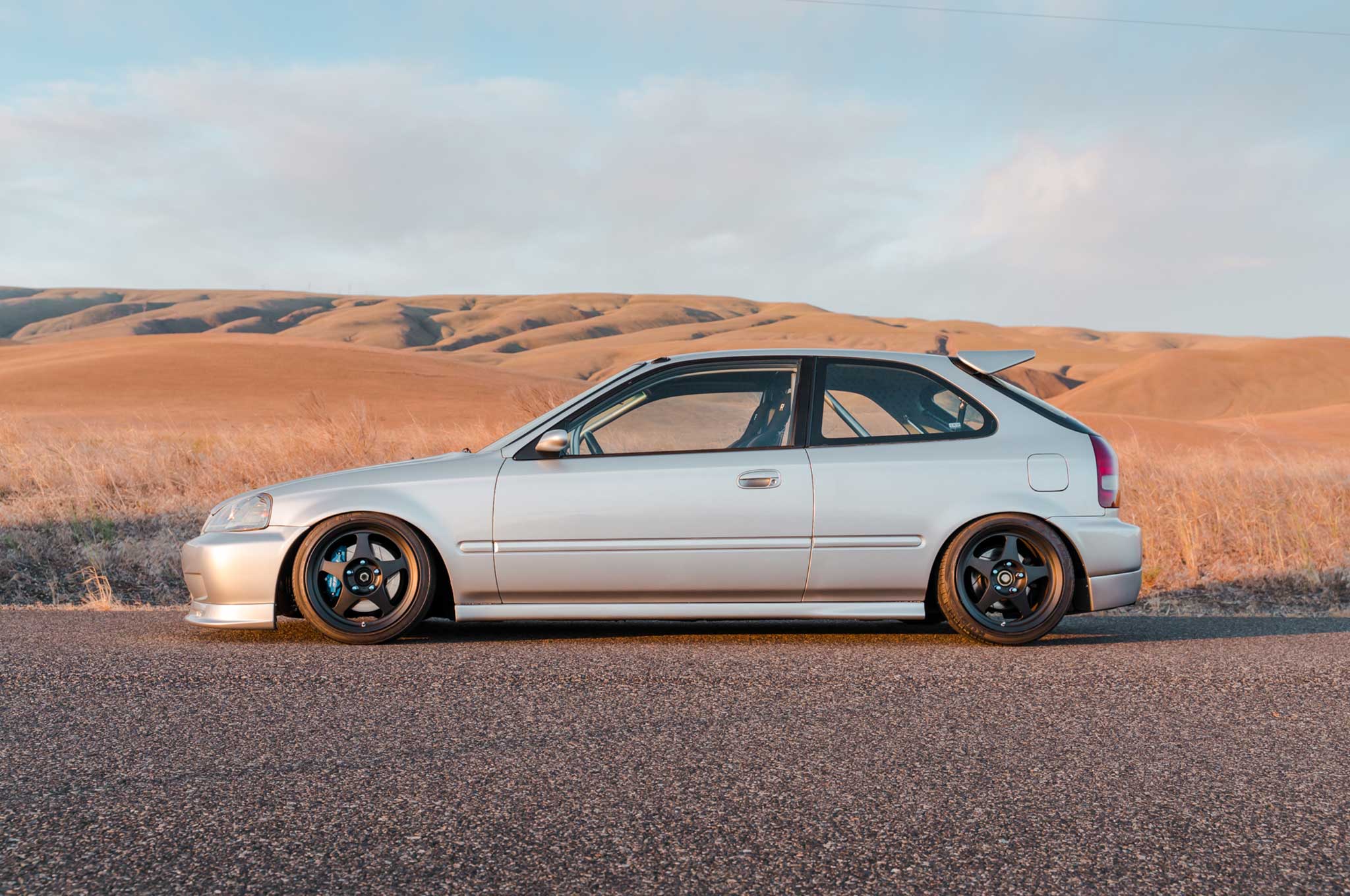
Mechanics highlight their long-lasting timing chains, stout transmissions, and engines that can run forever if oil changes are kept up. While newer Civics are more complex with turbocharged options, the older naturally aspirated models remain a mechanic’s favorite for dependability.
11. Toyota Hilux (global reputation, U.S. equivalent: Tacoma)
Though the Hilux itself wasn’t widely sold in the U.S. after the 1990s, its reputation as an indestructible truck is legendary among mechanics worldwide. The U.S. got its cousin, the Toyota Tacoma, which shares much of the Hilux’s DNA.
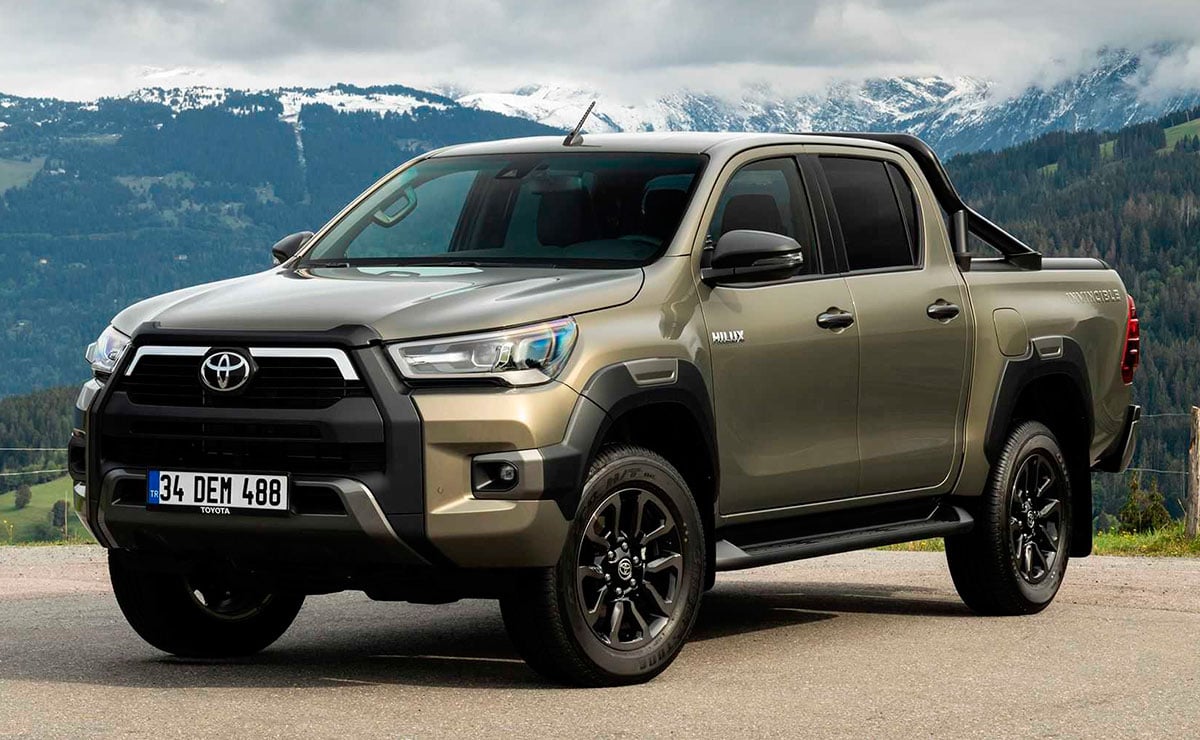
Both trucks are considered overbuilt, with frames, drivetrains, and suspensions designed for extreme abuse. In fact, mechanics often point out that many Tacomas on the road today are 20 years old and still running reliably with minimal major repairs.
12. Acura Legend
Before Acura shifted toward more luxury-oriented models, the Acura Legend of the late 1980s and early 1990s was built to last. Mechanics often note that the 3.2-liter V6 engine in these cars was exceptionally durable, with many crossing 300,000 miles without serious issues.
The Legend was also built with a level of fit and finish that Acura rarely matched afterward. For many mechanics, it’s an example of Japanese automakers going above and beyond during the golden era of overengineering.

Cars today are designed with efficiency and cost in mind, but the vehicles mechanics call “overbuilt” were engineered during a time when manufacturers prioritized durability and reputation.
Models like the Toyota Land Cruiser, Honda Accord, and Volvo 240 weren’t just built to get from point A to point B they were built to do so for decades, often outlasting multiple owners.
For American drivers who value dependability above all else, these cars remain some of the best examples of what happens when automakers go the extra mile in design and engineering.