

For decades, Americans have relied on pickup trucks not just as workhorses, but also as loyal companions on the road.
Whether it’s hauling equipment, towing boats, or simply handling day-to-day family duties, the right truck can easily outlive a couple of family cars if it’s well-built and properly maintained.
That’s why mechanics those who see vehicles at their best and worst often have a shortlist of pickups they consider “lifetime keepers.”
These aren’t the flashy models loaded with fragile gadgets; they’re the trucks that stand up to abuse, last hundreds of thousands of miles, and rarely leave their owners stranded.
Below, we’ll dive into 12 trucks that mechanics often recommend for anyone looking for a pickup to keep for the long haul.
1. Toyota Tacoma
The Toyota Tacoma has long been praised for its bulletproof reliability. Mechanics often note that the Tacoma’s simple, time-tested drivetrain and strong V6 engine make it nearly impossible to kill, provided the basics like oil changes and timing belt service are handled.

Owners routinely log 300,000-plus miles without major issues, and resale values stay high because demand never wanes.
While not the most powerful truck for towing heavy loads, its midsize size, off-road capability, and unbeatable dependability make it a forever keeper in the eyes of many technicians.
2. Toyota Tundra
The full-size Toyota Tundra shares the same reputation for durability as its smaller sibling. Built with a hearty V8 engine that can handle hundreds of thousands of miles without needing a rebuild, the Tundra wins mechanics over with its lack of chronic issues.
Even when used for towing RVs or boats, it rarely suffers the transmission or engine failures seen in other full-size trucks.
Toyota’s conservative engineering favoring tried-and-true components over experimental designs makes the Tundra a safe choice for anyone planning to own their truck for life.
Although it sits in the shadow of heavily hyped American pickups, the 2018 Toyota Tundra earns its place thanks to the brand’s reputation and its off-road prowess. Unlike its U.S. counterparts, the Tundra sticks to an all–V-8 lineup, with a standard 4.6-liter V-8 and an optional 5.7-liter that delivers 401 lb-ft of torque.
Both are paired with a six-speed automatic transmission and offer either rear- or four-wheel drive. Inside, the spacious crew-cab layout makes carrying passengers easy, but the interior falls short with underwhelming quality and a dated design.
On the outside, its bulky proportions ensure it stands out, though its styling now feels stale. Toyota has kept the aging pickup relevant with incremental updates, such as adding standard active safety technology this year. Still, the Tundra remains a competent yet modest choice in the segment, clearly awaiting a much-needed redesign.
Rather than a full refresh, the 2018 Tundra receives modest front-end updates and gains standard active safety technology. The regular cab and TRD Pro models exit the lineup, with the TRD Sport serving as a new addition. Depending on trim level, buyers will find either a billet-style grille or a honeycomb design.

All Tundras now feature updated exterior lighting, with certain versions receiving LED units. Inside, the gauge cluster has been revised and now includes a larger 4.2-inch driver information display.
The most notable upgrade is the addition of Toyota Safety Sense, a package of advanced driver aids that brings forward-collision warning, automated emergency braking, lane-departure warning, automatic high beams, and adaptive cruise control. With these features, the Tundra gains parity with rivals such as the Ram 1500 in terms of safety technology.
When stacked against modern powertrains, the Tundra’s engines and sole transmission feel dated. The top V-8 hasn’t seen an update since the George W. Bush administration, and its six-speed automatic lags behind competitors with their eight- and 10-speed units.
The base 4.6-liter engine produces 310 horsepower and 327 pound-feet of torque, while the optional 5.7-liter V-8 generates 381 horsepower and 401 pound-feet. Rear-wheel drive is standard, with four-wheel drive available, though not across every cab-and-bed configuration.
We’ve logged plenty of time with the larger V-8, which feels adequately energetic and quick when pressed. That said, a heavy throttle reveals an exhaust note reminiscent of a leaf blower. The six-speed automatic shifts deliberately but lacks the refinement of newer transmissions.
Driving the Tundra can feel like using CDs, it works, but it’s undeniably dated. Ride quality is firm, transmitting bumps directly into the cabin, with harsher impacts feeling jarring.
Models equipped with upgraded shocks, such as the TRD Pro or those with the TRD Off-Road package, offer slight improvements, reducing body movement and coping better with uneven terrain. Still, buyers prioritizing comfort will find the Ram 1500 with its optional air suspension a superior alternative.
Also Read: 5 Engines That Handle Stop-and-Go Traffic vs 5 That Break Early
3. Ford F-150 (2009–2014 Models)
As America’s best-selling vehicle for decades, the Ford F-150 has had highs and lows, but mechanics consistently praise the 2009–2014 generation for its overall toughness.
With options like the 5.0-liter Coyote V8, this F-150 is known for reliability without sacrificing towing ability.
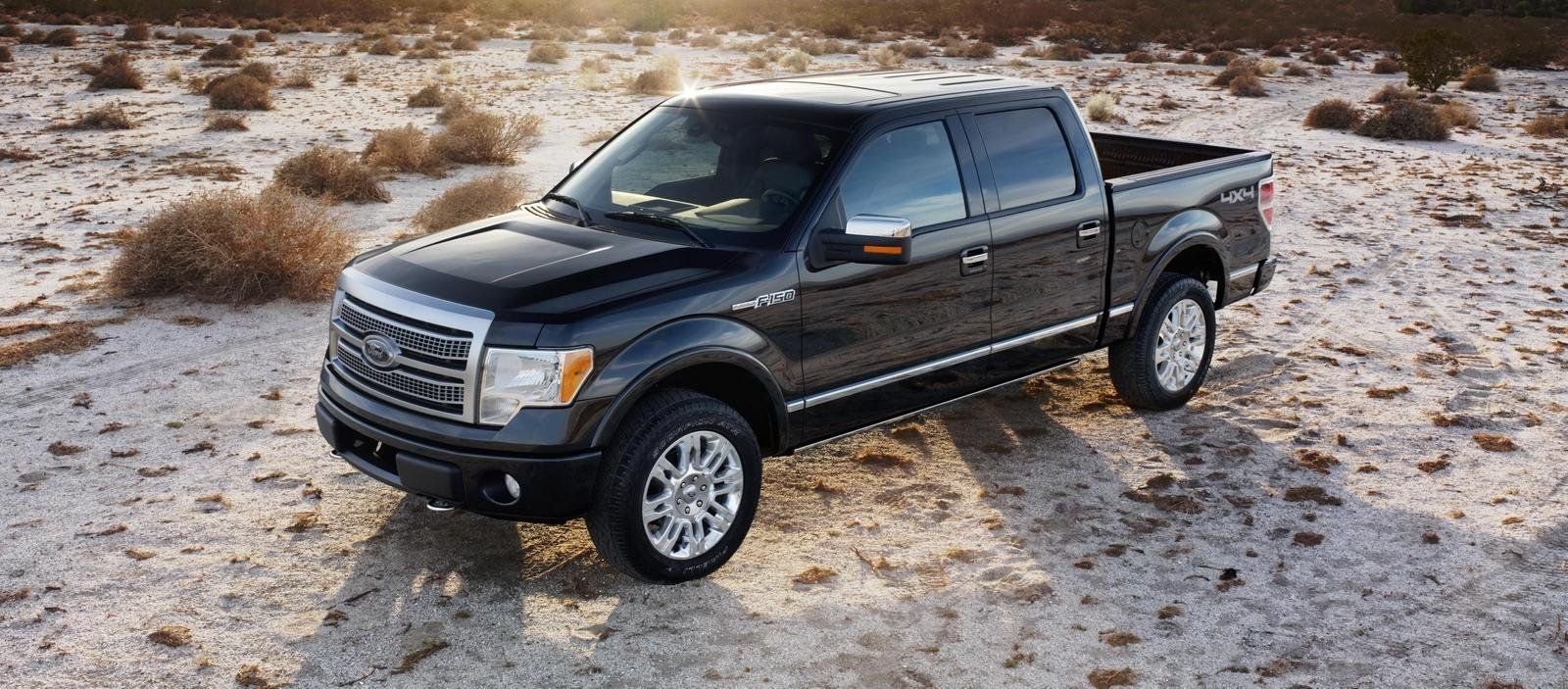
While newer models rely heavily on turbos and complex electronics, these earlier versions are simpler to repair and more forgiving to owners who plan to rack up serious miles. In rural America especially, these F-150s are still regarded as keepers.
4. Chevrolet Silverado 1500 (2007–2013)
The Silverado 1500 from this era is often hailed by mechanics as a sweet spot in GM’s truck lineup. The 5.3-liter Vortec V8 is known to run well past 250,000 miles if properly maintained, and the truck’s chassis is stout enough for both work and family life.

Unlike some newer Silverados that battle electronic gremlins, these trucks strike a balance between modern features and old-school durability. For buyers who want a lifetime truck without the tech headaches, this generation of Silverado stands tall.
5. Ram 2500 with Cummins Diesel
When mechanics talk about lifetime trucks, the Ram 2500 with the legendary Cummins turbo-diesel engine is almost always mentioned.
These engines are known to outlast the body and transmission around them, with some reaching over 500,000 miles with nothing more than diligent maintenance.
Farmers, contractors, and heavy haulers swear by the Cummins for its torque and durability. While suspension and electronics might need occasional attention, the heart of this truck is nearly unbreakable making it a true forever truck for diesel enthusiasts.
The Ram 2500 manages its size well, offering composed handling for a heavy-duty truck. Light and precise steering makes it easier to maneuver, and while there is some body roll, it’s kept in check.
That said, the steering feel is somewhat numb, and ride comfort varies depending on trim level and suspension choice, ranging from smooth and compliant to noticeably bumpy. Even so, for such a large pickup, the Ram 2500 is relatively easy to keep centered in its lane on the highway.
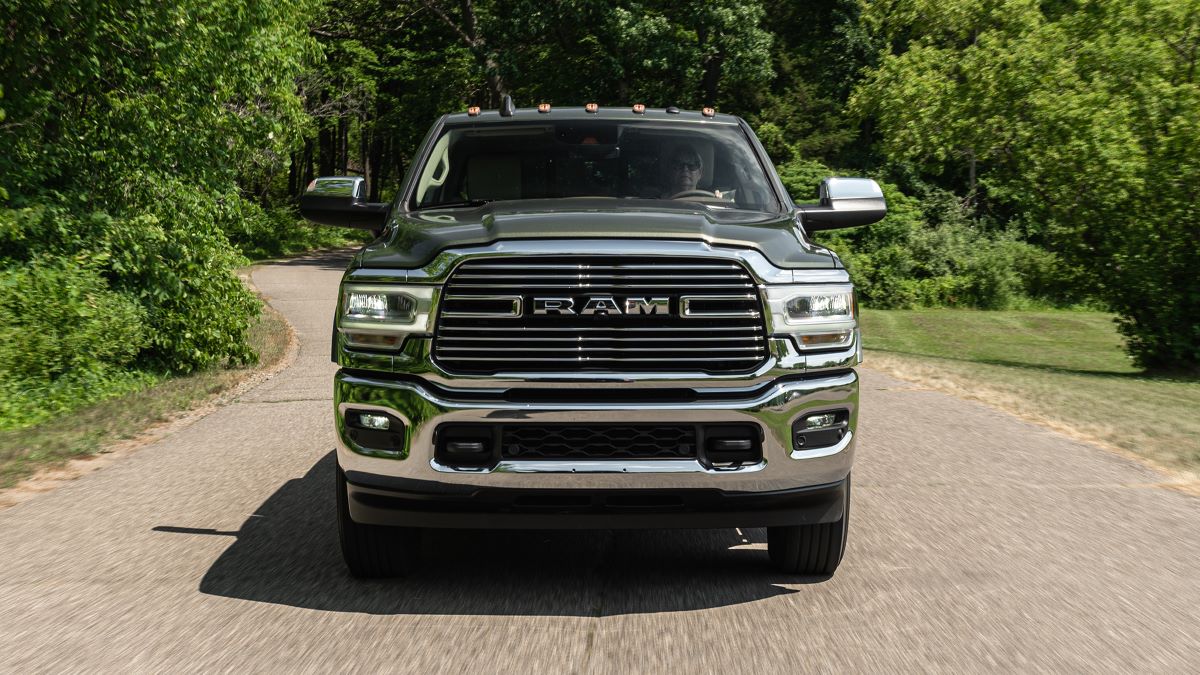
Every Ram 2500 comes standard with a 6.4-liter V8 that generates 405 horsepower and 429 pound-feet of torque, paired with an eight-speed automatic transmission and rear-wheel drive.
Four-wheel drive is available across the lineup, with the Rebel and Power Wagon trims equipped exclusively with it. For those seeking even greater muscle, higher trims offer a 6.7-liter Cummins inline-six turbodiesel producing 430 horsepower and an impressive 1,075 pound-feet of torque.
No matter the setup, the Ram 2500 delivers power confidently. Acceleration is brisk whether starting from a stop or pulling a heavy trailer uphill, and torque arrives quickly and consistently across the rev range.
The gas-powered V8 doesn’t match the refinement or sheer capability of the turbodiesel, but it remains a strong performer that will meet the towing and hauling needs of most buyers.
When it comes to capability, the Ram 2500 can tow as much as 20,000 pounds, competitive for the class, though not the segment leader.
This maximum rating requires the Crew Cab body style, the turbodiesel engine, an 8-foot bed, and rear-wheel drive. Payload capacity tops out at 3,940 pounds with the V8 engine, Regular Cab, 8-foot bed, and rear-wheel drive configuration.
6. Ford Super Duty (F-250 & F-350 with 7.3L Power Stroke)
Among diesel mechanics, the 7.3-liter Power Stroke engine has near-legendary status. Found in Ford Super Duty models built before 2003, this engine is praised for its simplicity and longevity.

These trucks can haul massive loads and rack up half a million miles without catastrophic failures. While newer Ford diesels have mixed reputations, the 7.3L-equipped Super Duty models are widely considered “buy it once, keep it forever” trucks by those who work on them.
7. Nissan Frontier
Though it flies under the radar, the Nissan Frontier has quietly built a reputation for resilience. Mechanics often note that while it lacks the refinement of rivals, the Frontier’s V6 engine and old-school design make it easy to maintain and difficult to break.
Many of these trucks last decades with minimal drama, especially when used as light-duty workhorses or family adventure vehicles. If you want a midsize truck you won’t regret hanging onto, the Frontier deserves attention.
The Frontier delivers a driving experience that tends to split opinions. Its firm chassis and quick, weighty steering appeal to some drivers, but others may find them fatiguing over time.

Depending on your perspective, the truck can feel agile and reasonably comfortable, or cumbersome with its wide turning radius. Adding to the mix is a steering wheel with limited adjustment, which means not every driver will find an ideal driving position.
Power comes from a 3.8-liter V6 producing 310 horsepower, making it one of the strongest standard engines in the compact pickup segment. The engine is refined in its delivery yet can be noisy under load, and fuel efficiency isn’t a strong point.
A nine-speed automatic transmission is standard, but it has a tendency to hunt for gears, which impacts smoothness. On the capability side, the Frontier sees meaningful improvements for 2025, with towing capacity now reaching up to 7,150 pounds. Payload capacity, however, remains less impressive at a maximum of 1,620 pounds.
Also Read: 8 Most Popular Pickup Trucks in the U.S. Ranked by Real Owners
8. Honda Ridgeline (First Generation)
While purists sometimes scoff at the unibody Honda Ridgeline, mechanics see it differently. The first-gen Ridgeline, produced from 2006–2014, is powered by Honda’s nearly indestructible V6 engines and benefits from the company’s reputation for build quality.
Owners who don’t need massive towing capacity but want a truck that will start every morning for decades often find the Ridgeline fits perfectly. Its clever design and Honda reliability make it a sleeper choice as a lifetime truck.
When the Silverado 1500 isn’t quite enough but the Silverado 3500HD feels like more truck than you truly need, the 2021 Chevrolet Silverado 2500HD strikes the right balance.
With a strong and purposeful design, robust gasoline and turbodiesel V8 engine options, and a highly functional cargo bed, this heavy-duty pickup is built to deliver. It can tow up to 18,500 pounds with either a conventional or gooseneck trailer and manage payloads of up to 3,979 pounds in its deep cargo box.

Chevrolet redesigned the Silverado 2500HD for the previous model year, giving it a bolder and more distinct exterior compared with the Silverado 1500, while carrying over much of the same interior layout and materials.
The cab provides plenty of space and comfort, though in terms of styling, materials, and tech, it trails competitors like the Ford F-250 Super Duty and Ram 2500, which offer more refined cabins.
For 2021, Chevrolet introduces several new special-edition packages for the Silverado 2500HD and makes advanced safety features and the bed-view camera system available on lower trims.
The 6.6-liter gasoline V8 gains flex-fuel capability, while newly available wireless Apple CarPlay and Android Auto connectivity simplify smartphone integration by eliminating the clutter of USB cables.
9. Chevrolet Silverado HD (Duramax Diesel)
For heavy-duty applications, the Silverado HD equipped with the Duramax diesel engine is a top pick among mechanics. Known for its combination of power and longevity, the Duramax can endure extreme workloads without faltering.
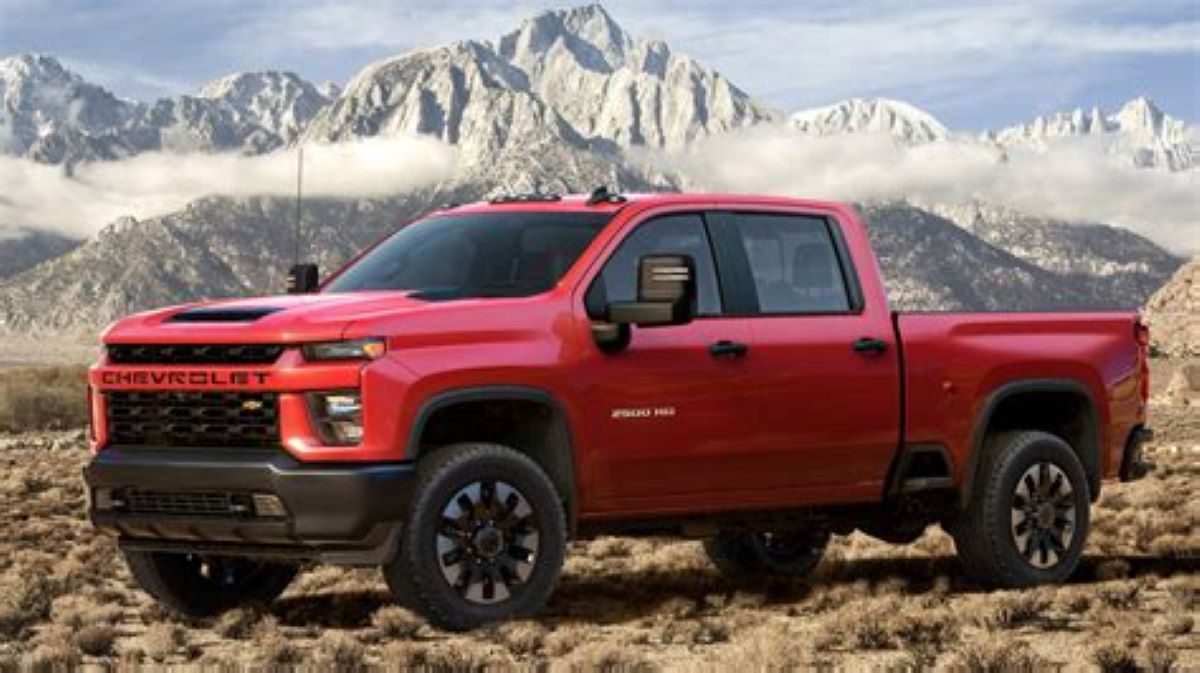
Many fleet operators choose Silverado HD trucks precisely because they offer long-term dependability, provided regular service is performed. Transmission upgrades might be necessary for the hardest users, but overall, the Duramax is a proven workhorse worth keeping for life.
10. GMC Sierra 1500 (Classic Models)
Mechanics often group the GMC Sierra with the Silverado since they share platforms, but older Sierra models from the early 2000s hold special praise.
With simpler electronics, robust drivetrains, and frames that resist rust better than some competitors, these trucks continue to serve owners well decades after their purchase.
Many mechanics advise that a well-kept Sierra is worth holding onto rather than trading for something newer and more complicated.
The GMC Sierra 1500 is built on the same foundation as the Chevrolet Silverado 1500, sharing nearly all of its components. From the engines and frame to the interior design and most available options, the two trucks are virtually identical.
Despite this, the Sierra carries a higher price tag. GMC justifies the premium with a slightly more upscale feel, the use of higher-end materials in certain places, and a handful of exclusive features designed to set the Sierra apart.
One of the standout features is the MultiPro tailgate, which offers six different configurations. It can transform into a work surface, extend the cargo floor, or serve as a sturdy step to help load items into the bed. Adding to the Sierra’s appeal is the available CarbonPro bed, crafted from carbon-fiber composite.

Offered on higher trims, it reduces weight while enhancing durability. Another unique option is the set of retractable side steps, which can slide forward and back for easier entry into the cab or better access to the bed.
Mechanically, however, the Sierra mirrors the Silverado. Its powertrain lineup includes a V6, a turbocharged four-cylinder, and two V8s, plus the addition of a 3.0-liter Duramax six-cylinder diesel. This diesel engine provides strong towing capability, improved fuel efficiency, and excellent low-end torque.
With its exclusive features, generous standard equipment, and capable performance, the 2020 GMC Sierra 1500 makes a strong case for itself. Yet, competitors like the Ram 1500 and Ford F-150 remain tough rivals, often delivering a more refined driving experience and similar equipment at a lower cost.
11. Ford Ranger (Pre-2011)
The compact Ford Ranger was once one of America’s favorite small trucks, and mechanics frequently recommend keeping these around if you find a good one.
Known for their simplicity, these Rangers are powered by reliable four-cylinder and V6 engines that are cheap to repair and nearly indestructible.
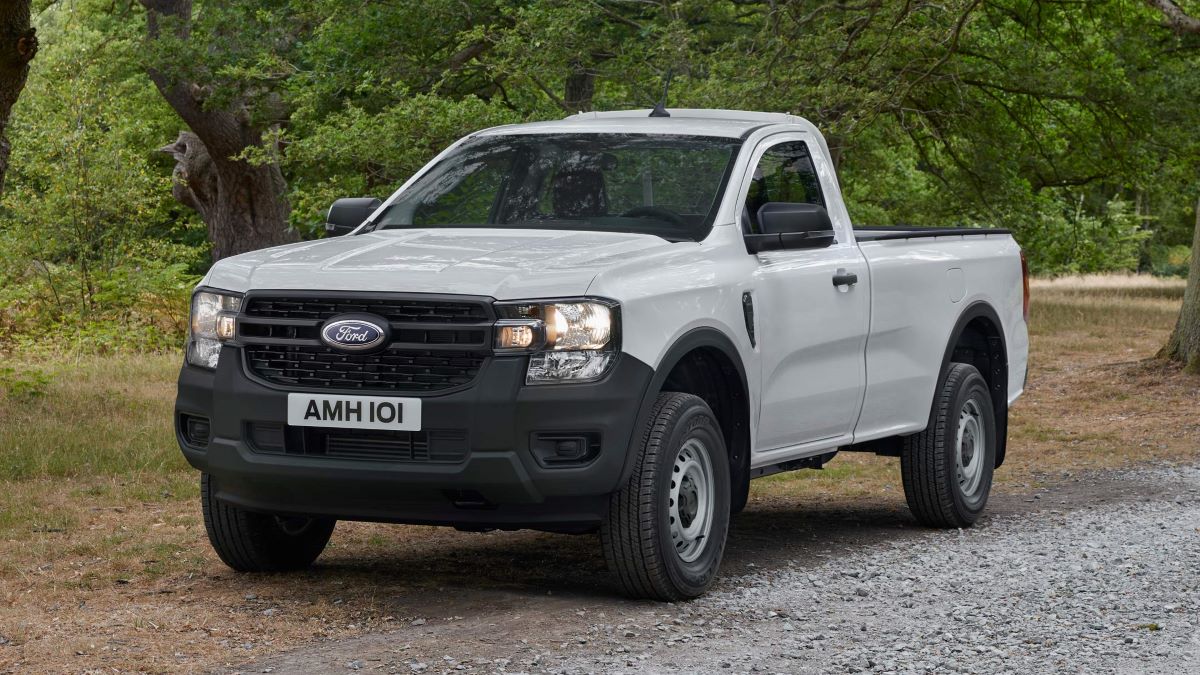
Many owners still daily-drive Rangers from the 1990s and early 2000s, proving that sometimes smaller really is better when it comes to lifetime ownership.
12. Chevrolet Colorado (First Generation)
The first-gen Chevy Colorado doesn’t always get the same recognition as the Tacoma, but mechanics respect its straightforward engineering and resilience.
With a lineup of reliable inline-five and four-cylinder engines, these trucks often keep running with little drama if maintained properly.
For buyers who want a midsize truck that can handle daily life without constant repair bills, the first-gen Colorado is often recommended as a budget-friendly lifetime option.
In a market where new trucks often push six-figure price tags and rely heavily on complex electronics, it’s no wonder many Americans are choosing to hold onto older, proven models.
The trucks mechanics recommend as lifetime keepers aren’t necessarily the newest or the flashiest they’re the ones that have stood the test of time, proven their worth under tough conditions, and earned reputations for reliability.
If you’re in the market for a midsize pickup that combines strength, efficiency, and versatility, the Chevrolet Colorado has long been a standout option. From its early days as the successor to the Chevy S-10 to its latest, tech-savvy 2025 version, the Colorado has consistently evolved to meet the demands of drivers who want both capability and practicality.
The first generation of the Colorado, which launched in 2004, marked the beginning of a new chapter for Chevrolet’s midsize trucks.
Designed to replace the S-10, it was built to offer the utility of a truck in a smaller, more manageable package. Buyers had the choice of a 2.8-liter four-cylinder engine with 175 horsepower or a more powerful 3.5-liter five-cylinder that delivered 220 horsepower.

The truck was offered in two-door, extended cab, and crew cab configurations, allowing customers to pick the setup that best suited their needs. Off-road enthusiasts appreciated the debut of the Z71 trim, which enhanced the Colorado’s rugged capabilities.
In 2009, the addition of a 5.3-liter V8 producing 300 horsepower gave the truck a serious boost in performance and towing power. By the time this generation ended in 2012, the Colorado had firmly established itself as a strong contender in the midsize segment.
After a brief pause, the second generation arrived in 2015 with a bold design, updated technology, and greater capability. This version of the Colorado represented a significant leap forward, with a wider range of powertrain options that included a 2.5-liter four-cylinder with 200 horsepower, a 3.6-liter V6 producing 308 horsepower, and for the first time in a midsize pickup, a 2.8-liter Duramax diesel engine.
The diesel option in particular stood out, offering 181 horsepower, 369 pound-feet of torque, and a best-in-class towing capacity of 7,700 pounds.
The second generation also introduced the ZR2 trim in 2017, a model geared toward serious off-road driving, featuring skid plates, a lifted suspension, and hardware designed to compete with high-performance trucks like the Ford Raptor.
At the same time, the interior was improved with a more refined design and advanced features such as Apple CarPlay, Android Auto, and an upgraded infotainment system. This generation confirmed the Colorado’s reputation as a versatile truck that could handle daily driving, towing, and rugged off-road adventures.
The third and current generation, introduced in 2023, elevated the Colorado even further. Chevrolet streamlined the lineup by offering a single 2.7-liter turbocharged four-cylinder engine available in three different versions.
The standard model delivers 237 horsepower and 260 pound-feet of torque, the Turbo Plus offers 310 horsepower and 390 pound-feet of torque, and the Turbo High Output matches that horsepower but increases torque to 430 pound-feet, along with a towing capacity of up to 7,700 pounds.
The interior saw a complete redesign, highlighted by an 11.3-inch infotainment screen that makes this the most connected Colorado yet.
Off-road capability also improved, with the ZR2 trim continuing to lead the way thanks to a factory-lifted suspension, aggressive tires, and specialized performance tuning for rugged terrain. Chevy also simplified the trim lineup, making it easier for buyers to choose the right truck without being overwhelmed by too many options.
Through three generations, the Chevy Colorado has proven that a midsize truck can deliver the perfect blend of power, efficiency, and versatility.
From its early days offering manageable capability to today’s tech-rich, adventure-ready model, the Colorado has continuously adapted to meet the needs of drivers while standing as a reliable and innovative option in the competitive midsize truck market.
Whether it’s a Toyota Tacoma cruising past 300,000 miles, a Ram 2500 Cummins hauling for decades, or a humble Ford Ranger that just won’t quit, these trucks represent the rare breed of vehicles you can truly buy once and keep forever.
