
When it comes to cars, reliability isn’t just about how many miles a vehicle can last. For many Americans, especially those living in regions with unpredictable climates, the real test is whether a car can survive relentless snow, brutal heat, torrential rain, or a mix of all three.
Some vehicles wilt under the pressure, suffering from rust, electrical failures, or overheating when the environment pushes them to the edge. But a select few seem to thrive in extreme weather, consistently performing without skipping a beat.
These are the cars that snowplow drivers, desert dwellers, and storm-battered commuters swear by vehicles that laugh at weather’s worst attempts and keep going.
Here are seven cars that have earned their reputations as all-weather warriors.
1. Subaru Outback
The Subaru Outback is practically synonymous with harsh-weather driving. Whether it’s trudging through deep Vermont snow or tackling rainy Oregon mountain roads, the Outback’s symmetrical all-wheel-drive system keeps it steady when others falter.
Unlike SUVs that require driver input to engage 4WD, Subaru’s system runs full-time, distributing torque intelligently where it’s needed most.
On top of traction, the Outback sits higher than most cars, with ground clearance approaching small-SUV territory, meaning it won’t bottom out in snowdrifts or standing water.
Its boxer engine keeps the center of gravity low for added stability, which is why rural towns across New England and the Pacific Northwest are dotted with aging Outbacks that just refuse to die. In short, the Outback is more than a wagon it’s an all-weather survival tool.
Buyers have the choice between a naturally aspirated four-cylinder and a turbocharged version, both paired with Subaru’s signature all-wheel-drive system. A sturdy roof rack makes carrying gear like bikes or kayaks simple without the added height of an SUV, making loading and unloading far easier.
The Outback’s well-balanced mix of wagon practicality and SUV-like capability has been such a winning formula that premium brands have tried their hand at similar concepts. Its closest competitors include the Audi A4 Allroad and Volvo V60 Cross Country, though both carry starting prices nearly $20,000 higher.
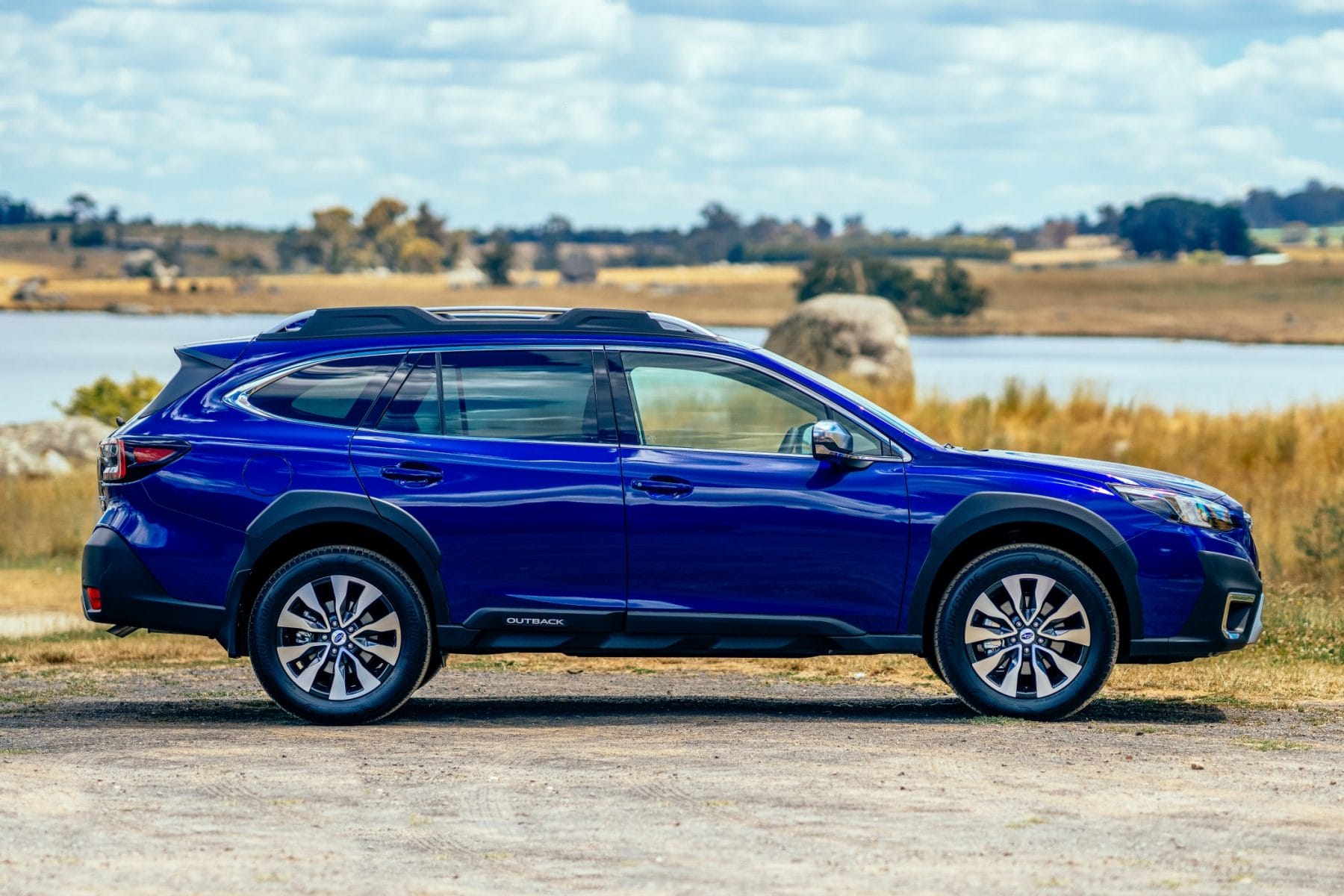
For 2022, Subaru introduces the more rugged Wilderness edition, which emphasizes off-road ability and durability. This model adds extra ground clearance, a revised suspension, and all-terrain Yokohama tires, along with unique design details that highlight its adventurous personality.
It also comes standard with the turbocharged four-cylinder engine, a roof rack capable of holding up to 700 pounds, and water-resistant interior materials designed for outdoor enthusiasts.
Our pick is the Premium trim, which strikes the best balance of features and price. Although it only comes with the 182-hp four-cylinder, stepping up to the 260-hp turbocharged engine costs around $6000 more, and we don’t find the added towing capacity or faster acceleration worth it.
The Premium trim includes an 11.6-inch touchscreen, a 4G LTE hotspot, heated front seats, a power-adjustable driver’s seat, and multiple USB ports. Buyers can also add an affordable package with blind-spot monitoring, a hands-free power liftgate, and keyless entry with push-button start, making it even more appealing.
Every Outback is powered by a flat-four engine: a 2.5-liter with 182 horsepower comes standard, while a 2.4-liter turbocharged version delivers 260 horsepower.
Both pair with a continuously variable automatic transmission (CVT) that simulates an eight-speed to reduce drone. Subaru’s well-known all-wheel-drive system is standard across the lineup, excluding only the rear-drive BRZ sports coupe.
In testing, the base engine delivered modest performance with slower acceleration and a somewhat sluggish transmission. The turbocharged variant offered better speed, though the same CVT quirks remained. Still, Outback buyers are typically more focused on comfort and capability than sportiness.
With 8.7 inches of ground clearance and all-wheel drive, the wagon handles adverse weather and rough terrain with ease. For the ultimate off-road setup, the Wilderness trim increases clearance to 9.5 inches, adds reinforced suspension, protective skid plates, and a terrain selector with Snow and Mud modes.
The Outback rides smoothly and offers precise steering that makes highway cruising relaxed and easy. However, it doesn’t deliver athletic handling, which may come as a surprise to drivers used to Subaru’s WRX who are considering the more versatile Outback wagon.
Standard models tow up to 2700 pounds, while turbocharged versions boost that capacity to 3500 pounds.
Also Read: 10 Cars That Withstand Daily Stop-and-Go Traffic
2. Toyota Land Cruiser
If there’s a vehicle that thrives when nature throws its nastiest curveballs, it’s the Toyota Land Cruiser. Built for deserts, jungles, and mountains, this SUV has earned a legendary reputation not only in the U.S. but around the globe.
Farmers in Australia, aid workers in Africa, and Arctic explorers in Alaska all rely on the Land Cruiser for one reason: it works everywhere.
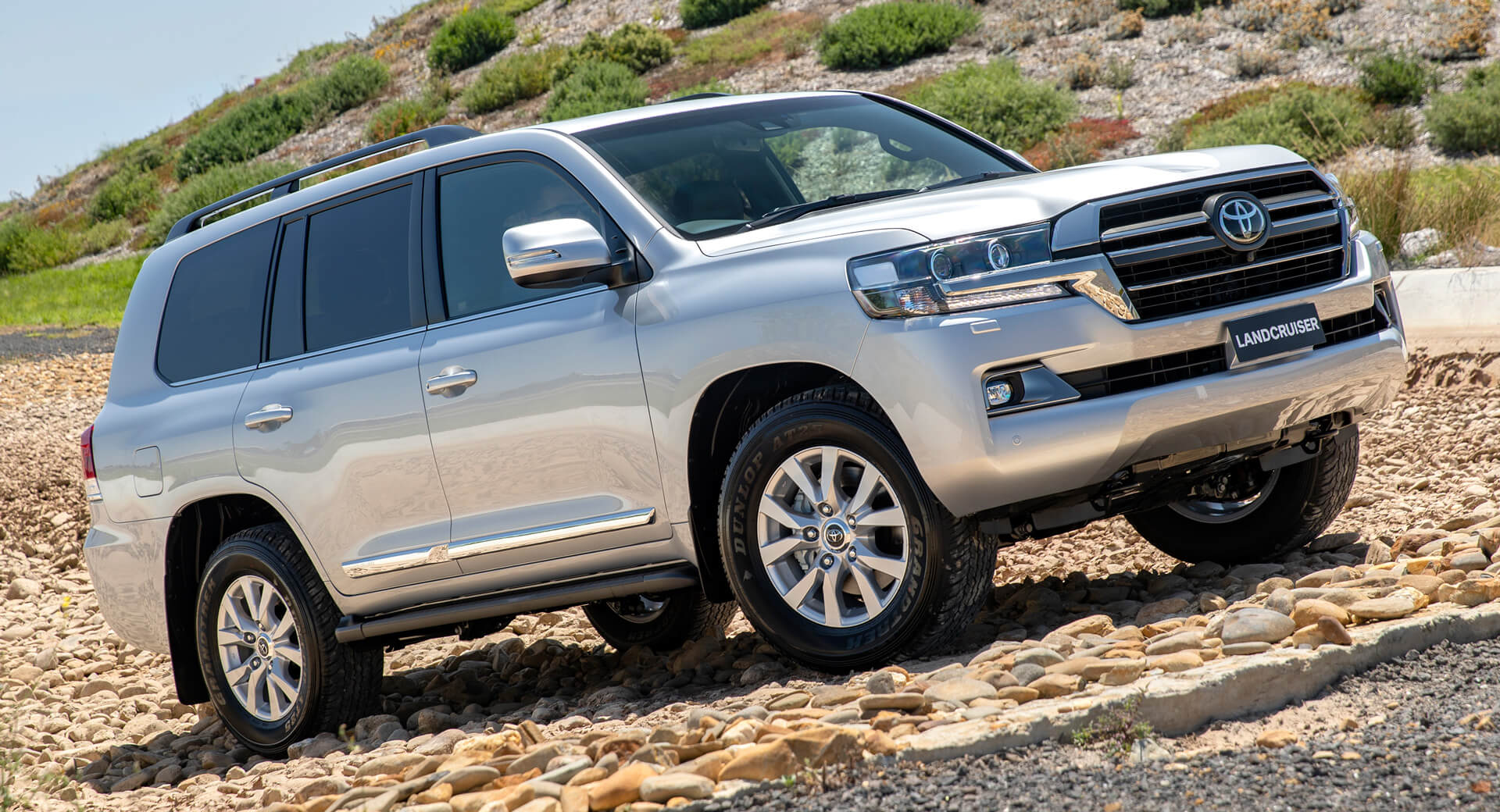
Equipped with full-time four-wheel drive, a heavy-duty suspension, and locking differentials, the Land Cruiser makes short work of mud, snow, and even floodwaters.
While it’s not a fuel-sipper by any means, its bulletproof V8 and overbuilt chassis mean it can take abuse for decades. For American drivers in places like Montana or Colorado where winter storms roll in unpredictably, the Land Cruiser isn’t just transportation it’s peace of mind.
3. Jeep Wrangler
When the weather turns ugly, the Jeep Wrangler shines. This iconic off-roader is engineered for conditions that make ordinary cars retreat.
Its high ground clearance, short overhangs, and rugged four-wheel-drive system allow it to crawl through snowbanks, ford streams, and handle ice-covered mountain passes with ease.
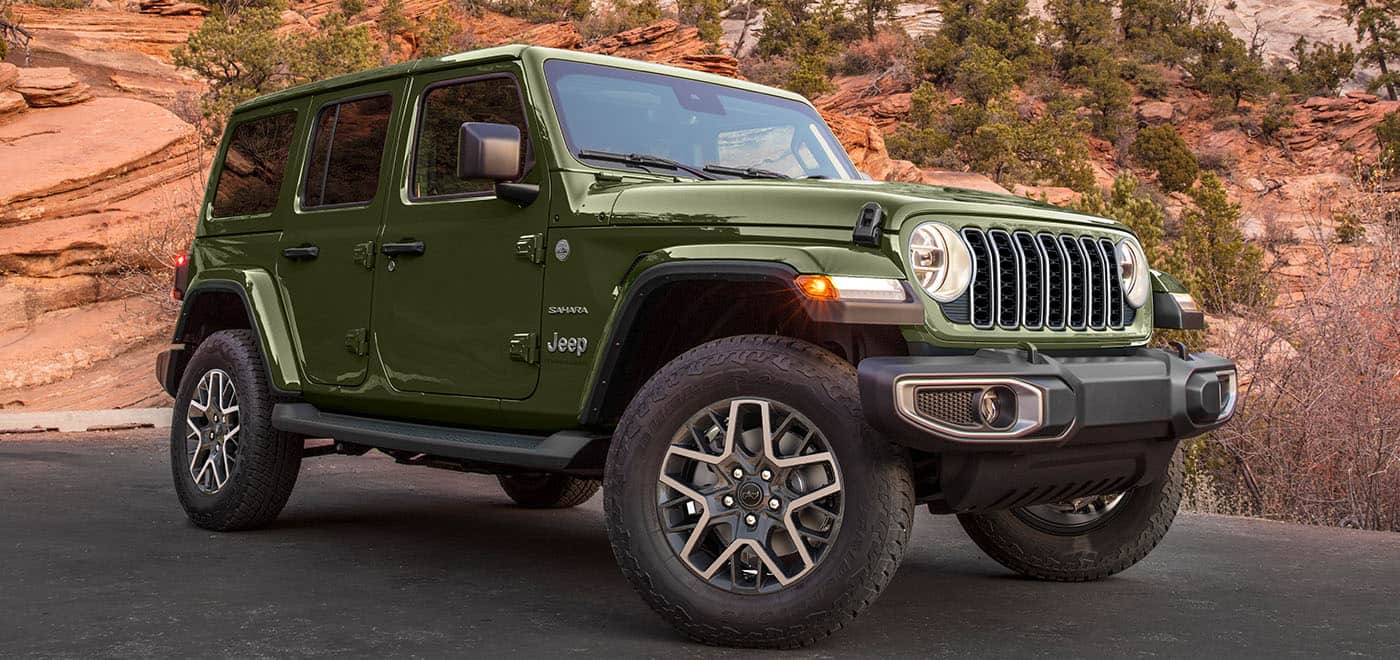
Where the Wrangler really earns its reputation is in its versatility. Owners can customize it with snow-rated tires, winches, and hardtops built for deep cold, making it adaptable to climates from Minnesota winters to Arizona dust storms.
Unlike many SUVs that prioritize comfort first, the Wrangler remains unapologetically tough, a trait that helps it shrug off the worst of nature.
Few vehicles embody adventure as strongly as the 2022 Jeep Wrangler, which feels right at home on a quiet trail with the roof folded back and the open road ahead.
Its iconic design remains unmistakably tied to the original World War II Jeep, yet modern touches abound, from touchscreen infotainment and cruise control to an eight-speaker stereo system.
Higher trims even lean toward luxury, offering leather seating, ambient cabin lighting, in-dash navigation, onboard Wi-Fi, and a power-operated soft top. Buyers can stick with the classic two-door body style or move up to the four-door Unlimited for more room for passengers and cargo.
Under the hood, a variety of powertrains are available, ranging from efficient four-cylinder setups to a plug-in hybrid (covered separately), all the way to a thunderous 6.4-liter V-8. Regardless of engine choice, every Wrangler comes standard with four-wheel drive.
Jeep also offers a long list of upgrades and packages, allowing buyers to tailor their Wrangler to their off-road ambitions. Thanks to its flexible configurations, legendary reputation, and trail-ready features, the Wrangler continues to go head-to-head with competitors like the Ford Bronco and Toyota 4Runner.
4. Volvo XC70 (and Its Modern Successors)
For decades, Volvo carved out a niche as the automaker of choice for drivers in snowy, icy climates. The XC70 wagon, now succeeded by models like the V90 Cross Country, was built with Scandinavian winters in mind.
Standard all-wheel drive, durable construction, and heated everything from seats to windshield wipers make these cars winter-ready right off the showroom floor.
But it’s not just about snow. Volvos also hold up well in coastal environments where salt and humidity eat away at lesser cars. Owners across the northern U.S. praise their rust resistance and long-lasting drivetrains.
While today’s Volvos lean more toward luxury, their core identity remains: cars that don’t flinch when the forecast looks grim.
The Volvo XC70 nameplate is making a comeback, but it looks nothing like the rugged wagon longtime fans may remember. First introduced in 2003 and retired in 2016, the original XC70 was essentially a lifted, reinforced version of the V70 midsize wagon.
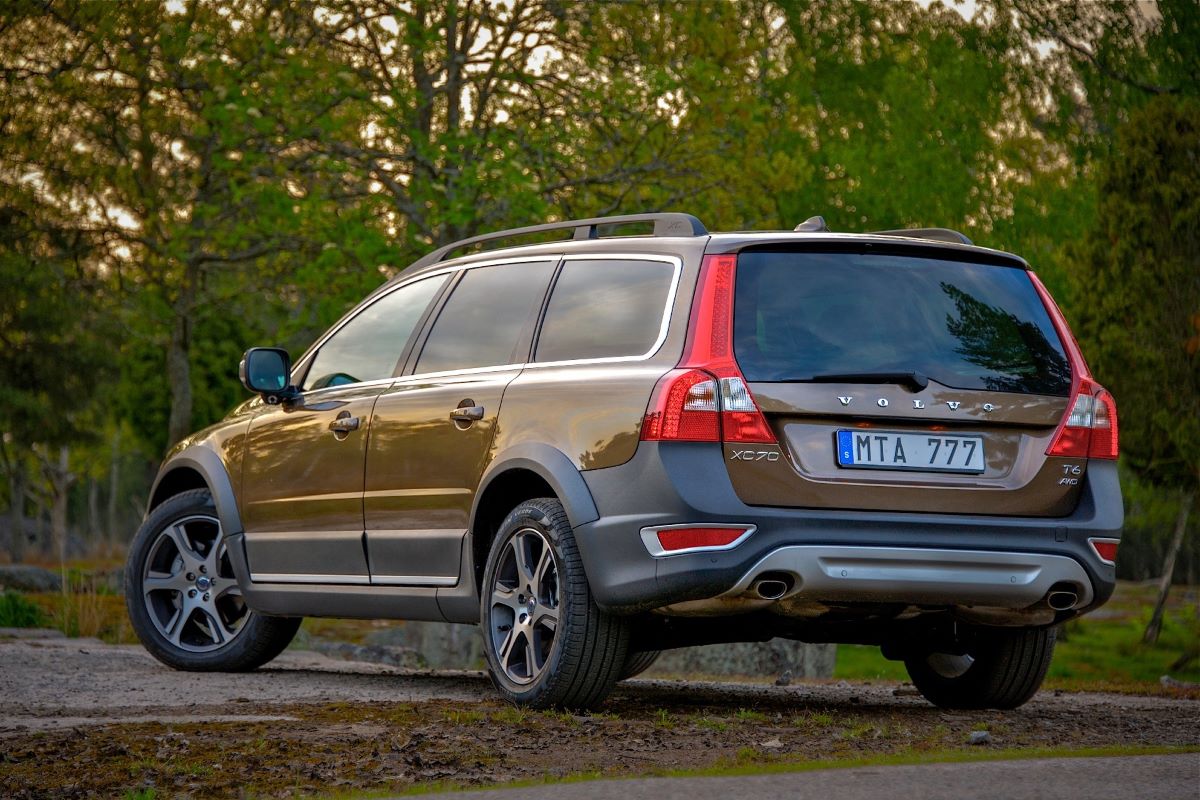
Like today’s V60 Cross Country, the old XC70 came with protective cladding, higher ground clearance, and a reputation for balancing everyday practicality with all-weather toughness. For more than a decade, it served as Volvo’s adventure-ready family hauler before quietly bowing out of the lineup.
Now, after years away, the XC70 returns, but with a new identity. Instead of wagon roots, the reborn XC70 is a long-range plug-in hybrid SUV.
Volvo’s latest XC70 is the brand’s first extended-range plug-in hybrid (EREV), offering more than 124 miles of all-electric driving under the CLTC cycle, making it the longest-range plug-in hybrid in Volvo’s lineup.
Built on the Scalable Modular Architecture (SMA) platform, developed by Volvo’s parent company Geely for long-distance PHEVs, the model is initially targeted at the Chinese market, with plans to expand to Europe.
With its hybrid system, the XC70 can travel over 746 miles on a full charge and tank, combining battery power with a combustion engine that also recharges the battery while driving.
When plugged in, it can reach 80 percent charge in just 23 minutes. The SUV also supports bi-directional charging, letting owners power external devices such as camping equipment with the right adapter.
Visually, the new XC70 marks a clean departure from its wagon predecessor. The low-slung, utilitarian profile is gone, replaced by a taller SUV stance that mirrors modern Volvo EVs like the EX90.
Up front, a closed grille with active shutters improves aerodynamics while signaling its electrified nature. Smooth bodywork, a subtle roofline taper, and signature vertical taillights deliver a minimalist, Scandinavian look that fits neatly into Volvo’s current design language.
5. Honda CR-V
The Honda CR-V may not have the same rugged off-road chops as a Land Cruiser or Wrangler, but its strength lies in being the all-weather SUV that regular families can depend on.
Its Real Time AWD system isn’t designed for extreme rock crawling, but in snow-covered suburbs, icy highways, or torrential downpours, the CR-V keeps traction steady.
What makes it shine in extreme climates is Honda’s focus on reliability. The CR-V’s engines and transmissions are known for their longevity, and they don’t overheat easily even in desert heat.
For millions of Americans in regions where the weather doesn’t play fair, the CR-V represents a practical, affordable fortress against climate chaos.
The 2022 Honda CR-V may not be the most thrilling compact SUV, but its roomy interior, excellent fuel economy, and well-balanced ride make it one of the most appealing choices in its segment.
While neither the standard turbocharged gas engine nor the available hybrid delivers head-turning speed, the CR-V steers with confidence, brakes smoothly, and rides comfortably over long distances. The base 1.5-liter engine can sound strained under heavy throttle, but the overall driving experience is relaxed and family-friendly.
Thanks to its efficiency, fewer stops at the pump make it especially attractive for road trips. Add to that a full suite of active safety features and modern infotainment options, and the CR-V remains a strong contender even against newer rivals.
For 2022, the CR-V lineup carries over unchanged. However, Honda has been testing the next-generation model, expected for 2023, which may bring a more refined design, the possibility of a third-row option, and even a fully electric variant in addition to gas and hybrid powertrains.
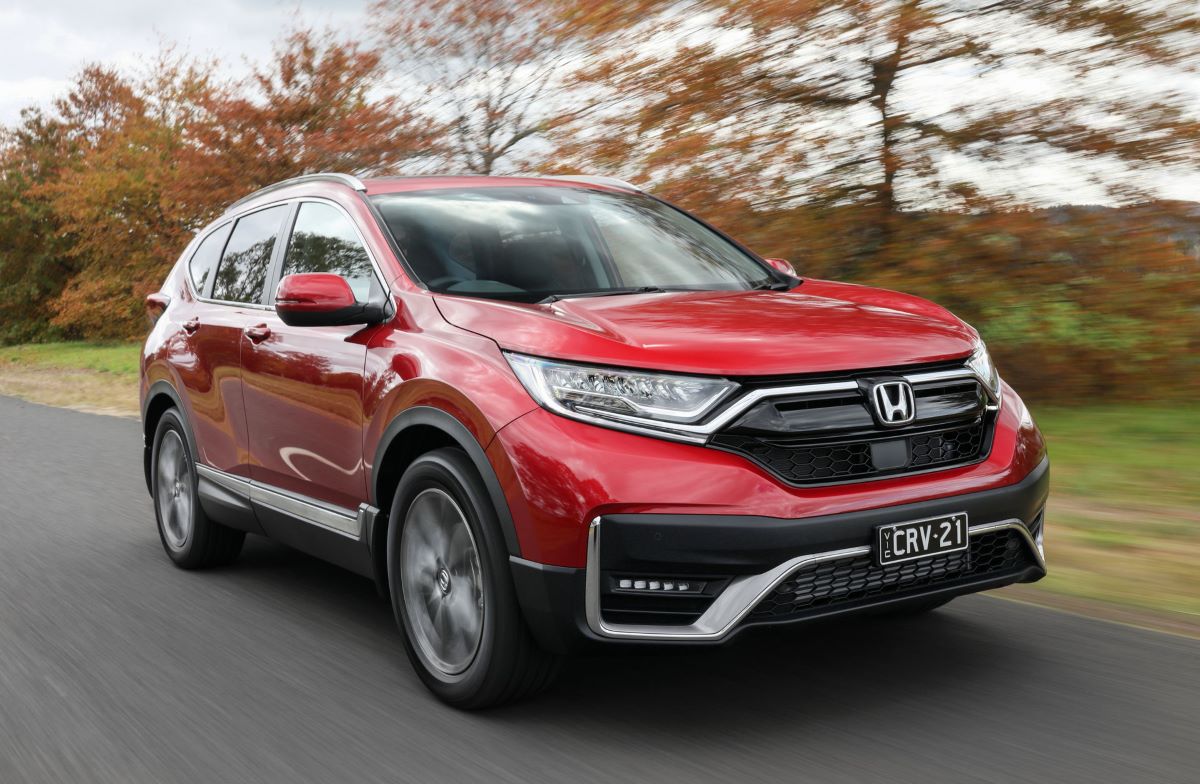
Pricing for the 2022 Honda CR-V starts at $28,045 for the base LX and climbs to $39,045 for the fully loaded Touring Hybrid. Popular trims include the EX ($30,555), EX-L ($33,145), and the hybrid versions, which start at $33,255. The Touring Hybrid tops the range at $39,045.
Among these, the EX Hybrid stands out as the best value, combining strong fuel efficiency with desirable features such as blind-spot monitoring, dual-zone climate control, heated front seats, a power-adjustable driver’s seat, and a 7.0-inch touchscreen with Apple CarPlay and Android Auto. Plus, it comes standard with all-wheel drive, making it a balanced choice for most buyers.
Under the hood, Honda equips the standard CR-V with a 1.5-liter turbocharged four-cylinder engine producing 190 horsepower, paired with one of the smoothest continuously variable automatic transmissions (CVTs) on the market.
Towing capacity is limited to 1,500 pounds, among the lowest in the class, but the CR-V compensates with refined handling, confident steering, and strong braking performance. Its suspension strikes a comfortable balance, delivering a smooth ride whether on daily commutes or highway trips.
The hybrid version combines a 2.0-liter four-cylinder engine with two electric motors for a total output of 201 horsepower.
The setup feels smooth and unobtrusive, with improved sound insulation and active noise cancellation helping to eliminate the engine drone common in many hybrids. The result is a quieter, more refined driving experience than the gas-only version, especially under hard acceleration.
While the 2022 Honda CR-V may not be the flashiest or sportiest option in the compact SUV segment, its mix of practicality, comfort, efficiency, and safety make it one of the most well-rounded and satisfying choices available.
6. Ford F-150
No list of weather-conquering vehicles would be complete without America’s best-selling truck. The Ford F-150 isn’t just popular it’s a proven workhorse that thrives in environments where weather extremes are part of everyday life.
From plowing driveways in Michigan winters to hauling gear in Texas summers, the F-150 adapts to whatever climate throws at it.
Ford offers multiple drivetrain setups, including 4×4 systems with selectable terrain modes, which make handling snow, mud, or sand almost foolproof.
Beyond that, trucks like the F-150 offer practical weather-fighting advantages: sheer size, weight, and the ability to ride higher than most sedans.
Whether it’s powering through a blizzard or carrying emergency supplies after a storm, the F-150 is the truck many Americans count on when conditions turn hostile.
The Ford F-150 remains the best-selling vehicle in the United States, and for good reason. Positioned above the smaller Maverick and Ranger in Ford’s truck lineup, the F-150 offers an incredible range of trims and configurations designed to meet the needs of nearly every type of buyer.
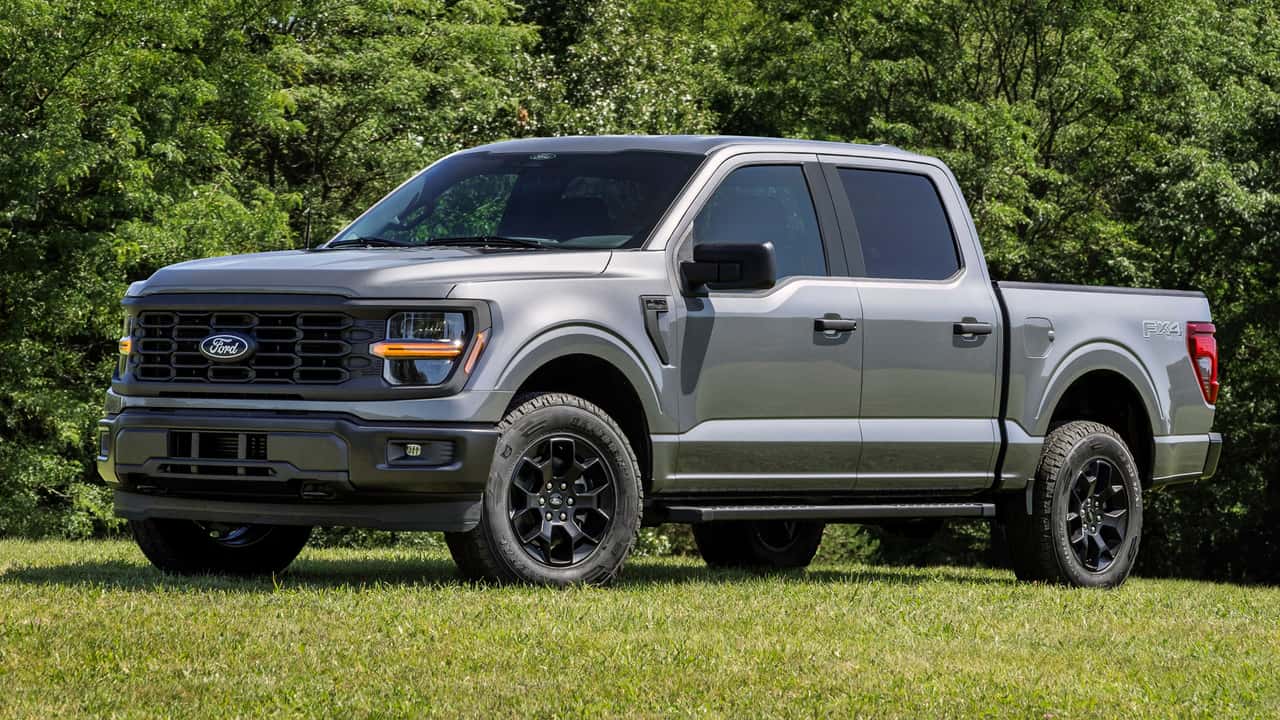
From a no-frills XL work truck to a near-luxury King Ranch or Platinum model packed with leather, technology, and chrome, there’s an F-150 for every lifestyle. For those seeking even more variety, Ford also offers the all-electric F-150 Lightning and the heavy-duty Super Duty series, each catering to specialized demands.
One of the F-150’s biggest strengths is its lineup diversity. Whether buyers want affordability, off-road muscle, or luxury amenities, the truck has it covered. At the extreme ends, the off-road-focused Raptor delivers unmatched desert-running capability, while the high-end trims rival premium SUVs for comfort and features.
Customization is a core part of the F-150’s appeal, with countless options that allow owners to tailor their truck to work, play, or both.
Performance also backs up the flexibility, with the F-150 capable of towing up to 13,500 pounds when properly equipped. Helpful technologies such as trailer backup assist, an integrated trailer brake controller, and extended blind-spot monitoring further enhance its utility for serious haulers.
Of course, the full-size truck segment is fiercely competitive, and rivals like the Ram 1500, Toyota Tundra, GMC Sierra, and Chevrolet Silverado keep pressure on the F-150.
The Ram stands out with its smooth ride and upscale interior, while the Tundra impresses with refined powertrains and straightforward controls. The GMC and Chevy options remain solid picks but struggle to carve out a unique identity against Ford’s best-seller.
Even so, the F-150’s mix of capability, choice, and reputation for innovation keeps it firmly at the top of the class. For anyone considering a full-size pickup, the Ford F-150 is the place to start.
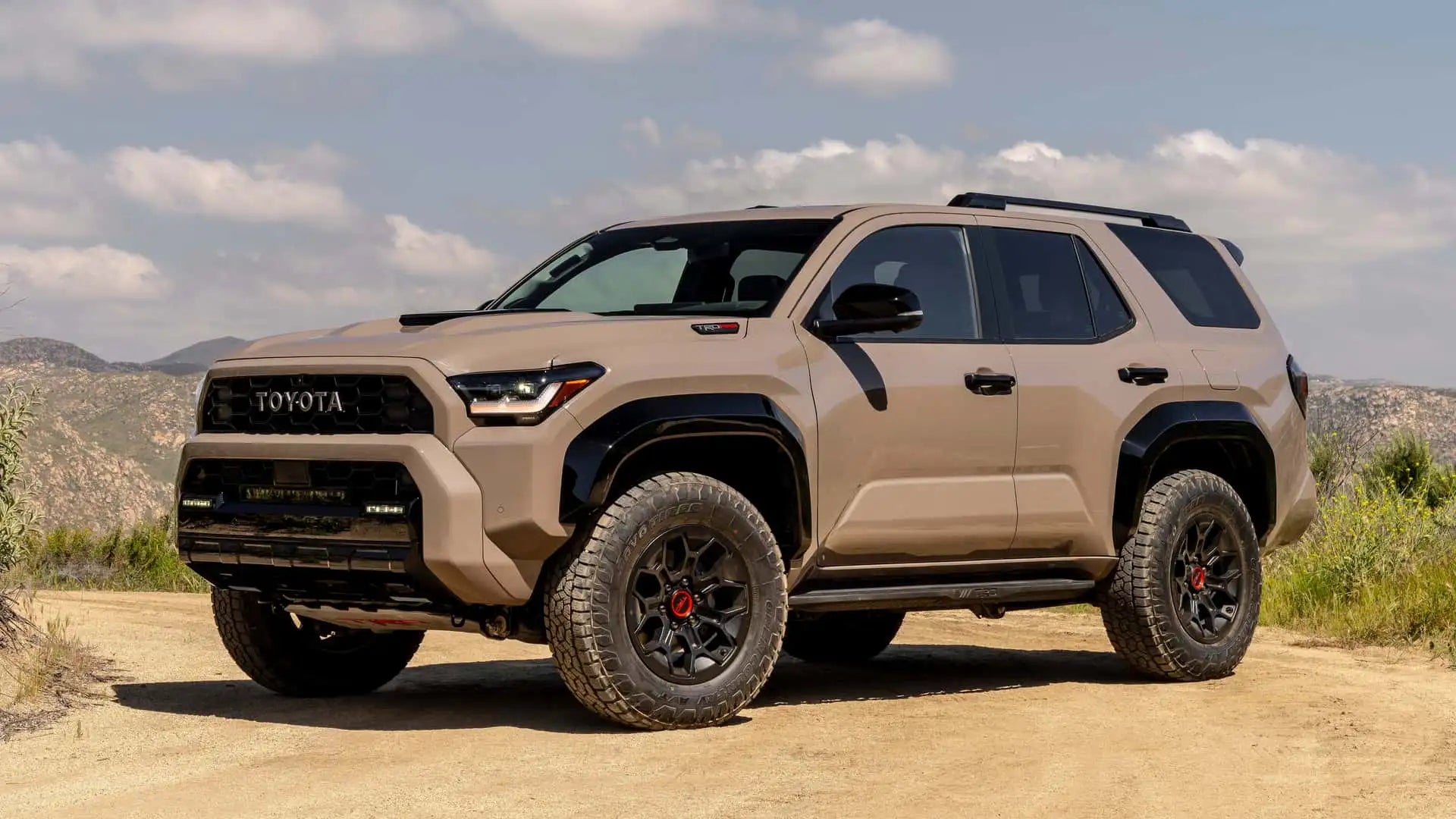
7. Toyota 4Runner
The Toyota 4Runner is another SUV legend that laughs in the face of extreme weather. Built on a truck platform, it offers toughness that crossovers simply can’t match.
With body-on-frame construction, locking differentials, and a reputation for outliving nearly every competitor, the 4Runner is the kind of vehicle that thrives in climates where storms knock out power and roads disappear under snow.
Unlike many modern SUVs that chase fuel efficiency and city comfort, the 4Runner is old-school in the best way possible. Its engine is simple, durable, and resistant to the overheating issues that plague turbocharged rivals in hot climates.
That’s why you’ll see 4Runners equally at home in Arizona deserts and Alaskan tundras few vehicles adapt to such extremes with as little fuss.
The 2025 Toyota 4Runner stays true to its rugged, off-road-focused character, yet it manages to feel confident and composed on city streets and highways. Its steering is precise, and thanks to a relatively tight turning radius, it’s more maneuverable than most would expect from a body-on-frame SUV. The ride remains stable and controlled, though it’s not as refined as some of its more road-oriented rivals.
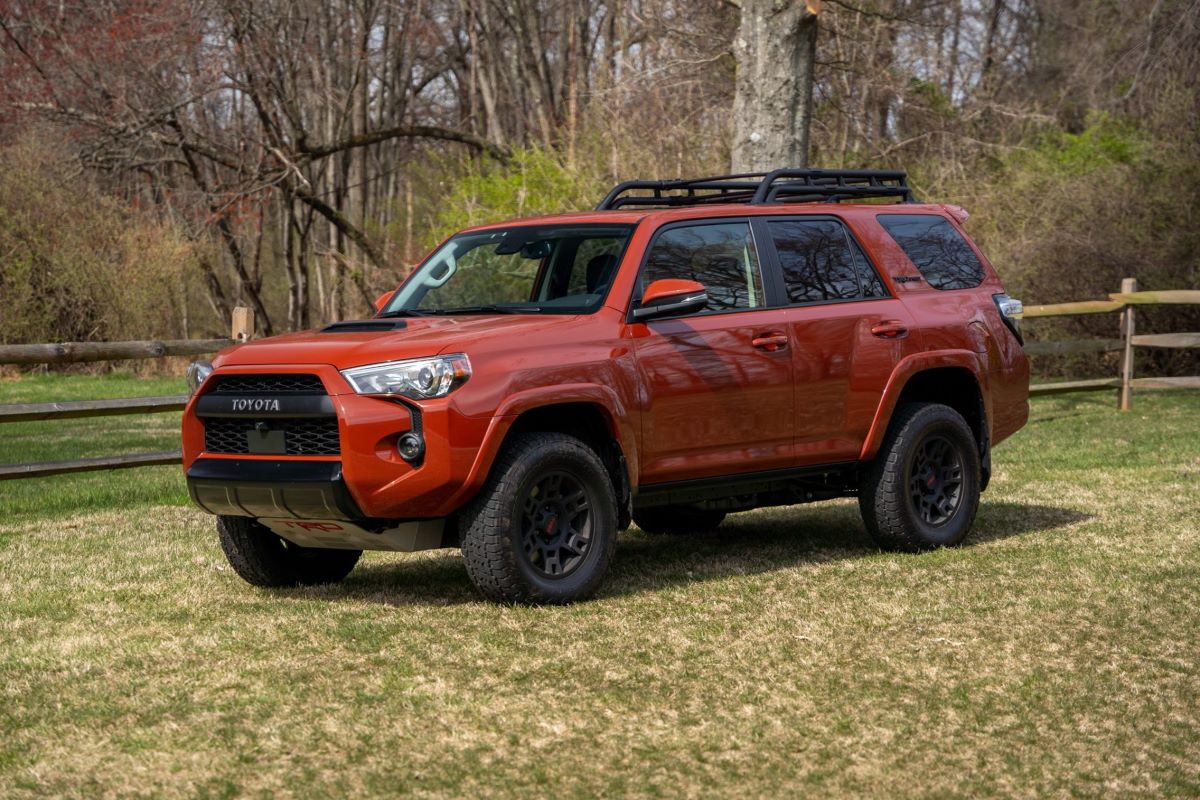
Power comes from a standard 2.4-liter turbocharged four-cylinder engine producing 278 horsepower and 317 lb-ft of torque. This setup provides plenty of strength for everyday driving while still being well-suited for tackling off-road trails.
For those seeking more muscle, an available hybrid powertrain combines the same turbo-four with an electric motor, boosting output to 326 horsepower and 465 lb-ft of torque.
The hybrid feels quicker off the line, though the added weight slightly dulls its handling response. Both engines are paired with an eight-speed automatic transmission. Rear-wheel drive comes standard, while four-wheel drive is available for buyers who want maximum off-road capability.
Extreme weather is no longer a rarity it’s becoming the norm across the U.S. From polar vortexes in the Midwest to record-breaking heat waves in the Southwest, drivers are realizing that their choice of car matters more than ever.
While no vehicle is invincible, the models above consistently rise above the challenge.
The Subaru Outback delivers steady all-weather performance for families, the Toyota Land Cruiser and 4Runner bring unmatched toughness, and the Jeep Wrangler adds rugged adaptability.
Meanwhile, the Volvo XC70 shows how engineering for harsh Scandinavian winters translates beautifully to America’s northern states.
For those who need affordability and daily practicality, the Honda CR-V and Ford F-150 prove you don’t need to spend luxury money to get reliability under pressure.
When the weather turns hostile, these seven cars don’t just keep running they keep their owners safe, mobile, and confident. That’s the kind of dependability that goes beyond specs and sales charts. It’s what turns a vehicle into a lifeline.
