
When investing in a truck, reliability isn’t just a luxury it’s a necessity. Whether you’re using your pickup for daily commuting, heavy-duty work on construction sites, hauling equipment for your business, or towing recreational vehicles on weekend adventures, the last thing you want is unexpected downtime due to mechanical failures or safety recalls.
Truck recalls can range from minor inconveniences to serious safety hazards, and frequent trips to the dealership for recall repairs can cost you valuable time and money while eroding your confidence in your vehicle.
The automotive industry has seen its fair share of recall headlines over the years, with some manufacturers facing numerous safety campaigns that affect millions of vehicles.
However, certain truck models have distinguished themselves by maintaining exceptionally clean recall records, demonstrating superior engineering, rigorous quality control, and manufacturer commitment to getting things right the first time.
These vehicles represent the pinnacle of reliability in the truck segment, offering owners peace of mind that their investment is built on solid foundations.
Choosing a truck with a clean recall history doesn’t just mean fewer dealership visits it reflects build quality, engineering excellence, and manufacturer accountability.
These trucks represent smart investments that hold their value better, cost less to maintain over time, and provide the reliability that truck owners demand. Let’s explore these twelve exceptional trucks that have proven themselves through minimal recall activity and maximum dependability.
1. Toyota Tundra (2014-2021 Generation)
The Toyota Tundra has long been synonymous with reliability in the full-size truck segment, and the second-generation models produced between 2014 and 2021 exemplify this reputation with remarkably few recalls compared to competitors.
Toyota’s conservative engineering approach, which prioritizes proven technology over constant reinvention, has paid substantial dividends in the Tundra’s recall record.
While some critics argue that Toyota’s reluctance to frequently update the Tundra makes it feel dated compared to newer competitors, this same philosophy has resulted in a thoroughly debugged, dependable truck that owners can count on year after year.
The Tundra’s powertrain options during this period included the legendary 5.7-liter i-FORCE V8 engine, which became one of the most reliable truck engines ever produced.
This engine, paired with a six-speed automatic transmission, offered substantial power with proven durability. Toyota’s decision to stick with this combination for years, rather than chasing the latest transmission technology or downsized turbocharged engines, meant that any potential issues were identified and resolved early in the generation’s lifecycle.
The result was a powertrain that consistently delivered performance without the teething problems that often plague newly designed engines and transmissions.
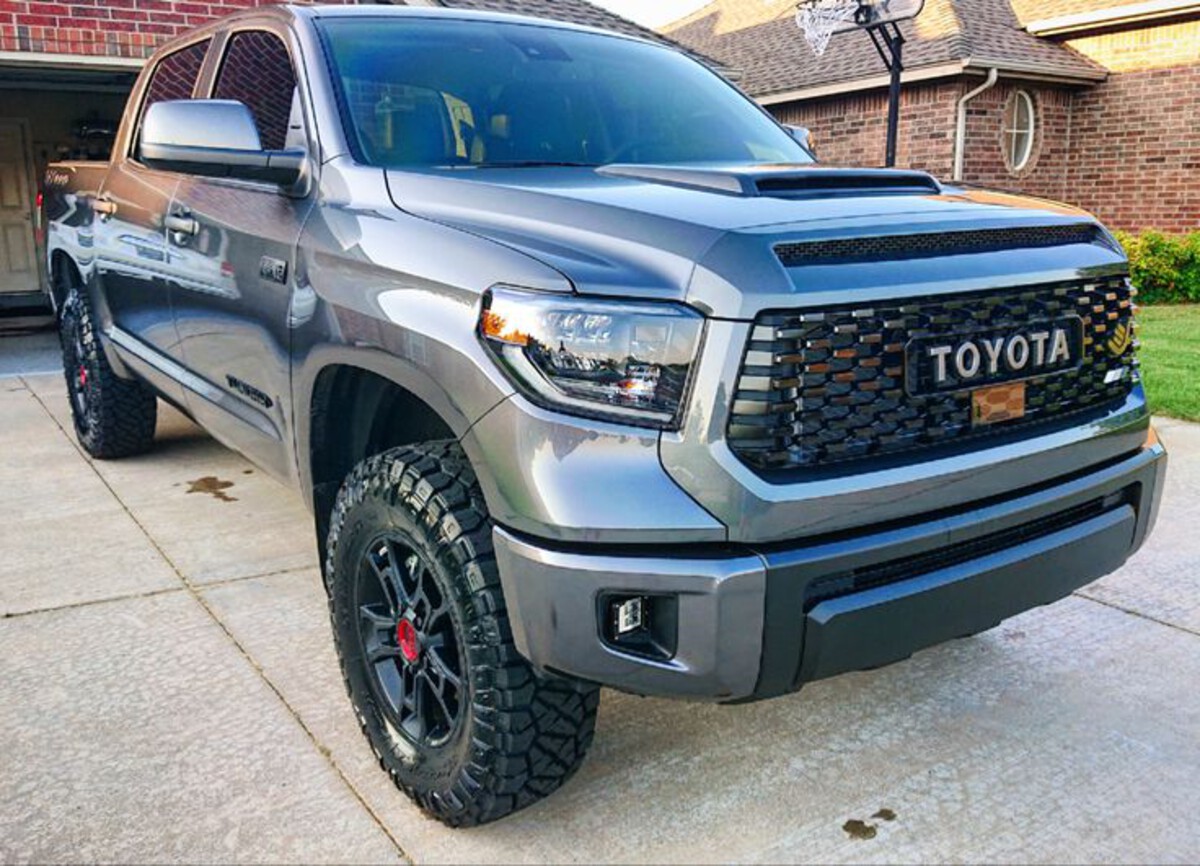
Manufacturing quality represents another significant factor in the Tundra’s impressive recall record. Built primarily at Toyota’s San Antonio, Texas facility, these trucks benefited from Toyota’s renowned production system that emphasizes quality at every step.
The company’s manufacturing philosophy focuses on preventing defects rather than catching them through inspection, meaning problems are eliminated at their source rather than filtered out later. This approach results in consistently high build quality across all Tundra models, regardless of trim level or production date.
The used market strongly validates the Tundra’s reliability, with these trucks commanding premium resale values and remaining highly sought after by buyers who prioritize dependability over the latest features.
Many 2014-2021 Tundras continue providing trouble-free service with well over 200,000 miles, testament to both the minimal recall activity and build quality that defines this generation.
2. Honda Ridgeline (2017-2023)
The Honda Ridgeline represents an unconventional approach to truck design, and this uniqueness has contributed to one of the cleanest recall records in the pickup segment.
Built on a unibody platform derived from Honda’s popular Pilot SUV rather than the traditional body-on-frame construction used by most trucks, the second-generation Ridgeline benefited from Honda’s extensive experience with this architecture, resulting in a thoroughly debugged platform with minimal issues requiring recall campaigns.
Honda’s engineering philosophy emphasizes extensive testing and validation before bringing vehicles to market, and this approach is evident in the Ridgeline’s reliability record.
The truck utilizes Honda’s proven 3.5-liter V6 engine paired with a nine-speed automatic transmission, both of which had been refined through use in other Honda products before being adapted for the Ridgeline.
This powertrain combination provides adequate power for most truck duties while delivering car-like refinement and reliability that traditional trucks struggle to match.
The extensive development period meant potential issues were identified and corrected before production began, rather than being discovered by customers and addressed through recall campaigns.
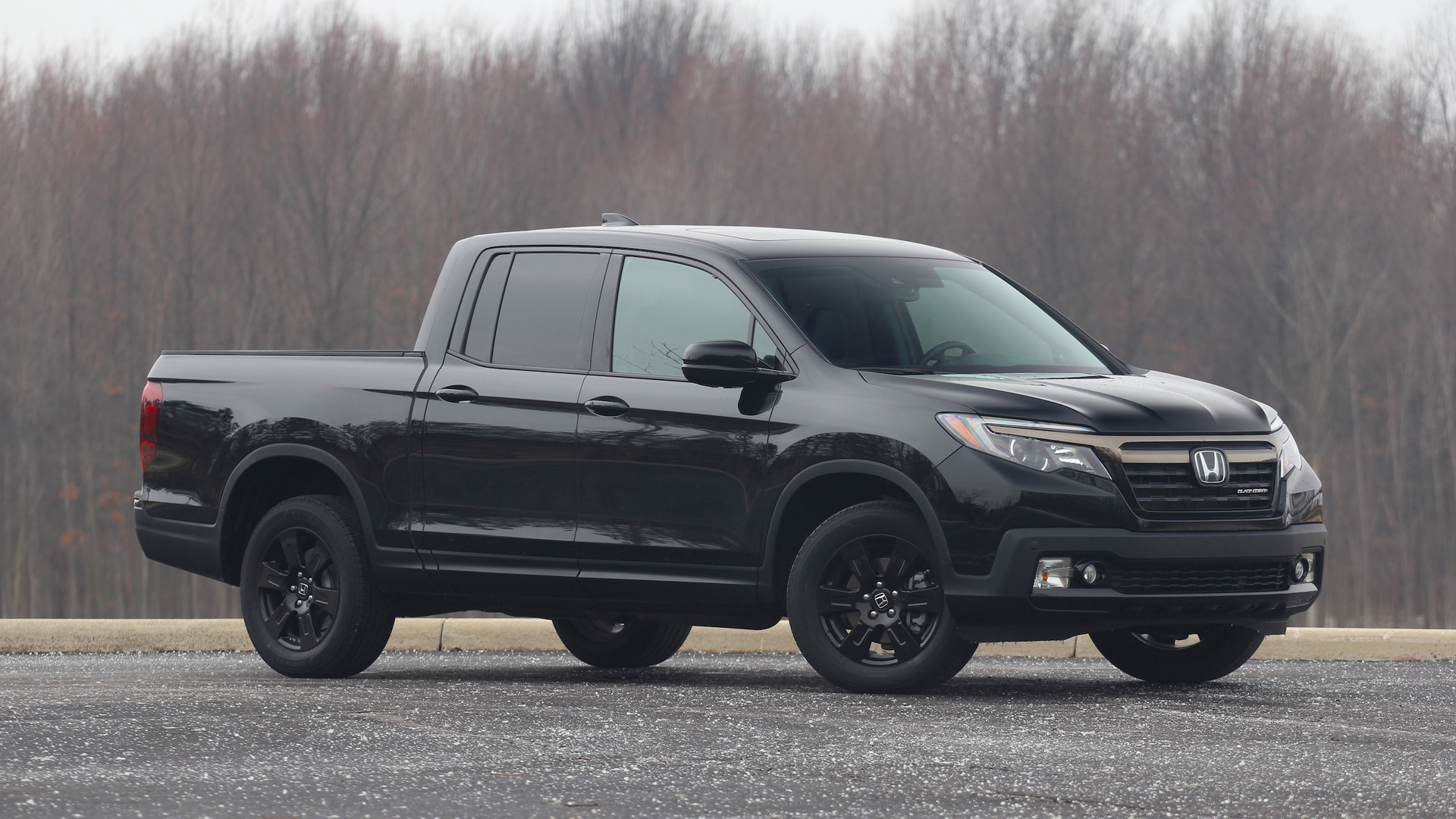
The Ridgeline’s unibody construction, while unconventional for a truck, actually contributes to its reliability in several ways. With fewer separate components than body-on-frame trucks, there are fewer potential points of failure or assembly issues that could lead to recalls.
The integrated structure is manufactured with tight tolerances in Honda’s Alabama facility, where quality control standards match those of Honda’s passenger car production.
This results in consistent build quality and fewer manufacturing defects that might otherwise require recall attention. Safety features and driver assistance technologies in the Ridgeline have proven exceptionally reliable.
Honda Sensing, the company’s suite of advanced safety systems, comes standard across the Ridgeline lineup and includes adaptive cruise control, lane keeping assist, collision mitigation braking, and road departure mitigation.
These systems benefit from Honda’s extensive development and testing across its entire vehicle lineup, meaning they were mature and reliable when implemented in the Ridgeline.
This thorough development process has resulted in these safety systems functioning as intended without recalls to address performance or reliability issues.
3. Toyota Tacoma (2016-2023)
The third-generation Toyota Tacoma, produced from 2016 through 2023, has maintained Toyota’s legendary reputation for reliability in the midsize truck segment while demonstrating one of the cleanest recall records in its class.
This generation of Tacoma benefits from Toyota’s decades of experience building dependable trucks, with engineering and manufacturing processes refined through millions of vehicles and countless hours of real-world testing.
The result is a midsize pickup that owners can depend on for years of trouble-free service with minimal concerns about recall campaigns affecting their vehicle.
Toyota’s approach to the third-generation Tacoma involved evolutionary rather than revolutionary changes, building upon the proven strengths of previous generations while addressing known weaknesses.
This conservative development strategy meant that most components and systems had extensive heritage and testing behind them, reducing the likelihood of unforeseen issues that might require recalls.
The Tacoma’s frame, for example, utilizes fully boxed construction with significant reinforcement in critical areas, incorporating lessons learned from earlier models and resulting in a structure that’s both durable and resistant to the corrosion issues that affected some previous Toyota trucks.
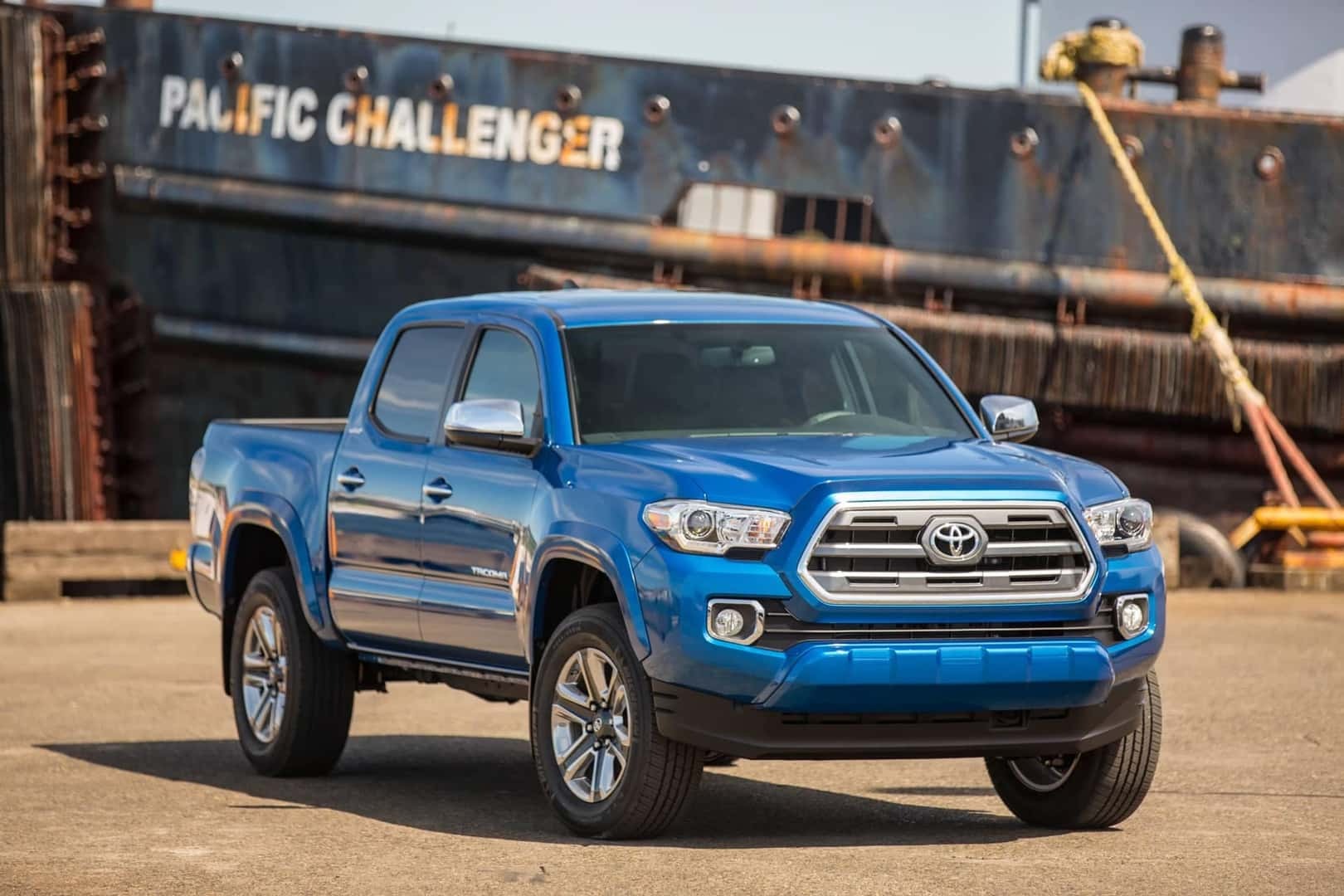
Powertrain reliability stands out as a particular strength of this Tacoma generation. The base 2.7-liter four-cylinder engine and optional 3.5-liter V6 are both proven designs that had already demonstrated reliability in other Toyota products before being adapted for truck duty.
The V6, in particular, became known for its durability, with many Tacomas accumulating well over 200,000 miles without major engine issues. Toyota paired these engines with either a six-speed manual or six-speed automatic transmission, both of which proved robust and reliable in demanding truck applications.
While some competitors rushed to implement newer eight and ten-speed transmissions, Toyota’s more conservative approach with thoroughly tested six-speed units contributed to the Tacoma’s minimal recall activity.
Manufacturing quality represents another cornerstone of the Tacoma’s impressive reliability record. Built at Toyota facilities in Texas and Mexico, these trucks benefit from Toyota’s rigorous production standards and quality control processes.
Toyota’s manufacturing philosophy emphasizes building quality into the process rather than inspecting it in afterward, meaning problems are prevented at their source.
This results in consistent build quality across all Tacoma models, whether they’re base SR models or fully loaded TRD Pro variants. The attention to manufacturing detail extends to every aspect of the vehicle, from body panel fit and finish to the installation of mechanical components.
Safety systems, including Toyota Safety Sense P in later model years, have proven reliable and effective without significant recall issues. These systems, which include pre-collision warning with pedestrian detection, lane departure alert, automatic high beams, and dynamic radar cruise control, benefit from Toyota’s extensive development across its entire vehicle lineup.
By the time these features appeared in the Tacoma, they had already been refined through use in millions of other Toyota vehicles, resulting in mature, reliable systems that function as intended.
4. Nissan Frontier (2020-2023)
The redesigned Nissan Frontier, introduced for the 2020 model year, represents Nissan’s renewed commitment to the midsize truck segment, and the clean-sheet design has resulted in one of the better recall records among recent truck introductions.
After running the previous generation Frontier for an unprecedented fifteen years with minimal updates, Nissan took the lessons learned from that extraordinarily long production run and applied them to creating a thoroughly modern truck that maintains the reliability that made the previous generation legendary among truck enthusiasts seeking dependable transportation.
Nissan’s development process for this Frontier generation emphasized real-world durability testing more extensively than previous models. The company subjected prototypes to hundreds of thousands of miles of validation testing across diverse environments, from the desert heat of Arizona to the freezing conditions of northern climates, ensuring that potential issues were identified and corrected before production began.
This extensive validation process, combined with conservative choices in technology implementation, has contributed significantly to the Frontier’s minimal recall activity during its initial years on the market.
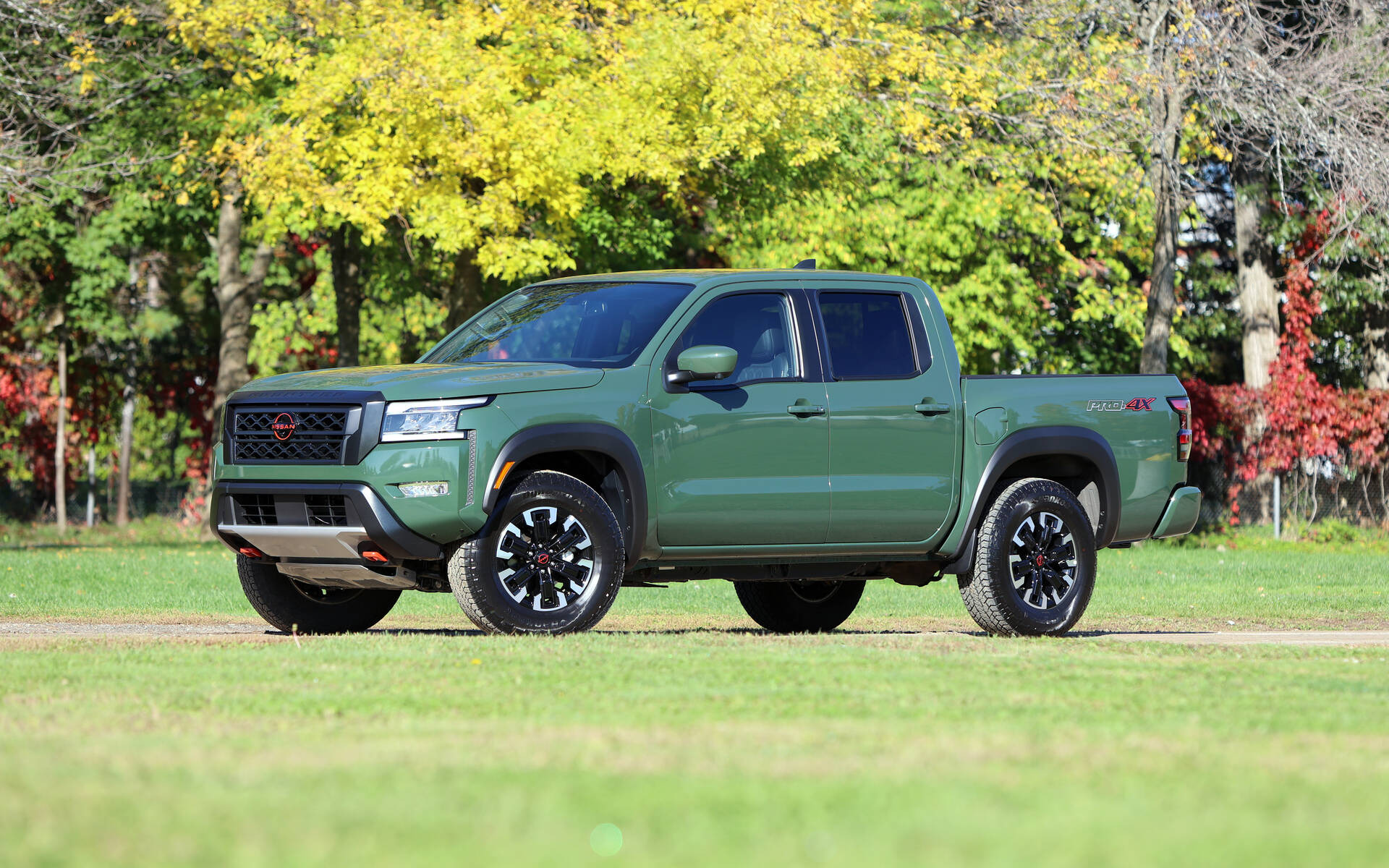
The powertrain represents one of the Frontier’s strongest reliability features. Nissan equipped the redesigned truck with a 3.8-liter V6 engine producing 310 horsepower, paired with a nine-speed automatic transmission.
While this powertrain combination was new to the Frontier, both components had already proven themselves in other Nissan products, providing a foundation of reliability and allowing engineers to optimize the calibration specifically for truck duty without concerns about fundamental component reliability.
The engine’s naturally aspirated design, rather than relying on turbocharging, contributes to long-term durability and reduces complexity that might otherwise lead to recall issues.
Safety features in the Frontier, including Nissan’s Safety Shield 360 suite of driver assistance technologies, have functioned reliably since introduction.
These systems include automatic emergency braking with pedestrian detection, blind spot warning, rear cross traffic alert, lane departure warning, and rear automatic braking.
While some manufacturers have experienced issues with false activations or system malfunctions requiring recalls, Nissan’s implementation in the Frontier has proven reliable, benefiting from the company’s experience deploying similar technologies across its vehicle lineup.
Also Read: 12 Future Classics You Can Still Buy Cheap
5. GMC Canyon (2015-2023)
The second-generation GMC Canyon, produced from 2015 through 2023, established itself as one of the more reliable midsize trucks on the market with a notably clean recall record, especially when compared to some of its domestic competitors.
As GMC’s entry in the resurgent midsize truck segment, the Canyon shared its platform with the Chevrolet Colorado but distinguished itself with more upscale trim levels and features.
This generation of Canyon benefited from General Motors’ renewed focus on quality and reliability following the company’s restructuring, resulting in a truck that demonstrated significantly better reliability than some earlier GM products.
General Motors’ development process for this Canyon generation involved extensive testing and validation across diverse conditions and use cases.
Engineers subjected prototypes to hundreds of thousands of miles of durability testing, including heavy towing, off-road use, and extreme weather conditions.
This comprehensive validation process allowed GM to identify and address potential issues before production began, contributing significantly to the Canyon’s minimal recall activity.
The company also implemented lessons learned from the previous generation Colorado and Canyon, which had experienced some reliability issues, ensuring this new generation would meet higher standards.
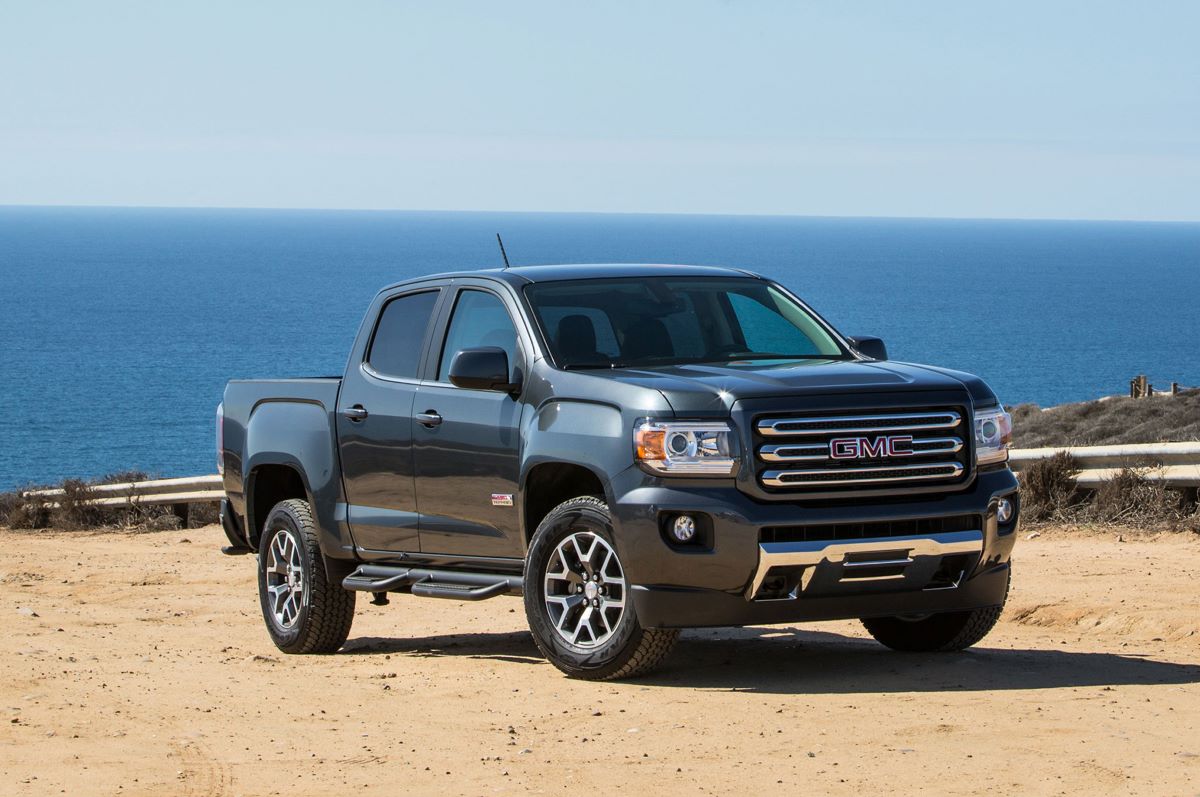
The Canyon’s engine lineup evolved throughout the generation, with each powertrain option demonstrating reliable performance. The base 2.5-liter four-cylinder engine provided adequate power for light-duty use with proven reliability, while the available 3.6-liter V6 offered substantially more capability with similarly dependable operation.
The most notable powertrain option was the 2.8-liter Duramax turbo-diesel four-cylinder, which brought diesel capability to the midsize truck segment and proved remarkably reliable despite its complexity.
This diesel engine, derived from a global GM engine family with extensive international experience, provided excellent fuel economy and torque without the reliability concerns that affected some diesel engines in competing trucks. All engines paired with six-speed automatic transmissions that demonstrated reliable operation across diverse conditions.
Safety features and driver assistance technologies in later Canyon model years have proven dependable without significant recall issues. These systems, including forward collision alert, lane departure warning, and available adaptive cruise control, function reliably across diverse driving conditions.
GM’s implementation of these technologies benefited from the company’s extensive experience deploying similar systems across its broad vehicle lineup, resulting in mature features that work as intended without requiring recalls to address performance issues or false activations that have plagued some competitors’ systems.
6. Ram 1500 Classic (2019-2024)
The Ram 1500 Classic represents an interesting case in truck reliability, as it’s essentially a continuation of the fourth-generation Ram 1500 that was produced alongside the all-new fifth-generation model beginning in 2019.
Fiat Chrysler’s decision to keep the previous-generation truck in production as a more affordable alternative meant that this thoroughly proven design continued serving customers with minimal recall activity, benefiting from years of refinement and debugging that occurred during its original production run.
The available 5.7-liter HEMI V8, one of the most celebrated engines in modern truck history, offered substantially more capability with reliability that had been proven through extensive use in various applications.
Both engines paired with the proven eight-speed TorqueFlite automatic transmission, which had been refined over multiple generations and demonstrated reliable operation across diverse conditions and demanding use. This combination of thoroughly proven powertrain components contributed significantly to the Classic’s minimal recall activity.
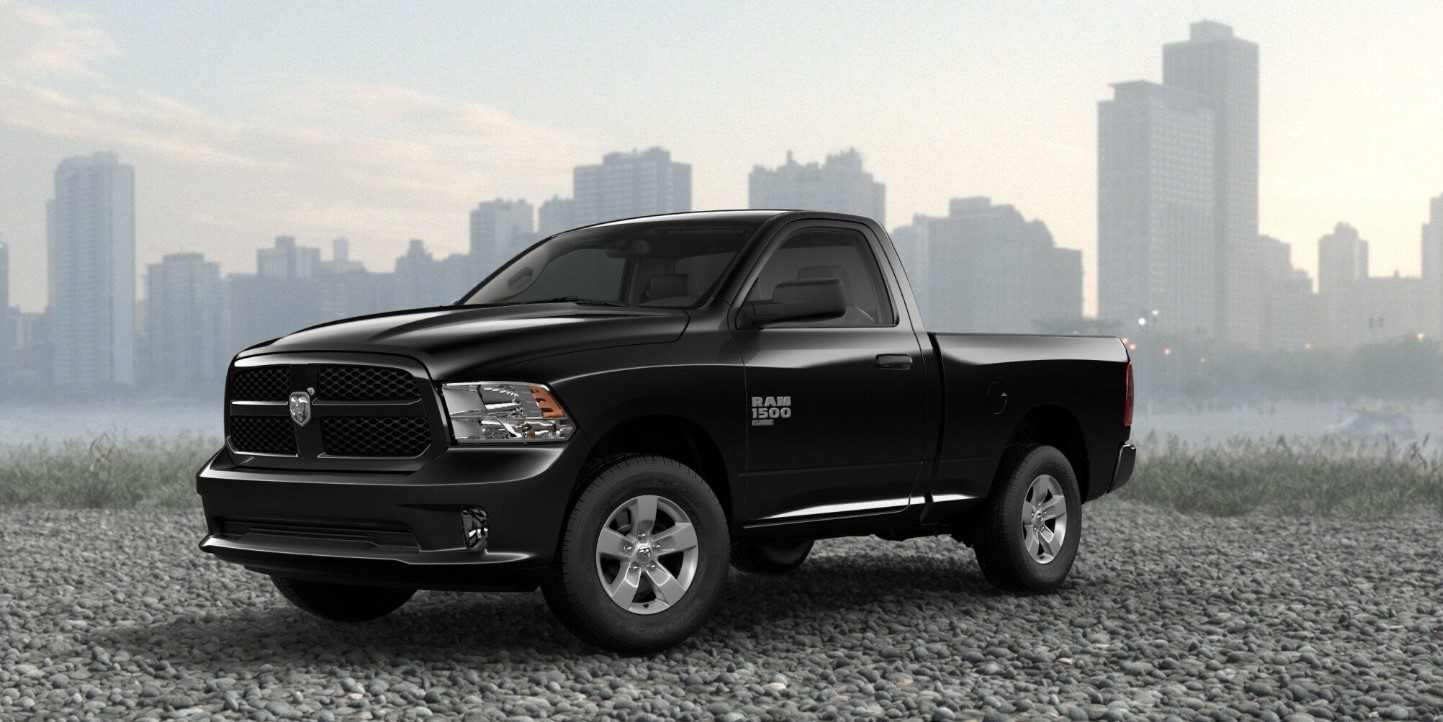
Platform and chassis components in the Ram 1500 Classic benefit from extensive development and refinement over the truck’s long production history.
The fully boxed frame provides excellent strength while incorporating lessons learned from years of production and customer feedback. Suspension design, using a five-link rear suspension configuration rather than traditional leaf springs, had been thoroughly debugged and proven durable across millions of miles of real-world use.
This mature suspension design provides a good balance of ride quality and capability without the complexity or potential issues of some newer systems. The straightforward approach to chassis engineering, combined with years of production experience, has resulted in reliable structural performance without issues requiring recall campaigns.
Safety features in the Ram 1500 Classic, while not as comprehensive as those in the newer fifth-generation Ram, include important technologies that function reliably.
Electronic stability control, trailer sway control, and available ParkView rear backup camera provide meaningful safety benefits with dependable operation.
The Classic’s safety systems use proven technologies that had been refined over years of production, ensuring reliable performance without the false activations or system malfunctions that have affected some newer, more complex safety technologies in competing vehicles.
7. Chevrolet Silverado 1500 (2019-2023)
The fourth-generation Chevrolet Silverado 1500, introduced for the 2019 model year, represents General Motors’ comprehensive redesign of America’s second-best-selling truck, and despite being an all-new design, it has maintained a relatively clean recall record through its initial production years.
This achievement is particularly noteworthy given the complexity of modern trucks and the challenges typically associated with launching completely new platforms.
GM’s extensive testing and validation process, combined with conservative choices in certain technology implementations, has contributed to the Silverado’s reliability and minimal recall activity during this generation.
General Motors invested heavily in developing the T1 platform that underpins this Silverado generation, with engineers conducting extensive computer simulation and real-world testing before production began.
Prototypes accumulated millions of test miles across diverse conditions, from extreme heat and cold to heavy towing and off-road use, allowing engineers to identify and address potential issues before customers took delivery.
This comprehensive validation process, more extensive than GM employed for previous truck generations, has paid significant dividends in terms of reliability and minimal recall activity. The company also implemented lessons learned from previous generations, addressing known weaknesses and pain points that affected earlier models.
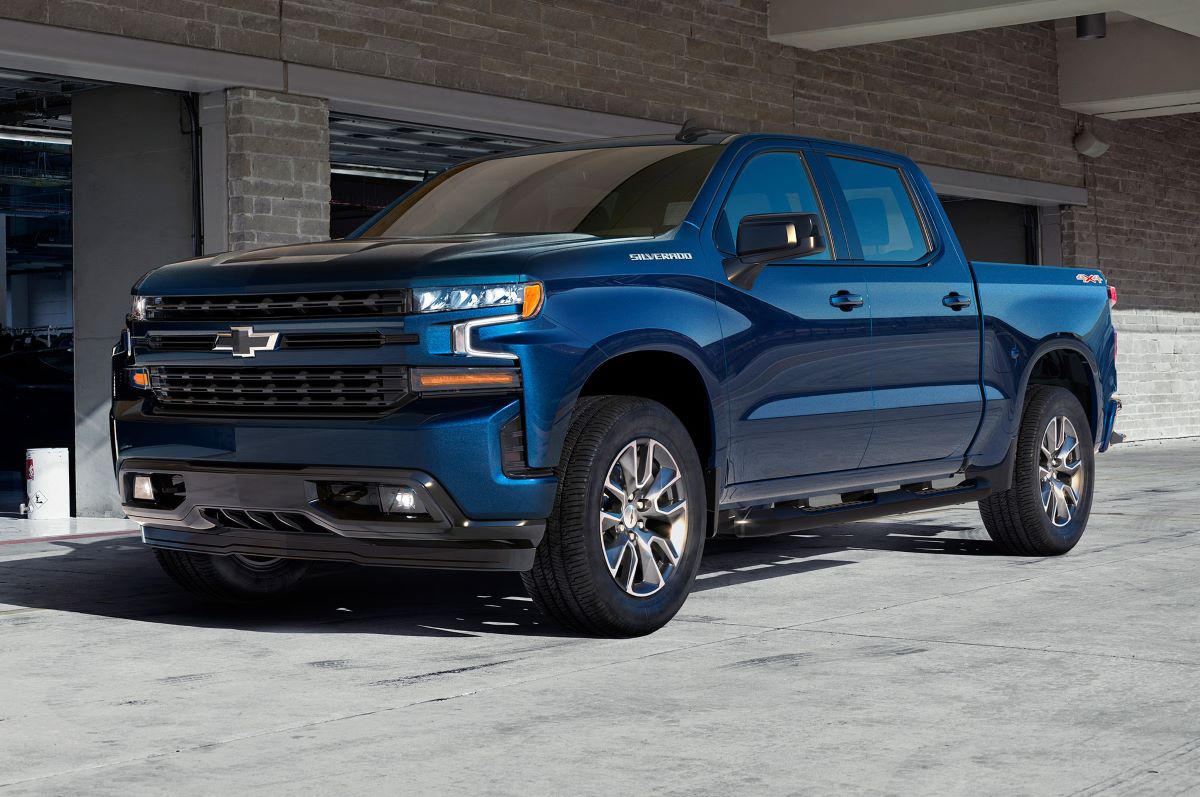
The Silverado’s engine lineup for this generation offers multiple options with varying levels of complexity and proven reliability. The base 4.3-liter V6 and available 5.3-liter and 6.2-liter V8 engines represent evolutionary updates of proven GM small-block architecture, incorporating modern technologies like cylinder deactivation and direct injection while maintaining the fundamental reliability of this celebrated engine family.
The available 3.0-liter Duramax inline-six turbo-diesel represents more cutting-edge technology but benefits from GM’s extensive diesel experience and was thoroughly tested before introduction.
Most models pair with GM’s Hydra-Matic ten-speed automatic transmission, co-developed with Ford, which had already proven itself in other applications before being adapted for Silverado duty.
This combination of proven engine architecture and thoroughly tested transmission technology has contributed to reliable powertrain performance with minimal issues requiring recall attention.
Driver assistance and safety technologies in the Silverado, increasingly comprehensive through the generation, have functioned reliably without significant recall issues.
Features like forward collision alert, lane keep assist with lane departure warning, following distance indicator, and available adaptive cruise control provide meaningful safety benefits with dependable operation.
GM’s Teen Driver system, which allows parents to set vehicle limits and receive driving reports, has proven particularly useful for families while operating reliably. These technologies benefit from GM’s extensive experience implementing similar systems across its broad vehicle lineup, resulting in mature features that work as intended.
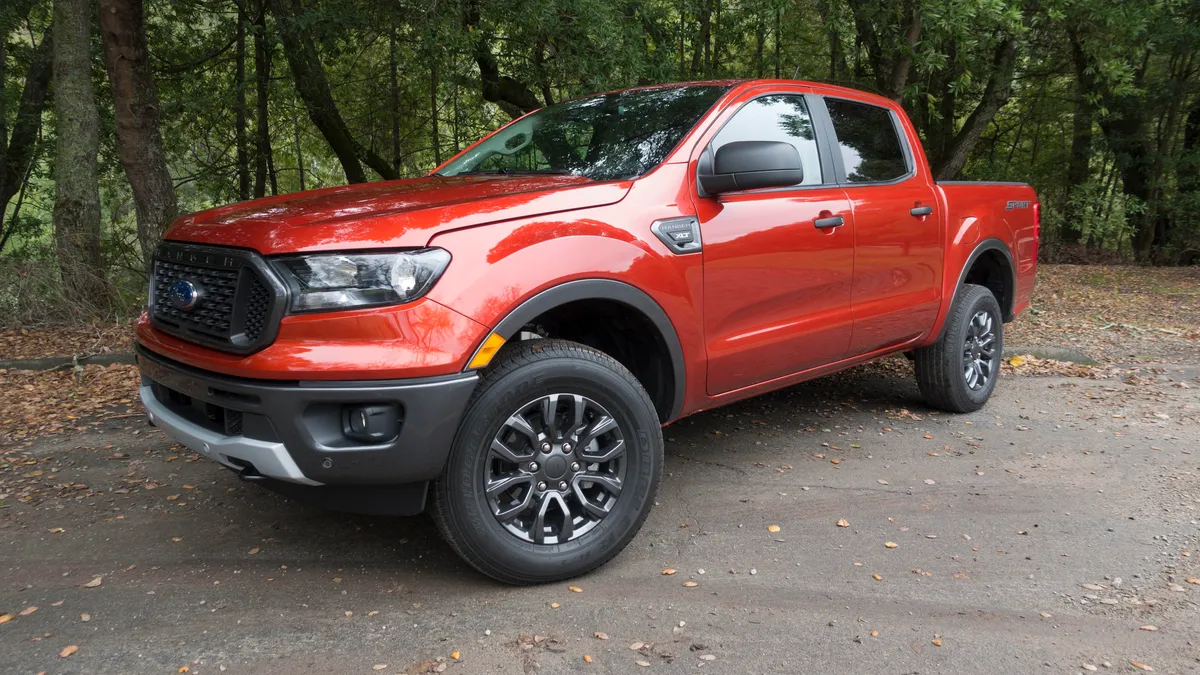
8. Ford Ranger (2019-2023)
The return of the Ford Ranger to the North American market for 2019 marked the reintroduction of Ford’s midsize truck after an eight-year absence, and the model has demonstrated a relatively clean recall record despite being essentially new to this market.
While the Ranger was already selling globally for several years before returning to America, Ford made significant modifications for the U.S. market, including revised engineering for safety requirements, different engine options, and upgraded technology.
Despite these changes, the fundamental platform’s global heritage and extensive real-world validation contributed to the Ranger’s reliability and minimal recall activity in its initial years back in the American market.
Ford’s development process for the North American Ranger leveraged the truck’s extensive global experience while ensuring it met American customer expectations and regulatory requirements.
Engineers conducted comprehensive testing across North American conditions, accumulating hundreds of thousands of validation miles in diverse environments.
This testing supplemented the millions of miles the global Ranger platform had already accumulated in markets worldwide, providing an exceptional foundation of real-world experience before the truck reached American customers.
Ford’s ability to draw on this global experience while adapting the truck for specific North American requirements has proven instrumental in achieving reliable performance with minimal recalls.
Safety features and driver assistance technologies in the Ranger have functioned dependably since introduction. Ford Co-Pilot360 features, including automatic emergency braking with pedestrian detection, blind spot information system with cross-traffic alert, lane keeping system, and auto high-beam headlamps, provide comprehensive active safety coverage with reliable operation.
Available adaptive cruise control with stop-and-go capability functions smoothly in traffic without the lurching or inappropriate braking that has affected some competitors’ systems.
These technologies benefit from Ford’s extensive experience deploying similar systems across its vehicle lineup, resulting in mature features that work as intended without requiring recalls to address performance issues.
9. Toyota Tundra (2022-2023 New Generation)
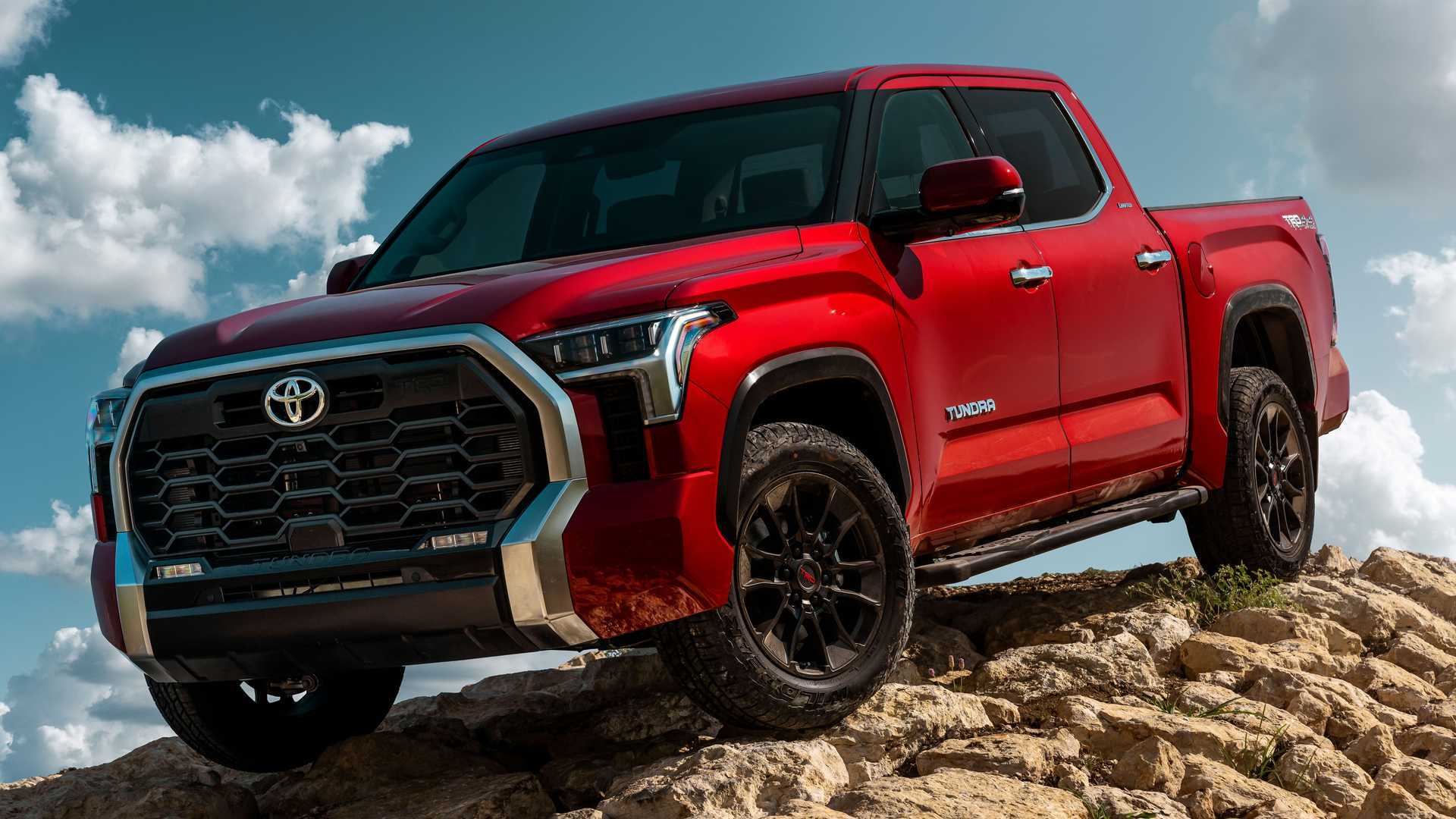
The all-new third-generation Toyota Tundra, introduced for the 2022 model year, represents Toyota’s first complete redesign of its full-size truck in fifteen years, and despite being completely new, the truck has maintained Toyota’s reputation for reliability with minimal recall activity during its initial production years.
This achievement is particularly impressive given that the new Tundra represents a fundamental departure from its predecessor, with an entirely new platform, turbocharged engines replacing the beloved naturally aspirated V8, and significantly more advanced technology throughout.
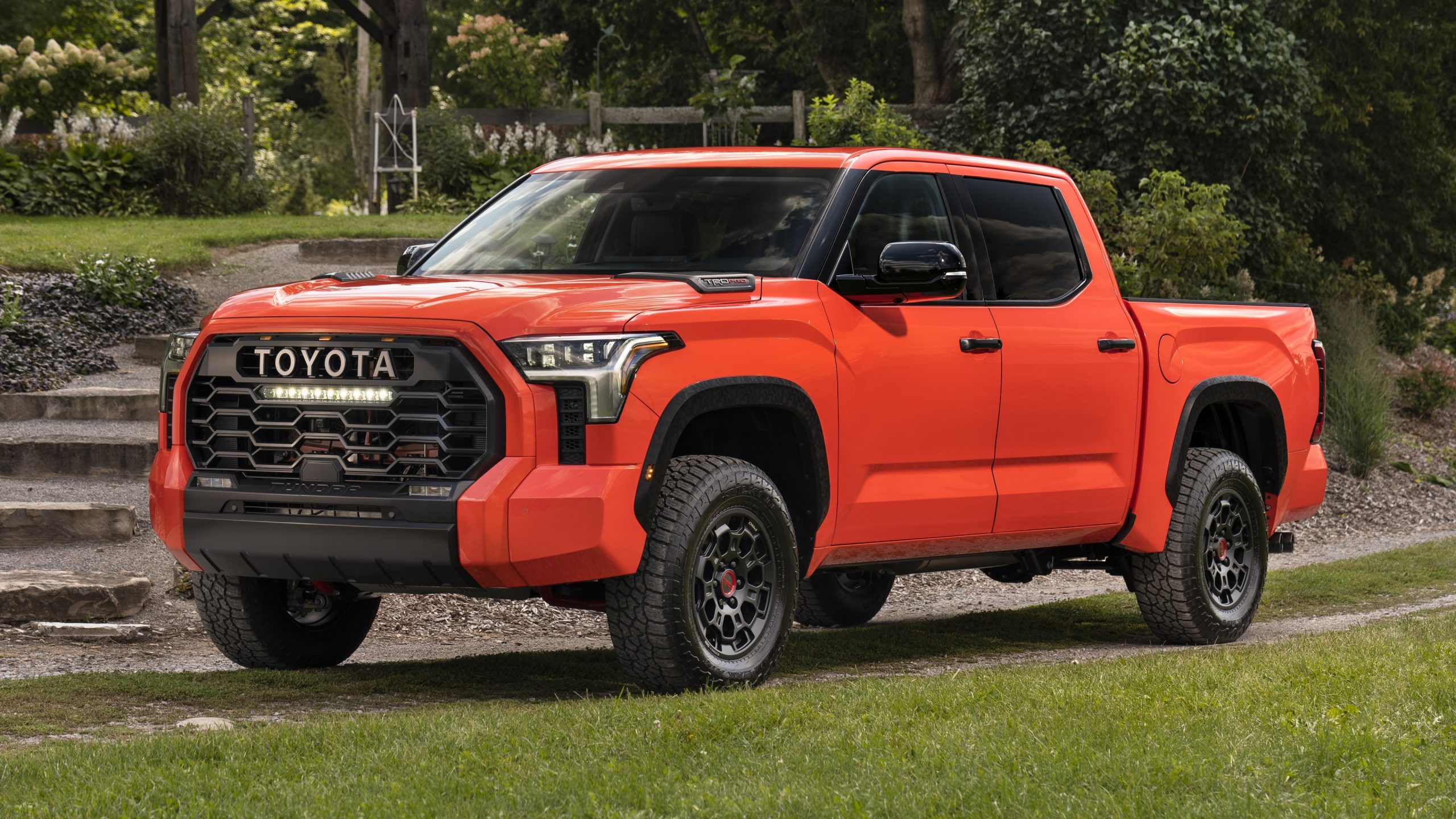
Toyota’s conservative development approach and extensive testing contributed to this reliability success, demonstrating that even all-new designs can achieve minimal recalls when developed properly.
Manufacturing quality for the new Tundra, produced at Toyota’s expanded San Antonio facility, maintains the high standards Toyota is known for worldwide.
The company invested significantly in updating the production facility specifically for this new generation, implementing advanced manufacturing technologies while maintaining Toyota’s celebrated production system philosophy.
Quality control processes ensure consistent build quality across all Tundra models regardless of trim level or specification. This attention to manufacturing excellence contributes directly to the truck’s minimal recall activity, as defects are prevented during production rather than discovered by customers and addressed through recalls later.
10. GMC Sierra 1500 (2019-2023)
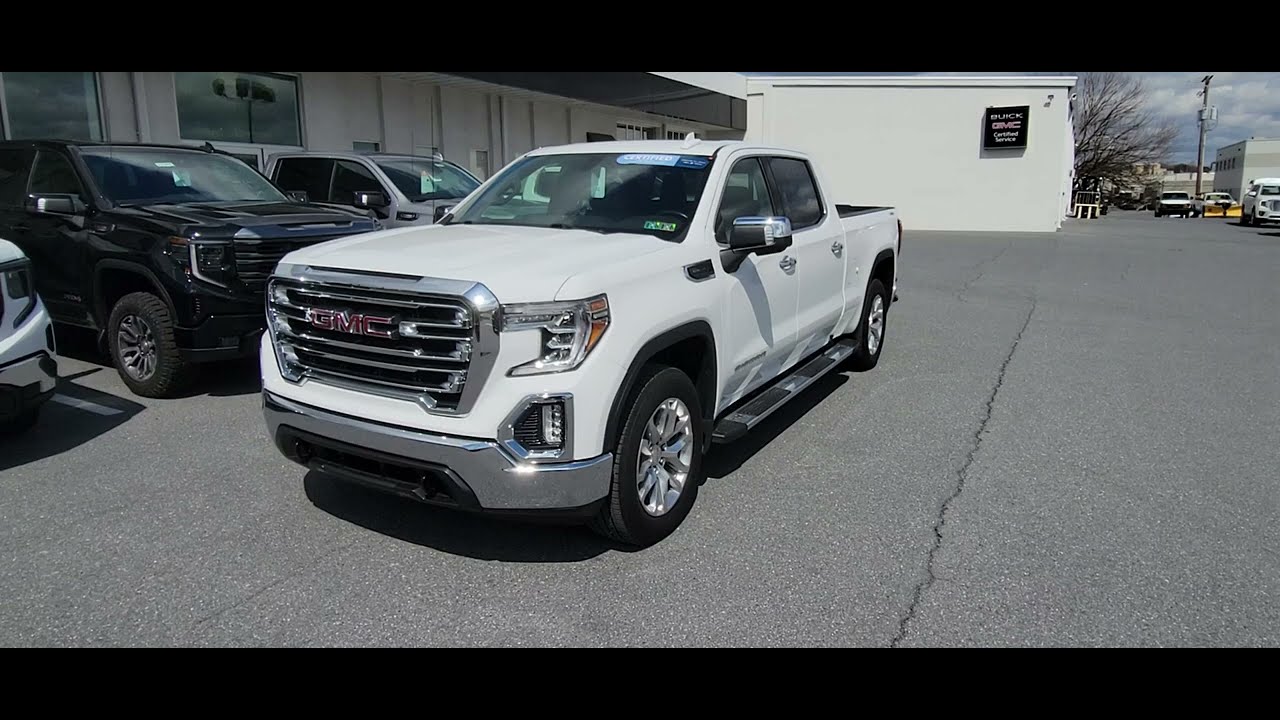
The fourth-generation GMC Sierra 1500, introduced alongside its Chevrolet Silverado sibling for 2019, shares the same fundamental platform while distinguishing itself with unique styling, more upscale trim levels, and exclusive features like the innovative MultiPro tailgate.
Despite being an all-new design, the Sierra has maintained a relatively clean recall record through its initial production years, demonstrating General Motors’ improved attention to quality and reliability following lessons learned from previous generations.
The Sierra’s minimal recall activity is particularly noteworthy given the truck’s complexity and the ambitious feature content GM incorporated into this generation.
General Motors’ development process for the T1 platform that underpins the Sierra emphasized comprehensive testing and validation across all anticipated use cases. Engineers conducted extensive durability testing with prototypes accumulating millions of miles under diverse conditions including extreme temperatures, heavy towing, maximum payload scenarios, and demanding off-road use.
This validation process exceeded GM’s previous standards for truck development, reflecting the company’s commitment to launching this generation with minimal issues.
The extensive testing allowed engineers to identify and address potential problems during development rather than discovering them after customer delivery, contributing significantly to the Sierra’s clean recall record.
GM also implemented sophisticated computer simulation throughout development, allowing virtual testing of countless scenarios before physical prototypes were even built.
The Sierra’s powertrain lineup mirrors that of the Silverado, offering multiple engine options with varying characteristics and proven reliability. The base 4.3-liter V6 provides adequate capability for light-duty use with dependable operation, while the available 5.3-liter and 6.2-liter V8 engines offer substantially more power with the reliability GM’s small-block V8 family is known for.
The available 3.0-liter Duramax inline-six turbo-diesel brings exceptional fuel economy and torque to the lineup, benefiting from GM’s decades of diesel experience. Most Sierra models pair with GM’s Hydra-Matic ten-speed automatic transmission, which provides smooth, responsive shifting with reliable operation across demanding conditions.
This transmission, co-developed with Ford and thoroughly proven in various applications before Sierra duty, has demonstrated excellent reliability without the shift quality issues or mechanical problems that affected some earlier GM transmissions and led to recall campaigns.
Driver assistance and safety technologies in the Sierra have become increasingly comprehensive throughout this generation, with later model years offering features that rival luxury vehicles.
Available technologies include adaptive cruise control with stop-and-go capability, forward collision alert, automatic emergency braking, front pedestrian braking, lane keep assist with lane departure warning, following distance indicator, intellibeam automatic high beams, and rear pedestrian alert.
Higher trim levels add features like surround-view camera system, head-up display, and rear camera mirror that provides an unobstructed rear view regardless of bed cargo or passenger placement.
These sophisticated systems have functioned reliably without significant recall issues, benefiting from GM’s extensive experience implementing similar technologies across its broad vehicle lineup.
The systems work together seamlessly to provide comprehensive active safety coverage without the false alerts or inappropriate interventions that have affected some competitors’ implementations.
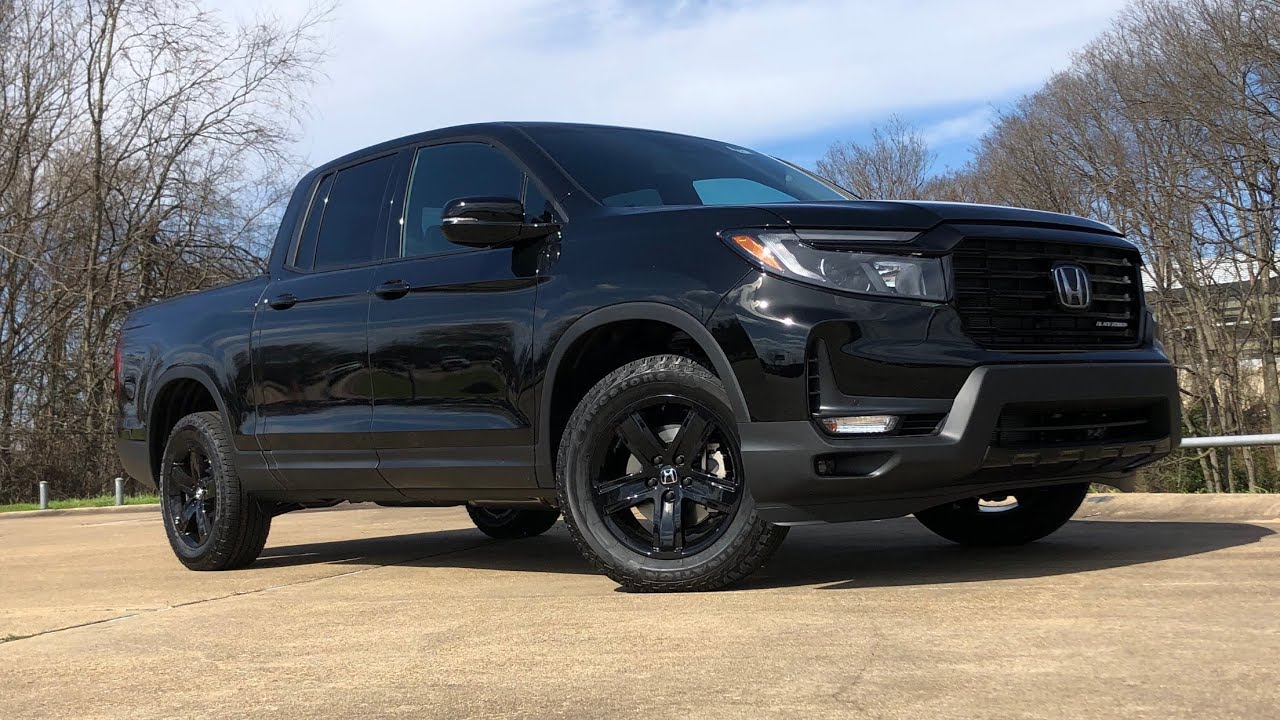
11. Honda Ridgeline Black Edition (2021-2023)
The Honda Ridgeline Black Edition represents a special variant of Honda’s unique unibody truck, and while it shares the fundamental reliability of the standard Ridgeline, this model deserves specific mention for its particularly clean record and the thoughtful refinements Honda implemented for this trim level.
Introduced as part of the Ridgeline’s mid-cycle refresh for 2021, the Black Edition demonstrates Honda’s ability to add desirable features and capabilities while maintaining the exceptional reliability that characterizes the entire Ridgeline lineup.
This model’s minimal recall activity reflects both the mature platform it’s based on and Honda’s careful approach to implementing enhancements. The Black Edition includes Honda Sensing, the company’s comprehensive suite of driver assistance technologies, as standard equipment.
These systems, including collision mitigation braking, road departure mitigation, adaptive cruise control with low-speed follow, lane keeping assist, and traffic sign recognition, provide comprehensive active safety coverage with reliable operation.
Honda’s implementation of these technologies has proven particularly successful, with systems functioning as intended without the false alerts, inappropriate interventions, or system malfunctions that have plagued some competitors’ similar technologies and led to recall campaigns.
The radar and camera systems that enable these features operate reliably across diverse weather conditions and lighting situations, providing consistent performance that drivers can depend on.
The truck’s 5,000-pound towing capacity and 1,580-pound payload capacity handle recreational trailers, boat trailers, and equipment trailers that represent the majority of actual consumer towing needs.
Honda’s integrated trailer brake controller and transmission tow mode optimize performance when hauling loads, and these systems have proven reliable without the overheating or premature wear issues that can affect trucks pushed to their towing limits.
12. Ford F-150 (2021-2023 Fourteenth Generation)
The fourteenth-generation Ford F-150, introduced for the 2021 model year, represents Ford’s latest evolution of America’s best-selling vehicle, and despite incorporating significant changes including aluminum body construction throughout and hybrid powertrains, the truck has maintained a relatively clean recall record considering the complexity and production volume involved.
Ford’s extensive experience with aluminum construction, gained through the previous F-150 generation and decades of aluminum use in other applications, contributed to successful implementation of this lightweight material without the widespread issues some predicted.
The truck’s minimal recall activity, particularly impressive given that over 700,000 units are produced annually, demonstrates Ford’s improved quality focus and effective development processes.
Ford’s development program for this F-150 generation represented one of the most comprehensive validation efforts in the company’s history. Engineers subjected prototypes to extreme testing across diverse conditions, accumulating over ten million miles of validation before production began.
This testing included torture tests at Ford’s proving grounds, real-world durability validation in customer-like use, extreme temperature testing from arctic cold to desert heat, and extensive towing and payload scenarios.
Ford also employed sophisticated computer simulation throughout development, allowing virtual testing of countless scenarios and design variations before physical prototypes were built.
This combination of virtual and real-world validation allowed engineers to identify and address potential issues during development rather than discovering them after customer delivery, contributing significantly to the F-150’s minimal recall activity despite its all-new design.
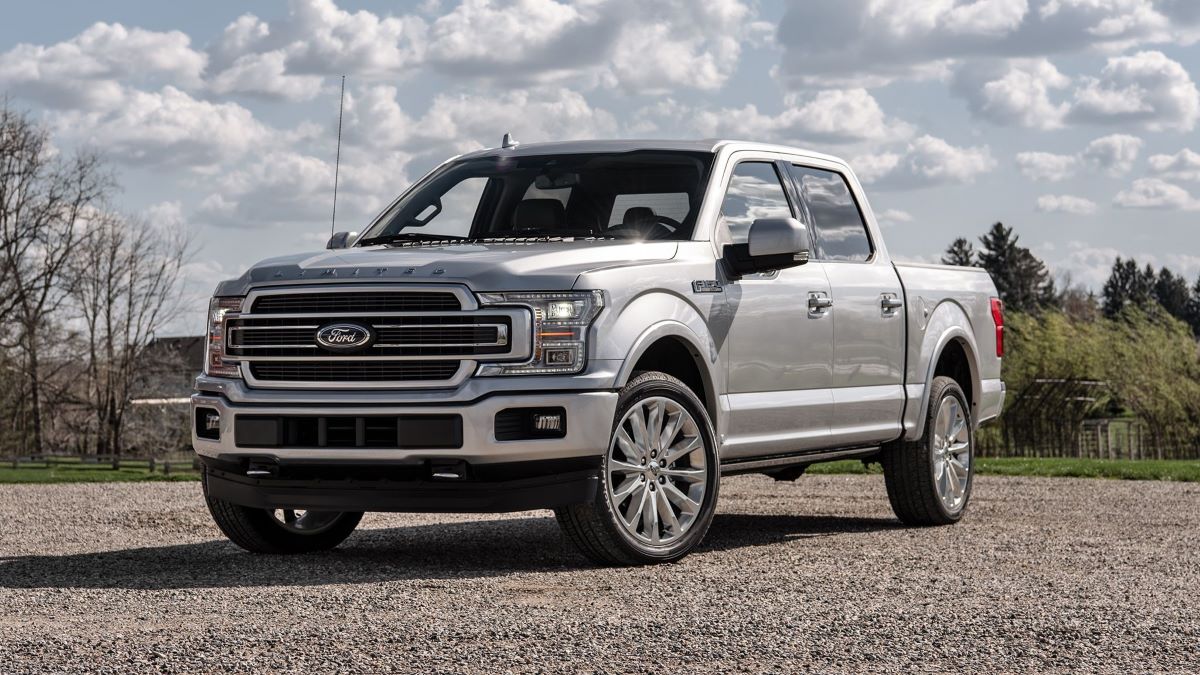
The F-150’s powertrain lineup for this generation offers impressive variety, from turbocharged V6 engines to traditional V8s and even a hybrid option.
The base engine is a 3.3-liter naturally aspirated V6 providing adequate power for basic truck duties with proven reliability. The popular 2.7-liter and 3.5-liter EcoBoost V6 engines offer substantially more power with excellent fuel economy, leveraging years of forced induction experience.
Available features include adaptive cruise control with stop-and-go capability and lane centering, Pro Trailer Backup Assist that simplifies trailer reversing, 360-degree camera system, and enhanced active park assist.
The truck also offers available Pro Trailer features including trailer reverse guidance, smart trailer tow connector, and trailer tire pressure monitoring.
These sophisticated systems represent some of the most advanced technology available in any truck, yet they’ve functioned reliably without significant recall issues.
Ford’s implementation benefits from extensive validation and the company’s experience deploying similar technologies across its vehicle lineup, resulting in mature features that work as intended while providing meaningful safety and convenience benefits.
