

Transmission issues can define a truck’s reliability and overall ownership experience. Some trucks are engineered with transmissions that endure high mileage and demanding workloads, while others develop problems sooner than expected.
For buyers who rely on their trucks for daily driving, towing, or hauling, knowing which models maintain consistent performance over the years is crucial.
On the other hand, certain trucks are prone to transmission failures due to design choices, component quality, or maintenance sensitivity. This disparity affects resale value, maintenance costs, and long-term ownership satisfaction.
Understanding which trucks tend to avoid transmission problems and which ones are more likely to experience them can guide potential buyers, fleet managers, and automotive enthusiasts in making informed decisions.
In this article, we examine two categories: trucks that rarely suffer from transmission issues and trucks with a history of transmission-related problems.
Each section provides specific models, reasons behind their reliability or vulnerability, and insights that explain the patterns observed across the industry.
The goal is to highlight the factors that contribute to durable transmissions while cautioning readers about the vehicles that may demand more frequent attention.
By analyzing both sides, this guide offers a practical reference for anyone looking to invest in a truck built for long-term performance.
Also Read: 5 Diesel Engines That Refuse to Die vs 5 That Constantly Break
5 Trucks That Rarely Suffer Transmission Issues
Some trucks earn a reputation for mechanical resilience, and their transmissions are often a key factor in this durability.
Reliable transmissions provide smooth shifting, consistent performance under load, and minimal need for costly repairs, making these trucks attractive for both daily use and heavy-duty applications.
Trucks with durable transmissions generally combine robust engineering, high-quality components, and transmission designs that handle stress effectively.
Many also benefit from advanced transmission cooling systems, precise electronic controls, and regular maintenance schedules that are easy to follow.
In this section, we highlight five trucks that have proven their transmission reliability over multiple generations and high mileage benchmarks.
These trucks stand out due to their ability to handle towing, off-road conditions, and long-term wear without frequent transmission replacements or major repairs.
Each entry will discuss the transmission type, engineering features, and real-world performance data that illustrate why these models rarely experience transmission failures.
This analysis serves as a practical guide for buyers seeking peace of mind, low maintenance costs, and dependable performance.
Understanding these examples provides valuable insight into the qualities that make a truck’s transmission last, helping owners choose models that offer long-term reliability rather than recurring headaches.
1. Toyota Tundra
The Toyota Tundra has long been recognized for its rugged reliability, and its transmission plays a crucial role in maintaining this reputation.
Early models utilized a dependable 5-speed automatic, while recent generations have moved to an advanced 6-speed and even 10-speed automatic transmission, both engineered for durability under heavy loads.
The Tundra’s transmission design emphasizes simplicity and robust components, reducing the likelihood of overheating and premature wear. Combined with a high-capacity cooling system, the Tundra is capable of enduring demanding towing tasks and long-distance drives without frequent intervention.
Another factor contributing to the Tundra’s transmission reliability is the brand’s conservative approach to engineering. Unlike some competitors who push for cutting-edge, lightweight designs that may compromise longevity, Toyota favors tested mechanical solutions.

Electronic controls, such as adaptive shift logic, are calibrated to prevent unnecessary strain, while torque converters are reinforced to withstand continuous use.
Owners often report reaching 200,000 miles or more with minimal transmission issues, even when towing heavy loads regularly. Additionally, the Tundra’s regular maintenance intervals are straightforward, making it easier for owners to keep the transmission in optimal condition.
Overall, the Toyota Tundra demonstrates how strong engineering, careful component selection, and conservative design philosophy contribute to a transmission that rarely disappoints over the long haul.
2. Ford F-150 (10th and 13th Generation)
The Ford F-150, especially models from the 10th generation (1997–2003) and the 13th generation (2015–2020), is widely praised for transmission durability.
Ford’s use of the TorqShift 6-speed automatic and the 10-speed automatic in newer models reflects a focus on longevity.
These transmissions are engineered to handle a wide range of conditions, from light commuting to heavy-duty towing, and incorporate robust gearsets, reinforced clutches, and high-capacity cooling systems.
The result is a transmission that delivers smooth shifting and resists common failure modes, such as slipping or overheating.
Maintenance accessibility is another reason for the F-150’s transmission reliability. Fluid changes are straightforward, and Ford’s design allows for easier inspection and repair of key components.

Real-world data shows many F-150s reaching 250,000 miles with minimal transmission problems when maintained properly.
Owners also benefit from Ford’s continual improvements in transmission software, which fine-tunes shift points and adapts to driving style, preventing unnecessary stress on internal components.
The F-150’s combination of engineering rigor, strong materials, and proactive electronic controls ensures that its transmission can withstand years of varied use, making it a standout choice for buyers prioritizing long-term reliability and peace of mind.
3. Chevrolet Silverado 1500 (2014–2018)
The Chevrolet Silverado 1500, particularly the 2014–2018 models, has earned a reputation for transmission reliability thanks to its combination of proven engineering and robust components.
During this period, Chevrolet employed the 6-speed and 8-speed automatic transmissions, which were designed to handle both everyday driving and heavy-duty towing with minimal stress.
The transmissions are reinforced to manage high torque output from engines like the 5.3L V8 and 6.2L V8, reducing the likelihood of premature wear or overheating.
A key feature contributing to durability is the Silverado’s transmission cooling system, which keeps fluid temperatures within optimal ranges even under demanding workloads.
Another reason for the Silverado’s strong transmission performance is its conservative tuning. Gear ratios are optimized for longevity, not just performance, which reduces unnecessary strain during acceleration or towing.

Owners frequently report minimal issues even after exceeding 200,000 miles, provided routine fluid changes and inspections are performed.
The Silverado also benefits from accessible service points, making maintenance straightforward and helping prevent small issues from becoming major problems.
With these factors combined robust mechanical design, strong cooling, and practical maintenance, the Silverado 1500 demonstrates why certain full-size trucks consistently outperform in transmission longevity.
4. Honda Ridgeline
Though the Honda Ridgeline is often seen as a midsize pickup, its transmission reliability rivals that of larger trucks. Honda’s use of a 5-speed automatic in the first generation and a 6-speed automatic in the second generation emphasizes durability and smooth operation.
Unlike some competitors that incorporate complex dual-clutch systems, the Ridgeline relies on a traditional torque converter automatic, which is less prone to overheating and mechanical failure under normal or heavy use.
This choice has contributed to an impressive record of trouble-free transmissions among Ridgeline owners.
The Ridgeline’s engineering approach focuses on balance and efficiency. Its transmissions are designed to handle the truck’s unibody construction and moderate towing capabilities without excessive stress.

Honda also integrates adaptive electronic controls that adjust shift patterns based on load and driving conditions, reducing wear on internal components.
Regular maintenance is easy to perform, and the transmissions respond well to timely fluid changes, further extending longevity. Many Ridgeline owners report surpassing 200,000 miles without significant transmission repairs, highlighting the vehicle’s reliability.
By combining robust mechanical design, intelligent electronics, and practical maintenance requirements, the Honda Ridgeline exemplifies a truck that consistently avoids transmission problems, making it a dependable choice for everyday driving and light-duty hauling.
5. Ram 1500 (2013–2018)
The Ram 1500, particularly the 2013–2018 fifth-generation models, has established itself as a truck with strong transmission reliability. These models feature the 8-speed automatic transmission, a design that balances smooth shifting with durability.
The 8-speed system benefits from carefully engineered gear ratios that reduce strain on the engine and internal components, ensuring that the transmission can handle towing, hauling, and daily driving without frequent repairs.
High-quality materials and precision manufacturing further enhance its longevity, making it one of the more dependable options in its class.
Another factor contributing to the Ram 1500’s transmission reliability is its advanced cooling system, which maintains optimal fluid temperatures under demanding conditions. This helps prevent the overheating issues that often plague other trucks under heavy loads.
Additionally, the transmission’s adaptive electronic controls monitor driving behavior and adjust shifts to prevent excessive stress, improving both performance and durability.
Maintenance accessibility also plays a role; fluid changes and inspections are relatively straightforward, allowing owners to follow recommended schedules without difficulty.

Real-world reports show many Ram 1500s exceeding 200,000 miles with minimal transmission problems, even when used for towing or other demanding tasks.
The combination of thoughtful engineering, robust construction, and practical maintenance requirements ensures that the Ram 1500’s transmission remains reliable over time.
For buyers seeking a full-size truck that minimizes the risk of transmission failure, this generation of Ram 1500 consistently delivers confidence and long-term performance.
5 Trucks That Do Suffer Transmission Issues
While some trucks are celebrated for transmission durability, others have earned a reputation for recurring transmission problems.
These issues can range from slipping gears, delayed engagement, harsh shifting, or complete transmission failure, often resulting in costly repairs or replacements.
Several factors contribute to these vulnerabilities, including complex transmission designs, sensitive electronic controls, insufficient cooling systems, and sometimes lower-quality internal components.
Trucks that suffer from transmission issues often require frequent maintenance, careful monitoring, and occasional corrective software updates, making them less appealing for long-term ownership or heavy-duty use.
Understanding which trucks are prone to transmission problems is essential for buyers, fleet operators, and enthusiasts who want to avoid unexpected repair costs and downtime.
This section highlights five trucks with a history of transmission-related concerns, explaining the underlying reasons for their challenges.
Each example explores the transmission type, engineering factors, and real-world performance observations that contribute to these issues.
By examining these models, readers gain insight into common pitfalls in truck transmissions, enabling more informed decisions when purchasing or maintaining a truck.
Awareness of these patterns helps owners prepare for potential problems, manage maintenance effectively, and evaluate whether the trade-offs of a particular model align with their needs.
1. Dodge Ram 1500 (2009–2012)
The Dodge Ram 1500, particularly the 2009–2012 models, has been widely reported to experience transmission problems. These trucks were equipped with a 4-speed or 5-speed automatic transmission that often struggled under heavy loads or frequent towing.
Common issues include hard or delayed shifting, slipping between gears, and premature wear of internal components. Many owners also reported transmission failure at relatively low mileage compared to competing trucks, resulting in costly repairs or replacements.
Several engineering factors contributed to these issues. The older transmission design lacked robust torque handling and had relatively weak internal clutches and bands.
Cooling systems were sometimes insufficient for prolonged towing or high-stress driving, leading to overheating and accelerated component wear.
Additionally, the electronic control modules responsible for managing shifts were prone to calibration errors, causing erratic or harsh gear changes. Regular maintenance, including timely fluid changes, helped mitigate some problems but did not fully prevent failures.
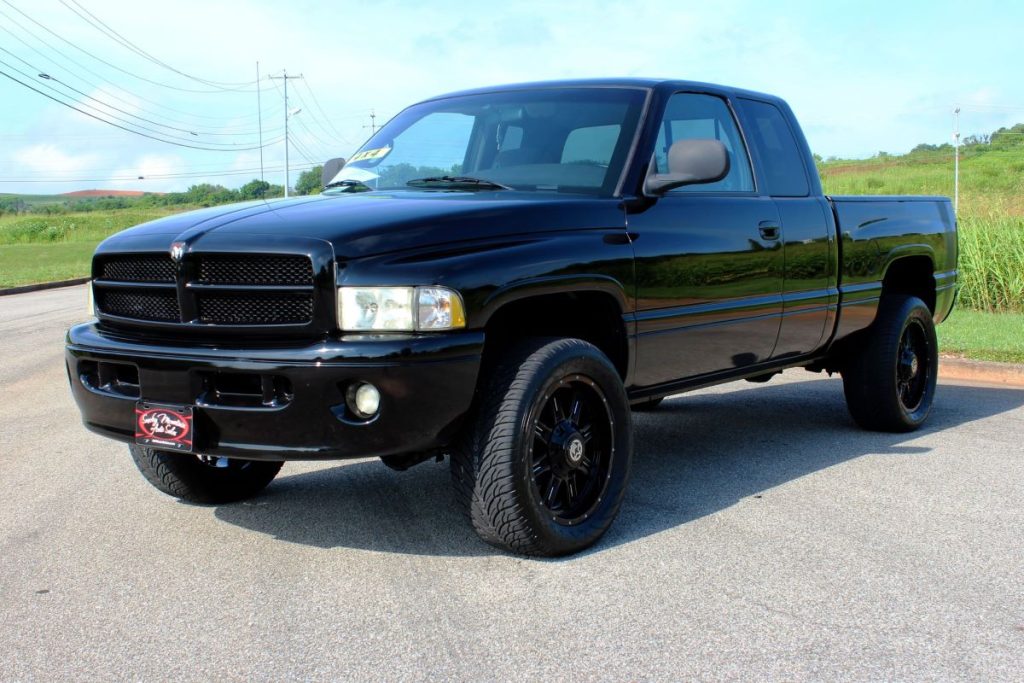
Despite its strong engine options and attractive styling, the Ram 1500 from this era illustrates how transmission weaknesses can undermine a truck’s overall reliability.
Buyers seeking a dependable truck often had to weigh performance advantages against the risk of recurring transmission repairs.
These issues serve as a cautionary example of the importance of robust transmission engineering and adequate cooling systems in heavy-duty trucks.
2. Ford F-150 (2004–2008 4.6L V8 Models)
The Ford F-150 equipped with the 4.6L V8 engine during the 2004–2008 period has been known for transmission difficulties. Many trucks featured the 4-speed automatic, which frequently exhibited delayed or harsh shifting, torque converter problems, and even complete transmission failure.
Owners reported a pattern of expensive repairs occurring between 80,000 to 150,000 miles, often caused by overheating or worn internal components.
The issues stem partly from the transmission’s limited heat management. The cooling system struggled when trucks were used for towing, hauling, or extended highway driving.
Additionally, the electronic controls regulating shift timing and pressure were not always reliable, resulting in erratic gear engagement.
Some vehicles also experienced premature wear of clutches and bands inside the transmission, leading to slipping or sudden jerks during acceleration. Even with proper maintenance, these transmissions were prone to failure due to inherent design limitations.

The 2004–2008 F-150 demonstrates how a truck’s overall performance can be compromised by transmission weaknesses. While the engine and chassis were generally strong, the transmission problems reduced owner confidence and increased maintenance costs.
Prospective buyers needed to consider these factors, particularly if heavy-duty use or long-term ownership was planned.
3. Chevrolet Silverado 1500 (2007–2013 4.8L & 5.3L V8 Models)
The Chevrolet Silverado 1500 from 2007–2013, particularly with the 4.8L and 5.3L V8 engines, has a notable history of transmission problems.
Many of these trucks were equipped with 4L60E and 4L65E 4-speed automatic transmissions, which frequently suffered from slipping, harsh shifting, and complete transmission failure.
Owners often reported the onset of issues around 100,000 miles, especially when the trucks were used for towing or heavy hauling. The repair costs for these transmissions could be significant, often requiring full rebuilds or replacements.
Several factors contributed to the Silverado’s transmission difficulties. The internal clutches and bands were prone to early wear under stress, and the transmissions generated excessive heat during prolonged heavy-duty use.
While the trucks included electronic controls to optimize shifts, these modules were sometimes unreliable, causing delayed or erratic gear changes.
Additionally, the transmissions required meticulous maintenance with proper fluid levels and quality, and neglect often accelerated failures. Even with attentive care, many owners experienced problems, highlighting design limitations.

Despite its strong engines, comfortable ride, and utility, this generation of Silverado demonstrates how a poorly designed or stressed transmission can undermine a truck’s overall dependability.
Buyers seeking long-term reliability needed to be aware of these vulnerabilities and prepared for higher maintenance costs if choosing this model.
4. Nissan Titan (2004–2015 Early Generations)
The first and early second generations of the Nissan Titan, particularly 2004–2015 models, were frequently cited for transmission concerns.
Equipped with a 5-speed automatic transmission, these trucks often faced issues such as slipping, harsh shifts, overheating, and even complete failure. Many Titans required transmission rebuilds or replacements well before 150,000 miles, which posed a significant cost to owners.
The root of these problems lies in several engineering factors. The Titan’s transmission was sensitive to load and torque, and the cooling system sometimes struggled to maintain optimal fluid temperatures under towing or off-road conditions.

Internal clutches were prone to wear, and the torque converter could fail prematurely. Additionally, electronic shift control modules occasionally produced erratic behavior, compounding mechanical wear. Routine maintenance, while helpful, did not fully prevent these issues, making them a common concern among owners.
While the Nissan Titan offered powerful engines, solid towing capacity, and a comfortable ride, its transmission problems frequently overshadowed these strengths.
Prospective buyers needed to consider these challenges seriously, particularly if planning heavy-duty use or long-term ownership. The Titan serves as a reminder that strong performance in one area cannot always compensate for critical mechanical weaknesses.
5. Dodge Dakota (2005–2011)
The Dodge Dakota, particularly models from 2005–2011, is known for recurring transmission problems, especially when equipped with the 4-speed automatic. Common issues reported by owners include slipping gears, delayed engagement, harsh or jerky shifting, and, in some cases, complete transmission failure.
These problems often appeared between 80,000 and 150,000 miles, creating costly repair needs that could undermine the truck’s overall value and dependability.
Several factors contribute to the Dakota’s transmission challenges. The 4-speed automatic had relatively weak internal components that were prone to premature wear under heavy towing or daily driving stress.
The torque converter and clutch packs were also susceptible to overheating, particularly when the truck was used in hot climates or for hauling. Additionally, the electronic shift control module occasionally mismanaged gear changes, resulting in erratic behavior and further mechanical strain.
Even with diligent maintenance, many owners reported repeated transmission issues, suggesting that the design itself had inherent vulnerabilities.
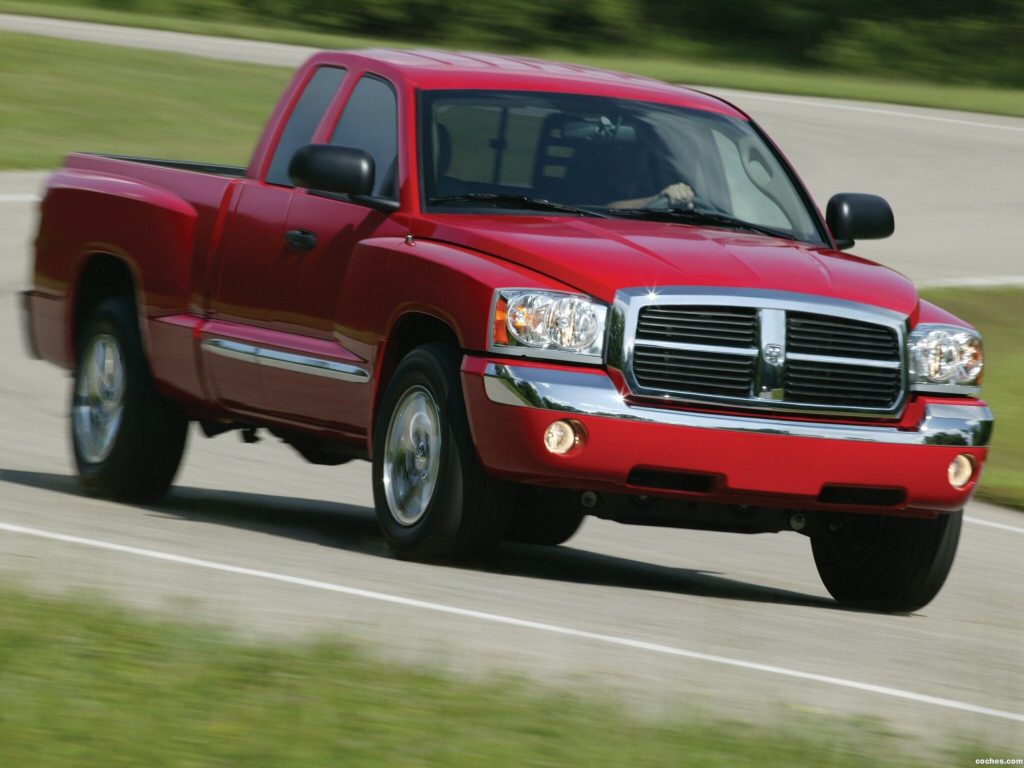
Despite offering strong engines and a comfortable ride for a midsize pickup, the Dodge Dakota’s transmission problems significantly impacted its long-term reliability.
Buyers looking for dependable daily use or towing capabilities often needed to factor in potential repair costs and frequent maintenance.
The Dakota serves as a clear example of how critical transmission design and cooling systems are to a truck’s overall dependability, and why some models in the same class outperform others in this key area.
Transmission reliability is one of the most critical factors influencing a truck’s long-term dependability, maintenance costs, and owner satisfaction.
The trucks that rarely experience transmission problems such as the Toyota Tundra, Ford F-150 (10th and 13th generations), Chevrolet Silverado 1500 (2014–2018), Honda Ridgeline, and Ram 1500 (2013–2018), demonstrate that robust engineering, thoughtful component selection, and adequate cooling systems are essential to longevity.
These models share common traits: transmissions with reinforced internal components, carefully calibrated electronic controls, and designs that tolerate heavy loads and towing without excessive strain.
Many of these trucks also feature straightforward maintenance schedules, which help owners maintain fluid quality and prevent minor issues from escalating.
The result is consistent performance even at high mileage, with owners frequently reporting minimal or no transmission failures over extended periods.
In contrast, trucks prone to transmission issues such as the Dodge Ram 1500 (2009–2012), Ford F-150 (2004–2008 4.6L V8), Chevrolet Silverado 1500 (2007–2013 4.8L and 5.3L V8), Nissan Titan (2004–2015 early generations), and Dodge Dakota (2005–2011) illustrate the consequences of weaker engineering or insufficient thermal management.
These models often suffer from slipping gears, harsh or delayed shifts, and premature wear of internal clutches and bands. Cooling systems and electronic shift controls in these trucks were less effective, leading to overheating and mechanical failures under heavy use.
Even with proper maintenance, many owners experienced recurring problems, highlighting how design limitations can overshadow strong engines or other desirable features.
Comparing these two groups reveals several lessons for truck buyers. Firstly, transmission durability is as important as engine power or towing capacity. Trucks with well-engineered transmissions provide peace of mind, lower maintenance costs, and higher resale value.
Secondly, electronic controls, when properly designed and calibrated, can enhance durability, but poorly tuned systems may accelerate wear.
Lastly, cooling systems and material quality play a significant role in preventing failures, particularly for trucks used in towing or extreme conditions.
By understanding which trucks maintain reliable transmissions and which are prone to failure, prospective owners can make informed choices that align with their usage needs.
Prioritizing proven engineering, adequate cooling, and service-friendly designs ensures a more dependable and cost-effective ownership experience, while avoiding models with known transmission vulnerabilities can prevent unnecessary repair expenses and stress.
Also Read: 5 Honda Sedans That Outlast Rivals vs 5 That Don’t
