
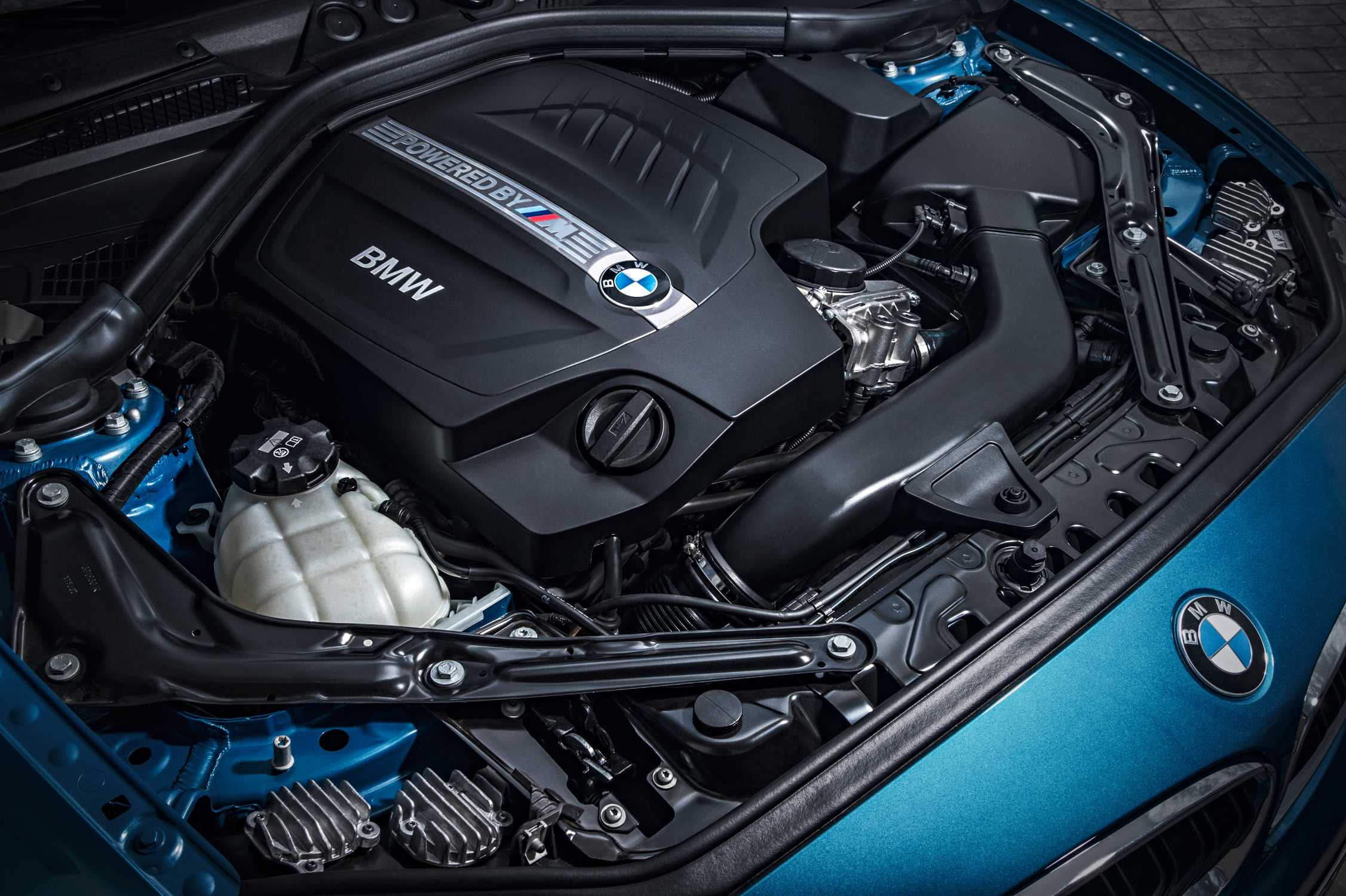
BMW has a reputation for engineering performance-oriented engines, but reliability can vary widely across different models and generations.
Some engines are legendary for longevity, handling high mileage and spirited driving with minimal issues, while others have been known to develop major mechanical problems far earlier than expected.
Factors such as design complexity, materials, maintenance requirements, and technological innovation can all influence how long an engine performs without major repairs.
For enthusiasts and owners alike, understanding which BMW engines provide durable performance versus those prone to early failure is critical.
Reliable engines offer confidence, lower maintenance costs, and retain resale value, while engines with known weaknesses may require frequent attention and expensive repairs. This guide highlights two categories: BMW engines that are surprisingly reliable and those that have a history of early failure.
Each section will provide details on the specific engines, including design characteristics, real-world performance observations, and reasons behind their reliability or vulnerability.
This comparison aims to help current and prospective BMW owners make informed decisions, whether purchasing a used vehicle, maintaining a high-mileage model, or evaluating long-term ownership risks.
By reviewing both sides, readers can understand the engineering traits that contribute to durability and those that warrant caution.
Also Read: 5 Ford SUVs That Rarely Break vs 5 That Constantly Do
5 BMW Engines That Surprise With Reliability
Certain BMW engines have developed a reputation for being remarkably durable, exceeding the expectations of drivers and automotive critics alike.
These engines often combine solid engineering, high-quality materials, and thoughtful design features that allow them to handle extended use, spirited driving, and high mileage without catastrophic failures.
While BMW is known for pushing the envelope with advanced technologies, these reliable engines demonstrate that performance and longevity can coexist when mechanical integrity is prioritized.
In this section, we highlight five BMW engines that have proven their resilience over years of ownership.
Each example emphasizes why the engine remains dependable, including aspects such as cooling system efficiency, timing design, lubrication quality, and tolerance for high mileage.
Real-world owner experiences and maintenance patterns further illustrate how these engines maintain performance over time.
These reliable engines are not only admired for their longevity but also for their ability to retain value in the used car market and provide peace of mind for enthusiasts and daily drivers alike.
Understanding the characteristics of these engines helps owners recognize the mechanical traits that contribute to durability, as well as the practical maintenance habits that support long-term reliability.
1. BMW M54 Inline-6 (2000–2006)
The BMW M54 inline-6 engine, used in models such as the E46 3 Series, E39 5 Series, and Z4, is widely recognized for its durability and dependable performance.
This naturally aspirated 2.2L, 2.5L, and 3.0L engine series benefits from a robust design, including a cast-iron block and aluminum head, which allows it to withstand high mileage without significant structural issues.
The M54 employs a well-engineered VANOS variable valve timing system, which is both simple and effective, contributing to consistent performance and smooth power delivery.
Cooling and lubrication systems were designed to support prolonged operation, reducing the risk of overheating or internal wear.
Many owners report exceeding 200,000 miles with minimal engine-related repairs, often limited to routine maintenance such as oil changes, spark plug replacement, and minor gasket work.
Compared to newer BMW engines with more complex turbocharging or direct injection, the M54 stands out for its mechanical simplicity combined with solid engineering.
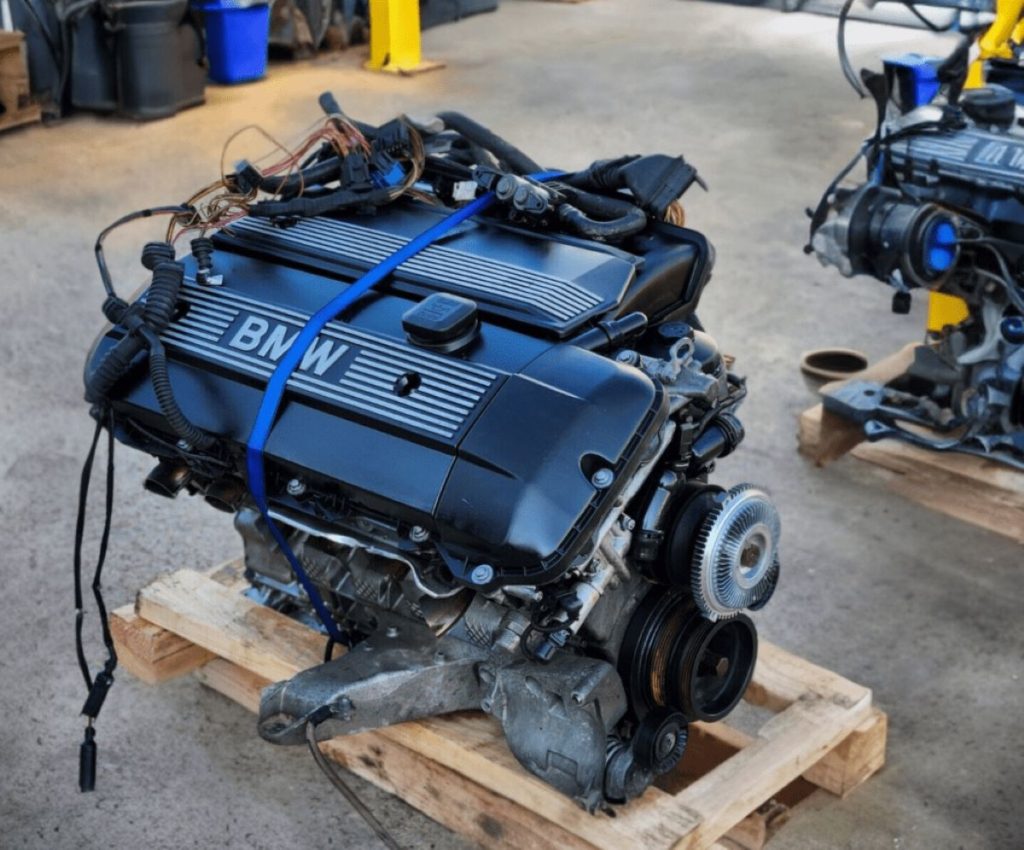
This engine’s reliability is also enhanced by straightforward maintenance access, allowing enthusiasts and technicians to perform preventive servicing easily.
Fuel injection components and ignition systems are resilient, reducing common points of failure seen in other engines of the era.
Overall, the M54 represents a balance of performance, longevity, and ease of ownership, making it one of BMW’s most enduring inline-6 engines. Its proven track record has made it a favorite among enthusiasts seeking a combination of spirited driving and low-maintenance reliability.
2. BMW N52 Inline-6 (2004–2015)
The BMW N52 inline-6 engine, found in the E60 5 Series, E90 3 Series, and Z4, is another example of a reliable powerplant.
Featuring an aluminum-magnesium composite block, it remains lightweight yet sturdy, enhancing both handling and efficiency without compromising durability.
Unlike some earlier engines, the N52 uses an electric water pump, which reduces parasitic loss and maintains consistent cooling.
One of the reasons for its longevity is the simplified timing chain design, which avoids the chain-related failures common in other BMW engines. The Valvetronic system, which controls variable valve lift, is precise and reliable when maintained properly.
Routine oil changes using high-quality synthetic oil prevent camshaft and chain wear, contributing to impressive longevity.
Real-world reports indicate N52 engines regularly surpass 200,000 miles with minimal major repairs, often only requiring basic maintenance like ignition coil replacement, valve cover gaskets, or water pump servicing.
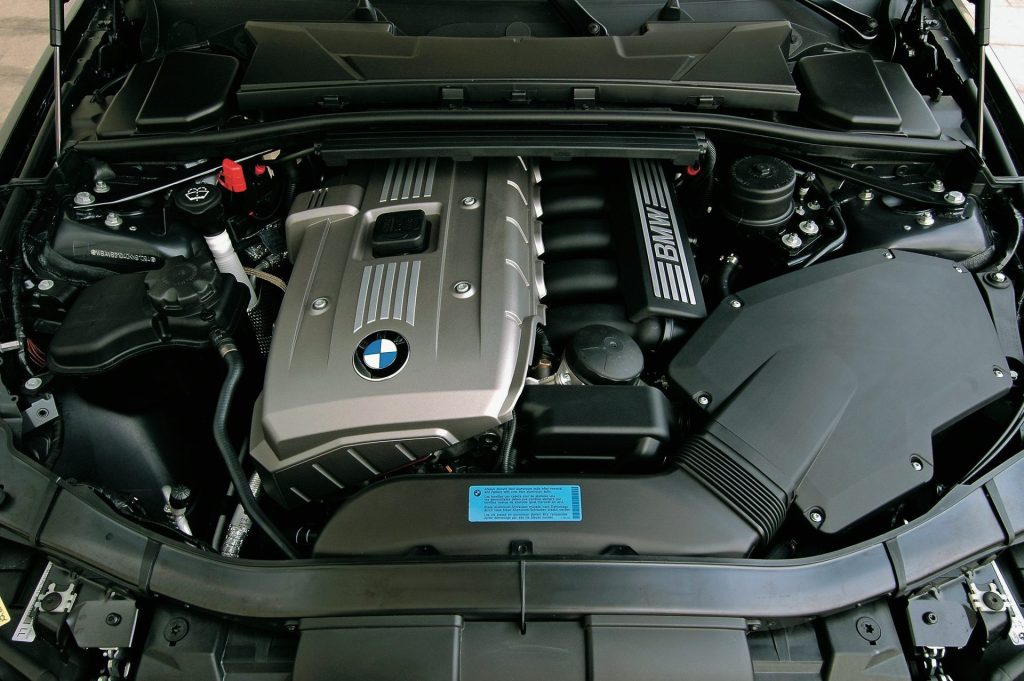
Additionally, the N52’s naturally aspirated design avoids the complexities of turbocharging, making it less prone to issues with high-pressure fuel systems or excessive heat.
Cooling efficiency, coupled with strong internal components, ensures the engine can endure spirited driving and long-distance commuting alike.
For buyers seeking a dependable BMW inline-6 with modern features yet minimal maintenance headaches, the N52 consistently delivers reliability alongside performance.
3. BMW S54 Inline-6 (2001–2006)
The BMW S54 inline-6 engine, most famously used in the E46 M3 and Z4 M, is celebrated for both performance and durability. This naturally aspirated 3.2L engine was designed with a focus on high-revving reliability, featuring an iron block with aluminum cylinder heads.
Its robust construction allows it to handle extended high-RPM use without suffering structural failures, making it a favorite among enthusiasts who demand spirited driving.
One of the key factors contributing to the S54’s durability is its precise engineering and strong internal components. Forged connecting rods, high-quality pistons, and a well-balanced crankshaft reduce stress under load.
The engine employs double-VANOS variable valve timing, which is reliable when regularly maintained, and a high-flow cooling system prevents overheating even during aggressive driving.
While maintenance is critical regular oil changes and careful attention to VANOS seals are necessary these tasks are manageable and predictable compared to more failure-prone engines.
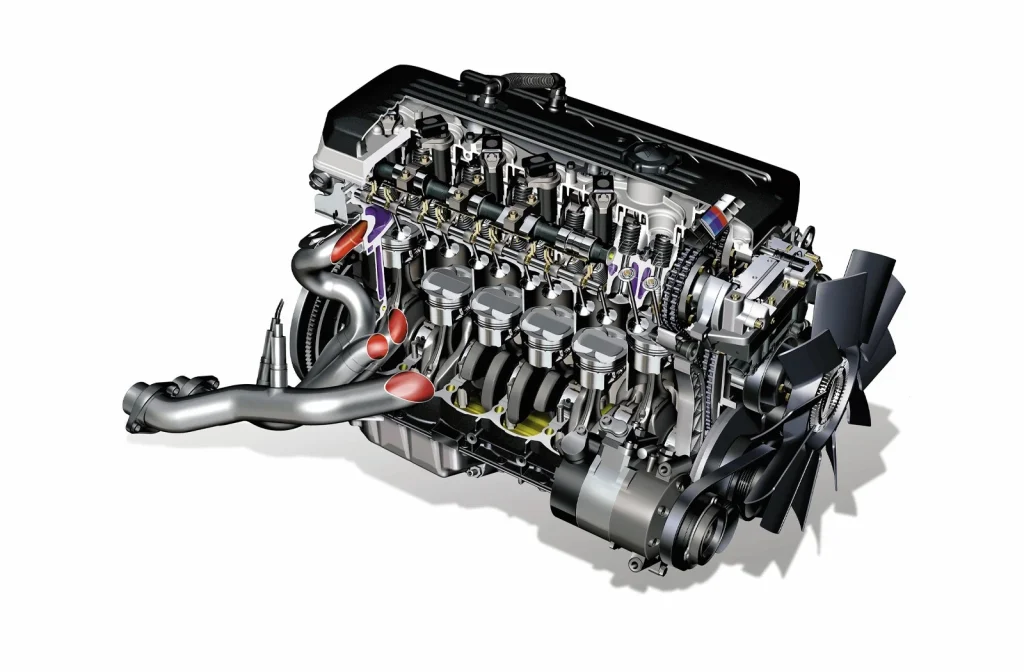
Owners commonly report achieving 150,000–200,000 miles without major engine failure, often limited to wear items such as the water pump, thermostat, or valve cover gaskets.
The S54’s naturally aspirated design avoids the complications of turbocharging, and its fuel and ignition systems are resilient.
Its combination of high-revving performance and long-term dependability makes the S54 one of BMW’s most respected engines, proving that a sports-oriented design can still be reliable with proper engineering and maintenance.
4. BMW B58 Inline-6 Turbo (2015–Present)
The BMW B58 engine, a 3.0L turbocharged inline-6, is part of the modern modular engine family yet has earned a reputation for surprising reliability.
Found in models such as the G30 5 Series, F30 3 Series, and Toyota Supra, the B58 combines forced induction with advanced engineering to deliver performance without compromising longevity.
Its closed-deck aluminum block and forged crankshaft provide structural integrity, while the integrated water-to-air intercooler efficiently manages turbo heat.
Unlike older turbocharged engines prone to high-pressure fuel system or timing issues, the B58 benefits from a timing chain design that is durable and well-lubricated under normal conditions.
The single twin-scroll turbocharger reduces complexity while maintaining efficiency and reliability, and electronic controls for boost and fuel delivery are robust. Cooling systems are highly effective, and synthetic oil maintenance at recommended intervals ensures longevity of both turbo and engine internals.
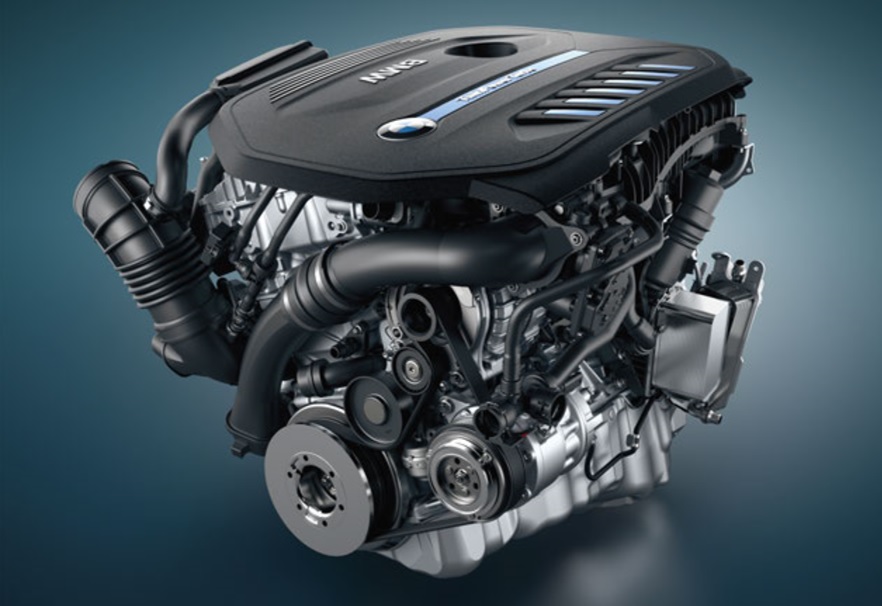
Many owners have reported B58 engines surpassing 150,000–200,000 miles with minimal major repairs, even with spirited driving or moderate track use. Common maintenance items remain predictable, including oil changes, spark plugs, and occasional valve cover gaskets.
Its combination of modern turbo efficiency, solid construction, and manageable maintenance makes the B58 an example of how BMW has improved turbocharged engine reliability in recent years.
5. BMW N54 Twin-Turbo Inline-6 (2006–2010)
The BMW N54, a 3.0L twin-turbo inline-6 engine, stands out as a surprisingly reliable turbocharged powerplant, especially considering the era when early forced-induction engines often suffered frequent failures.
Found in models such as the E90 335i, E92 335i, and 1 Series 135i, the N54 delivers strong performance while maintaining structural durability.
Its iron block and aluminum head construction provide resilience under higher boost pressures, and forged internal components help manage stress from spirited driving or heavy loads.
Key to the N54’s longevity is its engineering balance between performance and durability. While early turbocharged engines struggled with overheating or high-pressure fuel system failures, the N54’s cooling system and intercooler design effectively manage thermal loads.
Regular maintenance, including timely oil and filter changes, ensures that turbo bearings and internal components remain in excellent condition.
High-pressure fuel injectors and ignition coils are known service items, but with proper care, these engines commonly exceed 150,000 miles without catastrophic failures.
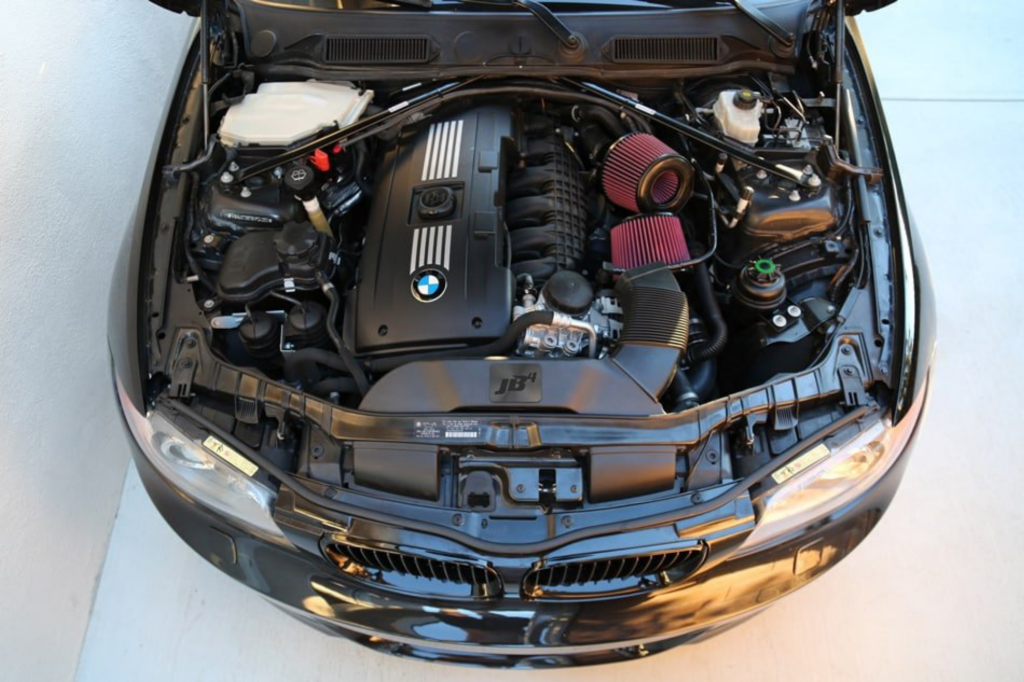
Another factor contributing to reliability is the simplicity of the twin-scroll turbocharger design, which reduces lag and mechanical stress compared to earlier turbo systems.
Despite being performance-oriented, the N54 maintains predictable wear patterns and does not exhibit sudden failure modes when serviced correctly. Many enthusiasts report enjoying daily driving and spirited performance for years without major engine repairs.
The N54 demonstrates that with strong construction, efficient cooling, and attentive maintenance, a high-output turbocharged BMW engine can achieve exceptional reliability.
5 BMW Engines That Fail Early
While some BMW engines achieve remarkable longevity, others have developed reputations for premature failure. These engines often suffer from issues such as high oil consumption, timing chain failures, cooling system weaknesses, and turbocharger or fuel system problems.
The early onset of these failures can result in expensive repairs, frequent maintenance, and reduced owner confidence.
Understanding which engines are prone to early failure is essential for prospective buyers, enthusiasts, and current owners seeking to avoid costly surprises.
Several factors contribute to premature engine failure. Complex designs, overly ambitious performance targets, insufficient cooling or lubrication, and sensitive electronic components can all accelerate wear.
Turbocharged engines without robust thermal management or proper maintenance schedules are particularly vulnerable, as are engines with problematic timing chain systems or known gasket and valve issues.
Real-world experiences from owners and repair professionals provide insight into which BMW engines consistently show trouble at lower mileages compared to their more durable counterparts.
In this section, we examine five BMW engines that are prone to early failure. Each example highlights the design weaknesses, maintenance sensitivities, and mechanical flaws that contribute to their unreliability.
By understanding these engines, readers can make informed decisions when purchasing, servicing, or evaluating high-mileage BMW vehicles.
This overview also emphasizes the importance of preventive maintenance, careful usage, and awareness of known issues to mitigate potential problems.
1. BMW N47 Diesel Inline-4 (2007–2014)
The BMW N47 diesel engine, found in models such as the 120d, 320d, and 520d, has a well-documented history of early failures, particularly related to the timing chain.
Owners frequently report timing chain guide failures, which can lead to catastrophic engine damage if not addressed promptly. This problem often manifests between 60,000 and 100,000 miles, much earlier than would be expected for a modern diesel engine.
Several design factors contribute to the N47’s vulnerability. The engine’s timing chain guides, made from plastic materials, are prone to wear under high thermal and mechanical stress. The chain itself may stretch over time, causing misalignment of valves and pistons.
Additionally, the N47 features high-pressure fuel injection systems that require precise maintenance, and failures in these components can exacerbate engine wear. Cooling system weaknesses and oil starvation in some units further accelerate the degradation of critical components.
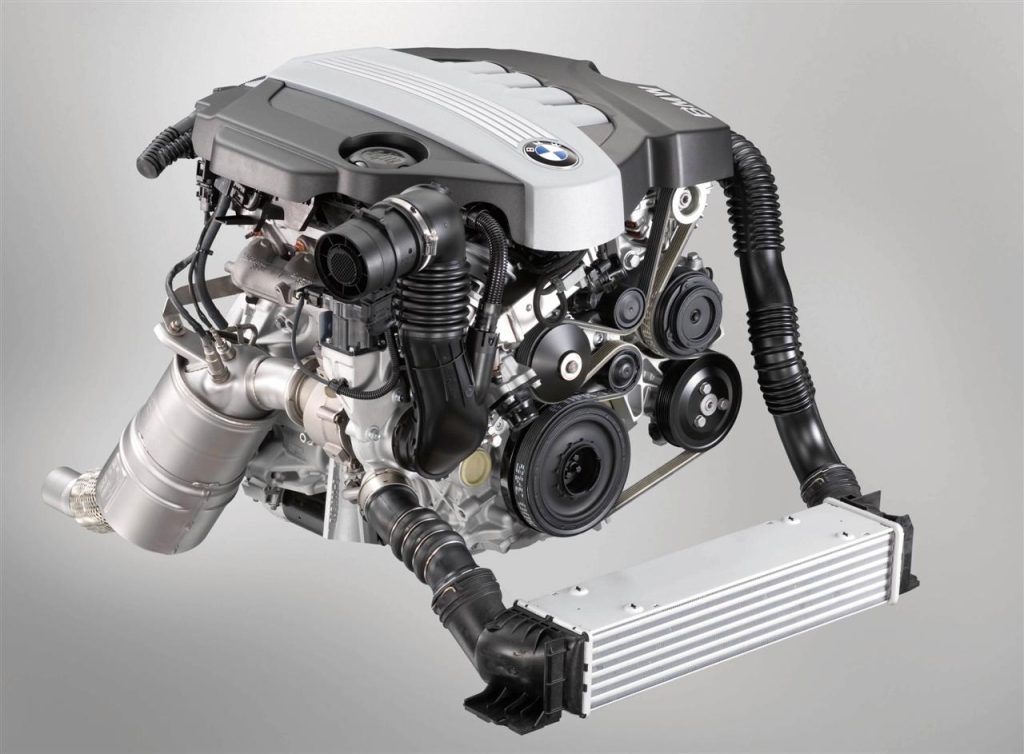
Routine maintenance, including regular oil changes with manufacturer-specified oil, can reduce risk but does not eliminate it. Many owners have experienced severe engine damage even when adhering to the recommended service schedule.
The N47 serves as a cautionary example that diesel efficiency and performance can be undermined by critical timing system vulnerabilities, making it one of the less reliable BMW engines in terms of long-term durability.
2. BMW N20 Turbo Inline-4 (2011–2017)
The BMW N20 2.0L turbocharged inline-4 engine, commonly used in the F30 3 Series, F25 X3, and 1 Series, is another engine prone to early failure.
While offering impressive power and efficiency, the N20 suffers from timing chain issues, high oil consumption, and sometimes turbocharger failures, often appearing between 50,000 and 100,000 miles.
Design elements contribute to these problems. The timing chain tensioner is prone to wear, which can lead to chain slack, rattling noises, and eventually severe engine damage.
Turbochargers on the N20 are sensitive to oil quality and intervals; neglect or use of incorrect oil can result in premature turbo failure. Additionally, the high-pressure fuel system and valvetronic components require precise maintenance, and failures here can accelerate engine wear.
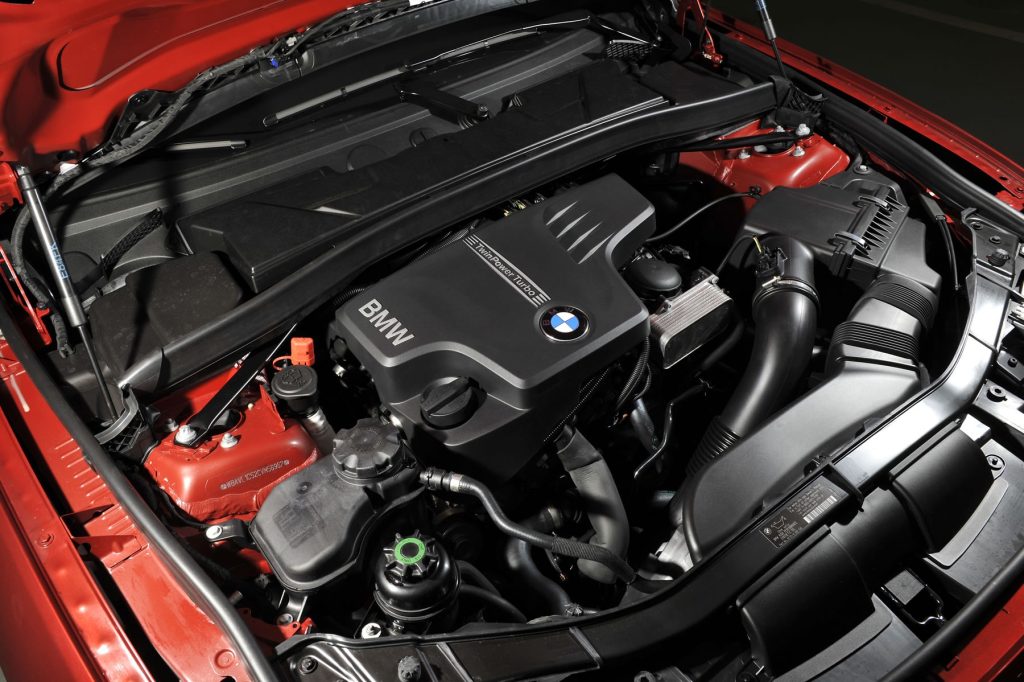
Owners often report repeated repairs for timing chain guides, oil leaks, and turbo replacements, making ownership expensive if preventive care is not strictly followed.
Despite being a modern engine with advanced features, the N20’s combination of turbocharging, lightweight components, and sensitive timing system makes it less forgiving than naturally aspirated counterparts.
It serves as a warning that performance and efficiency innovations, when paired with complex mechanical systems, can sometimes compromise reliability and increase long-term maintenance requirements.
4. BMW S63 Twin-Turbo V8 (2010–2018 Early Models)
The BMW S63 twin-turbocharged V8, found in the F10 M5, F12/F13 M6, and X5/X6 M models, is a high-performance engine that has experienced early failures in some cases.
Common issues include turbocharger wastegate failures, high oil consumption, timing chain wear, and valve stem seal problems. These problems can appear as early as 40,000–80,000 miles under spirited driving conditions.
The S63’s complexity and forced-induction design contribute to its vulnerabilities. Twin turbochargers generate high thermal loads, and cooling systems may struggle during aggressive use.
Timing chain guides and tensioners can wear prematurely, causing chain stretch and potential catastrophic engine damage if left unaddressed.
High oil consumption and leaking valve stem seals exacerbate maintenance requirements. Furthermore, the engine’s integrated electronic controls are sensitive to oil quality and service intervals, adding to the maintenance burden.
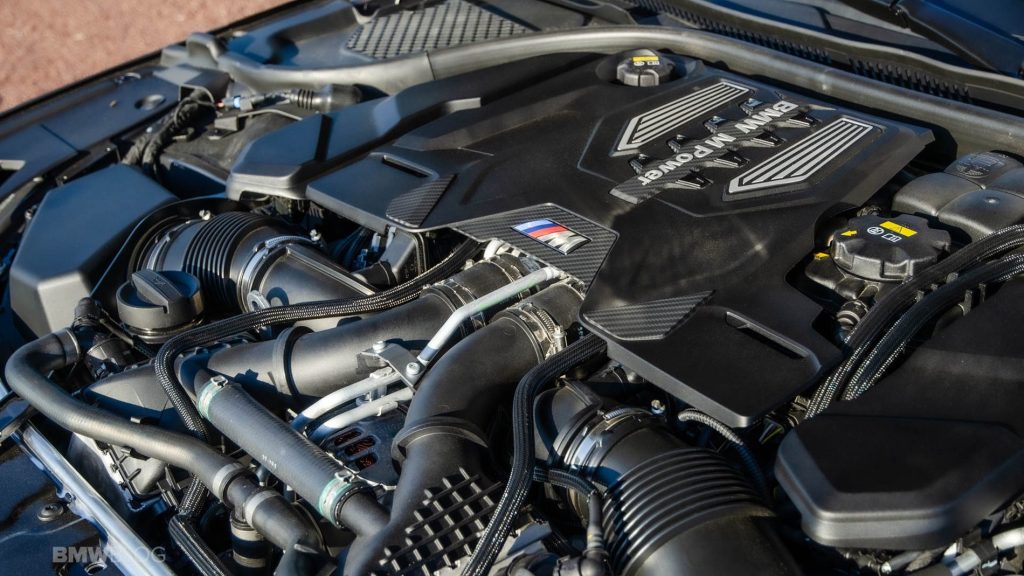
Owners have reported expensive repairs related to turbocharger replacement, timing chain service, and gasket failures, making the S63 an engine that requires attentive maintenance to remain reliable.
Despite its performance pedigree and advanced engineering, the early S63 highlights how high-output, high-complexity engines can compromise long-term reliability when component tolerances are pushed, making preventive maintenance essential for long-term ownership.
4. BMW N62 V8 (2002–2008)
The BMW N62 4.4L and 4.8L V8 engines, used in models such as the E65/E66 7 Series, E60 5 Series, and X5, are known for early failures, particularly related to the variable valve timing system (VANOS) and cooling components.
Owners often report issues such as intake manifold gasket leaks, oil leaks, and cooling system failures appearing between 60,000 and 100,000 miles.
One of the main vulnerabilities of the N62 is its complexity. The Valvetronic system, while providing improved efficiency and throttle response, can fail prematurely if maintenance is neglected.
VANOS units are prone to sticking or seizure, causing rough idling, loss of power, and increased wear on internal components.
The cooling system, including water pumps and thermostat housings, has plastic components that can crack or leak, leading to overheating and potential engine damage.
Oil leaks from valve cover gaskets and oil filter housing gaskets are also common, which can exacerbate wear and increase maintenance costs.
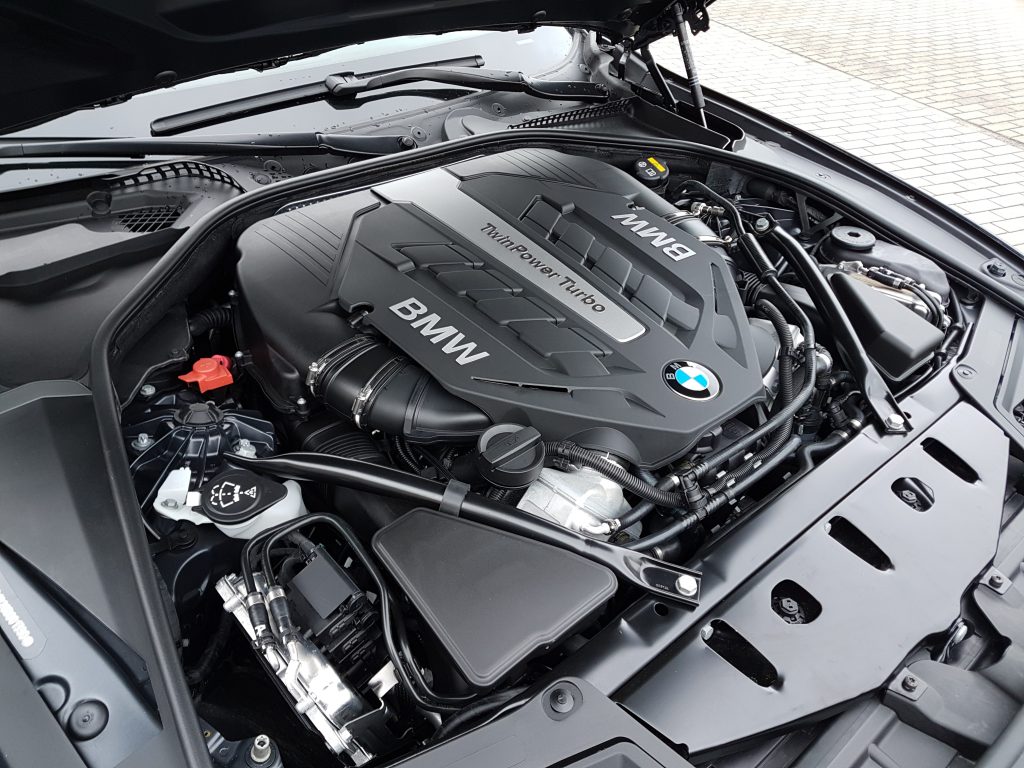
While the N62 offers smooth power delivery and strong performance, these reliability issues make it a high-maintenance engine, particularly as mileage increases.
Regular maintenance, attentive monitoring of cooling and oil systems, and timely replacement of known weak components can mitigate some risks, but owners often face expensive repairs at relatively low mileage.
The N62 illustrates how advanced engineering and multiple integrated systems can increase early failure risk if tolerances and service requirements are not rigorously maintained.
5. BMW M57 Diesel Inline-6 (2003–2010)
The BMW M57 3.0L diesel inline-6, found in models such as the E90 330d, E60 530d, and X5 3.0d, is prone to early failures in certain variants, despite being a strong-performing diesel engine.
Common issues include turbocharger failures, injector problems, swirl flap malfunctions, and timing chain wear, often appearing between 100,000 and 150,000 miles.
Several design elements contribute to its vulnerabilities. Early M57 engines use plastic swirl flaps inside the intake manifold, which can break or detach, causing severe intake damage.
Turbochargers are sensitive to oil quality and service intervals, and failure can lead to reduced performance or catastrophic damage.
The high-pressure fuel system relies on precise maintenance; neglecting it can cause injector failures or misfires. Timing chain components, while generally robust, are still susceptible to stretching or guide wear in high-mileage examples.
Maintenance plays a critical role in mitigating these issues, but even well-maintained M57 engines can experience failures due to inherent design weaknesses, particularly in early variants.
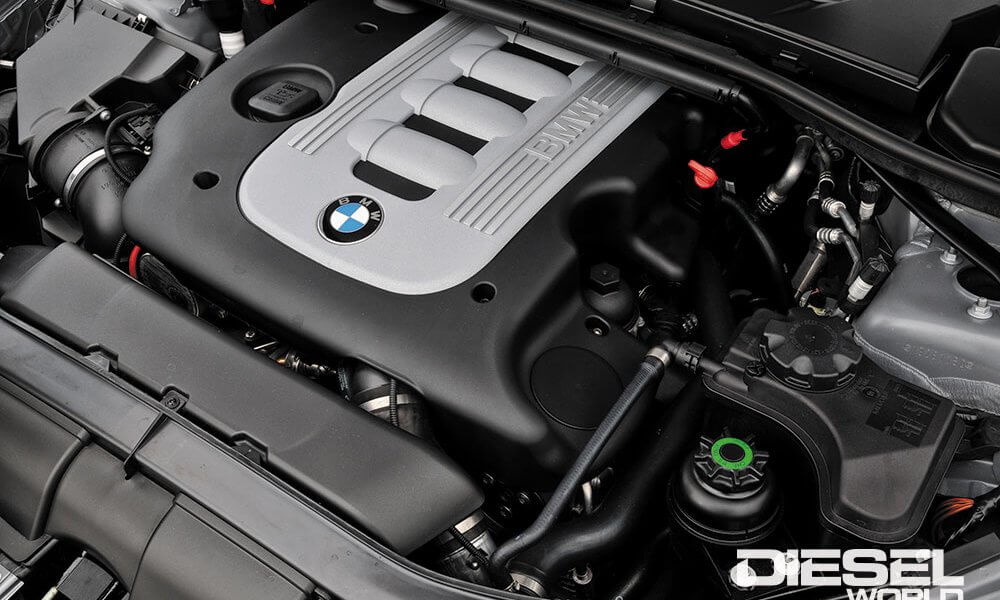
Owners often report costly repairs for turbo replacement, swirl flap issues, and injector servicing. Cooling and lubrication systems must be monitored carefully, as failures can exacerbate other mechanical problems.
Despite its strong torque and efficiency, the M57 illustrates that even a well-regarded diesel engine can encounter early reliability problems if critical components are stressed or maintained improperly.
Prospective buyers and current owners must remain vigilant, following recommended service intervals and addressing minor issues promptly to reduce the risk of major engine failures.
BMW engines exhibit a wide spectrum of reliability, from models that impress with longevity to those prone to early failure.
Engines such as the M54, N52, S54, B58, and N54 demonstrate that solid engineering, high-quality materials, and thoughtful maintenance design can yield remarkable durability.
These engines combine robust internal components, effective cooling systems, and predictable wear patterns, allowing owners to achieve high mileage with minimal major repairs.
Naturally aspirated designs and well-engineered turbo systems in these engines also reduce stress on key components, making them reliable for daily driving, spirited performance, and long-term ownership.
Conversely, engines like the N47, N20, N62, S63, and M57 highlight the risks associated with complex designs, sensitive timing systems, and high thermal loads.
Common problems include timing chain failures, high oil consumption, turbocharger or fuel system issues, and gasket or cooling system weaknesses. These vulnerabilities often appear at lower mileages, leading to costly repairs and maintenance challenges.
Comparing these two groups emphasizes the importance of engineering balance and preventive maintenance.
Owners seeking longevity should prioritize engines with robust mechanical designs, simple yet effective forced induction systems, and reliable cooling and lubrication.
Understanding these patterns allows buyers to make informed decisions, balancing performance aspirations with long-term dependability.
Also Read: 5 Cars With Interiors That Stay Premium vs 5 That Feel Cheap
