
Some cars seem built to endure almost anything. While most vehicles deteriorate rapidly if left unused for years, a select few continue running even after prolonged abandonment, testifying to the strength of their engineering, materials, and design.
Factors like corrosion resistance, engine robustness, and simple but durable mechanical systems contribute to these cars’ ability to restart and operate after years of neglect.
Understanding which cars fall into this category can help buyers, collectors, and automotive enthusiasts make informed choices and appreciate vehicles that maintain value and functionality over decades.
On the other hand, certain cars suffer significantly when abandoned. Electrical systems fail, engines seize, and body panels succumb to rust and decay. These vehicles are often expensive to restore and rarely regain their original reliability.
Comparing these extremes highlights the difference between vehicles that age gracefully and those that do not. By analyzing examples from both sides, it becomes clear which engineering choices and designs contribute to long-term durability.
This article examines five cars that still run strong after abandonment and five that do not, providing insight into their enduring qualities and common failings.
Also Read: 5 Diesel Engines That Refuse to Die vs 5 That Constantly Break
5 Cars That Still Run Strong After Abandonment
Cars that survive abandonment do so because they were overbuilt, simple to maintain, or used high-quality materials that resist wear and corrosion.
Some have engines known to tolerate neglect, others feature suspensions and drivetrains that handle long periods without operation. These cars often require minimal attention to get back on the road, even after sitting for years.
While restoring some vehicles can be costly and complicated, the models on this list tend to reward owners with a combination of reliability and straightforward repair options.
This section focuses on five such vehicles that are known to endure long periods of inactivity without succumbing to mechanical or structural failure.
Each example demonstrates characteristics that help them overcome the challenges of abandonment, from robust powertrains to corrosion-resistant components.
Highlighting these cars not only serves as a guide for collectors but also provides a benchmark for understanding which design philosophies contribute to long-term durability.
In many cases, these vehicles have become favored by enthusiasts who value resilience as much as performance. Here are five cars that stand out for their ability to run strong even after years left idle.
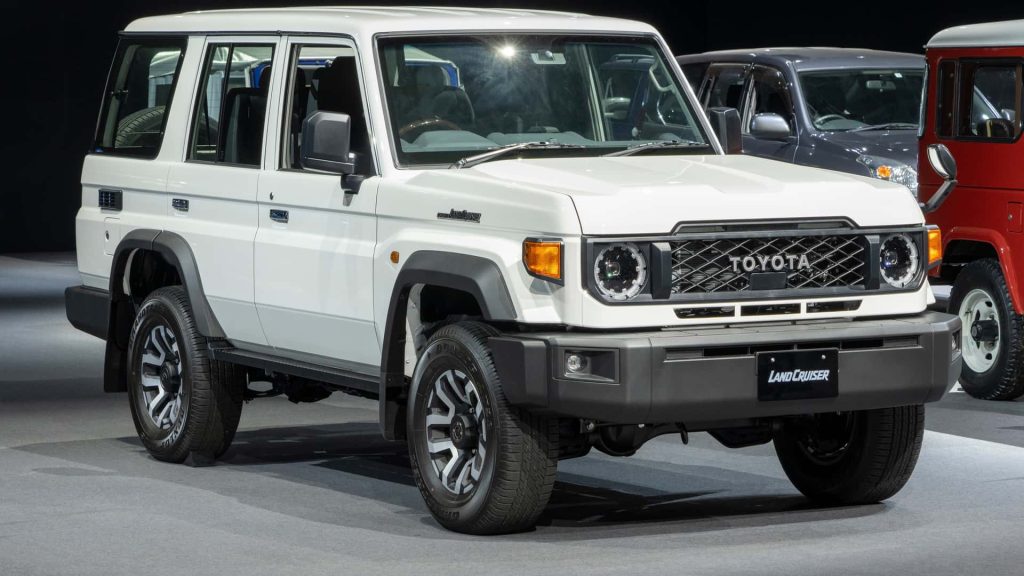
1. Toyota Land Cruiser
The Toyota Land Cruiser has a legendary reputation for durability and endurance, often regarded as one of the most reliable off-road vehicles ever produced.
Its robust ladder-frame chassis, simple mechanical components, and conservative engineering allow it to handle long periods of inactivity without major issues.
Engines like the 4.0L inline-six in older models or the 4.5L diesel in modern variants are known for their ability to start easily after years of disuse, provided basic maintenance like battery replacement is done.
This vehicle’s body is constructed with high-strength steel and corrosion-resistant coatings, helping it survive harsh climates where other vehicles would rust away.
Its suspension, designed for rugged off-road use, tolerates long idle periods because it is simple, with fewer electronics and hydraulic systems prone to failure. Fuel systems in Land Cruisers are straightforward, reducing the risk of clogs or deterioration after abandonment.
Owners often report being able to revive a Land Cruiser after years in storage with minimal intervention. Parts availability and straightforward mechanics make it easier to replace worn seals, belts, or fluids.
This combination of engineering foresight, simplicity, and high-quality materials explains why the Land Cruiser remains operational long after other SUVs would have become scrap.
2. Mercedes-Benz W123
The Mercedes-Benz W123 series, produced from the mid-1970s to the mid-1980s, is celebrated for its durability and longevity. Its engines, especially the OM617 diesel inline-five, are nearly indestructible and can restart even after years of inactivity if properly primed.
These vehicles were overbuilt with attention to quality materials, solid frames, and mechanical simplicity, which allows them to resist decay that affects less robust vehicles.
The W123’s body panels, often made from rust-resistant steel, help it survive in adverse conditions.
Unlike modern cars with complex electronics, the W123 relies on mechanical systems for most critical operations, reducing the chance of failure after long periods without use. Fuel injection systems are durable and can tolerate ethanol-free fuel storage for extended durations.
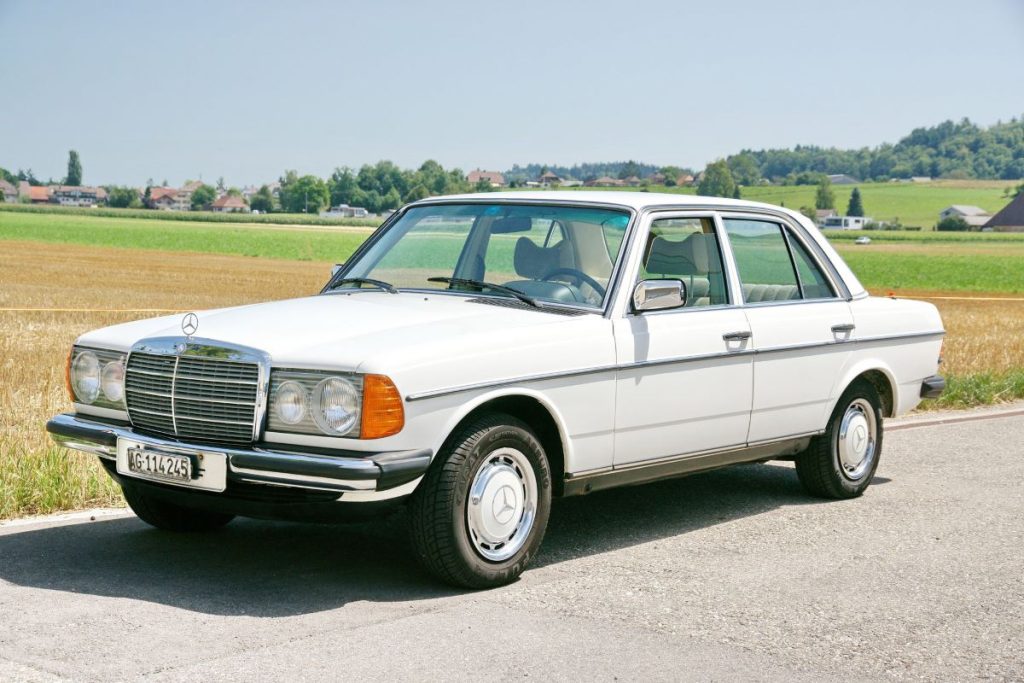
Owners frequently report W123s that sat idle in barns or garages for decades being brought back to life with minimal mechanical intervention.
The combination of mechanical simplicity, high-quality components, and meticulous engineering ensures the car remains a benchmark for longevity.
The W123 demonstrates that solid design principles and conservative engineering lead to vehicles that can endure abandonment without significant degradation.
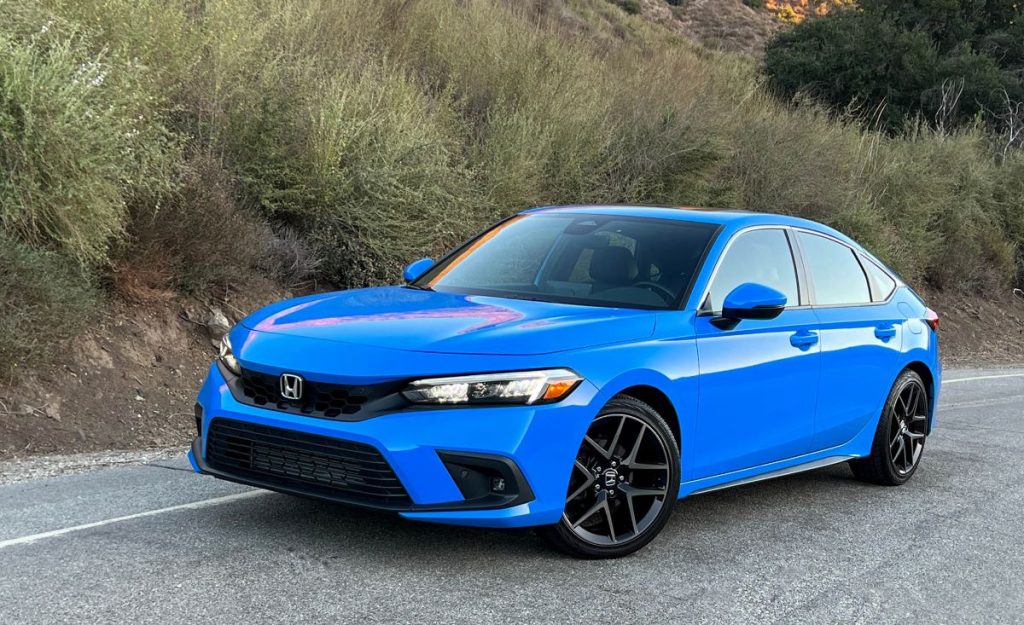
3. Honda Civic (1980s–1990s Models)
Early Honda Civics, particularly from the 1980s and 1990s, are well-known for their reliability and mechanical simplicity. Their small, efficient engines often naturally aspirated four-cylinders, have tight tolerances but are remarkably resilient.
Even after years of neglect, these engines can start and run with minimal intervention, especially if the fuel system and battery are addressed.
The Civics’ suspension is simple and durable, with independent front struts and a rigid rear axle that rarely seizes or corrodes.
Their electrical systems are straightforward, lacking the complex modules seen in modern vehicles, which makes reactivation after abandonment easier.
Many Civics from this era also feature corrosion-resistant body panels, especially in markets with stricter rust-prevention standards.
Another factor contributing to longevity is parts availability. Replacement components for engines, brakes, and suspension are abundant and inexpensive, allowing older Civics to be revived quickly. Even neglected examples stored in garages or outdoors can be made roadworthy after basic maintenance.
The Civic’s combination of fuel efficiency, reliability, and simplicity explains why so many examples survive decades of abandonment.
Enthusiasts often seek out these vehicles for restoration or daily use because they can be revived without prohibitive costs or complicated repairs. For anyone looking for a car that tolerates years of inactivity yet remains dependable, these Civics remain a practical choice.
4. Jeep Wrangler (YJ and TJ Generations)
The Jeep Wrangler, particularly the YJ (1987–1995) and TJ (1997–2006) generations, is built for rugged use, which translates into high durability even after long periods of neglect.
The Wrangler’s simple, body-on-frame construction allows it to withstand rust and structural wear better than unibody vehicles. Engines such as the 4.0L inline-six are known for their toughness and ability to fire up even after extended inactivity.
Mechanical simplicity is key to the Wrangler’s resilience. Older models feature carbureted or straightforward fuel-injected engines, manual transmissions, and minimal electronics, reducing the chances of failure after years of sitting.
The solid axles and leaf or coil springs are resistant to corrosion, and replacement parts are widely available, which makes revival straightforward.
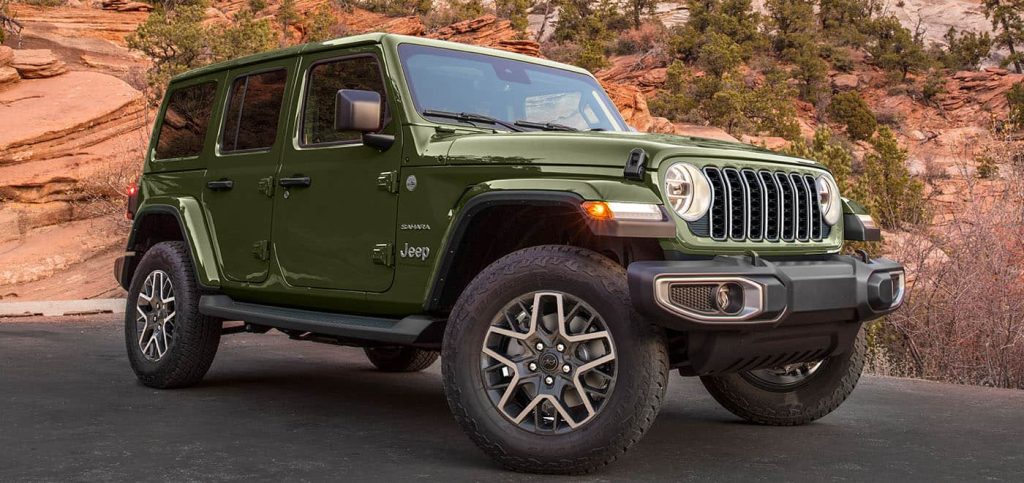
Wranglers often endure exposure to the elements better than typical passenger cars. Their higher ground clearance and durable underbody components mean that critical parts like the oil pan, exhaust, and suspension rarely sustain permanent damage when left idle outdoors. Additionally, aftermarket support allows for easy refurbishment if minor wear occurs.
Owners frequently report starting Wranglers that sat for years with nothing more than a new battery and fresh fluids.
The combination of rugged construction, simple mechanics, and engine durability ensures these vehicles remain operational long after other SUVs would have failed.
5. Volvo 240
The Volvo 240 series is a legendary example of mechanical reliability and longevity. Produced from 1974 to 1993, the 240’s engines, such as the B21 and B230 inline-fours, are known for their simplicity and ability to run reliably after long periods of inactivity.
These engines tolerate old fuel and minimal lubrication, making it possible to revive vehicles left unused for years.
The 240’s boxy, steel-heavy body contributes to structural durability. While not immune to rust, the design incorporates reinforced panels and robust underbody components that help it withstand prolonged exposure to moisture. E
lectrical systems are largely mechanical in nature, avoiding the electronic complexity that causes modern cars to fail when idle.
The car’s suspension, brakes, and steering systems are designed for longevity, with parts that rarely seize even after long storage. Replacement components are widely available, and the design allows for relatively easy maintenance, making revival feasible without significant cost.
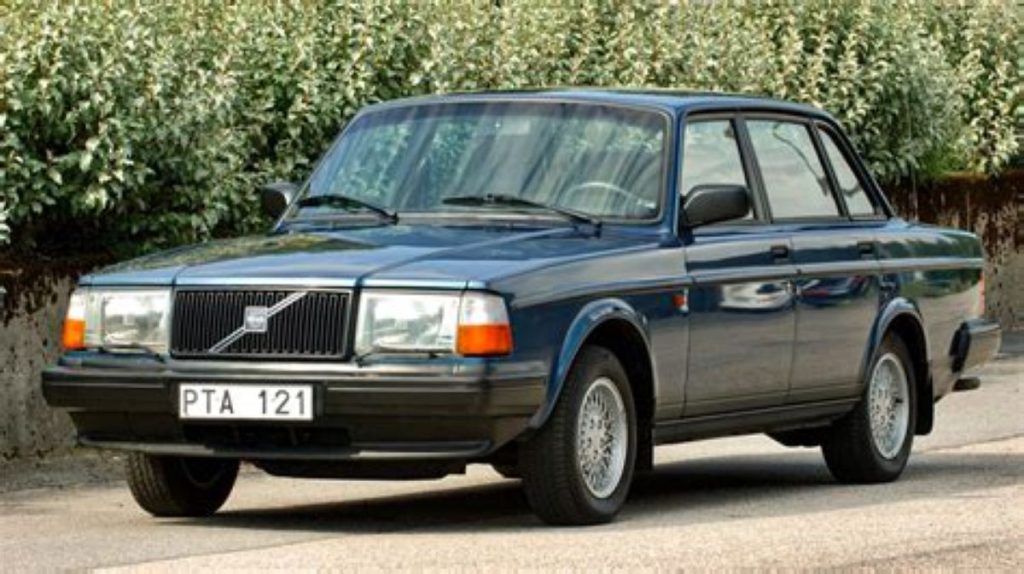
Volvo 240s also benefit from conservative engineering: low-strung engines, durable transmissions, and heavy-duty cooling systems reduce the risk of catastrophic failure after abandonment.
Collectors and enthusiasts often seek these vehicles for restoration or daily use precisely because they can survive years of neglect and still operate reliably. Their enduring performance makes the 240 an icon of long-term durability.
5 Cars That Don’t Survive Abandonment
While some vehicles endure years of neglect with minimal consequences, others deteriorate rapidly when left idle.
Factors like complex electronics, delicate fuel systems, poor corrosion resistance, and lightweight construction make certain cars especially vulnerable to abandonment.
Engines can seize, rubber components degrade, suspensions collapse, and rust consumes structural panels. Attempting to revive these vehicles often involves extensive repairs and replacements, making restoration costly and time-consuming.
Cars that fail after abandonment are typically modern vehicles with tightly integrated electronic systems or older models that were not overbuilt. Even minor exposure to moisture or neglect of routine maintenance can result in irreparable damage.
These vehicles highlight the importance of mechanical simplicity, material quality, and engineering foresight in long-term durability.
This section examines five cars that are prone to failure after prolonged inactivity. Each example illustrates specific weaknesses whether in powertrain design, electronics, or body construction, that prevent them from surviving extended periods of disuse.
By understanding the shortcomings of these models, enthusiasts and prospective owners can avoid costly mistakes and appreciate the design factors that separate durable vehicles from fragile ones.
1. BMW 3 Series (E46, 1998–2006)
The BMW E46 3 Series is widely praised for its driving dynamics, but it does not withstand abandonment well. The complex electronics, including engine management modules, electronic throttle controls, and sensor networks, often fail when left idle for years.
Rubber hoses, seals, and gaskets degrade over time, leading to oil leaks and coolant system failures that prevent the engine from starting safely.
Fuel injectors and pumps in the E46 are sensitive to long-term stagnation. Old fuel can corrode injector components, clog fuel lines, or damage the fuel pump.
While parts are available, repairing these systems after prolonged neglect can be expensive. Suspension components, especially bushings and control arms, seize or crack with age, further complicating revival.
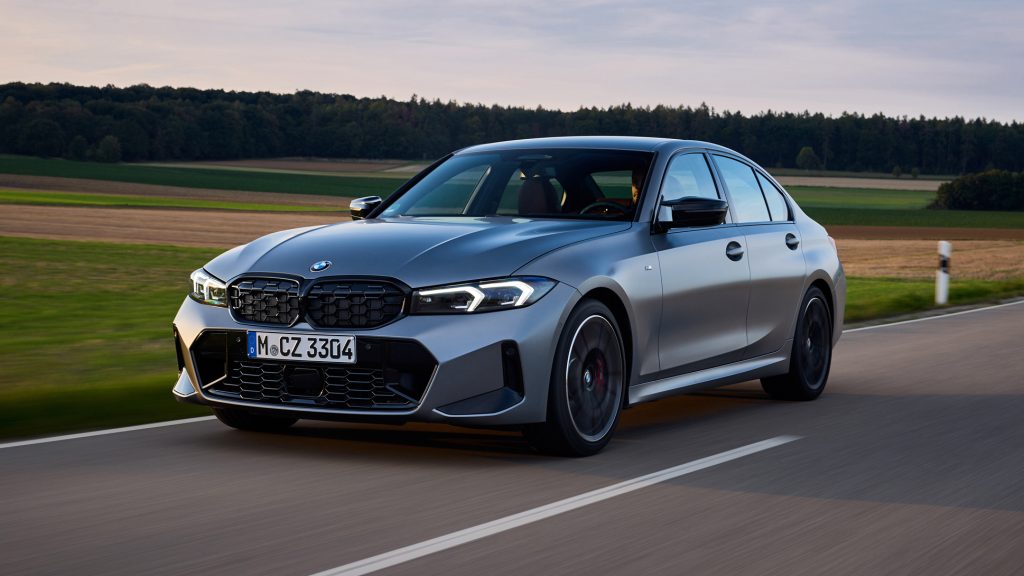
Owners attempting to restart an abandoned E46 frequently encounter multiple simultaneous failures, from battery drain and corroded terminals to cracked coolant hoses and seized brake calipers.
Unlike simpler vehicles, this model cannot be revived with minor maintenance; significant work is often required to restore safe operation.
Its combination of electronic complexity, aging materials, and corrosion-prone components explains why the E46 struggles to survive extended periods of inactivity.
2. Ford Focus (Second Generation, 2004–2011)
The second-generation Ford Focus is popular for its affordability and handling, but it deteriorates quickly when abandoned. Engines like the 2.0L Duratec are prone to carbon buildup and can seize if left without periodic lubrication.
Plastic components in the intake and cooling systems become brittle over time, often leading to leaks or cracks that prevent the car from restarting.
Electrical systems in the Focus are integrated with multiple sensors and control modules. Prolonged inactivity can cause corrosion in connectors, failing relays, and dead modules. Fuel pumps are susceptible to clogging when ethanol-blended fuel sits stagnant, and seals in the fuel system degrade, making revival a difficult process.
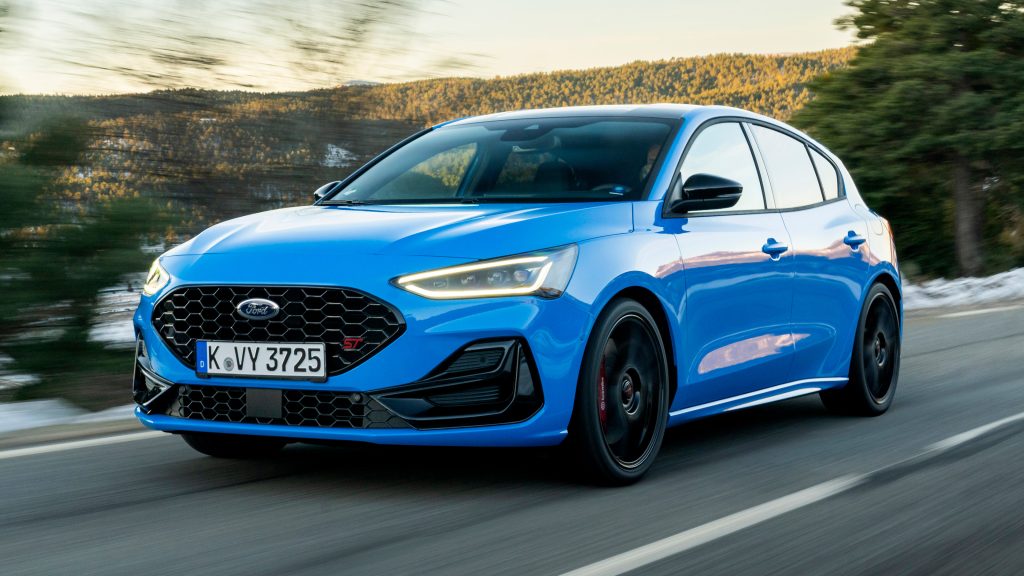
Suspension and brake components also deteriorate rapidly. Rubber bushings dry out and crack, while brake calipers can seize, requiring complete replacement.
Body panels, particularly around wheel arches and lower doors, are prone to rust in humid environments.
Attempting to revive a Focus that has been abandoned for years often results in a combination of mechanical and electrical repairs that can approach or exceed the vehicle’s market value.
3. Mini Cooper (R56, 2007–2013)
The R56 Mini Cooper combines sporty performance with a compact design, but it does not tolerate neglect well. Its turbocharged engines, particularly the 1.6L variants, are sensitive to oil starvation and sludge formation. Prolonged inactivity allows seals and gaskets to dry out, often causing leaks or even engine failure.
Electronics are a major vulnerability. Control units, sensors, and wiring harnesses degrade when unused, leading to difficult-to-diagnose faults.
Fuel injectors and pumps are prone to failure after sitting idle, particularly with modern ethanol-blended fuels. Revival may require a full engine inspection and replacement of multiple electronic components.
Suspension components on the R56 are tightly packaged and subject to wear. Rubber bushings and ball joints can seize, while brake calipers corrode quickly when the car is left stationary.
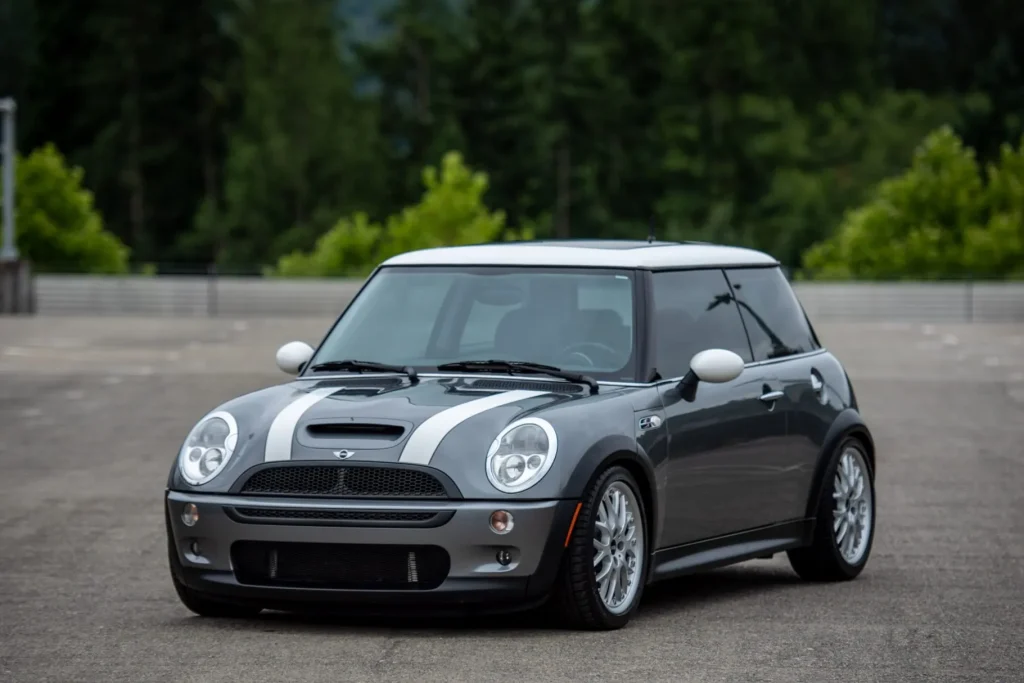
Even cosmetic parts like trim and interior plastics can warp or crack, reducing overall value. Owners attempting to start an abandoned R56 often face a long and costly restoration process.
The combination of complex electronics, turbo engine sensitivity, and compact, tight construction makes this Mini Cooper highly vulnerable to prolonged inactivity.
4. Volkswagen Passat (B6, 2005–2010)
The Volkswagen Passat B6 is known for comfort and features, but it is not built to survive long periods of disuse. Its engines, such as the 2.0L TDI and FSI variants, are sensitive to fuel system and turbocharger issues if left idle.
Diesel models face injector clogging and seal degradation, while gasoline variants can develop carbon buildup and timing chain wear.
Electrical systems are highly integrated, with numerous control modules managing everything from climate control to engine management.
Corrosion in connectors and wiring is common after abandonment, making restart challenging. Rubber components in the cooling system, hoses, and belts often crack, while brake calipers seize, requiring extensive work.
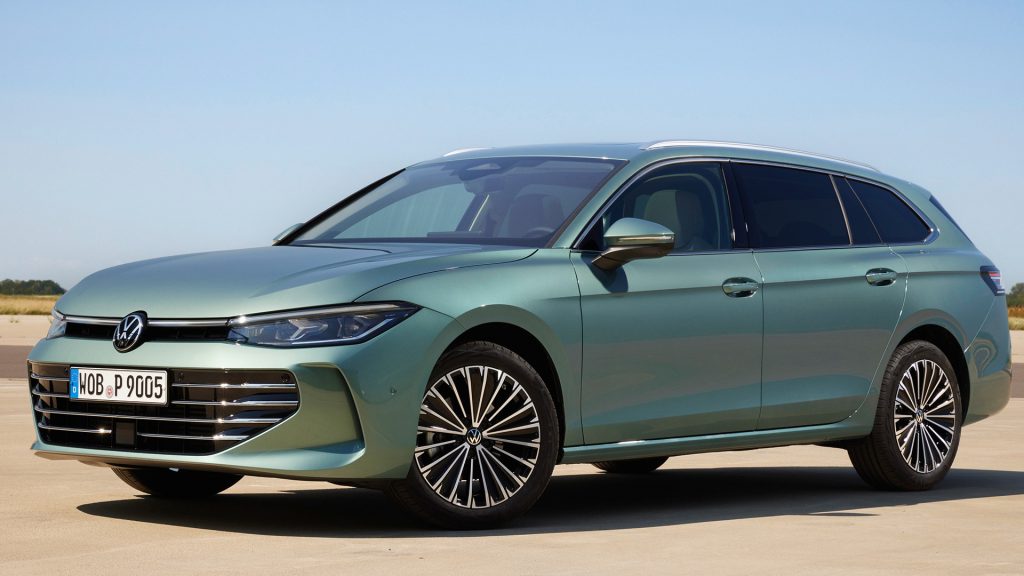
The Passat’s body is also prone to rust in areas like wheel arches and the undercarriage. Attempting to revive a B6 left unused for years can result in significant costs, sometimes exceeding the vehicle’s residual value.
Its combination of complex electronics, sensitive engines, and corrosion-prone bodywork illustrates why it struggles to survive abandonment.
5. Nissan 350Z (2003–2009)
The Nissan 350Z is a sports coupe celebrated for performance, but it fares poorly after prolonged inactivity.
Its V6 engines require regular oil circulation; neglect can lead to sludge buildup, valve damage, and even seized components. Rubber seals and gaskets degrade over time, resulting in oil leaks and coolant loss.
The 350Z’s suspension and braking systems are high-performance but sensitive. Calipers, rotors, and bushings seize or deteriorate quickly if left idle.
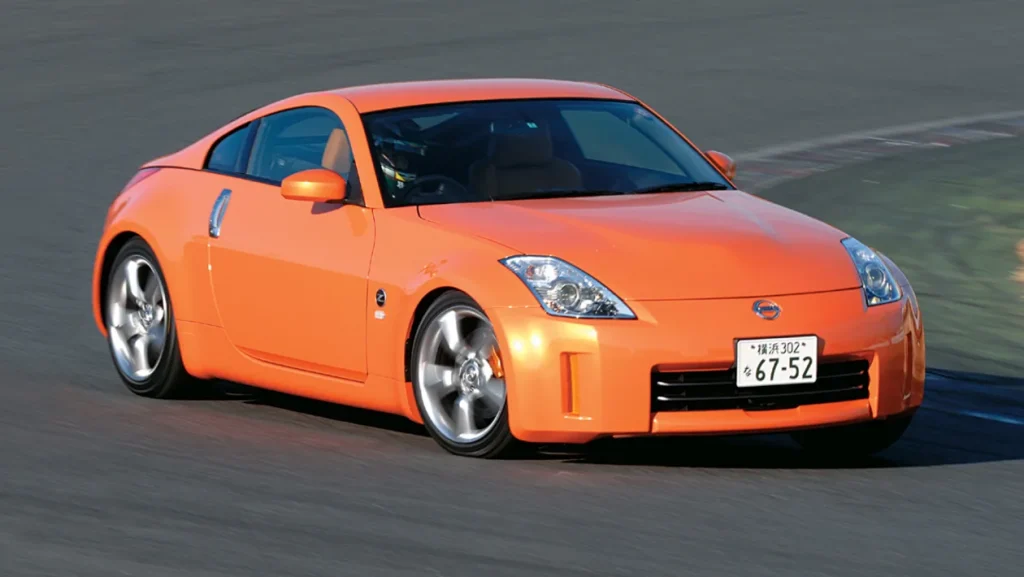
Fuel injectors and pumps are vulnerable to clogging when fuel sits for extended periods, especially with ethanol blends. Electrical systems, while less complex than modern vehicles, still contain sensitive control modules that can fail after years of neglect.
Owners often face costly repairs when attempting to restart abandoned 350Zs, including full engine inspection, brake refurbishment, and replacement of fuel system components.
Even cosmetic issues such as corroded body panels, faded paint, and interior wear compound the restoration effort. While the 350Z excels as a driver’s car, it is not engineered to survive years of inactivity, making it highly susceptible to abandonment-related failures.
The contrast between vehicles that survive abandonment and those that deteriorate rapidly illustrates the importance of engineering, material quality, and mechanical simplicity.
Cars that remain operational after years of neglect share certain traits: robust engines, straightforward mechanical systems, corrosion-resistant construction, and ease of maintenance.
In contrast, cars that fail after abandonment often rely heavily on complex electronics, sensitive engines, and materials that degrade quickly over time.
Among the vehicles that survive, the Toyota Land Cruiser stands out for its legendary durability. Its ladder-frame construction, high-quality steel, and simple engine designs make it capable of restarting even after long periods of inactivity.
Similarly, the Mercedes-Benz W123 relies on conservative engineering, including mechanical fuel injection and overbuilt components, allowing it to withstand prolonged storage.
These vehicles demonstrate that simplicity and quality materials often trump cutting-edge technology when it comes to long-term durability.
Other examples, such as the Honda Civic from the 1980s to the 1990s, prove that compact, reliable cars with minimal electronic complexity can withstand neglect.
Simple engines, durable suspensions, and corrosion-resistant materials make it possible to revive these vehicles with minimal intervention.
The Jeep Wrangler and Volvo 240 further illustrate that rugged construction, robust drivetrains, and mechanical reliability enable vehicles to withstand harsh conditions and endure long periods of abandonment.
Owners frequently report starting these cars with little more than a battery replacement and fresh fluids, highlighting the lasting benefits of thoughtful engineering and overbuilt components.
In contrast, cars that fail after abandonment illustrate the vulnerabilities of modern, complex designs.
The BMW E46 3 Series, though celebrated for driving dynamics, suffers from sensitive electronics, aging rubber components, and complex fuel systems that often fail after prolonged disuse.
Similarly, the Ford Focus and Volkswagen Passat B6 struggle with deteriorating electrical connectors, brittle hoses, and engines prone to fuel-related issues.
Even sports cars like the Nissan 350Z and compact performance models such as the Mini Cooper R56 are highly vulnerable due to sensitive turbocharged engines, high-performance components, and tightly packed mechanical systems that degrade when left idle.
One clear takeaway is that mechanical simplicity often equates to long-term reliability. Vehicles with fewer electronic modules, straightforward fuel systems, and durable suspensions are far more likely to survive years of inactivity.
Material quality also plays a critical role: rust-resistant steel, robust gaskets, and high-quality plastics prevent degradation that can render a car irreparable.
Conversely, vehicles with complex electronics, sensitive engine components, and materials prone to corrosion face exponentially greater risk when abandoned.
Another factor is accessibility for maintenance. Cars that survive abandonment often allow easy replacement of fluids, belts, and critical components, whereas cars that fail may require specialized tools, expensive parts, or complete module replacements, making revival costly or impractical.
Additionally, design philosophy matters: conservative engines with low stress tolerances tend to outlast high-performance, finely tuned powertrains under conditions of neglect.
Ultimately, the comparison highlights lessons for both car buyers and enthusiasts. Those seeking vehicles that maintain value and operability over decades should prioritize simplicity, durability, and ease of maintenance over cutting-edge technology or peak performance.
Conversely, vehicles designed for performance, luxury, or advanced electronics require consistent care to remain operational and rarely tolerate long periods of abandonment.
By understanding these differences, enthusiasts and collectors can make informed decisions, appreciate engineering foresight, and identify vehicles capable of surviving the challenges of time.
In conclusion, the resilience of cars like the Land Cruiser, W123, Civic, Wrangler, and Volvo 240 illustrates the enduring value of durability-focused design, while the struggles of the E46, Focus, Mini Cooper, Passat, and 350Z remind us that complexity and performance often come at the cost of long-term survivability.
The distinction between these two groups underscores the critical role of design philosophy, material quality, and mechanical simplicity in determining a car’s ability to outlast years of neglect.
Also Read: 5 Trucks That Rarely Break Down vs 5 That Constantly Need Towing
