
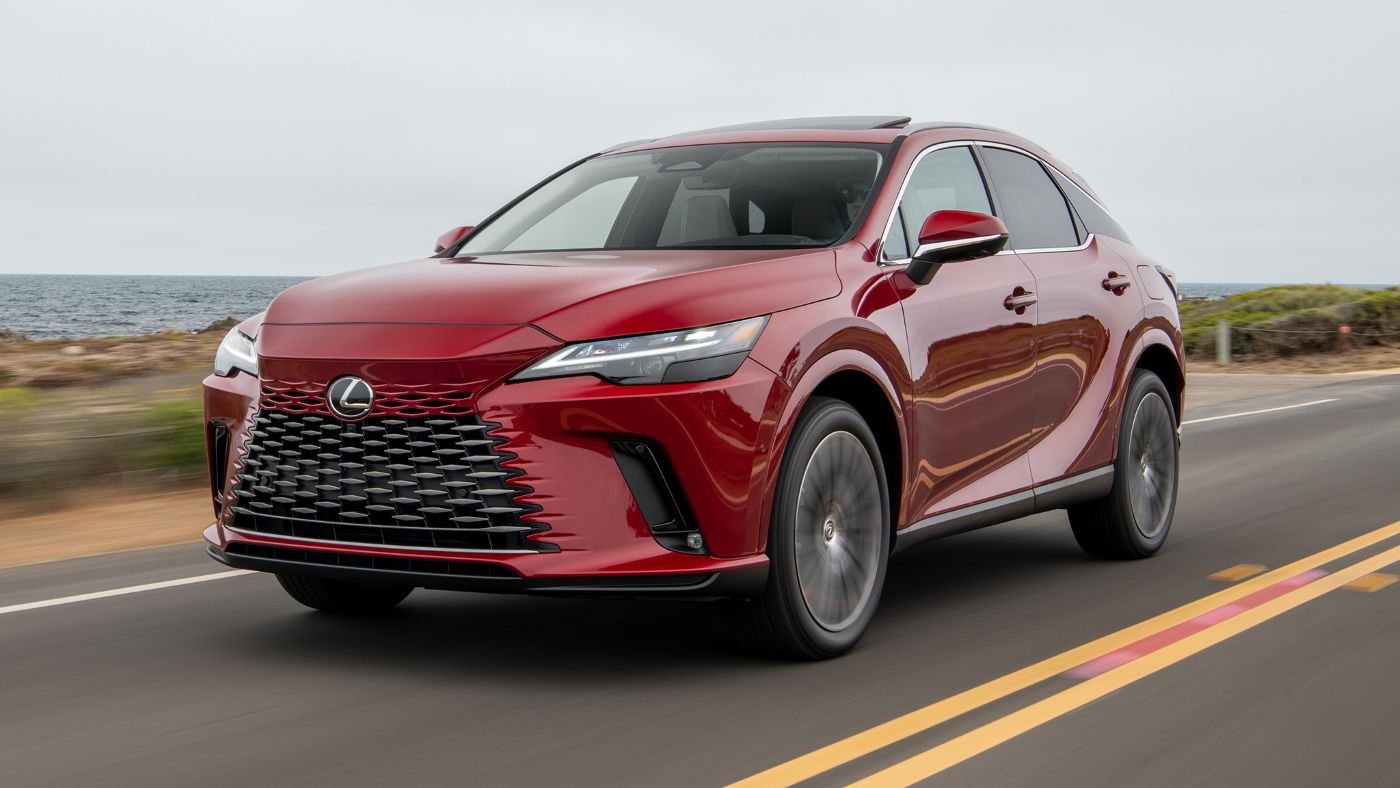
SUVs dominate today’s roads because of their versatility, comfort, and capability. Yet, not every SUV lives up to expectations when it comes to durability.
Some models are built to last, earning praise from mechanics who see them regularly exceed 200,000 miles with relatively few repairs. Others, however, find themselves in the shop far too often, draining their owners’ wallets and testing patience.
Longevity is not a matter of luck but of solid engineering, careful design, and a manufacturer’s commitment to building vehicles that can withstand time and mileage.
This article compares both sides of the coin. First, we’ll examine five SUVs that mechanics consistently recommend for longevity, chosen for their proven drivetrains, sturdy construction, and histories of reliability.
These are the vehicles you’re likely to see still running strong long after rivals have given up. Then, we’ll turn to five SUVs that mechanics caution against, plagued by recurring problems that keep tow trucks and repair shops busy.
Together, these two lists highlight how important design and quality are in determining whether an SUV becomes a trusted companion or a costly mistake.
Also Read: 12 Trucks That Outlive Multiple Owners Over The Years
5 SUVs Mechanics Recommend for Longevity
When mechanics praise certain SUVs for longevity, it’s not just talk. These professionals see firsthand which vehicles hold up year after year and which ones become frequent visitors to the repair bay.
The SUVs that make this list stand out because they combine dependable drivetrains, simple yet effective engineering, and build quality that resists premature wear.
What sets them apart is consistency. Owners can expect high-mileage performance without constant breakdowns, while maintenance often comes down to predictable items like brakes, fluids, and tires.
The engines and transmissions in these SUVs are usually designed with longevity in mind, meaning fewer major failures and a lower risk of expensive overhauls.
Mechanics recommend these SUVs because they rarely surprise owners with sudden problems. Instead, they build confidence with each passing year, becoming vehicles that families, businesses, and commuters can trust for the long haul.
Each entry in this section has earned its reputation on reliability and durability, making them some of the smartest SUV choices for anyone who values peace of mind.
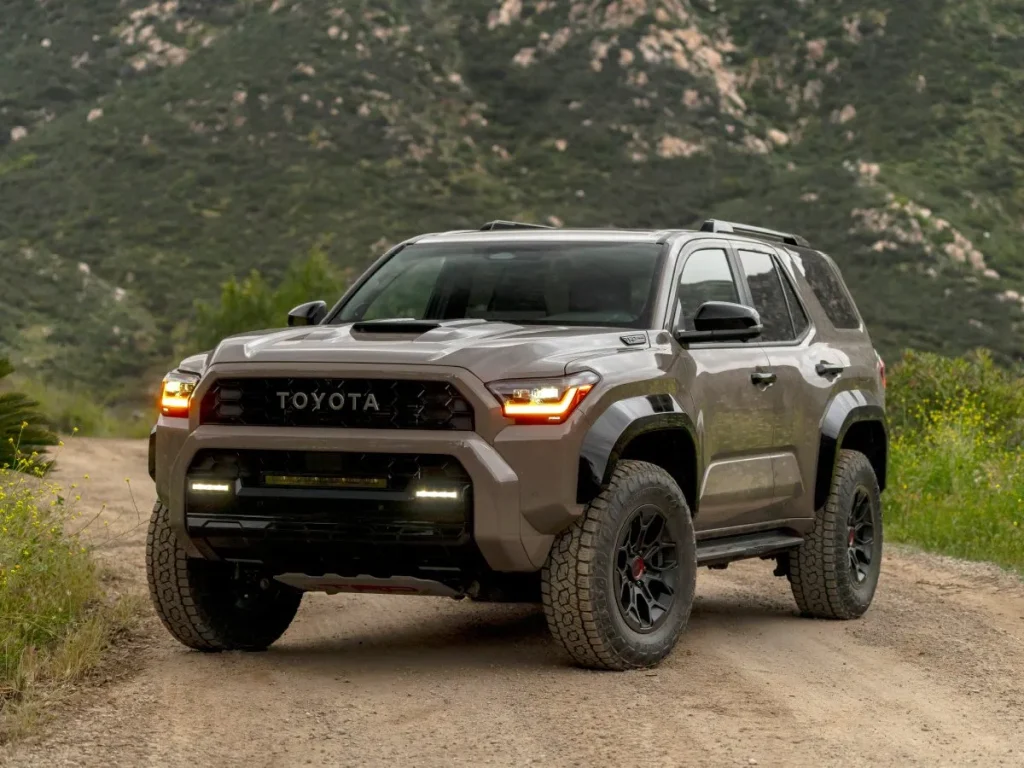
1. Toyota 4Runner
The Toyota 4Runner is frequently singled out by mechanics as one of the most durable SUVs ever built. With a history spanning decades, the 4Runner has stayed true to its rugged roots.
Its body-on-frame construction gives it strength beyond that of many unibody SUVs, allowing it to handle both daily driving and off-road abuse without succumbing to structural fatigue.
The engines are a major part of its appeal. Toyota’s 4.0-liter V6 has been the backbone of the 4Runner for years, and mechanics regularly report these engines crossing 300,000 miles with proper care.
The transmission is equally reliable, avoiding many of the flaws that plague competitors. Even the suspension and braking systems are known for durability, with parts that are straightforward to replace when eventually needed.
From a mechanic’s perspective, the 4Runner is straightforward to service. Parts are widely available and designed to last, which reduces both repair frequency and cost.
This simplicity means fewer surprises for owners, who benefit from predictable maintenance rather than catastrophic failures.
I’m writing about the 4Runner because it represents everything an SUV should be when longevity is the goal.
Owners count on it to perform in harsh conditions, and it consistently lives up to that trust. Few SUVs can claim the same track record of reliability, which is why mechanics often recommend it without hesitation.
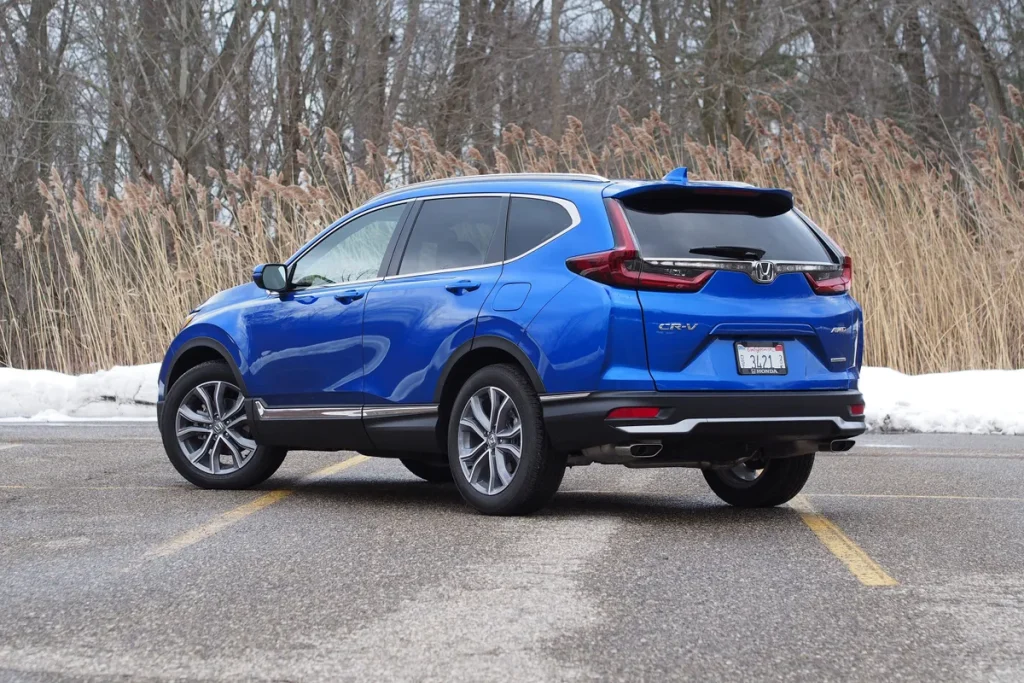
2. Honda CR-V
The Honda CR-V is one of the most recommended SUVs by mechanics, especially for families and commuters who want a vehicle that just keeps running.
Known for its efficient design and dependable engineering, the CR-V has built a reputation for exceeding 200,000 miles with only routine maintenance. Mechanics often see them come in for oil changes and brake service far more than for major repairs.
The CR-V’s engines, particularly the long-serving 2.4-liter four-cylinder, are regarded as nearly bulletproof. These powerplants are not only fuel-efficient but also designed with durability in mind, often running smoothly even at high mileage.
Transmissions in most generations have held up well when properly maintained, further boosting the CR-V’s reputation for dependability.
From a mechanic’s viewpoint, the CR-V is easy to work on compared to many modern SUVs. Routine service items are accessible, and replacement parts are affordable and readily available.
This reduces downtime and keeps ownership costs manageable. Owners frequently report that the biggest challenge is deciding when to let go, as many CR-Vs remain roadworthy for years past expectations.
I’ve included the CR-V because it proves that an SUV doesn’t need to be flashy to be exceptional.
Its combination of longevity, practicality, and consistent reliability makes it a standout choice, and mechanics routinely point to it as one of the safest bets for long-term ownership.
3. Subaru Forester
The Subaru Forester has become a favorite among mechanics who value long-lasting vehicles, largely due to its durable all-wheel-drive system and solid four-cylinder engines.
While Subaru has refined the Forester across generations, its formula has remained consistent: practicality, safety, and dependable engineering.
Many Foresters are still seen on the road after 15 years or more, with owners appreciating their resilience in all weather conditions.
The 2.5-liter four-cylinder engine, a staple in many Foresters, has shown impressive longevity when properly maintained. While some early models had issues with head gaskets, Subaru addressed these problems in later versions, making recent models particularly trustworthy.
The continuously variable transmission (CVT) has also proven to be more durable than some rivals’ designs, especially when serviced at regular intervals.

Mechanics often praise the Forester for its reliability in harsh climates. Its symmetrical all-wheel-drive system handles snow, rain, and rough terrain without wearing down quickly, which is why many owners keep theirs well beyond 200,000 miles.
Routine service is relatively simple, and replacement parts are widely available, making upkeep less expensive compared to other all-wheel-drive SUVs.
I’m writing about the Forester because it represents a balance of practicality and endurance. Families, commuters, and outdoor enthusiasts alike rely on it for consistent service, and mechanics regularly highlight it as a dependable SUV that withstands both mileage and weather with ease.
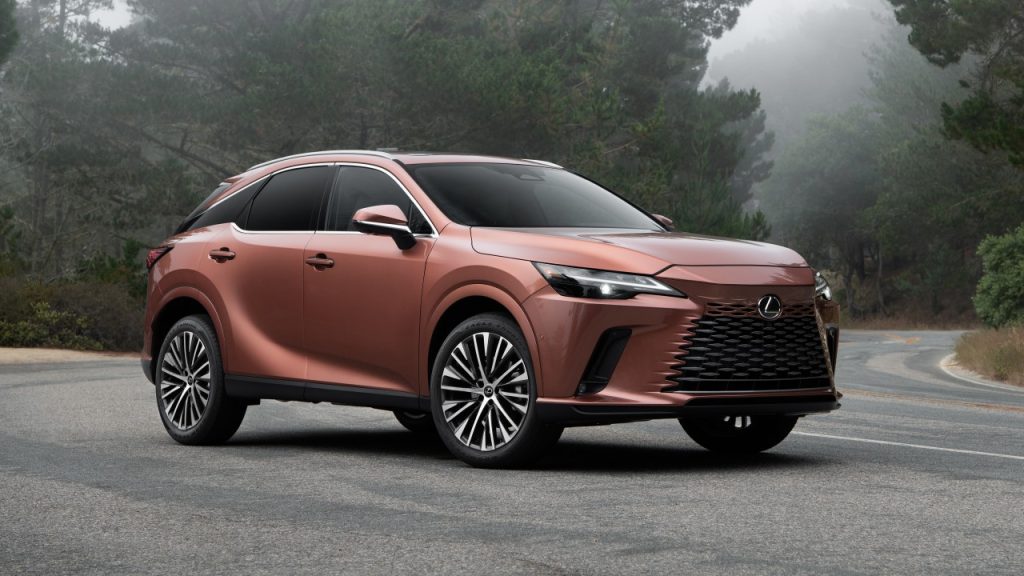
4. Lexus RX
The Lexus RX is often cited by mechanics as a model of luxury that doesn’t sacrifice reliability. Unlike many premium SUVs that struggle with costly electronic failures or fragile drivetrains, the RX has built its reputation on lasting quality.
Owners frequently report these SUVs running beyond 250,000 miles with minimal major issues, a claim few luxury competitors can match.
The RX’s V6 engines, particularly the 3.5-liter used in many generations, are considered highly durable. Mechanics note that with regular maintenance, these engines rarely develop serious problems.
The automatic transmissions paired with them are also known for their smooth operation and long service life. Lexus emphasizes quality control, which means fewer defective components slipping through production compared to rivals.
From a service perspective, mechanics often highlight the RX as a straightforward luxury SUV to maintain.
Parts are more expensive than economy SUVs, but they last longer, reducing the need for frequent replacements. Electrical systems, often a weak point in luxury vehicles, are more reliable in the RX than in many German competitors.
I included the RX because it shows that premium comfort can go hand in hand with longevity. Mechanics frequently recommend it to buyers who want an upscale SUV without sacrificing durability, proving that luxury and reliability can coexist in one package.
5. Toyota Land Cruiser
Few SUVs command the respect of mechanics quite like the Toyota Land Cruiser. Known globally for its ruggedness, the Land Cruiser is often described as nearly indestructible, capable of running for decades under harsh conditions that would sideline most other vehicles.
Its reputation has been forged in deserts, mountains, and cities alike, where dependability is non-negotiable.
The Land Cruiser’s engines are at the core of its durability. From the legendary inline-sixes of earlier generations to the robust V8s of more recent models, these powerplants are engineered to withstand extreme mileage.
Mechanics routinely report examples surpassing 300,000 miles with only scheduled maintenance. The transmissions and drivetrains are equally stout, designed to handle both heavy towing and severe off-road use without frequent breakdowns.
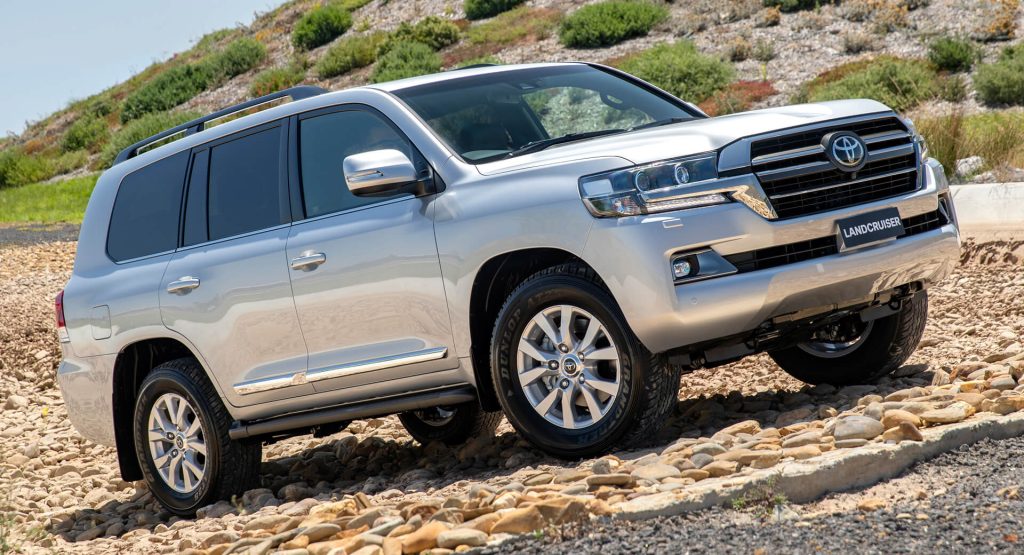
Mechanics recommend the Land Cruiser because it is built with durability in mind from top to bottom.
Frames are reinforced, suspensions are overbuilt, and components are designed for long service life. Even though maintenance costs can be higher than smaller SUVs, owners often find them worthwhile given the vehicle’s unmatched lifespan.
I’m writing about the Land Cruiser because it stands as one of the strongest examples of SUV longevity. For those who want an SUV that will outlast most vehicles on the road, it’s the gold standard, earning respect from mechanics worldwide.
5 SUVs Mechanics Don’t Recommend for Longevity
Not every SUV earns the trust of mechanics. While some are built to last for hundreds of thousands of miles, others have design flaws, poor-quality components, or engineering shortcuts that limit their lifespan.
Owners may enjoy these models for a few years, but as mileage piles up, costly issues begin to surface. Mechanics often caution buyers against these vehicles, noting recurring failures that make ownership frustrating and expensive.
The SUVs in this section highlight examples where long-term durability is not their strong suit. Some suffer from weak transmissions, while others develop electrical or suspension problems that worsen with age.
Even diligent maintenance sometimes isn’t enough to prevent breakdowns, which is why they frequently appear in repair shops.
I am writing about these SUVs not to diminish their initial appeal, but to show how longevity varies widely across the market. While they may offer style, comfort, or performance when new, mechanics consistently report that these vehicles do not hold up as well as others.
Shining a light on them helps buyers avoid disappointment and consider alternatives that stand the test of time.
1. Jeep Grand Cherokee
The Jeep Grand Cherokee has long been admired for its rugged styling and off-road capabilities, but mechanics often warn that longevity is not its strength.
While it offers a comfortable ride and appealing design, the Grand Cherokee has faced persistent issues that become more pronounced as it ages.
One of the most common complaints mechanics point out involves transmission reliability. Several model years, particularly from the early 2000s and mid-2010s, suffered from premature transmission failures, which are both expensive and labor-intensive to repair.
Electrical gremlins are another recurring issue, ranging from faulty sensors to problematic infotainment systems, which frustrate owners and add to long-term maintenance costs.
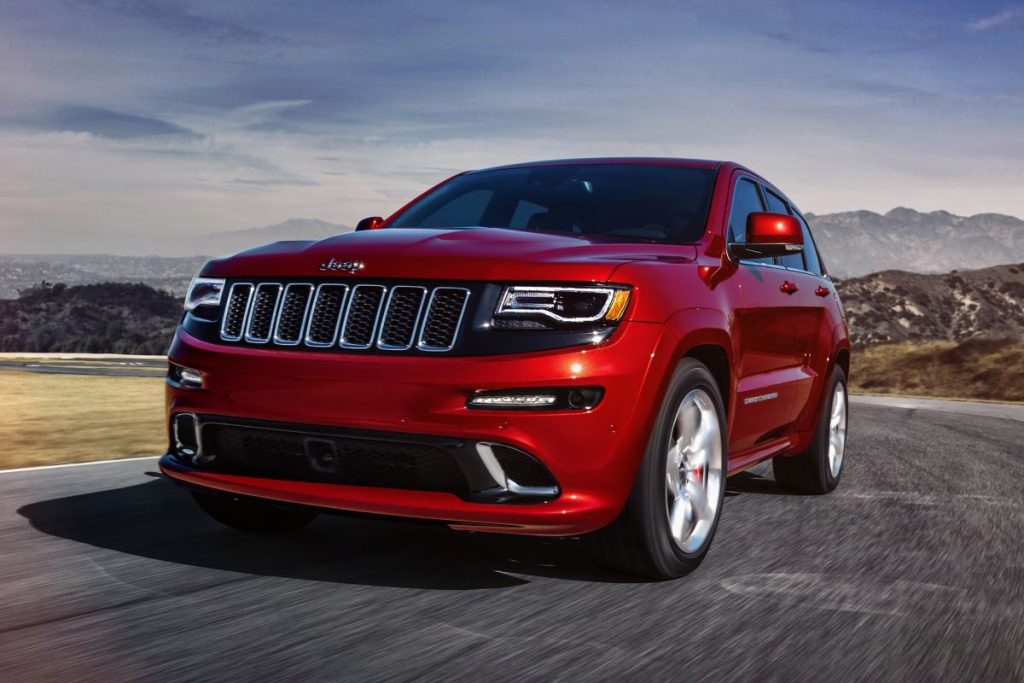
Engines themselves are usually strong, but supporting components such as cooling systems and differentials tend to wear out faster than expected.
This means that while the Grand Cherokee may run, owners often face a steady stream of repairs to keep it roadworthy. Rust and suspension wear also contribute to its reputation as a vehicle that requires frequent attention.
I included the Grand Cherokee because it demonstrates how appealing features do not always translate to long-term dependability. Mechanics often advise customers to look at alternatives if their goal is owning an SUV that will last trouble-free beyond 200,000 miles.
2. Land Rover Discovery
The Land Rover Discovery is known for its luxury and off-road ability, but it is also notorious among mechanics for poor longevity. While drivers may enjoy its refined ride and impressive terrain-handling features, these positives are often overshadowed by the costs of keeping it running beyond its warranty period.
One of the biggest concerns is reliability across multiple systems. Mechanics frequently cite electrical failures, ranging from malfunctioning sensors to complete system shutdowns.
Air suspension components are another weak spot, often requiring replacement at high cost as the vehicle ages.
Engines and transmissions, while smooth when new, tend to develop oil leaks, overheating problems, and premature wear that limit the Discovery’s long-term dependability.

Repair costs are another factor mechanics emphasize. Even routine maintenance on a Discovery can be far more expensive than most SUVs, and when something major breaks, the repair bills can rival the value of the vehicle itself.
This discourages owners from keeping them for the long haul, resulting in lower-than-average lifespans compared to competitors.
I am writing about the Discovery because it shows how luxury features and brand prestige can mask weak engineering for longevity. Mechanics rarely recommend it to buyers who want an SUV to last reliably for decades, making it an example of style over substance.
3. Chevrolet Equinox
The Chevrolet Equinox is one of GM’s best-selling SUVs, but mechanics often hesitate to recommend it for long-term reliability.
While it offers comfort, a smooth ride, and practical features, its mechanical track record makes it a questionable choice for buyers who value longevity.
A primary concern involves its engines. The earlier four-cylinder models were known for excessive oil consumption, sometimes leading to catastrophic failure if not carefully monitored.
Mechanics frequently warn that even diligent owners must keep a close eye on oil levels to avoid serious damage. Transmission problems also surface in higher-mileage models, leading to jerky shifts or outright failures that demand costly rebuilds.
Rust is another issue on older models, particularly in regions with harsh winters. Meanwhile, electrical issues ranging from faulty ignition systems to failing sensors add another layer of frustration.
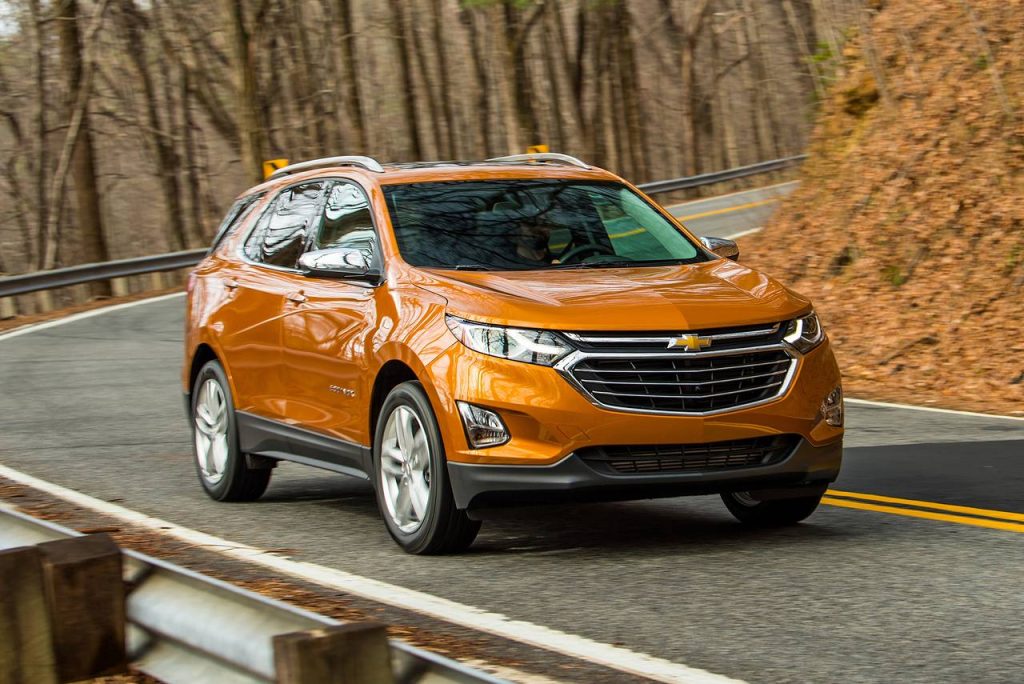
The combination of these recurring faults leaves mechanics skeptical about its ability to cross the 200,000-mile mark without significant expense.
I am writing about the Equinox because it highlights how popularity does not always equal long-term reliability.
Many people buy it for its affordability and practicality, but mechanics consistently warn that it ages poorly, making it less suitable for those who want a dependable SUV for the long run.
4. Dodge Journey
The Dodge Journey was marketed as a versatile, family-friendly SUV, but mechanics often view it as one of the least reliable long-term options on the market. Despite its roomy interior and affordable pricing, the Journey has a history of engineering compromises that limit its durability.
A major point of concern is the weak four-cylinder engine, which struggles under the weight of the vehicle. It often requires repairs earlier than expected and fails to deliver the resilience seen in other family SUVs.
Transmission issues are also widespread, with frequent complaints of slipping, harsh shifting, and early failures that require costly fixes.
Interior components, from electronics to air conditioning systems, are prone to early wear. Suspension and braking systems also tend to need more frequent service than competitors, adding to the frustration of ownership.
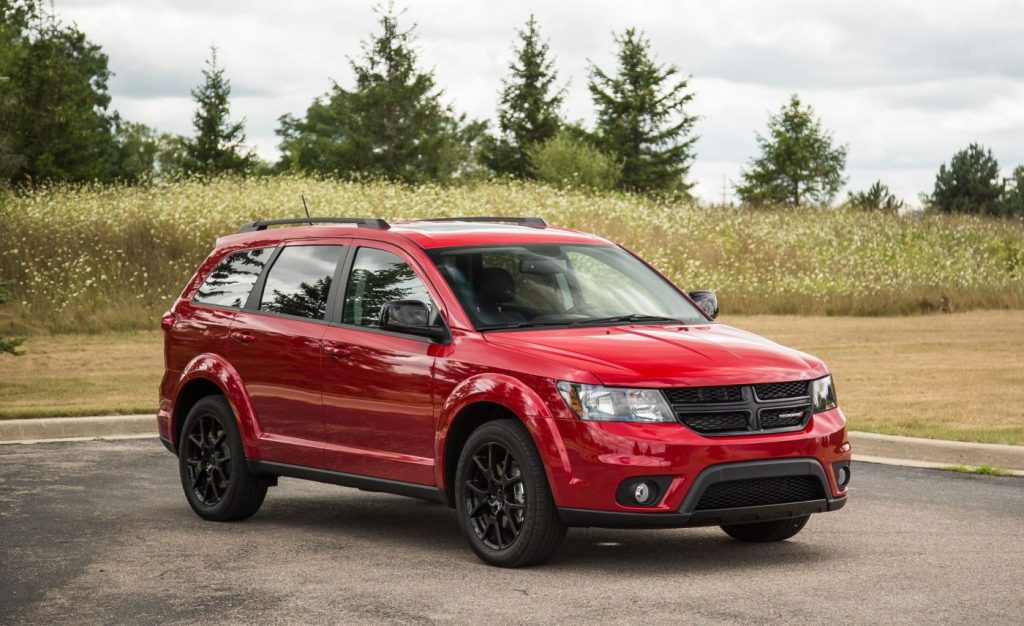
Many mechanics describe the Journey as a vehicle that was never designed for high mileage, and they rarely see them pass 150,000 miles without substantial repairs.
I included the Dodge Journey in this list because it illustrates how affordability can sometimes come at the cost of durability. Mechanics often recommend avoiding it if long-term ownership is a priority, as its shortcomings appear early and worsen with age.
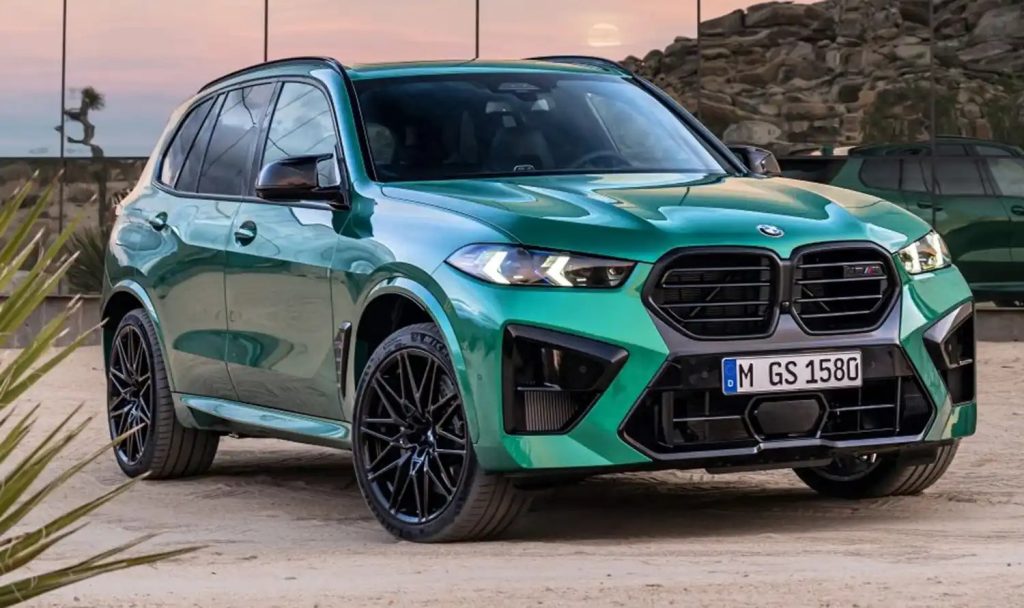
5. BMW X5
The BMW X5 is a luxury SUV that offers strong performance and refined comfort, but mechanics frequently caution buyers about its long-term ownership challenges. While it excels in handling and technology when new, its reliability record does not inspire confidence for extended use.
The X5’s complexity is one of its biggest drawbacks. Advanced electronics, while impressive, often fail as the vehicle ages, leading to expensive diagnostic and repair bills. Engine and cooling system problems are another common theme.
Mechanics report frequent oil leaks, failing water pumps, and overheating issues that can severely limit its lifespan. Transmission repairs, especially on higher-mileage models, are also notoriously expensive.
Air suspension systems, a hallmark of its smooth ride, tend to wear out faster than expected, leaving owners with either costly replacement bills or compromised comfort.
Even routine maintenance costs are far higher than mainstream SUVs, meaning that keeping an X5 in good condition requires deep pockets.
I chose the BMW X5 for this section because it demonstrates how a premium vehicle can disappoint when judged by longevity.
Mechanics often stress that while the X5 delivers performance and prestige, it rarely holds up well beyond 150,000 miles, making it a poor fit for those seeking durability.
SUVs hold a central place in today’s automotive market, but not every model earns the respect of mechanics who see how they perform once the miles start piling up.
Some are known to last for decades with regular care, while others often require costly repairs that shorten their lifespan.
This comparison between five SUVs mechanics recommend for longevity and five they caution against shows how engineering choices, build quality, and reliability histories define ownership experiences.
On the positive side, SUVs such as the Toyota 4Runner, Honda CR-V, Lexus GX, Toyota Land Cruiser, and Subaru Forester consistently demonstrate long-term durability.
Mechanics highlight their dependable engines, strong transmissions, and well-designed support systems that keep them running well beyond 200,000 miles.
These models prove that careful engineering and consistent quality control lead to vehicles that remain dependable across generations of ownership.
In contrast, SUVs like the Jeep Grand Cherokee, Land Rover Discovery, Chevrolet Equinox, Dodge Journey, and BMW X5 often frustrate owners and mechanics alike.
Frequent problems such as weak transmissions, excessive oil consumption, electrical failures, and costly suspension repairs undermine their value as long-term vehicles.
While they may offer style, comfort, or performance when new, their long-term ownership costs often outweigh their initial appeal.
This split highlights the importance of understanding not just what a vehicle offers at the dealership, but also how it performs after years of real-world use.
Mechanics recommend certain SUVs because they see them returning for routine maintenance rather than major breakdowns, while others end up in repair shops far too often.
For buyers seeking vehicles that truly stand the test of time, following these insights can make the difference between an SUV that provides worry-free service for decades and one that constantly strains the repair budget.
Also Read: 12 Cars That Refuse to Quit Even After Collisions
