
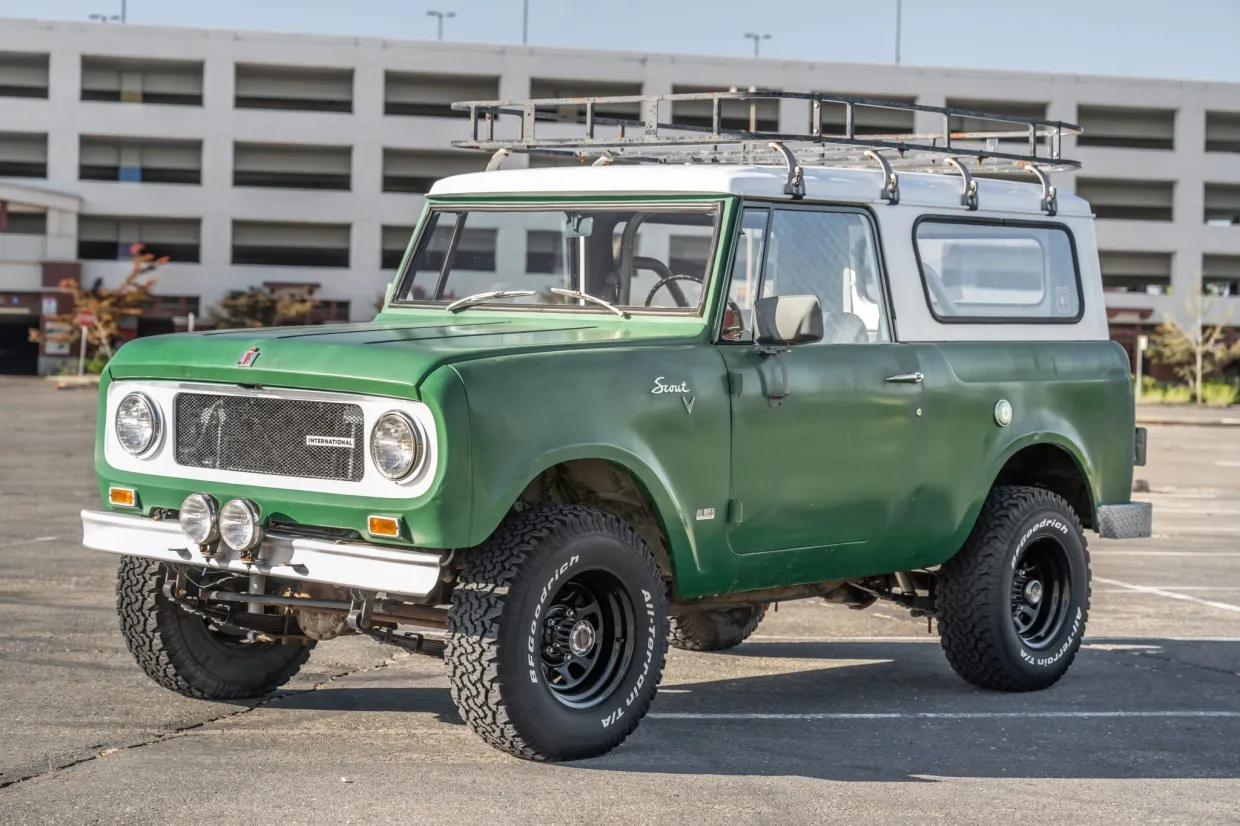
Trucks from the 1970s hold a special place in automotive history. Built with simplicity and rugged engineering, these vehicles were designed to handle heavy work while remaining mechanically reliable.
Unlike many modern trucks, they often rely on straightforward engines, robust suspensions, and minimal electronics, which makes them easier to maintain and keeps them functional for decades.
Many 1970s trucks still see daily use today. Owners appreciate their solid construction, which allows these vehicles to handle long commutes, hauling, and towing without frequent breakdowns.
Their mechanical simplicity also means that repairs can be done without specialized tools or knowledge, making them ideal for hands-on enthusiasts or anyone who values durability.
Another factor contributing to their longevity is the use of high-quality materials. Steel frames, sturdy body panels, and resilient engines were common, allowing these trucks to withstand rust, wear, and heavy workloads better than many contemporary vehicles. Even decades later, many of these trucks remain dependable when properly cared for.
Parts availability and community knowledge further enhance their usefulness. Classic truck owners often share tips and source parts, ensuring that repairs and maintenance are manageable.
This support system allows vehicles from the 1970s to continue functioning well even in modern daily driving conditions.
This article highlights seven trucks from the 1970s that still work daily. Each of these models has earned a reputation for durability, ease of maintenance, and enduring performance.
From full-size pickups to versatile workhorses, these trucks continue to serve owners reliably, proving that careful engineering and practical design can stand the test of time.
Also Read: 12 SUVs With Interiors That Refuse to Fall Apart
1. Ford F-100 (1970s)
The Ford F-100 from the 1970s is a classic pickup that remains highly reliable even decades later. Its combination of durable engines and a simple mechanical layout makes it a truck that can still handle daily driving. Many owners report that, with proper maintenance, these trucks feel smoother and more predictable as they age.
A major strength of the F-100 is its engine design. Popular options included the inline-six and V8 engines, both built for longevity and heavy use.
The inline-six is particularly known for its low-stress operation, which allows it to reach high mileage without significant problems. V8 engines, while offering more power, are also robust and respond well to consistent oil changes and routine inspections.
The transmission in the F-100 is straightforward and reliable. Both manual and automatic options are designed to last, and drivers often notice smoother operation after the first few years of regular use. Clutch and linkage adjustments are simple, making it easier to maintain a high level of drivability even in older models.
The truck’s suspension is designed for heavy loads. Leaf springs and solid axles provide durability while gradually settling with use, which improves ride quality over time.
Many older F-100s handle surprisingly well on both highways and rural roads, showing that solid engineering allows these trucks to adapt positively as they age.
Ease of maintenance is another key advantage. Replacement parts are still widely available, and the straightforward layout makes repairs accessible even to owners with basic mechanical skills. Regular care, including brake servicing, fluid changes, and rust prevention, ensures that these trucks remain reliable for daily use.
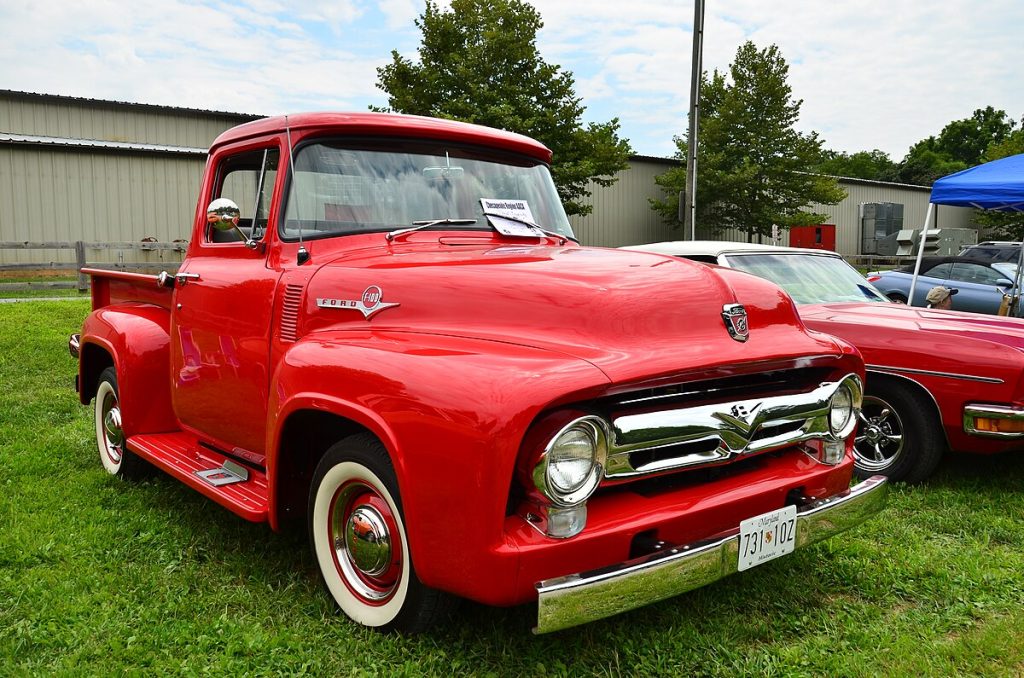
The F-100 also offers practical utility. The bed is capable of handling heavy loads, and the chassis is strong enough to withstand decades of work.
Owners often report that the truck continues to perform consistently without major upgrades, proving its durability and usefulness.
Interior components, though simple, tend to age gracefully. Seats, gauges, and controls are built to withstand years of use, adding to the truck’s overall reliability.
For anyone seeking a classic pickup that still works day-to-day, the Ford F-100 from the 1970s is an excellent example of durability and enduring performance.
2. Chevrolet C10 (1970s)
The Chevrolet C10 from the 1970s is another truck that has stood the test of time. Its strong construction, reliable drivetrain, and simple engineering make it a truck that can still serve daily needs decades later.
Many enthusiasts find that minor issues present in early years tend to settle, leaving a smoother, more dependable vehicle.
The C10’s engines, particularly the inline-six and small-block V8s, are known for their longevity. Regular maintenance, including oil changes, coolant checks, and timing adjustments, keeps these engines performing reliably.
The small-block V8s are especially praised for their durability and ability to handle consistent workloads without frequent repairs.
Transmission reliability is also a hallmark of the C10. Both manual and automatic options are built to endure high mileage.
The simplicity of the linkage and clutch system allows for straightforward adjustments, which helps maintain smooth operation over decades of use. Drivers often report improved shift feel as the truck settles into long-term service.
The suspension system, including leaf springs and solid axles, provides strength and adaptability.
Components gradually wear in, often resulting in a smoother ride and improved handling compared to when the truck was new. Even with heavy daily use, the C10 remains comfortable and capable on various terrains.
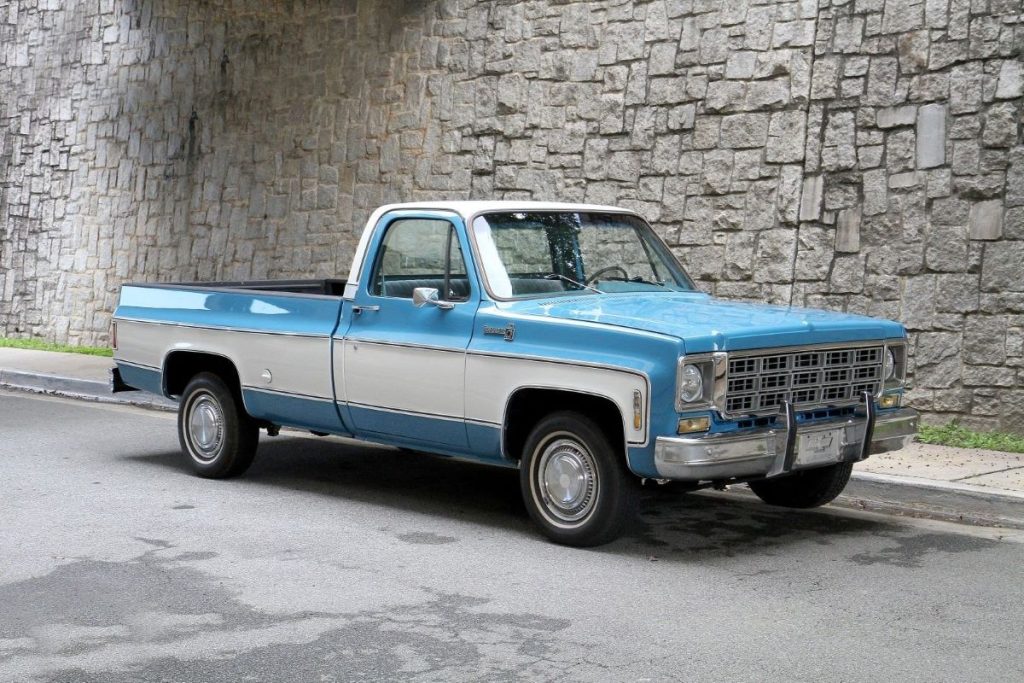
Another factor contributing to its daily reliability is ease of maintenance. Parts are widely available, and repairs can be performed without specialized tools. Routine care such as brake servicing, oil changes, and rust prevention ensures the truck continues to function reliably for daily driving.
The C10 is also a practical truck. Its bed can handle substantial cargo, and the chassis remains solid even after decades of use. Interior components are durable, with simple controls and materials that withstand wear.
Owners frequently note that their trucks remain functional, comfortable, and dependable, proving the lasting value of the Chevrolet C10.
3. Dodge D100 (1970s)
The Dodge D100 from the 1970s is a durable pickup that continues to handle daily use with ease.
Its simple engineering, robust engines, and solid chassis make it a truck that can last for decades when properly maintained. Many owners report that early minor quirks tend to smooth out over time, leaving a vehicle that drives reliably.
One of the key strengths of the D100 is its engine options. The inline-six engine is known for low-stress performance and impressive longevity.
For those seeking more power, the small-block V8 delivers reliable performance while remaining straightforward to maintain. Regular oil changes, coolant checks, and timing adjustments help these engines run smoothly for hundreds of thousands of miles.
Transmission durability is another reason the D100 ages well. Both manual and automatic gearboxes are simple and reliable.
Clutch and linkage adjustments are easy to perform, and owners often find that shifting becomes smoother after several years of consistent use. This reliability makes the truck suitable for daily driving even today.
The suspension system in the D100 is designed to endure heavy loads. Leaf springs and solid axles gradually settle, often improving ride quality over time.
Early stiffness in handling usually diminishes as components wear in, resulting in a more comfortable and controlled driving experience on highways and rural roads alike.
Maintenance simplicity contributes to the D100’s continued usefulness. Replacement parts are readily available, and repairs can be completed without extensive tools or expertise.
Routine preventive maintenance such as brake servicing, fluid changes, and rust protection ensures the truck remains dependable over decades.
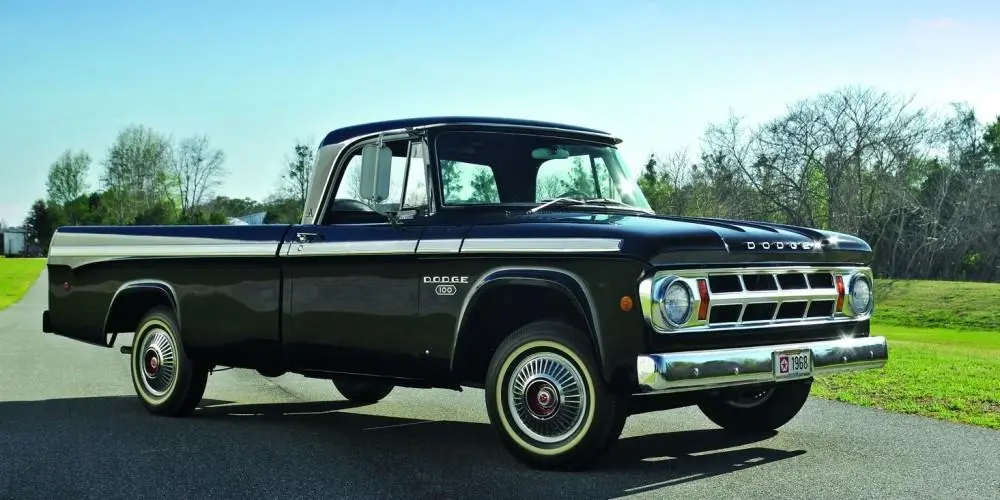
The D100 also offers practical utility for daily tasks. Its bed is strong and capable of hauling heavy loads, while the chassis withstands consistent use without significant issues. Interior components are simple yet durable, with controls and gauges that resist wear over time.
For drivers seeking a classic pickup that still works every day, the Dodge D100 from the 1970s is an excellent choice. Its combination of reliable mechanical systems, practical design, and ease of maintenance ensures it remains a functional and dependable truck for decades.
4. Ford F-150 (1970s)
The Ford F-150 from the 1970s is a legendary full-size pickup that has earned a reputation for reliability. With a simple mechanical layout and robust construction, these trucks are capable of daily use even decades after production.
Many owners report that minor early issues, such as suspension stiffness or gearbox adjustments, often settle with consistent driving.
The F-150’s engine options contribute significantly to its durability. Inline-six engines are particularly well-regarded for their long-lasting performance, while V8 engines provide extra power without sacrificing reliability.
Regular maintenance, including oil changes, spark plug replacement, and cooling system checks, keeps these engines running smoothly for hundreds of thousands of miles.
Transmission systems in the F-150 are straightforward and reliable. Manual gearboxes benefit from simple adjustments, while automatic transmissions are known for consistent operation. Drivers often notice smoother shifts and improved drivability as the truck ages, making it suitable for daily commuting or hauling.
Suspension design in the F-150 is built to endure heavy loads. Leaf springs and solid axles gradually adapt to road conditions, improving ride comfort over time. Early stiffness in handling or minor noises often diminish as components settle, enhancing both comfort and predictability.
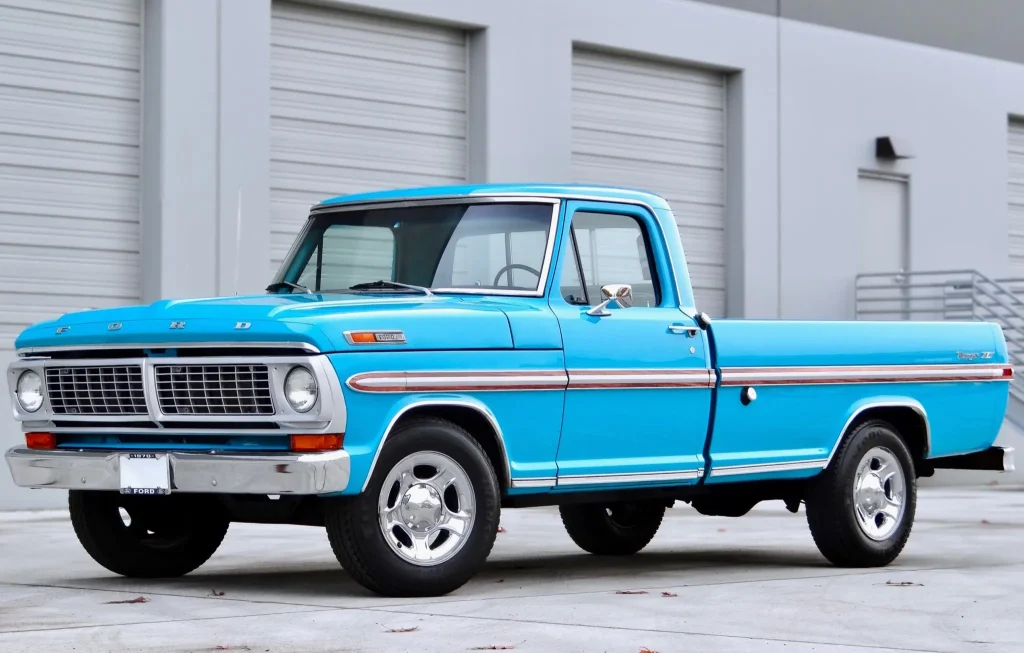
Maintenance is another area where the F-150 excels. Replacement parts are widely available, and repairs can be done without specialized tools. Regular preventive care, such as brake servicing, fluid changes, and rust protection, ensures these trucks remain reliable for everyday driving.
The F-150 is also highly practical. Its bed is capable of handling significant cargo, and the chassis withstands years of use without major issues. Interior components are simple and durable, with gauges, switches, and seating that age well over time.
For anyone seeking a classic full-size pickup that still performs reliably every day, the 1970s Ford F-150 is an excellent choice. Its combination of strong mechanical design, ease of maintenance, and practicality ensures it remains dependable and useful decades after its release.
5. Chevrolet K10 (1970s)
The Chevrolet K10 from the 1970s is a classic four-wheel-drive pickup that has stood the test of time. Its rugged construction, reliable engines, and durable drivetrain make it a truck that can still be used daily.
Many owners note that minor early quirks, such as suspension noises or steering stiffness, often resolve with consistent use, leaving a smooth and dependable vehicle.
Engine reliability is a key strength of the K10. Inline-six and small-block V8 engines were common and are known for longevity.
Regular maintenance, including oil changes, spark plug replacements, and cooling system care, helps these engines maintain consistent performance even after decades.
The V8 models provide strong power while remaining mechanically simple, which contributes to the truck’s enduring reliability.
Transmission performance is another factor in the K10’s durability. Both manual and automatic gearboxes are built to last and remain functional after extensive use.
Shifting often becomes smoother as components settle over time, improving drivability for daily use. Clutch adjustments and linkage servicing are straightforward, further supporting long-term dependability.
The suspension system in the K10 is designed for heavy-duty use. Leaf springs and solid axles gradually wear in, often enhancing ride comfort and stability. Trucks that have been well-maintained often feel more composed than when they were new, making them ideal for both work and everyday driving.
Maintenance simplicity also contributes to the K10’s ongoing usefulness. Parts remain widely available, and repair procedures are relatively easy. Preventive maintenance, including brake inspections, fluid changes, and rust prevention, ensures that these trucks continue to operate reliably.
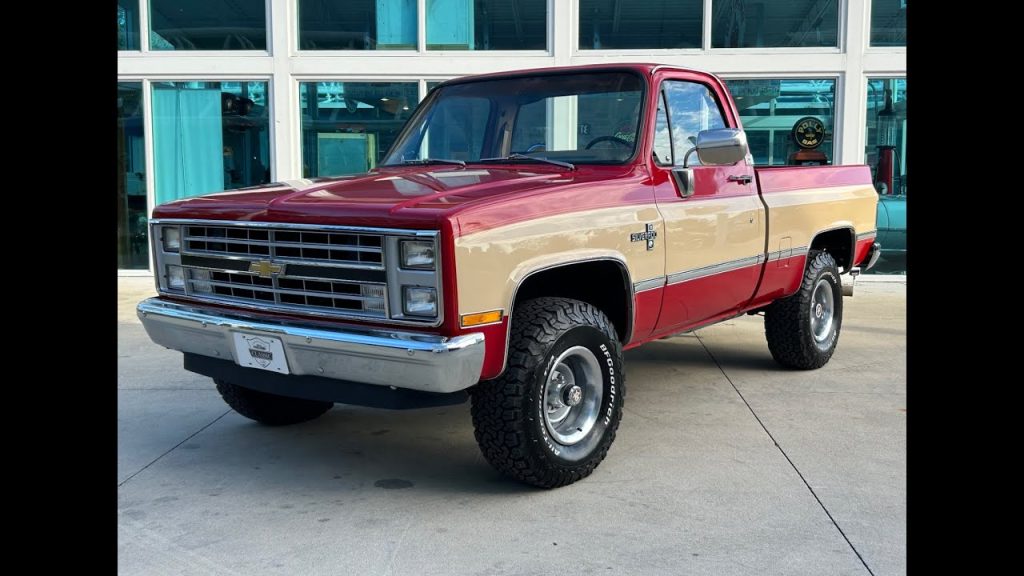
Practicality is another hallmark. The bed can handle significant loads, and the chassis is strong enough to withstand decades of use.
Interior components are simple yet durable, with controls and gauges that age gracefully. Many owners report that their K10s continue to provide dependable performance without requiring major overhauls.
For anyone looking for a rugged, reliable classic pickup, the Chevrolet K10 from the 1970s is an excellent choice. Its combination of durable mechanics, practical design, and ease of maintenance ensures that it can still serve as a daily driver decades after its release.
6. Dodge W100 (1970s)
The Dodge W100 from the 1970s is a full-size pickup renowned for its durability and daily usability. With robust engines, a straightforward drivetrain, and a solid chassis, these trucks remain functional even decades later.
Owners often note that early minor issues, such as suspension noises or drivetrain stiffness, often settle with use, leaving a reliable vehicle.
Engine options in the W100 include inline-six and small-block V8 variants. Both are built to last and tolerate high mileage when maintained properly.
Regular oil changes, coolant inspections, and spark plug replacements ensure that these engines continue to perform consistently, even with daily use.
Transmission reliability is also a highlight. Manual and automatic options are simple and robust. Many owners notice smoother operation over time as linkages and clutches settle. This predictability makes the truck ideal for long-term daily driving without constant adjustments or repairs.
The suspension system in the W100 is designed to withstand heavy loads and rough conditions. Leaf springs and solid axles gradually adapt, improving ride comfort and stability over time. Trucks that have been regularly maintained often feel more composed and comfortable than when they were new.
Maintenance is straightforward, which adds to the truck’s longevity. Replacement parts are widely available, and repair procedures do not require specialized tools. Regular preventive maintenance, including brake checks, fluid replacements, and rust prevention, helps keep these trucks running reliably.
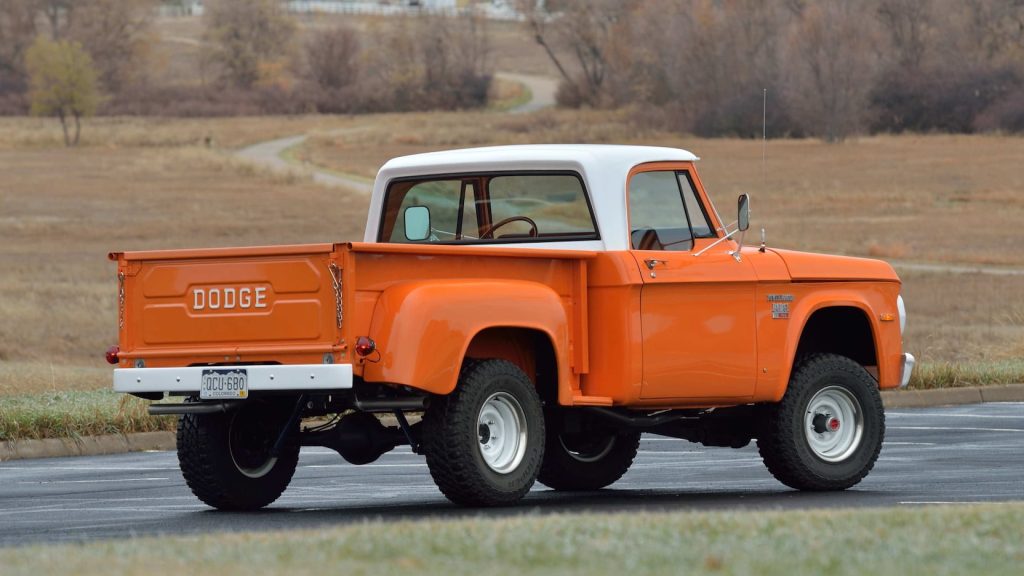
The W100 is also practical for everyday work. Its bed is capable of carrying significant loads, and the chassis remains strong and resistant to wear. Interior components, including seats, controls, and gauges, are durable and age well, maintaining usability over decades.
For drivers seeking a classic pickup that can still handle daily tasks, the Dodge W100 from the 1970s is a strong choice. Its combination of durable mechanical systems, practical design, and ease of maintenance ensures that it remains dependable and functional for years of use.
7. International Harvester Scout 800 (1970s)
The International Harvester Scout 800 from the 1970s is a versatile and durable vehicle that has earned a reputation for daily reliability.
While technically an SUV, its truck-like construction and rugged drivetrain allow it to function as a workhorse on roads and trails alike.
Many owners note that minor early issues, such as suspension stiffness or drivetrain noises, often settle with regular use, leaving a smooth and dependable vehicle.
One of the Scout 800’s strengths is its engine options. Inline-four and V8 engines were available, both engineered for longevity.
With consistent maintenance, including oil changes, spark plug replacements, and cooling system checks, these engines continue to provide reliable performance even decades later. The simplicity of these powertrains makes repairs manageable for owners and mechanics alike.
Transmission reliability is another hallmark of the Scout 800. Both manual and automatic gearboxes are straightforward and durable. Shifting often becomes smoother as linkages settle over time, enhancing drivability.
Manual clutches are simple to service, and automatic transmissions benefit from routine fluid maintenance, ensuring consistent operation for daily driving.
The suspension and chassis are built to endure rough terrain. Leaf springs, solid axles, and durable shocks gradually settle with use, improving ride comfort and handling predictability.
Many older Scouts feel more stable and composed than when they were new, making them suitable for both off-road and urban use.
Maintenance simplicity is a key factor in the Scout 800’s longevity. Replacement parts are widely available, and service procedures do not require specialized tools. Preventive care, including brake servicing, fluid checks, and rust protection, keeps the vehicle functional and dependable.
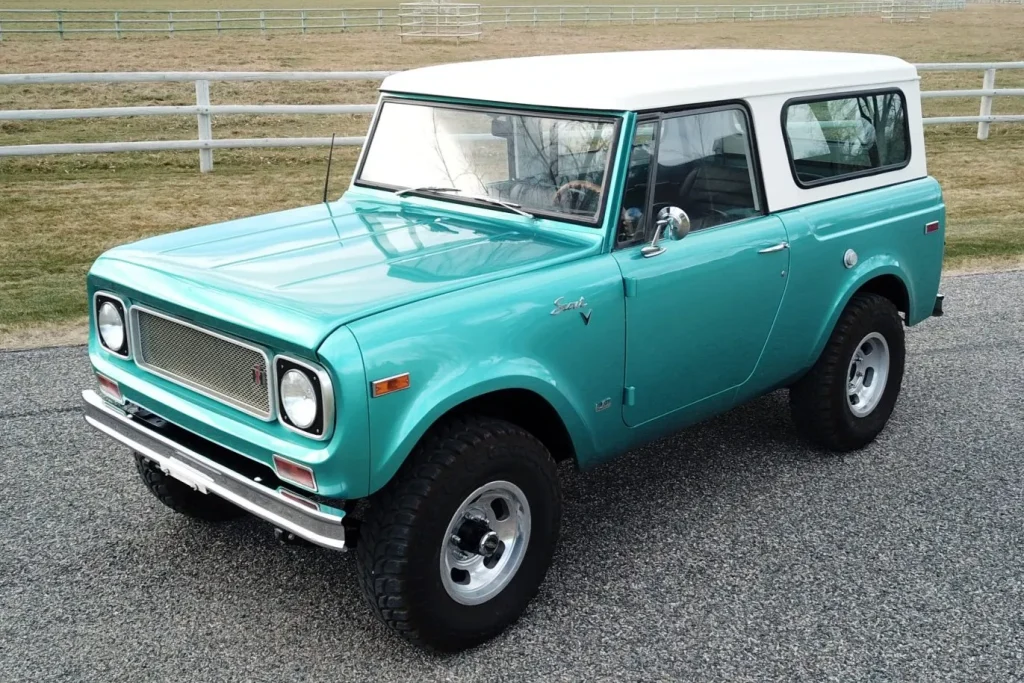
The interior, though basic, is designed to withstand wear and tear. Seats, gauges, and controls are durable and age well, ensuring comfort and practicality for everyday use.
Owners frequently report that their Scout 800s remain reliable daily drivers without requiring major overhauls.
For anyone seeking a rugged and versatile classic vehicle that still works daily, the International Harvester Scout 800 from the 1970s is an excellent option.
Its combination of simple mechanical systems, durable suspension, and ease of maintenance ensures that it continues to serve reliably, proving that thoughtful engineering from decades ago can remain relevant and dependable today.
The trucks from the 1970s featured in this article demonstrate why careful engineering and simplicity can stand the test of time. Despite being decades old, these vehicles continue to perform reliably, serving as daily drivers for many owners.
Their enduring durability is rooted in straightforward mechanical systems, robust chassis, and well-built engines, which have allowed them to remain dependable even with high mileage.
A common factor among these trucks is the design of their engines. Inline-six and small-block V8 engines were widely used and are known for longevity.
Their mechanical simplicity means fewer components to fail, and routine maintenance such as oil changes, spark plug replacements, and cooling system checks ensures consistent performance. Over time, these engines often become smoother as components settle, enhancing reliability and drivability.
Transmission systems in these trucks are also built to last. Both manual and automatic options benefit from straightforward designs, making them easier to maintain than modern, complex gearboxes.
Owners often report improved smoothness and predictability over time as linkages and clutches bed in. This reliability allows the trucks to remain functional for daily commuting, hauling, or towing decades after production.
Suspension and chassis durability play a major role in long-term usability. Leaf springs, solid axles, and robust shocks gradually adapt to road conditions, improving ride quality and stability over the years.
Early stiffness or minor noises tend to diminish as components settle, resulting in a more comfortable and controlled driving experience.
Another advantage is ease of maintenance and parts availability. Replacement components are still accessible, and the mechanical simplicity allows owners to perform many repairs without specialized tools.
Routine preventive care, including brake servicing, fluid checks, and rust protection, ensures these trucks remain reliable day after day.
Practicality is also a defining feature. Pickup beds remain capable of handling heavy loads, and the sturdy frames support long-term use without significant wear. Interior components, though simple, are durable, with seats, controls, and gauges that stand up to years of use.
These 1970s trucks, including the Ford F-100, Chevrolet C10, Dodge D100, Ford F-150, Chevrolet K10, Dodge W100, and International Harvester Scout 800, illustrate that robust construction and mechanical simplicity create vehicles that improve with age rather than decline.
For drivers seeking a dependable classic truck that still works daily, these models prove that thoughtful engineering from decades ago can remain practical, durable, and enjoyable even today.
