
Honda has long held a reputation for producing sedans that deliver exceptional reliability, longevity, and everyday practicality.
Over the decades, certain Honda sedans have become benchmarks for durability, earning the loyalty of drivers who expect their vehicles to last well beyond the decade mark with minimal issues.
These models often stand out due to their robust engineering, efficient engines, and well-thought-out designs that prioritize long-term usability over fleeting trends.
Owners frequently report reaching high mileage milestones with their Hondas, highlighting their ability to endure years of daily driving without costly repairs.
However, not every Honda sedan achieves the same level of dependability. Some models, despite carrying the brand’s name, struggle with recurring mechanical or electrical problems, and their components may show signs of wear much earlier than anticipated.
Understanding which sedans fall into each category is crucial for buyers who want to make informed decisions and avoid unexpected maintenance headaches.
This guide compares five Honda sedans that have consistently outlasted rivals against five models that tend to encounter reliability issues, examining their strengths, weaknesses, and what sets them apart in terms of longevity.
By studying these examples, prospective owners can better evaluate which Honda sedans will provide enduring value and which might pose challenges over time.
Also Read: 12 Cars That Refuse to Quit Even After Collisions
5 Honda Sedans That Outlast Rivals
Honda has produced several sedans that are widely recognized for their longevity, often surpassing competitors in reliability and overall durability.
These models are frequently praised by mechanics and long-term owners alike for their ability to run smoothly well beyond 200,000 miles when maintained properly.
Their engines are designed to balance performance and endurance, while the chassis and suspension components are engineered to withstand years of daily wear.
Additionally, Honda’s reputation for producing fuel-efficient and straightforward vehicles plays a key role in keeping repair costs manageable, which contributes to their enduring appeal.
These sedans not only provide dependable transportation but also maintain their value over time, making them smart choices for buyers seeking both reliability and resale potential.
They often feature practical interiors, simple electronics, and mechanical components that are easily serviced, reducing the risk of long-term issues.
Each model in this category has earned a reputation for resilience through a combination of thoughtful design, proven technology, and consistent engineering updates.
In the following section, we will examine five Honda sedans that have proven themselves as long-lasting performers.
Each entry will detail the specific features and qualities that make them reliable, as well as real-world evidence from owners and experts, providing clear insight into why these vehicles continue to be top picks for longevity-conscious buyers.
1. Honda Accord
The Honda Accord has earned a legendary reputation for longevity, consistently ranking among the most reliable midsize sedans on the market. Introduced in the 1970s, the Accord combines strong engineering with practical features, creating a vehicle that remains dependable even after high mileage.
One of the key reasons for its enduring performance is the robustness of its engines. Both four-cylinder and V6 options are known for running smoothly well beyond 200,000 miles with routine maintenance, and major engine failures are relatively rare.
The Accord’s chassis and suspension are equally well-built, designed to handle daily driving stresses without developing premature wear in critical components.
Brake systems, steering, and drivetrain elements are engineered for longevity, meaning owners can often expect decades of use before encountering costly repairs.
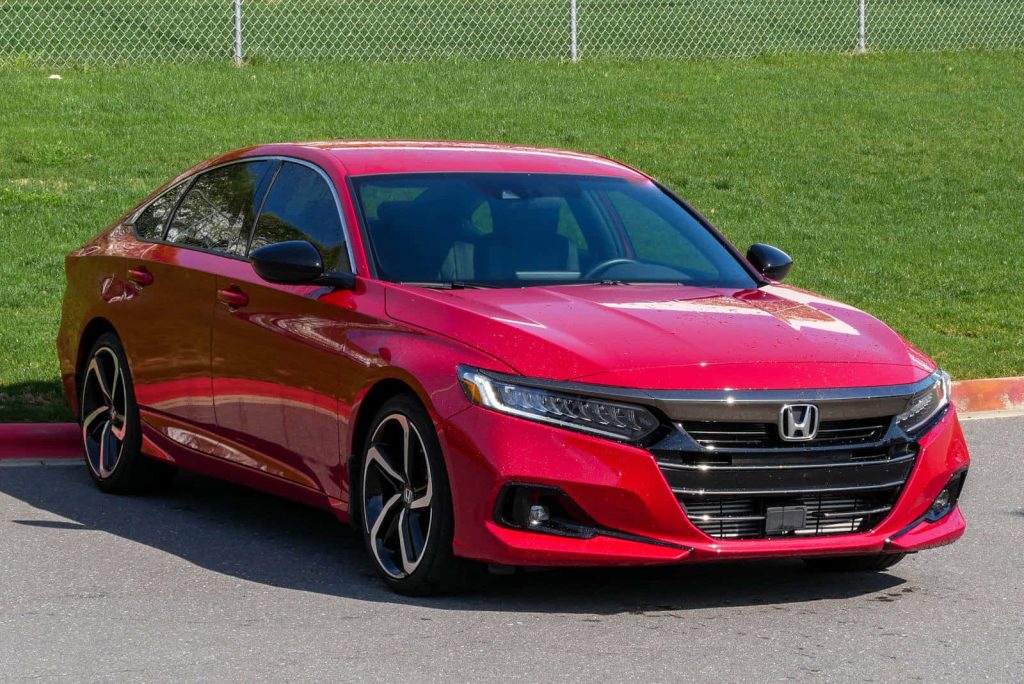
Interior materials are durable, with seats and trim that resist wear even after years of use, further enhancing the vehicle’s overall lifespan.
Another factor in the Accord’s longevity is its ease of maintenance. Replacement parts are widely available and affordable, making it simpler for owners to keep the vehicle in excellent condition.
This combination of reliable mechanics, durable construction, and practical design ensures that the Accord remains a benchmark for long-lasting sedans, consistently outperforming many rivals in real-world durability tests and owner reports.
2. Honda Civic
The Honda Civic has long been synonymous with reliability and longevity, particularly among compact sedans. Its lightweight design and fuel-efficient engines contribute to lower wear on critical components, helping the vehicle sustain high mileage without significant issues.
The Civic’s four-cylinder engines are renowned for their simplicity and durability, often running well past 250,000 miles when serviced regularly.
Beyond the engine, the Civic’s transmission options, particularly the manual gearbox, are known for their resilience. Automatic transmissions have also improved over generations, minimizing common failure points.
The suspension and brake systems are designed to withstand years of use with minimal maintenance, and the Civic’s body structure resists rust effectively, especially in recent generations.
Maintenance accessibility further strengthens the Civic’s reputation. Repairs are generally straightforward, and parts are plentiful and reasonably priced, allowing owners to address issues quickly without incurring excessive costs.
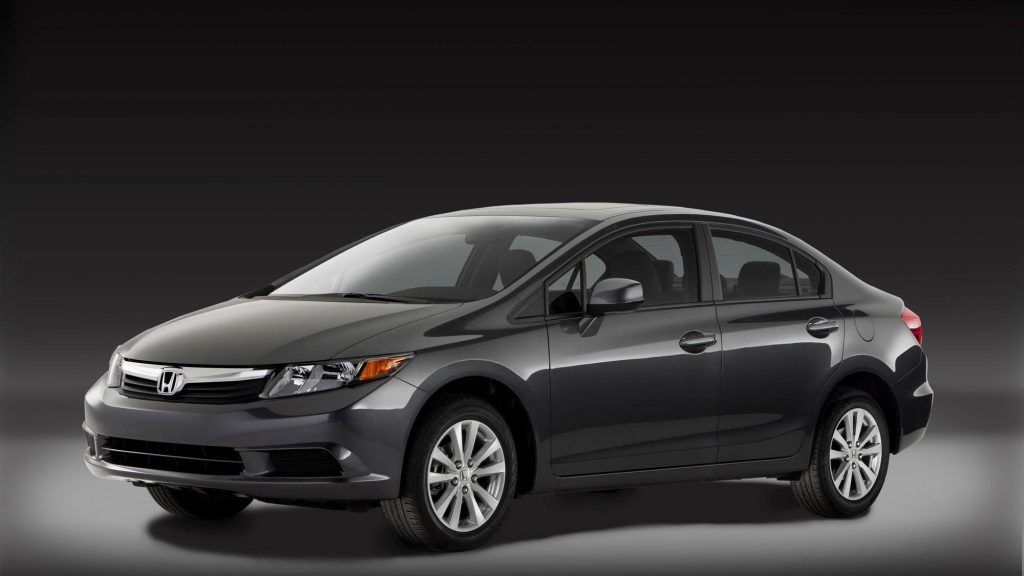
This ease of upkeep, combined with the car’s efficient fuel consumption, makes it a favorite among drivers seeking long-term ownership.
The Civic also maintains good resale value due to its reliability, proving that longevity and practicality go hand in hand.
Whether as a commuter car or a long-term family vehicle, the Civic continues to outperform competitors, making it a standout choice for those who prioritize durability.
3. Honda Insight
The Honda Insight, while less common than the Accord or Civic, has earned recognition for reliability and long-term durability, particularly as a hybrid sedan.
Its hybrid powertrain combines a gasoline engine with an electric motor, reducing strain on the internal combustion engine and improving fuel efficiency.
The Insight’s engineering focuses on minimizing wear and maximizing longevity, which has allowed many owners to reach impressive mileage milestones without major repairs.
Hybrid components, including the battery system, are designed to last for years, with proper maintenance ensuring consistent performance.
Honda’s track record for hybrid reliability makes the Insight a dependable option, as the electronics and regenerative braking systems are engineered to support extended use.
The car’s lightweight construction and well-tuned suspension contribute to a smooth ride while reducing wear on tires, brakes, and suspension components.
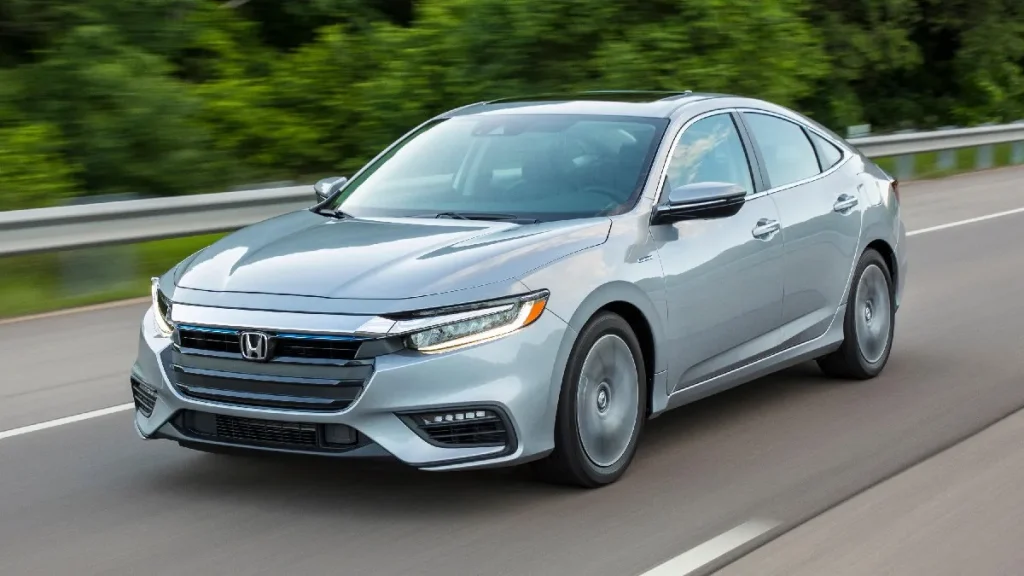
Interior durability is another highlight. Honda Insight models feature materials that resist fading and deterioration, keeping the cabin functional and comfortable over long-term ownership. The availability of replacement parts and the relative simplicity of repairs further enhance its longevity.
The Insight demonstrates that Honda’s commitment to reliability extends beyond conventional sedans, proving that even hybrid models can be long-lasting, practical, and cost-effective.
For drivers seeking a combination of efficiency and endurance, the Insight stands out as a hybrid sedan capable of outperforming many competitors in terms of lifespan.
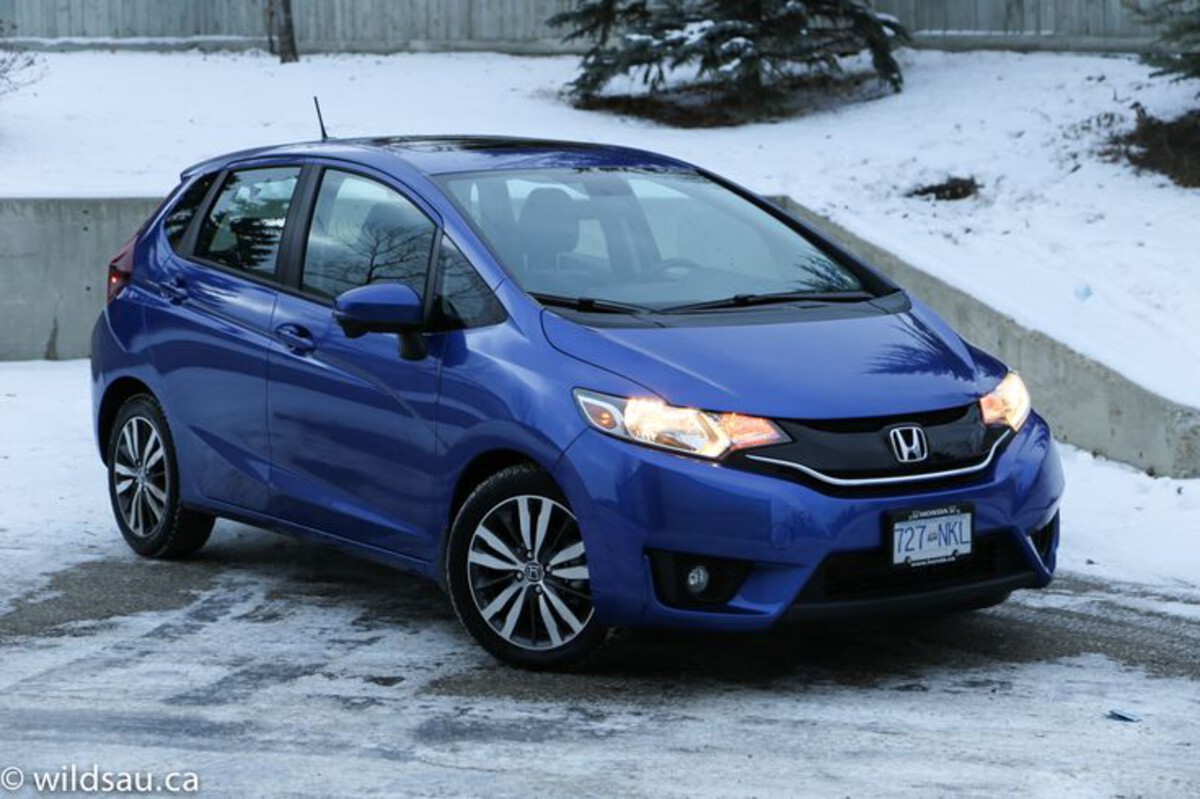
4. Honda Fit
Though technically a subcompact, the Honda Fit has proven itself as a surprisingly long-lasting sedan-like option for buyers who prioritize durability and efficiency.
Its lightweight frame, combined with a simple yet reliable engine design, allows the Fit to achieve impressive mileage with minimal issues.
The naturally aspirated four-cylinder engine is known for its resilience, capable of surpassing 200,000 miles when maintained properly, and it rarely exhibits the major mechanical failures that plague some competitors.
One of the Fit’s standout qualities is its versatile interior. Despite its compact size, the car employs a “Magic Seat” system that allows flexible cargo arrangements while maintaining durability over time.
Materials used in the cabin resist wear, and the minimalistic electronics design reduces potential problems with aging components.
The Fit’s suspension and steering systems are engineered for longevity, handling daily driving stresses without frequent repairs, even in urban environments where potholes and rough roads are common.
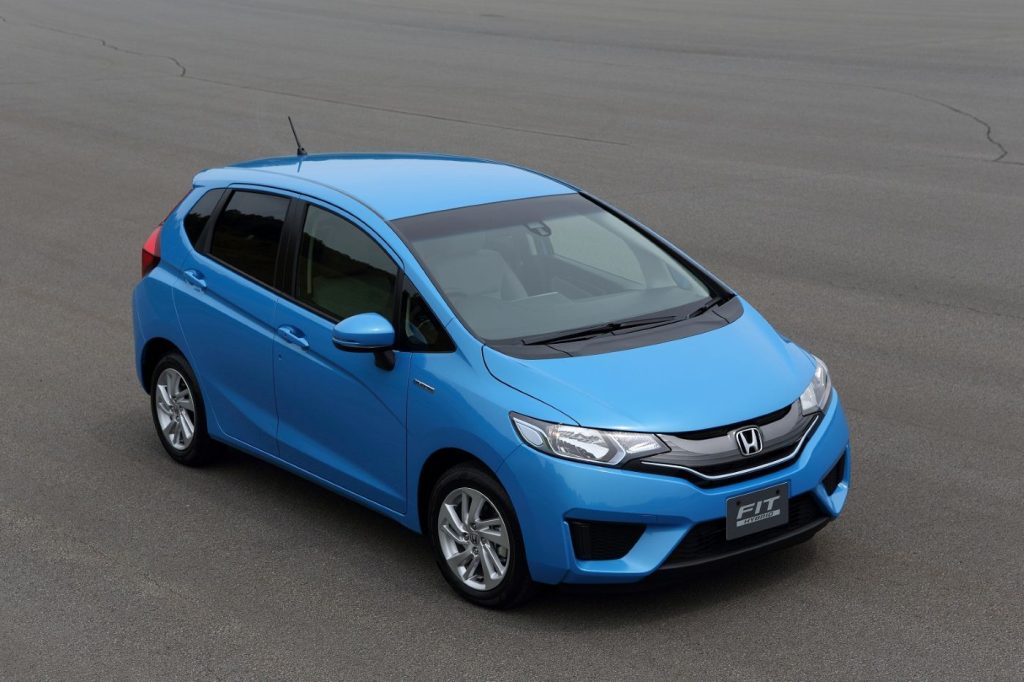
Maintenance simplicity contributes to the Fit’s reliability. Parts are widely available and affordable, and routine service such as oil changes, brake inspections, and timing chain checks are straightforward. The Fit also tends to retain its resale value due to its reputation for endurance and efficiency.
For those seeking a small, economical, and dependable vehicle, the Honda Fit offers more than just low operating costs.
Its proven ability to last many years makes it a standout choice for drivers who want longevity without sacrificing practicality, efficiency, or quality of construction.
5. Honda Insight (2nd Generation Hybrid)
The second-generation Honda Insight, produced from 2010 to 2014, further cemented Honda’s reputation for hybrid durability.
Unlike earlier hybrid attempts by other manufacturers, this Insight combined simplicity, efficiency, and reliability in a compact package.
Its hybrid system employs a proven Integrated Motor Assist (IMA) that reduces stress on the gasoline engine and helps extend the life of drivetrain components.
The car’s lightweight construction and aerodynamic design not only improve fuel efficiency but also reduce wear on brakes, tires, and suspension.
Many owners report reaching well over 150,000 miles without major issues, attributing this to Honda’s careful engineering and component quality.
The battery pack, often a concern for hybrids, tends to last for years under normal use, and replacements are reasonably priced relative to other hybrids in its era.
Interior materials in the Insight are durable, and its simple electronics reduce the likelihood of costly repairs compared to more feature-heavy vehicles.
Its transmission, a CVT, is well-matched to the engine and designed for longevity with proper maintenance, further contributing to the car’s enduring reliability.
Overall, the second-generation Honda Insight demonstrates that hybrid technology does not necessarily compromise long-term dependability.
By focusing on proven engineering and practical design, Honda created a hybrid sedan that remains a reliable choice for owners who want efficiency without sacrificing the longevity associated with the brand.
5 Honda Sedans That Don’t
While Honda is renowned for producing long-lasting sedans, not every model in its lineup lives up to the brand’s reputation. Certain sedans have experienced recurring mechanical issues, premature wear, or design flaws that undermine their overall longevity.
These models may initially appear dependable but often require more frequent repairs, leading to higher maintenance costs and decreased reliability over time.
Factors such as complex electronics, underperforming engines, and suspension weaknesses can contribute to these problems, making them less ideal for drivers seeking long-term durability.
Understanding which Honda sedans fall into this category is important for buyers who want to avoid costly surprises. Even well-known models can vary significantly by generation, trim, or engine type, meaning that some iterations are far less reliable than others.
Mechanics and long-term owners frequently note patterns of failure, ranging from transmission issues to premature rust or interior wear, providing valuable insights for prospective owners.
This section highlights five Honda sedans that have struggled to meet the brand’s high standards for longevity.
Each entry will examine the specific reasons behind the vehicle’s shortcomings, including mechanical vulnerabilities, common complaints from owners, and evidence from reliability reports.
By reviewing these examples, readers can make informed decisions and better understand which sedans may present challenges over time, helping them avoid vehicles that could compromise their long-term driving experience.
1. Honda Crosstour
Although the Honda Crosstour is technically a crossover-sedan hybrid, many buyers treated it as a large sedan alternative. Unfortunately, it developed a reputation for reliability issues that limited its longevity.
One of the primary concerns is its complex V6 engine paired with a five-speed automatic transmission, which can exhibit early transmission wear and occasional engine oil consumption problems. Repairs can be costly, and some owners report frequent trips to the mechanic after 100,000 miles.
The Crosstour’s suspension, while providing a smooth ride, tends to wear out more quickly than other Honda sedans. Components such as bushings, control arms, and struts often require replacement sooner than expected, adding to maintenance expenses.
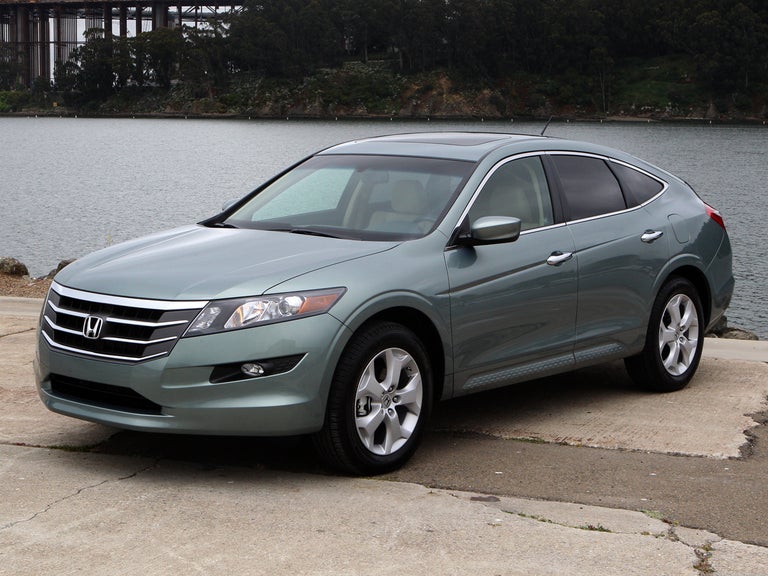
Additionally, the car’s interior electronics, including infotainment and navigation systems, have a higher-than-average failure rate, which can lead to frustration for owners.
While the Crosstour offers versatility and style, its combination of complex mechanical components, heavier weight, and electronics issues reduces its overall longevity.
Owners seeking a durable long-term sedan would likely find more dependable options elsewhere in Honda’s lineup. Despite Honda’s reputation for reliability, the Crosstour demonstrates that not every model meets the same high standards.
2. Honda Civic (9th Generation 2012–2015, Some Trims)
While the Honda Civic generally has a stellar reputation, the 9th-generation models, particularly certain trims, have experienced reliability challenges.
The automatic transmissions in these vehicles sometimes display rough shifting or early wear, and higher-mileage units may require costly repairs. Additionally, some engines in this generation are prone to excessive oil consumption, which, if not monitored, can lead to engine damage.
Suspension issues also arise in certain trims, including premature wear of struts and control arms, especially in regions with rough roads.
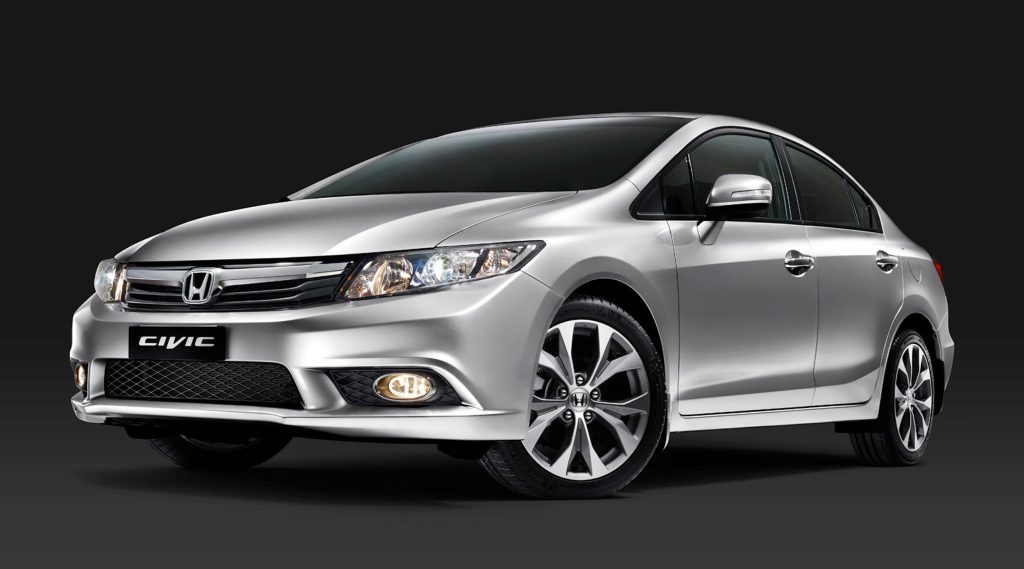
Interior components, such as dashboard materials and infotainment screens, have shown signs of early deterioration, reducing the vehicle’s long-term appeal. While fuel efficiency remains strong, these mechanical and cosmetic issues affect the Civic’s overall durability.
Despite these concerns, proper maintenance can mitigate some problems, but the 9th-generation Civic does not consistently meet the high standards set by previous or later generations. For buyers prioritizing long-term reliability, careful consideration of the specific year and trim is essential.
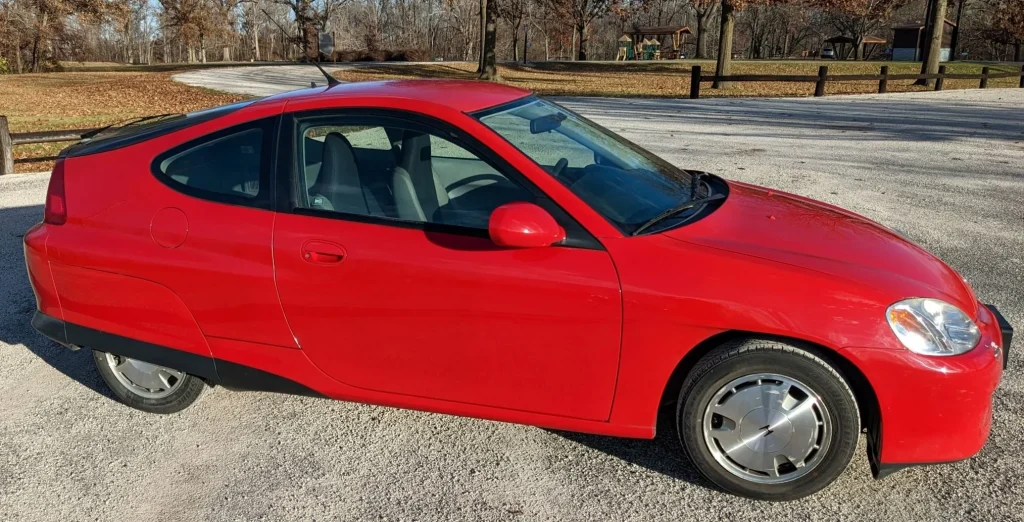
3. Honda Insight (1st Generation 2000–2006)
The first-generation Honda Insight, while pioneering as an early hybrid, struggled with certain longevity issues. Its small, lightweight design and innovative hybrid drivetrain came with trade-offs in durability.
The Integrated Motor Assist (IMA) system, while efficient, has components that may fail after high mileage, particularly battery packs and the inverter module. Replacements are expensive and less widely available than standard engine parts.
The Insight’s limited interior space and lightweight materials also contribute to faster wear. Seats, trim, and dashboard components often show aging signs sooner than in other Hondas, affecting comfort and usability over time.
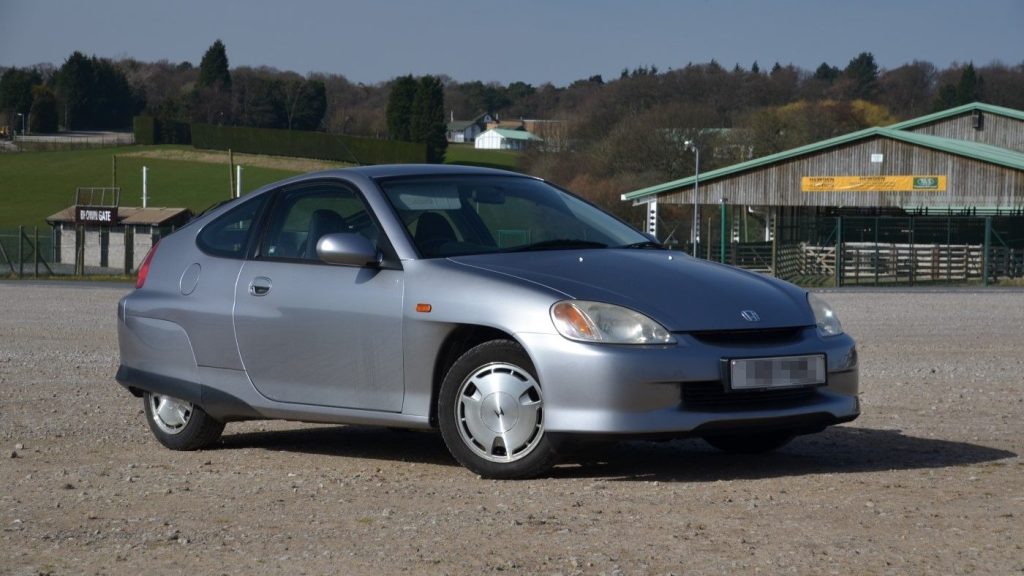
Additionally, the suspension, designed for efficiency rather than robustness, can wear prematurely in regions with rough roads, leading to costly repairs.
While the Insight remains notable for fuel efficiency and low operating costs, its first-generation models are generally less reliable in the long term compared with other Honda sedans. Prospective owners should carefully assess maintenance history and be prepared for potential hybrid-specific repairs.
4. Honda Accord (8th Generation V6, 2008–2012)
While the Honda Accord is generally synonymous with reliability, the 8th-generation V6 models experienced issues that limited their long-term durability.
One of the main concerns is the 3.5-liter V6 engine, which in some cases exhibits excessive oil consumption. Owners have reported needing to monitor oil levels closely, and neglect can lead to engine damage over time.
Transmission reliability is another concern. The 5-speed automatic transmission in these models occasionally shows signs of rough shifting or delayed engagement, particularly after high mileage.
Repairs or replacements are expensive and may diminish the overall longevity of the vehicle. Suspension components, including control arms and bushings, are also prone to premature wear, especially in regions with harsh road conditions.
Additionally, the 8th-generation Accord V6 has been criticized for interior materials that wear faster than expected. Seats may sag, and dashboard components can fade or crack over time, detracting from the vehicle’s long-term comfort and usability.
Electronics, including navigation and climate control systems, sometimes fail earlier than anticipated, increasing maintenance costs.
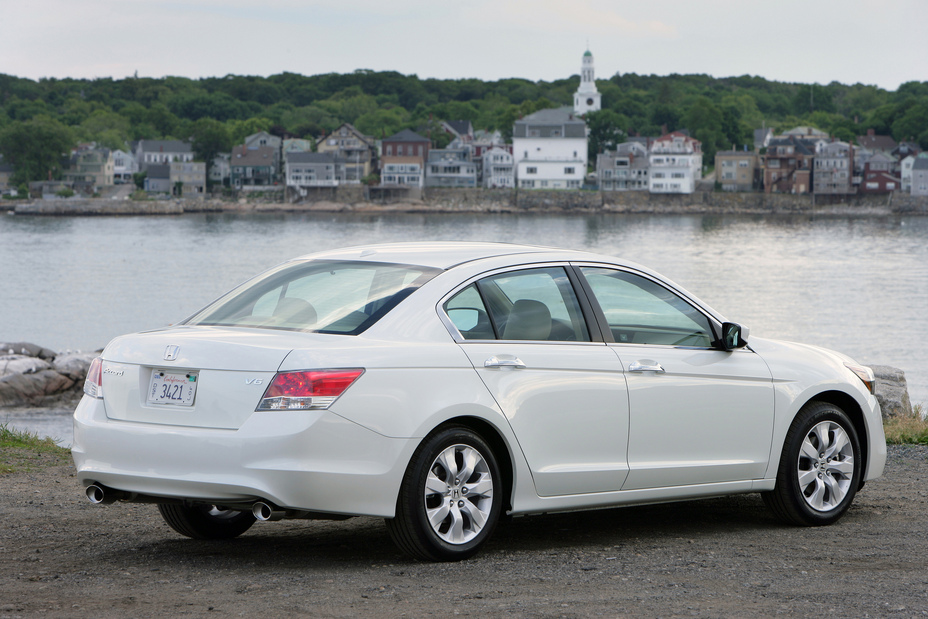
While these models still maintain some of the Accord’s strengths, such as solid handling and efficient fuel use, their mechanical and cosmetic vulnerabilities make them less dependable than other generations.
Prospective buyers seeking a long-lasting Accord should carefully consider these factors or opt for four-cylinder variants from the same generation, which tend to exhibit fewer long-term issues.
5. Honda City (3rd Generation 2008–2013, Certain Markets)
The third-generation Honda City, widely sold in Asia and select markets, has faced reliability challenges in some trims and engines.
While it offers excellent fuel efficiency and compact practicality, owners have reported recurring issues with the CVT automatic transmission, including hesitation, jerky shifts, and early wear. Repairing or replacing these transmissions can be costly, making long-term ownership less predictable.
Engine reliability, though generally acceptable, varies by market and trim. Some models exhibit premature wear of timing chains or increased oil consumption after moderate mileage.
Suspension components, particularly bushings and struts, can wear faster than expected, especially in regions with rough roads, leading to higher maintenance needs over time.
Interior materials are another concern. While the cabin is practical, certain plastics and seat fabrics tend to degrade sooner than expected, reducing overall comfort and aesthetic appeal.
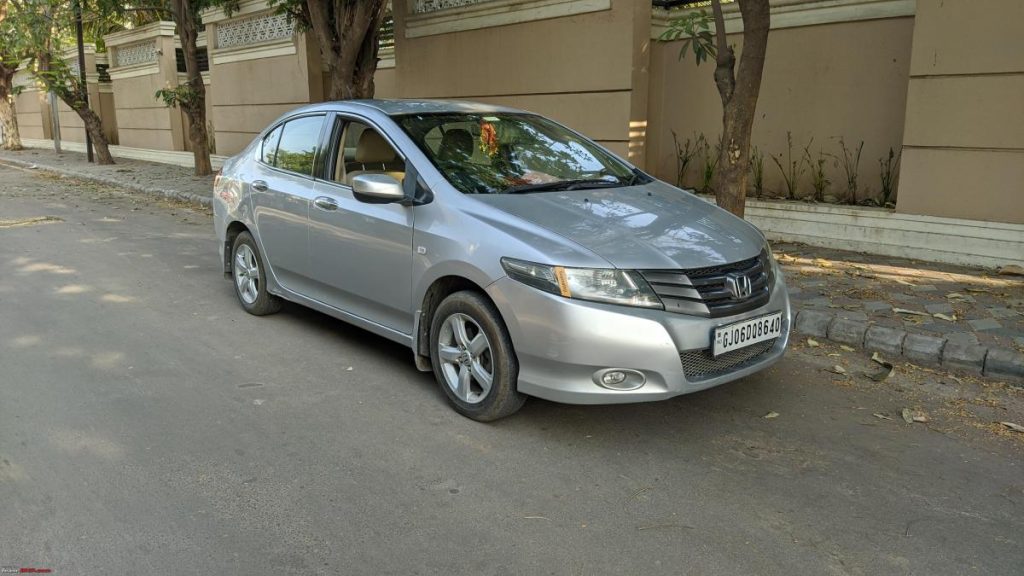
Electronics, including audio and dashboard systems, occasionally malfunction in older models, contributing to maintenance headaches.
Despite these challenges, the Honda City remains a popular choice due to efficiency and affordability. However, for buyers prioritizing long-term durability and low maintenance, careful inspection of the transmission and service history is essential.
These factors place the 3rd-generation City in the category of Hondas that do not consistently outlast their rivals.
Honda’s reputation for producing reliable, long-lasting sedans is well-earned, but a closer look reveals that not every model achieves the same level of durability. Among the brand’s lineup, certain sedans consistently stand out for their longevity.
Vehicles such as the Accord, Civic, and Insight demonstrate exceptional engineering, robust engines, and durable interiors, allowing owners to reach high mileage milestones with minimal issues.
Subcompact options like the Fit also prove that small, economical vehicles can provide decades of dependable service, thanks to their straightforward mechanics and resilient design.
These models benefit from readily available parts, relatively low maintenance costs, and practical interiors, all of which contribute to their enduring appeal.
Owners frequently report decades of use without major repairs, which has cemented these cars as benchmarks for long-term reliability.
On the other hand, some Honda sedans struggle to maintain this standard. Models like the first-generation Insight, certain trims of the 9th-generation Civic, the 8th-generation V6 Accord, and the third-generation City demonstrate recurring mechanical or electronic issues that reduce their longevity.
Problems such as transmission wear, engine oil consumption, suspension deterioration, and premature interior wear are common in these vehicles.
While they still offer practicality and efficiency, owners may face higher maintenance costs and more frequent repairs, limiting the cars’ long-term dependability compared with Honda’s more reliable models.
Understanding these differences is crucial for buyers seeking a Honda sedan that will stand the test of time.
By evaluating engine performance, transmission reliability, suspension durability, and interior quality, prospective owners can make informed decisions that minimize long-term maintenance concerns.
Ultimately, choosing a Honda sedan with a proven track record of longevity ensures dependable transportation, lower ownership costs, and continued satisfaction over many years of driving.
Also Read: 12 Cars Mechanics Say Are Overbuilt for Longevity
