
A car’s interior is one of the most significant factors affecting the overall ownership experience. While performance, reliability, and fuel efficiency matter, the feel and quality of the cabin define how enjoyable it is to spend time in a vehicle.
Some cars maintain a sense of refinement and premium quality over years of use, with durable materials, comfortable seating, and thoughtful design that continues to impress. These vehicles not only offer luxury when new but also retain a sense of sophistication even as they age.
Conversely, other cars may look appealing at first but quickly reveal weaknesses in material quality, assembly, or ergonomics.
Interiors that feel cheap, characterized by hard plastics, flimsy buttons, and uncomfortable seating, can detract from the driving experience and diminish long-term satisfaction.
Identifying which vehicles maintain a premium feel and which do not is crucial for buyers seeking lasting value, comfort, and enjoyment.
This article examines five cars whose interiors remain premium for years, highlighting their use of quality materials, superior fit and finish, and enduring design appeal.
It also reviews five vehicles whose cabins feel cheap, noting where manufacturers cut corners and why these choices negatively affect the long-term experience.
By understanding these differences, prospective owners can make informed choices that prioritize lasting interior quality alongside other essential vehicle traits.
Also Read: 12 Cars That Win Owner Loyalty for Generations
5 Cars With Interiors That Stay Premium
A premium interior is more than just aesthetics it reflects careful attention to material selection, ergonomics, and overall craftsmanship.
Cars that maintain a high-quality cabin over years of use often feature durable leather or soft-touch surfaces, precise panel fitment, and well-designed controls that resist wear. These qualities ensure that the interior continues to feel upscale even after extensive daily use.
Manufacturers that invest in interior longevity also focus on comfort, making sure seats retain support, surfaces resist fading, and controls remain intuitive and responsive.
Additionally, thoughtful design can prevent rattles, squeaks, and premature wear, which are common issues in less well-built vehicles.
A high-quality interior not only enhances daily driving enjoyment but also preserves resale value, as buyers are willing to pay more for cabins that feel refined and well-maintained.
In the following section, we examine five cars known for interiors that stay premium over time. Each entry explores the specific features, materials, and design choices that contribute to long-lasting refinement.
By analyzing these vehicles, readers will understand what separates truly premium cabins from those that merely appear upscale initially, offering insight into which models deliver enduring comfort and sophistication.
1. Mercedes-Benz E-Class
The Mercedes-Benz E-Class has long been recognized for its luxurious and durable interior. High-quality materials, including supple leather, real wood trim, and soft-touch plastics, ensure the cabin feels refined and substantial.
Panels are fitted with precision, and buttons and knobs maintain a solid, tactile feel even after years of use. Mercedes pays close attention to ergonomics, ensuring that controls are intuitive, easily reachable, and resistant to wear, enhancing both comfort and convenience.
Seats in the E-Class are designed for long-term support. High-density foam and adjustable lumbar support maintain their shape over time, providing comfort for drivers and passengers alike.
The attention to detail extends to stitching and trim alignment, which retain their premium appearance despite daily use. Technology interfaces, such as the COMAND infotainment system, are well-integrated and resist becoming outdated quickly, contributing to a sense of lasting sophistication.
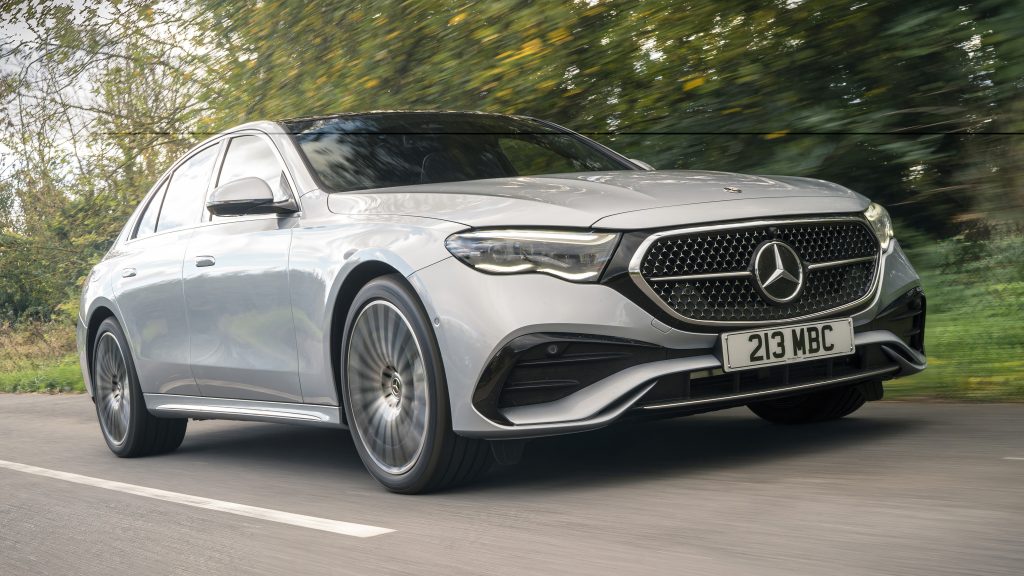
The combination of material quality, design precision, and attention to user experience allows the E-Class cabin to remain premium for many years. Even older models continue to impress with their blend of comfort, craftsmanship, and thoughtful layout.
This durability not only enhances daily driving but also helps maintain the vehicle’s resale value, as a well-kept E-Class interior remains attractive in the used car market. For anyone prioritizing cabin quality that endures, the E-Class sets a high standard.
2. Lexus ES
The Lexus ES exemplifies enduring luxury with a cabin built to last. Soft-touch surfaces, real wood accents, and plush seating materials contribute to a sophisticated atmosphere that does not degrade easily.
The automaker emphasizes durability in its choice of materials, ensuring that plastics resist scratches and fading, leather maintains suppleness, and stitching remains intact even after years of use.
Ergonomics play a key role in the ES’s long-term appeal. Controls are logically placed, and displays remain clear and functional over time.
Seats are well-cushioned, offering consistent support for long commutes or road trips, with minimal sagging over extended periods. Noise insulation and build quality further enhance the premium feel, as rattles and squeaks are rare even in higher-mileage examples.
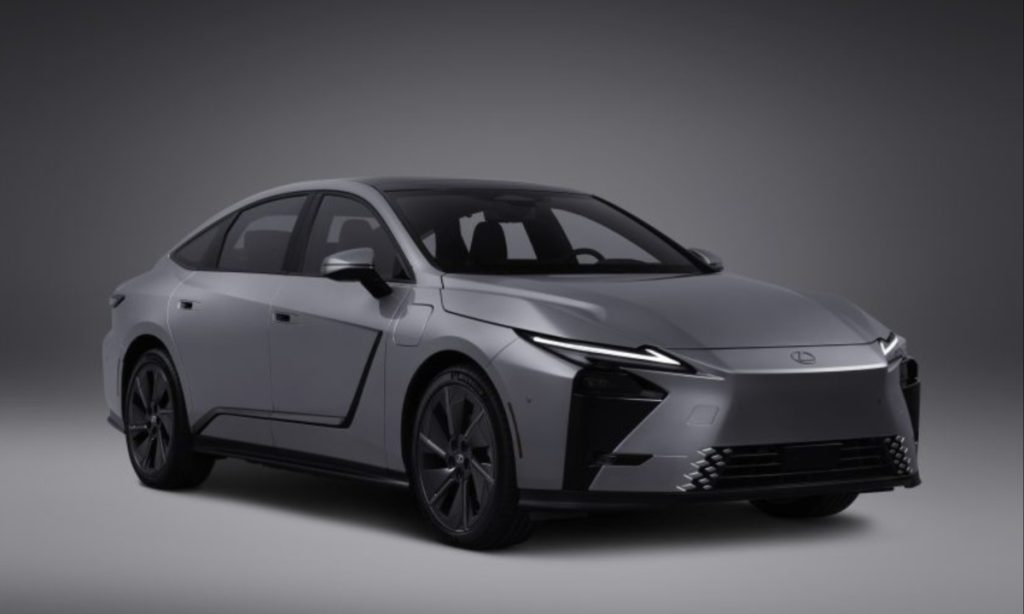
Technology in the ES is also integrated for longevity. Infotainment screens, climate controls, and audio systems are designed to function reliably for years, avoiding the common deterioration seen in cheaper vehicles.
The combination of material quality, careful assembly, and user-focused design ensures that the interior continues to impress long after purchase.
For drivers who value comfort, refinement, and lasting sophistication, the Lexus ES remains a benchmark for premium interiors that age gracefully.
3. Audi A6
The Audi A6 offers a cabin that balances modern design with long-term durability. High-grade leather, soft-touch plastics, and brushed aluminum accents create a luxurious environment that resists wear.
Panels fit tightly together, eliminating rattles, while buttons, knobs, and switches maintain a solid feel even after years of repeated use. Audi’s focus on craftsmanship ensures that the interior retains its upscale appearance and tactile quality over time.
Seats in the A6 are designed with both comfort and endurance in mind. High-density foams and adjustable support maintain their shape, preventing sagging or loss of cushioning.
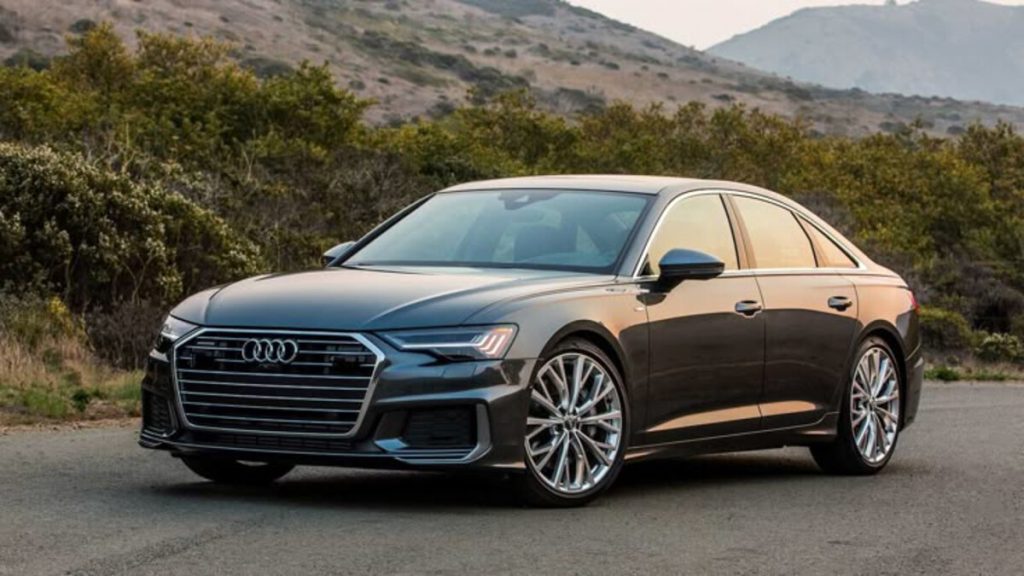
The center console, dashboard, and door panels use durable materials that resist fading and scratches, keeping the cabin visually appealing even with regular use.
Technology interfaces, including the MMI infotainment system, are thoughtfully placed and built to last, with clear displays and intuitive operation.
Attention to detail extends to noise insulation and vibration control, further enhancing the premium feel. Even older A6 models continue to offer a refined experience, demonstrating that Audi prioritizes lasting quality over short-term visual appeal.
For buyers seeking an interior that remains sophisticated and functional for years, the Audi A6 is a standout choice.
4. BMW 5 Series
The BMW 5 Series combines sporty performance with a cabin built to last, providing an interior that remains premium even after years of use.
High-quality leather upholstery, soft-touch plastics, and real wood or aluminum trim create a sophisticated atmosphere that resists fading and wear.
Panel fitment is precise, and buttons, dials, and controls maintain a solid, responsive feel, ensuring that the cabin continues to exude quality over time.
Seating is a standout feature in the 5 Series. Ergonomically designed, the seats offer excellent lumbar support and maintain cushioning integrity over extended periods, reducing fatigue on long drives.
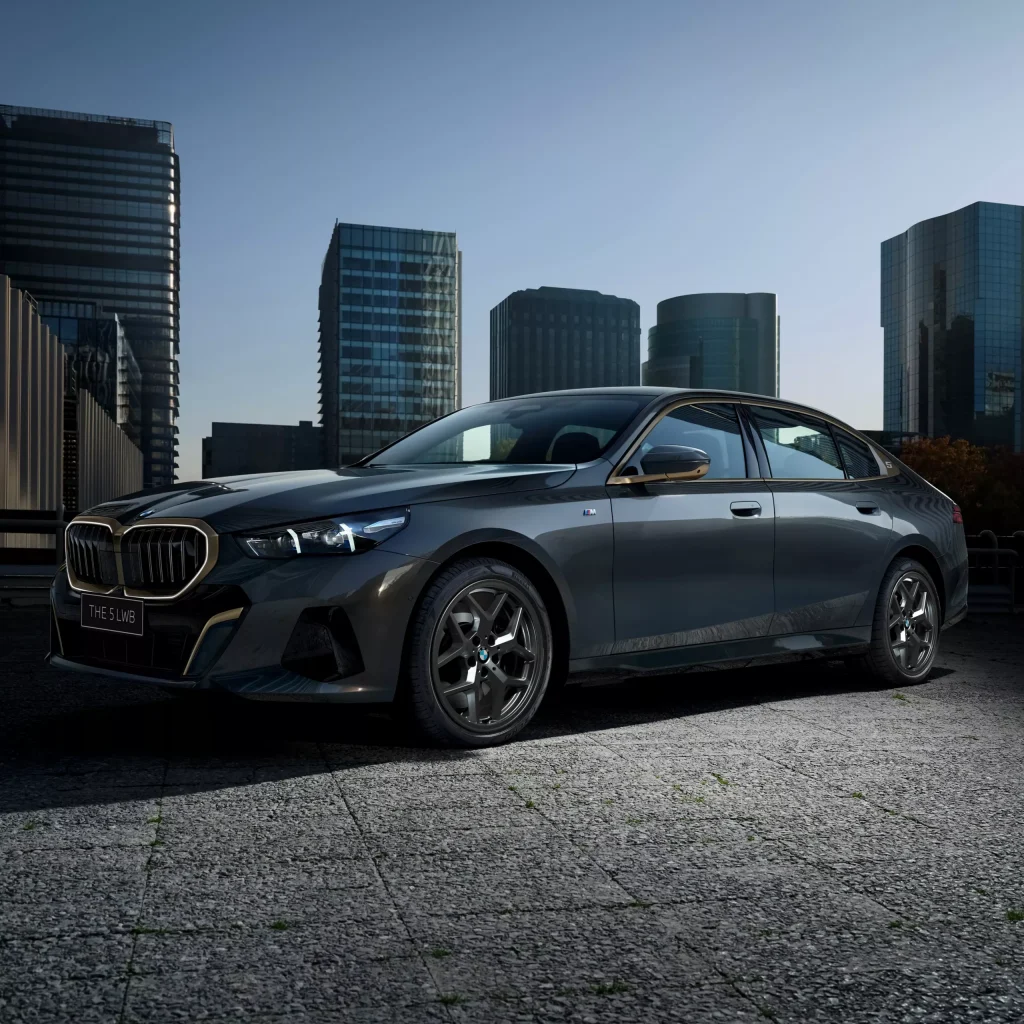
Even in older models, seat surfaces show minimal sagging, and stitching remains intact, highlighting BMW’s attention to durable craftsmanship. Noise insulation is carefully engineered, keeping the cabin quiet and enhancing the perception of refinement.
Technology interfaces, such as the iDrive infotainment system, are thoughtfully integrated, and controls remain functional and intuitive even as the vehicle ages.
The combination of tactile materials, durable construction, and ergonomic design ensures that the interior continues to feel luxurious, supporting both comfort and resale value.
For owners seeking a sedan that maintains a high-end experience over the years, the BMW 5 Series consistently delivers a cabin environment that remains upscale, practical, and well-built.
5. Volvo S90
The Volvo S90 sets a high standard for Scandinavian luxury with an interior that combines elegance, comfort, and longevity.
Premium leather, real wood accents, and soft-touch surfaces create a refined cabin that resists wear and maintains its sophisticated look over time. Panel gaps are minimal, and controls feel substantial, providing tactile feedback that enhances the perception of quality.
Seating in the S90 is designed for long-term comfort. Ergonomic design and supportive cushioning ensure that seats retain their shape even after years of daily use.
Materials such as leather and metal trim are carefully selected to withstand fading, scratches, and general wear, preserving the cabin’s premium feel. Noise insulation is excellent, keeping road and wind intrusion to a minimum, which contributes to a serene and upscale experience.
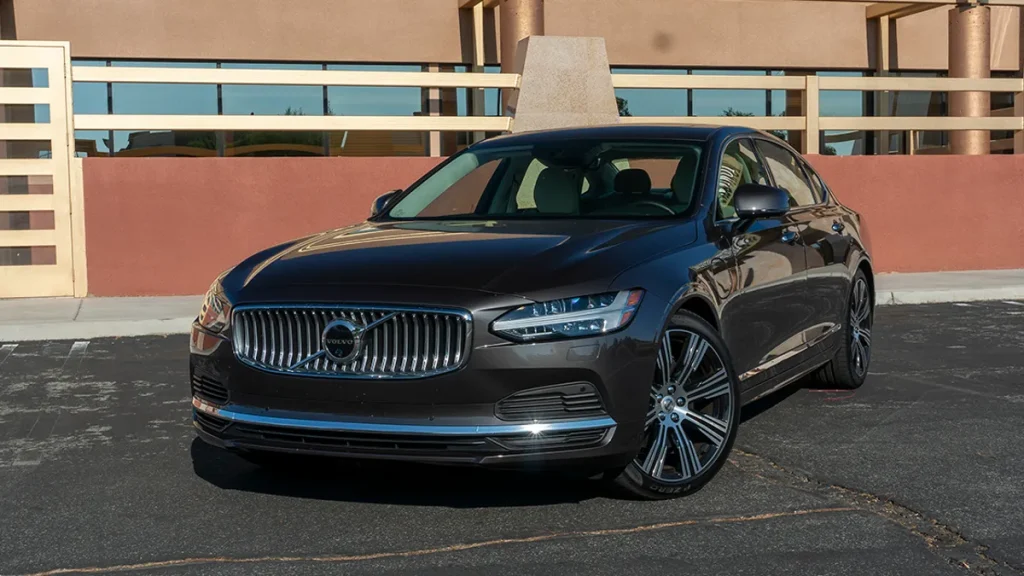
Volvo also emphasizes technology that is reliable and intuitive. The central touchscreen, driver displays, and climate controls are built to remain functional and responsive, avoiding the issues common in cheaper cabins.
The combination of material quality, thoughtful ergonomics, and durable design ensures that the S90’s interior continues to impress over time.
For buyers who prioritize long-lasting refinement and a premium driving environment, the Volvo S90 delivers a cabin that maintains elegance, comfort, and practicality through years of ownership.
5 Cars That Feel Cheap
While some vehicles maintain a sense of refinement and luxury over time, others reveal their weaknesses in interior quality shortly after purchase.
Cars with cabins that feel cheap often rely on hard plastics, low-quality fabrics, and poorly assembled panels, creating a tactile experience that lacks durability and comfort.
Even minor rattles, squeaks, or fading surfaces can significantly reduce the perception of quality, making daily driving less enjoyable.
Manufacturers sometimes prioritize cost savings over material longevity, leading to interiors that quickly show signs of wear. Buttons may become loose, trim pieces can warp, and seating materials may sag or tear, all of which diminish the sense of refinement.
Poor noise insulation or subpar ergonomic design further contributes to a cabin that feels inexpensive and uncomfortable over time.
Understanding which vehicles are prone to these issues is important for buyers who want a lasting interior experience.
This section examines five cars whose interiors feel cheap, highlighting the specific material choices, design flaws, and construction shortcuts that compromise quality.
By analyzing these examples, readers can identify vehicles that may offer initial appeal but fail to deliver lasting comfort and sophistication.
These insights can help prospective owners avoid cabins that deteriorate quickly, ensuring that their investment in a vehicle supports long-term enjoyment rather than early frustration.
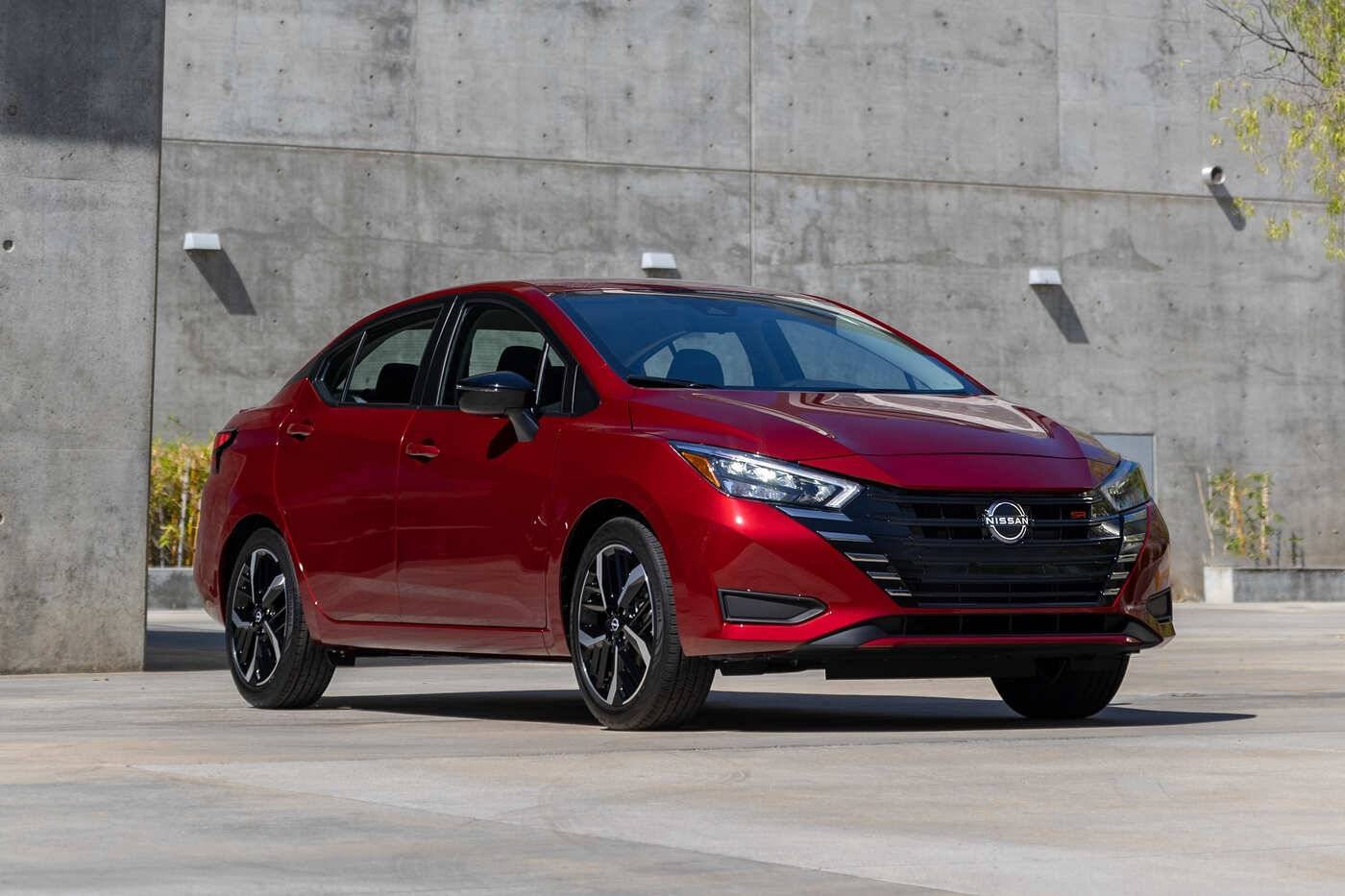
1. Nissan Versa
The Nissan Versa is known for being an affordable, entry-level vehicle, but its interior reflects cost-cutting measures that compromise long-term quality.
Hard plastics dominate the cabin, covering the dashboard, door panels, and center console, giving the interior a brittle, less-refined feel. Buttons and controls often lack tactile feedback, feeling loose or flimsy, which diminishes the perception of quality.
Seats are covered in basic cloth materials that tend to wear quickly, showing signs of sagging and fading after only a few years.
Foam padding in the cushions can compress unevenly, reducing comfort for both drivers and passengers. Noise insulation is minimal, allowing road and engine sounds to enter the cabin more freely, further affecting the driving experience.
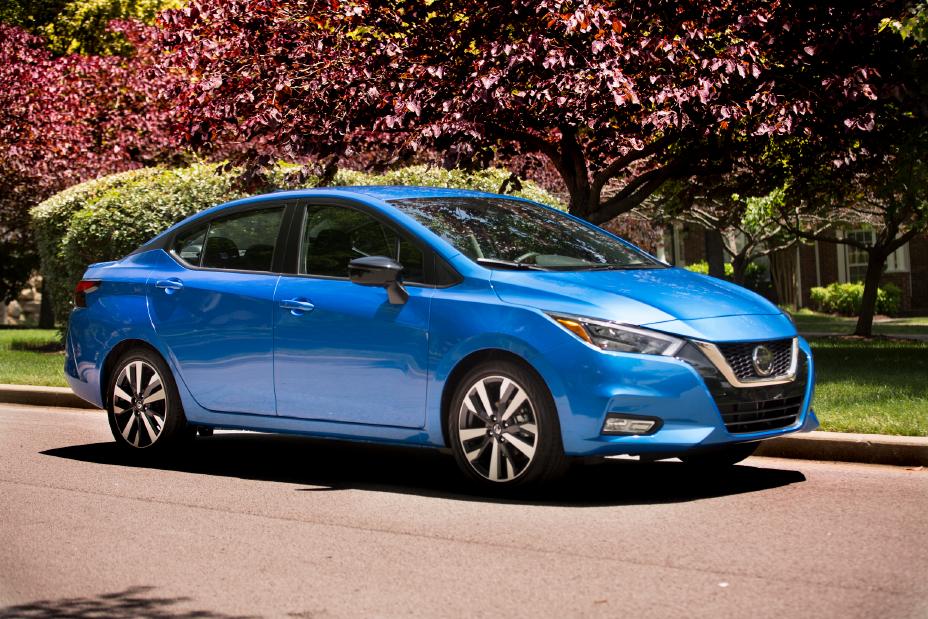
Infotainment and climate control systems are functional but constructed from low-quality plastics, making them more prone to wear and breakage. Even minor scratches or scuffs on trim pieces can significantly reduce the perceived value of the interior.
While the Versa provides basic practicality and low running costs, the interior’s lack of premium materials and weak construction means it does not maintain a refined feel over time, placing it firmly in the category of cars with cheap-feeling cabins.
2. Chevrolet Spark
The Chevrolet Spark is a compact city car designed for affordability, but its interior materials reflect its budget-oriented nature. Hard, glossy plastics dominate the dashboard and door panels, which can scratch easily and show wear quickly. Panels are not tightly fitted, leading to rattles or squeaks as the car ages.
Seating is covered in thin cloth or basic vinyl, and the cushions tend to flatten with repeated use, reducing comfort during longer drives. Ergonomics are functional but minimal, and buttons or knobs often lack the satisfying feedback associated with higher-quality vehicles.
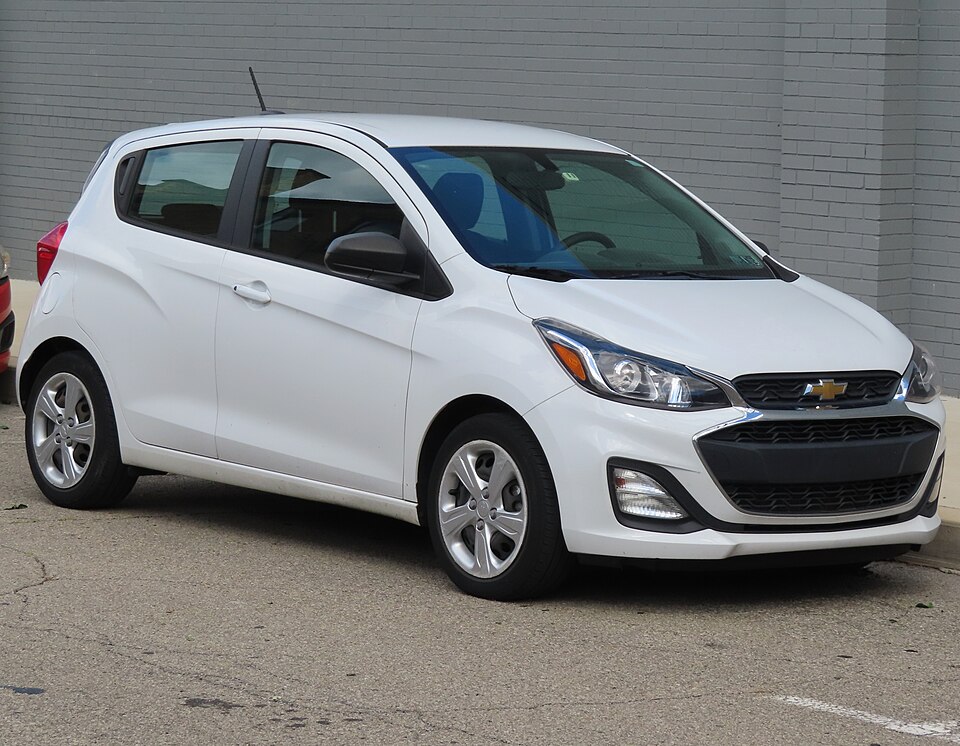
Noise insulation is limited, allowing engine and road noise to intrude into the cabin, which contributes to a less refined driving experience. Infotainment systems, while adequate, are built from lower-quality materials and are more prone to scratches or mechanical issues over time.
The Spark’s cabin prioritizes cost savings over durability or refinement, meaning it loses its appeal relatively quickly. While it remains a practical option for urban commuting and budget-conscious buyers, its interior does not offer lasting sophistication or comfort.
As a result, the Spark is consistently noted for having a cheap-feeling cabin compared with more durable and premium alternatives.
3. Mitsubishi Mirage
The Mitsubishi Mirage is one of the most economical subcompact cars on the market, but its interior reflects heavy cost-cutting.
Hard plastics cover nearly every surface, from the dashboard to the center console, giving a hollow, less substantial feel. Trim pieces can warp or develop gaps over time, diminishing the sense of quality.
Seats are covered in thin fabric with minimal padding, causing them to sag or lose support with extended use.
Stitching can fray, and cushions compress quickly, making the cabin uncomfortable for longer journeys. Controls such as buttons and knobs lack tactile feedback, and panels may rattle or squeak as the car ages.
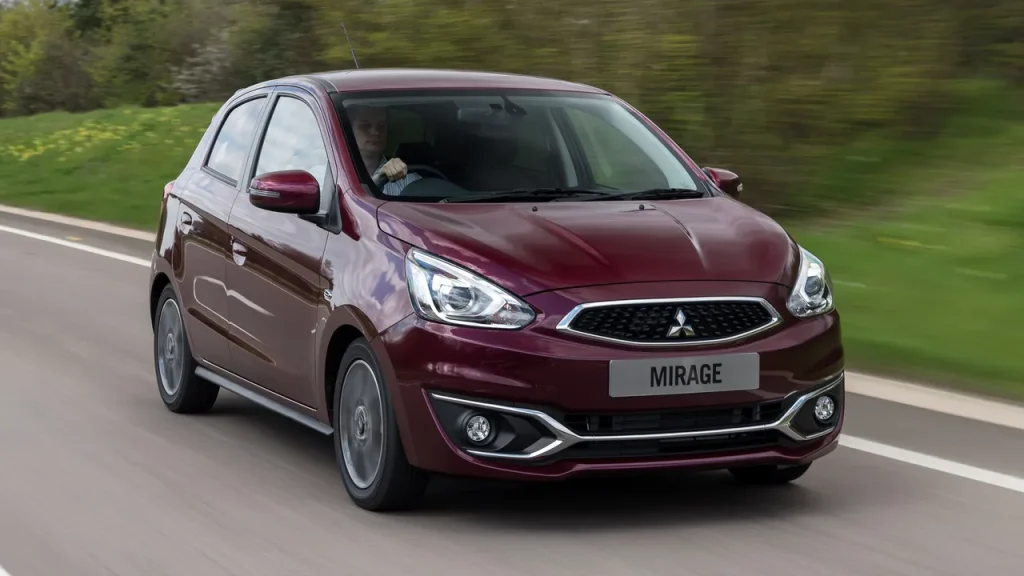
Noise insulation is minimal, so engine and road sounds are highly noticeable in the cabin, reducing the overall sense of refinement.
Infotainment and climate controls are basic and constructed from fragile plastics, increasing the likelihood of wear or malfunction over time.
While the Mirage provides excellent fuel efficiency and affordability, its interior fails to deliver a premium or enduring experience.
Drivers seeking a cabin that retains quality and comfort for years will find the Mirage lacking, as it demonstrates the limitations of ultra-budget construction in modern vehicles.
4. Ford Fiesta
The Ford Fiesta, while popular as a subcompact hatchback and sedan, has an interior that often feels inexpensive compared with rivals.
Hard plastics dominate the dashboard, center console, and door panels, many of which are prone to scratches and scuffs over time. Panel fitment can be inconsistent, leading to minor rattles and creaks as the car ages.
Seats in the Fiesta are covered with thin cloth or basic vinyl, and padding tends to compress quickly, causing a noticeable loss of support.
Ergonomics are basic, with some controls feeling awkward or flimsy under repeated use. Steering wheel and shift lever materials often show wear faster than expected, contributing to a sense of a lower-quality cabin.
Noise insulation is minimal, and road, wind, and engine sounds enter the cabin easily, reducing the perception of refinement.
Infotainment systems and controls, while functional, are built from cheap plastics that are prone to scratches or mechanical issues over time. Buttons and switches may become loose or less responsive, further diminishing the overall quality feel.
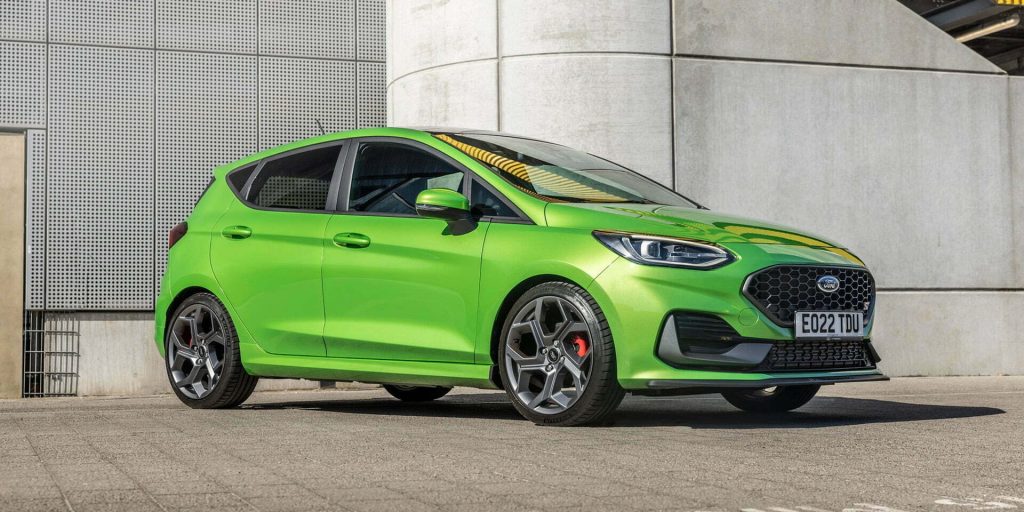
While the Fiesta delivers value, efficiency, and fun-to-drive characteristics, the interior does not maintain a premium or durable appearance.
Owners may find that after several years, the cabin feels noticeably worn and less refined than initially expected, placing it firmly in the category of vehicles with cheap-feeling interiors.
5. Hyundai Accent
The Hyundai Accent, known for its affordability and practicality, often struggles with interior refinement compared to higher-tier models.
Hard plastics cover much of the dashboard, doors, and center console, creating a hollow and less substantial tactile experience. Certain panels may develop gaps or rattles as the vehicle ages, further contributing to a cheap-feeling cabin.
Seats are upholstered in thin cloth and lack substantial padding, causing them to sag over time and reducing comfort on longer drives.
Stitching and seat surfaces can wear quickly, while controls such as buttons and knobs often feel lightweight and less durable. Steering wheel and shift lever materials are basic and show signs of wear after moderate use.
Noise insulation is limited, allowing engine, road, and wind noise to penetrate the cabin more than in competitors with premium interiors.
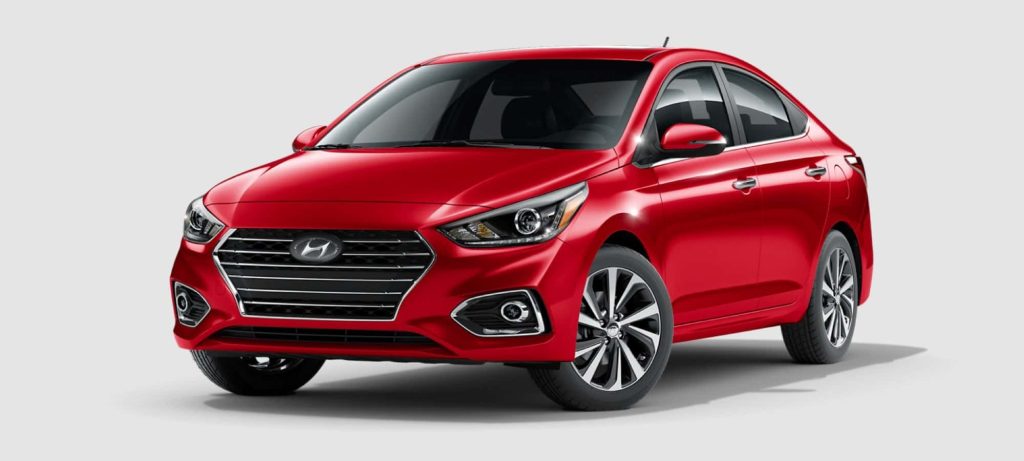
Infotainment and climate controls are simple and constructed from low-grade plastics, which are prone to scratches and wear over time. Minor cosmetic issues, such as fading trim or scuffed panels, quickly impact the perception of quality.
Although the Accent delivers reliable transportation and fuel efficiency, its interior does not retain a sense of sophistication or durability.
For buyers seeking a cabin that feels solid and premium over years of use, the Accent’s interior falls short, placing it in the category of vehicles with cheap-feeling cabins.
The quality of a car’s interior has a significant impact on the overall ownership experience. Vehicles with well-built cabins provide comfort, durability, and lasting refinement, while cars with cheap-feeling interiors can quickly reveal flaws that diminish long-term enjoyment.
Understanding which vehicles maintain a premium feel and which do not helps buyers make informed decisions, ensuring their investment in a car supports comfort and satisfaction for years.
Cars with interiors that stay premium, such as the Mercedes-Benz E-Class, Lexus ES, Audi A6, BMW 5 Series, and Volvo S90, demonstrate careful attention to materials, fit, and design.
High-quality leather, soft-touch plastics, and real wood or metal trim create a sense of luxury that endures. Panels are precisely fitted, and buttons, knobs, and controls retain their tactile feedback even after years of use.
Ergonomic seating with high-density foam and adjustable support ensures comfort while minimizing wear over time. Noise insulation and build quality further enhance the cabin experience, preventing rattles, vibrations, or fading surfaces from undermining refinement.
Thoughtful integration of technology, including infotainment and climate controls, ensures that even older models remain functional and visually appealing. These cars maintain their value and continue to offer a sophisticated driving environment long after purchase.
Conversely, vehicles such as the Nissan Versa, Chevrolet Spark, Mitsubishi Mirage, Ford Fiesta, and Hyundai Accent reveal the consequences of cost-cutting in interior design. Hard plastics dominate, panels often rattle or warp, and buttons or controls feel flimsy.
Seating materials tend to sag or wear quickly, while minimal noise insulation allows road and engine sounds to intrude. Infotainment and climate systems are constructed from lower-quality plastics that scratch or degrade with use.
These factors combine to create a cabin that feels cheap and loses its appeal over time, even if the vehicle performs adequately in other areas.
By comparing these examples, it becomes clear that interior durability, material choice, and assembly quality are key indicators of long-term satisfaction.
Buyers who prioritize lasting refinement should focus on vehicles that maintain premium interiors, while being cautious of models where cost-saving measures compromise comfort, aesthetics, and overall cabin quality.
Also Read: 12 Cars From the 2000s That Are Suddenly Collector Favorites
