Luxury cars often come with a catch: meticulous maintenance and sensitive components that demand constant attention. Not everyone can or wants to keep up with strict service schedules. Fortunately, some SUVs are built to handle a bit of neglect while still delivering long-term reliability.
From the rugged Toyota 4Runner to the practical Honda CR-V, these models are engineered to withstand years of use with minimal fuss. They offer a combination of durability, smart engineering, and practical design, making them ideal for daily commuting, weekend adventures, or family responsibilities.
These seven SUVs prove that durability does not have to mean sacrificing comfort, capability, or convenience. Unlike many high-end luxury vehicles that falter without constant upkeep, these SUVs are forgiving, dependable, and ready to perform under real-world conditions.
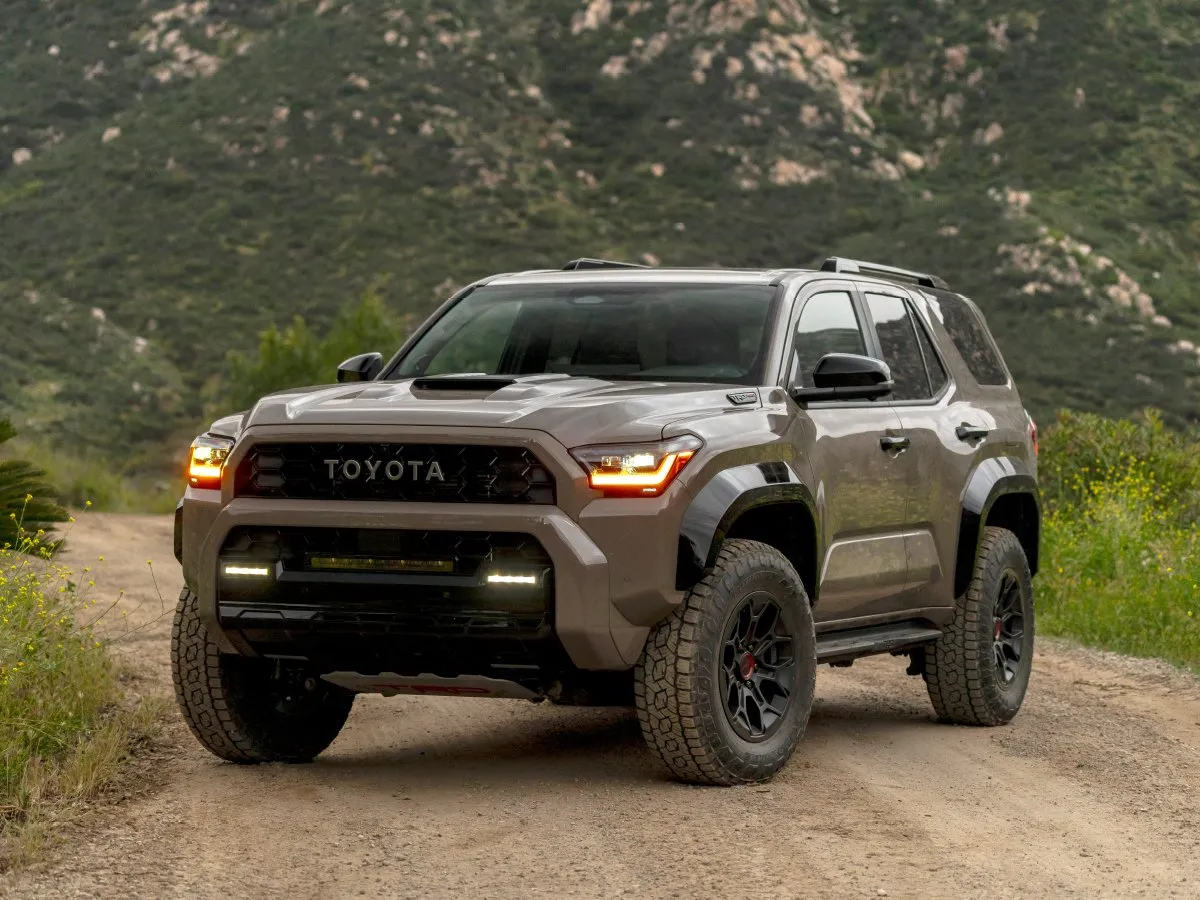
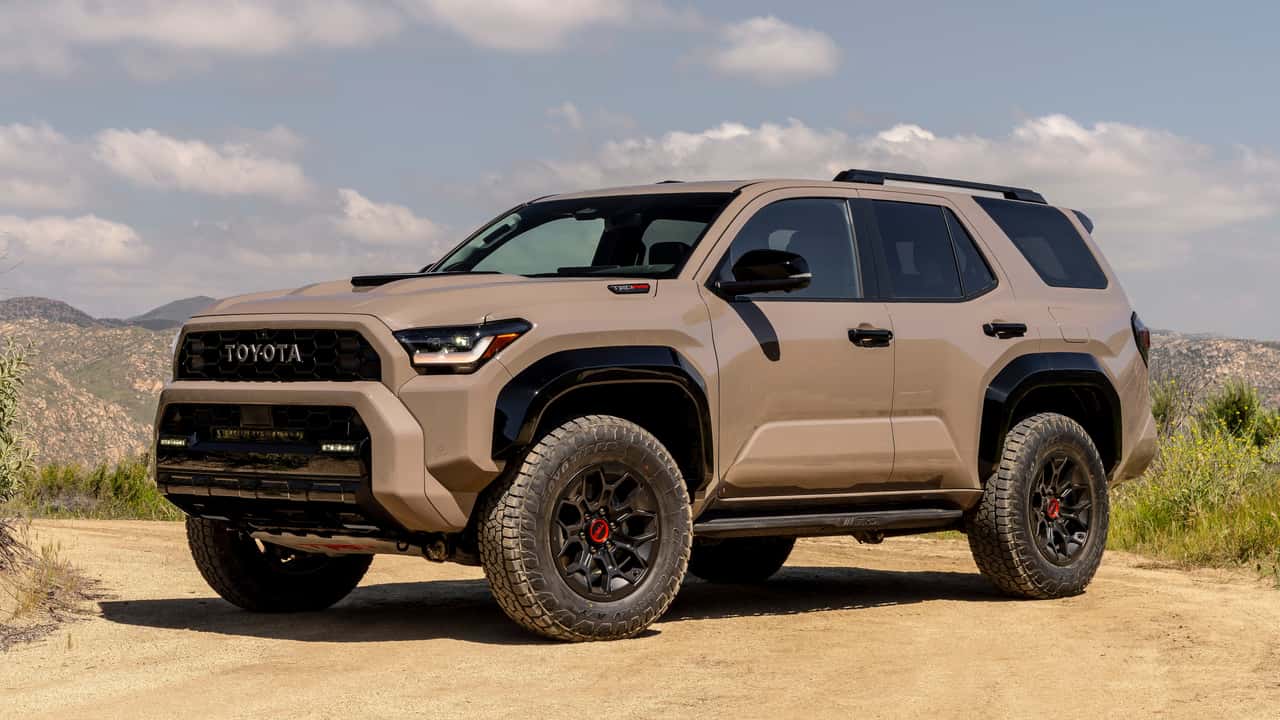
1. Toyota 4Runner: Rugged Reliability Meets Modern Convenience
The Toyota 4Runner has earned a reputation as a durable SUV, with many models surpassing 300,000 miles. Its time-tested body-on-frame construction and naturally aspirated engine simplify maintenance and reduce the number of components that can fail.
This makes it an ideal choice for drivers seeking a vehicle that can endure years of use, even if maintenance schedules are occasionally overlooked. The 4Runner’s rugged engineering provides a forgiving experience, making it a strong contender for those prioritizing reliability and off-road capability over luxury.
Under the hood, the 4Runner’s gas powertrain delivers adequate performance, offering enough power for both city driving and highway cruising. Acceleration is slightly slower compared to hybrid alternatives, taking 8.2 seconds from 0 to 60 mph versus 7.7 seconds, but the difference is marginal in everyday driving.
However, the driving dynamics leave something to be desired. The SUV exhibits noticeable body roll, a busy rear suspension, and steering that requires more input than expected, resulting in a somewhat unsettled ride even on smooth roads.
While its ride is more comfortable than competitors like the Ford Bronco and Jeep Wrangler, it still trails behind models such as the Honda Passport. On the positive side, safety features are comprehensive, with adaptive cruise control, lane-keeping assist, and blind-spot monitoring included as standard.
Inside, the 4Runner offers a mixed experience. Front seats are comfortable, but rear seating is cramped, with limited legroom, headroom, and flat cushions that compromise support.
Rear doors are small, complicating child seat installation. Cabin noise can be intrusive, particularly under acceleration, and the four-cylinder engine produces a less-than-refined sound. Despite this, climate control is user-friendly and effective, with intuitive knobs that quickly heat or cool the cabin.
The 4Runner’s tech setup includes either an 8-inch or 14-inch touchscreen, depending on trim, both compatible with wireless Android Auto and Apple CarPlay. USB ports and an optional wireless charger are available, although the latter struggles to secure phones effectively.
Toyota’s built-in navigation system is functional and voice-responsive, but smartphone mirroring often offers a smoother experience. Navigation services require a data plan after an initial trial period.
Cargo capacity is solid in gas models, offering 48.4 cubic feet behind the rear seats and a manageable load-in height. With a third row in use, cargo space drops dramatically to 12.1 cubic feet, limiting practical use to five passengers when carrying gear.
Max towing capability reaches 6,000 pounds, above average for the segment. Interior storage is thoughtfully distributed with door pockets, a glovebox shelf, and a center console bin, although the latter is modest in size.
The 4Runner’s value largely depends on trim selection. Base models are reasonably priced, but higher trims, including the TRD Pro and Limited, can exceed $60,000. Build quality is solid, and even when pushed off-road, the cabin remains free of rattles and squeaks.
The 4Runner is a reliable, rugged SUV that blends proven durability with modern convenience, appealing especially to those prioritizing long-term reliability over sporty handling or premium comfort.
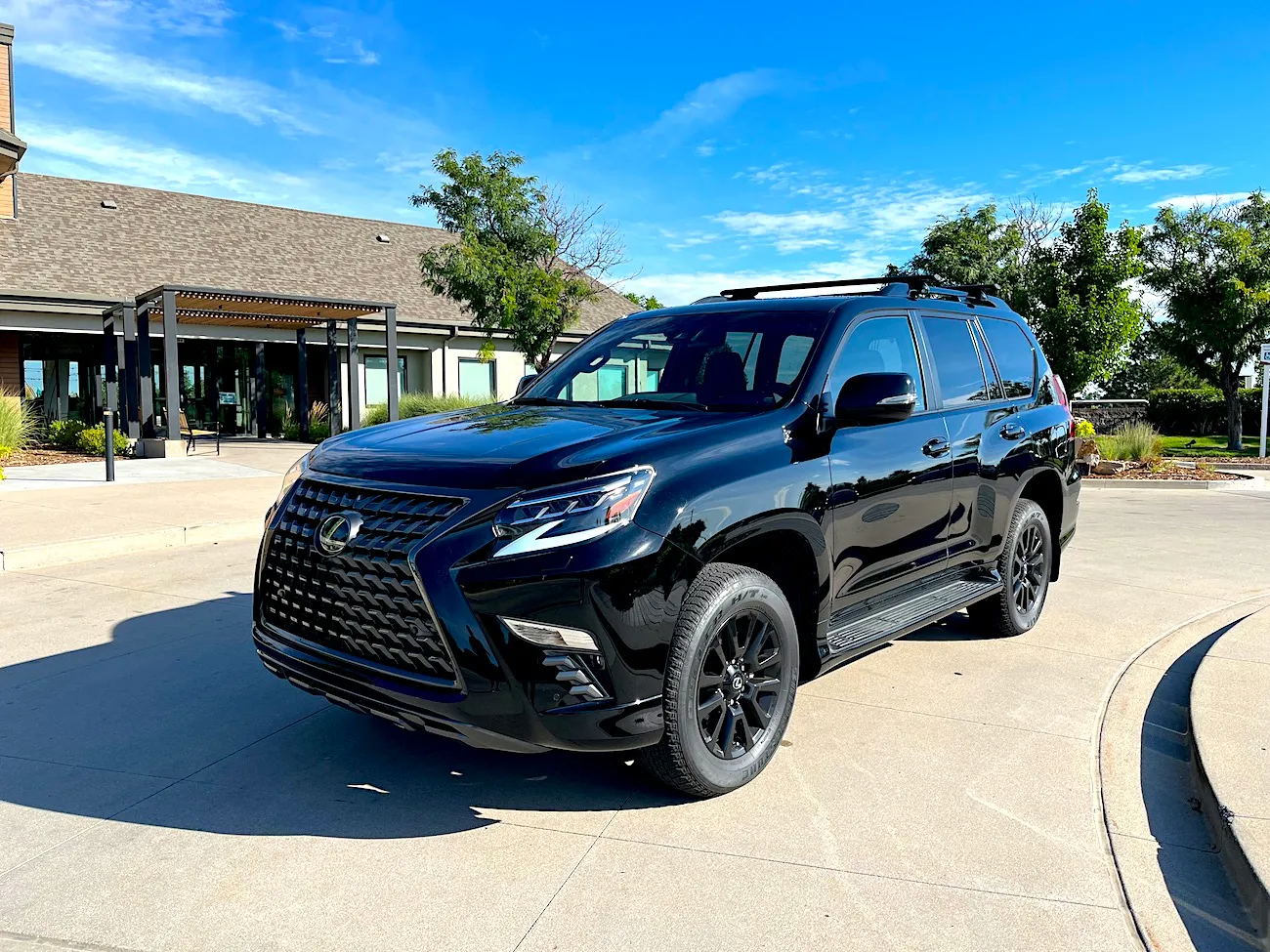
2. Lexus GX 460: Luxury Meets Rugged Reliability
The Lexus GX 460 is the luxury counterpart to the Toyota 4Runner and Land Cruiser Prado, sharing the same proven body-on-frame construction. This solid foundation contributes to exceptional reliability, with Consumer Reports naming it the most reliable new vehicle in 2021.
The GX appeals to drivers seeking a dependable SUV that combines Toyota’s legendary durability with upscale features, offering a no-fuss ownership experience with a touch of luxury.
Powering the GX 460 is a turbocharged V6 paired with a 10-speed automatic transmission, providing strong acceleration and smooth performance. In testing, the GX reached 0 to 60 mph in 6.7 seconds, making it quick for highway merges and passing slower traffic.
While the SUV exhibits noticeable body roll when cornering, it remains stable and composed. Off-road capabilities are strong, particularly in the Overtrail trim, which includes a locking rear differential and other enhancements to boost rugged performance.
The GX comes with a suite of driver assistance features, although some, like the hands-free driving system, can be finicky, operating only at low speeds and issuing frequent alerts.
Surround-view and off-road camera systems, however, work very well. On-road ride quality is impressive for such a tall SUV, and Luxury trims equipped with road-oriented tires offer an even smoother experience than the all-terrain-equipped Overtrail models.
The GX delivers a quiet cabin, supportive front and second-row seats, and a high seating position that eases entry with the help of running boards. However, space is somewhat constrained: the second row is tighter than expected, and the third-row bench is very cramped with knees positioned high.
Driver controls are well-designed, with physical buttons and dials complementing the touchscreen interface, making climate and multimedia management straightforward. Installing a car seat is feasible with three LATCH anchors, though the narrow door openings can complicate access.
The GX features a striking 14-inch touchscreen with crisp graphics, responsive performance, and wireless smartphone connectivity. Navigation is not included by default; continuing the cloud-based service after the trial period requires a subscription. USB-C ports are available in both rows, and a discreet wireless charging pad is integrated into the center console, offering modern connectivity without clutter.
Cargo space is limited in three-row configurations, with just 10.3 cubic feet behind the rear seats. Folding the third row expands capacity to 40.2 cubic feet, and dropping the second row increases it to 76.9 cubic feet. Two-row Overtrail trims provide significantly more cargo room.
Small-item storage is somewhat compromised if the cooled center console is selected, but door pockets and other compartments remain functional. Towing capacity exceeds 9,000 pounds, surpassing competitors like the Cadillac Escalade and Infiniti QX80.
The GX 460 is a luxurious off-roader with a well-built cabin and premium features. Pricing, especially for Overtrail models, can be high, but buyers get refinement, style, and durability in return.
Some optional features, like navigation, require a subscription after a trial period. Fuel economy is modest at 17 mpg combined, comparable to other large SUVs such as the Mercedes-Benz G-Class. The GX balances luxury and off-road capability, making it highly appealing to buyers who want both performance and prestige.
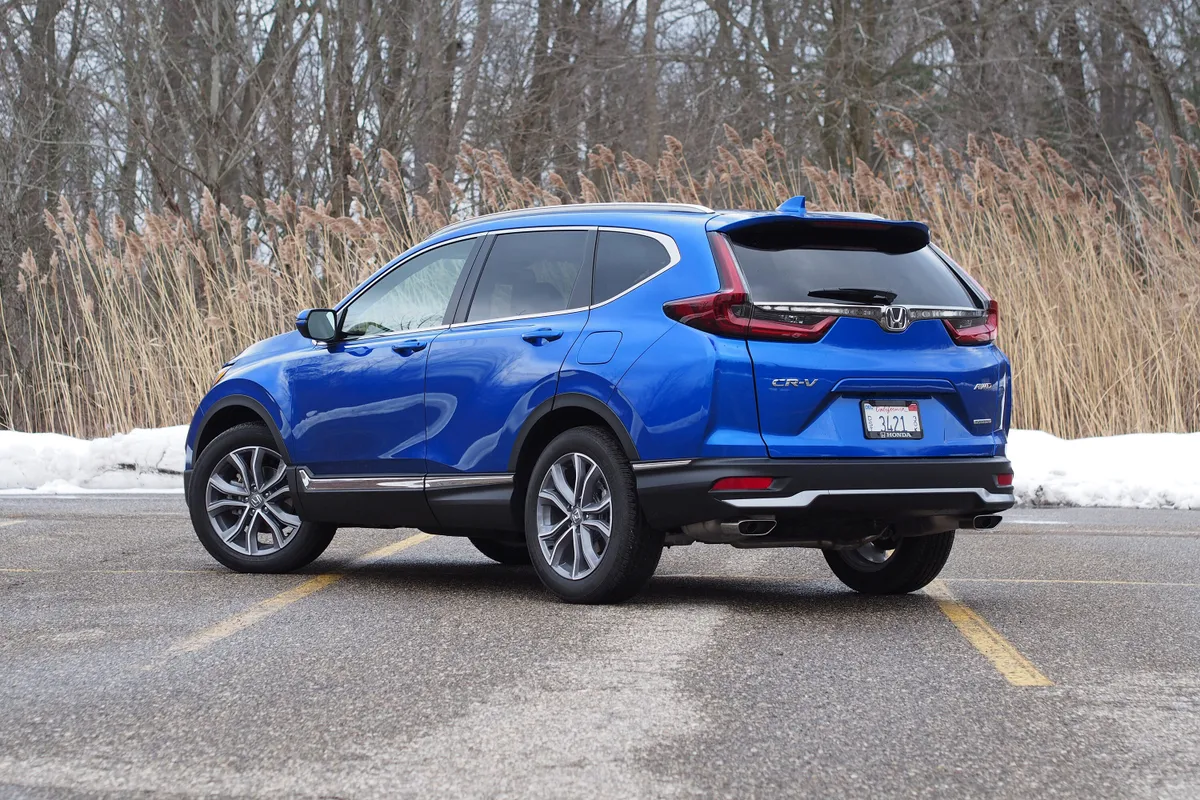
3. Honda CR-V: Reliable, Practical, and Efficient
The Honda CR-V is consistently recognized as one of the most reliable compact SUVs, with many examples surpassing 200,000 miles when properly maintained. Its low maintenance costs and durable components make it a practical choice for budget-conscious drivers who need a dependable daily driver with strong resale value.
While it isn’t as rugged as larger SUVs like the Toyota 4Runner, the CR-V’s reputation for long-term reliability remains impressive.
The CR-V delivers a composed and responsive ride for a compact SUV. The hybrid Sport Touring model accelerates from 0 to 60 mph in 8.0 seconds, a figure typical for the segment. Braking is smooth and effective, and the hybrid system operates seamlessly, with simulated gears providing a familiar driving feel.
The CR-V handles corners confidently, and its responsive steering gives drivers adequate road feedback. Ride quality is a particular strength, providing a smooth and comfortable experience over most surfaces.
Visibility is mixed: large front windows aid forward sightlines, but rear visibility is limited, though parking cameras help compensate. Advanced driver-assistance features are effective, though some competitors offer a broader array of options.
The CR-V excels in interior comfort and ergonomics. Both rows offer generous space, and large windows create a bright, open feel. Front seats are supportive and adjustable, while rear seats provide above-average legroom, making child seat installation straightforward.
Door openings are wide, and seat heights are ideal for adults to enter and exit without difficulty. Controls are intuitive and easy to use, with physical climate controls that can be adjusted without taking eyes off the road.
The CR-V provides ample tech for daily use, though it lags slightly behind competitors. The standard 9-inch infotainment screen is functional but smaller than rival systems, and wireless Apple CarPlay and Android Auto are standard, along with a wireless charging pad.
USB ports are plentiful, though base trims include fewer connections. The system is generally quick and user-friendly, though more advanced options available in larger Honda models are absent here.
Cargo space is above average for a compact SUV, though hybrid models sacrifice some space and do not include a spare tire. While the cargo floor isn’t especially deep, the area offers ample width and vertical space for larger items.
Interior storage is functional, with a generous under-armrest bin, good-sized cupholders, door pockets, and a dedicated phone storage area, ensuring everyday items have a place without cluttering the cabin.
The CR-V represents solid value within its segment. Build quality is strong, with minimal rattles and a quiet, smooth ride. While some hard plastics are used in the cabin, Honda mitigates this with soft-touch surfaces and thoughtful design details.
Pricing is slightly higher than some rivals, but the combination of reliability, comfort, and efficiency makes it justifiable. Non-hybrid CR-Vs achieve up to 30 mpg combined, while hybrids reach 37–40 mpg, depending on drivetrain and real-world driving conditions.
The CR-V blends practicality with a restrained, understated design. While it doesn’t stand out dramatically, it offers an enjoyable driving experience for a compact crossover, thanks to responsive controls, solid handling, and efficient hybrid options. This SUV is designed to meet everyday needs without fuss, making it a dependable and versatile choice for small-family or commuter use.
Also Read: 10 Cars That Owners Call the Best Purchase Ever
4. Subaru Forester: Dependable All-Weather Compact SUV
The Subaru Forester is widely recognized for its reliability and safety. Its durable Symmetrical All-Wheel Drive system and robust construction have kept many Subarus from the last decade on the road with minimal issues.
This makes it an appealing choice for drivers in varied climates who need consistent all-weather capability without sacrificing long-term dependability. While not the most sophisticated SUV, its solid engineering ensures it remains a dependable option.
The Forester’s driving dynamics leave something to be desired. Its 180-horsepower 2.5-liter four-cylinder engine feels underpowered, taking 9.2 seconds to reach 60 mph and struggling to maintain highway speeds during acceleration.
Acceleration in city traffic can feel sluggish, and merging onto highways may be stressful for those seeking more spirited performance. Ride quality is inconsistent, with a busy suspension that pitches over bumps, while adaptive cruise control and lane-centering systems can be slow or occasionally unresponsive.
Braking and handling are adequate, providing decent grip and emergency stopping power, but the vehicle’s performance remains average.
The Forester’s all-wheel-drive system does provide an advantage on unpaved roads and in inclement weather, giving it a slight edge over some competitors in off-road situations.
Entry and exit are easy thanks to wide door openings and well-positioned seats. Headroom is generous, accommodating taller passengers comfortably, while front seats are well-shaped and padded to suit a range of body types. Interior ergonomics are straightforward, dominated by an 11.6-inch tablet-style display with large icons for easy navigation.
Climate control coverage is sufficient, though some controls retain a simple, old-school design. Noise insulation is reasonable, with engine and wind noise contained under normal driving, though acceleration can produce noticeable engine sounds.
The Forester’s portrait-oriented touchscreen is easy to use but lacks the modern styling and graphics of rivals like the Kia Sportage. Response times can be slow, though connectivity works reliably. USB-A and USB-C ports are included, and a wireless charging pad is available, though it struggles to hold devices securely. Optional Harman Kardon audio improves the in-cabin experience considerably.
Storage for small items is limited, with a small center console, average door pockets, and cupholders that may not accommodate large drinks. Rear cargo space, however, is generous, allowing for more luggage than the CR-V despite slightly lower published volume. Functionally raised roof rails expand versatility for outdoor gear, though towing capacity remains modest at 1,500 pounds.
The Forester offers decent value thanks to standard all-wheel drive and a functional interior. However, it falls short in performance, efficiency, and refinement compared to competitors. Warranty coverage is standard for the segment: three years/36,000 miles bumper-to-bumper and five years/60,000 miles for the powertrain, with three years of roadside assistance.
The EPA rates the Forester at 28 mpg combined for gasoline models, though real-world driving often results in 25 mpg or less. The hybrid model improves efficiency to 35 mpg combined.
The Forester remains predictable and familiar, favoring functionality over flash. Its boxy shape, all-wheel drive, and ground clearance make it well-suited for winter conditions and light off-road adventures. While it lacks cutting-edge styling and technology, its competence, dependability, and all-weather capabilities make it a reliable, safe, and practical choice for cautious or outdoors-minded buyers.
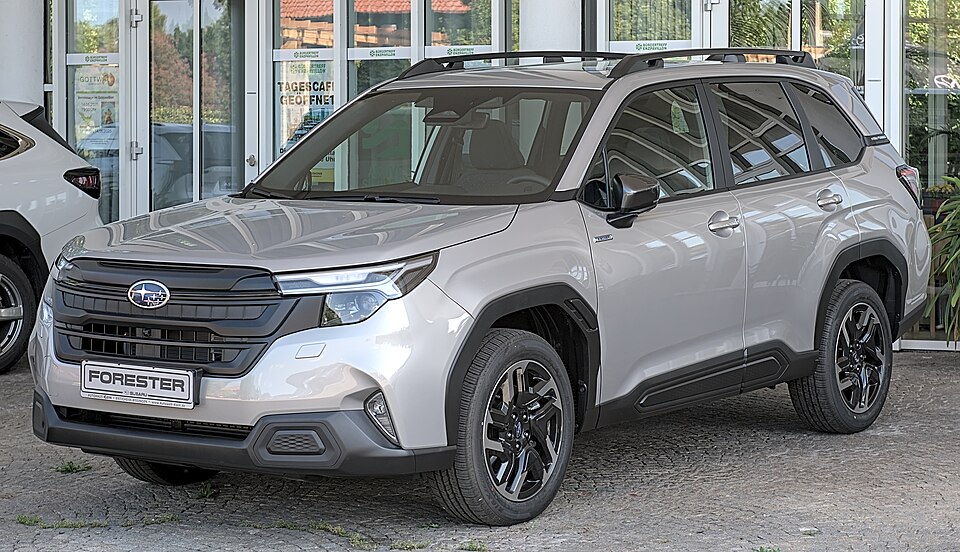
5. Toyota RAV4: Reliable, Practical, and Efficient
The Toyota RAV4 is the world’s best-selling SUV, built on a proven and refined powertrain that has been perfected over decades. Its simple, reliable engineering makes it a safe choice for long-term ownership, reflecting Toyota’s core philosophy of durability and longevity. The RAV4 appeals to drivers seeking a practical, low-maintenance vehicle with strong resale value.
The RAV4 offers a comfortable and composed ride, with excellent visibility and a driving position that suits most drivers. Its engine performs adequately for city driving and highway merging, though acceleration is modest, 0 to 60 mph in 9.1 seconds in Edmunds’ testing, slightly slower than the class average. Steering feels vague at the center, reducing feedback, which may make precise maneuvers less intuitive.
For those opting for the Limited trim, the upgraded all-wheel-drive system includes rear-axle torque vectoring and hill descent control, enhancing off-road capability for a compact SUV. Standard driver-assistance features include adaptive cruise control, lane-keeping assist, and automatic emergency braking, with more advanced options available on higher trims.
The RAV4 provides a roomy and accessible cabin. Entry and exit are easy, though the front passenger seat height can be too high on some trims. The driver’s seat and steering wheel offer good adjustment, but taller drivers may desire slightly more flexibility.
Controls are intuitive, with large knobs for climate and audio systems and clear labeling throughout. Installing car seats is straightforward, with easy-to-access LATCH anchors for both forward- and rear-facing seats.
Technology is user-friendly, with an 8-inch standard touchscreen and a 10.5-inch unit on the top-tier Limited trim. Both offer responsive interfaces for navigation, media, and vehicle settings.
Wireless Apple CarPlay and Android Auto come standard, while wireless charging is optional on higher trims. Toyota’s infotainment system is straightforward, making it easy for drivers to access information with minimal distraction.
The RAV4 excels in cargo space, offering 37.5 cubic feet with rear seats up and 69.8 cubic feet when folded. A low cargo floor simplifies loading, and multiple shelves and bins provide functional storage for smaller items. Towing capacity reaches 1,500 pounds, which is average for the compact SUV segment but adequate for light-duty needs.
The RAV4 is well-built with high-quality materials, including tactile surfaces on knobs and door pulls, and synthetic leather upholstery on higher trims. Toyota’s two-year/25,000-mile complimentary maintenance program enhances the vehicle’s value, though warranty coverage remains standard.
Fuel economy is competitive, with EPA estimates ranging from 28 to 30 mpg combined, depending on trim and powertrain. Real-world testing has shown averages between 25.6 and 32.3 mpg over varied conditions.
The RAV4’s design is somewhat rugged but restrained, appealing to buyers seeking practicality over flash. Driving it is effortless and dependable, though not particularly thrilling. Its strength lies in reliable, low-fuss transportation that balances comfort, efficiency, and everyday utility, making it a sensible choice for commuters, families, and budget-conscious drivers alike.
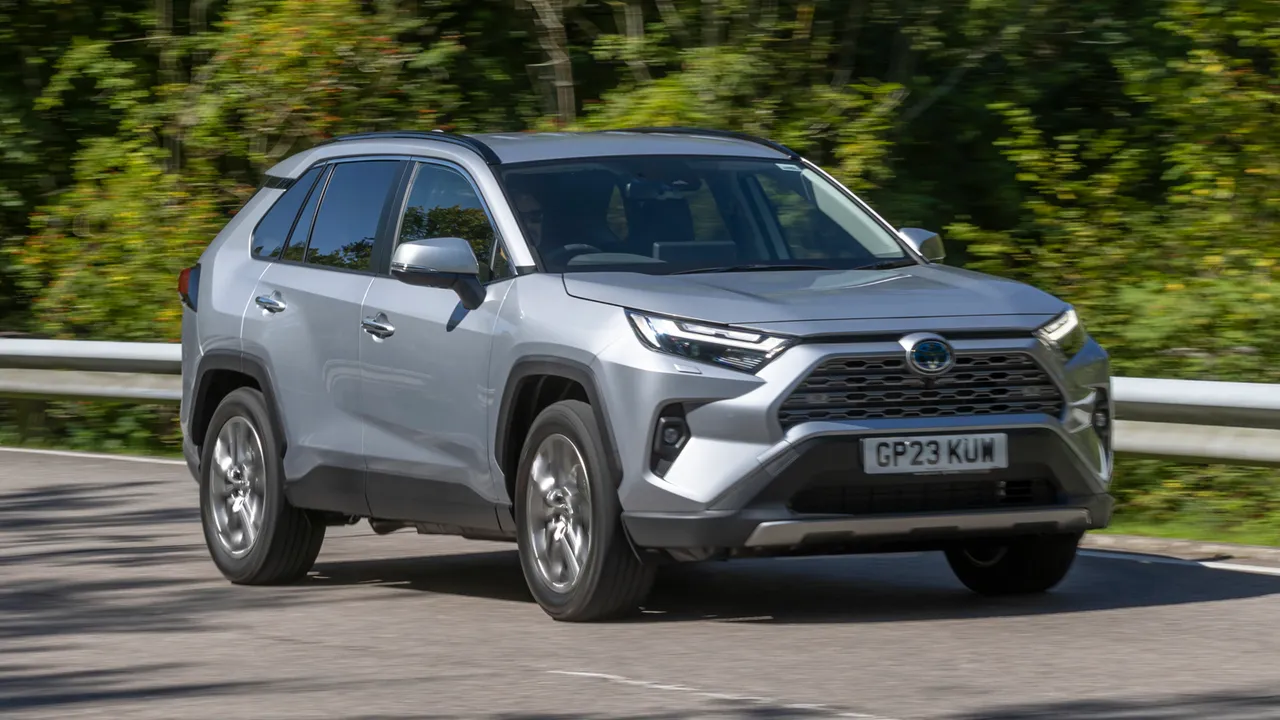
6. Jeep Wrangler: Iconic Off-Roader with Rugged Durability
The Jeep Wrangler prioritizes ruggedness and repairability over conventional reliability metrics. Its straightforward mechanical systems are built to withstand abuse, making it a favorite among off-road enthusiasts.
While reliability ratings are average compared to some rivals, the Wrangler’s durability stands out in rough conditions, provided owners perform regular inspections and maintenance. Heavy off-road use requires more attentive care, but the parts themselves are designed to last.
The Wrangler excels off-road, particularly in trims like the Rubicon and when equipped with packages such as the Xtreme Off-Road, which adds 37-inch tires and extra ground clearance. It handles rocky trails, sand dunes, and other extreme terrains with confidence, demonstrating its legendary capability.
On paved roads, however, the Wrangler’s performance is less impressive. The suspension and tires absorb bumps and potholes well, providing a firm but manageable ride, yet steering is vague and requires constant correction on highways.
Acceleration is modest with the V6 engine, and braking distances are longer than average. Advanced driver-assistance features such as blind-spot warning and adaptive cruise control are generally effective but are optional on most trims, limiting their availability.
Daily driving comfort is limited in the Wrangler. Front seats are flat and firm, offering minimal support for long journeys. Road noise from wind and tires is prominent, and the high seating position may challenge shorter drivers during entry and exit, though pillar-mounted grab handles help.
The cabin is narrow, with a close upright windshield, but the commanding driving position and straightforward controls are positives. Installing child safety seats in the four-door Unlimited is feasible, though rear-facing seats may require moving the front seat forward.
Technology in the Wrangler is modern and functional. The large center touchscreen is responsive and easily visible in all lighting conditions. Wireless Apple CarPlay and Android Auto are standard, and a variety of off-road apps enhance the trail-driving experience. While the Wrangler’s tech setup is capable, interior storage for small items is limited, with shallow door pockets and minimal bins up front.
The Wrangler’s boxy design aids cargo capacity in its compact footprint, though it is narrower than some competitors like the Ford Bronco, which provides slightly more room. Maximum towing capability is 5,000 pounds when properly equipped, and the Wrangler can be flat-towed behind a motorhome. Storage for small items is limited but manageable for daily use or off-road gear.
The Wrangler’s wide range of trims, from stripped-down Sport models to fully loaded Rubicon 392 editions, allows buyers to find a version that fits their budget. Interior materials are tactile and visually appealing, and switchgear feels satisfying to use. Warranty coverage is average for the segment.
Fuel economy is modest, with the four-cylinder Wrangler estimated at 21 mpg combined and the Rubicon closer to 17 mpg, comparable to other off-road SUVs like the Ford Bronco.
Few SUVs match the Wrangler’s iconic status. Its decades-long heritage, distinctive design, and passionate community of enthusiasts set it apart in the off-road segment. While it may compromise comfort and on-road refinement, the Wrangler delivers a unique combination of capability, personality, and rugged appeal that few competitors can match.
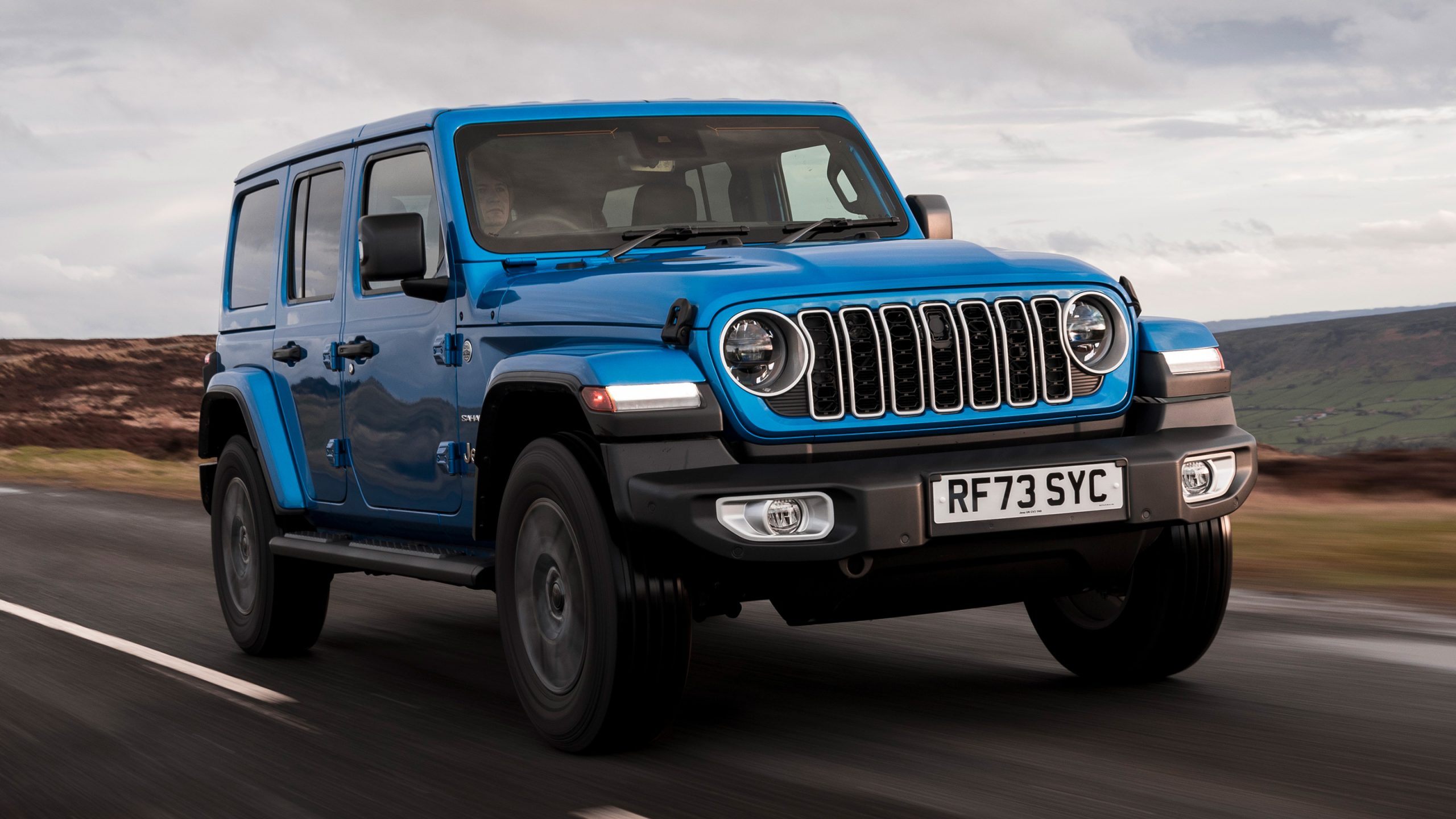
7. Ford Explorer: Family-Friendly Performance SUV
The Ford Explorer has seen significant improvements in reliability, particularly since the 2020 redesign. Built with durable components, newer models have fewer unscheduled repairs compared to older generations. Drivers seeking a spacious, family-oriented SUV with strong performance can rely on recent Explorers, though reliability ratings remain average to good depending on the model year.
The Explorer stands out for its athleticism, particularly in performance trims like the ST and Platinum. The turbocharged V6 in these models produces 400 horsepower, with the ST reaching 0-60 mph in just 5.6 seconds. Even the base turbo-four engine delivers competitive performance compared to rivals like the Kia Telluride and Honda Pilot.
The Explorer is surprisingly agile for a midsize three-row SUV, offering stable handling and a smooth ride in daily driving. However, the auto stop-start system can be intrusive at stoplights, though it can be disabled. Ford’s driver-assistance technologies are generally unobtrusive, and the BlueCruise hands-free highway driving system is available via subscription, performing well under specified conditions.
Front-seat comfort is excellent, with supportive and well-cushioned seats. Heated and ventilated options perform effectively, and some trims include massaging seats, though these are noisy and less effective. Rear-seat comfort is less impressive; second- and third-row occupants experience narrow seats with minimal cushioning and uncomfortable headrests.
The third row sits low, lifting passengers’ legs off the seat bottom. Ride quality varies by trim, with performance-focused ST models offering a stiffer ride compared to more composed non-ST trims.
The Explorer’s latest infotainment is a major upgrade. Standard features include a 12.3-inch digital instrument cluster and a 13.2-inch center touchscreen. Google Maps serves as the default navigation system, and Google Assistant handles voice commands.
Wireless Apple CarPlay and Android Auto are available, and numerous USB ports throughout the cabin provide charging for all passengers. The system is responsive and user-friendly, enhancing convenience for families.
Cargo space behind the third row is limited to 16.3 cubic feet, but folding the second and third rows expands capacity to a maximum of 85.3 cubic feet. Practical touches include an underfloor storage bin and a reversible cover suitable for muddy or dirty items. Small-item storage is adequate for front passengers, but second- and third-row passengers have fewer cubbies and bins available.
The Explorer delivers solid value with its features and build quality, though it does not match the Hyundai Palisade or Kia Telluride in warranty coverage or refinement. Optional features can be pricey, but the complete package remains competitive.
Fuel economy ranges from 24 mpg combined with the base engine and rear-wheel drive to 20 mpg with the V6 and all-wheel drive, with real-world performance depending on driving style.
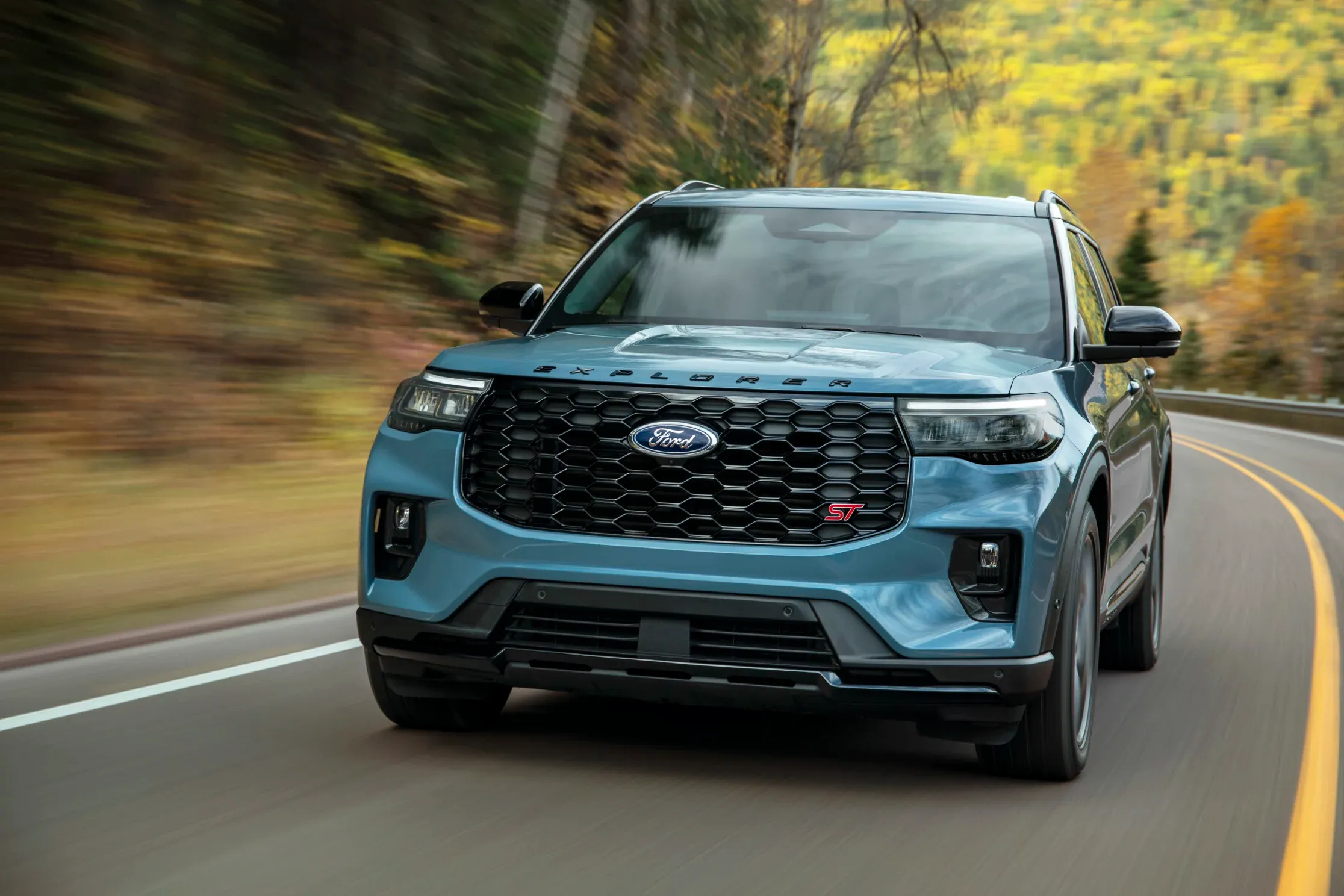
The Explorer combines practicality with driving enjoyment, making it one of the most engaging midsize three-row SUVs to drive. The V6 engine is powerful, though lacking a thrilling exhaust note, and the styling is fairly generic. Performance trims like the ST add visual appeal and sportiness, but the Explorer excels more for its dynamic driving experience than for standout design.
Reliability does not require giving up comfort or practicality. SUVs like the Toyota 4Runner, Jeep Wrangler, and Subaru Forester show that rugged design, robust construction, and well-thought-out features can withstand neglect better than many luxury cars.
They offer peace of mind, low-maintenance ownership, and versatile performance for daily driving, family duties, or off-road excursions. By combining durability with modern conveniences, these seven vehicles prove that longevity and practicality can coexist without compromise.
For drivers who prioritize resilience and dependable performance over high-maintenance luxury, these SUVs are smart, enduring choices that reward owners with years of trouble-free service.
Also Read: 10 Best-Selling Cars in the U.S. and What Makes Them Stand Out