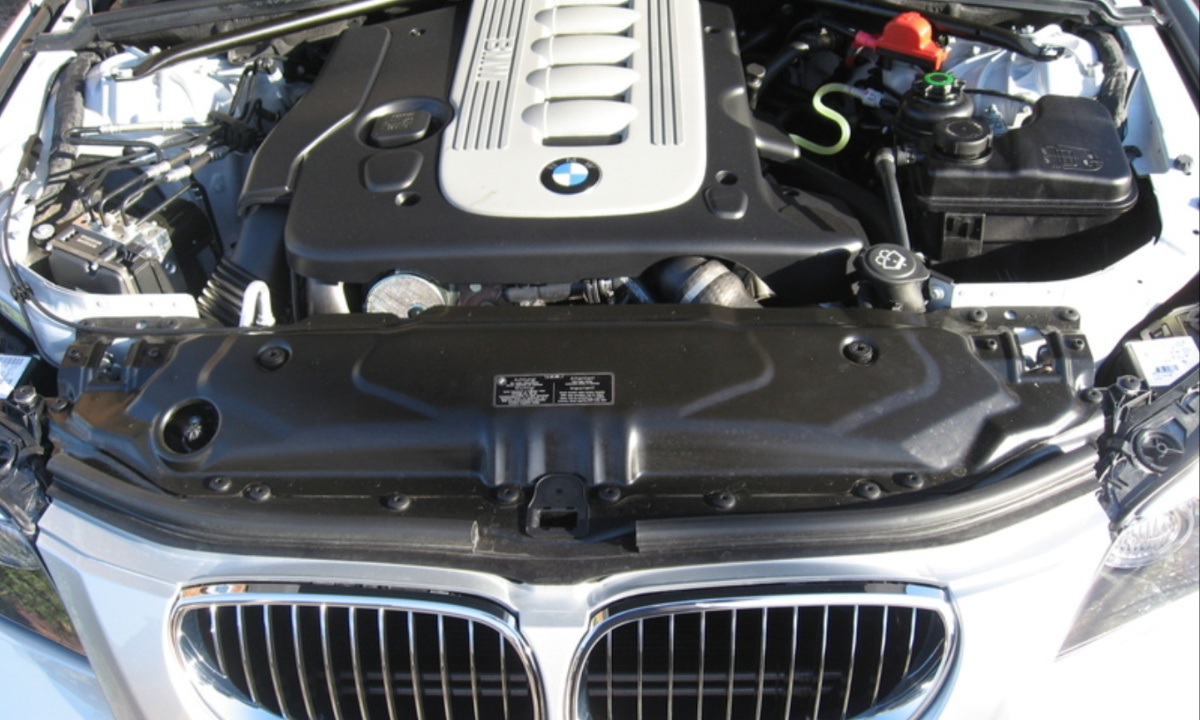
Turbocharged engines often carry a reputation for thrilling performance, but also for being high-strung and maintenance-intensive. Yet, some engines defy that stereotype, delivering decades of reliable service while still offering spirited power.
In this roundup, we explore ten turbo engines that have earned their reputations not just for speed, but for endurance, resilience, and engineering excellence.
From the high-revving Mazda 2.3 L DISI Turbo, which rewards diligent maintenance with strong performance, to the stalwart Cummins 5.9 L 12-Valve Turbo Diesel I6, known to surpass half a million miles with minimal fuss, these engines demonstrate that forced induction doesn’t have to come at the cost of longevity.
You’ll find examples from American, European, and Japanese engineering, covering both gasoline and diesel designs, showing how thoughtful materials, robust construction, and proper care can produce turbo engines capable of decades of abuse. These ten power plants prove that performance and durability can coexist.
1. Mazda 2.3 L DISI Turbo: Performance Meets High-Maintenance Reality
The Mazda 2.3 L DISI Turbo engine, featured in the Mazdaspeed3, Mazdaspeed6, and CX‑7 Turbo between 2006 and 2013, is a turbocharged direct-injection inline-four designed to deliver strong performance. Stock Mazdaspeed3 models produce around 263 horsepower and 280 lb‑ft of torque, offering an engaging and responsive driving experience.
The engine’s aluminum block, piston cooling, and moderate boost curve allow it to handle spirited driving and even high mileage when properly maintained, although it demands careful attention.
Despite its performance capabilities, the 2.3 L DISI Turbo has a reputation for being high-maintenance and prone to reliability issues. Some owners on Reddit have reported engines reaching 125,000 to 178,000 miles in stock form, often requiring major components like turbos to be replaced along the way.
These cases demonstrate that the engine can be durable, but longevity is heavily dependent on consistent, proactive care and attention to its known weaknesses.
Common issues include excessive oil consumption, which can lead to dangerously low oil levels if not monitored, and oil starvation, which can cause severe engine damage such as piston-to-head contact or rod bearing failure.
Timing chain stretch over time can reduce compression and affect performance, while improper handling of components like the crank pulley can result in bent valves. Additional vulnerabilities include leaks from valve cover gaskets and other seals, which require ongoing maintenance to prevent larger problems.
Owners who are willing to maintain the engine diligently can improve its reliability. Frequent oil changes, regular monitoring of fluid levels, and replacing or upgrading known weak components, such as the flywheel, can extend the engine’s lifespan. Awareness of potential risks and a readiness to address them proactively are essential for anyone considering this engine.
The 2.3 L DISI Turbo combines exciting performance with the potential for durability, but it is best suited to drivers prepared for meticulous maintenance. It can provide both exhilarating daily driving and long-term dependability when treated with care. For those unprepared to invest time and effort into its upkeep, it remains a high-maintenance engine with distinctive character and notable performance potential.
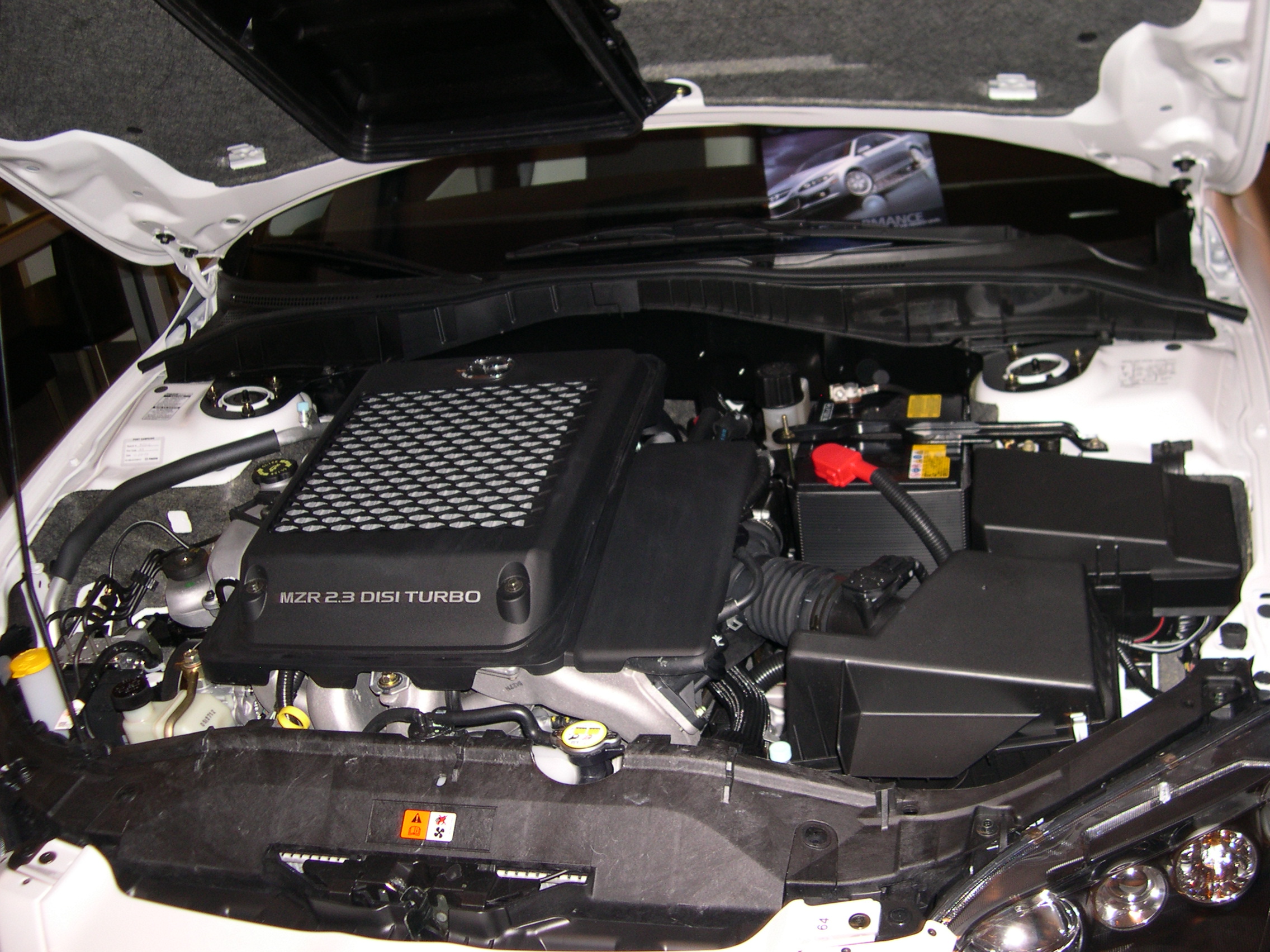
2. Ford 2.3 L EcoBoost I4: Reliable Modern Turbo for Daily Use
The Ford 2.3 L EcoBoost I4, used in vehicles such as the Mustang EcoBoost, Ranger, Bronco, and Explorer since 2015, is a turbocharged direct-injection inline-four designed to balance performance and everyday reliability.
Depending on the application, this engine produces between 270 and 310 horsepower and 210 to 350 lb‑ft of torque. Its aluminum block, twin-scroll turbocharger, and aggressive cam timing allow it to deliver spirited performance while remaining durable for long-term use.
Unlike some high-strung turbo engines, the 2.3 L EcoBoost is built to be a daily driver, capable of enduring the rigors of consistent use. Owners on forums like Reddit have reported exceptional longevity, with one 2018 Mustang reaching 238,000 miles on the original engine and turbo without any major repairs.
This demonstrates that the engine is not only strong but can maintain reliability well past the 200,000-mile mark if properly maintained.
While the engine has a strong reputation, it does have some quirks. Early models occasionally experienced head gasket issues, though these have been largely resolved in later iterations. Carbon buildup on intake valves is another concern typical of modern direct-injection engines, and turbo lag may be noticeable under certain conditions.
However, these potential problems can generally be managed with careful maintenance practices. Using high-quality synthetic oil, maintaining proper service intervals, and cleaning intake valves periodically are all effective ways to preserve engine performance and longevity.
The 2.3 L EcoBoost benefits from a well-developed architecture and robust internal components. Its modular design allows it to be adapted across multiple Ford platforms, contributing to a proven track record of durability.
Improvements in cooling systems and internal components over earlier EcoBoost engines have addressed initial reliability concerns, making the 2.3 L version a refined and dependable powerplant. Its combination of strong construction, versatile design, and thoughtful engineering enables it to handle both daily commuting and spirited driving without major issues.
The Ford 2.3 L EcoBoost I4 represents a modern, reliable turbocharged engine that can last well beyond 200,000 miles when treated with care. It delivers a satisfying blend of performance, efficiency, and everyday dependability, making it an excellent choice for drivers seeking a turbocharged engine that is both fun to drive and built to endure regular use.
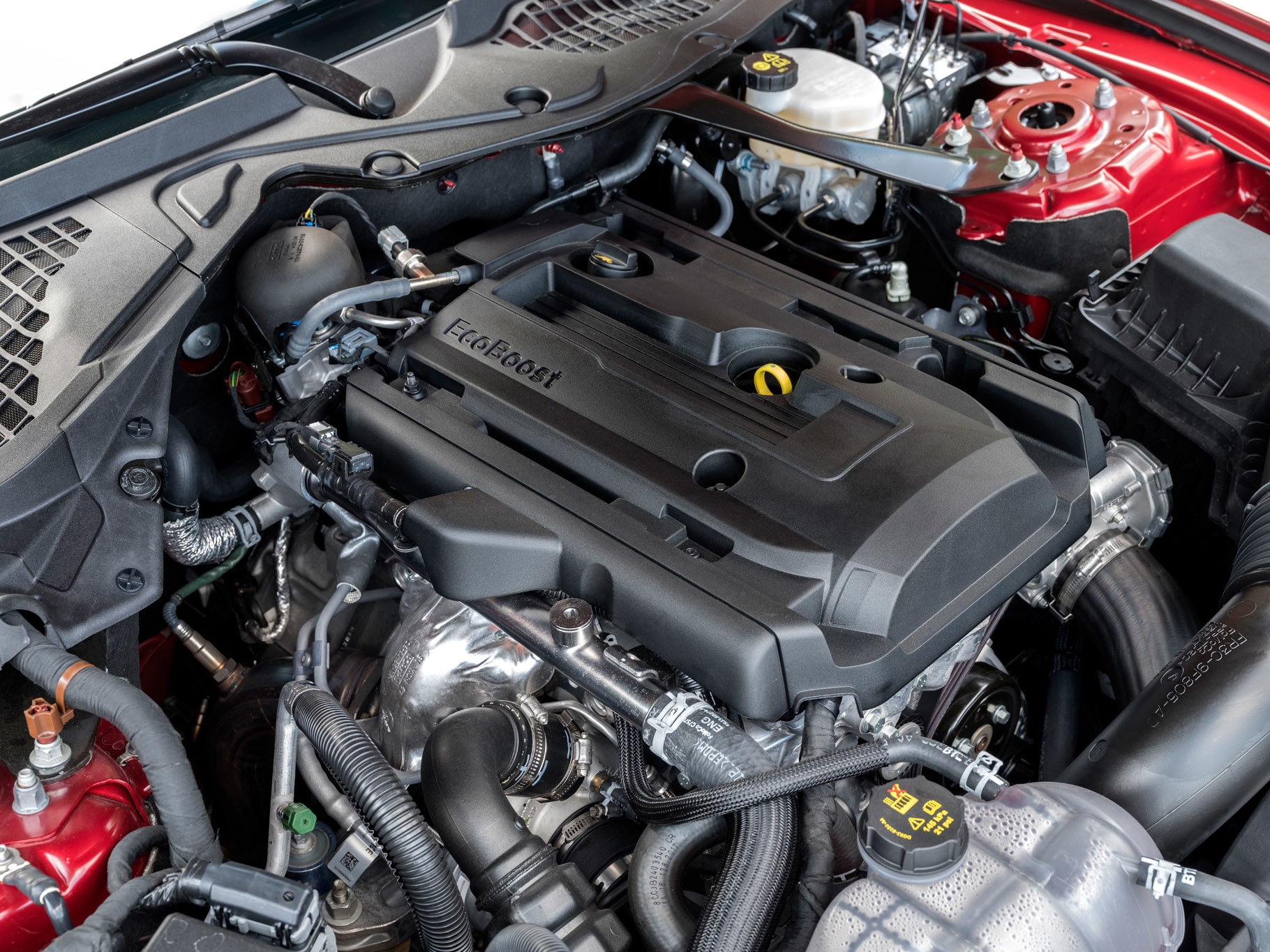
3. Volvo B230FT Redblock Turbo: Durable Swedish Engineering
The Volvo B230FT, a 2.3-liter turbocharged inline-four, powered vehicles like the 740 Turbo and 940 Turbo between 1984 and 1998. Producing between 160 and 190 horsepower and 180 to 195 lb-ft of torque depending on the model year, the B230FT was never intended to dominate the racetrack.
Instead, it was built for longevity, reliability, and consistent performance, earning a devoted following among enthusiasts who value rugged, overengineered engines.
The hallmark of the B230FT is its robust construction. Its cast-iron block, closed-deck design, and forged internals, including pistons, connecting rods, and crankshafts, allow it to endure sustained use and heavy loads.
Unlike many modern engines, the B230FT features a non-interference design, ensuring that if the timing belt fails, the pistons and valves do not collide, avoiding catastrophic engine damage.
Later models, starting in 1993, added piston oil squirters to spray oil on the underside of the pistons, improving cooling and extending the life of pistons and rings. Combined with its simple eight-valve cylinder head, the engine’s straightforward design reduces complexity and contributes to remarkable durability.
Owners have documented the B230FT’s impressive longevity. On forums such as Turbobricks, users have reported reaching 225,000 miles on a 1995 945 Turbo, with many engines running reliably well past 250,000 and even 350,000 miles.
This longevity, paired with the engine’s tolerance for modest performance upgrades, reinforces its reputation as a workhorse. While it may lack the flashy output of modern turbo engines, it consistently delivers dependable performance and has cemented Volvo’s reputation for building “bricks on wheels” that simply last.
The B230FT is celebrated not only for its durability but also for its versatility. Its robust design allows for moderate tuning without compromising reliability, making it a favorite among enthusiasts seeking both longevity and potential performance enhancements.
Its ability to operate under minimal fuss for decades, combined with the durability of its internal components and clever engineering solutions like the non-interference layout, highlights Volvo’s focus on reliability over flash.
Ultimately, the B230FT embodies the philosophy of longevity through simplicity and strength. It may not be the most powerful or refined engine of its era, but it has proven time and again that it can endure high mileage, daily driving, and even moderate performance modifications, all while maintaining the quiet, steady reliability that defined Volvo’s classic turbo era.
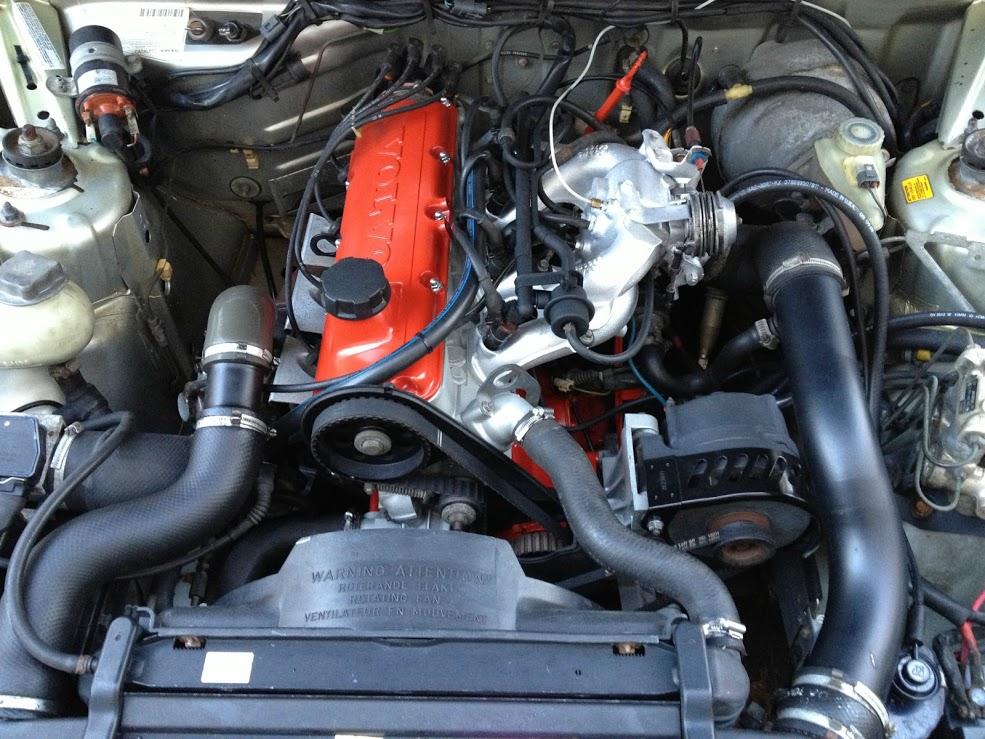
4. BMW M57 Turbo Diesel I6: Enduring Torque and Longevity
The BMW M57 is a 3.0-liter turbocharged inline-six diesel engine produced between 1998 and 2013, powering vehicles such as the 330d, 530d, X5, and early Range Rover TD6 models. Depending on the tune and generation, it produces between 182 and 282 horsepower and 285 to 428 lb-ft of torque.
Unlike high-revving gasoline engines, the M57 focuses on durability, torque, and smooth operation, making it a favorite among European taxi fleets and long-distance drivers. Its cast-iron block, forged crankshaft, and thick connecting rods give it a reputation for longevity, even under heavy use.
Owners frequently report impressive mileage achievements. One E39 530d owner noted surpassing 400,000 kilometers, while another reported running the engine for over 250,000 miles with only routine maintenance.
Taxi drivers routinely push these engines beyond 400,000 kilometers, performing nothing more than regular oil changes and fuel filter replacements. This widespread evidence highlights the M57’s ability to handle long-term, high-mileage applications while maintaining reliability and performance.
The M57’s durability is largely due to its overbuilt internal components and proven diesel technology. The engine features a robust forged crankshaft, reinforced connecting rods, and a double overhead cam layout combined with common rail direct injection, providing both efficiency and longevity.
Twin-turbo configurations, including sequential turbos in higher-performance variants, deliver strong power without compromising durability, thanks to conservative tuning and solid construction.
Despite its robustness, the M57 has some potential weak points. Modern emissions components, including the Diesel Particulate Filter (DPF), Exhaust Gas Recirculation (EGR) system, and AdBlue injection, can fail and be costly to repair. Plastic intake manifolds with swirl flaps may also pose problems if the flaps become dislodged, risking engine damage.
Additional maintenance considerations include the harmonic balancer and turbocharger oil lines, which may crack or leak, as well as the ZF 6HP transmission commonly paired with the engine, which can suffer from heat-related failures.
Maintaining the M57’s reliability involves consistent adherence to maintenance schedules, regular inspections for oil leaks, and periodic long highway drives to keep emissions systems functioning properly.
When properly cared for, the M57 demonstrates exceptional longevity, capable of lasting hundreds of thousands of miles while delivering smooth, torquey performance and a dependable driving experience. Its combination of overbuilt engineering, proven diesel technology, and careful tuning makes it one of BMW’s most durable turbo engines.
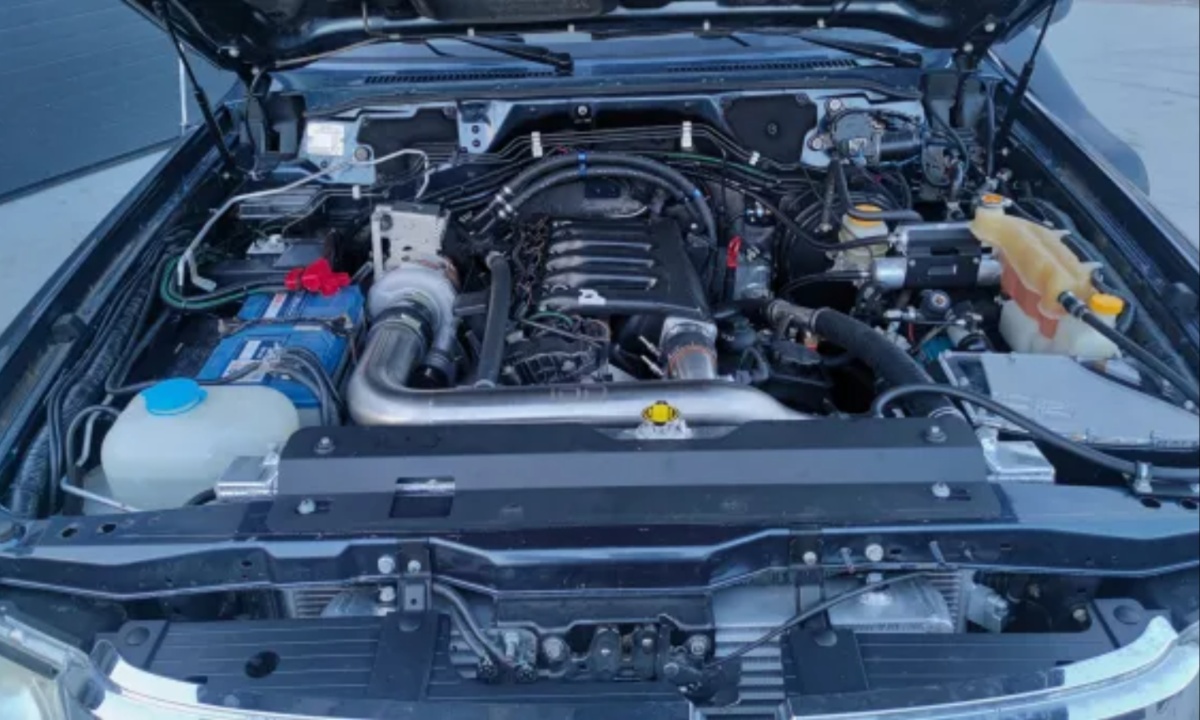
5. Subaru EJ20 Turbo H4: Rally-Bred Durability
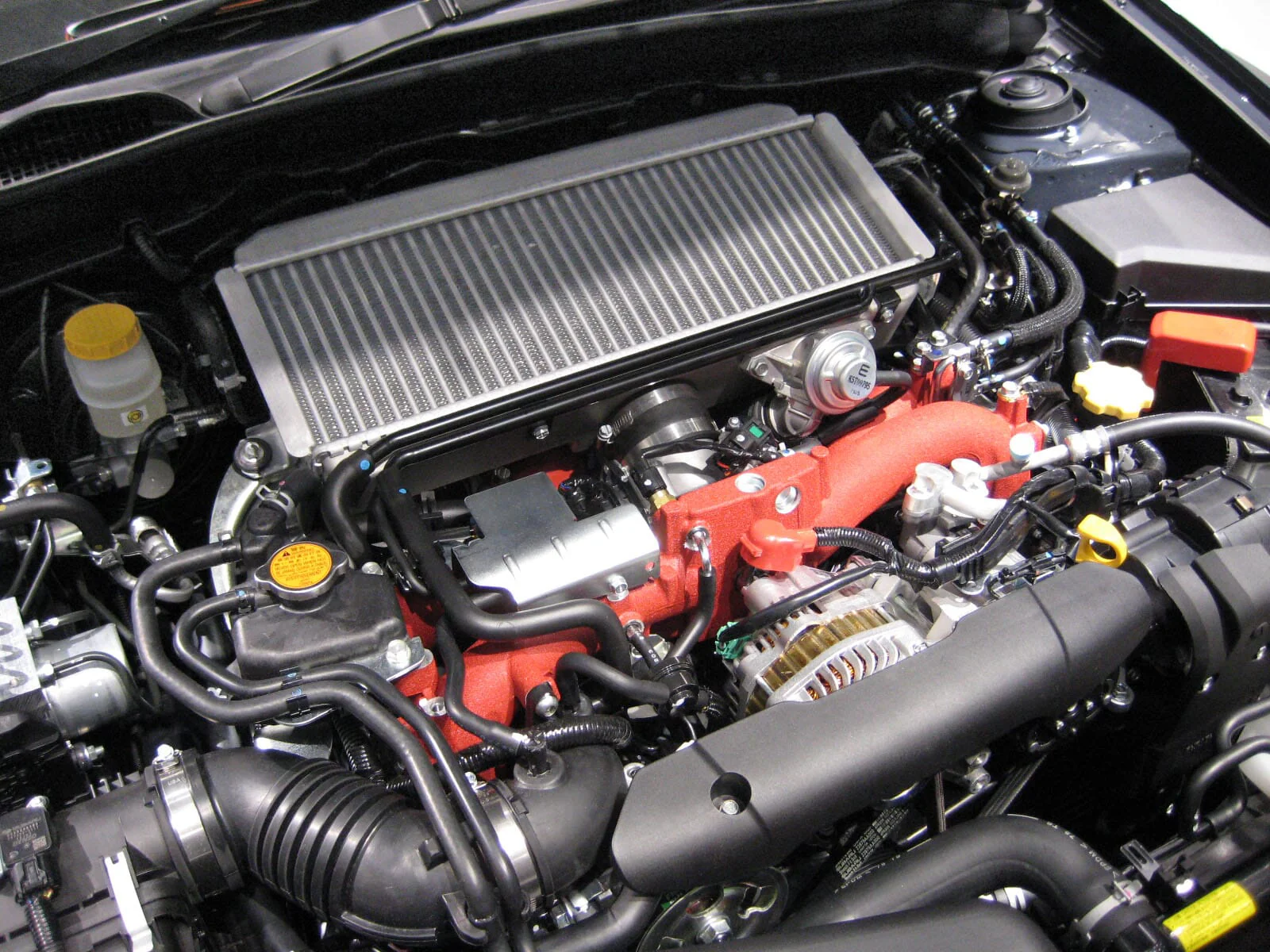
The Subaru EJ20 Turbo H4, a 2.0-liter turbocharged flat-four engine, powered vehicles such as the Legacy GT, WRX, and JDM/Euro-spec STI between 1989 and 2019. Producing roughly 210 to 300 horsepower and 218 to 290 lb-ft of torque depending on the version, the EJ20 earned a reputation as a rally-inspired engine capable of balancing performance and long-term durability.
Its horizontally opposed aluminum block, robust internals, and low center of gravity give it unique handling and operational advantages, particularly when paired with Subaru’s Symmetrical All-Wheel Drive system.
The EJ20’s track record demonstrates that it can be surprisingly reliable when properly maintained. One Reddit owner reported achieving 200,000 miles on a stock EJ20 with the original turbo intact, underscoring the engine’s potential for longevity.
Its reliability stems largely from the inherent strengths of the boxer design, which cancels secondary forces, reduces vibration, and provides smooth, balanced operation. The engine’s layout also contributes to a lower center of gravity, enhancing heat dissipation, handling, and vehicle stability, which indirectly helps protect mechanical components from excessive stress..
Durable materials and thoughtful engineering further enhance the EJ20’s longevity. Aluminum alloy blocks and cylinder heads, paired with forged crankshafts and connecting rods, create a solid foundation capable of withstanding the high pressures of turbocharging.
Later iterations of the EJ20 addressed early weaknesses, particularly head gasket failures, by introducing stronger multi-layer steel gaskets that significantly improved reliability. High-performance variants often benefit from upgraded pistons and rods to handle increased power safely.
Despite its durability, the EJ20 is not immune to issues. Turbocharged versions require consistent maintenance, careful attention to oil quality, and monitoring of engine components to prevent wear-related failures.
Some early models experienced head gasket leaks, and higher-output engines can be prone to stress on internal components if not properly maintained. Nonetheless, these engines have proven themselves in both rally competition and daily driving scenarios, offering a combination of performance, balance, and longevity when treated with care.
The Subaru EJ20 Turbo H4 exemplifies an engine built to endure spirited driving without sacrificing reliability. Its rally heritage, smooth boxer design, robust materials, and low center of gravity make it both a capable performance engine and a durable daily driver.
When maintained properly and paired with thoughtful engineering upgrades, the EJ20 can deliver decades of dependable service and spirited driving enjoyment.
Also Read: 5 Cars That Stay Fun to Drive vs 5 That Get Old Fast
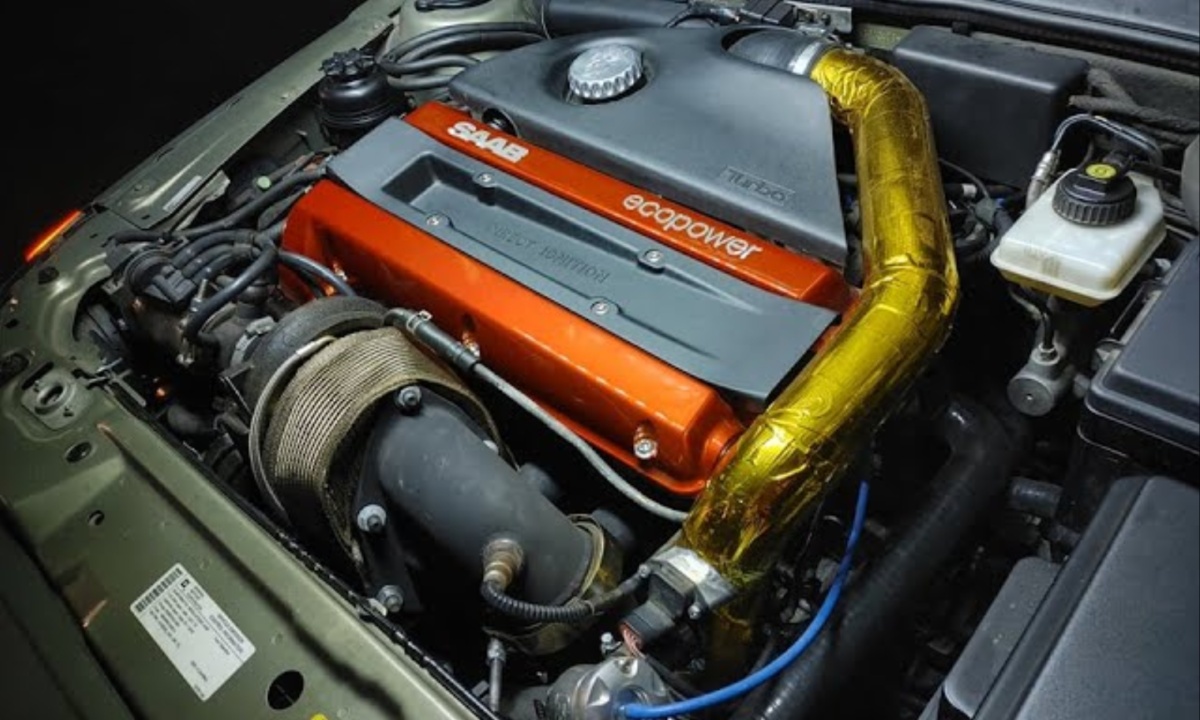
6. Saab B235R Turbo I4: Early Hot-Rod with Enduring Reliability
The Saab B235R is a 2.3-liter turbocharged inline-four engine produced from 1998 to 2010, powering vehicles such as the Saab 9-3 Aero and early 9-5 Turbo. Producing 225 to 230 horsepower and approximately 250 lb-ft of torque, it was one of Saab’s first factory “hot-rod” engines, delivering spirited performance while maintaining durability.
Built on a robust cast-iron block with reinforced internals, the B235R bridged the gap between performance and long-term reliability, setting it apart from earlier Saab four-cylinder engines.
The engine’s durability is reflected in real-world ownership experiences. On Reddit, one 2008 Saab 9-3 Aero owner reported achieving 300,000 kilometers, while another noted purchasing a B235R-powered Saab already at 334,000 kilometers. These examples underscore the engine’s capability to endure high mileage when maintained properly, even if repairs become necessary as mileage accumulates.
The B235R’s reliability stems from its solid construction and thoughtful engineering. Its cast-iron block provides a strong foundation to handle turbocharged stresses, while upgraded internals, including reinforced pistons, rods, and crank components, allow it to safely manage higher power outputs.
The engine’s factory turbocharger, a Mitsubishi TD04-HL15-5 unit, was designed to balance performance and reliability, further supporting its reputation as a durable yet lively powerplant. High-mileage examples are common, demonstrating that with proper care, the engine can easily surpass 200,000 miles.
While the B235R is inherently durable, long-term reliability requires disciplined maintenance. Regular servicing, including the use of high-quality synthetic oils, is critical to prevent oil sludging, a concern particularly in pre-2004 models.
Cleaning the oil sump and pickup screen may be necessary in some cases to address sludge issues. Proper upkeep of the Positive Crankcase Ventilation (PCV) system also plays a key role in sustaining engine health.
The Saab B235R Turbo I4 exemplifies an early turbocharged performance engine that does not compromise longevity for power. Its combination of a cast-iron block, strengthened internals, and thoughtfully designed turbo allows it to deliver spirited driving while demonstrating impressive endurance.
For owners committed to regular maintenance, the B235R can achieve exceptionally high mileage, proving that Saab’s early hot-rod approach offered both excitement and lasting reliability.
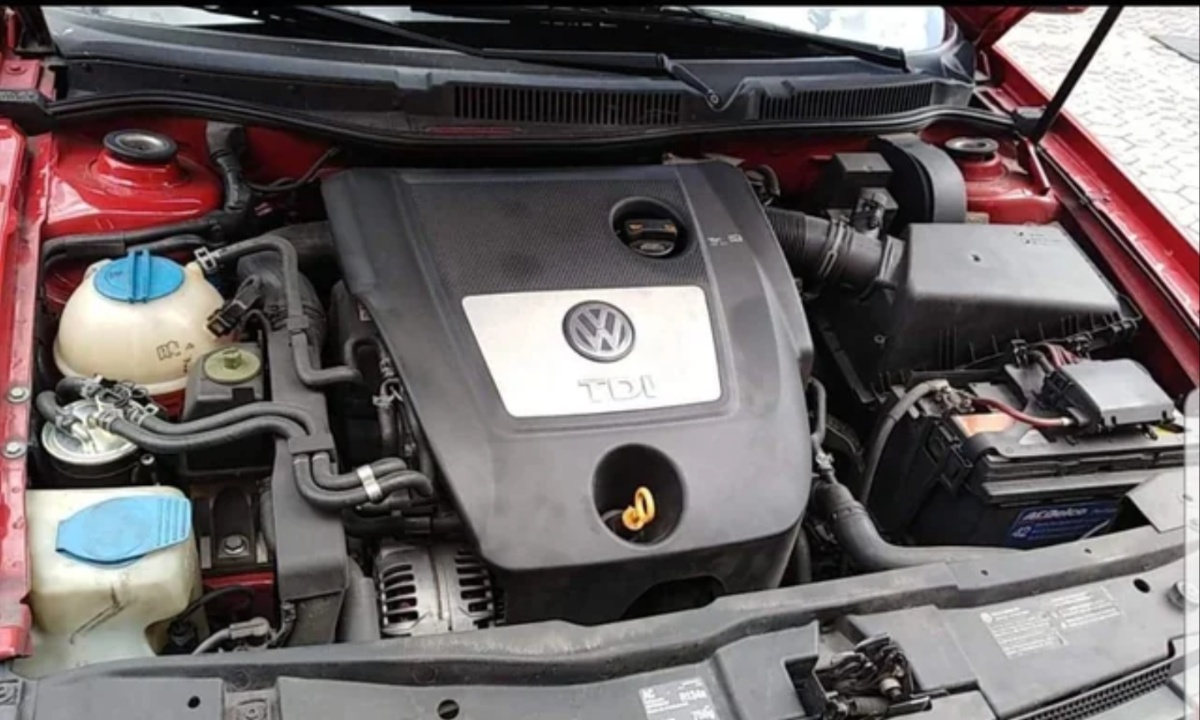
7. Volkswagen 1.9L TDI ALH I4: The Diesel Longevity Legend
The Volkswagen 1.9L TDI ALH is a turbocharged direct-injection diesel inline-four produced between 1998 and 2006, powering vehicles such as the Golf IV, Jetta IV, Passat B5, and New Beetle.
Producing approximately 90 to 115 horsepower and 155 to 170 lb-ft of torque depending on the application, it may not be the fastest engine on the road, but it has earned a reputation for extraordinary longevity and reliability. Built with a robust cast-iron block, thick internal components, and low-stress turbo tuning, the ALH is designed to endure decades of daily driving with minimal fuss.
The engine’s real-world durability is legendary. Owners frequently report mileage well into the hundreds of thousands, often outlasting the vehicle’s body. One Reddit user shared that they sold their 1.9L ALH-powered Jetta at 470,000 miles, noting that the engine and turbo were still in perfect condition, while the body had begun to rust away.
This longevity is a testament to the engine’s simple yet effective engineering, which prioritizes durability over performance extremes.
The ALH’s reliability comes from several factors. Its sturdy iron-block construction and thick internal components allow it to withstand the higher torque and pressures inherent to diesel operation, reducing wear on the engine’s internals.
Its low-revving nature further minimizes stress on components, while the simple overhead camshaft and rotary injection pump make maintenance straightforward and inexpensive. The fixed-geometry Garrett turbocharger, known for its durability, typically lasts the life of the engine, though later variable-geometry turbo designs introduced more complexity.
Maintenance for the ALH is simple but essential. Regular oil and filter changes, timely replacement of the timing belt, and attention to fuel quality help ensure the engine’s longevity. Unlike more modern engines with complex electronics or high-strung turbo setups, the ALH thrives on straightforward, consistent care.
Its proven design allows it to reliably reach 300,000 miles and beyond, with many engines reportedly surpassing 500,000 miles before the vehicle’s structure itself becomes the limiting factor.
The Volkswagen 1.9L TDI ALH stands as one of the most reliable turbo-diesel engines ever produced. Its combination of simple, overbuilt design, low-maintenance operation, and remarkable longevity makes it a benchmark in diesel engine reliability.
While it may lack modern refinement or high horsepower, it offers decades of dependable service and proves that careful engineering and simplicity can outperform more complex designs over the long term.
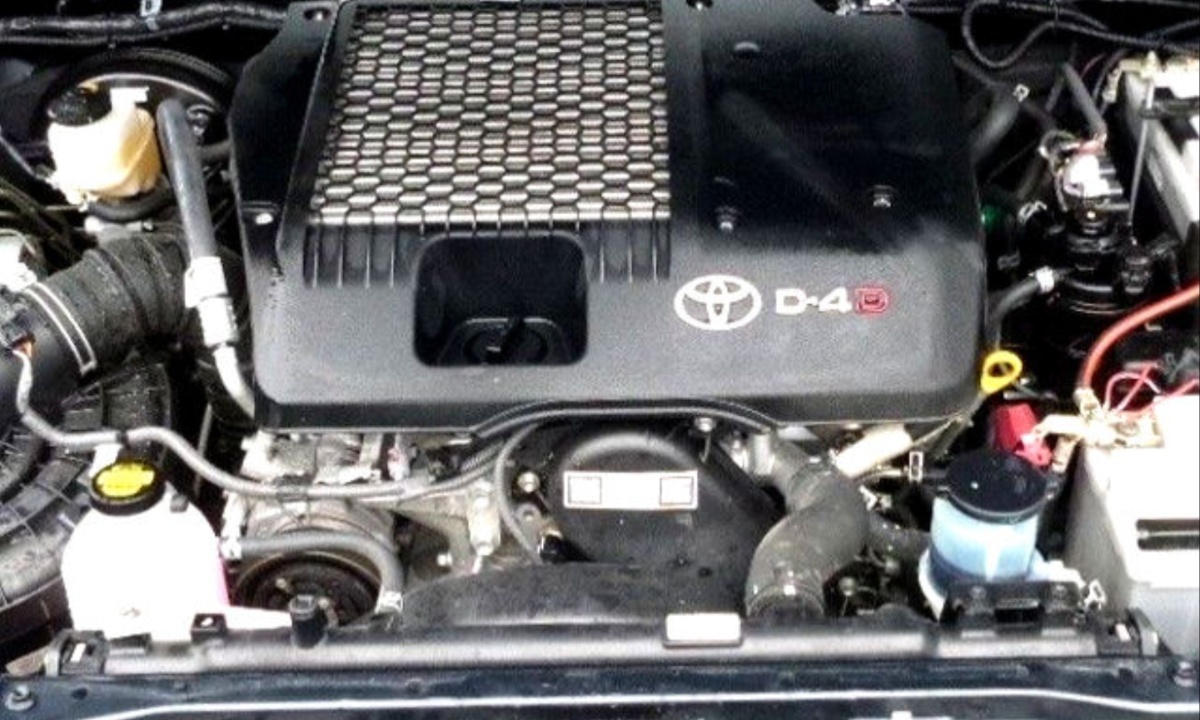
8. Toyota 1KD‑FTV Turbo Diesel I4: Rugged Reliability Across the Globe
The Toyota 1KD‑FTV is a 3.0-liter turbocharged direct-injection diesel inline-four engine produced from 2000 to 2015, powering vehicles such as the Hilux (Vigo), Land Cruiser Prado, Hiace, and Fortuner. Depending on the market and application, it produces between 170 and 188 horsepower and 207 to 302 lb-ft of torque.
Built with a cast-iron block, a DOHC cylinder head, and a variable-nozzle turbocharger (VNT), the 1KD‑FTV balances modern technology with Toyota’s hallmark durability, making it a favorite for off-road adventurers, rural workers, and long-haul drivers alike.
The engine’s real-world reliability is exemplified by a 2008 Land Cruiser in Ireland, which reportedly surpassed 484,000 miles on its original engine, turbo, and gearbox, handling mountains, farms, and daily driving with only routine service.
Such examples highlight the 1KD‑FTV’s capability to endure heavy loads, harsh conditions, and high mileage when properly maintained. This reliability stems from Toyota’s focus on robust construction, stringent quality control, and over-engineering, which ensures that components can withstand more stress than typical automotive engines.
While the 1KD‑FTV is exceptionally durable, certain early and later variants have specific vulnerabilities. Pre-Euro IV models feature pistons with a metal-fibrous structure that resist cracking, while later Euro IV versions are more prone to piston failures, especially under aggressive tuning or heavy-duty use.
Injector seal failures can also occur, leading to carbon buildup and potential performance issues, and Diesel Particulate Filter (DPF) problems may arise if the vehicle is not regularly driven on longer trips to allow proper regeneration. Careful maintenance, including servicing fuel injectors and avoiding excessive chip tuning, helps preserve the engine’s longevity.
The 1KD‑FTV’s combination of rugged engineering and thoughtful modern features, such as the VNT turbo for improved low-RPM torque and D-4D direct injection for efficiency, allows it to handle both daily commuting and challenging off-road conditions.
Adhering to Toyota’s recommended maintenance schedule, keeping fuel and oil quality high, and avoiding overstressing the engine ensures that the 1KD‑FTV continues to deliver reliable performance for hundreds of thousands of miles.
The Toyota 1KD‑FTV is a diesel engine built for endurance. Its overbuilt components, attention to quality, and global reputation for toughness make it a benchmark for reliability, capable of enduring the harshest conditions while maintaining strong performance and long-term dependability.
9. Mercedes-Benz OM617 Turbo Diesel I5: The Quintessential High-Mileage Workhorse
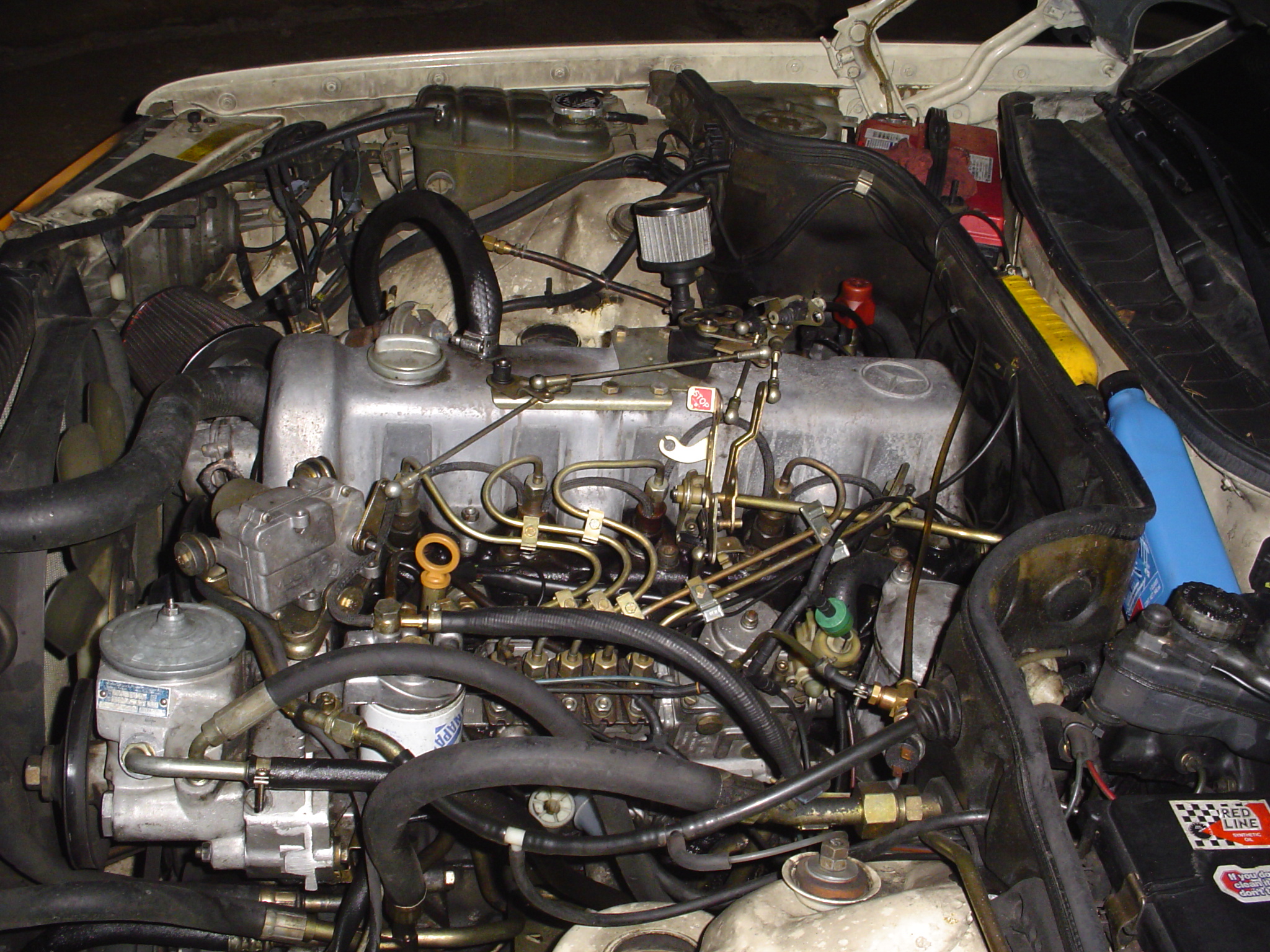
The Mercedes-Benz OM617 is a 3.0-liter turbocharged inline-five diesel engine produced from 1976 to 1985, with turbocharged variants appearing in 1979. It powered vehicles such as the 300D Turbo, 300SD, and other W123 and W126 models.
Producing roughly 123 to 130 horsepower and 162 to 184 lb-ft of torque, the OM617 prioritized durability and longevity over outright performance, making it a staple among commercial fleets and high-mileage enthusiasts.
The OM617’s reputation for reliability is legendary. One notable example includes a 1985 W123 300D Turbo surpassing 555,000 miles on its original engine with no major repairs, relying solely on routine maintenance.
Such milestones are not uncommon; OM617 engines are known to surpass a million kilometers, and in some cases even two million kilometers, a testament to the engine’s overengineered construction and thoughtful design philosophy.
Key to the OM617’s durability is its robust cast-iron block, forged steel crankshaft, and oil-cooled pistons. Its mechanical Bosch fuel injection system eliminates reliance on complex electronics and sensors, reducing potential failure points compared to modern diesel engines.
Turbocharged variants also included features such as sodium-filled valve stems to handle higher stress and extend component life. The engine’s simplicity extends to emissions management: it lacks diesel particulate filters or DEF fluid, further minimizing maintenance challenges and potential reliability issues.
The OM617’s long lifespan is reinforced by practical design considerations. A high lubrication capacity, with an oil volume of 8.5 liters, helps maintain cooler operating temperatures and reduce thermal stress.
The engine was deliberately designed to operate at around 60% of its full capacity, allowing it to run cooler and more reliably than many modern engines under similar loads. Its straightforward mechanical fuel system is easy to diagnose and repair with basic tools, and replacement parts remain widely available and affordable.
The OM617 is also versatile. Its consistent design allowed it to be swapped into different Mercedes models and even into off-road or project vehicles, extending its usefulness beyond its original applications. These engines exemplify Mercedes’ 1970s engineering philosophy: prioritizing durability, simplicity, and reliability above short-term performance gains.
The OM617 Turbo Diesel I5 represents an era when diesel engines were designed to last decades. Its combination of rugged construction, mechanical simplicity, and careful engineering makes it one of the most reliable and long-lived engines ever produced, capable of delivering decades of dependable performance under a wide range of conditions.
10. Cummins 5.9L 12-Valve Turbo Diesel I6: The Mechanical Legend
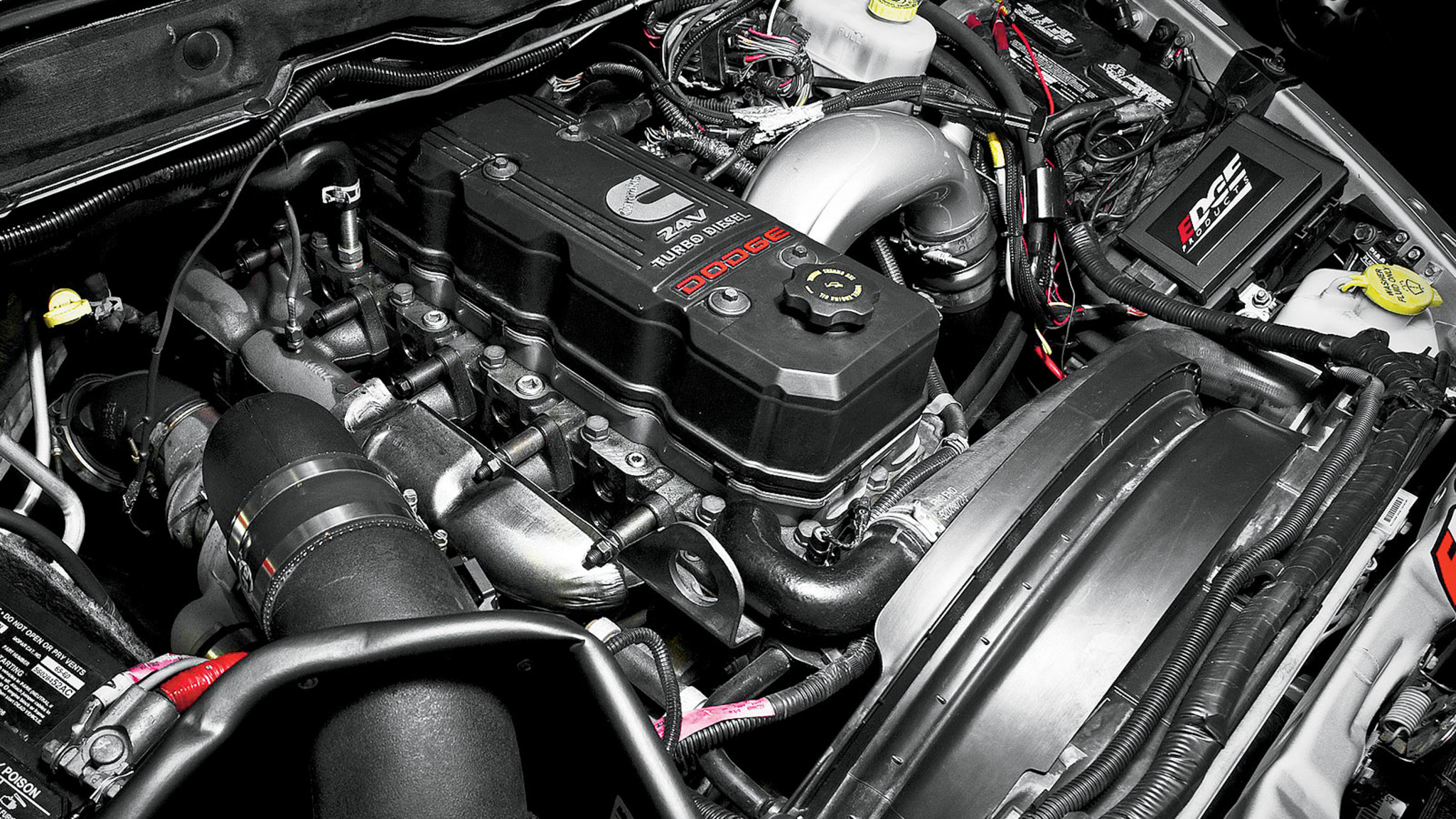
The Cummins 5.9L 12-Valve Turbo Diesel I6, produced from 1989 to 1998, powered Dodge Ram 2500/3500 trucks as well as various industrial and marine applications. Producing between 160 and 215 horsepower and 400 to 440 lb-ft of torque, depending on the injection pump and model year, it is renowned for its rugged mechanical simplicity, robust construction, and unmatched durability.
Its purely mechanical design, lack of complex electronics, and overbuilt internal components make it one of the most reliable turbo diesel engines ever produced.
Real-world ownership examples highlight its legendary longevity. One 1993 Dodge Ram 2500 reportedly surpassed 620,000 miles on the original engine, thanks to consistent driving habits, stock boost levels, and diligent oil changes.
The engine’s mechanical simplicity eliminates many of the common failure points found in modern electronically controlled engines, allowing it to endure heavy use for hundreds of thousands of miles.
The cast-iron block and head, forged-steel crankshaft, and forged connecting rods provide exceptional strength, while six head bolts per cylinder reduce the risk of head gasket failure. Gear-driven accessories, including the camshaft and injection pump, further enhance long-term reliability.
The Cummins 12-Valve’s simplicity also makes it highly serviceable. Mechanics and enthusiasts can easily perform maintenance, repairs, or modifications without specialized electronic diagnostic tools. Its mechanical fuel injection system is robust, and the later P7100 injection pump can handle increased fuel delivery, offering tuning potential without compromising reliability.
This combination of durability, simplicity, and adaptability has contributed to the 12-Valve’s enduring popularity among truck owners, commercial operators, and diesel enthusiasts.
Another key factor in the engine’s longevity is its design philosophy: conservative power output, overbuilt components, and low-stress operation allow it to outlast other vehicle systems, including transmissions and drivetrains.
Many owners find their Cummins engines continue running strong long after the trucks themselves show signs of wear, cementing the 12-Valve’s reputation as an engine built to endure the toughest conditions.
The Cummins 5.9L 12-Valve Turbo Diesel I6 exemplifies mechanical engineering at its finest. Its combination of simplicity, robust internal construction, ease of repair, and proven long-term durability makes it a legendary workhorse.
It is a turbocharged engine designed not to push the limits for short-term performance, but to deliver consistent, reliable power mile after mile, earning its place among the most durable and dependable engines in automotive history.
The engines highlighted in this list showcase the rare balance between turbocharged performance and long-term durability.
From Volvo’s overengineered B230FT Redblock to BMW’s torquey M57 diesel, Subaru’s rally-bred EJ20, and Toyota’s rugged 1KD‑FTV, each engine demonstrates how careful engineering choices like cast-iron blocks, forged internals, mechanical simplicity, or low-stress tuning can produce decades of dependable operation.
Whether it’s the high-maintenance yet thrilling Mazda DISI Turbo, or the mechanically straightforward Cummins 12-Valve Diesel that keeps trucking past 600,000 miles, these engines reward owners who respect their design with longevity and reliability.
They prove that with proper maintenance, attention to known weaknesses, and a dose of respect for the mechanical fundamentals, turbocharged engines need not be short-lived thrill machines; they can become enduring workhorses. Ultimately, these ten turbo engines exemplify the art of building power plants that can endure daily abuse while delivering satisfying performance for decades.
Also Read: 10 Cars From the 2010s Already Nearing Collector Status