When hybrid cars first hit the American market, there was no shortage of skepticism. Buyers worried that expensive batteries, limited parts, or complex electronics would translate into constant trips to the mechanic and sky-high repair bills.
But time has proven that not all early hybrids fit that narrative. In fact, many of the pioneering models from the late 1990s and 2000s have built reputations for rock-solid reliability, fuel-sipping efficiency, and surprisingly low ownership costs.
For U.S. drivers, these vehicles were more than just eco-friendly experiments they became everyday commuters, family haulers, and road trip companions.
Today, you’ll still see plenty of them on the road, often with hundreds of thousands of miles on the odometer and original hybrid systems still going strong.
Below, we’ll look at 12 early hybrids that bucked the trend, earning the trust of mechanics and owners alike by never draining wallets.
1. Toyota Prius (2001–2009)
No list of dependable hybrids would be complete without the second-generation Toyota Prius. While the first-generation Prius (released in Japan in 1997 and later in the U.S. in 2001) was groundbreaking, it was the 2004–2009 model that truly cemented Toyota’s dominance in the hybrid space.
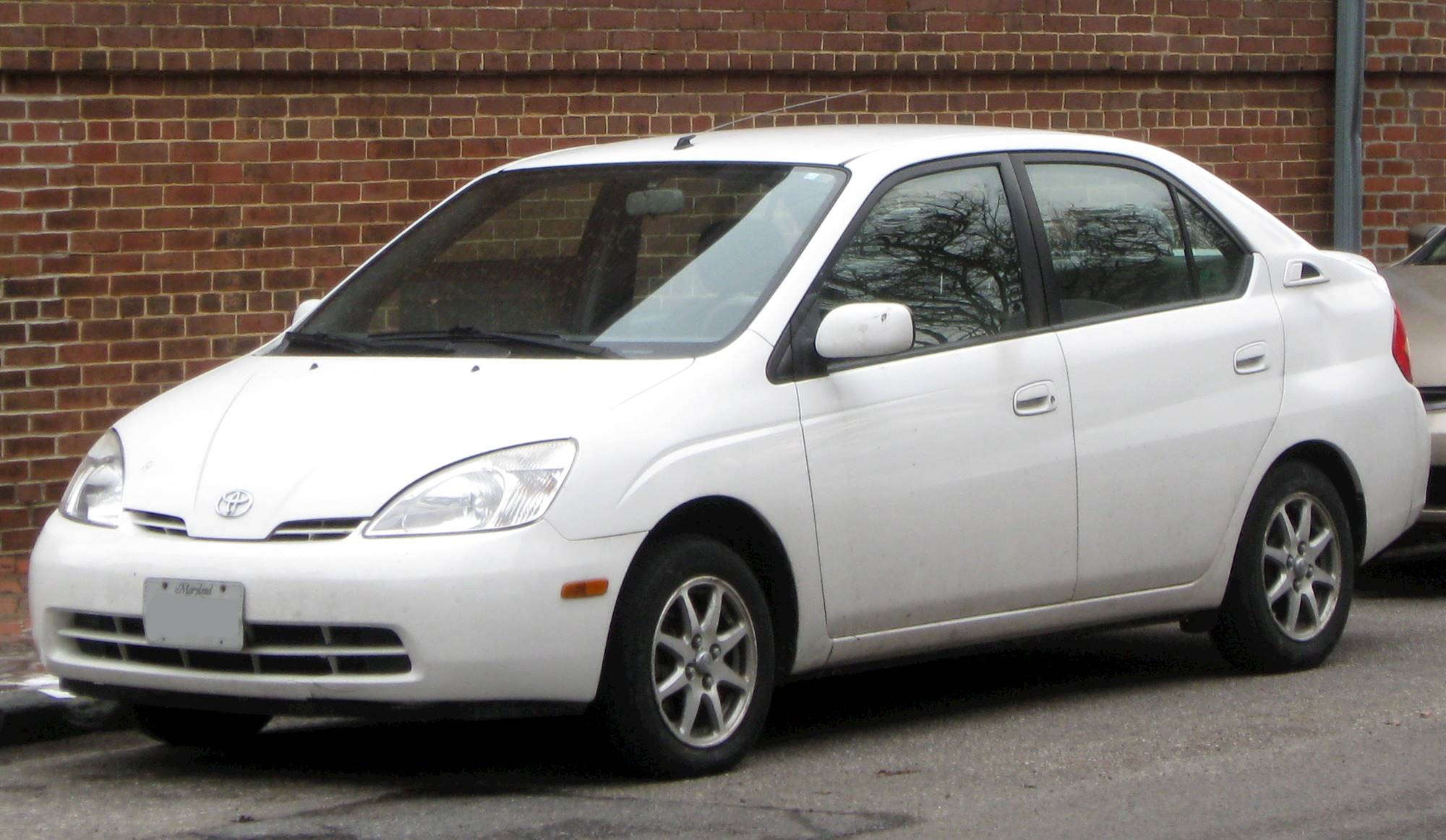
Owners rave about its longevity, with many examples easily surpassing 250,000 miles. Battery replacement is rare, and even when needed, the costs have steadily dropped.
Its simple Atkinson-cycle engine paired with Toyota’s Hybrid Synergy Drive proved remarkably resilient. Low running costs and unmatched reliability make the Prius a wallet-friendly legend.
2. Honda Civic Hybrid (2003–2005)
Honda took a slightly different path from Toyota with its Civic Hybrid, relying on its Integrated Motor Assist (IMA) system. Early models offered the familiar Civic experience but with improved gas mileage and lower emissions.
Though battery packs were a concern in later years, the 2003–2005 versions are considered the most reliable.
With Honda’s rock-solid engineering behind it, maintenance costs stayed low, and common Civic parts were cheap and widely available, making ownership surprisingly affordable.
The 2003 Civic Hybrid’s powertrain is built on a straightforward idea, pair a highly efficient gasoline engine with an electric motor to boost performance.
While the technology may look complicated at first glance, Honda’s design delivers a practical answer to the challenge of combining fuel efficiency with respectable performance.
At the heart of this setup is Honda’s Integrated Motor Assist (IMA) system, commonly referred to as a “hybrid” system because it relies on both gasoline and electricity.
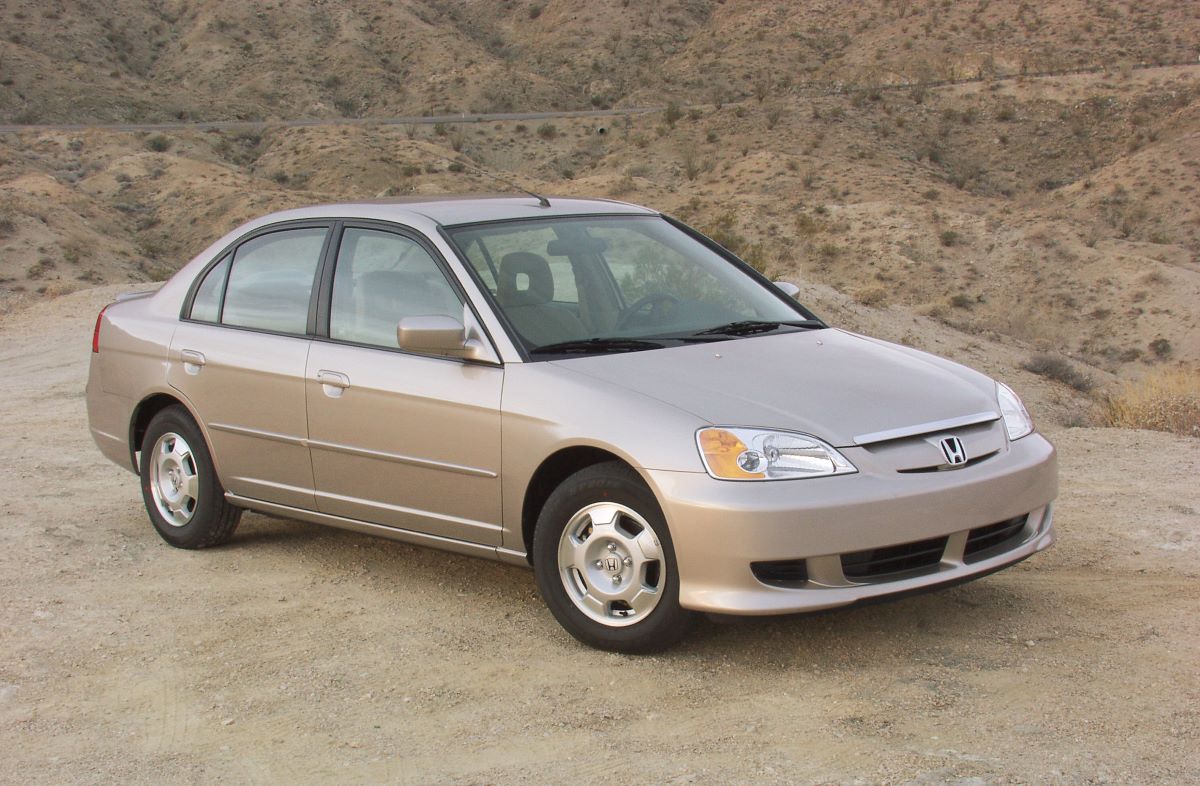
Originally introduced on the Honda Insight, this system makes it possible for the Civic Hybrid to operate with a smaller gasoline engine than other Civics, without suffering any major loss in capability.
The Civic’s IMA design is more advanced than the Insight’s, though it still uses the same essential building blocks: a gasoline engine, an electric motor, and an energy storage unit.
Its 1.3-liter four-cylinder engine, though modest with a single overhead camshaft and just two valves per cylinder, is among the company’s most innovative.
Every aspect of it was engineered to maximize combustion efficiency and reduce fuel use. The engine even shuts off up to three cylinders during deceleration to improve battery recharge. On its own, it generates 85 horsepower and 87 lb-ft of torque.
Mounted between the engine and transmission, the electric motor contributes an additional 13 horsepower and 46 lb-ft of torque.
It assists the gasoline engine during acceleration and captures energy through regenerative braking when slowing down. Power is stored in a nickel-metal hydride battery pack housed within Honda’s Intelligent Processing Unit (IPU), located between the trunk and rear seats.
3. Ford Escape Hybrid (2005–2008)
As the first American-made hybrid SUV, the Ford Escape Hybrid was a milestone. Co-developed with Toyota’s hybrid technology, it provided families with space and efficiency.
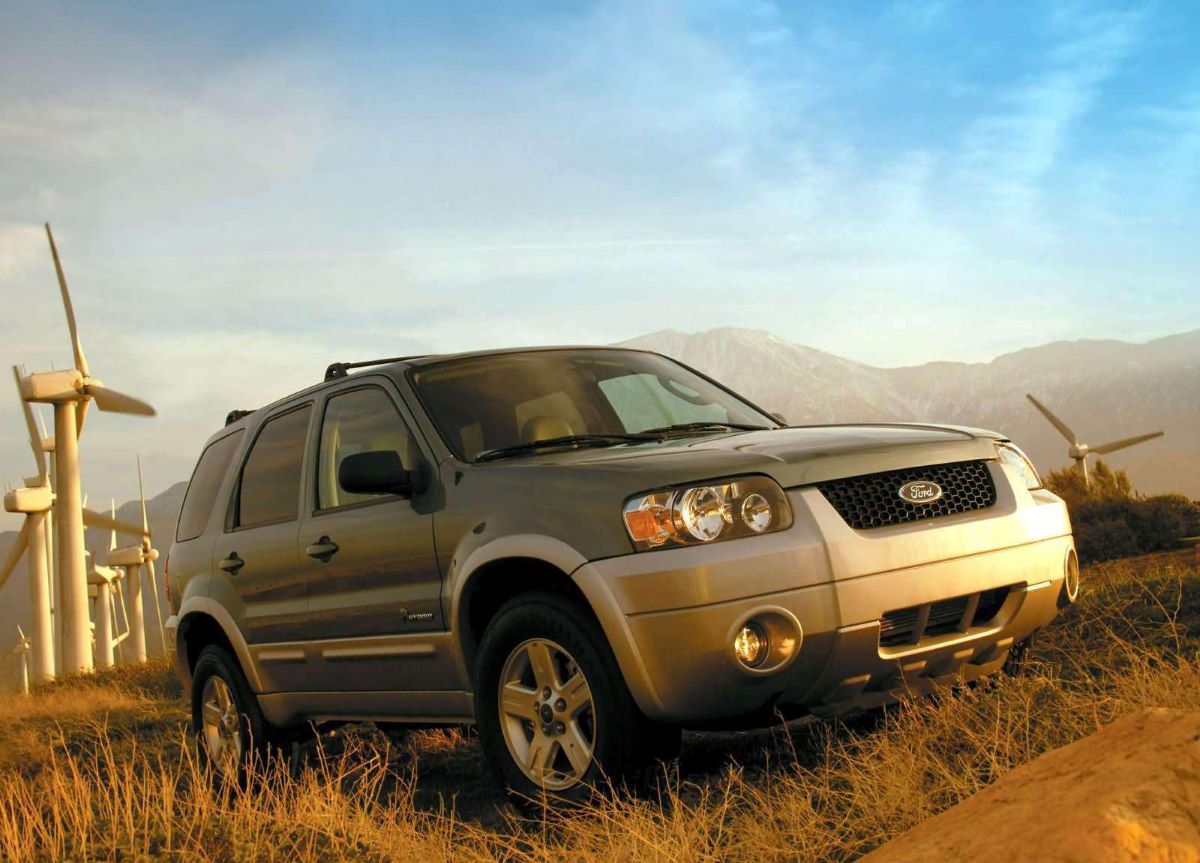
Fleet buyers, including taxi services in New York City, quickly embraced the Escape Hybrid for its durability some clocked over 300,000 miles in stop-and-go conditions.
With straightforward maintenance, rugged build quality, and reliable hybrid components, the Escape Hybrid proved hybrids could work in demanding real-world use without draining owners’ wallets.
4. Toyota Camry Hybrid (2007–2011)
When Toyota added hybrid technology to its best-selling midsize sedan, the result was a game-changer. The Camry Hybrid delivered everything Americans already loved about the Camry reliability, comfort, and affordable upkeep while adding outstanding fuel economy.
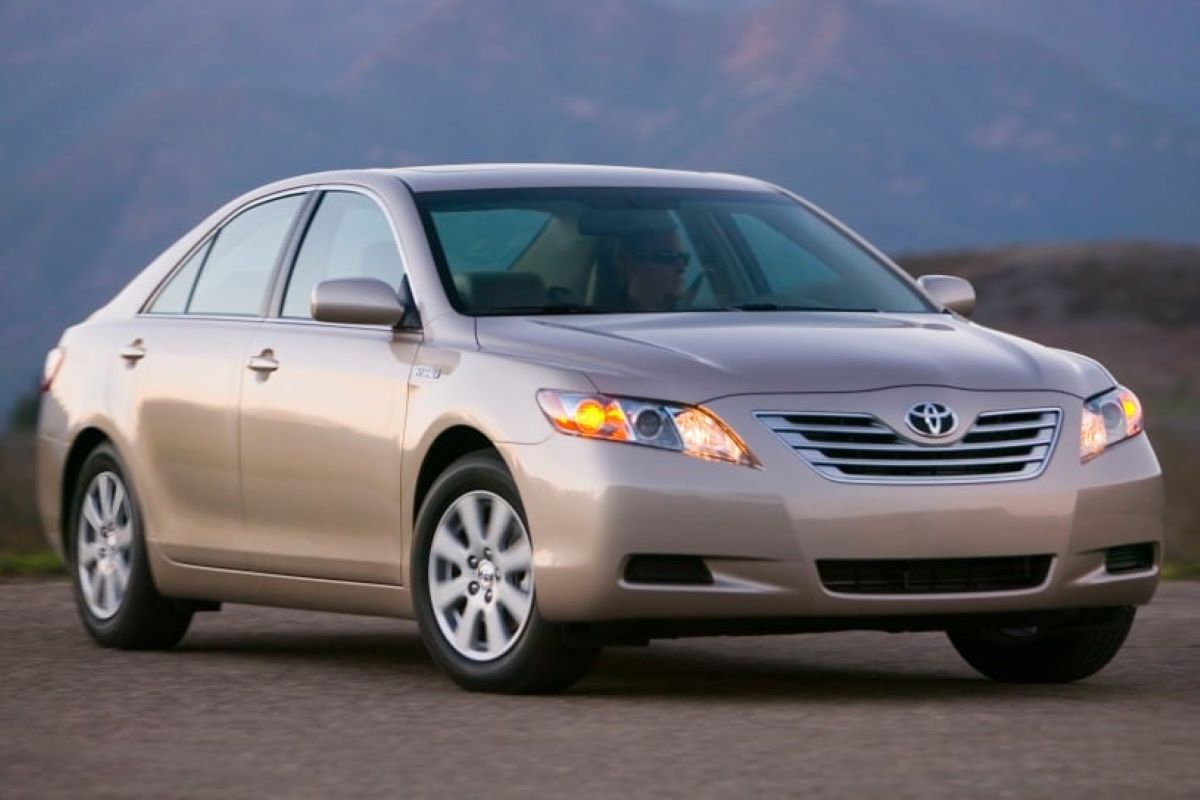
These early models avoided the complexity that plagued some other hybrids and were designed with long-term ownership in mind. For U.S. families who wanted a practical sedan that sipped fuel without inflating service costs, the Camry Hybrid checked every box.
The appeal of hybrid vehicles has traditionally centered on two key advantages: significantly better fuel economy and far lower emissions compared to conventional gasoline models.
Naturally, these benefits often come with a financial trade-off, since hybrids are typically priced higher than their non-hybrid siblings. The 2011 Toyota Camry Hybrid, however, stands out as a rare exception to this trend.
Yet, despite these credentials, the Camry Hybrid costs only slightly more than the fully loaded four-cylinder Camry XLE.
Adding to its appeal, the hybrid’s powertrain produces more output,187 horsepower compared to the XLE’s 169 hp, giving it a performance edge. To be fair, the XLE does come with a few extra standard luxury amenities, but the Hybrid still includes the essentials most buyers want.
At lower speeds, and even while coasting at higher ones, the Camry Hybrid is capable of operating purely on electric power. At faster cruising speeds, the gasoline engine takes the lead.
When extra strength is required, such as for uphill climbs or quick acceleration to merge or pass, the electric motor seamlessly works in tandem with the gas engine.
These transitions are so smooth that the Camry Hybrid feels virtually indistinguishable from a conventional Camry. The result is a sedan with a quiet interior, a comfortable ride, and the same composed, insulated driving experience the model is known for.
5. Honda Insight (2000–2006)
The quirky, two-seater Honda Insight may not have won over mainstream buyers, but it earned a cult following among enthusiasts and hypermilers.
As the very first hybrid sold in America, it featured an aluminum body and Honda’s IMA system, making it incredibly efficient. Owners often report achieving 50–60 mpg consistently, and its simple design meant fewer parts that could fail.
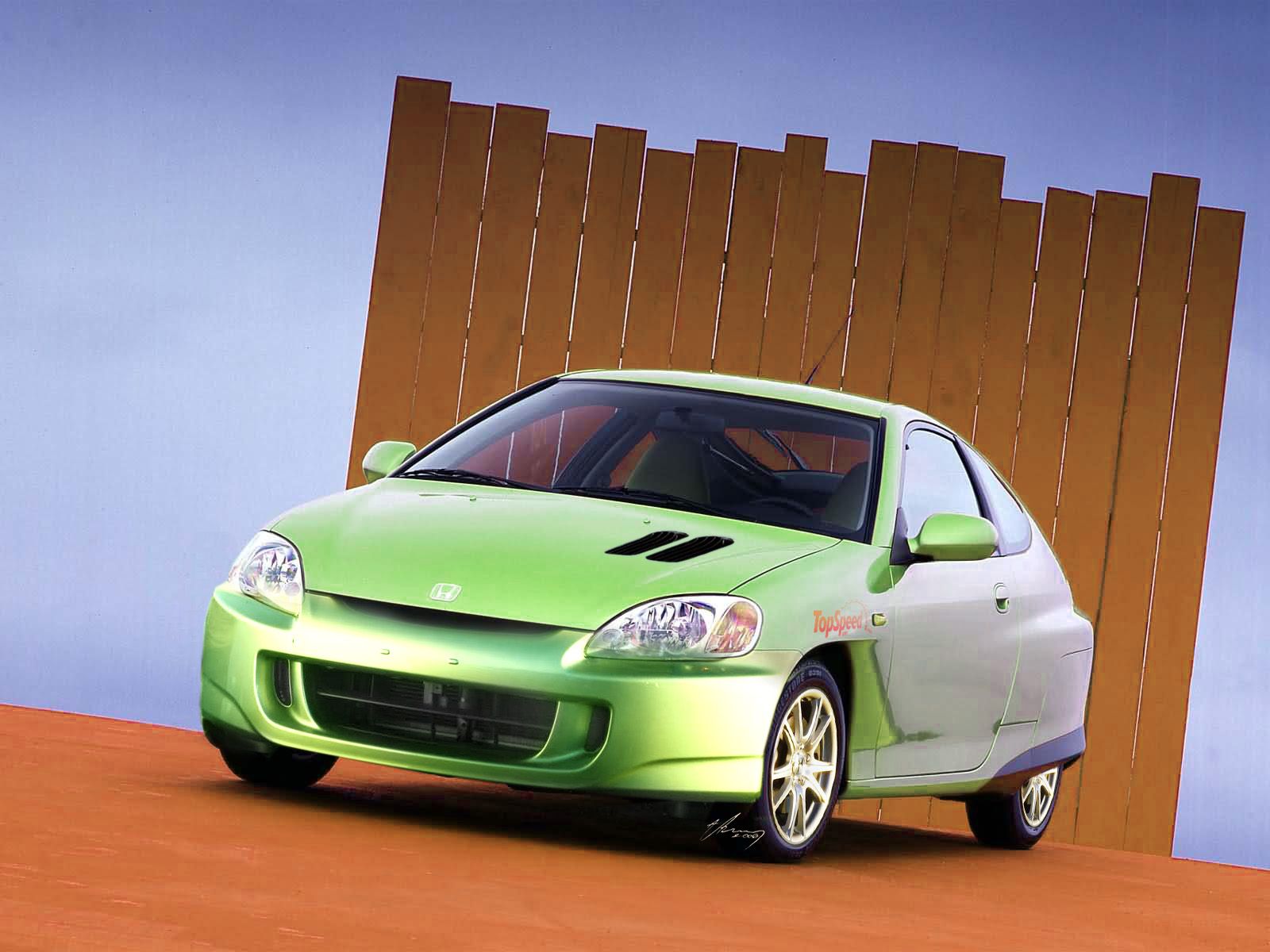
Even today, early Insights remain sought after by drivers who want a lightweight, ultra-efficient hybrid that costs next to nothing to keep on the road.
Launched in 2000, the Honda Insight holds the distinction of being the first mass-produced hybrid vehicle available to U.S. buyers. It incorporated a number of advanced engineering and construction techniques.
The body is primarily aluminum, apart from the plastic front fenders, and achieves an impressively low drag coefficient of just 0.25. With its streamlined design, flat underbody, low rolling-resistance tires, and lightweight build, Honda claims the Insight requires 30 percent less power to cruise at highway speeds compared to the 1996-2000 Honda Civic.
It also earned the title of America’s most fuel-efficient car. With an EPA estimate of 66 mpg on the highway and a 10.6-gallon fuel tank, one could theoretically drive from Los Angeles to Salt Lake City and still have fuel remaining. In real-world use, however, the vehicle’s range is closer to 500 miles.
Even six years after its debut, the Insight continues to draw attention, but its strict focus on maximizing fuel economy limits its practicality. Early adopters accepted compromises such as its two-seat layout, limited acceleration, and a meager 365-pound payload capacity, largely because no other hybrid options existed.
For buyers who prioritize ultimate efficiency, though, the Insight remains unmatched in frugality. Its aluminum construction, innovative design, distinctive styling, and limited production guarantee the Insight’s place in history, not just as the first hybrid sold in the U.S., but as a truly unique car.
At the heart of the Insight is its innovative gasoline-electric hybrid powertrain, known as Honda’s Integrated Motor Assist (IMA) system. This setup pairs a 1.0-liter, 12-valve inline three-cylinder VTEC-E gasoline engine with a lightweight permanent-magnet electric motor, which recharges a bank of 120 nickel-metal hydride D-cell batteries (providing 144 volts in total) located beneath the cargo floor.
While the gasoline engine provides most of the propulsion, the electric motor, positioned between the engine and the transmission, delivers supplemental power, particularly at lower rpm.
This assistance improves overall drivability, increasing torque output to 79 lb-ft at 1,500 rpm with the standard five-speed manual transmission, and 89 lb-ft at 2,000 rpm with the available continuously variable transmission (CVT). The motor also contributes 6 horsepower, bringing total output to 73 hp with the manual or 71 hp with the CVT.
The five-speed manual is standard, while the CVT is offered as an option. Fuel economy ratings are impressive: the manual achieves 60 mpg in the city and 66 mpg on the highway with a ULEV certification, while the CVT version delivers 57 mpg city and 56 mpg highway with a cleaner SULEV rating.
6. Lexus RX 400h (2006–2008)
Luxury hybrids raised eyebrows in the mid-2000s, but the Lexus RX 400h showed that efficiency and upscale comfort could coexist.
Built on Toyota’s proven hybrid architecture, the RX 400h offered V6 performance with the fuel economy of a compact SUV.
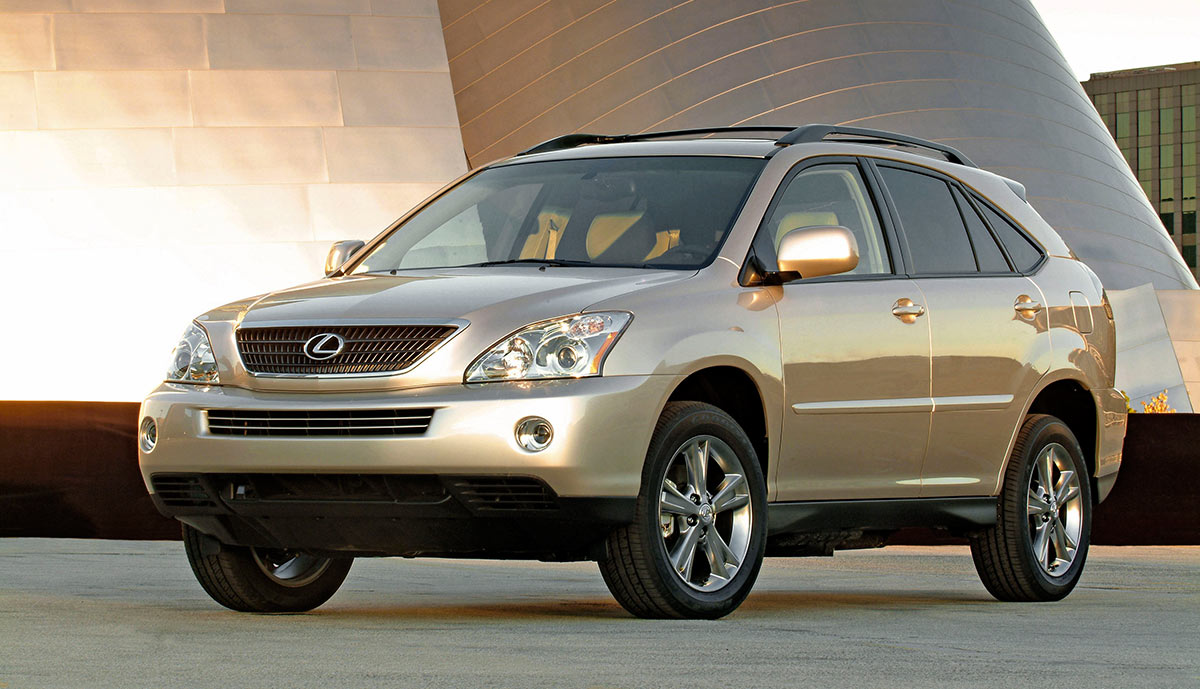
Reliability was top-notch, and Lexus service costs, while higher than Toyota’s, were still modest compared to European rivals. Owners quickly learned that this hybrid luxury SUV could deliver both refinement and financial peace of mind.
7. Mercury Mariner Hybrid (2006–2008)
As the sibling of the Ford Escape Hybrid, the Mercury Mariner Hybrid shared all the same durable engineering with a slightly more upscale interior.
Though Mercury as a brand didn’t survive, the Mariner Hybrid became known for its bulletproof drivetrain and low running costs. Mechanics often point out that these SUVs were overbuilt for their time, making them affordable used buys that still hold up today.
One of the longstanding criticisms of the Ford Escape has been its rather bland styling, particularly on the inside. Mercury, however, unintentionally addressed that issue by giving its twin, the Mariner, a more refined, upscale appearance.
While it might be tempting to dismiss this as nothing more than a dressed-up Escape, history shows that such an approach can work. After all, Cadillac took a Chevrolet Tahoe, added some luxury touches, and introduced the Escalade back in 1999, a move that proved extremely successful.
The Mercury Mariner Hybrid, introduced for 2006, shares its basic platform, structure, and powertrain with the Escape Hybrid but distinguishes itself with style.
The front fascia is unmistakably Mercury, while unique design cues such as premium wheels and sleek rocker moldings elevate its appearance. Inside, metallic-look trim provides polish without excess flash, but the real highlight comes from the two-tone suede and leather seats with contrasting stitching, which create a distinctly upscale look.
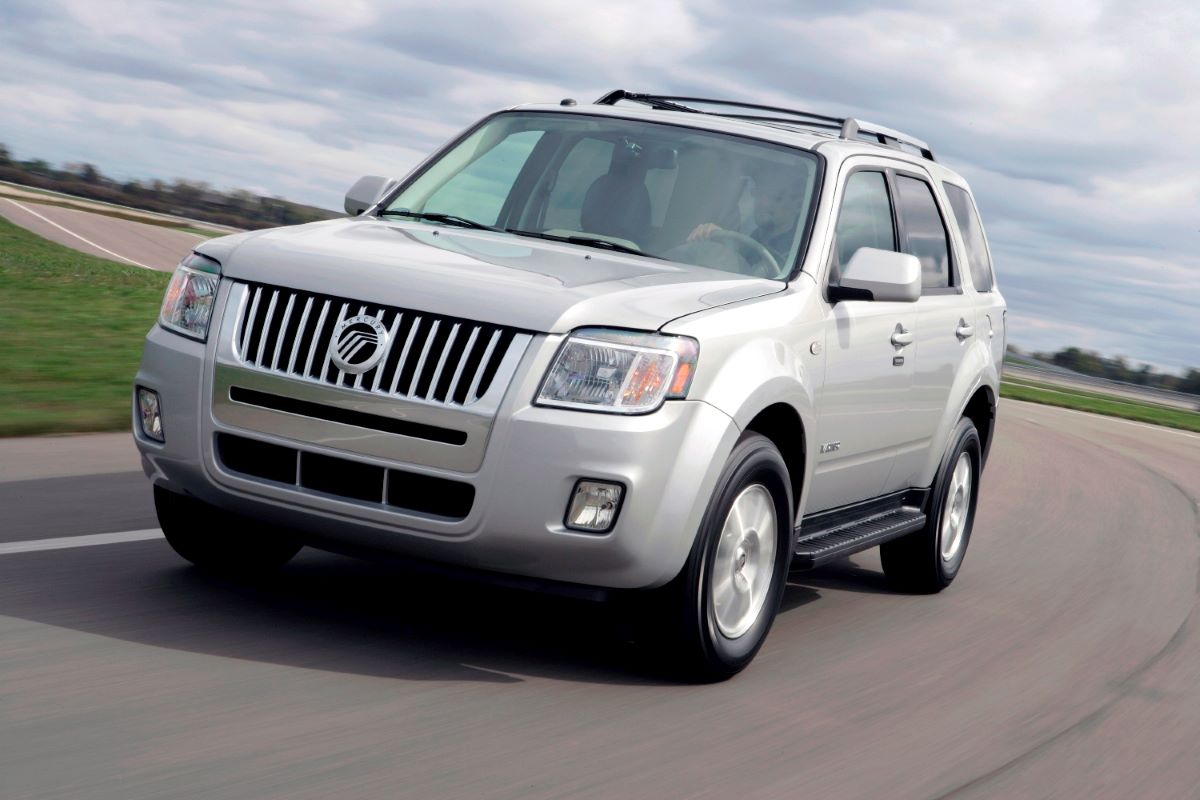
Beneath its attractive design, the Mariner Hybrid employs a 2.3-liter four-cylinder gasoline engine paired with electric motors to balance power delivery with reduced emissions and fuel consumption. Under heavy acceleration, both the gas engine and electric motors work in unison to provide maximum performance.
In lighter driving conditions, such as stop-and-go traffic, the system often relies solely on battery power. A regenerative braking system further enhances efficiency by converting energy typically lost as heat into electricity to recharge the battery pack. For drivers seeking a hybrid SUV that delivers everyday practicality without sacrifice, the 2006 Mercury Mariner Hybrid stands out as an excellent choice.
The Mariner Hybrid’s powertrain combines a 2.3-liter gasoline engine with two electric motor/generators. While Mercury refers to the transmission as a CVT, it differs from a traditional belt-driven system; instead, the hybrid uses a planetary gear set that allows the gas engine and electric motors to work seamlessly together for smooth and efficient power delivery.
Operation is straightforward for the driver, simply shift into “D” and press the accelerator. The Mariner Hybrid is available exclusively with all-wheel drive and achieves fuel economy ratings of 33 mpg in the city and 29 mpg on the highway, placing it among the most efficient SUVs available at the time.
8. Toyota Highlander Hybrid (2006–2008)
Families who wanted more space than a Prius or Camry Hybrid could offer turned to the Toyota Highlander Hybrid. Its three-row seating, paired with Toyota’s hybrid drivetrain, made it a practical choice for larger households.
Despite being heavier and more complex than the Prius, early Highlander Hybrids proved very dependable, with strong resale values and lower-than-expected maintenance bills. Owners loved having the size of an SUV with the fuel economy of a midsize car.
Hybrids themselves are not a new concept, the first Honda Insight and Toyota Prius models arrived in showrooms more than five years ago. What sets the 2006 Toyota Highlander Hybrid apart, however, is its ability to bring the hybrid idea into the mainstream.
Early hybrids like the Insight were groundbreaking, but their small size and limited seating made them impractical for many buyers. The Highlander changes that equation by offering a hybrid vehicle that can accommodate up to seven passengers.
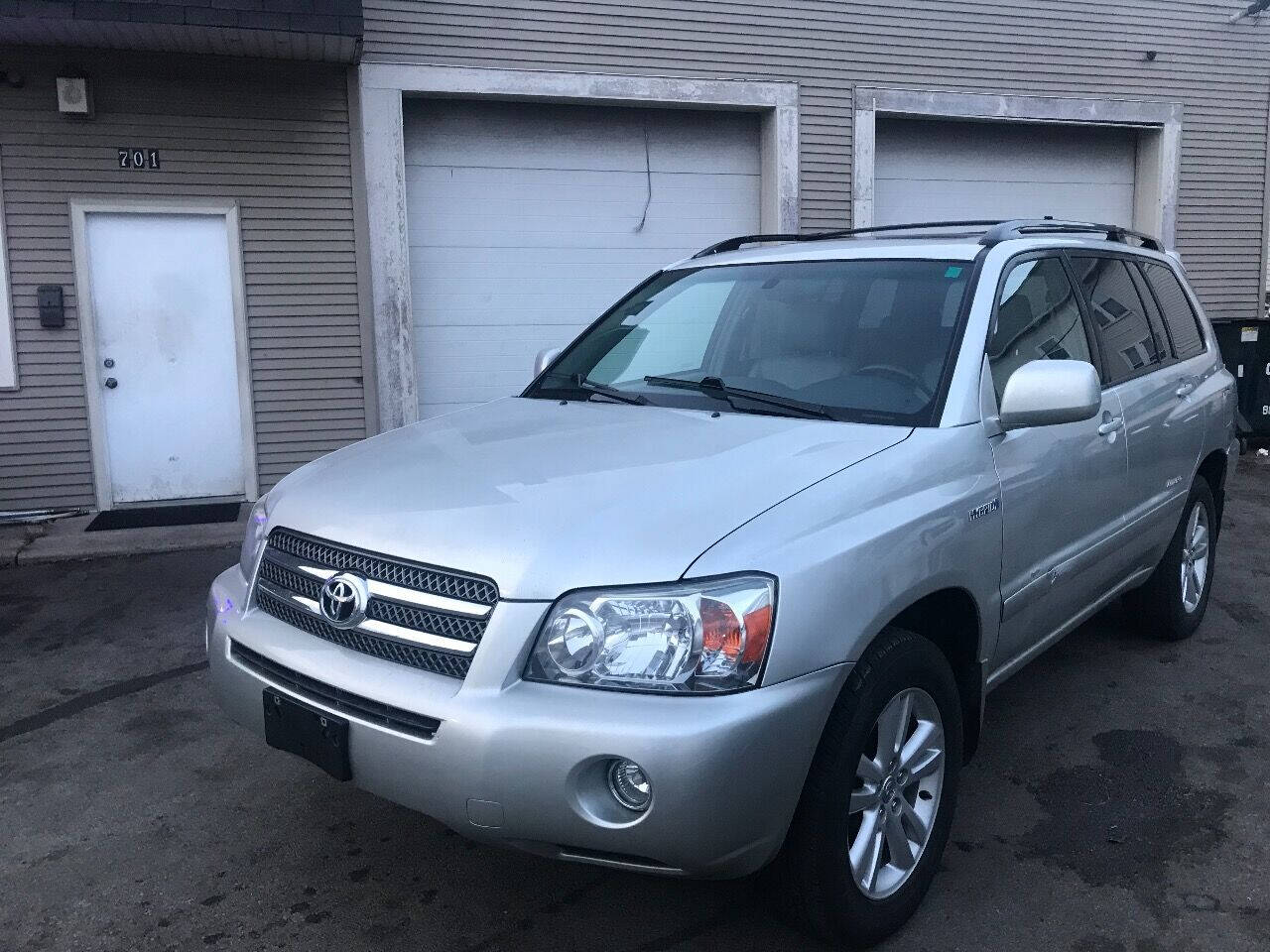
As the first seven-passenger hybrid on the market, Toyota’s alternative-fuel SUV is groundbreaking in a more subtle but meaningful way. Automakers have come to realize that widespread adoption of hybrids won’t come solely from impressive fuel economy. Given the premium cost of hybrid technology, buyers expect added value in the form of performance and features.
Models such as the Lexus RX 400h and Honda Accord Hybrid have already demonstrated this, and the Highlander Hybrid follows the same formula. While it does conserve fuel, Toyota places equal emphasis on delivering more power and providing useful features like standard third-row seating.
In terms of efficiency, the Highlander Hybrid outperforms traditional V6-powered SUVs with EPA ratings of 31 mpg in the city and 27 mpg on the highway.
Yet it’s the 268 horsepower from its hybrid powertrain that makes the biggest impression, giving the SUV a lively and confident feel. Toyota adds subtle hybrid-specific touches as well, including standard LED taillights and exclusive 17-inch wheels. Options include foglights, a roof-mounted rear spoiler, and a JBL premium audio system.
The Limited trim pushes the luxury factor further, offering nearly every feature imaginable aside from the optional DVD-based navigation system. With that navigation package comes an added perk familiar to Prius owners, a power flow display and fuel economy monitor built into the touchscreen.
Buyers can choose between front-wheel drive and Toyota’s all-wheel-drive system, known as 4WD-i. Unlike traditional systems, this on-demand setup enhances traction on various surfaces by employing a rear-mounted motor/generator that powers the rear wheels whenever the front wheels begin to slip. It also has the ability to regenerate energy from all four wheels, improving overall efficiency.
What makes the 2006 Toyota Highlander Hybrid stand out is that it manages to blend advanced technology with everyday practicality. It doesn’t force owners to sacrifice comfort, convenience, or space in the name of fuel savings.
With its conservative styling, family-friendly cabin, and smooth integration of hybrid technology, the Highlander Hybrid offers a painless and appealing entry point into the high-tech automotive era for the average American family.
9. Honda Accord Hybrid (2005–2007)
Though the first Honda Accord Hybrid didn’t sell in huge numbers, it demonstrated Honda’s willingness to experiment. Unlike other hybrids focused solely on economy, the Accord Hybrid emphasized performance, using its electric assist to boost acceleration.
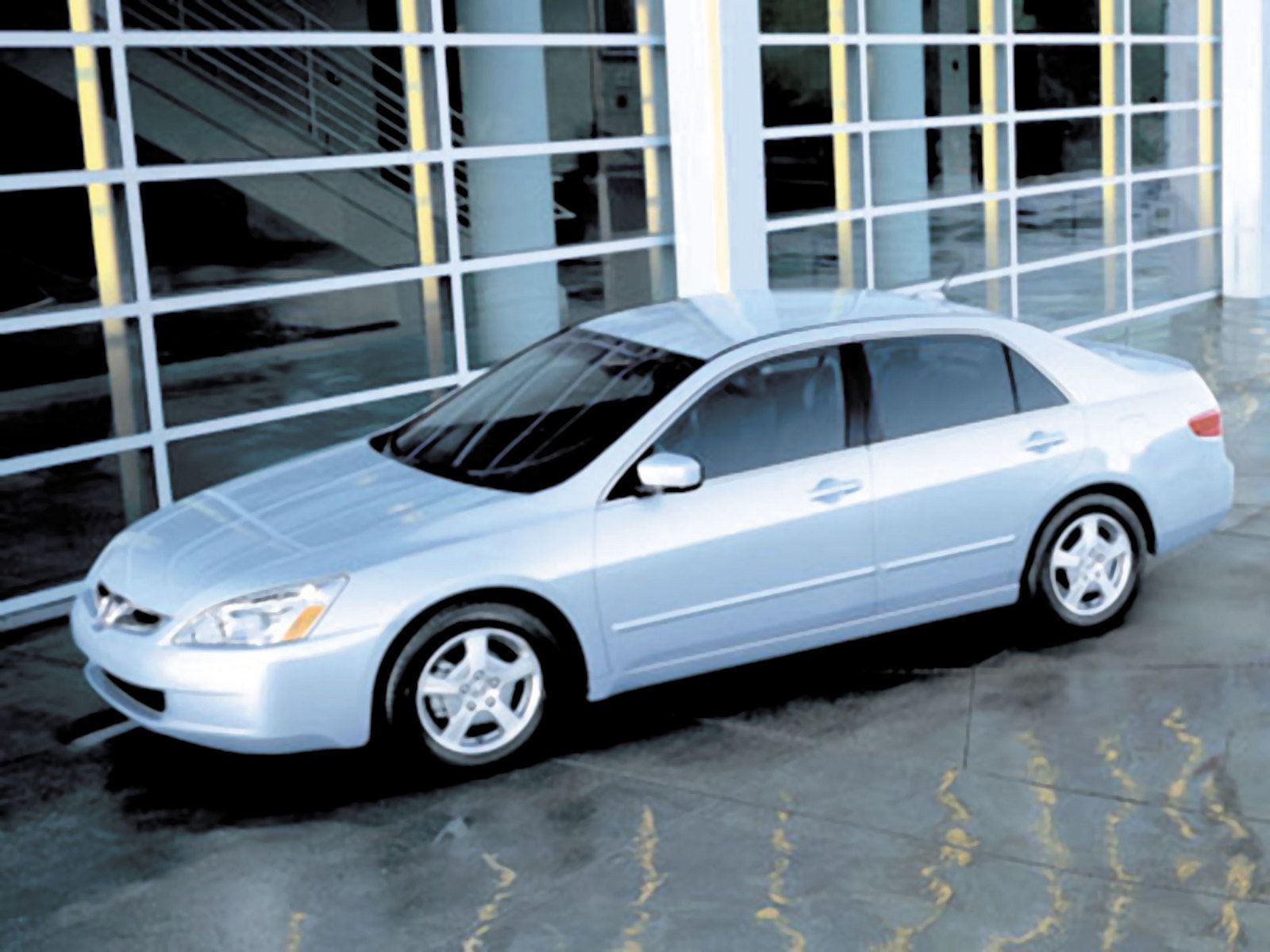
Still, it remained efficient and inexpensive to maintain thanks to Honda’s reputation for reliability. The model may not have stayed in production long, but those who bought one found it to be a dependable hybrid that rarely strained budgets.
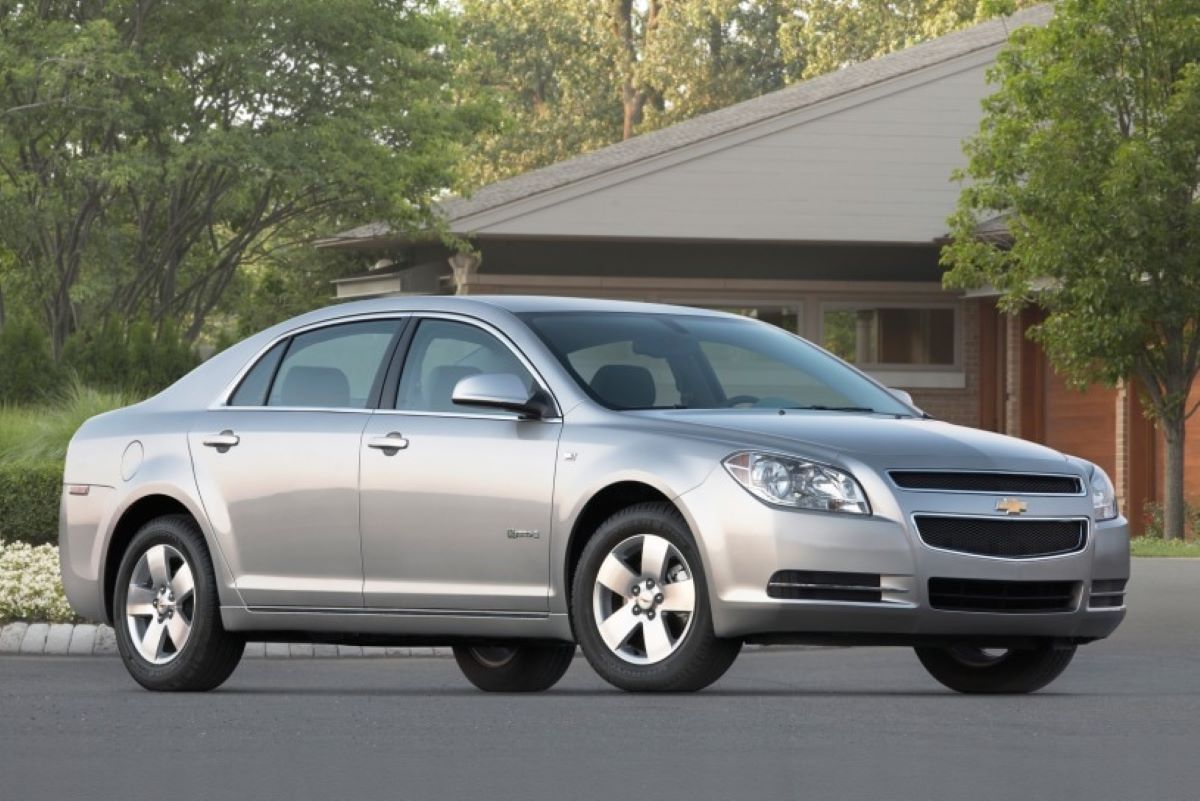
10. Chevrolet Malibu Hybrid (2008–2009)
GM entered the hybrid market with “mild hybrids,” and while the Malibu Hybrid wasn’t as advanced as Toyota’s or Honda’s offerings, it had one major advantage: affordability.
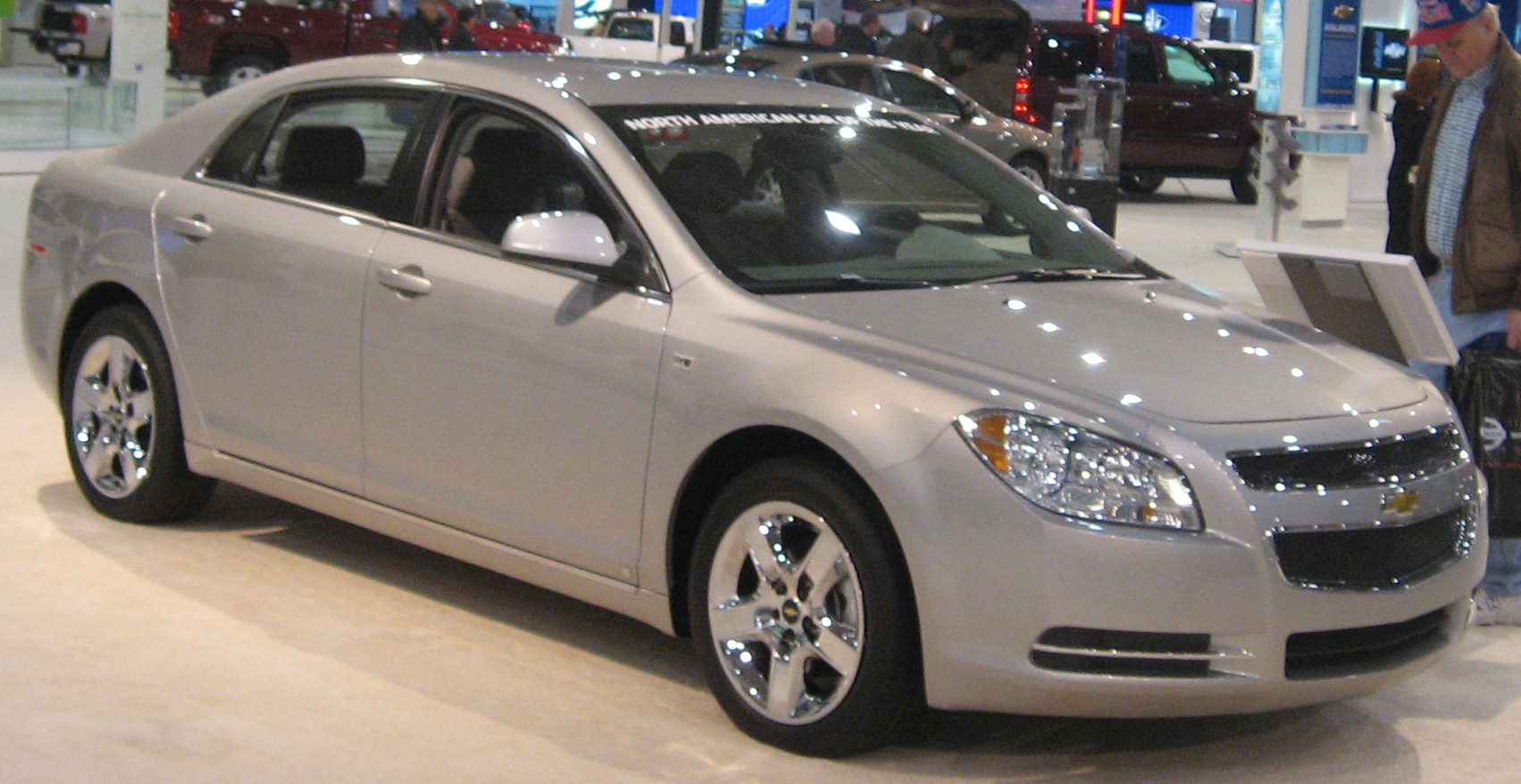
Maintenance and parts were inexpensive, since the Malibu shared much with its non-hybrid siblings. The hybrid system’s simplicity actually worked in its favor, reducing complexity and repair costs.
For budget-conscious buyers in the late 2000s, this made the Malibu Hybrid a surprisingly good wallet-friendly choice.
The 2009 Chevrolet Malibu Hybrid stands as both an achievement and a disappointment. As a midsize sedan, the Malibu succeeds with its attractive design, confident handling, and roomy, comfortable interior.
However, the hybrid variant is considered a “mild” hybrid. And much like a tofu burger or a near-beer, it doesn’t quite measure up to the real deal.
To break it down, a full hybrid has the capability to operate solely on electric power at speeds of up to about 25 mph. This gives it excellent fuel efficiency, particularly during stop-and-go traffic or city driving, conditions where traditional gasoline engines perform poorly.
In contrast, the Malibu Hybrid’s “mild” designation means its electric motor doesn’t truly power the car independently. Instead, it’s mainly designed to restart the engine after it shuts off at stoplights or while idling to conserve fuel.
11. Saturn Vue Green Line (2007–2008)
Another GM mild hybrid, the Saturn Vue Green Line, delivered solid fuel economy gains without the expensive complexity of a full hybrid system.
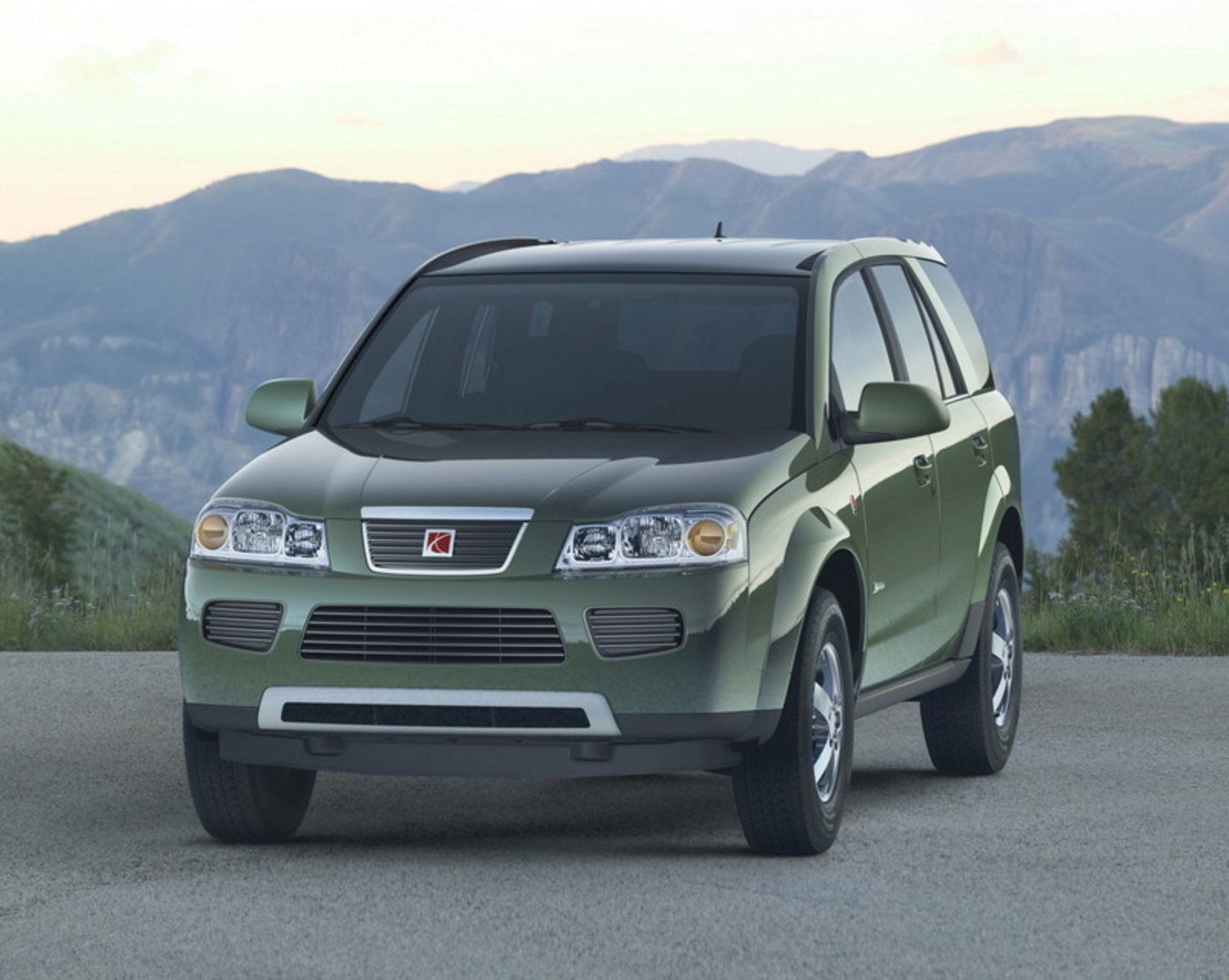
While Saturn as a brand is gone, these SUVs remain on the road thanks to their simplicity and easy-to-find parts. Owners often highlight low repair costs and decent mileage for a compact SUV. It wasn’t flashy, but it proved that hybrids could be economical in more ways than one.
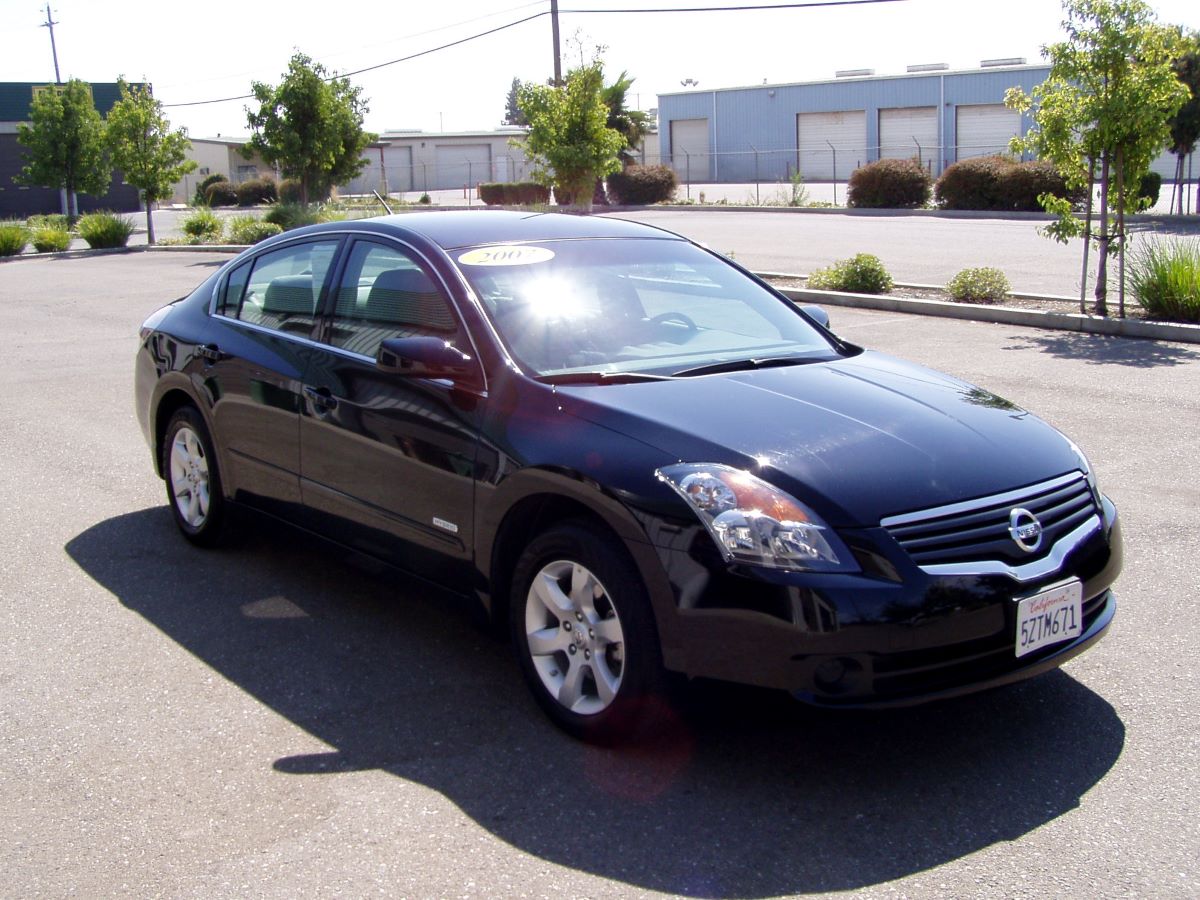
12. Nissan Altima Hybrid (2007–2011)
Nissan’s first hybrid sedan used Toyota’s hybrid technology under license, and that decision paid off. The Altima Hybrid combined Nissan’s sporty driving dynamics with Toyota’s proven hybrid system, giving owners the best of both worlds.
Though it was only sold in select states, those who got their hands on one discovered a reliable, efficient, and affordable-to-own sedan. With Toyota’s drivetrain at its core, maintenance costs stayed low and dependability remained high.
Early hybrids often carried the stigma of being costly science projects on wheels, but the models listed above defied that assumption.
Whether through Toyota’s unmatched reliability, Honda’s engineering ingenuity, or GM’s simpler mild hybrid approach, these cars showed Americans that owning a hybrid didn’t have to mean endless repair bills.
Many of these vehicles still run strong today, a testament to their durability and affordability.
For U.S. buyers in the 2000s, these hybrids offered a new way to save money not just at the pump, but also in long-term ownership. And in hindsight, they paved the way for the hybrid and EV boom we’re witnessing today.