Inline-four engines have long been the backbone of the automotive world, powering everything from rugged pickup trucks to high-revving sports cars. Their appeal lies in a simple formula: compact packaging, balanced performance, and time-tested durability. But among the countless four-cylinder engines produced over the decades, only a select few have earned reputations as practically indestructible.
These engines not only kept cars running well past 200,000 miles but also became legends in their own right, thanks to clever engineering, resilience under stress, and the trust they inspired in drivers worldwide.
In this list of 10 Inline-Four Engines That Are Practically Indestructible, we’ll explore powerplants that represent the best of both engineering innovation and long-term dependability.
From Ford’s turbocharged EcoBoost to Volvo’s overbuilt Redblock, Toyota’s bulletproof 22RE, and Honda’s high-revving marvels, these engines prove that true reliability is not just about lasting, it’s about enduring through generations of drivers and challenges.
1. Ford EcoBoost: Blending Innovation with Reliability
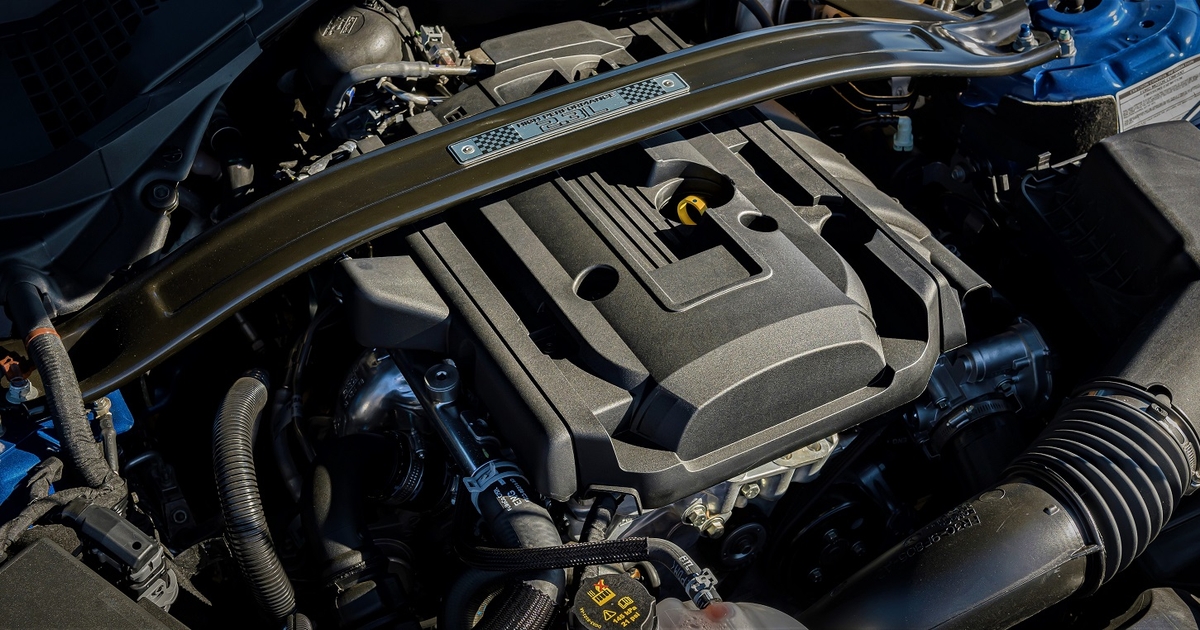
The Ford EcoBoost engine family represents one of the most significant developments in modern automotive engineering, combining small displacement efficiency with the performance of larger engines. Its journey began in 2015 with the launch of the 2.3-liter EcoBoost in the Lincoln MKC.
Producing 285 horsepower and 305 lb-ft of torque, it quickly set itself apart as the most powerful four-cylinder engine Ford had built at the time. The technology expanded rapidly, appearing in the Ford Explorer a year later and powering the 2018 Focus RS with a highly tuned version delivering 350 horsepower.
Today, EcoBoost engines are integrated across Ford’s entire range, from compact city cars like the Fiesta to larger passenger vehicles like the Tourneo Custom.
The driving philosophy behind EcoBoost was clear from the outset. Ford wanted an engine that could deliver impressive efficiency while reducing carbon emissions, without forcing customers to sacrifice power. This was made possible through direct fuel injection and turbocharging.
By injecting fuel directly into the combustion chamber with high precision, the engines achieved cleaner and more efficient burns, ultimately consuming less fuel. The turbochargers added an extra layer of performance, producing strong torque across a wide range of engine speeds and allowing smaller engines to do the work of larger, less efficient ones.
Ford placed a strong emphasis on reliability during the development of the EcoBoost family, particularly the 2.3-liter engine. Engineers relied on advanced computer simulations, rigorous dyno testing, and extensive real-world driving under maximum load to ensure durability.
As a result, the engines are generally considered dependable, with typical lifespans estimated between 150,000 and 200,000 miles when maintained correctly.
That said, the EcoBoost range has not been without its issues. Some early models experienced carbon buildup on intake valves, particularly the first-generation 3.5-liter, which led to reduced performance and rough running. Timing chain problems surfaced in certain 2014 F-150s, creating noise and loss of efficiency.
Other models, particularly smaller displacements built between 2012 and 2018, were vulnerable to coolant leaks that, in severe cases, caused overheating. In humid climates, a subset of 3.5-liter engines developed condensation in the intercooler, sometimes leading to misfires under heavy acceleration.
The reliability of these engines depends largely on three key factors: regular maintenance, the specific generation of the engine, and the conditions under which it is driven. Later designs, such as the 2018 and newer 3.5-liter or the 2.7-liter EcoBoost, feature improved internal components and more robust cooling systems, earning them stronger reliability ratings compared to earlier versions.
Despite early setbacks, the EcoBoost project has become a cornerstone of Ford’s engineering identity. By delivering high performance with reduced fuel consumption, it embodies the balance between sustainability and driving enjoyment.
With continuous refinements and proper maintenance, EcoBoost engines have proven capable of exceeding 150,000 miles, securing their place as both a practical and durable choice for Ford drivers worldwide.
2. Volvo Redblock: Built to Outlast Generations
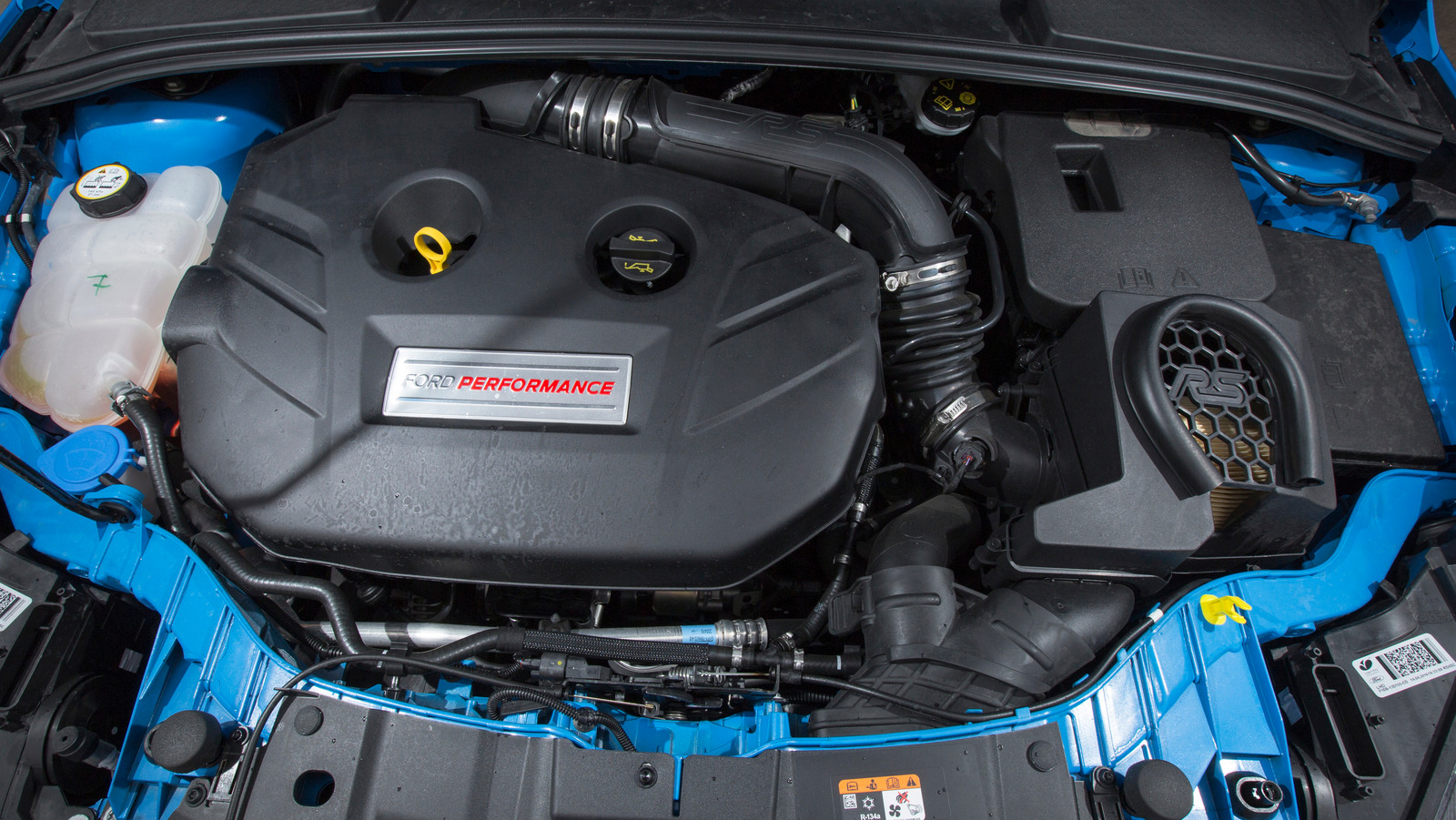
The story of the Volvo Redblock begins in the mid-1970s, a time when Volvo was cementing its reputation for building cars that put safety and reliability above everything else. The 200 series, produced from 1974 to 1993, became the platform for this philosophy, and at its heart was the B21 engine.
This slanted straight-four introduced a single overhead camshaft and an aluminum crossflow cylinder head, replacing the older pushrod B20 design with its iron head. It was not a glamorous engine, nor was it designed to thrill with speed, but it was engineered to endure.
By the mid-1980s, the B230 became the most common Redblock engine, powering Volvos produced between 1985 and 1995. On paper, its output was modest: 111 horsepower and 134 lb-ft of torque. In a Volvo 244 weighing over 3,100 pounds, the result was a sluggish 0 to 60 mph time of 12.6 seconds.
Yet performance was never the selling point. Volvo owners were not looking for fast acceleration; they were looking for vehicles that could protect families and remain dependable for decades.
In fact, a 1995 Insurance Institute for Highway Safety report revealed that the Volvo 240 had the lowest death rate of any car sold in the U.S. between 1990 and 1994, underscoring how the company’s priorities resonated with buyers.
What makes the Redblock remarkable is not its speed but its lifespan. Stories of Redblocks surpassing 200,000 or 300,000 miles are common, and some have even approached a million miles with proper care. Experts frequently praise the design for its resilience.
Jay Boucher of FCP Euro famously remarked that a properly maintained Redblock will “still be running after 200k, 300k, and possibly even one million miles.” Likewise, Classic and Sports Car noted that, beyond typical wear, rattles and the occasional head-gasket failure are the only real concerns owners are likely to face.
This longevity is the product of deliberate engineering choices. Volvo designed the Redblock to be more durable than necessary, with heavy internals, thick cast-iron blocks, and straightforward mechanical layouts that minimized failure points.
These engines were tested in extreme environments, including military and amphibious applications, where they proved their ability to withstand prolonged stress. Later versions, such as the B230, incorporated low-friction components and heavy harmonic balancers, further smoothing performance and extending service life.
Enthusiasts also discovered the Redblock’s surprising potential for tuning. Its robust construction provided a foundation for significant increases in horsepower without compromising reliability. With upgraded components, such as reinforced connecting rods, the Redblock could handle outputs far beyond factory specifications, making it both a workhorse and a hidden performance gem.
In retrospect, the Volvo Redblock is less about statistics and more about philosophy. It embodies an era when engines were overbuilt, designed to last for hundreds of thousands of miles rather than simply meet warranty requirements.
For Volvo, the Redblock was not just an engine; it was a statement of intent, ensuring that its cars would remain safe, reliable, and enduring long after competitors had faded from the road.
3. Toyota 22R/RE: The Workhorse That Built a Reputation
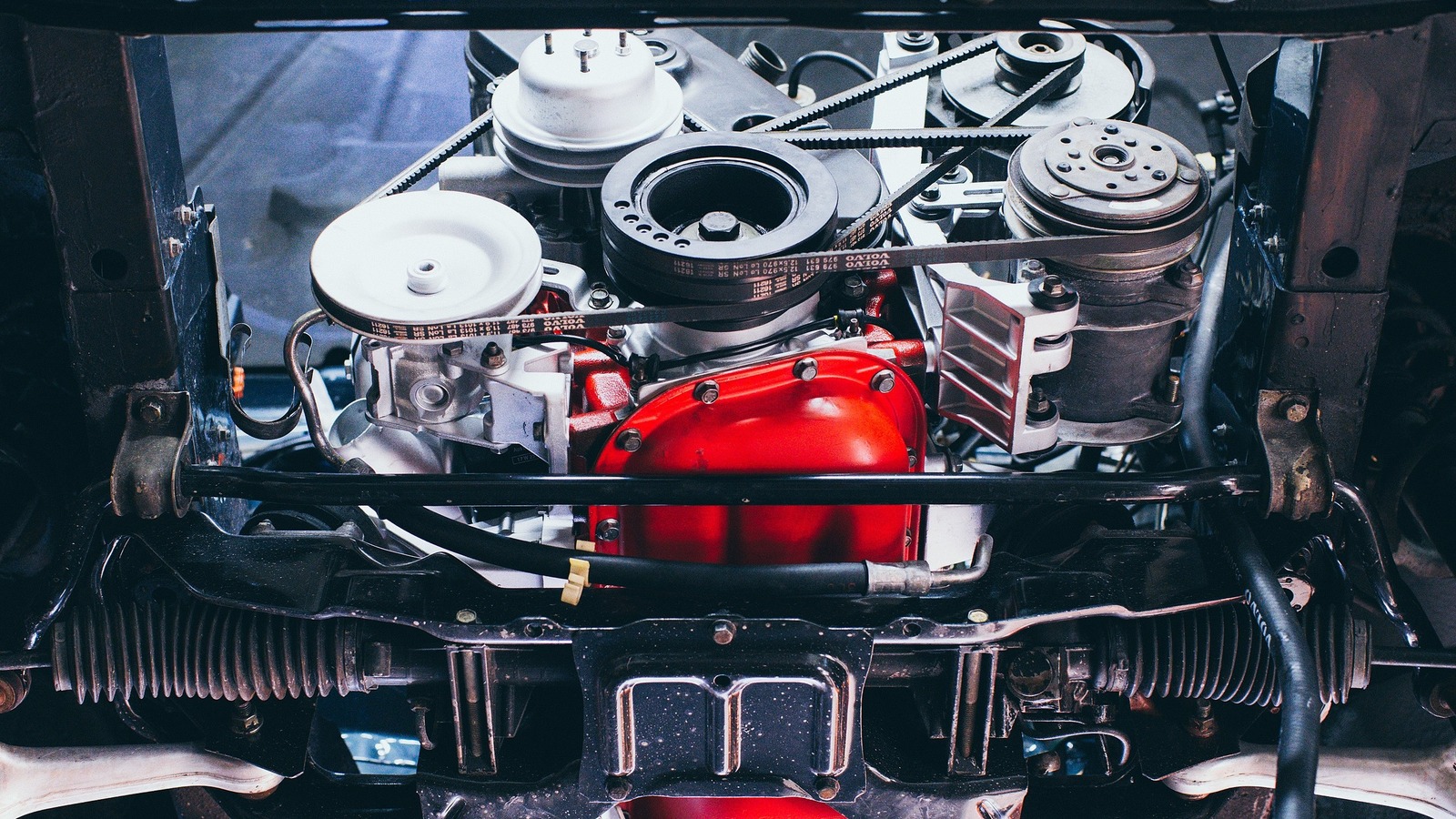
Toyota’s reputation for building durable, reliable vehicles owes much to the 22R and 22RE engines, which remain among the most celebrated in the company’s history. Introduced in 1981 and produced until 1995, these engines powered a wide variety of models, from the sporty Celica to the rugged Hilux and 4Runner.
While modest in output, the 22R/RE family became legendary for its ability to withstand years of hard use with minimal problems, helping cement Toyota’s status as one of the most dependable automakers in the world.
The earliest version, the carbureted 2.4-liter 22R, produced 97 brake horsepower in a 1981 Celica. Over the years, Toyota refined the design, and by 1991, the engine in a Toyota Pickup delivered 116 horsepower and 140 lb-ft of torque. In 1982, Toyota introduced the 22RE, which featured electronic fuel injection for improved efficiency and smoother performance.
For a brief time, from 1985 to 1988, the lineup also included the turbocharged 22RTE, though this variant was short-lived. What made the 22RE particularly effective was its hemispherical combustion chamber and crossflow head, which promoted efficient combustion, while the long 3.5-inch stroke contributed to generous low-end torque.
Although never designed as high-performance engines, the 22R/RE powerplants proved their worth through durability. Owners often report engines surpassing 300,000 miles with proper care, and many examples continue to run reliably today. In a survey conducted by RepairPal, the Toyota Pickup equipped with the 22RE earned 4.2 out of 5 stars from 34 owners.
Enthusiasts frequently praise the engine, with one longtime user noting that after owning three trucks powered by both the 22R and 22RE, none of them ever experienced major problems even after exceeding 200,000 miles.
This reputation for longevity stems from deliberate engineering. The use of cast iron for both the block and head gave the engine immense strength and thermal stability. Unlike engines that rely on belts, Toyota used a timing chain, which proved far more durable and less prone to failure, provided it was serviced before wearing out completely.
The simple mechanical design, with minimal electronics, also reduced the potential for breakdowns. Crucially, the 22R/RE was never overstressed. Its relatively modest power output meant it was designed to last, not to chase performance figures.
The engines became especially popular in demanding environments such as construction, farming, and off-roading. Their torque delivery and rugged build made them ideal for rock-crawling rigs fitted with oversized tires, while contractors and farmers valued their ability to endure years of heavy workloads.
Maintenance requirements were straightforward: regular oil changes, cooling system care, and timely timing chain replacement were usually enough to keep them running well past their intended lifespan.
Ultimately, the Toyota 22R and 22RE stand as some of the most reliable engines ever produced, combining simplicity, strength, and dependability. Though modest in power, they embody Toyota’s philosophy of durability and remain icons among enthusiasts who value longevity over speed.
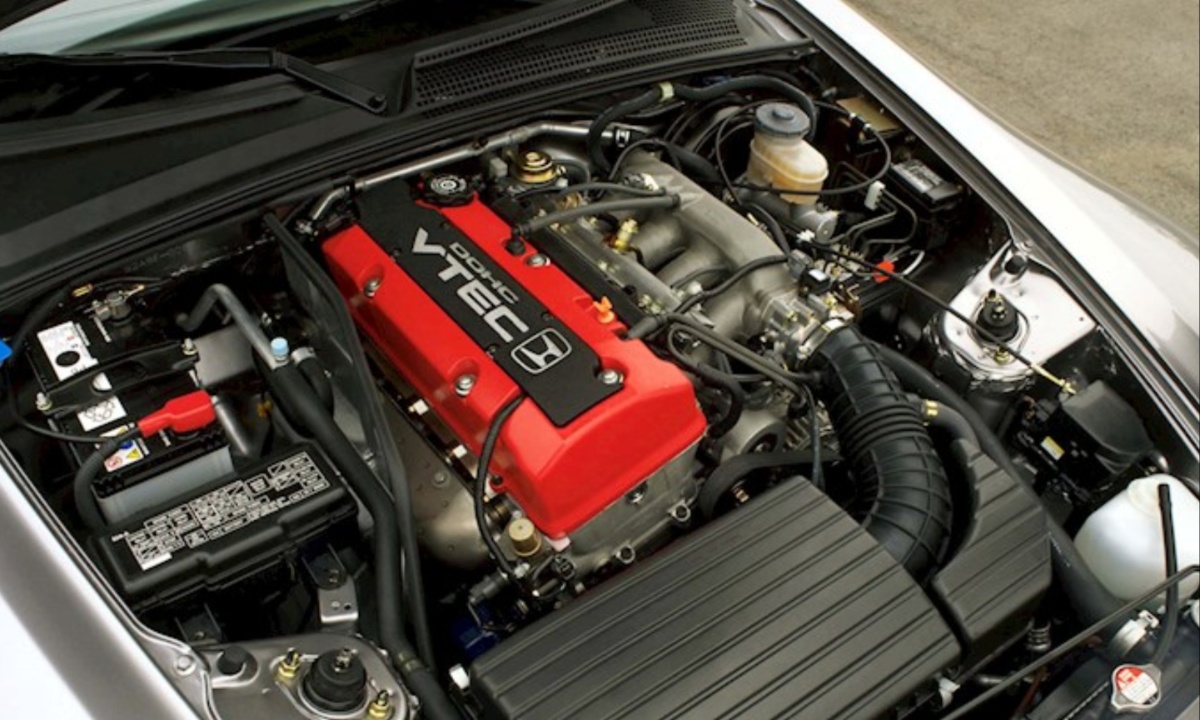
4. Honda F20C/F22C: Precision, Performance, and Longevity
When Honda introduced the S2000 in 1999, it stunned the automotive world. At a time when sports cars often relied on large-displacement engines for power, Honda pursued a different path, focusing on precision engineering and high-revving efficiency.
The result was the F20C, a 2.0-liter naturally aspirated four-cylinder that produced 237 horsepower and revved to stratospheric limits, offering a driving experience unlike anything else in its class. A few years later, Honda introduced the F22C, a 2.2-liter version designed to provide more accessible torque while maintaining the same character that defined the original.
The specifications were remarkable for engines of this size. The 2009 F22C developed 237 horsepower at 7,800 rpm and 162 lb-ft of torque at 6,800 rpm. Although peak torque arrived late in the rev range, the smoother delivery at everyday speeds made the car more livable for daily driving.
At the same time, it retained the thrill of climbing to high revs, a trait that made the S2000 beloved among enthusiasts. Combined with a near-perfect front-mid engine layout, rear-wheel drive, and Honda’s double-wishbone suspension, the S2000 delivered razor-sharp handling to match its engine’s character.
Against rivals such as the Porsche Boxster and BMW Z4, the Honda S2000 stood apart. Those competitors relied on larger engines with more torque but came with greater maintenance costs and less dependable reputations.
Two decades later, the market reflects that difference. Early Boxsters can often be found for bargain prices, while clean S2000s, especially those equipped with the F22C, continue to command premium values well above their original cost, underscoring the faith enthusiasts place in Honda’s engineering.
The F20C and F22C became famous not just for their performance but also for their staying power. Reports from owners and automotive outlets frequently highlight examples reaching 300,000 miles or more when maintained with care.
Forged pistons, a forged steel crankshaft, and five main bearings contribute to the strength of the rotating assembly, while the aluminum block with fiber-reinforced liners ensures durability even under extreme use. Honda’s VTEC system and a carefully designed rocker arm layout reduce friction, enabling high engine speeds without sacrificing reliability.
Maintenance remains the key to preserving these engines. Regular oil changes are essential, particularly given their high-revving nature, and valve adjustments should be performed at the intervals specified by Honda.
A small number of owners have reported timing chain tensioner issues, sometimes occurring as early as 50,000 miles, but these cases are the exception rather than the rule. With consistent care, the engines thrive both on the road and on the racetrack.
The legacy of the F20C and F22C lies in their unique ability to merge Honda’s reputation for dependability with an unmistakably motorsport-inspired spirit.
They represent a rare achievement in automotive history: engines that can endure daily commutes, dominate track sessions, and deliver an unforgettable driving experience long after their contemporaries have faded.
5. Volkswagen EA888: From Early Challenges to Refined Reliability
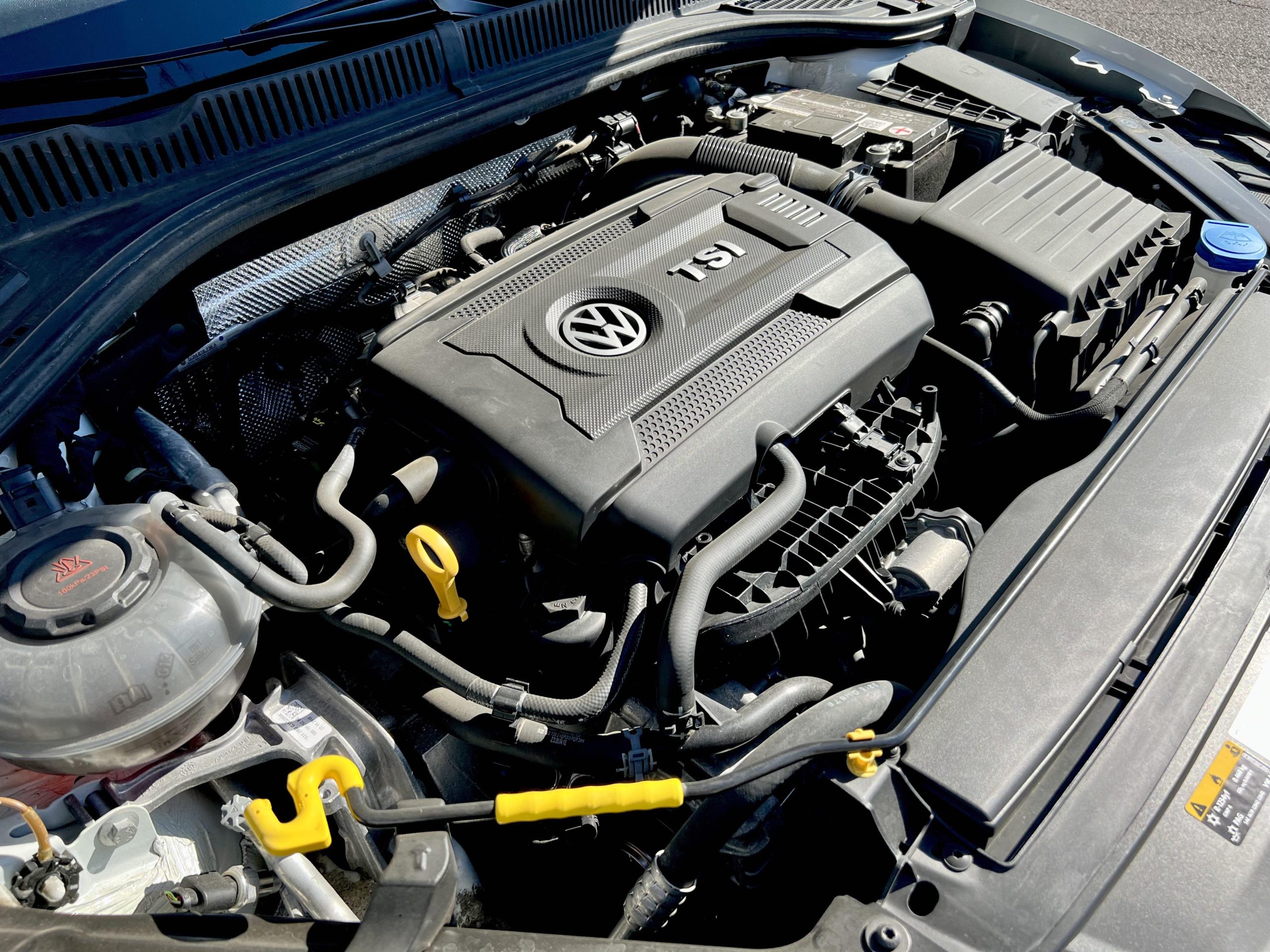
The Volkswagen EA888 engine first appeared in 2004, created as a versatile powerplant to serve a wide range of vehicles within the VW Group, from everyday Volkswagens to performance-oriented Audi and SEAT models. Over two decades, it has gone through several generations of refinement, gradually overcoming early weaknesses and becoming one of the most respected modern turbocharged engines on the market.
The foundation of the EA888 highlights Volkswagen’s focus on combining durability with efficiency. A cast-iron block ensures strength under turbocharged pressures, while an aluminum alloy cylinder head reduces weight.
The dual overhead camshaft design, together with direct fuel injection and a single-scroll turbocharger featuring an electronic wastegate, allows for quick response and reduced lag. A Bosch MED17 management system provides precise control of fuel delivery and ignition, ensuring both performance and fuel economy.
In its Gen3B form for the U.S. market, the engine produces 228 horsepower between 4,700 and 6,200 rpm, with a broad torque curve delivering 258 lb-ft as early as 1,500 rpm.
Despite its technical promise, the first versions of the EA888 earned a reputation for reliability problems. High oil consumption, weak piston rings, timing chain stretch, and tensioner failures were common complaints, sometimes leading to costly repairs. These flaws limited confidence in the engine during its early years.
Volkswagen responded by reworking internal components and improving design tolerances. The third-generation EA888 became notably stronger, with redesigned piston rings and more reliable chain systems. Even so, issues such as water pump and thermostat failures persisted, and many owners experienced these failures well before reaching high mileage.
The fourth generation marked a turning point. Known as the Evo4, this version introduced higher fuel injection pressures, refined valve operation, and improved cooling management.
Turbo hardware was upgraded, and an integrated intake manifold streamlined performance while reducing complexity. These changes elevated the engine’s reliability to a new level, giving it a strong reputation among drivers who sought both efficiency and long-term dependability.
Maintenance remains central to the EA888’s longevity. Owners who adhere to regular oil changes, often choosing shorter service intervals than Volkswagen recommends, are far more likely to see their engines reach and surpass 200,000 miles.
Addressing small problems quickly, such as replacing a faulty water pump before it causes overheating, can also make the difference between a healthy, long-lived engine and one prone to major failure.
The story of the EA888 reflects a steady evolution rather than instant success. Its troubled beginnings highlighted the challenges of designing compact turbocharged engines, but Volkswagen’s continuous refinements turned it into a durable, adaptable, and high-performing engine family.
Today, the EA888 stands as an example of how persistent engineering development can transform an engine line from a source of concern into a benchmark for modern turbocharged reliability.
Also Read: 10 Cars That Rarely Need Engine Overhauls
6. Saab B234R: A Turbocharged Legacy
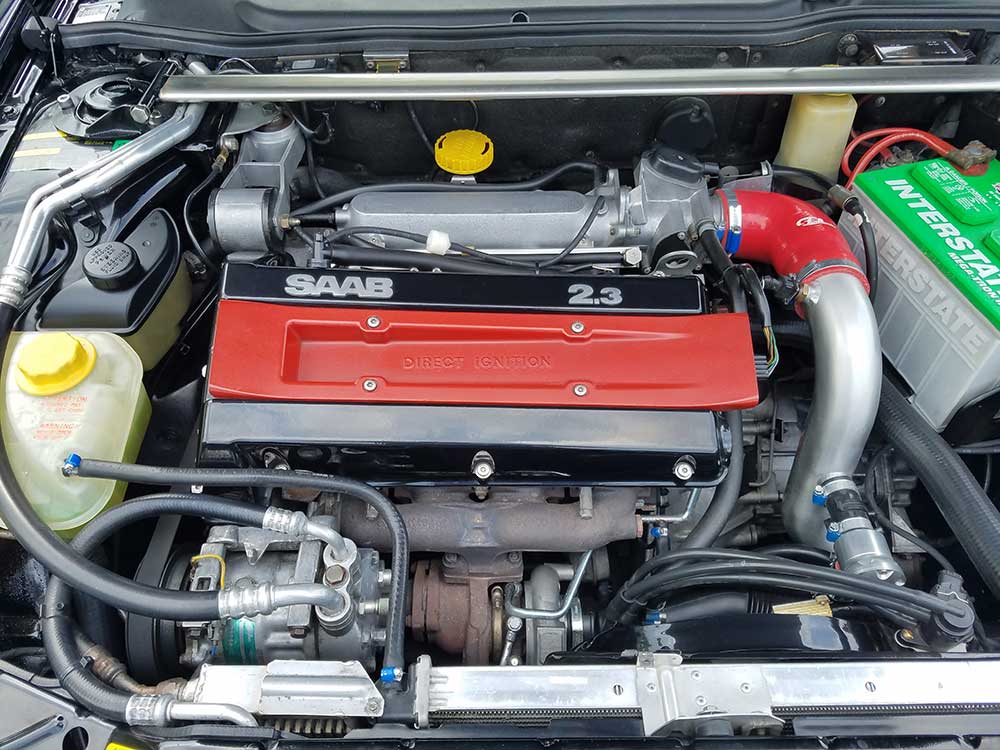
When Saab introduced the B234R engine in 1991 for its 9000 models, the automaker continued its tradition of engineering robust and forward-thinking powerplants. The B234R displaced 2.3 liters, a step up from the earlier 2.0-liter B202, achieved by extending the stroke by 12 millimeters.
While that change provided additional torque and flexibility, Saab didn’t stop there. Forged connecting rods and a forged crankshaft gave the engine immense strength under heavy loads, and the addition of the Trionic engine management system allowed precise control of the fuel-air mixture and turbo boost. Together, these elements created a durable yet sophisticated platform.
Performance was one of the B234R’s most notable strengths. When paired with a manual transmission, output reached 225 horsepower and 300 lb-ft of torque, while automatic versions produced slightly less at 200 horsepower. The numbers translated well in real-world driving.
A 1991 Saab 9000 Turbo, equipped with a five-speed manual, accelerated to 60 mph in 6.4 seconds and achieved a top speed of 142 mph. For a front-wheel-drive, five-passenger hatchback, such performance positioned Saab as a serious contender against larger and more expensive European sedans.
Durability soon became as important a part of the B234R’s reputation as its speed. Saab owners and mechanics often described the engine as “bulletproof,” citing its ability to surpass 300,000 kilometers, or 186,000 miles, with ease.
Some reported even greater lifespans, claiming that 300,000 to 500,000 miles were possible when the engine was cared for properly. Routine oil changes proved especially vital, not only for general health but also for preserving the turbocharger, which is particularly sensitive to lubrication quality.
Like any long-lasting engine, the B234R demanded maintenance. Components such as the timing chain and water pump were known to require replacement around 175,000 miles to prevent failures that could shorten their life.
Coolant-related issues also occasionally surfaced, as did minor misfires, though these were generally seen as manageable problems rather than dealbreakers. Many enthusiasts improved reliability further by fitting upgraded aftermarket parts, making the engine an even sturdier platform for both everyday use and performance modifications.
Today, the B234R is remembered not only as a reliable engine but as a statement of Saab’s engineering philosophy. It combined advanced management technology with old-fashioned durability, offering both performance and practicality in a package that could withstand decades of use.
For many, it represents the pinnacle of Saab’s turbocharged innovation, a four-cylinder engine capable of delivering strong acceleration on the test track, confident highway cruising, and the kind of longevity that earns respect long after production ended.
7. Honda K24 Series: A Lasting Balance of Power and Durability
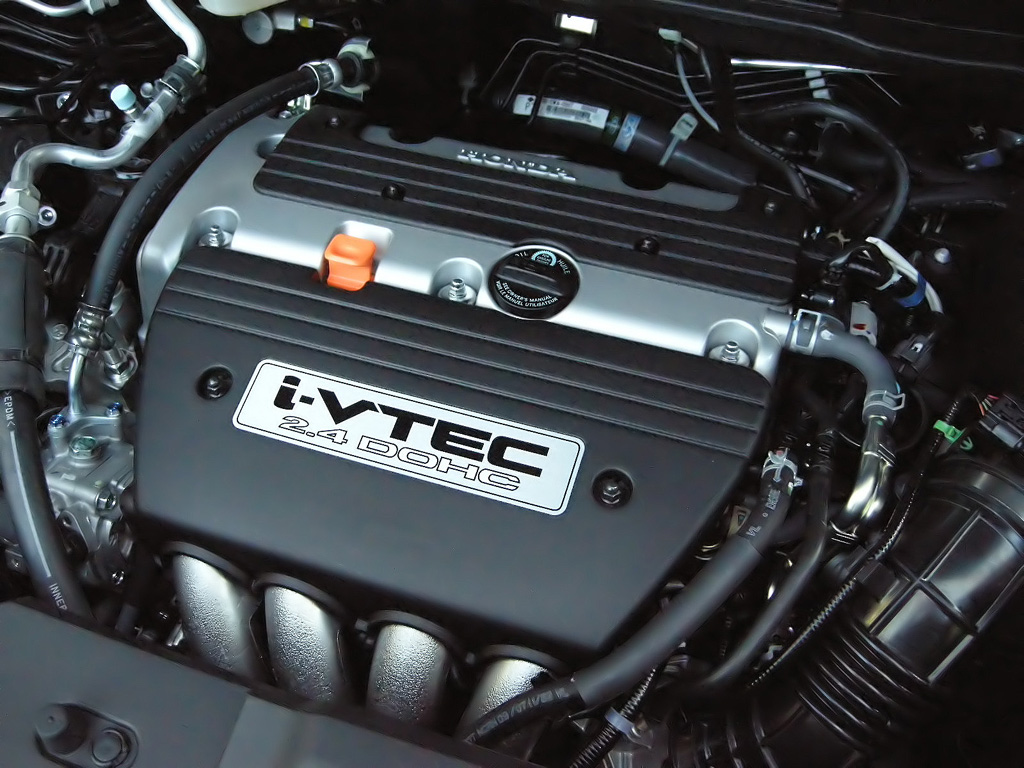
Honda introduced the K-series engine family in 2001, and within it, the K24 quickly earned a reputation as one of the company’s finest achievements. Over the course of more than twenty years and numerous variations, this four-cylinder has become a benchmark for reliability and versatility.
Known for its ability to cover enormous mileage without complaint, while also serving as a favorite among tuners, the K24 has secured a special place in automotive culture.
The K24A2 is often remembered as the standout among early versions. This engine powered the Acura TSX in the U.S. from 2004 to 2008, where it produced 205 horsepower at 7,000 rpm and 166 lb-ft of torque at 4,500 rpm. In Japan, it was found in models like the Accord Type-S and Odyssey Absolute, where its blend of efficiency, performance, and durability became a hallmark.
Built with a lightweight aluminum block, high-flow cylinder head, and a 10.5:1 compression ratio, the engine’s design made it well-suited both for long service life and for performance upgrades.
Tuning potential has been one of the K24’s defining characteristics. In its factory form, it is a moderately stressed engine engineered to endure. Yet when paired with forced induction, output can soar well into the 400–500 horsepower range.
To sustain that kind of performance, many enthusiasts strengthen the internals with forged parts and upgrade supporting components such as the transmission. This adaptability explains why the K24 is often regarded as one of the most flexible Honda engines ever built.
Durability is another major strength. Many K24-equipped vehicles have comfortably passed the 200,000- to 300,000-mile mark with no major issues, provided maintenance schedules are respected.
Its aluminum block with cast-iron sleeves provides a strong foundation that resists wear, while later versions benefited from stronger forged internals for even greater resilience. The extensive aftermarket ecosystem surrounding the K-series has also ensured that repairs, rebuilds, and upgrades remain accessible and affordable.
Like any long-running engine, the K24 is not immune to wear and weaknesses. Certain variants consume more oil at higher mileages, often due to piston ring or valve seal wear. Timing chain tensioner noise is another common issue, especially when oil changes are neglected, and leaks from seals or gaskets can arise after extended use.
Some early versions also experienced camshaft lobe wear tied to poor maintenance. VTEC solenoid or pressure switch malfunctions can interrupt performance, and worn engine mounts are a known source of excess vibration. These issues, however, are rarely catastrophic and can be addressed with regular upkeep.
What continues to set the K24 apart is its dual identity. It serves reliably as a long-life daily driver engine while also standing as a robust platform for high-performance projects.
With timely care, quality fluids, and attention to small problems before they grow, the K24 has proven capable of remarkable longevity and remains a testament to Honda’s skill in designing engines that combine endurance, efficiency, and excitement.
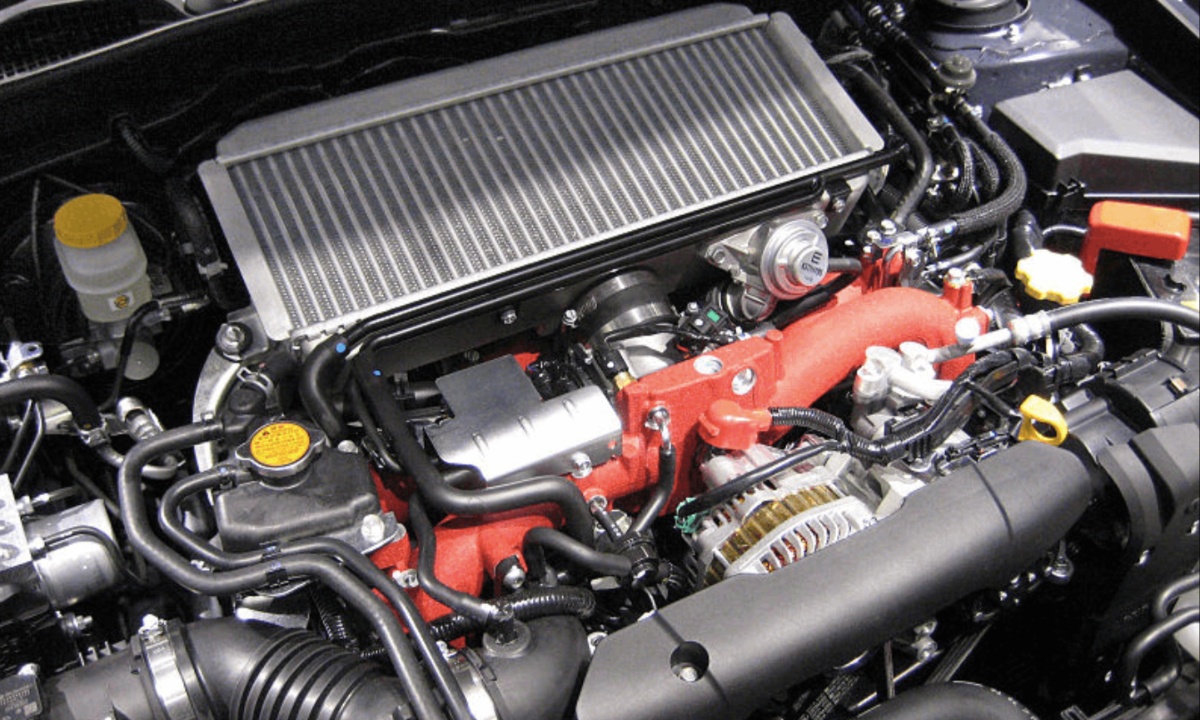
8. Subaru EJ20: A Boxer Engine Built for Balance and Longevity
The EJ20 first appeared in the 1989 Subaru Legacy and quickly became one of Subaru’s most widely used engines, thanks to its adaptable design and long-standing reputation for durability. Over the years, it powered numerous models across Subaru’s lineup, becoming a favorite among both daily drivers and performance enthusiasts.
Owners often highlight its dependability; one Outback driver noted that their car had passed 100,000 miles while remaining “relatively reliable,” a reflection of the engine’s resilience over decades of service.
At the heart of the EJ20’s success is its boxer configuration. Unlike traditional inline or V-shaped engines, the flat-four design places the pistons horizontally, improving balance, lowering the vehicle’s center of gravity, and reducing stress on internal components.
This layout also improves cooling efficiency, a key factor in the engine’s durability. Subaru built the EJ20 with an aluminum block fitted with cast-iron sleeves and paired it with lightweight pistons and a tuned intake manifold designed for smooth, low-rpm operation. Certain variants were further enhanced with 4-2-1 exhaust headers, allowing for more efficient airflow and better responsiveness.
The EJ20E, one of the most common versions, used a naturally aspirated SOHC setup with aluminum heads and four valves per cylinder, producing between 125 and 155 horsepower depending on generation. A step up came with the EJ20D, featuring dual overhead cams and generating 150 horsepower at higher revs.
Beyond factory output, the EJ20 gained a reputation in tuning circles for its robust internals. Reports suggest that stock components can withstand up to 300 wheel horsepower when paired with a proper fuel management system, underscoring the engine’s versatility.
While naturally aspirated EJ20s are widely regarded as reliable, turbocharged versions present a more complicated picture. The EJ207, fitted in high-performance WRX STI models, was equipped with forged pistons and other strengthened components, making it a favorite for enthusiasts seeking both power and longevity.
By contrast, the EJ205’s open-deck block design offered less structural support, leaving it more vulnerable under high boost or aggressive tuning. These differences highlight how reliability within the EJ20 family depends heavily on the specific variant.
Known issues have followed the series over time. Head gasket failures, particularly in early turbocharged models, were among the most common problems, though Subaru addressed this in later generations with stronger gasket designs.
Pistons in non-forged variants have also been prone to ring land failures when pushed beyond their intended limits. Consistent maintenance remains the deciding factor for longevity: regular oil changes, careful monitoring of cooling systems, and replacing wear-prone components like timing belts ensure the EJ20’s lifespan often extends well beyond 200,000 miles.
The EJ20’s legacy rests not only on its reliability but also on its character. Naturally aspirated versions proved themselves as dependable everyday engines, while turbocharged variants became icons of Subaru’s rally heritage and performance culture.
Whether kept stock or modified, the EJ20 remains a defining example of Subaru’s engineering philosophy, a balance of durability, performance, and the unmistakable feel of a boxer engine.
9. BMW S14: A Motorsport-Bred Four-Cylinder with Lasting Strength
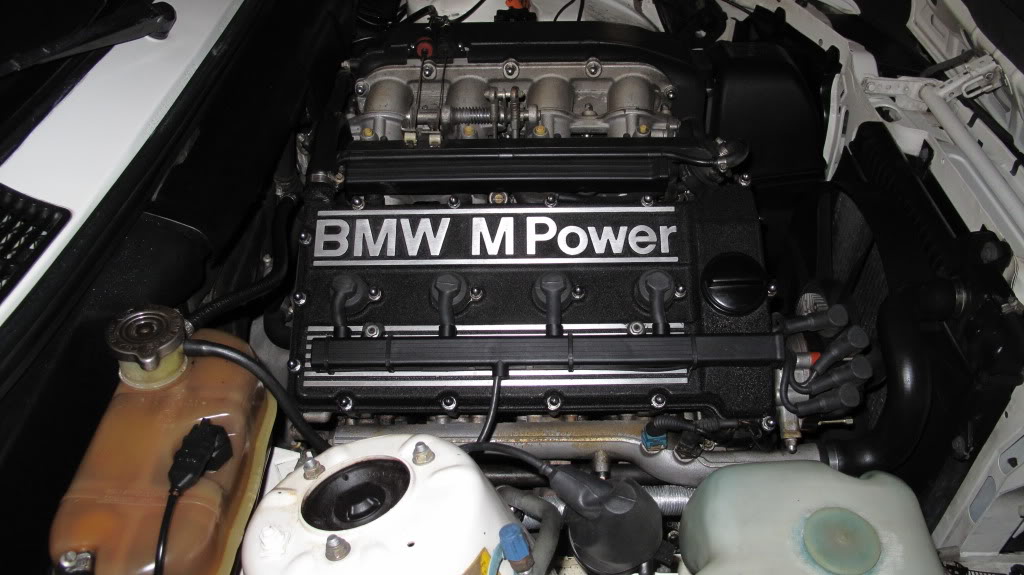
When BMW launched the E30 M3 in 1986, the centerpiece was the 2.3-liter S14 engine, a high-revving four-cylinder designed by Paul Rosche, one of the brand’s most influential engineers. Drawing on the BMW M1’s six-cylinder and sharing its cast-iron block with the proven M10 engine, the S14 embodied both racing pedigree and German precision engineering.
A four-valve cylinder head derived from the M5’s S38, carefully machined intake and exhaust ports, and individual throttle bodies emphasized its motorsport roots. Paired with a five-speed dogleg gearbox and race-ready suspension, the E30 M3 was engineered for competition but quickly built a reputation for reliability on the road as well.
Early versions of the S14 produced 200 brake horsepower and 176 lb-ft of torque, with power rising to 215 horsepower in later special editions. The ultimate iteration, found in the SportEvolution models, increased displacement to 2.5 liters and delivered 238 horsepower.
Performance figures reflected the engine’s lively character, propelling the lightweight M3 to 60 mph in 6.7 seconds and topping out above 140 mph. Despite its motorsport orientation, the S14 became known as the most reliable engine in the E30 range.
Owners and enthusiasts frequently emphasize its durability. Reports from Bimmers.com suggest that with careful maintenance, the S14 can surpass 300,000 miles without significant issues.
Its reputation stems from a combination of sturdy design and motorsport development: the robust M10 block, dual overhead camshaft layout, and ability to withstand high-revving use underlined BMW’s intent to create a performance engine that could also last.
Like many performance engines, the S14 does have considerations. Oil consumption can increase at higher mileages, and without attentive care, performance may decline around the 150,000 to 170,000-mile mark.
Regular maintenance is non-negotiable; consistent oil changes, inspections, and proper driving habits are essential for preserving longevity. Enthusiast sources, including BMW service specialists, reinforce the importance of diligent upkeep for extending the life of the S14.
The S14 remains an iconic powerplant not just because of its racing heritage but also for its balance of strength and dependability. Owners who follow a disciplined maintenance routine are rewarded with a high-revving, motorsport-derived engine capable of both thrilling performance and long-term durability, a hallmark of BMW’s golden era of engineering.
10. Kia Soul 2.0-Liter: Practical Dependability with Modern Efficiency
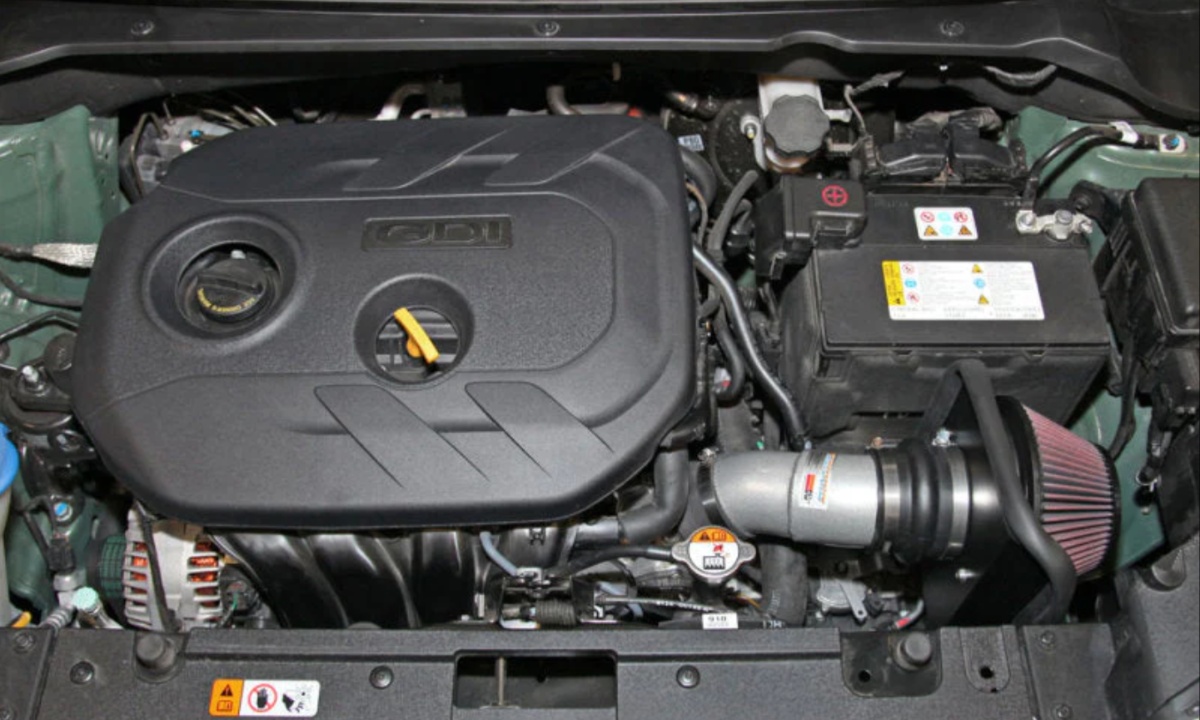
The Kia Soul has carved a unique identity in the compact crossover segment with its unconventional, boxy design and youthful appeal. Introduced in 2010, the Soul has gone through three generations, with the first two offering a 1.6-liter Inline-4 and the current third generation adopting a more refined 2.0-liter Inline-4.
This progression brought improved performance, better ride quality, and an interior that balances quirky design with practicality, making it an affordable yet versatile choice for everyday drivers.
In its latest iteration, the 2.0-liter four-cylinder produces 147 horsepower and 132 lb-ft of torque. While this figure translates to modest acceleration, it is well-suited to daily commuting and urban use.
For those seeking more spirited performance, Kia also offers a 1.6-liter turbocharged engine producing 201 horsepower and 195 lb-ft of torque, which powers the Soul Turbo to 60 mph in 6.4 seconds with a top speed of 128 mph. This range of engine options allows buyers to choose between efficiency and performance while retaining the Soul’s core appeal of practicality and character.
Reliability is one of the strongest points of the Kia Soul’s reputation. According to RepairPal, the model earns a 4.5 out of 5.0 reliability score, ranking it among the top three subcompact crossovers.
Many owners report that their Souls have exceeded 200,000 miles without significant issues, provided maintenance schedules are followed. While earlier model years, particularly from 2012 to 2016, faced more notable concerns such as engine troubles and body integrity complaints, later versions have proven more durable and refined.
The durability of the 2.0-liter engine is well-documented. With proper care, the engine delivers dependable performance well into high mileage.
Some owners note minor issues like sensor malfunctions or interior rattles, which are typical of economy-class vehicles, but such problems rarely affect the engine’s longevity. Routine oil changes, fluid checks, and timely servicing play a decisive role in ensuring that the Soul remains reliable for up to 200,000 miles or more.
Kia’s improvements in build quality across newer generations also contribute to the model’s reputation. While earlier models were criticized for cheaper interior materials and a less refined ride quality, the third-generation Soul addresses these concerns with a smoother driving experience and sturdier build quality.
In essence, the Kia Soul 2.0-liter offers an appealing balance between practicality, affordability, and reliability. It may not be the quickest or most luxurious option in its class, but its reputation for long-term dependability and its quirky yet functional design make it a favorite among budget-conscious drivers who still value durability and efficiency.
Reliability in engines is more than just numbers on a spec sheet; it’s about trust, resilience, and the ability to withstand years of use without compromise. The engines featured here, whether turbocharged, naturally aspirated, or tuned for motorsport, each share a common thread: they were built with durability at their core.
Owners rely on them not only for daily commutes but also for adventures, hard labor, and high-performance thrills, confident that these engines will continue to deliver.
From Ford’s EcoBoost, balancing modern efficiency with power, to Volvo’s Redbloc,k proving simplicity can outlast decades, to Toyota’s workhorse 22RE and Honda’s engineering masterpieces, these four-cylinders stand as milestones in automotive history. Even newer contenders, like Volkswagen’s refined EA888 or Kia’s dependable 2.0-liter, carry forward the tradition of engines designed to last.
At the end of the day, these ten inline-fours aren’t just powerplants, they’re mechanical legacies, built to keep moving long after others have given up.
Also Read: 10 Cars Known to Survive Neglect Better Than Others