Every car enthusiast, commuter, and family driver knows the same annoying truth: nothing makes a vehicle feel older than interior rattles and squeaks.
That subtle buzz from the dashboard, the faint clunk from the door panel, or the rattle under the seat when you hit a bump it’s enough to drive you crazy.
For many vehicles, these sounds show up as early as the first few years of ownership, a sign of cost-cutting materials or less-than-stellar build quality. But there’s another side to the story.
Some cars are so well-engineered, so tightly assembled, and so solidly built that they shrug off years of use without sounding like a tin can on wheels.
For American drivers, especially those commuting daily or driving long highway stretches, cabin silence matters. A quiet, rattle-free interior is not just about comfort it reflects durability, engineering excellence, and a focus on long-term ownership.
Certain models, particularly from Japanese, German, and a handful of American automakers, have earned reputations for interiors that resist creaks and rattles even after 100,000 miles.
Below are ten standout cars that don’t develop rattles with time, backed by decades of praise from mechanics, owners, and automotive reviewers.
1. Lexus LS
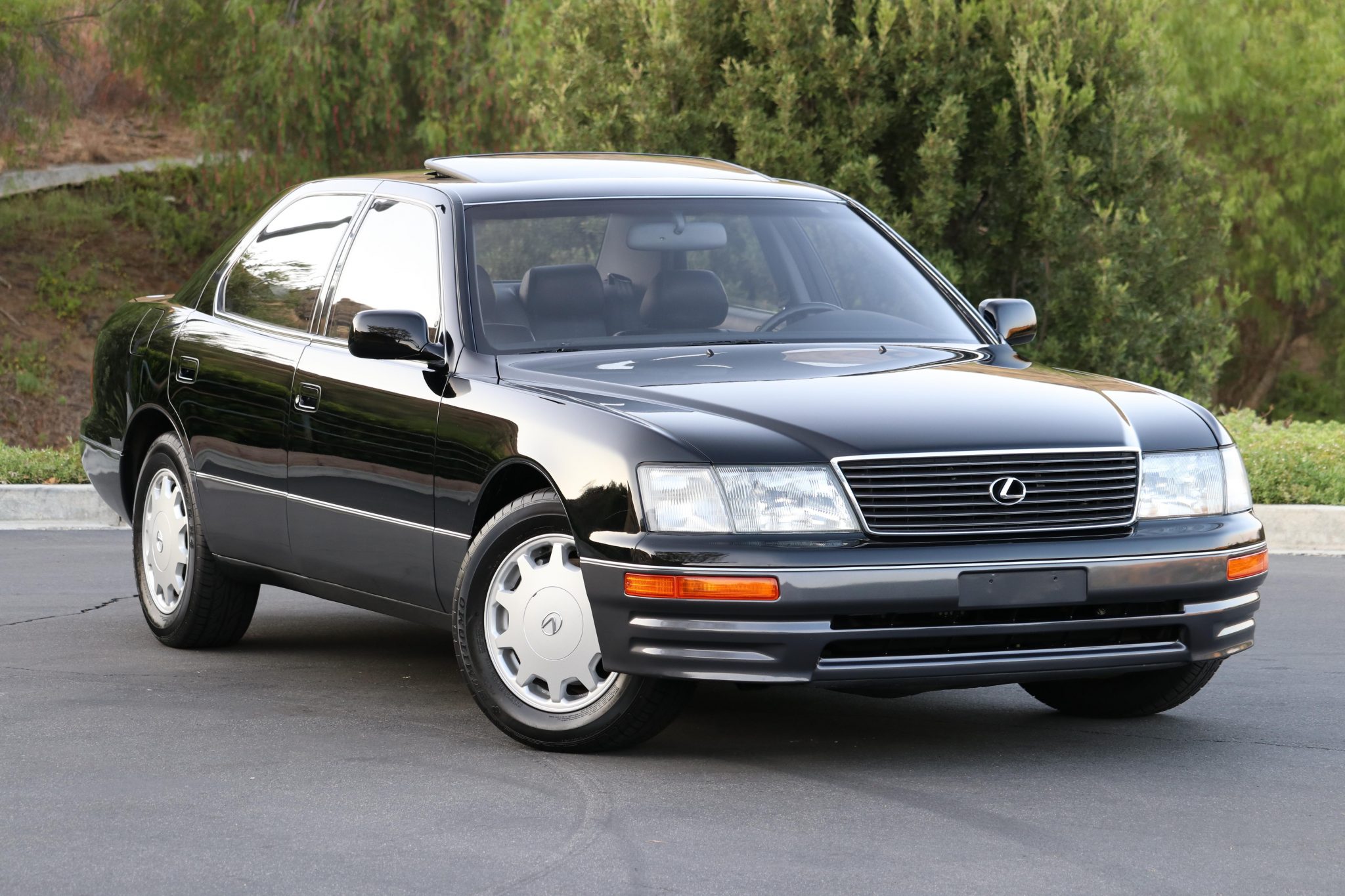
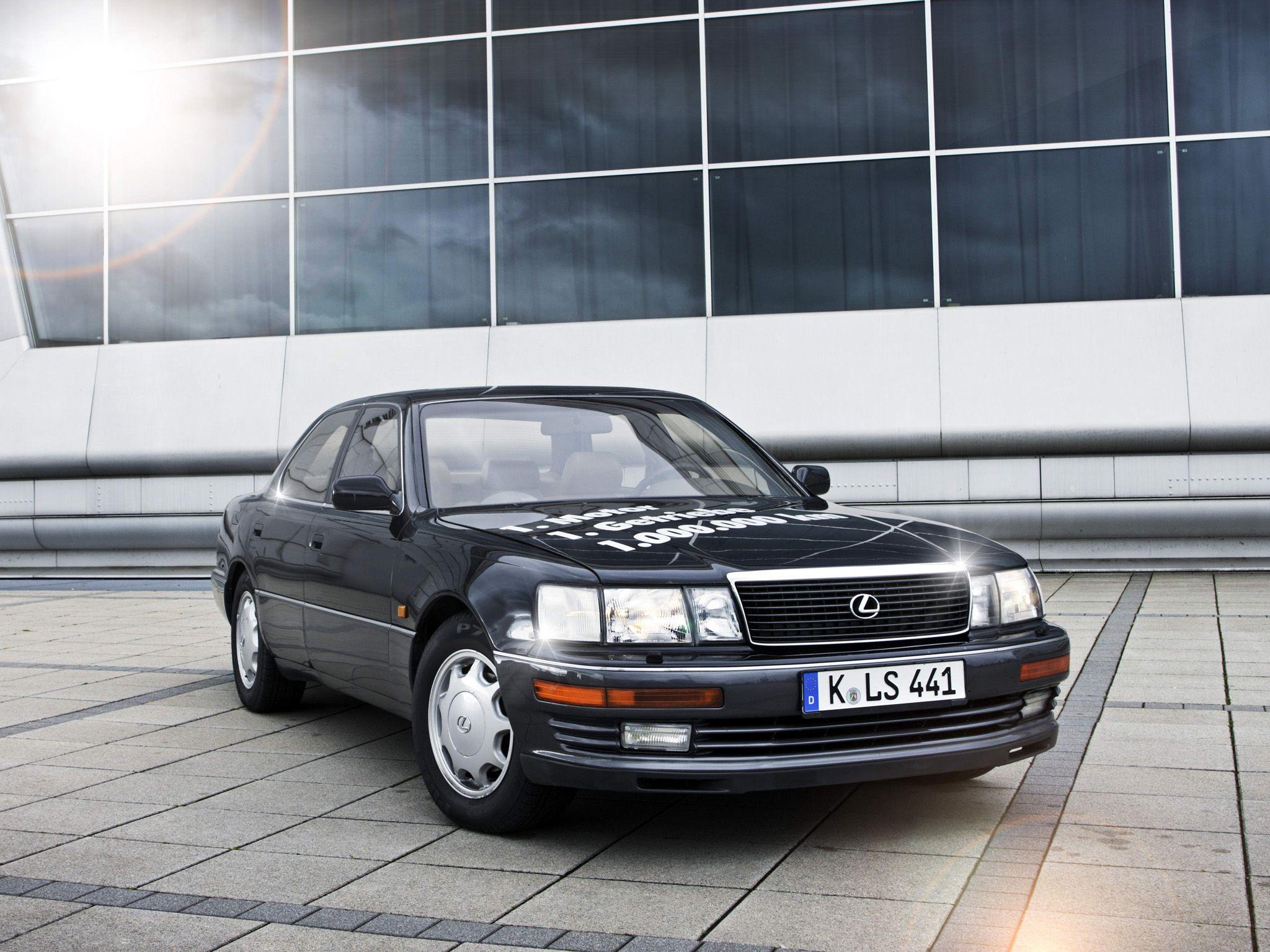
When Lexus debuted the LS in 1989, it redefined luxury in the U.S. by showing that quietness could be engineered, not just padded. Owners of older LS sedans whether the LS400, LS430, or even more modern LS460 often report that their cars remain vault-like even after two decades.
Lexus engineers famously tested panel gaps and even door-closing sounds to ensure the car felt as solid as a bank vault. The LS is a benchmark for interior silence, with dashboards and panels that simply don’t loosen up over time.
The 2023 Lexus LS remains the flagship sedan of the brand, carrying a heritage that dates back to 1990 when the first LS shook up the luxury market. Over time, however, its edge has softened, and today it struggles to stand out against rivals like the Mercedes-Benz S-class, BMW 7-Series, Audi A8, and Genesis G90.
Unlike many of its competitors, the LS no longer offers a V-8 engine. Instead, it relies on a twin-turbocharged V-6 that produces 416 horsepower or an optional hybrid setup pairing a V-6 with two electric motors for a total of 354 horsepower.
While the standard V-6 is smooth and refined, the hybrid feels coarse and unpolished, with its unusual transmission delivering clumsy shifts. Even with the sportier F Sport trim, the LS is tuned more for comfort than performance, offering a soft and composed ride rather than athletic handling.
For 2023, Lexus improved its technology suite by updating the infotainment system with a more intuitive interface, wireless Apple CarPlay and Android Auto, and more USB ports throughout the cabin. Starting at $78,535, the LS undercuts many rivals, but a fully loaded LS500h can exceed $114,000.
The best buy is the standard LS500 with the Luxury package, which adds semi-aniline leather, 28-way power front seats with massage, heated and cooled seating front and rear, four-zone climate control, and power sunshades, along with premium materials such as real wood trim. Performance remains adequate for its class mission, though competitors with V-8s are noticeably quicker.
Fuel economy is respectable, with the LS500 rated at 19 mpg city and 30 mpg highway in rear-wheel-drive form, while the LS500h improves those numbers to 25/33 mpg. In real-world testing, an all-wheel-drive hybrid managed 30 mpg on a 200-mile highway loop.
Inside, the LS offers generous space for four adults, though the rear bench seat makes it less ideal for carrying five passengers in true comfort. The design features intricate materials and flowing lines, but the overall look feels less cohesive compared to its rivals. Cargo capacity is competitive, with the trunk able to swallow six carry-on suitcases.
Overall, the 2023 Lexus LS delivers comfort, quietness, and a long list of luxury features, but it lacks the performance edge, refinement, and cohesive design found in its German and Korean competitors. While it’s an elegant cruiser with a lower starting price, its appeal is limited in a segment dominated by more well-rounded alternatives.
2. Toyota Camry
Though it’s often praised for reliability, the Camry deserves equal credit for staying rattle-free. Mid-size sedans usually see heavy use in America school runs, commuting, road trips but the Camry keeps its composure.
Owners frequently mention that even at high mileage, the interior trim doesn’t buzz the way many competitors do.
Toyota’s reputation for over-engineering in the late ‘90s and 2000s shines here, with even older Camrys resisting the kind of aging noises that plague other daily drivers.
The standard four-cylinder engine comes paired with a smooth eight-speed automatic transmission, though its acceleration is underwhelming. A less powerful variant of this engine is paired with a battery and two electric motors in the Camry Hybrid, which delivers efficiency but offers little more excitement than the base setup.
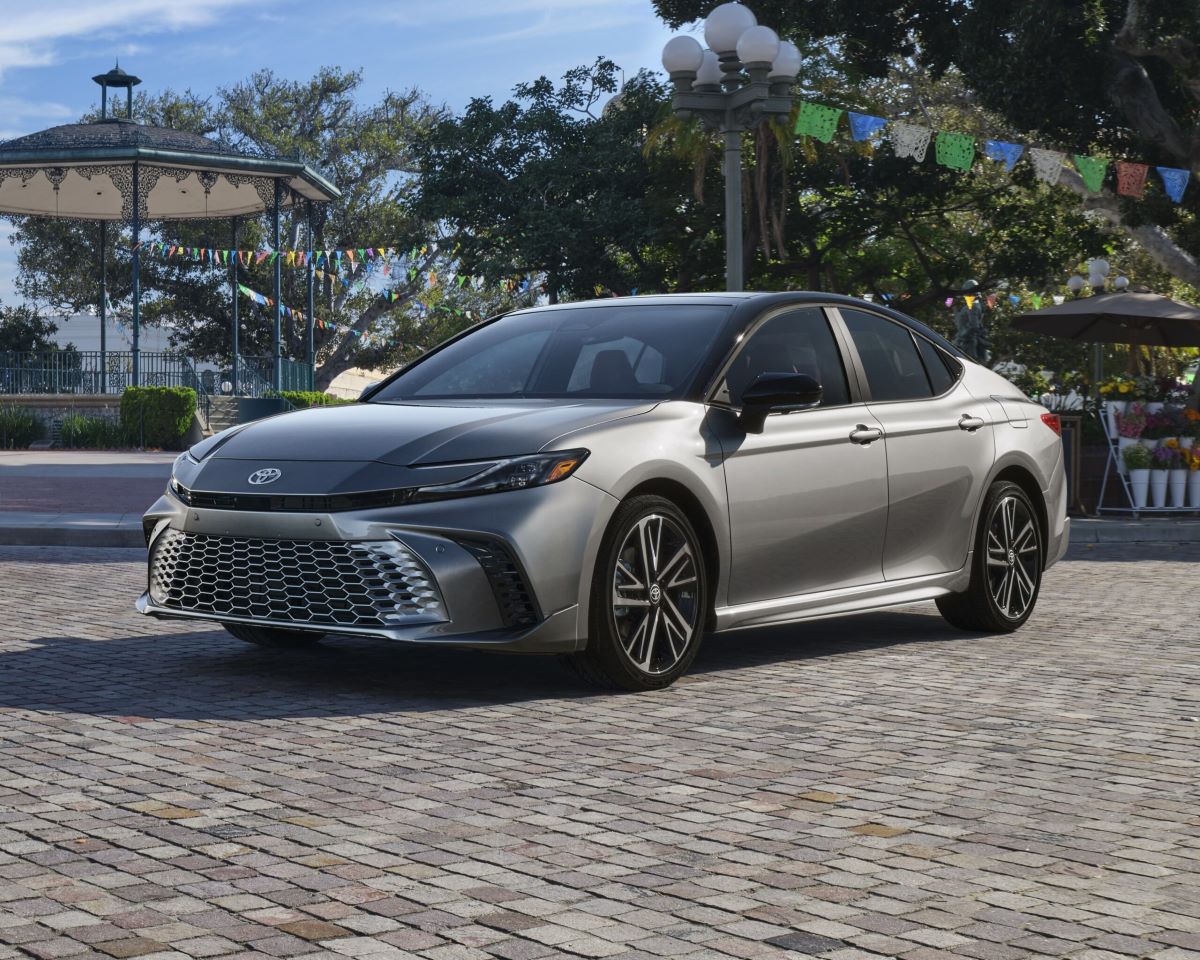
The standout option in the lineup is the refined 301-hp V-6, available on the XLE, XSE, and TRD trims, delivering a noticeably stronger performance.
Thankfully, the Camry is no longer a chore to drive. Its ride is well-controlled, and the handling is more responsive than expected. Steering feels nicely weighted, substantial when cornering yet light and easy when maneuvering at low speeds.
Braking is another strong point, with a responsive pedal that avoids excessive softness, even in the hybrid, where regenerative braking is seamlessly blended with friction braking to recharge the battery. At lower speeds, however, the hybrid’s brake pedal can feel overly sensitive, leading to slightly jerky parking maneuvers.
3. Honda Accord
The Accord has long been the family sedan that refuses to feel worn out. Models from the early 2000s through today consistently rank high in owner satisfaction for cabin durability.
The reason lies in Honda’s fit-and-finish: tight tolerances, quality plastics, and dashboards that don’t warp under the sun.
Unlike some American mid-sizers of the same era, which often developed squeaks after a few winters, the Accord remains reassuringly solid with age, especially if well-maintained.
The 2023 Honda Accord enters its 11th generation with a sharper design, upgraded technology, and revised powertrain options, all while maintaining its reputation as one of the most well-rounded midsize sedans. Though this segment has lost some ground to SUVs, the Accord continues to attract loyal buyers thanks to its mix of practicality, comfort, and engaging driving dynamics.
Competing against rivals such as the Toyota Camry, Hyundai Sonata, and Kia K5, the new Accord introduces a stiffer chassis, retuned suspension, improved safety systems, and enhanced cabin tech. Honda also simplifies the lineup by combining gas and hybrid models into a six-trim range.
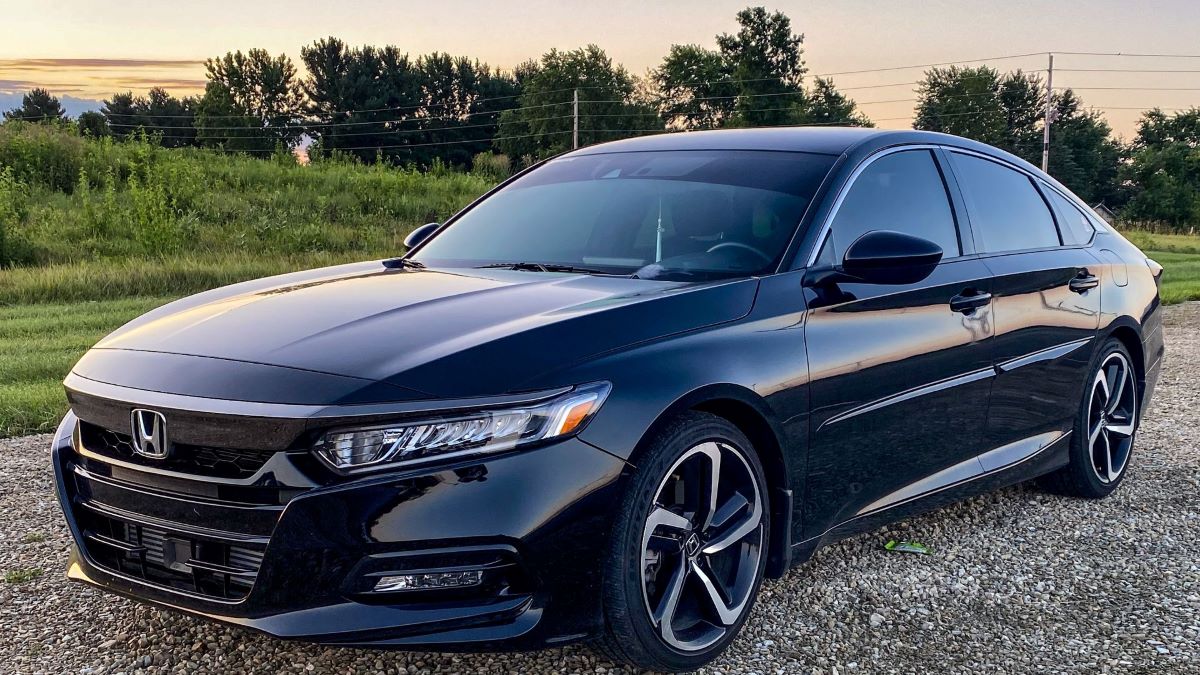
Under the hood, the hybrid models, Sport, EX-L, Sport-L, and Touring,.feature a new 2.0-liter four-cylinder paired with a two-motor hybrid setup producing 204 horsepower and 247 lb-ft of torque. This powertrain sacrifices a bit of horsepower compared to the outgoing hybrid but gains torque, resulting in smooth, responsive performance and a 0–60 mph time of 6.8 seconds.
Non-hybrid trims, LX and EX, continue with the 1.5-liter turbocharged four-cylinder making 192 horsepower, now refined for quieter operation and improved efficiency. Sadly, the more potent 2.0-liter turbo option has been dropped, leaving the hybrid as the sportiest choice in the lineup.
Inside, the Accord adopts a cleaner design with Honda’s largest-ever touchscreen: a 12.3-inch display on higher trims that comes with Google built-in, wireless Apple CarPlay, and Android Auto. Base LX and EX models feature a smaller 7.0-inch screen with wired smartphone connectivity.
A 10.2-inch digital gauge cluster is standard across the board, while Touring models add premium features like a head-up display and a 12-speaker Bose audio system.
Safety also takes a step forward with a wider field-of-view camera and radar, enhancing collision prevention and expanding blind-spot monitoring. New features include Traffic Jam Assist, Low-Speed Braking Control, and Traffic Sign Recognition, alongside redesigned airbags and the addition of knee and rear-passenger side-impact airbags.
Overall, the 2023 Accord refines an already excellent formula, trading some high-performance potential for better hybrid efficiency and enhanced technology. While it may not excite enthusiasts with big horsepower numbers, it remains one of the smartest and most balanced picks in the midsize sedan segment.
4. Mercedes-Benz E-Class (W211 and W212)
German engineering shines in the E-Class, particularly the W211 (2003–2009) and W212 (2010–2016) generations. Mercedes used thick insulation and high-grade interior materials, ensuring long-term solidity.
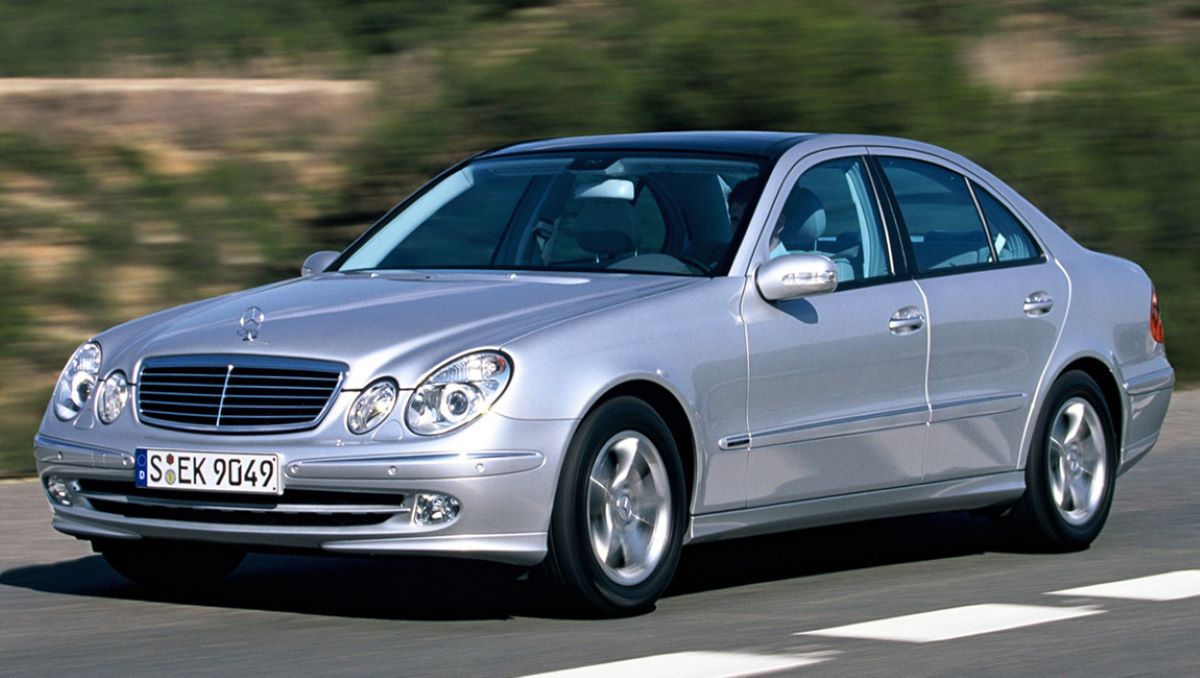
Owners often note that even after 150,000 miles, their E-Class cabins remain free of the buzzes common in lesser sedans. For U.S. buyers who want luxury without constant reminders of age, these E-Classes stand out.
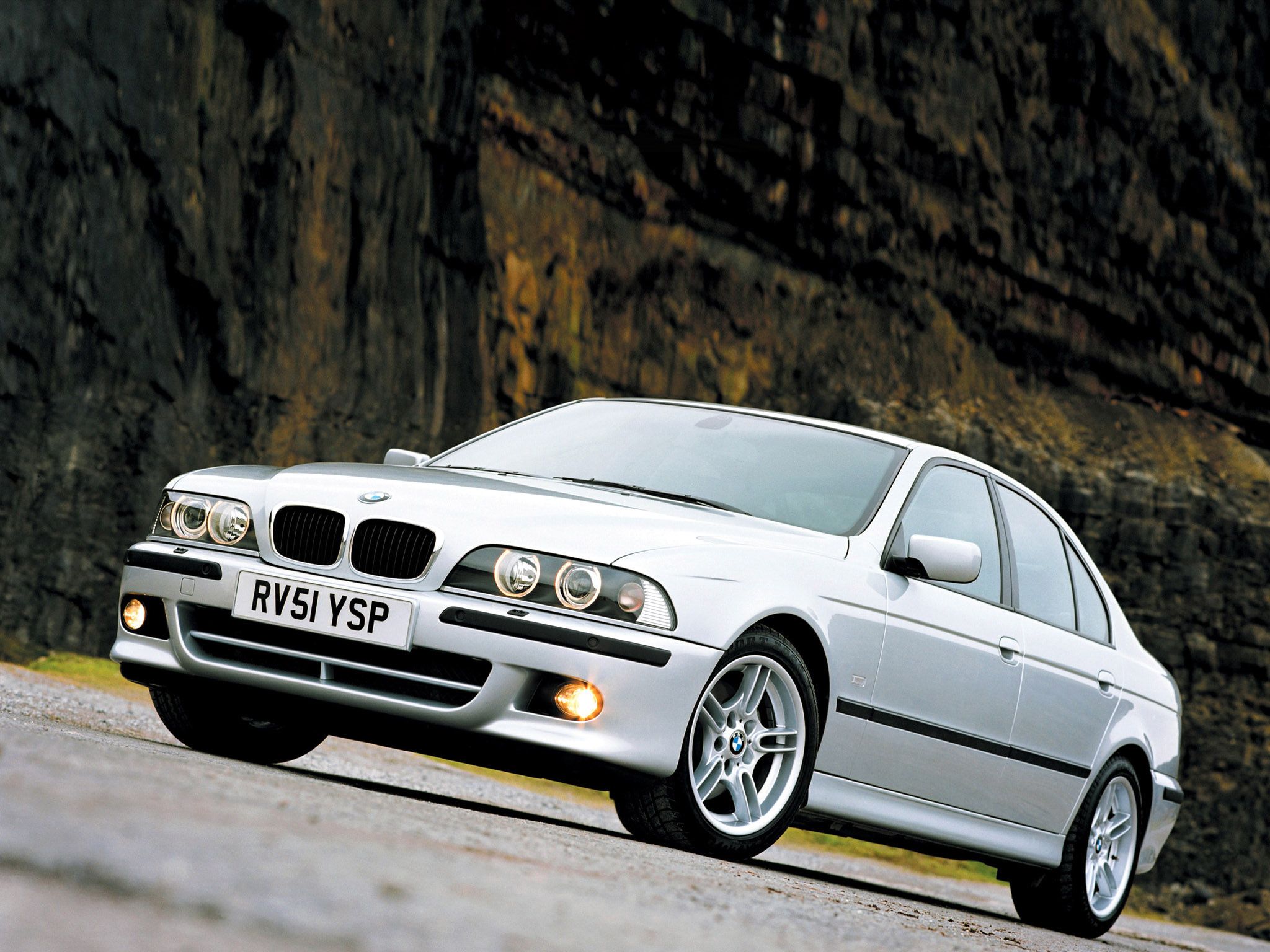
5. BMW 5 Series (E39)
The BMW E39 5 Series (1995–2003) is often hailed as one of the best sedans ever built. Beyond its balanced handling and timeless design, it’s also a car that doesn’t fall apart inside.
Even today, many E39s on American roads still feel tight and composed, with dashboards and door panels holding up far better than rivals from the same era. Enthusiasts often call it “overbuilt,” a compliment that extends to its rattle-free interiors.
The BMW 5 Series E39 is now nearly 30 years old, yet it remains one of the most celebrated sedans in BMW’s history. Produced from 1995 to 2003, it offered a balanced mix of smooth inline-six and powerful V8 engines, topped by the legendary M5 with its 394-horsepower S62 V8 that has since achieved true icon status.
What makes the E39 so enduring is its combination of timeless design, near-perfect proportions, and a ride that blends comfort with just enough sportiness.
At 188 inches long and around 3,500 pounds, it feels like the ideal size for a luxury sport sedan, smaller and lighter than today’s 5 Series yet still spacious and refined. Its clean lines, classic grilles, and driver-focused interior mean it still looks sharp even in 2025, while its supple suspension and quality craftsmanship continue to deliver comfort that modern rivals often lack.
However, ownership in 2025 comes with caveats. Prices have risen steadily, with well-kept six-cylinder and V8 models often listed between $10,000 and $15,000, while pristine M5s regularly exceed $35,000 and can climb much higher for rare colors or options.
Reliability also varies: the inline-six engines (M52 and M54) are generally stout but can suffer from oil leaks and VANOS issues, while V8 models (M62 and S62) are prone to timing chain guide wear and, in the case of the M5, possible rod bearing problems.
Beyond the engines, typical late-1990s BMW quirks like cooling system failures, window regulator issues, and aging electrical components are almost guaranteed. Nearly every surviving E39 will require steady upkeep, and buyers should budget accordingly.
Despite these challenges, the E39 still holds immense appeal. For enthusiasts seeking one car that can be both a comfortable daily driver and a rewarding weekend machine, few sedans, modern or vintage, strike the balance as well.
While newer models offer better safety tech and sharper performance, the E39’s character, usability, and classic driving experience make it one of the best enthusiast-friendly luxury sedans you can buy, even in 2025.
6. Subaru Outback
Practical wagons and crossovers often take abuse gravel roads, snowy winters, and muddy boots but the Subaru Outback resists aging noises better than most. Owners praise its rugged build quality, especially in models from the mid-2000s onward.
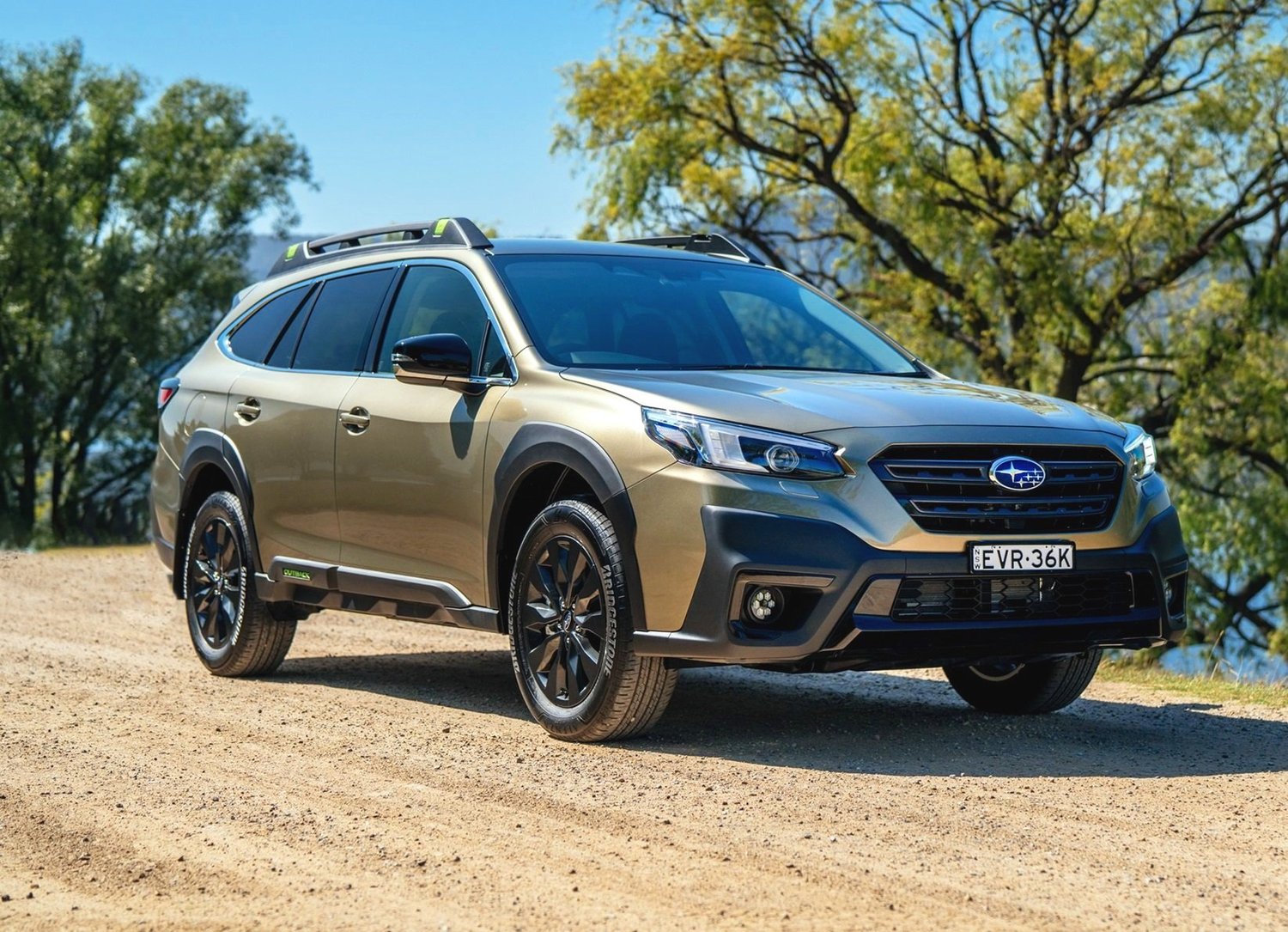
Subaru put effort into making the Outback not just capable but also comfortable, with interiors that don’t shake loose even after years of outdoor use. It’s one of the rare adventure-ready cars that still feels composed inside at 120,000 miles.
7. Acura TL (2004–2008)
This generation of the Acura TL is legendary among enthusiasts for blending Honda reliability with near-luxury refinement. One reason it’s still cherished is its solid cabin.
Door panels, dashboards, and center consoles remain tight, even after years of spirited driving. Compared to other mid-2000s sedans, which often developed dashboard rattles, the TL feels more like a premium vehicle that was designed to last.
The 2008 Acura TL occupies an interesting niche in the entry-level luxury sedan segment. While most front-wheel-drive sedans in this class lean toward comfort rather than performance, the TL, particularly in Type-S form, manages to deliver genuine driving excitement.
Though it can’t quite surpass rear-wheel-drive rivals like the Infiniti G35, the TL proves that a front-driver can still keep pace while providing the refinement and comfort expected from a luxury car.
Following major updates last year, including the reintroduction of the Type-S model, the TL carries over unchanged for 2008. That’s no drawback, as Acura’s best-selling car has stood out since its 2004 redesign. Its sharp, wedge-shaped exterior remains stylish, and the cabin continues to impress with generous space, exceptional craftsmanship, and intuitive ergonomics.
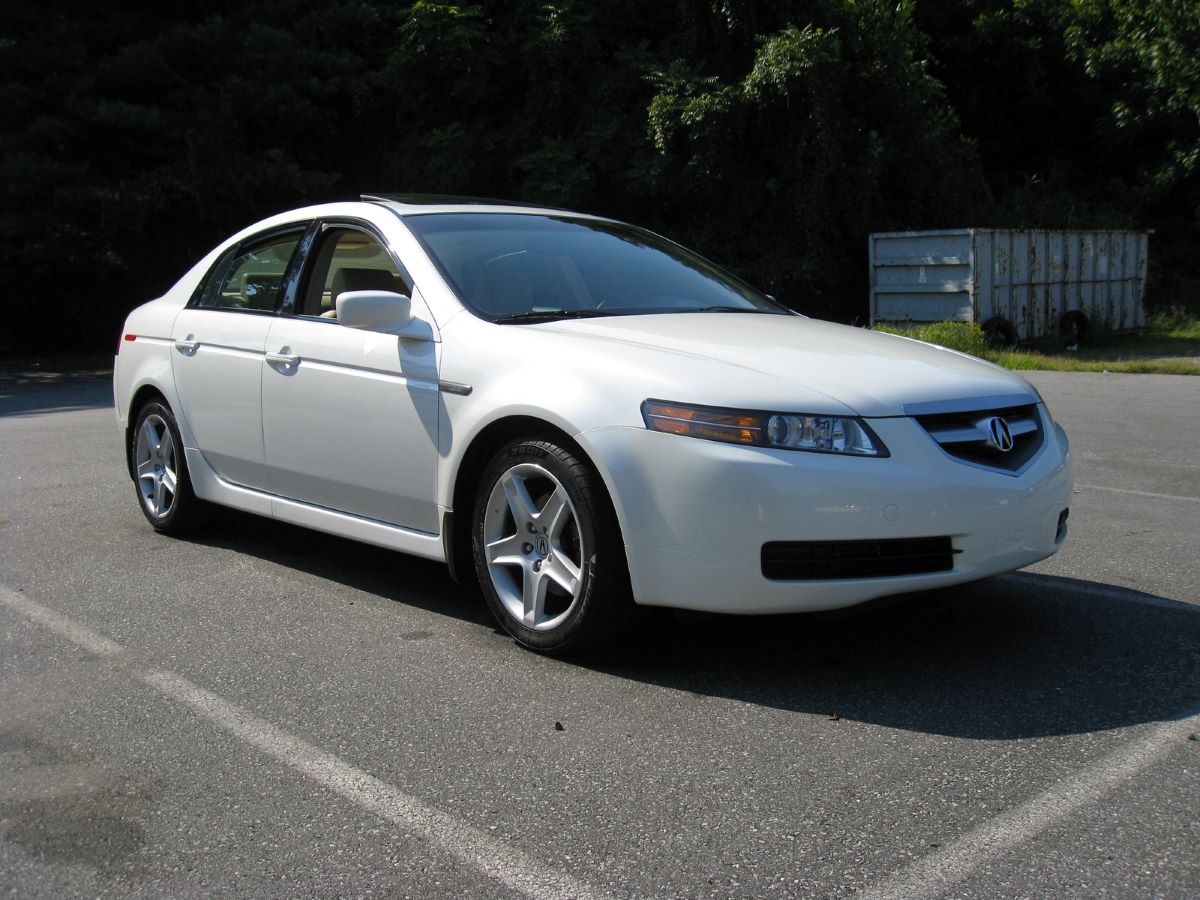
The base V6 engine delivers serene, smooth power with a lively character, while the suspension strikes a fine balance between composure and comfort. A standout feature is the TL’s premium surround-sound audio system, which alone feels like a reason to buy the car.
Value is another area where the TL excels. The base model offers a long list of standard equipment, including Bluetooth, leather upholstery, a sunroof, power-adjustable front seats, and that stellar audio system, features that many competitors reserve for higher trims or costly option packages.
The only available upgrade is a package adding a voice-activated navigation system with real-time traffic and a rearview camera (standard on the Type-S).
For those seeking a front-wheel-drive luxury sedan with true sporting credentials, the 2008 Acura TL is a top contender. It blends performance, comfort, quality, and value in a way few competitors can match.
Still, buyers who prioritize maximum handling precision and outright performance may prefer alternatives like the BMW 328i, Infiniti G35, or Lexus IS 350. Ultimately, the TL’s unique personality may come down to how much you appreciate an automotive “oddball.”
8. Toyota Land Cruiser
For decades, the Land Cruiser has been the definition of durability. Built to handle deserts, jungles, and city streets with equal ease, its interiors don’t betray the miles.
Owners frequently note that even after years of off-road abuse, the Land Cruiser’s interior trim doesn’t buzz or creak. It’s no coincidence these SUVs are often described as “bulletproof” they’re designed to remain quiet and composed long after rivals have fallen apart.
The 2025 Toyota Land Cruiser remains the brand’s go-anywhere, do-anything SUV. Redesigned just last year, it returned with a more compact size, fresh styling, and a new powertrain.
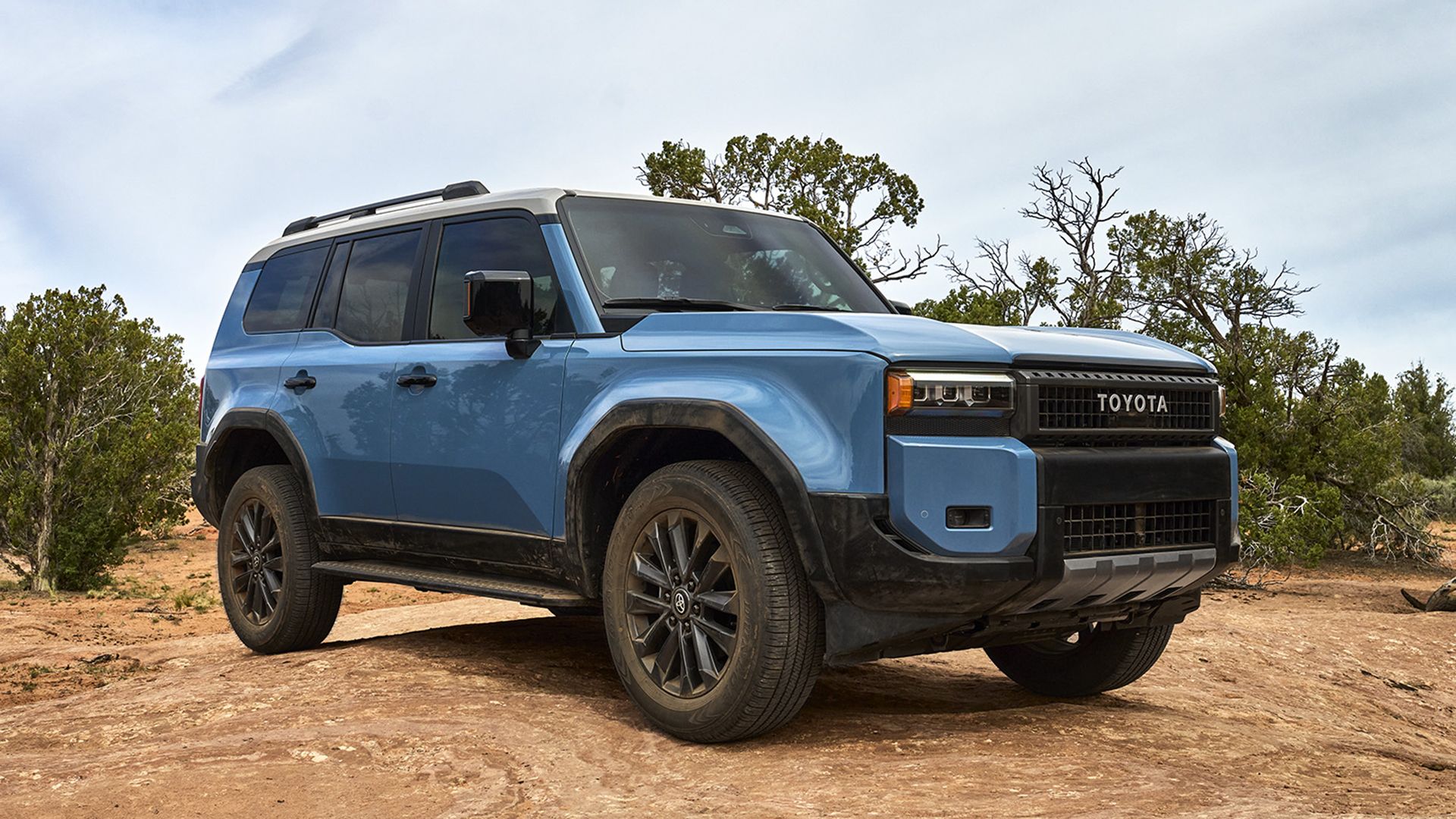
Under the hood is a hybridized turbocharged four-cylinder engine that produces less power than the outgoing V8 but delivers significantly better fuel economy. A full-time four-wheel-drive system with multiple off-road features ensures the Land Cruiser maintains its reputation for rugged trail capability. For 2025, the only notable change is the removal of the First Edition trim.
Toyota equips every Land Cruiser with the essential hardware for serious off-road use. A full-time four-wheel-drive system with low range serves as the foundation, while standard locking center and rear differentials maximize traction on uneven terrain. An available automatically disconnecting front stabilizer bar further improves front wheel articulation at the push of a button.
On the technology side, the Land Cruiser offers multiple driver aids for off-road conditions, including low-speed cruise control, selectable traction control modes, and available camera views displayed on the dashboard screen for precise maneuvering. Together, these features make the 2025 Land Cruiser a highly capable SUV both on the trail and in everyday driving.
9. Volvo S60 (P2 Generation)
Volvo’s P2-generation cars (early 2000s) were built like tanks, and the S60 is a prime example. American buyers who picked these cars for safety often discovered an added bonus: interiors that stayed solid over time.
The thicker Scandinavian plastics and thoughtful assembly meant that rattles were rare, even in high-mileage examples. While not as flashy as German rivals, the S60 earned a reputation for being rattle-free and quietly dependable.
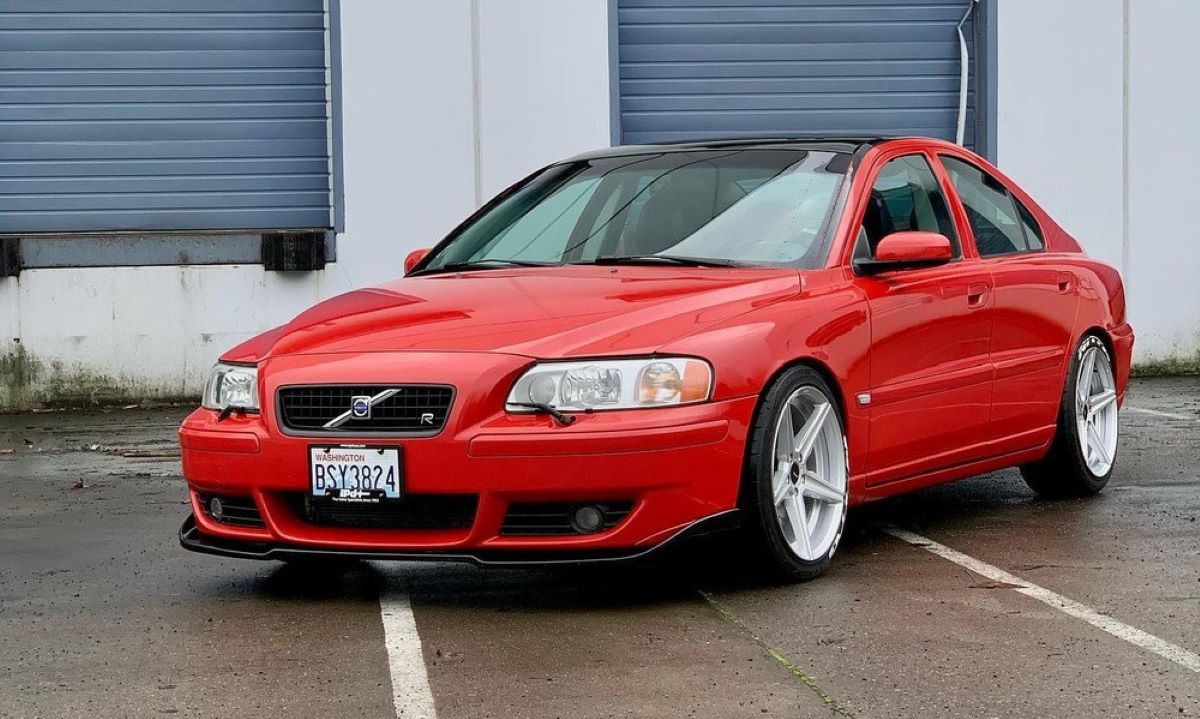
The first-generation Volvo S60 debuted in 2000, becoming only the second model to adopt the Swedish automaker’s new corporate design language, first previewed by the 1992 ECC concept and launched with the 1998 S80 flagship sedan.
With its sleek, elegant shape, the S60 marked a new era for Volvo, shedding the brand’s conservative image of the past. This stylish design endured for nearly a decade until the second-generation S60 arrived in 2010 with a sharper, more modern body.
It also introduced an additional cylinder to the modular five-cylinder engine, creating a transversely mounted inline-six under the hood.
This generation would also pave the way for Volvo’s new Drive-E 2.0-liter four-cylinder engines, which eventually replaced all of the older powertrains. The third and current S60 generation continues with updated versions of these engines while also offering a plug-in hybrid, reinforcing Volvo’s shift toward efficiency and electrification.
10. Lexus RX
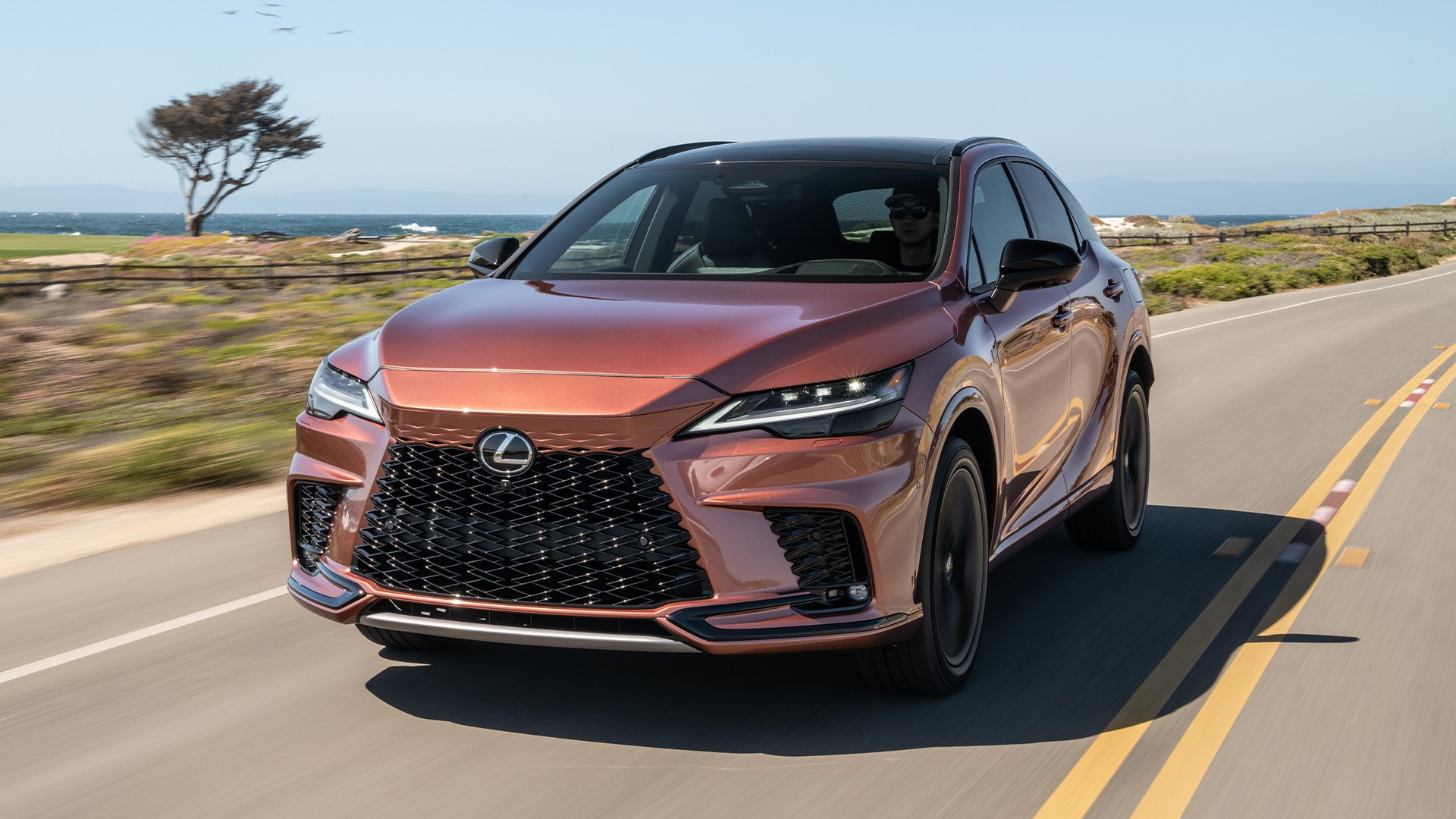
As America’s favorite luxury crossover, the Lexus RX owes much of its success to its serene driving experience.
A big part of that serenity comes from an interior that refuses to creak or buzz, even after years of use. Whether it’s the early RX300s or the more modern RX350, Lexus ensured that every panel fit perfectly.
Families who keep these SUVs past 150,000 miles often say they still feel as quiet as the day they drove them off the lot.
For U.S. drivers looking to buy a car that will feel solid not just for the first few years but for a decade or more, these ten models stand out.
From luxury sedans like the Lexus LS to rugged SUVs like the Toyota Land Cruiser, they share a commitment to long-term durability that goes beyond just engine reliability. They keep the driving experience pleasant, refined, and most importantly quiet.
A car that doesn’t develop rattles with time isn’t just a better drive it’s proof that some automakers still care about the details.