When Americans buy a car, many expect to trade it in after a few years for something newer, shinier, and more tech-savvy. But some vehicles prove so reliable and dependable that their owners hang on to them for decades, even passing them down within families.
These are the cars that shrug off the years, rack up hundreds of thousands of miles, and still start every morning without complaint.
Reliability, after all, is one of the strongest predictors of long-term ownership, and a handful of models have earned a reputation for being virtually unkillable.
From Japanese sedans to American trucks, these are 10 cars that owners simply refuse to let go of because they know they’ll keep running for life.
1. Toyota Camry
The Toyota Camry has long been the poster child for long-term ownership in the United States. Since the 1980s, it’s been a top seller thanks to its bulletproof engines, affordable maintenance, and quiet, comfortable ride.
Many owners report their Camrys lasting 300,000 miles or more with nothing more than routine oil changes and brake jobs. The four-cylinder variants, in particular, are nearly indestructible.
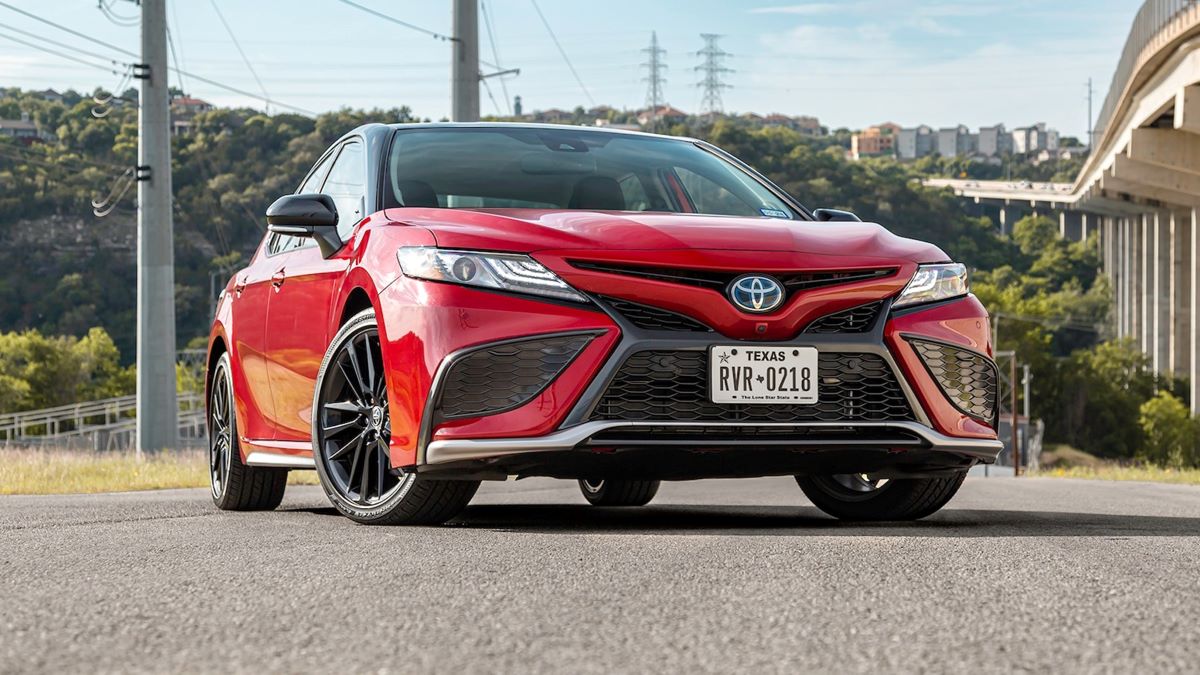
For families who just need a car that always works, the Camry is often kept well past the point when most people would trade in. In fact, studies consistently show that Camry owners are among the least likely to part ways with their cars, often keeping them for over a decade.
2. Honda Accord
If the Camry is the safe choice, the Honda Accord is the enthusiast’s pick that still offers unshakable dependability. Owners rave about the Accord’s balance of driving fun and legendary Honda reliability.
The engines are known for lasting hundreds of thousands of miles, with some Accords hitting half a million miles still on the original drivetrain.
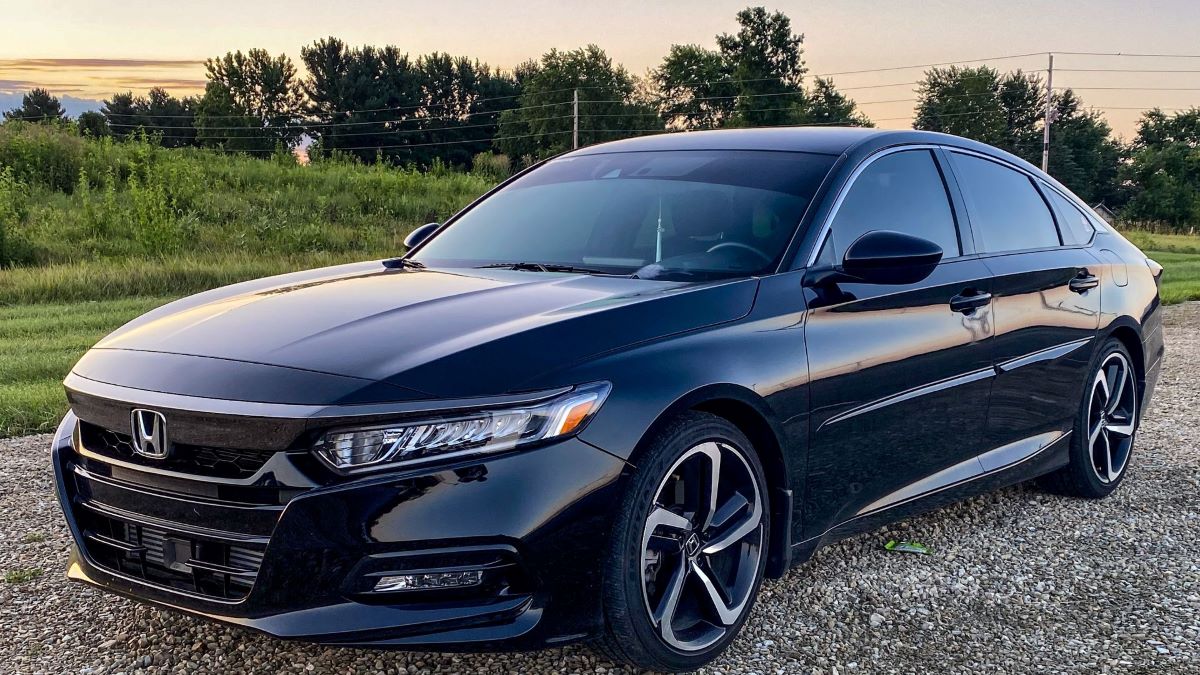
Part of the appeal is how easy they are to maintain mechanics know these cars inside out, and parts are cheap. Because of this, many Accord owners hold on to them as daily drivers or pass them down to younger family members, confident they’ll keep running without a hitch.
Every time we settle into the driver’s seat of a Honda Accord, we’re reminded of just how exceptional this sedan truly is. The interior delivers a winning blend of space, comfort, and smart practicality, while the overall handling pushes into near–sport-sedan territory with its agility and balance.
Two efficient engine options, including a hybrid setup, provide responsive performance that feels lively yet economical. Put it all together and you get a family sedan that offers far more than you’d expect, leading to the inevitable question: what’s the catch? Honestly, there isn’t one.
We do wish Honda still offered a manual transmission and that the muscular 2.0-liter turbocharged four-cylinder from the previous generation had stuck around, but what’s available today is more than satisfying.
For 2025, the lineup sees a notable change: the affordable EX trim has been replaced by a new SE model. This SE comes with black exterior details, including window trim, 17-inch aluminum wheels, mirror caps, and a shark-fin antenna.
Inside, it gets several upscale upgrades such as a 10-way power-adjustable driver’s seat, a power sunroof, heated front seats, and dual-zone automatic climate control. Across the entire lineup, Honda has added rear climate vents and two USB-C ports for backseat passengers. Hybrid versions now include a 15-watt wireless charging pad, while the Touring trim gains a standard heated steering wheel.
Among these, the EX-L Hybrid stands out as our top recommendation. It comes with the stronger 204-hp hybrid powertrain and upgrades such as a 12.3-inch infotainment display, front and rear parking sensors, leather seating, a sunroof, wireless Apple CarPlay and Android Auto, and dual-zone automatic climate control, making it the sweet spot in the lineup.
In LX and SE trims, power comes from a 1.5-liter turbocharged four-cylinder producing 192 horsepower, paired with a continuously variable automatic transmission (CVT) that drives the front wheels.
As with past Accords, all-wheel drive isn’t offered. Higher trims, Sport, EX-L, Sport-L, and Touring, feature the more advanced hybrid system, which combines a 2.0-liter four-cylinder with two electric motors for a total of 204 horsepower.
On the road, the Accord continues to impress with its calm, composed demeanor. It’s quiet, refined, and surprisingly fun to drive, thanks to precise steering, well-balanced body control, and a suspension that manages to be both comfortable and responsive. The result is a midsize sedan that feels every bit as rewarding to drive as it does practical to own.
3. Toyota Corolla
The Corolla isn’t flashy, but it has earned a reputation as one of the most reliable cars ever built. For decades, it has been the entry point for first-time drivers, commuters, and budget-conscious families in the U.S.
The secret to its staying power lies in Toyota’s conservative engineering simple engines, durable transmissions, and very few unnecessary gimmicks.
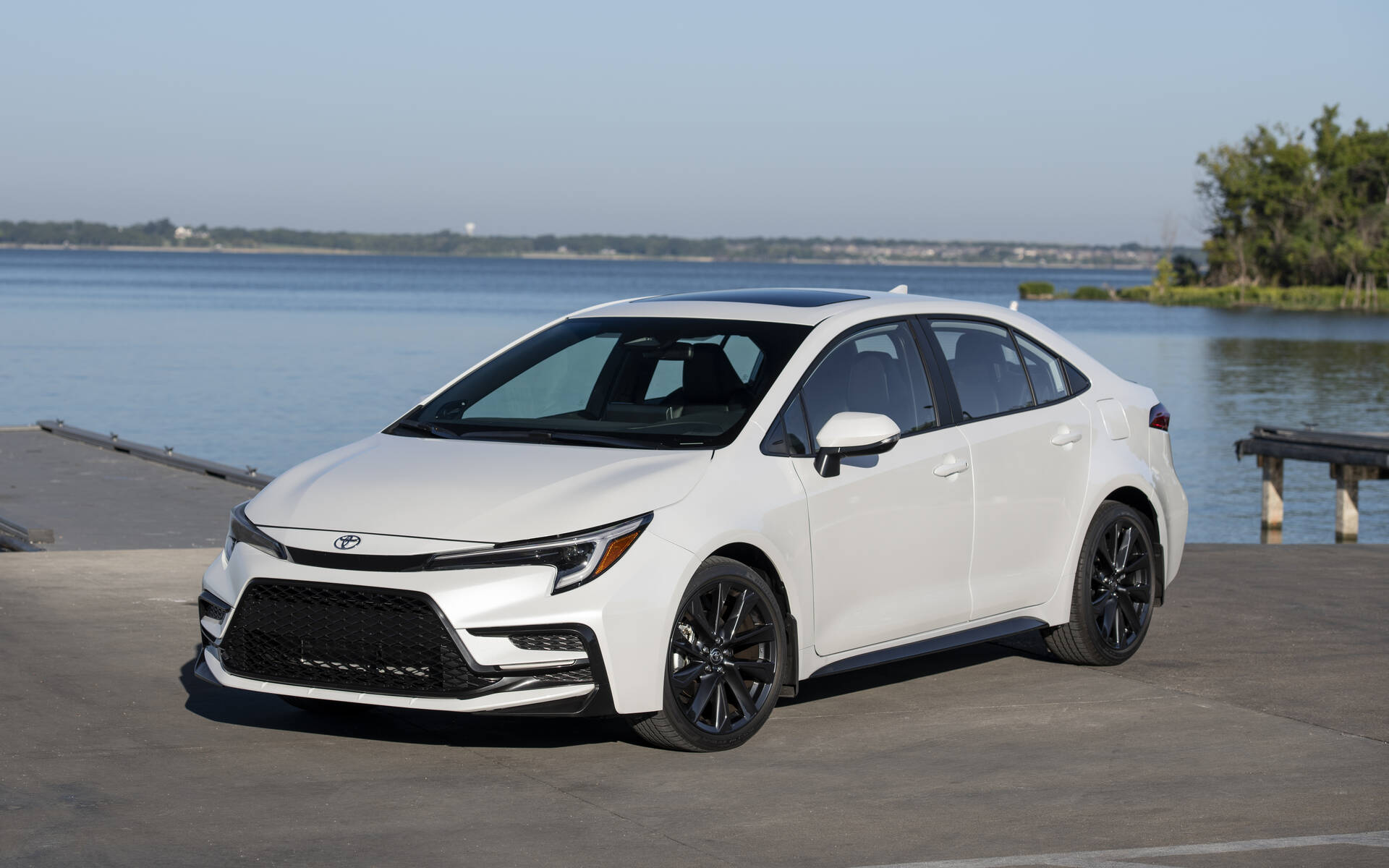
Owners often keep Corollas for 15 to 20 years, and it’s not uncommon to see older models still serving as daily commuters with 250,000 miles on the clock. It’s a car that never gives its owner a reason to replace it until it’s absolutely necessary.
4. Honda Civic
Much like the Corolla, the Honda Civic wins loyalty through simplicity and reliability. Whether it’s the older models from the 1990s that became tuner legends or the more modern iterations with advanced safety tech, the Civic continues to prove its worth over the long haul.
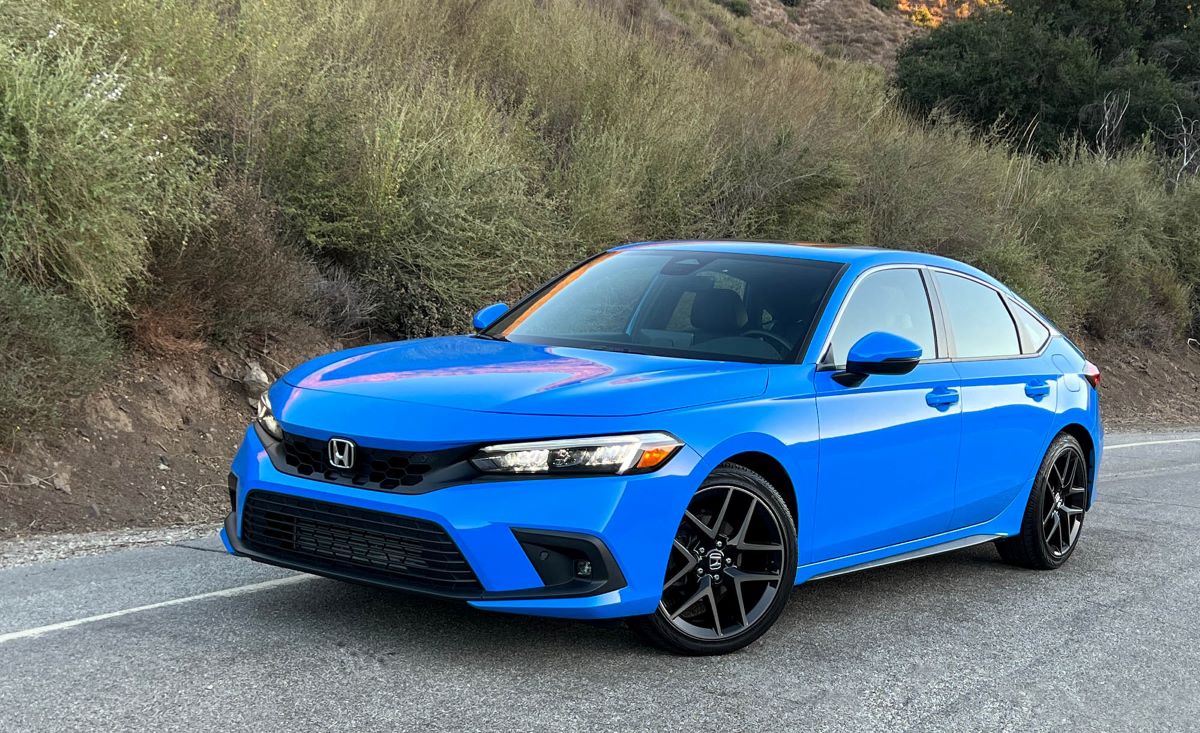
Owners often buy them for practicality but end up keeping them for decades because they just don’t break.
Many Civics have survived harsh winters, cross-country trips, and even teenage drivers learning how to parallel park all without quitting. This mix of resilience and affordability keeps owners attached for life.
The 2025 Honda Civic manages to strike a fine balance between everyday usability and driving enjoyment. Its steering feels well-calibrated, light enough for smooth maneuvering in tight spaces yet responsive enough to inspire confidence when carving through corners at speed.
While the suspension leans a little firm, leading to the occasional bumpiness over rough pavement, the overall ride remains comfortable for daily use. The Civic Si stands out in particular, delivering extra agility and sharpness around curves thanks to its sport-oriented enhancements.
Under the hood, the standard Civic comes with a 150-horsepower four-cylinder engine paired with a continuously variable automatic transmission (CVT). All models send power to the front wheels.
This base setup provides adequate strength for most driving needs, and although the Civic isn’t the quickest car in its class, it handles highway travel with ease. The CVT works smoothly, contributing to the car’s strong reputation for fuel efficiency.
For those craving more excitement, the Civic Si brings a 200-horsepower turbocharged four-cylinder matched with a six-speed manual transmission. This combination not only adds extra punch but also delivers crisp, precise gear changes that heighten the driving experience.
5. Subaru Outback
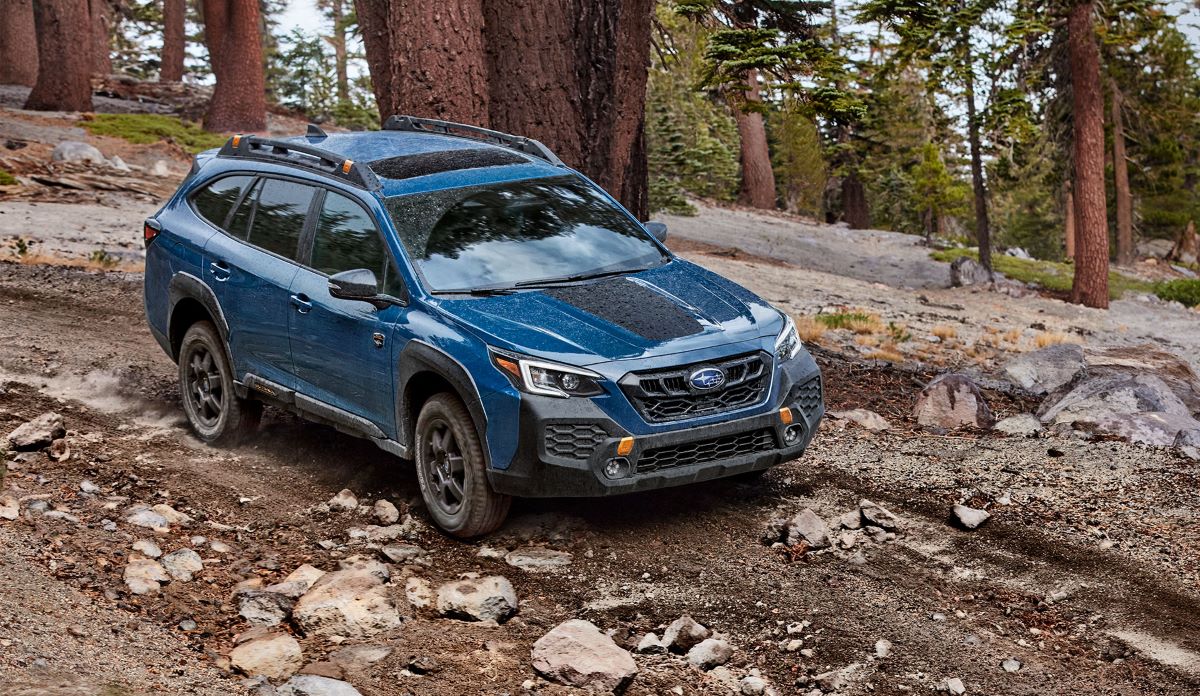
For drivers in snowy states like Vermont, Colorado, and Maine, the Subaru Outback is more than just a vehicle it’s a lifeline. Its symmetrical all-wheel-drive system and rugged build make it perfect for harsh weather, while its reputation for reliability keeps it on the road for decades.
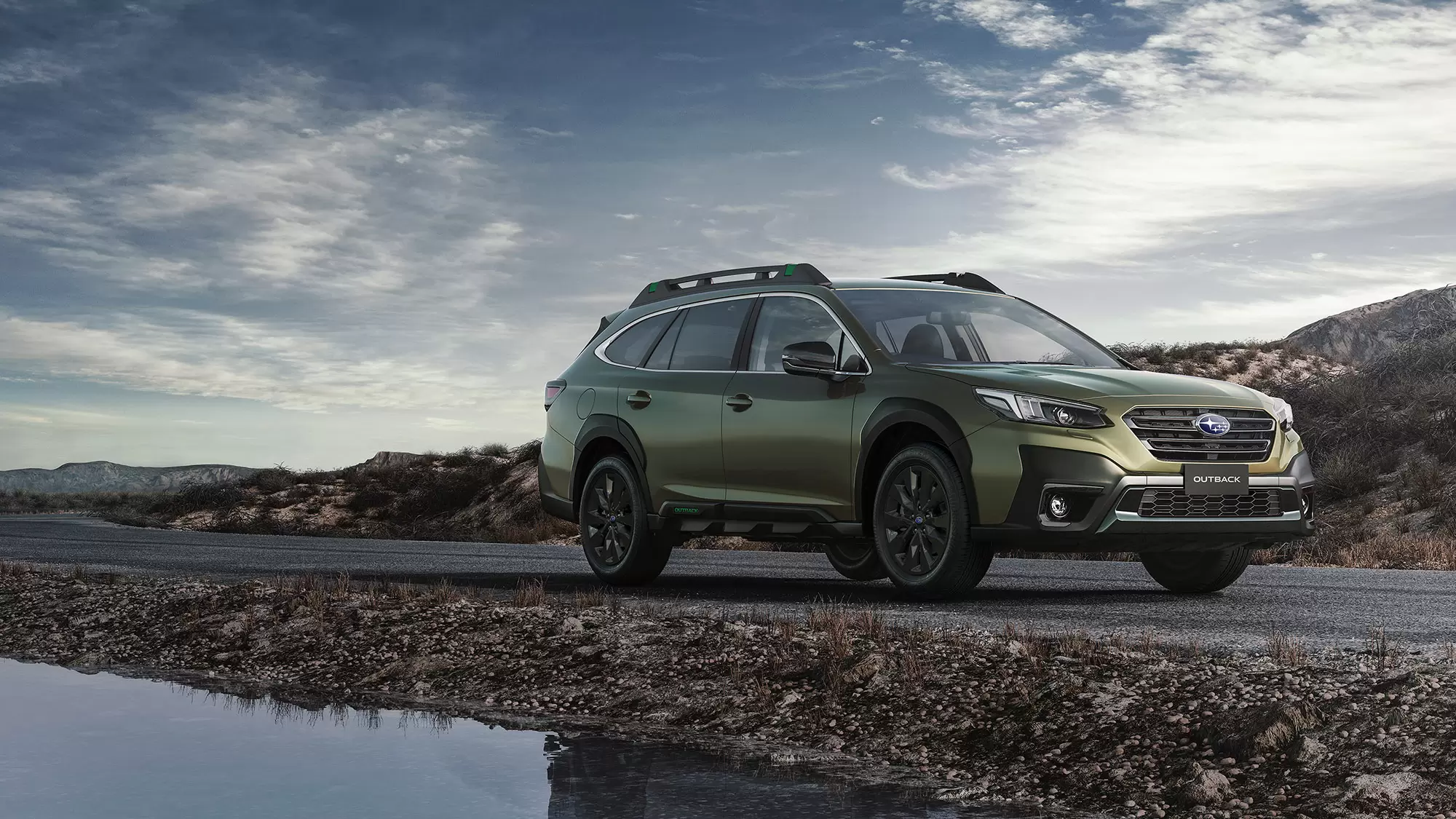
Owners of Outbacks often hold onto them because they know few vehicles offer the same combination of comfort, cargo space, and foul-weather confidence.
Stories of Outbacks surpassing 300,000 miles are common, and in many outdoor-loving households, the family Outback becomes a trusted companion for life.
Most versions of the Subaru Outback come equipped with a 182-horsepower 2.5-liter four-cylinder engine, while XT models benefit from a stronger 260-horsepower 2.4-liter turbocharged four-cylinder. Both powerplants are paired with a continuously variable automatic transmission (CVT) and run happily on regular-grade fuel.
Consumer Guide recently spent a week testing a 2025 Outback Touring XT finished in Crimson Red Pearl. With destination included, the price of the vehicle we drove totaled $44,356.
Our earlier critiques of interior materials in the smaller Subaru Crosstrek don’t apply here—at least not in the Touring trim of the Outback. The cabin of our tester featured black leather upholstery accented with tasteful bright trim, creating an upscale, polished feel that fits right in with Subaru’s brand character.
Despite being built on a car-based platform, the Outback provides the space and practicality of a crossover, with wide-opening doors, generously sized seats, and ample glass for excellent outward visibility. The rear seating area is equally accommodating, offering plenty of passenger room.
Subaru’s “Starlink” infotainment system remains familiar and generally user-friendly. The large, vertically oriented touchscreen is easy to operate, with clear graphics and good visibility even in bright sunlight.
That said, like in other recent Subaru models, we experienced several frustrating Bluetooth connection dropouts. Each time, we had to remove and re-pair our devices, a tedious process that we hope Subaru addresses soon.
Once connected, however, the system works smoothly. The Harman Kardon premium audio system is particularly impressive, delivering sound quality that feels a cut above what’s expected in this price range.
On the road, the Outback Touring XT projects a sense of solidity and confidence. Its suspension strikes a balance between firmness and compliance, providing comfort for everyday driving while still allowing for a touch of sportiness when the driver pushes harder.
The steering feels substantial, with a weight that recalls a more traditional driving experience, and it communicates road feedback clearly. Cornering stability is strong, and the braking system responds with reassuring power and control.
The turbocharged 2.4-liter engine delivers robust performance, offering more than enough muscle for passing and merging. The one drawback lies in the CVT’s tendency to hesitate when reacting to throttle input, especially in stop-and-go traffic.
Applying extra throttle usually helps the transmission respond more quickly, though this approach can negatively affect fuel efficiency. Beyond that, however, our experience with the Outback left us with little to complain about.
6. Ford F-150
The Ford F-150 has been America’s best-selling vehicle for over 40 years, and reliability is a big part of the story. While newer models come with high-tech features, it’s the older F-150s equipped with simple, durable V8s that really shine when it comes to long-term ownership.
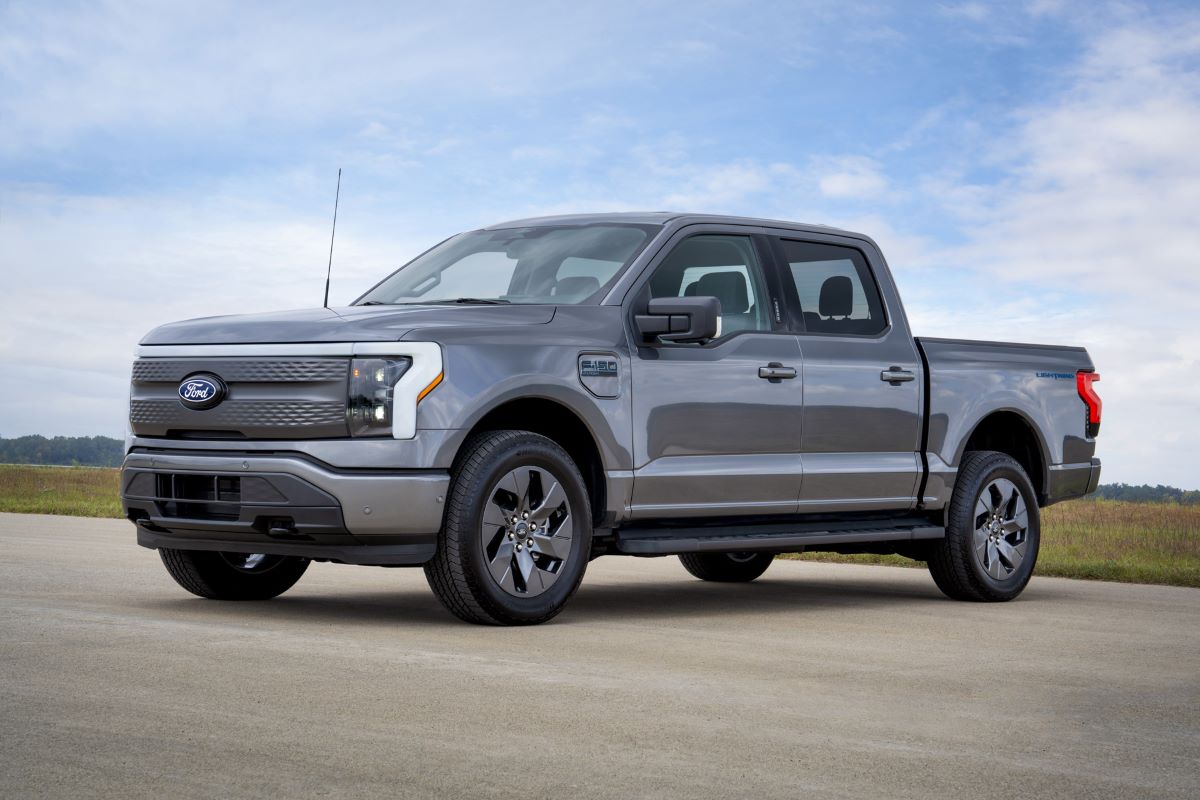
Farmers, contractors, and everyday truck owners often keep their F-150s running for decades because they can take abuse, haul heavy loads, and still keep going. With proper maintenance, many of these trucks cross 300,000 miles without major issues, making them a keeper for life.
7. Lexus LS
For those who want luxury without the headaches of constant repairs, the Lexus LS has been the gold standard since the 1990s. Built with Toyota’s obsessive attention to detail, the LS combines refinement with reliability in a way that European luxury sedans rarely match.
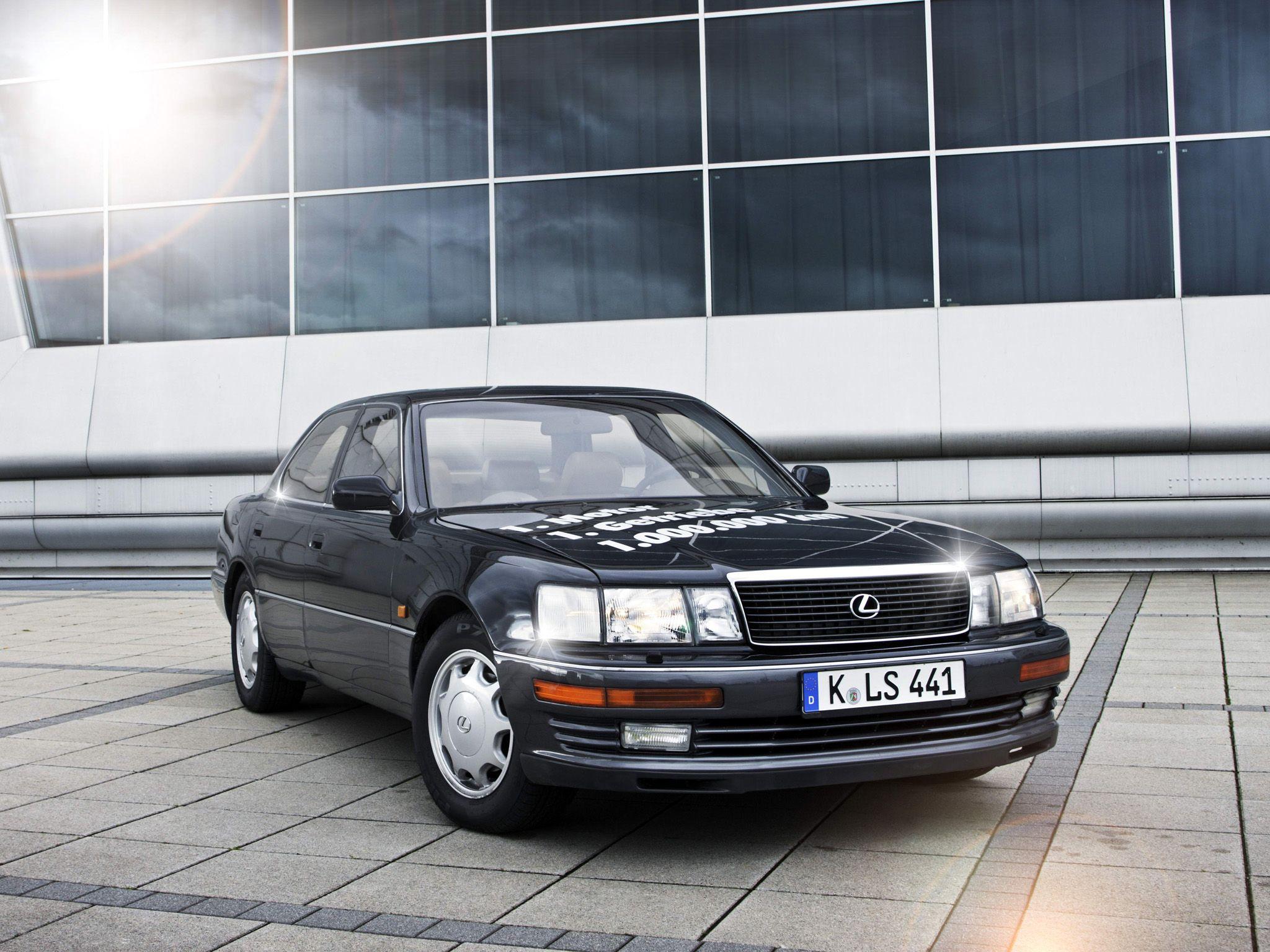
Owners often describe them as “forever cars,” because once you’ve experienced the quiet ride and bulletproof engineering, it’s hard to give one up. Many first-generation LS models are still on the road today, proving that luxury and longevity can go hand in hand.
8. Toyota 4Runner
When it comes to SUVs, few models are as cherished and long-lasting as the Toyota 4Runner. Known for its body-on-frame toughness and durable V6 engines, the 4Runner is a favorite among off-road enthusiasts and families who want a vehicle that can handle anything.
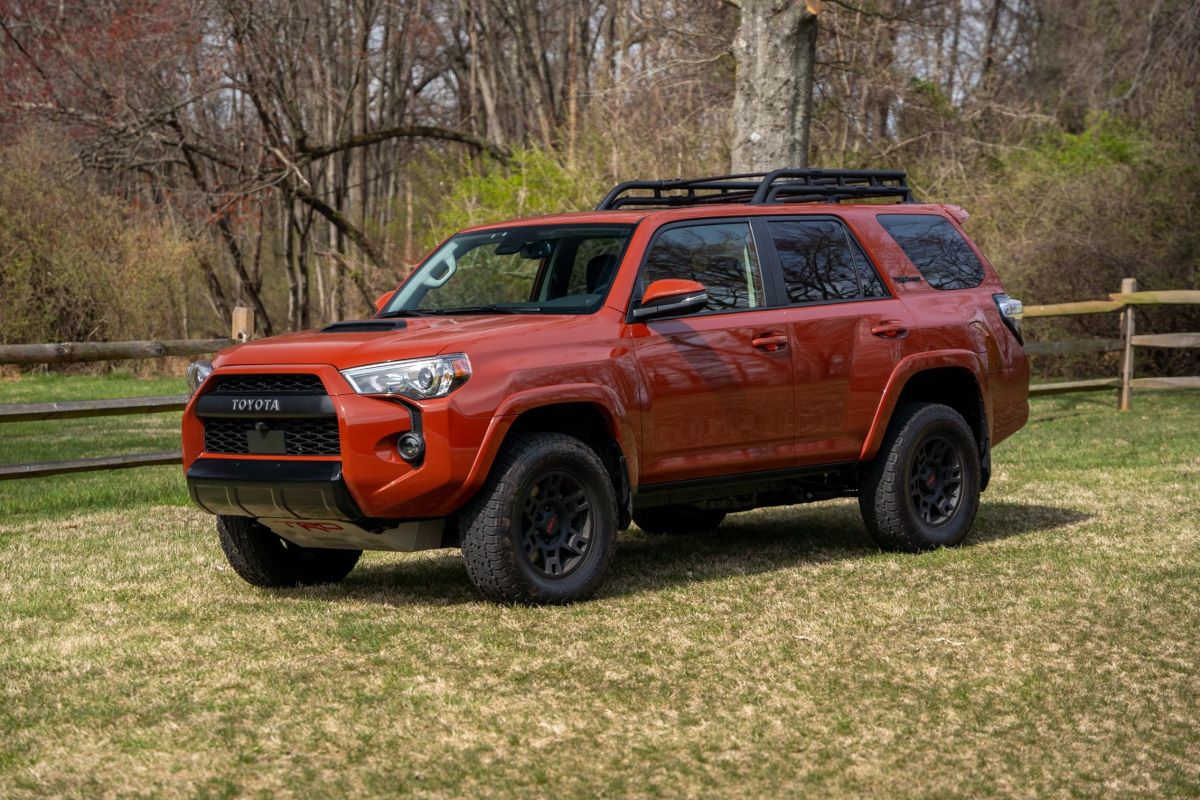
Owners often keep their 4Runners for life because they’re practically indestructible capable of surviving rough trails, towing, and daily commutes without complaint. In fact, resale values for used 4Runners remain sky-high because so many people know they can last decades.
Even as one of the oldest players in the mid-size SUV category, the 2022 Toyota 4Runner remains among the few that live up to its rugged reputation. Its appearance hasn’t changed much in the past decade, but the squared-off fenders and high beltline still project toughness.
That rugged image is backed up by a sturdy ladder-frame chassis and a dependable V-6 engine, both of which are excellent for off-road adventures, though they come at the cost of refinement and fuel efficiency.
The 4Runner’s tall, boxy shape provides a roomy cabin and a large cargo hold, but interior materials fall short, with plastics and finishes that look and feel cheap.
Toyota does try to balance the 4Runner’s age with a wide range of standard driver-assistance features, including adaptive cruise control and lane-keeping assist. Still, these updates don’t quite bring the 4Runner up to the modern appeal of rivals like the Jeep Wrangler.
For 2022, the lineup introduces a new TRD Sport trim, a model long available on the Toyota Tacoma pickup. While the TRD Sport’s 20-inch wheels, hood scoop, and exterior badging suggest a performance focus, its real highlight is the addition of adaptive dampers, something shared only with the more premium Limited trim, that improve body control.
Inside, the TRD Sport swaps cloth upholstery for synthetic leather. Also new for 2022, all 4Runners now come standard with LED high-beam headlights.
Our recommendation is the TRD Off-Road trim. While not as hardcore as the lifted TRD Pro, its significantly lower price makes it a better overall value. Standard features include four-wheel drive, TRD-specific styling details, and functional upgrades such as an electronically locking rear differential for maximum grip in mud or snow.
It also comes with drive-mode settings (Multi-Terrain Select and Crawl Control) that adjust the powertrain for different conditions. We’d also suggest adding the optional Kinetic Dynamic Suspension System, which improves wheel articulation off-road, and the sliding rear cargo deck, which simplifies loading heavy gear and even doubles as tailgate seating.
Every 4Runner is powered by a 270-hp 4.0-liter V-6 mated to a five-speed automatic transmission. Buyers can choose rear-wheel drive, full-time four-wheel drive, or a part-time four-wheel-drive setup.
Performance is modest, our last test showed a 0–60 mph run in 7.7 seconds, and the transmission’s sluggish responses often require heavy throttle to kick down, making acceleration feel uneven.
That said, the 4Runner is more composed on pavement than the Jeep Wrangler, and off-road capability remains a strong suit. Testing the Venture Edition revealed impressive ground clearance and a suspension tuned to soak up rough surfaces. Steering is light and somewhat vague, traits that diminish sportiness but work fine for both trail crawling and urban parking.
Although it feels dated compared with newer competitors, the 4Runner still holds its own. It matches the V-6 Dodge Durango in performance and surpasses models like the Ford Edge and Jeep Wrangler in towing, offering a 5000-pound capacity.
While that trails the Durango’s 8700-pound maximum, the Toyota’s rugged body-on-frame design and torque-rich V-6 continue to make it a reliable choice for adventure seekers.
9. Chevrolet Suburban
The Chevrolet Suburban is not just one of the longest-running nameplates in U.S. automotive history it’s also a vehicle that families tend to hold onto for decades. Its massive size, towing ability, and surprisingly strong reliability make it a cornerstone for large households.
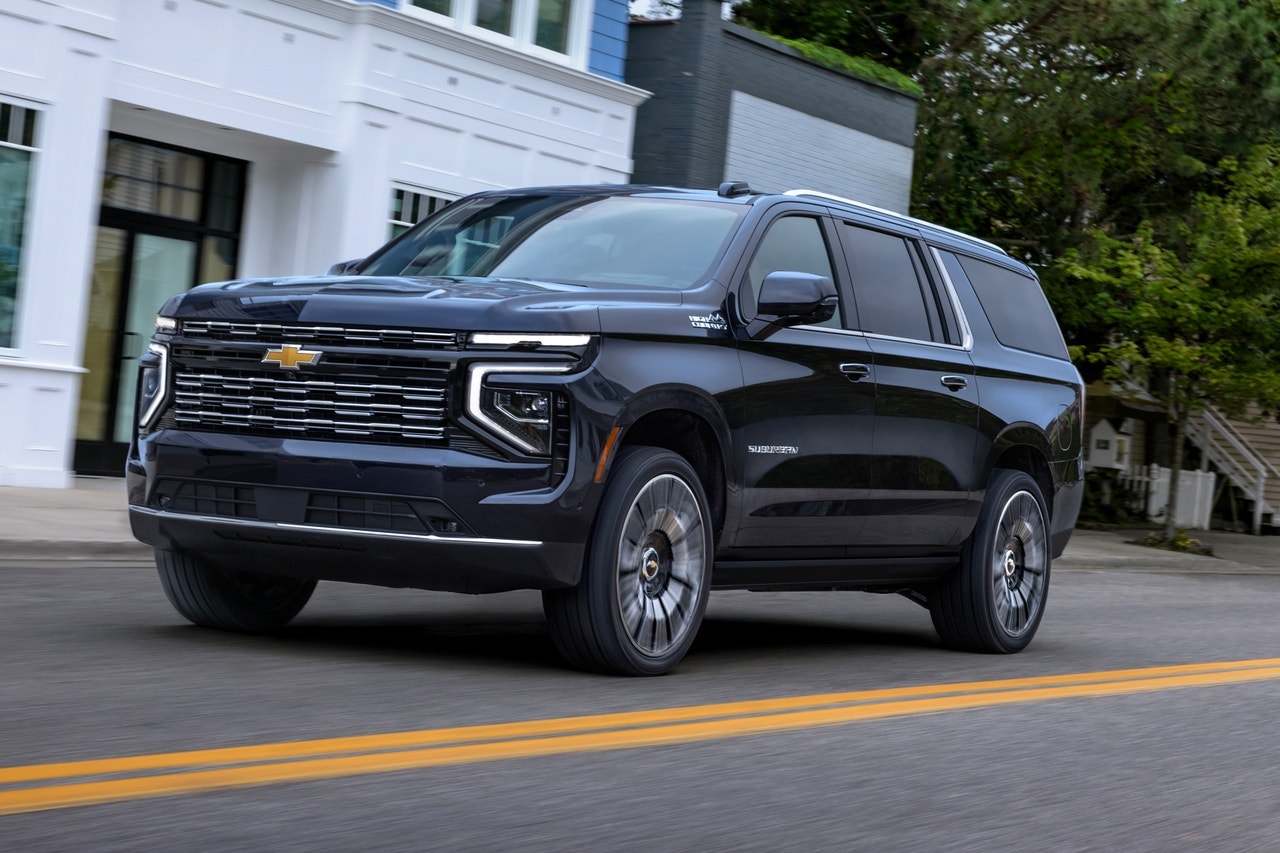
Older Suburbans with simple V8 engines often run for hundreds of thousands of miles with little more than routine care. Many families hang on to their Suburbans even as kids grow up because few vehicles can replace its mix of space, toughness, and dependability.
The 2026 Chevrolet Suburban rides on the same platform as the Tahoe SUV and Silverado 1500 pickup truck, two proven models with strong towing and hauling reputations.
Unlike its pickup sibling, however, the Suburban (along with the Tahoe) offers three rows of seating with room for up to nine passengers. While not every row provides ideal comfort for adults, the Suburban’s cavernous interior ensures plenty of space overall, and its cargo area remains impressively large even with the third row in place.
At the low end, the entry-level version feels stripped down and is better suited for rental fleets, but higher trims push into near-luxury territory. A 5.3-liter V-8 comes standard, while buyers can opt for a more powerful 6.2-liter V-8 or a fuel-efficient turbodiesel inline-six.
Our pick would be the RST, thanks to its sportier appearance package with blacked-out exterior accents and large 22-inch wheels. Beyond looks, it comes equipped with valuable standard features, including a Bose premium audio system, leather upholstery for the first and second rows, heated and memory-equipped front seats, and a hands-free power liftgate.
Among the available engines, the diesel inline-six stands out for its blend of fuel efficiency and smooth, effortless performance.
The standard engine is a 355-hp 5.3-liter V-8, but buyers seeking more muscle can step up to the optional 420-hp 6.2-liter V-8. A third option, the 305-hp 3.0-liter turbodiesel inline-six, delivers both strong torque and excellent fuel economy. Every engine pairs with a 10-speed automatic transmission and either rear- or all-wheel drive.
To enhance ride quality, the Suburban can be outfitted with adaptive dampers and an available air suspension system. This setup allows the SUV’s ride height to be adjusted either automatically or manually, improving ground clearance for off-road travel, making entry and exit easier, and optimizing aerodynamics.
The rugged Z71 trim emphasizes off-road capability, adding 20-inch wheels with all-terrain tires, protective skid plates, and a two-speed transfer case for traditional four-wheel drive.
In our first drive of the 2025 model, the Suburban surprised us with sharper driving dynamics than expected for a vehicle of its size. The diesel engine, in particular, impressed with its refinement and steady power delivery.
10. Honda CR-V
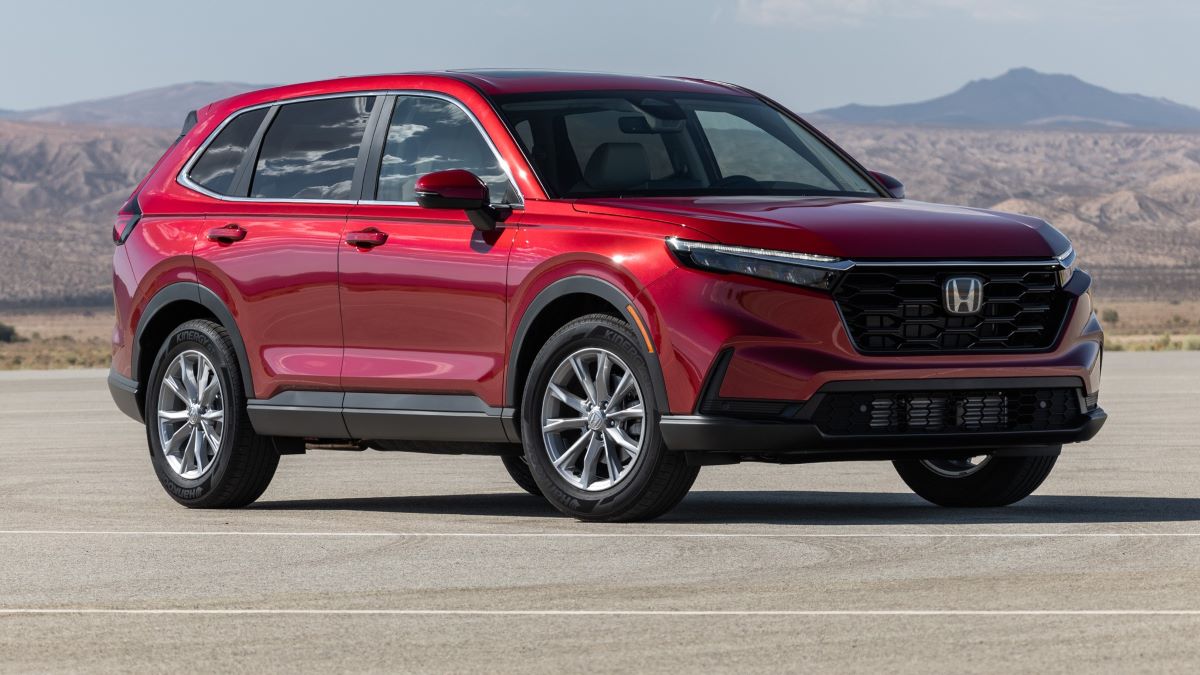
Finally, the Honda CR-V deserves a spot on this list as one of the most reliable compact SUVs ever built. Since its debut in the late 1990s, it has been beloved by families and commuters for its practicality, fuel economy, and durability.
Owners frequently report their CR-Vs lasting well past 200,000 miles without significant repairs, and many choose to keep them long after newer options hit the market. For drivers who need a vehicle that just works year after year, the CR-V becomes a lifelong companion.
The cars on this list share a common DNA: simple engineering, durable components, and a reputation for low-cost maintenance.
Owners in the U.S. are increasingly holding on to their cars longer often 12 years or more and these models are the ones most likely to earn that loyalty.
While flashy new vehicles with complex electronics may tempt some buyers, those who value peace of mind and trust tend to keep these proven workhorses in their garages for life.