When it comes to engines, longevity is the ultimate measure of quality. Car enthusiasts, mechanics, and everyday drivers all agree that a truly great engine isn’t just about horsepower or speed; it’s about how many years and miles it can reliably serve without major issues.
That’s why certain engines have earned legendary reputations, not just for performance, but for their ability to outlast expectations. From Japanese precision engineering to American muscle, European craftsmanship, and heavy-duty diesel powerplants, these engines have consistently proven themselves as benchmarks of durability.
In this guide, “15 Engines That Mechanics Recommend for Longevity,” we’ll explore some of the most trusted names in automotive history. Engines like Toyota’s indestructible 2JZ-GTE, Honda’s high-revving B-Series, and the million-mile Cummins 6BT stand out as shining examples of engineering excellence.
Whether you’re a collector, a daily driver, or someone searching for a dependable used car, these engines represent the gold standard of reliability.
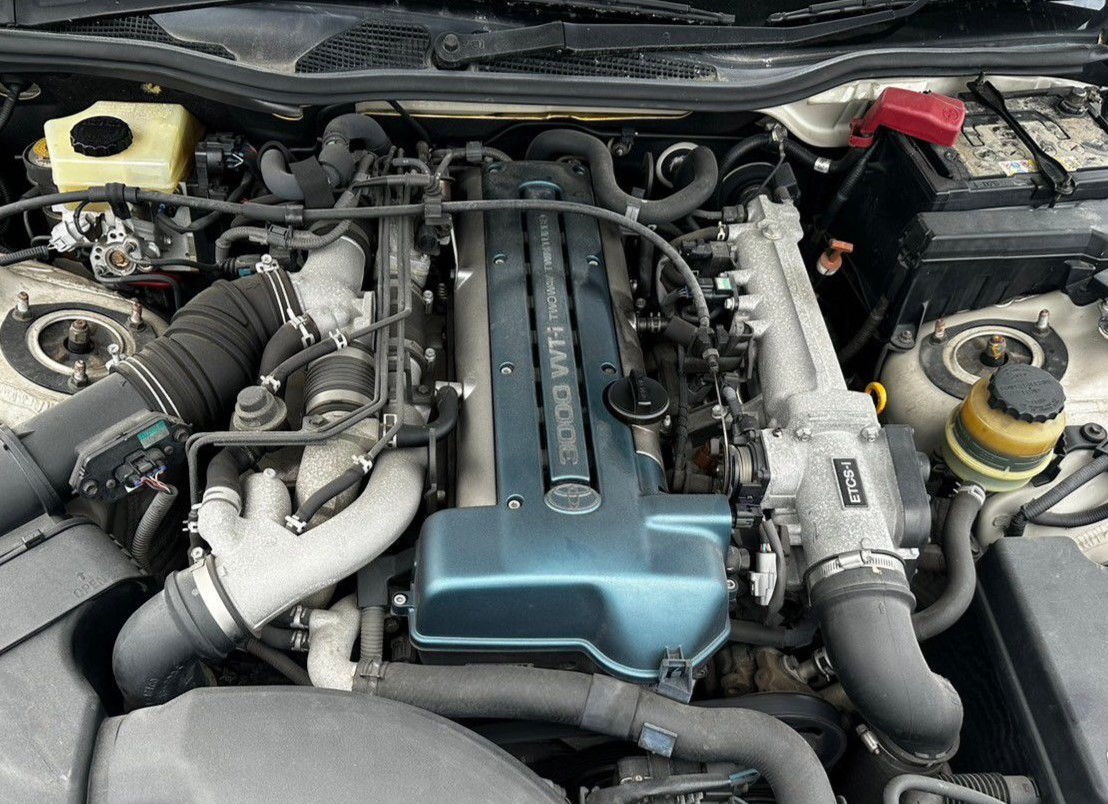
1. Toyota 2JZ-GTE: A Benchmark of Reliability and Power
The Toyota 2JZ-GTE engine has earned legendary status in the automotive world, particularly among performance enthusiasts. Famously powering the Toyota Supra, this 3.0-liter twin-turbocharged inline-six is celebrated for its ability to handle immense power while maintaining exceptional reliability and longevity.
Its reputation as an almost indestructible engine comes from a combination of robust engineering, high-quality materials, and thoughtful design.
At the core of the 2JZ-GTE’s strength is its cast-iron block, which is far more durable than aluminum alternatives. Reinforced with seven main caps, this design allows the engine to endure extreme stress and high-horsepower builds without failure.
The solid deck design further locks the cylinders in place, preventing movement under heavy turbo pressure and reducing the risk of catastrophic damage. Supporting this, the crankshaft and pistons are built to withstand high-performance use, while the integrated oil cooler effectively regulates engine temperature during demanding conditions.
These design features translate into real-world reliability. Many owners report their engines lasting well beyond 200,000 miles with minimal issues, provided regular maintenance is performed.
Notably, teardown inspections of engines exceeding 400,000 miles revealed surprisingly minimal wear, underscoring the engine’s durability. Data from owner reports and complaint registries further confirm the rarity of serious engine-related problems.
The 2JZ-GTE’s enduring appeal also lies in its tuning potential. Capable of safely handling significant increases in boost and horsepower, it has become a favorite platform for modification. However, its legendary longevity is equally tied to consistent maintenance, including oil changes, coolant monitoring, and the use of OEM parts.
The Toyota 2JZ-GTE remains a benchmark for strength, reliability, and tuning capability, cementing its status as one of the most respected engines ever built.
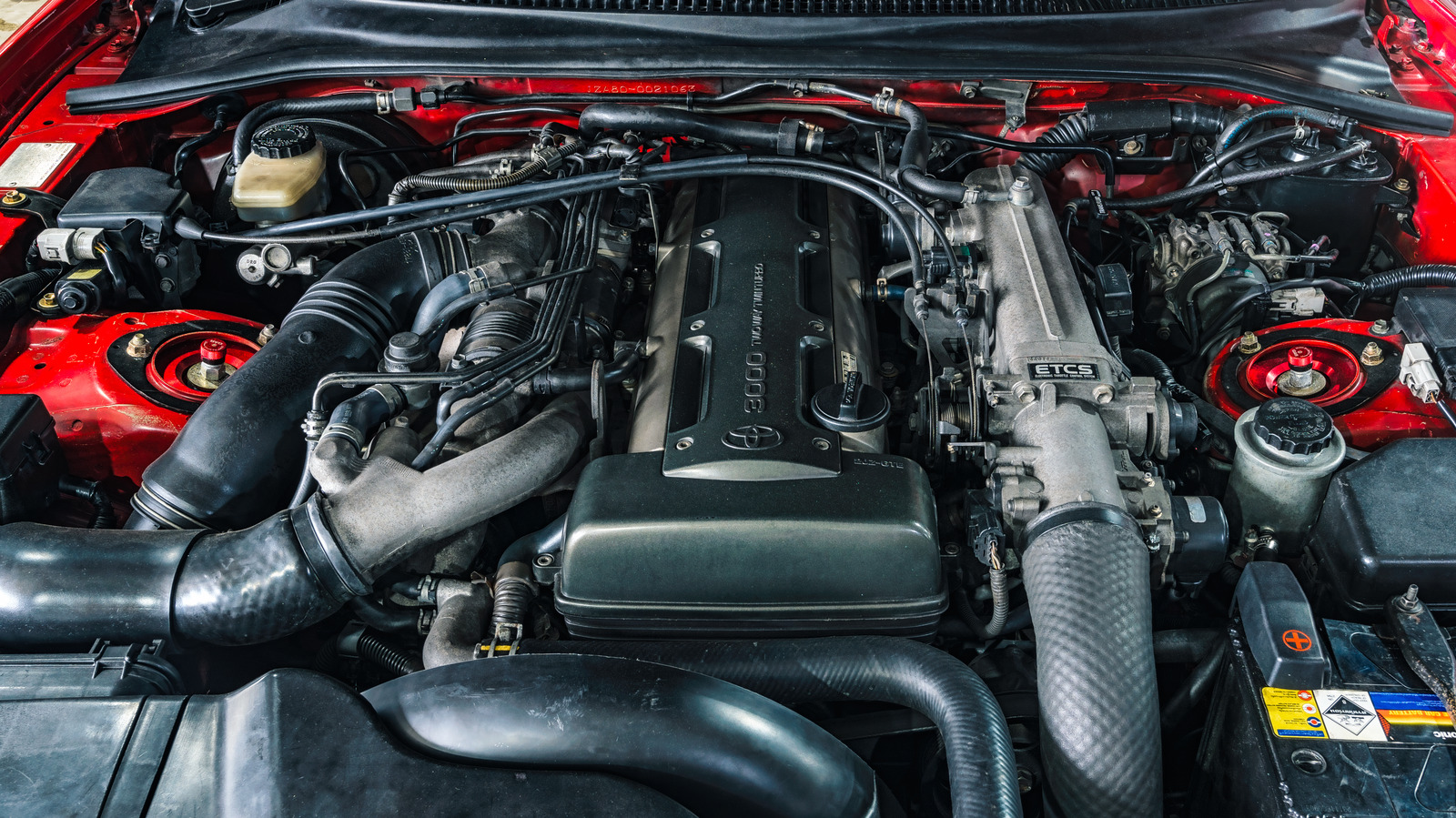
2. Honda B-Series: The Reliable High-Revving Workhorse
The Honda B-Series engine family, particularly the B16 and B18, has become one of the most respected and enduring names in the automotive world.
Known for its combination of durability, reliability, and high-revving performance, the B-Series has powered iconic Honda models like the Civic and Integra, earning a reputation for longevity and versatility. With proper maintenance, these engines often exceed 300,000 miles, making them a benchmark for long-lasting performance in both daily drivers and track cars.
A key reason for the B-Series’ reputation is its overbuilt design, engineered to meet Honda’s strict reliability standards. Strong internal components, such as robust crankshafts and durable stock parts, allow the engine to handle significant stress.
Many enthusiasts push B-Series engines to high-performance limits through turbocharging or track use without compromising their reliability. The modular design of the series also enables easy part swapping between different variants, simplifying repairs and modifications.
Beyond durability, the B-Series engines became popular thanks to their VTEC integration, introduced with the B16. This technology delivered a high-revving, performance-oriented character in a compact and lightweight package, making Hondas of the 1990s cult favorites among enthusiasts.
Their affordability and massive aftermarket support further fueled their popularity, giving tuners endless opportunities to modify and enhance performance.
The B-Series also shines in its tuning potential. From simple bolt-on upgrades to turbocharged “Frankenstein” builds where VTEC heads are paired with non-VTEC blocks like the B20B, these engines can be transformed into high-powered machines. With strengthened components such as upgraded rods, pistons, and valvetrain parts, they are capable of handling impressive horsepower while maintaining reliability.
The Honda B-Series is celebrated not only for its durability but also for its versatility. Whether stock or heavily modified, it remains a cornerstone of Honda’s performance legacy and a beloved platform for builders worldwide.
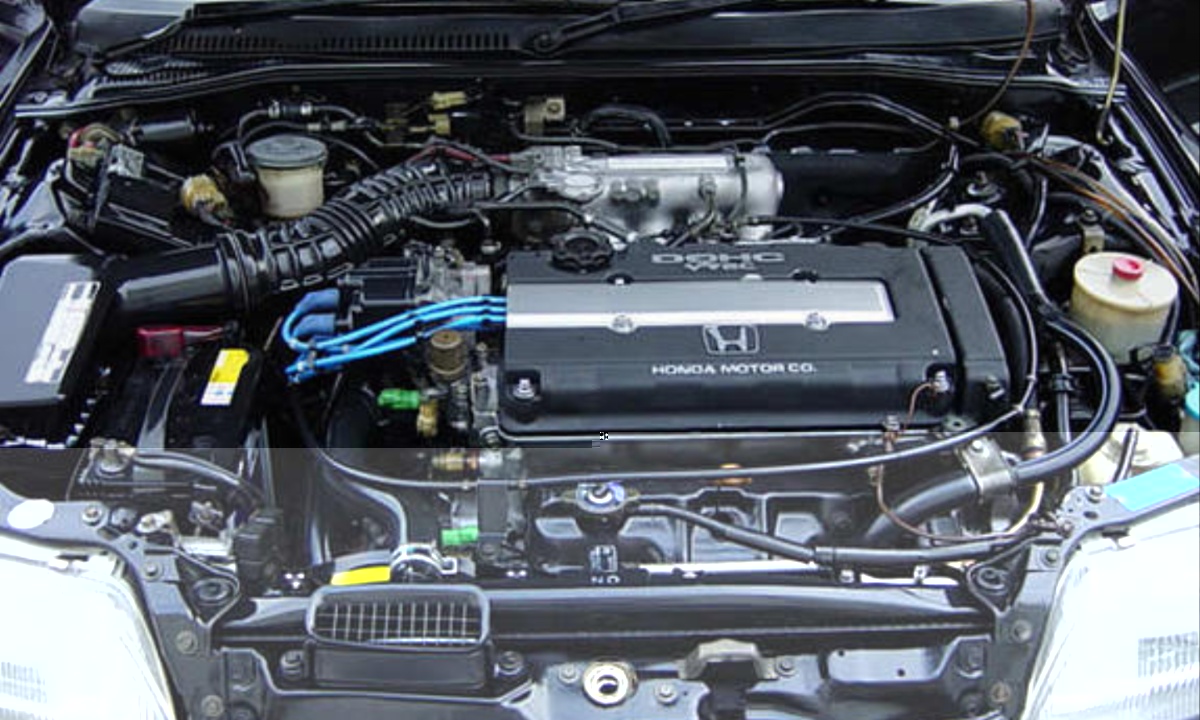
3. Ford Power Stroke: Built for Longevity and Heavy-Duty Power
The Ford Power Stroke family of diesel engines has become synonymous with toughness, reliability, and endurance. Designed for heavy-duty applications such as towing, hauling, and long-distance driving, these engines are a staple for truck owners who demand durability and performance.
With proper maintenance, many Power Stroke engines surpass 300,000 miles, while some, especially the 7.3L, have been known to reach half a million miles or more.
The 7.3L Power Stroke is the most celebrated in the lineup, often considered nearly indestructible thanks to its simple, robust design. Many examples run well past 400,000 to 500,000 miles, with rare cases exceeding a million miles. This reputation has made it a legend among diesel enthusiasts.
The 6.7L Power Stroke, introduced in 2011, carries forward this tradition with modern engineering, offering massive torque, impressive towing capability, and durability beyond 200,000 miles, making it one of Ford’s best contemporary diesel engines.
However, not every Power Stroke model enjoys the same reputation. The 6.0L Power Stroke is widely regarded as less reliable, plagued by issues such as clogged oil coolers and faulty cam position sensors, which can reduce its lifespan.
Similarly, the 6.4L Power Stroke, while more powerful than its predecessor, tends to have a shorter lifespan, often topping out between 150,000 and 200,000 miles due to complex emissions components and higher stress on internals.
Several factors influence the longevity of Power Stroke engines. Regular maintenance is essential, particularly for parts like turbochargers, injectors, and exhaust systems.
Additionally, simpler designs such as the 7.3L, which lack newer emissions-related systems, tend to last longer with fewer complications. Recognizing and addressing common weak points, such as the 6.0L’s oil cooler or the 6.7L’s charge pipe, is also critical to maximizing durability.
The Ford Power Stroke engines, especially the 7.3L and 6.7L models, have proven themselves as some of the most reliable diesel powerplants ever produced, solidifying their place as workhorses in the trucking world.
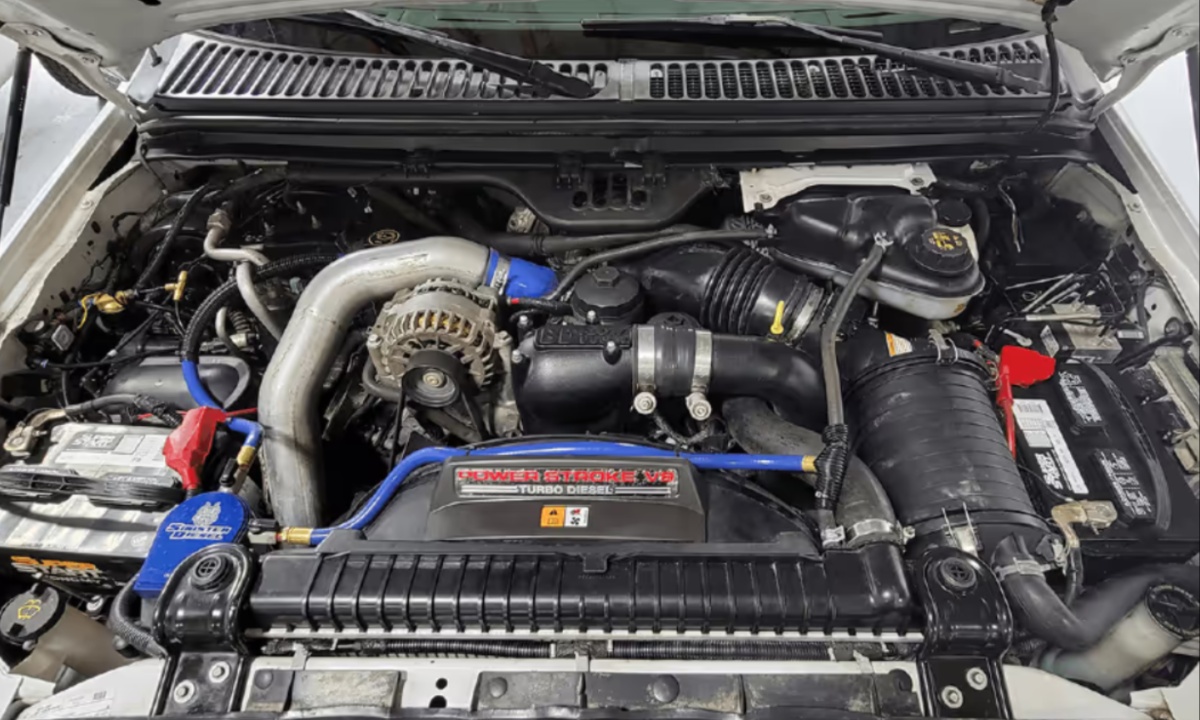
4. Chevy Small Block V8: America’s Timeless Workhorse
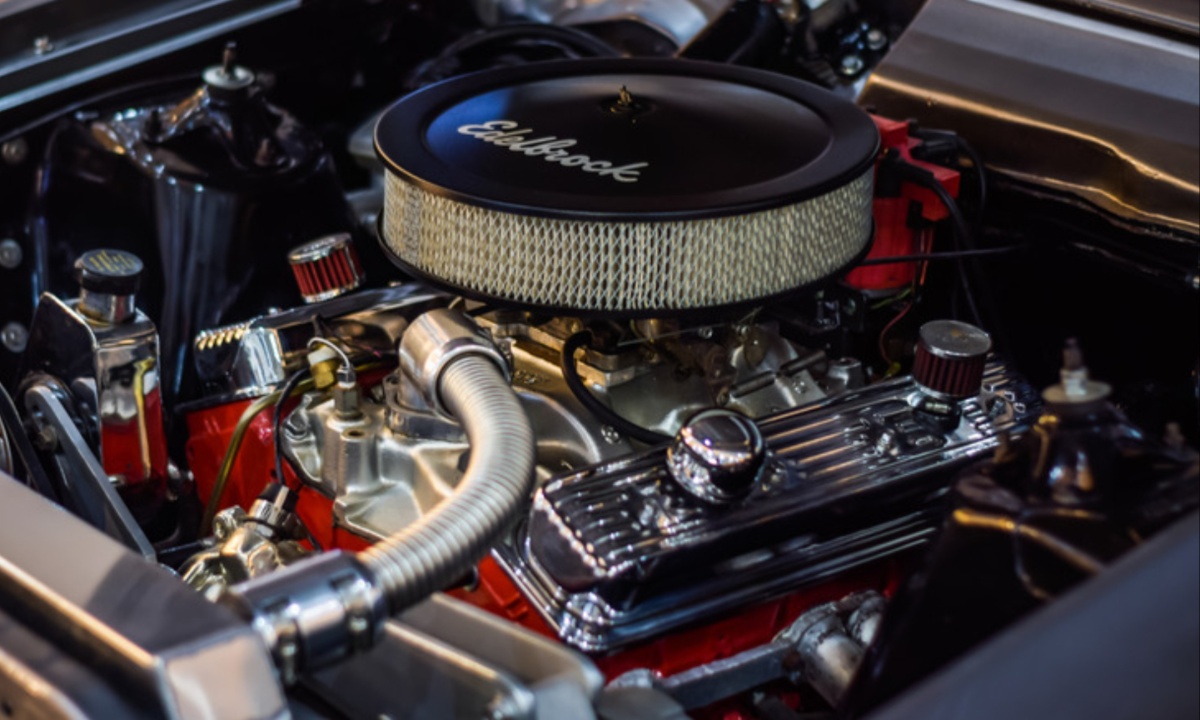
The Chevrolet Small Block V8 stands as one of the most iconic and enduring engines in automotive history. In continuous production for more than six decades, it has powered everything from muscle cars and family sedans to trucks and race cars, earning a reputation for simplicity, dependability, and adaptability. Its bulletproof design and widespread use have cemented its status as an American engineering legend.
A major factor in the Small Block’s reputation is its simple yet robust construction. Many versions feature cast-iron blocks and cylinder heads, which provide durability, strength, and excellent heat management.
This straightforward design not only makes the engine reliable but also easy to service, a trait that has endeared it to both mechanics and enthusiasts for generations. With proper maintenance, including routine oil changes and timely part replacements, these engines commonly surpass 200,000 miles, with some exceeding 300,000 miles.
The Chevy Small Block also benefits from unmatched aftermarket support and parts availability. With millions produced and over 100 million units sold, finding replacement parts or performance upgrades is simple and affordable.
This accessibility ensures the engine remains relevant across decades, from the early 350 cubic inch versions to modern iterations in the LT series. Its proven track record across millions of vehicles showcases not just reliability but also versatility, handling daily driving, towing, racing, and everything in between.
Beyond mechanics, the Small Block V8 carries deep cultural significance. It has become a symbol of American automotive spirit, representing classic muscle cars, hot rods, and road trips. Its ubiquity and adaptability have made it not only the most produced V8 in history but also a cornerstone of car culture worldwide.
In essence, the Chevy Small Block V8 is more than just an engine; it’s a timeless icon of reliability, durability, and American innovation.
5. BMW M54: A Refined Inline-Six Built for Longevity
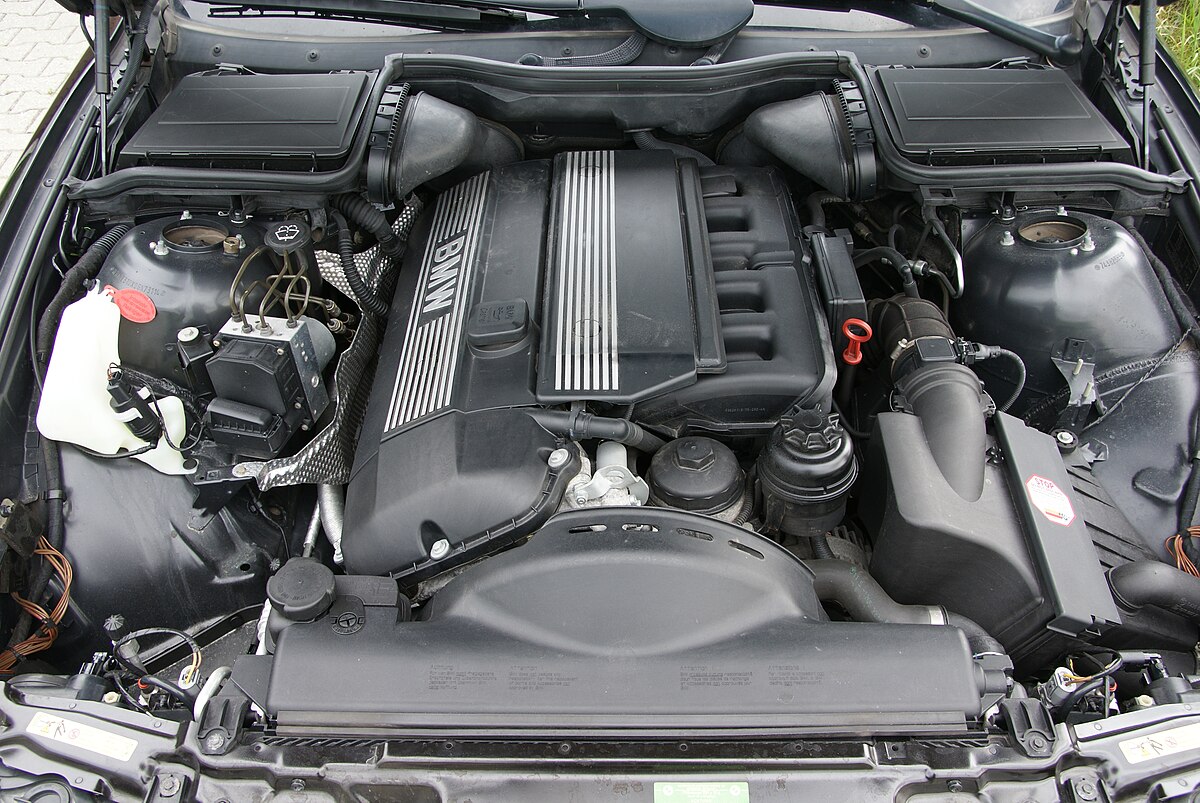
The BMW M54, produced from 2000 to 2006, is widely regarded as one of the most dependable engines the German automaker has ever built. This naturally aspirated inline-six was designed with simplicity and strength in mind, avoiding the complexity of turbochargers while still delivering smooth and refined performance.
Its aluminum block reinforced with cast-iron liners, forged crankshaft, and robust internals allows the M54 to reach 200,000–300,000 miles with proper care.
What makes the M54 stand out is its balance of performance and durability. While it requires attentive maintenance, such as addressing vacuum leaks, VANOS unit wear, cooling system vulnerabilities, and crankcase ventilation issues, these are well-documented and manageable.
Once these points are handled, the M54 proves itself capable of remarkable longevity while offering the signature smoothness of BMW’s inline-six engines.
Celebrated by enthusiasts for its reliability, refinement, and driving character, the M54 remains a benchmark of European engineering excellence and long-term dependability.
6. Subaru EJ25: A Durable Workhorse with Known Weak Points
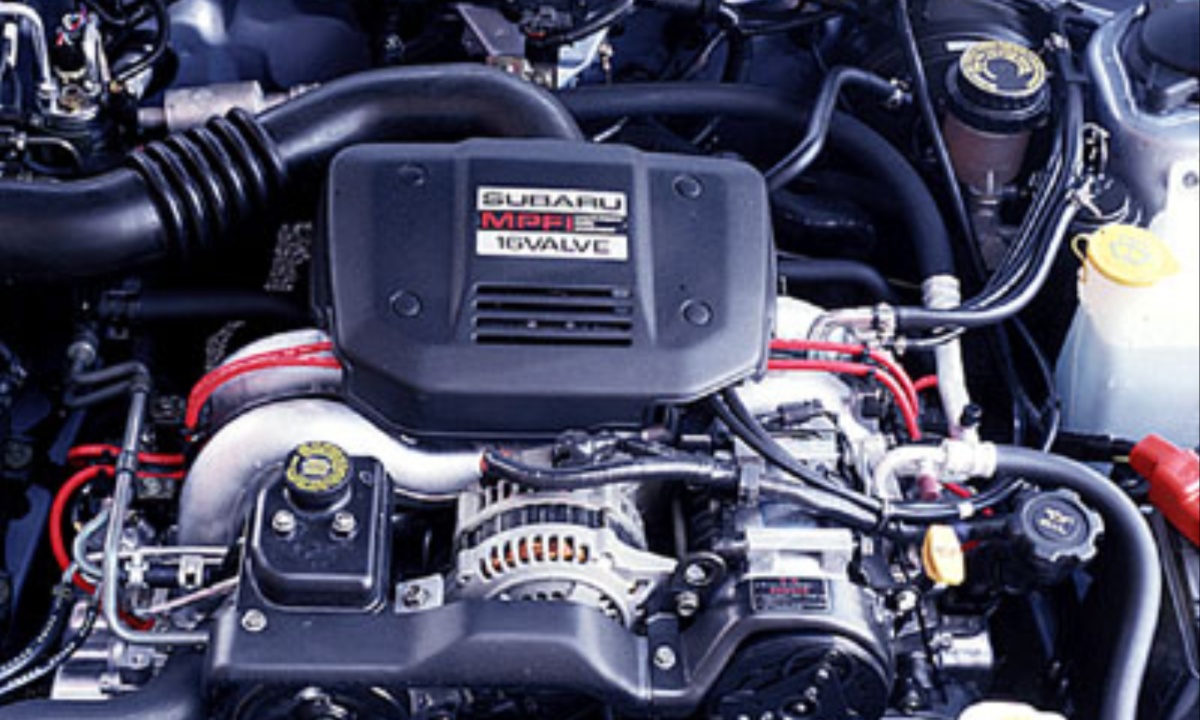
The Subaru EJ25 is one of the brand’s most widely used engines, powering models like the Impreza, Forester, and Legacy for decades. Known for its boxer layout and strong performance in both naturally aspirated and turbocharged versions, the EJ25 can provide excellent longevity, often reaching 200,000–300,000 miles with proper care.
However, while durable, it is equally infamous for recurring issues, most notably head gasket failures, that can tarnish its reliability if not properly addressed.
The EJ25’s strengths lie in its balance of performance and longevity. Turbocharged variants such as the EJ25T deliver impressive power, while non-turbo versions offer dependable efficiency for everyday driving.
The engine’s durability, though, depends heavily on strict maintenance, including routine oil changes, timing belt replacements, and cooling system upkeep. When maintained correctly, the EJ25 has proven to be a reliable and long-lasting powerplant.
That said, the EJ25 is associated with several well-documented weaknesses. Early naturally aspirated models (1998–2009) were notorious for head gasket failures, often appearing around 100,000 miles. Subaru later introduced more durable multi-layer steel (MLS) gaskets to solve this issue.
Turbocharged variants face additional risks, such as ringland failures in pistons, rod bearing failures due to oil starvation, and occasional oil pickup tube cracks that can cause catastrophic engine failure. In some cases, these problems even led to lawsuits, particularly with 2012–2017 WRX and STi models.
Other concerns include excessive oil consumption in certain generations (notably 2011–2014) and the critical need to replace the timing belt and water pump at scheduled intervals to avoid catastrophic interference-related damage.
The Subaru EJ25 can be either a long-lived, dependable engine or a costly liability, depending on maintenance history and model year. Buyers of used models should ensure that head gaskets, timing components, and oil-related issues have been addressed. With proper care, especially on updated non-turbo versions, the EJ25 remains a capable and reliable workhorse in Subaru’s lineup.
7. Lexus LS400 1UZ-FE: The Over-Engineered Legend
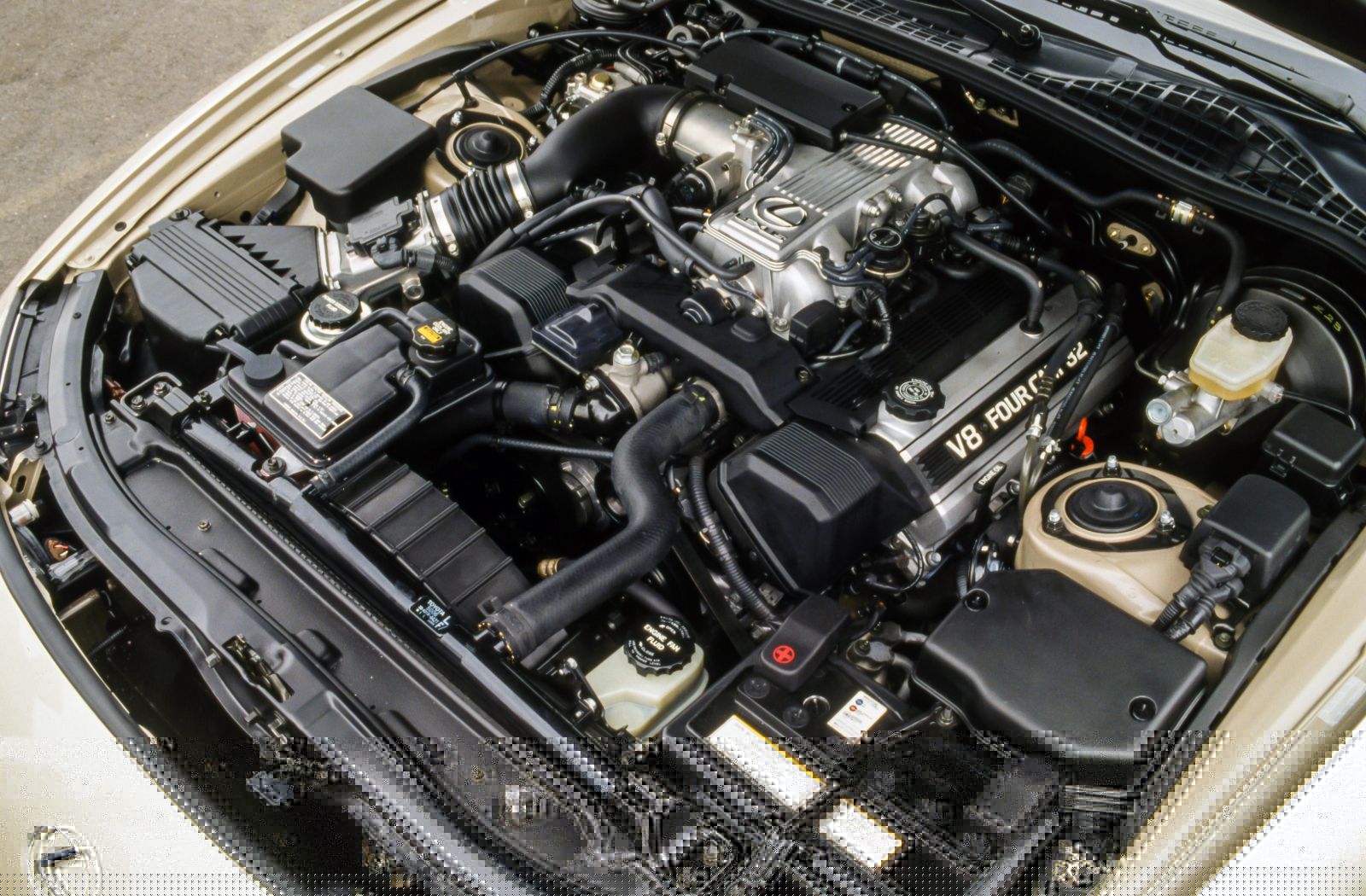
The Lexus LS400’s 1UZ-FE V8 is one of the most respected engines ever built, celebrated for its bulletproof reliability, smooth performance, and unmatched longevity. Introduced in 1989 as the heart of Lexus’s first flagship sedan, the 1UZ-FE set new benchmarks for refinement and dependability.
With proper care, it routinely surpasses 300,000 miles, with many examples exceeding 500,000 miles and rare cases approaching one million miles.
A hallmark of the 1UZ-FE’s durability lies in its over-engineered design. Developed without typical cost-cutting limitations, it featured six-bolt main bearings, forged steel crankshafts, and a factory blueprinted process that ensured tight tolerances and consistent quality.
The result was a V8 that could withstand decades of use while delivering exceptional smoothness and quiet operation. This refinement was famously demonstrated on Top Gear, where a glass of water balanced on the running engine barely rippled at idle.
The 1UZ-FE’s reputation extends beyond its mechanical reliability; it is also renowned for its owner satisfaction. The engine’s ability to provide a refined driving experience while requiring relatively little maintenance compared to competitors made the LS400 an instant icon of luxury and dependability.
However, while the engine itself is virtually indestructible, the LS400 as a whole is not without weak points. Common issues include power steering pump failures, cracking EGR pipes, and premature starter motor wear on early models.
Additionally, the car’s heavy chassis can place extra strain on suspension components such as control arms, struts, and ball joints, requiring replacement over time. Leaks from the steering rack and pinion are also reported by long-term owners.
To maintain peak longevity, preventative maintenance is key. Routine checks of the cooling system, water pump, and suspension, along with proper fluid care, help keep the LS400 running smoothly for decades.
The Lexus LS400’s 1UZ-FE is a shining example of Japanese over-engineering, an engine that not only set new standards for reliability but also helped establish Lexus as a global luxury powerhouse.
Also Read: 10 Engines That Keep Their Power After 300,000 Miles
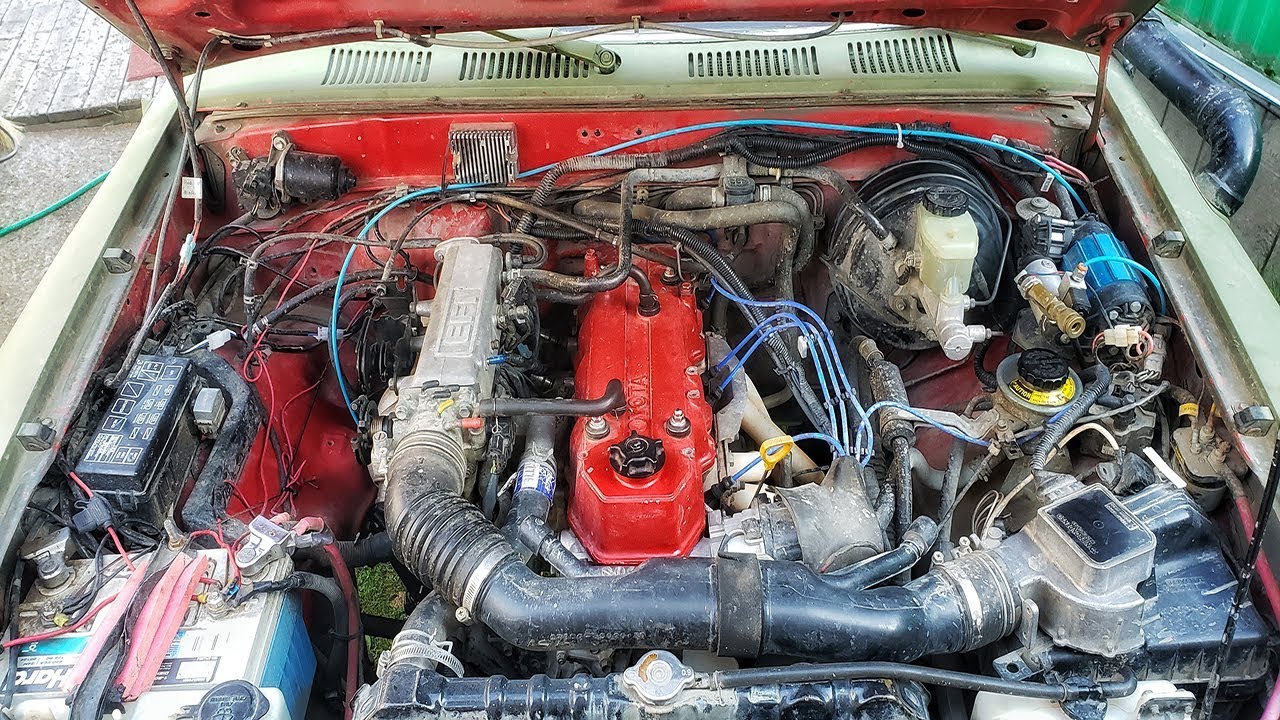
8. Toyota 22R-E: The Indestructible Four-Cylinder
The Toyota 22R-E is one of the most respected four-cylinder engines ever produced, celebrated for its toughness, simplicity, and reliability. Introduced in the 1980s and used in vehicles like the Toyota Hilux, Pickup, and 4Runner, it became a legend for thriving in harsh environments worldwide. From rock crawlers to daily drivers, the 22R-E has proven that even with modest power output, dependability and durability matter most.
One of the 22R-E’s greatest strengths is its mechanical simplicity. Free of complicated electronics or cutting-edge technologies, it relies on straightforward engineering that makes it easy to maintain and repair.
Its robust cast-iron block and simple fuel-injection system allow it to endure severe use, with many engines surpassing 300,000 miles when properly cared for. This ruggedness made it a favorite for off-roaders, work trucks, and even motor homes, where reliability is non-negotiable.
The 22R-E isn’t without its quirks, but most issues are well-documented and easily addressed. The most notable weakness is its plastic timing chain guides, which tend to wear or break between 80,000–120,000 miles, potentially leading to engine damage if neglected.
The widely recommended fix is upgrading to steel-backed timing guides, a permanent solution that significantly enhances longevity. Other common but minor issues include oil leaks from valve cover gaskets and seals, as well as occasional head gasket failures at very high mileage. Fortunately, these problems are straightforward to repair thanks to the engine’s accessible design.
Longevity is largely tied to consistent maintenance, particularly oil changes and proper cooling system care. Even though the engine is underpowered compared to modern standards, it’s known for running continuously without complaint in both everyday driving and demanding conditions.
The Toyota 22R-E exemplifies reliability through simplicity. Its long life, ruggedness, and ease of repair have cemented its reputation as one of Toyota’s most dependable engines, earning it a near-indestructible status among enthusiasts and owners alike.
9. Mercedes-Benz OM617: The Million-Mile Diesel
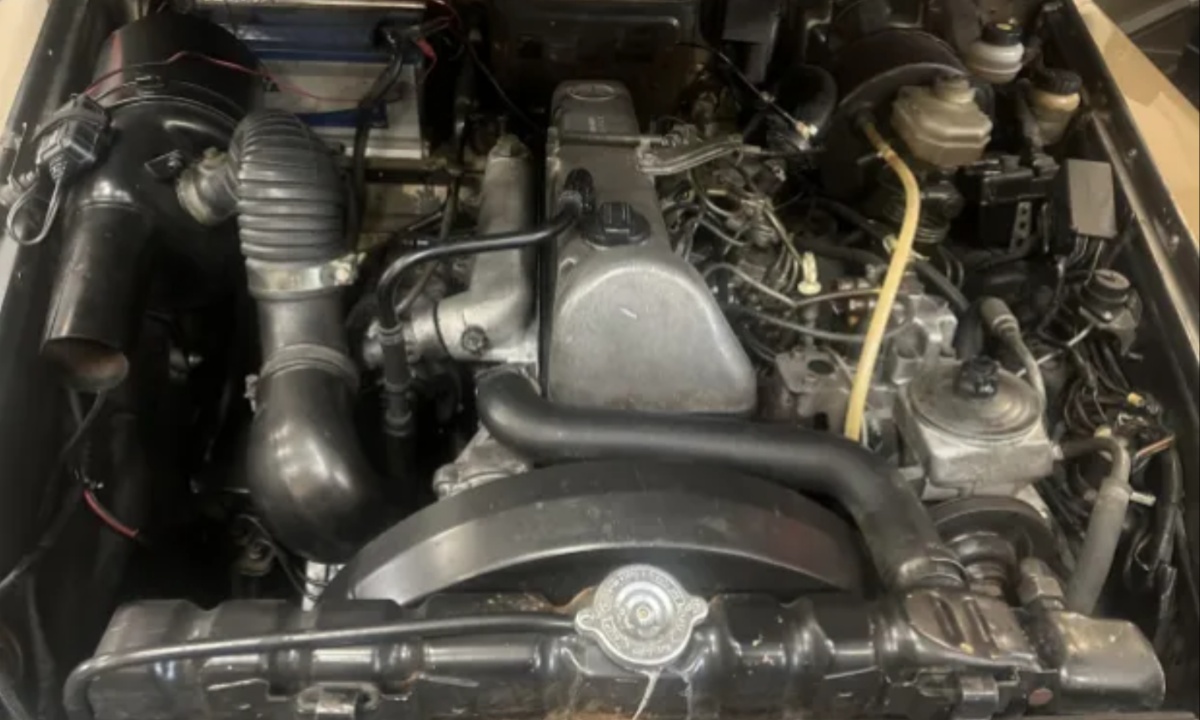
The Mercedes-Benz OM617 is one of the most legendary diesel engines ever built, renowned for its longevity, durability, and over-engineered design. Produced from 1974 through the mid-1980s, this 3.0-liter inline-five diesel powered models such as the W123 and W126, earning a reputation as an engine that could run for half a million miles or even exceed one million miles with proper care.
The OM617’s durability comes from its robust construction. It features a heavy-duty cast-iron block, a forged steel crankshaft, and strong cylinder head components designed to withstand decades of use. Its mechanical Bosch injection pump eliminates reliance on complex electronics, reducing failure points and ensuring ease of repair worldwide.
The use of indirect injection allows for gentler combustion, reducing stress on internal components, while its large 8.5-liter oil capacity improves cooling and lubrication. These engineering choices, paired with relatively low horsepower output, mean the engine typically operates well below its maximum capacity, significantly reducing wear.
Simplicity is another key to its longevity. The OM617 was designed to be easy to service, with parts that remain affordable and widely available. Its straightforward mechanical systems mean even high-mileage engines can be kept running with consistent maintenance.
Still, like all engines, it has weak points. Timing chain wear is common past 200,000 miles and must be addressed to prevent catastrophic failure. Glow plug issues, injector nozzle wear, and fuel system contamination can affect performance but are inexpensive to fix. High-mileage engines may develop oil leaks or blow-by from worn piston rings. Turbocharged versions also require periodic service to prevent turbo carbon buildup.
The OM617’s reputation for reliability is well-earned. With diligent care, it is capable of extraordinary lifespans unmatched by most engines, making it a favorite among enthusiasts, collectors, and anyone seeking a truly indestructible diesel.
10. Honda D-Series: The Everyday Workhorse
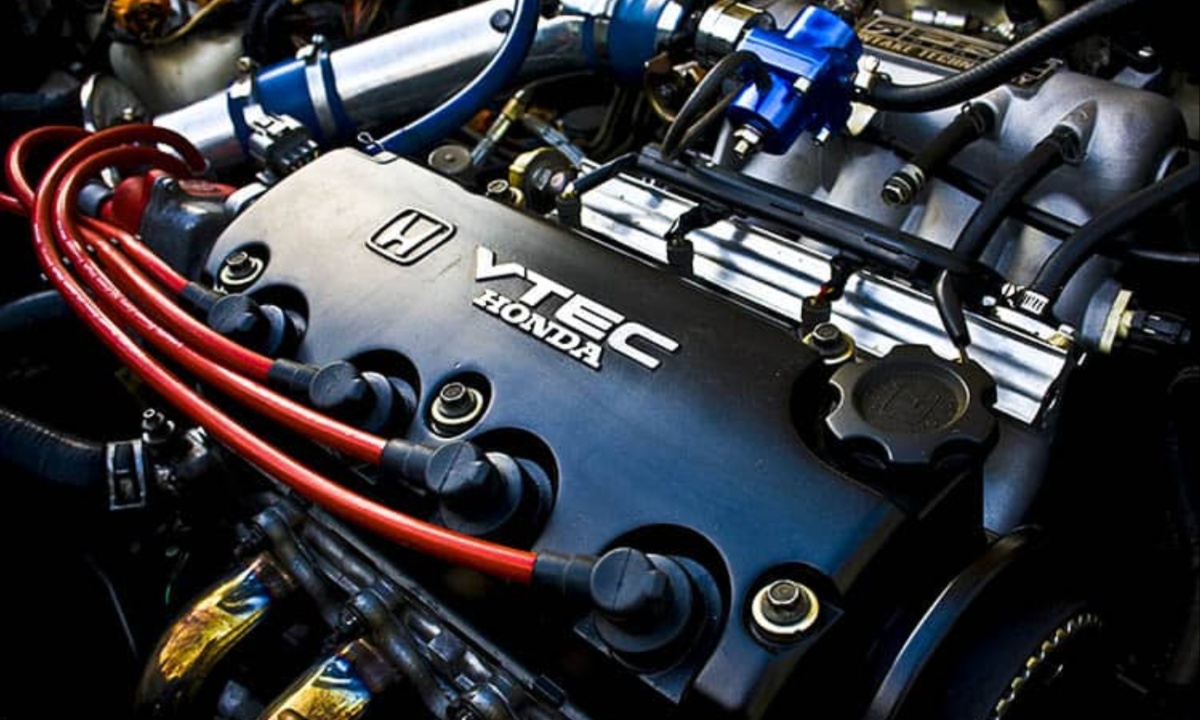
The Honda D-Series engines, especially the popular D16, have earned a strong reputation for reliability, durability, and long service life. Produced from the 1980s through the early 2000s, these inline-four SOHC engines powered a wide range of Honda models, including the Civic, CRX, and Accord, making them some of the most common Honda engines ever built.
The D-Series was designed with longevity over performance in mind. With modest power outputs compared to sportier Honda engines like the B- or K-Series, the D-Series engines benefit from lower internal stress, allowing them to run for 200,000 to 300,000 miles or more with proper care. Routine oil changes, coolant flushes, and timing belt replacements are usually enough to keep these engines running reliably for decades.
Key strengths include a simple and robust design, ease of maintenance, and a proven track record in millions of vehicles worldwide. Unlike high-strung performance engines, the D-Series’s conservative power delivery helps extend the life of pistons, rings, and bearings. Many enthusiasts consider them nearly “indestructible” for daily driving when left unmodified.
However, while dependable, they do have some vulnerabilities. Neglected maintenance, especially skipped oil changes, can lead to premature wear.
Engines that have been modified with aftermarket turbochargers or forced induction are far more likely to suffer piston, ring, or bearing failure, since the D-Series was never engineered for high boost or extreme output. Additionally, specific models within the series may vary slightly in durability and parts availability.
The Honda D-Series is a proven, reliable platform for commuters and budget enthusiasts alike. While not a powerhouse, it delivers simplicity, efficiency, and exceptional longevity, making it a cornerstone of Honda’s reputation for reliability.
11. Chevy LS Series: The Modern Small Block Successor
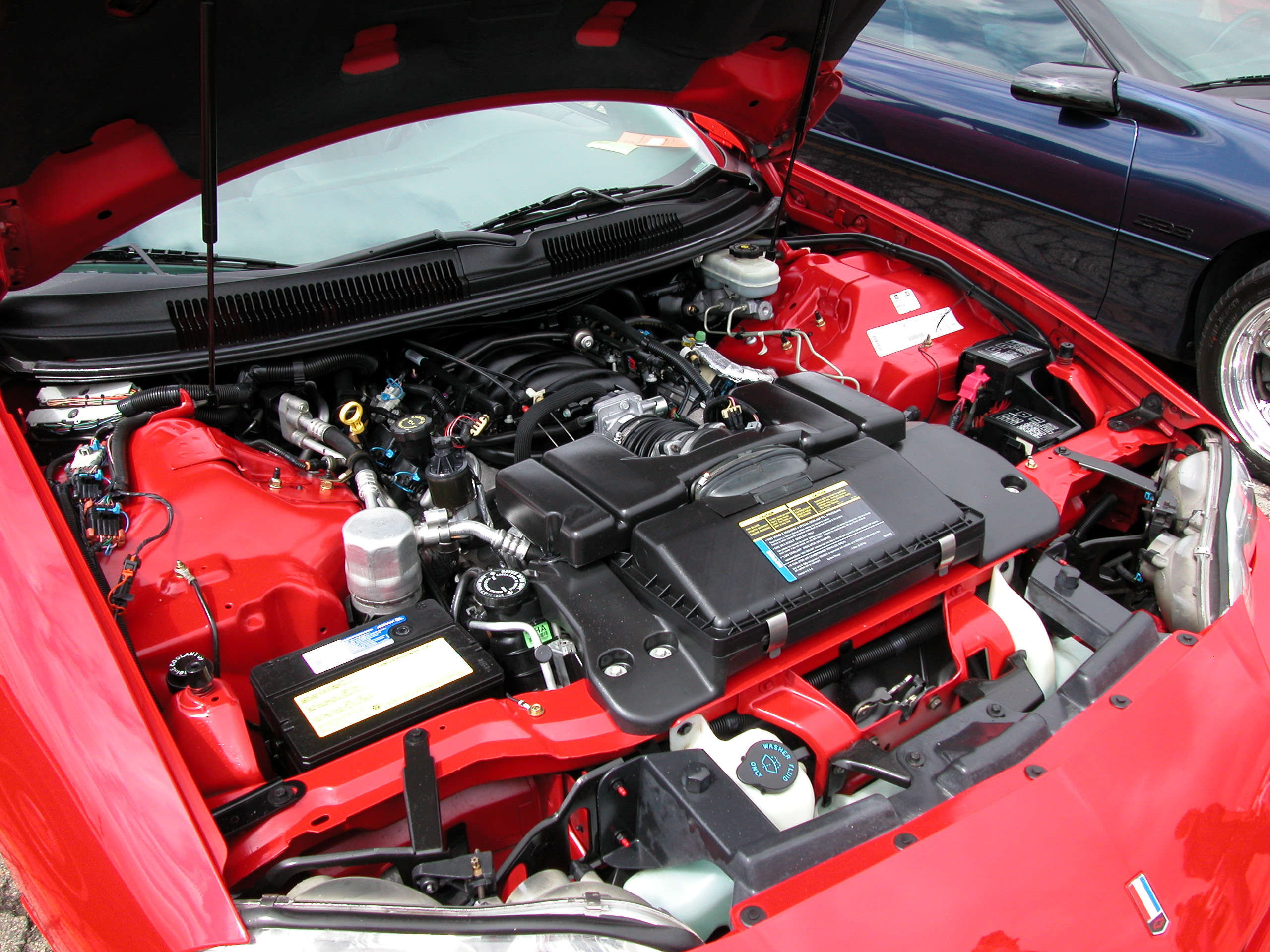
The Chevy LS Series represents a modern evolution of Chevrolet’s small block V8 heritage, combining strength, efficiency, and adaptability into a package that has become legendary among car enthusiasts, hot rodders, and performance builders.
Introduced in the late 1990s, the LS engine family quickly gained a reputation for being both durable and highly versatile, capable of serving as a dependable daily driver powerplant or as the foundation for extreme performance builds.
One of the defining traits of the LS Series is its strong and efficient design. Many LS engines feature lightweight aluminum blocks, although certain truck versions use cast iron, and the rigid Y-block construction with six-bolt main caps gives the bottom end remarkable strength.
This combination of robust architecture and careful engineering has made the LS exceptionally resilient, even under heavy loads and high-performance conditions. With routine care and maintenance, it is common for LS engines to surpass 200,000 miles, and in many cases, they can support over 600 horsepower on stock internals without compromising reliability.
The LS Series is further supported by a massive aftermarket industry, which has made parts, upgrades, and knowledge widely available, ensuring long-term viability for owners and builders. This aftermarket presence, paired with the engine’s inherent simplicity, makes it easy to maintain, repair, and modify, and has helped secure the LS’s reputation as one of the most flexible modern V8 platforms in existence.
Like any engine, the LS is not entirely without faults, but its common issues tend to be minor. Early LS1 engines produced between 1999 and 2002 had piston ring problems that were later addressed by GM, and water pump failures or bent pushrods can occur over time.
These issues, however, are inexpensive and relatively simple to fix compared to the problems that plague many other modern engines. In heavily modified or racing applications, the front-mounted oil pump design can sometimes cause oiling concerns at high RPMs, but this is rarely a problem in normal use.
When properly maintained, the LS Series is easily capable of exceeding 200,000 miles, and it can last even longer in stock or lightly modified form. Engines that are pushed to extreme levels of modification or subjected to heavy towing outside of their intended use may see shorter lifespans, but the inherent strength of the platform ensures it remains dependable even under significant stress.
The Chevy LS Series stands as one of the most reliable and durable modern V8 families ever built. It carries forward the legacy of Chevrolet’s small block by offering a powerplant that is both easy to maintain and endlessly adaptable, a balance of engineering and practicality that has secured its place as a modern icon.
12. Ford Coyote V8: The Modern Muscle Powerhouse
The Ford Coyote V8 is one of the most celebrated modern engines, blending impressive horsepower with long-term reliability. Found in the Mustang and F-150, the Coyote has quickly built a reputation as both a high-performance motor and a durable workhorse, capable of logging hundreds of thousands of miles when properly cared for.
At its core, the Coyote is engineered for strength and efficiency. Early generations feature forged internal components, while the dual-fuel injection system in newer versions enhances both power delivery and fuel economy, while also mitigating common issues tied to direct injection.
Its dual overhead cam design allows for high revs and exceptional top-end performance, especially in Mustang applications where it thrives as a performance engine. At the same time, in trucks like the F-150, the Coyote provides robust towing capability and a proven lifespan of 200,000 to 300,000 miles when properly maintained.
Despite its strengths, the Coyote is not without its challenges. Some early engines experienced timing chain and cam phaser issues, which required attention to avoid long-term problems. More recent models, particularly between 2018 and 2020, developed oil consumption concerns that Ford addressed in later revisions.
Additionally, a dirty mass air flow sensor can cause rough idling or power loss, but this is easily resolved with proper cleaning. In truck applications, the engine can feel less responsive at low RPMs, though it excels once power builds higher in the rev range.
Maximizing the Coyote’s longevity comes down to disciplined maintenance and monitoring. Following Ford’s recommended service intervals, regularly checking oil levels, and addressing issues early all help ensure smooth operation well past 200,000 miles.
Owners who prioritize these practices often report Coyote engines running flawlessly for decades, making it one of the most dependable modern V8s on the market.
The Ford Coyote V8 is a modern muscle powerhouse that delivers high performance without sacrificing long-term durability. Its combination of advanced engineering and proven reliability has secured its place as one of Ford’s most iconic engines of the 21st century.
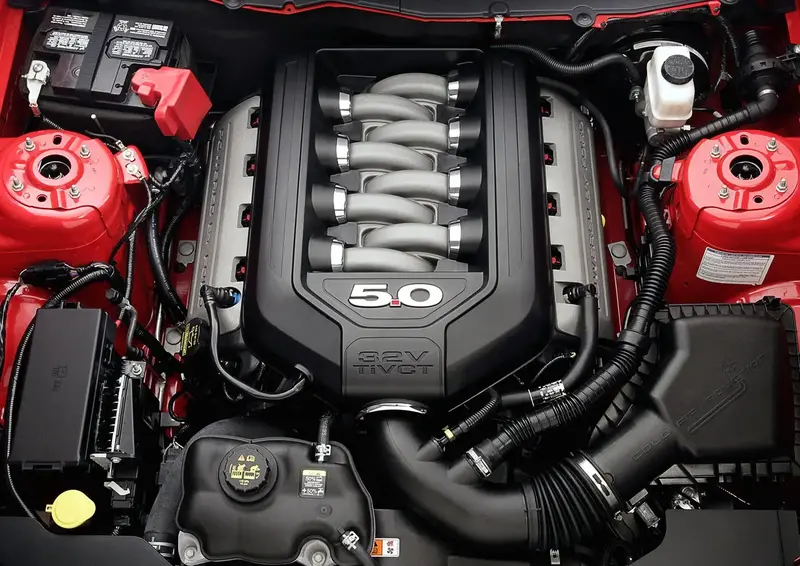
13. Toyota 1MZ-FE: The V6 Workhorse with a Caveat
The Toyota 1MZ-FE is a 3.0-liter V6 engine that became a staple in Toyota and Lexus models throughout the 1990s and early 2000s. Known for its smooth operation, strong performance, and impressive longevity, the 1MZ-FE earned a reputation as a reliable workhorse capable of running well past 300,000 miles with proper care.
Its design features, such as an all-aluminum block with cast iron cylinder liners and a non-interference valvetrain, make it both lightweight and durable, while also sparing owners from catastrophic failure if the timing belt breaks. The engine’s quality was recognized early on when it was named to Ward’s 10 Best Engines list in 1996.
Despite its many strengths, the 1MZ-FE’s reputation has long been tied to a notorious issue: oil sludge. The engine’s weak PCV system, combined with extended oil change intervals, made it prone to oil gelling that could block oil passages and cause severe damage.
Preventing sludge is straightforward: frequent oil changes with high-quality synthetic oil and attention to PCV maintenance. Many remanufactured versions of the engine later included updated pistons with larger oil return holes to help address the problem.
Other issues, while less severe, are worth noting. The engine’s knock sensors are known for being overly sensitive, which can trigger reduced ignition timing and cause a noticeable dip in power. As the engine ages, leaks often develop around the valve cover gaskets, rear main seal, and, in later VVT-i versions, the VVT-i valve itself.
Access for maintenance can also be a challenge, with the rear spark plugs requiring intake manifold removal and the oil filter placed awkwardly. Routine timing belt replacements every 60,000 to 90,000 miles are essential, though the non-interference design means a failure won’t destroy the engine.
The Toyota 1MZ-FE is a well-engineered and fundamentally strong engine, with durability that matches Toyota’s reputation for long-lasting powertrains. Its Achilles’ heel is oil sludge, which makes diligent maintenance absolutely critical.
Owners who keep up with regular oil changes and service schedules often enjoy decades of dependable performance, cementing the 1MZ-FE’s status as one of Toyota’s most memorable V6 engines.
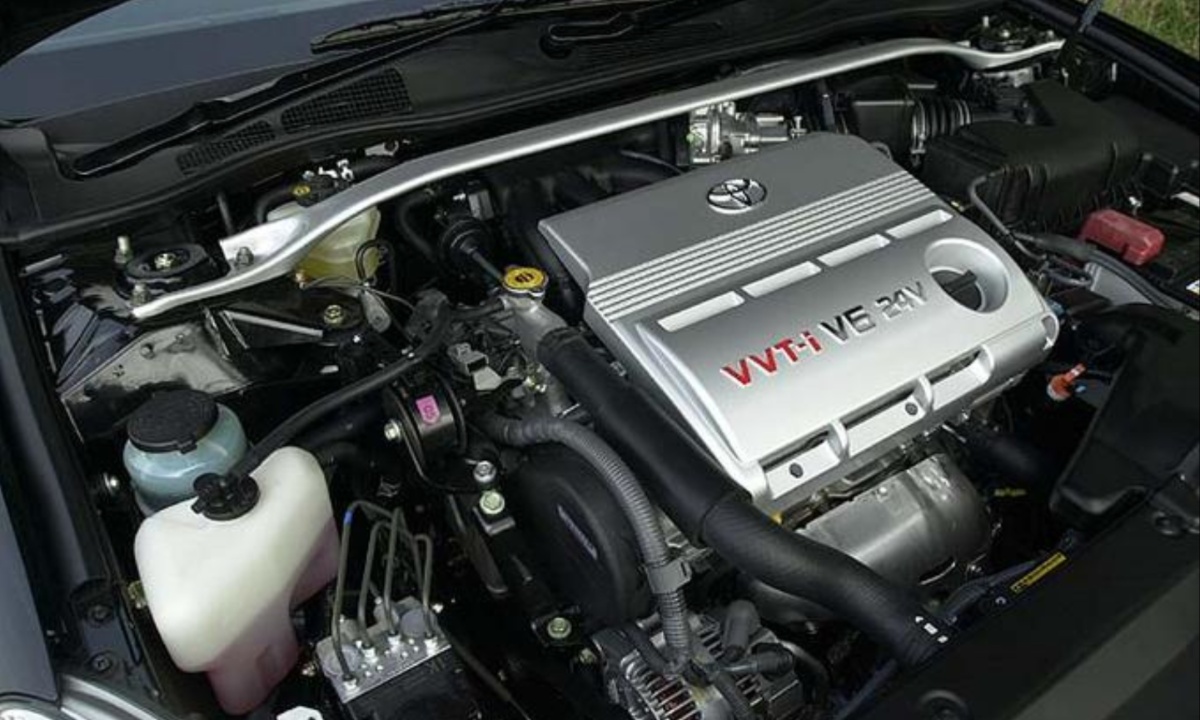
14. Volvo B230F: The Overbuilt Redblock Legend
The Volvo B230F is one of the most celebrated members of Volvo’s “Redblock” family of engines, prized for its longevity, reliability, and simple, robust construction.
Introduced in the mid-1980s and used widely in Volvo 200, 700, and 900 series models, the B230F became synonymous with durability, often running smoothly for well over 300,000 miles and in some cases beyond 500,000 with nothing more than consistent maintenance.
At the heart of its strength is an iron block paired with a forged crankshaft, oversized main bearings, and a robust oil pump, all of which contribute to the B230F’s reputation as an engine that can endure extreme use and time.
Its non-interference design adds an extra layer of peace of mind, as a broken timing belt will not lead to catastrophic internal damage. This combination of reliability and ease of serviceability makes the B230F especially appealing to owners who want an engine that just keeps going.
Volvo’s commitment to over-engineering during this era is another defining feature of the B230F. Designed before computer simulations and cost-cutting manufacturing methods became the norm, these engines were built with generous safety margins and thoroughly tested for real-world durability.
The Bosch fuel injection system is simple and reliable, prioritizing consistency and longevity over cutting-edge performance, further contributing to the engine’s bulletproof reputation.
For owners, the B230F delivers both peace of mind and practicality. Its ability to achieve mileages that rival or exceed half a million miles makes it one of the most durable engines of its time.
Its simple design also means repairs are relatively straightforward, with many parts easily accessible for DIY maintenance. Beyond its reliability in stock form, the B230F has become a favorite among enthusiasts for its tuning potential, as it responds well to modifications such as turbocharging without compromising its core durability.
In short, the Volvo B230F stands as a shining example of what happens when an automaker builds an engine with durability as the top priority. It is not the most powerful engine of its era, but in terms of reliability and sheer longevity, few engines can match the legendary Volvo Redblock.
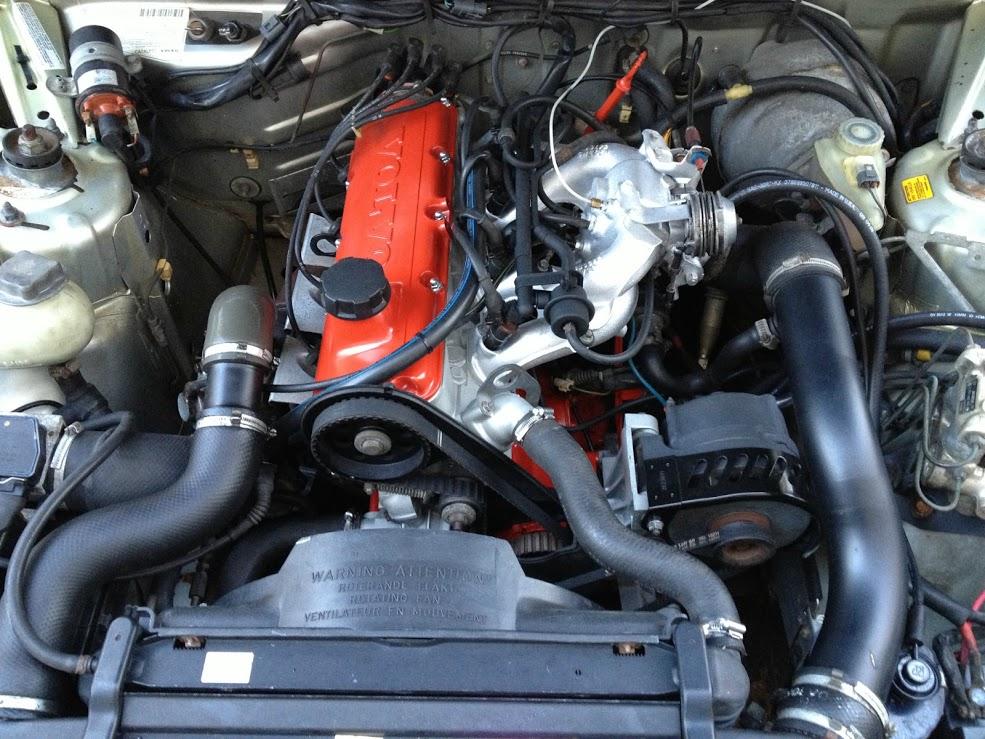
15. Cummins 6BT: The Million-Mile Workhorse
The Cummins 6BT has earned its legendary reputation as one of the toughest and most durable diesel engines ever built. Known widely as the “12-valve Cummins,” this 5.9-liter inline-six was introduced in the late 1980s and quickly became a favorite across industries ranging from trucking to agriculture and marine applications.
Its reputation for longevity is unmatched, with many examples easily surpassing 500,000 miles and well-maintained units running for a million miles or more.
At the heart of the 6BT’s durability is its mechanical simplicity. The early 12-valve versions use a fully mechanical fuel injection system that eliminates the complex electronics and sensors often associated with modern diesel engines.
This not only reduces potential failure points but also makes the engine easier to service and maintain, even in remote or demanding conditions. Its robust cast-iron block, forged-steel crankshaft, and oversized internals are designed for heavy-duty use, allowing the engine to produce high torque output while withstanding extreme levels of stress.
The engine’s adaptability has only added to its legendary status. Found in Dodge Ram pickup trucks, commercial trucks, agricultural equipment, construction machinery, and even marine vessels, the 6BT has proven itself capable of thriving in virtually any environment.
Whether pulling heavy loads across long highways, powering boats in harsh sea conditions, or driving equipment on farms and job sites, the engine has consistently delivered dependable performance.
Like all engines, the 6BT requires proper care to live up to its reputation. Regular oil changes, routine servicing, and the use of high-quality replacement parts are crucial to maximizing its life span.
Skilled mechanics familiar with the engine’s design can address common maintenance needs and prevent small problems from turning into major issues. Owners who adhere to a diligent maintenance schedule are often rewarded with an engine that provides decades of reliable service.
In essence, the Cummins 6BT stands as the ultimate “million-mile engine.” Its mechanical simplicity, robust construction, and adaptability across industries make it one of the most respected diesel engines in history. Whether used in a truck, a tractor, or a boat, the 6BT has proven time and again that it is built to last.
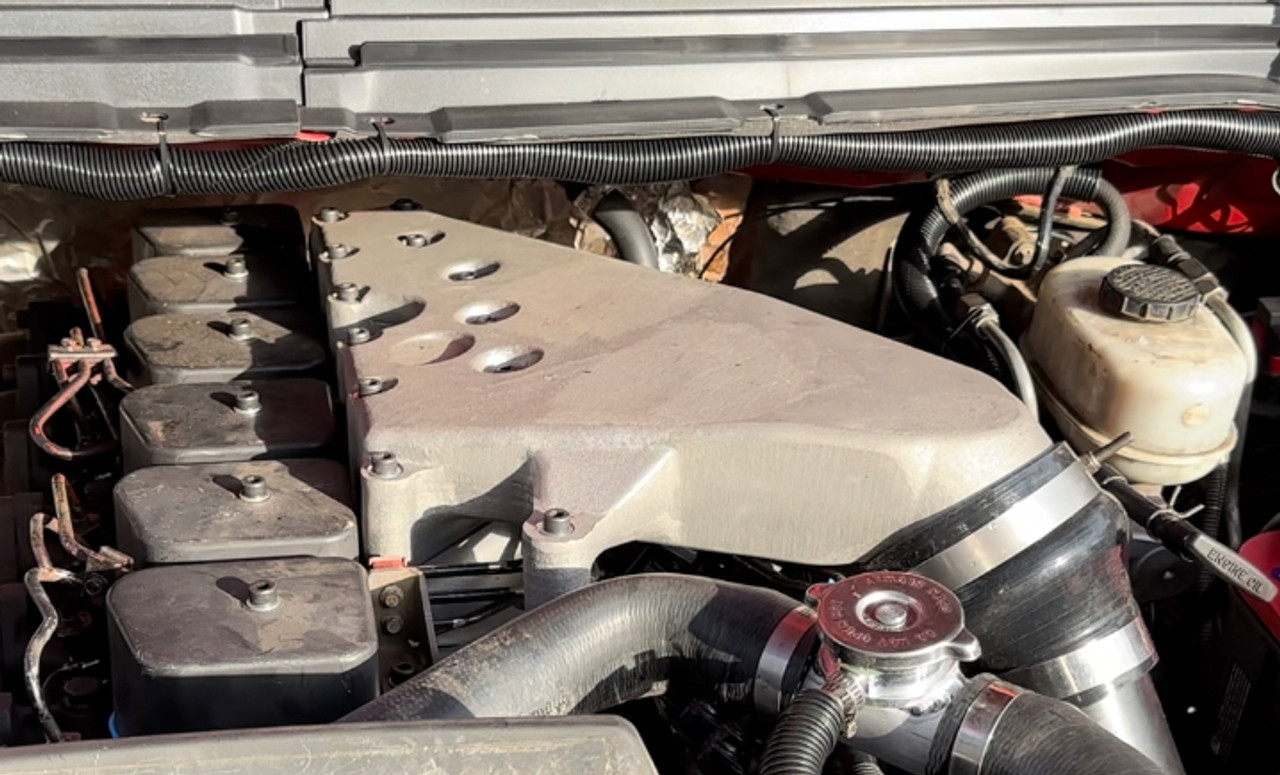
Longevity in an engine isn’t a matter of luck; it’s the result of strong engineering, quality materials, and consistent maintenance. The engines on this list, from the timeless Chevy Small Block V8 to the bulletproof Lexus 1UZ-FE and the million-mile Mercedes OM617, have all proven their worth on the road and under the hood.
They are trusted not only by mechanics but also by countless owners who have pushed them to extreme mileages with confidence. What ties them all together is a balance of durability and practicality, engines designed to be maintained, repaired, and even modified without sacrificing reliability.
For anyone seeking a vehicle that will last for decades, these powerplants are more than just mechanical marvels; they’re long-term investments in peace of mind. Whether you admire them for their cultural impact, tuning potential, or sheer toughness, these engines stand as enduring reminders of what true automotive excellence looks like.
Also Read: 5 Cars That Still Run Strong After Abandonment vs 5 That Don’t