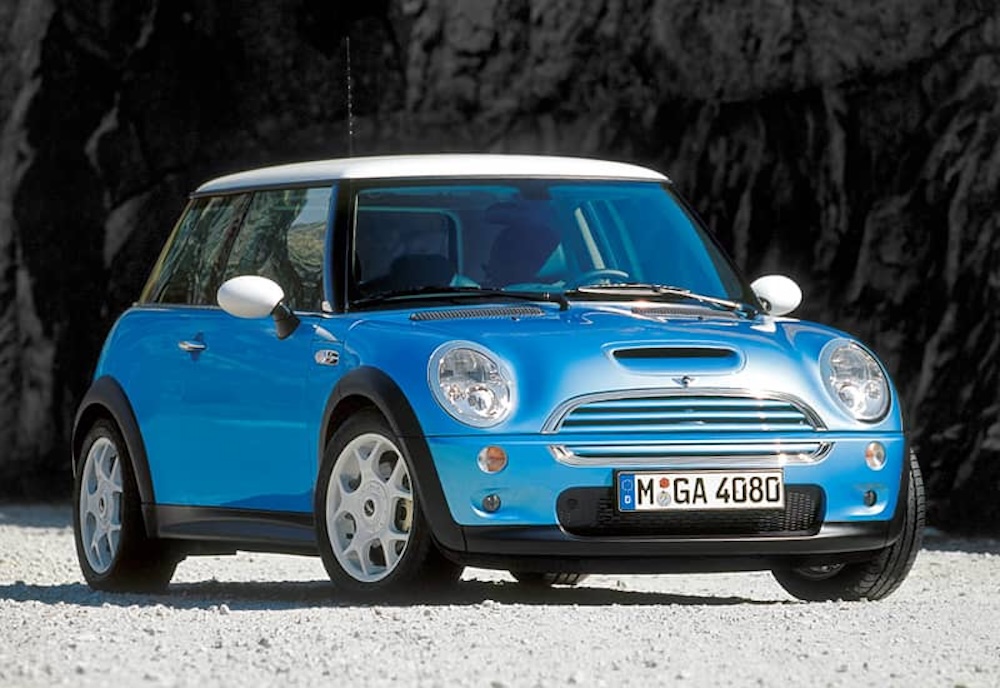
The 2000s were a fascinating decade for the automotive world, combining retro-inspired designs with advanced engineering. During this era, manufacturers took bold risks, reviving iconic models, refining performance hatchbacks, and introducing compact sports cars that captured the hearts of enthusiasts.
Cars that may have once been overlooked are now emerging as future classics, appreciated for their style, performance, and cultural impact. From nimble hot hatches like the Volkswagen Golf R32 Mk4 and Honda Civic Type R to luxury SUVs such as the Range Rover L322, the decade offered a variety of vehicles that combined innovation with personality.
Each model tells a story of design evolution, engineering excellence, and driver-focused performance. In this list, we explore ten standout cars from the 2000s that are poised to become highly sought-after classics in the years to come.
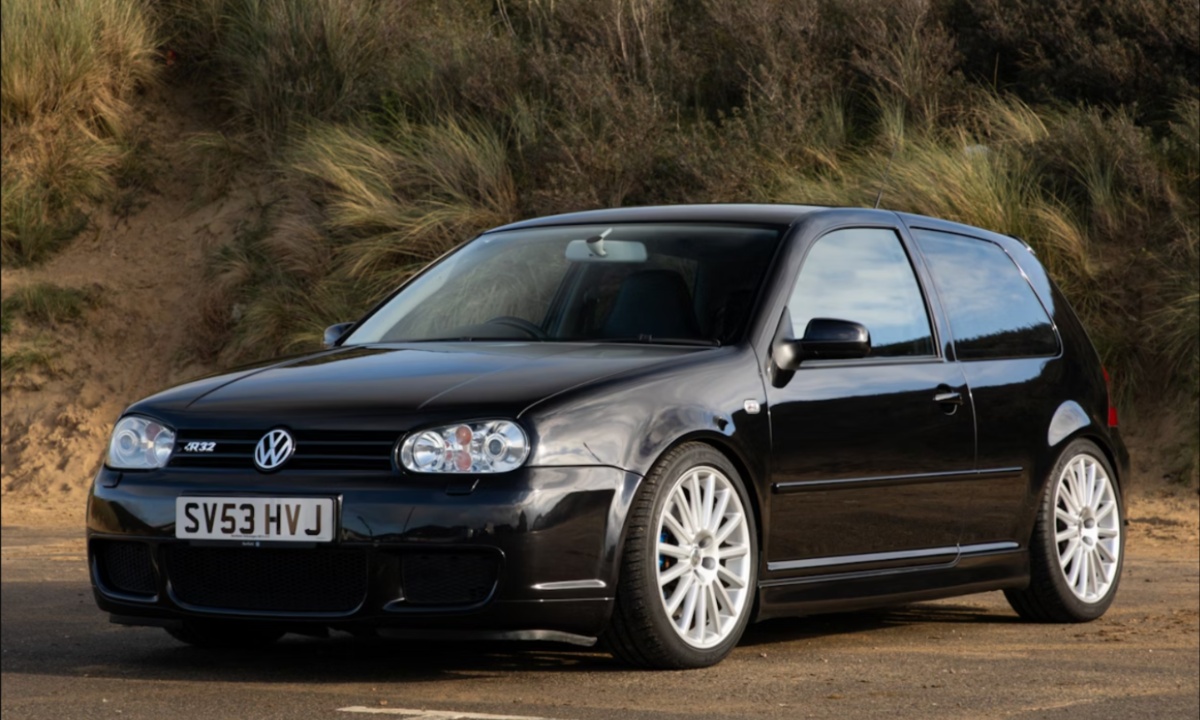
1. VW Golf R32 Mk4: The Original Hot-Hatch Halo
The Volkswagen Golf R32 Mk4, introduced as a 2003 model, is one of the most significant performance hatchbacks in VW history. At first glance, it may look like a standard Golf, but it is a much more special vehicle.
Under the hood sits a 3.2-liter V6 engine producing 240 hp, paired with Volkswagen’s Haldex-based 4Motion all-wheel drive. This combination provides a driving experience that remains engaging even by modern standards.
The Mk4 R32 replaced the underwhelming Mk4 GTI, which was widely criticized for poor performance and uninspiring handling. As the new top-of-the-line Golf, the R32 combined robust power with refinement, establishing itself as the first true halo model in Volkswagen’s R performance line.
It was also the first VW vehicle to feature a DSG dual-clutch gearbox, although this was initially available only in Germany. UK models were fitted with a six-speed manual. With the DSG, the R32 could accelerate from 0 to 62 mph in 6.4 seconds, competitive even against later hot hatches, demonstrating the car’s enduring performance capabilities.
Driving the R32 highlights its unique character. The naturally aspirated VR6 engine encourages high revs, providing a linear and satisfying power delivery. Its exhaust note is distinctive, loud, and melodic, standing out compared with modern turbocharged engines.
The all-wheel drive aids traction but requires careful throttle and gear management due to a slightly nose-heavy balance. The suspension was lowered by 20mm and fitted with 18-inch OZ alloys and 225/40 tires, giving the car a firm ride that can be jarring over rough surfaces.
Steering is heavier than in modern Golfs and requires recalibrated input, but it offers clear feedback for its era. Brakes derived from the Passat W8 remain effective, though less powerful than contemporary hot hatches.
Inside, the R32’s cabin is practical with several enhancements. It includes König sports seats, ESP, climate control, cruise control, and optional navigation. The seats provide strong lateral support but feature firm backrests that may not suit longer drives.
The Mk4 R32 is highly sought after today, particularly in Deep Blue Pearl. Prices range from around $10,750 USD for high-mileage examples to $26,900 USD for well-maintained models.
While it competed with vehicles such as the Ford Focus RS, Subaru Impreza WRX, Audi S3, and Honda Civic Type R, the R32’s naturally aspirated V6, all-wheel drive, and distinctive character make it stand out. For enthusiasts seeking a unique, engaging, and historically important hatchback, the Mk4 Golf R32 remains a benchmark.
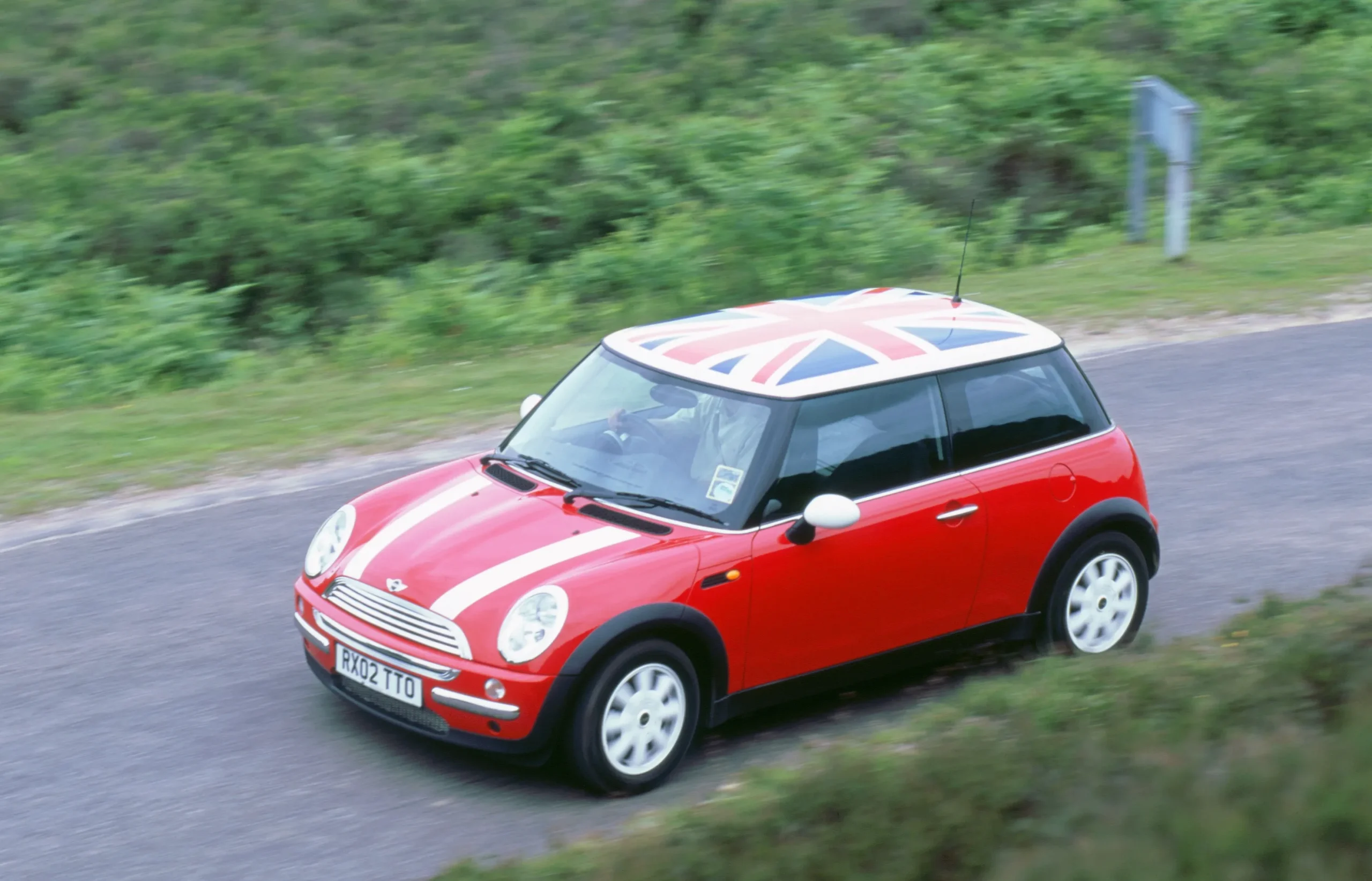
2. Mini Cooper R50: Modern Revival of a Classic
The Mini Cooper R50, first launched in 2001, reimagined the iconic 1960s Mini for the 21st century. Produced by BMW, it faced early criticism for its larger size and German engineering rather than traditional British roots.
Despite these concerns, the car quickly became a commercial success and a cultural icon. Its relatively low cost and popularity mean that well-preserved examples are increasingly rare, giving the R50 strong potential for future classic status.
Arriving in the United States in 2002, the Mini Cooper R50 maintained the charm of the original three-door hatchback while offering fully modern engineering. Pricing started at $16,850 USD, making it accessible to enthusiasts seeking a fun yet practical car. The R50 was offered in two trims: the base Cooper and the sportier Cooper S.
The Cooper came with a 1.6-liter 16-valve inline-four engine producing 115 horsepower at 6,000 rpm and 110 lb-ft of torque at 4,500 rpm. It weighed only 2,300 pounds, allowing for lively performance despite modest output. A five-speed manual was standard, with an optional continuously variable transmission (CVT) offering a six-speed Steptronic manual mode.
The Cooper S added a supercharger, raising output to 163 horsepower at 6,000 rpm and 155 lb-ft of torque at 4,000 rpm. The sport model was paired exclusively with a six-speed manual gearbox and required premium fuel.
Both models benefited from BMW-derived suspension, including a multilink independent rear setup and MacPherson struts in front, providing excellent cornering stability with minimal body roll.
The Cooper S featured firmer springs and reinforced anti-roll bars, delivering sharper handling that may feel stiff to some drivers. Electrically assisted rack-and-pinion steering made the car extremely responsive, reflecting BMW’s sporty driving character.
Safety was comprehensive, with all models including four-wheel antilock disc brakes, Electronic Brake Distribution, Cornering Brake Control, side-impact airbags, head airbags, and a crash sensor that activates hazard lights and unlocks doors.
The Cooper S also featured traction control, and optional Sport packages added Dynamic Stability Control, upgraded wheels and tires, sport seats, and fog lamps.
The base Cooper included 15-inch wheels, six-way manually adjustable leatherette seats, a tilt steering wheel, a centrally mounted speedometer, air conditioning, power windows, locks, and mirrors, plus a six-speaker stereo.
The Cooper S upgraded to 16-inch wheels, run-flat tires, a leather-wrapped steering wheel, and seat height and lumbar adjustments. Optional features could make either model feel as refined as a luxury compact, but prices could rise into the $20,000 USD range with extensive additions.
The Mini Cooper R50 combines nostalgic appeal with modern engineering, creating a small, spirited hatchback with strong handling, safety features, and style. Its affordability, charm, and enduring popularity make it a memorable compact performance car.
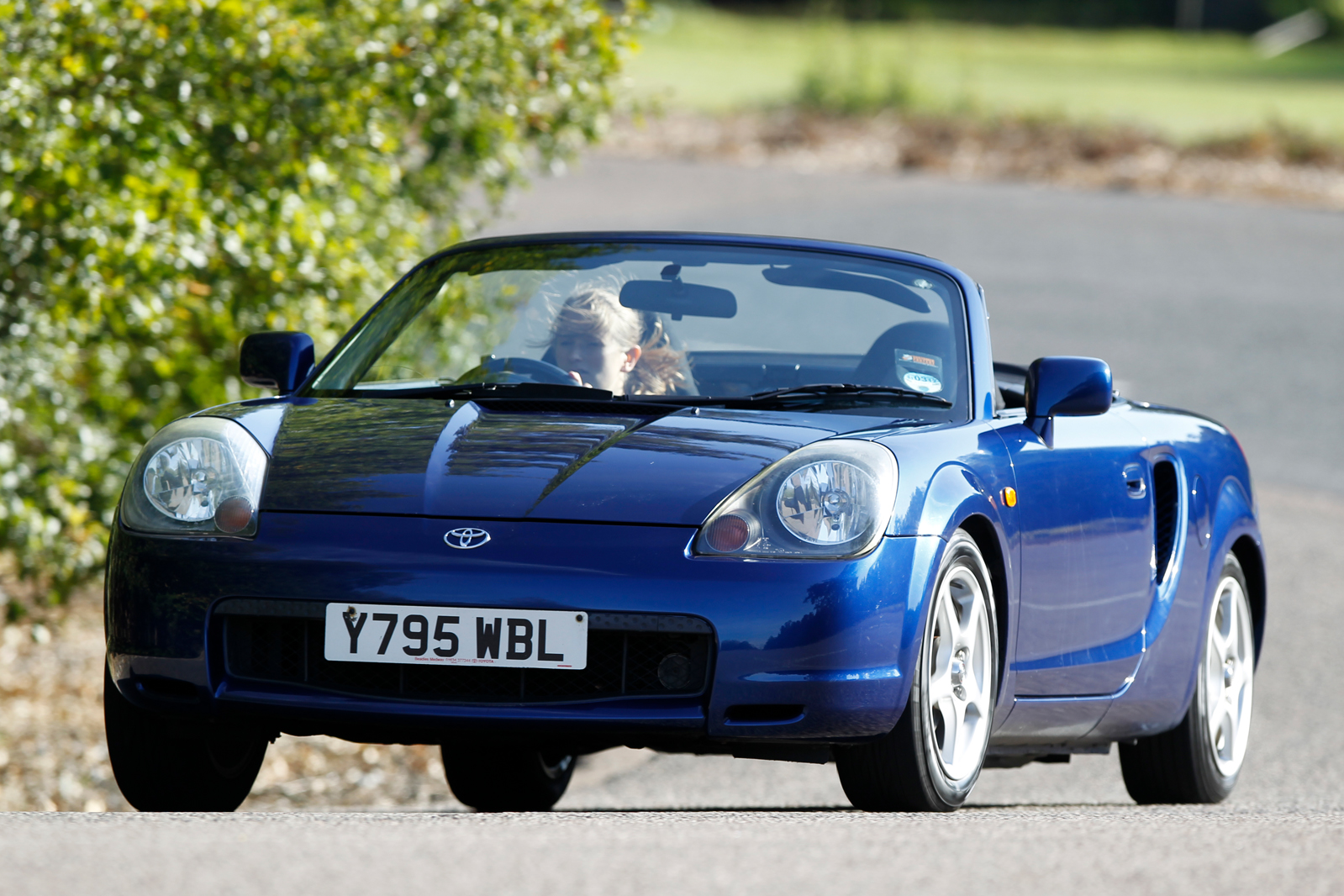
3. Toyota MR2 Mk3: Lightweight Mid-Engine Sports Car
The Toyota MR2 Mk3, produced between 1999 and 2007, revived the classic MR2 formula as a compact, mid-engined, rear-wheel-drive sports car. Positioned as a competitor to the Mazda MX-5, the third-generation MR2 returned to the roadster layout, ditching T-bar and coupe variants for a fully open-top design.
This made the car smaller, lighter, and nimbler than its predecessor, offering an engaging driving experience and precise handling that appealed to enthusiasts.
Weighing just 975 kilograms, the MR2 Mk3 was powered by a naturally aspirated 1.8-liter four-cylinder engine producing 138 horsepower at 6,400 rpm and 127 lb-ft of torque at 4,200 rpm.
A five-speed manual gearbox was standard, later replaced by a six-speed unit in 2002, and a five-speed automatic became available shortly after launch. The lightweight configuration enabled the car to accelerate from 0-62 mph in around 8 seconds and reach a top speed of 129 mph, delivering performance that felt lively despite modest power figures.
The MR2’s mid-engine layout gave it sharp handling and excellent balance. While the MacPherson strut suspension was less exotic than the MX-5’s double-wishbone setup, it remained highly effective, aided by structural reinforcements added in 2004, including new crossmembers, braces, and modifications to the floor pan.
The car responds keenly to steering and throttle inputs, making it a highly rewarding car on twisty roads. Its light weight also keeps running costs lower, reducing wear on fuel, brakes, and other components.
Potential buyers should be aware of age-related issues. Aluminium wheels may corrode, rear subframes can rust, and track use can increase wear on key components. Pre-2003 cars may experience pre-cat failure in the exhaust, which can be mitigated by the removal of the pre-cat. Roof drain holes can also become blocked, leading to water ingress.
Today, the MR2 Mk3 represents an affordable entry into sports cars. Early, high-mileage examples start at just over $1,340 USD, with a sensible budget around $4,030 USD, while the very best low-mileage cars may reach approximately $9,400 USD. At launch in 2001, the car’s price was around $24,180 USD.
Reviewers consistently praise the MR2 Mk3 for its engaging dynamics. Its lightweight chassis, precise steering, and balanced mid-engine layout make it feel agile, responsive, and enjoyable, particularly on twisty or undulating roads.
The 1.8-liter engine delivers smooth power across the rev range, with lively top-end performance and a pleasing mechanical soundtrack. Coupled with a low driving position and well-shaped seats, the MR2 Mk3 is a driver-focused roadster that rewards careful handling and offers a spirited driving experience without the cost of more powerful rivals.
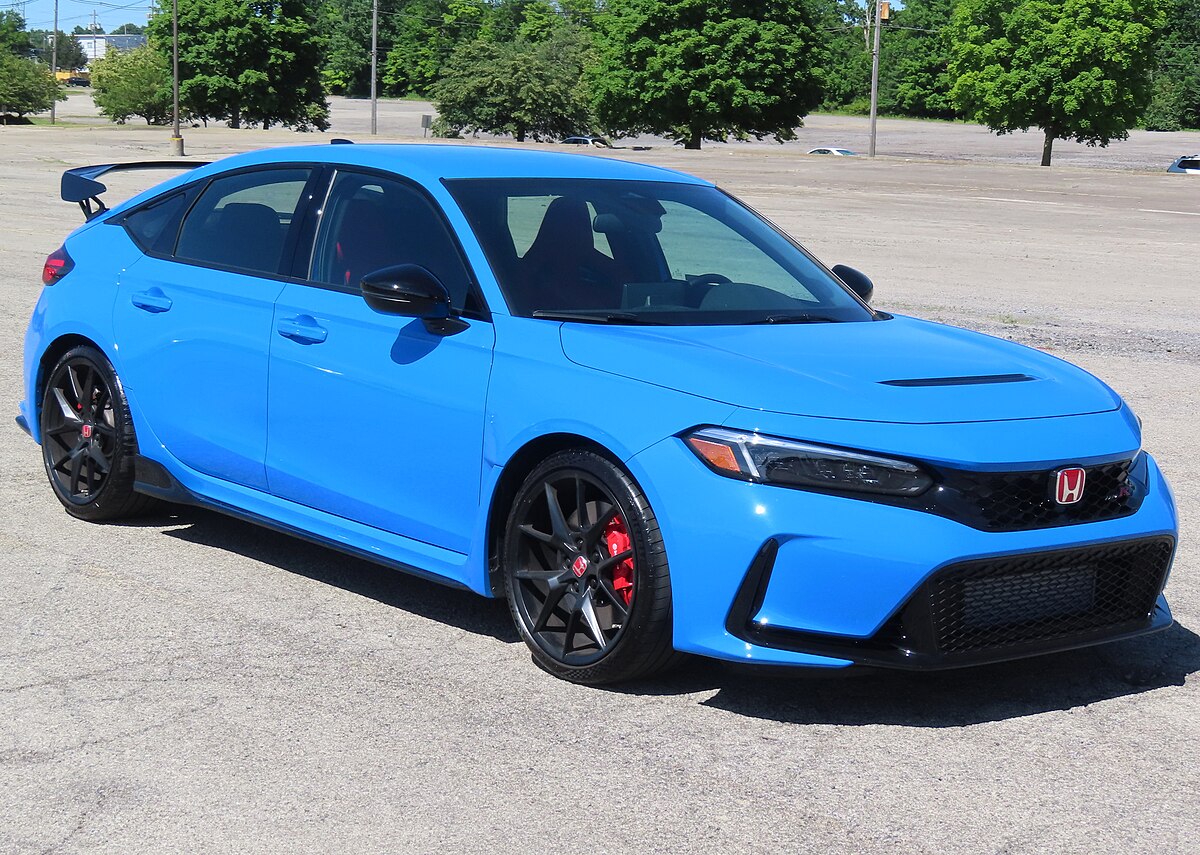
4. Honda Civic Type R: Practicality Meets Performance
The second-generation Honda Civic Type R, produced from 2001 to 2005, stands out as one of the most respected hot hatches of its era. Built on the seventh-generation Civic platform, it combined Honda’s legendary reliability with a focus on driving enjoyment.
The Type R’s 2.0-liter K20 engine produced 200 horsepower, enabling a 0-60 mph time of 6.4 seconds. Unlike flashier competitors, the car’s appeal came from its balanced driving dynamics rather than aggressive styling.
While the Type R represented the sportiest Civic, the range offered more conventional options for daily driving. DX, VP, LX, and EX trims featured engines between 115 and 127 hp, tuned for fuel efficiency and comfort.
The Civic Hybrid employed a 1.3-liter gasoline-electric powertrain producing 93 hp, achieving up to 51 mpg on the highway. Even in these trims, the Civic retained a reputation for reliability and low running costs, making it appealing to younger buyers and small families.
Handling was a key strength of the Type R. Its suspension was firm yet balanced, providing precise steering and responsive cornering. The engine was rev-happy, offering strong performance throughout the rev range.
While base Civics emphasized comfort over excitement, the Si hatchback and Type R delivered a more engaging driving experience. The five-speed manual transmission in early models, later replaced by a six-speed, allowed drivers to extract maximum enjoyment from the naturally aspirated engine.
Safety was comprehensive for its time. Frontal impacts earned five-star ratings, while side-impact protection was excellent when airbags were installed. Standard safety features included three-point seatbelts, front pre-tensioners, and optional side airbags with occupant detection. ABS was available on higher trims, though not standard on entry-level models.
Inside, the Civic offered a spacious and practical cabin. Materials were high quality for the segment, and the layout was simple and intuitive. The Si hatchback featured a 35.7-cubic-foot cargo area, making it suitable for daily use and weekend trips. Despite being performance-oriented, the interior remained comfortable for driver and passengers alike.
The Civic Type R earned acclaim not only for performance but also for versatility. It was capable as a commuter, long-distance traveler, and weekend enthusiast car. The combination of responsive handling, reliable engineering, and strong fuel economy helped it stand apart from rivals such as the Mazda 3, Mini Cooper S, and other compact hatches.
Even today, the second-generation Civic Type R is remembered as a benchmark in hot-hatch design. It demonstrated that a car could be fun to drive, practical, safe, and dependable, proving that Honda could deliver a vehicle that satisfied both enthusiasts and everyday drivers. Its enduring popularity reflects the successful balance of performance, usability, and engineering excellence.
5. Range Rover L322: Luxury Meets Capability
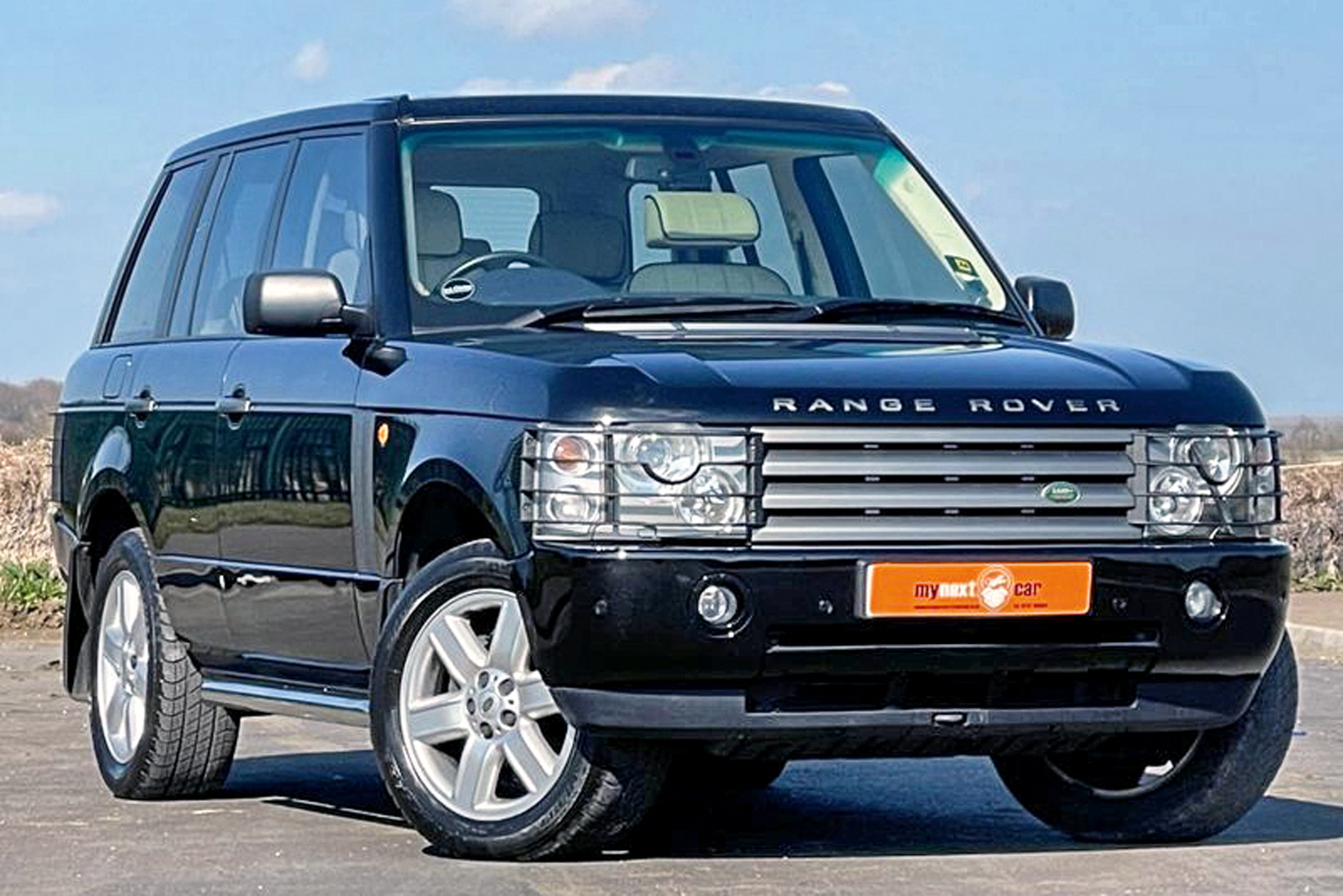
The Range Rover L322, introduced in 2002 as the third generation of Land Rover’s flagship SUV, represented a significant step forward in luxury, refinement, and on-road performance.
Built under BMW ownership, the L322 incorporated German engineering influences, including a Jaguar-derived 4.4-liter V8 engine and a sophisticated interior. A major refresh in 2005 updated styling and technology, further enhancing comfort and usability.
Performance was strong for a full-size SUV. The most powerful option, a 4.2-liter V8 producing 395 horsepower, enabled the L322 to accelerate from 0-60 mph in 7.1 seconds, impressive for a vehicle weighing over 5,000 pounds.
The standard 4.4-liter V8 delivered 282 horsepower and 325 lb-ft of torque, mated to a five-speed automatic transmission with sequential-shift manual mode. Despite its size, the L322 offered the capability expected of a Range Rover, including a maximum towing capacity of 7,000 pounds and off-road systems such as Hill Descent Control, ensuring controlled downhill travel in rough terrain.
The L322’s interior combined luxury with practicality. Standard features included a voice-activated navigation and entertainment system, a six-disc CD changer, and a range of wood and leather trim options.
Optional upgrades included bi-xenon headlights and a heated accessories package with front and rear heated seats and a heated steering wheel. The cabin was designed to be more intuitive than previous models, addressing some of the older Range Rover’s ergonomic quirks while maintaining a sense of sophistication.
Safety was comprehensive, with standard equipment including dynamic stability control, brake assist, electronic brake-force distribution, side curtain airbags, and park distance control. These systems ensured that despite its size and weight, the L322 remained predictable and secure both on and off-road.
Driving impressions reflect the L322’s dual nature as both a capable off-roader and a luxury SUV. While engineered to handle rugged terrain, most examples are found on paved roads, particularly in affluent urban environments.
Its combination of comfort, prestige, and capability appeals to buyers who value both style and substance. The L322 is equally at home cruising city streets, heading out on long-distance trips, or venturing off the beaten path with confidence.
The Range Rover L322 remains a symbol of British luxury and adventure. It combines powerful engines, off-road ability, and a refined cabin in a package that few SUVs can match.
While its high price tag may put it out of reach for many, it delivers a lifestyle as much as a driving experience, offering the flexibility to enjoy both urban refinement and remote wilderness exploration with equal flair.
Also Read: 5 Cars That Still Run Strong After Abandonment vs 5 That Don’t
6. Ford Mustang 5th Generation: Retro Style Meets Modern Performance
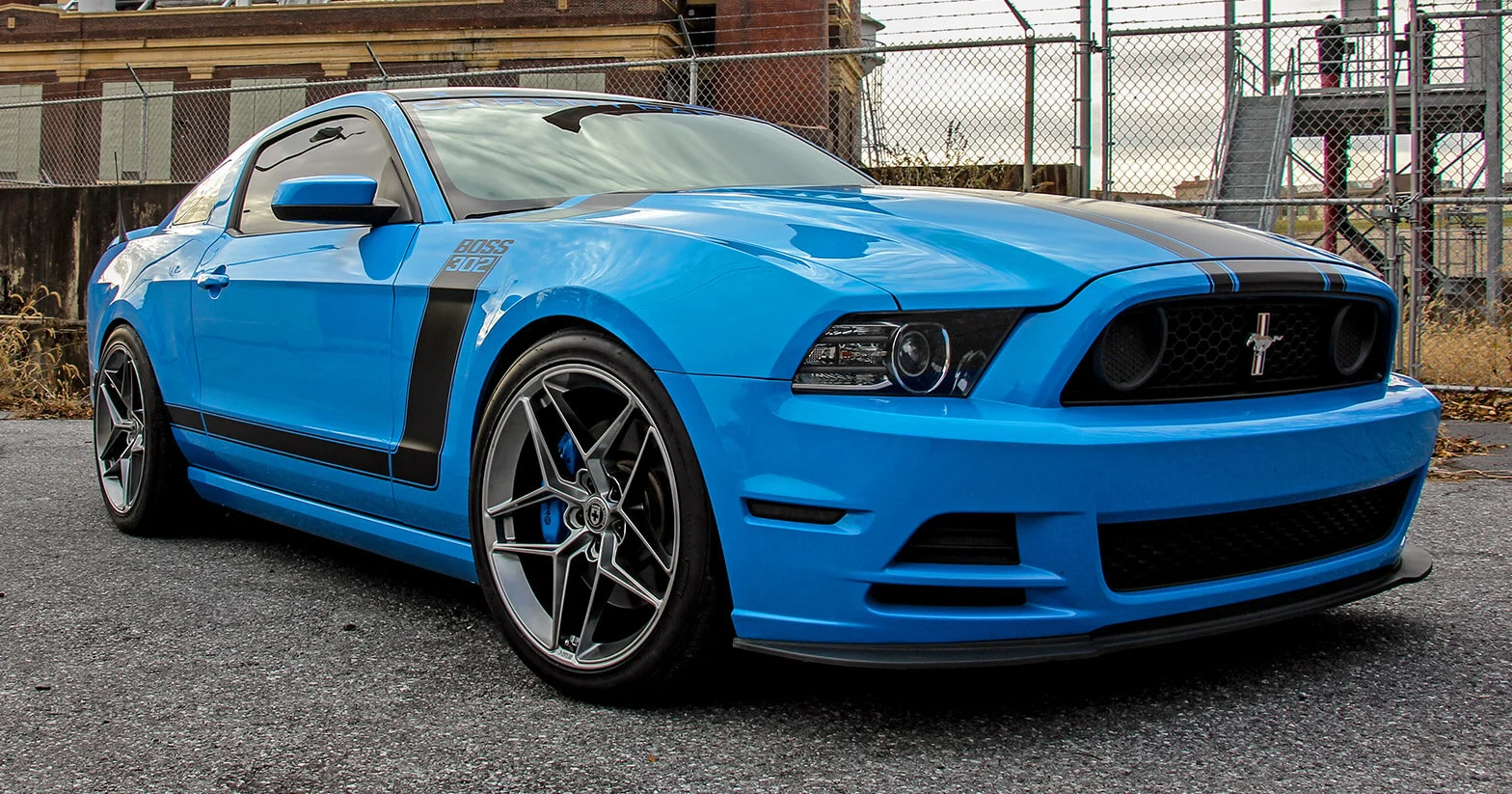
The fifth-generation Ford Mustang, produced from 2005 to 2014, marked a return to the model’s roots, blending classic styling with modern design cues. The front grille and headlight arrangement paid homage to earlier Mustangs, while the long hood, short rear deck, and iconic tri-bar taillights maintained the car’s recognizable silhouette.
This combination of nostalgia and contemporary proportions helped the Mustang appeal to both long-time enthusiasts and new buyers.
Inside, the cabin featured retro touches such as a dual-cowl dashboard and round gauges, creating a distinctive driving environment. Multiple engine options were available, including a 4.0-liter V6 and a 4.6-liter V8, both noted for their reliability.
The 2007 Shelby GT500 elevated performance with a 5.4-liter V8 producing 600 horsepower, demonstrating that the fifth-generation Mustang could compete with modern muscle cars while staying true to its heritage.
Reliability is a strong point for this generation, making it a solid choice on the used market. However, buyers should be aware of some common issues. Early models had a five-speed automatic transmission that occasionally caused problems, and the gas tank design of those years could make refueling awkward.
Water leaks from the front cowl sometimes led to electrical issues, and certain 2013 models experienced water pump problems. Some owners also reported faster-than-expected battery drain in specific examples.
Despite these minor drawbacks, the fifth-generation Mustang strikes an appealing balance between style, performance, and everyday usability. It offers the classic muscle car experience with modern engineering, making it suitable as a reliable daily driver or a fun enthusiast vehicle.
Its combination of nostalgic design, strong engines, and solid build quality ensures that this generation remains a popular and respected choice among Mustang fans.
7. Saab 9-3 Sportswagon: Stylish Practicality with a Unique Twist
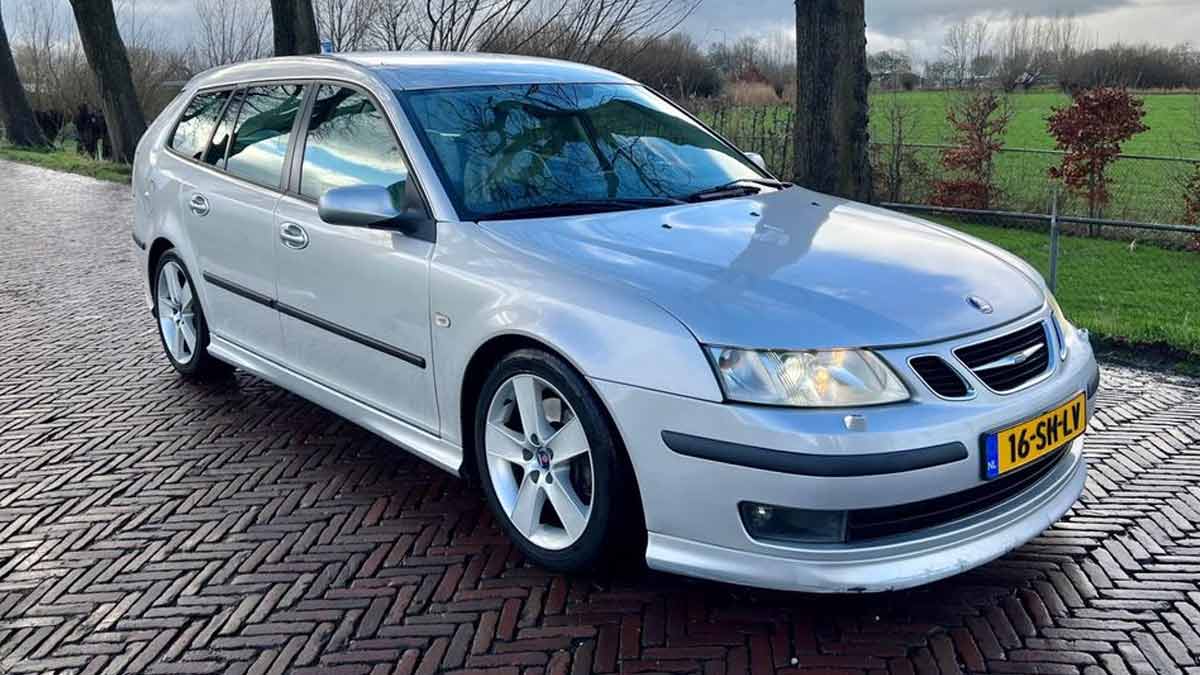
The Saab 9-3 Sportswagon, introduced in 2005, combined distinctive styling with practicality and Swedish engineering. As a mid-size, front-wheel-drive estate, it offered generous cargo space while standing out from mainstream wagons thanks to its sharp design and frosted tail lights. Today, the 9-3 Sportswagon is appreciated for its practicality and collectible potential following Saab’s closure in 2011.
Power came from turbocharged 2.0-liter four-cylinder engines. Base Linear models produced 175 horsepower, while the Arc and Aero trims featured a twin-turbo setup delivering 210 hp. Transmission options included a five-speed manual as standard, with six-speed manuals and five-speed automatics available.
Front-wheel drive was complemented by Saab’s Re-Axis rear-wheel steering system, which subtly adjusted the rear wheels in corners to reduce understeer, enhancing handling precision.
Inside, the cabin reflected Saab’s aircraft-inspired design, featuring a console-mounted ignition switch and highly supportive front seats. The interior was both practical and distinctive, designed with driver focus in mind.
The Aero trim added a sport suspension and low-profile tires, sharpening cornering performance but creating a firmer ride on city streets. Optional features such as roof rails increased versatility, making the Sportswagon suitable for families or anyone needing extra cargo space.
Ride quality on highways was comfortable and quiet, while the sportier trims offered more responsive handling for enthusiastic drivers. The combination of turbocharged engines, Saab-specific quirks, and thoughtful handling made the 9-3 Sportswagon a rare estate that appealed to drivers seeking both practicality and personality.
Even years after production ended, the Saab 9-3 Sportswagon remains a compelling choice for those who want a functional wagon with a unique design, engaging driving dynamics, and enduring character.
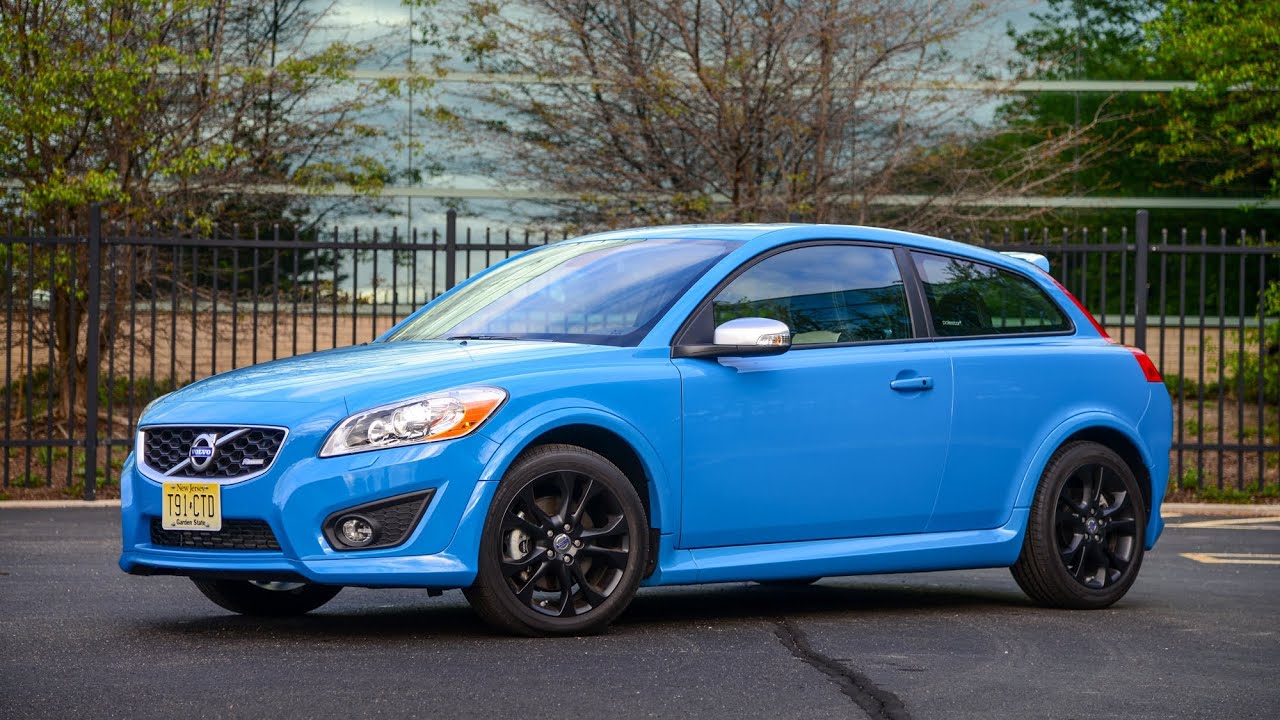
8. Volvo C30 T5: Stylish Compact with Surprising Performance
The Volvo C30, first released in 2006, represented a bold shift from traditional Volvo design, combining distinctive styling with a premium feel in a compact package. The car targeted younger buyers and those who had not previously considered a Volvo, offering eye-catching aesthetics and practical features.
Its rear end featured an all-glass tailgate and inward-curving side glass that recalled the late-1980s 480 sports hatch. The pronounced nose and signature shoulder lines made the car unmistakably Volvo. The C30 is a strict four-seater, and the individual rear seats can comfortably accommodate tall passengers.
The T5 model offered impressive performance for driving enthusiasts. Its 2.5-liter turbocharged inline-five engine produced 217 horsepower and 235 lb-ft of torque between 1,500 and 4,800 rpm. This allowed the C30 to reach 0-60 mph in 6.2 seconds and a top speed of 149 mph.
The car shared the Ford C1 platform with the Focus family, resulting in confident handling and a well-balanced chassis. Although tuned for comfort, the C30 performs well on winding roads, with minimal body roll and good grip at both ends. The six-speed manual transmission is precise, but the gearshift action is not particularly engaging.
Inside, the cabin borrowed elements from the S40, including the central console, and introduced innovative touches such as Kalix and T-tec synthetic fabrics inspired by wetsuits and running shoes. Ergonomics were mostly strong, although some controls, like the glovebox and stereo buttons, were small and fiddly.
Optional features such as an intuitive sat-nav and a blind-spot warning system enhanced the premium feel. On the motorway, ride quality is comfortable, though tire noise from the 205-section Continentals on 17-inch rims is noticeable.
Pricing made the C30 attractive against its competitors. The T5 model was priced at £21,495, approximately $26,600 USD, and higher-spec trims were available for slightly more. With strong dynamics, distinctive design, and a choice of engines, the C30 competes well with premium compact hatchbacks like the Audi A3 and BMW 1 Series.
The Volvo C30 T5 delivers a rare combination of style, safety, and performance in a compact hatch. It may not offer the sharpest handling compared to the BMW 1 Series, but its unique design, engaging engine, and refined interior make it a compelling option for buyers seeking a distinctive and practical small premium car.
9. Audi TT 8N: Stylish and Engaging First-Generation Sports Car
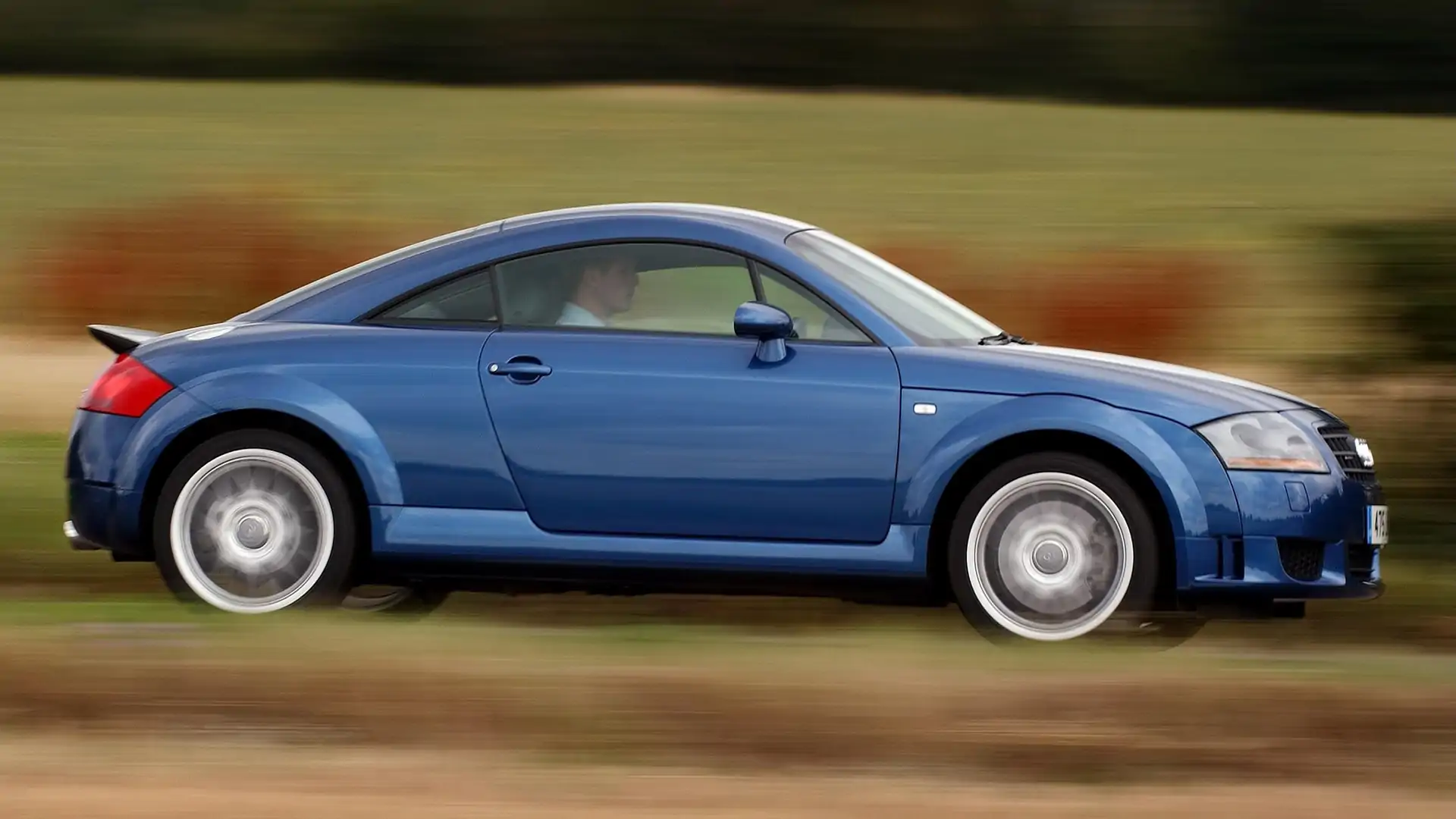
The Audi TT 8N, first launched in 1998, introduced a bold and modern approach to the compact sports car segment. Its design closely followed the original concept car, creating a distinctive and timeless look that set it apart from other vehicles of its era.
With clean lines, a pronounced rounded body, and a quality Audi interior, the TT immediately became a design icon. A facelift in 2003 extended the first-generation model’s production to 2006, keeping it fresh with updated styling and mechanical improvements.
The TT offered a variety of engines to cater to different performance needs. Initially, a turbocharged 1.8-liter four-cylinder engine delivered either 178 hp or 222 hp, providing lively acceleration and enjoyable handling. In 2003, a more powerful 3.2-liter V6 producing 250 hp was added, available with Audi’s DSG automatic transmission for smooth and rapid gear changes.
Many 2003 models also came equipped with the quattro all-wheel-drive system, which improved traction and stability, making the car capable in various driving conditions and enhancing cornering performance.
Inside, the TT maintained a balance of sportiness and comfort. Front seats were supportive, and high-quality materials such as brushed aluminum, rubber, and leather created a durable and stylish cabin.
Some models included unique touches like “Baseball Optic” leather seats. The rear seats were small and best suited for occasional passengers or additional cargo space. Ergonomics were generally well thought out, although some controls could feel compact.
Driving the TT is described as fun and engaging, with responsive handling and a composed ride, especially on B-roads. The turbo engines deliver strong acceleration, while the chassis offers confidence-inspiring grip. However, the car comes with drawbacks.
The steering can feel numb over rough surfaces, limiting feedback. Electrical components and complex engineering can result in high maintenance costs, and parts may need importing from Germany, adding to ownership expenses.
The Audi TT 8N remains a compelling choice for buyers seeking a compact sports car that combines iconic design, enjoyable driving dynamics, and a premium interior. While maintenance can be costly, its distinctive style and capable performance continue to appeal to enthusiasts and collectors alike.
10. BMW 3 Series E46: A Driver-Focused Classic
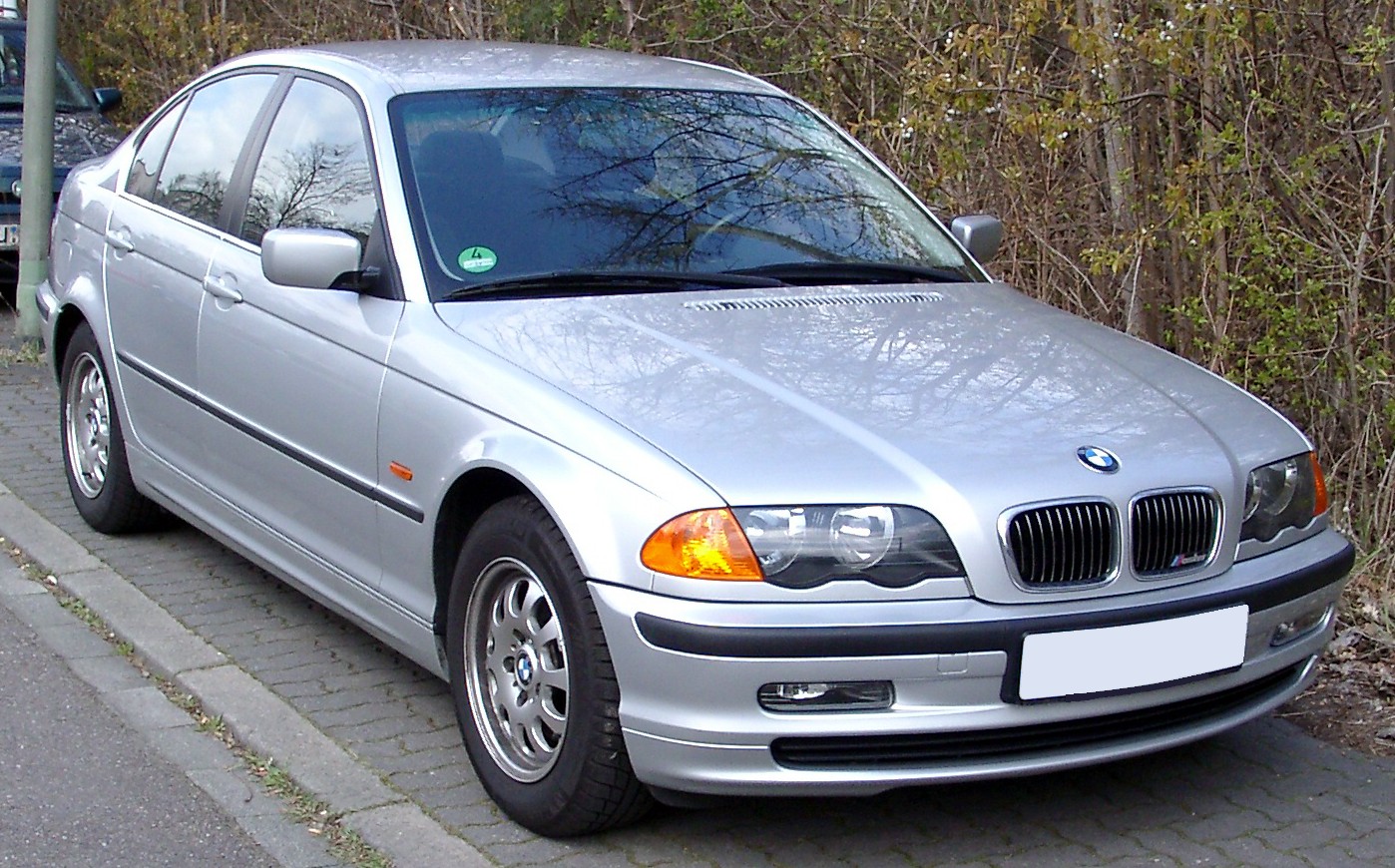
The BMW 3 Series E46, produced from 1999 to 2005, remains one of the most celebrated compact executive cars ever made. Sold in multiple body styles including sedan, coupe, convertible, hatchback, and wagon, it offered versatility while maintaining the brand’s hallmark focus on driving enjoyment.
Its timeless design, balanced proportions, and premium interior have allowed it to age gracefully, making it highly desirable among enthusiasts and collectors.
The E46 is best known for its exceptional driving dynamics. Its rear-wheel-drive layout, near-perfect weight distribution, and sophisticated suspension setup create a responsive, engaging experience on both city streets and open roads.
The inline-six engines, particularly the 3.0-liter units in the 330i and 330Ci, deliver smooth, linear power that enhances the car’s reputation as the “Ultimate Driving Machine.” These engines combine performance with refinement, ensuring the E46 feels lively without being harsh or unrefined.
Inside, the driver-focused cabin emphasizes clarity and comfort. Instruments are logically arranged, the seating position is supportive, and controls are intuitive. While rear-seat space is somewhat limited compared to modern vehicles, the front passenger experience remains highly enjoyable.
The coupe versions are especially prized for their aesthetics and are widely regarded as future classics. Build quality is robust, with a well-constructed interior and solid exterior panels that reinforce the car’s premium feel.
Potential buyers should be aware of maintenance considerations. Older E46s may develop oil leaks, sagging pillar fabric, or issues with power door locks and intermittent wipers. The four-cylinder engines are less desirable compared to the six-cylinder variants, which offer superior performance and character.
Additionally, purchase and running costs can be higher than some rivals, although the E46 still provides strong value relative to the driving experience.
Recommended models include the 330i/330Ci for maximum performance and driving enjoyment, and the 325i/325Ci for a balance of affordability, comfort, and smooth six-cylinder performance. The coupe body style is particularly sought after for collectors.
The BMW E46 3 Series combines timeless design, refined engineering, and engaging driving dynamics. A well-maintained example delivers a rewarding experience that remains relevant today, proving that a driver-focused compact executive can still compete with modern alternatives.
Looking back, the 2000s produced a remarkable range of cars that continue to resonate with enthusiasts today. Whether it is the playful charm of the Mini Cooper R50, the balanced precision of the BMW E46 3 Series, or the unique character of the Audi TT 8N, these vehicles offer a compelling mix of performance, style, and nostalgia.
What sets them apart is not only their engineering or aesthetics but the emotional connection they create with drivers, something modern cars often struggle to replicate. Many of these models were accessible yet distinctive, making them memorable benchmarks in automotive history.
The cars on this list remind us that true classics are not just about age but about innovation, experience, and timeless appeal, securing the 2000s as a decade that gifted us future legends on four wheels.
Also Read: 10 Cars With Surprisingly Low Lifetime Repair Costs