
The 1980s brought us some truly remarkable automobiles that many people dismissed as ordinary transportation during their time. Today, these same vehicles command prices that make modern luxury car buyers shake their heads in disbelief.
What seemed like a regular sports car parked outside someone’s house back then now sells for amounts that could buy multiple brand-new luxury vehicles. The transformation has been nothing short of extraordinary.
Classic car enthusiasts have watched this phenomenon develop over the past two decades with growing excitement. Values have climbed steadily, then explosively, as collectors recognized the historical importance and driving pleasure these machines offer. The numbers tell an incredible story.
A vehicle that cost $60,000 when new in 1985 might fetch $400,000 today, while a new Porsche 911 Turbo sits around $200,000. This remarkable appreciation has created millionaires among early collectors who had the foresight to preserve these automotive treasures.
Several factors have driven this extraordinary price appreciation. Manufacturing quality during the 1980s reached new heights as automakers perfected mechanical fuel injection, turbocharging, and advanced aerodynamics.
These vehicles represented the final generation of purely mechanical sports cars before electronics took control of everything. Driving them provides an engaging, visceral experience that modern cars cannot replicate despite their superior performance numbers.
Rarity plays another crucial role in determining values. Production numbers remained relatively low for most desirable models, while decades of accidents, neglect, and modifications destroyed many examples. Finding original, well-maintained specimens becomes harder each year.
Wealthy collectors compete fiercely for the best examples, pushing prices to levels that seemed impossible just ten years ago. We will examine specific models from the 1980s that now command prices exceeding new Porsche vehicles, explaining why each has become so valuable and what makes them special among collectors worldwide.
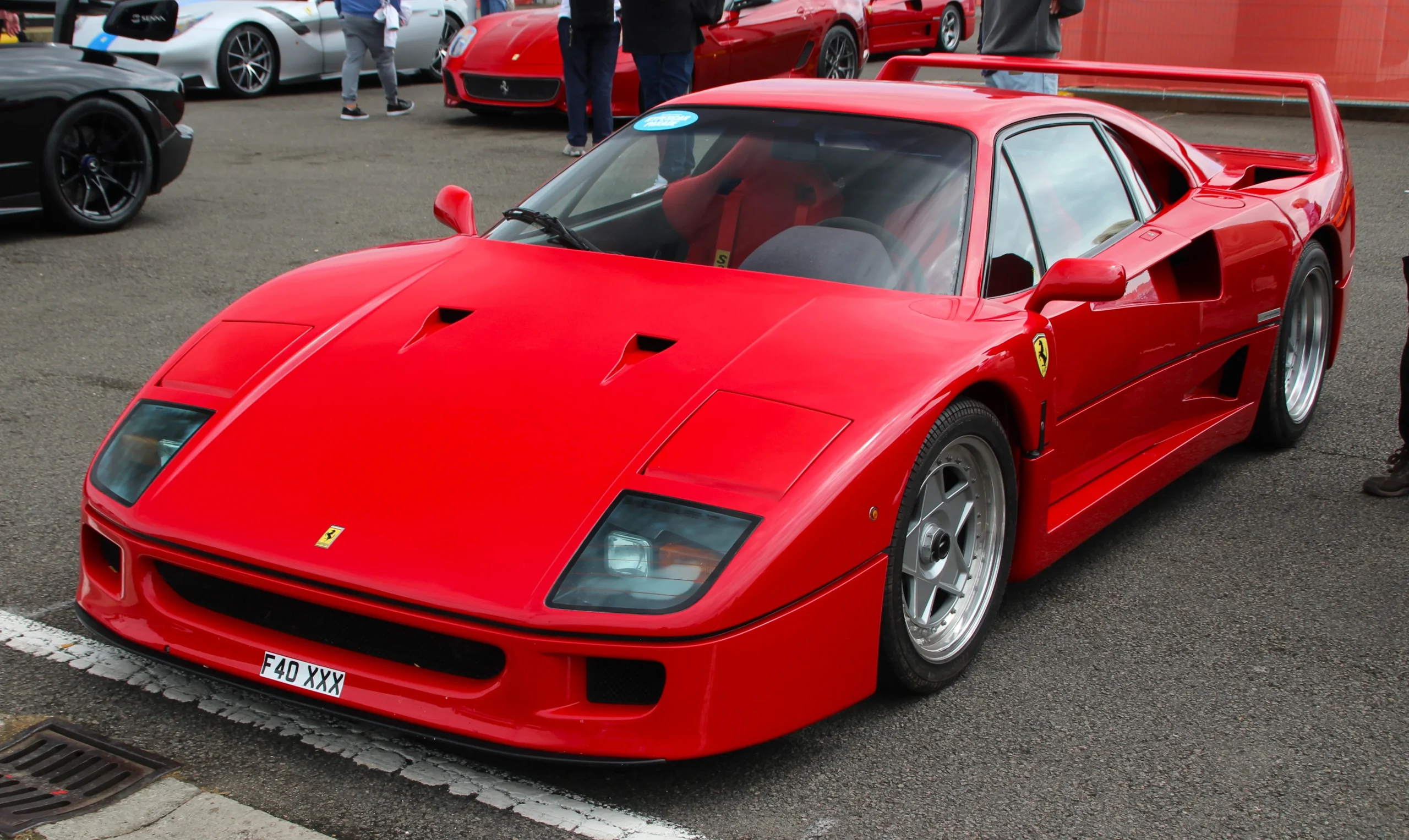
1. Ferrari F40 1987-1992
Ferrari created something truly special when they released the F40 to celebrate their 40th anniversary as an automaker. Enzo Ferrari himself oversaw the project, making this the last car he approved before he died in 1988.
The timing gave this model an emotional weight that transcends its already impressive performance credentials. Buyers recognized they were purchasing a piece of automotive history directly connected to the company’s legendary founder.
The F40’s twin-turbocharged V8 engine produced 478 horsepower, pushing the lightweight carbon fiber and Kevlar body to speeds exceeding 200 mph. This made it the world’s fastest production car at its launch. The driving experience felt raw and unfiltered, with minimal sound insulation and no electronic driver aids.
You could hear the turbos whistling, feel every bump through the suspension, and sense the immense power waiting behind your right foot. Modern supercars offer better performance numbers but lack this visceral connection between driver and machine.
Ferrari originally priced the F40 around $400,000 when new, though dealer markups often pushed the real cost much higher. Production lasted from 1987 to 1992, with approximately 1,315 units built worldwide.
This limited production run ensures scarcity that keeps values climbing steadily. Today, excellent examples regularly sell for $2 million to $3 million, with the best specimens reaching even higher prices at prestigious auctions.
The F40’s racing heritage adds another layer of desirability for collectors. Ferrari developed the car using technology from their successful racing programs, creating a road-legal vehicle that felt like a race car anyone could drive on public roads.
The minimal interior featured exposed carbon fiber, racing seats, and a gated manual transmission that required skill to operate smoothly. Every element served a functional purpose, with no unnecessary luxury features adding weight or diluting the pure driving experience.
Maintaining an F40 requires substantial financial commitment beyond the initial purchase price. Service costs run into tens of thousands of dollars annually, while parts availability presents challenges as components age.
Insurance premiums reflect the vehicle’s extreme value and performance capabilities. Despite these expenses, collectors willingly pay because the F40 represents Ferrari at its absolute best, creating an automotive icon that will never be replicated in today’s heavily regulated automotive environment.
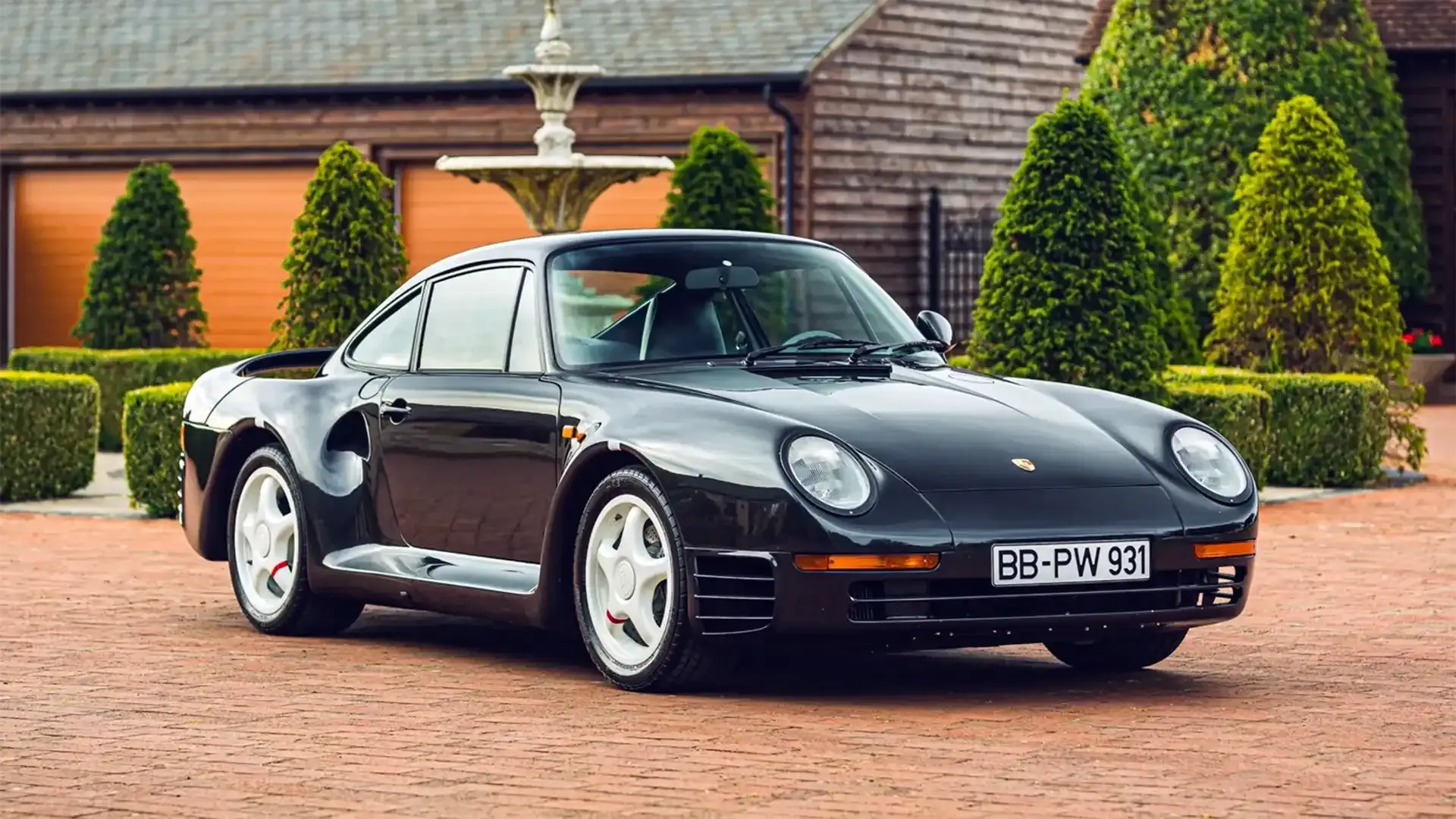
2. Porsche 959 1986-1993
Porsche shocked the automotive world when it unmasked the 959, a technological tour de force that pushed boundaries in every direction. The German manufacturer took their rally racing expertise and created a street-legal supercar incorporating innovations that would influence automotive design for decades.
All-wheel drive, sequential turbocharging, tire pressure monitoring, and adjustable ride height came together in one extraordinary package that felt like science fiction made real.
The 959’s flat-six engine produced 450 horsepower through sequential turbochargers that eliminated the lag plaguing other turbocharged engines of the era. Power flowed through a sophisticated all-wheel-drive system that could vary torque distribution between the front and rear axles.
The suspension offered multiple ride height settings, allowing drivers to choose between comfortable cruising and aggressive track performance. These technologies seemed revolutionary in 1986, though they’ve since become common in modern performance vehicles.
Porsche originally intended to build just 200 units to satisfy homologation requirements for Group B racing. Production challenges and strong demand led them to manufacture approximately 337 examples between 1986 and 1993.
The original price hovered around $225,000, making it expensive even by supercar standards. American buyers faced additional frustration because the 959 didn’t meet federal safety and emissions regulations, preventing legal importation until the “Show or Display” exemption became available decades later.
Values have exploded as collectors recognize the 959’s historical importance and engineering brilliance. Examples routinely sell for $1.5 million to $2 million, with the rarest variants commanding even higher prices.
The Komfort specification, designed for road use, typically costs less than the Sport variant built for track enthusiasts. Condition plays a huge role in determining value, as comprehensive service histories and original specifications add substantial premiums.
Driving a 959 today reveals how advanced this car was for its time. The all-wheel-drive system provides incredible traction and stability, while the sequential turbo setup delivers smooth power delivery without the on-off characteristics common in 1980s turbocharged engines.
The interior feels surprisingly modern, with comfortable seats and reasonable visibility. Parts availability presents challenges, though Porsche’s dedicated classic car division helps owners maintain these rare machines. The 959 proves that brilliant engineering creates lasting value that appreciates far beyond original purchase prices.
Also Read: 10 Forgotten ’80s Cars That Are Suddenly Valuable
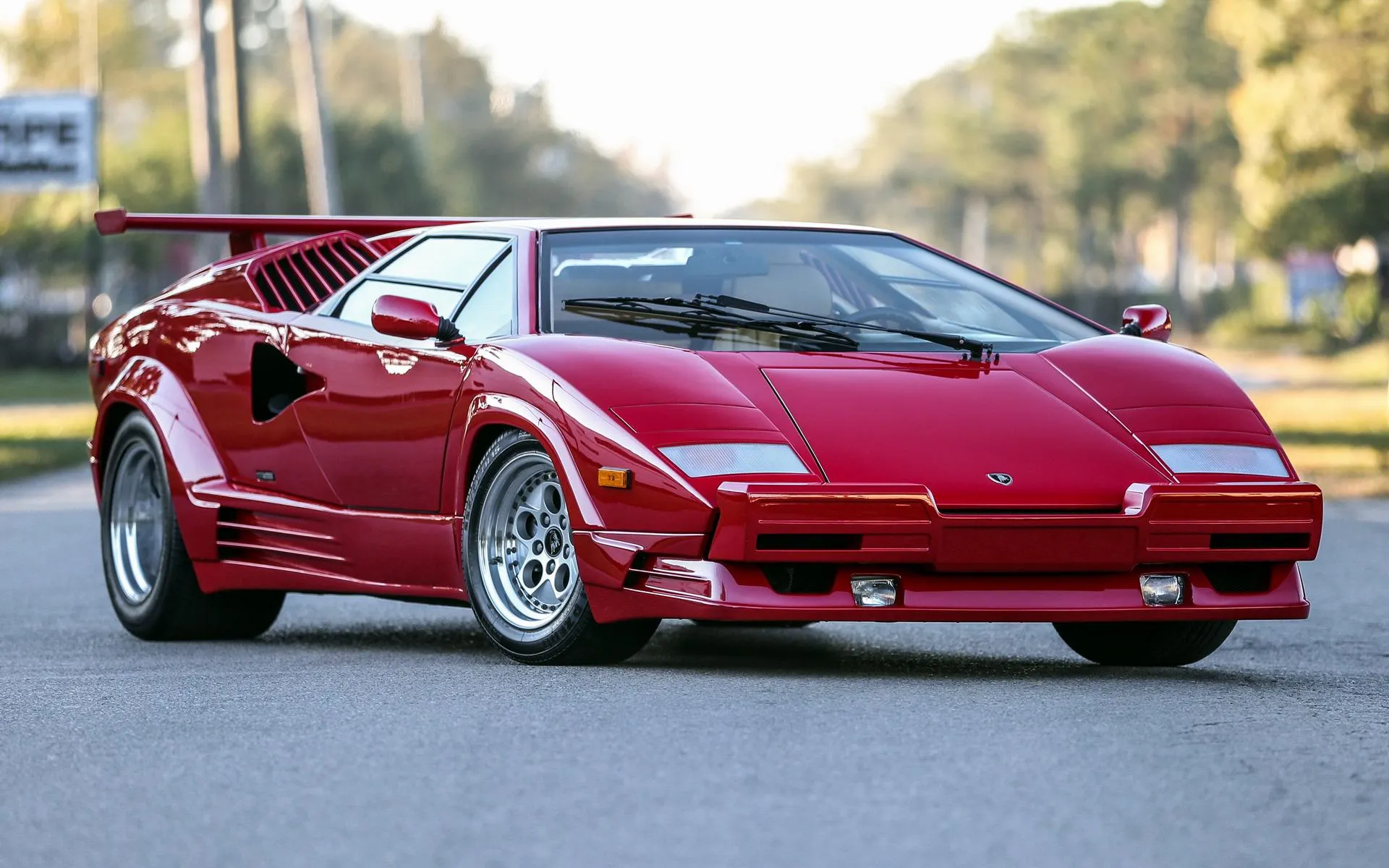
3. Lamborghini Countach 25th Anniversary Edition 1988-1990
Lamborghini’s Countach defined exotic car design for an entire generation of enthusiasts who plastered bedroom walls with its dramatic wedge shape and scissor doors. The 25th Anniversary Edition, designed by Horacio Pagani before he founded his own supercar company, refined the original concept with smoother bodywork and improved aerodynamics. This final evolution of the Countach lineage represents the ultimate expression of Marcello Gandini’s revolutionary 1970s design.
The Anniversary Edition’s 5.2-liter V12 engine produced 455 horsepower, sending power through a five-speed manual transmission to the rear wheels. The driving position felt awkward by modern standards, with poor rearward visibility and heavy controls that required physical effort. Yet these quirks added to the car’s character and sense of occasion.
Climbing through the scissor doors and settling into the low-slung cockpit created an experience unlike anything else on the road. Lamborghini built approximately 650 Anniversary Edition Countach models between 1988 and 1990, making it the most common variant of the final Countach generation.
Original prices ranged from $150,000 to $180,000, depending on specifications and market conditions. Production ended in 1990 to make way for the Diablo, which would carry Lamborghini into a new decade with updated styling and improved performance.
Today’s values reflect the Countach’s iconic status among automotive enthusiasts worldwide. Well-maintained examples sell for $400,000 to $600,000, while exceptional specimens with low mileage and complete documentation reach even higher prices.
The Anniversary Edition commands premiums over earlier Countach variants due to its refined styling and improved drivability. Collectors appreciate having the ultimate version of this legendary design. Maintenance costs for the Countach Anniversary Edition challenge even wealthy owners. The complicated V12 engine requires specialist knowledge and expensive parts.
Service intervals arrive frequently, with major maintenance procedures costing tens of thousands of dollars. Parts availability has improved as specialist companies manufacture reproduction components, though quality varies considerably.
Despite these challenges, the Countach remains highly desirable because it represents the 1980s excess and performance in their purest form. The dramatic styling ensures these cars turn heads wherever they appear, delivering an ownership experience that transcends mere transportation.
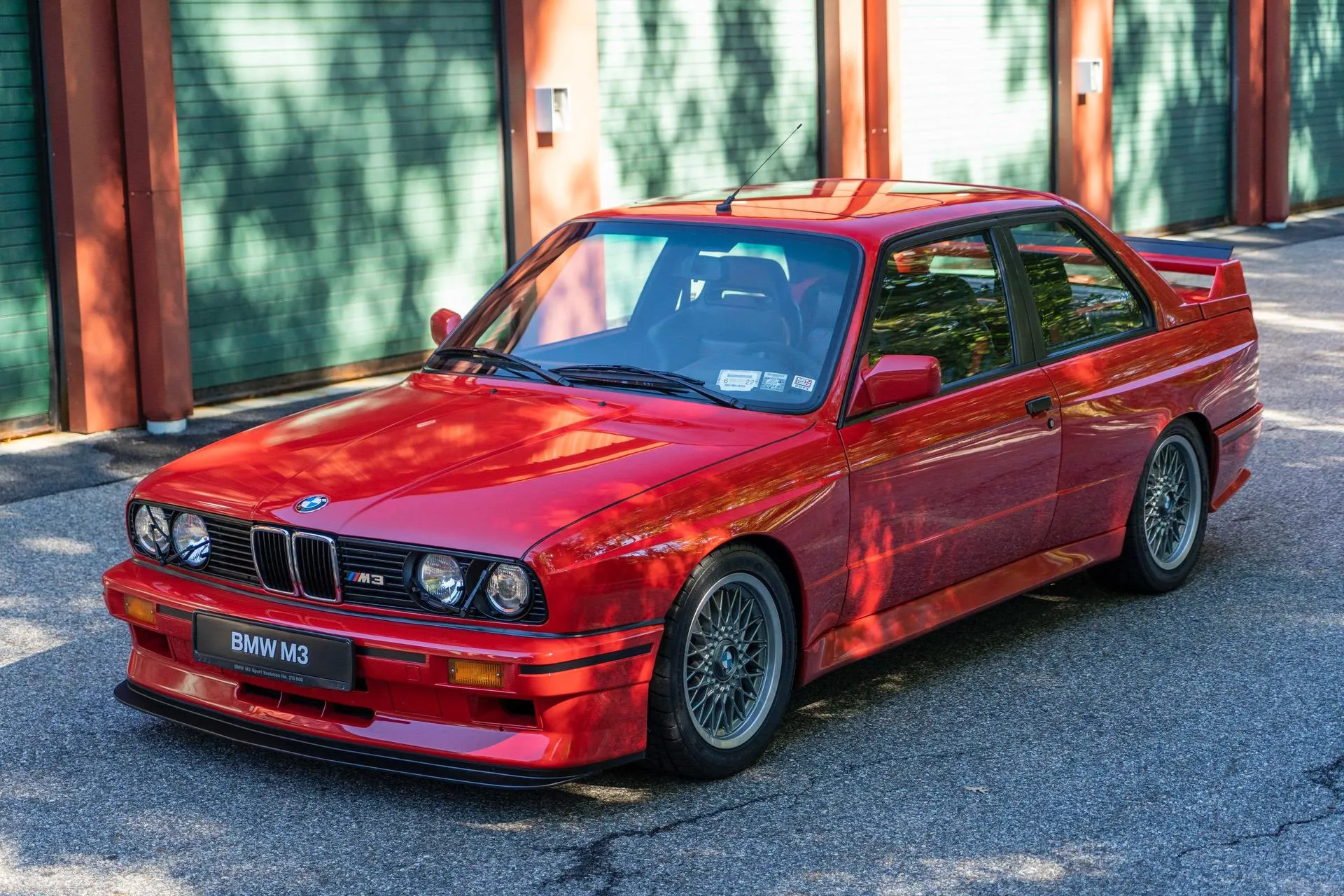
4. BMW M3 E30 Sport Evolution 1990
BMW created something extraordinary when it developed the original M3 for racing homologation purposes. The E30 M3 dominated touring car racing throughout the late 1980s, winning championships across Europe and establishing BMW’s M division as a serious performance brand.
The Sport Evolution, released in 1990 as the final and most powerful variant, took everything great about the standard E30 M3 and amplified it to create the ultimate version of this legendary sports sedan.
The Sport Evolution’s 2.5-liter four-cylinder engine produced 238 horsepower, which sounds modest by modern standards but delivered thrilling performance in the lightweight chassis. BMW engineers extracted this power through race-developed technology, including individual throttle bodies and an 8,000 rpm redline.
The five-speed manual transmission offered precise, mechanical changes that connected drivers directly to the drivetrain. Handling felt sharp and responsive, with perfectly balanced chassis dynamics that made the car feel alive through corners.
BMW built just 600 Sport Evolution models worldwide, creating instant collectibility. The original price sat around $50,000, making it expensive compared to standard 3 Series models but reasonable considering its race-bred credentials.
Distinctive visual elements included larger front and rear spoilers, a boxier rear wing, and an adjustable front splitter. These aerodynamic additions served functional purposes, reducing lift and improving high-speed stability.
Values have climbed dramatically as collectors recognize the Sport Evolution’s rarity and racing heritage. Pristine examples now sell for $250,000 to $400,000, representing nearly tenfold appreciation from original prices.
Standard E30 M3 models have also appreciated substantially, though they typically sell for $80,000 to $150,000 depending on condition and specifications. The Sport Evolution’s extreme rarity and position as the ultimate E30 M3 justify the massive price premiums.
Driving a Sport Evolution today reveals why enthusiasts prize these cars so highly. The engine feels eager and responsive, spinning freely to its stratospheric redline with a glorious mechanical soundtrack. Steering provides perfect feedback, allowing precise placement through corners.
The chassis balance encourages enthusiastic driving without punishing small mistakes. Modern sports sedans offer better straight-line performance and more comfort, but few provide the same pure driving enjoyment.
Parts availability remains good because the Sport Evolution shares many components with standard E30 models. Service costs stay reasonable compared to exotic supercars, though values have climbed so high that many owners rarely drive these treasures, choosing instead to preserve them as investments.
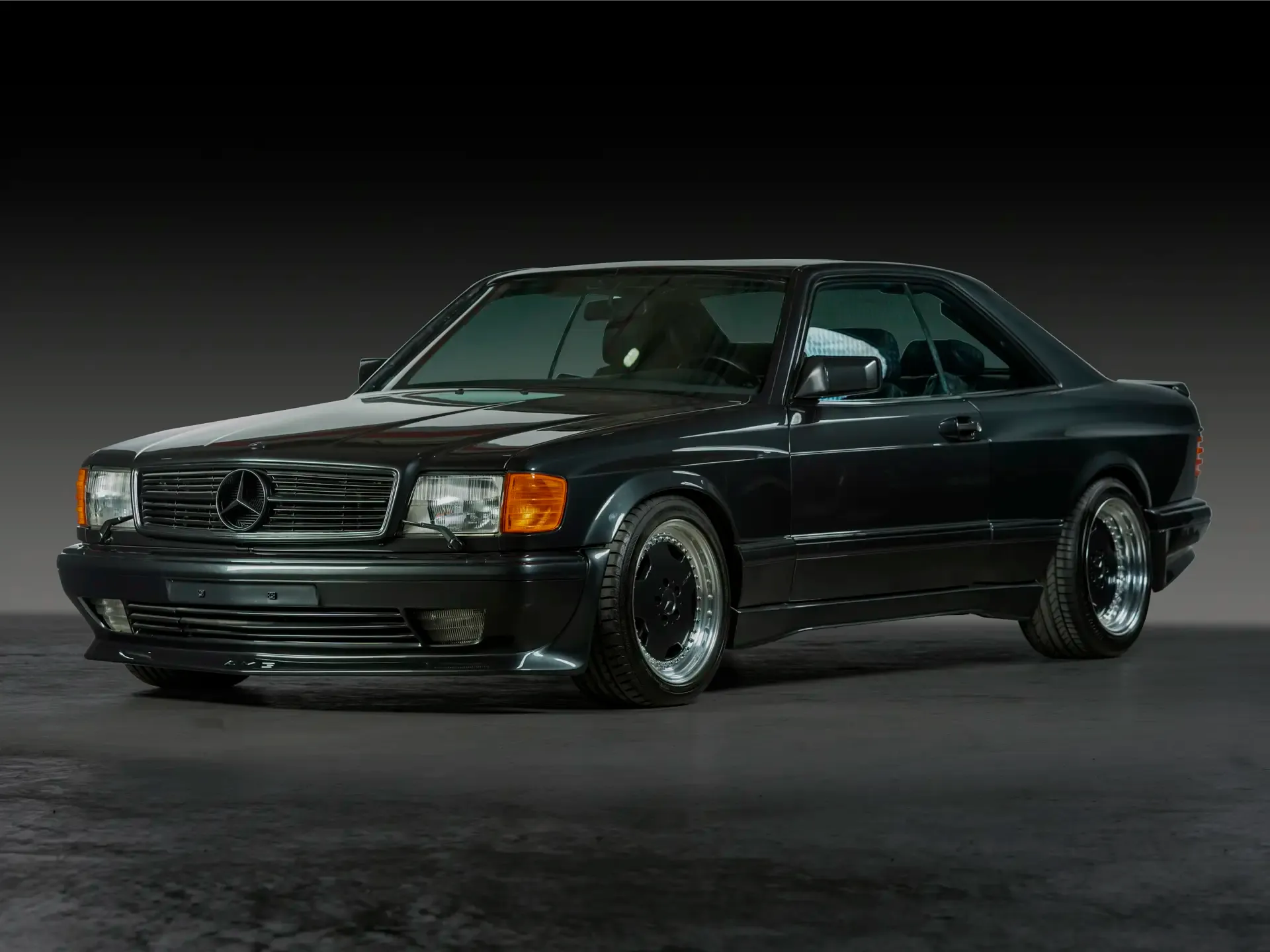
5. Mercedes-Benz 560 SEC AMG Wide Body 1987-1991
Mercedes-Benz built the 560 SEC as the flagship coupe representing German luxury and engineering excellence. AMG, then an independent tuning company before Mercedes acquired them, transformed these already impressive vehicles into fire-breathing performance machines.
The wide-body variants received dramatically flared fenders, lowered suspension, and massive wheels that gave the elegant coupe an aggressive, purposeful stance that turned heads everywhere.
AMG’s engine modifications increased power from the standard 300 horsepower to over 360 horsepower in various tune levels. Some examples received even more extensive modifications, pushing output beyond 400 horsepower.
This transformed the 560 SEC’s character completely, changing it from a comfortable grand tourer into a genuine high-performance machine capable of embarrassing contemporary sports cars. The modifications maintained Mercedes’ legendary build quality while adding excitement the standard car lacked.
Production numbers for genuine AMG wide-body 560 SEC models remain unclear because AMG operated as an independent company, building cars on a bespoke basis for wealthy customers.
Estimates suggest fewer than 50 genuine factory-built wide-body examples exist worldwide, though many standard 560 SEC models received aftermarket modifications attempting to replicate the AMG look. Authenticating genuine AMG cars requires extensive documentation and expert inspection.
Original prices varied wildly depending on specifications and modifications, typically ranging from $150,000 to $250,000 when new. This made them nearly as expensive as exotic Italian supercars despite their Mercedes badge and practical four-seat layout. Buyers paid for exclusivity, performance, and the prestige of owning something truly special that combined luxury with genuine sporting capability.
Today’s values reflect the extreme rarity and desirability of genuine AMG wide-body 560 SEC models. The best examples sell for $300,000 to $500,000, far exceeding the cost of new high-performance Mercedes-AMG models.
Collectors prize these cars as rolling art pieces representing 1980s automotive excess at its finest. The combination of Mercedes luxury, AMG performance, and dramatic wide-body styling creates something truly special that cannot be replicated today.
Modern emissions regulations and safety standards prevent building anything similar, ensuring these cars remain unique artifacts from a bygone era. Parts availability presents challenges, though Mercedes’s comprehensive parts catalog helps with mechanical components. The wide-body panels and unique AMG pieces require specialist knowledge to repair or replace properly.
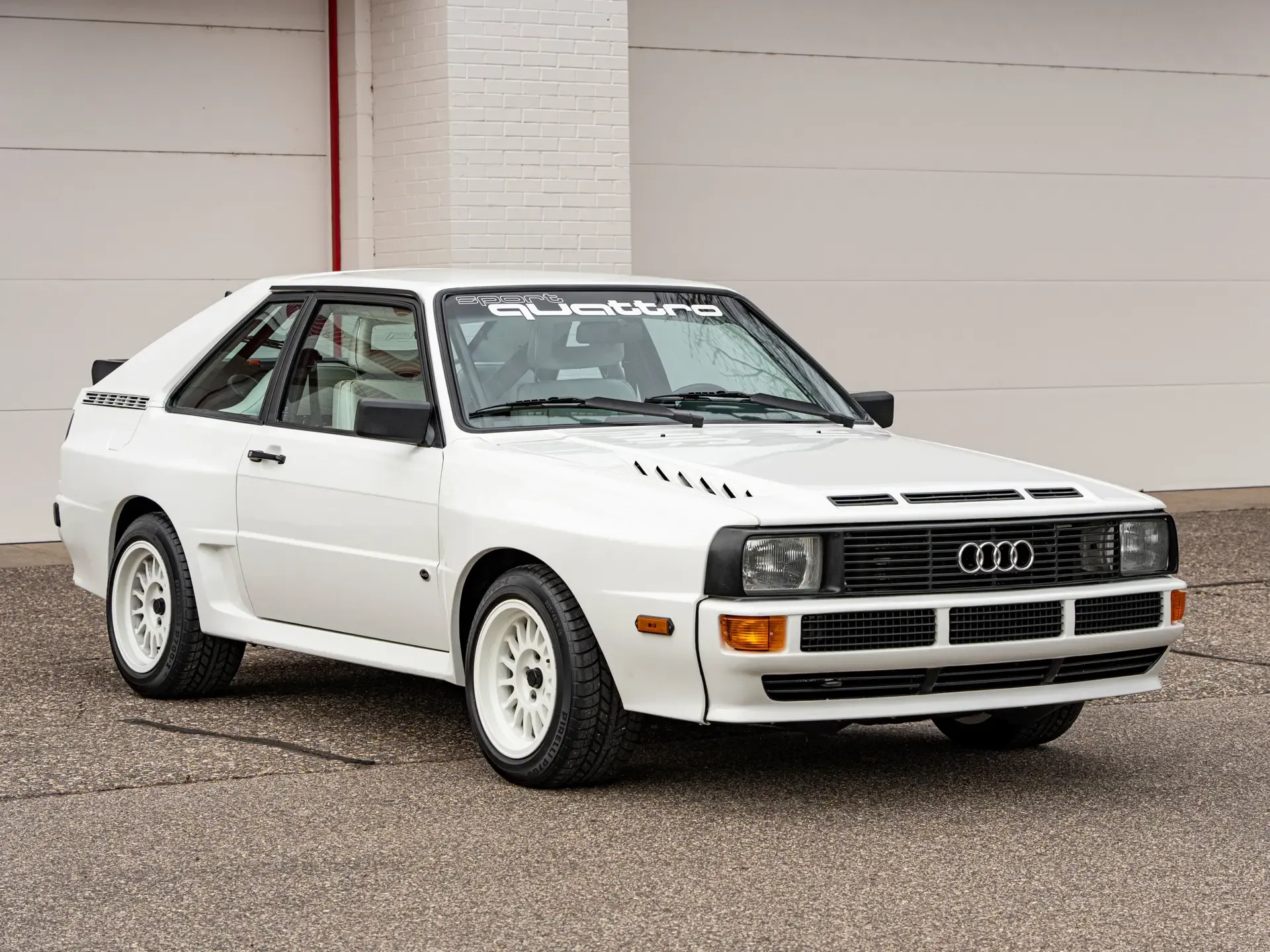
6. Audi Sport Quattro 1984-1985
Audi revolutionized rallying with their quattro all-wheel-drive system, dominating the World Rally Championship throughout the early 1980s. The Sport Quattro, built for Group B homologation, took the successful formula and distilled it into a shorter, lighter, more focused package.
Audi shortened the wheelbase by 12.6 inches, fitted aggressive body flares, and installed a more powerful engine to create a road-legal race car that barely tamed its competition breeding. The Sport Quattro’s turbocharged five-cylinder engine produced 306 horsepower in street specification, though race versions exceeded 600 horsepower.
The short wheelbase created nervous handling characteristics that demanded respect and skill. This wasn’t a car for casual driving. It required attention and commitment, rewarding skilled drivers while punishing mistakes.
The all-wheel-drive system provided incredible traction, allowing the Sport Quattro to launch from standstill with shocking acceleration that embarrassed more powerful rear-wheel-drive supercars. Audi built just 214 Sport Quattro examples to satisfy Group B homologation requirements.
Original prices ranged around $70,000, expensive but not outrageous considering the car’s race-bred specifications and limited production. Most examples went to Europe, with very few reaching other markets. Finding one for sale today requires patience and substantial financial resources.
Values have exploded as collectors recognize the Sport Quattro’s importance in rallying history and automotive development. Excellent examples now sell for $600,000 to $900,000, with the best specimens reaching seven figures at major auctions.
This appreciation reflects growing recognition of 1980s rally cars as important historical artifacts worthy of preservation and collection. The Sport Quattro’s extreme rarity and racing pedigree justify these extraordinary prices.
Driving a Sport Quattro reveals its rally car DNA immediately. The turbocharged engine delivers power in a brutal rush once boost builds. The short wheelbase creates darty, nervous steering that requires constant attention. The all-wheel-drive system hooks up instantly, providing incredible acceleration out of corners.
Modern performance cars offer better refinement and higher performance numbers, but few provide the same raw, unfiltered driving experience. Parts availability presents serious challenges as Audi built so few examples using unique components.
Maintenance requires specialist knowledge and deep pockets. Despite these challenges, the Sport Quattro remains highly desirable among collectors who appreciate its historical importance and thrilling driving dynamics.
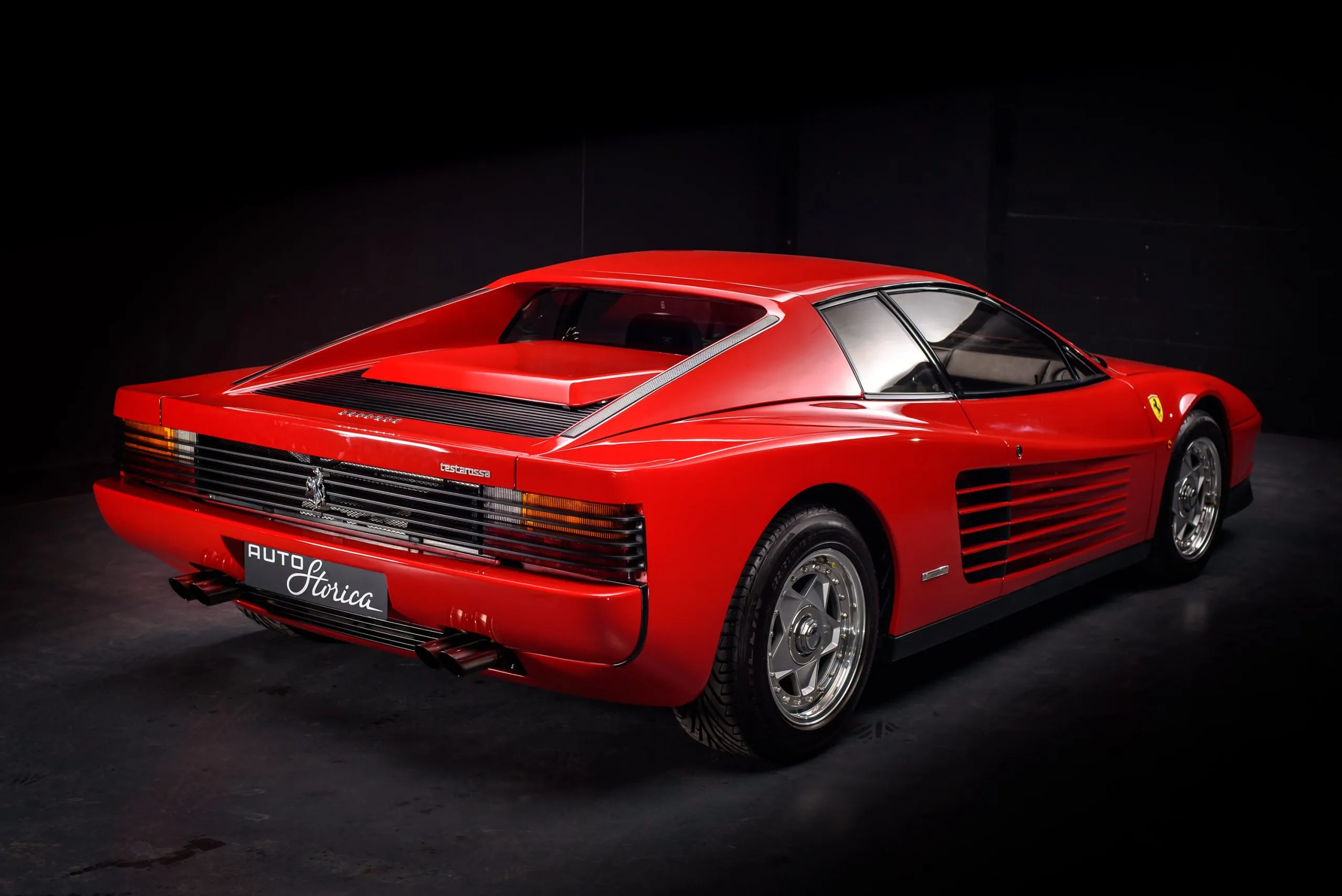
7. Ferrari Testarossa 1984-1991
Ferrari designed the Testarossa to replace the aging 512 BBi, creating a mid-engine supercar that would define automotive excess throughout the 1980s. The wide body, side strakes, and dramatic styling made the Testarossa instantly recognizable.
Pop culture embraced it enthusiastically, featuring the car in Miami Vice and countless other television shows and movies. This exposure created name recognition that transcends automotive enthusiasm, making the Testarossa familiar even to people with no interest in cars.
The 12-cylinder engine mounted behind the cabin produced 390 horsepower, sending power through a five-speed manual transmission to the rear wheels. The flat-12 configuration created a distinctive sound unlike anything else on the road.
Top speed exceeded 180 mph, making the Testarossa genuinely fast by any standard. The wide body provided stability at high speeds while giving the car its distinctive, imposing presence. Ferrari built approximately 7,177 Testarossa models between 1984 and 1991, making it relatively common compared to other Ferrari models discussed here. Original prices started around $180,000, climbing as demand exceeded supply.
The Testarossa’s success helped Ferrari establish financial stability, funding the development of future models. Production ended in 1991 to make way for the 512 TR, an updated version with improved performance and refined styling.
Values remained relatively modest for years as collectors favored earlier, rarer Ferrari models. This changed dramatically during the past decade as 1980s nostalgia grew and younger collectors with Miami Vice memories entered the market.
Clean examples now sell for $200,000 to $300,000, with the best specimens reaching even higher prices. This appreciation makes the Testarossa more expensive than many new Porsche models, though still affordable compared to other Ferraris from the same era.
Maintenance costs for the Testarossa remain substantial but reasonable compared to other Ferrari models. The engine requires expensive service every few years, with major maintenance procedures costing $10,000 to $20,000.
Parts availability stays good because Ferrari built so many examples and continues supporting older models through their classic car division. Insurance premiums reflect the car’s value and performance capabilities. Despite these expenses, the Testarossa offers a relatively accessible entry into Ferrari ownership while providing the dramatic styling and performance that made it famous.
The distinctive side strakes and wide body ensure attention wherever the car appears, delivering an ownership experience that justifies the substantial investment required to purchase and maintain these Italian icons properly.
Also Read: 10 ’80s Cars That Will Outlive Newer Models of Sport Cars
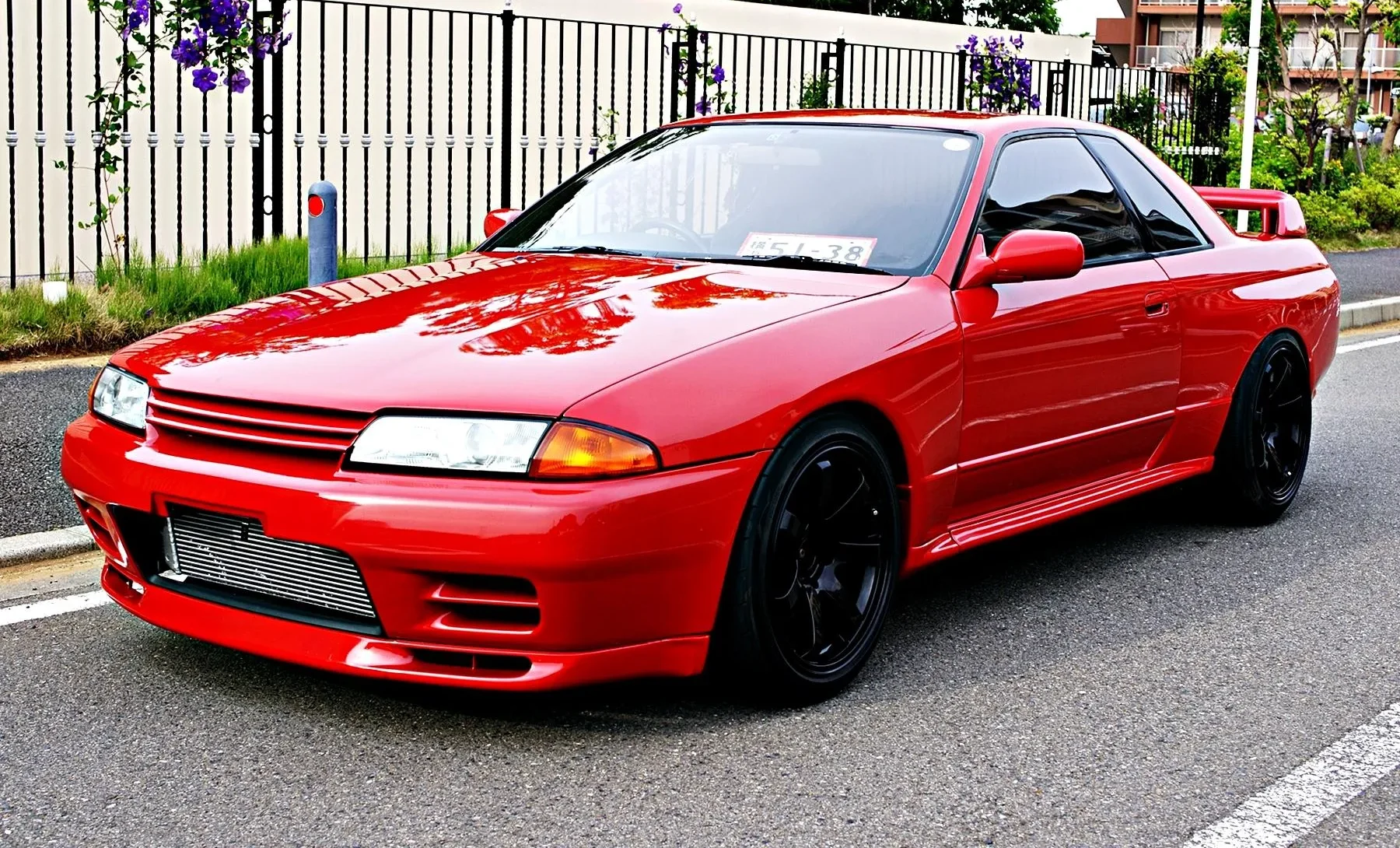
8. Nissan Skyline GT-R R32 1989-1994
Nissan shocked the Japanese automotive establishment when it released the R32 Skyline GT-R, a technological showcase that dominated Group A racing with ruthless efficiency.
The advanced all-wheel-drive system, powerful turbocharged engine, and sophisticated electronic controls created a car that could embarrass European supercars costing twice as much. Japanese regulations limited official power output to 280 horsepower, though most examples produced closer to 330 horsepower in reality.
The GT-R’s RB26DETT engine became legendary among tuning enthusiasts because it responded brilliantly to modifications. With relatively simple upgrades, owners could extract 400, 500, or even 600 horsepower while maintaining reasonable reliability.
This tunability created a devoted following among performance enthusiasts who appreciated the GT-R’s potential. The ATTESA all-wheel-drive system provided incredible traction, allowing the car to put down power that would overwhelm rear-wheel-drive competitors.
Nissan built approximately 43,000 R32 GT-R models between 1989 and 1994, making it relatively common in Japan. However, the car never received official export to most markets, creating scarcity outside Japan.
American enthusiasts knew the GT-R primarily through video games and magazine articles, building legendary status despite few people actually driving one. Import restrictions prevented bringing these cars to America until they reached 25 years old, finally allowing legal importation starting in 2014.
Values have climbed steadily as American enthusiasts gained legal access to the R32 GT-R. Clean, low-mileage examples now sell for $80,000 to $150,000, far exceeding their original Japanese market price of approximately $35,000.
The best examples with comprehensive documentation and minimal modifications command premium prices. Modified cars typically sell for less unless they feature high-quality upgrades from reputable tuning companies.
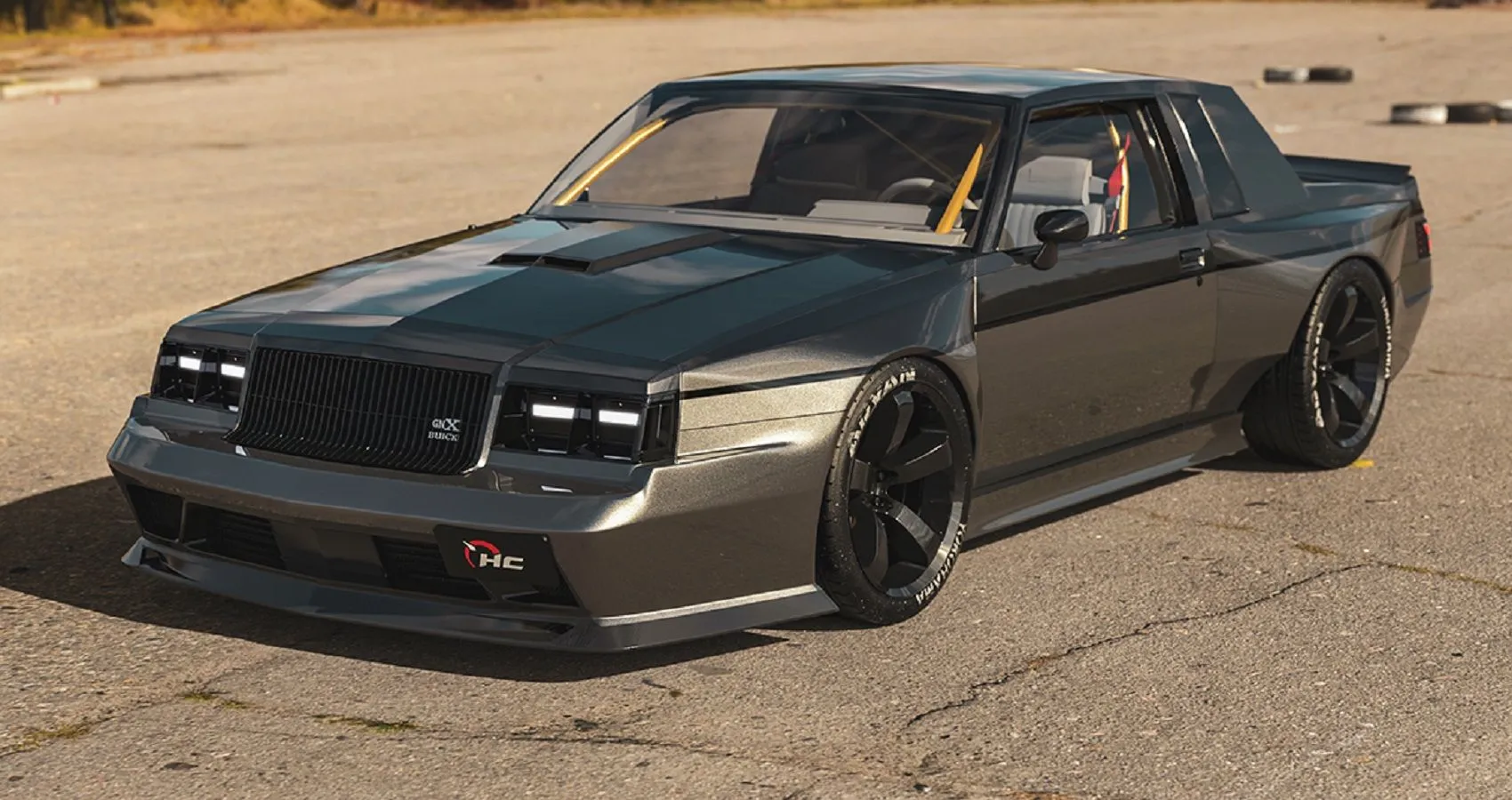
10. Buick GNX (1987)
American muscle of the ’80s often came with mixed reputations, but the Buick GNX broke stereotypes. Built in 1987 as a limited edition of the Buick Grand National, only 547 units were produced.
Its 3.8-litre turbocharged V6 engine delivered 276 horsepower, but independent testing revealed it actually made more. It could out-accelerate Corvettes and even Ferraris of the time, earning the title of the fastest American car of the decade.
At auctions today, GNXs are easily topping 250,000 dollars. That is well above the cost of a brand-new Porsche, and collectors love its sleeper appeal. From the outside, it looked like a dark, boxy coupe, but on the road, it was a monster.
The GNX represents a rare moment when American engineering shocked the automotive scene. It is now cherished not only for its performance but also for its rarity. Mechanics appreciate its robustness, while owners enjoy the raw power that feels timeless.
Some cars age into obscurity, while others rise like champions from the past. The 1980s produced both kinds, but the models highlighted here have clearly entered the second category. They show that history, scarcity, and emotional attachment can drive prices far beyond the sticker price of modern machines like a Porsche 911.
