
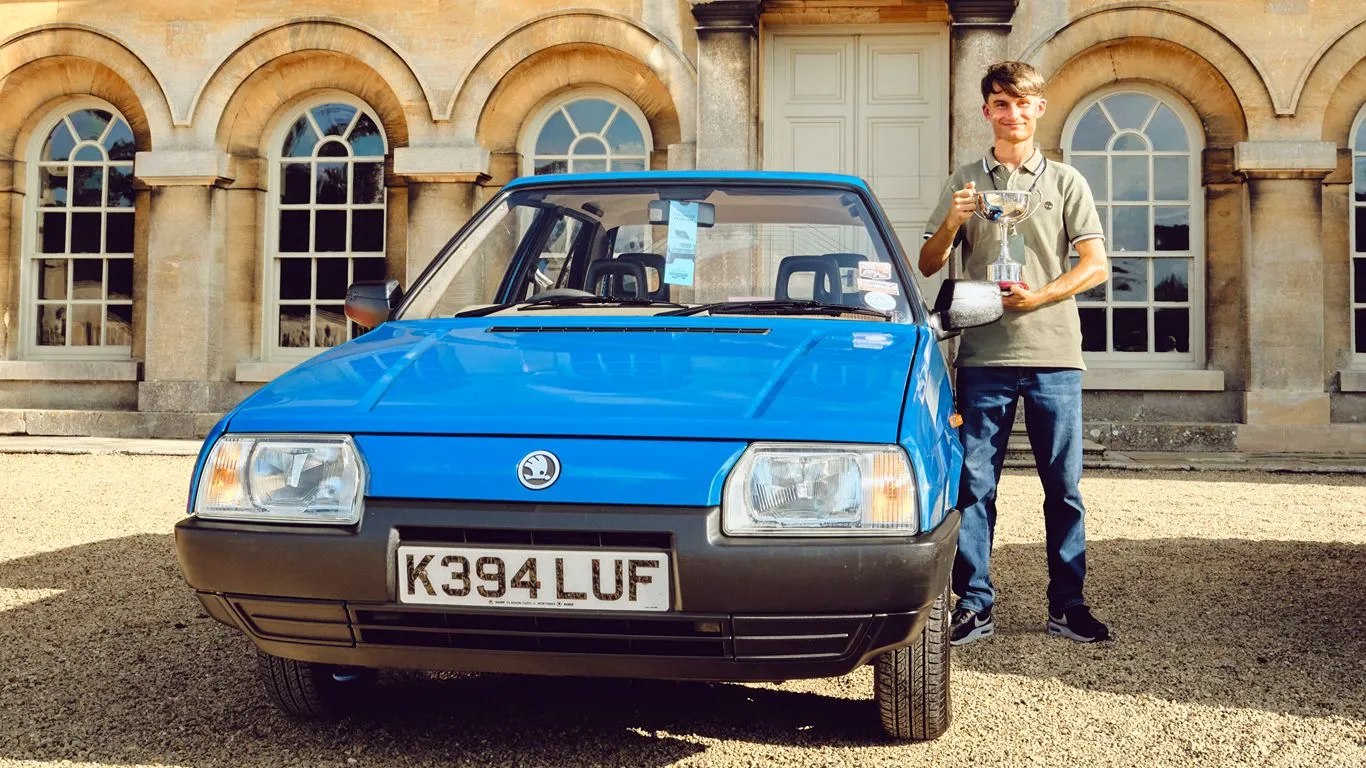
Well, when it comes to certain cars from the 1990s, they are not just talking nonsense. These machines were built during a time when manufacturers were trying their best to impress drivers with pure engineering excellence, not just fancy touchscreens and automatic parking systems that beep every two seconds.
The 1990s gave us some of the most incredible vehicles ever made. We are talking about cars that could shame their modern cousins in ways that matter to real drivers. These were machines built with passion, designed by people who understood what driving pleasure meant.
They did not care about infotainment systems or how many cup holders they could squeeze into the dashboard. What they cared about was making cars that could move your spirit, get your heart racing, and put a smile on your face every single time you turned the key.
Today’s cars might have all the technology in the world. They can park themselves, they can alert you when you are drifting out of your lane, and some can even drive themselves for short distances.
But do they have souls? Do they make you feel alive when you are behind the wheel? Most of them do not. They feel like computers on wheels, designed by algorithms and focus groups rather than by passionate engineers who loved cars.
The cars we will discuss today are different. They represent a golden era when driving was still an art form, when cars had character, and when you could actually feel the road beneath you. These machines prove that newer does not always mean better. They show us that sometimes, the old ways were the right ways.
From Japanese legends to European classics, from American muscle to British roadsters, the 1990s produced vehicles that modern manufacturers still struggle to match. Let us look at nine cars from that glorious decade that continue to embarrass their modern rivals.
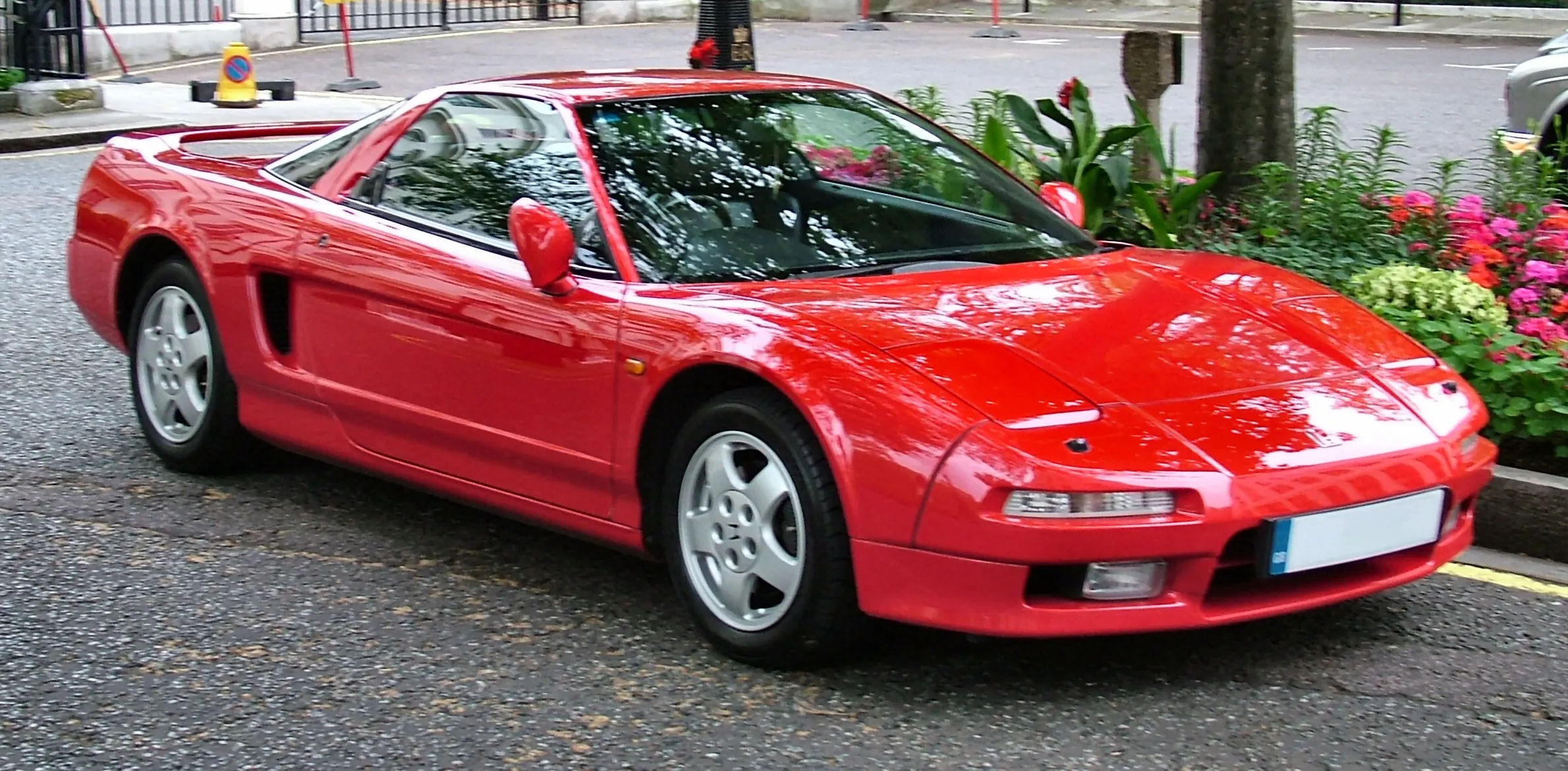
1. Honda NSX (1990-2005)
The Honda NSX was not just any sports car. This machine changed everything people thought they knew about supercars. Before it arrived, supercars were temperamental beasts that broke down if you looked at them wrong.
They were uncomfortable, loud, and required you to be a mechanic just to own one. Then Honda said, “Why can’t a supercar be reliable?” and they built the NSX. This car came with a 3.0-litre V6 engine that produced 270 horsepower.
Later versions got a 3.2-litre engine with 290 horsepower. Those numbers might sound small today, but the NSX weighed just 1,370 kilograms. That power-to-weight ratio meant this thing could fly. It could reach 100 kilometres per hour in just 5.7 seconds. The top speed was 270 kilometres per hour. But speed was not even the best part.
What made the NSX special was how it drove. The steering was so precise, so communicative, that you felt connected to the road in ways modern cars cannot match. The chassis was built using aluminium, which was revolutionary for the time.
This made the car light but incredibly strong. The suspension was tuned to perfection. You could drive this car hard on a race track in the morning, then drive it to work in traffic the same evening without any problems. Ferrari and Porsche owners were shocked when they realized a Honda could keep up with them.
Actually, the NSX could do more than keep up. It could beat them in many situations. And here is the kicker: while their expensive European cars were sitting in repair shops, NSX owners were still driving their cars every single day. The reliability was unmatched. People have put hundreds of thousands of kilometres on these cars without major issues.
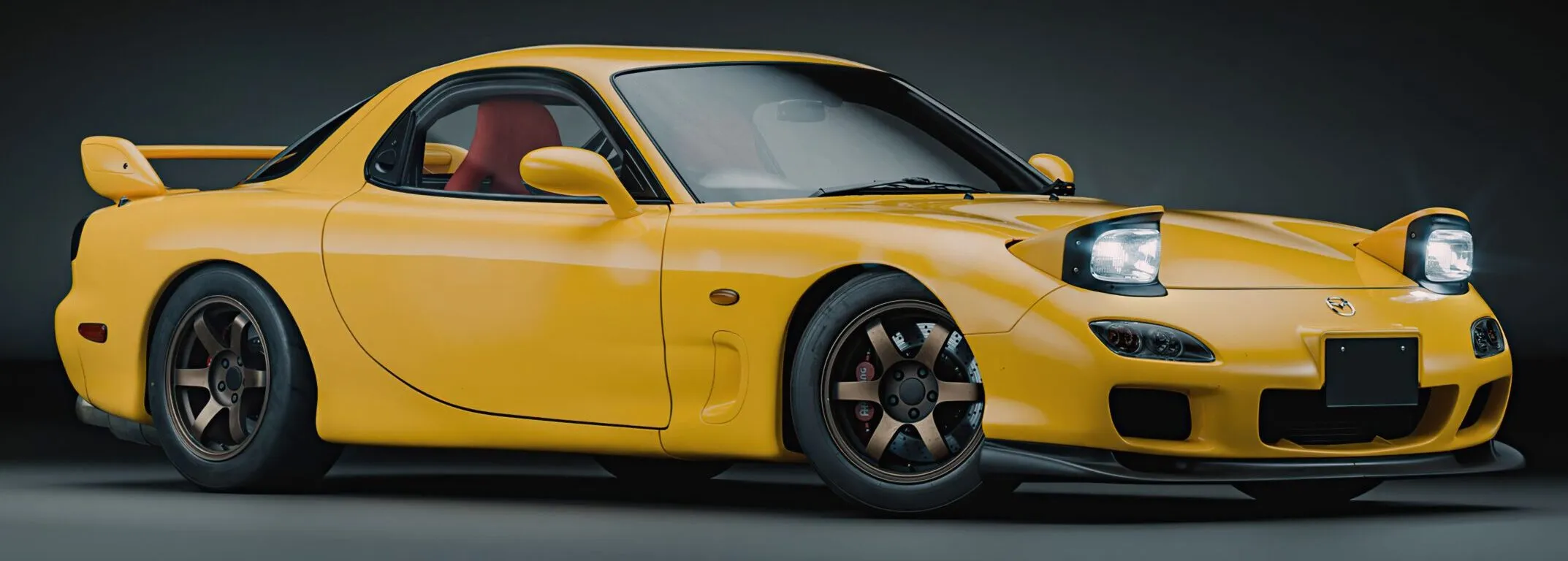
2. Mazda RX-7 FD (1992-2002)
When Mazda unleashed the third-generation RX-7 on the world, people could not believe their eyes. This car looked like it came from the future. Those curves, those pop-up headlights, that stance, everything about it screamed performance. But the RX-7 was not just about looks. Under that gorgeous body sat one of the most unique engines ever put in a production car: the 13B-REW twin-turbocharged rotary engine.
This engine was different from anything else on the road. Instead of pistons going up and down, it used rotors that spun in a circular motion. The result was an engine that could rev to 9,000 RPM and produce 255 horsepower from just 1.3 litres.
That sounds impossible, but rotary engines work differently. They are small, light, and can produce tremendous power for their size. The sequential twin-turbo system meant you had boost available across the entire rev range. No lag, just smooth, continuous power delivery.
The RX-7 FD weighed only 1,280 kilograms. With that power and that weight, it could accelerate from 0 to 100 kilometres per hour in 5.1 seconds. The handling was even more impressive than the straight-line speed.
Mazda gave this car a perfect 50:50 weight distribution. The suspension was sophisticated, using double wishbones at all four corners. The steering was quick and accurate. When you drove an RX-7 hard through corners, it felt like the car was reading your mind.
Modern sports cars are faster in a straight line, sure. But they are also much heavier. A modern Toyota Supra weighs over 1,500 kilograms. The new Nissan Z is even heavier. These cars need big turbocharged engines just to move all that weight around.
The RX-7 FD shows that less can be more. Its lightness meant it could change direction instantly. The throttle response was immediate. Everything happened right now, not after the computer thought about it for a second.
Yes, rotary engines drink fuel and oil. Yes, they need proper maintenance. But for enthusiasts who understand what driving pleasure means, these are small prices to pay. The RX-7 FD offers something modern cars cannot: a pure, unfiltered connection between driver and machine.
Also Read: 7 Cars With Seat Designs That Refuse to Wear Out
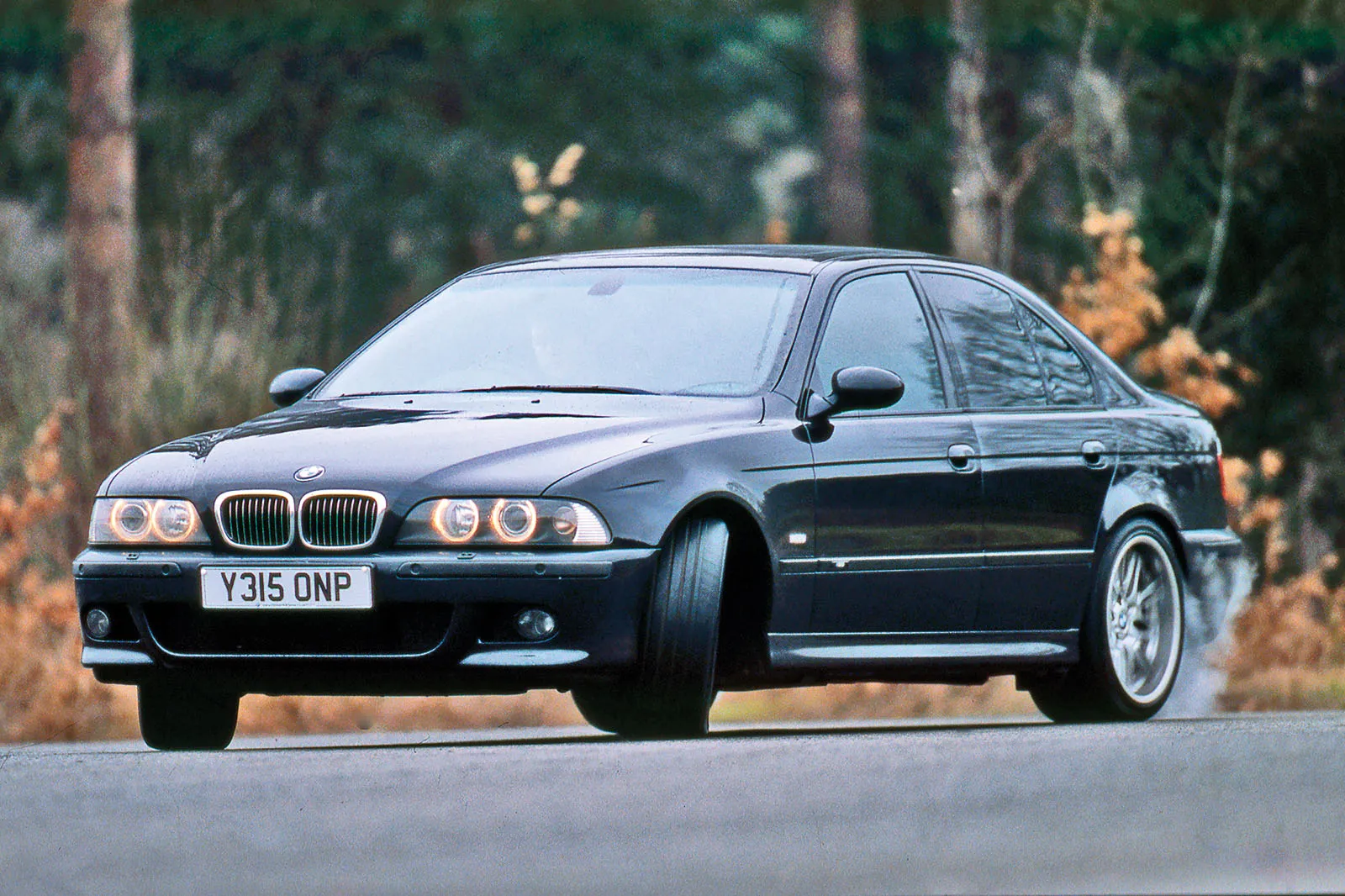
3. BMW E39 M5 (1998-2003)
BMW created something magical when it built the E39 M5. This was not just a fast sedan. This was a car that could embarrass dedicated sports cars while carrying four adults in complete comfort.
Under the bonnet sat a 4.9-litre V8 engine that produced 394 horsepower. But horsepower tells only part of the story. This engine could rev to 7,000 RPM, which was extraordinary for a V8 that size. The sound it made was intoxicating. The performance numbers were ridiculous for a four-door sedan. Zero to 100 kilometres per hour took just 5.3 seconds. T
he top speed was electronically limited to 250 kilometres per hour, but remove that limiter and the car would keep pulling well past 300 kilometres per hour. This thing was a genuine 200-mile-per-hour sedan with four doors and a proper boot. You could take your family on holiday in it, then go destroy sports cars at a track day the next weekend.
What made the E39 M5 special was how it did everything well. The ride quality was excellent. You could drive it through rough roads without your passengers complaining. The interior was beautifully crafted, with real leather and high-quality materials everywhere.
The seats were comfortable for long journeys but supportive enough for aggressive driving. The build quality was exceptional. Everything felt solid and well-engineered. But when you wanted to drive fast, this car transformed. The steering became sharper. The throttle response was immediate. That V8 would howl as you accelerated hard.
The six-speed manual gearbox was perfectly matched to the engine. Each gear change was satisfying, mechanical, and precise. The brakes were powerful enough to haul this big sedan down from high speeds repeatedly without fading.
Modern M5s are faster, yes. They have twin-turbo V8s producing over 600 horsepower. They have all-wheel drive and launch control. But they also weigh over 2,000 kilograms. They are huge, complicated machines filled with electronics and systems that will cost a fortune when they break. The E39 M5 weighs 1,795 kilograms. It is smaller, more agile, and far more engaging to drive.
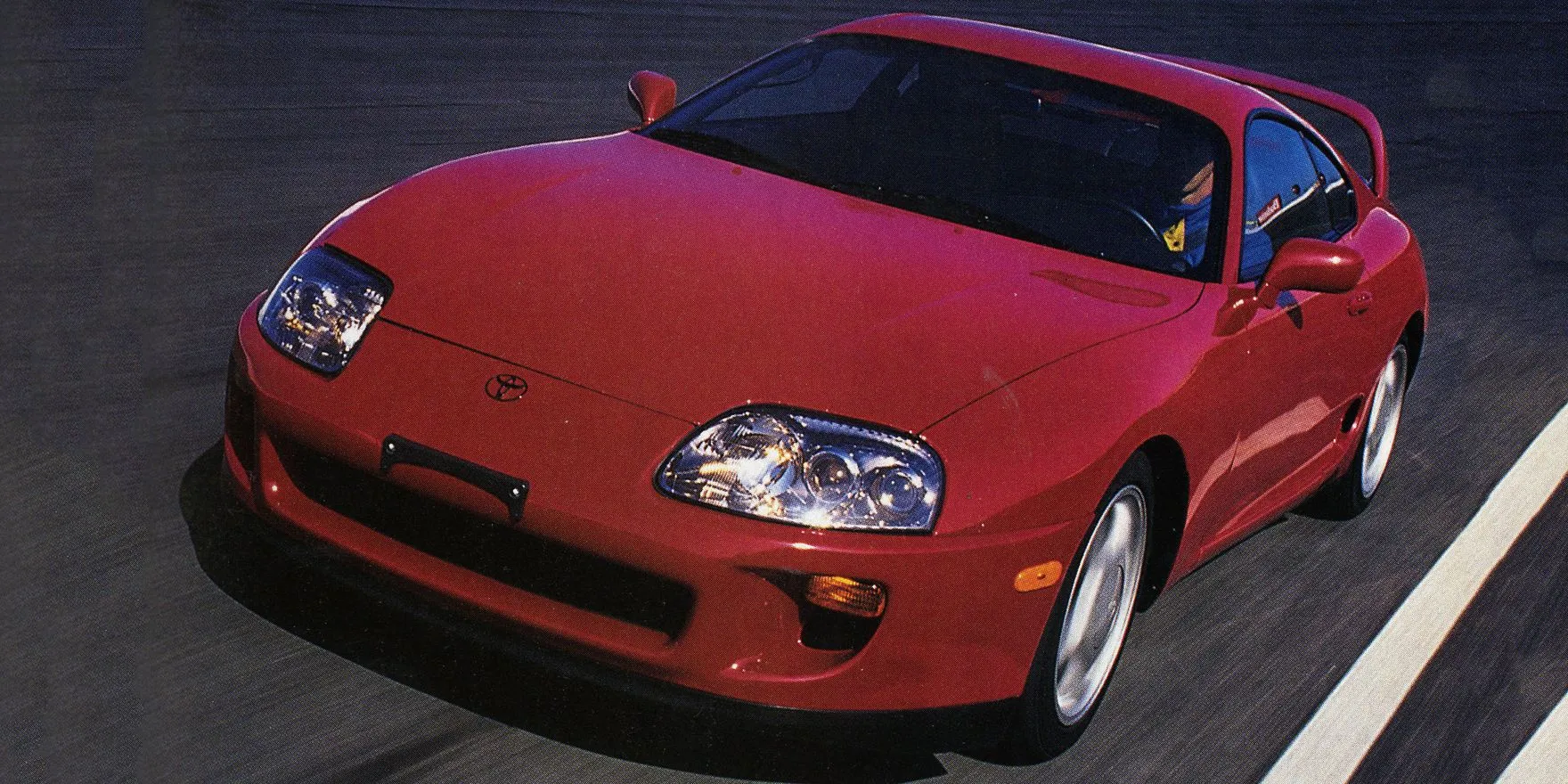
4. Toyota Supra Mk4 (1993-2002)
The Toyota Supra Mk4 has become a legend for very good reasons. This car showed the world that Japanese engineering could compete with anything from Europe at a fraction of the price. The heart of this beast was the 2JZ-GTE engine: a 3.0-litre inline-six with twin turbos that produced 326 horsepower in its stock form. But that stock power figure tells only a tiny part of the story.
The 2JZ-GTE is probably the strongest production engine ever built. People have tuned these engines to produce 1,000 horsepower while still using the original block and internals. The engine was over-engineered to a ridiculous degree. Toyota built it like a tank.
The closed-deck block design, the forged internals, the sequential twin-turbo system, everything was built to handle far more power than Toyota officially claimed. This means Supra owners could bolt on bigger turbos and turn up the boost without worrying about blowing up their engines.
Performance from the factory was already impressive. The Supra could hit 100 kilometres per hour in 4.6 seconds with the six-speed manual gearbox. The top speed was electronically limited to 250 kilometres per hour, but the car could easily go much faster.
The handling was good too, though not as sharp as some competitors. What the Supra excelled at was high-speed stability and acceleration. When you floored the throttle, the turbos would spool up and push you back into your seat with tremendous force.
The design has aged beautifully. Those curves, that rear spoiler, those distinctive taillights, the Mk4 Supra still looks modern today. Compare it to the new Supra, which Toyota builds in partnership with BMW.
The modern car is smaller, lighter, and uses a BMW engine. It is a good car, but it lacks the character of the Mk4. The new car does not have the same tuning potential. The BMW engine is strong, but it is not a 2JZ. The new car feels clinical and precise, while the Mk4 feels raw and powerful.
Prices for clean Mk4 Supras have skyrocketed in recent years. People are paying over $100,000 for good examples, sometimes much more for rare colours or low-mileage cars. This is because enthusiasts understand that the Mk4 Supra represents something special.
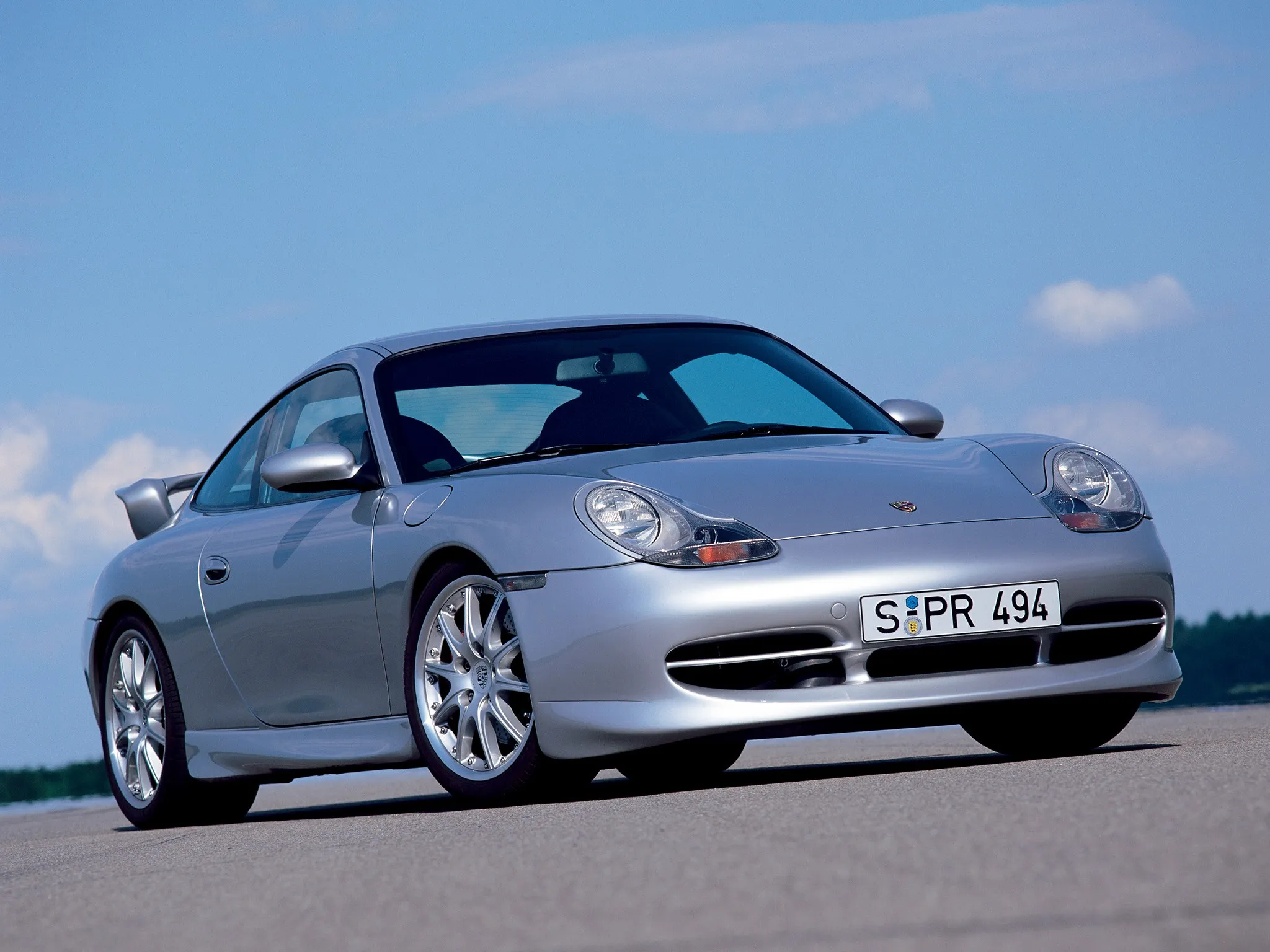
5. Porsche 911 Carrera 996 GT3 (1999-2005)
Porsche knows how to build sports cars. They have been doing it for over seventy years. But in 1999, they created something exceptional with the 996 GT3. This was not just another 911. This was a race car that happened to be street legal. Porsche took their Cup racing car, made a few adjustments so it could be driven on public roads, and sold it to the public. The result was pure driving perfection.
The engine was a 3.6-litre flat-six that produced 360 horsepower. That might not sound like much today, but this engine could rev to 7,800 RPM. The throttle response was instant. There was no turbo lag, no hesitation, just immediate power whenever you touched the accelerator.
The sound was incredible, a mechanical symphony that got more intense as the revs climbed. This was a naturally aspirated engine from an era when Porsche still knew how to build them properly. Weight was kept down to just 1,350 kilograms through extensive use of lightweight materials. The rear seats were removed. Sound deadening was minimal. The suspension was race-car stiff. The brakes were massive.
Everything about this car was designed for one purpose: going fast around a race track. Zero to 100 kilometres per hour took just 4.8 seconds. The top speed was 302 kilometres per hour. But those numbers do not tell you what it was like to drive.
When you pushed the GT3 hard through corners, it was magical. The chassis balance was perfect. The steering was so precise you could place the car exactly where you wanted it. The grip levels were enormous thanks to the wide tyres and sophisticated suspension.
You could brake incredibly late into corners because the brakes were so powerful. The car rewarded skilled drivers but did not punish small mistakes too harshly. It was accessible yet incredibly fast.
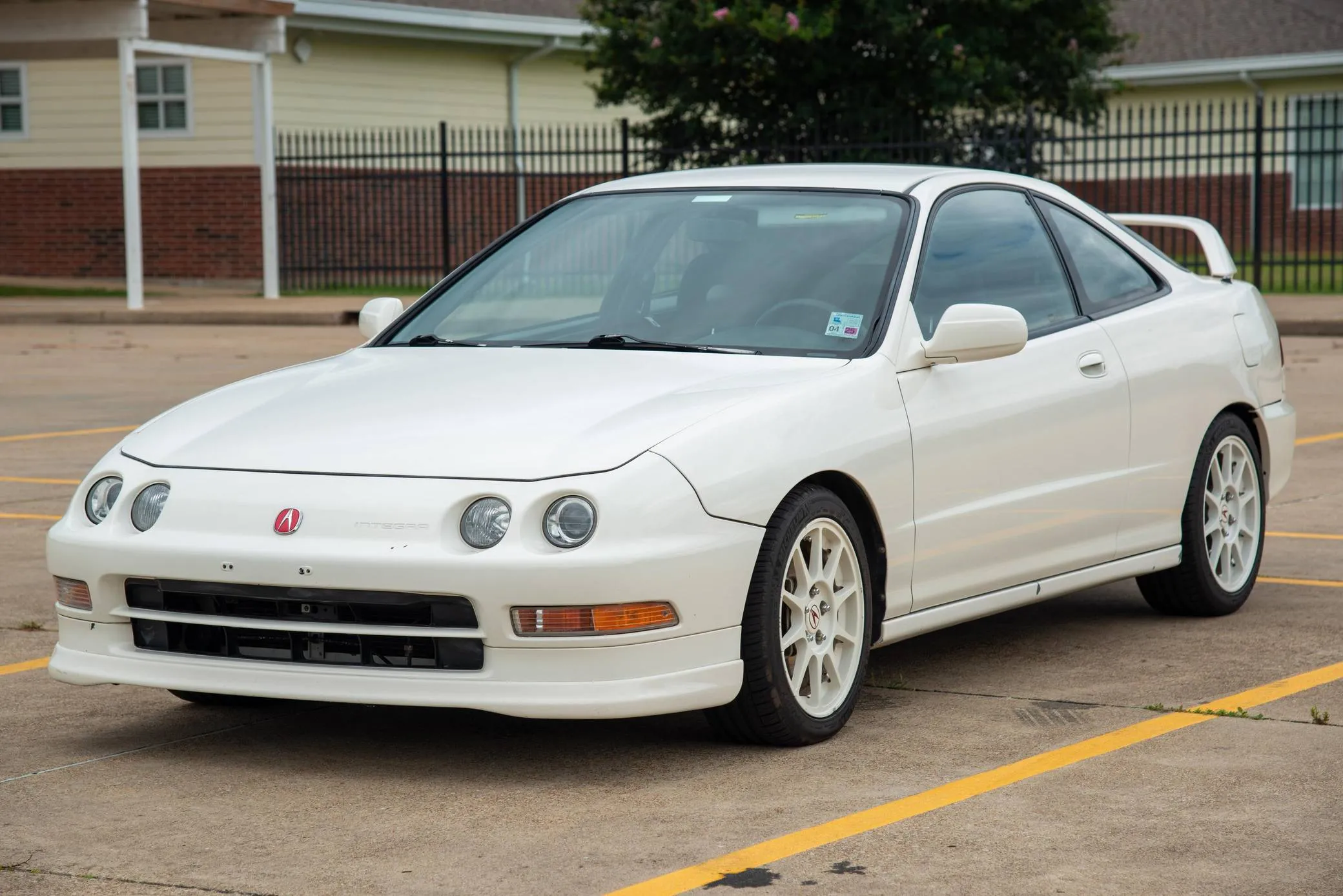
6. Acura Integra Type R (1997-2001)
Honda’s engineers were obsessed with building the perfect front-wheel-drive car. The result of that obsession was the Acura Integra Type R, sold as the Honda Integra Type R in most markets. This car proved that front-wheel drive could be just as exciting as rear-wheel drive when executed properly. Everything about this machine was optimized for performance.
The engine was a 1.8-litre inline-four cylinder that produced 195 horsepower. Those numbers sound modest until you realize this engine achieved the highest specific output of any naturally aspirated production car at the time. That means it produced more horsepower per litre than anything else without forced induction.
How did Honda do it? Engineering excellence. The engine could rev to 8,400 RPM. It used VTEC technology that changed valve timing at high RPM. The result was an engine that came alive above 6,000 RPM and pulled hard all the way to redline.
The chassis was just as impressive as the engine. Honda used spot welding at crucial points to increase rigidity. They added a strut tower brace. The suspension was tuned for sharp handling. The limited-slip differential helped put power down efficiently. Weight was reduced wherever possible.
The car came with no sound deadening, no air conditioning, and Recaro racing seats. The final weight was just 1,021 kilograms. That is lighter than most modern motorcycles, and it meant the Integra Type R was incredibly quick despite the modest power output.
The driving experience was pure joy. The steering was quick and communicative. The shifter action was the best of any car at that price point, with short throws and precise gates. The handling was neutral and predictable.
You could throw this car into corners at speeds that would make passengers scream, but it would just grip and go. The brakes were strong enough to haul the lightweight car down from high speeds repeatedly. Everything worked together perfectly.
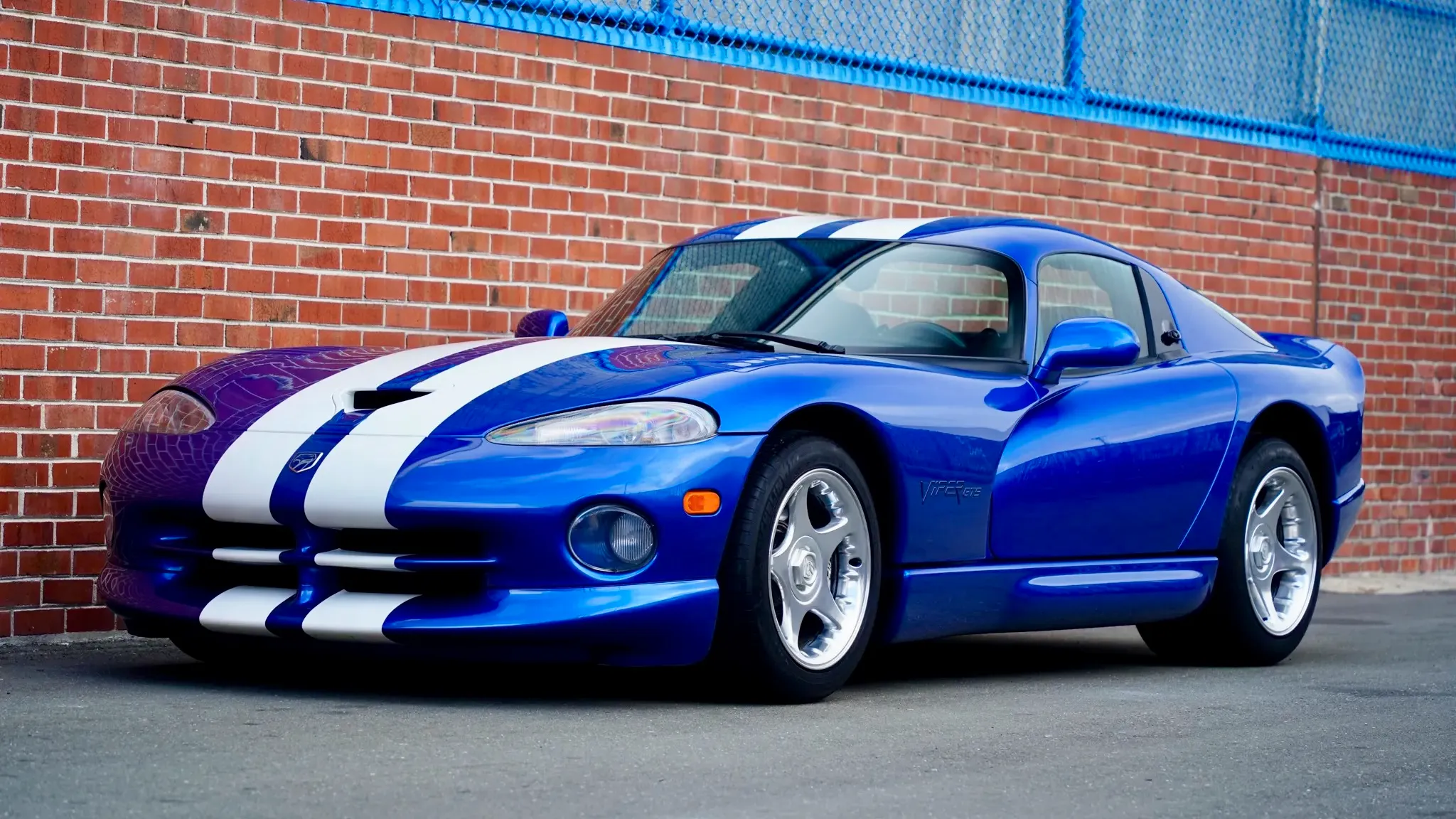
7. Dodge Viper GTS (1996-2002)
Americans do not mess around when they build sports cars. The Dodge Viper GTS proved this better than anything else. This was not a sophisticated European sports car with perfect balance and delicate handling.
This was eight litres of American V10 fury wrapped in fibreglass bodywork and given just enough chassis to keep it pointed in roughly the right direction. It was excessive, brutal, and absolutely glorious.
That engine was something special. An 8.0-litre V10 producing 450 horsepower and 490 pound-feet of torque. No turbos, no superchargers, just displacement and anger. The throttle response was immediate because there was no forced induction lag. When you pressed the accelerator, all 450 horses woke up right now.
The sound was unlike anything else on the road, a deep, thundering roar that announced your presence from miles away. This engine was related to the truck engine found in Dodge Ram pickups, but it was extensively modified for performance use.
Performance was brutal. Zero to 100 kilometres per hour took just 4.1 seconds. The quarter mile passed in 12.2 seconds. The top speed was 308 kilometres per hour. These were supercar numbers, but the Viper cost half what a Ferrari or Lamborghini cost.
The acceleration was violent. Mashing the throttle in first or second gear would light up the rear tyres instantly. Traction control? The Viper did not have any. ABS? Not on the early models. This car demanded respect and skill from its driver. It would bite you if you made mistakes.
The handling was actually better than people expected. Yes, the Viper was a handful at the limit. Yes, it could kill you if you did something stupid. But the chassis was competent. The long bonnet and short deck gave it a classic sports car profile.
The wide tyres provided good grip when they were not overwhelmed by the enormous torque. The suspension was stiff but effective. Skilled drivers could hustle the Viper GTS around race tracks and post seriously quick lap times. It just required commitment and bravery.
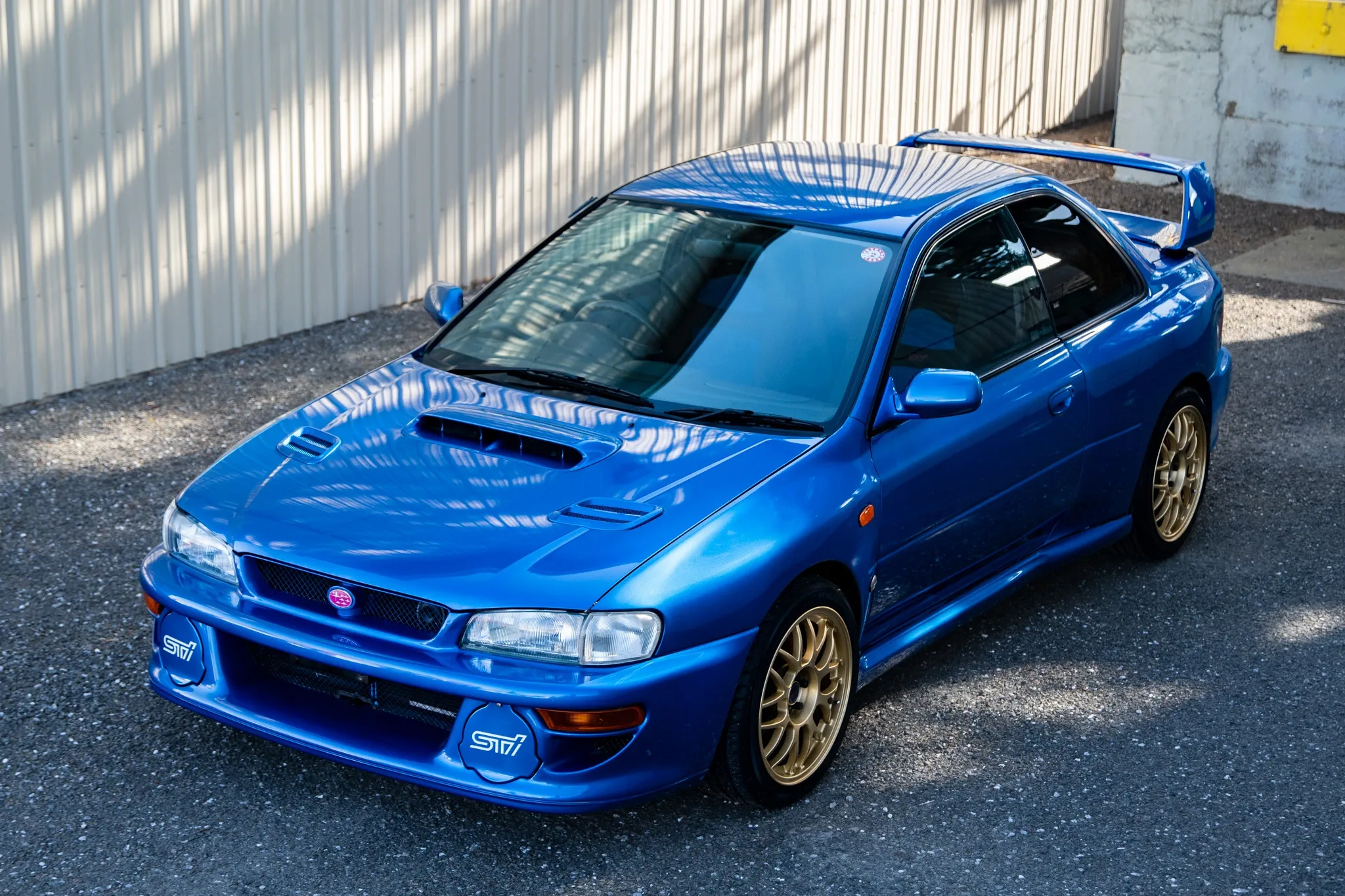
8. Subaru Impreza 22B STI (1998)
Subaru built only 424 examples of the 22B STI. This was their celebration model after three consecutive World Rally Championship titles. They took the already excellent Impreza WRX STI and turned everything up to eleven.
The result was one of the most desirable Japanese performance cars ever made. Even today, people pay ridiculous money for clean examples because they understand how special this car was.
The engine was unique to the 22B. Subaru bored out their EJ20 engine to 2.2 litres, creating the EJ22G. This engine produced 276 horsepower, which was the unofficial power limit for Japanese domestic market cars at the time.
But everyone knew these engines made more power than advertised. The turbocharger was upgraded. The internals were strengthened. Everything was built to handle serious performance and abuse. The engine note was distinctive, that characteristic Subaru boxer rumble amplified by the performance exhaust.
The body was widened by 80 millimetres compared to the regular Impreza. This was not just for looks. The wider track improved handling by allowing Subaru to fit wider wheels and tyres. The suspension was race-spec with Bilstein dampers and adjustable settings.
The chassis was reinforced in multiple areas. The result was a car that handled like it was on rails. The all-wheel-drive system could put power down in any conditions. The car felt glued to the road, whether you were on dry tarmac or loose gravel.
Weight was kept reasonable at 1,270 kilograms. Combined with the power and the grip, this meant the 22B could accelerate from zero to 100 kilometres per hour in just 4.9 seconds. But acceleration was not even the most impressive part. The handling was what made this car legendary.
You could carry incredible speed through corners thanks to the all-wheel-drive system and the sophisticated suspension. The steering was sharp and communicative. The brakes were strong. Everything worked together to create a machine that rewarded aggressive driving.
Also Read: 10 Cars That Outlast Multiple Generations in Families
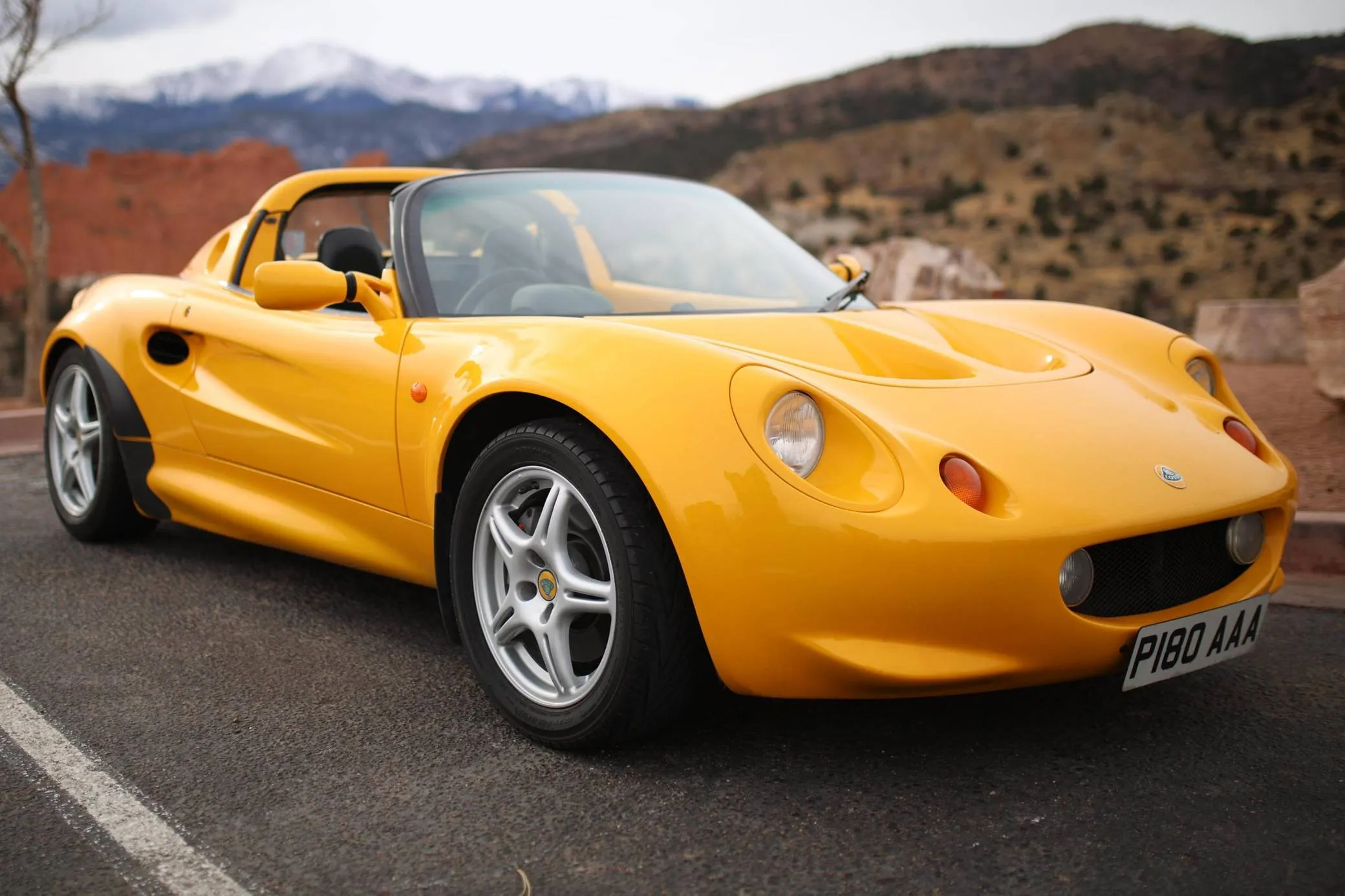
9. Lotus Elise Series 1 (1996-2001)
Colin Chapman, the founder of Lotus, had a simple philosophy: add lightness. The Series 1 Elise embodied this principle perfectly. This car weighed just 725 kilograms. That is less than a Honda Goldwing motorcycle.
Lotus achieved this incredible weight through extensive use of aluminium and by eliminating everything that was not essential. No power steering, no air conditioning, no sound deadening, no unnecessary luxury items. Just you, the engine, and the road.
The engine was not particularly powerful. A 1.8-litre Rover K-series four-cylinder producing just 118 horsepower. But when your car weighs only 725 kilograms, you do not need much power. The power-to-weight ratio was better than many supercars.
Zero to 100 kilometres per hour took 5.9 seconds, which was quick but not extraordinary. The top speed was only 200 kilometres per hour. But straight-line speed was never the point of the Elise. What made this car special was the handling. The Elise had a bonded aluminium chassis that was incredibly rigid yet light. The suspension used double wishbones at all four corners.
The steering had no power assistance, which meant it was heavy at parking speeds but provided perfect feedback once you were moving. The tyres were not particularly wide by modern standards. But the combination of low weight, rigid chassis, and brilliant suspension geometry meant this car handled like nothing else.
Driving an Elise Series 1 was a religious experience for enthusiasts. The steering was so communicative that you could feel every detail of the road surface. The throttle response was instant. The handling was completely neutral; the car went exactly where you pointed it.
You could carry absurd speeds through corners because the chassis balance was perfect. The ride was firm but not harsh. Every input you made had an immediate and predictable result. This car taught you to be smooth and precise with your driving because you felt everything.
Modern sports cars are faster around race tracks. They have more grip, more power, and more sophisticated suspension systems. But they are also much heavier. A modern Porsche 911 weighs over 1,500 kilograms. The Lotus Elise Series 1 weighed less than half that. This fundamental difference changed everything about how the car felt.
The lightness meant you could adjust your line mid-corner with just a tiny steering input. It meant the brakes could stop the car quickly without needing massive discs. It meant the modest engine provided thrilling acceleration.
