
The automotive market is full of surprises, and some of the biggest come from cars that were once overlooked, underappreciated, or even criticized when new. Over time, shifting tastes, rising rarity, and changing market dynamics have transformed these vehicles into modern collectibles.
Today’s collectors are increasingly drawn to models that blend affordability, performance, and historical significance. These cars not only deliver driving enjoyment but also carry unique stories in automotive history. From the first water-cooled Porsche 911 to rugged SUVs and sleeper muscle cars, many once-common vehicles have quietly become desirable classics.
What unites them is their ability to capture a moment in time while offering accessible entry points into the world of car collecting. Whether it is nostalgia, performance, or simple rarity, these 10 affordable cars show how yesterday’s ordinary rides are evolving into tomorrow’s sought-after icons.
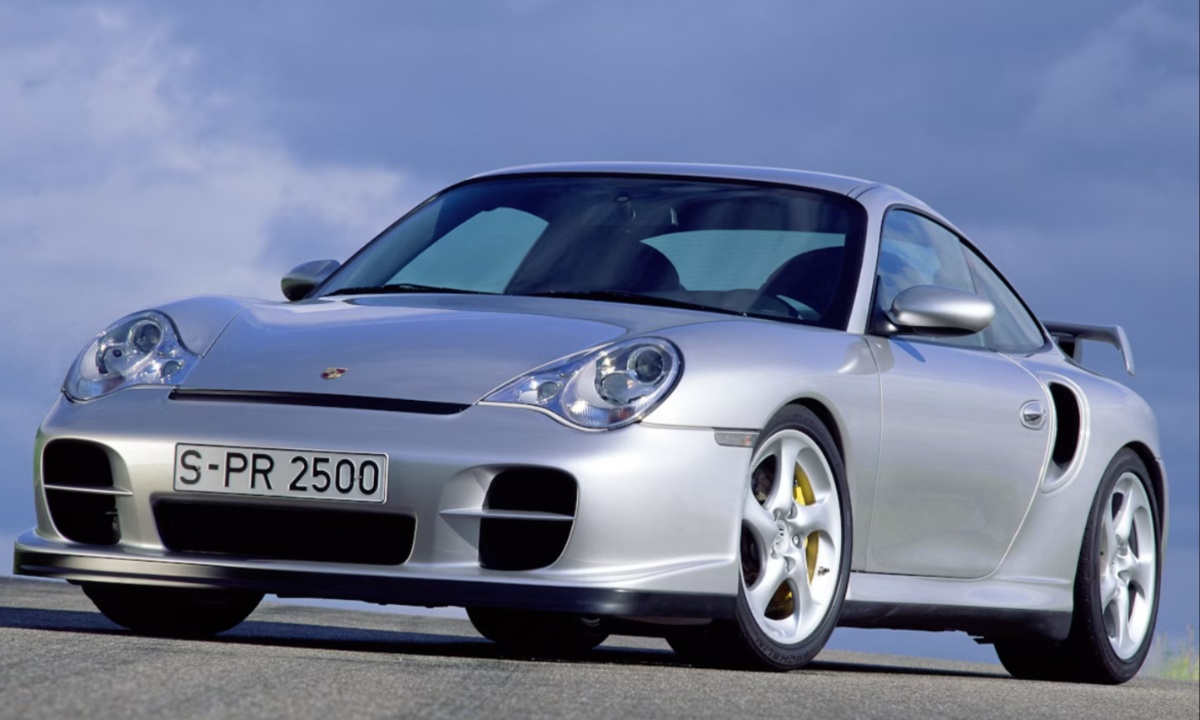
1. 1999–2004 Porsche 911 (996): The First Water-Cooled 911
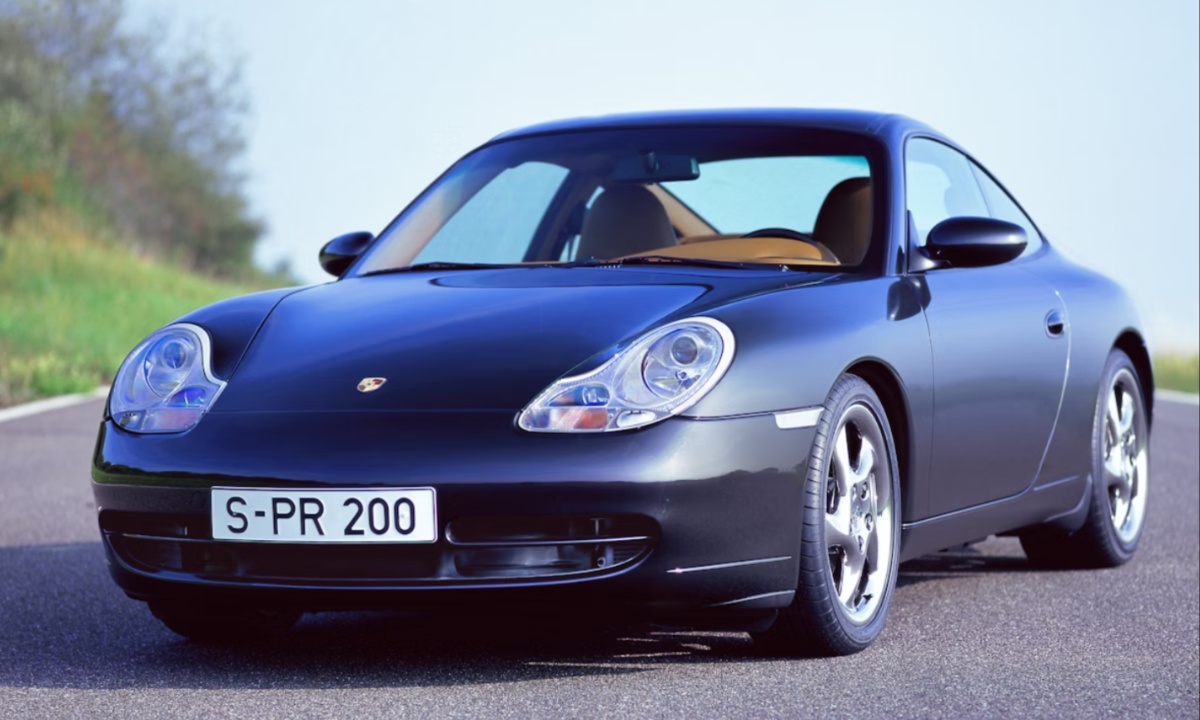
The 1999 model year marked a major turning point for Porsche with the introduction of the 996-generation 911, the brand’s first water-cooled model. Powered by a 3.4-liter flat-six engine producing 296 hp and 258 lb-ft of torque, the car could accelerate from 0 to 60 mph in around 5.0 seconds.
This generation replaced the air-cooled engines that had defined the 911 for over three decades, introducing a more conventional cooling system while expanding the model’s size, luxury, and technological offerings, including an optional CD-ROM-based navigation system.
While innovative, the 996 was initially polarizing. Its most controversial feature was its headlight design, which integrated turn signals and fog lights into a shape many enthusiasts found unattractive.
Despite this, the 996 delivered refined handling and thrilling performance, laying the foundation for future 911 generations. Early models are now recognized for offering modern reliability at a relatively affordable entry point for classic 911 ownership.
Several factors contribute to the 996’s emerging collectible status. Being the first water-cooled 911, it occupies a unique place in the model’s evolutionary history, bridging the gap between the revered air-cooled era and the more contemporary 997.
Initially undervalued, the 996 was overshadowed by its predecessors and successors, earning the nickname “sleeper” among enthusiasts. Today, well-maintained examples with low mileage, original parts, and complete service records are increasingly sought after.
Market trends have further enhanced its appeal. The rising value of air-cooled 911s has created a ripple effect, boosting interest in early water-cooled models. Specific variants, particularly the Carrera 4S and Turbo, are highly desirable due to their performance, features, and reliability, especially the 1999 models with the dual-row IMS bearing.
Recent shortages in new cars have also driven buyers to the used market, increasing demand for 996s. Once underappreciated, the 1999–2004 Porsche 911 is now recognized as a significant, modern classic offering both collectible potential and accessible entry into the 911 legacy.
2. 1984–2001 Jeep Cherokee (XJ): The Original Family SUV
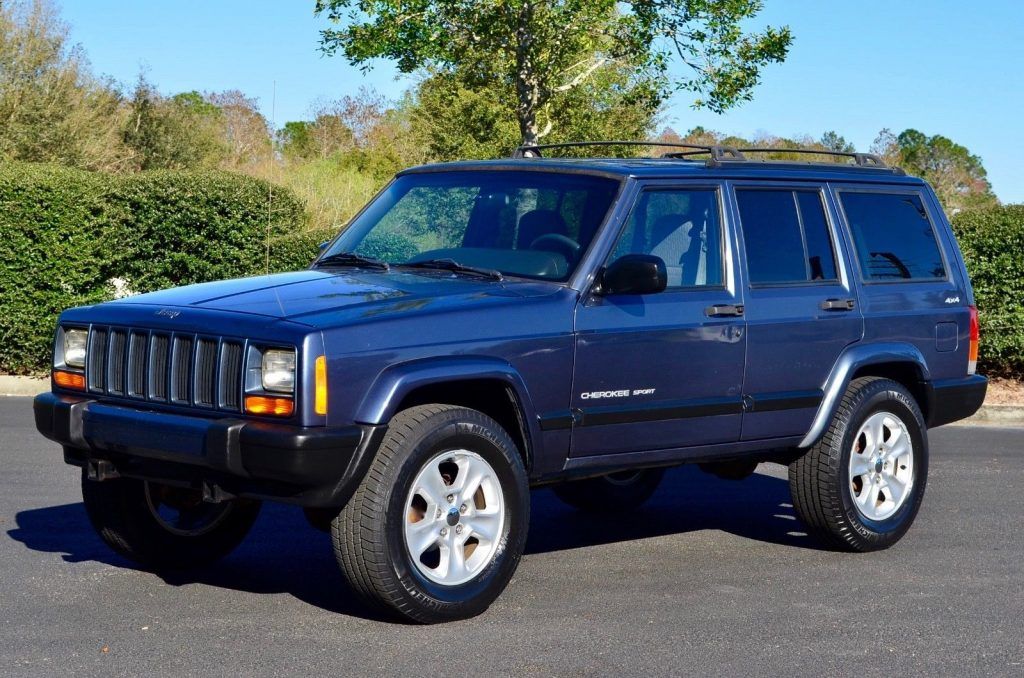
The Jeep Cherokee XJ, produced from 1984 to 2001, redefined the SUV segment, bringing off-road capability into suburban driveways with a practical, four-door design. Powered by a 4.0-liter inline-six engine producing 190 hp and 225 lb-ft of torque, the Cherokee accelerated from 0 to 60 mph in roughly 9.5 seconds.
Its combination of manageable size, torquey engine, and versatile interior made it more appealing than larger, less practical competitors like the Ford Bronco II or Chevrolet Blazer S-10.
Although Jeep initially planned to phase out the Cherokee after the Grand Cherokee’s 1993 debut, strong popularity kept the XJ in production until 2001.
Enthusiasts particularly value models with the 4.0-liter six-cylinder engine, with debate often centering on styling: the 1984–1996 models featuring chrome bumpers versus the 1997–2001 facelift with a more car-like interior. The enduring influence of the XJ is evident even in Jeep’s upcoming 2026 Cherokee.
Several factors have contributed to the Cherokee XJ’s rising collectible status. Its iconic design, boxy, functional, and minimalist, helped popularize the modern compact SUV and continues to resonate with those nostalgic for the 1980s and 1990s.
The Cherokee’s mechanical simplicity, especially the durable 4.0-liter inline-six engine, makes it easy to maintain, modify, and repair, with abundant aftermarket and junkyard parts keeping ownership affordable.
Off-road capability further solidifies its legendary reputation. The lightweight unibody, robust straight axles, and true four-wheel-drive system provide nimble handling and reliable performance on trails. Its versatility as a daily driver and capable off-roader earned it the nickname of the original “sportwagon,” balancing practicality with adventure.
Supply and demand dynamics also play a role in its collectibility. Production ended in 2001, and surviving examples, particularly clean, low-mileage, unmodified vehicles, are increasingly scarce. Enthusiast interest, especially among Gen-X and Millennial collectors seeking Radwood-era vehicles, has driven up prices, with some XJs now fetching well above their original MSRP.
Once considered a utilitarian, disposable vehicle, the 1984–2001 Jeep Cherokee has transitioned into a sought-after classic. Its timeless design, legendary reliability, and off-road prowess now ensure the XJ holds a permanent place in SUV history and the hearts of collectors.
3. 2004–2006 Pontiac GTO: The American-Australian Muscle Car
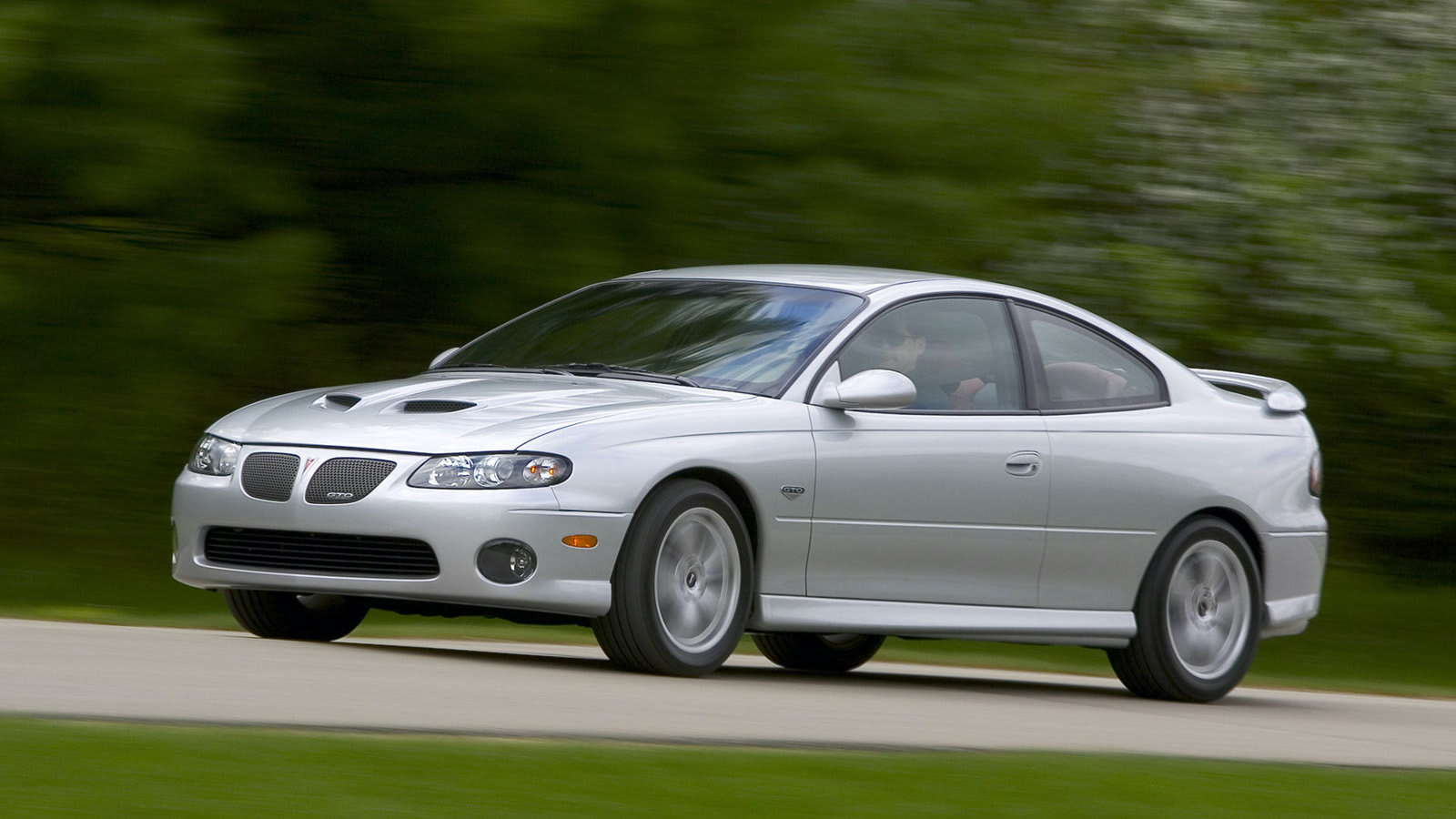
The 2004–2006 Pontiac GTO stands out as a modern muscle car with a unique twist: while branded as an American icon, it was designed, developed, and built by General Motors’ Australian subsidiary, Holden.
Powered initially by a 5.7-liter LS1 V8 producing 350 hp and 365 lb-ft of torque, the 2005–2006 models received a 6.0-liter LS2 V8 rated at 400 hp, enabling sub-5-second 0–60 mph times and a 13.1-second quarter-mile.
With rear-wheel-drive handling, potent Corvette-derived powertrains, and an understated design, the GTO offered enthusiasts a “sleeper” performance experience unlike anything else in GM’s American lineup.
Although its styling derived from the Holden Monaro was initially polarizing, the GTO’s combination of performance, rarity, and historical significance has fueled its emergence as a collectible.
Only 40,808 units were produced in North America over three model years, and many have since been modified, crashed, or otherwise lost, making clean, low-mileage examples increasingly scarce. This scarcity, combined with its high-performance credentials, has driven demand among collectors and enthusiasts.
Several factors contribute to the GTO’s collectibility. Its LS-series engines, widely regarded for durability and aftermarket support, offer impressive performance and tuning potential, yet the stock examples remain rare due to modifications over the years. The car’s status as Pontiac’s last performance coupe before the brand’s 2010 discontinuation adds historical significance, making it a key chapter in Pontiac’s legacy.
The GTO’s initial “sleeper” reputation an understated exterior hiding immense performance, has become a defining appeal. Unlike contemporaries with retro-inspired or flamboyant styling, the GTO’s clean, European-influenced lines now attract enthusiasts who appreciate subtlety combined with muscle.
Market values reflect this shift: low-mileage, unmodified examples increasingly sell for prices exceeding their original sticker price, with auction results and expert authorities like Hagerty noting steady appreciation.
In short, the 2004–2006 Pontiac GTO offers a rare combination of history, performance, and uniqueness. Its limited production, potent Corvette-derived engines, sleeper design, and status as Pontiac’s final muscle car make it a modern classic with both collectible potential and enduring appeal among American and Australian muscle car enthusiasts alike.
4. 2013 BMW 135is: BMW at Its Peak
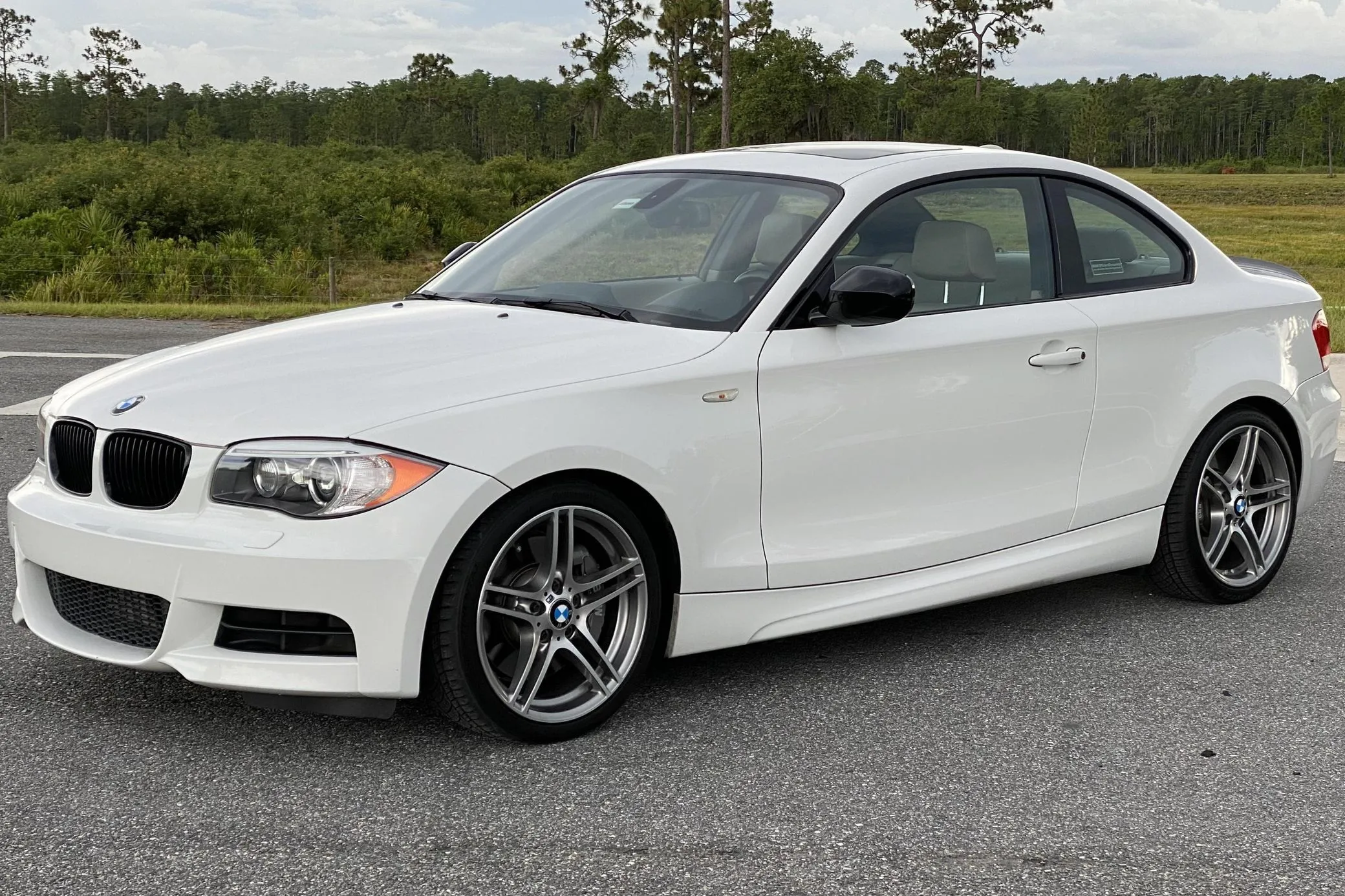
The 2013 BMW 135is represents the swan song of the E82 1 Series coupe in North America, bridging the gap between the sporty 135i and the rare 1 Series M Coupe. Powered by a 3.0-liter turbocharged inline-six producing 320 hp and 317 lb-ft of torque, the 135is can sprint from 0 to 60 mph in 4.6 seconds.
It came with either a six-speed manual or a dual-clutch automatic and featured a model-specific M Sport package, sports suspension, unique 18-inch alloy wheels, and a free-flowing exhaust that added a satisfying growl. Available in coupe and convertible forms, it was a driver-focused, limited-production car aimed squarely at enthusiasts.
The 135is has grown collectible due to its rarity, performance, and position as one of BMW’s last compact, rear-wheel-drive models with a potent inline-six before the brand shifted to smaller-displacement turbocharged engines.
Its one-year-only North American production run makes it inherently scarce, with relatively low numbers increasing its appeal among enthusiasts seeking a driver-oriented BMW at a lower cost than the more exclusive 1M Coupe.
Performance and driving dynamics are core to the 135is’s appeal. The upgraded engine provided 20 more horsepower than the standard 135i, while the sport suspension, sport exhaust, and precise handling delivered an engaging, rear-wheel-drive experience.
It offered a taste of the 1M Coupe’s performance without the extreme price tag, making it an accessible “under the radar” option for collectors and driving enthusiasts.
The 135is also carries a “last of its kind” significance. It represents the pinnacle of the E82 1 Series formula: simple, high-power, rear-wheel-drive dynamics in a compact car. Its blend of rarity, enhanced performance, and analog driving feel ensures that it holds a special place in BMW’s modern performance history.
For collectors, it provides a more affordable entry into BMW’s performance lineage while delivering a genuine, engaging driving experience that is increasingly rare in today’s turbocharged, electronically assisted compact cars.
The 2013 BMW 135is stands out as a limited-production, driver-focused model that combines scarcity, performance, and historical significance. It offers enthusiasts the thrill of BMW’s inline-six driving experience at a relative bargain, making it a standout modern classic.
5. 2017–2023 Toyota Tacoma TRD Pro: The Off-Roader’s Dream Truck
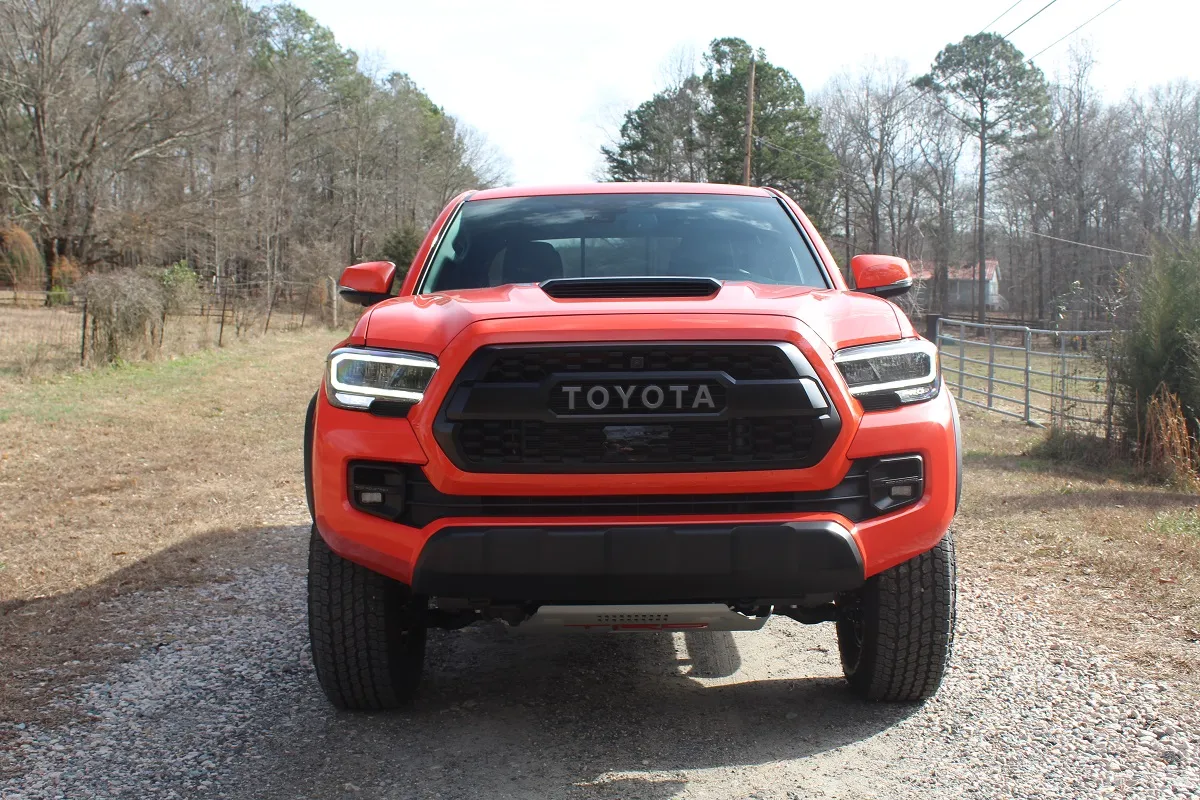
The 2017–2023 Toyota Tacoma TRD Pro represents the pinnacle of Toyota’s midsize pickup trucks, combining rugged off-road capability with reliability and a growing collectible appeal.
Powered by a 3.5-liter V6 engine producing 278 hp and 265 lb-ft of torque, the TRD Pro delivers strong performance and is equipped with specialized off-road enhancements, including Fox Racing internal-bypass shocks, Eibach coil springs, and other suspension upgrades designed to tackle rocks, desert trails, and rough terrain.
With a 0–60 mph time of around 4 seconds, it balances practicality with performance for enthusiasts who demand more than just a daily driver.
One factor enhancing its collectibility is Toyota’s tradition of introducing a unique paint color for each model year, from Cement in 2017 to Lime Rush in 2022, creating a visual and historical appeal for enthusiasts and collectors. These limited-color editions, combined with the TRD Pro’s specialized features, set it apart from standard Tacomas.
The Tacoma’s reputation for durability and mechanical reliability is central to its desirability. Known for high resale values and longevity, these trucks are often preserved by enthusiasts who value both daily usability and off-road capability.
The TRD Pro trim, in particular, attracts attention for its performance-focused enhancements, making it one of the most sought-after Tacoma variants.
Supply and demand dynamics further contribute to its collectible status. Production constraints, coupled with a strong enthusiast following, have kept resale prices high, sometimes approaching original new-vehicle prices for well-maintained examples. This trend has created a “cult-like” following among collectors who prioritize rugged performance, reliability, and unique styling.
The combination of off-road specialization, limited-color editions, strong mechanical reliability, and a loyal fanbase ensures that the 2017–2023 Toyota Tacoma TRD Pro is not just a capable truck but a desirable collectible. Its blend of performance, durability, and visual uniqueness has cemented its place among enthusiasts and signals long-term value as a modern classic in the midsize truck segment.
Also Read: 10 Cars With the Cheapest Replacement Parts
6. 2012–2019 Fiat 500 Abarth: A Snarling, Snorting Pocket Rocket
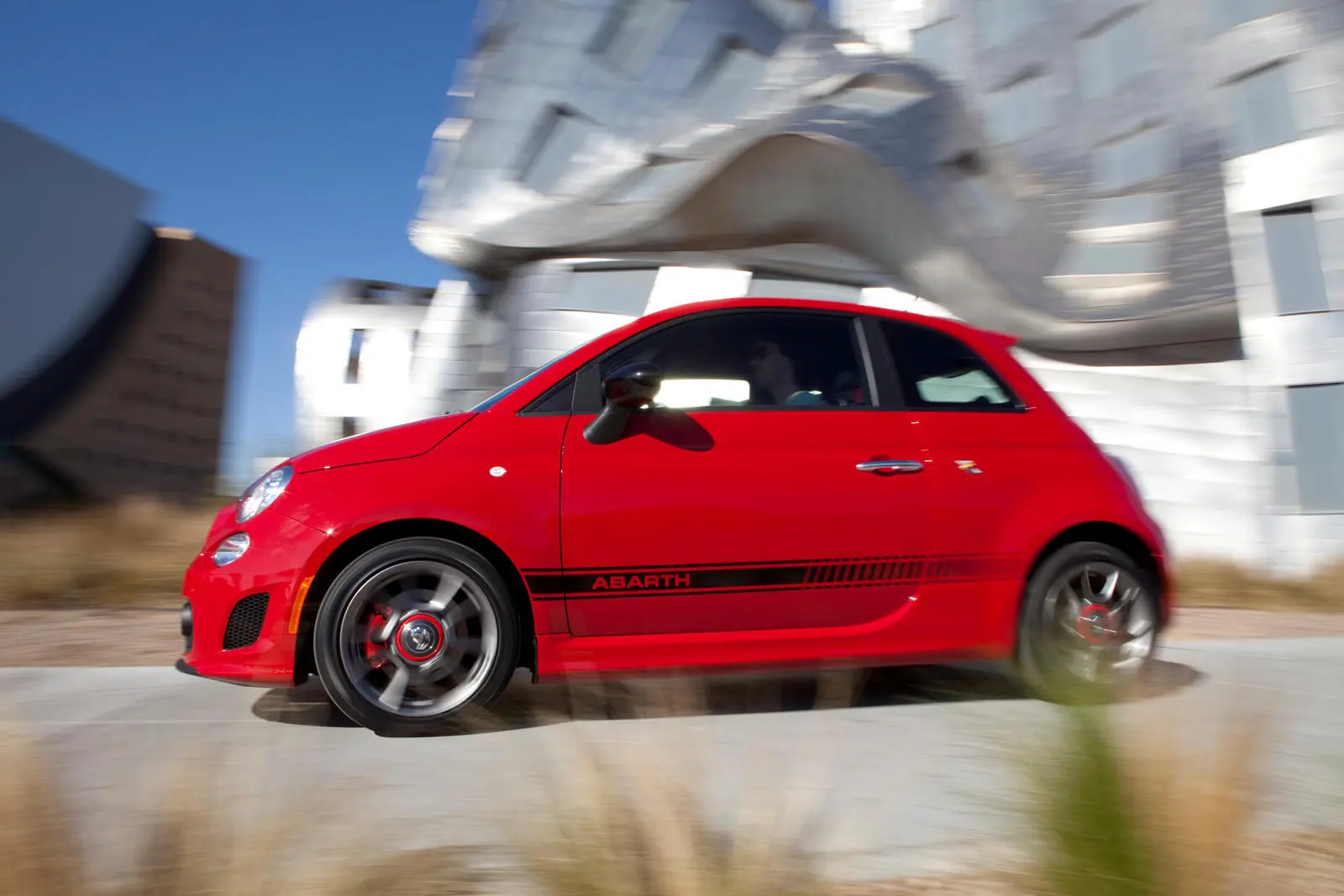
The 2012–2019 Fiat 500 Abarth transformed the small, city-friendly 500 into a spirited, driver-focused hot hatch. Powered by a 1.4-liter turbocharged inline-four producing 160 hp and 170 lb-ft of torque, it could accelerate from 0 to 60 mph in 7.3 seconds.
Lightweight and nimble, weighing around 2,600 pounds, the Abarth delivered an engaging driving experience enhanced by a firm, specially tuned suspension and a famously loud, crackling exhaust.
It was offered in both hardtop and retractable-roof semi-convertible configurations, with either a five-speed manual or six-speed automatic transmission, the latter slightly boosting torque and improving acceleration.
The 500 Abarth is gaining recognition as a collectible due to its unique combination of Italian style, playful performance, and limited production. It represents one of the last affordable, front-wheel-drive Italian roadsters on the market, a niche unlikely to be repeated.
Its bold, distinctive exhaust note, which snaps, crackles, and pops under acceleration, has become a signature feature that attracts enthusiasts and media attention alike.
Styling and heritage are central to the Abarth’s appeal. Its sporty Italian design, compact dimensions, and retro charm give it a distinctive presence among modern small performance vehicles. Enthusiasts value its agile handling and lively character, which make it fun to drive in urban environments or on twisty roads.
Low production numbers compared with the prevailing SUV market increase its rarity, while strong enthusiast interest in its sound, design, and driving dynamics contribute to rising desirability. Although small cars often depreciate quickly, the 500 Abarth’s niche appeal and “last-of-its-kind” status suggest potential value stabilization and even appreciation over time.
The 2012–2019 Fiat 500 Abarth offers a compact, lively, and characterful driving experience. Its combination of Italian styling, unique exhaust, limited production, and fun-to-drive nature positions it as a modern classic, appealing to collectors and enthusiasts seeking a distinctive small-performance car with both personality and charm.
7. 1993–1995 Mazda RX-7: A Rotary-Powered Touring Car
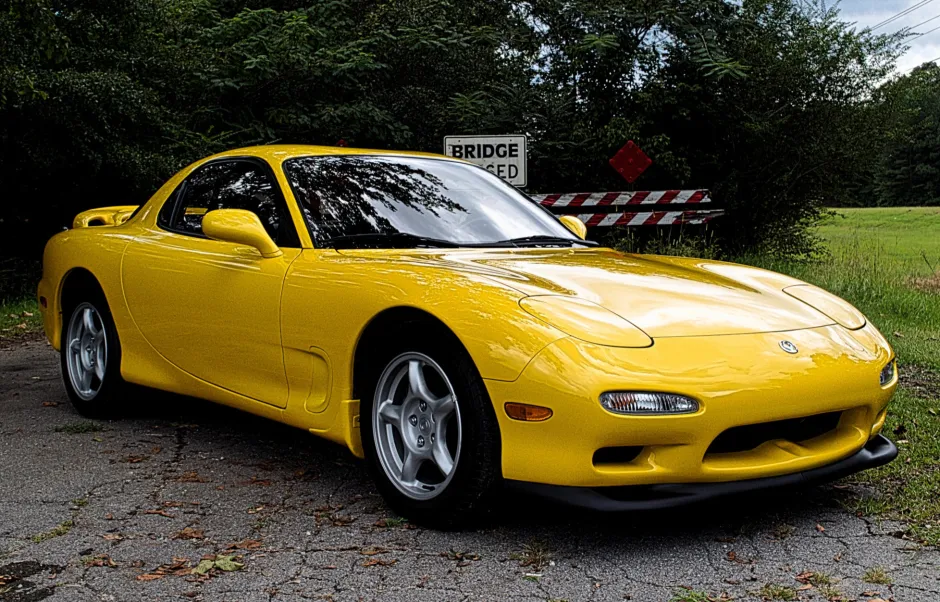
The 1993–1995 Mazda RX-7, known as the FD among enthusiasts, represented the final and most refined generation of Mazda’s legendary rotary-powered sports car. With its lightweight 2,800-pound chassis, near-perfect weight distribution, and a twin-turbocharged 1.3-liter rotary engine producing 255 hp and 217 lb-ft of torque, the RX-7 could sprint from 0 to 60 mph in just 5 seconds.
The FD balanced stunning design with performance, offering sharp handling, high-revving thrills, and surprising practicality with usable cargo space and a comfortable cabin. Later model years softened the suspension slightly, improving ride quality while maintaining the car’s razor-sharp dynamics.
Despite its performance credentials, the RX-7 struggled with sales in the U.S., largely due to its unconventional rotary engine and high price point.
Mazda sold fewer than 15,000 units between 1993 and 1995, making the FD generation a rare sight on American roads. Today, its scarcity, combined with its reputation as one of the most iconic Japanese sports cars of the 1990s, has transformed it into a highly desirable collectible.
Several factors contribute to its appeal. The RX-7’s design is often regarded as one of the most beautiful sports car shapes of its era, with timeless, flowing lines that remain striking decades later. The Wankel rotary engine, though maintenance-intensive, is central to its identity, offering a unique driving experience unmatched by conventional piston engines.
The FD also holds a special place in car culture. Alongside peers like the Toyota Supra and Acura NSX, it represents the golden age of Japanese sports cars. Its prominent role in tuner culture and appearances in films such as The Fast and the Furious amplified its legendary status, though this popularity has reduced the number of unmodified examples.
Market demand for clean, low-mileage RX-7s has surged, with pristine examples commanding significant premiums at auctions. Stock, well-maintained cars are particularly prized, as many have been modified or neglected over the years.
The 1993–1995 RX-7 remains a symbol of innovation and style, blending lightweight engineering, balanced performance, and exclusivity. Its rarity and cultural impact ensure its place as one of the most collectible Japanese sports cars ever built.
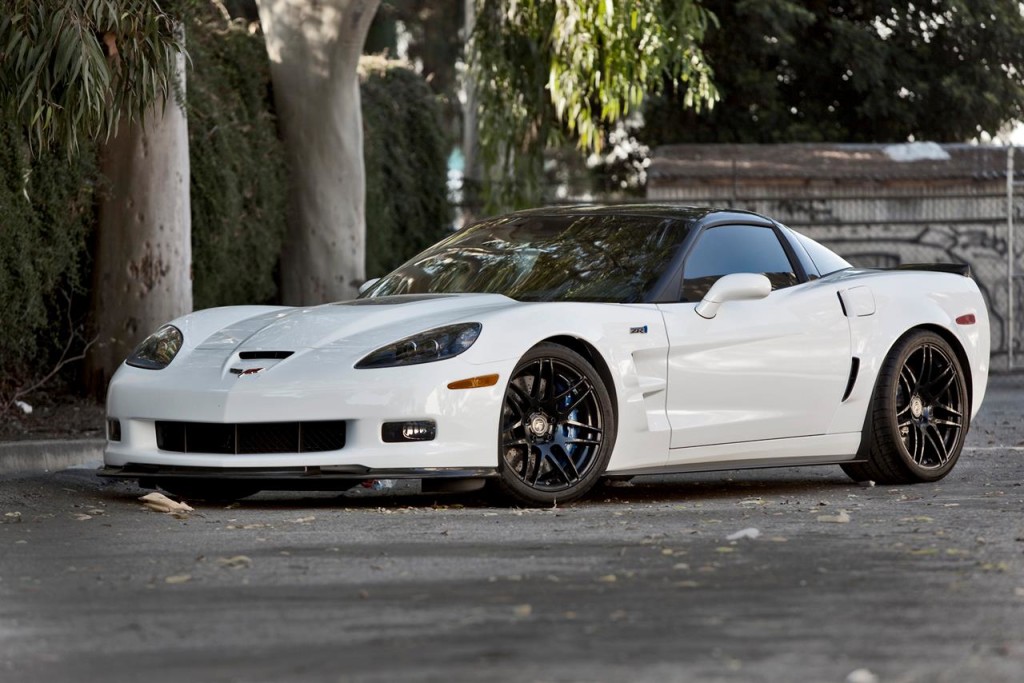
8. 2005–2013 Chevrolet Corvette: The Modern Performance ’Vette
The sixth-generation Chevrolet Corvette, produced from 2005 to 2013, marked an important step in the evolution of America’s sports car. Retaining the classic long-hood, short-deck proportions, the C6 introduced exposed headlights for the first time in decades and sharpened both design and performance.
Standard models came equipped with a 6.0-liter V8 producing 400 hp and 400 lb-ft of torque, enabling a 0–60 mph sprint in just 4.3 seconds. The lineup offered something for nearly every enthusiast, from base coupes and convertibles to track-focused editions like the Z06 and Grand Sport.
Performance was a central focus. The Grand Sport brought bigger brakes, forged alloy wheels, and a firmed-up suspension, while models with the 6-speed manual transmission received a special dry-sump version of the larger 6.2-liter V8.
The high-performance Z06, powered by the 7.0-liter LS7, and the supercharged ZR1 represented the pinnacle of the C6’s engineering, delivering world-class capability that rivaled far more expensive exotics.
Collectibility is rising for several reasons. The most notable is the 2020 shift to the mid-engine C8 Corvette, which sparked renewed interest in the C6 as one of the last traditional front-engine, rear-wheel-drive Corvettes.
This connection to heritage has made it especially desirable for enthusiasts seeking a modern yet classic Corvette experience. Special editions, such as the 60th Anniversary and Centennial models, further add to its appeal with their exclusivity and unique styling touches.
The C6 also benefits from its reputation as a reliable and well-engineered sports car. Its blend of everyday usability, relative affordability, and outstanding performance makes it accessible compared to its European rivals, while still offering an engaging driving experience.
Market trends suggest a growing collector base, with buyers drawn to the C6’s balance of modern refinement and traditional Corvette character. Among the most sought-after models are the Grand Sport, Z06, and limited-edition trims, though even standard models represent an attractive entry point into Corvette ownership.
As the Corvette world transitions further into the mid-engine era, the C6 stands out as a modern classic that captures the spirit of the front-engine Corvette legacy while offering timeless performance.
9. 2018–2020 Jaguar XF Sportbrake: The Connoisseur’s Wagon
The Jaguar XF Sportbrake, offered in the U.S. from 2018 to 2020, was a rare and elegant entry in the luxury wagon market. While based on the XF sedan, the long-roof Sportbrake combined sleek styling with genuine practicality, providing ample cargo space without compromising the brand’s sporting character.
With sport-oriented bumpers, adaptive dampers, and distinctive interior trim, every model was positioned at the top of Jaguar’s range.
At its heart, the Sportbrake featured Jaguar’s 3.0-liter supercharged V6 engine in “S” trim, delivering strong performance to match its refined design. With a blend of agility, comfort, and utility, it appealed to drivers who wanted a luxury vehicle capable of spirited driving while still handling family or travel needs.
Its distinctive profile stood out among the sea of SUVs that dominated the market, making it a rare choice for enthusiasts seeking individuality.
Collectibility is driven first and foremost by scarcity. Fewer than 250 units were sold in the U.S. over three years, giving the XF Sportbrake production numbers comparable to some exotic supercars. This extremely limited availability, combined with its stylish presentation and robust performance, has made it a highly desirable modern classic.
The model also carries historical weight. It represents the final station wagon sold by Jaguar in the United States, closing the chapter on the brand’s presence in a segment once dominated by European manufacturers. For collectors, this “end of an era” status enhances its significance and ensures continued attention as time passes.
Initially overlooked when new, the XF Sportbrake has grown into a “sleeper” collectible. Its combination of luxury, rarity, practicality, and performance places it in a niche all its own, appealing to those who appreciate understated vehicles with depth of character.
Today, the XF Sportbrake stands as a distinctive choice for enthusiasts who value rarity and refinement. Its scarcity, unique design, and place in Jaguar’s history make it one of the most intriguing and collectible luxury wagons of the modern era.

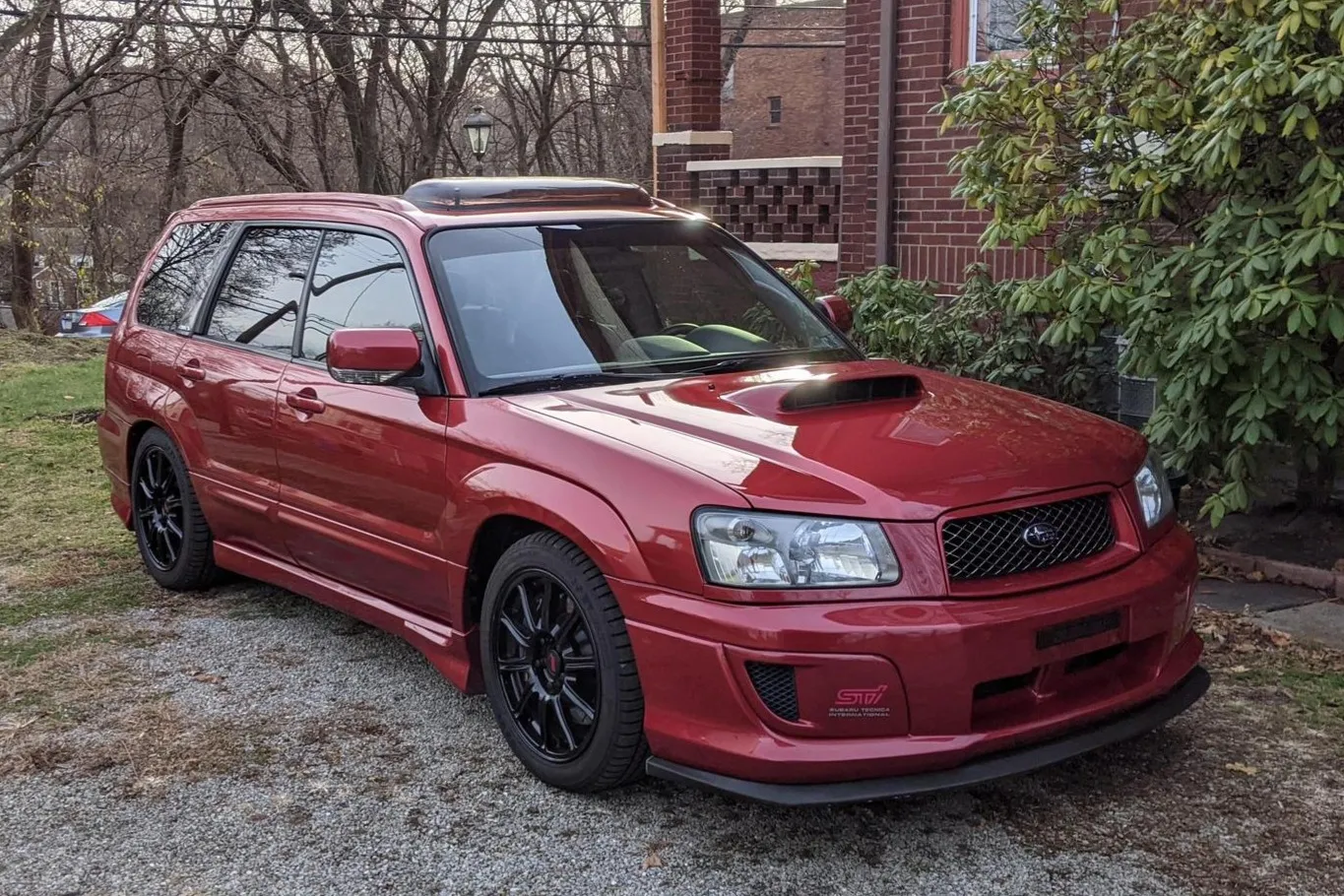
10. 2004 to 2008 Subaru Forester XT: Utility + Turbo = Yes, Please
Subaru struck a perfect balance between practicality and performance with the Forester XT, introduced in 2004. On the surface, it looked like a compact, family-friendly crossover, but underneath, it carried the heart of a rally car. With its turbocharged flat-four and standard all-wheel drive, the XT delivered speed and grip that belied its wagon-like shape.
The early 2004 to 2005 models shared an engine block nearly identical to that of the WRX STi, offering huge tuning potential for enthusiasts. Even in stock form, the XT delivered 210 horsepower, 235 lb-ft of torque, and a 0 to 60 time in the mid-six-second range, figures that made it one of the quickest crossovers of its era.
By 2006, Subaru added the Forester XT Sports model, which leaned further into the brand’s rally DNA with body cladding and exclusive styling touches. Japanese buyers even got a full-blooded STi version, a unicorn for fans outside that market.
Its design has aged remarkably well. Boxy and compact compared to today’s bulkier SUVs, the second-generation Forester combined retro wagon proportions with everyday usability. Excellent visibility, a low lift-over height, and a roomy interior made it practical in ways few modern crossovers can match. The XT embodied Subaru’s “form follows function” ethos without sacrificing charm.
What makes the Forester XT collectible today is the way it blends performance with utility. It’s not just quick, it’s engaging to drive, with the raw character of Subaru’s turbo EJ-series engines and the confidence of Symmetrical All-Wheel Drive. Enthusiasts especially covet the manual-transmission models, which are becoming increasingly rare.
Beyond the hardware, the XT benefits from Subaru’s strong community and growing nostalgia for 2000s Japanese cars. The model’s dual identity capable family hauler and stealth performance machine, has created a cult following. For many, it represents Subaru at its best: rugged, reliable, and fun, long before crossovers became soft and tech-heavy.
Today, clean, unmodified examples are difficult to find, as many have been modified or driven hard. Those that remain stock are now recognized as modern classics: practical, powerful, and unmistakably Subaru.
Collectibility is often about more than rarity. It is about character, heritage, and the cultural impact a vehicle leaves behind. The cars on this list demonstrate that affordability and desirability are not mutually exclusive.
From sports cars and off-roaders to luxury wagons and compact hot hatches, each model reflects a unique blend of practicality, performance, and personality that has elevated its status in recent years.
For enthusiasts, these vehicles represent opportunities to own a piece of automotive history without venturing into six-figure price tags. For collectors, they are proof that the next wave of classics is not always the most obvious choice.
As values rise and clean examples grow harder to find, these once-overlooked cars remind us that the collectible market thrives on rediscovery. If you are searching for a modern classic with investment potential and everyday appeal, these 10 affordable cars are proof that hidden gems still exist.
Also Read: 5 Cars That Still Run Strong After Abandonment vs 5 That Don’t
