
When it comes to cars, few things inspire more confidence than knowing the engine under the hood is both powerful and reliable.
For decades, American buyers have balanced their desire for horsepower with their need for durability, often consulting the opinion of mechanics who see firsthand which engines hold up and which ones don’t.
In 2025, as the automotive world navigates the transition from traditional combustion power to hybrid and electric-assisted drivetrains, a surprising number of new engines are winning praise from professional mechanics across the United States.
These aren’t just high-performance motors for enthusiasts; they’re the workhorses that technicians expect to last well beyond their warranty periods while still delivering strong performance and efficiency.
From new-generation turbocharged four-cylinders to reengineered V8s and hybrid-friendly powerplants, these 12 engines are quickly becoming standouts in American shops and garages. Here’s a look at the 12 new engines that mechanics swear by in 2025, and why they matter.
1. Toyota 2.4L Turbocharged I4 (T24A-FTS)
Toyota has built its reputation on reliability, and its latest turbocharged four-cylinder proves the brand isn’t losing its touch even as emissions standards tighten.
Found in vehicles like the Toyota Tacoma and Highlander, the 2.4L turbo replaces the long-running V6 but still offers strong towing performance and surprising fuel economy.
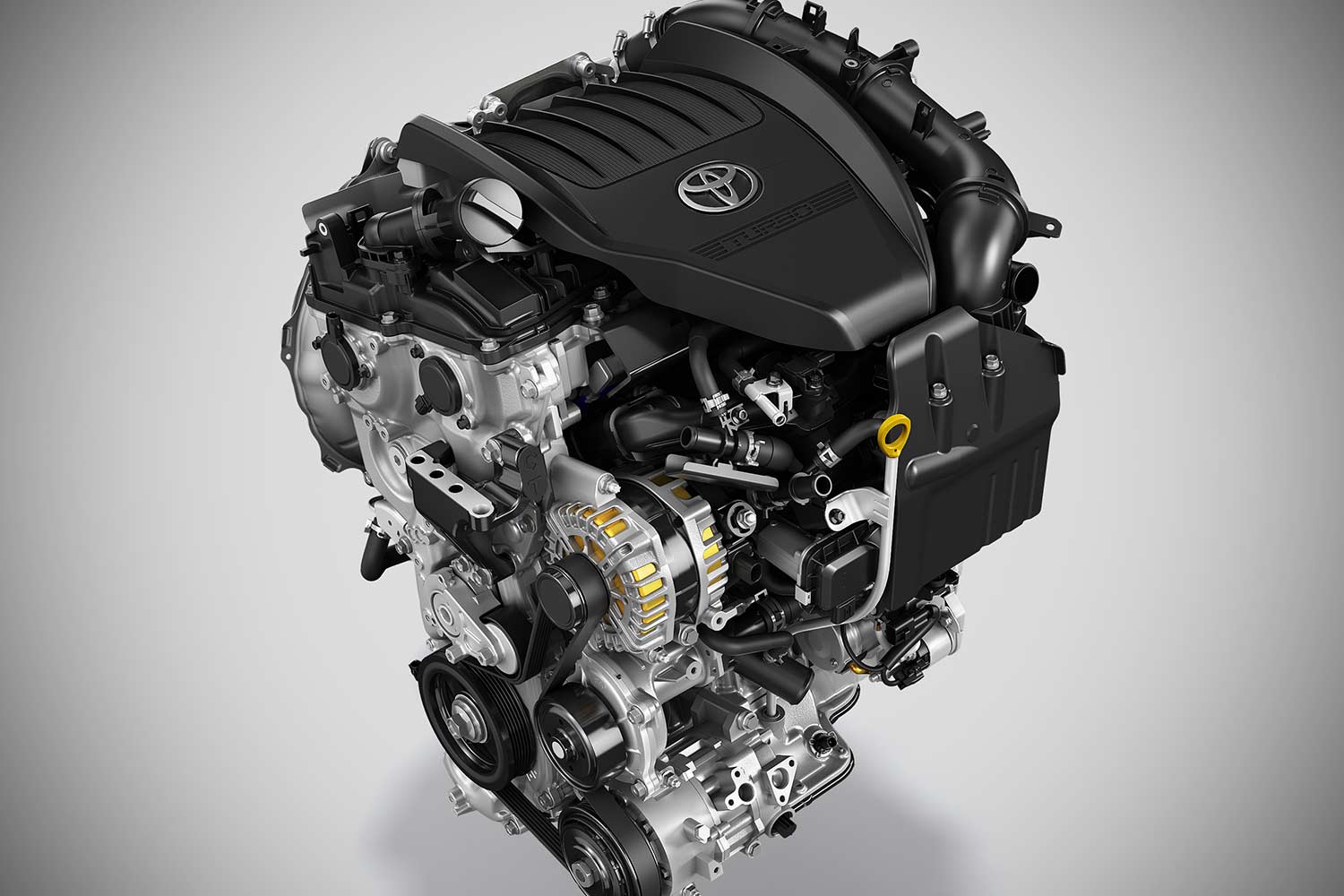
Mechanics love its simple layout, smart cooling design, and the fact that it doesn’t have the carbon buildup issues seen in some competing direct-injected engines.
It’s expected to easily surpass 200,000 miles with regular service, making it one of 2025’s most respected new powerplants.
2. Honda 2.0L Atkinson-Cycle Hybrid Engine (paired with e:HEV)
Honda’s hybrid system continues to impress U.S. mechanics, particularly in the Accord and CR-V, where the 2.0L Atkinson-cycle four-cylinder pairs seamlessly with an electric motor.
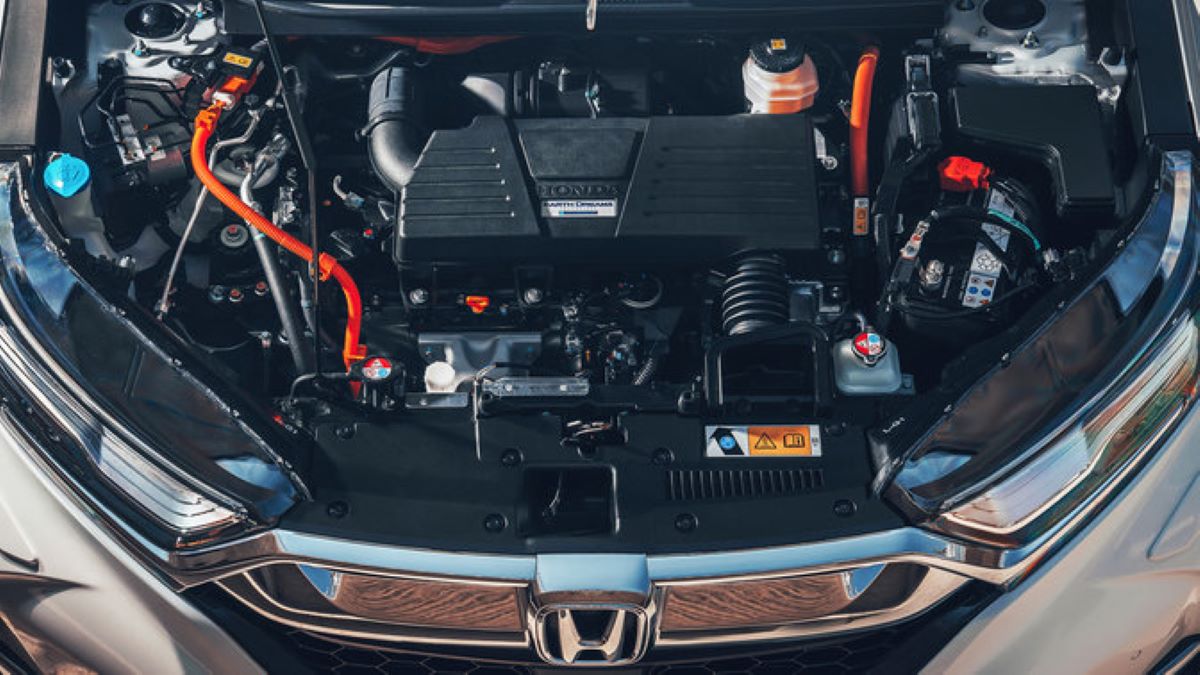
While some hybrids have historically been tough to work on, Honda’s unit has proven relatively simple, with durable components and fewer transmission failures compared to CVT-heavy competitors.
Mechanics highlight its real-world fuel efficiency often outperforming EPA estimates and its lack of chronic issues, a rare thing in modern hybrids.
3. Ford 3.0L Power Stroke Diesel V6 (Next-Gen)
Diesel engines remain a favorite among truck buyers, and Ford’s latest 3.0L Power Stroke is earning serious respect in 2025. Upgraded for improved emissions compliance without sacrificing durability, the new Power Stroke has shown fewer issues with DEF (diesel exhaust fluid) systems, which plagued earlier generations.
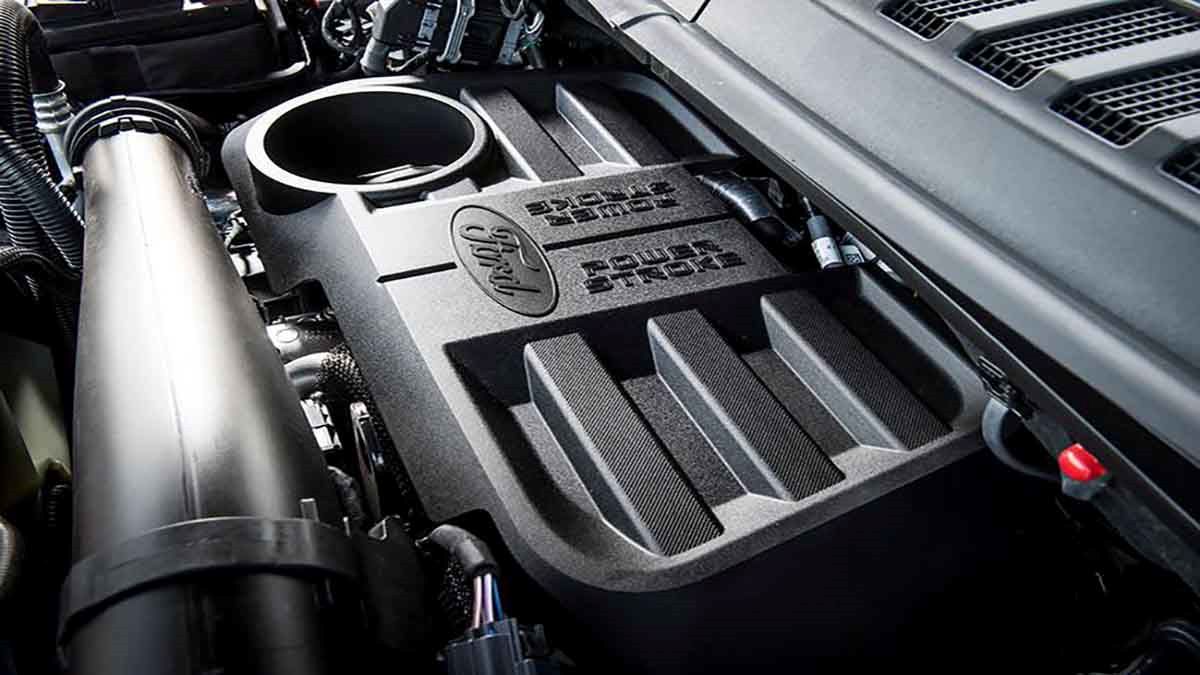
Mechanics note its strong torque, excellent towing performance in the F-150, and a reputation for lasting well past 300,000 miles with proper care. For truck owners who plan on keeping their pickups long-term, this diesel has quickly become a top recommendation.
4. GM 6.2L LT2 V8 (Updated for 2025)
The Corvette Stingray’s LT2 V8 isn’t just a performance icon; it’s also impressing mechanics with its reliability.
Unlike some exotic engines that demand constant upkeep, GM’s 6.2L small-block V8 continues the company’s tradition of building bulletproof pushrod powerplants.
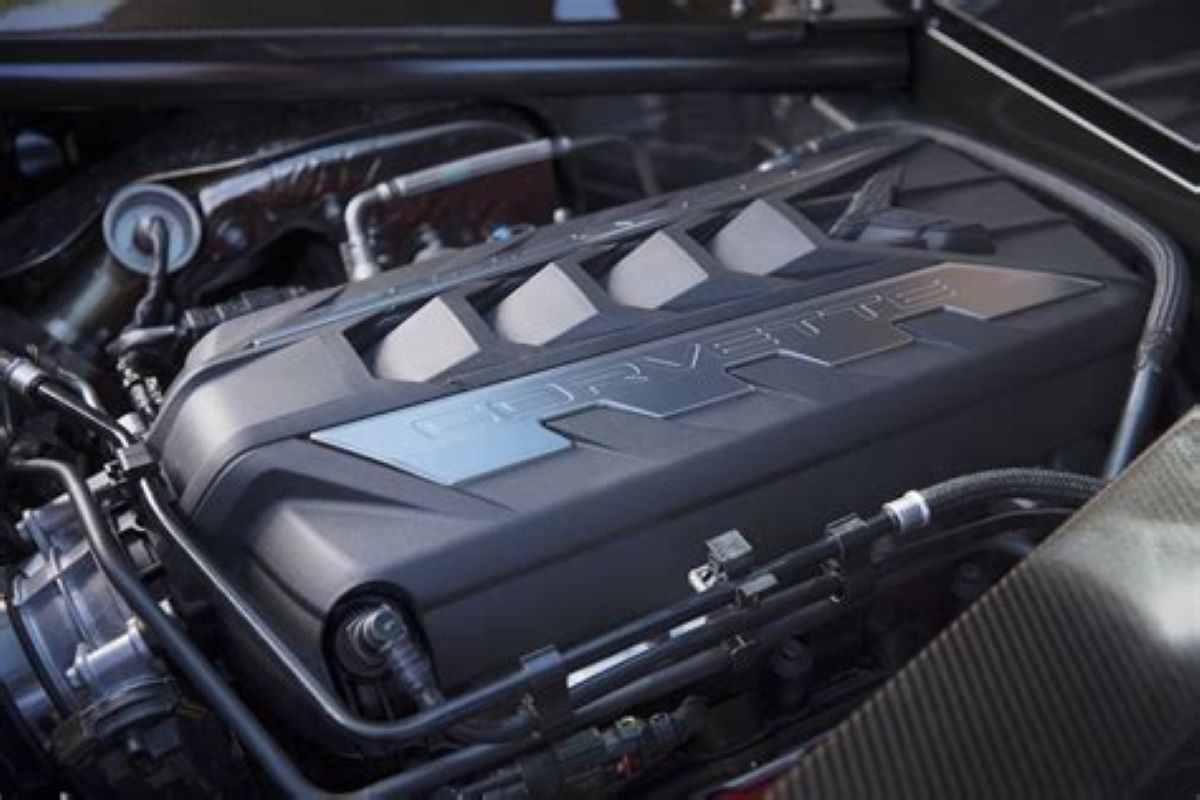
With direct injection improvements and updated cylinder deactivation technology, the LT2 balances raw power with surprising efficiency.
Shops across the U.S. report fewer issues than rival European V8s, making it one of the most respected engines in the performance car world.
5. Hyundai Smartstream 1.6L Turbo Hybrid
Hyundai has worked hard to shed its old reputation, and mechanics are noticing how far the company has come.
The 1.6L turbo hybrid engine, paired with an electric motor in models like the Tucson and Santa Fe, is proving extremely durable while still offering spirited performance.
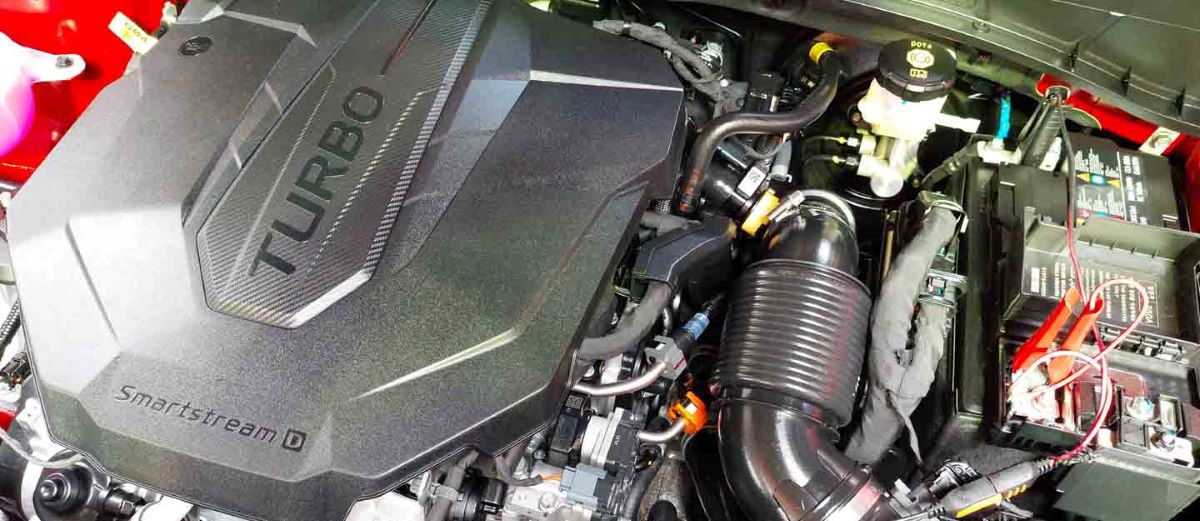
Hyundai improved cooling channels, reinforced the timing chain, and engineered smarter turbocharging to avoid the oil starvation issues seen in some older designs. Many U.S. mechanics are now ranking this engine as one of the most dependable hybrid units available.
The new Hyundai Tucson SUV comes with two main hybrid versions, and choosing between them can be a bit challenging for buyers. In this discussion, we will focus on the Hyundai Tucson HEV 1.6L Hybrid, which uses a small onboard battery pack, and we’ll examine both its advantages and shortcomings.
The goal is to understand whether this hybrid engine is durable, fuel-efficient, and capable of delivering the performance and reliability that drivers expect. Alongside the hybrid system, we will also take a closer look at the gasoline engine itself.
The 1.6L Turbo Hybrid found in the Tucson is a full hybrid, also referred to as a parallel hybrid. Unlike plug-in hybrids, this system cannot be charged from an external source and does not function as a standalone EV.
Instead, it acts as a bridge between traditional gasoline-powered vehicles and modern electric cars, appealing to drivers who value extended range and easy refueling through conventional gas stations.
At the heart of the setup is the 1.6-liter Smartstream Turbo engine, codenamed G4FT, specifically engineered to operate as part of a hybrid system. This engine works in combination with a single electric motor and a compact battery pack, which keeps costs lower while still offering hybrid efficiency.
The gasoline engine itself is a 1.6-liter turbocharged Smartstream G4FT, introduced in 2020 for hybrid applications. Paired with a 44 kW electric motor, the system produces a combined output of 230 horsepower and 258 lb-ft of torque, delivering respectable performance for a vehicle in this segment.
The GDI direct injection setup incorporates a timing chain, and both the block and cylinder head are constructed from lightweight aluminum. Adding to its efficiency is Hyundai’s advanced CVVD valve control technology, which improves fuel economy and responsiveness compared to many competitors.
The hybrid system relies on a modest 1.49 kWh lithium-ion battery pack, which is known for its durability and relatively low replacement cost. Official fuel economy is rated at around 38 mpg in both city and highway driving, though in real-world conditions this figure can vary.
Power is delivered through a six-speed automatic transmission, and all versions come with standard all-wheel drive. Performance is respectable for an SUV, with a 0 to 60 mph sprint time of approximately 7.9 seconds.
From a driving perspective, the Tucson Hybrid offers an appealing mix of strong torque, solid power, excellent efficiency, and practicality. The partnership between the Smartstream engine and the electric motor delivers smooth performance while keeping fuel consumption low.
However, like any powerplant, it comes with potential drawbacks. Known issues with the 1.6L Hybrid engine include timing chain concerns, a catalytic converter positioned very close to the engine block, and the absence of hydraulic lifters.
Also Read: 5 Cars With Dependable Start-Stop Systems and 5 That Annoy Owners
6. BMW B58 3.0L Turbocharged I6 (2025 Evolution)
While German cars don’t always get the best reputation in American repair shops, BMW’s B58 straight-six is earning glowing reviews. Used in models like the Toyota Supra and BMW M340i, the B58 has become one of the most reliable turbocharged engines on the market.
In its 2025 iteration, BMW refined the cooling system and further reduced turbo lag, all while retaining impressive durability. Mechanics admire how much abuse the B58 can handle, particularly from enthusiasts who regularly tune their cars.
The 2025 BMW X3 M50 marks an important milestone in BMW’s performance SUV range, serving as the successor to the highly praised X3 M40i while introducing the latest version of the B58 engine. Known internally as the B58B30M2, this updated 3.0-liter six-cylinder turbocharged engine benefits from both hardware and software improvements, building upon the already well-regarded performance of previous generations.
The B58 engine first debuted in 2015 as part of BMW’s modular engine family, which standardizes a displacement of 500 cc (30.5 cu in) per cylinder across its lineup.
Today, it remains BMW’s only 3.0-liter six-cylinder turbocharged powerplant and continues to define the brand’s modern performance identity. Key specifications include a bore and stroke of 82.0 mm x 94.6 mm, a total displacement of 2,998 cm³, and a compression ratio of 11.0:1.
The engine delivers a maximum system output of 393 horsepower between 5,200 and 6,250 rpm, with peak torque rated at 428 lb-ft from 1,900 to 4,800 rpm. This results in an impressive output of 131.0 horsepower per liter, underscoring the engine’s blend of efficiency and high performance.
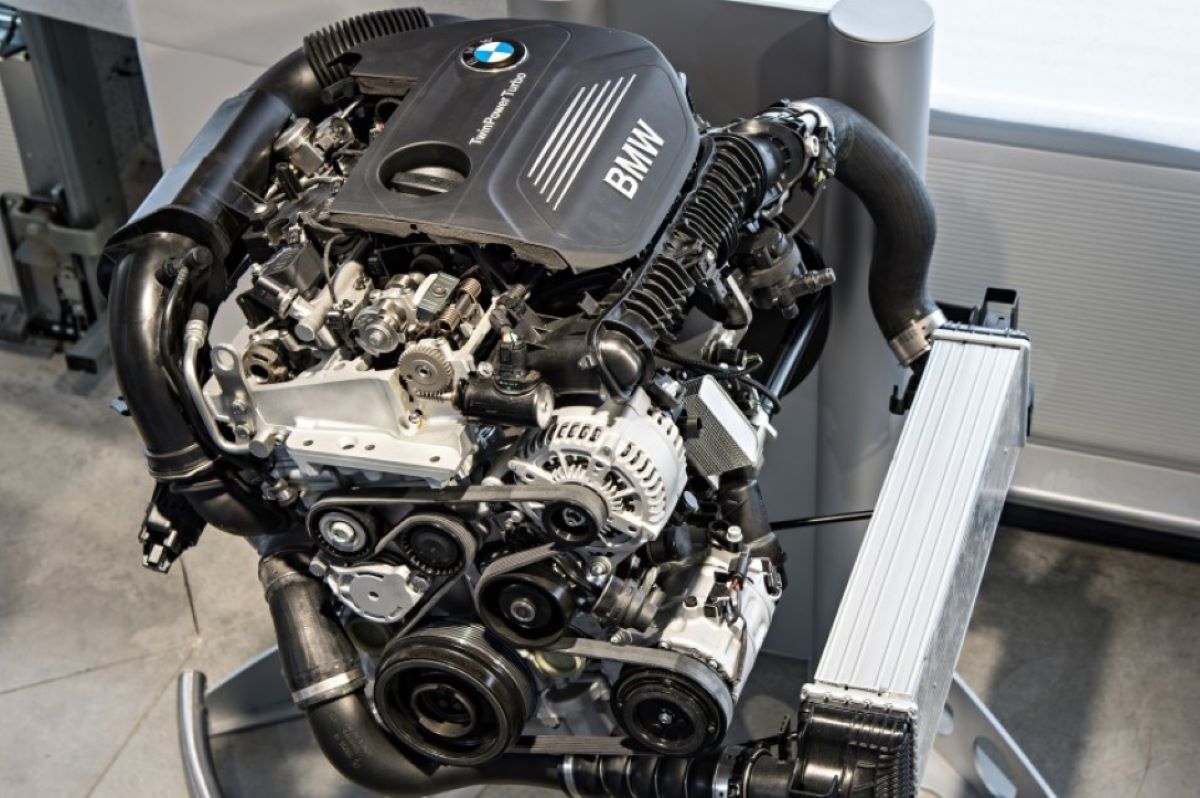
Significant updates arrived with the B58B30M2 variant in 2022, and additional refinements have now been implemented in the 2025 BMW X3 M50. Operating on the Miller cycle, this latest iteration introduces enhancements to several components.
The injection system and crankshaft have been upgraded for greater performance and durability, while the ignition system and exhaust gas routing were redesigned for improved efficiency.
The eVANOS system, an electrically controlled camshaft adjustment mechanism, provides precise control of engine timing, and the turbocharger has been refined to deliver smoother and stronger power delivery. Oil supply has also been optimized to maintain consistent lubrication under demanding conditions.
In addition to these core upgrades, M-specific refinements ensure even greater durability and performance. These include a reinforced crankshaft drive, optimized piston oil supply with integrated cooling channels, and redesigned main bearing shells and caps.
BMW’s M TwinPower Turbo technology further enhances the engine with increased turbo efficiency and dual injection, ensuring improved fuel-air mixture preparation and higher overall performance.
Another key advancement for the 2025 X3 M50 is the introduction of a 48-volt mild-hybrid system paired with the B58 engine. The hybrid system integrates a crankshaft-mounted starter generator that supplements the combustion engine, providing smoother operation and additional power when needed.
Together, the system delivers a total output of 393 horsepower and 428 lb-ft (580 Nm) of torque. On its own, the combustion engine produces 375 horsepower and 398 lb-ft (540 Nm), while the electric motor contributes 17 horsepower and 147 lb-ft (200 Nm). This combination allows the SUV to benefit from improved efficiency and enhanced responsiveness.
Performance figures highlight the effectiveness of this setup. The X3 M50 accelerates from 0 to 62 mph (100 km/h) in 4.6 seconds, and the U.S.-spec model reaches 60 mph in just 4.4 seconds. Top speed is electronically limited to 155 mph (250 km/h).
The electric motor is integrated into the eight-speed automatic transmission, delivering rapid and seamless gear changes while contributing to the SUV’s smooth and dynamic driving character. In track testing earlier this year, the system proved highly responsive, with the additional hybrid support compensating for the X3’s increased size and weight compared to earlier generations.
7. Stellantis 3.0L Hurricane Twin-Turbo I6
Replacing the long-standing Hemi V8 in many Jeep and Ram models, the new Hurricane twin-turbo straight-six had skeptics at first. But mechanics are quickly warming up to it thanks to its mix of power, efficiency, and surprising durability.
With up to 510 horsepower available in high-output trims, it rivals V8 performance while delivering better fuel economy.
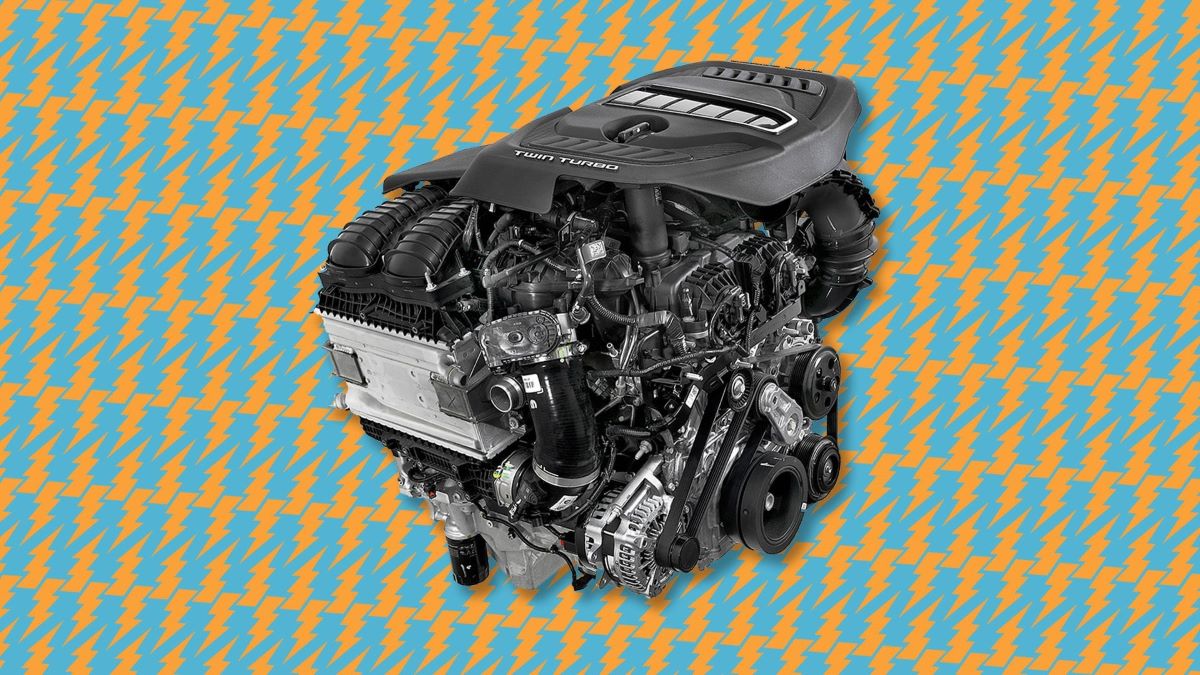
Shops across the U.S. report fewer failures than expected, especially with its advanced cooling and strong bottom-end design. It’s quickly becoming a favorite among technicians who once swore by the Hemi.
8. Mazda Skyactiv-X 2.0L Spark
Mazda continues to innovate with its Skyactiv-X technology, a system that combines aspects of gasoline and diesel combustion for improved efficiency.
In 2025, U.S. buyers are finally getting more access to this engine, and mechanics are impressed. Despite its complexity, the Skyactiv-X has shown impressive reliability in real-world use, with fewer carbon buildup problems compared to older Mazda direct-injection engines.
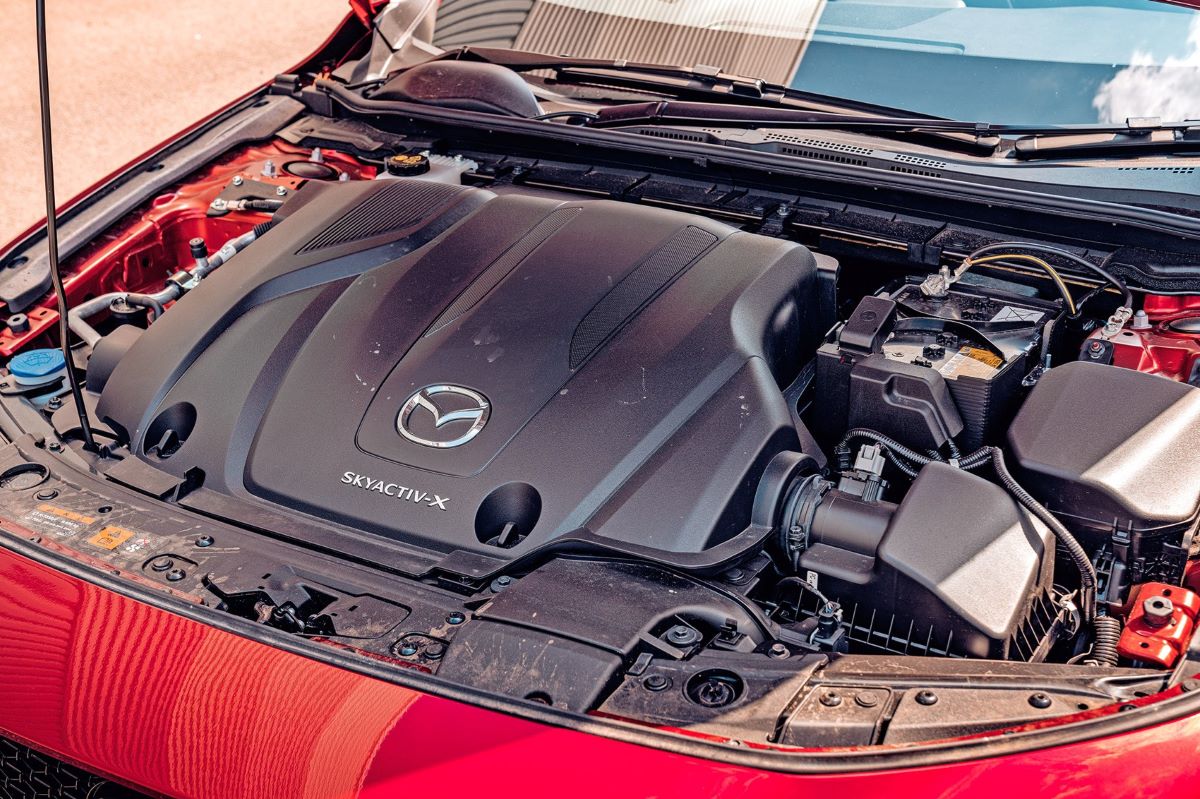
It’s fuel-efficient, responsive, and designed with longevity in mind something technicians don’t often say about experimental technology.
Also Read: 10 Sedans That Remain Smart Buys Long After Release
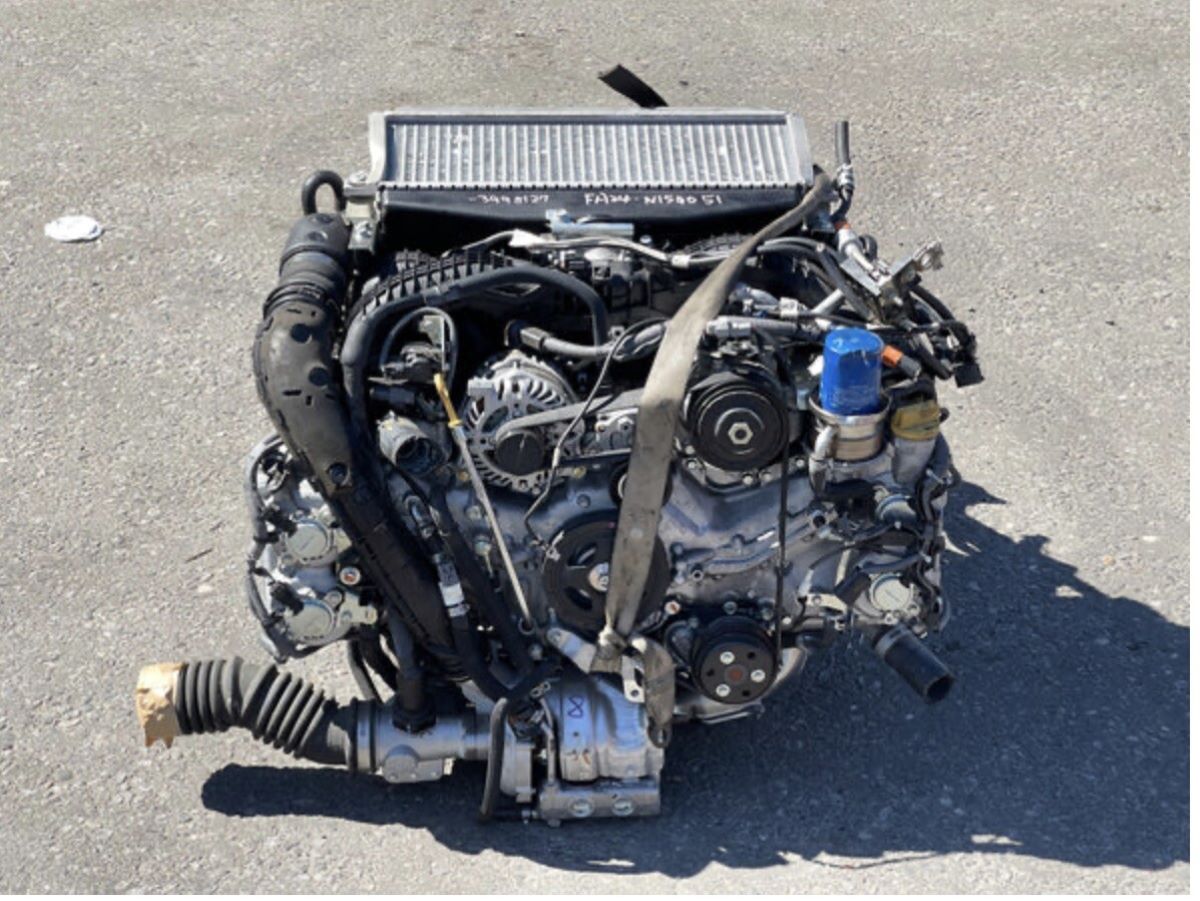
9. Subaru FA24 2.4L Turbocharged Boxer
Subaru has had its ups and downs with engines in the past, but the FA24 turbo is turning heads for all the right reasons. Found in the Ascent, WRX, and Outback XT, this 2.4L boxer turbo balances smooth power delivery with far better reliability than the older EJ-series engines.
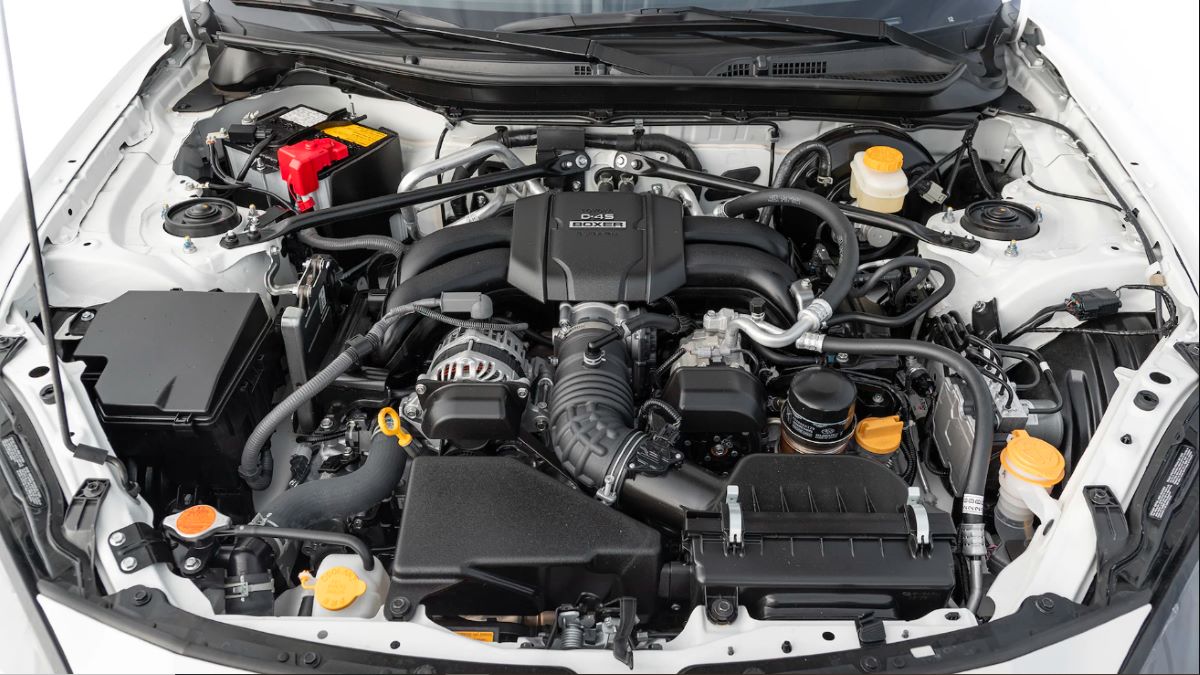
Mechanics particularly appreciate its improved head gasket design a long-time weak point in Subaru history. With owners regularly hitting high mileage without major issues, this engine is one that U.S. technicians are starting to recommend without hesitation.
The FA24F, also referred to as the FA24DIT, is a 2.4-liter four-cylinder turbocharged boxer engine equipped with direct fuel injection. The first model to debut this engine was the 2019 Subaru Ascent, a mid-size crossover SUV.
Since then, Subaru has expanded the use of the FA24F across a variety of models, including the Outback and Legacy, as well as performance-oriented vehicles such as the WRX and Levorg. This raises the important question: is the FA24F a good engine, or does it come with drawbacks? To answer that, it is essential to look closely at its design, strengths, and weaknesses.
The foundation of the FA24F is an open-deck aluminum cylinder block that incorporates cast-in iron cylinder liners. In comparison to the earlier 2.0-liter FA20 engine, Subaru engineers increased the cylinder bore from 86 mm (3.39 in) to 94 mm (3.7 in) while keeping the piston stroke unchanged.
The engine retains diagonally split connecting rods similar to those in the FA20DIT, while new pistons with a larger diameter accommodate the wider bore.
The FA24F is also fitted with aluminum DOHC cylinder heads featuring Subaru’s dual AVCS system. Each bank of camshafts is driven by a single roller timing chain, and the valvetrain uses roller rocker arms but does not include hydraulic lash adjusters. The valve covers are constructed from plastic, a lighter material that contributes to efficiency.
Unlike the naturally aspirated FA20 and FA24D engines, which make use of Toyota’s D-4S system combining port and direct injection, the FA24F relies solely on direct injection, meaning fuel is sprayed directly into the combustion chambers.
A high-pressure fuel pump mounted on the left cylinder head and driven by the intake camshaft supports this system. To complement the fueling setup, Subaru integrated a twin-scroll Garrett MGT2260Z turbocharger, paired with an air-to-air intercooler, a plastic intake manifold, and an electronic throttle body.
Additionally, the FA24F is equipped with a stock liquid-to-liquid oil cooler, which was not present on the FA20DIT. The primary objective behind the FA24F’s design was to deliver the performance characteristics of a naturally aspirated six-cylinder engine while maintaining the efficiency and compactness of a four-cylinder turbo.
Subaru’s engineering team succeeded in achieving this balance, as the FA24F produces up to 271 horsepower and 277 lb-ft of torque, performance figures comparable to many naturally aspirated V6 engines, all while running on regular fuel.
10. Mercedes-Benz M254 2.0L Mild-Hybrid Turbo
Luxury car engines often earn groans from mechanics, but Mercedes’ M254 four-cylinder is different. Found in the C-Class and E-Class, this mild-hybrid turbo offers surprising dependability while also delivering excellent performance.
Its integrated starter-generator reduces strain on the engine, while a robust cooling system and simplified turbo setup make it less prone to failure than past Mercedes four-cylinders. U.S. independent shops are reporting far fewer breakdowns compared to older M274 engines, giving it a newfound reputation for longevity.
The Mercedes M254 R4 engine stands out as a remarkable achievement in automotive engineering, representing a significant step forward in the performance and efficiency of four-cylinder engines. It reflects Mercedes-Benz’s ongoing dedication to innovation, blending cutting-edge technologies with the brand’s established reputation for luxury and dynamic performance.
With its turbocharged design, the M254 R4 is engineered to provide strong power delivery while maintaining fuel economy, making it an appealing option for modern vehicles that demand both performance and efficiency.
At its core, the M254 R4 is a 2.0-liter inline-four engine equipped with a twin-scroll turbocharger that enhances output and responsiveness. This configuration allows the turbocharger to spool more quickly, reducing lag and ensuring a more engaging driving experience.
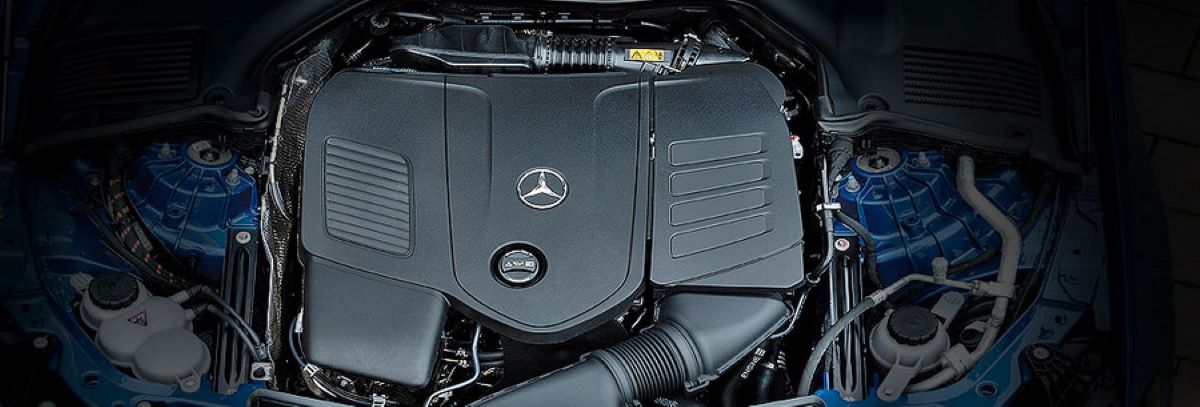
The engine is designed to achieve a balance between power and efficiency, serving the needs of spirited drivers as well as those who require reliability for daily commuting.
Advanced systems such as direct fuel injection and variable valve timing are incorporated to maximize performance while ensuring compliance with stringent emissions standards, allowing the engine to remain both powerful and environmentally responsible.
Mercedes-Benz has strategically deployed the M254 R4 engine across a diverse selection of models, highlighting its adaptability and wide-ranging capability. In the C-Class, it provides the perfect combination of luxury and performance, while in the E-Class it serves as a refined yet efficient choice for buyers of midsize luxury sedans.
The compact GLA SUV benefits from the engine’s turbocharged power to offer agility for urban driving, and the GLC midsize SUV makes use of the engine to deliver a smooth, dynamic, and comfortable ride. Meanwhile, the A-Class hatchback and sedan utilize the M254 R4 to provide an engaging driving experience in a compact format that is both efficient and responsive.
The widespread use of the M254 R4 engine across these different models demonstrates Mercedes-Benz’s commitment to delivering engines that are powerful, efficient, and technologically advanced.
As the automotive industry continues to evolve under the influence of environmental regulations and customer expectations, the M254 R4 serves as a vital part of the brand’s strategy to offer vehicles that meet modern performance standards while maintaining a focus on efficiency and sustainability.
The Mercedes M254 R4 engine embodies a sophisticated combination of engineering precision, performance, and efficiency. Its specifications highlight the advanced features that define this powertrain and underscore its role as one of the most capable four-cylinder engines in the Mercedes-Benz lineup.
11. Nissan VC-Turbo 1.5L Three-Cylinder
Nissan’s variable compression technology was initially met with skepticism, but the updated 1.5L VC-Turbo in 2025 is gaining respect from technicians.
Found in vehicles like the Rogue, it offers both performance and efficiency while eliminating many of the durability concerns from earlier versions.
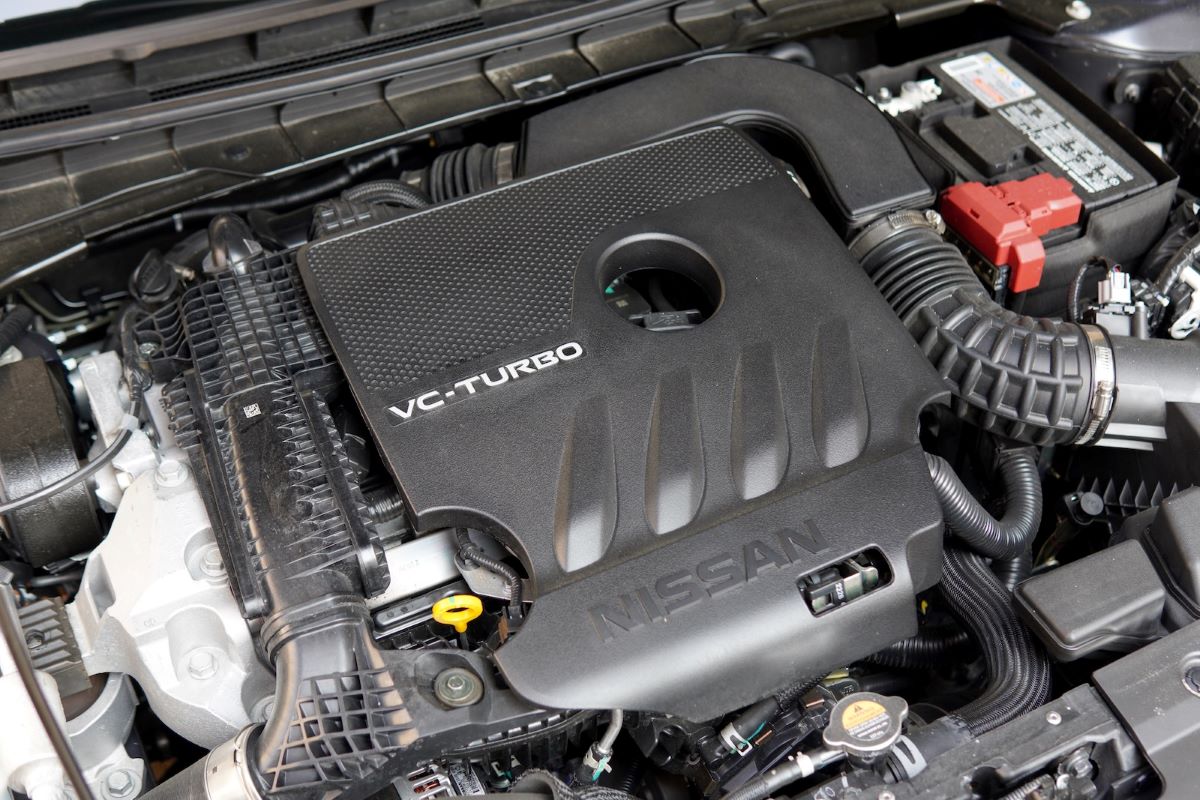
Mechanics highlight its clever design that reduces engine knock and improves fuel economy, making it a rare example of high-tech engineering that doesn’t sacrifice reliability.
12. Chevrolet 2.7L Turbo High-Output I4 (L3B)
Chevy’s turbocharged four-cylinder in the Silverado and Colorado is proving to be a winner. Initially controversial for replacing traditional V6s in trucks, the 2.7L L3B has shown itself to be surprisingly tough.
Mechanics report strong performance under heavy towing conditions, low failure rates, and an ability to handle abuse that rivals some older V8s.
For buyers who want truck toughness without V8 fuel costs, this engine is one U.S. technicians are recommending more often in 2025.
For American drivers in 2025, the engine is still the heart of the vehicle even in an era where EVs are gaining ground. What stands out about these 12 new engines is how they combine modern efficiency with the kind of long-term durability that mechanics trust.
Whether it’s Toyota’s rock-solid turbo four, Ford’s next-gen diesel, or BMW’s surprisingly bulletproof inline-six, these engines prove that innovation doesn’t have to come at the cost of reliability.
For car buyers looking for peace of mind, listening to the mechanics who work on these powerplants every day may be the smartest move they can make.
