
When you look back at the cars of the 2010s, it’s easy to assume most of them are already dated. After all, the last decade was a transitional period for the auto industry, caught between old-school combustion dominance and the tech-driven, electrified present.
Many vehicles from that era introduced controversial designs, experimented with turbocharging, and packed in infotainment systems that seemed cutting-edge at the time but quickly aged.
Yet, surprisingly, some models from the 2010s have not only held up but actually look better with age. These are cars that avoided the awkward styling trends, maintained solid reliability records, and have features that still feel relevant on American roads today.
Whether you’re a buyer looking for a dependable used car or just a car enthusiast reflecting on the past decade, these vehicles prove that not every car ages poorly. Below are 10 cars from the 2010s that have aged far better than expected.
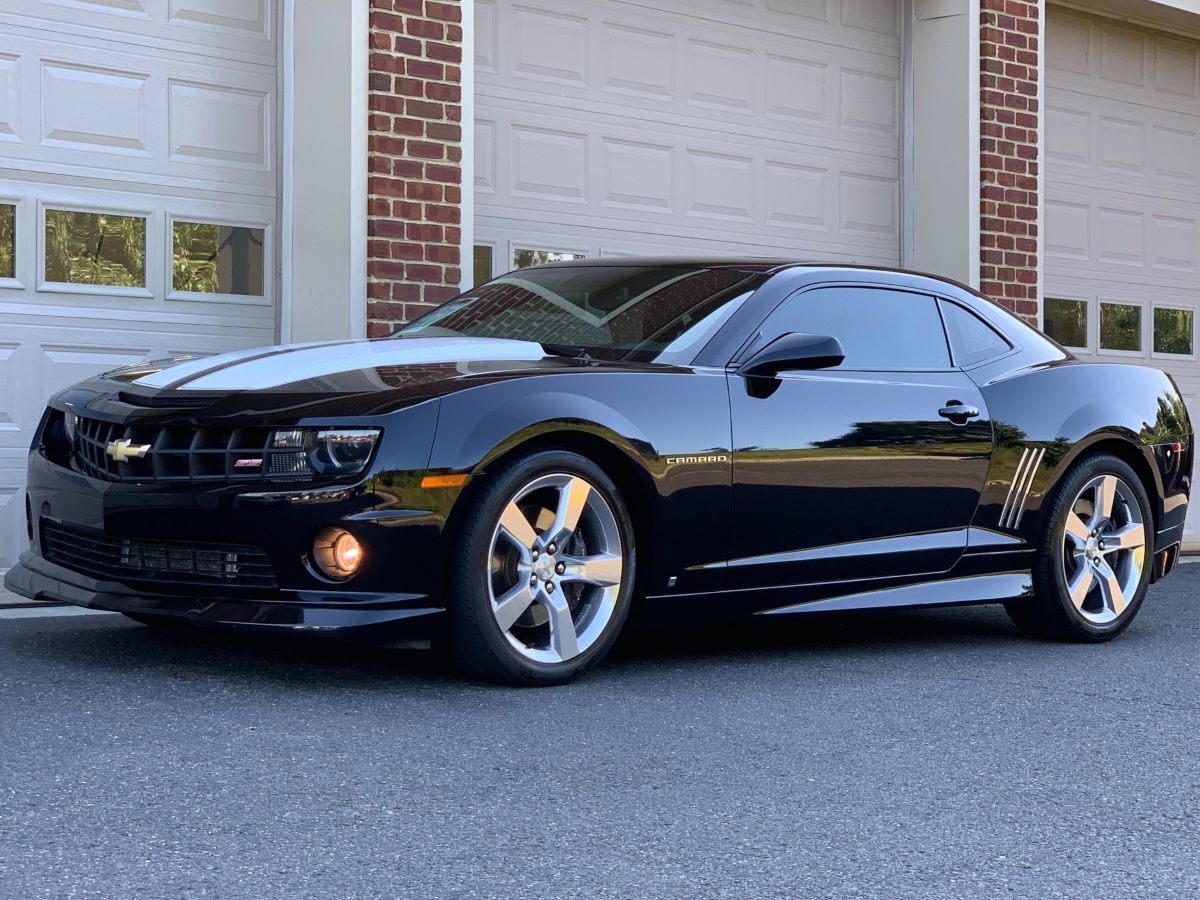
1. 2010–2015 Chevrolet Camaro
When Chevrolet revived the Camaro in 2010, it risked falling into the retro-car trap where novelty fades fast. Yet, the fifth-generation Camaro has aged remarkably well.
Its muscular lines, aggressive front end, and nods to classic late-1960s styling keep it looking timeless rather than outdated.
On the road, the V6 and V8 options remain competitive, and the interior, while simple, avoids many of the cheap plastics that plagued competitors.
Unlike other pony cars of the era, the Camaro’s styling hasn’t lost its punch, and enthusiasts still snap up clean examples, especially SS and ZL1 trims.
The 2010 return of the Camaro wasn’t just a play on nostalgia, it reestablished new standards in the muscle car segment. Even in base trims such as LS, 1LT, and 2LT, Chevrolet showed that the fifth-generation Camaro was more than just a V8 showpiece.
The car arrived with a refined HFV6 engine, independent rear suspension, and a chassis based on GM’s global Zeta platform, delivering genuine speed and sophistication without losing the aggressive presence that made it an instant poster car once again.
When the fourth-generation Camaro ended production in 2002, the badge disappeared until the 2006 concept reignited demand. By 2010, the model returned to GM’s Oshawa Assembly plant in Ontario, built on the rear-drive Zeta platform that drew heavily on Australian engineering expertise.
This foundation, which also underpinned the Holden Commodore and Pontiac G8, gave the Camaro a long wheelbase, wide track, and structural strength that earlier F-body cars never possessed.

The low roofline and high beltline weren’t simply for aesthetics; they contributed to the Camaro’s stable, planted feel at speed. For 2014, a mid-cycle update brought revised front and rear fascias, most noticeably on SS models, though the V6 retained its essential proportions throughout production.
While Chevrolet’s motorsport activities focused on V8-powered versions, the Camaro remained visible through NASCAR and GT racing programs.
Competition in the V6 pony car segment was fierce. Ford’s Mustang adopted a 3.7-liter V6 in 2011 producing 305 horsepower with a lighter curb weight, while Dodge transitioned the Challenger to the more powerful 3.6-liter Pentastar V6.
In response, Chevrolet emphasized the Camaro’s rigid chassis, independent rear suspension, and a high-revving, direct-injected V6 that pulled strongly to redline. Its heft was the main drawback, yet the stability and high-speed composure it offered became standout qualities.
Under the hood, the base fifth-generation Camaro was powered by two iterations of GM’s 3.6-liter HFV6: the LLT used from 2010 to 2011, and the updated LFX from 2012 through 2015.
Both engines were all-aluminum, double overhead cam designs with chain-driven timing and four valves per cylinder, using direct injection for efficiency and power. The LLT produced between 304 and 312 horsepower before being replaced by the LFX, which delivered 323 horsepower.
The LFX also featured integrated exhaust manifolds, revised cylinder heads, and updated calibration for a broader torque band and sharper top-end response. Both versions revved cleanly to around 7,000 rpm, with compression ratios in the 11.3:1 to 11.5:1 range and identical bore and stroke dimensions of 94.0 mm by 85.6 mm.
Transmission choices included the Aisin AY6 six-speed manual and GM’s 6L50 six-speed automatic. Final drive ratios varied depending on wheel and tire packages, while V6 cars typically came with FE2 suspension tuning and all-season tires unless otherwise specified.
The chassis employed a dual-pivot strut design at the front and a multi-link independent setup at the rear, lending the Camaro an agility and balance missing from older iterations.
On the road, the V6 Camaro prioritized composure and confidence. Its long wheelbase and stiff structure allowed it to remain settled over mid-corner bumps in ways that earlier generations couldn’t manage.
The hydraulically assisted steering wasn’t razor-sharp, but it was consistent and carried a reassuring on-center feel while avoiding kickback. Ride quality, even on 18- and 19-inch wheels, was more forgiving than expected from its aggressive stance.
The FE2 suspension calibration struck a good middle ground, firm enough to keep the car’s weight in check without the brittle ride quality some rivals exhibited on rougher pavement.
The V6 itself was tractable at low revs and eager as the tach climbed, with the later LFX version providing a stronger and cleaner pull at the top end.
The manual gearbox rewarded deliberate, accurate inputs, with long but precise throws and easy throttle response that made rev-matching natural.
The automatic transmission operated smoothly in daily driving and held gears competently when pushed, although manual mode leaned toward refinement over outright aggressiveness.
Braking hardware on V6 models used vented discs with sliding calipers, offering sufficient fade resistance for spirited street driving. Many owners upgraded pads for greater endurance during mountain runs or occasional track use.
Also Read: 8 Models That Lose the Least Value the Moment You Drive Off the Lot
2. 2012–2016 Honda CR-V
Compact SUVs tend to age poorly, either because of overused styling cues or clunky technology. The fourth-generation Honda CR-V, however, continues to look sharp.
Its design is clean and practical, with none of the overly rounded shapes that made some rivals from the early 2010s look cartoonish. More importantly, the CR-V’s reputation for bulletproof reliability means many examples still run smoothly with well over 150,000 miles.
For American families, the CR-V remains a practical and attractive used buy, blending function with a still-modern aesthetic.
The latest-generation Honda CR-V debuted in 2017, making it one of the oldest small SUVs still on sale.
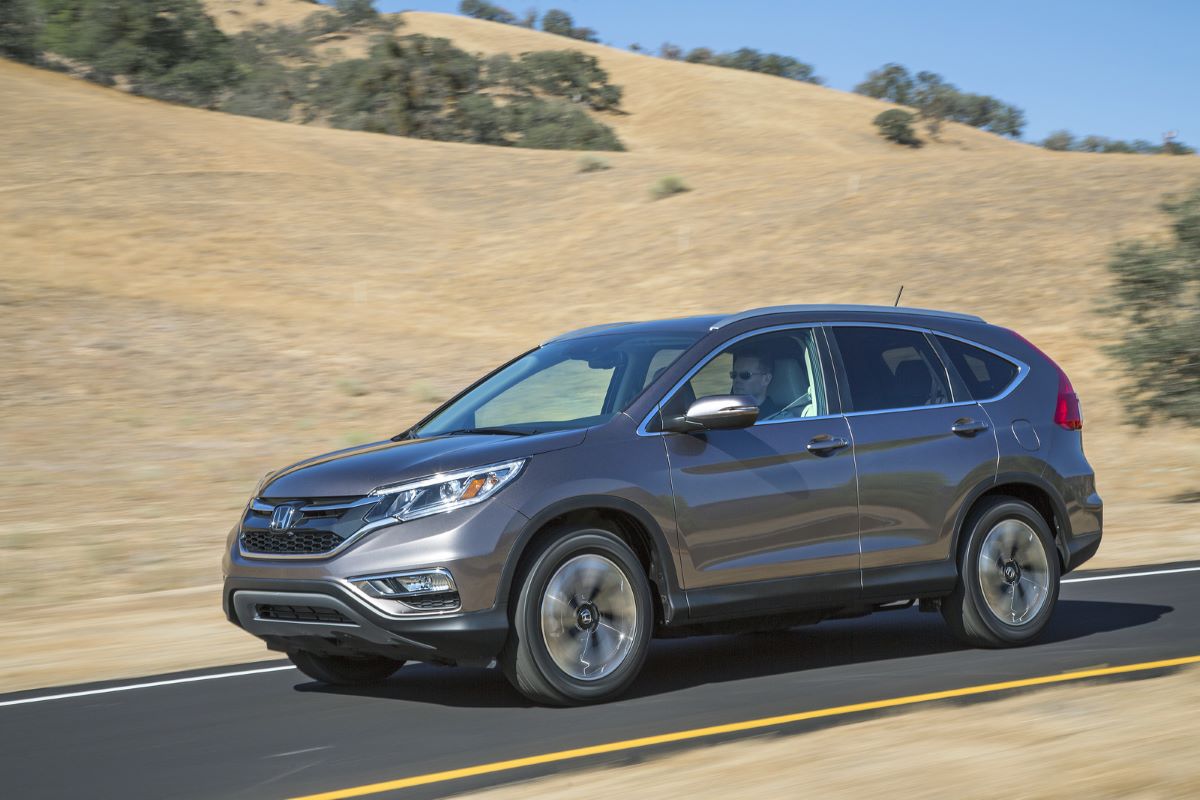
Yet, Honda has managed to create such a well-rounded package that the CR-V continues to be one of the top picks in the class. Whether you value space, comfort, driving enjoyment, or overall value, the CR-V delivers across the board.
Other than the Touring trim adding standard all-wheel drive, the 2022 Honda CR-V remains largely unchanged. That’s not a drawback, though, the CR-V still holds its own against newer and equally compelling rivals in the small SUV segment.
3. 2015–2019 Ford Mustang (S550)
Ford took a big gamble when it redesigned the Mustang for 2015, giving it independent rear suspension and a global design language. Some feared it would lose its muscle-car soul, but the opposite happened.
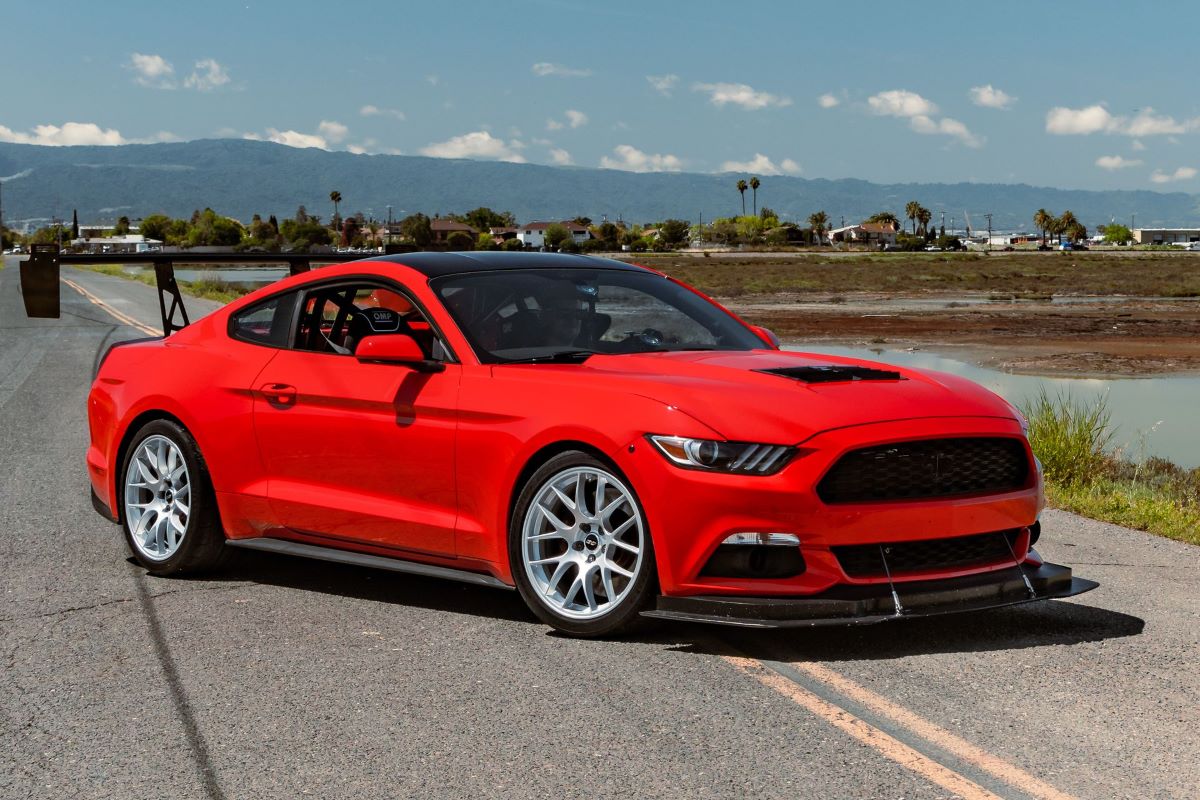
Nearly a decade later, the S550 Mustang still looks fresh, with sleek lines that balance aggression and refinement. The EcoBoost turbo-four has aged surprisingly well thanks to efficiency and tuning potential, while the GT’s V8 remains a legend.
The fact that Ford kept the same design for years with only minor updates proves how well it has stood the test of time.
4. 2010–2015 Lexus RX
Luxury crossovers from the early 2010s often look bulky or outdated today, but Lexus nailed the design formula with the RX.
Its understated yet classy appearance still feels contemporary, and the cabin has aged even better, with high-quality materials and ergonomics that put newer competitors to shame.

Mechanically, the RX is one of the most reliable luxury SUVs on the used market, and even 10-plus-year-old models still feel solid and refined. Many owners hold onto them for life, which is the ultimate sign of a car aging gracefully.
It’s not difficult to understand why the 2015 Lexus RX 350 ranks among the most popular luxury crossover SUVs on the market.
With its smooth ride quality, elegantly crafted interior, extensive list of available high-end features, legendary reliability, above-average cargo space, and roomy five-passenger cabin, the RX checks many of the right boxes for shoppers in this segment.
For buyers satisfied with just two rows of seating, the 2015 Lexus RX 350 makes an excellent choice in the luxury crossover category.
Under the hood, the RX 350’s 3.5-liter V6 engine delivers exceptionally refined performance, though its overall driving character isn’t exactly thrilling.
Lexus does provide a sportier F Sport version, but in practice, it adds little excitement to the experience. And while the RX is certainly generous in passenger space, it remains strictly a five-passenger vehicle, there’s no option for a third row. Families that need seating flexibility may find competing models with three rows more practical.
If extra seats are a must-have, both the 2015 Acura MDX and Infiniti QX60 offer their own interpretations of the luxury crossover formula. The Infiniti provides the best accommodations for third-row passengers, while the Acura emphasizes a more engaging driving experience over pure luxury.
For shoppers sticking with a standard five-passenger premium crossover, alternatives like the refined Mercedes-Benz M-Class or the surprisingly upscale Volkswagen Touareg are also excellent options.
Even so, for many buyers, the RX 350 strikes an appealing balance of luxury, utility, and comfort, making it well worth consideration.
The 2015 Lexus RX 350 comes equipped with a 3.5-liter V6 engine producing 270 horsepower and 248 pound-feet of torque.
A six-speed automatic transmission is standard, paired with front-wheel drive, while all-wheel drive is optional. The F Sport trim is exclusively offered with all-wheel drive and features an eight-speed automatic transmission.
When properly equipped, the RX 350 can tow up to 3,500 pounds, a figure that trails many of its rivals in the luxury crossover category.
5. 2014–2018 Mazda3
The third-generation Mazda3 marked a turning point for Mazda’s design language, introducing the company’s “Kodo” styling. Unlike many compact cars of the time that leaned into sharp creases or awkward curves, the Mazda3’s clean, flowing shape still looks modern in 2025.
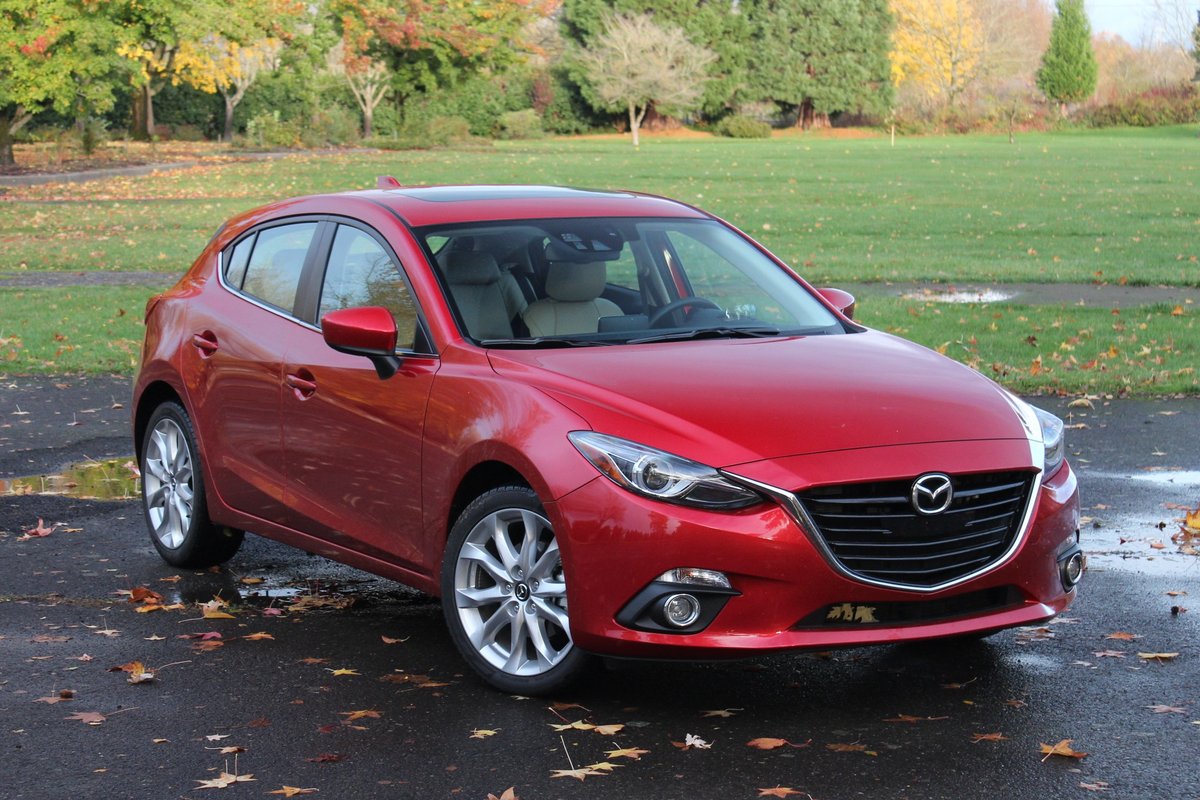
Its interior design is minimalist but driver-focused, and the car delivers sporty handling that hasn’t dulled with time. Even now, a used Mazda3 feels like a step up from competitors in terms of driving enjoyment, proving that thoughtful design ages better than gimmicks.
Also Read: 11 Classic SUVs That Are Gaining Value in 2025
6. 2010–2014 Volkswagen Golf GTI
Hot hatches often burn bright and fade quickly, but the Mk6 GTI has retained its cool factor. Its boxy, compact proportions give it a timeless European hatch look, while the interior clean, well-built, and subtly sporty feels modern even today.
More importantly, the 2.0-liter turbo engine offers plenty of performance for everyday driving, and the GTI’s reputation as a fun, practical, and well-rounded car has only grown.
In the U.S., where hot hatches are rare, the Mk6 GTI is especially appealing as a used buy that doesn’t look or feel outdated.
The 2010 Volkswagen GTI comes across like a dignified elder statesman who refuses to join Facebook. It’s exceptionally suave and well-mannered, with achievements that stand above nearly all of its peers, yet it refuses to follow the latest craze. In the sport-compact arena, that craze is power.
Lots of power. If you’re curious, anywhere from 237 to 265 horsepower. Still, the sixth-generation GTI continues on with the same 200-horsepower inline-4 that first appeared back in 2006.
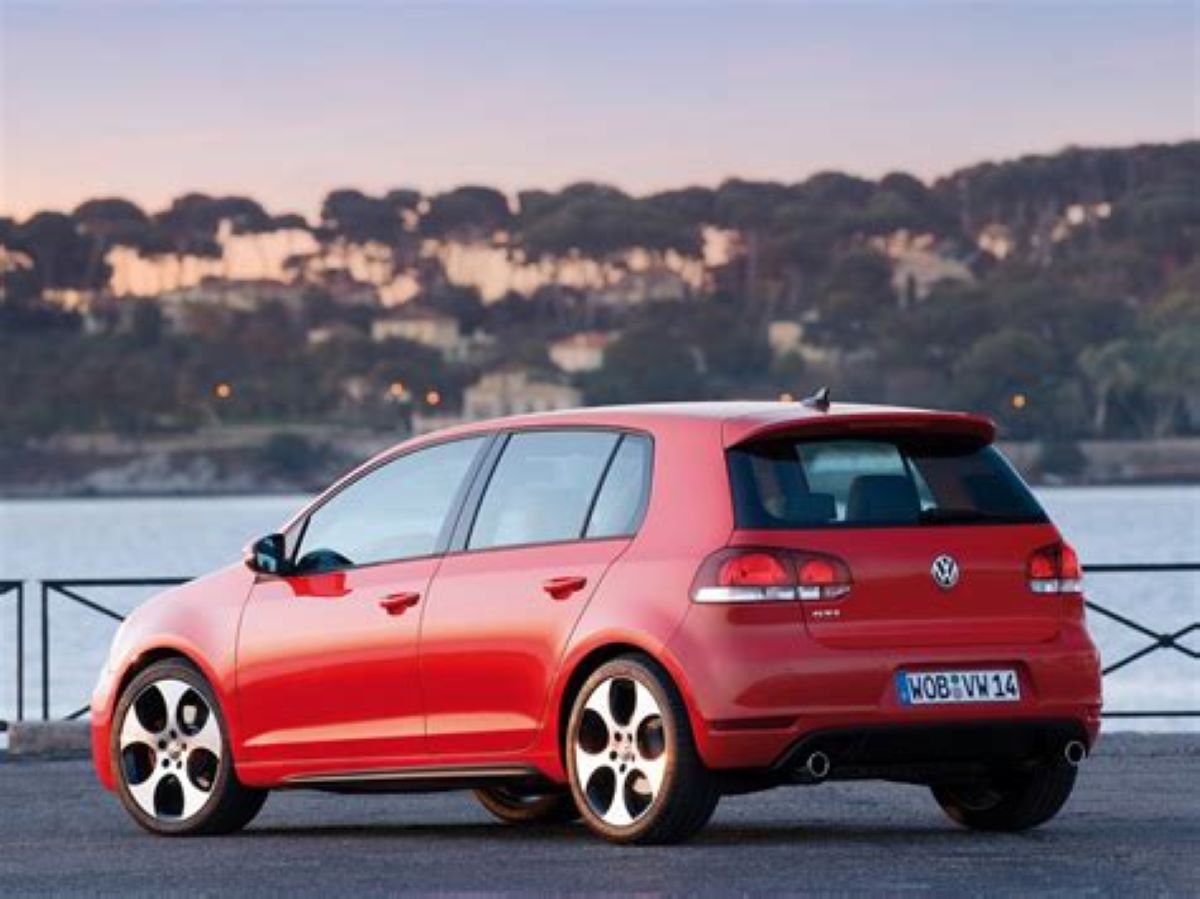
But the GTI makes up for that with the most refined cabin in the segment, featuring a tasteful new design, higher-quality materials, and rock-solid build quality.
Outside, the subtly updated styling looks sophisticated, avoiding the flashy excess that plagues many other hot hatchbacks. This is the kind of pocket rocket you’d be proud to introduce to Mom and Dad.
Of course, the GTI still knows how to have fun on the road. Its turbocharged four-cylinder doesn’t deliver the same seat-pinning thrust as some competitors, but it’s lively and eager.
The suspension is tuned to strike a near-perfect balance between comfort and agility, allowing the GTI to corner with speed while keeping occupants comfortable over bumps.
Long highway drives are equally enjoyable, as its autobahn heritage shines through with impressive stability at high speeds. If you can accept its modest power figures, the GTI excels in almost every other area.
For hot-hatch shoppers, the decision process is fairly straightforward: decide what matters most and buy accordingly.
The front-wheel-drive 2010 Volkswagen GTI uses a 2.0-liter turbocharged inline-four producing 200 horsepower and 207 pound-feet of torque.
A six-speed manual transmission comes standard, while Volkswagen also offers a six-speed dual-clutch automated manual (DSG) as an option. The DSG can shift automatically or be controlled manually through the gear lever or steering-wheel-mounted paddles.
7. 2013–2017 Subaru BRZ / Scion FR-S
Affordable sports cars often age poorly as technology and horsepower arms races leave them behind. Yet, the BRZ and its twin, the Scion FR-S, remain as relevant as ever. Their lightweight, rear-wheel-drive platform and balanced handling are timeless driving traits.

While they were criticized for not being powerful enough at launch, enthusiasts today appreciate their simplicity compared to bloated modern sports cars. Design-wise, their low, coupe profile has aged cleanly, making them look just as appealing now as when they first arrived.
8. 2011–2016 Jeep Grand Cherokee
SUVs from the early 2010s often look clunky today, but the Jeep Grand Cherokee from this era still holds its own.
The design struck a sweet spot between ruggedness and refinement, appealing to both off-roaders and suburban families.
With strong engine options including the legendary HEMI V8 the Grand Cherokee delivers performance that hasn’t lost relevance.
Inside, Jeep’s use of better-quality materials compared to earlier models makes these SUVs feel more modern than their age suggests. On the used market, they continue to sell strongly, a testament to how well they’ve held up.
When you’re at the bottom, there’s nowhere to go but up, and the previous Grand Cherokee had plenty of room for improvement.
While it remained a strong off-roader, the old “JGC” suffered from major drawbacks, including a cramped backseat, cheap-feeling interior materials, and disappointing fuel economy.
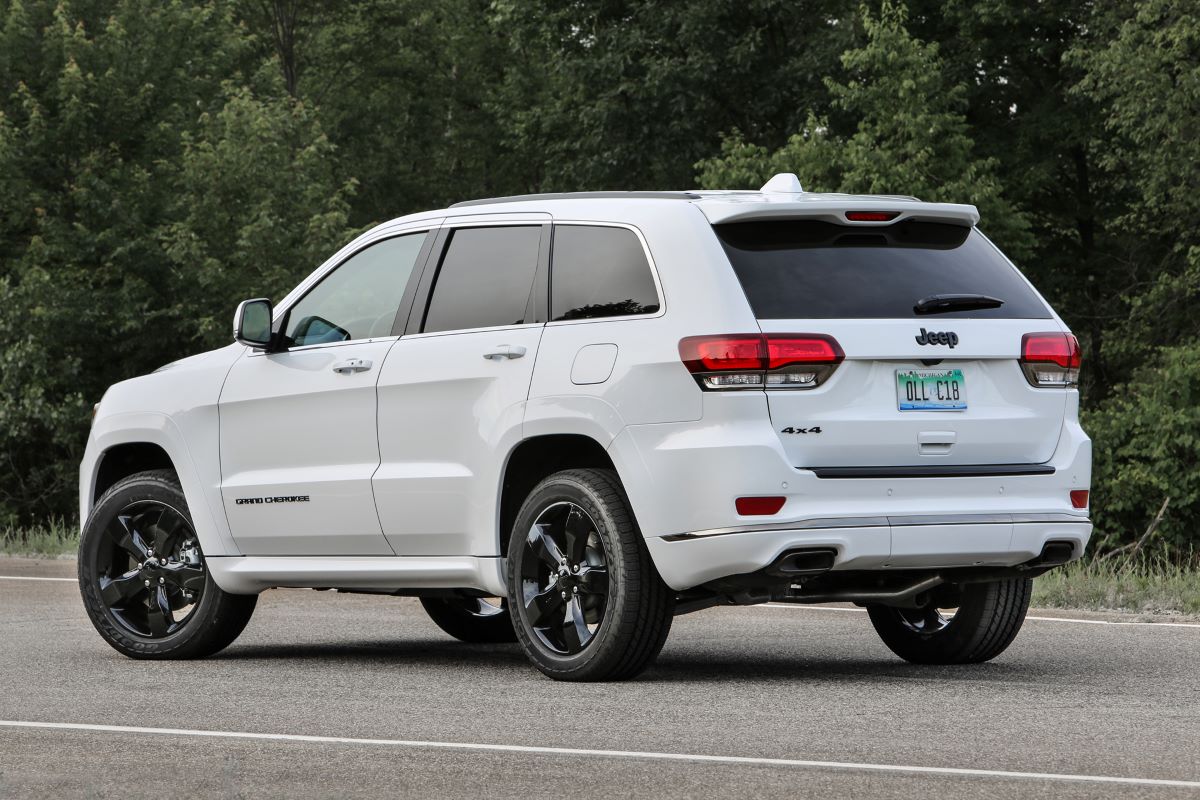
The redesigned 2011 model was engineered to change all that, and it does so with a more premium feel. In fact, during its early development, Jeep was still under DaimlerChrysler ownership, which is why this Grand Cherokee shares components with the redesigned Mercedes-Benz ML-Class.
The new generation is larger, with a longer body that adds much-needed rear-seat space. Passenger capacity remains five, but redesigned storage areas and a more functional center stack give the cabin a major usability upgrade.
The driver and front passenger benefit from a more sculpted and inviting cockpit, with radio and climate controls that are far easier to see and operate.
Power is also a highlight. The 2011 Grand Cherokee debuts with an all-new 3.6-liter V6 producing 290 horsepower, a massive leap in performance and efficiency over the outgoing V6.
For those who want even more grunt, a 360-hp V8 remains available. To ensure the Grand Cherokee retains its rugged off-road reputation, Jeep introduced a height-adjustable air suspension and a drive-mode selector that adapts the suspension and powertrain to specific terrain.
Another key upgrade is the new fully independent rear suspension, which noticeably improves ride comfort and on-road composure.
9. 2016–2019 Chevrolet Bolt EV
Electric cars from the 2010s often feel like early experiments, but the Chevy Bolt still feels like a car built for today. Its 238-mile range at launch was groundbreaking for the price point, and even now, it matches or exceeds some newer EVs in the affordable segment.
The hatchback shape may not be flashy, but it remains practical and smart, and the interior tech especially the large infotainment screen hasn’t aged poorly.
In fact, with the growing push toward EV adoption in the U.S., the Bolt feels more relevant now than when it debuted.
As automakers slowly expand their EV lineups, vehicles like the 2019 Chevrolet Bolt serve as a bridge between yesterday’s short-range city cars and the all-electric future.
Alongside the Tesla Model 3, the Bolt was one of the first affordable EVs to deliver more than 200 miles of range. Its impressive distance capability, paired with a growing fast-charging network, makes it one of the few electric cars realistically suited for long-distance travel.

For most drivers, the Bolt’s 238 miles of range means you won’t need to charge daily, a convenience that sets it apart from many other EVs in its class.
However, this affordability and range come with compromises. The interior materials feel cheaper than many rivals, with hard plastics throughout, and trim pieces on our test vehicle began loosening after just 15,000 miles.
The front seats also lack comfort, which undermines the Bolt’s potential as a true long-distance road-trip companion.
10. 2010–2015 Toyota Prius
It’s easy to dismiss the Prius as a boring commuter car, but the third-generation model (2010–2015) has aged far better than most people expected.
Its wedge-shaped design, once polarizing, now feels futuristic rather than awkward. More importantly, its hybrid system has proven bulletproof, with many examples surpassing 200,000 miles while still delivering excellent fuel economy.
As Americans increasingly value efficiency, the Prius stands out as a car from the 2010s that hasn’t lost its relevance or its market value.
The 2010s were full of cars that were destined to fade into obscurity, but these 10 models have managed to defy the odds. Whether through timeless design, strong reliability, or forward-thinking technology, they continue to feel modern and appealing today.
The midsize Toyota Prius was fully redesigned for 2010, bringing updated styling, more power, higher EPA fuel-economy ratings, and a broader list of standard and optional features.
The 2010 version continued as a five-passenger, four-door hatchback powered by a four-cylinder gasoline engine paired with an electric motor and a continuously variable transmission (CVT) that functioned much like an automatic.
Toyota’s well-regarded Hybrid Synergy Drive system allowed the Prius to operate on its gasoline engine, its electric motor, or a combination of both, seamlessly balancing performance and efficiency. Unlike plug-in hybrids, the 2010 Prius required no external charging.

The top-line Prius V distinguished itself with LED headlights, foglights, and 17-inch alloy wheels (other trims rode on 15-inch wheels).
Newly available features across the lineup included an adjustable driver’s seat, heated front seats, a telescoping steering column, and Toyota’s Safety Connect emergency-assistance system.
For the first time, the Prius also offered premium technologies typically reserved for Toyota’s luxury Lexus models.
Additional innovations included an optional solar roof panel that powered a ventilation fan to keep the cabin cooler when parked, and an electric air-conditioning system that could run for up to three minutes before entering the vehicle.
For U.S. buyers searching for a dependable and stylish used car, these vehicles show that not every 2010s model is stuck in the past. In fact, many of them are only just starting to be appreciated for how well they’ve aged.
