When it comes to buying a car, Americans have strong opinions. Some models build reputations for being dependable, fun, and cost-effective, leaving their owners feeling like they made the smartest purchase of their lives.
Others, however, quickly turn into sources of frustration whether it’s constant maintenance, poor resale value, or underwhelming performance that makes drivers wish they had chosen differently.
In today’s automotive market, where the cost of ownership can stretch far beyond the sticker price, knowing which cars inspire satisfaction and which are plagued with regret is more valuable than ever.
Below, we break down five cars that rarely leave buyers disappointed and five that often end up being regretted purchases in the U.S.
Cars That Rarely Cause Buyer’s Regret
Buying a car is one of the biggest financial decisions most people make, and the wrong choice can quickly turn into a source of frustration. From unexpected repair costs to disappointing performance, plenty of vehicles leave owners wishing they had picked something else.
But on the other side of the spectrum are the models that consistently satisfy their buyers, cars known for reliability, comfort, and long-term value. These are the vehicles that rarely cause buyer’s regret, offering peace of mind long after the excitement of the purchase has faded.
1. Toyota Camry
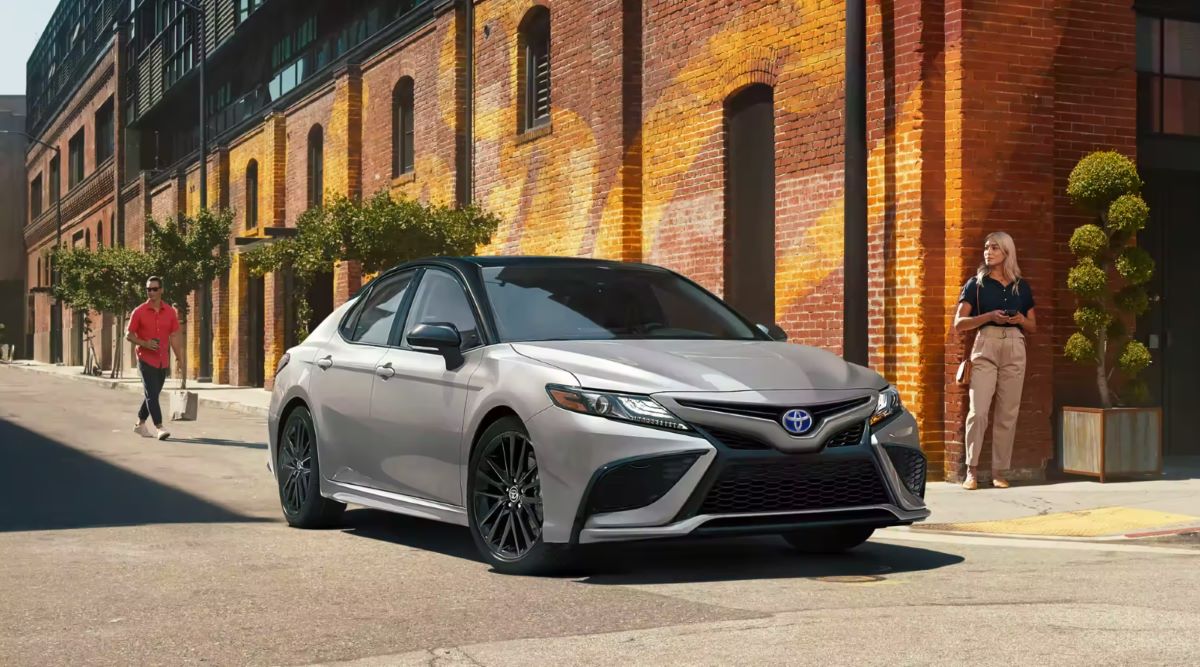
The Toyota Camry has long been the poster child for practicality in America. It’s not the flashiest sedan on the market, but it consistently wins over owners with its bulletproof reliability, excellent resale value, and low cost of ownership.
For families and commuters alike, the Camry checks all the right boxes roomy interior, strong fuel economy, and safety ratings that put peace of mind at the forefront.
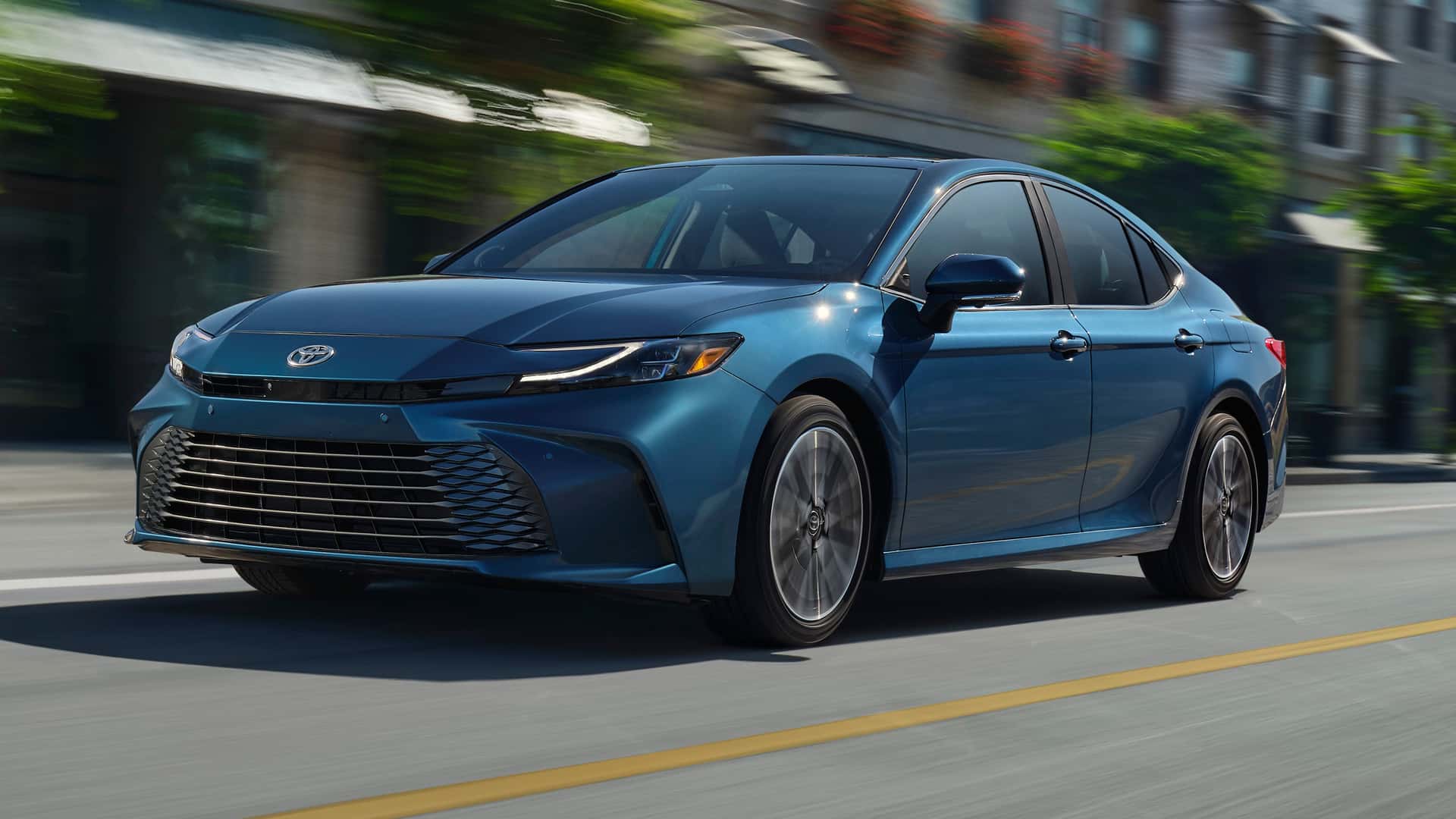
Over the years, Toyota has also made the Camry more stylish and engaging to drive, making it less of a “boring” choice than critics once claimed.
For these reasons, few Camry buyers regret their decision, especially when the car regularly surpasses 200,000 miles with minimal issues.
2. Honda CR-V
Compact SUVs dominate American roads, and the Honda CR-V stands out as a model that rarely disappoints. It combines versatility with efficiency, offering a spacious cabin, excellent visibility, and Honda’s reputation for long-term durability.
Unlike some crossovers that sacrifice practicality for style, the CR-V has always prioritized function, making it a favorite for families and outdoor enthusiasts.
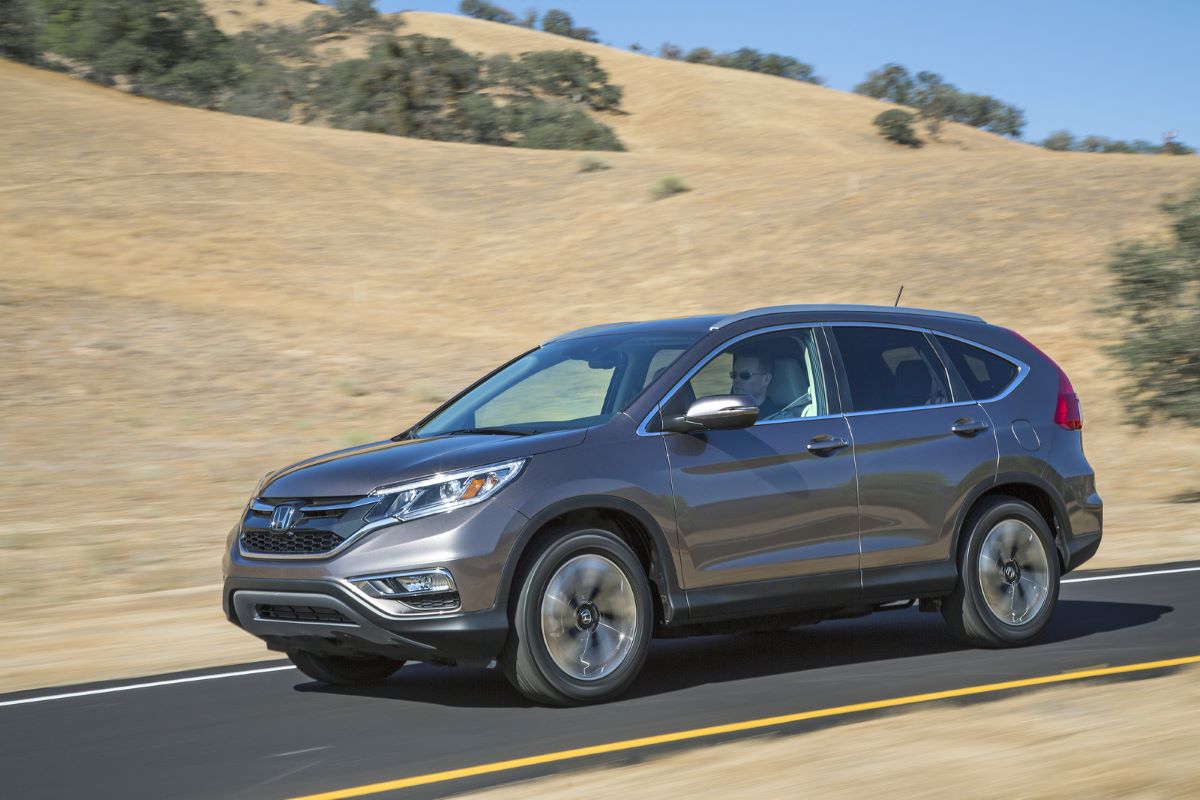
The latest versions come with advanced safety tech, strong resale value, and hybrid options for those seeking better fuel economy.
While rivals like the Ford Escape or Nissan Rogue often struggle with reliability concerns, CR-V buyers typically walk away feeling like they made one of the smartest purchases in the segment.
Redesigned for 2023, the Honda CR-V remains unchanged for the 2022 model year, with the only update being standard AWD on the CR-V Limited.
This means the SUV continues to deliver its well-rounded excellence while still offering an infotainment screen that feels a bit undersized. Within the compact SUV class, the CR-V goes head-to-head with rivals like the Toyota RAV4, Subaru Forester, and Nissan Rogue.
The CR-V handles capably and offers respectable speed for a family-focused compact SUV. Efficiency is another strength, with fuel economy figures landing in the upper half of the segment.
Small yet thoughtful details, such as levers in the cargo area that fold down the rear seats and rear doors that open nearly 90 degrees, make life easier. Notably, the Toyota RAV4 doesn’t provide both of these features.
That said, the RAV4 does hold an advantage in cabin presentation. Its interior feels more up to date, thanks largely to the CR-V’s 7.0-inch touchscreen, which sits lower on the dash compared to the higher-mounted screens in newer Honda models.
Even with that drawback, for shoppers seeking a sub-$40,000 compact SUV, both the 2022 CR-V and CR-V Hybrid remain excellent options. Just keep in mind that a fully redesigned 2023 CR-V is on the horizon.
Except for the hybrid variant, every CR-V shares the same engine setup. Power comes from a 1.5-liter turbocharged inline-four producing 190 hp and 179 lb-ft of torque, delivered to the front wheels as standard, with AWD available across the lineup.
Regardless of drivetrain, the turbo-four is mated to a CVT automatic. In our testing, an AWD CR-V Touring accelerated from 0–60 mph in 7.8 seconds. Fuel economy ratings come in at 27–28/32–34 mpg city/highway, with FWD versions holding a slight edge over AWD models.
Also Read: 5 Engines That Handle Stop-and-Go Traffic vs 5 That Break Early
3. Toyota Tacoma
Pickup trucks often come with a higher ownership cost, but the Toyota Tacoma is one of the rare exceptions that still delivers satisfaction years after purchase.
Known for its rugged durability and strong resale value, the Tacoma has a loyal fan base among off-roaders and casual truck owners alike. Unlike full-size pickups that suffer from steep depreciation, Tacomas often retain their value even after a decade of use.
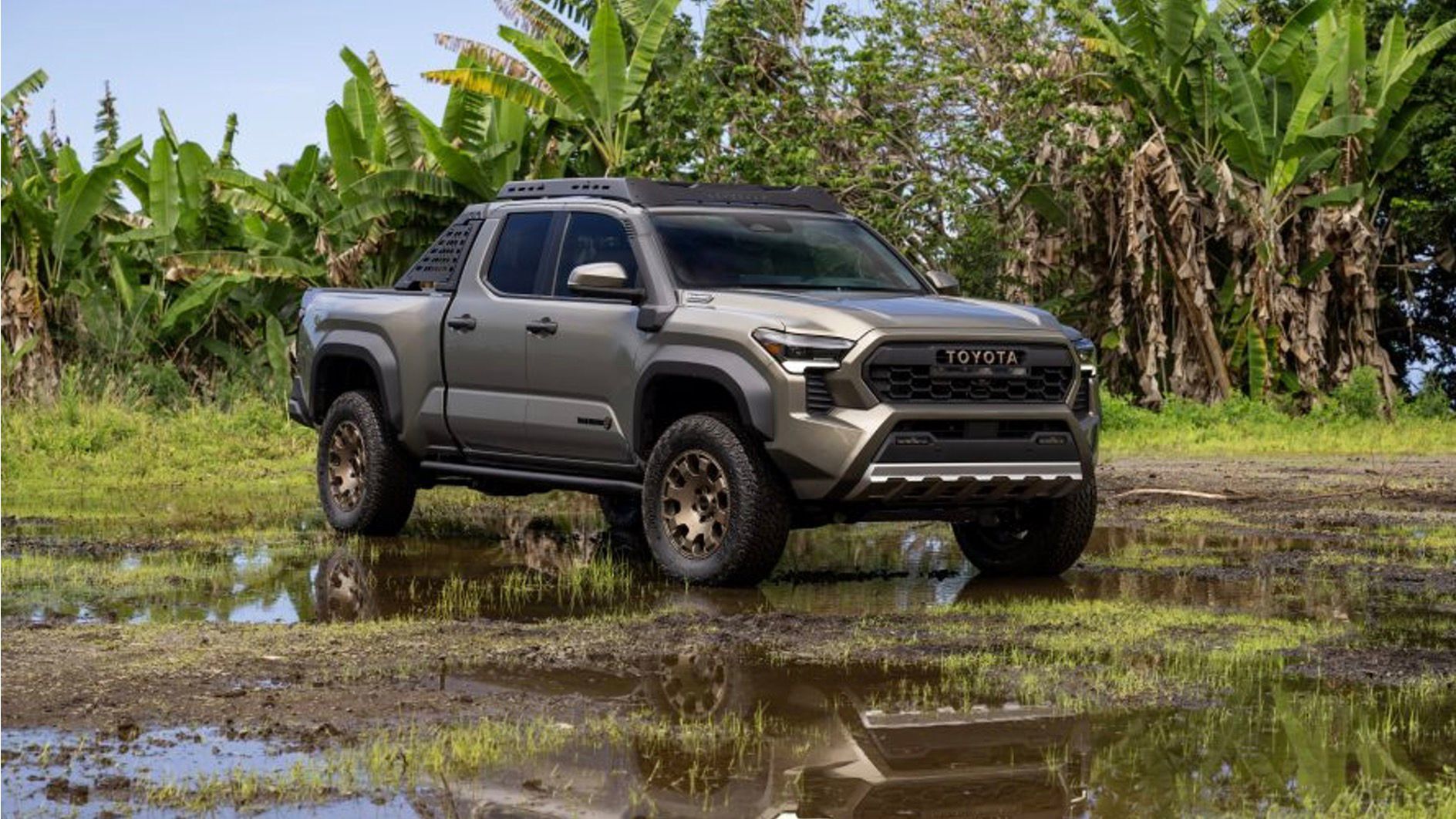
While its ride comfort and interior refinement may not match competitors like the Ford Ranger or Chevy Colorado, buyers who choose the Tacoma rarely regret the tradeoff. It’s the type of truck you can count on to handle both work and play without turning into a money pit.
Every nonhybrid Tacoma is powered by a turbocharged 2.4-liter four-cylinder, offered in two configurations and paired with either an eight-speed automatic or a six-speed manual transmission.
Buyers can choose between rear-wheel drive and four-wheel drive. The base 228-hp turbo four is exclusive to the entry-level SR trim, while all other models step up to the more potent i-Force versions, producing as much as 278 horsepower and 317 pound-feet of torque.
Although every Tacoma uses body-on-frame construction, rear suspension setups vary. The SR, SR5 extended cab, and TRD PreRunner ride on traditional leaf springs, while the rest of the lineup benefits from coil springs.
We’ve had the chance to drive several versions of the latest Tacoma, including the TRD Off-Road, the PreRunner, and the manual-equipped model.
What stands out most is the pickup’s new level of on-road refinement, particularly in models equipped with coil springs, which deliver a far smoother ride than the older leaf-spring arrangement.
In daily driving, the turbo-four powertrain supplies ample performance, handling city commutes and highway merges with ease.
Still, the Tacoma’s true strength lies off the pavement, and the off-road-oriented trims are equipped with the tools needed to tackle just about any terrain.
4. Mazda MX-5 Miata
Sports cars often land in the “buyer’s regret” category because they tend to be expensive to maintain and not very practical. But the Mazda MX-5 Miata is the exception.
Affordable, reliable, and endlessly fun to drive, the Miata delivers more smiles per mile than cars three times its price.
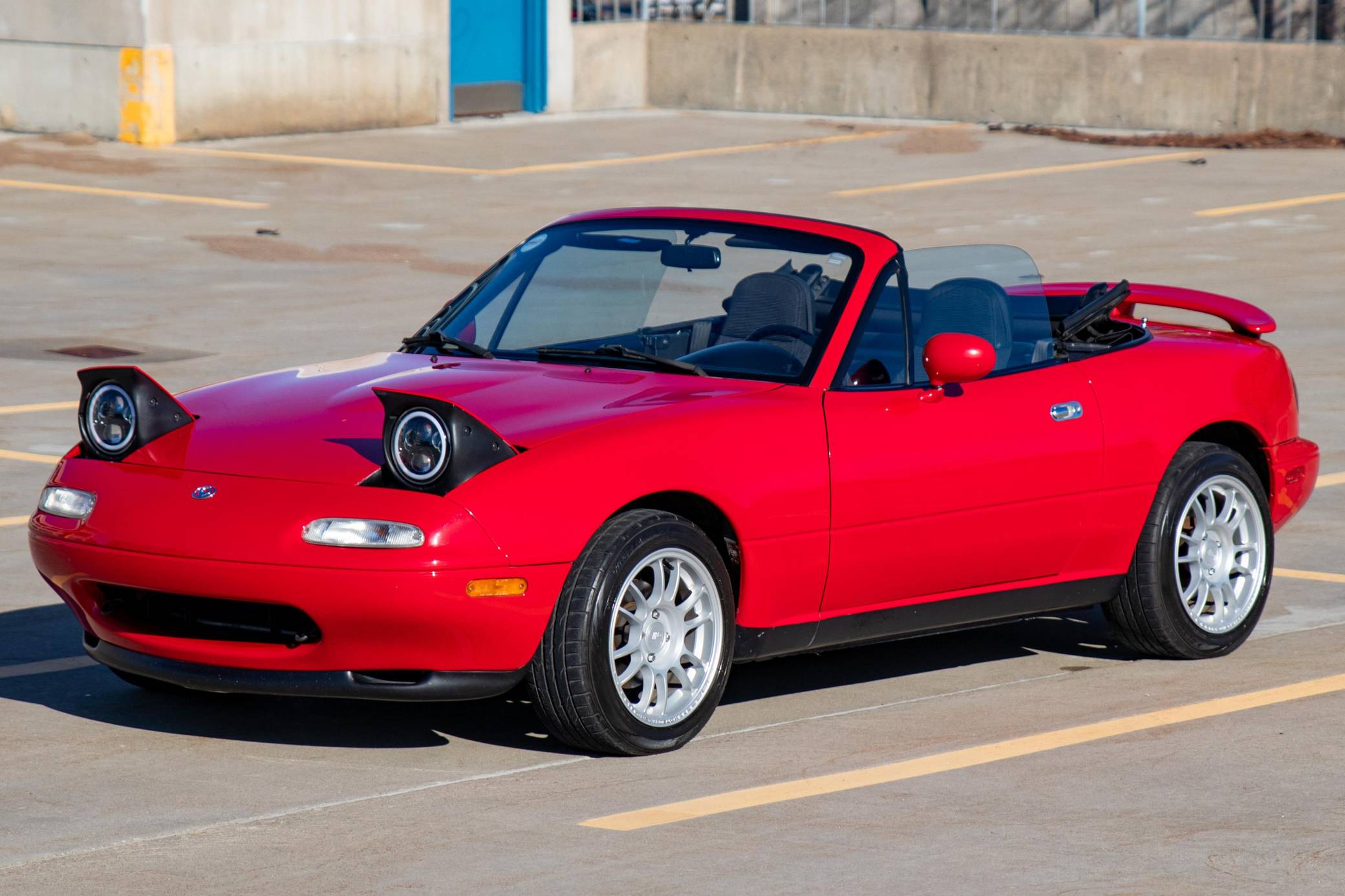
Its lightweight design and sharp handling make it a driver’s dream, yet it also boasts impressive longevity, with many owners reporting well over 150,000 miles without major issues.
While it’s not a family hauler, Miata buyers know exactly what they’re getting and because the car lives up to its promise of affordable fun, it almost never leaves its owners wishing they had chosen something else.
Small, nimble, and endlessly cheerful, Mazda’s iconic roadster has held true to its core mission of delivering attainable two-seat fun across four generations.
While SUVs and trucks continue to grow larger and more aggressive in design, the MX-5 counters with a friendly face and sleek lines that promise a refreshingly stress-free alternative.
Pricing begins at $29,530 for the Sport trim, moving up to $33,030 for the Club and $34,830 for the Grand Touring.
For those seeking something a bit different, the RF variant adds a stylish “fastback” folding roof to the Club and Grand Touring trims, though it comes at a premium and isn’t strictly necessary to enjoy the Miata’s charm.
Mazda could have complicated the formula in countless ways, but instead shows remarkable restraint. The fabric soft top remains manually operated, and the oversized knobs for the A/C controls are refreshingly straightforward.
No one will mistake the plastics used on the pop-out cupholders, sun visors, or air vents for the upscale materials found in a BMW Z4 or Mercedes CLE, yet they serve their purpose just fine.
5. Lexus RX
When Americans think of luxury SUVs, the Lexus RX is often the first that comes to mind, and for good reason. Unlike many European luxury vehicles that come with costly upkeep, the RX is praised for its long-term reliability and lower-than-expected maintenance bills.
Owners appreciate its smooth ride, high-quality interior, and reputation for comfort that makes long commutes or road trips enjoyable.
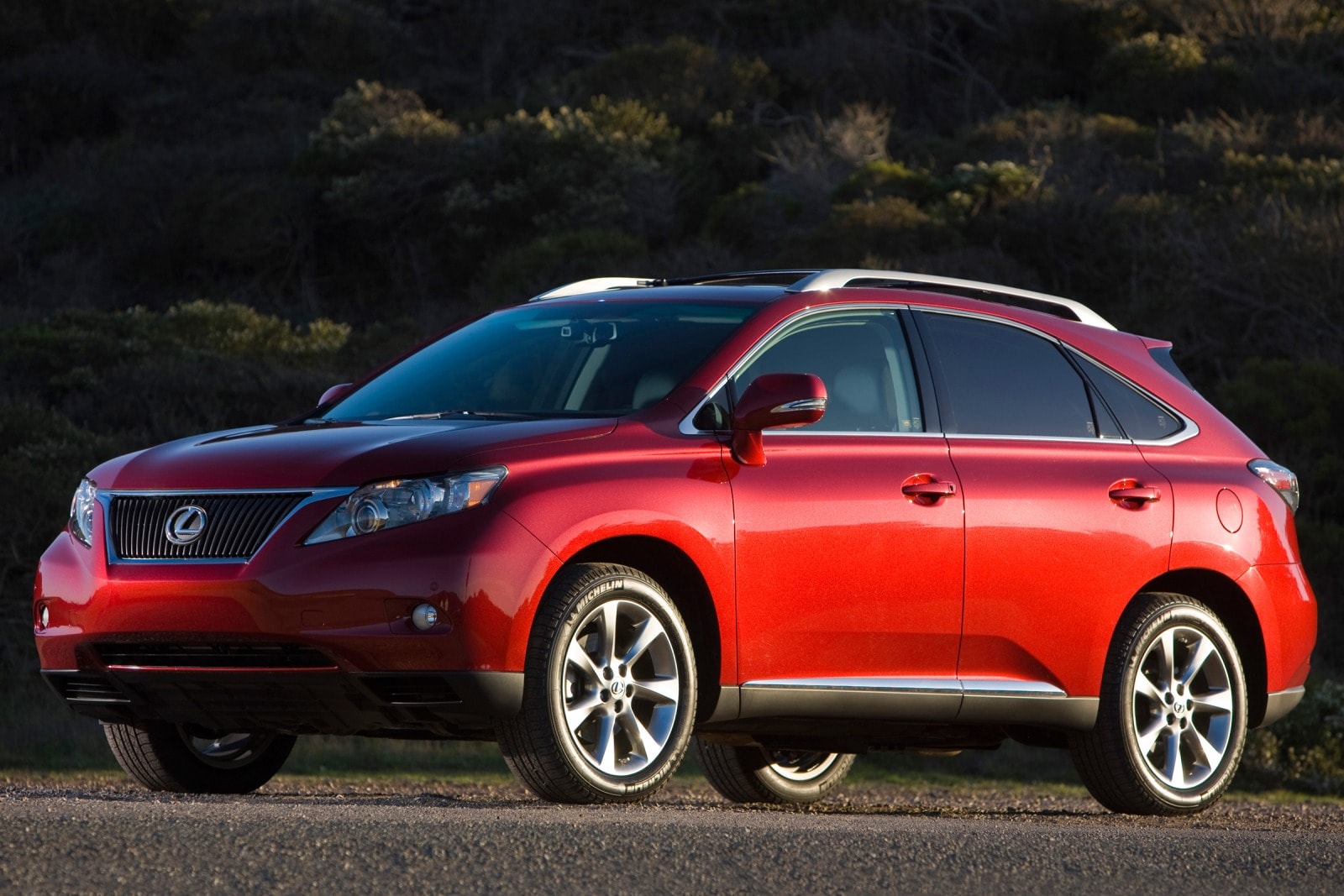
Resale value is also strong, and unlike competitors from BMW or Audi, the RX rarely saddles buyers with expensive repairs. For anyone looking to combine luxury with peace of mind, the RX is a purchase that rarely comes with regret.
Also Read: 11 Best Engines That Stay Smooth After Decades of Use
Cars That Always Cause Buyer’s Regret
Few things sting more than driving off the lot in a new car, only to realize it wasn’t the right choice. Whether it’s constant breakdowns, sky-high repair bills, poor fuel economy, or simply underwhelming performance, some vehicles develop a reputation for letting owners down.
These are the cars that often feel exciting at first glance but reveal their flaws soon after purchase, leaving buyers with regret and frustration instead of satisfaction.
1. Fiat 500
The Fiat 500 made a splash when it re-entered the U.S. market with its quirky Italian styling, but the charm wore off quickly for many buyers. While fun to look at, the 500 has been plagued with reliability issues, cramped interiors, and poor resale value.
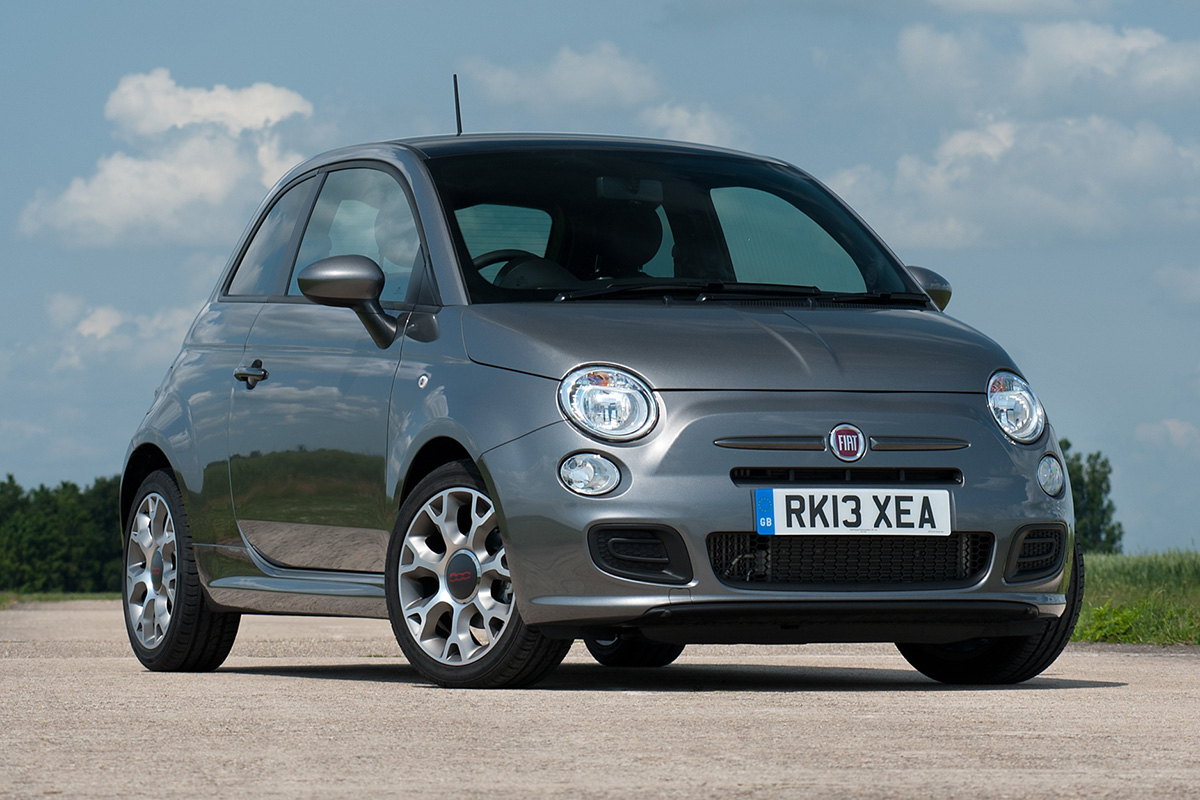
Owners often discover that the cute design doesn’t compensate for frustrating electrical problems and underwhelming performance. Parts and service can also be expensive compared to mainstream competitors.
For many Americans, buying a Fiat 500 turned out to be more of a novelty purchase than a lasting investment, and regret followed shortly after.
Decades later, that same appeal continues to endure. No other automaker has managed to capture retro flair in a hatchback quite like Fiat, which blends modern features with nostalgic styling in a way that feels both timeless and contemporary.
The 500 remains one of the most eye-catching retro-inspired cars on the road, though it does come with a few compromises.
The Fiat 500’s modest proportions, round headlights, and signature interior touches, such as the dash layout and gear lever, all draw inspiration from its 1960s roots.
Buyers can select from a wide range of paint finishes and customization options, including exclusive special-edition hues like dusty pink and matte green.
Beyond color, individuality shines through with choices such as different alloy wheel designs, decorative decals, and even a convertible variant. Unlike most modern cars, the Fiat 500 is less about aerodynamic optimization or efficiency and more about personal expression through design.
Performance has never been the Fiat 500’s primary mission. Instead, it emphasizes the joy of driving, proving that speed isn’t the only route to enjoyment.
In markets where it’s still available, buyers can choose between a 1.0-liter mild-hybrid gasoline-electric engine and a 1.2-liter gasoline engine. The hybrid offers slightly better emissions while delivering just one extra horsepower over the 1.2.
Neither is built for record-setting acceleration, with the hybrid reaching 0–62 mph in 13.4 seconds and the 1.2-liter managing the same in 12.5 seconds. Yet, the Fiat 500 delivers its charm in how it makes the everyday drive feel playful rather than purely fast.
2. Jeep Compass
The Jeep brand carries strong name recognition, especially for those who love the idea of adventure and off-road capability. However, the Jeep Compass has consistently fallen short of expectations.
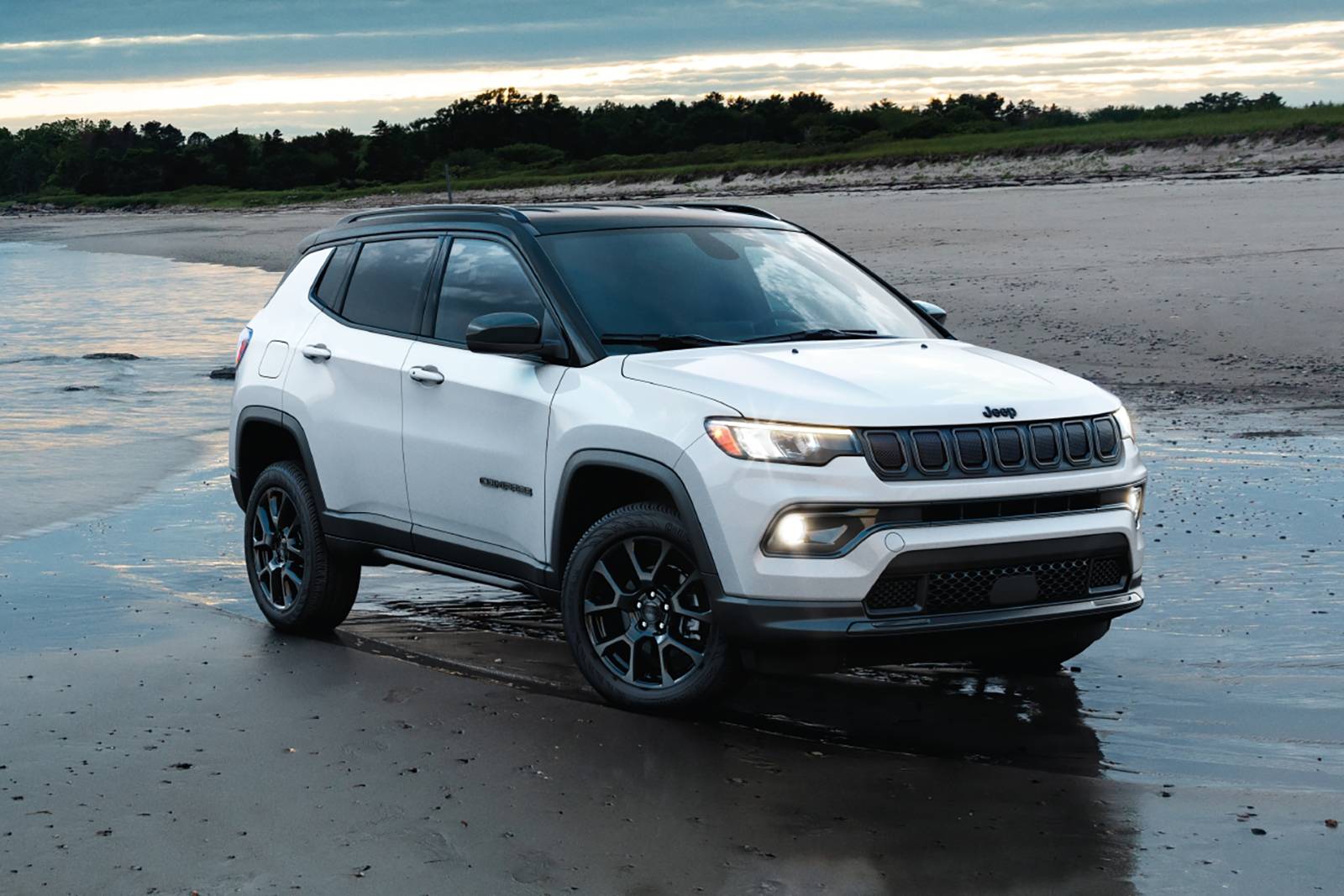
Owners often complain about lackluster performance, subpar interior quality, and mediocre reliability. Unlike the Wrangler or Grand Cherokee, which hold more value in the Jeep lineup, the Compass frequently underdelivers on the “rugged” promise of the brand.
For buyers hoping to get Jeep’s adventurous spirit in an affordable package, disappointment often sets in quickly, making it one of the models that lead to regret.
3. Mitsubishi Mirage
At first glance, the Mitsubishi Mirage appeals to budget-conscious buyers thanks to its low sticker price and impressive fuel economy. But once purchased, many realize that it comes with severe trade-offs.
The Mirage is often criticized for its weak engine, poor build quality, and bare-bones interior that feels decades behind competitors like the Honda Fit or Toyota Yaris.
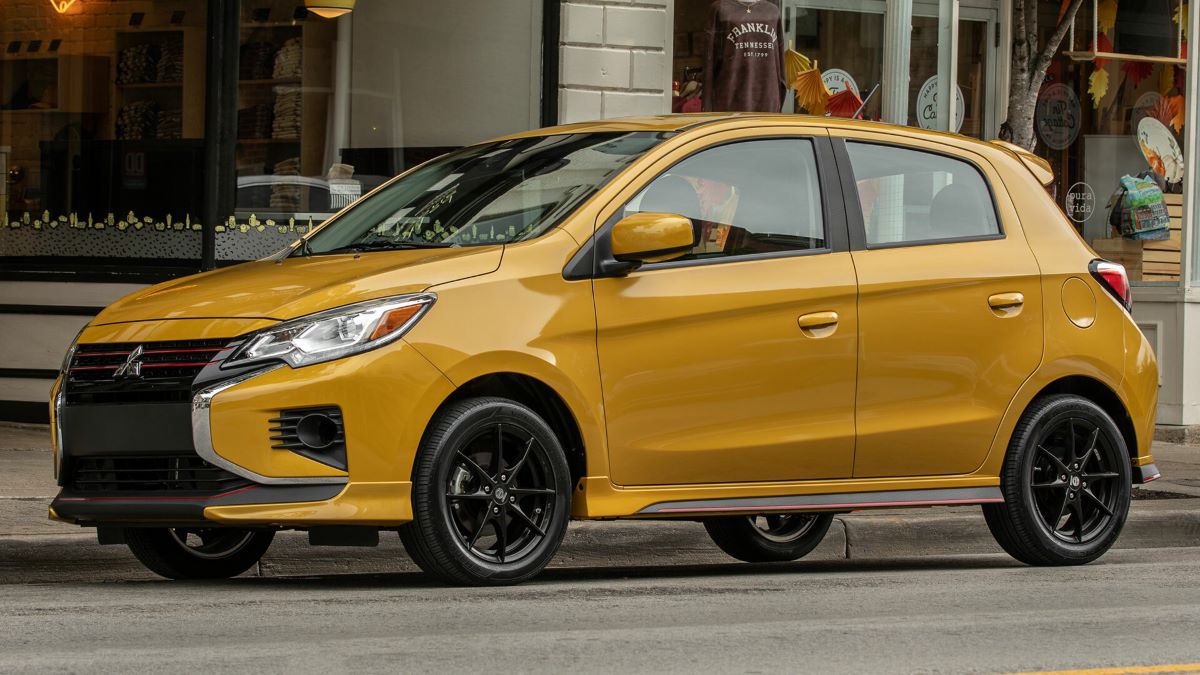
While it saves money upfront, it quickly frustrates owners who expected more livability from their daily driver. With low resale value and limited appeal in the used market, the Mirage is one of those cars people often wish they hadn’t settled for.
For 2021, the Mitsubishi Mirage hatchback receives a mild styling update, highlighted by a larger grille, redesigned front and rear bumpers, and updated headlight and taillight designs.
The 2021 Mitsubishi Mirage starts at $15,565 and ranges up to $18,715 depending on trim level and options:
If you’re drawn to the Mirage, chances are you’re prioritizing affordability above all else. With that in mind, the base ES trim is the most sensible choice.
Spending more on higher trims pushes the Mirage’s price into a territory where far more competitive vehicles become available.
Every Mirage hatchback is powered by a 1.2-liter three-cylinder engine that produces 78 horsepower and 74 lb-ft of torque. That output trails rivals such as the Chevrolet Spark, which offers 98 horsepower.
The entry-level Mirage pairs the engine with a five-speed manual transmission, while all other trims come with a continuously variable automatic (CVT).
On the road, acceleration is sluggish, requiring heavy throttle input to complete highway passing maneuvers.
The engine grows loud under strain, and noticeable vibration makes its way into the cabin, reinforcing the Mirage’s reputation as an economy-focused commuter rather than a performance standout.
4. Chrysler 200
The Chrysler 200 was marketed as a stylish mid-size sedan meant to compete with segment leaders like the Toyota Camry and Honda Accord, but it ended up becoming a case study in buyer’s regret.
Owners frequently reported transmission problems, lackluster reliability, and a driving experience that felt inferior to rivals. Its interior quality and cramped rear seats only made matters worse.
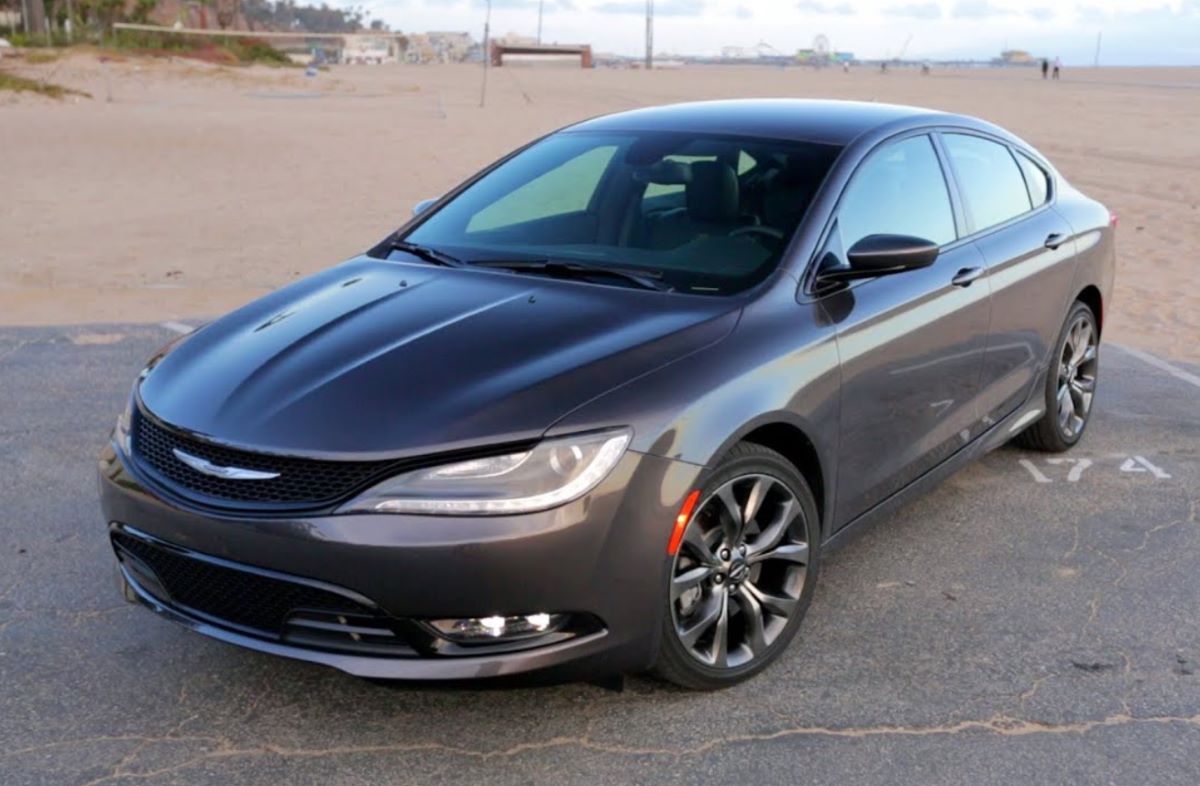
The model was eventually discontinued, leaving many buyers with cars that lost value quickly and carried the stigma of being one of Chrysler’s least successful vehicles. For many, it became the epitome of a regretted purchase.
If you’re searching for a dependable sedan that blends performance with style, the Chrysler 200 stands out as a worthy option. This sleek model has turned heads in the automotive world with its impressive list of features and upscale interior.
Both experts and everyday drivers have highlighted the Chrysler 200’s strong reputation for reliability.
Built with durable materials and solid construction, it’s designed to go the distance. Whether navigating city streets or cruising the highway, the 200 delivers a ride that feels smooth, stable, and reassuring.
Performance is another area where the Chrysler 200 makes its mark. With a powerful engine lineup and responsive handling, this sedan offers a driving experience that’s both engaging and confident.
From merging onto busy freeways to taking on winding roads, the Chrysler 200 proves it can handle a variety of conditions with ease.
Inside, the Chrysler 200 continues to impress. The cabin is refined and welcoming, featuring premium materials and attention to detail throughout.
Supportive seating, quality finishes, and thoughtful design touches create an environment that feels luxurious without sacrificing comfort. Whether used for daily commuting or long-distance travel, the Chrysler 200 ensures drivers and passengers alike enjoy the ride.
Reviews consistently reinforce these strengths. Both critics and owners commend the Chrysler 200 for its dependability, performance, and upscale interior.
When it comes to feedback, the Chrysler 200 has received overwhelmingly positive attention. Both drivers and experts praise its features, reliability, and performance.
The Chrysler 200 is equipped with a suite of amenities designed for convenience and comfort. A touchscreen display, Bluetooth connectivity, and an available navigation system enhance the driving experience, while the cabin’s luxury-inspired design elevates everyday commutes.
A standout quality of the Chrysler 200 is its dependable nature. Owners report minimal issues, with the sedan consistently proving durable and trustworthy. Its sturdy build and long-lasting materials give drivers confidence that it will remain a reliable companion on the road.
Offering smooth acceleration and sharp handling, the Chrysler 200 is versatile enough for both urban driving and highway cruising. Its engine delivers ample power, while the balanced suspension ensures a ride that is comfortable yet engaging.
The Chrysler 200 exceeds expectations by combining modern features, proven reliability, and satisfying performance. For those in search of a sedan that delivers style, comfort, and everyday dependability, the Chrysler 200 is a model well worth considering.
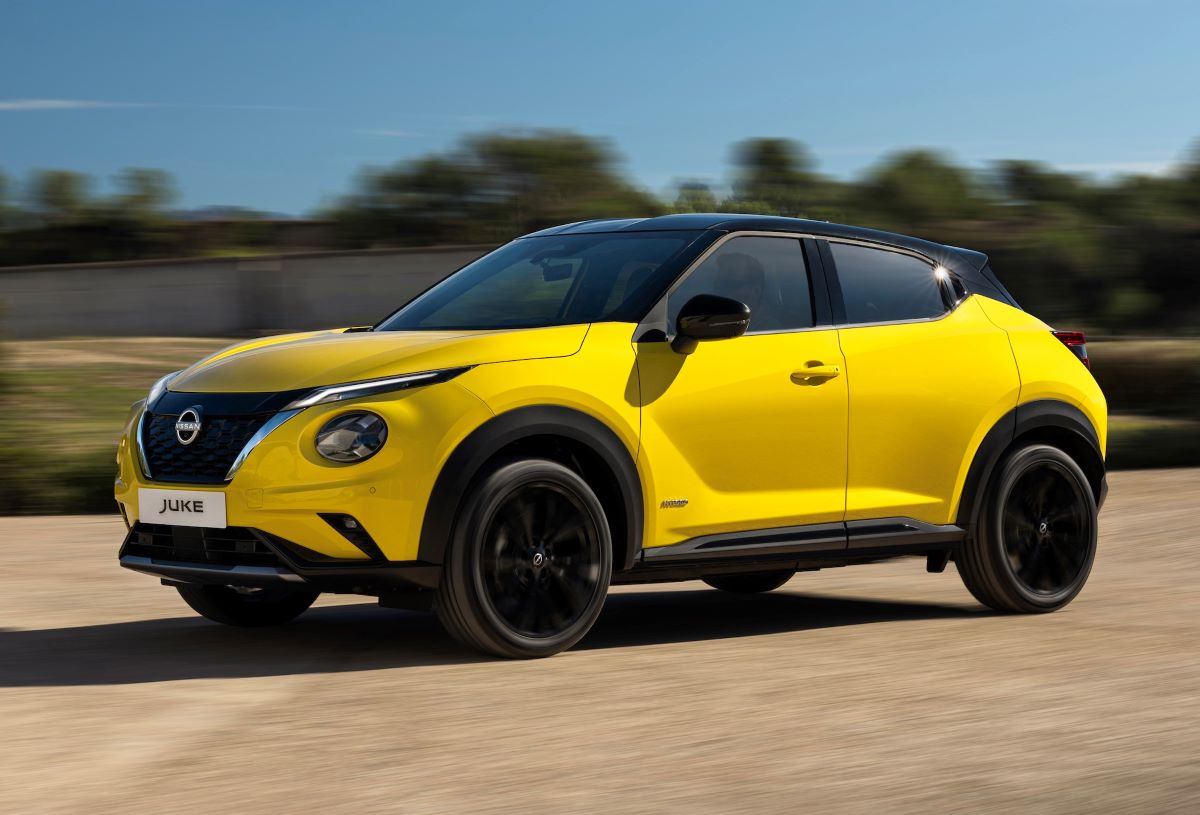
5. Nissan Juke
The Nissan Juke stood out with its polarizing design, and while some owners loved the bold styling, others quickly regretted the decision.
Beyond looks, the Juke struggled with cramped rear seating, limited cargo space, and mechanical issues that dented Nissan’s reputation.
While its turbocharged engine gave it some performance credibility, the quirky design didn’t age well in the U.S. market. Buyers who thought they were getting something unique often ended up feeling they had chosen a car that was impractical, unreliable, and difficult to resell.
This small crossover immediately drew attention with its unconventional styling and brought a fresh perspective to the growing SUV market.
At a time when buyers were increasingly drawn to high-riding vehicles, Nissan took a bold step by introducing a model that stood out from the crowd.
The Juke’s eccentric design quickly placed it in the “love-it or hate-it” category, with styling that sparked debate from the very beginning.
One of the most polarizing aspects was the lighting arrangement. The slim upper lamps above the grille were often mistaken for headlights but were, in fact, turn signals and position lights.
The true headlights were the large, rounded units set into the bumper, positioned alongside the prominent chrome Nissan badge. From the profile view, the Juke revealed hatchback-inspired proportions, with a sloping roofline that tapered into a compact spoiler above the liftgate.
The interior carried the same unconventional flair. Highlights included a motorcycle-inspired center console, a low seating position, and a sporty instrument cluster, features more commonly found in a hot hatch than a subcompact crossover.
In terms of drivetrains, the Juke was offered with both front-wheel and all-wheel drive. Powertrain options were sourced from both Renault and Nissan, while the AWD system itself came directly from Nissan, leveraging the brand’s extensive experience with traction technologies.
In today’s car market, making the right choice goes beyond the thrill of driving off the lot. Cars like the Toyota Camry, Honda CR-V, and Lexus RX prove that reliability, comfort, and resale value often translate into long-term satisfaction.
On the other hand, models such as the Fiat 500, Chrysler 200, and Mitsubishi Mirage highlight how poor reliability and impractical design can sour the ownership experience.
For American buyers, avoiding regret often means sticking with vehicles that balance practicality with dependability, rather than chasing novelty or bargain prices.