
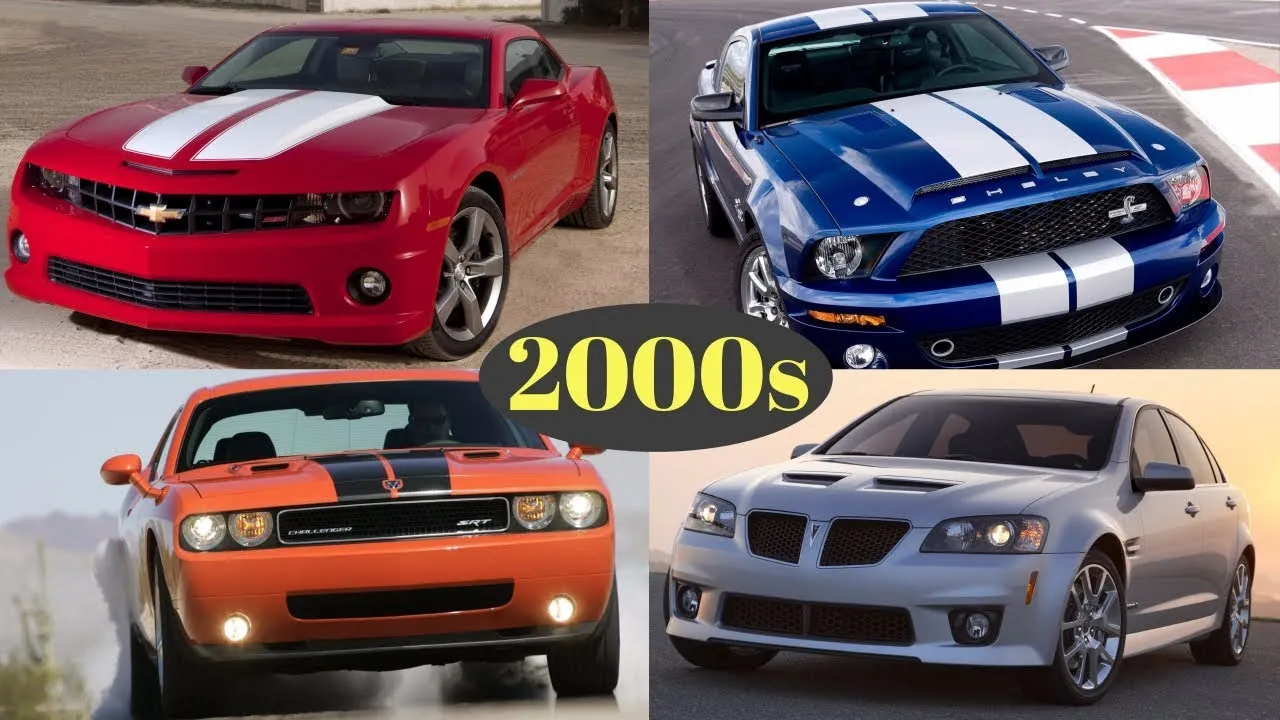
Cars from the 2000s hold a special place in many people’s hearts. That period was a mix of strong engineering, fewer electronic headaches, and durable designs that continue to run today, while some modern vehicles begin to struggle early. When you think about those machines, you remember how they balanced reliability with practicality.
They were made to last without unnecessary complications. Even though technology has advanced, many of those older vehicles continue to shine on highways, dusty roads, and city streets. For drivers who want vehicles that can withstand years of use without demanding too much, the cars from that decade often stand taller than some current releases.
They came from different manufacturers, but one thing connected them: staying power. These were machines that owners kept for long distances, sometimes running over 200,000 miles without serious problems. Mechanics respected them, families trusted them, and till today, many are still on the road carrying goods, children, and memories.
We will now look at 12 cars from the 2000s that continue to prove themselves better than many modern competitors. Each one has its own story, design, and strength. From rugged SUVs to humble sedans, they remind us that longevity in a car comes from more than flashy technology.
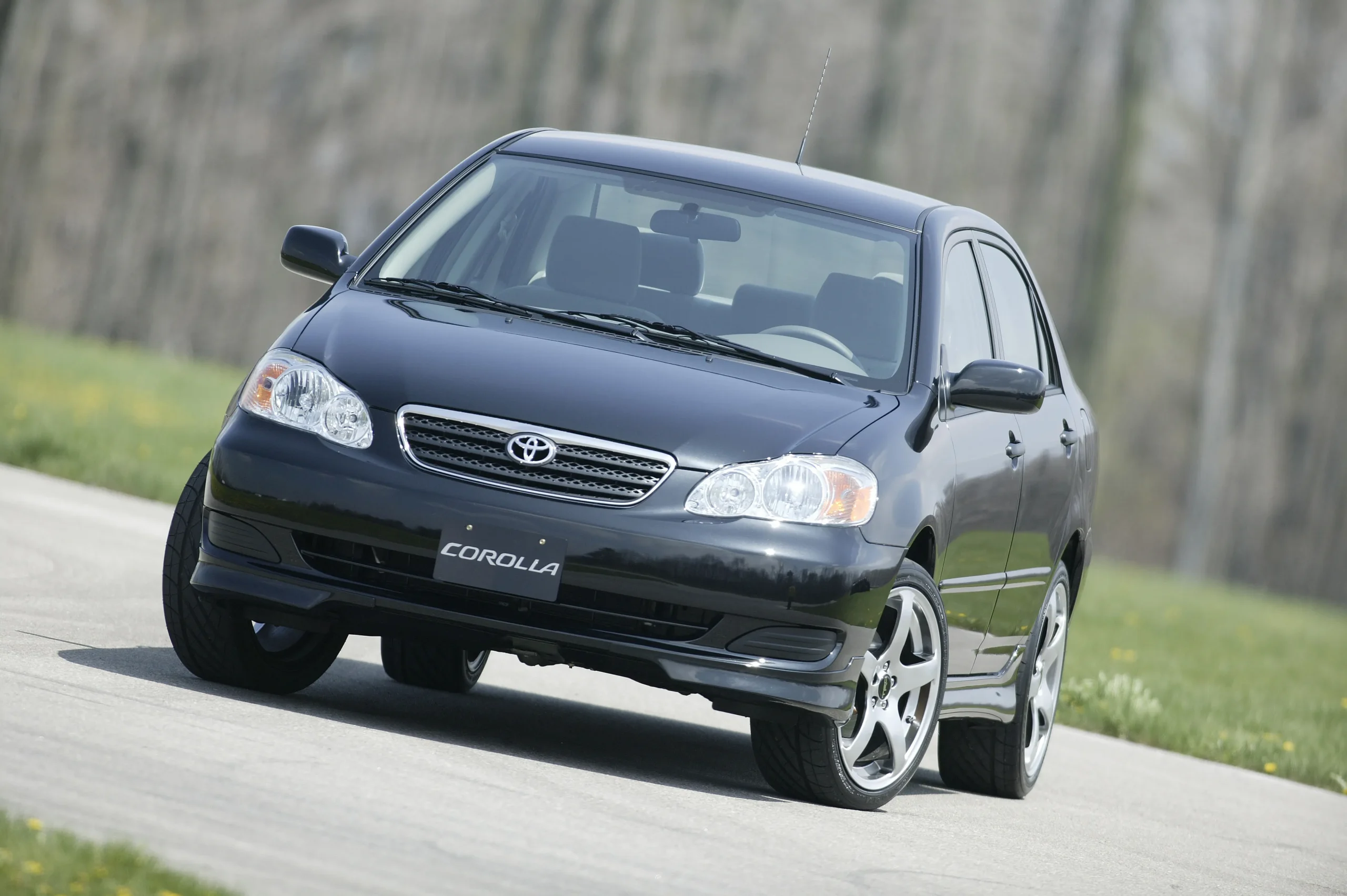
1. Toyota Corolla (2003-2008)
The Toyota Corolla produced between 2003 and 2008 has become a symbol of dependability and endurance. Across different countries, it remains one of the most respected sedans from that period because it was designed to handle daily stress without wearing out quickly.
Families, students, and even taxi operators turned to it because they knew the car could run for years without giving them unnecessary problems. That reputation has kept it alive on many roads till today.
One of the main reasons this Corolla earned so much trust was the strength of its engines. Both the 1.6L and 1.8L petrol engines were known for their long life. They could cross hundreds of thousands of miles without major issues if serviced regularly.
At the same time, fuel consumption was very friendly, which made it suitable for city users who wanted savings at the pump and for long-distance drivers who needed consistent performance. The suspension was also a big advantage, combining comfort with stability so that it could handle rough roads and highways with ease.
Inside the cabin, everything was simple but practical. It did not have unnecessary luxury features, but all controls worked reliably. Drivers valued the fact that even after years of use, most of the electrical components continued to function.
Compared to newer cars filled with delicate sensors and electronic systems, this Corolla was straightforward, meaning that repairs were affordable and could be carried out in almost any workshop. Mechanics appreciated the simple layout, and spare parts were widely available.
Even now, second-hand markets continue to value the 2003–2008 Corolla highly because people know it still delivers. It proves that a car built on reliable engineering and simplicity can outlast many modern competitors.
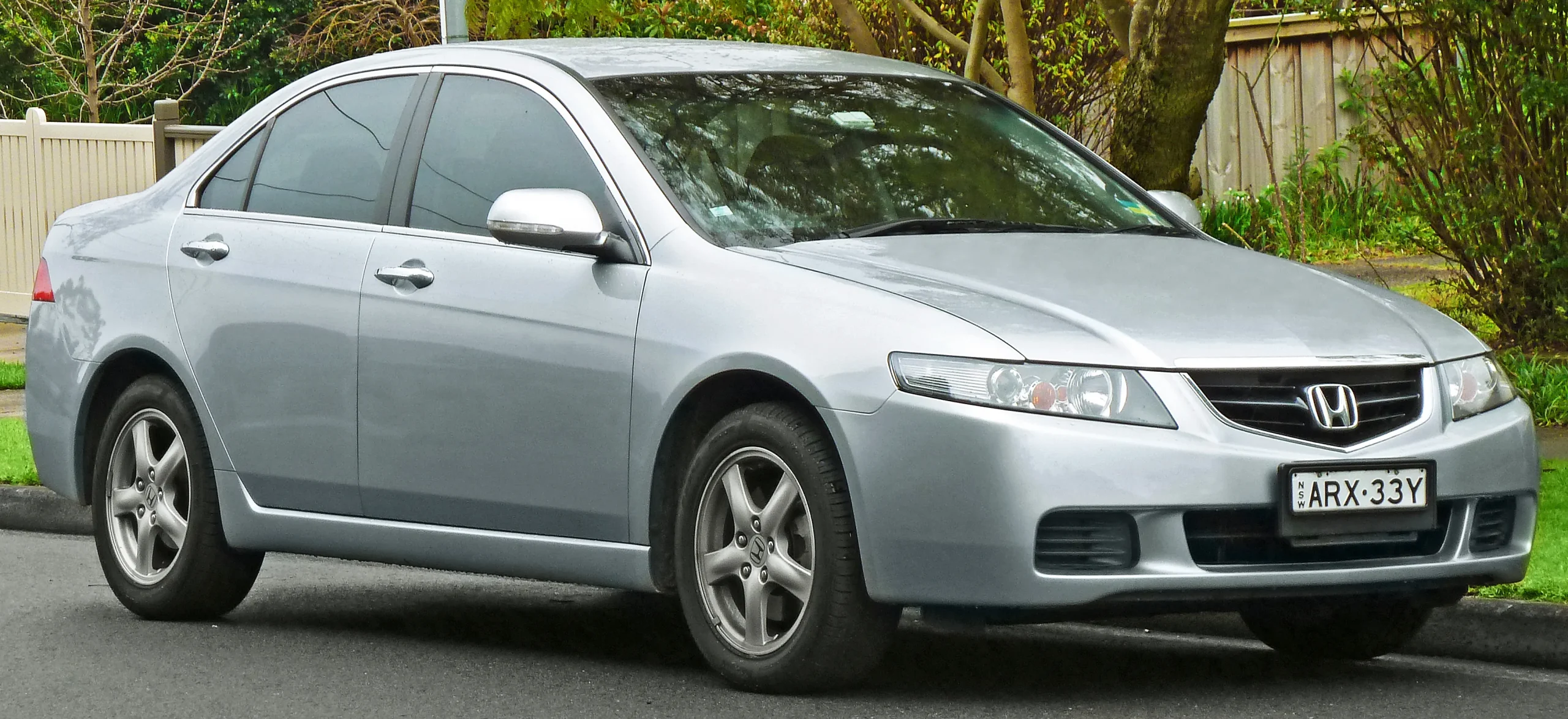
2. Honda Accord (2003-2007)
The Honda Accord from 2003 to 2007 stood out as one of the most dependable midsize sedans of its generation. It offered more room and comfort than the Toyota Corolla, making it a better option for families and professionals who wanted space without losing reliability.
Honda made sure this model combined durability with a touch of style, and that helped it become a long-term favorite for many drivers across different regions.
The heart of its dependability was in the engines. Buyers could choose between a 2.4L inline-four and a 3.0L V6, both known for their strength. With basic servicing, these engines were capable of covering hundreds of thousands of miles without suffering major breakdowns.
The inline-four was highly economical, making it ideal for daily commuters, while the V6 gave drivers who enjoyed extra power a satisfying experience without putting strain on the car’s durability. This blend of performance and efficiency kept the Accord popular throughout the mid-2000s.
The build quality also played a huge role in its staying power. The body design aged gracefully, looking modern even years later. Inside, the materials were strong enough to withstand years of heavy use, from family trips to long commutes. Even after more than a decade, many owners still praise how their interiors remain intact, free from the common wear and tear seen in many rivals.
Another advantage was its serviceability. Unlike some modern cars filled with complicated electronics, the Accord of this era could be maintained at local workshops without specialized equipment. Spare parts were easy to source, and repair costs stayed within reach. That practicality gave owners confidence to keep them longer.
Today, the 2003–2007 Honda Accord remains a trusted choice in second-hand markets, proving Honda’s reputation for building cars that outlast their time.
Also Read: 10 Cars From the 2000s That Are Already Legends
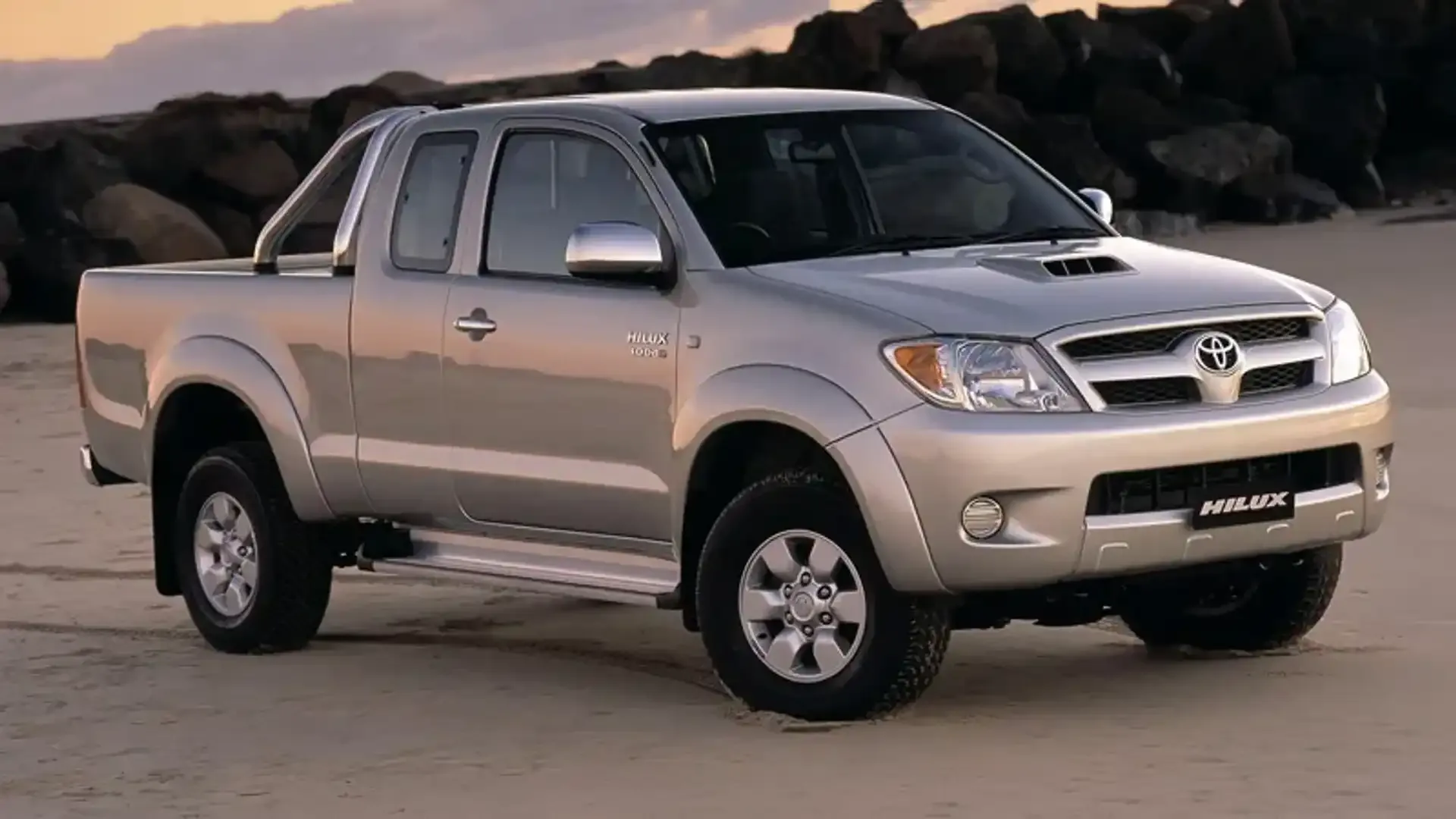
3. Toyota Hilux (2005-2010)
The Toyota Hilux, produced between 2005 and 2010, carried a reputation that few trucks could match. During that period, it was seen as the go-to vehicle for people who needed something dependable for both business and personal use.
Farmers used it to move heavy farm produce, builders relied on it at construction sites, and even government agencies trusted it for tough assignments. Wherever there was demanding work, the Hilux was a familiar sight because it was built to endure.
One of the main reasons this model gained such respect was its strong chassis combined with reliable diesel engines. Drivers who owned the Hilux often shared stories of how it survived conditions that finished other pickups.
Whether it was overloaded with supplies, pushed through deep mud, or driven with low-quality fuel, the truck kept moving. That kind of resilience made it legendary and ensured that its name became almost synonymous with toughness.
The cabin was simple, with no unnecessary luxury, but that was part of its strength. The fewer the fragile features, the less chance of problems. Seats were comfortable enough for long journeys, and controls were straightforward. Owners cared more about its ability to perform heavy work than about leather seats or high-end entertainment systems.
Adventurers also embraced the Hilux because it could cross deserts, mountains, and rocky paths with confidence. Its four-wheel-drive systems were dependable, and the truck’s ground clearance made it suitable for different kinds of road conditions.
Many of those who traveled far distances chose the Hilux because they knew it would not abandon them in the middle of nowhere. Even today, plenty of Hilux pickups from this period are still active, carrying loads and serving new owners. It stands as a reminder that long life in a truck often comes from mechanical strength rather than electronics.
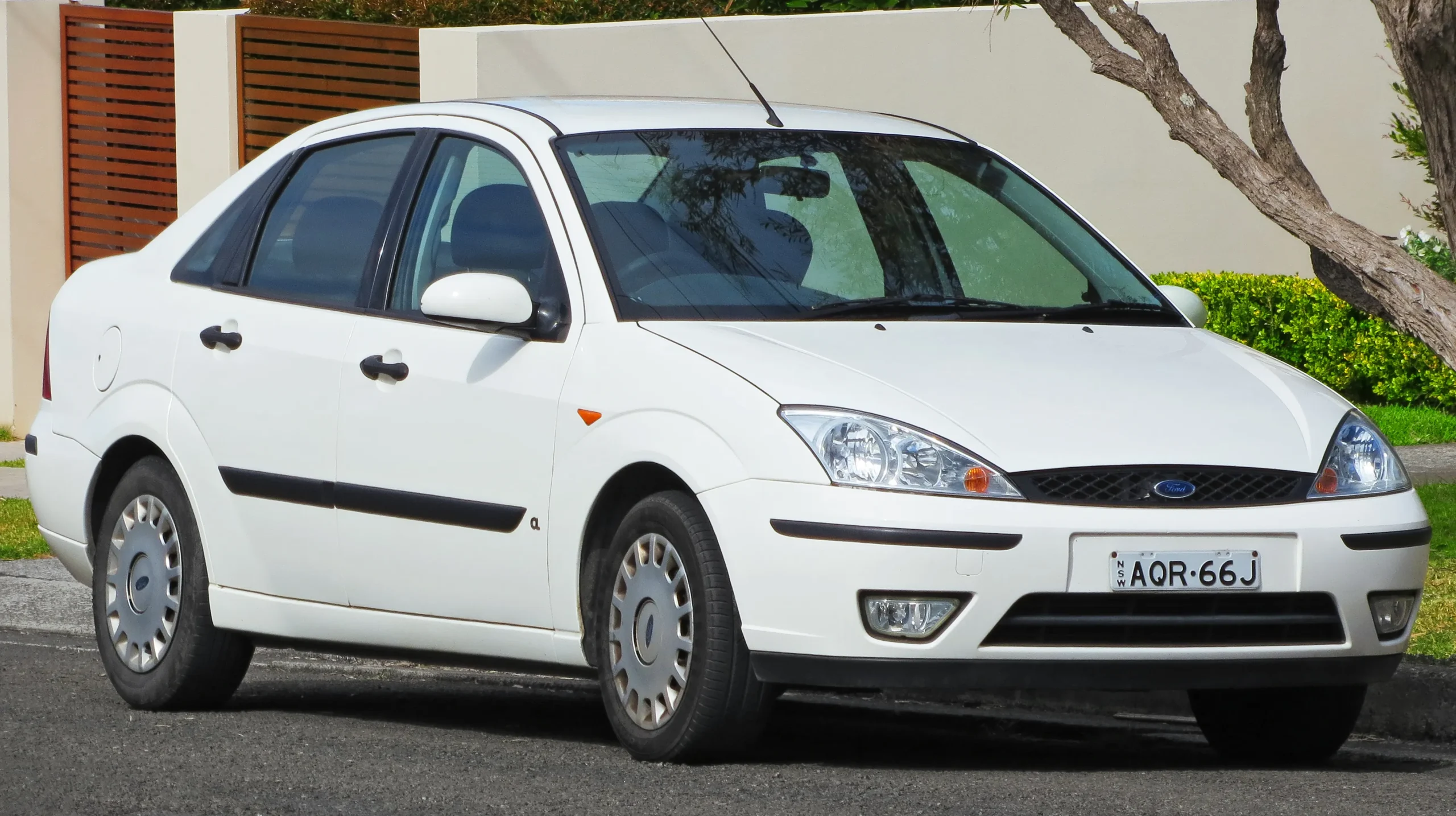
4. Ford Focus (2004-2008)
The Ford Focus released between 2004 and 2008 stood out as a compact car that combined affordability with long-lasting strength. Many people at the time wanted something small enough for city driving but tough enough to handle everyday stress, and the Focus filled that need perfectly.
It came in hatchback and sedan versions, giving buyers a choice that suited different lifestyles. Students, young professionals, and families all found a reason to trust it. One of the main highlights was its engine range, especially the 2.0L Duratec. This engine built a reputation for being dependable, capable of handling high mileage without giving constant trouble.
Owners often reported reaching more than 150,000 miles before even considering major repairs, which was impressive for a car in its class. The simple engineering behind it also meant that servicing was straightforward and did not drain pockets.
The Focus had another advantage, its driving feel. European engineering gave it sharp handling and stability rarely seen in compact cars of that era. It was enjoyable to drive, whether on city streets or longer highway trips. The suspension struck a good balance between comfort and control, making it versatile enough for both smooth and slightly rougher roads.
Inside the cabin, Ford kept things practical. The materials were solid, and the layout was easy to understand. It did not overwhelm with fragile electronics, which helped it age better than some rivals.
For mechanics, the Focus was friendly. Spare parts were widely available, and common issues were easy to repair. That kept ownership costs low and encouraged more people to hold onto their cars longer. Even today, used Focus models from this generation continue to sell well because people remember them as reliable, affordable, and enjoyable cars that lasted.
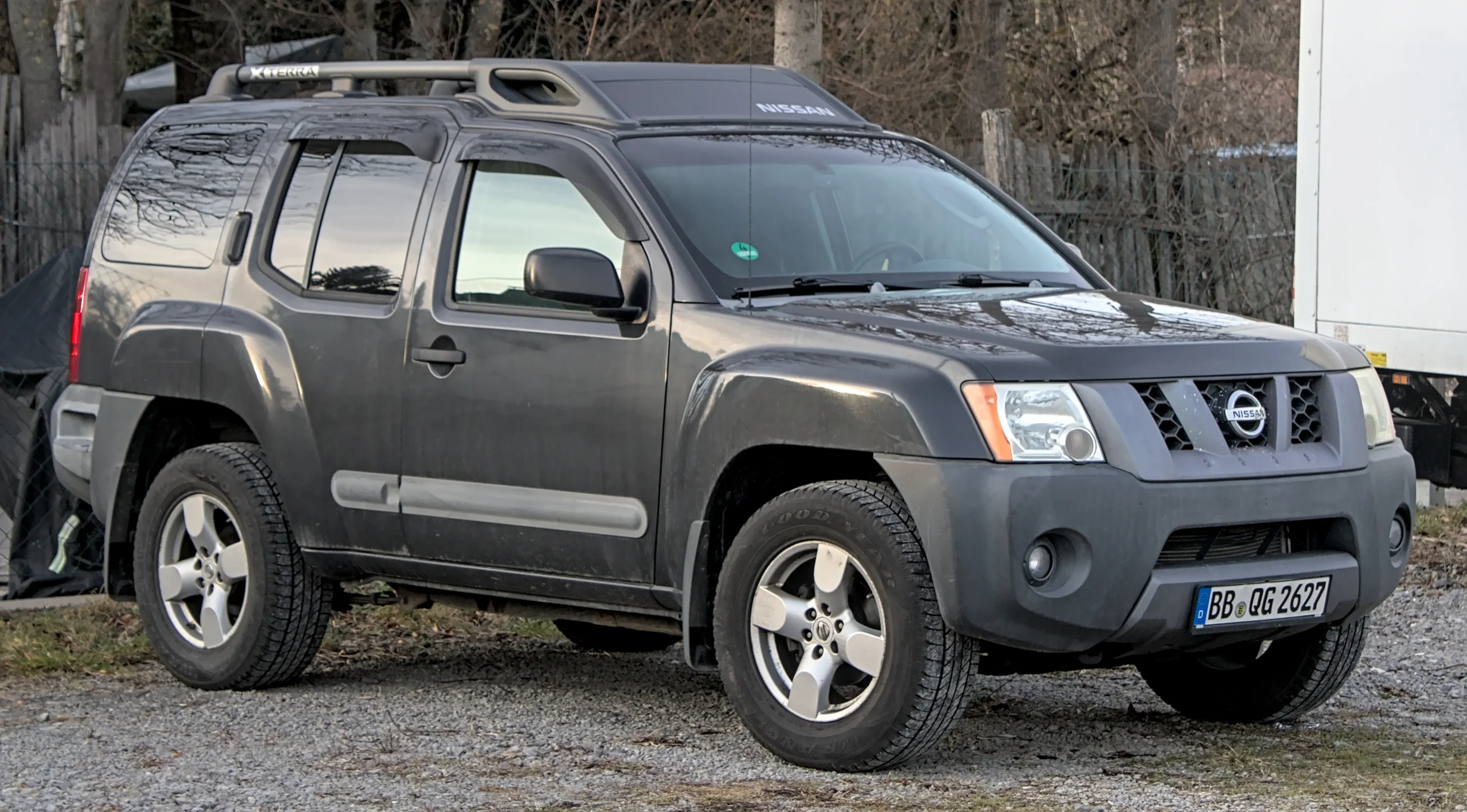
5. Nissan Xterra (2000-2004)
The early 2000s Nissan Xterra was built for drivers who valued toughness over luxury. Marketed as a no-nonsense SUV, it appealed to people who wanted something capable of real off-road travel without paying the high price of premium brands. It quickly earned a reputation as a dependable companion for outdoor adventures while still being practical for daily commutes.
Its rugged body-on-frame design set it apart from softer crossovers. Paired with strong V6 engines, the Xterra could take on mountains, muddy trails, or desert paths with confidence. Owners often praised its ability to endure harsh use, from towing gear to climbing steep roads, proving it was more than just a city SUV.
Durability came not only from its mechanical strength but also from its simplicity. Nissan avoided unnecessary technology and focused on reliability. The interior was designed for hard use, with materials that could be cleaned easily after a muddy trip or sandy excursion. That practical approach helped the SUV age gracefully, with fewer fragile parts to break as time goes on.
Another factor in its lasting appeal is affordability. Repairs were generally straightforward, and replacement parts remain widely available even years later. This has allowed many Xterras to stay on the road long after other SUVs from the same era disappeared. Its consistent resale value reflects the trust people still have in the model.
Though it lacked the flash and comfort of more luxurious SUVs, the Nissan Xterra stood out for its resilience. Many are still spotted today, hauling heavy loads or powering through trails, proving that it remains a trusted choice for drivers who value dependability over trends.
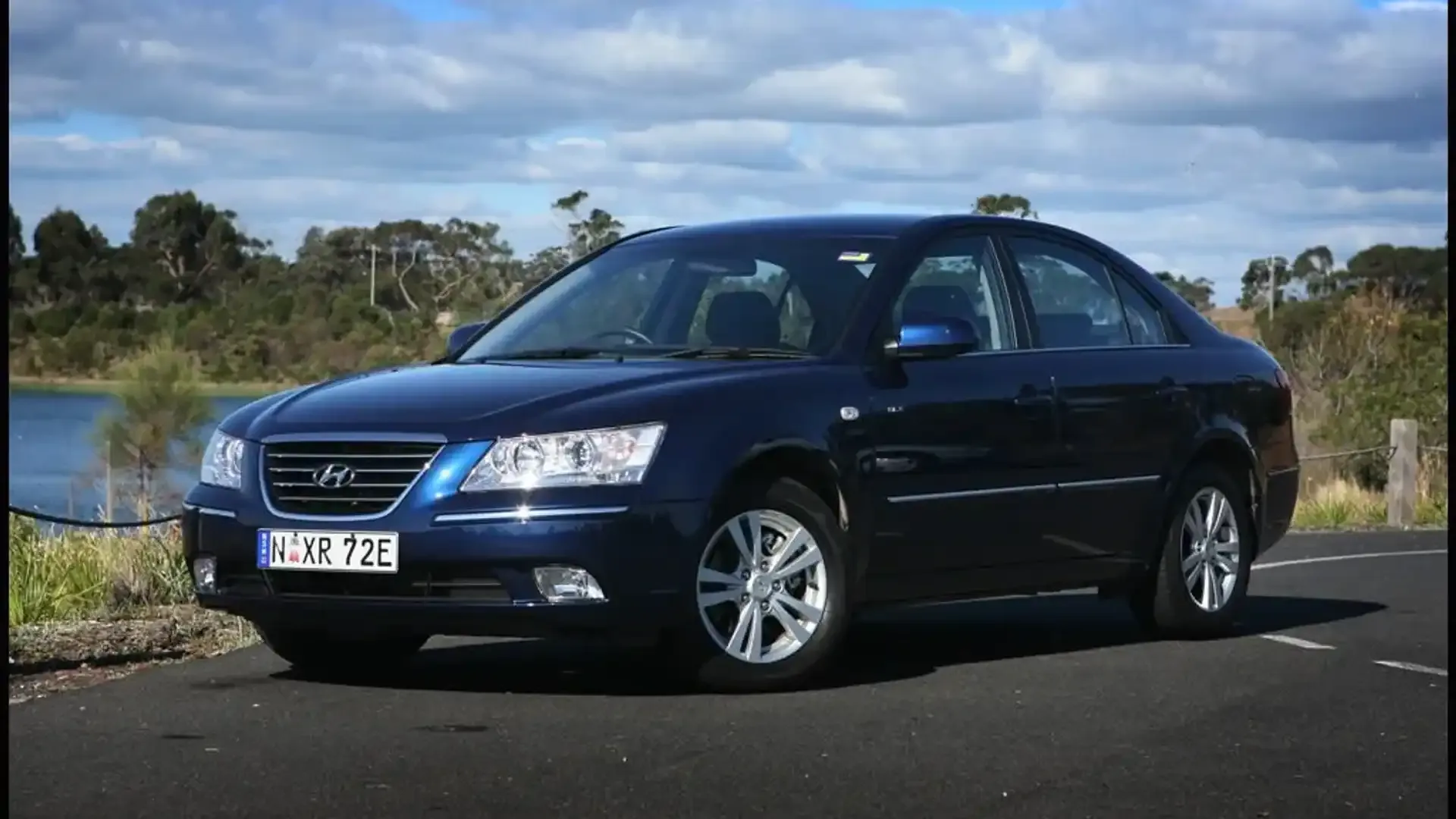
6. Hyundai Sonata (2006-2010)
The Hyundai Sonata from the late 2000s was a big step forward for Hyundai. During that time, Hyundai was building its reputation, and the Sonata showed that the company could make durable sedans. Many people who took a chance on it discovered that it was a car built to last.
The engines, both the four-cylinder and the V6, proved to be strong. Drivers could rely on them to cover long distances without fear of sudden breakdowns. The design was simple but refined enough to attract families and professionals who wanted comfort with dependability.
One thing owners appreciated was the long warranty Hyundai provided, which gave them confidence. But even beyond the warranty, the Sonata models continued to perform for years. Some owners proudly talk about clocking high mileage with no serious engine trouble.
Servicing was easy because the car did not carry complicated electronics. Workshops could handle the usual issues without advanced tools. That accessibility added to its long-lasting reputation.
The late 2000s Sonata might not have carried the prestige of Toyota or Honda at the time, but it surprised many by proving just as reliable. Even today, they are seen on roads doing daily duty, a clear sign that Hyundai’s efforts back then were worthwhile.
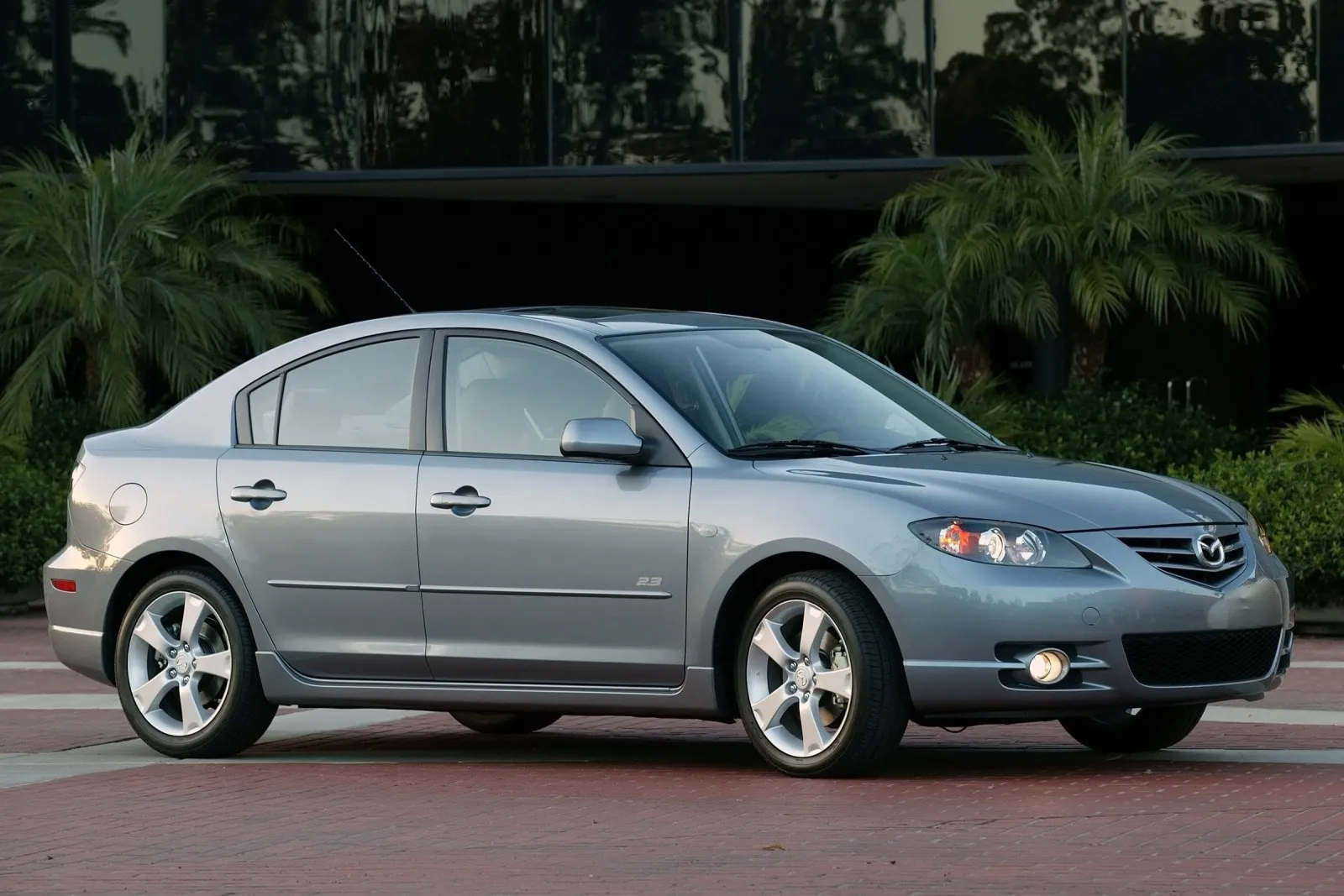
7. Mazda3 (2004-2009)
The Mazda3 was another car from the 2000s that combined reliability with a fun driving experience. It came in sedan and hatchback forms, and both versions gained a reputation for being solidly built. The engines, particularly the 2.3L option, were durable and rarely caused headaches for owners.
What stood out was how enjoyable it was to drive. Many people described the handling as sporty yet practical. Despite being a compact car, it carried itself with confidence on highways and corners. That gave it a loyal following.
Inside, the Mazda3 had practical features, and the interior materials aged well compared to other cars in the same class. The design avoided unnecessary complications, which helped it maintain durability. Owners who treated them with basic care often found the car rewarding with a long life.
Mechanics liked working on the Mazda3 because it did not demand special knowledge. Repairs were manageable, and parts were available in most markets. The reliability record helped it retain value long after other compact cars had faded away.
Even now, you can find Mazda3s from the mid-2000s serving students, young professionals, and even families who appreciate its toughness. It proved that a small car could combine excitement with staying power.
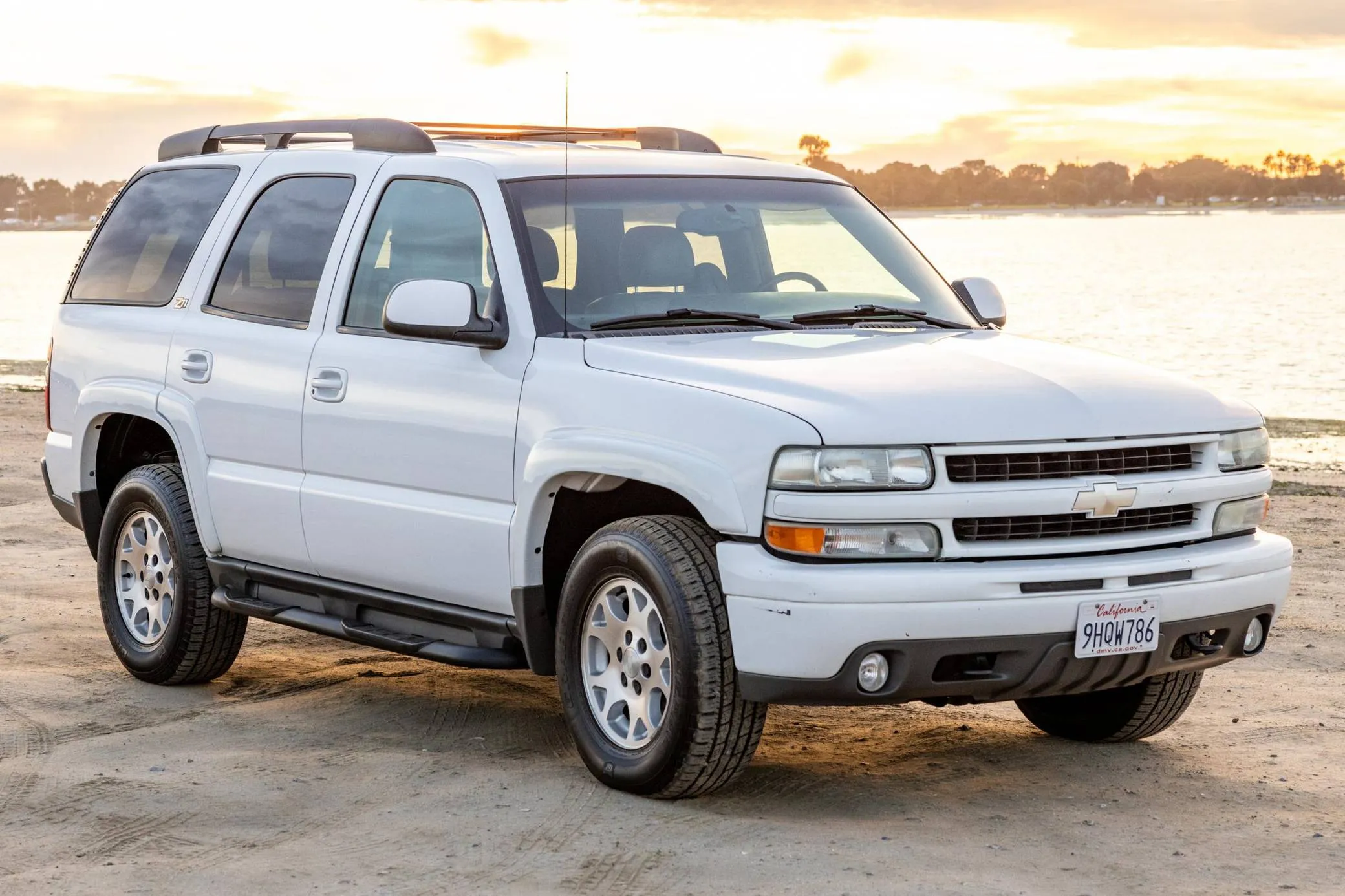
8. Chevrolet Tahoe (2000-2006)
The Chevrolet Tahoe of the early 2000s earned a strong reputation as a reliable full-size SUV. Built on a tough frame and powered by V8 engines, it was designed to carry heavy loads, pull trailers, and transport large families with ease. Many drivers trusted it because it combined raw strength with everyday practicality.
Durability was the Tahoe’s greatest strength. These SUVs were used in different roles, from police fleets to family vehicles and work transport, and many covered hundreds of thousands of kilometres while still performing well. That long service life is the reason it is remembered as one of the most dependable SUVs of its time.
Inside, the Tahoe offered space and comfort. The cabin was wide enough for big families, and the seats were made to withstand years of use. Even today, many interiors remain in good condition despite hard daily service. The mechanical parts were also built tough, handling long-distance travel and heavy loads without major trouble.
Another reason for its lasting popularity is its simple engineering. The V8 engines were easy for mechanics to repair, and spare parts were widely available. Even when serious work was needed, repairs usually brought the SUV back to life rather than ending its journey.
While newer SUVs now focus more on technology and electronics, the Tahoe of this era showed the benefit of simplicity and raw strength. For many households, it became the car that never gave up, a trusted vehicle that could work hard and still deliver comfort.
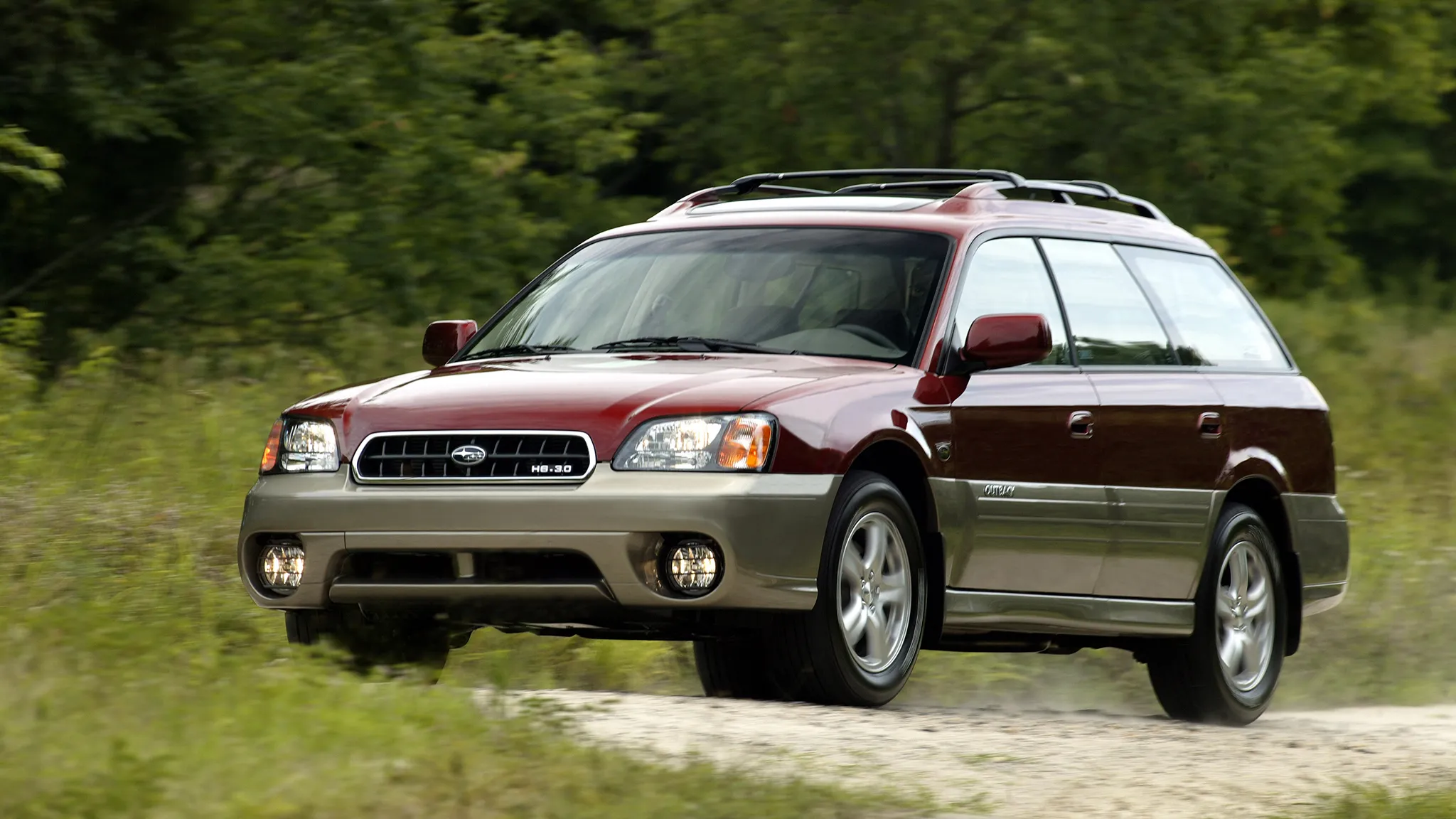
9. Subaru Outback (2000-2004)
The Subaru Outback from the early 2000s combined wagon practicality with rugged endurance. It was a car that drivers could take anywhere, city, highway, or countryside, and trust it to keep going.
The Outback’s boxer engines and all-wheel-drive system were its main strengths. They gave it stability and power on different types of roads. People who lived in snowy or rainy regions especially loved it because it handled bad weather better than most cars.
Owners describe the Outback as a dependable companion. It had plenty of cargo space, making it great for families and travelers. Inside, the design was simple yet useful, with controls that continued working for years without problems.
The engines were strong enough to last if serviced properly. Mechanics liked working on them because Subaru kept the design consistent. That allowed owners to keep their vehicles for much longer than expected.
Even today, many Outbacks from that era are still driving reliably. Their long life proves that Subaru’s focus on durability was successful. They became trusted vehicles for people who wanted both practicality and toughness.
Also Read: 10 Cars With Interiors That Still Look New After 20 Years
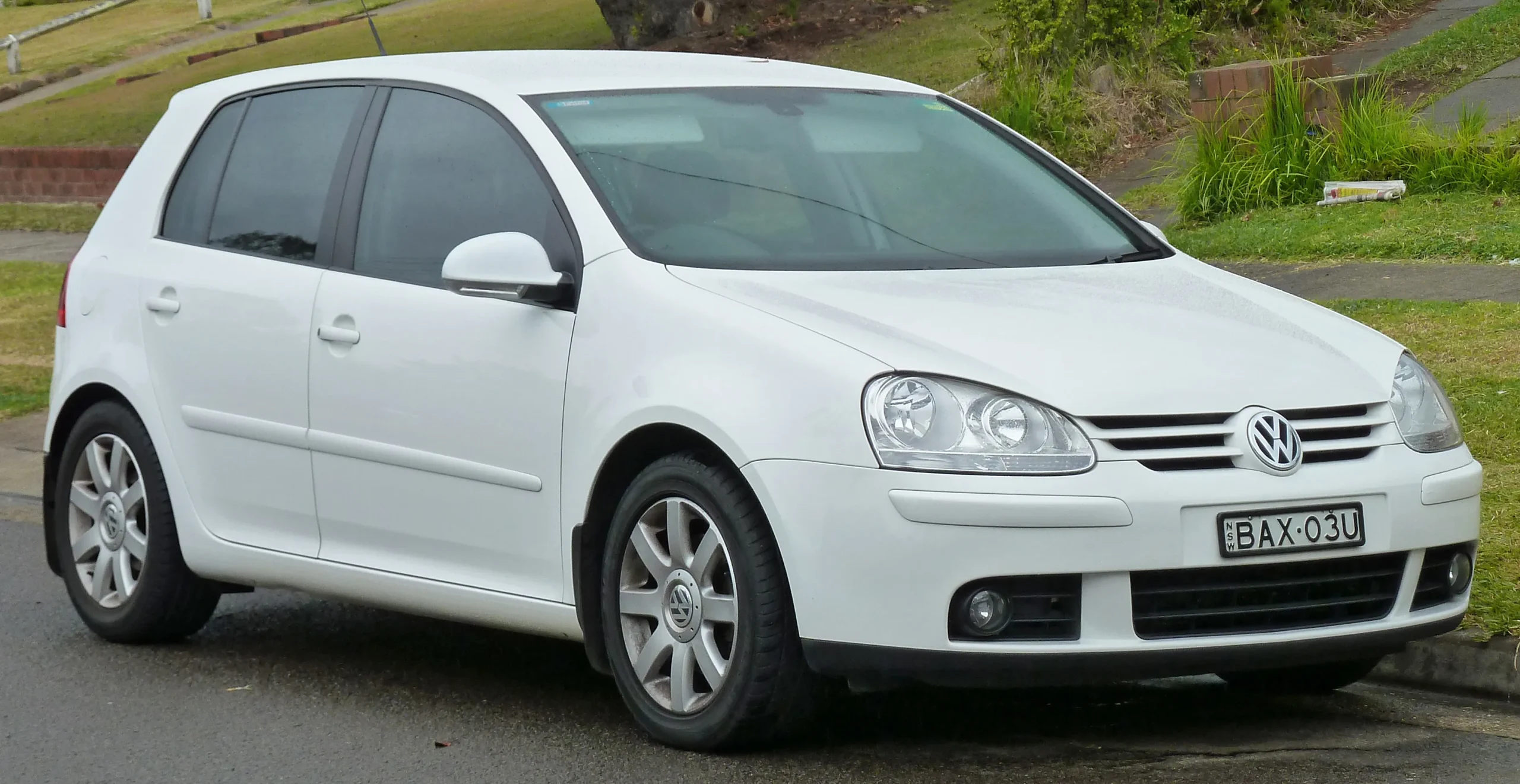
10. Volkswagen Golf Mk5 (2003–2009)
When Volkswagen launched the fifth-generation Golf in 2003, it quickly became clear that this was more than just another compact hatchback. The Mk5 managed to bring together durability, comfort, and a touch of driving excitement, which made it stand out in a crowded segment.
One of its strongest points was under the bonnet. The TDI diesel engines earned a reputation for lasting well past the usual limits, often covering hundreds of thousands of kilometres with regular servicing. Even the petrol versions were solid performers, delivering both efficiency and reliability. For many drivers, the Golf became the car they could trust for years without fear of major breakdowns.
The cabin told the same story of durability. Volkswagen used strong materials that held up well against wear, while the design remained functional and easy to live with. The Mk5 was not overloaded with unnecessary extras, yet it offered a refined atmosphere that made daily driving comfortable.
On the road, the Golf Mk5 provided a balance that few rivals could match. The steering felt precise, and the suspension managed to absorb bumps without losing stability. It was dependable for city runs, yet equally capable on long highway journeys. This mix of reliability and enjoyable handling gave it a loyal following.
Even today, many Mk5 Golfs are still going strong. Mechanics often praise the model for being relatively straightforward to maintain, especially compared with newer cars filled with complicated electronics. That practicality, combined with its robust build, is why the Mk5 continues to be a respected choice in the second-hand market.
The Golf Mk5 showed that a compact car could be more than just economical transport; it could be a dependable companion for everyday life.
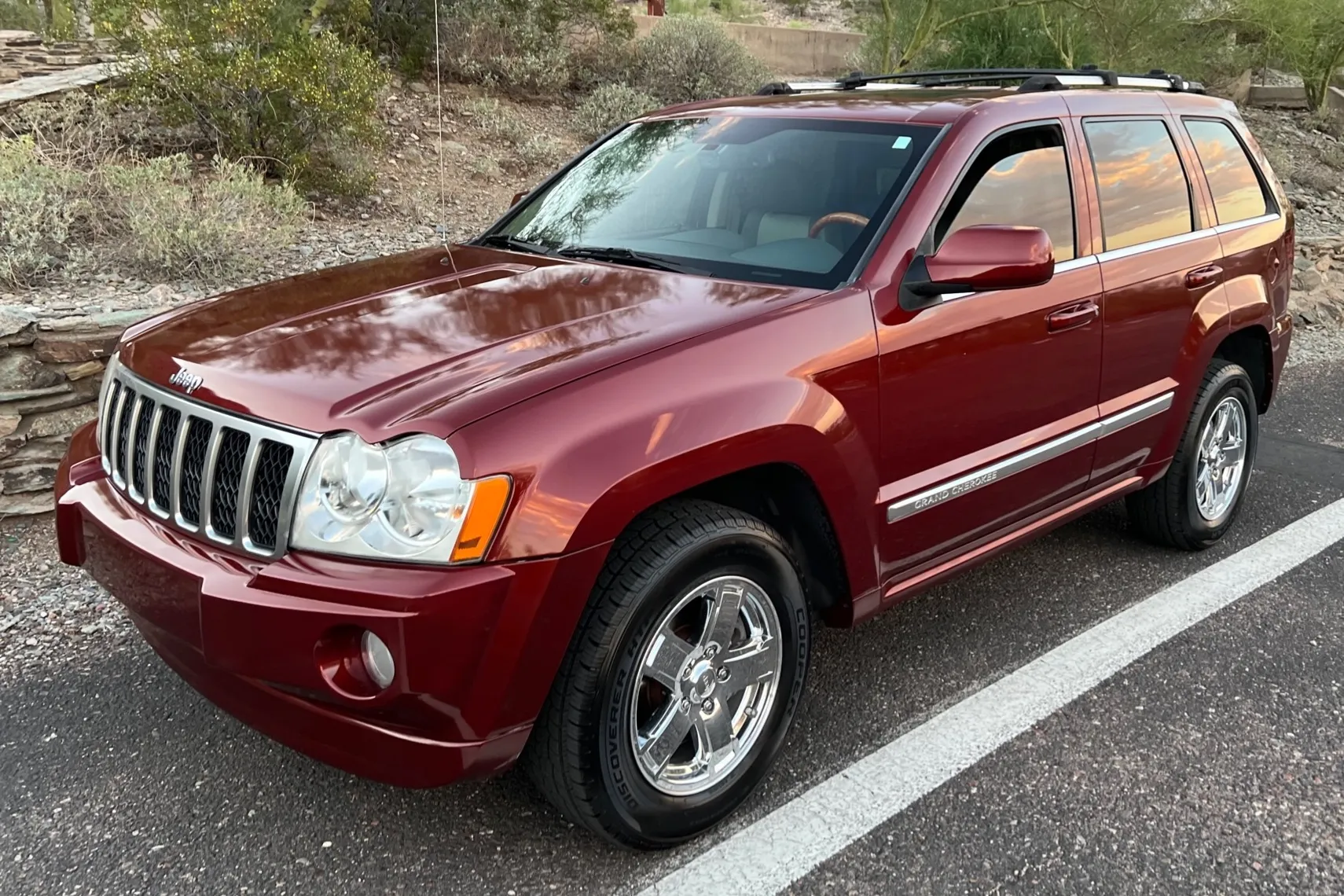
11. Jeep Grand Cherokee (2005-2010)
The Jeep Grand Cherokee from the late 2000s brought strength and endurance to the SUV market. It was designed with off-road ability while still serving as a family car. That blend of toughness and practicality helped it last longer than many of its modern rivals.
The engines, including the 3.7L V6 and the 5.7L HEMI V8, were powerful and durable. They could cover long distances without giving serious trouble. Jeep’s strong four-wheel-drive systems made it suitable for drivers who needed a car that could go anywhere.
Inside, the design was simple but comfortable. The materials stood the test of time, and many Grand Cherokees from that period still look good today. The body construction was also strong enough to resist years of heavy use.
Mechanics valued the Jeep because its parts were widely available, and it could be serviced without excessive cost. Owners who took care of theirs discovered that it could last far longer than expected.
Even though newer SUVs often fail earlier due to complicated electronics, the Grand Cherokee from the 2000s continues to prove reliable. Many are still on the road serving families, workers, and adventurers.
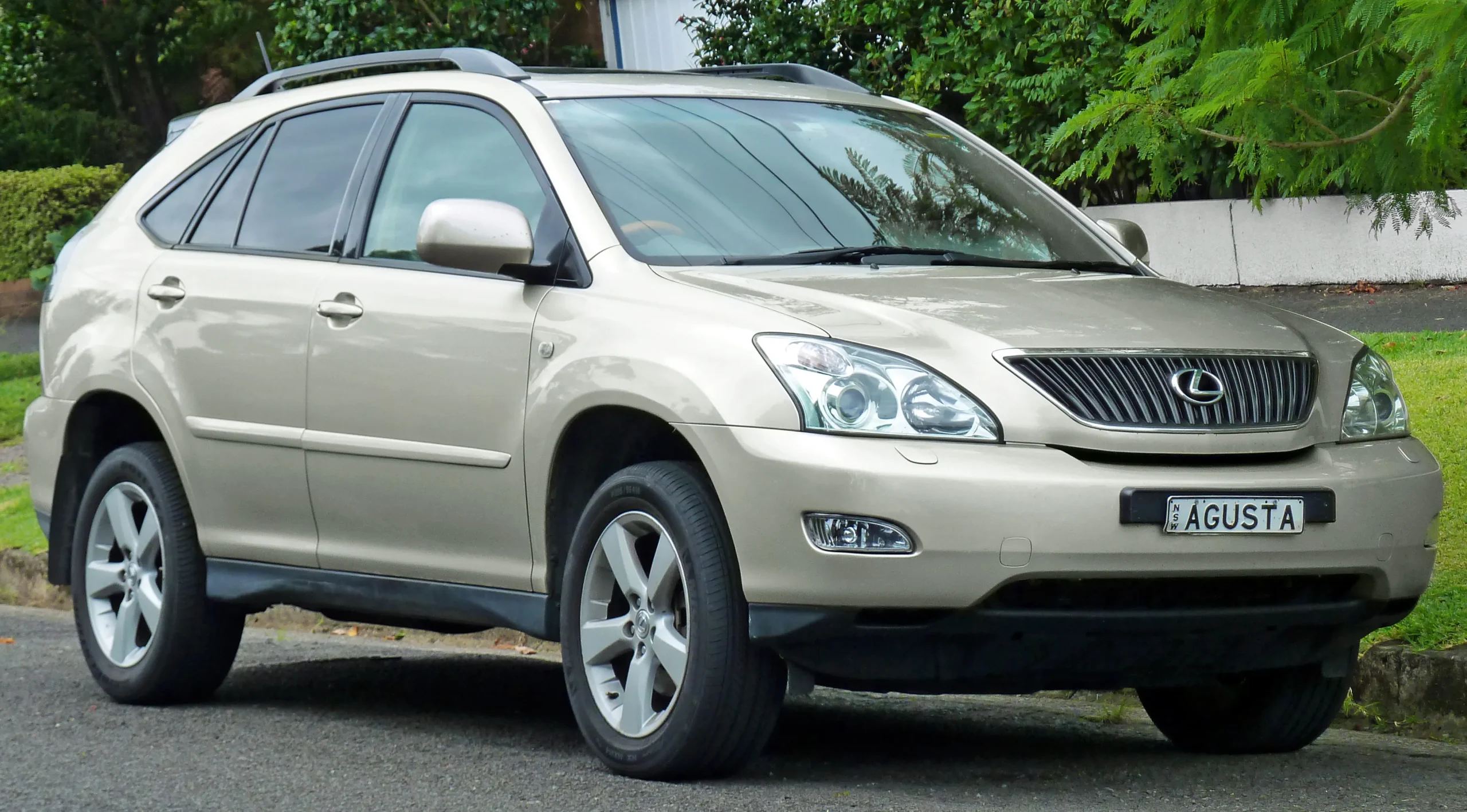
12. Lexus RX 330 (2004-2006)
The Lexus RX 330 was luxury mixed with reliability. Introduced in the mid-2000s, it stood out because it combined Toyota’s strong engineering with Lexus comfort. Many luxury SUVs fade away after years of electronic trouble, but the RX 330 built its reputation on lasting long.
Under the hood, it carried a 3.3L V6 engine that was smooth and dependable. Owners could drive them for hundreds of thousands of miles with very few complaints. That was rare for a luxury vehicle at the time.
The interior was another highlight. Lexus used high-quality materials that continued to look good years later. The electronics were well-tested and did not fail easily, unlike some rivals. Passengers enjoyed comfort while drivers enjoyed peace of mind.
Mechanics trusted the RX 330 because it shared many parts with Toyota models, which meant servicing was never a problem. Even major repairs did not discourage owners because they knew the vehicle had many more years left in it.
Today, you can still find RX 330s running smoothly across cities and towns. They stand as proof that luxury does not have to come at the cost of durability.
