When it comes to buying a car, reliability isn’t just a bonus it’s often the deciding factor that keeps owners loyal for decades. Some vehicles transcend fleeting trends, earning reputations as “keepers” because they are built to last, require minimal repairs, and retain value over time.
From rugged SUVs and practical crossovers to efficient hybrids and family-friendly minivans, these models inspire unusual devotion, with owners often holding onto them for 15 years or more.
Factors like proven engineering, straightforward maintenance, and consistently strong performance combine to create vehicles that simply refuse to be outgrown. In this list, we explore 10 cars that owners never sell due to reliability, highlighting what makes each one a standout long-term investment.
Whether it’s Toyota’s legendary durability or Honda’s consistent dependability, these vehicles prove that when reliability meets practicality, it’s hard to say goodbye.
1. Toyota 4Runner: Built to Last and Keepers for the Long Haul
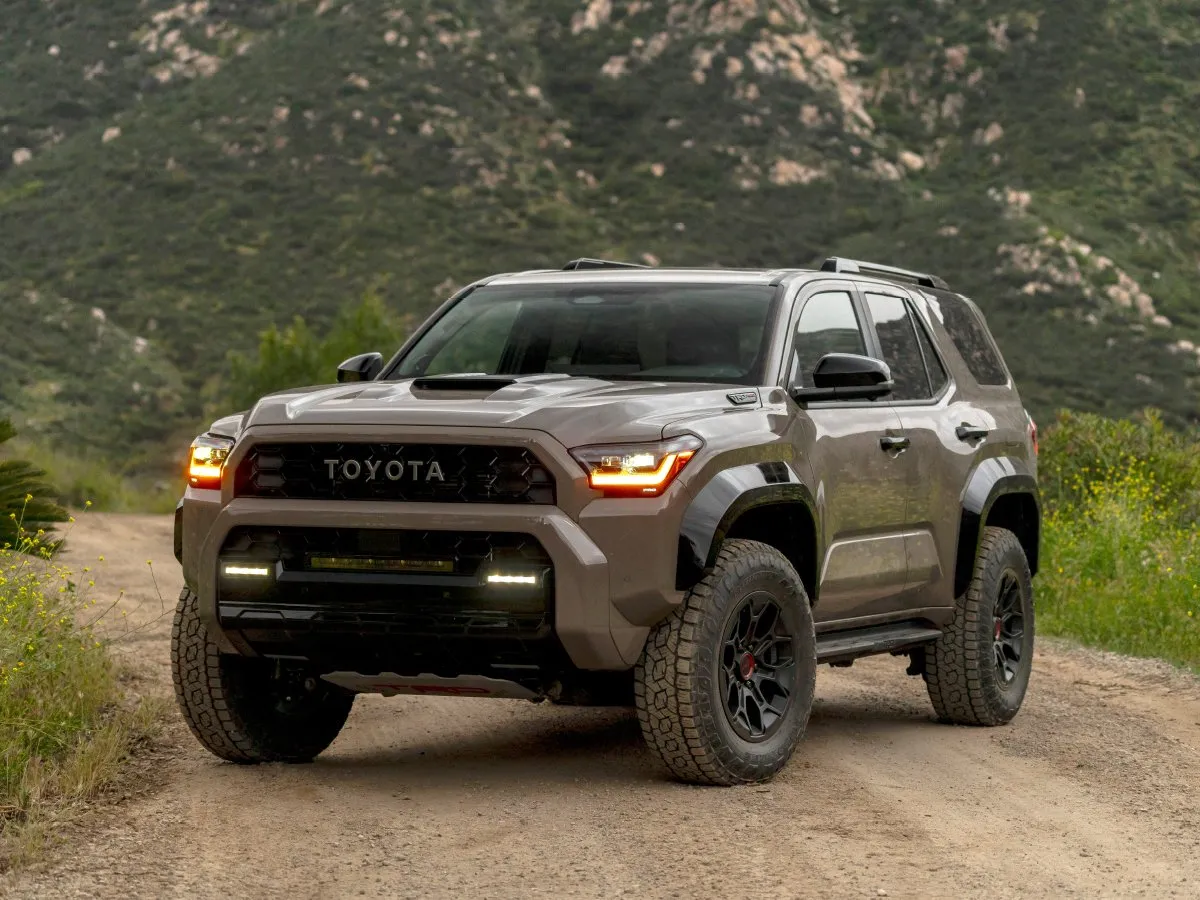
The Toyota 4Runner is widely regarded as one of the most durable and reliable SUVs of the modern era, and it’s no surprise that 11.8% of owners keep theirs for over 15 years.
Sitting just below the Land Cruiser in Toyota’s lineup, the 4Runner’s enduring appeal lies in its simple yet robust design: a body-on-frame chassis, a reliable V6 engine, sturdy transmission, and Toyota’s renowned quality control. These fundamentals create a vehicle that can endure extreme use while requiring minimal repairs, earning it a loyal following.
The 4Runner’s reputation for longevity is largely due to the 5th-generation models (2010–2024), whose engines and transmissions are known to last hundreds of thousands of miles with proper maintenance.
Owners appreciate the simplicity of the 1GR-FE V6 engine and 5-speed automatic transmission, which are easier and cheaper to maintain than newer, more complex alternatives. High resale value and low cost of ownership further cement the 4Runner as a smart long-term investment.
Many retain their older models because the upcoming 6th-generation (2025) introduces turbocharged engines, advanced electronics, and other features that could increase the risk of failure. For many, the older, proven models are a safer bet than the latest, more complicated SUVs.
On the road, the 4Runner’s V6 delivers adequate power for city and highway driving, though acceleration is modest compared to hybrid SUVs. Ride quality and handling remain a compromise: the body exhibits noticeable roll, the rear suspension is busy, and steering requires more effort than expected.
Still, it’s more comfortable than some off-road rivals like the Bronco or Wrangler. The front seats are supportive, though the rear can feel cramped, with limited legroom and headroom. Cabin noise is noticeable under load, but climate controls are easy to use and effective.
Tech features include 8- or 14-inch touchscreens, wireless Android Auto and Apple CarPlay, multiple USB ports, and an available wireless charger. Toyota’s navigation system works well, but requires a paid data plan for long-term use. Cargo space is respectable, with 48.4 cubic feet behind the second row and a 6,000-pound towing capacity. Interior storage is practical, though some bins are small.
Pricing varies widely, with higher trims exceeding $60,000, but build quality is excellent, even off-road. Fuel economy is moderate: 21–22 mpg for gas models and 23 mpg for hybrids.
The 4Runner truly shines off-road, where its rugged design, solid suspension, and Toyota’s heritage make it an enjoyable and capable adventure vehicle. Despite modest on-road dynamics, its long-term reliability, durability, and off-road prowess make it a standout choice for those seeking a dependable SUV.
2. Toyota Prius: Efficiency and Reliability Keep Owners Loyal
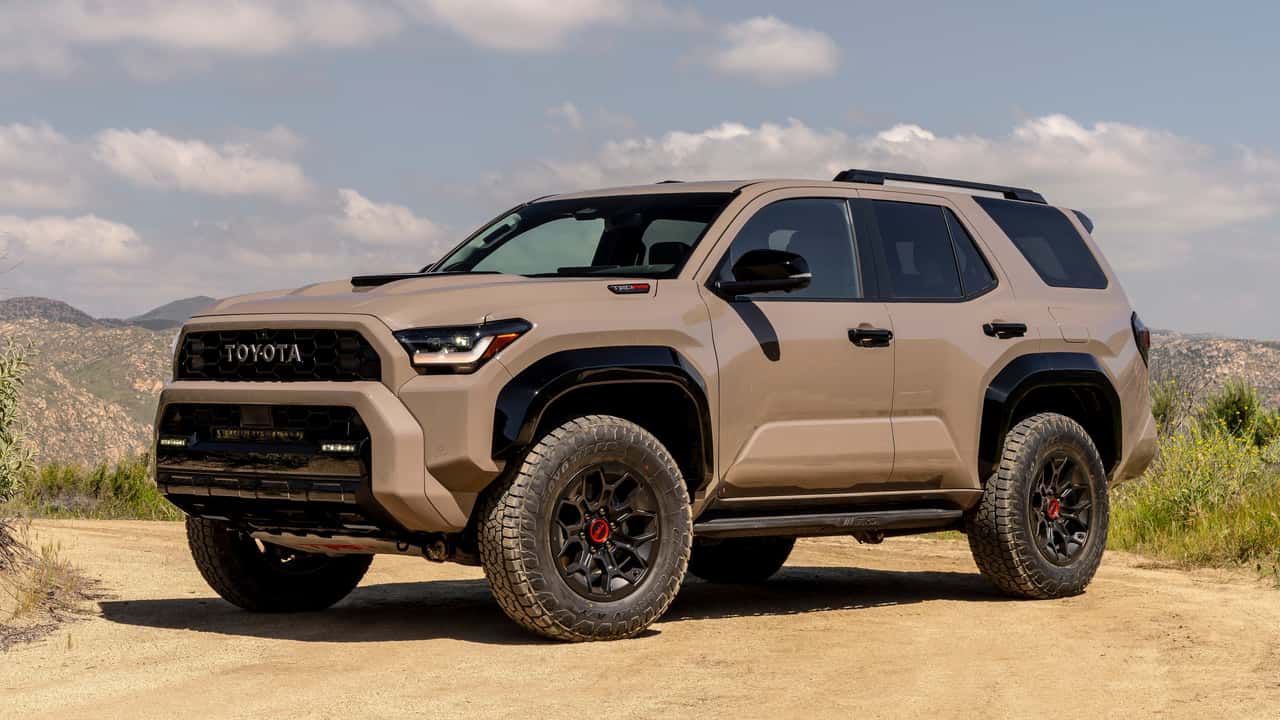
The Toyota Prius has earned a reputation as one of the most enduring hybrid vehicles, with 11.9% of owners keeping theirs for over 15 years. While it may no longer be the groundbreaking hybrid it once was, the Prius remains a practical and reliable choice for drivers prioritizing fuel economy and low running costs.
Its longevity, coupled with Toyota’s commitment to quality, encourages owners to invest in repairs rather than sell, even when faced with the high cost of hybrid battery replacement.
Fuel efficiency is the Prius’ most celebrated feature. Its hybrid powertrain and regenerative braking system deliver excellent gas mileage, particularly in city driving. Alongside fuel savings, the braking system extends brake pad life, reducing maintenance costs.
Toyota’s proven durability across the Prius’ 20-year history fosters confidence in the vehicle’s reliability, and hybrid battery systems often last hundreds of thousands of miles, making long-term ownership financially sensible. Even when components like the battery or inverter require maintenance, many owners prefer repairing their Prius to buying a new vehicle.
Common issues include hybrid battery replacement, head gasket problems in certain 2010–2015 models, inverter coolant pump failure, and water pump wear between 120,000 and 175,000 miles. Despite these potential challenges, the Prius’ reliability makes it a cost-effective option.
The Prius accelerates smoothly from a stop and merges onto highways with ease, achieving 0–60 mph in about 7.7 seconds. Handling is stable, though economy-biased tires limit grip. Ride quality is smooth over uneven surfaces, and hybrid transitions are nearly imperceptible.
Front seats are supportive, but rear seats are cramped for taller passengers, with limited headroom and non-reclining cushions. Tire, wind, and engine noise can affect comfort, and a single-zone climate system is standard, though higher trims offer heated and ventilated front seats.
The Prius features a modern tech suite, including 8- or 12.3-inch touchscreens, wireless Android Auto and Apple CarPlay, and multiple USB ports, though wireless charging can overheat phones. Cargo space measures 20.3 cubic feet behind the rear seats, enough for small loads but limited for larger items. Interior storage includes a center console bin and small compartments under the dash.
Pricing ranges from economical to higher trim levels, especially with all-wheel drive. Toyota’s warranties include an eight-year/100,000-mile hybrid component coverage and a 10-year/150,000-mile battery warranty, supplemented by two years of free maintenance.
Fuel economy remains the Prius’ strongest draw, with EPA ratings of 52–57 mpg for front-wheel-drive models, slightly lower for all-wheel-drive versions. Real-world testing aligns closely with these numbers, confirming the Prius as one of the most efficient cars in its class.
The Prius appeals to owners who value efficiency, reliability, and low operating costs. While it may not excite enthusiasts, its consistent performance and fuel savings make it a practical long-term choice for eco-conscious drivers.
3. Honda CR-V: A Dependable Long-Term Choice
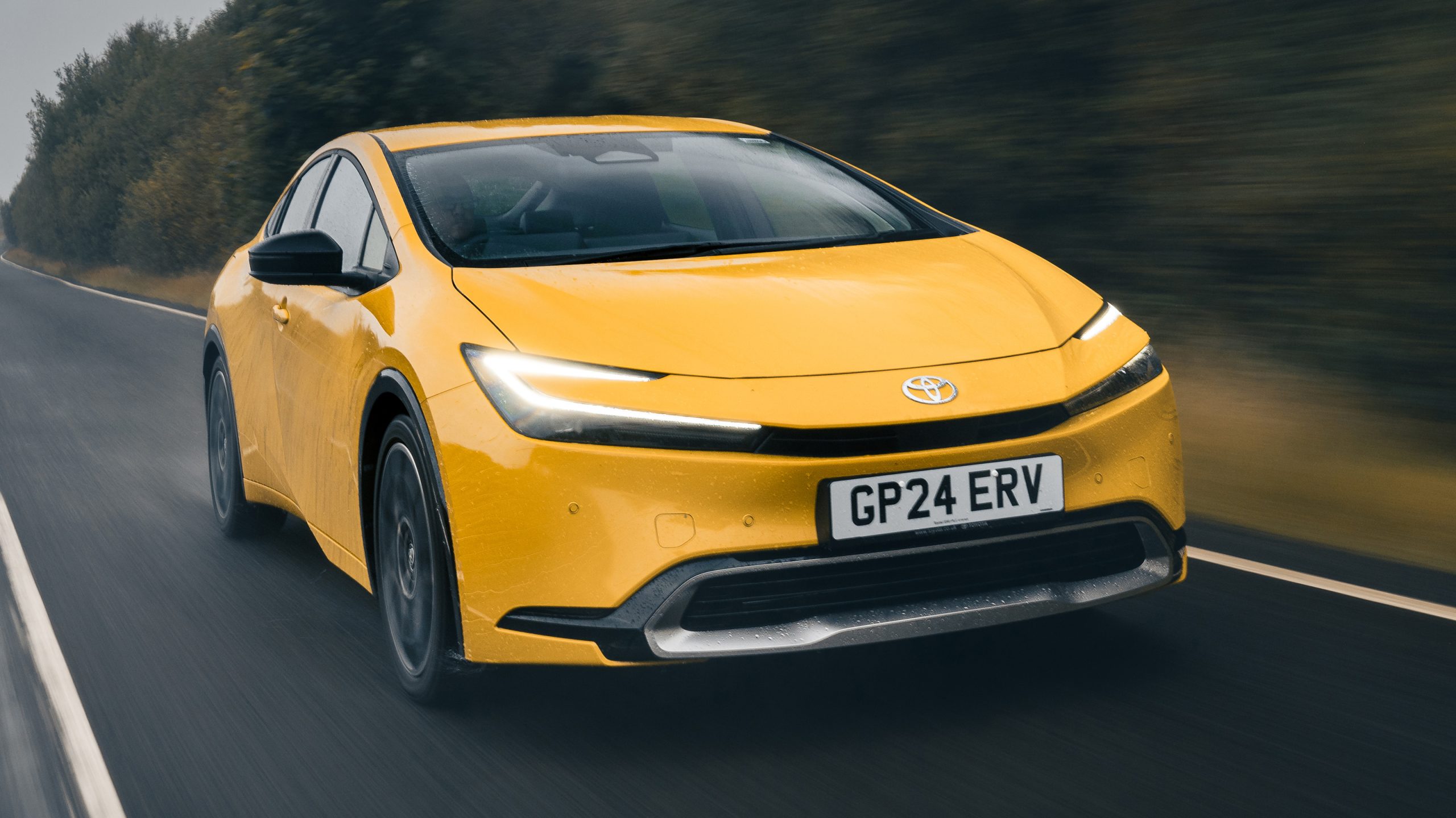
The Honda CR-V remains one of the most enduring small SUVs, with 12.4% of owners keeping their vehicles for over 15 years. While the early models earned a reputation for rugged durability, modern CR-Vs focus on practicality, comfort, and efficiency rather than off-road prowess.
Owners are drawn to the CR-V for its long-term durability, strong resale value, and low maintenance costs, making it a reliable and cost-effective choice for long-term ownership.
Durability is a key factor in the CR-V’s appeal. Many models surpass 200,000 miles with proper maintenance, demonstrating Honda’s commitment to building long-lasting vehicles. The SUV consistently maintains strong resale value, offering financial flexibility for those who eventually decide to sell. Low maintenance costs further enhance the CR-V’s value, keeping ownership affordable over many years.
Some issues have been reported on certain models, including engine problems with the 1.5L turbo, air conditioning failures, and door actuator malfunctions. Recalls for sticky steering and fuel pump defects have also affected specific years. Models to approach with caution include 1997–1999, 2002–2003, 2007–2009, and 2017–2019 due to engine and transmission concerns.
The CR-V delivers a composed and responsive driving experience. The hybrid Sport Touring model accelerates from 0 to 60 mph in 8.0 seconds, while standard 1.5-liter engines perform similarly.
Braking is smooth and effective, and steering provides adequate feedback for confident handling. Ride quality is one of the SUV’s strengths, combining comfort with control. Visibility is mixed, with large front windows but restricted rear views, though parking cameras help mitigate blind spots.
Interior comfort is excellent, with spacious front and rear seating. Rear seats offer generous legroom and ease of car seat installation, while large door openings and thoughtfully positioned seats make entry and exit simple. Physical climate controls are intuitive and easy to use without distraction.
The CR-V includes wireless Apple CarPlay and Android Auto, a wireless charging pad, and multiple USB ports. Infotainment screens range from 9 inches on standard trims to larger options on higher trims, though some rivals offer more advanced systems.
Cargo space is generous, with adequate width and vertical height for bulky items, though hybrids have slightly reduced capacity and no spare tire. Interior storage is functional, with cupholders, bins, and door pockets conveniently placed.
The CR-V is well-built and quiet on the road, though cabin plastics are somewhat hard. Pricing is reasonable for its segment, with hybrids offering up to 40 mpg combined and non-hybrids achieving around 30 mpg. Real-world testing of the hybrid averaged 33.3 mpg, reflecting typical highway conditions. The CR-V appeals to owners seeking a reliable, practical, and efficient crossover with solid handling and a comfortable interior.
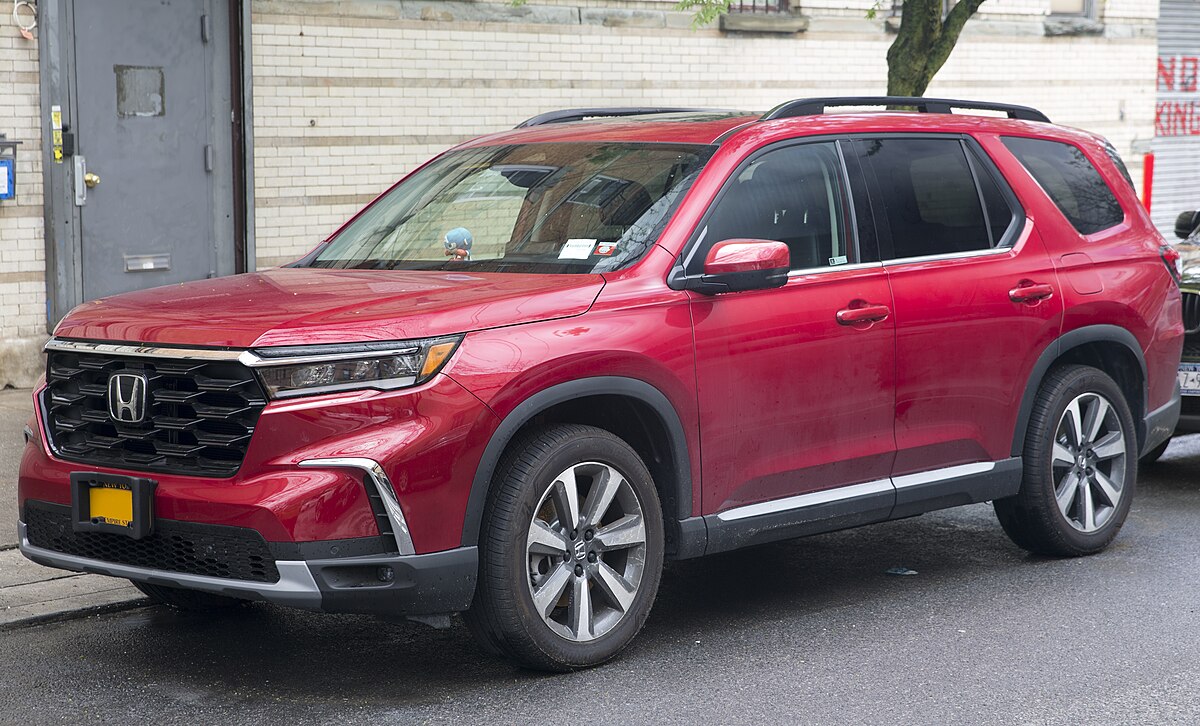
4. Honda Pilot: Family-Friendly Utility with Longevity
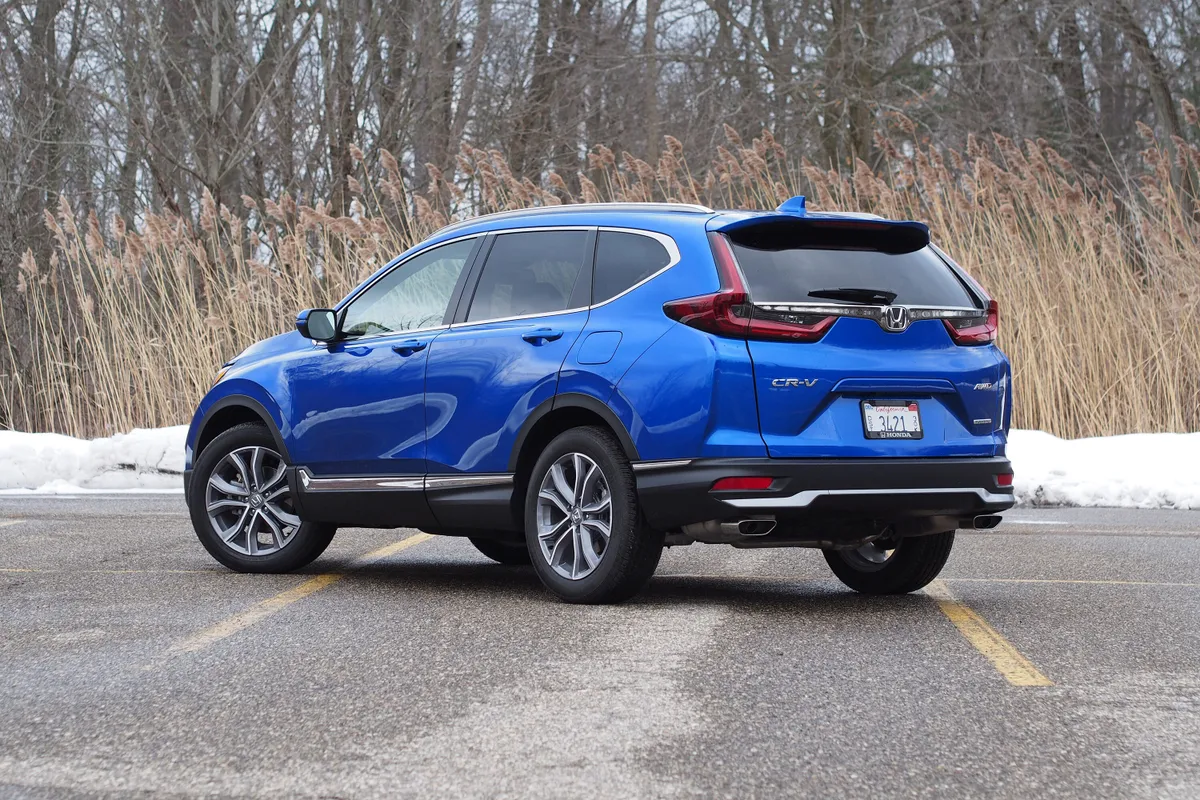
The Honda Pilot has earned a place among long-term keepers, with 12.6% of owners holding theirs for more than 15 years. Sharing a design philosophy with the CR-V but in a larger package, the Pilot has evolved from a rugged early SUV into a family-friendly, on-road-focused vehicle. Owners value its practicality, durability, and strong resale value, which make it difficult to replace as long as it continues to meet their needs.
High resale value incentivizes extended ownership, while the Pilot’s spacious interior and family-oriented features make it a practical choice for long-term use. Its proven V6 engine and solid construction give confidence in the vehicle’s durability. Many owners keep Pilots because they effectively serve family needs and maintain their utility over time.
Some model years, however, have recurring issues. Older and specific recent models such as 2003 and 2016 have experienced transmission problems, electrical faults, and sensor malfunctions that trigger warning lights or interfere with safety features. Reports of peeling paint and structural defects also exist. Repairs for transmission or electrical problems can be expensive, which has led some owners to sell or avoid certain years.
Acceleration is adequate, with the V6 TrailSport achieving 0–60 mph in 7.8 seconds. The transmission shifts frequently, which can make the Pilot feel sensitive to throttle inputs in stop-and-go driving.
Brakes deliver smooth stops, though emergency braking distances are slightly longer than some competitors. Ride quality is smooth over bumps, and visibility is aided by large windows, though the surround-view camera system has limited resolution. Adaptive cruise control and lane-centering help reduce fatigue on highways.
The interior is comfortable, with supportive front seats and roomy second-row seating. Third-row seating accommodates adults in a pinch. Climate controls are simple to use, and three-row vents ensure adequate airflow, though placement could be improved. Physical buttons for frequently used functions enhance ease of operation.
The Pilot offers wireless Apple CarPlay and Android Auto, a wireless charging pad, multiple USB ports, and a household-style outlet. Screens range from 7 to 9 inches, which can feel small for the large cabin. Cargo space is functional, with 87 cubic feet available when both rear rows are folded. Small-item storage is excellent, with large consoles, cubbies, and cupholders for every row. Towing capacity reaches 5,000 pounds.
The Pilot’s interior is durable and family-proof, though some competitors provide more features per dollar and longer warranties. EPA fuel economy ranges from 20 mpg combined for all-wheel-drive models to 22 mpg for front-wheel-drive versions, aligning with real-world test results. While not the most efficient or fastest in its class, the Pilot delivers dependable performance, spaciousness, and practical versatility.
The Honda Pilot appeals to families seeking a capable, long-lasting SUV with solid comfort, utility, and reliability, even if it lacks standout traits in sportiness or off-road prowess.
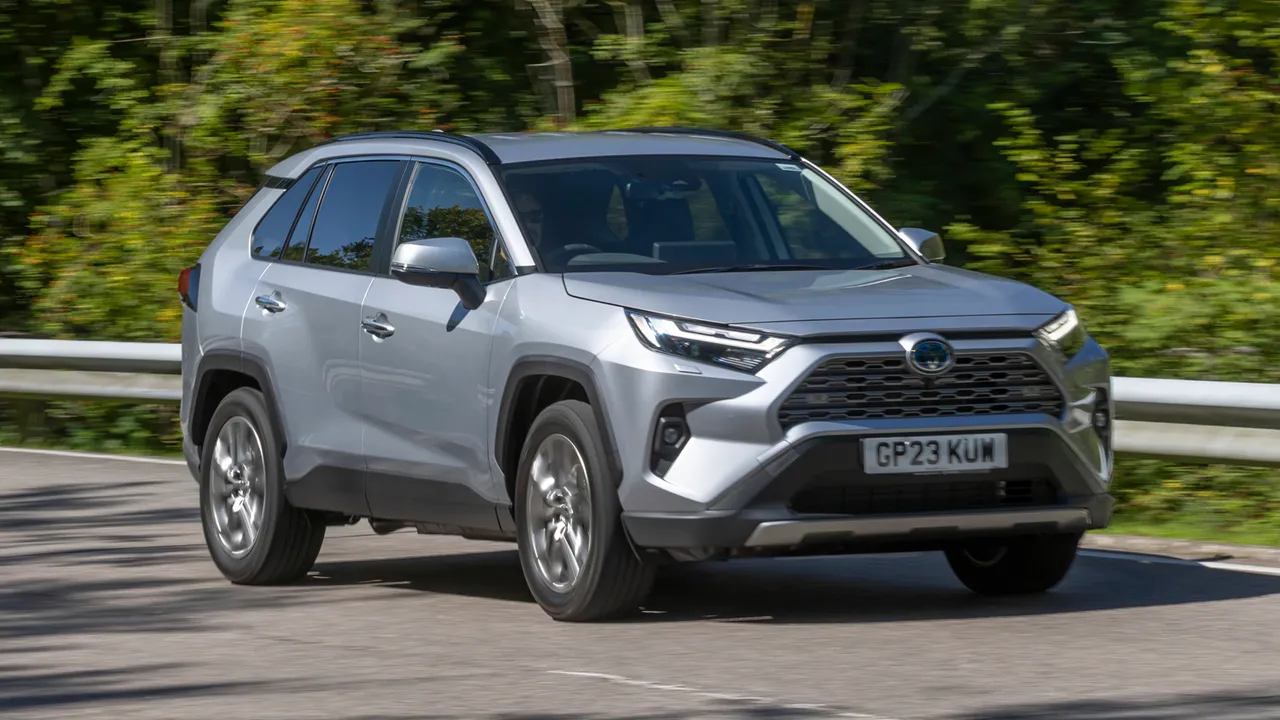
5. Toyota RAV4: Reliable, Practical, and Long-Lasting
The Toyota RAV4 has been a dominant force in the compact SUV segment since the late 1990s, appealing to families and urban drivers alike. Its popularity is reflected in long-term ownership, with 12.7% of owners keeping their RAV4s for more than 15 years.
Buyers are drawn to the RAV4 for its strong reliability, long-term durability, and high resale value, making it a practical choice for those looking for a dependable vehicle that retains value over time.
The RAV4’s reliability and longevity make it a strong candidate for extended ownership. Owners experience low maintenance costs, which adds to its appeal as an affordable long-term vehicle. Its reputation for durability encourages many drivers to keep their vehicles rather than trade them in for newer models. High resale value reinforces the financial sense of holding onto a RAV4.
Despite these strengths, some potential issues exist. Certain model years have experienced transmission problems, engine oil consumption, fuel pump failures, and electrical system malfunctions. Infotainment glitches and occasional water leaks or wind noise have also been reported, though they are not widespread enough to deter most long-term owners.
The RAV4 rides comfortably and offers a pleasant driving experience. Its engine provides adequate power for city driving and highway merging, though acceleration is modest. Edmunds’ testing recorded 0–60 mph in 9.1 seconds. Steering lacks feel at the center point, which can make precise maneuvers less intuitive.
The upgraded all-wheel-drive system on higher trims improves off-road capability, aided by torque vectoring and hill descent control. Driver assistance features, including adaptive cruise control, lane keeping, and automatic emergency braking, work effectively but competitors sometimes offer more advanced options.
The interior is comfortable, with a good driving position and ample space for passengers. Front seats are well-adjusted and supportive, and rear seating accommodates child and booster seats with ease. Some front seats sit high, which can be a minor adjustment for taller drivers. Controls are intuitive, and climate and audio systems are easy to operate.
The RAV4 offers an 8-inch touchscreen standard, with a 10.5-inch option on higher trims. Both systems are responsive and straightforward, with wireless Apple CarPlay and Android Auto. Cargo space is excellent for the class, with 37.5 cubic feet behind the rear seats and 69.8 cubic feet when folded. Front cabin storage is plentiful for small items, and towing capacity reaches 1,500 pounds.
The RAV4 combines strong build quality with thoughtful materials and design touches. Warranty coverage is standard, with two years/25,000 miles of free scheduled maintenance. Fuel economy ranges from 28–30 mpg combined, depending on trim and drivetrain, and real-world testing aligns closely with EPA estimates.
The RAV4 appeals to owners seeking a dependable, practical, and comfortable SUV. It may not excite enthusiasts, but it reliably transports families and daily commuters with minimal fuss, reinforcing Toyota’s reputation for reliability and long-term value.
Also Read: 10 Cars That Mechanics Call Unstoppable
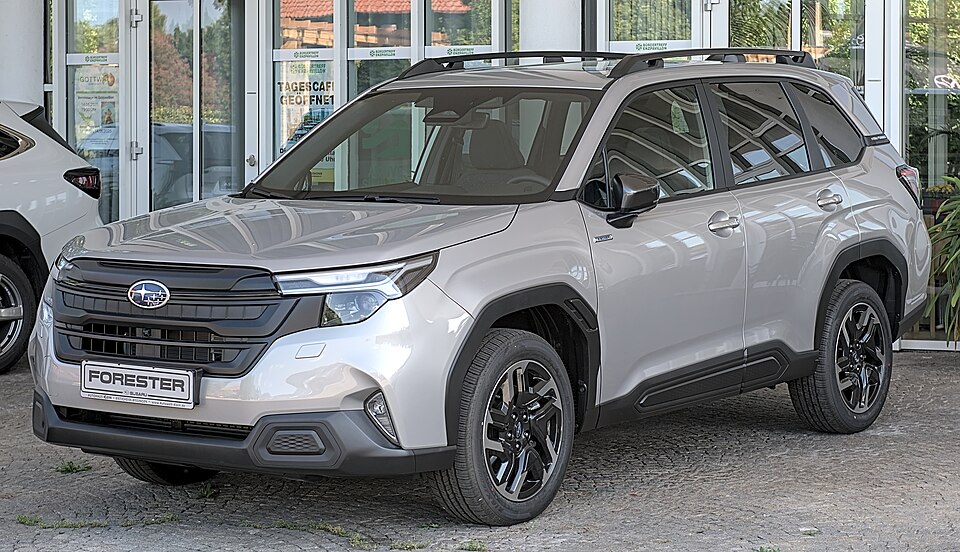
6. Subaru Forester: Loyal Owners and Practical Durability
The Subaru Forester ranks high in long-term ownership, with 12.8% of drivers keeping theirs for over 15 years. This loyalty reflects the devotion of Subaru owners, who often maintain their vehicles meticulously to ensure longevity. While Foresters require attentive care, particularly for their flat-four engines, those who do invest in proper maintenance enjoy a durable, practical, and capable vehicle that lasts for decades.
Subaru’s reputation for reliability and durability fosters strong attachment. Owners value the standard all-wheel-drive system, rugged capability, and spacious interior.
With careful upkeep, Foresters can reach 200,000 to 250,000 miles, creating a strong sense of dependability. The vehicle’s functional design, cost-effective maintenance, and loyal owner community reinforce its status as a “lifetime vehicle” rather than a short-term purchase.
The Forester emphasizes substance over style. Its unflashy, boxy exterior and simple interior design cultivate a quiet but deep attachment among those who prioritize utility and trustworthiness over aesthetic appeal. Many vehicles are passed down through families, cementing the Forester’s reputation as a beloved practical SUV.
Performance is modest. The 2.5-liter four-cylinder engine produces 180 horsepower, with 0–60 mph achieved in roughly 9.2 seconds. Acceleration and highway merging are sluggish, and ride quality can feel busy and unsophisticated.
Handling and braking are adequate, while adaptive cruise control and lane centering offer basic assistance but lack refinement. The Forester’s real advantage appears on unpaved or snowy roads, where its standard all-wheel-drive system and ground clearance shine.
Comfort is strong, with wide door openings, easy entry, and well-padded front seats. Rear passenger space is typical for the segment, and headroom is generous. Cabin noise is acceptable, and engine noise becomes noticeable under hard acceleration. Climate controls and physical switches are straightforward and easy to operate.
The 11.6-inch portrait-oriented touchscreen is simple and functional, though less modern than rivals’ systems. USB-A and USB-C ports, wireless phone mirroring, and an optional Harman Kardon audio system enhance usability. Cabin storage for small items is limited, but rear cargo space is generous, comparable to the RAV4, with functional raised roof rails. Towing capacity reaches 1,500 pounds.
The Forester’s standard all-wheel drive and durability contribute to its value. EPA estimates rate the Sport trim at 28 mpg combined, though real-world results often drop to around 25 mpg. Hybrid models improve efficiency, achieving up to 35 mpg combined. Subaru’s warranty coverage is typical for the class, with three years/36,000 miles bumper-to-bumper and five years/60,000 miles powertrain protection.
The Forester appeals to buyers seeking a reliable, practical, and capable SUV, particularly in snowy or rugged conditions. Its predictable performance, functional design, and loyal owner community make it a dependable choice, even if it lags behind competitors in performance, technology, and refinement.
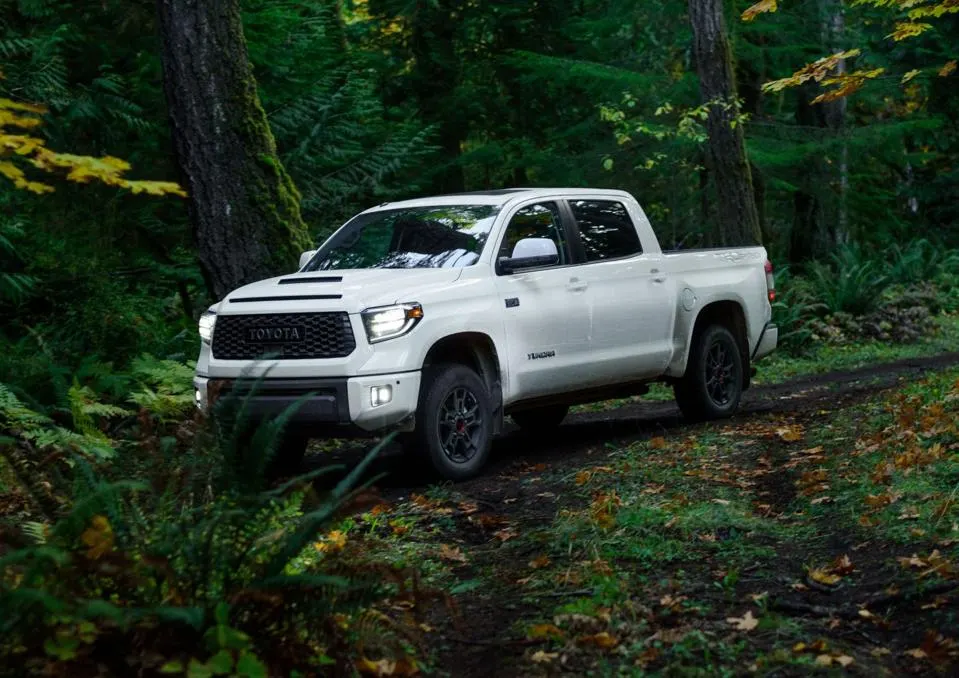
7. Toyota Tundra: Legendary Reliability Meets Modern Updates
The Toyota Tundra commands one of the most loyal followings in the automotive world, with 14.2% of owners keeping their trucks for over 15 years. Its reputation for durability and reliability has allowed older generations to amass hundreds of thousands of miles, with some surpassing one million.
This long-term loyalty is rooted in Toyota’s engineering consistency and the Tundra’s ability to serve as a tough, dependable full-size truck for work or recreation.
While older Tundras earned legendary status for durability, the 2022 and newer models have faced notable reliability concerns. Reports highlight powertrain failures, including engine bearing issues, transmission problems, and glitches with interior electronics.
Owners have also noted inferior interior materials, such as cracking plastics and loose components, as well as electronic malfunctions with infotainment systems and vehicle sensors. These issues lead to increased repair costs, lost confidence in the brand, and motivate some owners to sell newer models rather than keep them long-term.
The Tundra’s turbocharged 3.4-liter V6 offers strong low-end torque, paired with a smooth 10-speed automatic transmission. Our 4WD test truck accelerated from 0–60 mph in 6.6 seconds, merging and passing with confidence. Braking performance was solid, with a panic-stop test from 60 mph requiring 131 feet.
Steering is light and precise, making the truck manageable on tight backcountry roads. The TRD Off-Road package adds a locking rear differential and off-road driving modes, but the truck’s long wheelbase limits maneuverability on technical trails.
The current Tundra shows a marked improvement in comfort. Seats are supportive, cabin noise is reduced, and long trips are more pleasant for front and rear passengers. CrewMax configurations offer generous space, and optional features like a panoramic sunroof and full-width power rear window enhance the cabin experience.
Forward visibility is generally good, though windshield pillars can obstruct views on narrow roads. The climate control system is simple to operate with large, user-friendly buttons.
A standout 14-inch touchscreen is easy to navigate, with crisp graphics and intuitive menus. Standard Apple CarPlay and Android Auto complement the system, and available JBL audio provides excellent sound.
Advanced driver aids function reliably, though the lane-keeping system could be more effective. Storage is ample in the CrewMax cabin, with generous underseat and front compartments, though organization is less refined than in some competitors.
The Tundra can tow up to 11,120 pounds and features a reinforced composite bed. EPA fuel economy estimates reach 19 mpg combined, but real-world testing yielded as low as 15–17 mpg. The interior is well-built with tight gaps and solid trim, providing a high-quality experience without feeling luxurious.
Warranty coverage is typical for the class, with three years/36,000 miles bumper-to-bumper and five years/60,000 miles for the powertrain, plus two years/25,000 miles of complimentary maintenance.
The Toyota Tundra continues to attract loyal owners for its toughness, reliability, and practical design, even as newer generations face challenges that contrast sharply with the pedigree of their predecessors.
8. Toyota Tacoma: Midsize Truck with Legendary Loyalty
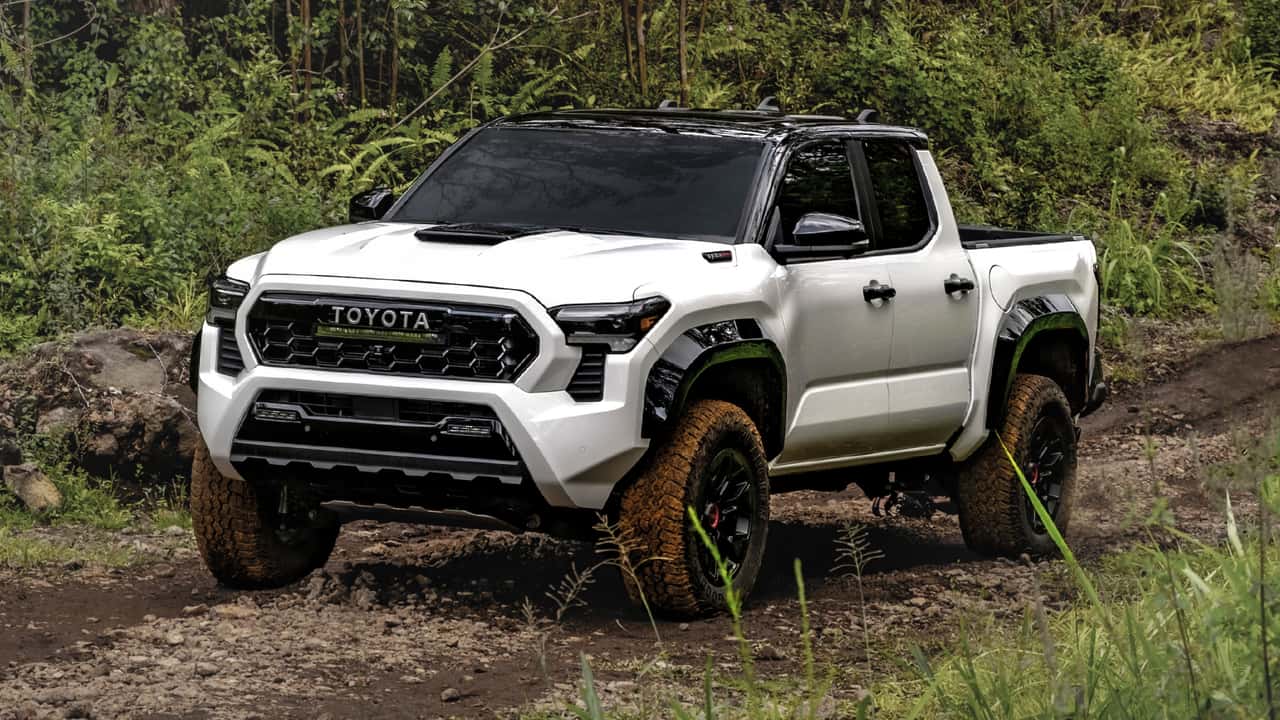
The Toyota Tacoma narrowly edges out the Tundra in long-term retention, with 14.5% of owners keeping their trucks for over 15 years. Its appeal lies in downsizing the Tundra’s legendary reliability into a more practical midsize package, making it suitable for daily use while retaining the durability that has made Toyota pickups iconic.
Enthusiasts also appreciate the rare availability of a manual transmission, a feature nearly extinct in the midsize truck segment.
Tacoma owners often delay selling due to a combination of proven reliability, strong resale value, and persistent demand in the used market. The truck’s simple design and durable components create confidence that it will last for many years, making selling feel like a financial loss.
Composite carbon fiber beds resist rust and damage, further extending the vehicle’s lifespan. The strong residual value and stable used market prices reinforce the psychological incentive to keep the truck long-term.
Testing a TRD Sport with 278 horsepower, the Tacoma accelerated to 60 mph in 7.6 seconds. The TRD Pro with the i-Force Max hybrid powertrain reached 60 mph in 7.4 seconds, with added off-road hardware slightly offsetting the hybrid’s extra power.
Transmission shifts are smooth, brakes are responsive, and steering is light and precise, delivering confident handling on highways and city streets. Off-road performance varies by trim, ranging from basic capabilities on lower trims to formidable traction and shock-absorbing systems on TRD models.
Front seats provide comfort for varying body types, with cloth and optional synthetic leather upholstery. Rear seating is tighter, particularly in TRD Pro models with IsoDynamic seats. Ride quality depends on trim, with higher trims offering more advanced suspension systems. Controls for climate and basic functions are large, easy to reach, and intuitive, even with gloves on.
Tacoma offers an 8-inch touchscreen standard, with an optional 14-inch unit dominating the dash. Wireless Apple CarPlay and Android Auto, voice controls, USB-C ports, and optional wireless charging enhance convenience. Driver assistance features, including adaptive cruise control, lane departure alert, and automatic emergency braking, operate reliably without being overbearing.
Tacoma provides practical storage options both inside and in the bed, including cubbies in doors and consoles, under-seat storage in Double Cab models, and available household-style power outlets. Payload capacity reaches 1,710 pounds, and towing capability peaks at 6,500 pounds, sufficient for most small to midsize trailers.
The Toyota Tacoma continues to attract owners seeking a dependable, long-lasting midsize pickup that balances rugged capability, sensible design, and strong financial value, making it a truck many keep for a decade and a half or longer.
9. Toyota Sienna: The Longest-Lasting Minivan
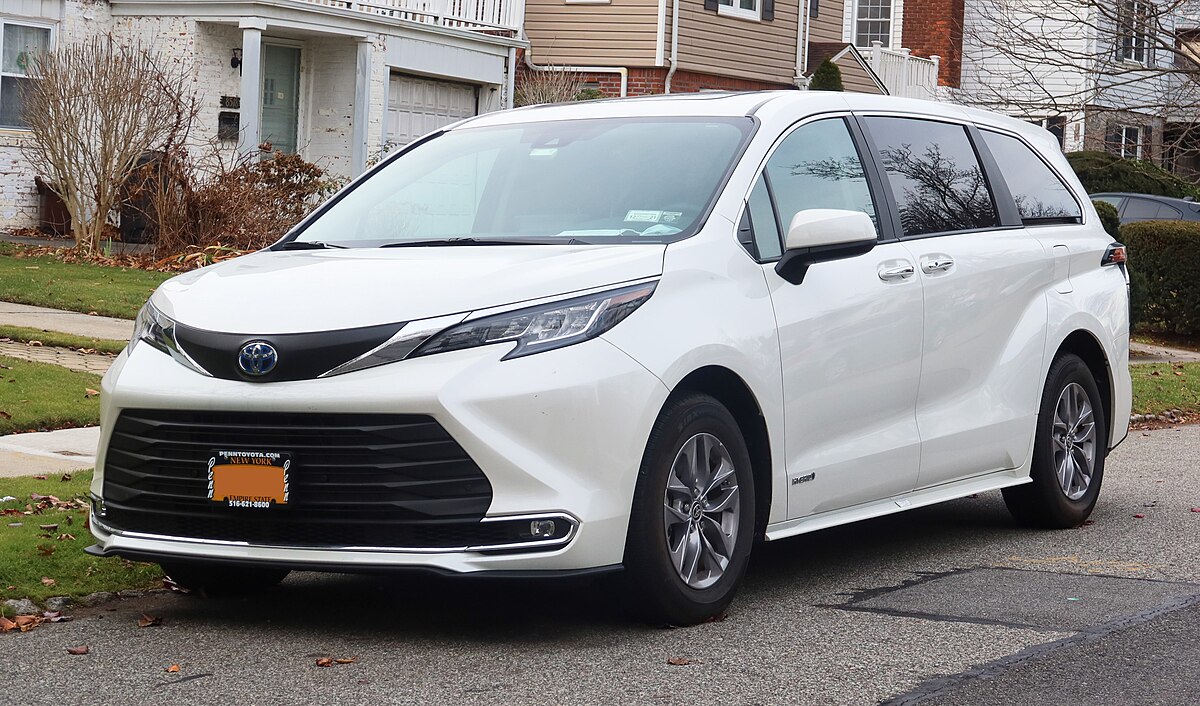
The Toyota Sienna ranks second in long-term retention, with 15.5% of owners keeping their minivans for over 15 years. Its enduring appeal comes from strong reliability, ease of maintenance, and practical family-focused features.
Introduced in 1996 to replace the Previa, the Sienna has built a reputation as a dependable, versatile vehicle for families, particularly in an era when many manufacturers are abandoning minivans for SUVs.
Sienna owners remain loyal due to the minivan’s consistent dependability and long-term practicality. Ratings from J.D. Power and RepairPal frequently place the Sienna in “great” or “above-average” reliability categories.
The hybrid powertrain in newer models provides excellent fuel efficiency, while older Siennas maintain a track record of trouble-free operation with minimal major repairs. Families often retain their Siennas well past the years their children grow, highlighting the vehicle’s long-term utility.
The Sienna accelerates smoothly but is slower than some rivals, taking slightly longer to reach 60 mph. Its driving dynamics are more car-like than SUV-like, with light, responsive steering that makes city driving and low-speed maneuvers easy.
Highway driving is comfortable, with steering weight and stability suitable for long trips. The CVT can drone under hard acceleration, but for typical daily driving, power delivery feels adequate.
Seats are highly adjustable, with wide second-row seating and optional ottoman-style footrests, creating a business-class feel for passengers. Climate control is effective, and cabin noise is minimal at cruising speeds. Visibility is strong, and optional features such as a surround-view camera and digital rearview mirror enhance safety and convenience.
The 12.3-inch touchscreen is responsive and user-friendly, supporting wireless Apple CarPlay and Android Auto. Advanced driver aids, including adaptive cruise control, lane-keeping assistance, and automatic emergency braking, function smoothly, particularly in stop-and-go traffic.
Cargo space behind the third row is deep, with folding second- and third-row seats that maximize storage flexibility. The Sienna provides numerous cupholders, door pockets, and shelves for personal items. While the second-row seats aren’t removable, the sliding mechanism allows effective cargo management. Car seat installation is straightforward, with multiple accessible attachment points.
The hybrid Sienna achieves an EPA estimate of 36 mpg combined, with real-world driving often exceeding 40 mpg. The interior uses soft-touch materials and high-quality finishes, enhancing perceived value. Standard all-wheel drive, strong warranty coverage, and two years of free scheduled maintenance contribute to a compelling package for long-term family ownership.
The Toyota Sienna combines reliability, comfort, and efficiency in a family-focused package that encourages owners to keep the vehicle for a decade and a half or more.
10. Toyota Highlander: Longest-Kept SUV
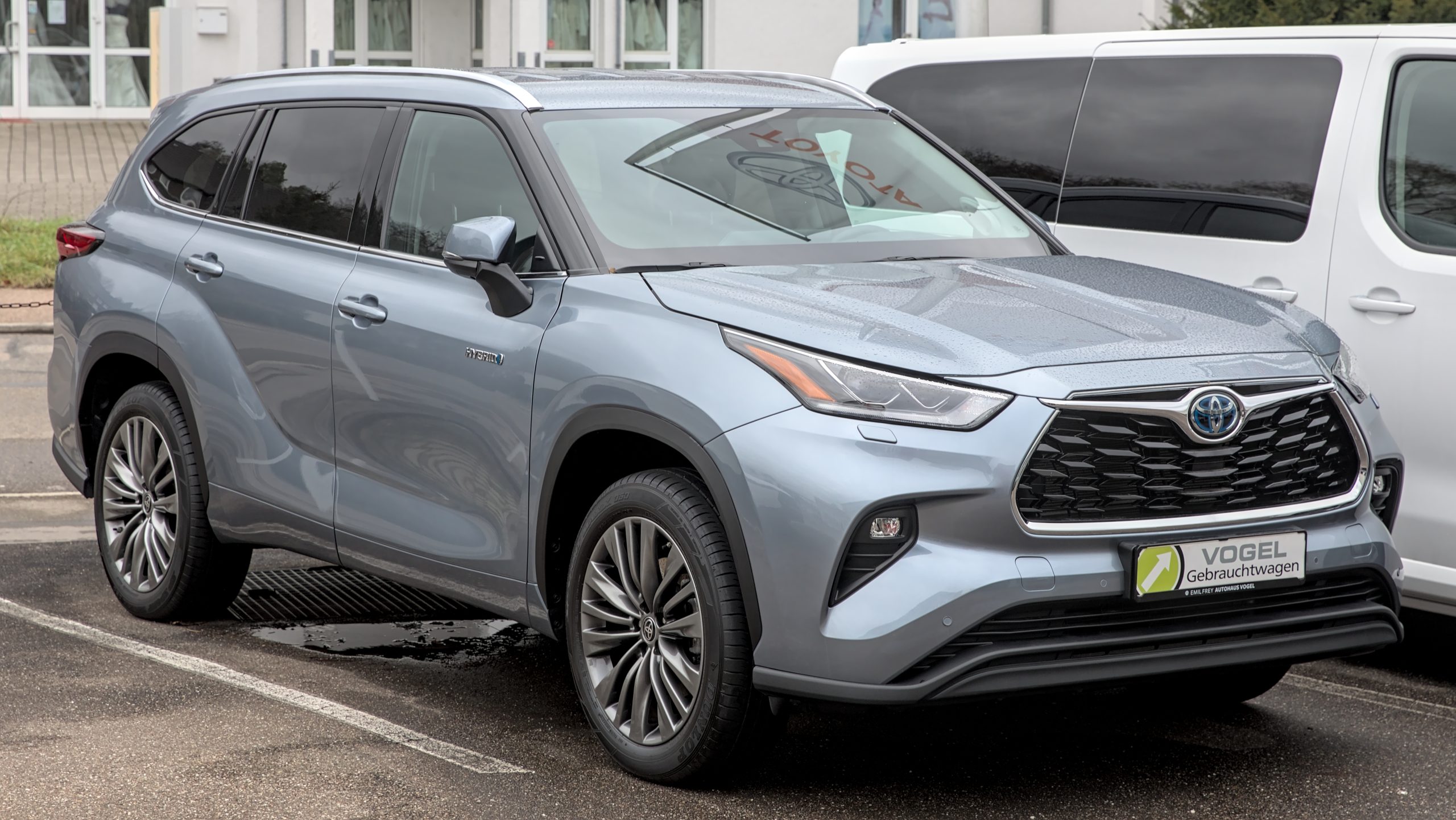
The Toyota Highlander ranks highest for long-term ownership, with 18.3 percent of owners keeping their vehicles for over 15 years, which is nearly one in five.
Buyers are drawn to its combination of reliability, practicality, and SUV styling, providing nearly the same utility as a minivan but without the associated image. Highlander owners value longevity, strong resale value, and a vehicle that meets family and lifestyle needs for a decade or more.
The Highlander has a strong reputation for reliability and consistently earns above-average scores from sources such as J.D. Power. A well-maintained Highlander can last between 200,000 and 300,000 miles, which strengthens its resale value and long-term appeal.
Compared to the Toyota Sienna, which is similarly reliable but has recently received average reliability ratings, the Highlander is perceived as slightly more dependable.
Owner retention is influenced by more than reliability alone. Highlander buyers often prefer the elevated driving position and SUV appearance. Sienna owners focus more on family utility, including sliding doors and a spacious third row. For some Highlander owners, the third row is sufficient, while growing families may eventually switch to a Sienna for additional space.
The Highlander provides a smooth and confident driving experience. In testing, the four-cylinder all-wheel-drive model accelerated from 0 to 60 mph in 7.4 seconds, which is faster than many V6 midsize SUVs. Ride quality is plush but controlled, absorbing road imperfections without feeling floaty.
Body roll is managed well, and the available torque-vectoring all-wheel-drive system improves handling and traction in slick conditions. Visibility is strong, and advanced driver aids, including adaptive cruise control, lane departure warning, and automatic emergency braking, make daily driving easier.
Front and second-row seats are comfortable and adjustable, with optional captain’s chairs allowing ample fore-and-aft movement and easy installation of large car seats. The third-row seating is narrow and low to the floor, making it less suitable for adults. Tri-zone climate control functions effectively, and the cabin remains quiet at highway speeds.
The optional 12.3-inch touchscreen is responsive, and multiple USB ports are available for the front and second rows. Storage includes pockets, cupholders, and dash shelves. Cargo space is limited to 16 cubic feet behind the third row but expands to 48.4 cubic feet behind the second row. Folding the back seats creates a flat load floor for larger items.
The four-cylinder Highlander has an EPA-estimated 24 to 25 mpg combined, with real-world testing achieving 26.6 mpg. The hybrid model offers up to 36 mpg combined. Interior materials are soft and well-assembled, providing good value compared with competitors such as the Honda Pilot and Kia Telluride.
Warranty coverage includes three years or 36,000 miles for bumper-to-bumper and five years or 60,000 miles for the powertrain. Two years of scheduled maintenance are also included.
The Highlander combines a sporty SUV appearance with capable handling on twisty roads, a smooth ride, and a reliable platform. Its longevity, strong resale value, and versatility make it a popular choice for buyers seeking a practical and dependable midsize SUV for long-term ownership.
Long-term loyalty in car ownership is a testament to the craftsmanship, dependability, and enduring appeal of a vehicle. The 10 models highlighted from the Toyota 4Runner and Highlander to the Honda CR-V and Pilot demonstrate that reliability isn’t just about avoiding breakdowns; it’s about confidence, peace of mind, and practicality for years of ownership.
These cars retain value, minimize maintenance headaches, and serve families, commuters, and adventurers alike without demanding frequent upgrades. Owners keep them not out of stubbornness, but because each mile traveled reinforces trust in engineering that works.
In an era of rapidly changing technology and increasingly complex vehicles, these timeless models remind us that durability and reliability remain as valuable as ever. Choosing a car that’s built to last doesn’t just make sense it rewards patience, care, and a keen eye for vehicles that truly stand the test of time.
Also Read: 5 Cars That Stay Valuable at Trade-In vs 5 That Dealers Refuse