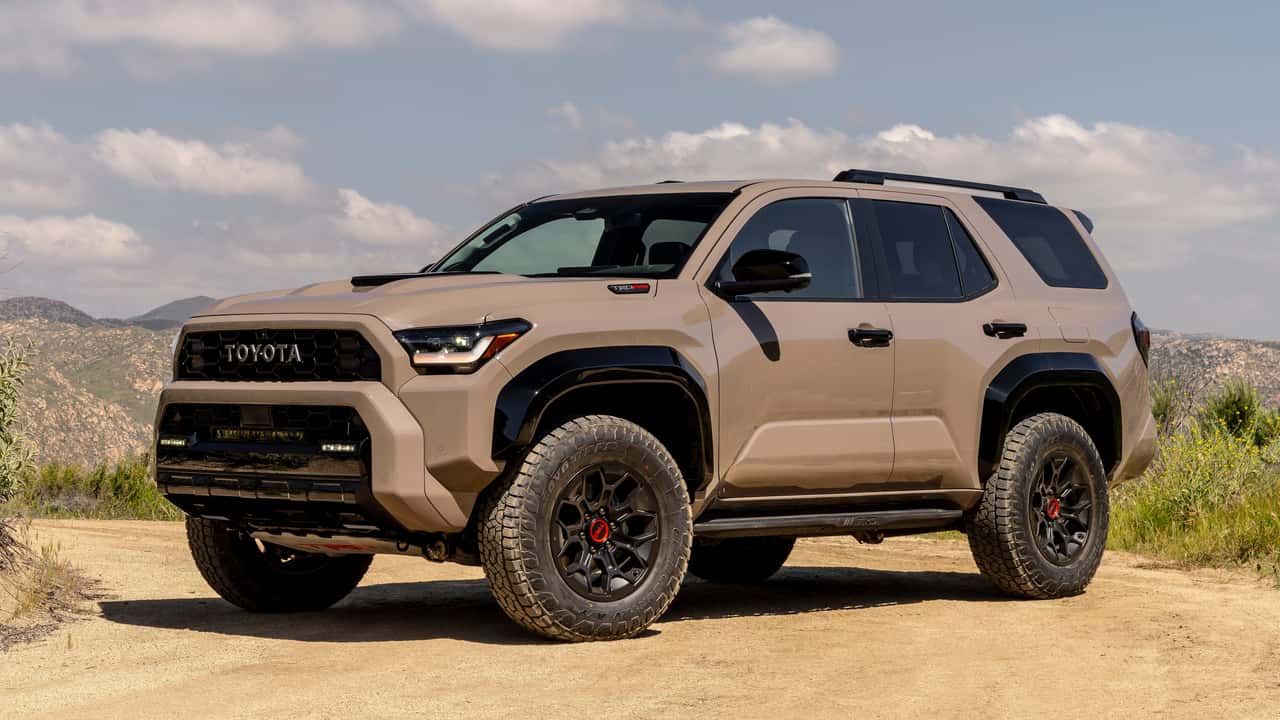
Choosing the right family SUV is about more than style or the latest technology. It is about reliability, practicality, and the confidence that comes from knowing your vehicle can handle life’s unpredictability.
Many families have owned SUVs that perfectly balanced capability, comfort, and durability, only to sell them for newer models and realize too late what they lost.
From the compact and dependable Forester that navigated city streets easily to the rugged 4Runner and Land Cruiser that inspired confidence on any terrain, these vehicles became trusted companions in daily life.
Spacious MDXs, Pilots, and Tahoes offered room for children, pets, or adventure gear, while luxury-oriented GX 470s and XC90s combined toughness with refinement.
Once these SUVs left the driveway, many owners discovered that newer models, despite advanced features or sleek designs, often could not match the reliability, practicality, and emotional connection that made these family SUVs so memorable.
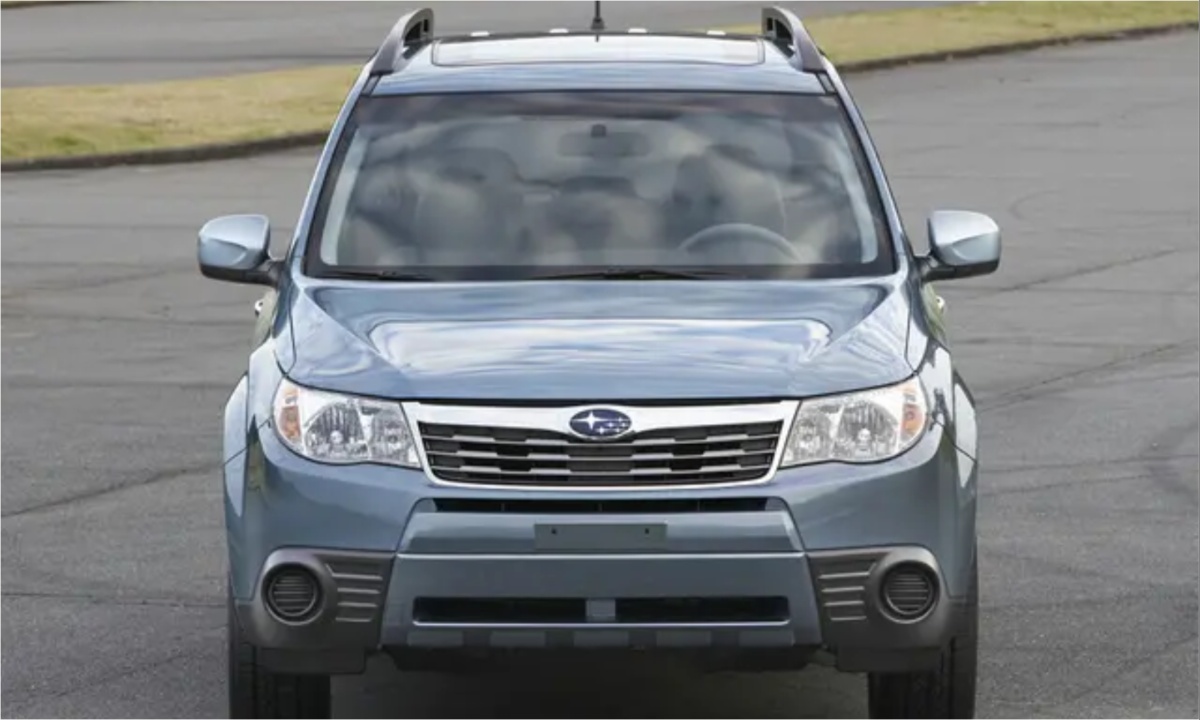
1. Subaru Forester (2000–2012): Compact Reliability with AWD Capability
The 2000–2012 Forester earned praise for its compact size and responsive handling, making it ideal for city streets, crowded parking lots, and tight school drop-offs. Unlike larger SUVs, it felt easy to position in tight spots and maneuver through narrow roads. Many families realized too late that replacing it with a bigger SUV often meant sacrificing the simplicity and ease of use they once enjoyed.
The Forester’s engines, especially the non-turbo 2.5-liter models, were known for longevity, often surpassing 200,000 miles with regular maintenance. Fewer electronics and straightforward engineering meant fewer unexpected breakdowns.
Even when issues arose, such as head gasket failures or oil leaks in some models, repairs were generally well-documented and manageable. This reliability created a sense of trust that many owners miss after trading their Forester for a newer, more complex vehicle.
Standard Symmetrical All-Wheel Drive provided excellent traction on snow, rain, or rough roads. Coupled with solid crash-test performance and a high driving position, the Forester offered reassurance during adverse conditions. Many former owners note that newer SUVs, while more modern, often lack the same confidence-inspiring balance between size and capability.
Inside, the Forester combined comfort with practical design. The 60/40 split-folding rear seats allowed cargo space to expand from 33.5 cubic feet to 68.3 cubic feet, accommodating gear, pets, or luggage. Upright rear seat cushions gave passengers better visibility and comfort, and the cabin’s simple controls were easy to operate.
The interior’s durability also made it ideal for families, capable of handling everyday wear and tear without concern.
The naturally aspirated 2.5-liter engine delivered 170 horsepower, while turbocharged XT trims offered 224 horsepower. Fuel economy for non-turbo models ranged around 21–23 mpg combined, balancing efficiency with capability. While acceleration and braking were adequate for most daily needs, the Forester’s true appeal lay in its predictable performance and practical usability rather than raw power.
Many families regret selling their early 2000s Forester because it combined dependable performance, AWD capability, and functional design in a compact package. Its utility, mechanical simplicity, and confidence-inspiring presence created a bond with owners that modern SUVs rarely replicate. For those who parted with theirs, the loss is often felt in both everyday convenience and long-term reliability.
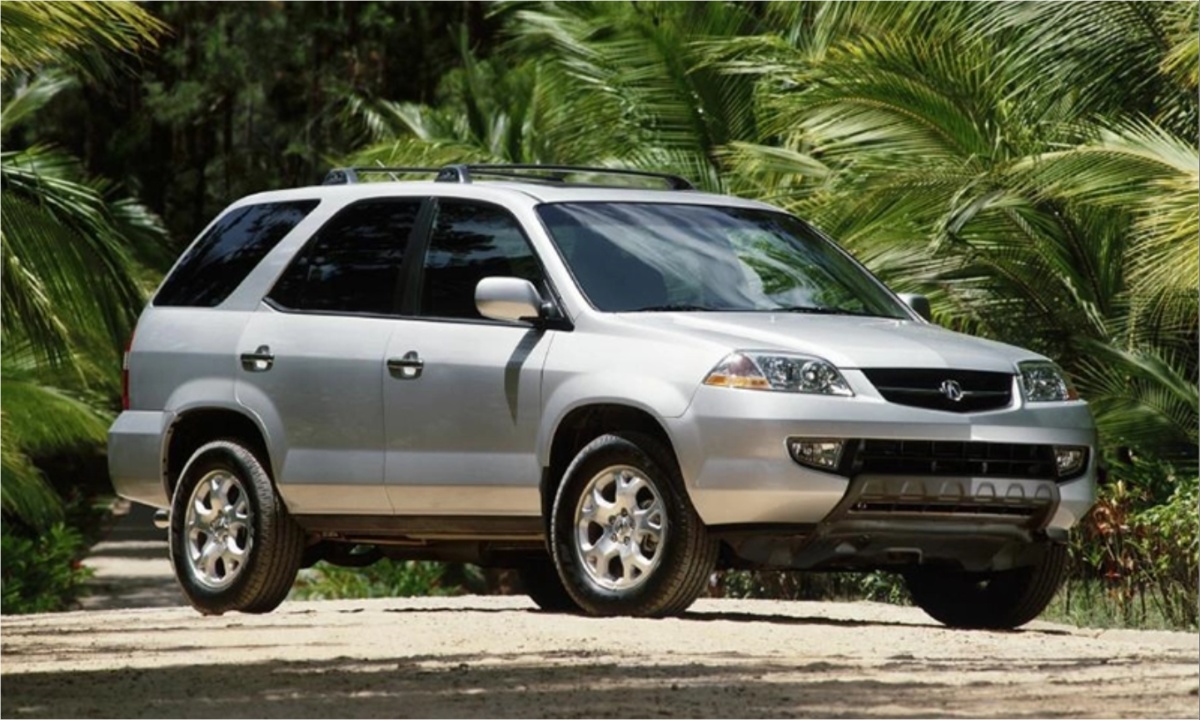
2. Acura MDX (First and Second Generations): Reliable, Comfortable, and Family-Friendly
The early Acura MDX delivered a driving feel that balanced SUV confidence with agile handling. Its responsive steering and well-tuned suspension made it feel stable in corners, while the Super Handling All-Wheel Drive (SH-AWD) system enhanced traction and stability in varied conditions. Owners often notice that newer, larger SUVs lack this balance of responsiveness and composure, which contributes to a strong sense of regret after selling.
These MDXs were built with long-lasting components. The V6 engines and Honda engineering allowed many vehicles to surpass 250,000 miles with regular maintenance. Unlike modern luxury SUVs that rely heavily on complex electronics, these generations used simpler, repairable parts, minimizing unexpected failures and reducing long-term repair costs.
The cabin was designed with families in mind. It offered a roomy second row and a usable third row for children, along with cargo space expanding to 83.5 cubic feet when the rear seats were folded. Controls were intuitive, with physical knobs and buttons making operation simple and distraction-free. The quality of materials and thoughtful layout gave the MDX a refined feel that aged well over time.
The MDX’s AWD system provided reliable performance in rain, snow, or light off-road conditions. Combined with a solid chassis, it gave drivers a sense of security and control, which is often missed after upgrading to newer vehicles that prioritize technology over mechanical simplicity.
Owners valued the vehicle for its dependable operation. Routine maintenance was straightforward, and major mechanical issues were rare. The MDX offered a worry-free experience that is difficult to replicate in many modern luxury SUVs, making the decision to sell particularly regrettable for families seeking consistent reliability.
Equipped with a 3.5–3.7L V6 and six-speed automatic transmission, the MDX produced around 300 horsepower and could tow up to 5,000 pounds. Acceleration from 0–60 mph took roughly 7.1 seconds, and fuel economy averaged 16 mpg city / 21 mpg highway, providing sufficient power without excessive consumption.
Standard safety features included ABS, stability control, front and side airbags, and options like Acura’s Collision Mitigation Braking System. Strong crash-test results made it a trustworthy choice for families, combining protection with driving enjoyment.
Families often miss the MDX’s combination of driving engagement, reliability, and practicality. Its simple yet durable construction, comfortable interior, and capable AWD system created a strong emotional connection that is hard to replace with newer, more complex luxury SUVs.
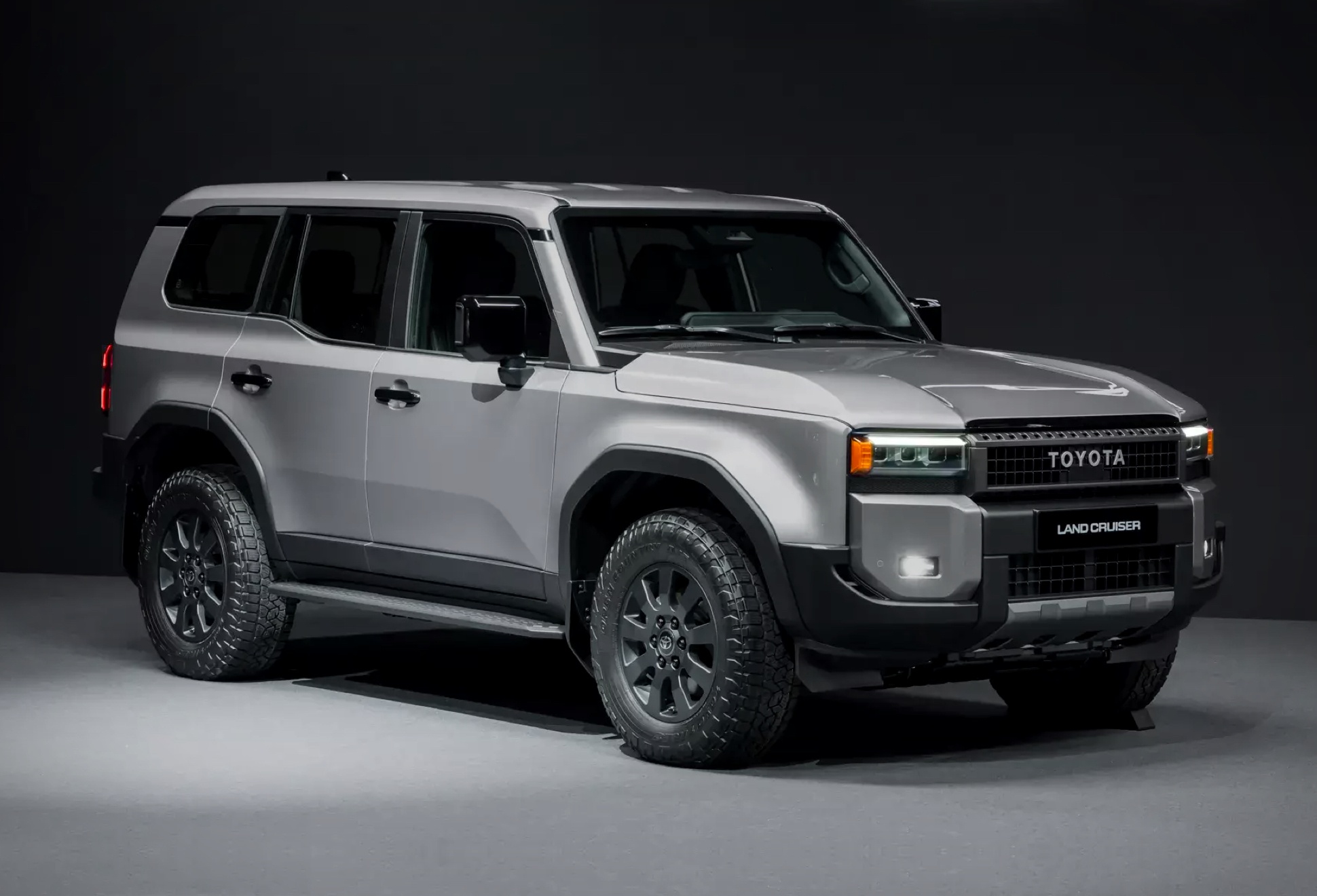
3. Toyota Land Cruiser: The Ultimate Family SUV
The Toyota Land Cruiser is renowned for its legendary durability. With a reputation for “bulletproof” construction, many models exceed 300,000 miles with basic maintenance.
Its robust V8 engines (in older U.S. models) and body-on-frame design ensure dependable performance, whether on long road trips, daily commutes, or off-road adventures. Long-term maintenance is minimal, as the vehicle rarely requires unexpected repairs, building trust among owners over decades.
Land Cruisers hold value exceptionally well, often commanding strong prices even after ten years. High demand in the used market, driven by its reliability, off-road capability, and luxury, makes replacements costly. Owners frequently regret selling, realizing that finding a comparable SUV with the same blend of longevity, performance, and comfort is financially challenging.
For many families, the Land Cruiser becomes more than a vehicle; it is part of the household and family memories. Road trips, daily routines, and shared adventures embed it into life experiences, making its sale feel like closing an important chapter. Its presence carries a unique personality: solid, dependable, and reassuring. Owners often experience nostalgia and a sense of loss after parting with it.
The Land Cruiser delivers a smooth and composed driving experience, balancing on-road comfort with off-road readiness. Acceleration is modest, and steering can feel heavy, but it soaks up rough terrain better than hardcore off-roaders like the Jeep Wrangler.
The cabin offers supportive front and second-row seats, logical control placement, and strong noise insulation. Rear legroom is limited, and the cargo area is affected by hybrid battery placement, but the ride remains comfortable for most passengers.
The vehicle includes standard safety tech, adaptive cruise control, lane-keeping assist, and Proactive Driving Assist. Infotainment is user-friendly, with wireless Android Auto and Apple CarPlay, numerous USB ports, and household-style plugs. Cargo space is adequate, with 37.5 cubic feet behind the rear seats, and towing capacity reaches up to 6,000 pounds.
While the Land Cruiser’s high starting price, cramped rear seating, and cargo limitations may reduce its apparent value, its build quality, hybrid efficiency (23 mpg combined), and timeless styling justify the investment. Its blend of luxury, ruggedness, and heritage makes it a unique SUV that is difficult to replace in any segment.
4. Honda Pilot (2003–2015): The Beloved Family SUV
The early-generation Honda Pilot holds a special place in many families’ hearts because it combined practicality, reliability, and usability in a way few SUVs have matched. Its boxy, minivan-like shape maximized interior space, making the third row genuinely usable and cargo room abundant.
Folding the seats allowed families to carry oversized items, while thoughtful storage compartments and cupholders made daily life easier. This simple, functional design made the Pilot easy to live with, especially for parents juggling school runs, errands, and family trips.
Mechanically, these Pilots were solid. Most examples ran well past 170,000 miles, with some reaching 250,000 miles when properly maintained. Unlike later models, they featured fewer complex electronics and mechanical systems, making maintenance simpler and less frustrating. Owners could rely on predictable performance without the glitches, infotainment freezes, or transmission issues that plagued the post-2015 redesigns.
On the road, the Pilot offered a confident, steady drive. Its 3.5-liter V6 engine delivered 250 horsepower, while front-wheel-drive models could tow up to 2,000 pounds and all-wheel-drive variants up to 4,500 pounds.
Acceleration was modest, and the vehicle’s boxy dimensions made it feel heavy in tight spaces, but the cushioned suspension absorbed bumps well, providing a comfortable ride for families. The VTM-4 all-wheel-drive system gave owners peace of mind in poor weather or challenging conditions.
Inside, the Pilot favored functionality over luxury. Controls were intuitive, climate systems were easy to operate, and the cabin design prioritized usability. Second- and third-row passengers had adequate headroom, though legroom was limited.
Cargo space with seats folded reached 87 cubic feet, and the split-opening liftgate allowed long items to fit more easily. While the interior trim felt basic compared to newer vehicles, the simplicity contributed to reliability and ease of use.
Safety was respectable for its time, with multiple airbags, traction and stability control, and a rearview camera standard. Crash tests rated the Pilot highly for side impacts, though small-overlap frontal results were poor. Even without advanced driver-assist systems, the solid construction and predictable handling created a genuine sense of security.
Families often regret selling these Pilots because newer versions prioritize style and tech over function, sacrificing the reliability, spaciousness, and practicality that made the 2003–2015 models true workhorses. For those who lived with one for years, it was more than a vehicle; it was a dependable, intuitive partner in everyday family life.
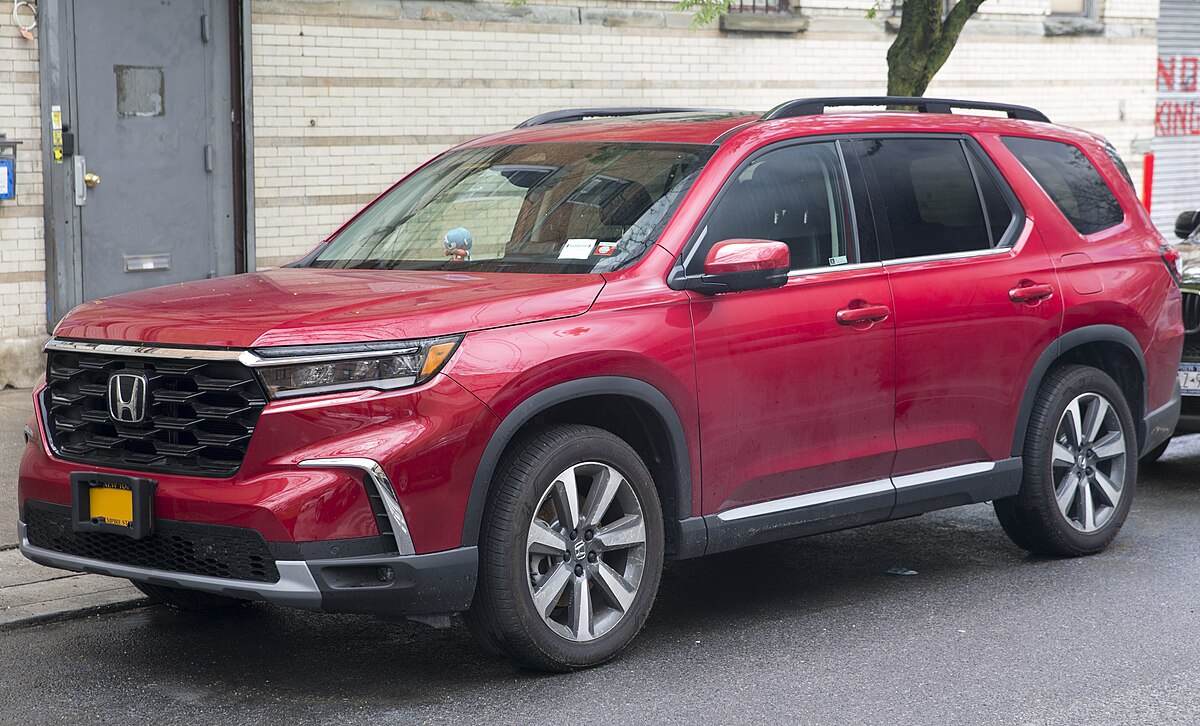
5. Ford Expedition (2003–2014): Spacious, Rugged, and Family-Ready
The 2003–2014 Ford Expedition earned a reputation as a go-to SUV for larger families, offering unmatched interior space, strong towing capacity, and a commanding road presence.
Many families sold theirs in pursuit of better fuel efficiency or updated styling, only to find that few modern SUVs match the Expedition’s combination of utility and comfort.
Its spacious cabin could seat eight passengers comfortably, while folding the second and third rows created expansive cargo space capable of holding strollers, luggage, sports gear, and even bicycles with ease. For families juggling kids, pets, and road trips, this level of versatility quickly becomes essential.
Ride quality was a standout feature. Despite its size, the Expedition’s suspension smoothed out bumps and maintained composure on highways, creating a calm, comfortable ride that made long drives much easier.
The independent rear suspension introduced in the 2003 redesign enhanced both comfort and handling, giving the SUV a refined feel uncommon for vehicles of this class.
Reliability added to the vehicle’s lasting appeal. With proper maintenance, these V8-powered SUVs routinely exceeded 200,000 miles. Engines such as the 5.4L Triton V8 delivered ample power for towing trailers, boats, or campers, and the truck-based construction emphasized durability. Many owners reflect on how few mechanical issues they experienced, especially when compared to the complexity of newer SUVs.
The interior was functional and thoughtfully designed. The second-row 40/20/40 split seat slid and reclined for comfort, while optional captain’s chairs added a touch of luxury. Third-row seating folded flat for cargo expansion, giving the regular Expedition 108.3 cubic feet and the long-wheelbase EL 130.8 cubic feet of usable space. Even with a full load of passengers, storage and layout were intuitive and practical.
Performance was strong, though not class-leading. The 5.4L V8 paired with a six-speed automatic provided 310 horsepower and 365 lb-ft of torque. Rear-wheel drive was standard, with optional four-wheel drive and low-range gearing for demanding conditions.
Towing capacity reached 9,200 pounds, making it a reliable choice for families with boats or campers, though heavier loads required careful gear management.
Safety features included stability and traction control, multiple airbags, MyKey parental controls, and parking sensors. Government crash tests awarded four stars for crash protection and five stars for side-impact safety.
Families often regret selling the 2003–2014 Expedition because modern alternatives rarely match its combination of space, comfort, utility, and ruggedness. Its truck-based construction, V8 power, and thoughtfully designed interior created a capable, family-oriented SUV that is difficult to replace, leaving many owners nostalgic for the practicality and confidence it provided.
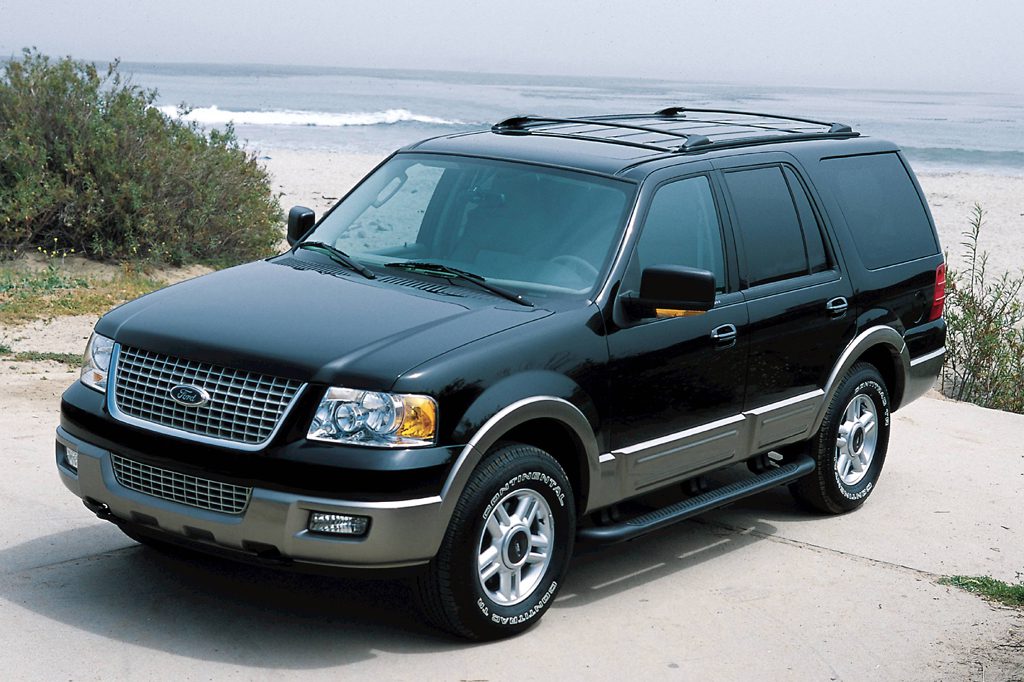
6. Lexus GX 470: Enduring Luxury Meets Rugged Capability
The GX 470’s 4.7-liter V8 and Toyota-built drivetrain are renowned for longevity. Many owners report over 250,000 miles with routine maintenance. Its robust mechanical design, combined with a body-on-frame platform shared with the Land Cruiser Prado, makes it a rare SUV that can handle heavy use without frequent repairs.
Though built on a truck-like chassis, the GX 470 offers a smooth and composed ride. Suspension tuning and solid construction absorb bumps and imperfections, creating a driving experience that feels more refined than typical body-on-frame SUVs. Families often miss this balance of toughness and comfort after selling.
Inside, the GX 470 emphasizes durability and luxury. Thick leather, well-made controls, and a logical layout contribute to a cabin that ages gracefully. Practical features like foldable third-row seats, rear air conditioning, and optional premium audio enhance family usability. Owners value the combination of long-lasting materials and functional design.
Families often realize too late that few vehicles match the GX 470’s combination of reliability, comfort, and capability. Replacements may offer newer tech but often fall short in build quality, ride solidity, and off-road confidence. The GX 470’s unique mix of luxury and toughness leaves a lasting impression that is hard to replicate.
With 263 horsepower, a five-speed automatic transmission, and full-time four-wheel drive with a dual-range transfer case, the GX 470 handles towing and hauling with ease. It can tow up to 6,500 pounds, providing the capability families relied on for trailers, boats, or large loads.
The SUV comes equipped with front and side airbags, roll-sensing curtain airbags, traction control, and Vehicle Stability Control. These systems contribute to a secure, confident driving experience that reinforces the GX 470’s family-friendly reputation.
The Lexus GX 470 endures as a symbol of well-engineered, overbuilt SUVs. Its combination of long-term durability, comfort, and utility makes it one of the most fondly remembered and frequently missed vehicles among families who have moved on to newer models.
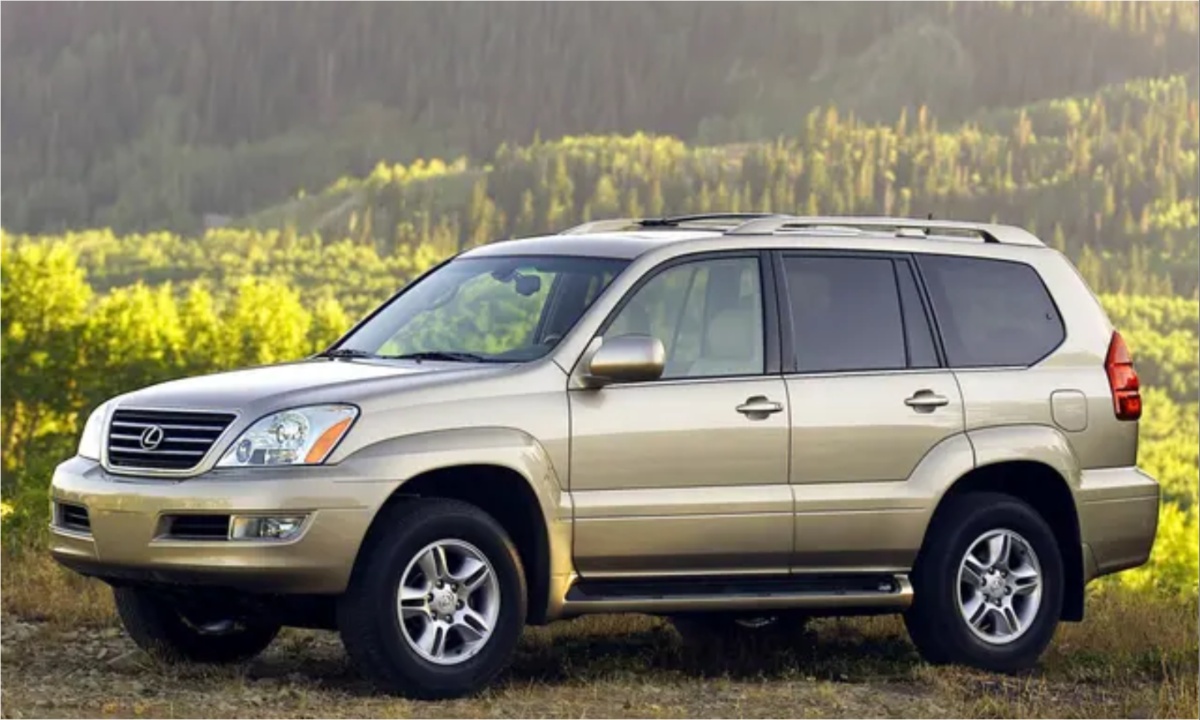
Also read: 10 Cars That Owners Never Sell Due to Reliability
7. Chevrolet Tahoe (2000s): Durable, Spacious, and Family-Friendly
The 2000s Chevrolet Tahoe became a staple for families seeking a full-size SUV that combined rugged durability, ample interior space, and powerful V8 performance. Its GMT800 platform, paired with the reliable Vortec engines, offered a truck-based feel that made it both dependable and capable for long-term ownership.
Families often sold theirs in search of sleeker, more technologically advanced SUVs, only to find that newer models frequently fell short in practicality, toughness, and towing capacity.
One of the most missed features of the Tahoe was its towing ability. Equipped with either the 4.8-liter V8 or the 5.3-liter V8, the SUV handled heavy loads effortlessly, making it ideal for hauling boats, trailers, or campers.
Four-wheel-drive models offered additional traction, ensuring confident performance in poor weather or challenging terrain. For families accustomed to the Tahoe’s capabilities, crossovers or lighter-duty SUVs rarely matched its strength, leaving owners feeling the loss keenly.
The interior provided exceptional space and comfort. Three rows of seating allowed up to nine passengers, with second-row bucket seats and a foldable 50/50 third row adding versatility. Fold-flat rear seats expanded cargo capacity to 104 cubic feet, easily accommodating luggage, sports gear, or everyday necessities.
The five-link rear suspension contributed to a smoother, quieter ride compared with older truck-based SUVs, and the high driving position gave a strong sense of safety and control.
Reliability and ease of maintenance were major draws. Owners frequently reported 200,000–300,000 miles with minimal issues, and the simple mechanical and electrical systems were inexpensive to repair.
Parts were widely available, making long-term ownership practical and cost-effective. Many families appreciated how few unexpected problems arose, especially compared with the more complex modern SUVs they replaced their Tahoes with.
The Tahoe’s classic styling also contributed to its enduring appeal. The rugged, boxy exterior, particularly in Z71 and Limited editions, conveyed strength and confidence. Its design aged gracefully, and many owners missed the distinctive look and the feeling of driving a vehicle built for utility rather than fashion.
Performance was strong for its size, with the V8 engines paired to a four-speed automatic and tow-haul mode. Properly equipped, the Tahoe could tow up to 7,700 pounds.
Steering was light enough for maneuverability, and the suspension kept the ride stable and comfortable on pavement or mild off-road terrain. Safety features included antilock disc brakes, stability control, and optional front-seat airbags, while NHTSA crash tests rated it four stars for frontal occupant protection.
Families often regret selling a 2000s Chevrolet Tahoe because few modern SUVs provide the same combination of durability, utility, and classic American design. Its spacious interior, dependable V8 engines, and practical simplicity make it a vehicle that remains difficult to replace in the eyes of those who owned one.
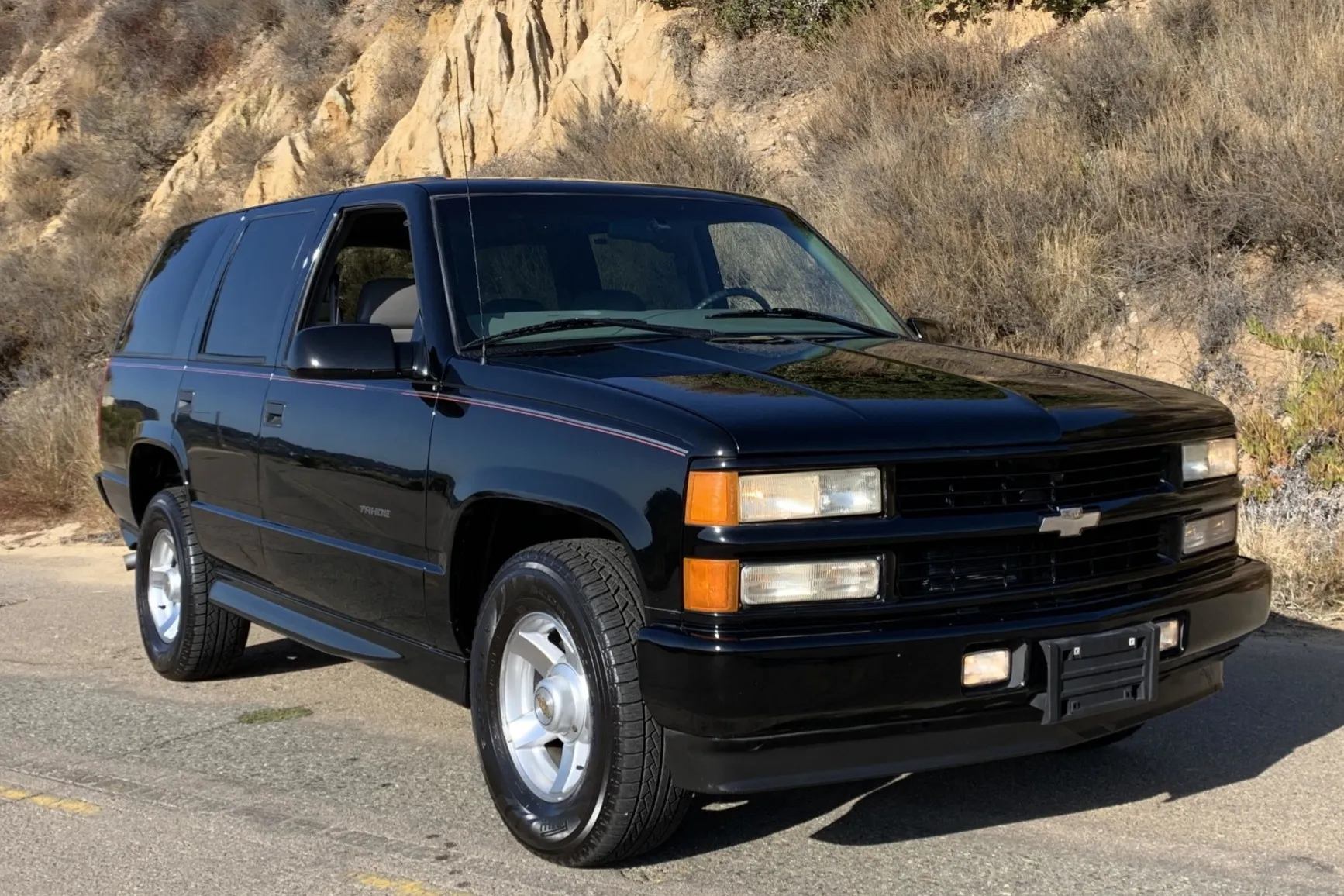
8. GMC Yukon XL: Space, Comfort, and Dependable Power
The GMC Yukon XL was the ultimate choice for families who prioritized space and versatility. Its extended-length design allowed seating for eight passengers while still leaving ample room for luggage, strollers, sports gear, or any other cargo a large family might require.
Many owners who sold theirs for something smaller or more fuel-efficient quickly realized just how difficult it is to replace that kind of interior volume. Tasks that were simple in the Yukon XL, fitting all passengers comfortably while carrying their gear, suddenly became a challenge, highlighting the SUV’s unique practicality.
Ride comfort was another defining characteristic of the Yukon XL. Despite its size, the long wheelbase and well-tuned suspension absorbed bumps effortlessly, providing a smooth, stable experience on highways and long road trips. Families often felt as if they were traveling in a mobile lounge rather than a conventional SUV.
The cabin was quiet, the seating wide and cushioned, and everyone had enough space to stretch out, making extended journeys more enjoyable. When transitioning to smaller, more cramped SUVs, former owners frequently missed this level of comfort, especially on longer drives.
Under the hood, the Yukon XL relied on proven GM V8 engines that emphasized strength and durability over sophistication. While not the most fuel-efficient, these engines were dependable and capable, handling heavy loads, towing, and inclement weather without complaint.
Families who sold their Yukon XLs for newer vehicles often found that replacements lacked the same combination of raw power and reliability, making the decision to downsize a source of later regret.
Driving the Yukon XL is manageable given its size, though its bulk demands attention, especially in tighter spaces. The standard 5.3-liter V8 offered adequate performance, while the optional 6.2-liter V8 provided brisk acceleration, with the vehicle reaching 60 mph in roughly 6.5 seconds, impressive for such a large SUV.
Steering is light but slightly numb around the center, and while the Yukon XL maintains composure through turns, the pedal feel can be soft under emergency braking. Its long wheelbase and stable chassis keep it flat in corners, contributing to a secure and predictable driving experience.
Inside, the Yukon XL prioritizes utility and comfort. The upright seating position gives drivers a commanding view of the road, and the high dash makes the gauges easy to read. Controls are generally well-labeled, though secondary buttons are sometimes grouped in less intuitive ways.
The second-row seats, while flat, fold to allow easy access to the third row, and all three rows provide generous passenger space. The interior includes multiple storage compartments, including a large center-console box, though loading the high cargo floor can be cumbersome.
Technology in the Yukon XL is functional but not cutting-edge. Basic infotainment screens respond well, and smartphone integration, OnStar emergency communications, and a 4G LTE Wi-Fi hotspot come standard.
Higher trims offer optional features like a roof-mounted Blu-ray entertainment screen and hands-free driving assistance, though some advanced safety technology remains optional and less sophisticated than competitors. Families who valued the Yukon XL’s simple, reliable systems often found newer SUVs to be overly complex and not as user-friendly.
The Yukon XL also excels in towing and heavy-duty capability. Its maximum towing capacity of 8,100 pounds allows for hauling boats, campers, or trailers, though it lacks some of the advanced towing aids found on modern competitors. Fuel economy, however, is modest.
The smaller V8 delivers an estimated 18 mpg combined, while the larger 6.2-liter V8 returns 16 mpg combined, requiring premium fuel and making fuel costs a notable consideration for many owners.
Despite its age and somewhat dated interior technology, the Yukon XL remains a sought-after vehicle for those who appreciate its size, comfort, and dependable performance.
Families who traded theirs often regret the decision when they discover that smaller or more modern SUVs cannot match the combination of spaciousness, ride quality, and strength that the Yukon XL provided, making it a vehicle that leaves a lasting impression.
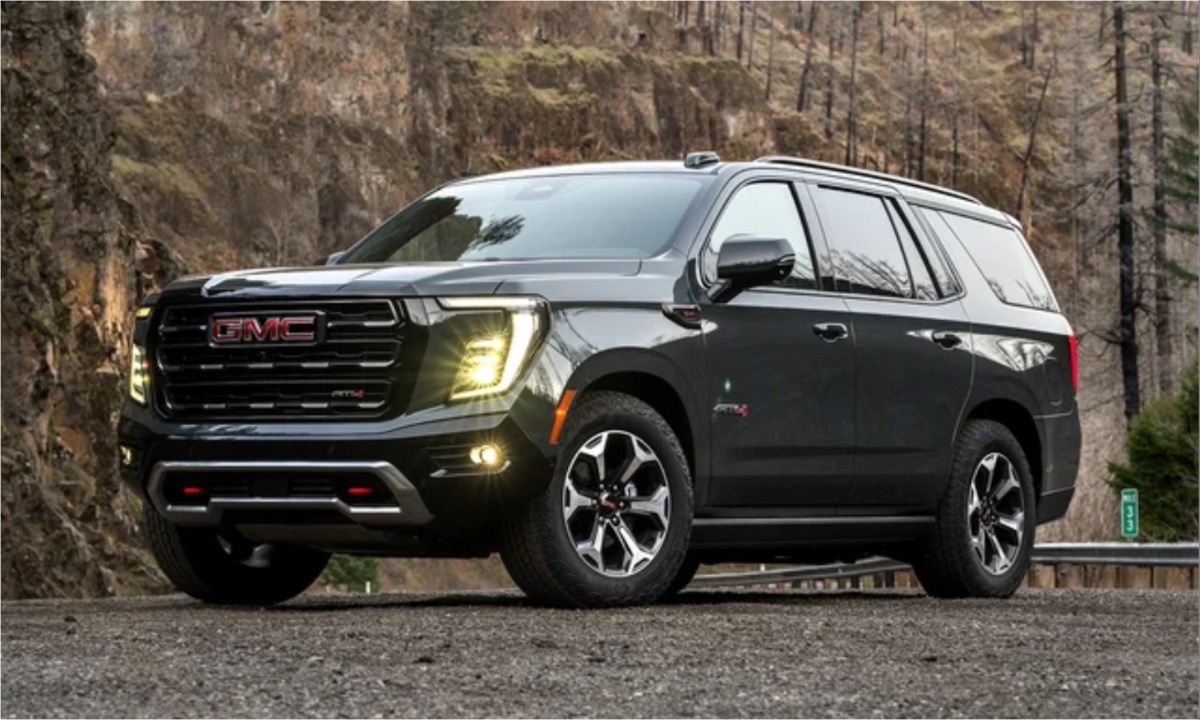
9. Nissan Xterra: Rugged, Practical, and Built for Adventure
The Nissan Xterra was designed as a no-nonsense, body-on-frame SUV that emphasized durability, practicality, and off-road capability.
Built on the Frontier pickup platform, it offered a robust V6 engine and a sturdy suspension, giving families the confidence to tackle rough terrain, haul gear, or head off the beaten path without hesitation. Its simplicity and reliability were key to its appeal, providing a sense of freedom that many modern, softer crossovers cannot match.
Functionality was at the heart of the Xterra’s design. The rear cargo area featured a hard plastic floor that made it easy to carry muddy boots, sports equipment, or pets without worrying about staining or damaging the interior.
The cabin itself was constructed with durable materials that could handle everyday life, while the roof rack, rear bumper steps, and available gear basket added versatility for outdoor activities. These practical features made the Xterra feel like a tool built to work, rather than a fashion statement.
Owners often praised the Xterra’s reliability. Its V6 engine, body-on-frame construction, and straightforward mechanical systems meant fewer electronic issues and easier maintenance compared with many modern SUVs.
Families who sold their Xterra for something more fuel-efficient or polished often found themselves missing the combination of toughness and low-maintenance durability that made the Xterra so dependable.
Driving the Xterra offered a distinct experience that reflected its rugged design. While it was not as refined as a car-based crossover, it performed confidently in off-road conditions. The 4.0-liter V6 produced 261 horsepower, and certain trims offered a six-speed manual transmission for a more engaged driving experience.
The vehicle’s generous ground clearance, long-travel suspension, and optional dual-range four-wheel-drive system allowed it to maintain stability and traction on dirt roads, trails, and rough terrain, even if the ride felt firm on paved surfaces.
Inside, the Xterra’s cabin emphasized practicality over luxury. The two rows of seats comfortably accommodated four adults, and the cargo space ranged from 36.3 cubic feet behind the rear seatbacks to 65.7 cubic feet with the seats folded flat.
The Pro-4X trim added thoughtful features like a fold-flat front passenger seat and roof-mounted gear basket, making it easier to carry oversized or muddy items. The hard, easy-to-clean interior surfaces meant families could load and unload gear without worrying about wear or mess.
Many Xterra owners report feeling a sense of regret after selling their vehicle, as few modern crossovers capture the same blend of rugged capability, practicality, and reliability.
Its honest, straightforward design, off-road prowess, and versatility left a lasting impression, and families often realize too late how difficult it is to replace an SUV that could handle adventures, family trips, and heavy loads with minimal fuss. The Xterra remains a rare example of a purpose-built SUV that stayed true to its intended role while providing comfort and utility in equal measure.
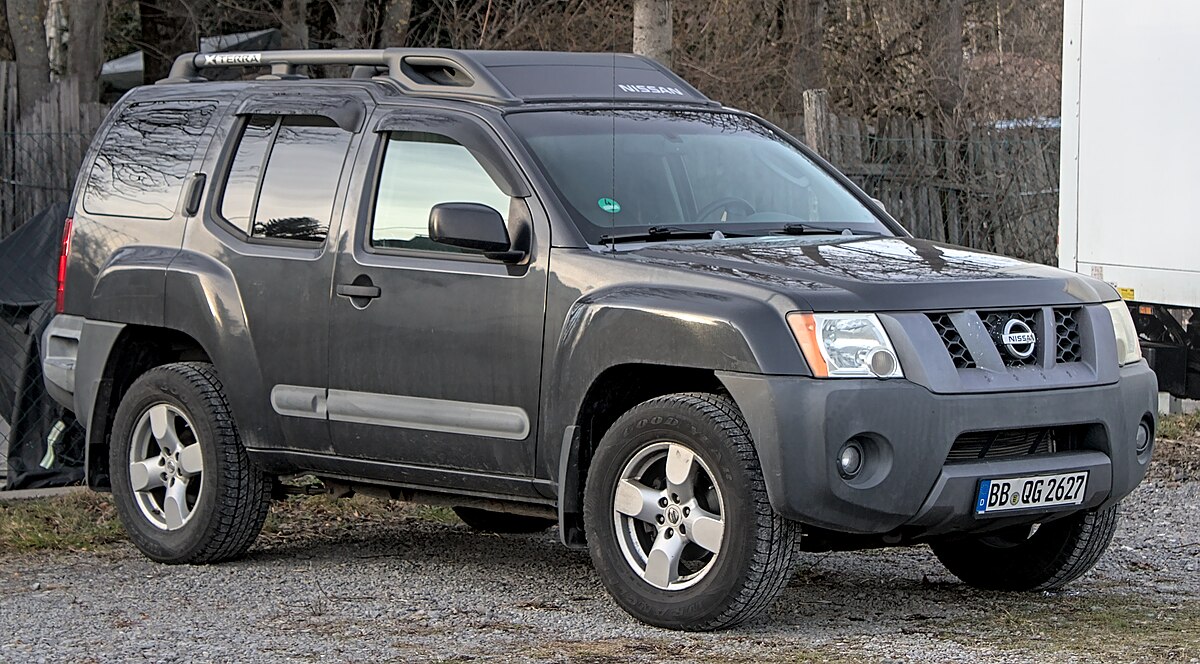
10. Volvo XC90 (First Generation): Safety, Practicality, and Timeless Appeal
The first-generation Volvo XC90 earned a devoted following among families for its combination of safety, comfort, and practicality. Though Volvo was traditionally known for sedans and wagons, the XC90 proved the brand could excel in the family SUV market.
Once sold, many owners realized that its mix of thoughtful interior design, solid engineering, and dependable performance was difficult to match in other vehicles. Its clever seating layout, including a middle-row booster seat that could slide forward, made the cabin feel purpose-built for children and parents alike, offering conveniences that newer SUVs often lack.
Safety was a cornerstone of the XC90, with features like side-curtain airbags for all three rows, reinforced body construction, and Roll Stability Control providing reassurance on every drive.
Families who moved on to less premium or smaller SUVs often noticed a drop in the confidence and security they had grown accustomed to, highlighting how integral Volvo’s engineering was to their peace of mind. Even the relatively simple electronics and infotainment systems were durable and intuitive, standing out as more reliable than the glitch-prone touchscreens in modern SUVs.
Practicality extended to the XC90’s interior design. The split-folding tailgate and flexible seating arrangements, combined with a usable third row, made the SUV functional for daily errands, school runs, and family road trips.
Its rugged, boxy aesthetic gave it a timeless look, one that many families appreciated more over time as newer, sleeker SUVs came and went. The first-generation XC90 offered dependable all-wheel-drive performance in all weather conditions, reinforcing its reputation as a versatile and capable family vehicle.
Regret for selling an XC90 often stems from the emotional bond families formed with the vehicle over years of reliable service. Many owners valued the memories created during trips, daily routines, and long drives, making it difficult to replace the XC90 with something that felt equally thoughtful and secure.
While the early models, particularly the T6 trim, could be costly to maintain due to transmission, suspension, or electrical issues, owners often concluded that no other SUV offered the same combination of practicality, safety, and character.
Performance was adequate for its class. The XC90’s 3.2-liter inline-six engine produced 240 horsepower and 236 pound-feet of torque, paired with a six-speed automatic transmission. Front-wheel drive was standard, with all-wheel drive optional, and the SUV could tow up to 3,970 pounds.
Acceleration from zero to 60 mph was leisurely, and fuel economy averaged 18–19 mpg combined, typical for a mid-size luxury SUV of its era. The suspension was tuned for comfort, with the firmer sport-tuned setup in R-Design models adding a more controlled feel during brisk driving.
Inside, the XC90 offered a clean and functional cabin with well-placed controls, high-quality materials, and optional leather and wood trim that added a touch of luxury.
While the third row and cargo space were more limited compared to some competitors, the clever use of the second row, including its integrated booster seat, maximized usability for families with small children.
Folding the rear seats created a flat load floor with 85.1 cubic feet of cargo space, and the optional fold-flat front passenger seat accommodated long items when needed, though cargo behind the third row remained constrained.
The first-generation XC90 represents a balance of safety, family-focused design, and practical functionality that left a lasting impression on owners. Families who traded it in often found that newer SUVs, despite advanced technology or styling, struggled to replicate the confidence, utility, and thoughtful design that the original XC90 provided, making it a vehicle many look back on with genuine affection and a touch of regret.
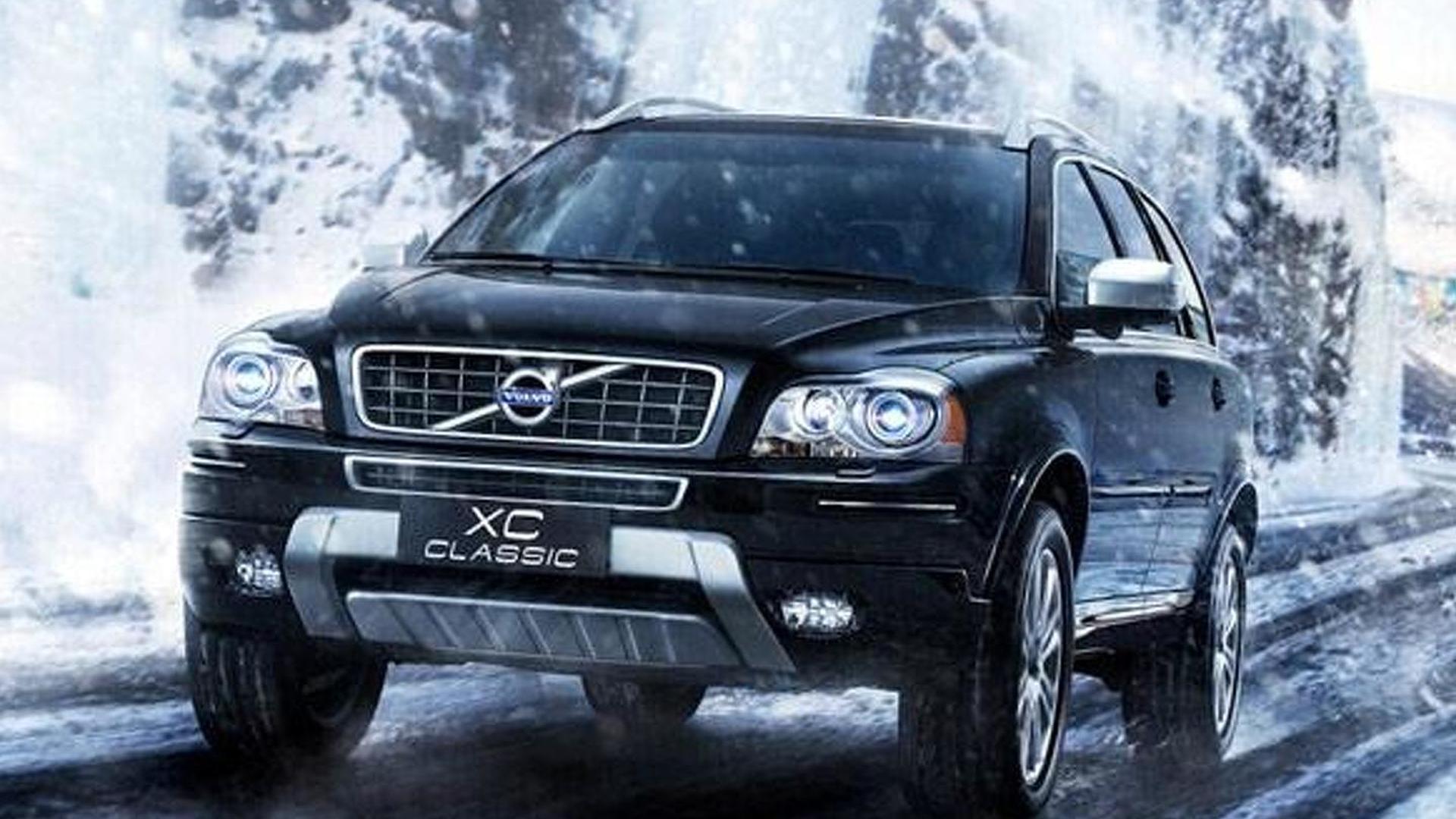
11. Jeep Grand Cherokee (WJ & WK): Rugged, Reliable, and Memorable
The WJ (1999–2004) and WK (2005–2010) Jeep Grand Cherokees are remembered fondly by families for their rare combination of rugged off-road capability and daily driving comfort.
Unlike modern SUVs, these models offered a mechanical, analog feel that created a stronger connection between driver and vehicle. Selling them often left owners wishing they had kept a trusted companion rather than opting for a newer, more computerized replacement.
Mechanical simplicity and reliability were hallmarks of these generations. The WJ’s solid front axle and legendary 4.0L inline-six engine provided durability and excellent articulation for off-road adventures.
The WK introduced the 5.7L HEMI V8 and optional 3.0L diesel, delivering impressive towing capacity and strong on-road performance. Repairs and maintenance were generally straightforward, with widely available parts and simpler systems making ownership easier and more affordable.
The design of the WJ and WK also contributed to their lasting appeal. Both featured clean, purposeful styling that aged well, functional interiors, and comfortable seats. Analog controls for climate and audio systems reduced the risk of electronic failures, while the size of the SUVs struck a balance spacious enough for family use, yet manageable on the road.
Owners also appreciated the visceral driving experience. The engines offered satisfying power, and the SUVs maintained a commanding, stable ride without feeling overly stiff. Even though some models had known issues like early WK transmission and electrical problems or WJ “death wobble” many families felt a strong sense of attachment when properly maintained.
Families often regret selling these Grand Cherokees because newer models, while technologically advanced, rarely capture the same blend of ruggedness, simplicity, and character. The WJ and WK generations remain iconic for their practicality, reliability, and the memorable driving experience they provided, making them difficult to replace in both utility and sentimental value.
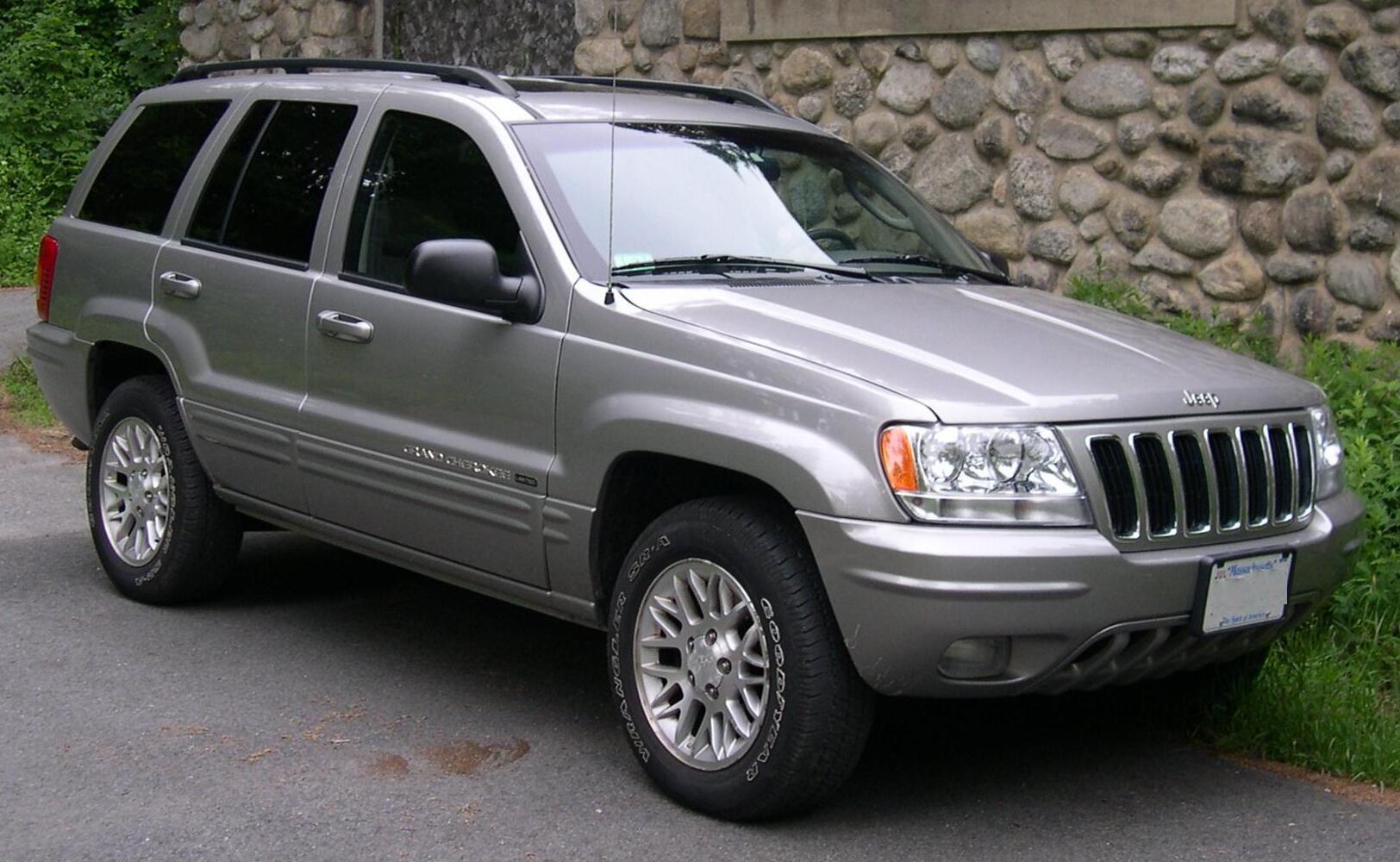
12. Toyota 4Runner: Rugged, Reliable, and Hard to Replace
The Toyota 4Runner has earned a reputation for being nearly indestructible, and many families find themselves regretting the decision to sell one. Its body-on-frame construction and reliable V6 engine give it the feel of a truck rather than a crossover, rugged, durable, and unapologetically utilitarian.
Families often choose it for off-road capability, even if they rarely leave paved roads, because the confidence it inspires in difficult weather or rough terrain is unmatched. Switching to a more refined or car-like SUV can leave owners missing that sense of control.
Durability is a hallmark of the 4Runner. The interior is simple but solid, built to withstand spills, muddy shoes, and heavy use. This practicality fosters attachment; it is a vehicle families can live with rather than constantly protect.
Features like fold-flat rear seats, sliding cargo trays, and the power rear window add functional versatility, while the spacious, hard-wearing interior accommodates kids and gear in a way that many newer SUVs cannot. Families often only realize the value of this practicality once the vehicle is gone.
The 4Runner’s reputation extends to its off-road capability. Equipped with features like multi-terrain select, locking rear differential, and a durable truck-based chassis, it handles challenging roads and outdoor adventures that leave many modern SUVs behind.
Even on pavement, it provides a competent driving experience, though body roll and active rear suspension affect ride quality, and steering requires more effort than expected. Safety features such as adaptive cruise control, lane-keeping assistance, and blind-spot monitoring contribute to peace of mind.
Financial considerations amplify the regret of selling a 4Runner. Its strong resale value means that reacquiring one is expensive, and the cost of newer SUVs, combined with their higher maintenance demands, often outweighs the short-term gain from selling. Fuel economy is competitive for its segment, with 2WD models averaging 22 mpg combined and 4WD or hybrid versions around 21–23 mpg.
Beyond mechanics and utility, the 4Runner has emotional value. Families develop a deep attachment through years of shared experiences, from road trips to daily errands.
Its rugged character, straightforward design, and reliable performance make it more than just a vehicle; it becomes a trusted partner. Selling it often leaves a void, as few modern SUVs match the unique blend of capability, durability, and emotional resonance that the 4Runner provides.
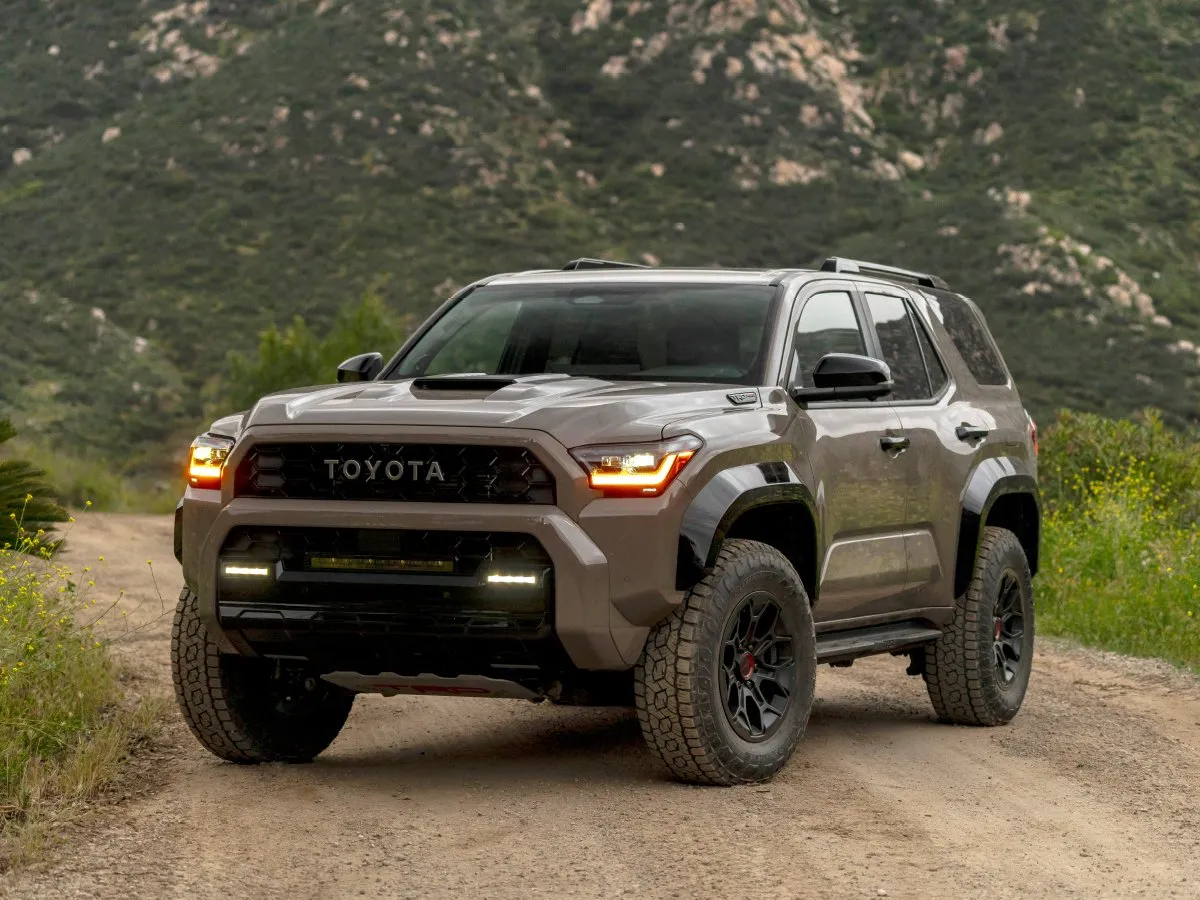
Looking back at these 12 SUVs, it is easy to see why families regret letting them go. These vehicles were not just dependable machines; they were reliable partners for everyday life, able to handle school runs, road trips, and outdoor adventures without stress.
Their longevity, thoughtful interiors, and practical features created a bond that went beyond functionality and made daily driving more comfortable and secure. Modern SUVs may offer advanced technology, better fuel economy, and modern designs, but they often lack the simplicity, robustness, and reliability that these models delivered with ease.
From the compact Forester to the commanding Yukon XL, each SUV provided a combination of performance, comfort, and durability that is hard to replace. For families who sold them, the loss is felt not just in daily convenience but also in a sense of nostalgia for vehicles that understood the true demands of family life.