
Something special happened during the 2000s that changed how we think about trucks and their lifespan. Manufacturers were building vehicles with technology that had matured beyond the experimental phase, using materials that could withstand decades of abuse, and implementing quality control processes that actually worked.
The result? Trucks that refuse to die even after twenty-plus years of hard service. You see them everywhere still, hauling loads, towing trailers, and doing the same jobs they were bought for back when flip phones were still a thing.
The 2000s represented a sweet spot in automotive manufacturing. Engineers had figured out how to make engines that lasted without being overly complicated. Safety features were becoming standard without adding unnecessary weight. Rust protection has improved dramatically from previous decades.
These trucks benefited from all that accumulated knowledge while avoiding the excessive electronics and complicated systems that make modern vehicles difficult to maintain. They’re simple enough that regular people can still work on them, but advanced enough to offer reliability that older trucks couldn’t match.
What makes these particular trucks special isn’t just that they’re still running. Plenty of old vehicles survive if you baby them and keep them in garages. These trucks are still working for a living.
They’re on job sites, farms, construction zones, and doing real work every single day. The odometers show numbers that would have killed lesser vehicles twice over, yet they keep going. Let’s look at fourteen trucks from the 2000s that prove durability isn’t just a marketing claim when done right.
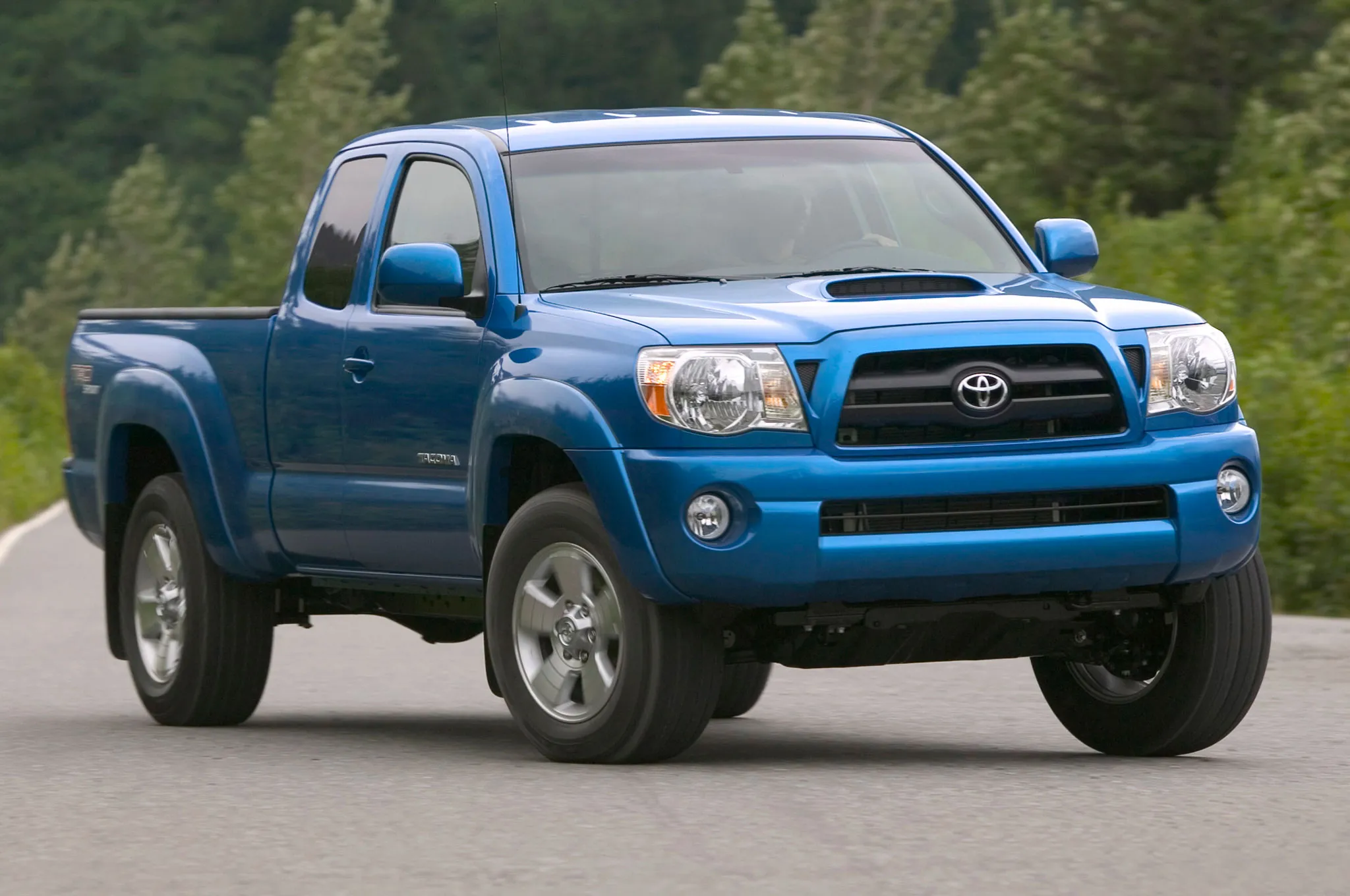
1. Toyota Tacoma TRD (2005-2009)
People joke that you can’t kill a Tacoma, and the second-generation TRD models keep proving that statement true. Toyota built these trucks with their bulletproof 4.0-liter V6 engine that produces adequate power without straining itself.
The frame construction uses thick steel that resists rust better than competitors, while the suspension components handle abuse that would break other mid-size trucks.
Owners report driving these trucks past 300,000 miles without major engine or transmission work, which is remarkable for any vehicle but especially impressive for trucks that see hard use.
The TRD package added off-road capability that transformed the Tacoma from a capable truck into something special. Bilstein shocks, locking rear differential, and skid plates meant buyers got a truck that could handle serious roads without expensive modifications.
The double-cab configuration provided enough interior space for families while maintaining a bed long enough for actual work.
Toyota’s attention to detail shows in small ways, like using quality switches that still work perfectly after twenty years, or door seals that haven’t dried out and cracked. These trucks feel solid in ways that are hard to quantify but easy to notice when you’re behind the wheel.
Finding a Tacoma TRD from this era in poor condition is actually difficult because they were built so well. Most issues that do occur involve normal wear items like brake pads or tires rather than fundamental mechanical problems.
The automatic transmission changes smoothly even in high-mileage examples, and the engine runs quietly without the ticking or knocking that plagues worn-out powerplants. Rust can affect frames in regions where salt is used on roads, and Toyota actually recalled some trucks to address this specific issue.
Beyond that problem, which was handled through a recall program, these trucks just keep running. The resale values remain strong because buyers understand what they’re getting: a truck that will work reliably for another decade or more with minimal fuss.
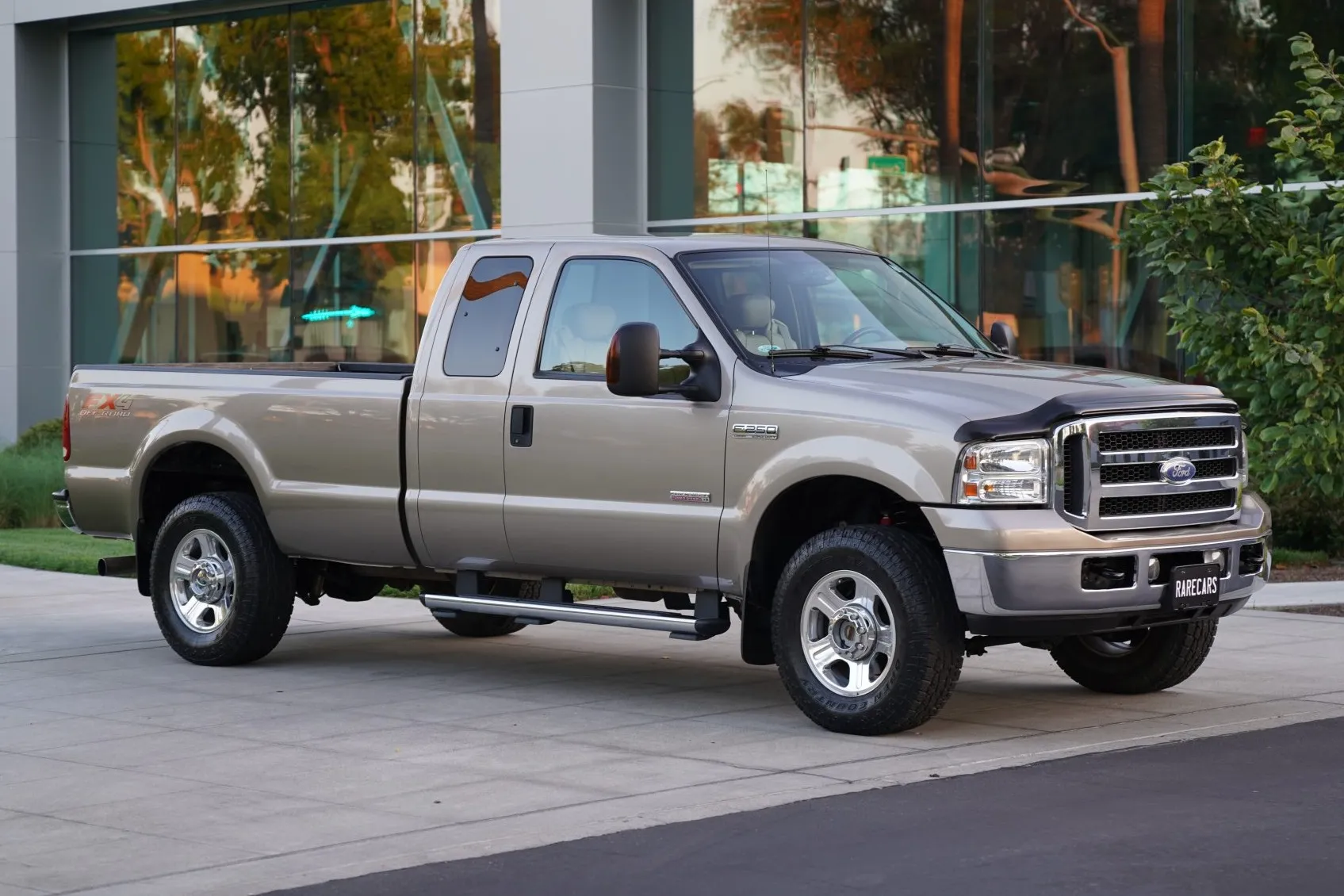
2. Ford F-250 Super Duty Lariat (2005-2007)
Ford’s Super Duty trucks from the mid-2000s came equipped with the legendary 6.0-liter Power Stroke diesel engine, which has a complicated reputation that deserves examination.
Yes, this engine had issues when new, particularly with the EGR system and head gaskets. But here’s what nobody talks about: once those known problems were addressed, these engines became incredibly durable and powerful.
Owners who performed the necessary fixes ended up with trucks that could tow massive loads all day long while returning decent fuel economy. The Lariat trim added comfort features that made these trucks pleasant for daily driving despite their serious capabilities.
The chassis and drivetrain components on these Super Duty trucks were overbuilt to handle extreme stress. Ford designed them for commercial use, which meant everything from the axles to the transmission could take punishment.
The six-speed manual transmission option provided drivers with complete control and proved nearly indestructible with proper maintenance. Automatic transmission versions used the 5R110W unit, which could handle the diesel’s massive torque output without failing.
The suspension used heavy-duty components that maintained their integrity even when the truck was loaded to maximum capacity. These weren’t trucks that felt overwhelmed by their rated capabilities; they felt comfortable operating at their limits.
Twenty years later, these Super Duty trucks are still earning their keep on job sites and farms across the country.
The interiors hold up well considering the abuse they’ve endured, with seats that remain supportive and controls that function properly. Electrical systems continue working without the gremlins that plague some vehicles as they age.
The body panels resist rust better than earlier Ford trucks, though regular washing remains important in harsh climates. Many owners have surpassed 400,000 miles on original engines and transmissions after addressing the known 6.0-liter issues.
These trucks prove that Ford’s Super Duty line deserves its reputation for durability, even when that reputation gets questioned because of specific engine problems that can be fixed.
Also Read: 13 Trucks That Prove Reliability Over Generations
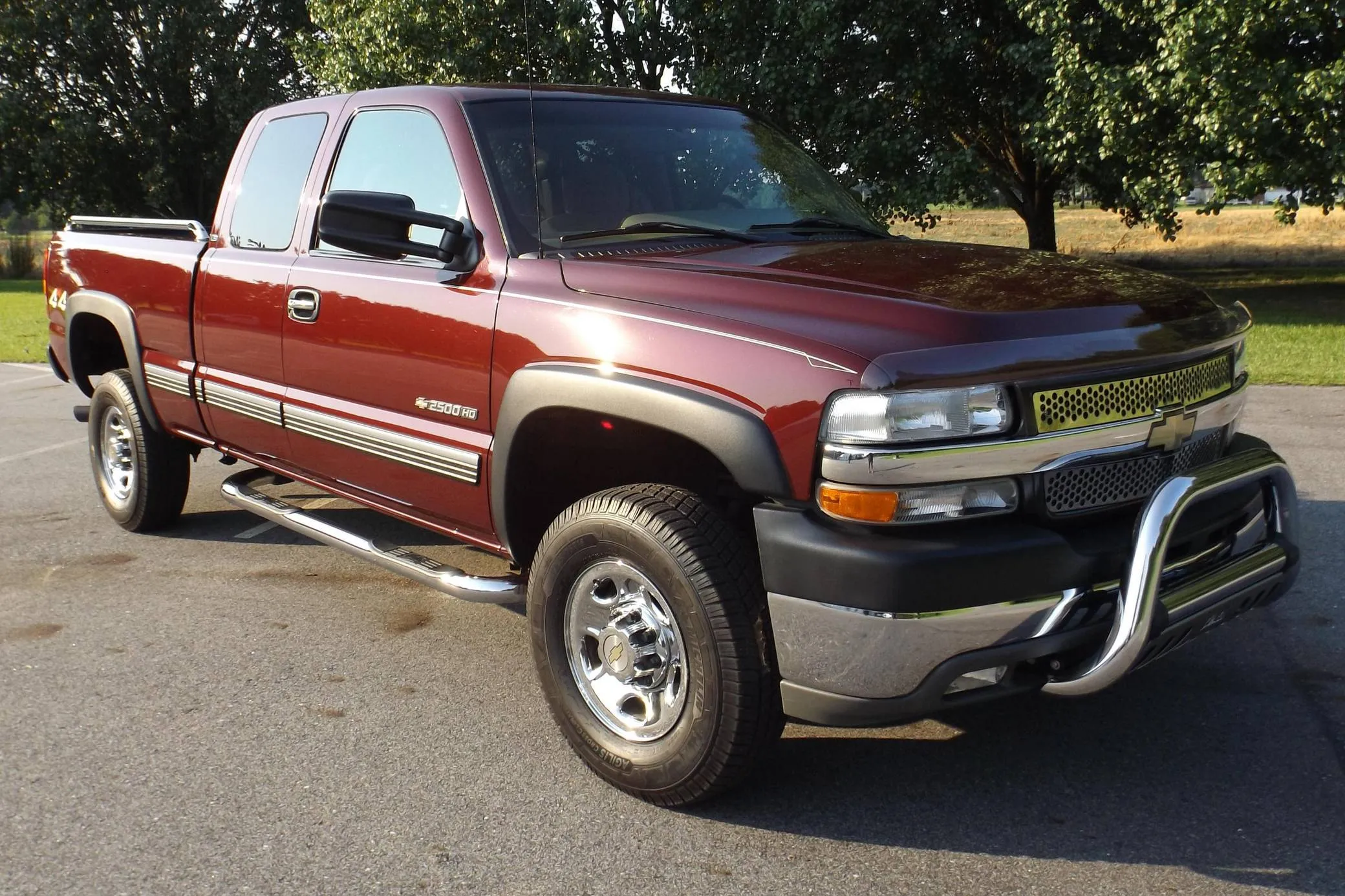
3. Chevrolet Silverado 2500HD (2001-2006)
General Motors built something special with their GMT800 platform heavy-duty trucks. The Silverado 2500HD came with either the Vortec 8100 big-block gasoline engine or the Duramax 6.6-liter diesel, both of which have proven incredibly durable.
The Duramax, paired with the Allison 1000 transmission, created a combination that set new standards for diesel truck performance and reliability.
This powertrain could tow heavy trailers without breaking a sweat, and the Allison transmission shifted smoothly whether empty or loaded. Chevrolet offered these trucks in various configurations, from regular cabs to crew cabs, allowing buyers to choose exactly what they needed.
What makes these Silverado HD trucks special goes beyond their powertrains. The interior design was functional without being Spartan, offering enough comfort for long drives while remaining easy to clean after dirty jobs. The dashboard layout made sense, with controls placed where you could reach them without looking.
Chevrolet used quality materials that aged well, avoiding the cheap plastics that crack and fade in other vehicles. The seats provided good support even after years of use, and the HVAC systems continued working properly long after other trucks needed expensive repairs.
These details matter when you’re talking about vehicles meant to last decades rather than just survive the warranty period.
Today’s used truck market values these Silverado 2500HD models highly because knowledgeable buyers understand their worth. Finding examples with over 300,000 miles isn’t unusual, and many of those trucks still run perfectly with only routine maintenance.
The Duramax engine rarely needs major work if the owner changes oil regularly and uses quality fuel. The Allison transmission might require a fluid and filter service occasionally, but catastrophic failures are rare.
Body rust depends heavily on where the truck spent its life, but the underlying structure remains solid. These trucks represent Chevrolet at its best, building vehicles designed to work hard for decades without giving up.
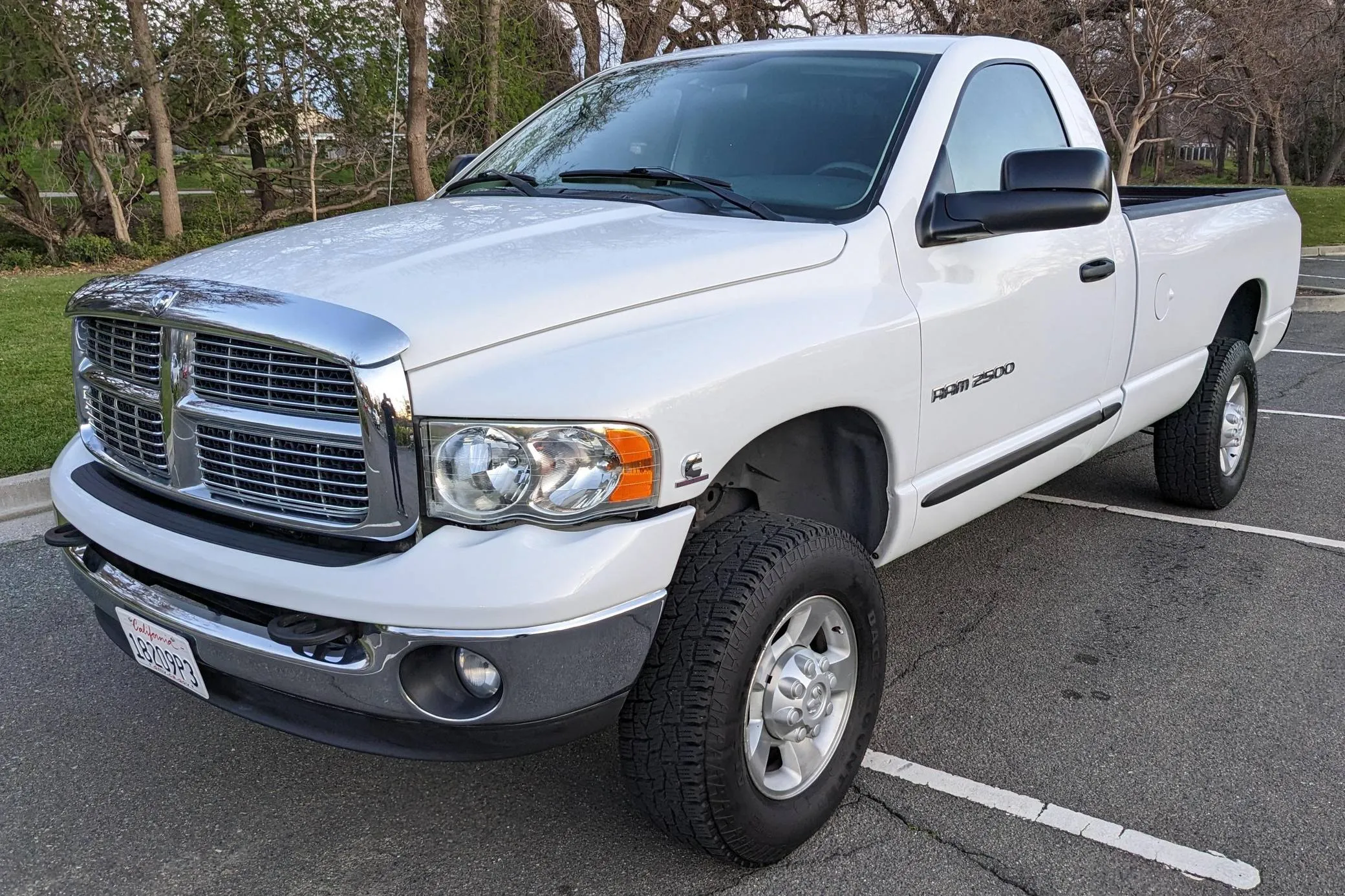
4. Dodge Ram 2500 Cummins (2003-2009)
Dodge paired their Ram 2500 with Cummins diesel engines, creating a combination that became legendary among truck enthusiasts.
The 5.9-liter Cummins inline-six engine is practically indestructible when maintained properly. This engine produces massive torque at low RPMs, making it perfect for towing and hauling without working hard.
The inline-six configuration provides excellent balance and smooth operation, while the simple mechanical design means repairs are straightforward when they’re needed.
Dodge offered these trucks with various transmission options, though the manual transmission versions are particularly sought after for their durability and driver engagement.
Ram trucks from this era had distinctive styling that set them apart from competitors. The bold front end and muscular proportions gave these trucks a presence that made them impossible to ignore. But the looks were backed up by serious capability.
The suspension could handle heavy payloads without bottoming out, and the steering remained precise even when towing large trailers.
Dodge offered their trucks in multiple cab configurations and bed lengths, ensuring buyers could find exactly what they needed. The interior materials were decent for the era, though not quite as refined as competitors. That didn’t matter to buyers who prioritized capability and durability over luxury features.
These Ram 2500 Cummins trucks have developed a devoted following because they just keep running. The 5.9-liter Cummins engine regularly exceeds 500,000 miles with basic maintenance, and some examples have passed the million-mile mark.
The engine’s cast-iron construction and conservative design mean it handles high mileage better than more modern engines with aluminum components. Transmission options varied in durability, with the NV4500 manual being nearly bulletproof while some automatic versions required more attention.
Body and frame hold up reasonably well, though rust can be an issue in harsh climates. What matters is that these trucks continue working decades after they were built, proving that Dodge made smart decisions when they chose to partner with Cummins for their diesel engine needs.
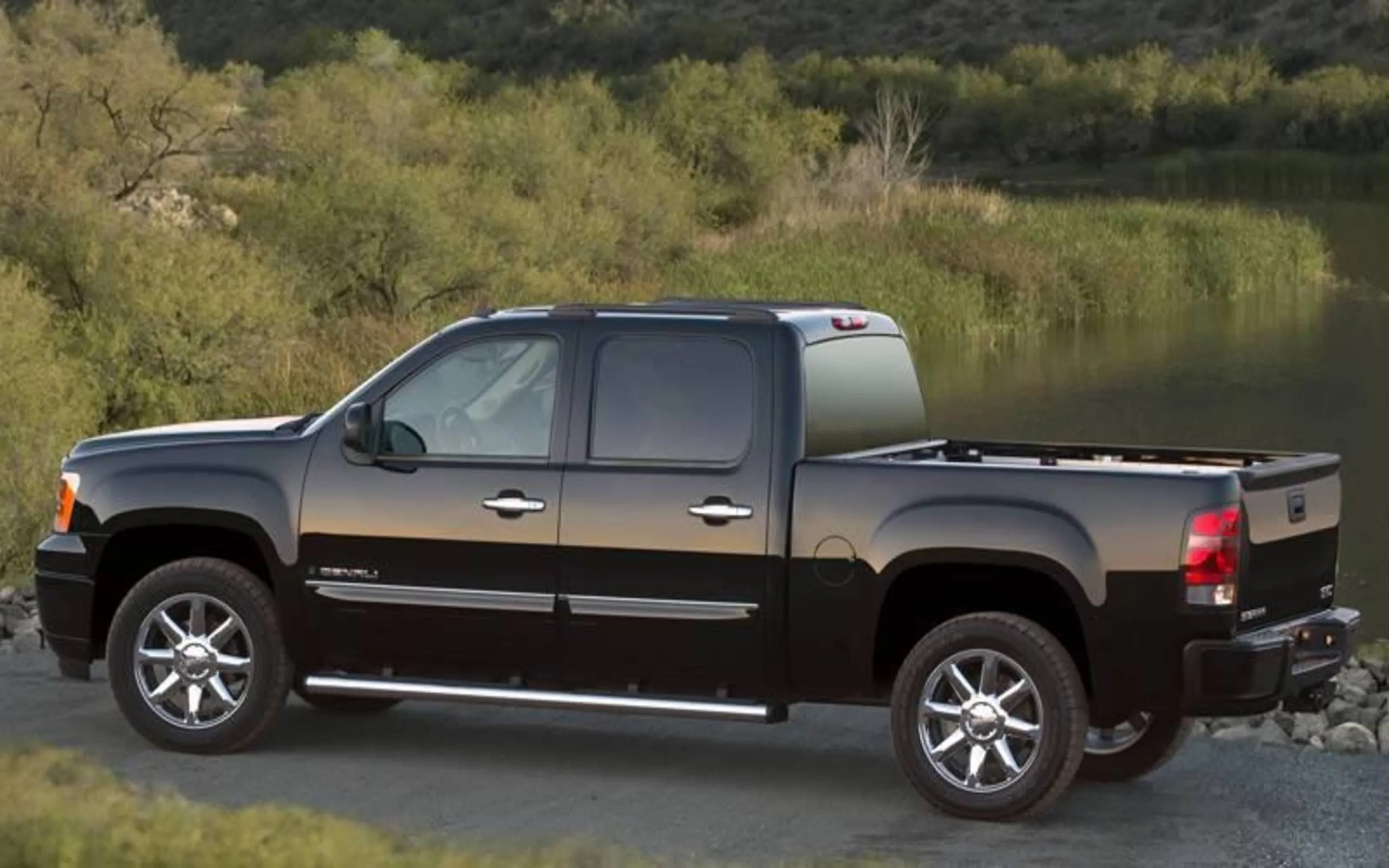
5. GMC Sierra 1500 Denali (2007-2009)
GMC’s decision to create the Denali trim level gave them a way to compete in the luxury truck market without building an entirely new vehicle. The Sierra 1500 Denali combined truck capability with features borrowed from luxury SUVs, creating something that appealed to buyers who wanted both worlds.
The 6.2-liter Vortec V8 engine provided plenty of power for towing and passing, while returning acceptable fuel economy for a truck this size. GMC equipped Denali models with four-wheel drive as standard, leather seats, upgraded audio systems, and chrome trim that set them apart visually from basic work trucks.
The GMT900 platform that underpinned these Sierra trucks represented a major improvement over previous generations. The suspension provided a smoother ride without sacrificing payload capacity, and the interior felt more refined than earlier GMC trucks.
Sound insulation kept road noise to acceptable levels, while the seats offered support for long drives. GMC used better materials throughout the cabin, with soft-touch surfaces replacing hard plastics in high-contact areas.
The dashboard design was logical, making controls easy to find and operate. These improvements made the Denali feel like a premium vehicle rather than a dressed-up work truck, which justified its higher price tag.
Fifteen years after production, these Sierra Denali trucks remain popular because they’ve aged gracefully. The 6.2-liter V8 has proven durable, with many examples exceeding 200,000 miles without major issues. The six-speed automatic transmission changes smoothly and handles the engine’s power without problems.
Interior materials have held up better than cheaper trucks from the same era, with leather seats that haven’t cracked and dashboard components that still function properly.
The four-wheel-drive system continues working reliably, and the suspension maintains its composure even as components age. These trucks prove that luxury features and long-term durability aren’t mutually exclusive when manufacturers build things properly from the start.
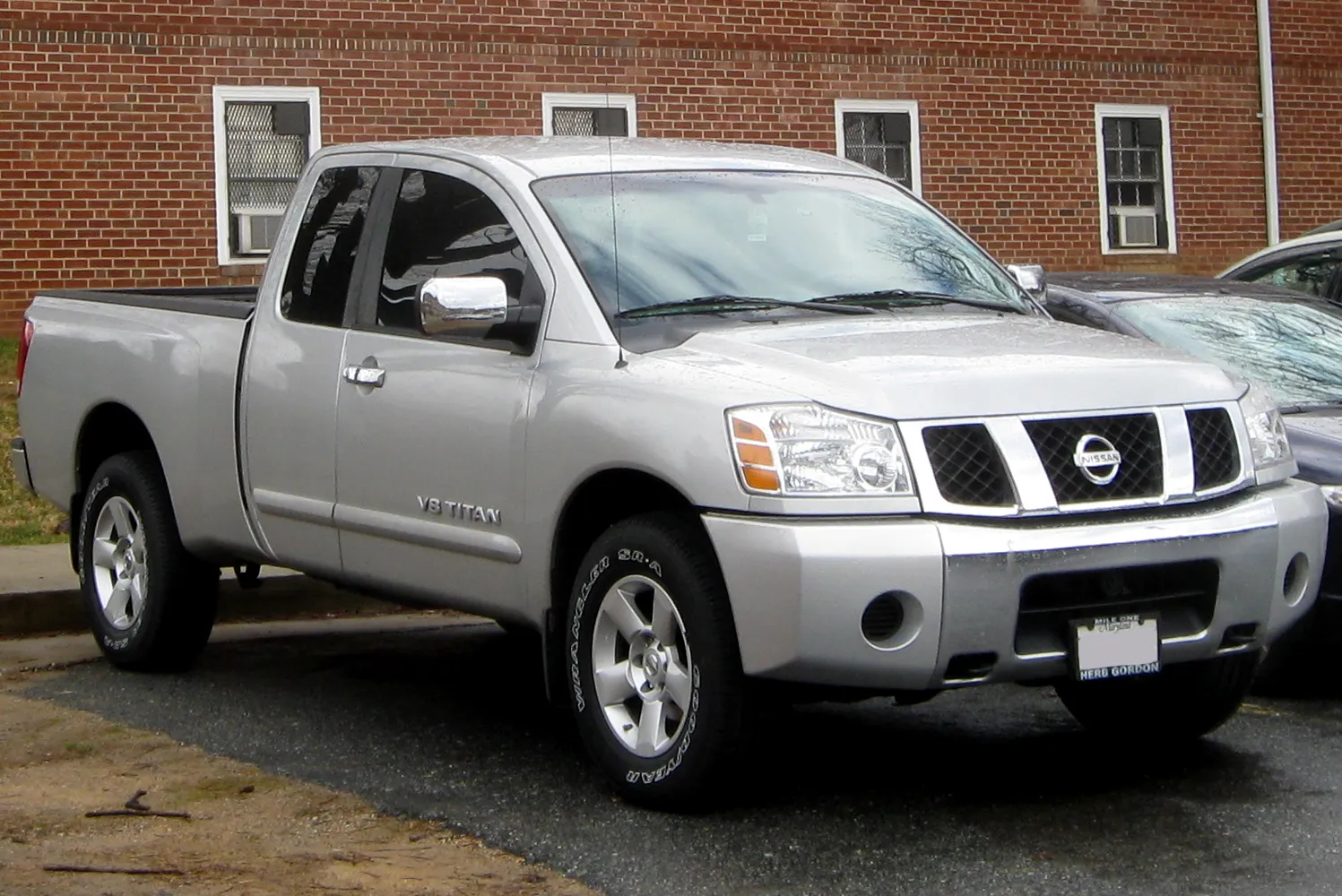
6. Nissan Titan SE (2004-2007)
Nissan’s entry into the full-size truck market surprised people who assumed Japanese manufacturers couldn’t compete with domestic brands. The Titan SE came equipped with a powerful 5.6-liter V8 engine that produced more horsepower than competitors while maintaining reliability.
Nissan built this engine with quality materials and conservative tuning that prioritized longevity over maximum performance.
The five-speed automatic transmission shifted smoothly and proved durable even when towing near the truck’s rated capacity. Nissan offered the Titan in crew cab configuration with a full-size bed, providing space that actually proved useful for real work.
The Titan’s design reflected Nissan’s commitment to building a serious competitor rather than just testing the market. The frame used thick steel that resisted flexing under load, while the suspension components were sized appropriately for the truck’s capabilities.
Nissan didn’t cheap out on details, using quality fasteners and proper rust protection that helped these trucks age better than some competitors.
The interior featured comfortable seats, logical controls, and materials that wore well with use. The cabin wasn’t as spacious as some domestic trucks, but it provided enough room for most buyers. Nissan focused on getting the fundamentals right rather than loading the truck with unnecessary features.
Two decades later, these Titan trucks continue proving that Nissan knew what they were doing. The 5.6-liter V8 remains smooth and powerful even with high mileage, requiring only routine maintenance to keep running perfectly. The transmission holds up well, with fluid changes being the main service requirement.
Suspension components last longer than expected, and the steering maintains its precision as miles accumulate. Body panels resist rust better than many domestic trucks from the same era, particularly in harsh climates.
The Titan never achieved the sales volumes of its competitors, but owners who chose it discovered trucks that would work reliably for decades. These trucks represent Nissan’s ability to enter a new market segment and immediately build products that could compete with established players.
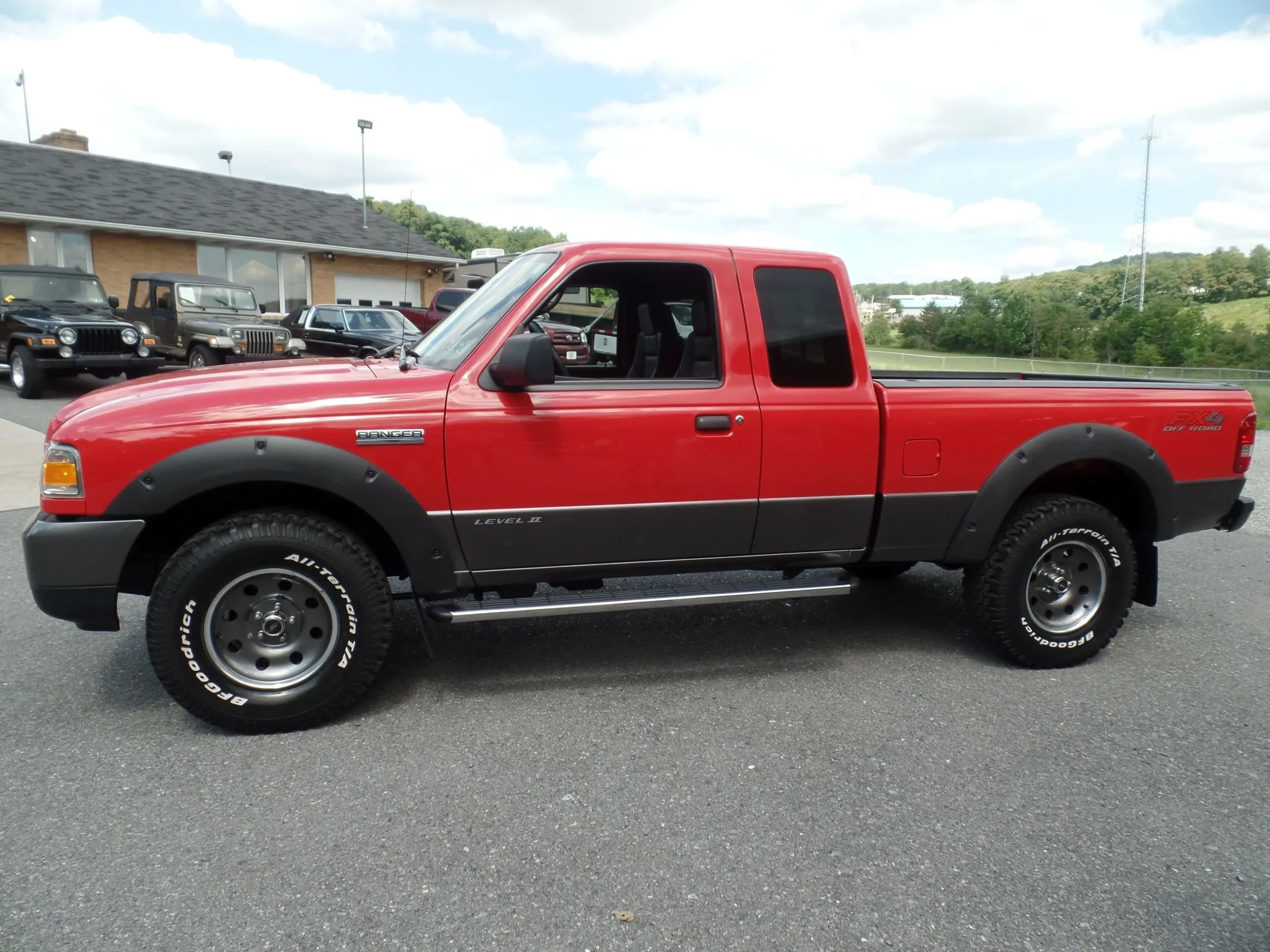
7. Ford Ranger FX4 (2006-2009)
Before Ford discontinued the Ranger to focus on the F-150, they were building some seriously capable small trucks. The FX4 package transformed the Ranger from a basic small truck into an off-road machine that could handle roads that stopped larger vehicles.
Ford equipped FX4 models with upgraded suspension, skid plates, and all-road tires that provided real capability beyond just visual appeal.
The 4.0-liter V6 engine produced enough power for the truck’s size while delivering fuel economy that made it practical for daily driving. The manual transmission option gave drivers complete control and proved nearly indestructible with reasonable use.
Rangers from this era benefited from decades of refinement to the platform. Ford had been building variations of this truck since the 1980s, which meant they’d worked out most problems by the mid-2000s. The result was a truck that felt solid and well-assembled rather than cheap and flimsy.
The doors closed with a satisfying sound, the controls operated smoothly, and everything felt like it would last. The interior wasn’t luxurious, but it was functional and durable.
The seats provided adequate support, the dashboard was easy to read, and the HVAC system worked properly. Ford focused on building a reliable tool rather than trying to make the Ranger something it wasn’t.
These Rangers continue working today because they were designed with maintenance in mind. The 4.0-liter V6 is accessible for repairs, with spark plugs and other common service items easy to reach. The transmission, whether manual or automatic, requires only fluid changes to remain healthy.
Suspension components are straightforward to replace when they eventually wear out. Body rust can be an issue depending on the climate, but the frame typically holds up well with basic care.
Many of these trucks have passed 250,000 miles and show no signs of quitting. They prove that small trucks can be just as durable as full-size models when built properly, and the FX4 package adds capability that remains useful today.
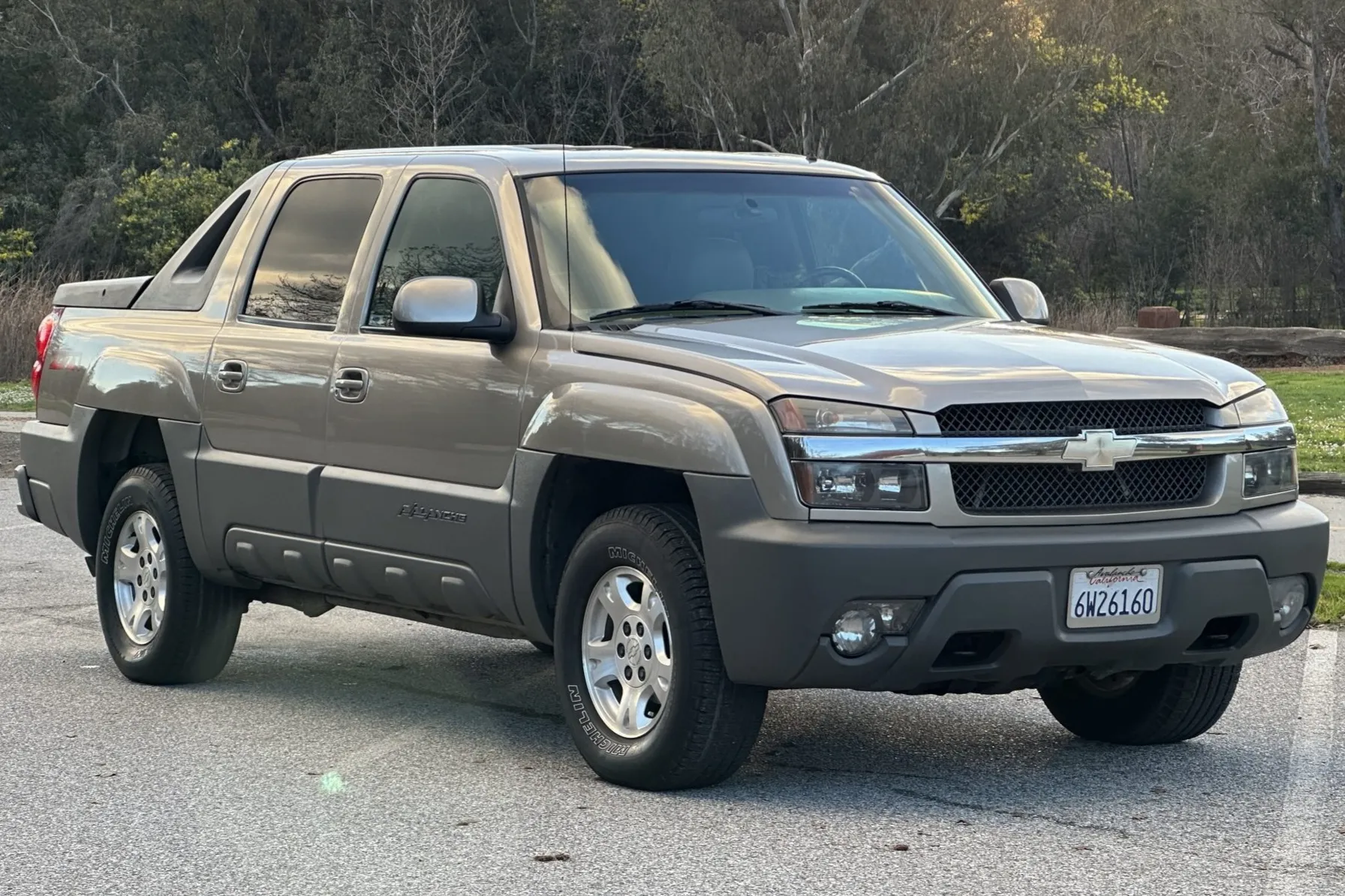
8. Chevrolet Avalanche Z71 (2002-2006)
General Motors tried something different with the Avalanche, creating a vehicle that could function as both a truck and an SUV. The midgate design allowed the cargo bed to extend into the passenger compartment, providing flexibility that traditional trucks couldn’t match.
Chevrolet built the Avalanche on their full-size truck platform, which meant it shared components with the Silverado and offered similar capability.
The Z71 package added off-road features like upgraded suspension, skid plates, and all-road tires that made the Avalanche capable beyond paved roads. The 5.3-liter Vortec V8 provided sufficient power for towing and hauling while returning reasonable fuel economy.
The Avalanche’s unique design attracted buyers who appreciated its versatility. The enclosed cargo area protects belongings from the weather while still offering the option to carry long items when needed. The plastic lower body panels resisted damage from rocks and debris, though they divided opinion aesthetically.
Chevrolet equipped Avalanche models with comfortable interiors that could seat six people in reasonable comfort. The dashboard design matched other GM trucks from the era, with logical controls and decent materials.
The four-wheel-drive system worked flawlessly, providing traction when conditions demanded it. These trucks felt substantial and well-built, lacking the cheap feeling that plagued some competitors.
Twenty years after their introduction, these Avalanche trucks continue serving their owners reliably. The 5.3-liter V8 has proven durable, with many examples exceeding 300,000 miles without major engine work. The four-speed automatic transmission changes smoothly and rarely causes problems with regular fluid changes.
The midgate mechanism still operates properly in most trucks, and the seals remain watertight. Body panels hold up well, and the plastic cladding actually serves its purpose of protecting against minor damage.
The main issue these trucks face is market perception rather than actual problems. Some buyers dismissed the Avalanche as a gimmick, but owners know better. These trucks work hard, last long, and offer flexibility that remains useful today.
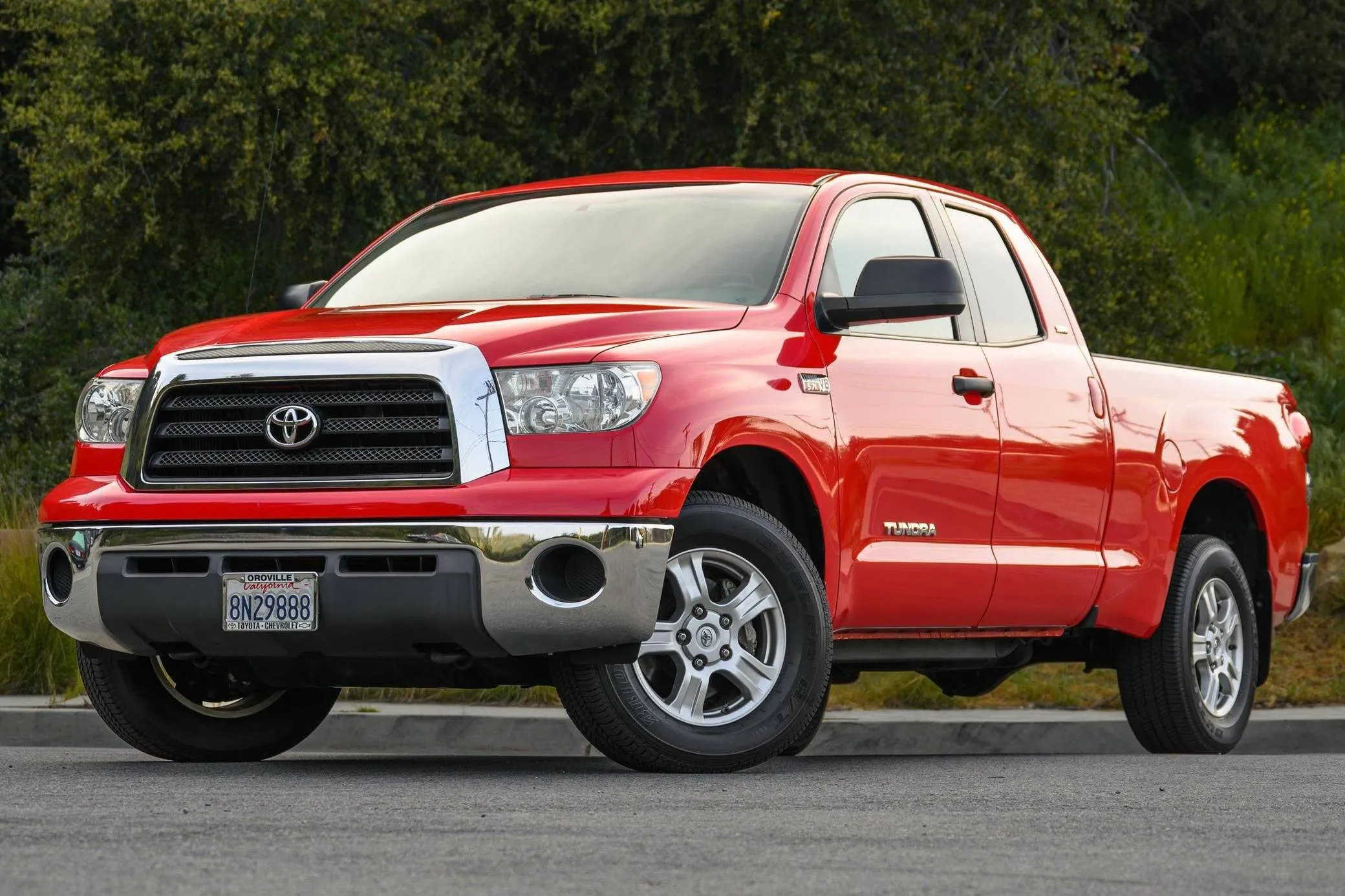
9. Toyota Tundra SR5 (2007-2009)
Toyota’s second-generation Tundra represented its serious attempt to compete directly with domestic full-size trucks. The SR5 trim provided a good balance between capability and value, offering features that buyers actually wanted without unnecessary luxury additions.
Toyota equipped these trucks with either a 4.7-liter V8 or the larger 5.7-liter V8, both of which have proven incredibly reliable.
The 5.7-liter engine produced impressive power for towing and hauling while maintaining the smooth operation Toyota is known for. The six-speed automatic transmission shifted seamlessly and proved durable even under heavy use.
The Tundra’s construction quality exceeded what domestic manufacturers were offering at the time. Panel gaps were tight, paint quality was excellent, and everything felt precisely assembled.
Toyota used thick steel for the frame and quality components throughout the drivetrain. The suspension handled heavy loads without complaints, and the steering remained precise even when towing.
The interior featured comfortable seats with quality upholstery that resisted wear. Dashboard materials felt solid rather than cheap, and all controls operated with the smooth precision expected from Toyota. The truck felt like it would last forever because it was built that way from the start.
These Tundra trucks from the late 2000s continue proving that Toyota’s reputation for reliability isn’t just marketing. The engines run smoothly even with high mileage, requiring only oil changes and occasional spark plugs to maintain performance.
The transmissions change properly without developing the harsh moves or slipping that plague worn units. Suspension components last longer than expected, and brake systems remain effective with routine maintenance. Body rust is rare, even in harsh climates, because Toyota used excellent corrosion protection.
Many of these trucks have exceeded 200,000 miles while still feeling tight and well-assembled. The main complaint owners have is that these trucks are almost too reliable, to the point where they never have an excuse to upgrade to something newer.
Also Read: 10 Trucks That Keep Brakes Intact for Decades
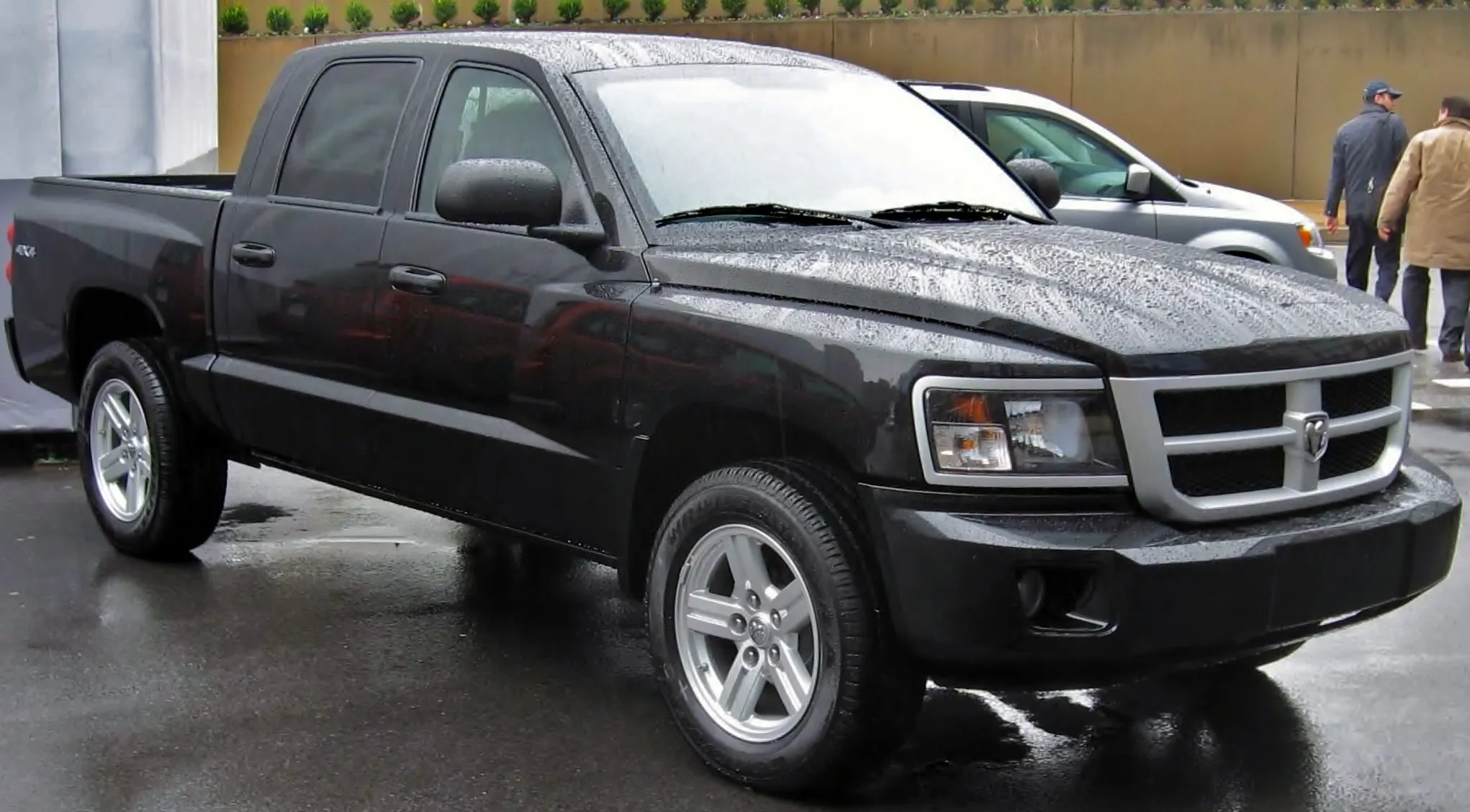
10. Dodge Dakota Laramie (2005-2009)
Dodge understood that some buyers wanted more capability than small trucks offered without stepping up to full-size dimensions. The Dakota filled that space perfectly, offering a mid-size platform with available V8 power and towing capacity that approached full-size trucks.
The Laramie trim added comfort features that made the Dakota pleasant for daily driving despite its work-oriented nature.
Dodge offered these trucks with either a 3.7-liter V6 or a 4.7-liter V8, with the V8 being the better choice for anyone planning to tow regularly. The four-speed automatic transmission handled both engines adequately, though it wasn’t as refined as transmissions from competitors.
The Dakota’s design reflected Dodge’s commitment to building trucks that looked tough and muscular. The bold styling made it impossible to ignore, while the proportions gave it a presence that smaller trucks lacked. Dodge built the Dakota with a fully boxed frame that provided rigidity for towing and hauling.
The suspension used components sized appropriately for the truck’s capabilities, avoiding the weak links that plagued some mid-size competitors. The interior offered reasonable space for four adults, with comfortable seats and adequate storage.
Materials were typical for Dodge trucks of the era, meaning functional but not particularly refined. The dashboard layout made sense, with controls placed logically and gauges that were easy to read.
These Dakota trucks have aged better than people expected. The 4.7-liter V8 has proven durable, with many examples exceeding 200,000 miles without major issues. The V6 versions are less impressive but still reliable with proper care.
The automatic transmission requires fluid changes to maintain smooth operation, but catastrophic failures are uncommon. Suspension components wear at normal rates, and replacements are reasonably priced. Body rust depends on the climate, but the frame typically holds up well.
The Dakota never achieved the popularity of its competitors, which means used examples are often undervalued. Smart buyers recognize that these trucks offer capability and durability that rival more expensive options, making them excellent values in today’s market.
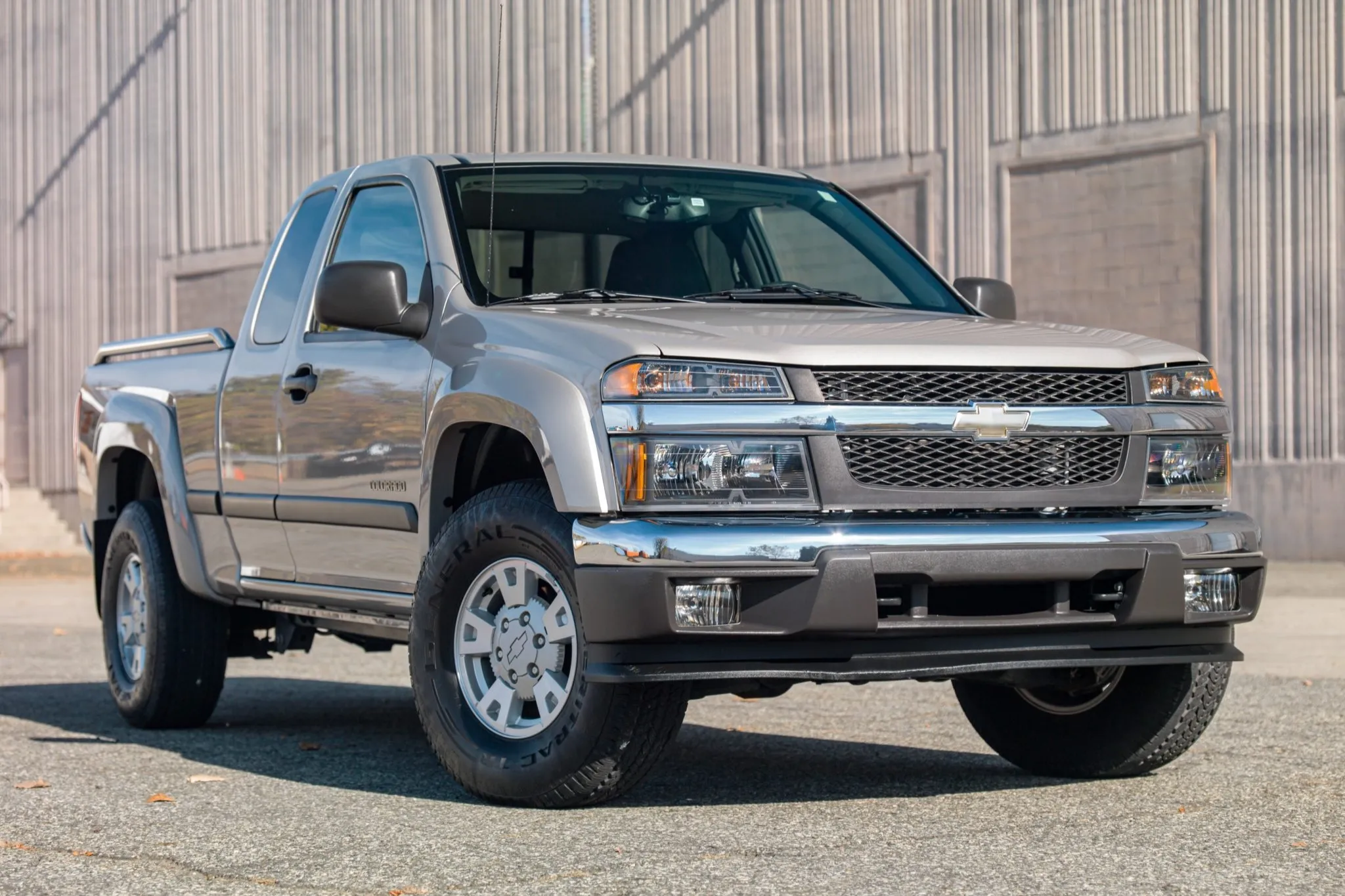
11. Chevrolet Colorado Z71 (2004-2009)
General Motors designed the Colorado to replace the aging S-10, creating a modern small truck that could compete with newer competitors. The Z71 package added off-road capability through upgraded suspension, skid plates, and all-road tires.
Chevrolet offered these trucks with various engine options, including a capable 3.5-liter inline-five that provided good power and reasonable fuel economy.
The five-cylinder engine had a distinctive sound and smooth power delivery that made it pleasant to drive. Manual and automatic transmissions were available, with both proving adequately durable for the truck’s size.
The Colorado represented a fresh approach to small truck design. The interior felt more modern than previous small trucks, with better materials and improved ergonomics. Chevrolet provided adequate seating space for four adults in crew cab models, making the truck practical for families.
The bed was sized appropriately for actual use, offering enough room for most jobs without unnecessary length. The suspension provided a comfortable ride while maintaining payload capacity, and the brakes were sized properly for the truck’s weight.
These details showed that Chevrolet was serious about competing in the small truck segment rather than just offering a token entry.
Twenty years later, these Colorado trucks continue working reliably for their owners. The 3.5-liter five-cylinder engine has proven more durable than expected, with many examples exceeding 200,000 miles. The engine does require regular maintenance, particularly timing chain tensioners that can wear out.
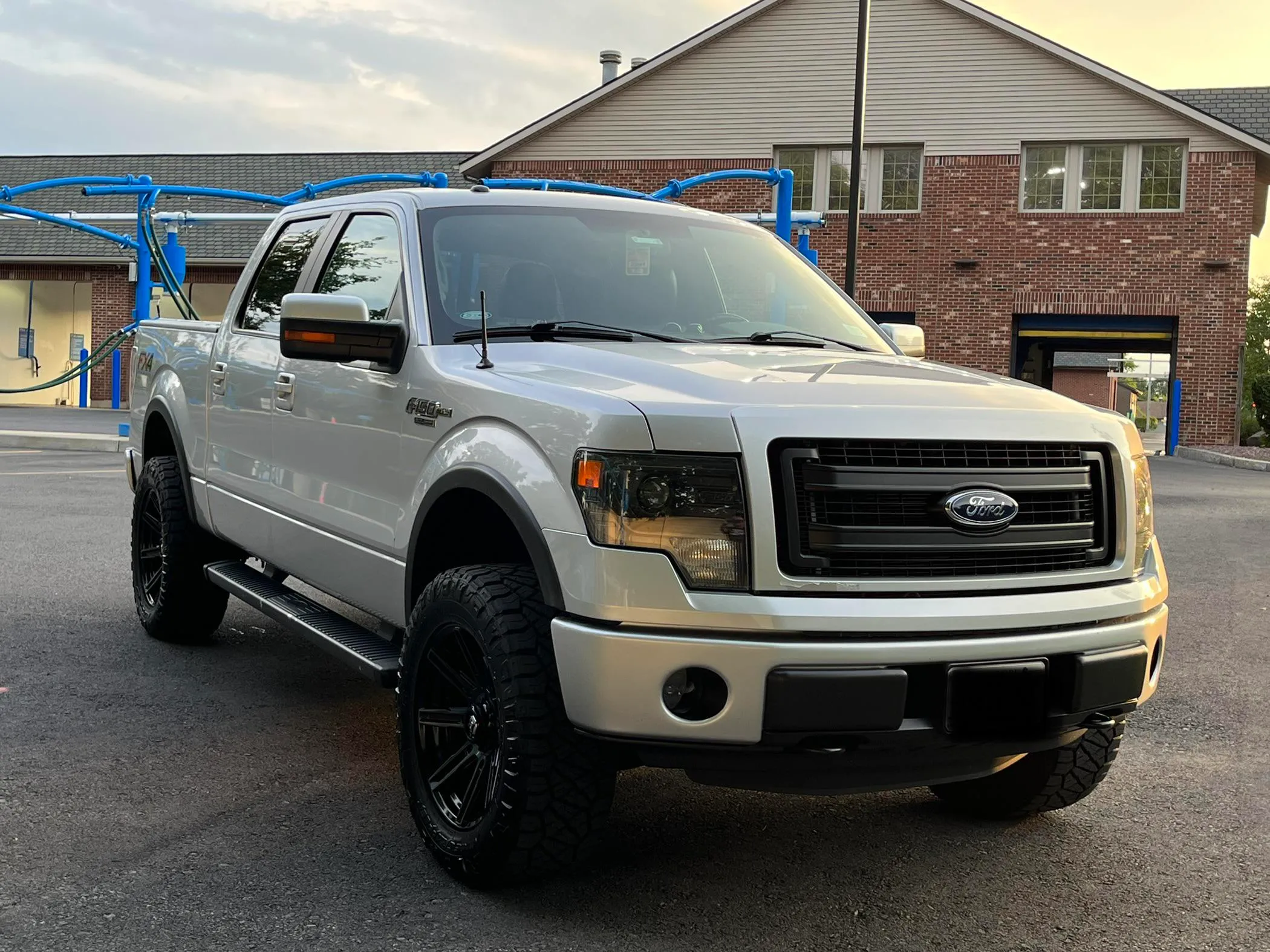
12. Ford F-150 FX4 (2009)
Ford’s thirteenth-generation F-150 introduced huge improvements to its best-selling truck. The FX4 package added genuine off-road capability through upgraded suspension, electronic locking rear differential, and skid plates.
Ford offered multiple engine options, including the tried-and-true 5.4-liter Triton V8 that provided adequate power for most needs.
The six-speed automatic transmission represented a major improvement over earlier four-speed units, offering better fuel economy and smoother operation. Ford built these trucks with improved rust protection and quality materials that aged better than previous generations.
The interior design showed Ford’s commitment to competing with luxury vehicles. The dashboard featured better materials, the seats offered improved comfort, and the controls operated with satisfying precision. Ford provided adequate technology without overwhelming buyers with unnecessary features.
The SYNC infotainment system worked reasonably well for the era, though it’s dated by current standards. The cabin remained quiet at highway speeds, and the ride quality was comfortable enough for long trips.
These improvements made the F-150 appealing to buyers who wanted truck capability without sacrificing daily driver comfort.
These 2009 F-150 trucks have proven their durability through years of service. The 5.4-liter V8 continues running smoothly with regular maintenance, though some examples experienced spark plug issues that required careful repair. The six-speed transmission changes properly and rarely causes problems.
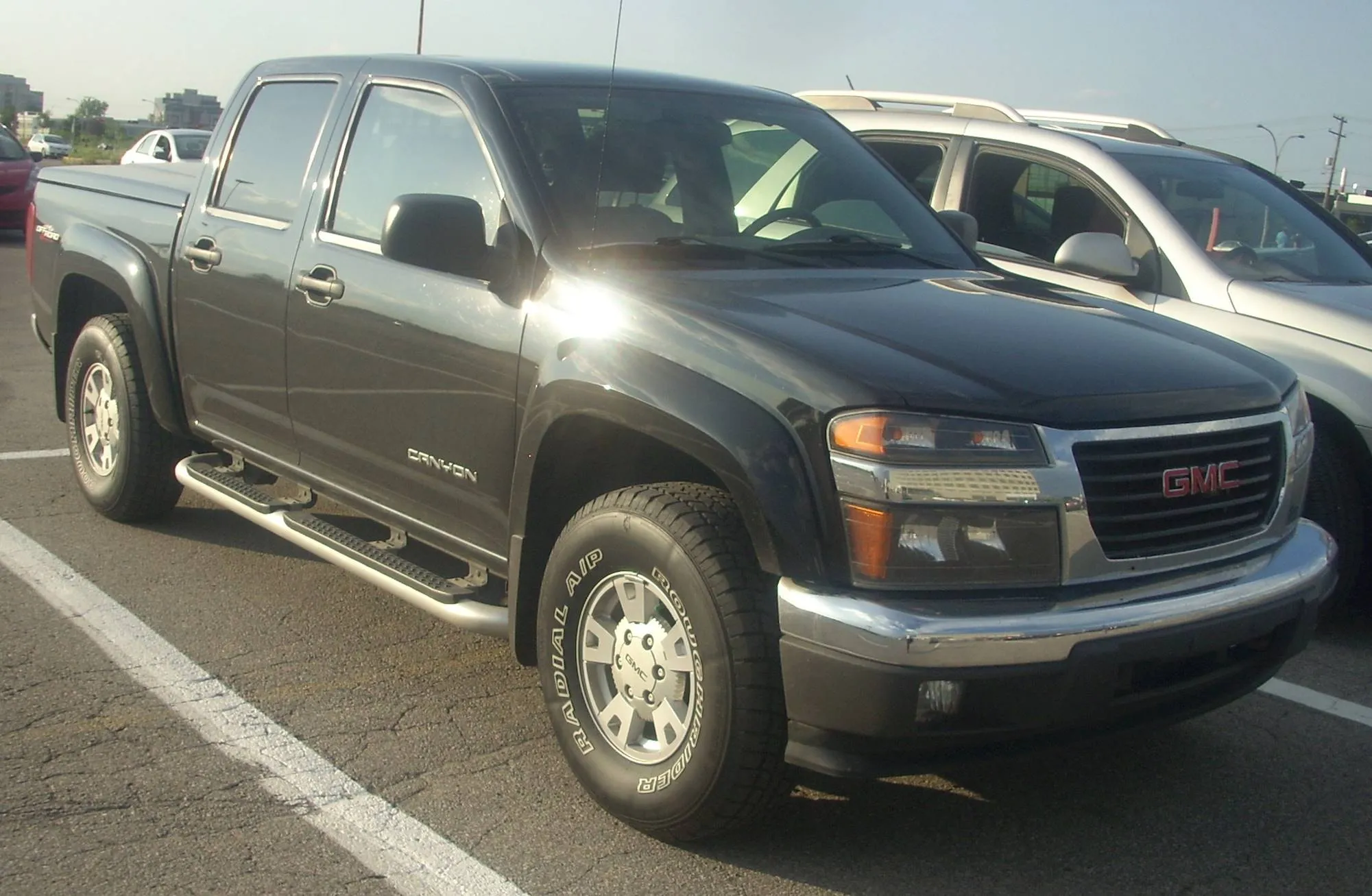
13. GMC Canyon SLE (2004-2008)
GMC’s version of the Colorado offered similar capability with slight styling differences and trim variations. The Canyon SLE provided a good balance between features and value, offering comfort amenities without excessive cost.
GMC equipped these trucks with the same engine options as the Colorado, including the distinctive 3.5-liter five-cylinder that provided smooth power.
The SLE trim included features like power windows, cruise control, and decent audio systems that made the truck pleasant for daily use. GMC offered both extended cab and crew cab configurations, allowing buyers to choose the layout that fit their needs.
The Canyon’s styling was slightly more refined than the Colorado’s, appealing to buyers who wanted something that looked less utilitarian.
The interior materials were typical for GMC, meaning functional and durable without being luxurious. The seats provided adequate support for most body types, and the driving position felt natural.
The dashboard layout was straightforward, with controls that were easy to understand and operate. GMC included decent sound insulation that kept road noise manageable, making highway driving comfortable. These trucks felt well-assembled, with tight panel gaps and doors that closed solidly.
Today, these Canyon trucks continue proving their worth through reliable service. The five-cylinder engine maintains its smooth operation even with high mileage, requiring only routine maintenance to stay healthy. The transmission, whether manual or automatic, continues shifting properly with regular fluid changes.
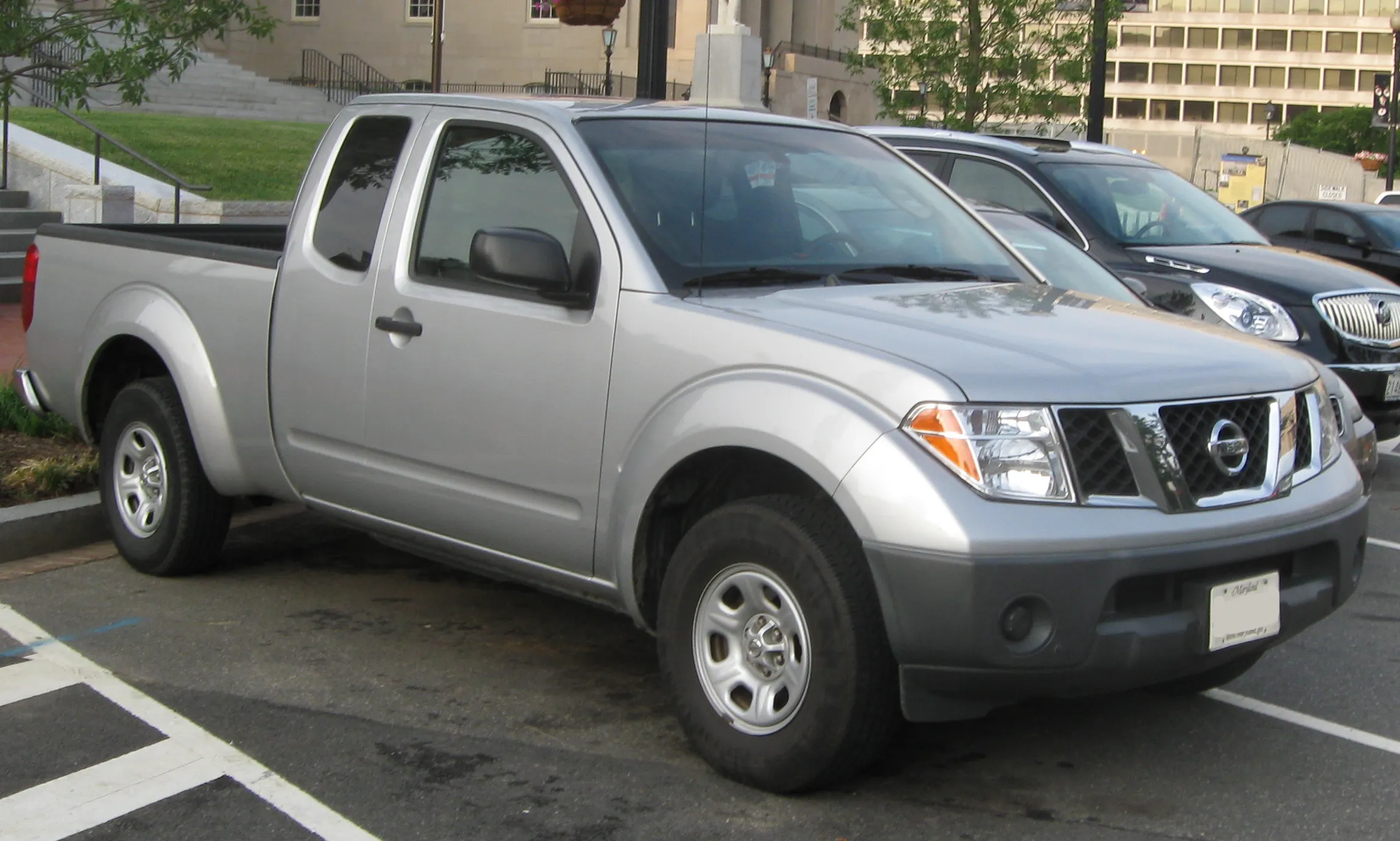
14. Nissan Frontier SE (2005-2009)
Nissan’s Frontier represented its mid-size truck offering, competing against the Tacoma and domestic small trucks. The SE trim provided essential features without unnecessary additions, keeping costs reasonable while delivering capability.
Nissan equipped these trucks with either a 2.5-liter four-cylinder or a 4.0-liter V6, with the V6 being the better choice for anyone planning to tow or haul regularly.
The engine produced smooth power and proved durable with basic maintenance. Nissan offered both manual and automatic transmissions, with the manual being particularly robust and engaging to drive.
The Frontier’s design was straightforward and functional. Nissan focused on building a capable truck rather than chasing styling trends or unnecessary features. The result was a vehicle that aged well because it never tried to be something it wasn’t.
The interior provided adequate space for four adults, with seats that remained comfortable even on long drives. Dashboard controls were logically arranged and easy to operate.
Materials were typical for the segment, meaning durable plastics and cloth upholstery that resisted wear. Nissan included basic features that buyers actually wanted while avoiding complicated systems that could fail. This simplicity proved valuable as these trucks aged.
Twenty years later, these Frontier trucks continue working reliably for owners who maintain them properly. The 4.0-liter V6 runs smoothly even with high mileage, requiring only oil changes and occasional spark plugs.
