
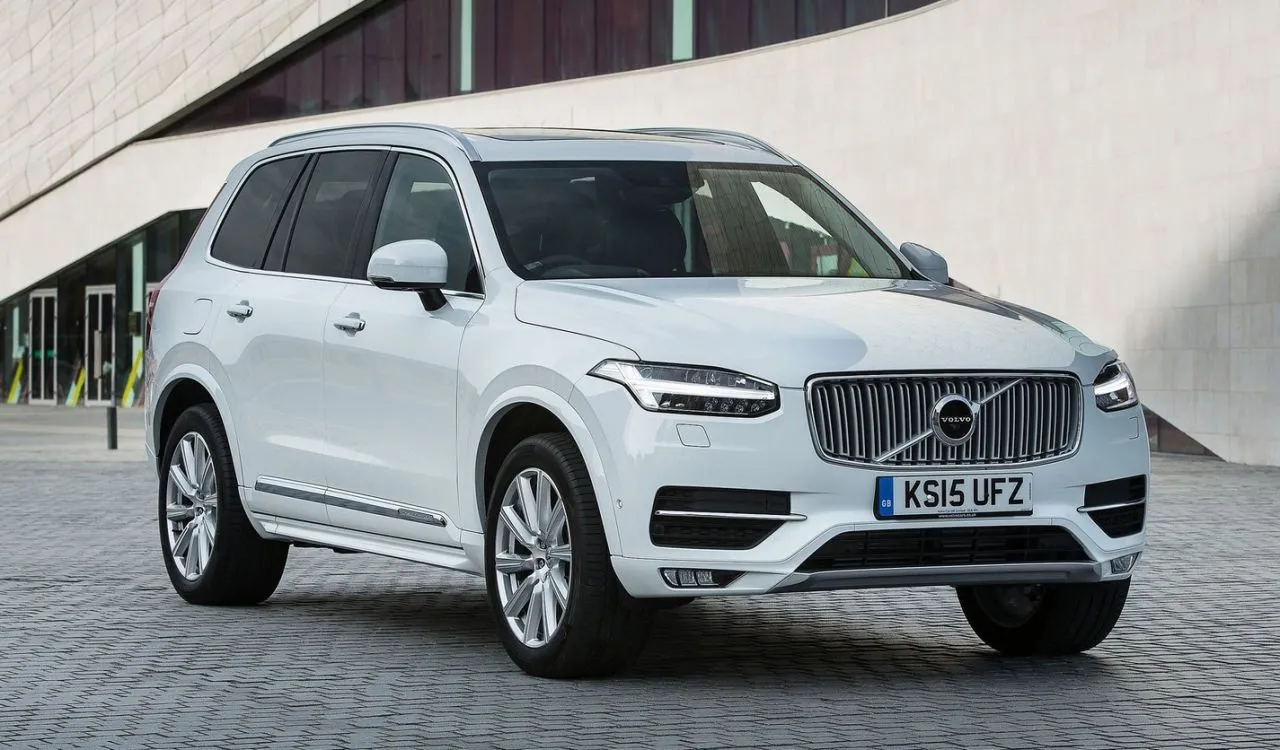
Buying a car is one thing, but holding on to one that still brings high value after many years is another. People usually believe that once a vehicle clocks 10 to 15 years, its price drops badly, and it becomes more like an old box for errands. But some SUVs have proven that age is not enough to reduce their worth.
They still attract strong demand and impressive prices when people put them up for sale. That is why when you check car auctions, private sales, and even used car markets, you will notice certain names that keep popping up with strong figures attached.
The reason behind this is not difficult to understand. SUVs that manage to retain high value often mix durability, style, trustworthiness, and performance.
They stand out as models that give buyers confidence that they can pay more and still enjoy many years of use. Their spare parts are not scarce, they handle tough roads well, and they look timeless. Even though new SUVs arrive every year with fresh technology, these older models continue to stand firm.
Another thing that makes these SUVs still sell for big money is the emotional link people have with them. Some have become icons in their class, while others are loved for their ability to serve as family vehicles, off-road partners, or status symbols.
Whether you are a car enthusiast, a collector, or just someone who appreciates solid engineering, there is no denying that certain models hold their ground against depreciation.
What makes these SUVs hold their value so well? Is it the way they’re built, like they’re going to war? Is it the reputation they’ve earned for never letting their owners down? Or maybe it’s just that special combination of looks, performance, and reliability that makes people keep wanting them, no matter how old they get.
Whatever the secret sauce is, these eight SUVs have cracked the code. Let’s take a proper look at each one and see what makes them worth their weight in gold, even when they’re old enough to have their own driving history.
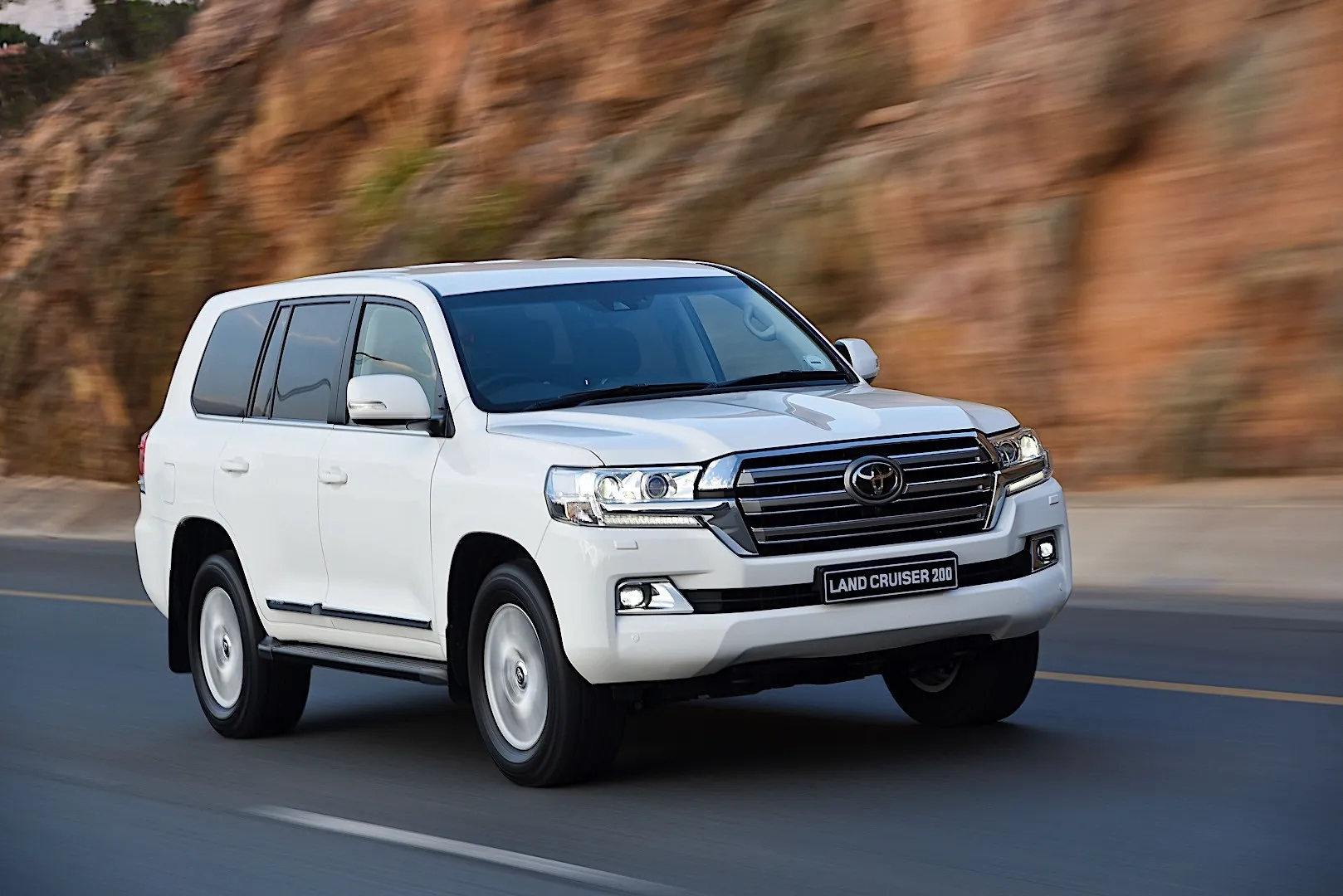
1. Toyota Land Cruiser J200 Series (2008-2021)
When people talk about SUVs that refuse to die or lose their value, the Toyota Land Cruiser J200 always enters the conversation first. This is not just another big car with four-wheel drive.
The J200 Series represents everything that makes the Land Cruiser name legendary across the globe. From the dusty roads of the Middle East to the busy streets of North America, this SUV has earned respect that translates directly into money when it’s time to sell.
What really sets this beast apart? Start with the V8 engine options that came in different sizes depending on the market. The 4.5-liter twin-turbo diesel became famous for pulling heavy loads while sipping fuel like a gentleman at a tea party.
Then there’s the 5.7-liter petrol V8 that powers through any situation with the kind of confidence that makes other SUVs jealous. The engineering under the hood isn’t just good, it’s the kind that makes mechanics smile when they open the bonnet because they know everything was built to last.
But engines alone don’t make an SUV hold its value for 15 years or more. The Land Cruiser J200 came with luxury features that still feel modern today. Full-time four-wheel drive with a locking center differential, crawl control for serious off-road work, and suspension systems that can handle both highway speeds and rocky mountain passes.
Inside, the cabin treats passengers like royalty with leather seats, climate control for multiple zones, and enough space to fit a small family reunion.
The secondary market for these SUVs has become so hot that some owners treat them like investments. In certain countries, a well-maintained 2010 Land Cruiser J200 can fetch anywhere from $35,000 to $60,000, depending on specifications and condition. The limited edition models, especially those with the premium packages, sometimes sell for even more.
This isn’t just about nostalgia or brand loyalty anymore. People are paying these prices because they know that buying a 15-year-old Land Cruiser J200 still means getting a vehicle that will run for another 15 years without major problems.
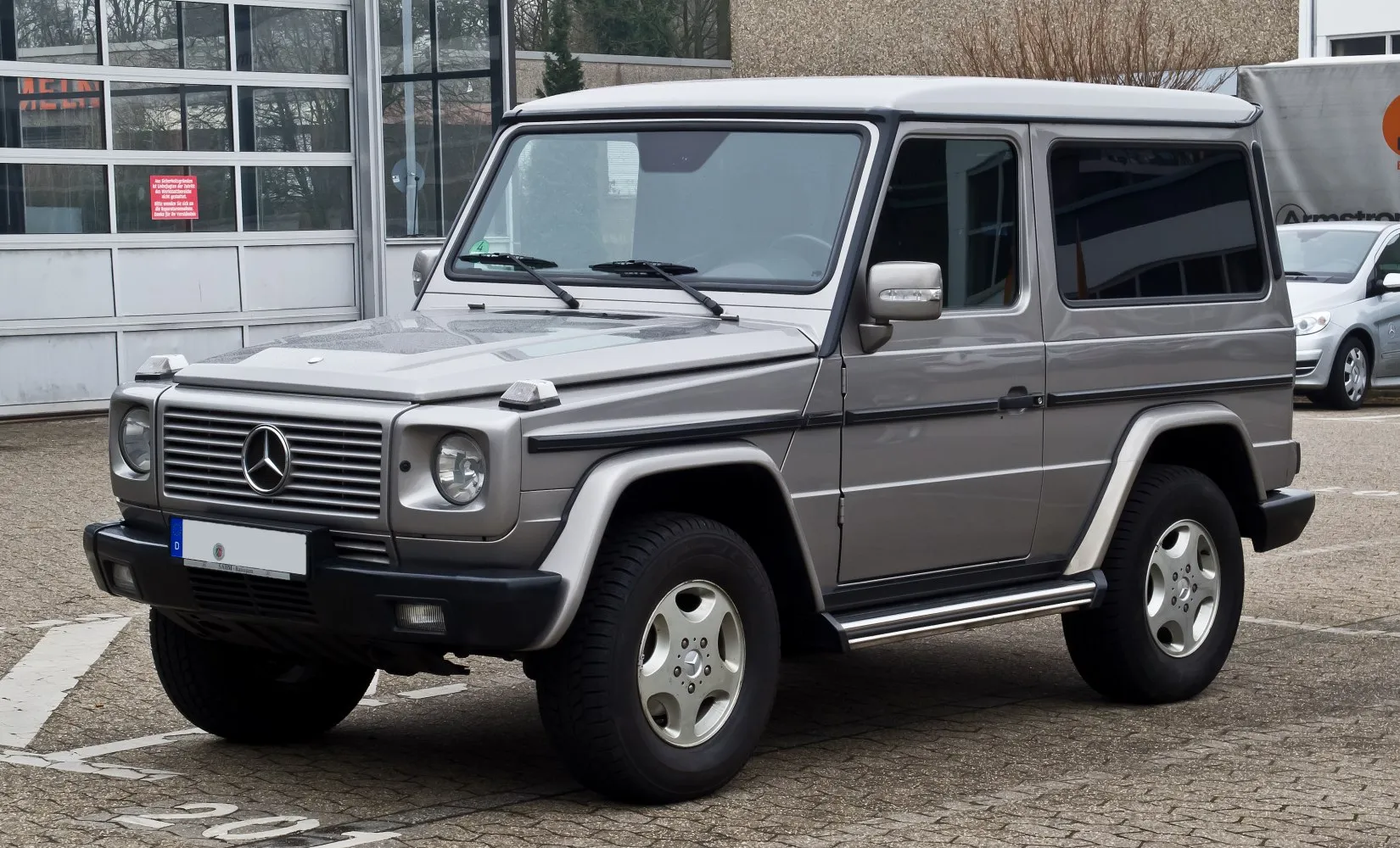
2. Mercedes-Benz G-Class W463 (1990-2018)
Picture a vehicle that looks like it was designed with a ruler and a set square, where every line is straight and every angle is sharp. That’s the Mercedes-Benz G-Class, and it has been turning heads since way back.
The W463 generation that ran from 1990 to 2018 created a cult following that borders on obsession. This is the SUV that celebrities drive when they want to show they have both money and taste for the unconventional.
The G-Class wasn’t born in a luxury car design studio. It started life as a military vehicle built to handle the worst conditions soldiers could face. Mercedes-Benz took that military-grade foundation and wrapped it in luxury leather and wood trim, creating something that shouldn’t work but does so perfectly.
Three differential locks, ladder frame chassis, and portal axles that give it ground clearance most SUVs can only dream about. Then they added heated seats, premium sound systems, and enough technology to make you forget you’re sitting in something that can climb a mountain.
Engine options throughout the W463’s long production run varied widely, giving buyers plenty of choices. The AMG versions with their hand-built V8 engines became the most sought-after models.
A G63 AMG from 2012 or 2013 still commands prices that would make your bank account weep. We’re talking about $80,000 to $120,000 for a well-kept example, which is absolutely wild for a vehicle that’s more than a decade old. Even the standard G500 models with their V8 engines fetch impressive sums in the used market.
The used G-Class market has become so robust that specialist dealers now focus exclusively on these vehicles. They source clean examples from around the world, restore them to perfect condition, and sell them to buyers willing to pay premium prices for what is essentially a very old SUV.
Also Read: 9 SUVs That Rarely Develop Rattles After High Mileage
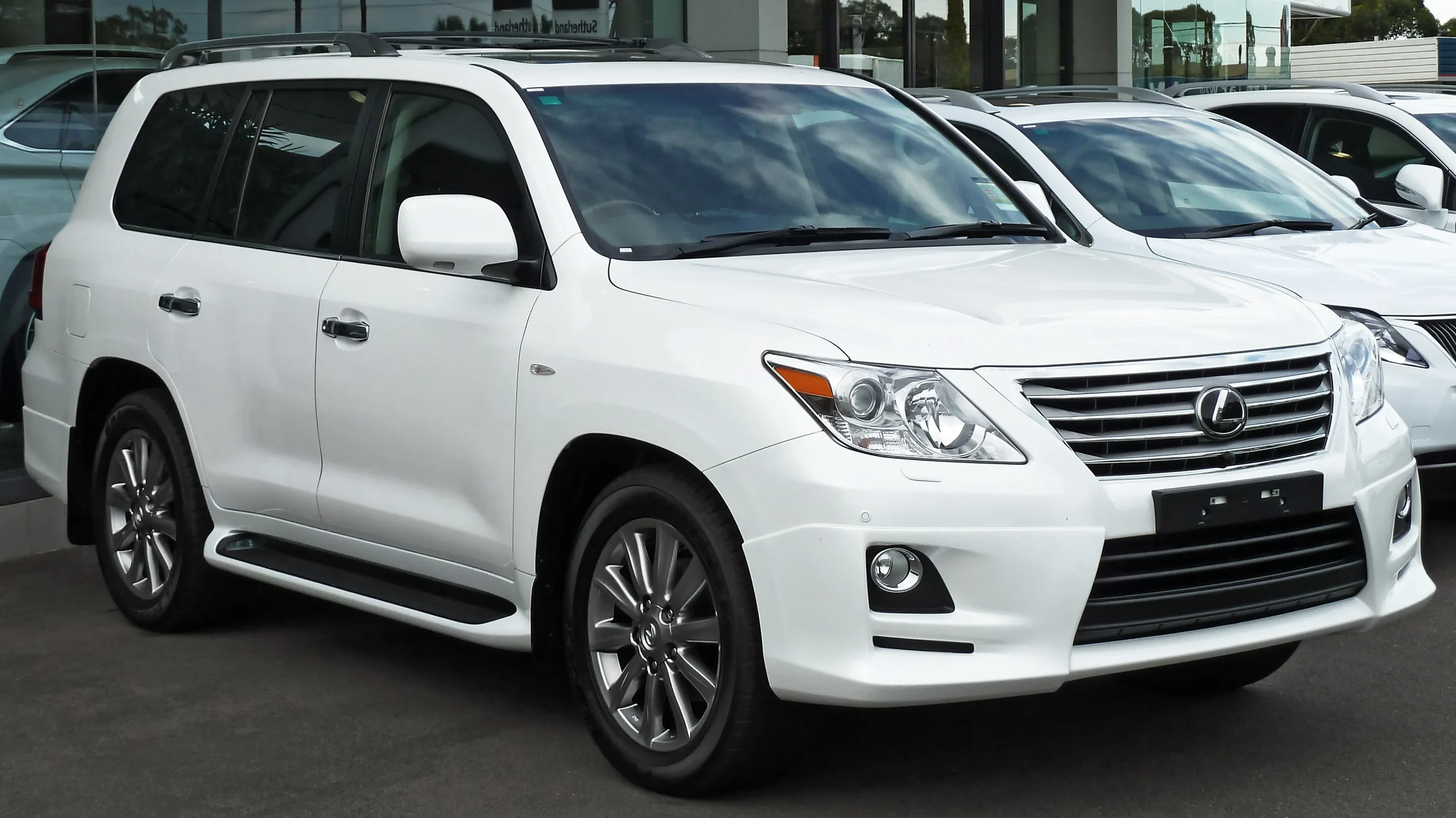
3. Lexus LX 570 (2008-2021)
If the Toyota Land Cruiser is the hardworking cousin who gets things done, the Lexus LX 570 is the sophisticated sibling who gets things done while wearing a tailored suit.
Built on the same rock-solid platform as the Land Cruiser J200, the LX 570 takes that proven formula and wraps it in Japanese luxury that rivals anything from Europe. This combination of bulletproof reliability and premium comfort explains why these SUVs still command eye-watering prices long after they’ve left the showroom.
The heart of the LX 570 is a 5.7-liter V8 engine that produces power with the kind of smoothness that makes you forget you’re driving something that weighs as much as a small house. This engine doesn’t just move the vehicle; it glides it down the road with an effortless quality that few SUVs can match.
Paired with an eight-speed automatic transmission that moves so seamlessly you barely notice the gear changes, the powertrain represents Japanese engineering at its finest. Fuel economy? Well, let’s just say that’s not why people buy this vehicle.
The off-road capability of the LX 570 often gets overlooked because it looks so fancy, but that would be a mistake. This SUV inherited the Land Cruiser’s full-time four-wheel drive system, crawl control, and adjustable suspension.
It can tackle serious off-road trails while keeping passengers comfortable enough to sip tea without spilling a drop. That combination of luxury and capability is rare, and buyers are willing to pay handsomely for it even when the odometer shows high numbers.
Value retention on the LX 570 is exceptional by any measure. A 2010 model in good condition typically sells for $35,000 to $50,000, depending on mileage and options. That’s 40 to 60 percent of the original sticker price on a vehicle that’s 15 years old.
The later models, especially those from 2016 onwards, command even higher percentages of their original values. Part of this is because Lexus didn’t make major changes to the LX 570 throughout its production run, so a 2008 model doesn’t look dramatically different from a 2019 model. This stability in design means older models don’t immediately look outdated.
Demand for used LX 570s remains strong across different markets because the model earned a reputation for lasting forever with minimal maintenance. Owners report regularly seeing examples with 200,000 miles or more still running strong, which gives confidence to second and third owners.
When a vehicle proves it can go the distance, people stop caring so much about the age and start caring more about the condition. That’s why you’ll see buyers fighting over clean LX 570 examples at auctions, pushing prices higher than market guides would suggest.
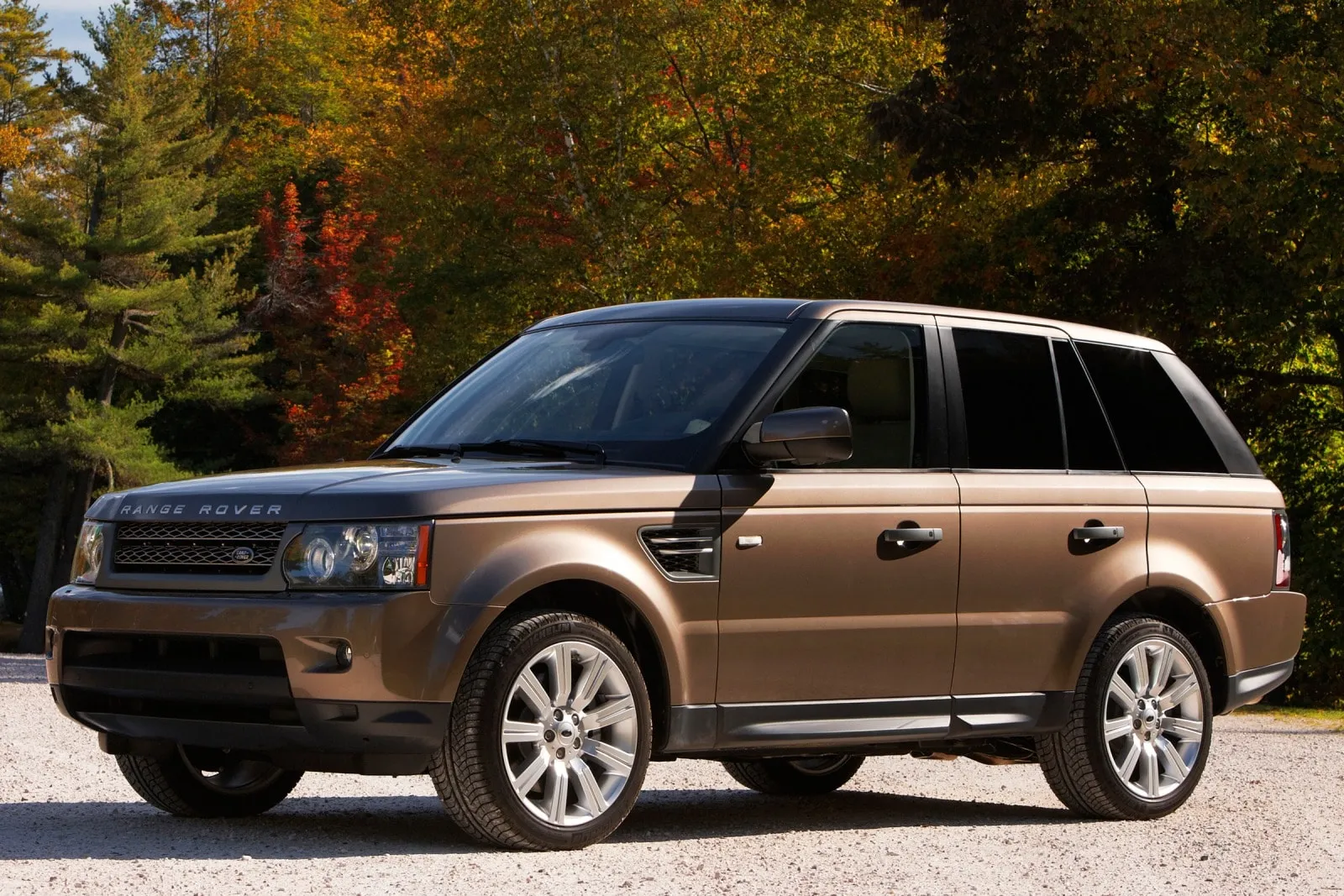
4. Range Rover Sport (2005-2013)
British engineering meets Italian design passion in the first-generation Range Rover Sport, creating an SUV that changed how people thought about luxury performance vehicles. Land Rover took a gamble when it launched this model, betting that buyers wanted something sportier than the traditional Range Rover but more capable than typical luxury SUVs. That gamble paid off spectacularly, and the used market still reflects the impact this vehicle made.
The Range Rover Sport came with several engine options, but the supercharged V8 variants became the stuff of legend. A 4.2-liter supercharged V8 pushing out serious horsepower made this SUV accelerate like it was angry at the road.
Later models got an even more powerful 5.0-liter supercharged V8 that could embarrass sports cars at traffic lights while carrying five adults and their luggage in supreme comfort. The diesel options provided better fuel economy for those who actually cared about such practical matters, but the V8s are what people remember and still want to buy.
Handling dynamics set the Range Rover Sport apart from its competitors and traditional Range Rovers. Air suspension that could adjust for different driving conditions, electronic systems that managed power delivery to each wheel, and steering that felt more connected than any SUV had a right to feel.
Land Rover essentially created a new category: the luxury performance SUV. Yes, you could take it off-road and it would handle trails competently, but this vehicle really wanted to attack winding mountain roads and eat up motorway miles at speeds that would make your insurance company nervous.
The interior design of the Range Rover Sport still looks modern today, which is remarkable for a vehicle whose design dates back nearly 20 years. The command driving position puts you high above traffic while surrounding you with leather, wood, and aluminum trim.
The attention to detail in the cabin shows why Range Rover built such a strong reputation for luxury. Even basic models came well-equipped, while higher trim levels added features like dual-screen rear entertainment systems, premium audio, and navigation systems that were advanced for their time.
The used market for Range Rover Sports has split into two camps: bargain hunters looking for neglected examples they can buy cheap, and serious enthusiasts willing to pay for meticulously maintained vehicles with full service histories. The second group drives prices for the best examples higher, creating a premium segment within the used market.
This means that if you maintained your Range Rover Sport properly over the years, you’re rewarded with better resale values than you’d expect. The worst examples might sell for $10,000 or less, but the best examples prove that quality maintenance preserves value even in vehicles with questionable reliability reputations.
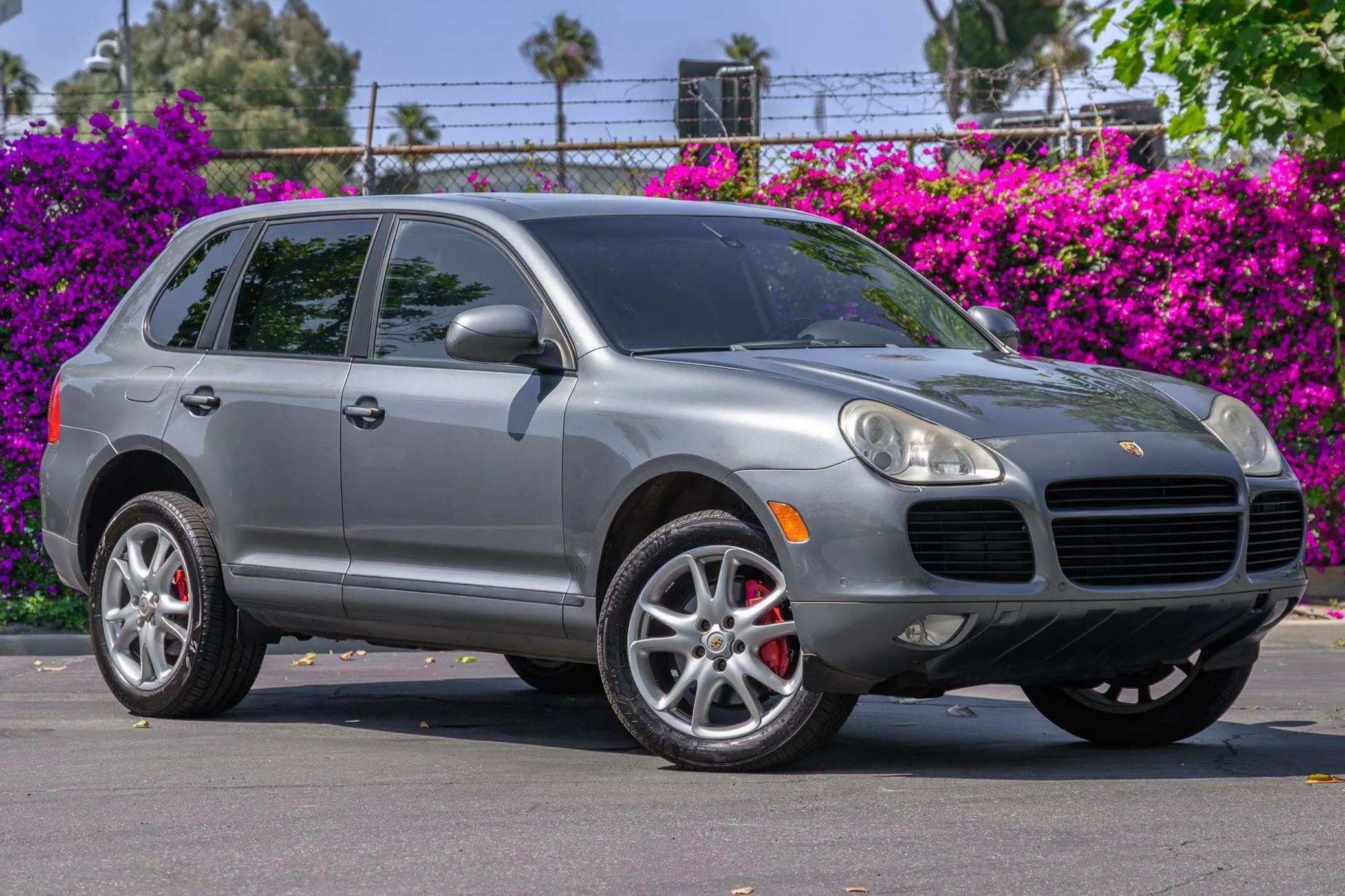
5. Porsche Cayenne Turbo (2003-2010)
When Porsche announced they were building an SUV, sports car purists lost their minds. How could a company famous for lightweight, nimble sports cars create something as heavy and tall as an SUV?
Then the Cayenne Turbo arrived and silenced most critics by doing something that seemed impossible: it drove like a Porsche while offering SUV practicality. That achievement alone ensures the first-generation Cayenne Turbo remains highly desirable and expensive even two decades after its debut.
The powertrain in the original Cayenne Turbo reads like someone’s wish list gone wild. A 4.5-liter twin-turbocharged V8 producing 450 horsepower initially, later bumped to 500 horsepower in the Cayenne Turbo S. These numbers were outrageous for an SUV in 2003, and they’re still impressive by today’s standards.
Porsche paired this engine with their expertise in building transmissions and all-wheel-drive systems, creating an SUV that could accelerate from 0 to 60 mph in under five seconds. Let that sink in for a moment: an SUV weighing over 5,000 pounds running like a proper sports car.
Performance wasn’t limited to straight-line speed. Porsche’s engineers applied everything they learned from making sports cars handle corners and taught the Cayenne Turbo to do the same, just with more ground clearance. Active suspension systems, powerful brakes, and precise steering made this SUV feel more agile than physics suggested was possible.
Track driving in an SUV sounds ridiculous until you’ve driven a Cayenne Turbo hard through a series of corners and realized you’re actually having fun. This handling prowess remains one of the main reasons why used examples still sell for substantial money.
The used market for first-generation Cayenne Turbos reveals something interesting about value retention. Early examples from 2003-2006 have depreciated to more affordable levels, typically selling for $15,000 to $25,000 depending on condition and mileage.
However, later examples from 2008-2010, especially the Cayenne Turbo S models, still command $35,000 to $55,000 for pristine specimens. These higher prices reflect the improvements Porsche made throughout the model’s production run and the fact that later examples are newer and typically have lower mileage.
Maintenance costs for the Cayenne Turbo are legendary in the automotive world, and not in a good way. This is a Porsche, so parts are expensive and repairs require specialist knowledge. But buyers who want this particular combination of performance and practicality accept these costs as the price of admission.
The strong demand for well-maintained examples shows that enough buyers exist who are willing to pay both the purchase price and the ongoing maintenance costs to own one of the most capable performance SUVs ever built. When a 20-year-old vehicle with high maintenance costs still sells for $25,000 or more, you know it offered something special that time hasn’t eroded.
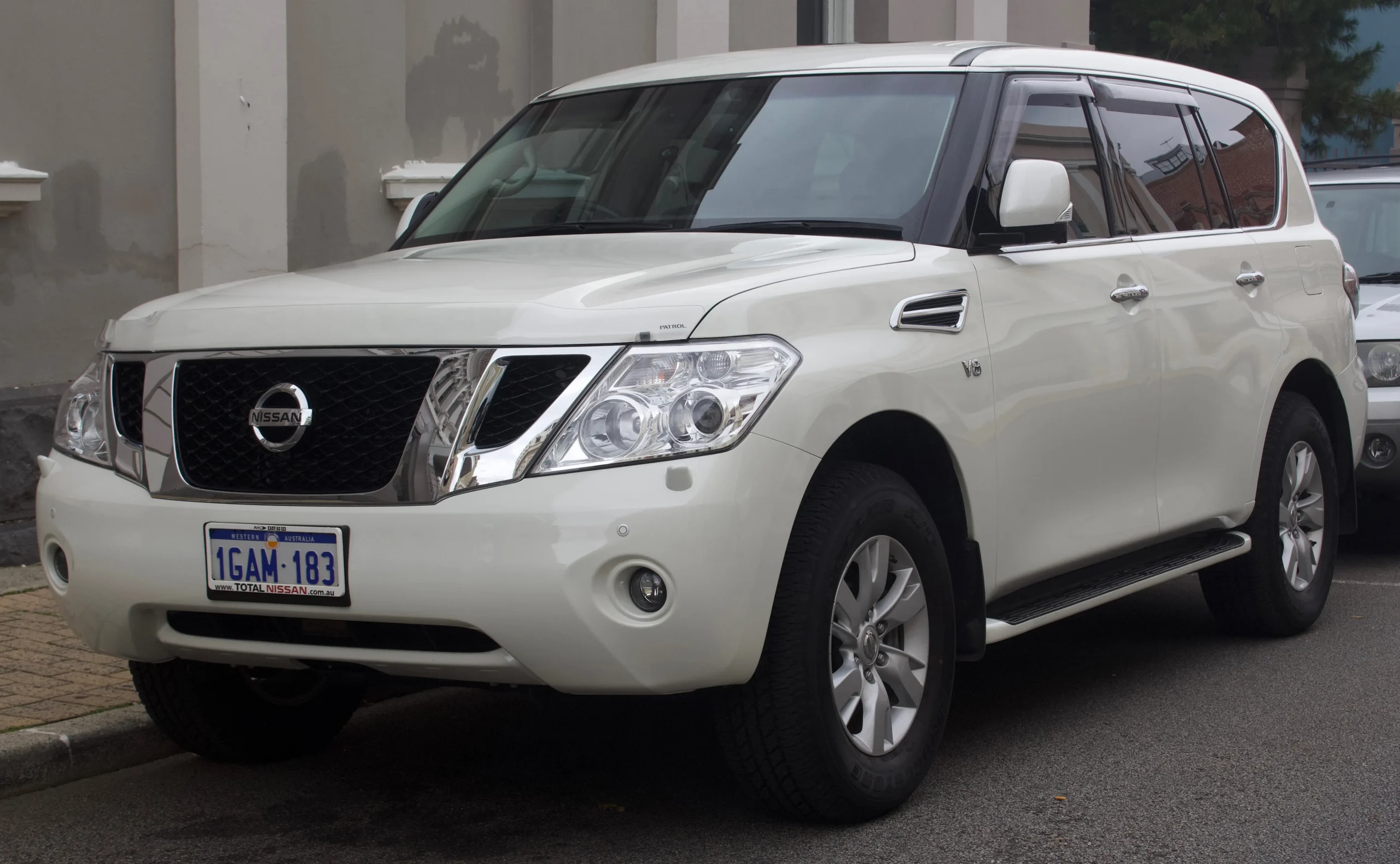
6. Nissan Patrol Y62 (2010-Present)
The Nissan Patrol Y62 is the SUV that many people outside certain regions have never heard of, yet it commands respect and high prices in markets where it’s sold.
Particularly popular in the Middle East, Australia, and parts of Africa, this full-size SUV has built a reputation for toughness and capability that rivals the best from Toyota. The fact that 2010 models still sell for impressive sums speaks to the strength of the Patrol’s reputation in its core markets.
Power comes from a 5.6-liter V8 engine that produces around 400 horsepower depending on the market and specification. This engine isn’t as refined as what you’d find in a Land Cruiser or LX 570, but it compensates with character and the kind of torque that makes towing heavy loads feel easy.
The engine note has a growl that reminds you there’s a proper V8 under the hood, not some turbocharged unit trying to sound impressive. Paired with a seven-speed automatic transmission, the powertrain moves the Patrol’s considerable mass with authority if not sports-car urgency.
The interior of the Patrol Y62 leans more toward practical luxury than cutting-edge style. Seats are comfortable and supportive, materials are durable rather than delicate, and the layout is logical and easy to use.
Higher trim levels add features like leather upholstery, premium audio systems, and rear entertainment screens, but even basic models come well-equipped by most standards. What you won’t find is the kind of refined elegance that characterizes Japanese luxury brands, and that’s perfectly fine because the Patrol’s buyers prioritize capability over showroom appeal.
Value retention for the Patrol Y62 varies depending on the market, but the pattern remains consistent: clean examples hold their value remarkably well. In Middle Eastern markets, where the Patrol is particularly popular, a 2012 model in good condition can still fetch $30,000 to $45,000. Australian market examples show similar resilience in pricing.
Part of this is because the Patrol Y62 hasn’t changed dramatically since 2010, so older examples don’t look obviously dated. The bigger factor is reputation. When a vehicle proves itself capable of surviving in harsh climates and tough conditions while requiring minimal maintenance, word spreads, and buyers are willing to pay for that peace of mind.
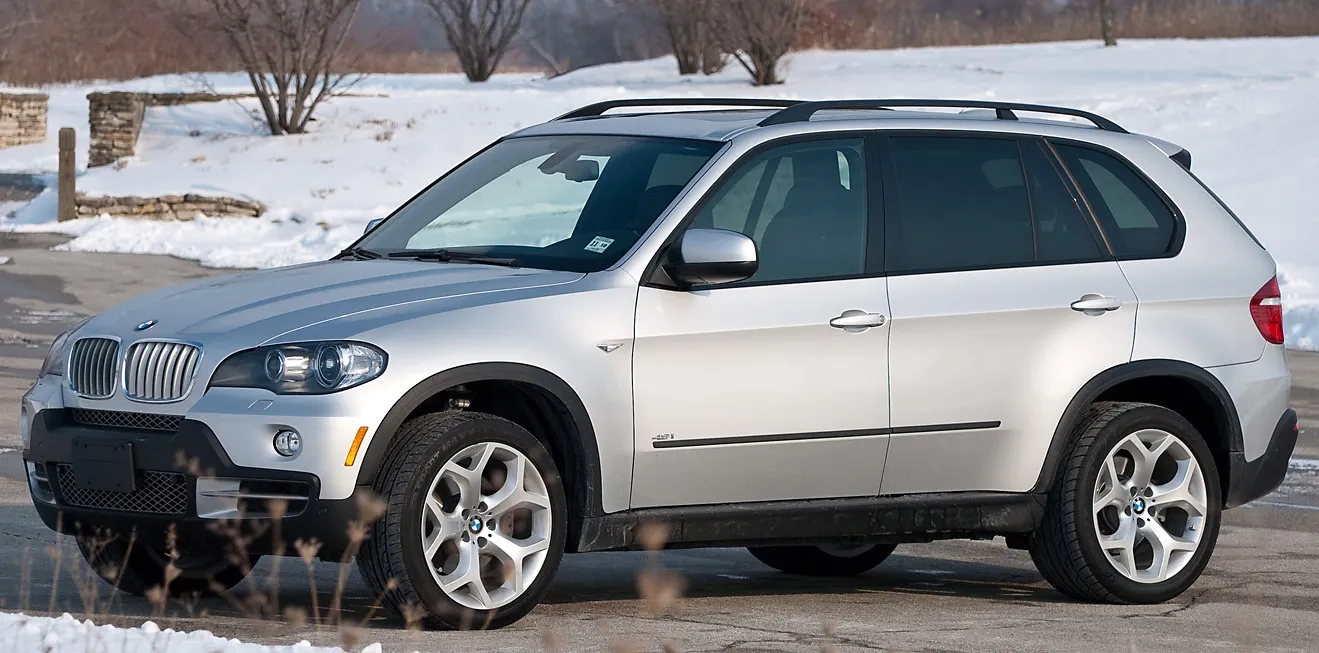
7. BMW X5 M (E70, 2010-2013)
BMW decided to create the most ridiculous, excessive, and completely unnecessary performance SUV possible when they unleashed the X5 M on the world. What started as a practical family SUV transformed into a machine that could embarrass many sports cars while carrying five people and their luggage.
The E70 generation X5 M represents BMW’s performance division at its most ambitious, and the used market reflects the lasting appeal of this automotive excess.
At the heart of this beast sits a 4.4-liter twin-turbocharged V8 engine producing 555 horsepower and enough torque to rearrange your internal organs when you floor the accelerator. BMW took the already powerful X5 and fitted it with an engine that belongs in a supercar, then added its M-division’s suspension tuning, braking systems, and chassis reinforcements.
The result is an SUV that hits 60 mph in about four seconds flat, which is absolutely absurd when you remember this thing weighs nearly 5,500 pounds and sits tall enough that you need running boards to climb in gracefully. The driving dynamics of the X5 M defy logic and several laws of physics. BMW’s engineers somehow made this tall, heavy SUV corner with genuine enthusiasm.
The adaptive suspension system can firm up for aggressive driving or soften for comfort, the steering provides feedback that most SUVs wouldn’t know how to deliver, and the massive brakes can haul the vehicle down from high speeds repeatedly without fading.
Yes, there’s body roll because physics still applies, but it’s controlled and predictable. The X5 M proves that with enough engineering talent and budget, you can make almost anything handle well.
Speaking of prices, a well-maintained 2011 or 2012 X5 M still sells for $35,000 to $55,000, depending on mileage, condition, and specification. That’s remarkable value retention for a performance BMW, a category notorious for steep depreciation. The reason? There’s simply nothing else quite like the E70 X5 M.
Sure, newer performance SUVs exist now, but they’ve become softer and more refined. The E70 X5 M was raw, aggressive, and unapologetic about being excessive. Enthusiasts who want that particular flavor of performance SUV have limited options, which keeps demand and prices high.
Also Read: 10 SUVs That Still Drive Like New After 20 Years
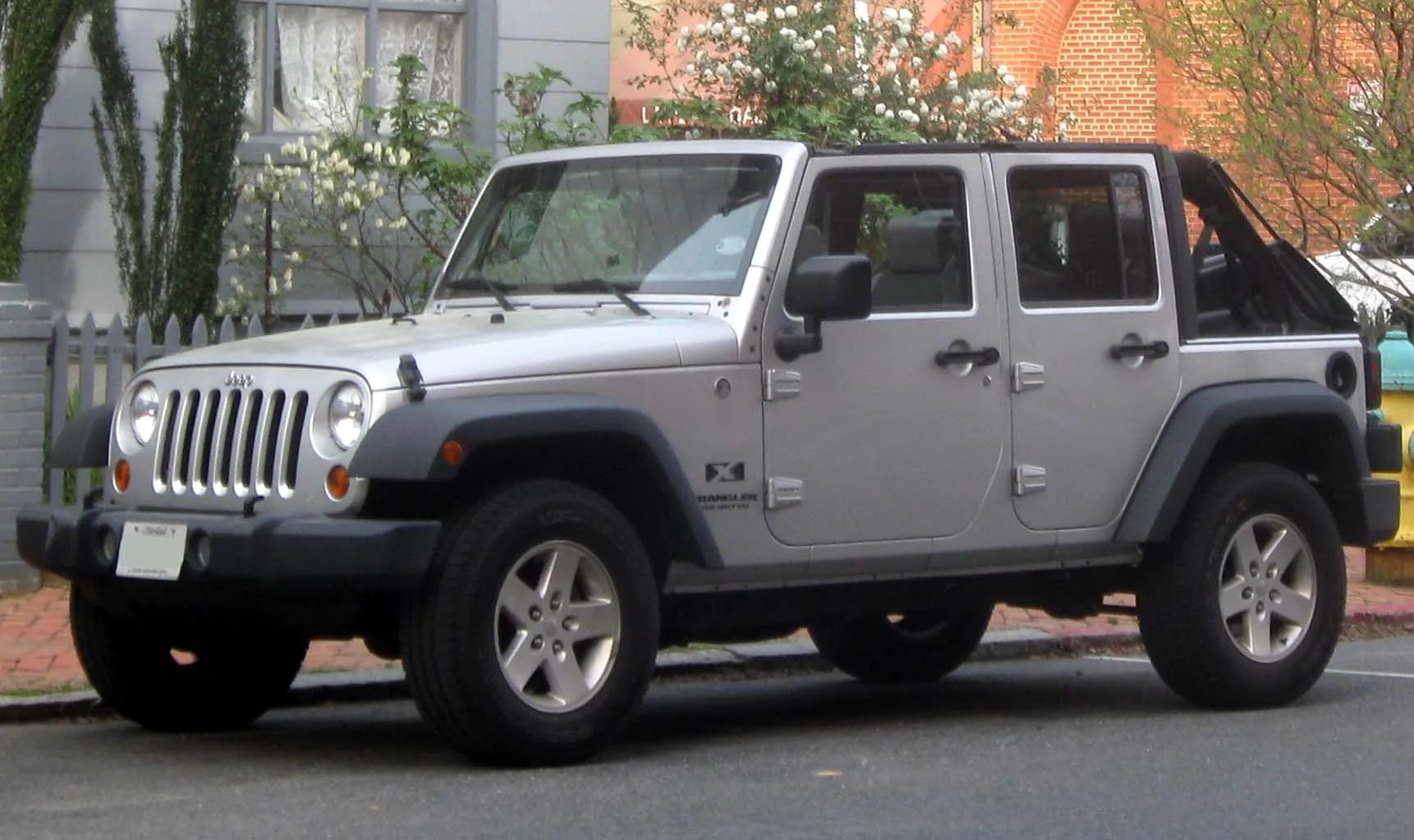
8. Jeep Wrangler Unlimited (JK, 2007-2018)
The Jeep Wrangler Unlimited JK generation proves that sometimes the simplest formula wins. Take the traditional Wrangler, stretch it to add two more doors and more cargo space, and you’ve got a vehicle that appeals to both serious off-roaders and families who want something with character. The JK’s value retention is legendary in the automotive world, with some well-equipped examples selling for prices that seem divorced from reality when you look at their age and mileage.
Mechanically, the Wrangler Unlimited JK offered two main engine options throughout its run. The 3.8-liter V6 in earlier models wasn’t particularly powerful or efficient, but it was reliable and adequate for the Wrangler’s mission.
Later models got a 3.6-liter V6 that addressed many of the complaints about the earlier engine, delivering better power, efficiency, and refinement. Neither engine will win awards for sophistication, but both provide the dependable service that Jeep owners expect. Transmission choices included a six-speed manual that purists love and a five-speed automatic that most buyers chose for its ease of use in daily driving.
The removable doors and roof panels make the Wrangler Unlimited unique among modern SUVs. You can transform it from an enclosed vehicle into something close to a convertible, letting you enjoy sunny weather in a way that no other SUV offers.
This flexibility appeals to buyers who want their vehicle to adapt to different situations and seasons. Sure, removing the doors and top takes time and effort, and you need somewhere to store the removed parts, but the option to open up the vehicle completely adds value both in use and at resale time.
Value retention on the Wrangler Unlimited JK is almost offensive to anyone who understands normal vehicle depreciation. A 2015 Jeep Wrangler Unlimited Rubicon in good condition regularly sells for $30,000 to $40,000, which is often 60 to 70 percent of its original purchase price.
Even older examples from 2010-2012 command $20,000 to $30,000 if they’re clean and properly maintained. This isn’t normal. Most vehicles lose half their value in the first three years, yet Wranglers seem to depreciate at a rate that makes tortoises look speedy.
These eight SUVs prove that depreciation isn’t inevitable. With the right combination of capability, reputation, and appeal, some vehicles can hold their value long after they’ve left the showroom.
Whether it’s the bulletproof reliability of a Land Cruiser, the status symbol nature of a G-Class, or the pure capability of a Wrangler, each of these SUVs offers something special enough that buyers are willing to pay big money for them even after 15 years or more on the road.
