When it comes to luxury vehicles, fleeting trends and flashy designs often overshadow the true measure of greatness: longevity. Lexus, however, has built a reputation not just on elegance and performance, but on engineering that stands the test of time.
From flagship sedans to hybrid compacts and rugged SUVs, certain Lexus models have achieved near-mythical durability, consistently surpassing 200,000 miles with minimal fuss.
These are not just cars; they are enduring investments, offering comfort, refinement, and peace of mind for owners who demand more than short-lived style. In this list, we celebrate 12 Lexus cars that refuse to die, highlighting their reliable engines, resilient frames, and craftsmanship designed to last.
Whether you’re drawn to the serene luxury of an LS 400 or the hybrid efficiency of a CT 200h, these models embody a philosophy that true quality never goes out of style.
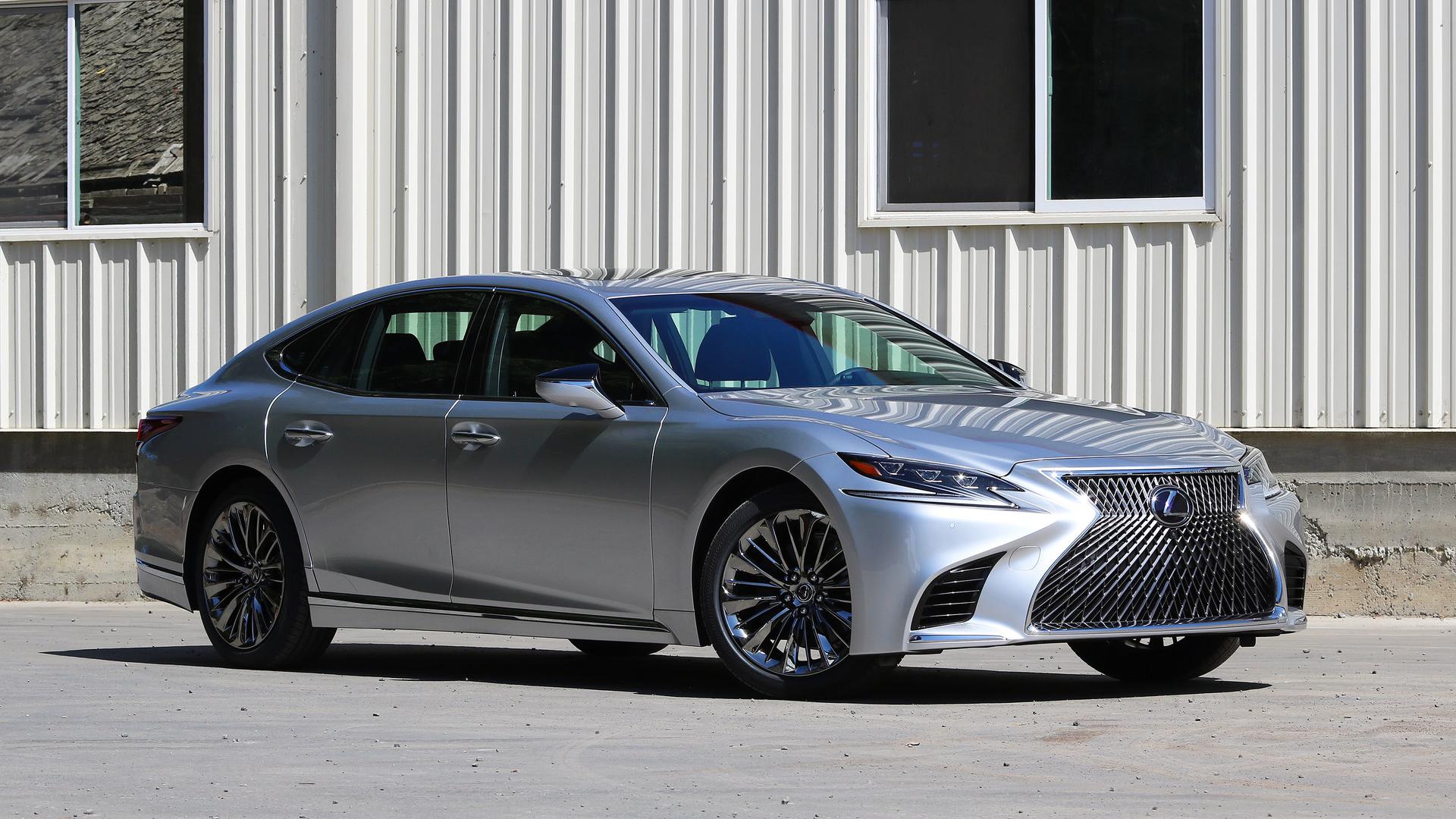
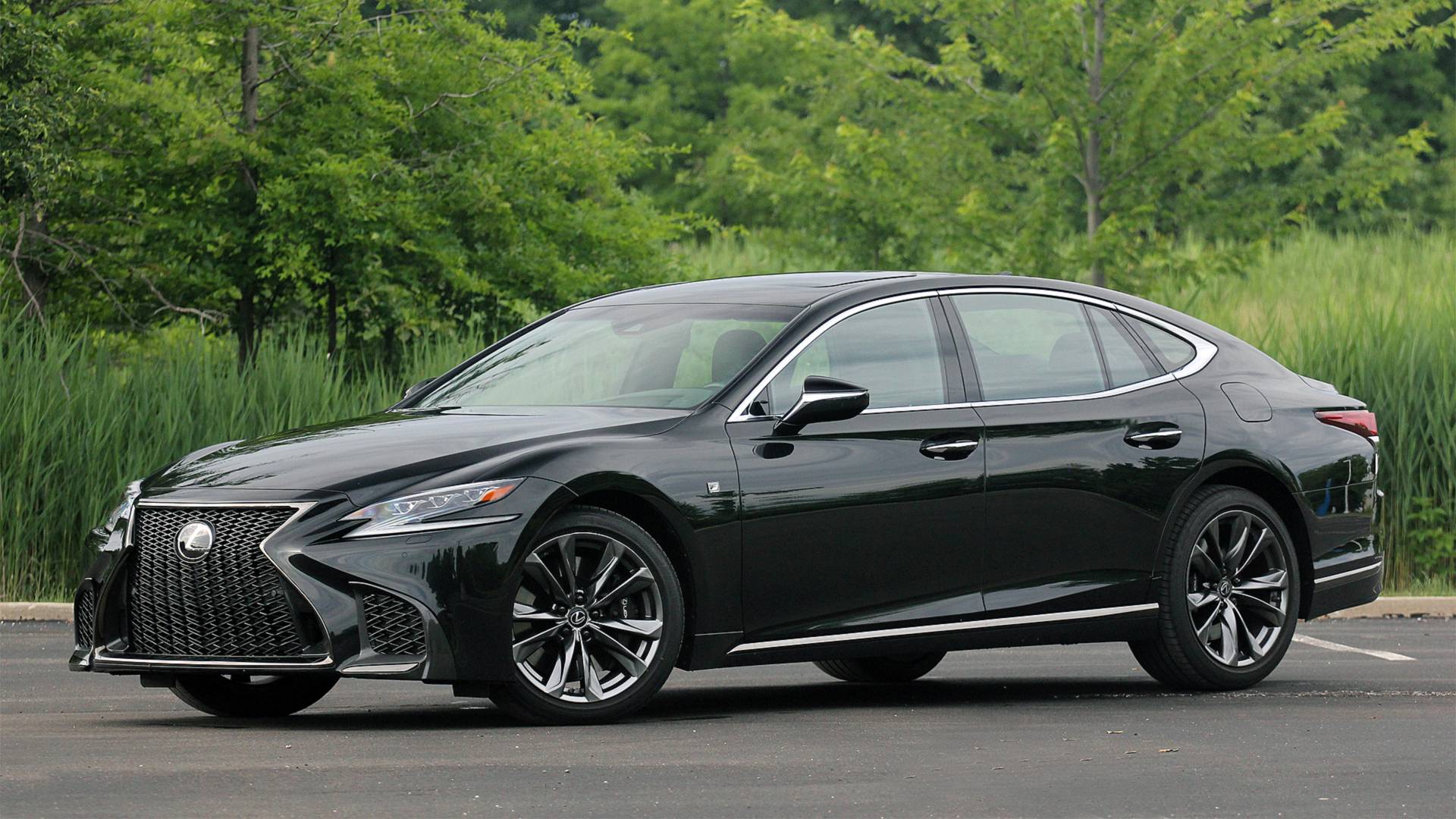
1. Lexus LS 500: A Durable Flagship with Lasting Refinement
The Lexus LS 500 is the brand’s flagship sedan, designed to balance performance, luxury, and long-term dependability. At its core lies a 3.5-liter twin-turbocharged V6 engine paired with a 10-speed automatic transmission.
This powertrain delivers steady performance while maintaining a reputation for reliability when given routine care such as oil changes, fluid checks, and transmission servicing. Owners can expect the LS 500 to handle high mileage with little drama, a hallmark of Lexus engineering.
Driving the LS 500 highlights its dual personality. The twin-turbo V6 provides brisk acceleration, reaching 60 mph in 5.7 seconds, which is competitive among large luxury sedans. The transmission operates smoothly under hard throttle, though it can hesitate to downshift when quick passing power is needed.
Steering feels light and relaxed during everyday driving, yet it can be firmed up through sportier drive modes for those who prefer a more connected feel. While the sedan handles corners with composure, its character is more focused on delivering a serene ride than engaging drivers with athletic sharpness.
Braking is predictable in casual use but lacks the immediate bite and confidence of some European competitors when slowing from higher speeds.
Comfort is where the LS 500 shines most. The optional air suspension creates a plush ride that glides over most road surfaces, masking imperfections with ease. Only deep potholes or heavily broken pavement reveal its limits. Noise insulation is excellent, with the cabin remaining almost silent from road, wind, and engine intrusion.
Seating adds to this cocoon-like experience. The front seats are highly adjustable and come with heating, ventilation, and massage functions, making them ideal for long-distance driving. Passengers in the rear benefit from abundant legroom, though the center position is less comfortable due to firmer cushioning.
Inside, the LS 500 showcases Lexus’ dedication to craftsmanship. Premium leather, metal, and wood trim give the cabin a sophisticated feel that holds up well over years of use. The interior is spacious and inviting, but usability can be frustrating.
The infotainment system now includes a 12.3-inch touchscreen, a welcome update over previous iterations, yet many key functions remain buried in complex menus. Access is easy thanks to wide-opening doors, although exiting can be less graceful because of the prominent door sills.
Technology plays a central role in the LS 500, offering both entertainment and safety. Smartphone integration is seamless with Apple CarPlay and Android Auto, while the available 23-speaker Mark Levinson audio system delivers immersive sound quality.
Driver-assistance features such as adaptive cruise control, forward collision mitigation, and lane-keeping assist come standard, though their overly cautious tuning can feel intrusive in everyday traffic.
Practicality is better than expected for a luxury flagship. The trunk is among the largest in its class, easily accommodating luggage, though its tapered design near the rear seats slightly limits versatility. Interior storage solutions include useful bins, door pockets, and a roomy armrest compartment. Fuel economy is competitive at 22 mpg combined for rear-wheel-drive models and 21 mpg for all-wheel drive.
From a value perspective, the LS 500 undercuts its German rivals by delivering comparable luxury and refinement at a lower price point.
Even when fully optioned near $100,000, it offers strong build quality, abundant features, and Lexus’ reputation for reliability. With warranties covering up to six years on the powertrain and roadside assistance included, the LS 500 represents a luxury sedan built not only for immediate comfort but also for lasting ownership satisfaction.
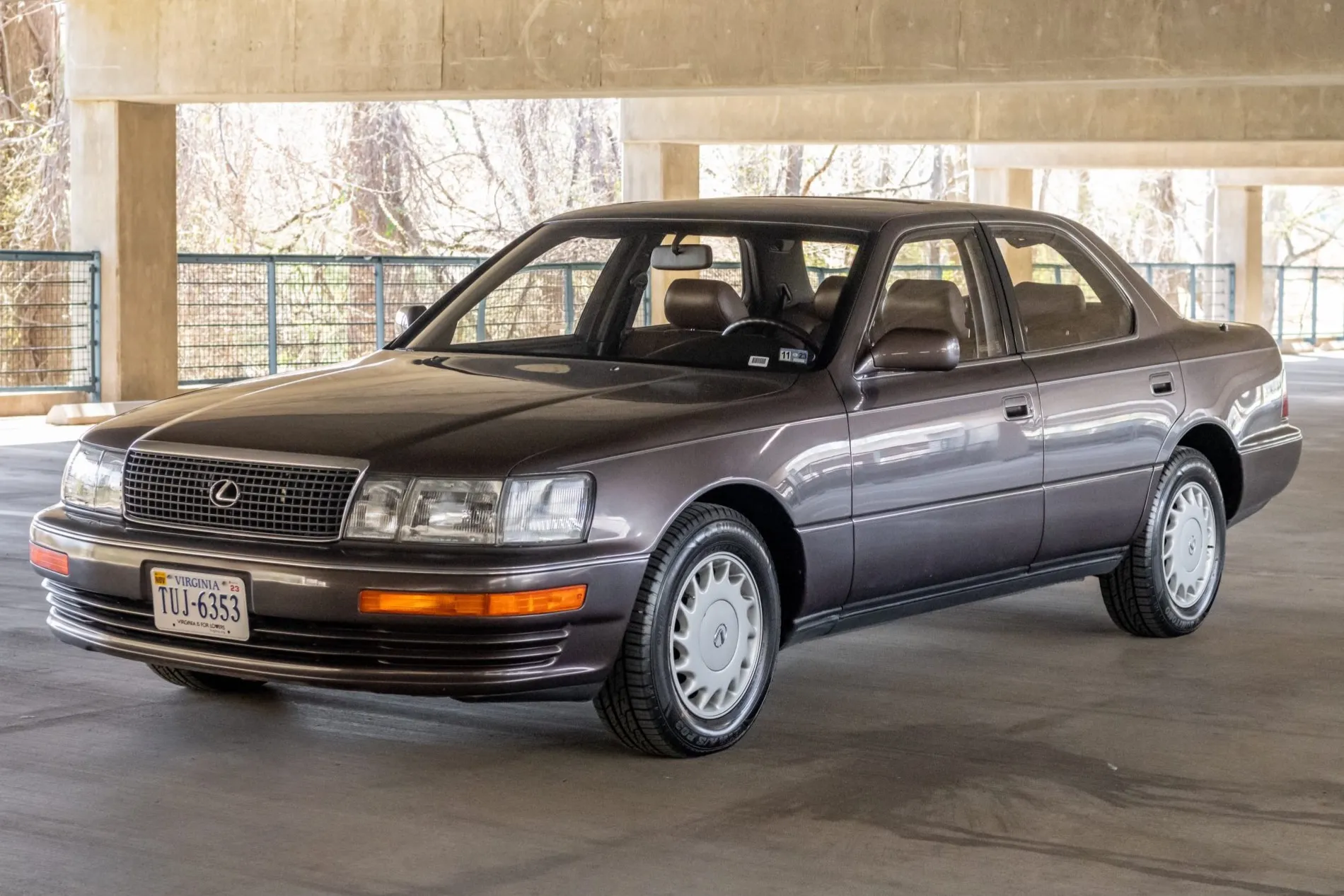
2. Lexus LS 400: Redefining Reliability and Luxury
The debut of the Lexus LS 400 in 1989 marked a turning point in the luxury car segment. Lexus entered the market with a sedan that combined refined engineering, comfort, and advanced features at a price significantly lower than its European rivals. The LS 400 quickly became the cornerstone of Lexus’ reputation for long-lasting quality.
At the heart of the LS 400 was a 4.0-liter V8 engine. Known for smooth operation and impressive durability, the engine often exceeded 300,000 miles with regular maintenance. Its design was straightforward yet highly precise, reducing the likelihood of mechanical failure.
The engine worked in harmony with a strong automatic transmission that provided smooth shifts and dependable power delivery. This focus on reliability gave the LS 400 a reputation that still resonates today.
The engineering excellence of the LS 400 extended beyond the engine. The chassis and suspension were designed with resilience in mind. Components were carefully crafted to withstand heavy use while maintaining comfort and control.
Body panels were built with rust resistance, and the underbody was engineered to handle harsh road conditions. These qualities allowed the LS 400 to retain its structural integrity even after years of use.
Inside the LS 400, luxury was expressed through long-lasting materials and thoughtful design. Leather seating, high-quality wood trim, and durable dashboard panels resisted wear over time.
Lexus engineers paid close attention to details such as switches, electronics, and air conditioning systems, ensuring they remained reliable after decades. Owners often noted that older LS 400s still offered a refined and comfortable atmosphere, a testament to Lexus’ focus on durability.
Another strength of the LS 400 was its ease of ownership. Maintenance schedules were clear, and parts were widely available. Routine services such as oil changes, fluid checks, and replacement of wear items were usually sufficient to keep the car performing at a high level. This practicality, combined with low maintenance costs compared to European sedans, made the LS 400 a favorite among long-term owners.
Over the years, Lexus refined the performance of the LS 400. Later models included a more advanced V8 with variable valve timing paired with a five-speed automatic transmission. This combination improved both acceleration and efficiency, allowing the car to reach 60 miles per hour in 6.5 seconds.
While the LS 400 offered strong performance, it prioritized quietness and smoothness rather than sporty engagement. Some driving enthusiasts felt the car was too isolated, but most buyers appreciated its calm and effortless character.
The LS 400 also stood out for its technology. It introduced a touchscreen display to manage climate, audio, and navigation functions. The navigation system included GPS guidance and detailed maps, which was advanced for its time.
Another notable feature was the pollution-sensing climate system that adjusted airflow automatically to maintain comfort. These innovations highlighted Lexus’ forward-thinking approach to luxury.
The LS 400 offered many of the same qualities as BMW and Mercedes-Benz sedans but at a significantly lower price. Its combination of refined engineering, innovative features, and unmatched reliability created exceptional value. The model’s success established Lexus as a major player in the luxury car market.
More than three decades after its debut, the LS 400 is still remembered as one of the most dependable and well-crafted sedans ever built. Its legacy lives on through owners and enthusiasts who continue to celebrate its durability and comfort.
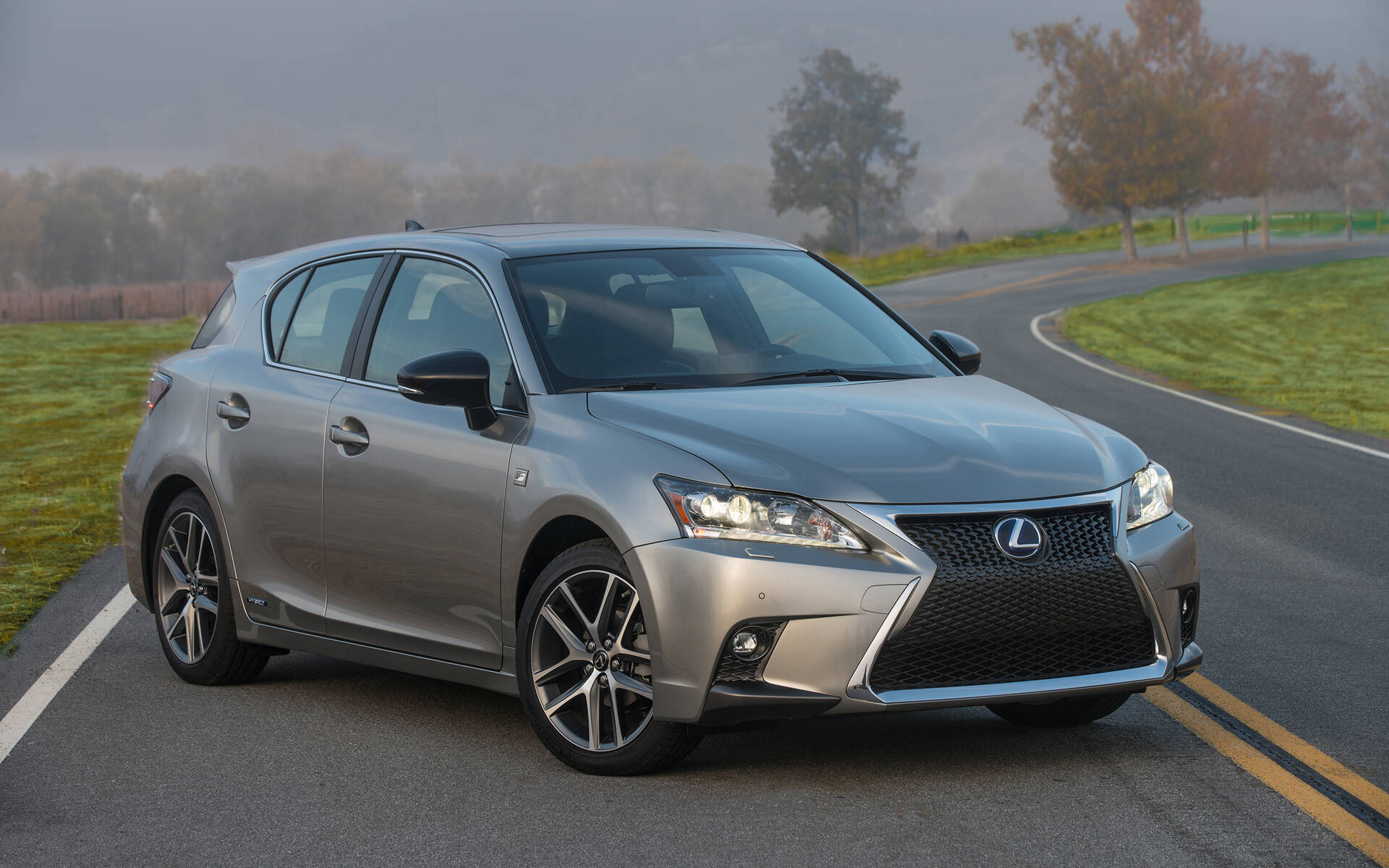
3. Lexus CT 200h: A Reliable Luxury Hybrid Built to Last
The Lexus CT 200h is a compact luxury hatchback that prioritizes efficiency, dependability, and practical design. Since its introduction, it has stood out as one of the few luxury hybrids in its segment, offering drivers the reassurance of proven hybrid technology paired with Lexus’ reputation for durability.
At the heart of the CT 200h is a 1.8-liter four-cylinder gasoline engine paired with electric motors and a nickel-metal hydride battery pack. Together they generate 134 horsepower, which is routed to the front wheels through a continuously variable transmission.
This hybrid system is not designed for rapid acceleration, as the CT takes about 10.5 seconds to reach 60 mph, but instead focuses on delivering impressive efficiency. With an EPA-estimated 42 mpg combined, the vehicle offers some of the best fuel economy in the luxury class.
Daily driving is made smoother by the seamless switching between gasoline and electric power, as well as the unobtrusive stop-start function that conserves fuel at idle.
On the road, the CT 200h feels composed and nimble in city environments. Its steering is responsive, giving the hatchback a more agile character than most hybrids. Handling is a strong point, particularly when compared to other fuel-efficient vehicles.
The standard suspension provides a comfortable balance for daily driving, while the available F Sport package sharpens handling with firmer tuning. However, braking distances are longer than expected for this class, which can reduce confidence in sudden stops.
The interior of the CT 200h combines durability with a premium feel. Lexus incorporated sustainable and recycled materials wherever possible, but the cabin still maintains the refinement expected from the brand. The front seats are supportive and comfortable for long drives, with bolstering that provides a subtle sporty feel.
Rear seating offers decent headroom and legroom, though the narrow rear door openings can make entry less convenient. Cargo space measures 14.3 cubic feet with the seats upright and expands to 34.8 cubic feet when folded, making it suitable for commuting and short trips but smaller than some rivals in this segment. Storage for small items is limited, as the glovebox and console compartments are modest in size.
Technology is both a strength and a weakness. Standard features such as Bluetooth connectivity and available navigation are appreciated, but the Remote Touch controller that operates the infotainment system can be frustrating to use. It behaves like a laptop touchpad and often requires too much attention while driving.
On the other hand, safety technology is comprehensive, with multiple airbags, stability and traction control, and optional systems such as adaptive cruise control and a pre-collision safety system. Strong crash-test ratings further support the CT 200h’s reputation as a secure vehicle.
Longevity is perhaps the strongest argument in favor of the CT 200h. With regular oil changes, hybrid system inspections, and basic upkeep, many examples comfortably exceed 200,000 miles. Corrosion-resistant materials, a well-built chassis, and a proven hybrid drivetrain ensure that the car remains reliable for many years.
The Lexus CT 200h is not the most powerful or spacious compact luxury car, but it delivers a combination of efficiency, reliability, and durability that appeals to long-term owners. For drivers seeking a practical luxury hybrid with enduring value, it remains a dependable choice.
4. Lexus GX 460: A Rugged Luxury SUV That Endures
The Lexus GX 460 has carved out a unique place in the midsize luxury SUV segment by blending old-school toughness with modern comfort. Unlike most crossovers in its class, the GX uses body-on-frame construction, a design more commonly associated with pickup trucks. This foundation makes it exceptionally durable and gives it the ability to withstand years of heavy use, whether on city streets, highways, or rugged trails.
Power comes from a 4.6-liter naturally aspirated V8 that produces 301 horsepower. Owners frequently report that this engine, when properly maintained, can run smoothly past 200,000 miles without major issues.
It is paired with a six-speed automatic transmission that is both strong and reliable, designed to handle everything from daily commuting to demanding off-road conditions. A full-time four-wheel drive system with a Torsen limited-slip center differential and a two-speed transfer case further reinforces the GX’s reputation as a capable and versatile SUV.
Durability extends to the chassis and suspension. The frame is built to resist corrosion, while suspension components are engineered to absorb rough impacts without premature wear. This combination allows the GX 460 to balance its rugged side with the ride comfort expected of a luxury vehicle. Despite its off-road strength, passengers enjoy a smooth and stable driving experience.
Inside, Lexus has ensured that the GX 460 remains a true luxury vehicle. The cabin features premium leather upholstery, high-quality materials, and a layout designed for both practicality and refinement. Controls are sturdy, electronics are reliable, and climate systems require little attention over time.
The SUV offers three rows of seating, though cargo space becomes limited when the third row is in use. A high load floor and a side-hinged rear door also make loading bulky items less convenient, but for families, the spacious interior and flexible storage options remain highly appealing.
The GX 460’s strengths lie in its legendary reliability, strong V8 performance, and genuine off-road capability. However, there are trade-offs. Fuel economy is among the weakest in the class, technology features feel dated compared to newer rivals, and the design sacrifices some cargo practicality.
For buyers who value longevity, ruggedness, and luxury in equal measure, the Lexus GX 460 continues to deliver. It is not the most modern SUV on the market, but its enduring build quality and dependable performance make it one of the few luxury vehicles that feel equally at home in the city and far off the beaten path.
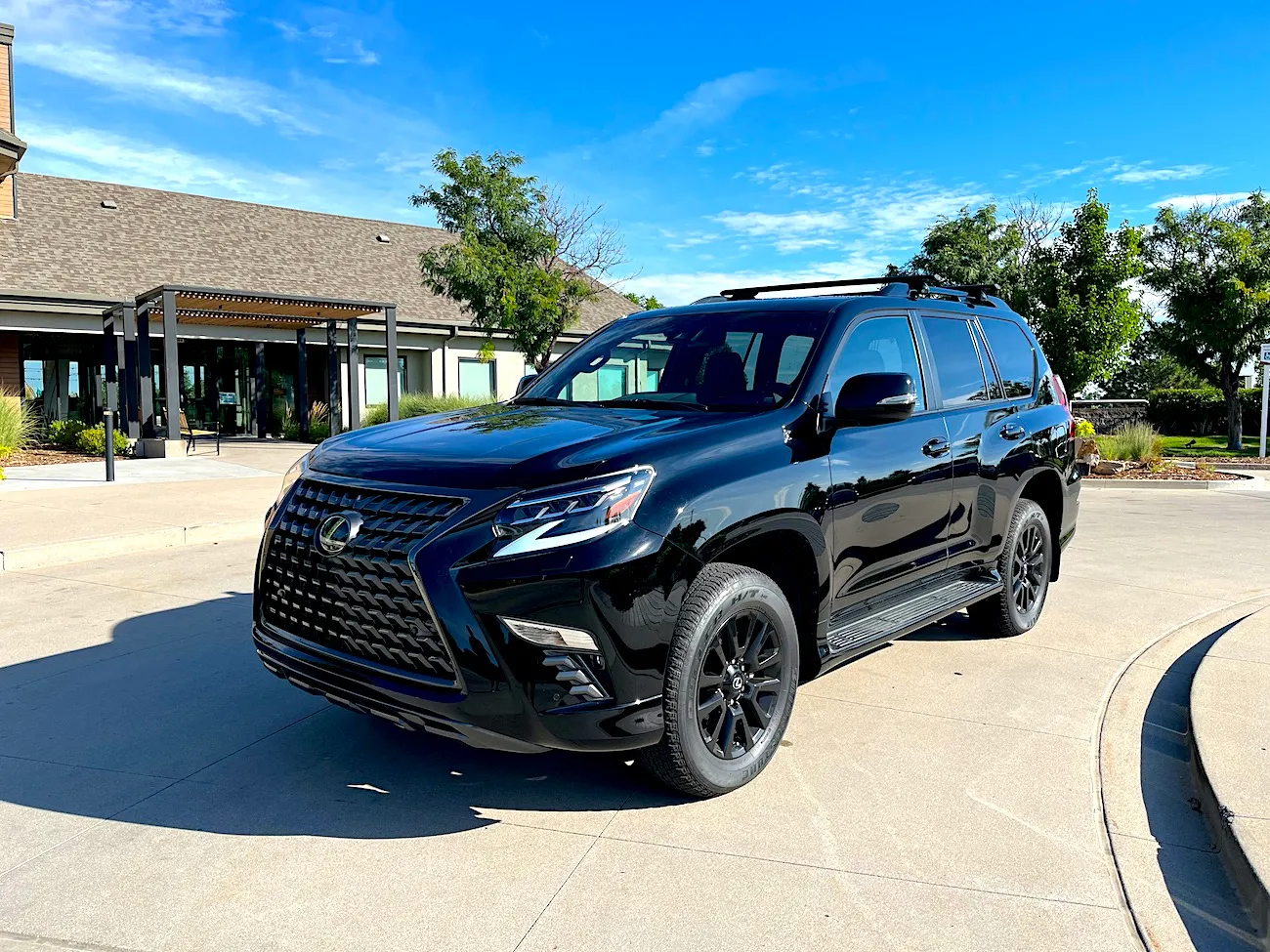
5. Lexus IS 250/350: Reliable Luxury with Distinct Paths
The Lexus IS series carved out a reputation in the compact luxury sedan market by blending sporty handling with strong dependability. The IS 250 and IS 350, while similar in design and execution, offer very different ownership experiences.
The IS 250 is powered by a 2.5-liter V6, an engine designed for smoothness but lacking in power compared to competitors. Acceleration feels modest, and fuel efficiency is not as strong as one might expect for its size.
More importantly, this engine is known for issues with carbon buildup and the potential for engine sludge if low-quality oil is used. With careful maintenance, many IS 250s reach 200,000 miles or more, but they demand more attention to upkeep than most Lexus models.
The IS 350 represents a more refined and capable choice. Its 3.5-liter V6 uses a dual-injection system that improves both performance and reliability. Acceleration is brisk, and the engine is less prone to mechanical concerns.
Many IS 350 owners report dependable performance well past 200,000 miles with minimal issues, which makes this model especially attractive for buyers seeking both driving engagement and long-term confidence.
Both the IS 250 and IS 350 share a strong foundation. The chassis is rigid and well-balanced, with suspension tuning that strikes a rare balance between agility and comfort. Drivers experience sharp handling on winding roads without sacrificing ride quality for daily commuting. This engineering contributes to the models’ durability, as fewer stress-related issues develop in key components over time.
The cabins reflect Lexus’ attention to quality. High-grade materials, comfortable seating, and durable switchgear ensure the interiors age gracefully. Electronics and climate systems are built for reliability, requiring little beyond routine servicing.
However, the design of the dashboard and controls has started to feel dated, especially when compared with newer luxury sedans. Rear-seat legroom and trunk space are limited, reducing practicality for families or heavy travelers.
Where the IS 250 appeals most is in its affordability on the used market, though buyers must commit to diligent maintenance. The IS 350, with its stronger engine and improved reliability, is a more compelling option for those who want longevity without compromise.
Both sedans deliver Lexus’ signature combination of refinement and quality, but the IS 350 is the clear choice for drivers who value performance alongside dependability.
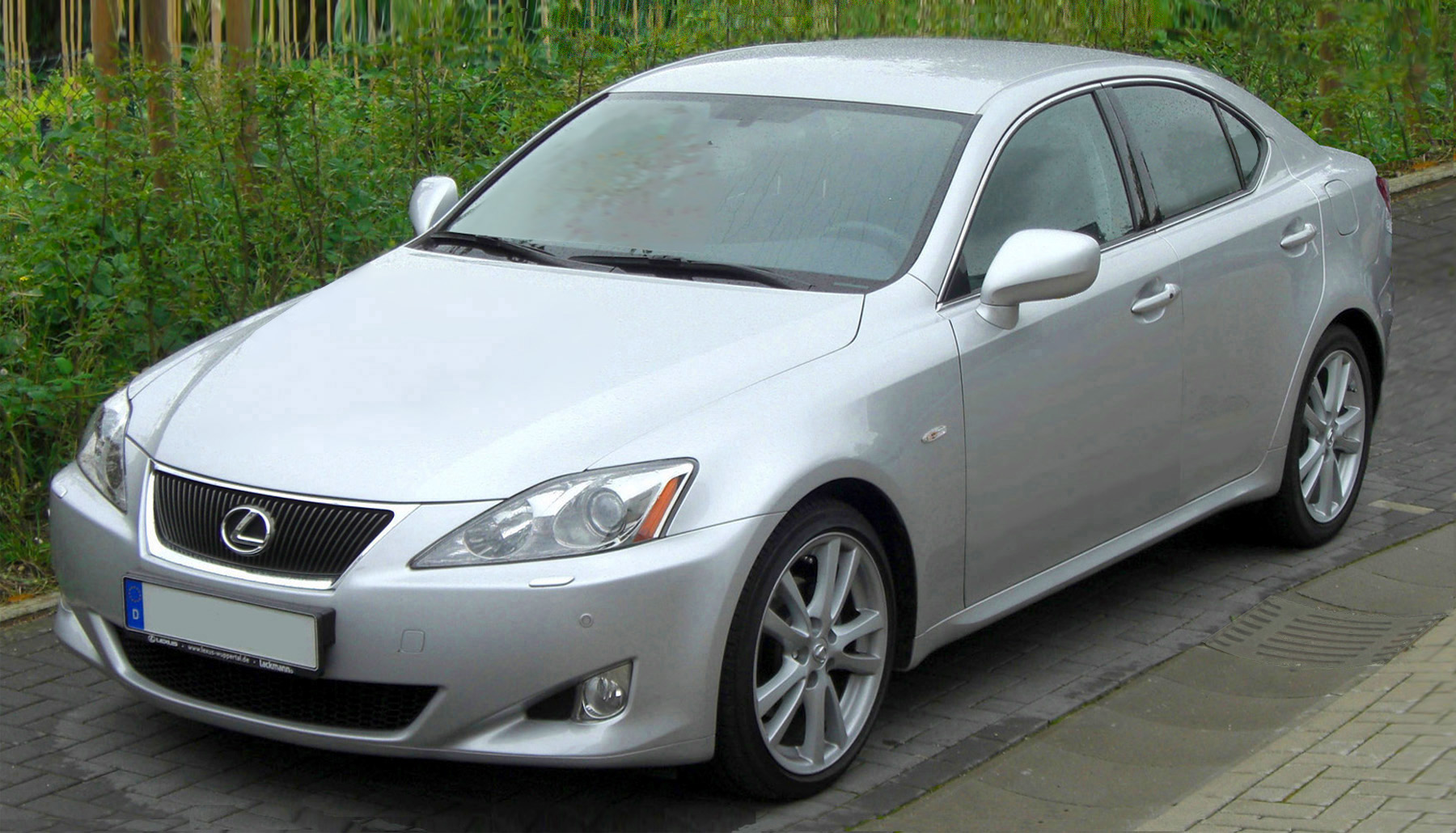
6. Lexus LX 570: Rugged Luxury with Long-Term Dependability
The Lexus LX 570 has long been admired for its ability to balance luxury with rugged capability. At the center of its appeal is a 5.7-liter V8 engine paired with a smooth automatic transmission.
This powertrain is known for consistency and endurance, even when the SUV is tasked with towing heavy loads or venturing off-road. Many owners report their LX 570s surpassing 250,000 miles without significant issues, provided routine maintenance such as oil changes and inspections is carried out.
Its body-on-frame construction contributes significantly to its reputation for longevity. Reinforced underpinnings and a robust suspension system allow the LX 570 to withstand harsh conditions while preserving stability and ride quality.
Corrosion-resistant coatings further extend their durability by protecting against rust in climates with salted roads or coastal exposure. The vehicle’s structure, paired with its drivetrain, makes it one of the most dependable luxury SUVs for long-term ownership.
While the LX 570 excels in toughness, its road manners reveal a more traditional truck-like feel. The V8 engine is steady but not especially quick, and acceleration feels less lively compared to rival SUVs. Handling is also affected by its size and height, with noticeable body lean in turns.
Steering can be heavy at low speeds yet overly light on highways, reducing precision and making it easy to drift from a straight line. Braking performance is adequate but lacks modulation at slower speeds, sometimes feeling grabby. On paper, the LX 570 achieves a 0 to 60 mph time of 7.5 seconds, which is acceptable but not competitive in the luxury segment.
Comfort is a defining strength, though not without compromises. The front seats are wide, cushy, and supportive, making long drives effortless. The second row offers generous space, though its higher floor can place passengers’ knees at an awkward angle.
Despite the truck-based suspension, cabin noise is minimal, and the LX remains exceptionally quiet at highway speeds. Road imperfections are noticeable, but Lexus has tuned the suspension to soften the harshest bumps.
The cabin itself is spacious, with a commanding driving position and excellent outward visibility thanks to large windows and mirrors. Interior materials reflect Lexus’ commitment to quality, with durable leather and well-crafted surfaces that resist wear over time. However, the interior design feels cluttered with buttons and knobs, many of which are dedicated to off-road functions.
Technology is where the LX 570 shows its age. The infotainment system is widely regarded as one of Lexus’ weakest, relying on a clunky joystick controller and a dated navigation interface.
Android Auto and Apple CarPlay are absent, and connectivity is limited. On the positive side, the available Mark Levinson audio system delivers exceptional sound quality, and the SUV includes useful driver aids such as adaptive cruise control.
Practicality is another area where the LX 570 stands out. With up to 53.7 cubic feet of cargo space and a 7,000-pound towing capacity, it provides versatility for both daily use and adventurous outings.
Fuel economy is its weakest trait, with an average of just 14 mpg combined. Still, the LX makes up for it with proven durability, high build quality, and a reputation for reliability that few competitors can match.
The Lexus LX 570 remains a premium choice for buyers who prioritize long-term dependability, rugged strength, and comfort over cutting-edge technology or sporty dynamics.
Also Read: 10 Cars From the 2010s That Age Better Than Expected
7. Lexus GS 350: A Reliable Luxury Sedan with Lasting Appeal
The Lexus GS 350 has earned recognition for its solid engineering and ability to hold up well over time. Its 3.5-liter V6 engine, paired with an eight-speed automatic transmission, provides smooth power delivery that feels refined in both city driving and highway cruising. With regular maintenance, many owners report the GS 350 exceeding 250,000 miles, a testament to its durability and reliability.
The car’s rigid unibody frame enhances strength, while suspension components are built to withstand years of use without losing composure. Corrosion protection throughout the body and undercarriage further extends the vehicle’s lifespan, making it a strong candidate for long-term ownership.
On the road, the GS 350 delivers a balanced, comfortable drive rather than an aggressive one. Its V6 accelerates confidently, although not with the same punch as newer turbocharged competitors.
A 0 to 60 mph time of 6.4 seconds places it in the middle of the luxury sedan segment. Handling is precise but lacks excitement, even in the sport-tuned F Sport version. Brakes are reliable, though not especially responsive, and the steering prioritizes ease over sharp engagement.
Drivers seeking a performance-focused experience may find the GS somewhat tame, but those looking for smooth, predictable driving will appreciate its steady demeanor.
Comfort is where the GS 350 shines. Lexus designed the sedan to deliver a serene driving environment, and it succeeds with excellent noise insulation and supportive seating. The front seats offer generous adjustment options, while rear passengers benefit from ample space and quality materials. Ride quality is controlled yet soft enough to handle long journeys without fatigue.
Despite these strengths, the cabin design shows its age. The dashboard layout feels dated compared to newer luxury sedans, and climate controls can be unintuitive at first. However, the materials used are high-grade, and the build quality ensures the interior holds up well over years of use.
Technology is one of the GS 350’s weaker points. The infotainment system relies on Lexus’ older joystick-style controller, which is frustrating to operate and less intuitive than touchscreen systems. Safety features and driver aids are present, including adaptive cruise control, but they are not as advanced as those found in rivals.
In terms of storage, the GS offers a 14.3-cubic-foot trunk, slightly larger than some German competitors. However, the rear seats do not fold down, limiting the ability to carry longer cargo. Inside the cabin, storage is minimal, and cupholder placement interferes with seat temperature controls, which affects usability.
Fuel economy is modest, rated between 21 and 23 mpg combined depending on configuration. Competitors often offer better mileage with modern turbocharged engines.
Even so, the GS 350 remains attractive from a value perspective. Buyers get a naturally aspirated V6 engine, a reputation for long-term reliability, and premium features like heated and ventilated seats included at a lower entry price than many European rivals.
The Lexus GS 350 prioritizes reliability, comfort, and refined driving over cutting-edge technology or sporty performance. Its V6 engine and durable construction ensure a long service life, while the interior provides a quiet and comfortable experience.
For drivers who value dependability and understated luxury, the GS 350 remains a compelling midsize sedan choice even as newer competitors surpass it in technology and efficiency.
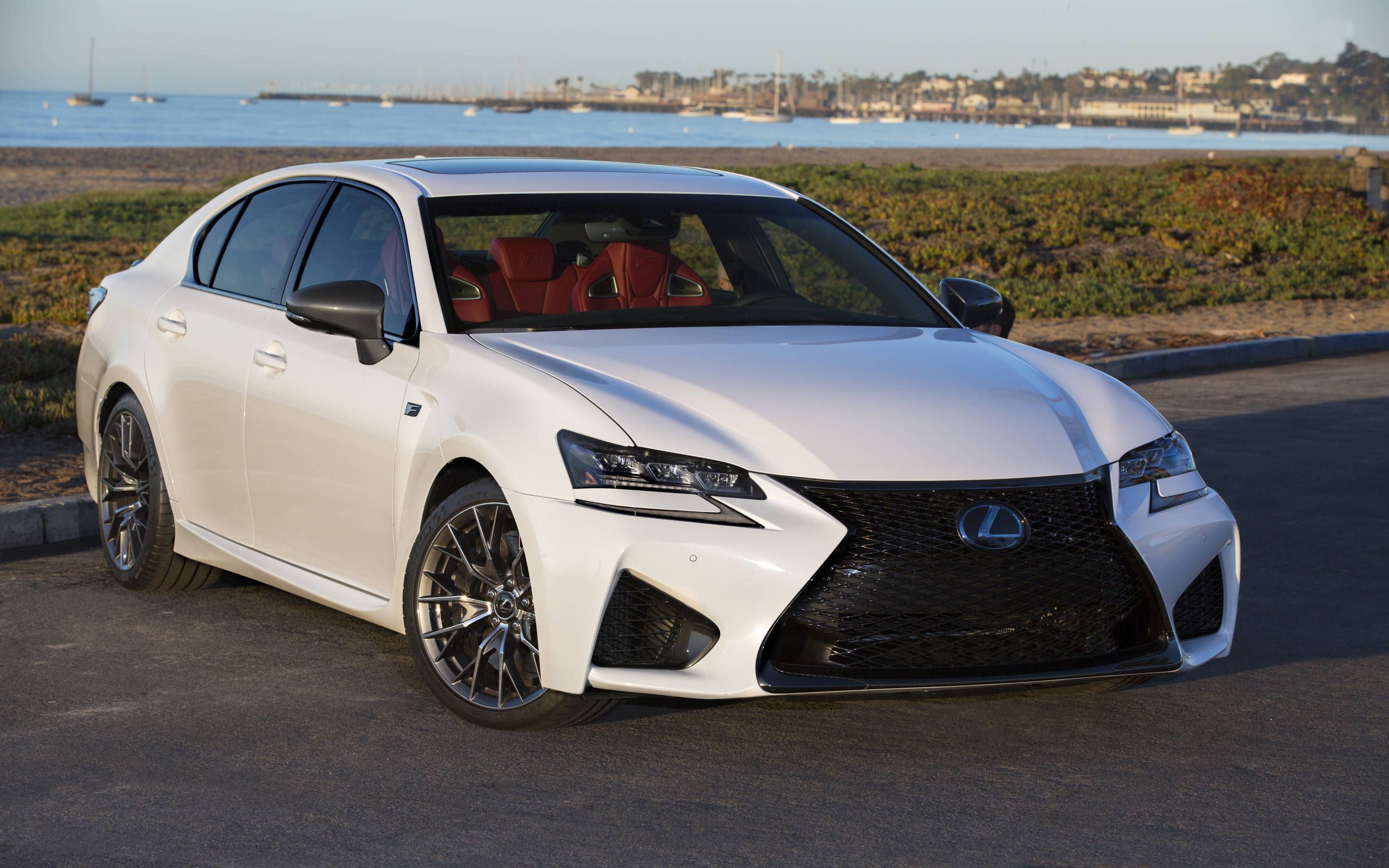
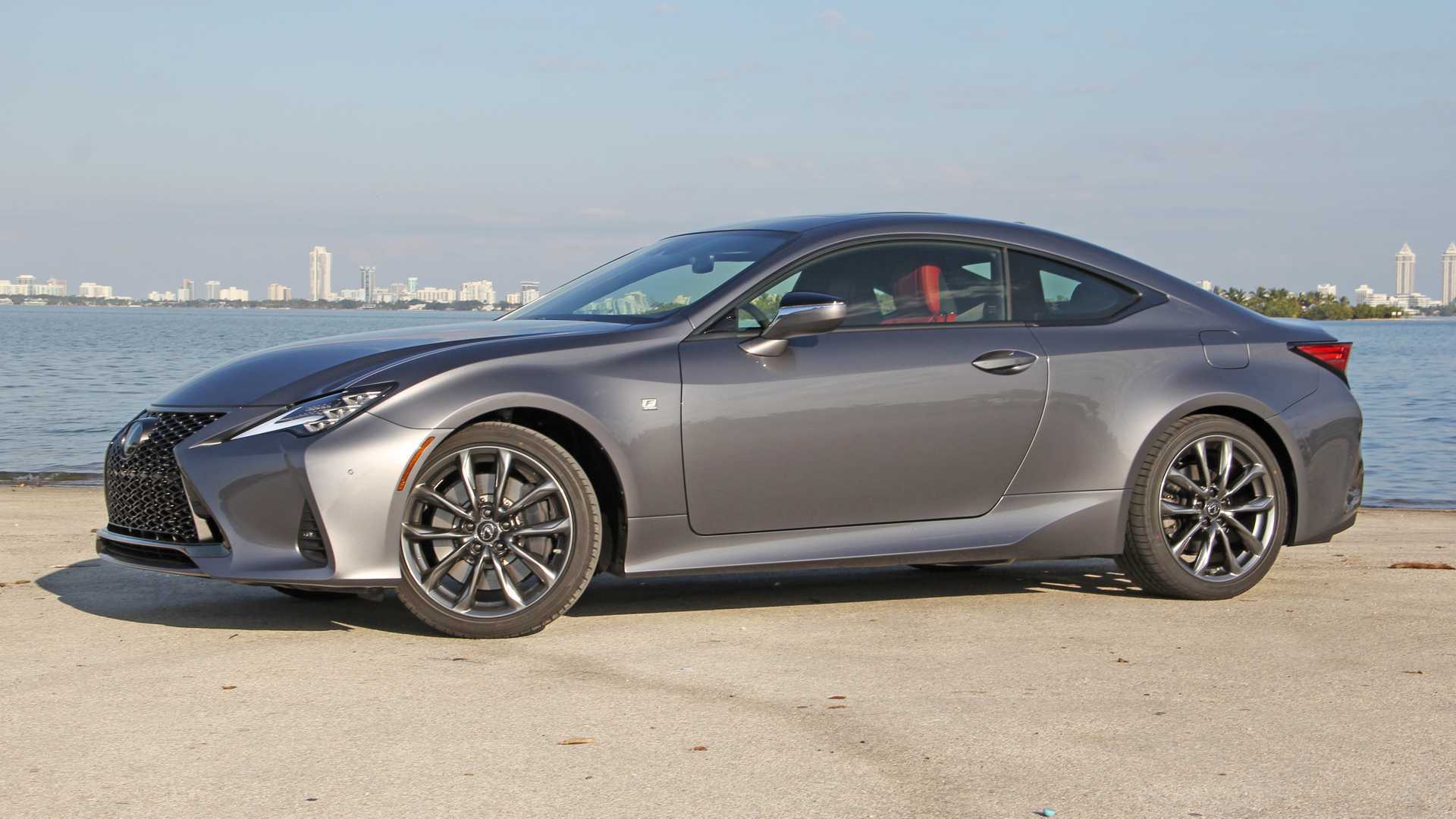
8. Lexus RC 350: A Reliable Luxury Sports Coupe
The Lexus RC 350 delivers a blend of sporty design and lasting dependability that sets it apart in the luxury coupe market. Beneath the hood lies a 3.5-liter V6 engine that produces smooth, consistent power.
While it does not chase record-breaking acceleration, it demonstrates impressive reliability, with many owners reporting more than 200,000 miles without significant issues when proper maintenance is performed. Regular oil changes, inspections, and fluid checks keep the drivetrain performing at its best, allowing the RC 350 to age gracefully.
Performance on the road is more refined than aggressive. The RC 350 takes 6.2 seconds to reach 60 mph, which trails behind many rivals with turbocharged engines. The car’s weight, close to 3,800 pounds, plays a role in its less eager handling. Yet, steering feels predictable, and the chassis inspires confidence when pushed through corners.
The F Sport variant enhances responsiveness with summer performance tires and firmer suspension tuning, offering sharper dynamics while retaining the RC’s stable nature. Drivers who value composure and control will find the RC 350 well-suited to their style.
Comfort has always been a Lexus strength, and the RC 350 reflects that tradition. The front seats are bolstered to keep occupants secure during spirited driving but remain comfortable for long-distance journeys.
Ride quality leans toward the firm side, in keeping with its sporty identity, and may feel busy over rougher pavement. Despite the firmness, the cabin is impressively quiet, with limited intrusion from road or wind noise, reinforcing the coupe’s luxury credentials.
Inside, Lexus showcases craftsmanship with high-quality materials that resist wear over the years of use. Leather upholstery, trim pieces, and controls hold up well, giving the cabin a lasting premium feel. The build quality is meticulous, with tight panel gaps and the absence of rattles or squeaks.
Yet, practicality is not its strength. The rear seats are very cramped, offering minimal legroom, and the long coupe doors can be inconvenient in tight parking spaces. Cargo capacity is small, and folding the rear seats for extra room requires climbing into the back, making it less user-friendly compared to some rivals.
Technology brings both highlights and frustrations. The large infotainment screen appears modern, but the touchpad controller is clumsy and distracting while driving.
Apple CarPlay and Android Auto help improve usability, and the optional Mark Levinson audio system delivers excellent sound quality. Driver-assist features, such as adaptive cruise control, add convenience on highways, although limitations in stop-and-go traffic reduce their usefulness.
Fuel economy is modest, with an EPA rating of 23 mpg combined in rear-wheel-drive form and slightly less for all-wheel drive. Some competitors manage better efficiency without sacrificing performance. Yet, where the RC 350 shines is in long-term ownership costs, thanks to Lexus’ proven reliability and low maintenance requirements.
The Lexus RC 350 is not the quickest or most practical luxury coupe, but it distinguishes itself through craftsmanship, comfort, and durability. For drivers who prioritize a stylish, dependable coupe that retains value and provides peace of mind over many years, the RC 350 is an appealing choice.
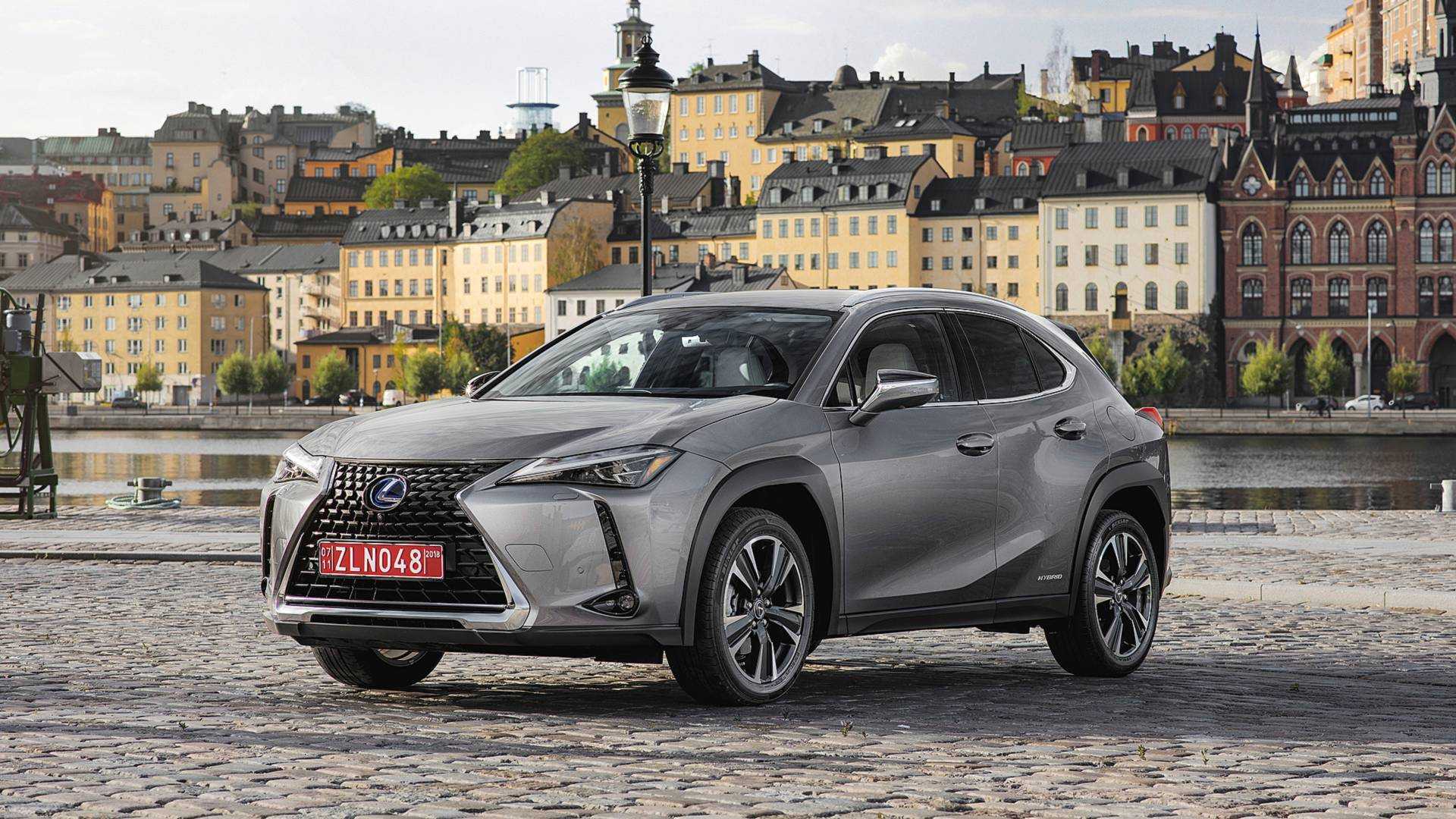
9. Lexus UX 250h: A Hybrid SUV Built for Efficiency and Dependability
The Lexus UX 250h is designed with longevity in mind. Its 2.0-liter four-cylinder engine paired with an electric hybrid system delivers efficient power that has proven reliable over the long term. With consistent maintenance, many owners report these vehicles surpassing 200,000 miles without major issues.
The hybrid system is engineered to maintain performance and fuel economy throughout its lifespan, while corrosion-resistant materials on the body and undercarriage protect the SUV in areas with harsh weather or salted roads.
Behind the wheel, the UX 250h performs best in urban settings. Steering is precise and well-weighted, making it easy to maneuver in tight spaces. However, acceleration is not its strong suit, with a 0–60 mph time of about 10 seconds, which is slow for a luxury vehicle.
Body roll is noticeable in corners due to the higher ride height, and the braking system can feel uneven, especially in stop-and-go traffic. The UX is most comfortable in steady city driving where smoothness, not speed, is the focus.
The seating is one of the UX 250h’s highlights, with soft leather and ample cushioning that make long trips pleasant. The cabin stays quiet under normal cruising, but engine noise becomes intrusive when extra power is demanded.
Road and tire noise also seeps into the cabin, partly because of the run-flat tires. The suspension does a reasonable job of absorbing imperfections but can leave the ride feeling busy on rougher pavement. Climate control works well in automatic mode, though vent placement and noise levels can be distracting.
Despite being a compact SUV, the UX 250h offers decent passenger room in both rows, including enough space for adults in the rear. The interior feels upscale, with soft-touch surfaces and thoughtful design details that hold up well over time. The seating position is low for an SUV, resembling more of a hatchback stance, which some may find less appealing. Visibility is limited by thick roof pillars, particularly around the rear hatch.
Technology is much improved compared to earlier Lexus systems. The UX 250h now uses a 12.3-inch Lexus Interface touchscreen with wireless Apple CarPlay and Android Auto. Navigation is built in and more intuitive, although the system can lag occasionally.
Voice command integration and multiple charging points enhance convenience. Standard driver-assist features include adaptive cruise control, lane-keeping assist, and forward collision warning, though they can sometimes feel overly conservative in traffic situations.
Storage is one of the UX 250h’s weaker points. The trunk provides 17.1 cubic feet of space, which is adequate for light use but less competitive for the SUV class. The high cargo floor further reduces versatility. Inside, storage solutions are modest, with small cupholders, limited door pockets, and a narrow center console. Rear seatbacks can fold to expand space, but usability remains limited compared to rivals.
Fuel efficiency is where the UX 250h shines. With an EPA estimate of 39 mpg combined, it ranks as one of the most economical vehicles in its class. Real-world testing confirms its ability to achieve these figures, making it especially appealing for commuters.
Pricing begins above $40,000, placing it near larger models like the RX 350 and Toyota RAV4 Hybrid. While competitors may offer more performance or space, the UX 250h delivers unmatched efficiency and Lexus’ hallmark reliability.
10. Lexus RX 350: A Reliable Luxury SUV
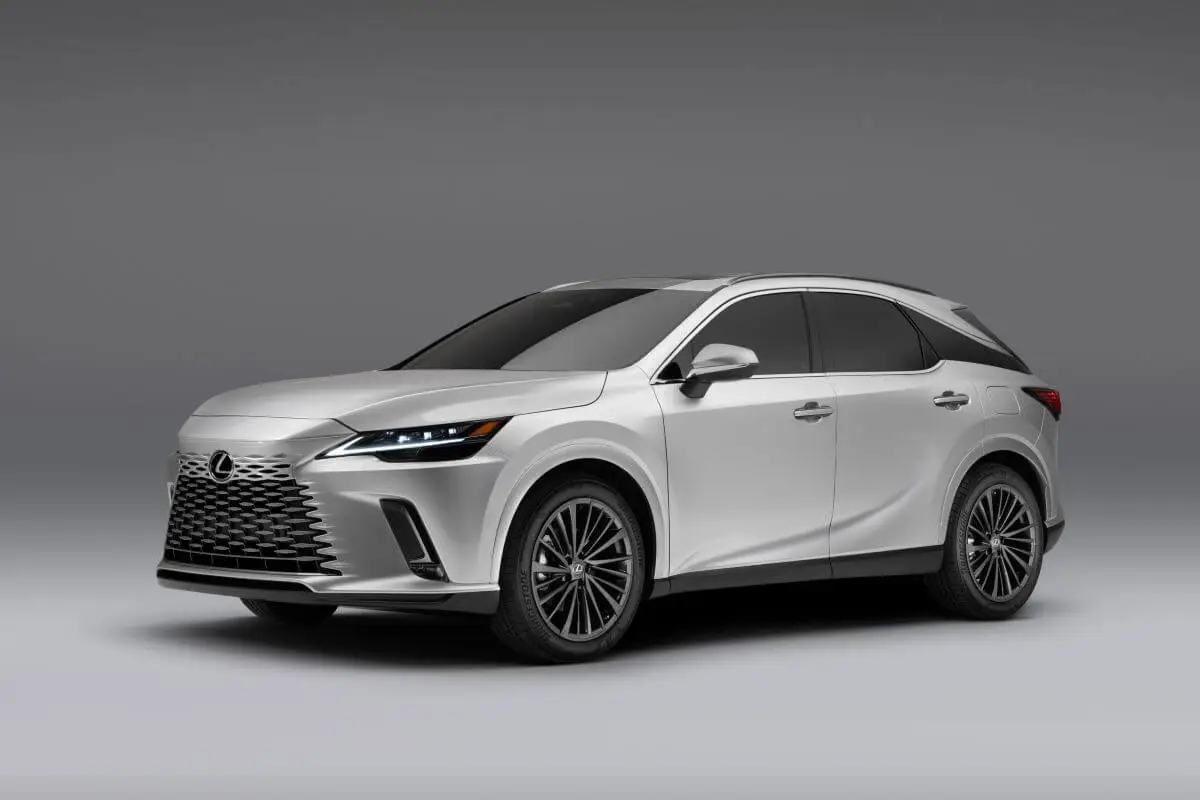
The Lexus RX 350 has become one of the most recognizable midsize luxury SUVs thanks to its balance of comfort, practicality, and long-term dependability. Since its introduction, it has been the go-to choice for buyers who value refinement and reliability over aggressive performance.
At the core of the RX 350’s reputation is its engine history. Earlier generations were powered by a 3.5-liter V6 that was widely praised for its smooth power delivery and durability. When properly maintained, the V6, along with its automatic transmission, often allowed owners to drive well beyond 250,000 miles without significant mechanical issues.
This reliability made the RX 350 one of the most trusted vehicles in its class. The SUV’s unibody construction and durable suspension system further supported long-term use by reducing stress on components and maintaining ride comfort. Corrosion-resistant materials also provided extra protection against wear, especially in regions with harsh climates.
Inside, the RX 350 has consistently delivered an upscale environment designed to age gracefully. High-quality seats, dashboard materials, and controls retain their appearance and function after years of use.
The design emphasizes usability, with a practical cabin layout that accommodates family needs while still feeling premium. Lexus has also paid attention to technology and electronics, ensuring systems are both reliable and relatively easy to maintain.
Comfort has always been a defining trait of the RX 350. The ride quality is smooth and quiet, creating a serene experience that rivals more expensive European SUVs. Seats are supportive and spacious, making the RX ideal for long drives and daily commuting alike.
In recent years, Lexus introduced a turbocharged four-cylinder engine to replace the traditional V6. While efficient, this engine is less refined under hard acceleration and does not feel as strong as the older setup, which some drivers view as a drawback.
The RX 350’s strengths lie in its smooth ride, premium interior, excellent reliability, and strong resale value. These qualities make it a sound long-term investment. However, there are trade-offs. The SUV does not prioritize sporty handling or towing power, with a maximum towing capacity of 3,500 pounds that falls short of some rivals. In addition, certain interior controls can feel unintuitive to new users.
Ultimately, the Lexus RX 350 continues to stand out as a luxury SUV built for comfort and dependability. It may not excite performance enthusiasts, but for drivers who want a quiet, refined, and trustworthy vehicle, it remains one of the most compelling choices in its class.
11. Lexus ES 350: Timeless Reliability with Luxury Comfort
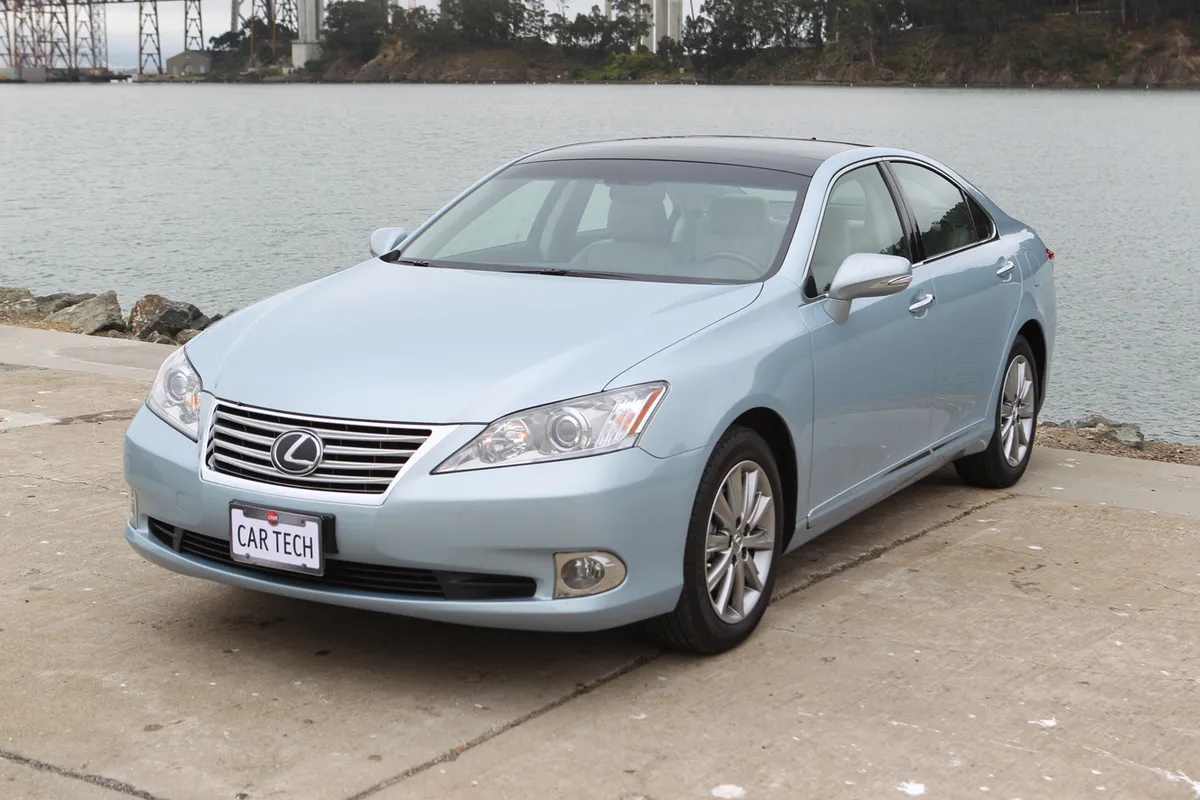
The Lexus ES 350 has established itself as one of the most dependable midsize luxury sedans. It is widely recognized for blending durability, refined performance, and comfort in a way that appeals to drivers who want a vehicle they can keep for many years.
A 3.5-liter V6 engine powers the ES 350, delivering smooth and consistent performance that does not fade with time. The engine works in harmony with a well-tuned automatic transmission, producing predictable and reliable acceleration.
Owners often report that their vehicles surpass 300,000 miles with no major issues, which demonstrates the strength of Lexus engineering. Routine oil changes and scheduled servicing keep the powertrain functioning at its best and ensure long-term dependability.
Durability extends to the structure and suspension. Built on a rigid unibody frame, the ES 350 maintains stability while offering a soft and comfortable ride. Its suspension system absorbs road imperfections with ease, shielding passengers from discomfort even on rough surfaces.
Materials that resist corrosion, combined with carefully engineered body panels, protect the sedan against rust and help it remain solid in regions with harsh winters or humid climates.
Inside, the ES 350 continues to showcase Lexus’ focus on longevity and comfort. The cabin features leather seating, refined dashboard finishes, and durable controls that hold up well even after years of use.
Electronics such as infotainment and climate control are reliable and simple to service, reducing the chances of costly repairs. A quiet and spacious interior makes it an inviting choice for commuting and long trips, providing the relaxed driving environment that Lexus sedans are known for.
The driving character of the ES 350 emphasizes comfort more than excitement. While the V6 and eight-speed automatic transmission deliver smooth acceleration, the sedan is designed for cruising rather than spirited handling. It provides secure and capable driving dynamics but focuses primarily on refinement.
The 2025 update added refreshed styling and retained physical buttons for important functions, which improves usability, though some may consider the interior design more traditional compared to rivals.
The ES 350 is best suited for drivers who prioritize comfort, reliability, and practicality in a luxury sedan. It appeals to those who want a quiet and refined daily driver with proven long-term value. With its blend of smooth performance, strong build quality, and comfortable design, the Lexus ES 350 continues to stand as one of the most trusted vehicles in its class.
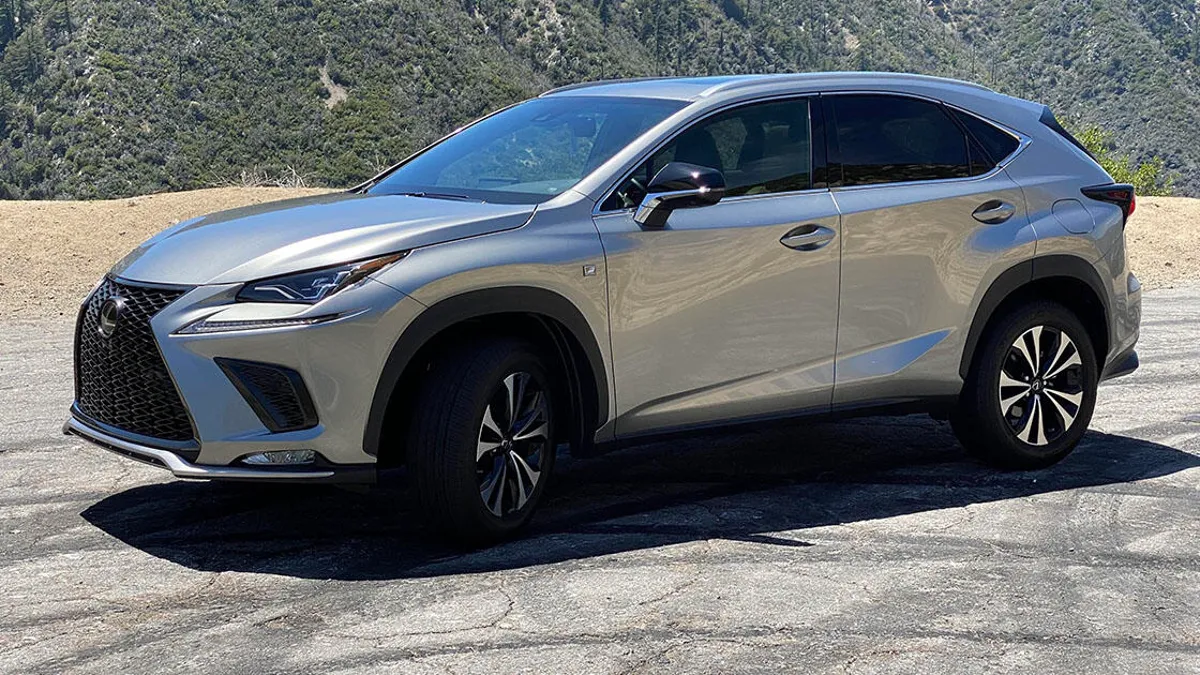
12. Lexus NX 300: A Reliable Compact Luxury SUV
The Lexus NX 300 has become a well-regarded option in the compact luxury SUV segment, largely because of its balance of reliability, comfort, and upscale appeal. While it is not aimed at thrill-seeking drivers, it provides the kind of consistency and refinement that Lexus owners value most.
At the heart of the NX 300 lies a 2.0-liter turbocharged four-cylinder engine paired with an automatic transmission. This setup offers adequate power for everyday use and highway travel, although some drivers may find the response sluggish at low speeds before the turbocharger takes effect.
Once up to speed, the engine provides smooth and steady acceleration, making it well-suited for commuting or longer drives. Owners who keep up with routine maintenance often report that these powertrains remain dependable for more than 200,000 miles.
The SUV’s structure and ride quality also contribute to its longevity. Built on a unibody platform, the NX 300 delivers strength and stability while keeping the ride comfortable. Its suspension smooths out rough surfaces, helping preserve both passenger comfort and the vehicle’s components.
Additional protection comes from corrosion-resistant coatings on the undercarriage, ensuring the SUV holds up well even in climates with snow, salt, or heavy rain.
The cabin is another key highlight. Lexus used high-quality materials throughout the interior, from leather seats to durable dashboard finishes. This careful attention allows the NX 300 to retain its premium feel over years of use.
While older models were criticized for having a frustrating touchpad infotainment system, the electronics themselves are reliable and easy to maintain. Later updates improved usability, making the experience more straightforward.
In terms of practicality, the NX 300 is compact enough for easy maneuvering in urban areas while still offering a versatile cargo space. The seating position provides a higher view of the road, enhancing visibility and confidence. Although the cargo room is somewhat limited compared to larger SUVs, the interior layout makes efficient use of available space, which suits daily errands and weekend trips.
The NX 300 does not aim to be a performance SUV, but it provides composed handling that feels secure in everyday driving. The F Sport trim adds slightly sharper suspension tuning, yet comfort remains the central focus. With its strong reliability record, premium build, and refined ride, the NX 300 appeals to drivers who value long-term dependability and comfort in a compact luxury package.
Longevity is the ultimate luxury, and Lexus has proven time and again that it can deliver. The 12 models featured here, from sedans to SUVs, hybrids to performance coupes, demonstrate the brand’s unwavering commitment to reliability, comfort, and intelligent engineering.
These cars don’t just age gracefully; they thrive, maintaining performance, refinement, and owner satisfaction for decades. For drivers who value peace of mind alongside sophistication, these Lexus models offer more than transportation; they offer enduring trust.
Owning one means experiencing decades of well-crafted design, resilient powertrains, and thoughtful technology, proving that while trends fade, true quality never dies. In a world of disposable cars, these Lexus vehicles stand as a testament to durability, making them not only smart choices but legends in their own right.
Also Read: 5 Cars With Long-Lasting Seats vs 5 That Wear Out Quickly