When most vehicles hit the 20-year mark, they often become little more than driveway ornaments or budget beaters held together with duct tape and luck.
But certain SUVs prove to be the exception, continuing to drive almost as smoothly as the day they left the factory.
These long-lasting utility vehicles combine robust engineering, reliable powertrains, and thoughtful design that stand up to decades of use.
For American drivers, where SUVs dominate family life, road trips, and even retirement adventures, these models have earned reputations for being nearly timeless. Let’s take a look at 10 SUVs that, when properly maintained, still drive like new even after two decades.
1. Toyota 4Runner
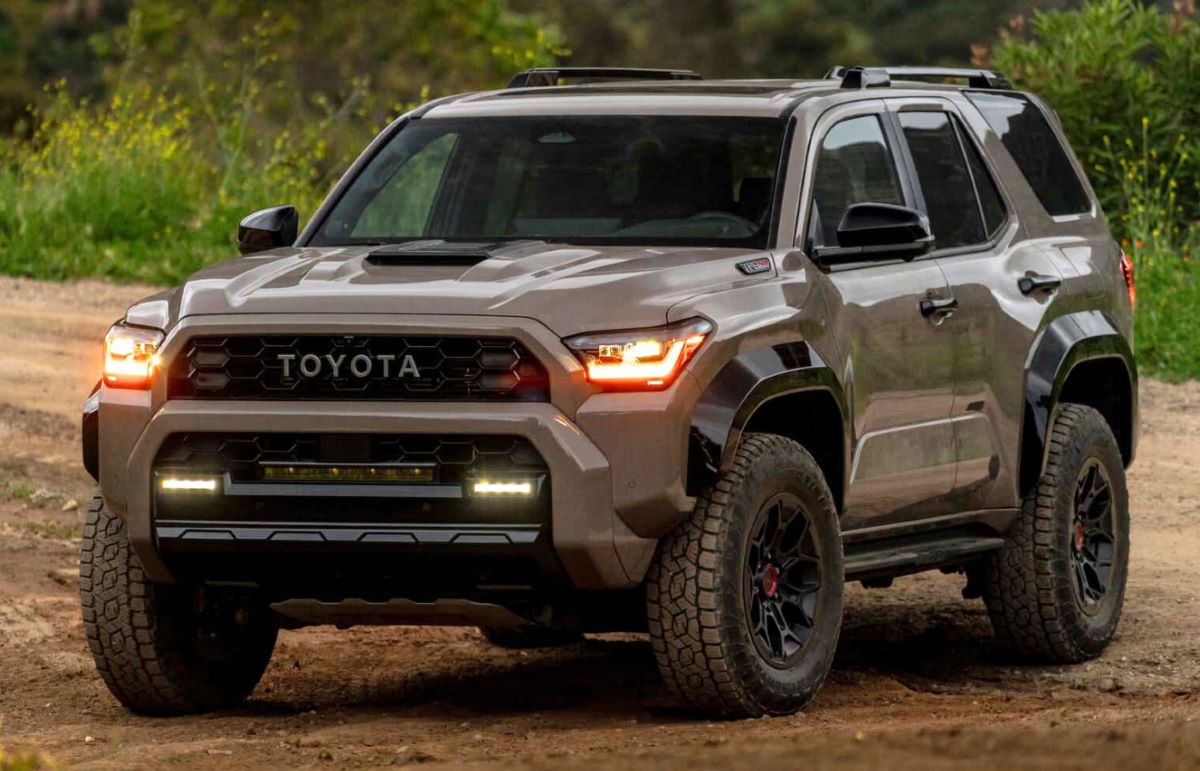
If there’s one SUV that perfectly defines longevity, it’s the Toyota 4Runner. The body-on-frame construction gives it truck-like durability, while its naturally aspirated V6 engines are legendary for surviving 300,000 miles or more without major issues.
Even early 2000s 4Runners continue to offer tight steering, strong braking, and solid suspension performance, making them feel far fresher than their age suggests.
Owners often note that with regular maintenance, the ride feels reassuringly modern compared to many competitors from the same era.
For 2019, Toyota adds the Nightshade special edition, featuring blacked-out wheels and trim for a more aggressive look.
Choosing an off-road-oriented trim is a straightforward decision, as the 4Runner lags behind competitors in nearly every other category. We’d recommend the mid-level TRD Off-Road Premium ($41,040) for the ideal balance of off-road capability and comfort.
Standard features on this trim include part-time four-wheel drive, heated front seats, leatherette upholstery, and a locking rear differential with crawl mode.
Toyota’s Kinetic Dynamic Suspension System (KDSS), which increases suspension travel at low speeds, improves stability on rough terrain. Additional options include a sliding rear cargo deck, a power sunroof, and running boards, all of which can be configured in various packages.
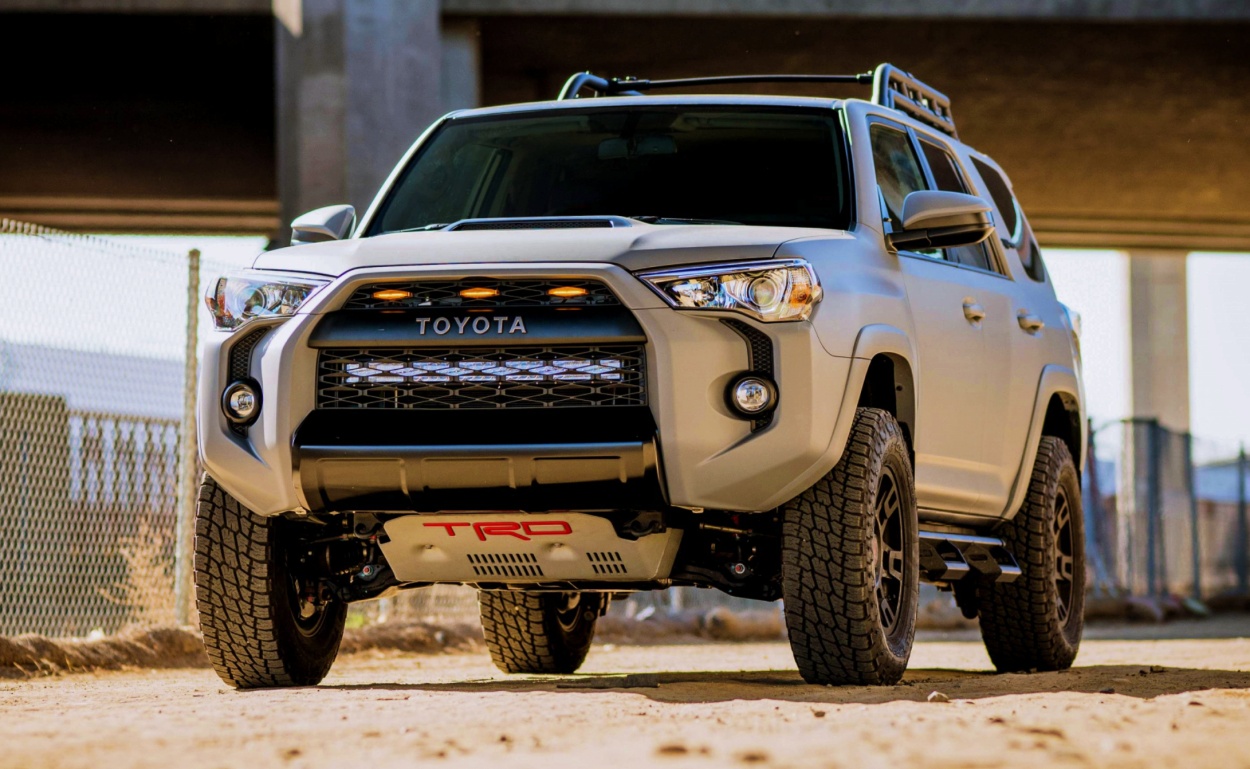
Compare the 2019 Toyota 4Runner to other vehicles using our new comparison tool, which allows a side-by-side analysis of up to five vehicles of your choice.
The 4Runner’s 4.0-liter V6 pairs with a five-speed automatic transmission and is available with rear-, four-, or all-wheel drive. Entry-level SR5 models are rear-wheel drive, while most other trims (except the top-tier Limited) feature selectable part-time four-wheel drive.
These models include a manually operated two-speed transfer case with a low-range setting. Limited trims come with full-time all-wheel drive, using a Torsen center differential to allocate torque front-to-rear as needed based on traction.
In testing, the mid-level TRD Off-Road reached 60 mph in 7.5 seconds, with the old-school V6 accompanied by a throaty exhaust note.
Despite its age, the 4Runner’s performance remains competitive with modern rivals like the V6 Dodge Durango and turbocharged Hyundai Santa Fe Sport.
Its rugged frame and torque-rich engine also give it a towing edge: the 4Runner can pull up to 5,000 pounds, outperforming the Santa Fe Sport, Ford Edge, and Jeep Wrangler, though it falls short of the Dodge Durango’s 7,400-pound capacity.
Also Read: 12 Cars With the Best Resale After 200k Miles
2. Honda CR-V
Compact SUVs weren’t always known for longevity, but the Honda CR-V broke the mold. Models from the early 2000s remain common on American roads today, often with original transmissions and engines still running smoothly.
Honda’s engineering focus on balanced suspensions and lightweight construction means that the CR-V doesn’t feel clunky or outdated, even when it’s pushing past its 20th birthday.
The cabin might feel simple, but the driving dynamics remain responsive, making it a perfect example of age-defying design.
The 2022 Honda CR-V stands out as a solid choice among used SUVs. Its engine strikes a good balance between power, smooth performance, and fuel efficiency.
Inside, the CR-V provides generous passenger space and one of the largest cargo areas in the compact SUV category. However, the base trim feels a bit sparse in standard features, and some drivers may find the infotainment system’s controls less than intuitive.
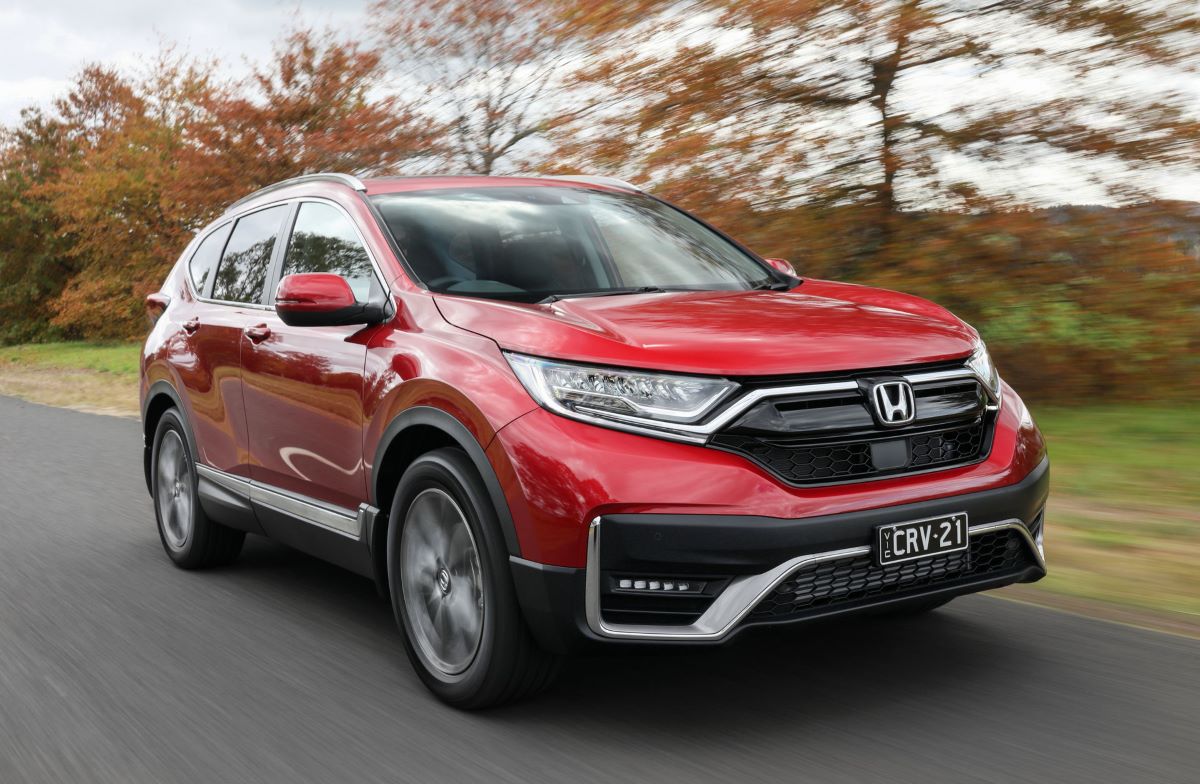
In terms of long-term expenses, the CR-V’s five-year projected ownership costs land around the class average. For those interested, Honda also sells a CR-V Hybrid, which is covered in a separate review.
The compact SUV market is packed with strong contenders. The Mazda CX-5, for instance, delivers a sportier, more engaging drive than the CR-V, though it sacrifices a bit of interior room in the process.
Meanwhile, the Toyota RAV4 matches the CR-V in both space and performance, but pairs that with a tougher exterior design, and certain trims are even capable of handling mild off-road adventures.
3. Lexus LX 470
Luxury SUVs often struggle with age, since advanced electronics can become liabilities. But the Lexus LX 470 proves otherwise. Based on the Toyota Land Cruiser, it’s overbuilt in every way from its bulletproof 4.7-liter V8 to its tough 4WD system.
Owners rave about how smooth and refined the ride feels, even after two decades of heavy use.
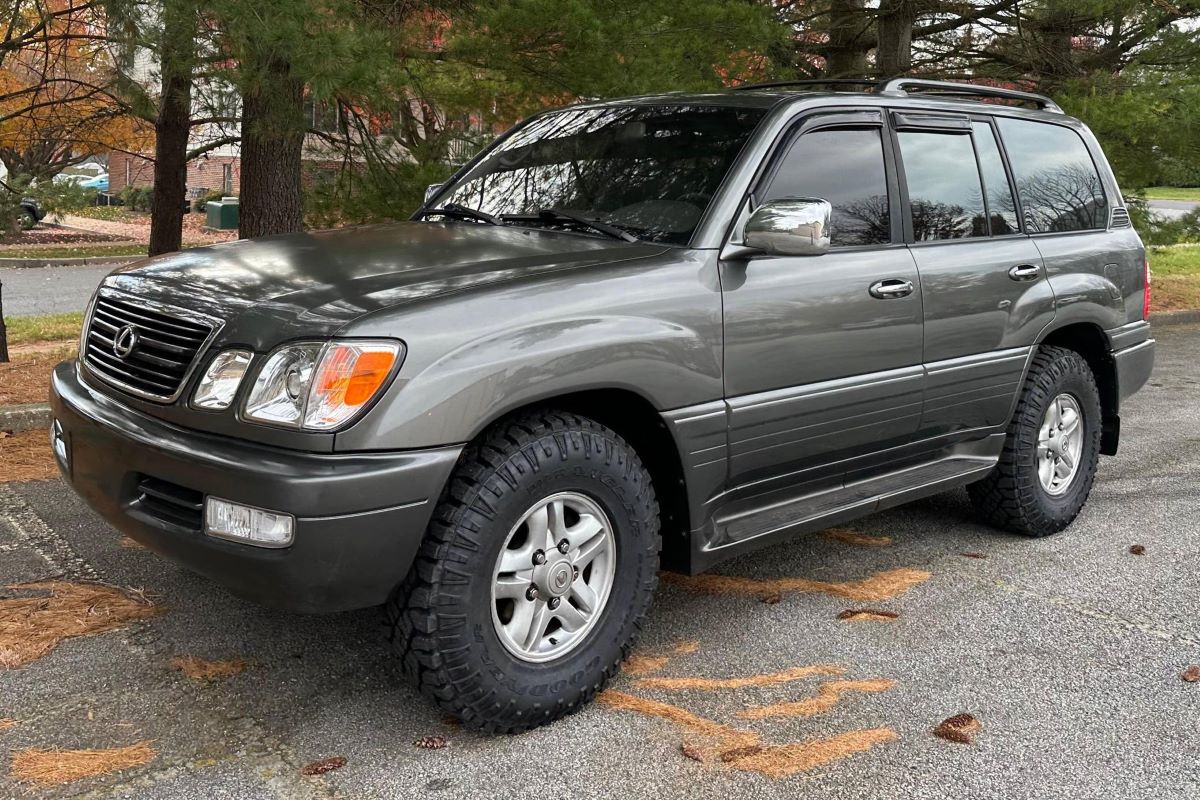
It’s not uncommon to find LX 470s with 200,000 to 300,000 miles still driving like a luxury SUV half their age, making it a favorite among buyers seeking used luxury that doesn’t break down.
Two years after the debut of a new generation Land Cruiser, Lexus introduced the second-generation LX 470 to accompany it. Since then, this truck-based SUV has evolved quietly yet effectively.
Still, there’s no denying that its design is beginning to show its age. A third-generation LX is expected to arrive in 2007 as a 2008 model.
The strongest attribute of the 2007 Lexus LX 470 is unquestionably the engineering it shares with the Toyota Land Cruiser.
Built on a rugged ladder frame, this SUV features an “Adaptive Variable” suspension that’s tough enough to endure a U.N. peacekeeping mission while remaining refined enough to transport diplomats to the meetings that order them.
The transfer case includes a low-range setting for serious off-road situations, and every door shuts with the kind of heavy reassurance that recalls a sack of cement hitting the pavement.
Unlike car-based crossovers, the LX 470 is the real deal: a durable, all-weather, all-terrain machine built to withstand chaos.
Yet for all of its toughness, the 2007 LX 470 also excels at being luxurious. The cabin is filled with premium features, the leather upholstery is soft and finely stitched, the ride is composed, and the drivetrain operates with near silence.
There’s nothing particularly cutting-edge about the LX 470, and buyers looking for a more contemporary approach to the large luxury SUV may prefer the Mercedes-Benz GL-Class. Nevertheless, despite its advancing years, the LX remains one of our highest recommendations.
Every LX 470 comes with a 4.7-liter V8 producing 268 horsepower, paired with a five-speed automatic transmission.
Power is delivered through a standard full-time all-wheel-drive system and a dual-range transfer case. Properly equipped, the LX 470 is capable of towing up to 6,500 pounds.
4. Ford Expedition
Full-size American SUVs sometimes get a bad reputation for reliability, but the early-2000s Ford Expedition bucks the trend. Known for its durable Triton V8 engines and solid truck-based chassis, the Expedition has aged better than most of its domestic rivals.
Families who have kept theirs for 20 years often say it still feels stable and comfortable on the highway, with only minor suspension refreshes needed to maintain a near-new driving experience.
For those who needed a people-mover that went the distance, the Expedition proved a smart investment.
Powering the Ford Expedition is a twin-turbocharged 3.5-liter V6 paired with a responsive 10-speed automatic transmission, offered with either rear- or four-wheel drive.
In its standard form, the engine delivers 380 horsepower and 470 pound-feet of torque, but Limited models see that boosted to 400 horsepower and 480 pound-feet.
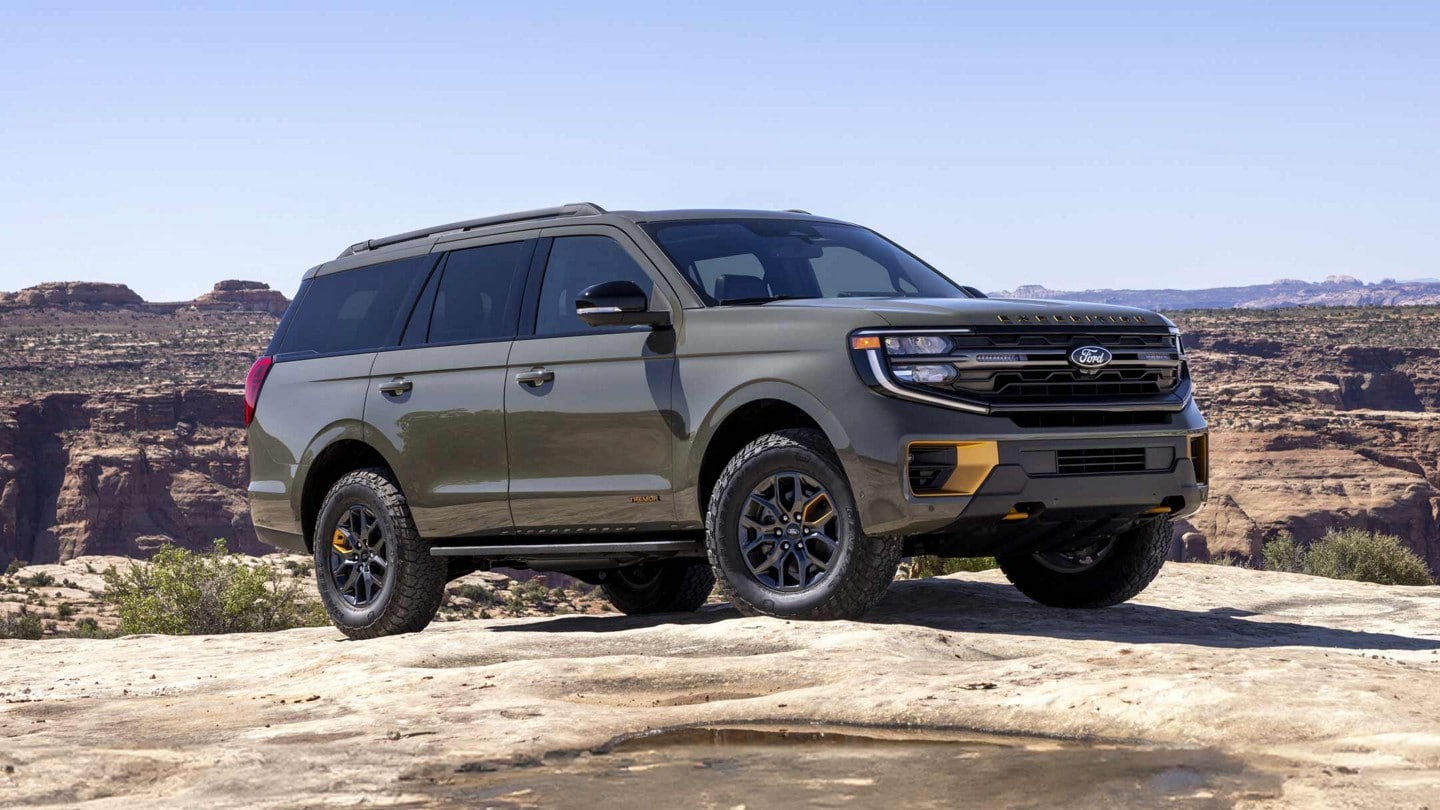
For even more performance, the Timberline trim and the Limited equipped with the Stealth Performance package push output to 440 horsepower and 510 pound-feet.
At the test track, the Timberline sprinted to 60 mph in just 5.1 seconds, outpacing the V8-powered Chevrolet Tahoe Z71 by an impressive 2.4 seconds. The Stealth Performance model proved even quicker, trimming another 0.2 second off the Timberline’s run.
Every Expedition comes fitted with an independent rear suspension. While this setup provides passengers with a cushioned, comfortable ride, it compromises driver engagement, resulting in clumsy handling and vague steering feedback.
As for capability, the Expedition can tow up to 9,300 pounds, with the extended Expedition Max rated slightly lower at 9,000 pounds.
5. Toyota Land Cruiser
Few SUVs in history match the reputation of the Toyota Land Cruiser for lasting power. The early 2000s Land Cruiser models are still beloved today for their mix of off-road toughness and smooth highway comfort.
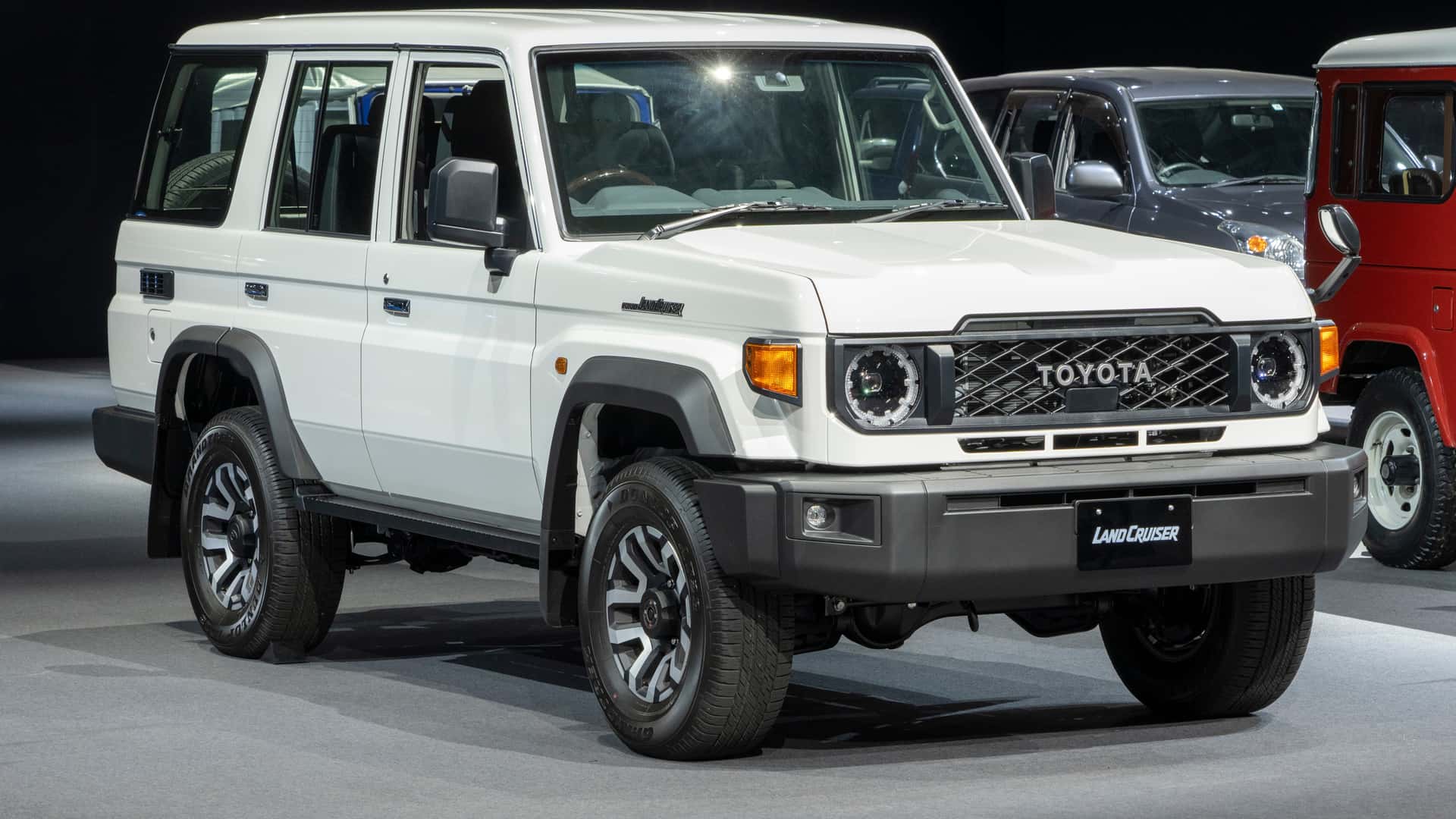
Owners describe them as “overbuilt machines,” and that’s no exaggeration the engines, transmissions, and suspensions are designed for global markets where reliability is essential.
Even at 20 years old, many Land Cruisers drive like they could easily handle another 200,000 miles without breaking a sweat.
6. Jeep Grand Cherokee (WJ Generation)
Jeep’s reputation for longevity has always been tied to the Wrangler, but the Grand Cherokee WJ, sold from 1999 to 2004, deserves a spot on this list.
Equipped with the iconic 4.0-liter inline-six or the robust 4.7-liter V8, these SUVs still deliver solid acceleration and comfortable handling decades later.
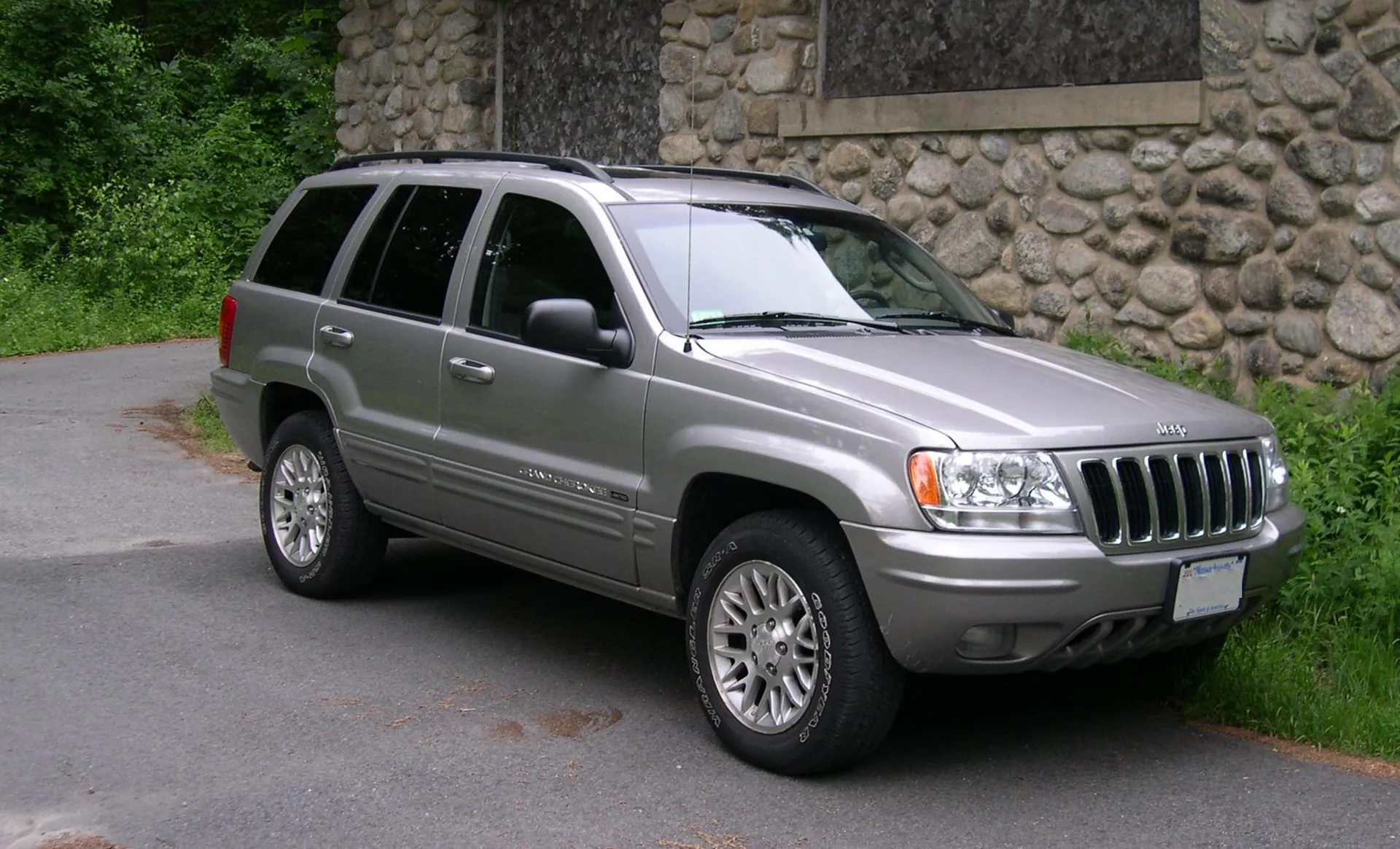
Many enthusiasts note that the WJ feels tighter and more capable than newer budget SUVs. While some electrical gremlins can appear with age, a well-kept WJ continues to drive like a confident, rugged machine even after 20 years.
7. Chevrolet Tahoe
The Chevrolet Tahoe has long been one of America’s favorite family SUVs, and the early 2000s versions are proof of why. With simple but strong small-block V8 engines, they were built to handle everything from family vacations to towing boats.
Owners who’ve maintained their Tahoes report that the vehicles continue to feel steady and responsive even after hundreds of thousands of miles.
Their popularity also means parts are easy to find, keeping them on the road long past the point most SUVs would have been retired.
The 2024 Chevrolet Tahoe knows exactly what it’s meant to do. As a full-size, three-row SUV, it needs to offer enough space for passengers and cargo while providing the power required for towing and hauling.
With its vast interior, lineup of robust engines, and smooth-shifting transmission, the Tahoe delivers the essential qualities expected from a vehicle of its class.
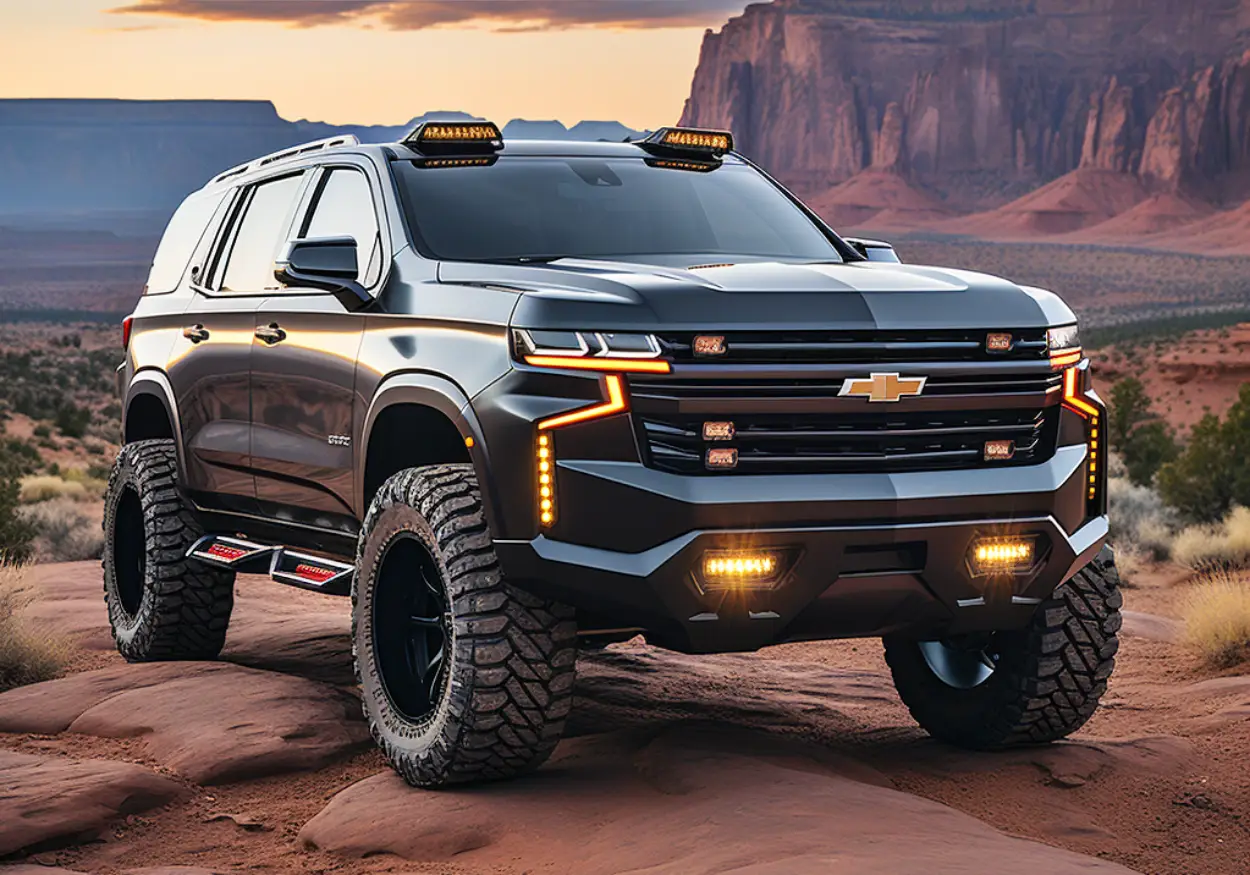
Despite its many strengths, the Tahoe has a few shortcomings that prevent it from fully dominating the segment. Interior ergonomics leave room for improvement, particularly the cluster of hard-to-reach buttons positioned to the left of the steering wheel.
Ride comfort varies across trims, with lower-end models feeling noticeably rougher. True to its full-size SUV nature, the Tahoe’s gasoline engines are thirsty, although the diesel variants offer better fuel efficiency.
On the tech front, the Tahoe fares well, with a solid selection of features and competent active safety systems. Notably, Chevrolet offers GM’s Super Cruise semi-autonomous driving system starting with the 2023 model year, a move that stands out in the segment.
From the entry-level LS to the off-road-oriented Z71, the Tahoe provides a wide array of configurations at various price points.
Versatile and capable, Chevy’s full-size SUV has never been stronger. When a refreshed Tahoe arrives, it may gain the extra refinement needed to claim a clear leadership position in its class.
The 2024 Chevrolet Tahoe continues with three powertrain options carried over from the previous model year. All versions feature an excellent 10-speed automatic transmission and are available with either rear- or all-wheel drive.
The base 5.3-liter V8 produces 355 horsepower and 383 pound-feet of torque. With this engine, the Tahoe can accelerate from 0 to 60 mph in 7.5 seconds and has a maximum towing capacity of 8,400 pounds.
Also Read: 5 Cars With Dependable Start-Stop Systems and 5 That Annoy Owners
8. Acura MDX
As Honda’s luxury arm, Acura took its reliability game and paired it with upscale comfort in the MDX. The first-generation MDX (2001–2006) still impresses drivers today, with a V6 engine that rarely quits and a suspension tuned for smooth handling.
Unlike some luxury SUVs from its era, the MDX hasn’t aged into a fragile money pit. Instead, it remains a refined option for those who want 20-year-old comfort without 20-year-old headaches.
Many still find the ride quality remarkably similar to modern crossovers, proving Acura got it right from the start.
The midsize Acura MDX delivers excellent value, combining three roomy rows of seating with an extensive array of standard comfort and safety technologies, all at a price that undercuts many rivals.
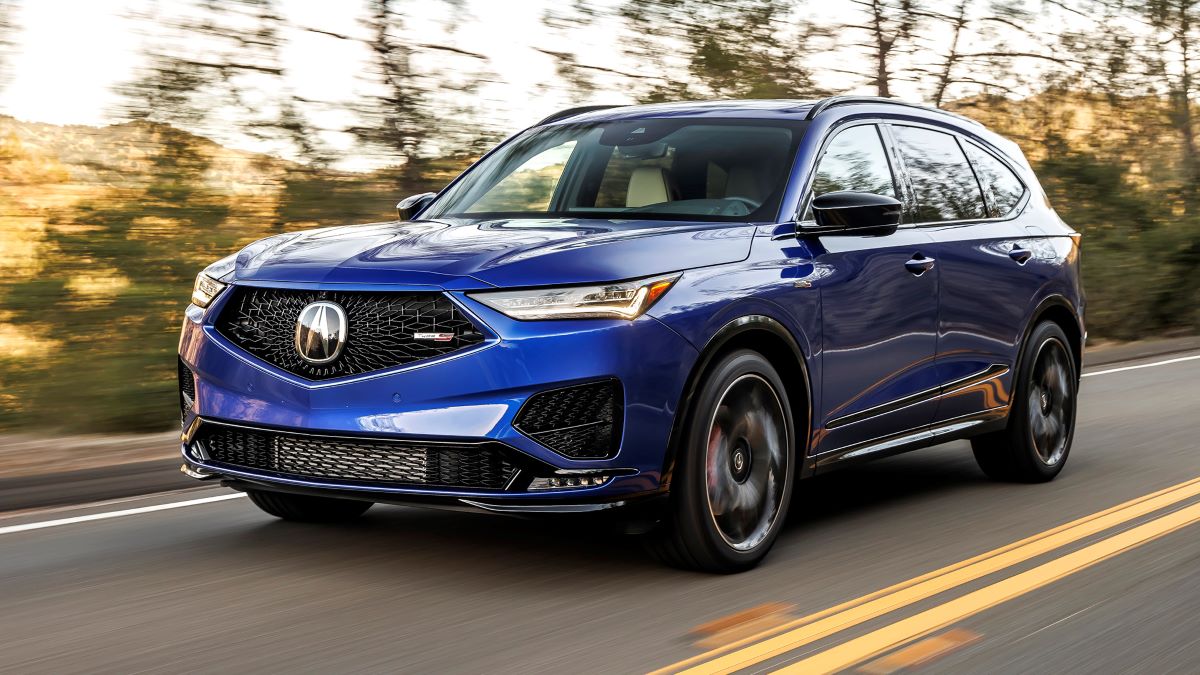
Last year’s update addressed perhaps the most frustrating of our few complaints by replacing the mousepad-style infotainment system with an intuitive touchscreen, enhancing an already impressive SUV even further.
Most MDXs come equipped with Acura’s reliable 3.5-liter V6, but the Type S takes things further with a turbocharged 3.0-liter engine that produces 355 horsepower and 354 pound-feet of torque, gains of 65 hp and 87 lb-ft over the standard V6.
The Type S also receives comprehensive upgrades to match the increased performance of the turbo-six. An active exhaust enhances the driving soundtrack, while an adaptive, height-adjustable air suspension with retuned anti-roll bars improves agility.
Completing the package are 21-inch wheels fitted with wider tires and Brembo brakes up front, delivering both style and stopping power.
9. Nissan Xterra
The Nissan Xterra was built for adventurous drivers, and that rugged DNA is part of what’s kept it feeling youthful two decades later. Its ladder-frame construction, stout V6 engines, and simple mechanical layout make it surprisingly easy to maintain.
Even after 20 years, the Xterra continues to feel like a reliable off-road companion while still being comfortable enough for highway cruising. For outdoor enthusiasts, it’s one of the few SUVs from the early 2000s that doesn’t feel outdated behind the wheel.
The 2015 Nissan Xterra is a five-passenger SUV offered in three trim levels and available with either rear- or four-wheel drive. It stands out as one of the few remaining off-road-capable, truck-based SUVs on the market, alongside the Toyota 4Runner and Jeep Wrangler.
Under the hood, the 2015 Xterra is powered by a 4.0-liter V6 producing 261 horsepower and 281 pound-feet of torque, paired with either a six-speed manual or five-speed automatic transmission.
Fuel economy is not its strong point: rear-wheel-drive models are rated at 16/22 mpg city/highway, while four-wheel-drive versions achieve 15/20 mpg.
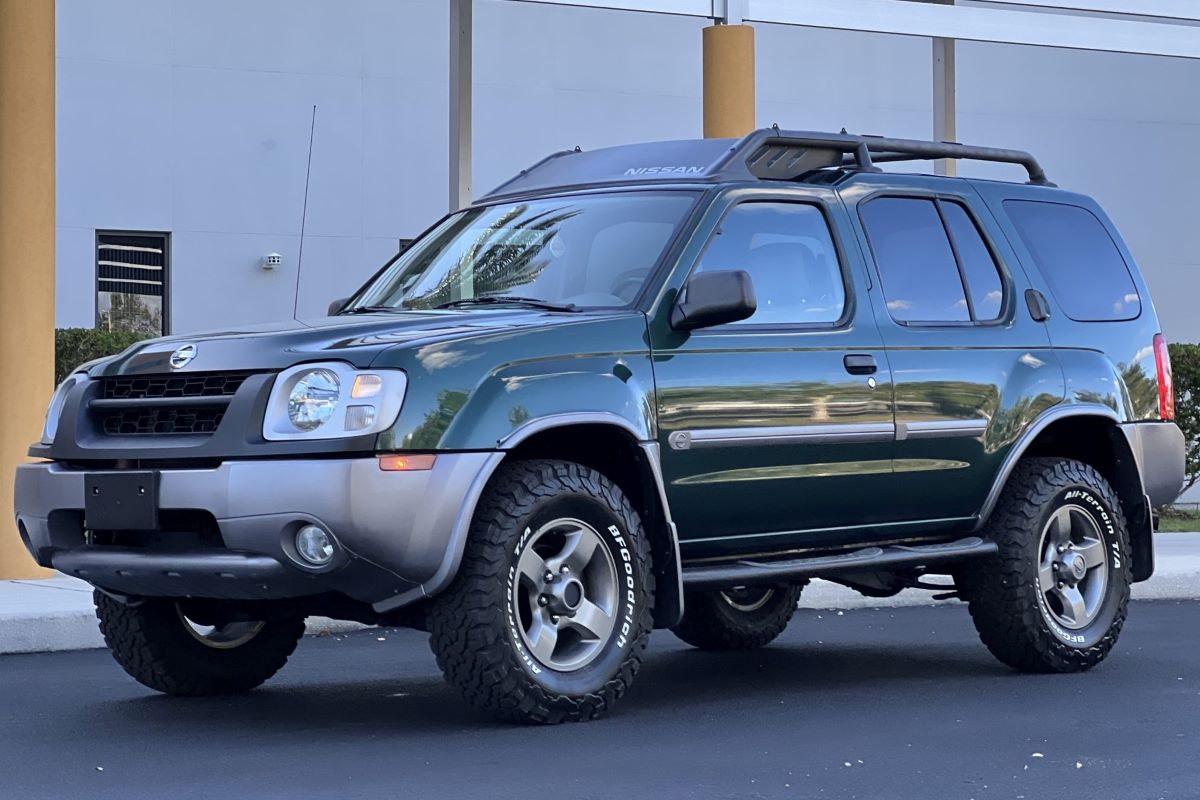
Off-road performance is where the Xterra truly excels. Its chassis is tuned to handle challenging unpaved terrain that most car-based crossovers cannot, yet it still maintains good handling and ride comfort on paved roads.
While the four-wheel-drive system is not the most advanced, it remains highly capable, allowing the SUV to perform well both on and off the pavement.
Inside, the Xterra’s cabin prioritizes practicality over luxury, featuring a conservative design that “is fairly uninspired.”
Materials feel low-cost and somewhat flimsy, particularly the Nissan truck steering wheel, which reviewers note has “dollar store switch gear.”
Storage is generous, with up to 65.7 cubic feet of cargo space when the rear seats are folded. However, technology options are limited, with NissanConnect including navigation and smartphone integration available only on the Pro-4X trim.
Safety ratings for the 2015 Xterra include a three-star rollover rating from the NHTSA (out of five stars).
The 2015 Nissan Xterra remains an excellent option for buyers seeking an SUV capable of off-road adventures while still performing well on pavement.
The Xterra was also named Motor Trend’s SUV of the Year in 2006 for its exceptional all-around capability, performing well both off-road and “with the confidence of a crossover” on-road.
However, the SUV’s age is beginning to show, particularly inside the cabin. The interior is conservative, with low-quality plastics and limited technology and connectivity options.
The 4.0-liter V6, while still a competent engine, is starting to feel dated, and its fuel economy lags behind that of many competitors.
10. Subaru Forester
Known for its all-wheel-drive system and excellent visibility, the Subaru Forester became a cult favorite in the early 2000s.
Its balance between car-like handling and SUV practicality means it never really felt clunky to begin with, which helps it age gracefully.
With regular maintenance particularly of head gaskets and suspension components the Forester still drives like a confident modern crossover.
Many American families have held onto theirs for 20 years, finding that it remains a dependable daily driver with surprisingly fresh handling.
In a market where SUVs often get replaced within a decade, these 10 models prove that some vehicles can defy expectations.
With its rugged styling and practical interior, the 2023 Subaru Forester is a compact crossover that exudes outdoorsy appeal.
While its driving dynamics aren’t quite as engaging as rivals like the Honda CR-V or Volkswagen Tiguan, the Forester provides a quiet, comfortable ride that will get you to your next camping spot with ease.
Its spacious rear cargo area makes hauling gear straightforward, and the cabin features multiple storage cubbies for smaller items. All-wheel drive comes standard across the lineup, though the 182-hp flat-four engine lacks significant punch.
Aside from the bare-bones base model, the Forester is well-equipped, and every trim includes Subaru’s full suite of standard driver-assistance technologies.
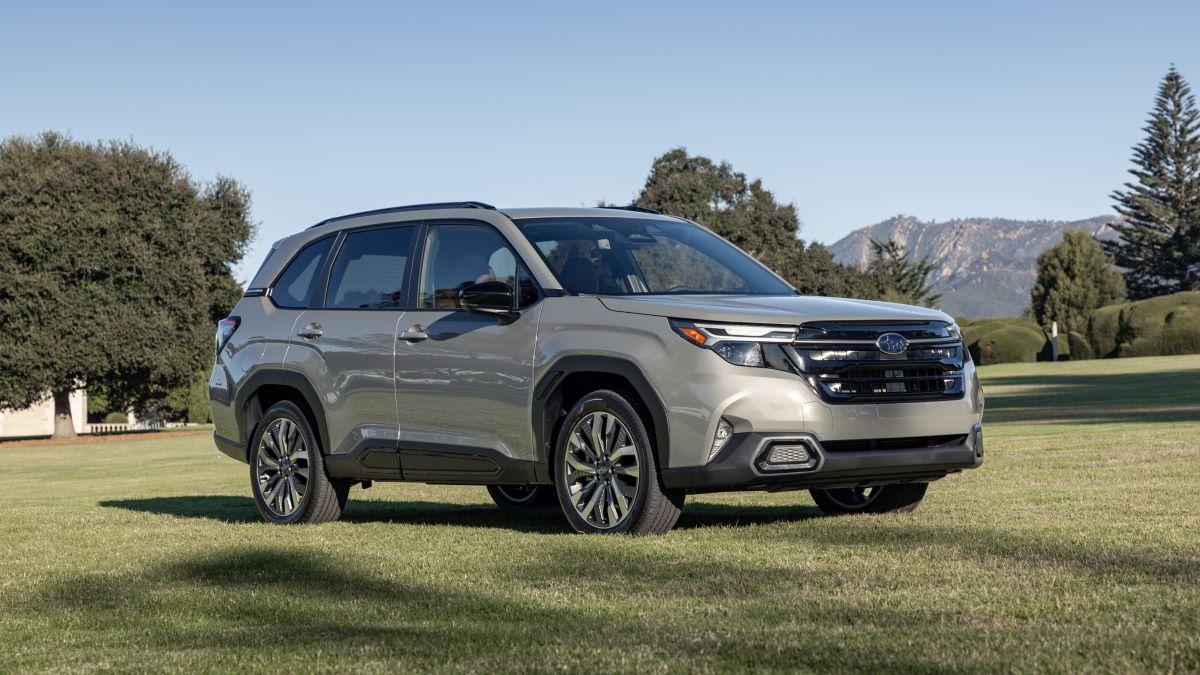
Following a styling refresh last year, the 2023 Forester carries over without any changes. It continues to be offered in the value-oriented Base and Premium trims, as well as the rugged Wilderness and top-tier Touring models.
The 2023 Subaru Forester starts at $27,620 and climbs to $38,020 depending on trim and optional features. While the Limited and Touring trims are more luxurious, the Premium model strikes the best balance of value and equipment.
Exterior enhancements, such as 17-inch wheels, a rear spoiler, and body-color side mirrors, give it a more distinctive appearance, while the interior adds features like a panoramic sunroof, a 10-way power-adjustable driver’s seat, reclining rear seatbacks, an onboard Wi-Fi hotspot, and a six-speaker audio system.
All Forester trims use the same 2.5-liter flat-four engine producing 182 horsepower and capable of towing 1,500 pounds. A continuously variable automatic transmission (CVT) delivers power to Subaru’s signature all-wheel-drive system.
On our test track, the Forester Wilderness reached 60 mph in 8.0 seconds, modest performance, but sufficient for most buyers.
For a non-sporty SUV, the Forester handles well: the ride is smooth, the steering responsive, and the brakes sufficiently strong for emergency stops.
Thanks to careful engineering, durable components, and timeless driving characteristics, they remain satisfying to own even after 20 years.
For American buyers who value longevity, these SUVs demonstrate that the right purchase can offer not just reliability, but also the joy of a vehicle that continues to feel new long after the showroom shine has faded.