
There’s something almost supernatural about certain trucks that just won’t give up, no matter what you throw at them. You can drive them through floods, leave them outside in brutal weather for years, neglect the maintenance schedule, and somehow they still start up the next morning like nothing happened.
These aren’t your pampered garage queens or weekend show trucks. These are the machines that owners depend on absolutely, the ones that get borrowed by friends who need to move heavy loads, the trucks that become family legends because they outlast everything else in the driveway.
It’s not always about having the most advanced technology or the highest horsepower numbers. Sometimes it’s about simple engineering done right, using materials that can handle decades of abuse, and designing systems that keep working even when everything says they should fail.
These trucks were built during different eras by different manufacturers, but they all share one quality: they refuse to quit. Owners tell stories about these trucks that sound impossible until you see the proof sitting right there in front of you, still running after everything it’s been through.
The trucks we’re looking at today have earned their reputations through real-world performance rather than marketing claims. They’ve survived conditions that killed lesser vehicles, kept working when repair wasn’t an option, and proved that durability isn’t just about surviving easy times.
These machines thrive in situations where other vehicles fail. Whether it’s extreme temperatures, terrible roads, heavy loads, or simple neglect, these trucks keep going. Let’s examine eighteen trucks that have proven themselves practically indestructible.
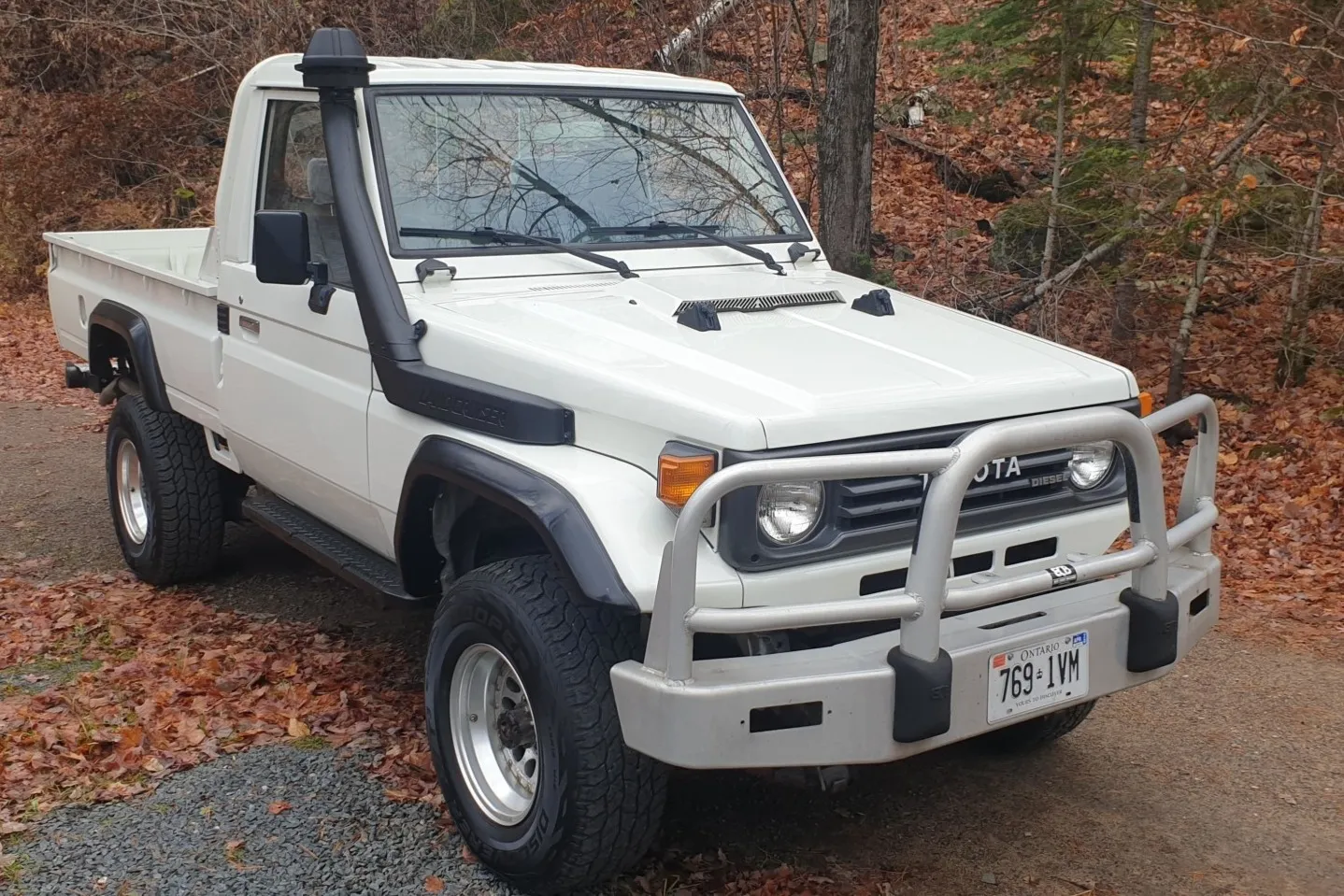
1. 1985 Toyota Land Cruiser 70 Series
Let us be honest, when you talk about vehicles that laugh in the face of destruction, where else do you start but with the grandaddy of all off-road toughness, the 1985 Toyota Land Cruiser 70 Series? This truck is not just a vehicle; it is practically a geological feature in many parts of the world.
From the deserts of the Middle East to the mines of Australia, this thing is the preferred mode of transport for anyone who cannot afford to stop moving.
It was built to be purely utilitarian, a basic, strong, four-wheel-drive machine designed for the hardest jobs imaginable, and Toyota has barely changed the fundamental design because, ehn, why fix perfection?
It features an extremely strong ladder-frame chassis, heavy-duty suspension, and simple engine choices (like the legendary 1HZ diesel) that are utterly resistant to abuse and can be repaired with basic tools and a bit of determination.
The legendary longevity of the 70 Series comes down to its incredible over-engineering. Everything on it is thick, tough, and easy to access. There are no fancy computers or delicate sensors to ruin your day when you are miles away from the nearest proper road. You pour diesel in, you turn the key, and it goes.
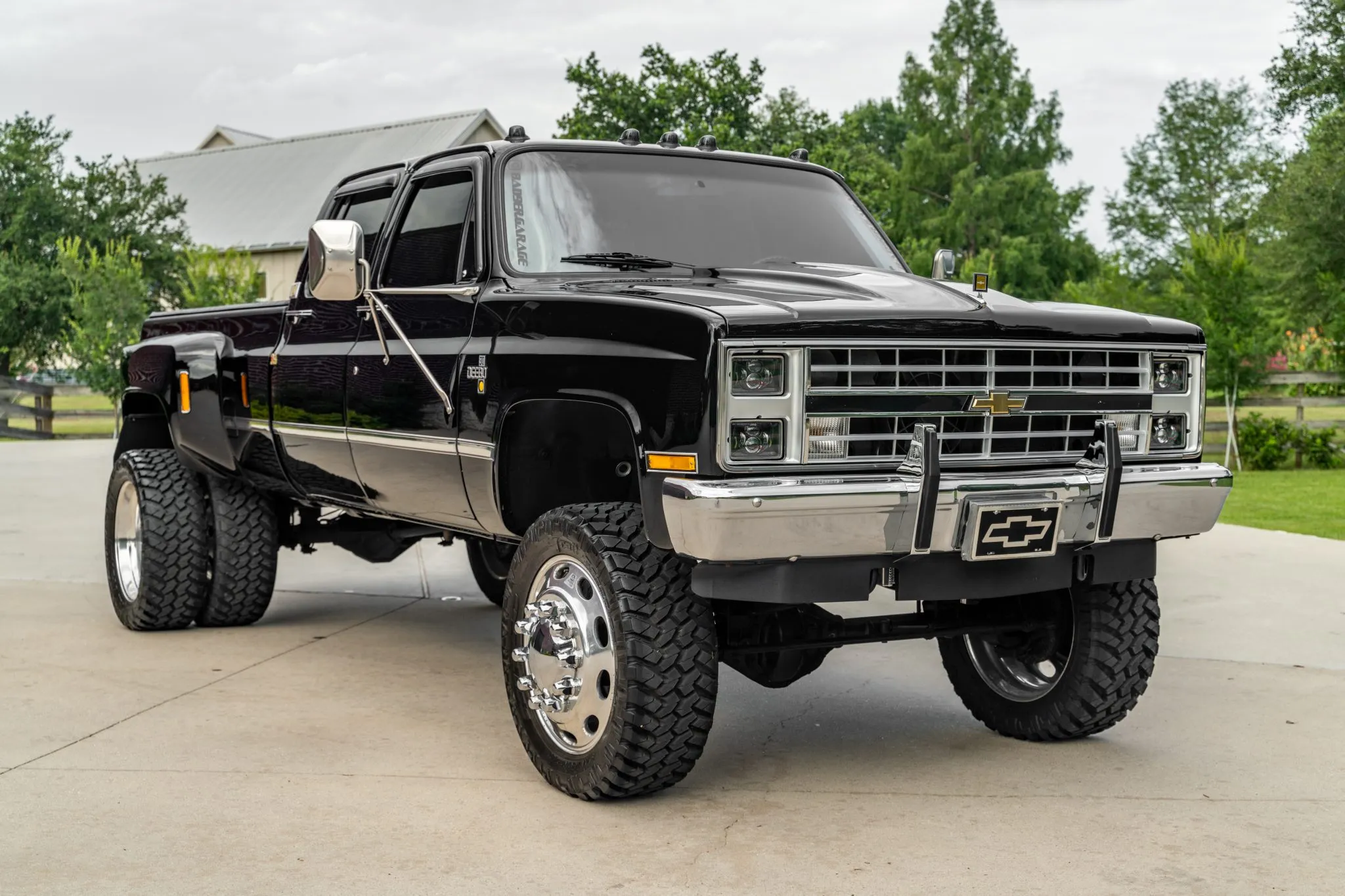
2. Chevrolet K30 Suburban (1973-1991)
Before SUVs became luxury vehicles, Chevrolet built Suburbans that could handle serious work while carrying eight people. The K30 variant came with one-ton capability, dual rear wheels, and four-wheel drive that made it useful for everything from family trips to commercial towing.
Chevrolet equipped these Suburbans with big-block V8 engines that produced enough torque to pull heavy trailers without straining.
The TH400 automatic transmission behind these engines is legendary for durability, shifting smoothly even after hundreds of thousands of miles. The full-time four-wheel-drive system with locking front hubs gave traction in conditions where other vehicles got stuck immediately.
The Suburban’s body-on-frame construction used techniques borrowed from heavy-duty trucks rather than passenger cars.
The frame rails were thick and properly braced, preventing the flexing that causes cracks in lesser vehicles. Chevrolet used a simple leaf spring suspension that could handle heavy loads while remaining easy to repair with basic tools.
The steering was slow and required effort, but it was durable and maintained its accuracy even when the truck was fully loaded.
Inside, the Suburban offered bench seats that could accommodate nine people if needed, with materials chosen for durability rather than luxury. The dashboard was straightforward, with mechanical gauges that continue working decades later, while digital displays from newer vehicles have long since failed.
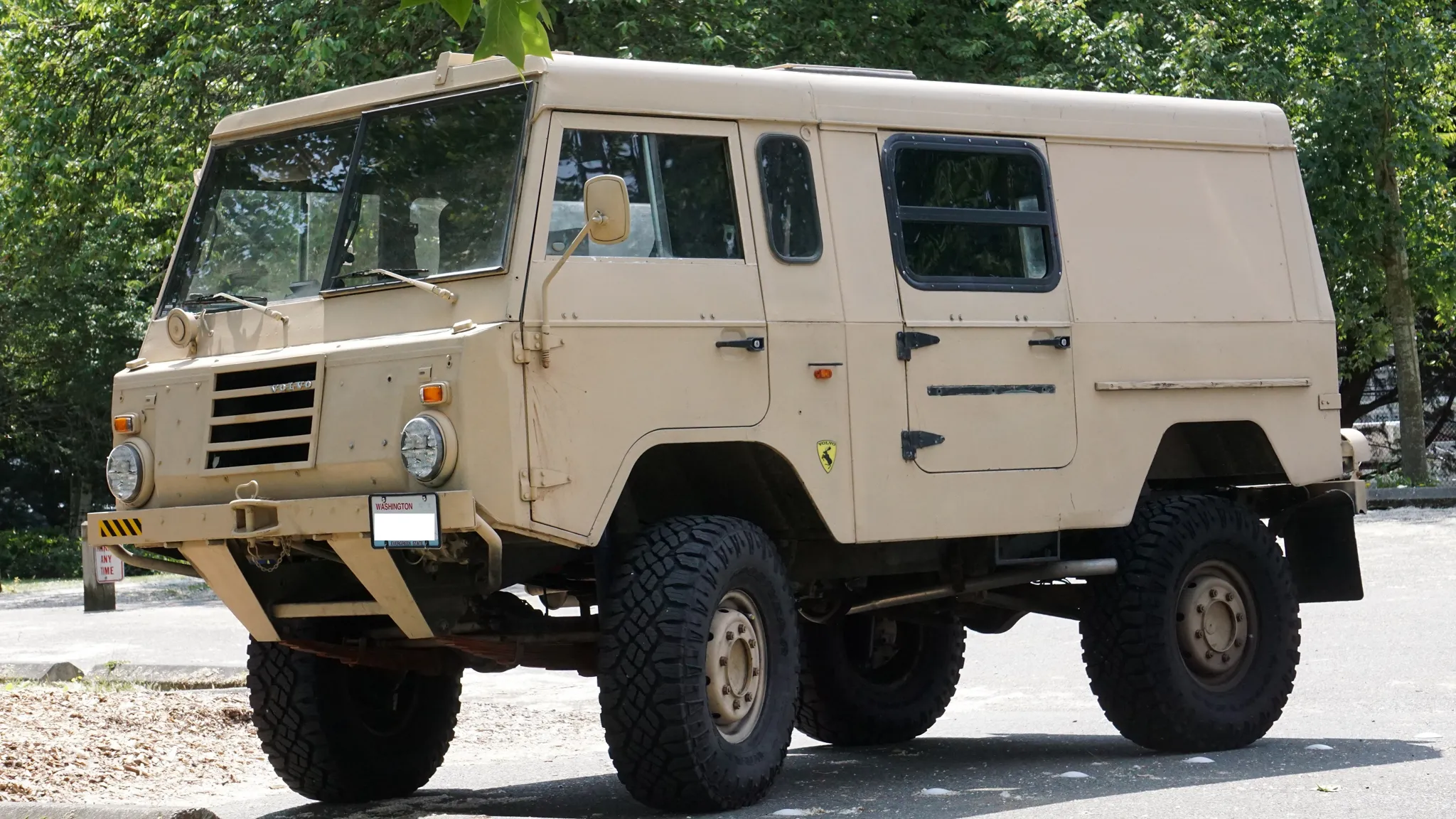
3. 1989 Volvo C303 (TGB 11)
Many people know Volvo for their safe saloon cars, but their military vehicles are in a different class entirely, and the 1989 Volvo C303 (TGB 11) is a prime example of Swedish over-engineering for the absolute worst conditions.
It is a beastly, high-clearance, four-wheel-drive vehicle, but what sets it apart is its portal axles. These axles are the padi that make the C303 a legend; they allow the wheels to sit lower than the axle shafts, giving it phenomenal ground clearance that can shame almost any modern off-roader.
It also has lockable differentials for all three axles (front, middle, and rear), meaning if just one wheel has traction, the whole truck can still move.
The refusal of the C303 to quit is rooted in its original military specification. Everything is robust, heavy-duty, and designed to function perfectly in temperatures that would freeze other vehicles solid. The engine is a straight-six petrol unit that is known for its simplicity and robustness.
Also Read: 10 Trucks That Are Reliable Across Every Climate
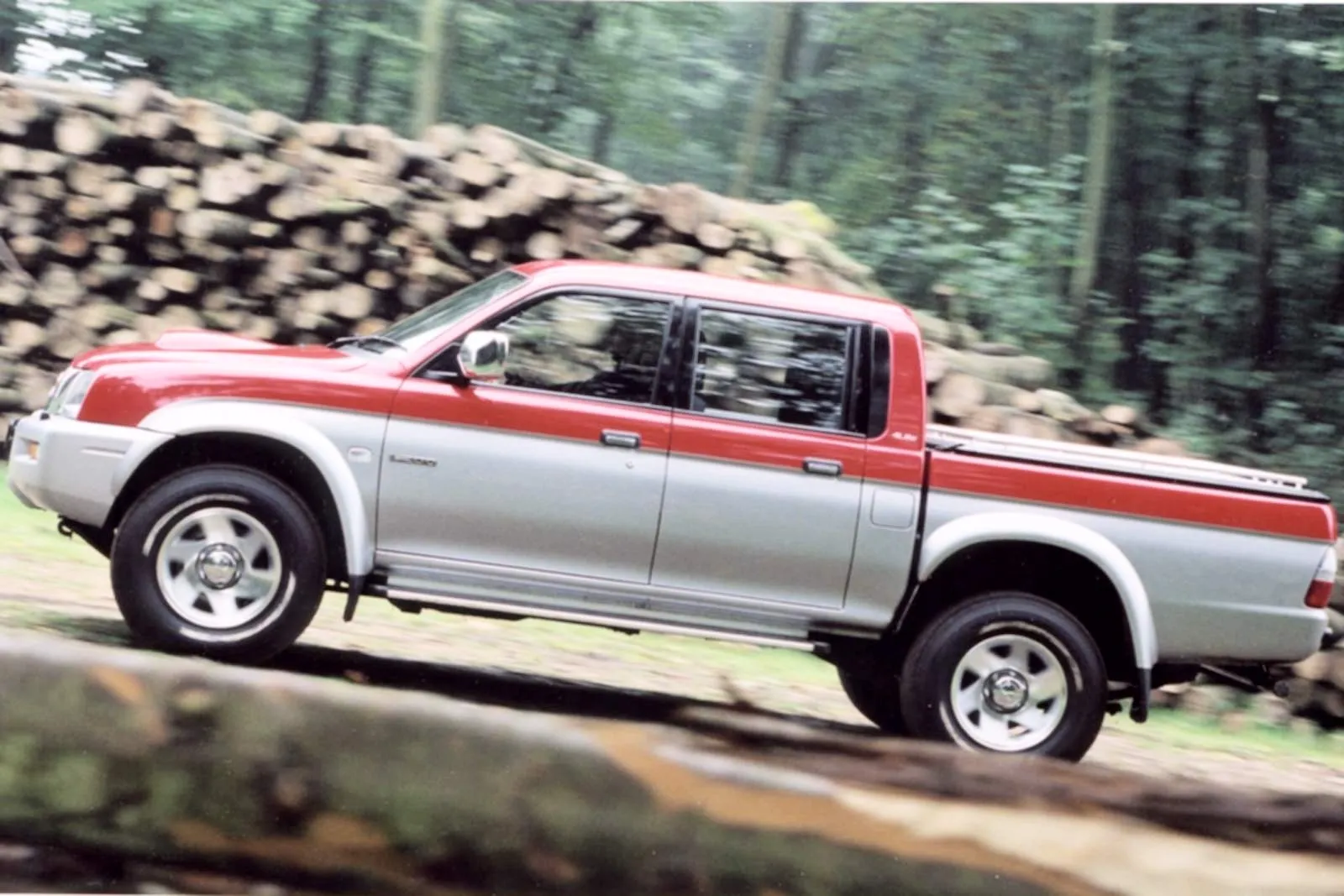
4. Mitsubishi L200 Triton (1996-2005)
Mitsubishi’s reputation for building vehicles that survive brutal conditions is well-deserved, and the L200 Triton demonstrates why. The truck came with various diesel engine options depending on the market, but all shared the same robust construction and conservative tuning.
The 4D56 turbodiesel engine became particularly famous for its ability to run on fuel that would destroy more sensitive engines, and for continuing to produce power even when maintenance was neglected.
Mitsubishi designed this engine with cast-iron construction and simple mechanical fuel injection that kept working when electronic systems would have failed. The manual transmission was geared low for maximum torque multiplication, and the clutch could handle abuse that would burn out components in other trucks.
The L200’s chassis design reflected Mitsubishi’s understanding of the conditions their trucks would face. The ladder frame used thick steel that resisted damage from rocks and impacts, while the body mounts allowed enough flex to prevent cracks during extreme articulation.
Mitsubishi equipped these trucks with suspension components that were overbuilt for their rated capacity, giving safety margins that prevented failures.
Twenty years after the newest examples rolled off the production line, these L200 Triton trucks continue working in conditions that stop modern vehicles cold. You’ll find them on construction sites, farms, and remote locations where reliability matters more than comfort or technology.
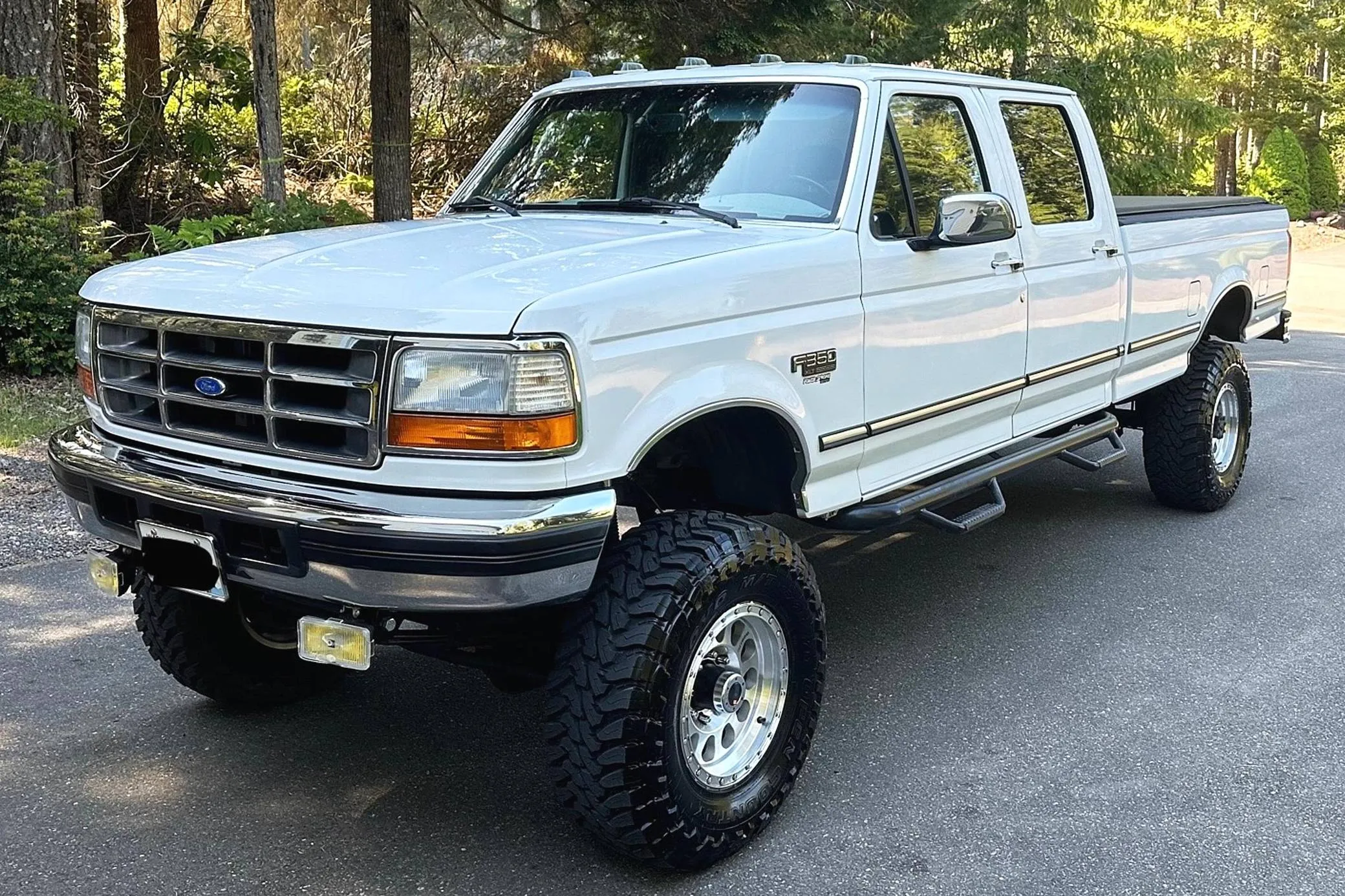
5. 1995 Ford F-350 with 7.3L Power Stroke Diesel
You want to talk about raw, American, heavy-duty persistence? Then you have to mention the 1995 Ford F-350 when equipped with the legendary 7.3-liter Power Stroke diesel engine. This is not a truck; it is a massive locomotive on rubber tires.
This particular generation of the F-Series, specifically the heavy-duty F-350, is one of the most revered trucks in modern history because of that engine.
The 7.3L Power Stroke, manufactured by Navistar, is considered by many enthusiasts and mechanics to be one of the most reliable and durable diesel engines ever built for a light-duty (by F-350 standards) truck. It is huge, it is relatively simple by today’s electronic standards, and it can run practically forever, pulling anything and everything along the way.
The resilience of the 7.3L F-350 comes from its massive over-engineering and its straightforward design. The engine operates at relatively low stresses, and its components were built to withstand much more than they were typically rated for.
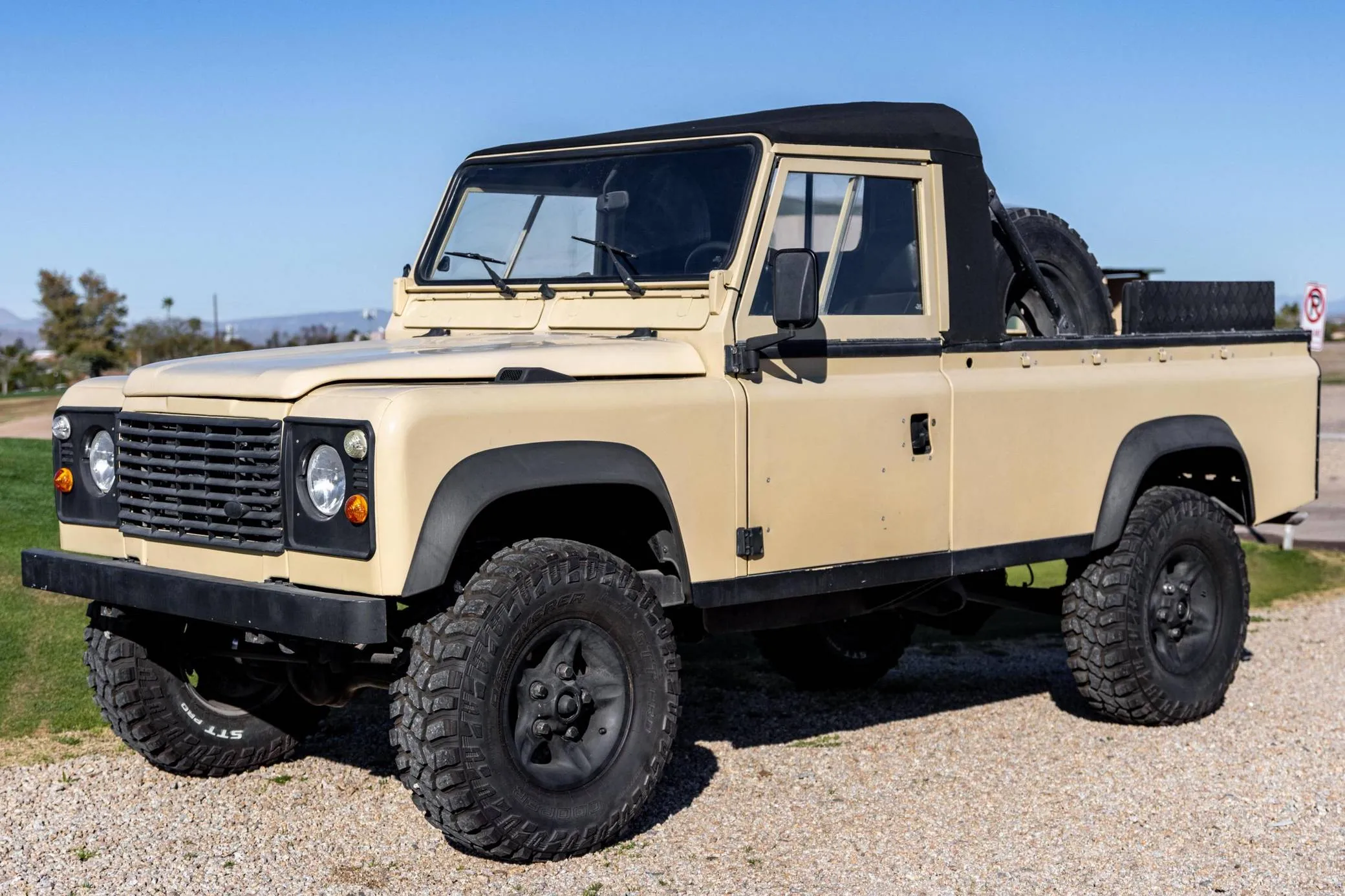
6. 1993 Land Rover Defender 110
Let us talk about an icon that, for generations, has been the very first vehicle seen by people in remote corners of the world: the 1993 Land Rover Defender 110.
This British vehicle is a true legend of utility, a tough-as-nails, four-wheel-drive machine that has been in continuous production for decades without any basic mechanical transformation.
The 110 model, with its longer wheelbase, offered the perfect blend of passenger capacity and load-carrying ability. It was built with a simple body bolted onto a ridiculously strong ladder-frame chassis.
The engine options, particularly the trusty 200Tdi and 300Tdi diesel units, are famous for their mechanical simplicity and their tolerance for less-than-perfect servicing.
The reason the Defender 110 refuses to die is its simple, bolt-together construction and its legendary parts interchangeability. Almost any part from almost any Defender ever made will fit another Defender with minimal fuss.
This means that even in the most remote villages, a local mechanic with basic tools can keep one of these trucks running indefinitely. It is a pure, mechanical machine with no pretense of luxury or advanced computing. Its sheer capability in mud, sand, and rock is unrivaled, thanks to its high clearance, short overhangs, and permanent four-wheel drive.
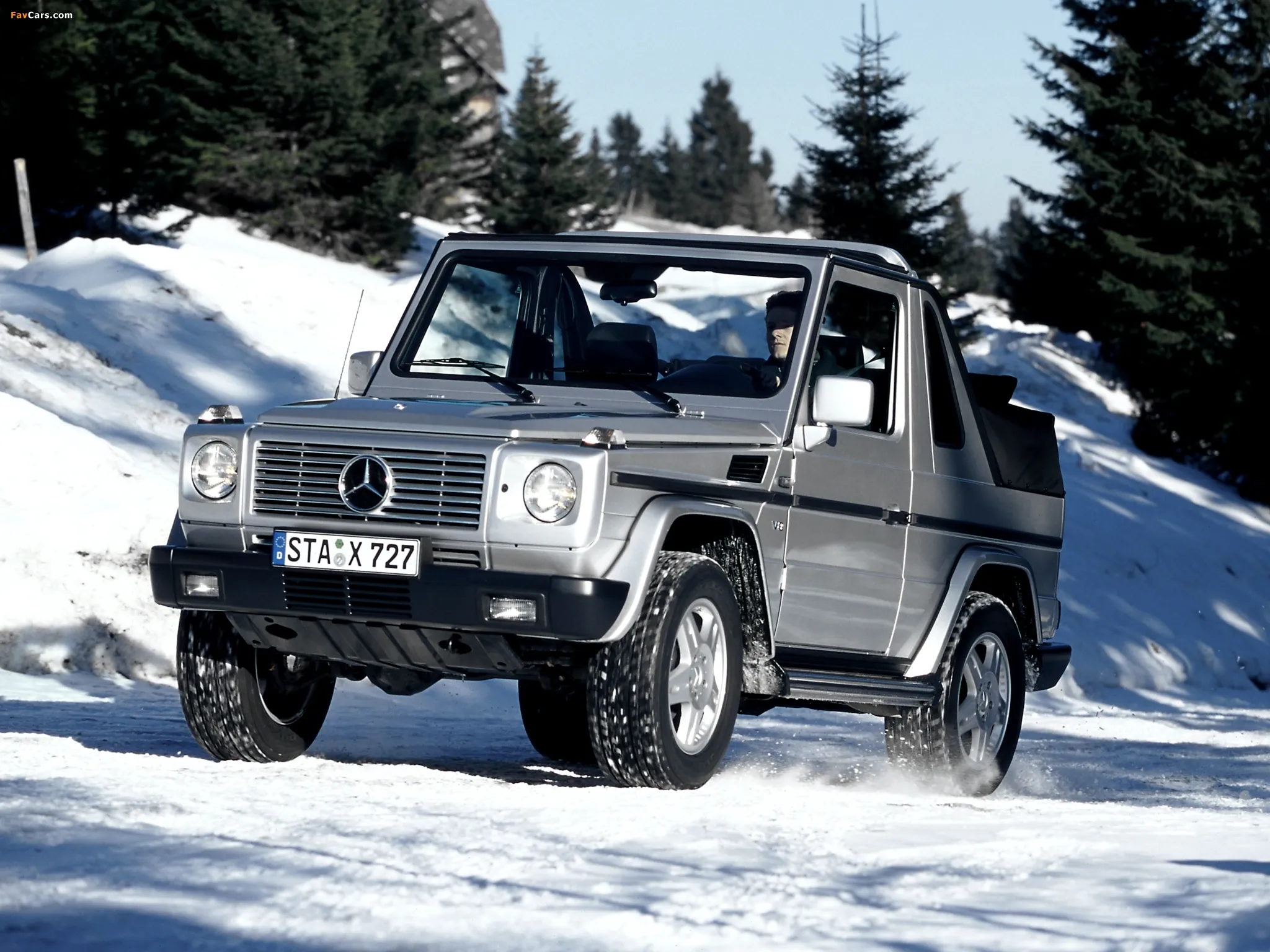
7. 1998 Mercedes-Benz G-Class (W463)
If a vehicle is designed to be tough enough for the military, you know it is going to last, and the 1998 Mercedes-Benz G-Class (W463) is one of the strongest examples of this rule. While the W463 generation of the G-Wagen eventually became a luxury icon, its bones were still rooted firmly in its original military design.
This is a truck that is built like a bank vault; everything is over-engineered, solid, and incredibly heavy-duty. It uses a strong ladder frame, and the body panels are thick and flat, making them both durable and easy to repair.
The most defining feature of the G-Class, however, is its legendary off-road capability, guaranteed by its three fully locking differentials (front, center, and rear). When all three are locked, the G-Wagen is virtually unstoppable.
The longevity of the G-Class is due to its military specification and the no-compromise build quality that Mercedes-Benz applied to it, even as it became more luxurious. The truck was designed to withstand constant abuse and heavy use.
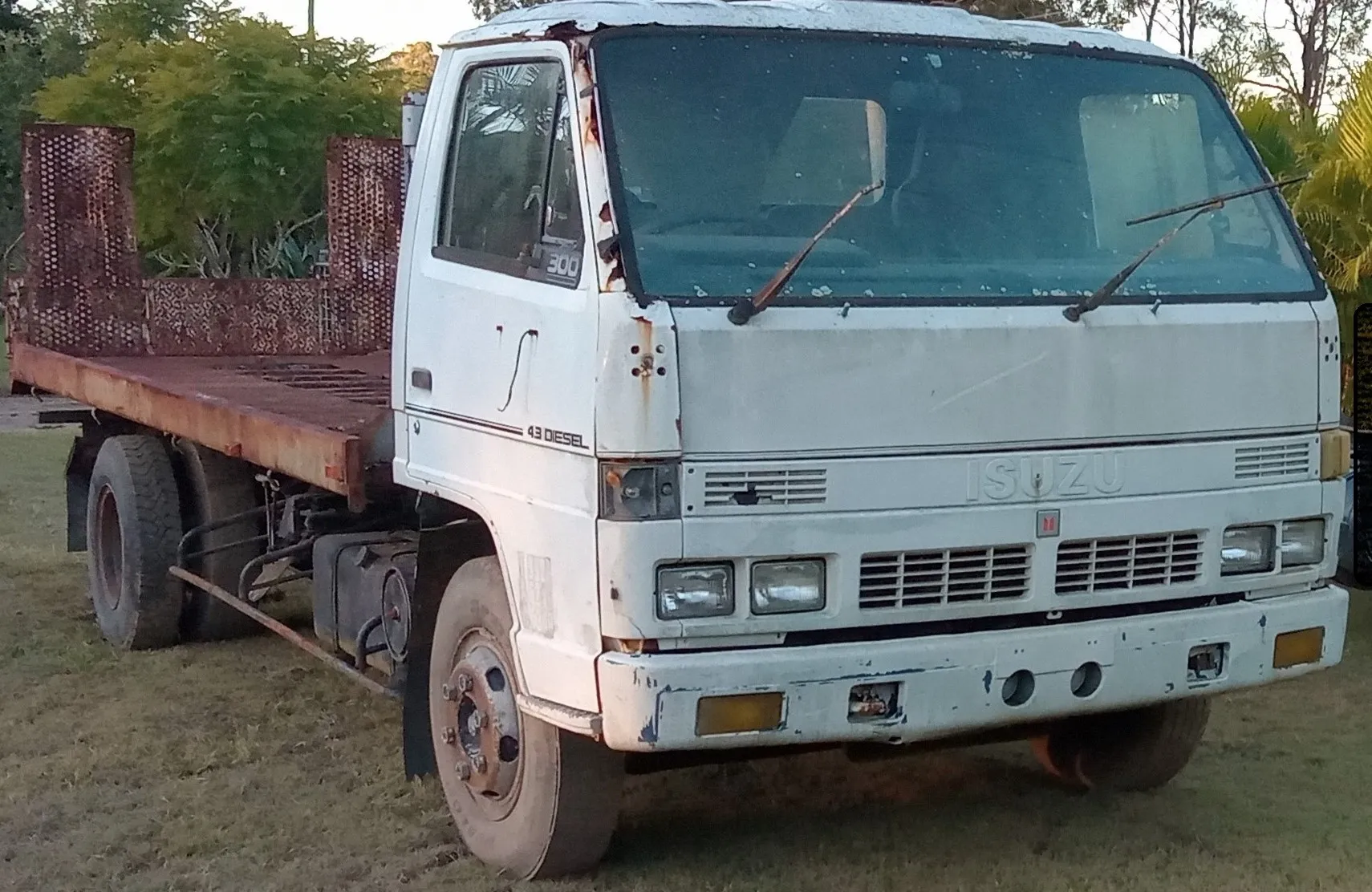
8. Isuzu NPR 300 (1984-2000)
Commercial truck operators know that the Isuzu NPR represents reliability that’s hard to match at any price. The NPR 300 came equipped with Isuzu’s legendary 4BD1 diesel engine, a 3.9-liter four-cylinder that produced modest power but ran forever.
This engine used direct injection and mechanical fuel delivery that continued working when electronic systems would have failed. Isuzu designed it with conservative specifications that meant components operated well within their stress limits, giving service life that measured in decades rather than years.
The NPR’s chassis was built for commercial abuse rather than comfortable driving. The ladder frame used thick steel that resisted flexing under load, and the body mounts allowed enough movement to prevent stress cracks. Isuzu equipped these trucks with leaf spring suspension front and rear that could handle payloads exceeding the truck’s curb weight.
The steering was slow and required effort, but it was durable and maintained accuracy even after hundreds of thousands of miles.
Brakes were sized generously for the truck’s weight, giving stopping power that remained effective even when fully loaded. Every component was chosen for its ability to keep working in commercial applications where daily use and heavy loads were standard.
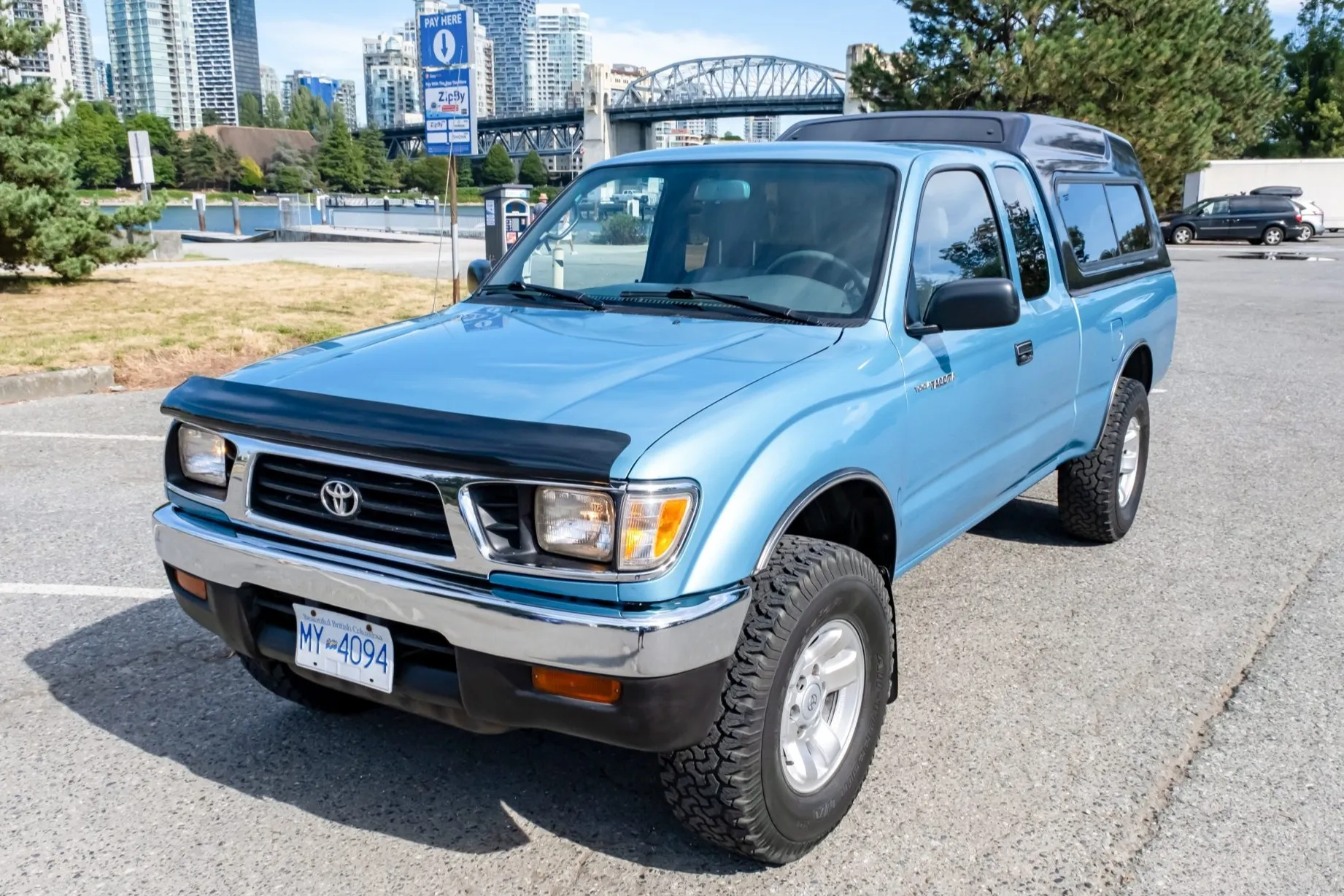
9. 1997 Toyota Tacoma (First Generation)
If the Land Cruiser is the king of the bush, then the 1997 Toyota Tacoma (First Generation) is the undisputed champion of the mid-sized pickup truck. When it was launched, it quickly established a reputation for being completely dependable, a truck that was built to outlast its owner.
It featured a strong, fully-boxed frame and a range of engine options that are all legendary for their longevity, particularly the 3.4-liter V6. This is the engine that owners report consistently driving for 300,000 to 400,000 miles with nothing but regular oil changes. The truck perfectly blended everyday usability with serious off-road capability, making it a favorite everywhere.
The Tacoma’s long life comes down to Toyota’s obsession with quality and durability in this era. Every component, from the electrical system to the drivetrain, was overbuilt. The manual transmission versions are practically indestructible, and the four-wheel-drive system is simple and incredibly effective.
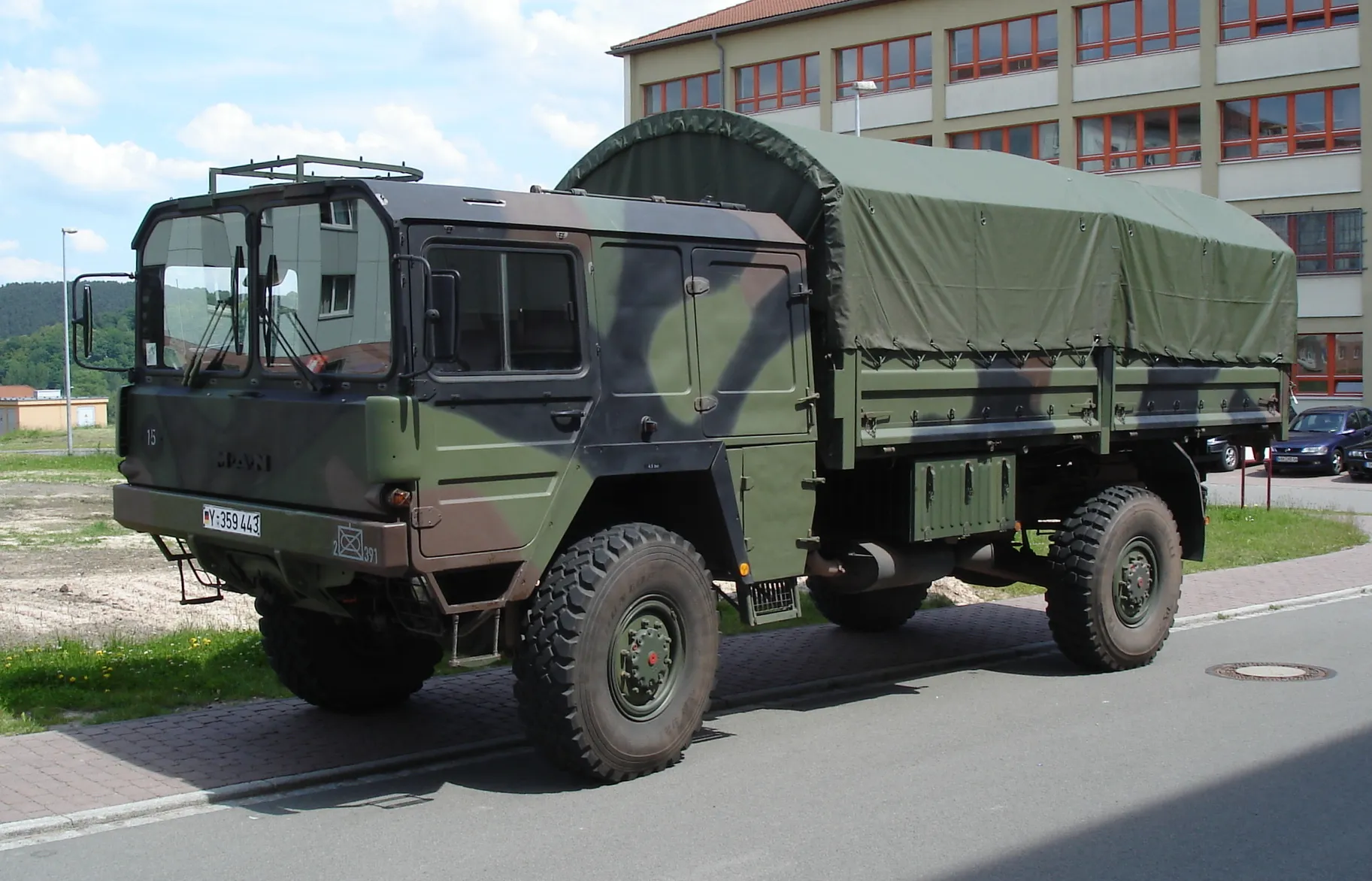
10. 1995 MAN KAT 1 (Military Truck)
When a truck is built to be a prime mover for the German Armed Forces, you know it is serious business. The 1995 MAN KAT 1 is a heavy-duty, off-road military truck that is the very definition of a refusal to die.
While not a conventional pickup, its chassis is so tough and capable that it is often the base for extreme motorhomes and exploration vehicles.
It features a high-riding, all-wheel-drive system, massive ground clearance, and an immensely powerful diesel engine that is built to run on almost any kind of low-quality fuel. Everything about it is huge, heavy, and built to withstand artillery fire, let alone a pothole.
The incredible resilience of the MAN KAT 1 is due to its military specification, where cost was secondary to absolute reliability in the field. It has a rigid chassis, simple, heavy-duty axles, and a powertrain that is designed to be serviced in hostile environments.
It can tackle impossible gradients and travel through deep rivers without complaining. For the few civilian owners who have repurposed them, they represent the ultimate in overlanding and off-road capability.
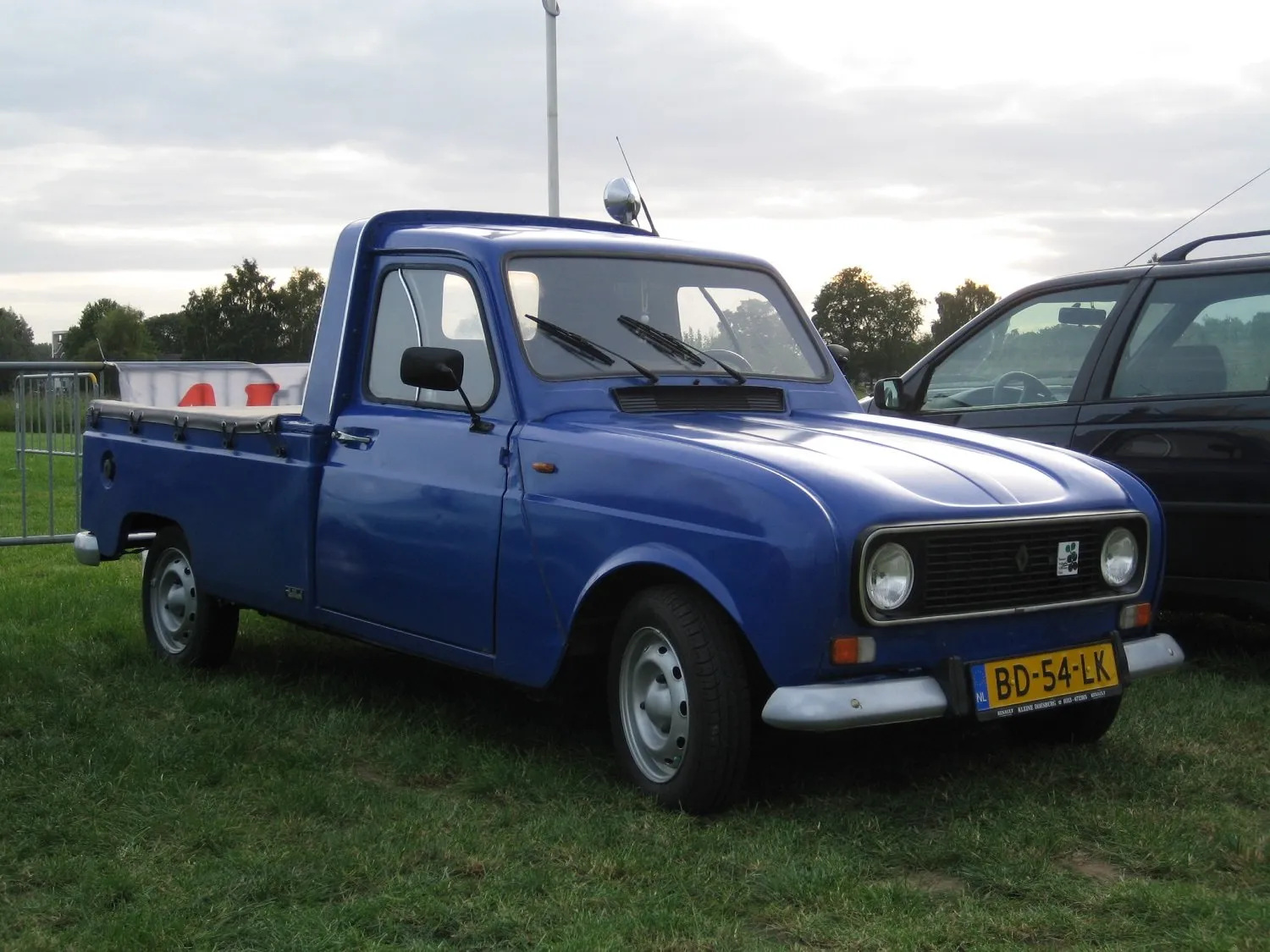
11. 1994 Renault Bakkie (South African Model)
The 1994 Renault Bakkie, a version of the Renault 12 pickup sold specifically in South Africa, is an unsung hero of relentless toughness. While it might look small and basic, its survival in one of the world’s most demanding environments speaks volumes about its rugged engineering.
This vehicle was based on a very old, simple Renault saloon platform, but the pickup version was built to be a simple, lightweight, and utterly reliable utility vehicle. Its straightforward mechanics, including a basic, tried-and-tested four-cylinder petrol engine, are its secret weapon.
The Bakkie’s refusal to quit is a matter of simplicity and low stress. The engine and transmission were designed for the roads of the 1970s, which means they are vastly over-engineered for the light weight of the Bakkie, making them extremely durable.
It stands as a testament to the fact that sometimes, the most persistent truck is not the biggest or most powerful, but the one that is the simplest and easiest to keep running for a lifetime. Its longevity is a powerful example of functional, unpretentious design.
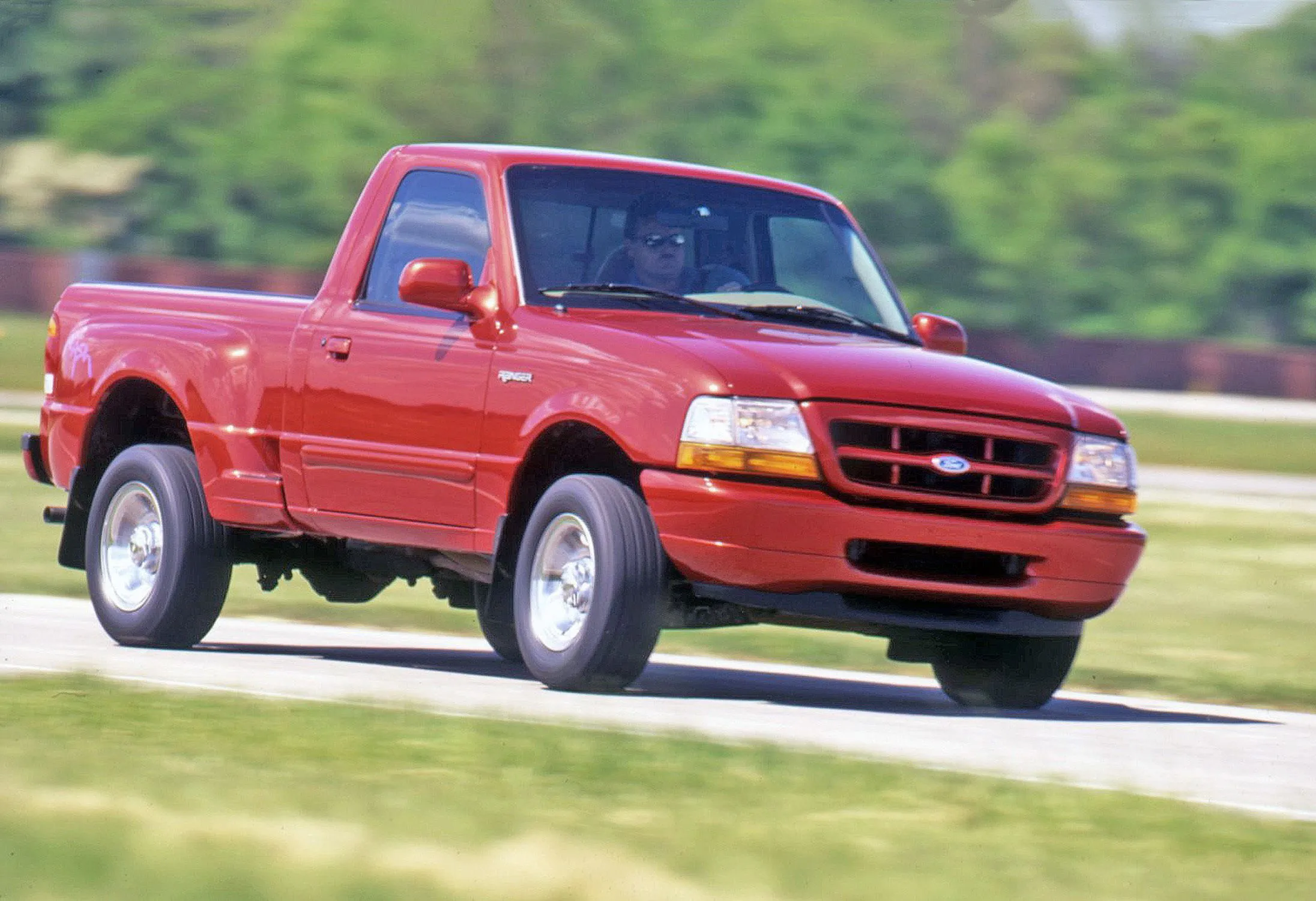
12. 1998 Ford Ranger (Second Generation)
For those who wanted a solid, reliable, mid-sized American truck that could handle serious work without the huge cost of a full-size, the 1998 Ford Ranger (Second Generation) was the answer. This truck, especially with the reliable 4.0-liter V6 or the indestructible 2.3-liter four-cylinder, is a true survivor.
The Ranger was not fancy; it was built with a sturdy ladder frame and simple, robust mechanical components that were designed to be durable and easy to service. It established a reputation that continues today: it is very difficult to wear one out.
The longevity of this generation of the Ranger is a classic example of Ford doing the basics right. The engines are tough, the transmissions are reliable, and the entire construction is solid. The truck is small enough to be practical in the city but tough enough to handle construction sites and off-road trails.
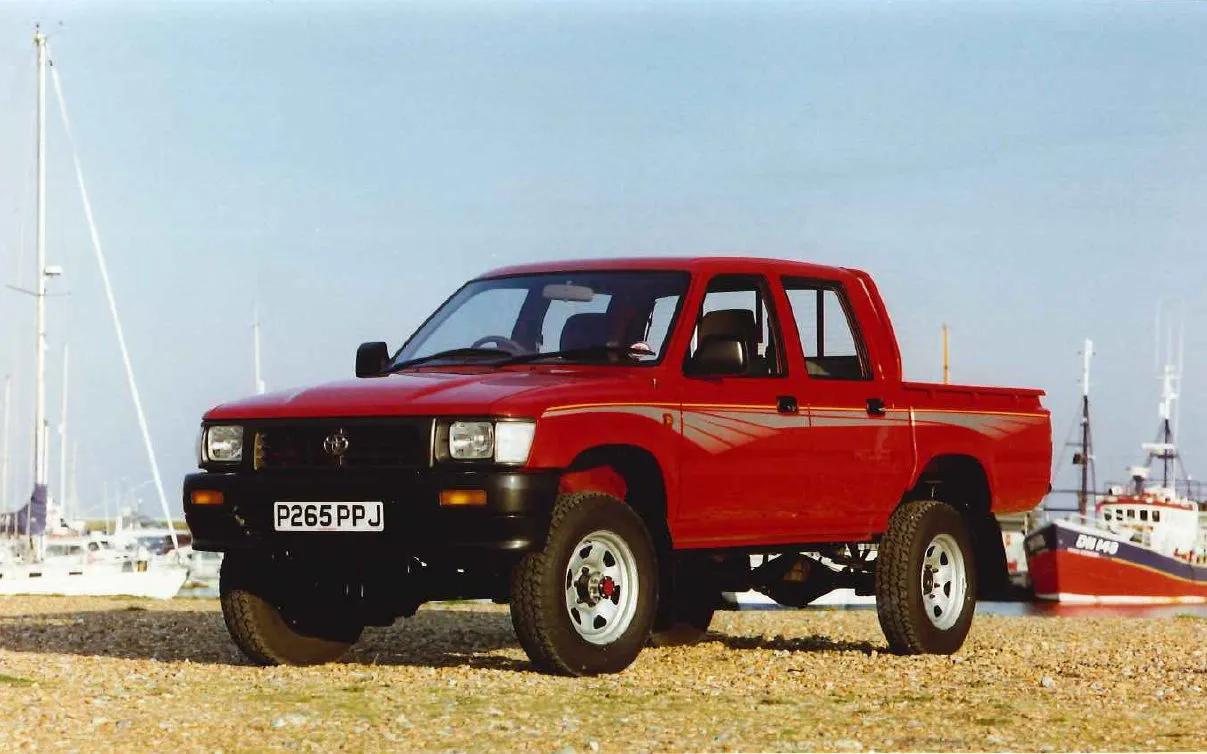
13. 1997 Toyota Hilux (Fifth Generation)
You simply cannot talk about trucks that refuse to die without mentioning the vehicle that has arguably the strongest reputation on the planet for being unkillable: the 1997 Toyota Hilux (Fifth Generation).
This truck is more than famous; it is legendary, thanks in part to some well-known television torture tests that failed to destroy it, even after it was set on fire and dropped from a building.
The Fifth Generation, specifically, is revered for its perfect blend of toughness and simplicity. It features a solid, ladder-frame chassis and some of Toyota’s most durable engines, including the tough 2.8-liter diesel.
The Hilux’s legendary persistence is a direct result of being designed for the harshest environments imaginable, from the Australian Outback to the most remote areas. Everything on the truck is overbuilt and simple. There are no complicated electronics or delicate parts to worry about. The Hilux is built to be thrashed, repaired, and thrashed again.
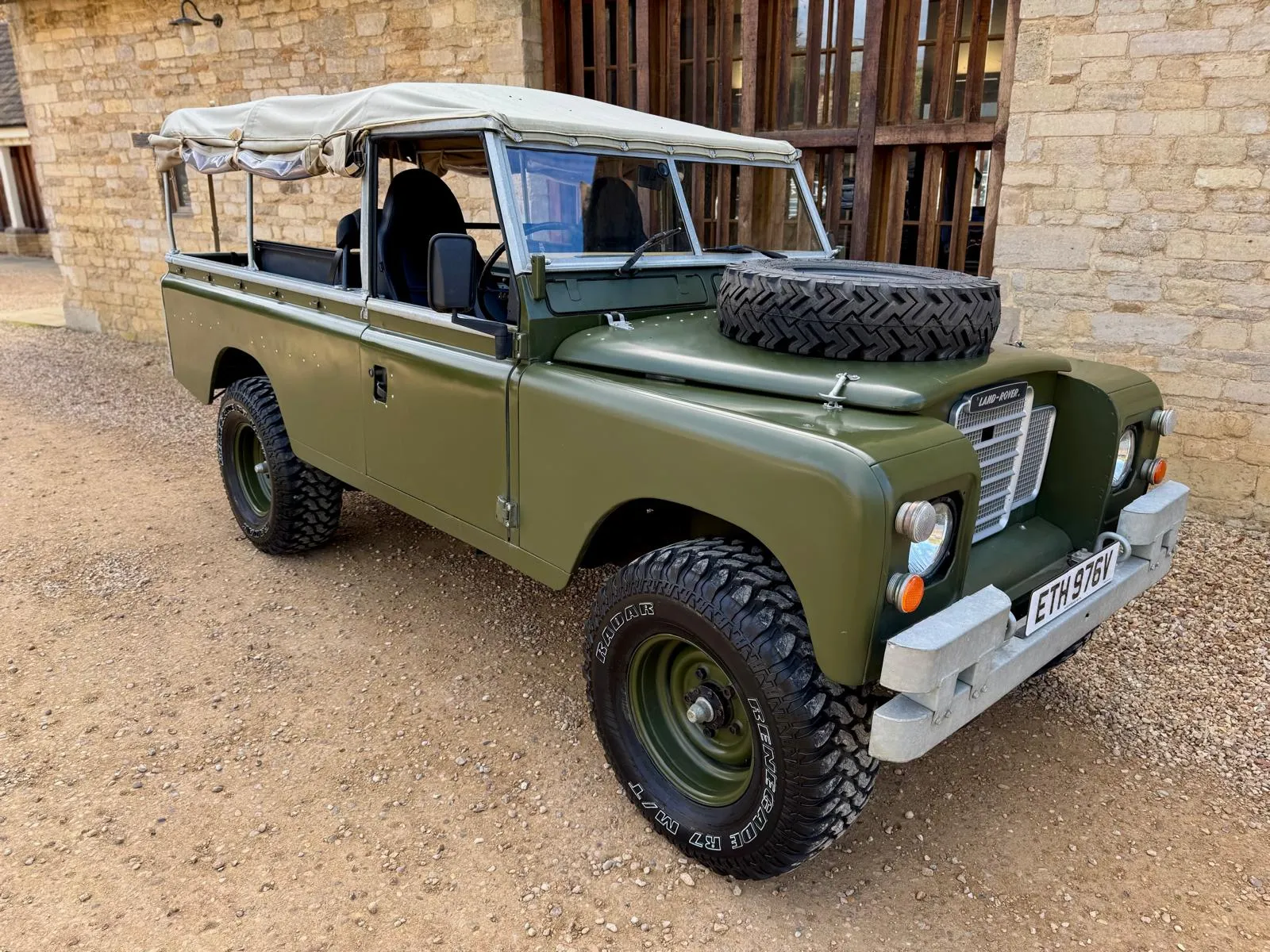
14. 1996 Land Rover Series IIA/III Forward Control
For a truly bizarre and incredibly tough truck, you have to look at the 1996 Land Rover Series IIA/III Forward Control. This is not a typical road vehicle; it is a heavy-duty, off-road utility vehicle built by Land Rover, with the cab sitting directly over the front axle (hence ‘Forward Control’).
This design allowed for a massive cargo area relative to its length and gave it incredible visibility and off-road geometry. It was designed primarily for military and heavy utility applications where sheer pulling power and load capacity were essential.
The truck’s refusal to die is rooted in its heavy-duty, oversized construction and its slow-speed, high-torque utility focus. It is built like a tank, with massive axles, a hugely strong chassis, and simple, robust engines.
It moves slowly but with relentless determination, capable of travelling through almost anything. Its rarity today only adds to its mystique, but its engineering ensures that the few remaining examples are still hard at work. It is a brilliant example of extreme British utility engineering, a machine that prioritizes function and durability over all else.
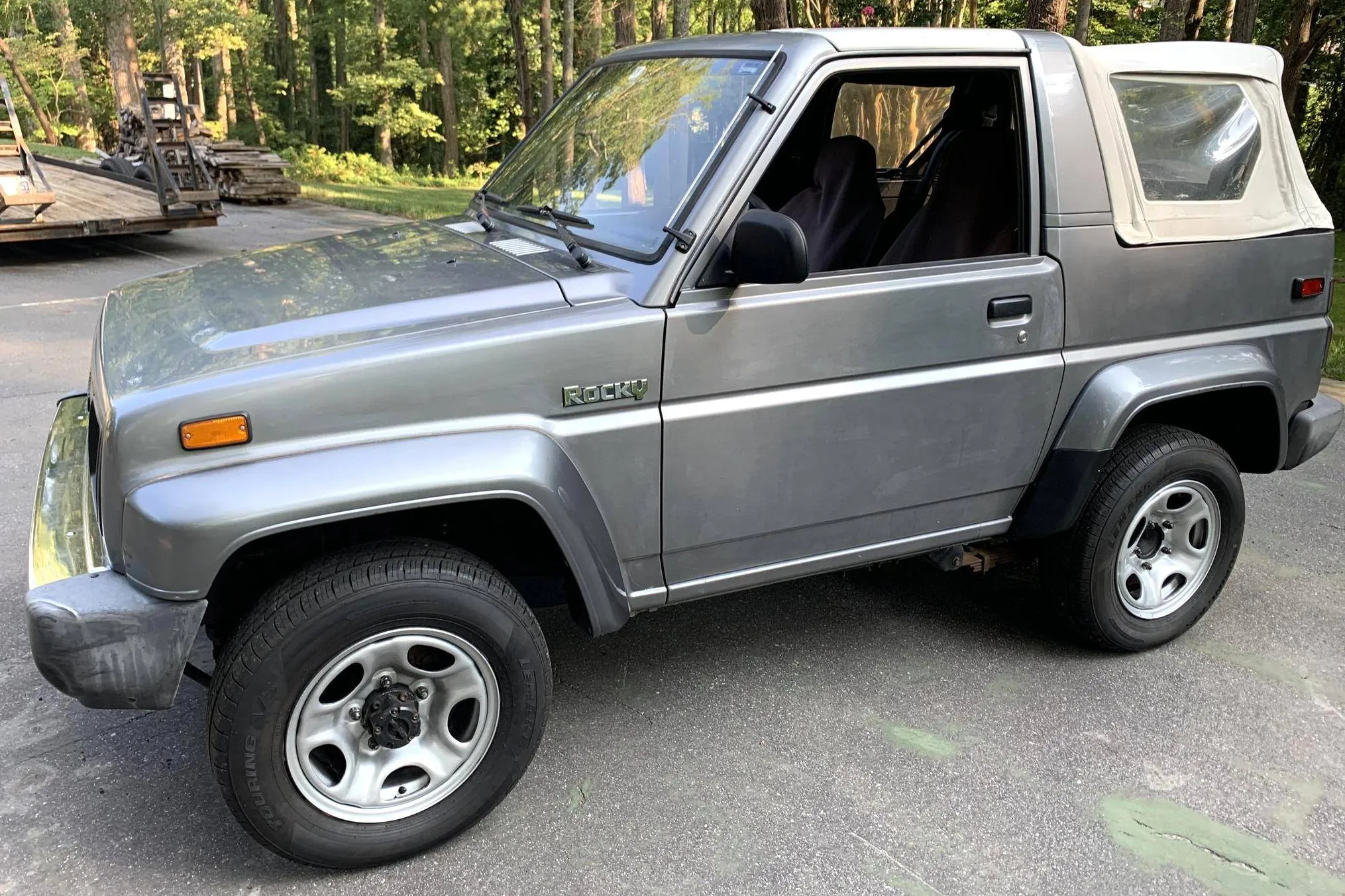
15. 1995 Daihatsu Rocky (F70)
The 1995 Daihatsu Rocky (F70), also known as the Feroza or the Sportrak in some markets, is another small, Japanese four-wheel-drive that punches far above its weight in terms of durability.
Like the Samurai, its secret is its traditional, body-on-frame construction, which gives it a structural rigidity that its modern unibody counterparts simply do not have. Its small four-cylinder engine is a work of genius: simple, easy to fix, and extremely robust, capable of handling rough handling and poor fuel quality.
The Rocky’s persistence is a testament to simple, old-school 4×4 engineering. It features proper low-range gearing and a tough suspension system.
It is a no-frills, dependable vehicle that was designed to be easily maintained and almost impossible to destroy. It became a favorite in mountainous and remote areas because it was cheap to run and utterly reliable, a true mechanical friend to its owner.
Also Read: 12 Trucks That Outlast Multiple Owners Over The Years
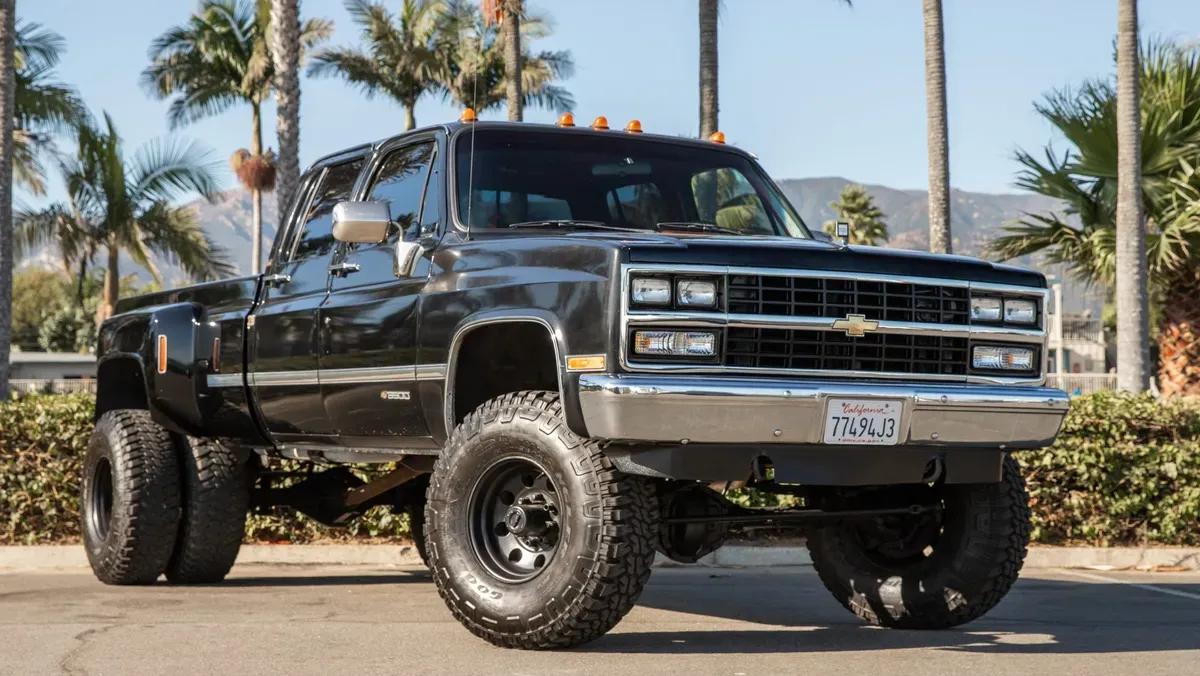
16. 1991 GMC Sierra 3500 (Fourth Generation)
The 1991 GMC Sierra 3500 (Fourth Generation), the heavy-duty counterpart to the lighter C/K trucks, is a true monument to American robustness. Like its Ford rivals, this truck’s longevity is tied to its powerful diesel option: the 6.5-liter Turbo Diesel.
Though not as widely praised as the Power Stroke, this engine is known for its incredible endurance and simple, mechanical toughness, especially in non-electronic versions. The 3500 was built with a thicker frame, stronger axles, and a heavier suspension than the 1500, making it ready for constant, punishing work.
The refusal of this old Sierra to quit lies in its massive, square-body over-engineering. It was built during an era when GM prioritized raw strength and easy maintenance.
These trucks are often found today operating as plow trucks, flatbeds, or tow vehicles, showing that their durability is still highly valued. It is a genuine heavy-duty workhorse that was built to last for generations, a fine example of American strength and dependability that will keep hauling long after other, newer trucks have failed.
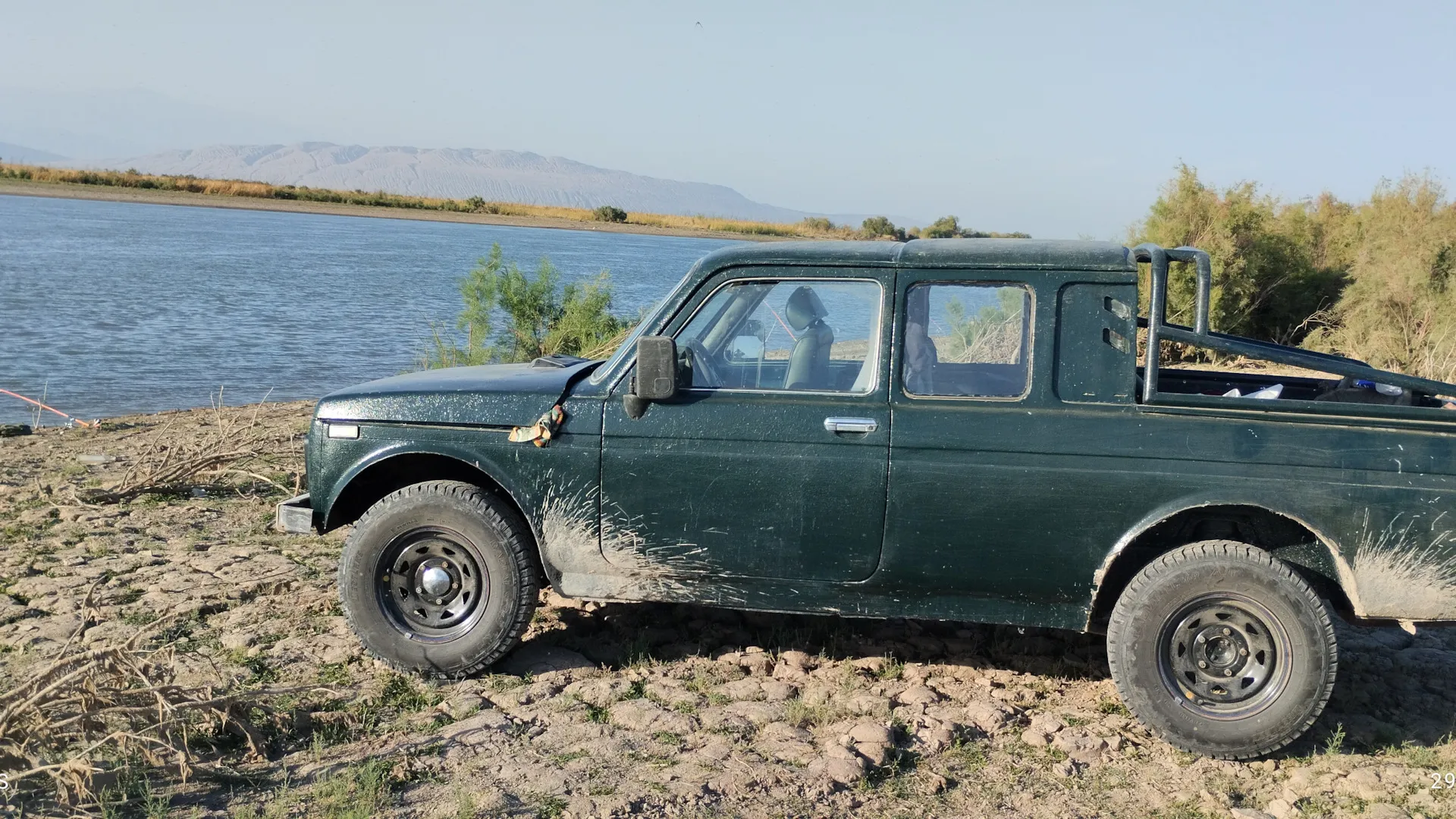
17. 1999 Lada 2329 Pickup
The 1999 Lada 2329 Pickup is one of those vehicles that proves simplicity and durability can go hand in hand. Built on the same tough foundation as the Lada Niva, the 2329 took everything that made that little 4×4 legendary and added a practical cargo bed, turning it into a true workhorse for rural life and hard conditions.
It features a full-time four-wheel-drive system, solid axles, and a small but dependable four-cylinder petrol engine that can run on low-quality fuel without complaint.
Every component was designed to be easy to repair in the field, no complicated electronics, no fragile materials, just pure mechanical reliability. Farmers, construction workers, and explorers in remote regions have relied on these pickups for decades because they simply never give up.
What keeps the Lada 2329 alive is its sheer mechanical honesty. It’s light, rugged, and entirely self-sufficient. Even in deep mud, snow, or rough trails where modern vehicles hesitate, the 2329 keeps crawling forward. It’s not fast, it’s not fancy, but it will get you and your load anywhere you need to go, year after year.
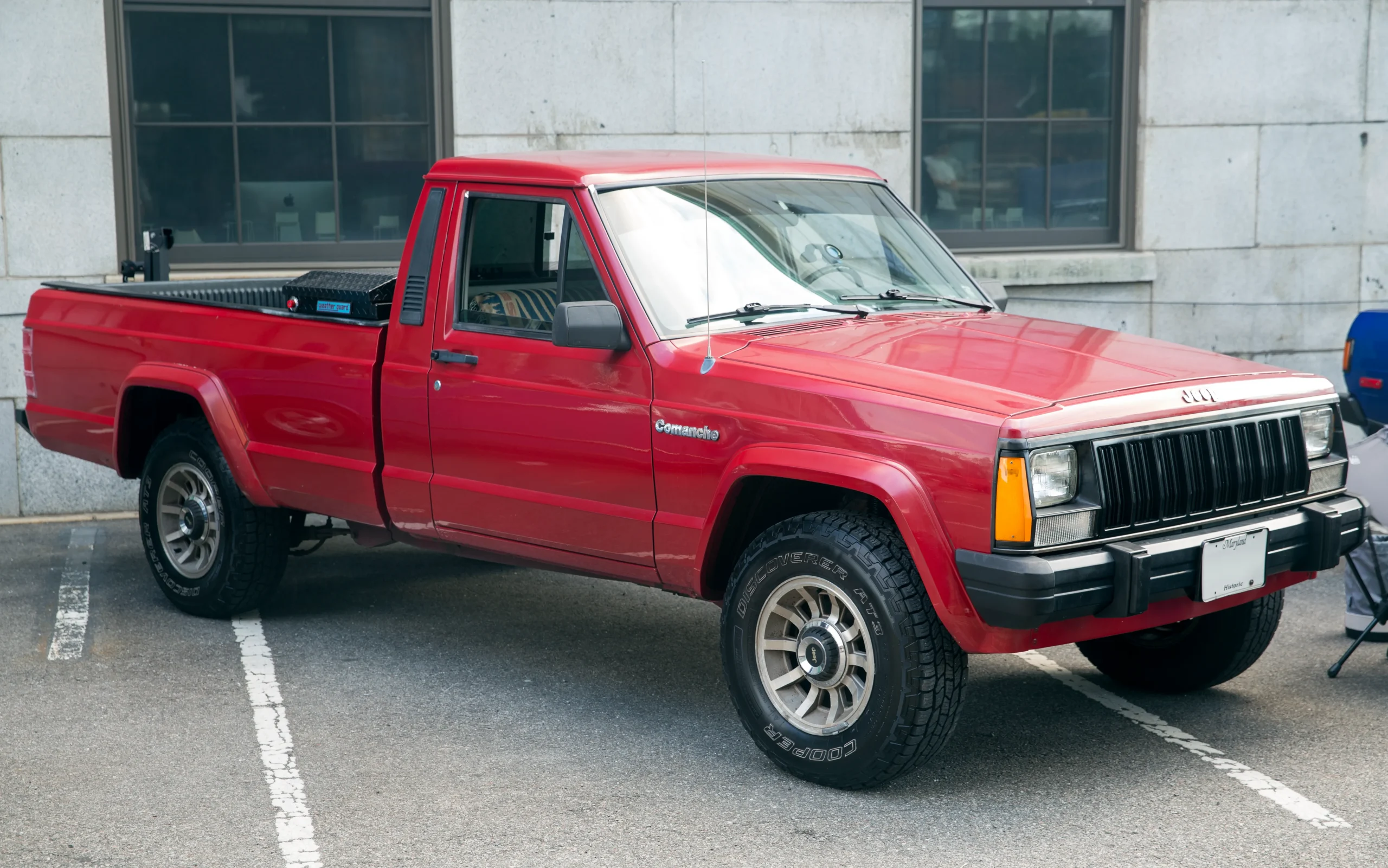
18. 1996 Jeep Comanche (MJ)
To finish strong, we have the 1996 Jeep Comanche (MJ), a compact pickup that combines Jeep’s legendary off-road ability with the practicality of a truck bed.
Sharing much of its DNA with the Cherokee XJ, the Comanche took that same tough unibody design and adapted it for real work, creating one of the most enduring small trucks ever built.
The heart of the Comanche’s indestructibility is the 4.0-liter inline-six engine, an absolute legend in reliability circles. Known for running smoothly well past 300,000 miles, it delivers steady torque and can take endless abuse.
The drivetrain is equally bulletproof, with solid axles front and rear, a simple part-time four-wheel-drive system, and manual transmissions that seem impossible to destroy.
What makes the Comanche truly special is that it feels just as at home on a job site as it does on a rocky trail. It’s the kind of truck that can haul heavy loads all week, then head out for a weekend of off-roading without breaking a sweat.
Today, surviving examples are cherished by enthusiasts for their toughness, simplicity, and the fact that, like the best trucks on this list, they just don’t know how to quit.
