When it comes to buying a car in the United States, geography plays a much bigger role than most people realize.
In the Sun Belt, vehicle longevity is often measured in miles, but in the Rust Belt stretching across states like Michigan, Ohio, Pennsylvania, Wisconsin, and Minnesota it’s about how long a car can resist the inevitable assault of road salt, snow, and freezing temperatures.
While manufacturers test for corrosion resistance, not all cars are created equal. Some vehicles earn reputations for shrugging off the dreaded rust, while others practically dissolve into a flaky mess within a decade.
For drivers in salt-heavy regions, knowing which vehicles can withstand the Rust Belt can save thousands in repairs or even prevent catastrophic structural failures.
Here’s a look at five cars that tend to survive the Rust Belt gauntlet, and five that historically disintegrate long before their mechanical parts give out.
Cars That Survive the American Rust Belt
Driving through the American Rust Belt can be tough on any vehicle. Harsh winters, endless potholes, and salty roads combine to test a car’s durability like few other regions in the country.
Yet, some vehicles emerge virtually unscathed, earning reputations for long-lasting performance and resistance to rust and corrosion. In this article, we explore the cars that withstand the harsh realities of the Rust Belt, helping owners avoid costly repairs and enjoy peace of mind year after year.
1. Toyota 4Runner
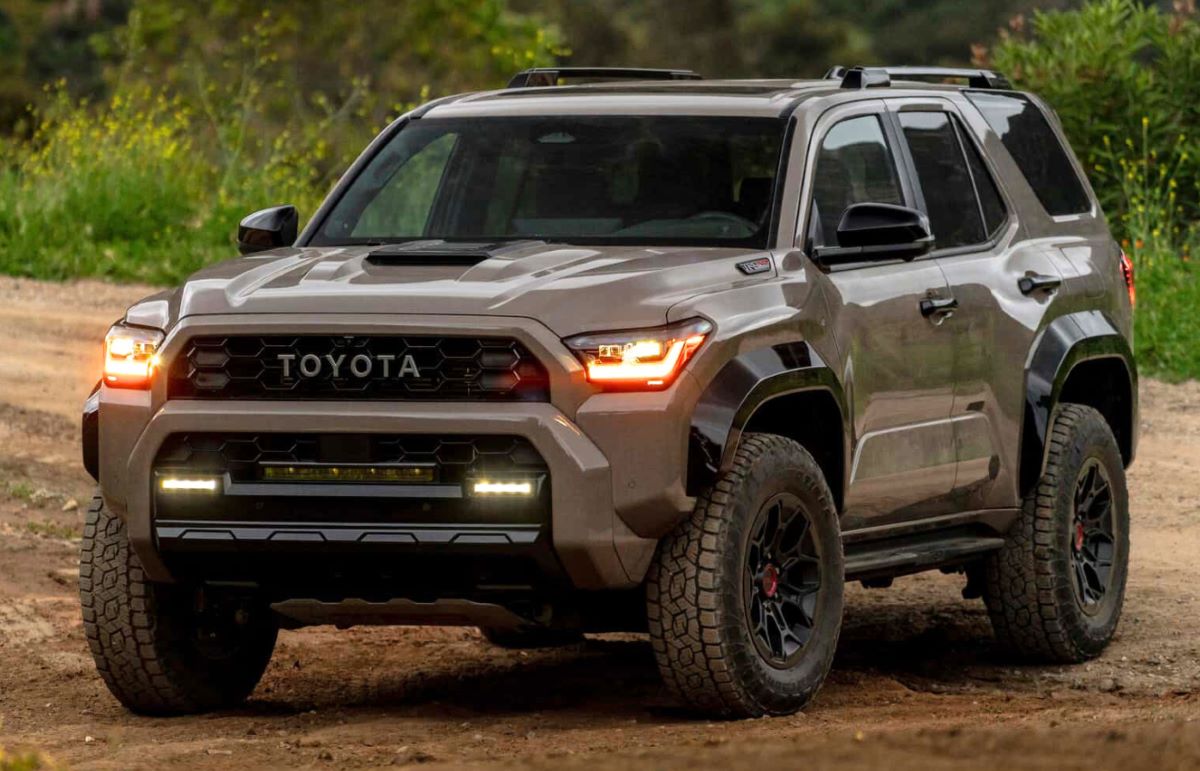
The Toyota 4Runner has long been a favorite among outdoor enthusiasts, but it also happens to be one of the most rust-resistant SUVs on the road.
Unlike some of its Toyota siblings, the 4Runner’s body-on-frame construction has held up well against salted winter roads, thanks to thicker frame coatings and better underbody sealing.
Owners in Michigan and Wisconsin often report seeing 15-to-20-year-old 4Runners still structurally sound, even if surface rust appears.
Toyota’s consistent use of quality steel and corrosion-resistant paint finishes helps extend its lifespan in harsh climates.
The 2023 4Runner is a decent option among used midsize SUVs. Few vehicles in its segment can rival Toyota’s off-road capabilities, and its cargo space is among the class leaders.
Passenger seating is reasonably comfortable, and the infotainment system is straightforward to use. That said, the 4Runner is essentially a one-trick pony, with its adventurous nature overshadowing nearly everything else.
This includes lackluster on-road performance, characterized by a rough powertrain, poor fuel efficiency, uninspiring handling, and a stiff ride. Its interior is utilitarian, and while controls are user-friendly, the technology feels outdated.
The 4Runner earns top marks in its class for reliability, but it struggles with mixed crash-test scores and higher-than-average five-year projected ownership costs.
Based on 2023 Toyota 4Runner listings, the average asking price is $37,899, with prices ranging from $37,899 to $55,222 depending on condition, mileage, features, and location.
For 2023, Toyota launched a limited-run 4Runner 40th Anniversary Special Edition. This model primarily includes exclusive paint options, distinctive interior and exterior styling details, and bronze wheels. Additionally, blind-spot monitoring and rear cross-traffic alert became standard features.
We recommend the SR5 Premium trim, which sits just above the base SR5. The 4Runner typically retains its value well, meaning used models often carry higher prices, so choosing a lower trim can be a smarter choice.
The SR5 Premium offers upgrades like synthetic leather upholstery and heated front seats, and some used models may also include a moonroof.
2. Subaru Outback
Subaru has had a mixed history with rust, but the Outback has improved significantly over the past two decades. Starting in the mid-2000s, Subaru began applying more comprehensive rust-proofing and galvanized panels.
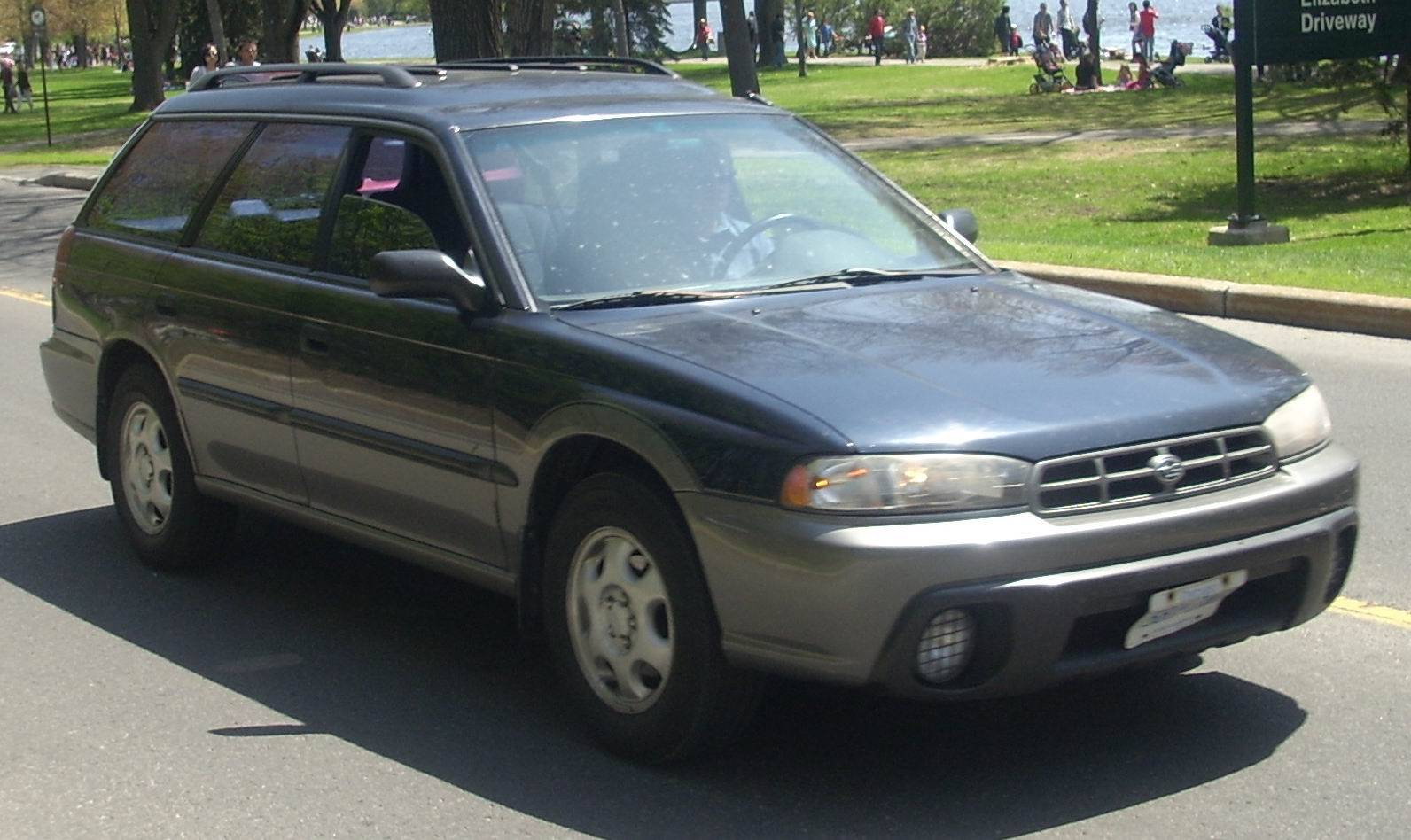
The Outback, in particular, has become a reliable companion for drivers in snowy states. Because Subarus are designed with winter traction in mind, the company also emphasized resistance to road salt corrosion.
While owners in Minnesota may still need to spray the undercarriage regularly, the Outback doesn’t rot out nearly as quickly as older Subarus once did.
Also Read: 10 Best Electric SUVs That Are Built for Longevity
3. Honda CR-V
Honda has invested heavily in galvanization and frame sealing, which is why the CR-V is known for resisting serious rust issues better than many competitors.
It’s not unusual to see early 2000s CR-Vs still driving strong in northern Ohio and upstate New York. Honda’s engineers improved wheel-well drainage and reinforced rust-prone areas on the rear subframe, which were weak points in older Civic and Accord models.
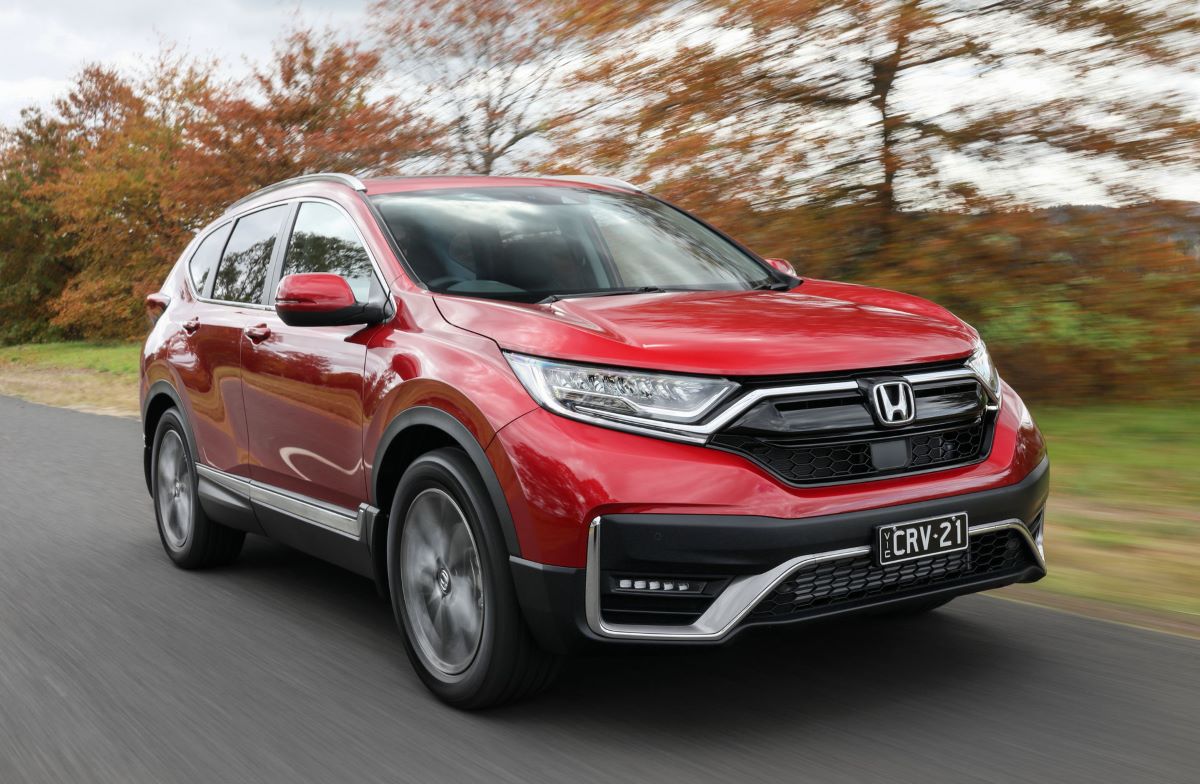
While no vehicle is fully immune to the Rust Belt, the CR-V’s solid design and relatively simple body structure help it outlast others.
The CR-V delivers consistently strong performance, offering ample usable space, approachable driving dynamics, front- or all-wheel-drive options, a 190-hp turbocharged engine, and an optional 204-hp hybrid version that we review separately.
In its base nonhybrid configuration, the CR-V impresses with a deep roster of modern technology and safety features, which never overshadow the superb chassis beneath.
The only update to the nonhybrid CR-V for 2024 is an across-the-board increase in pricing.
The 2024 Honda CR-V starts at $30,895 and rises to $36,055 depending on trim and options.
- LX: $30,895
- EX: $33,405
- EX-L: $36,055
The LX, EX, and EX-L trims are all gas-only models. The Sport, Sport-L, and Sport Touring trims come exclusively with the hybrid powertrain, which we generally recommend.
Among nonhybrid trims, the EX-L stands out for its robust list of features, including leather upholstery, a power tailgate, and a larger touchscreen.
Under the CR-V’s upright grille sits a standard 190-hp turbocharged 1.5-liter four-cylinder engine, paired with a CVT and either front- or all-wheel drive.
This configuration is standard on the LX, EX, and EX-L trims. In testing, the nonhybrid EX-L reached 60 mph in 8.1 seconds, making it slightly slower than the hybrid variant and a touch sluggish for the class.
The transmission can also make the engine drone under heavy acceleration. All CR-Vs come equipped with hill-descent control, which helps regulate speed on steep or slippery declines at low speeds.
Most models ride on 18-inch wheels. While the CR-V doesn’t offer the handling excitement of the Mazda CX-50 or Volkswagen Tiguan, it delivers a smooth ride with just enough pep to avoid feeling dull.
4. Jeep Wrangler (JK and later)
The Wrangler has always been a rugged off-road icon, but its performance in the Rust Belt depends on the generation. Earlier models were prone to frame rot, but Jeep improved things with the JK (2007–2018) and JL (2018–present).
Better rust protection, thicker frame coatings, and fewer water-trapping design flaws mean that modern Wranglers hold up surprisingly well in snowy regions.
Owners in Buffalo and Cleveland often report surface rust but far less structural corrosion than rivals. Plus, Wranglers have a large aftermarket community that supports undercoating and rust-proofing solutions, further extending their lifespan.
We like the idea of staying true to the Wrangler’s simple roots while keeping costs near the lower end of the spectrum, so we’d start with the two-door Wrangler, which comes standard with a removable cloth top.
We’re not aiming for full World War II–style minimalism, so we’d go with the Wrangler Sport S for its additional equipment, including air conditioning, a leather-wrapped steering wheel, power windows and locks, automatic headlamps, heated mirrors, and more.
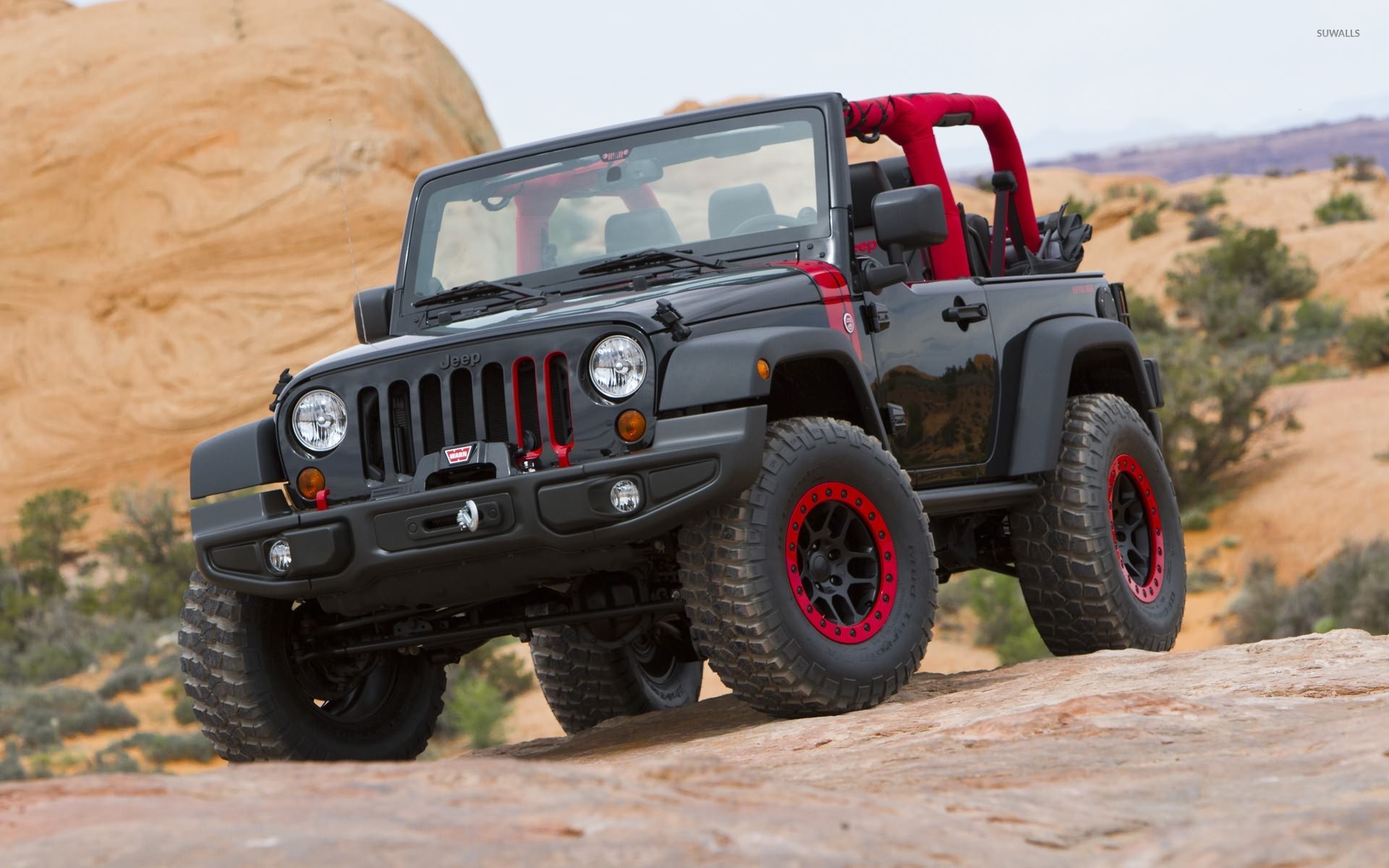
Beyond that, we’d choose the 270-hp 2.0-liter turbocharged four-cylinder engine for its 295 pound-feet of torque, 35 pound-feet more than the standard V-6. This four-cylinder pairs with an eight-speed automatic transmission, providing a low-stress powertrain for trail driving.
We’d also select the Technology package for its larger 7.0-inch touchscreen and Android Auto and Apple CarPlay functionality.
The standard 285-hp 3.6-liter V-6 from the previous-generation Wrangler remains available under the hood of the new JL, and it can be paired with either a six-speed manual gearbox or a smooth-shifting eight-speed automatic.
An optional turbocharged four-cylinder engine is also offered, which teams with an electric motor to provide extra low-end power.
In addition to the standard V-6 and optional four-cylinder hybrid, the Wrangler can be equipped with a 3.6-liter V-6 with similar hybrid assist, a 3.0-liter diesel V-6, a new 375-hp plug-in hybrid 4xe powertrain and a 6.4-liter V-8.
Off-road capability comes standard, with part-time four-wheel drive controlled via a lever on the center console.
While handling has improved, it remains trucklike compared with today’s refined SUVs and pickups. The four-door version rides acceptably smoothly over rough terrain, though braking distances were inconsistent across our two test vehicles.
Also Read: 10 Ford Fusion Years Still Reliable on the Used Market
5. Ford Crown Victoria
Believe it or not, the humble Ford Crown Victoria, once a staple of police fleets, is one of the Rust Belt’s most resilient survivors. Its Panther platform used thicker steel and had a surprisingly robust underbody design.
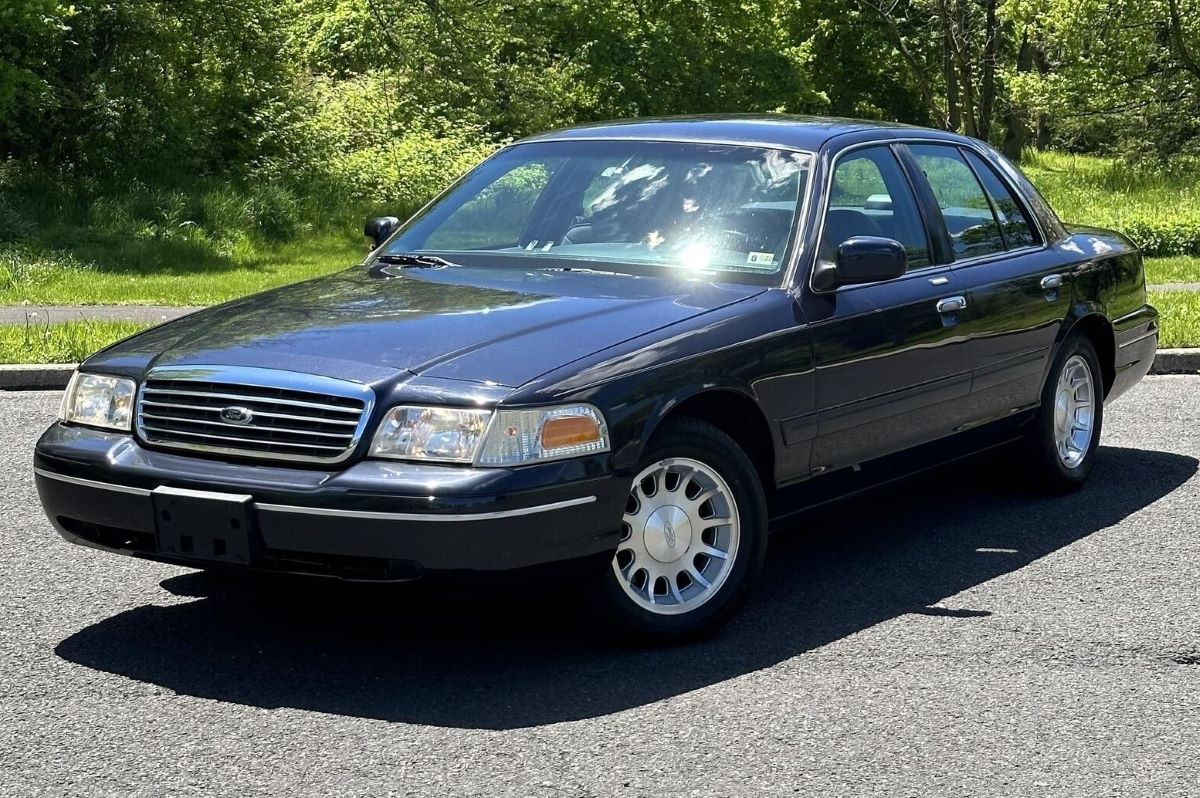
Crown Vics driven in Chicago, Milwaukee, and Detroit have often lasted 15–20 years without major rust issues, even in constant exposure to salted roads.
Taxi companies and police departments valued them not just for durability and low maintenance, but also for their ability to resist the type of rust that sent competitors to the scrapyard prematurely.
Cars That Disintegrate in the American Rust Belt
Not every car is built to withstand the harsh winters, salted roads, and relentless wear-and-tear of the American Rust Belt. While some vehicles shrug off the elements, others seem to fall apart almost as soon as they hit the region.
From rapid corrosion to failing components, these are the cars that struggle, and often fail, when faced with the Rust Belt’s unforgiving conditions.
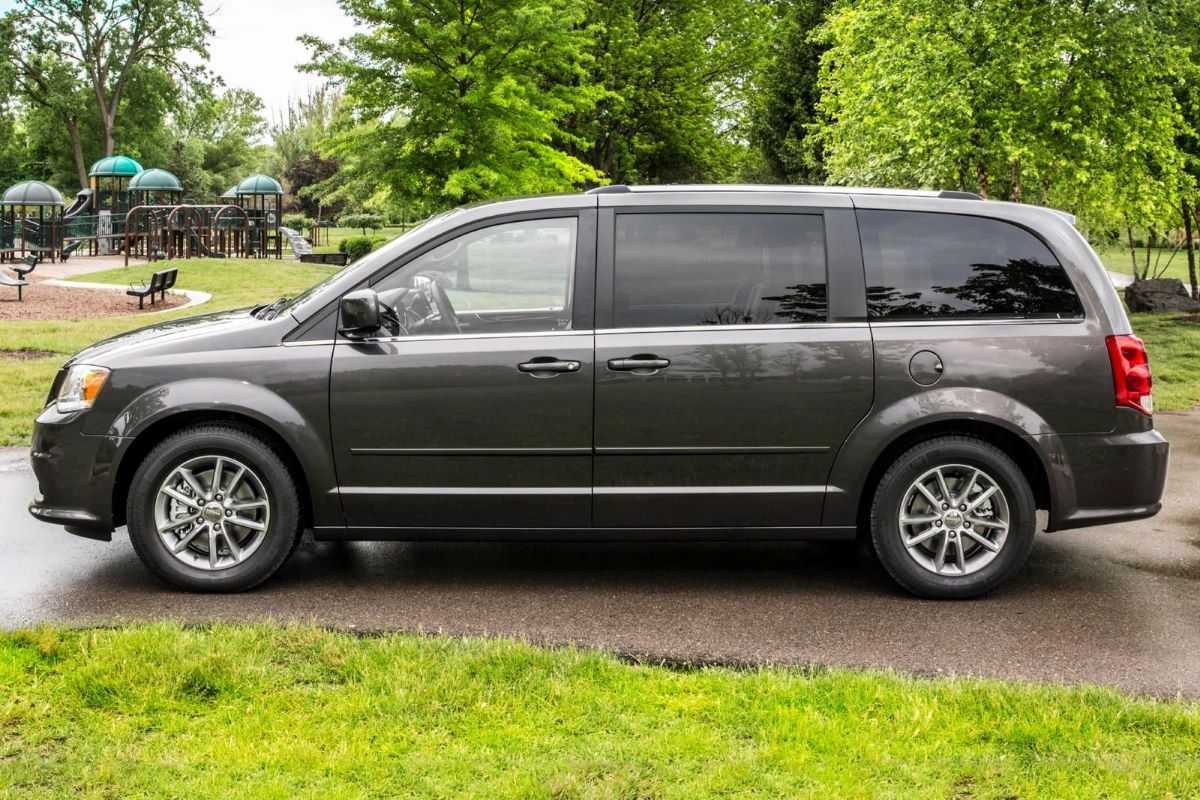
1. Dodge Caravan / Chrysler Town & Country
The minivan segment has long been plagued with rust issues, but Chrysler’s offerings were some of the worst offenders.
Dodge Caravans and Town & Country vans from the late 1990s through early 2010s are infamous in the Rust Belt for disintegrating frames, rotted rocker panels, and collapsing rear suspension mounts.
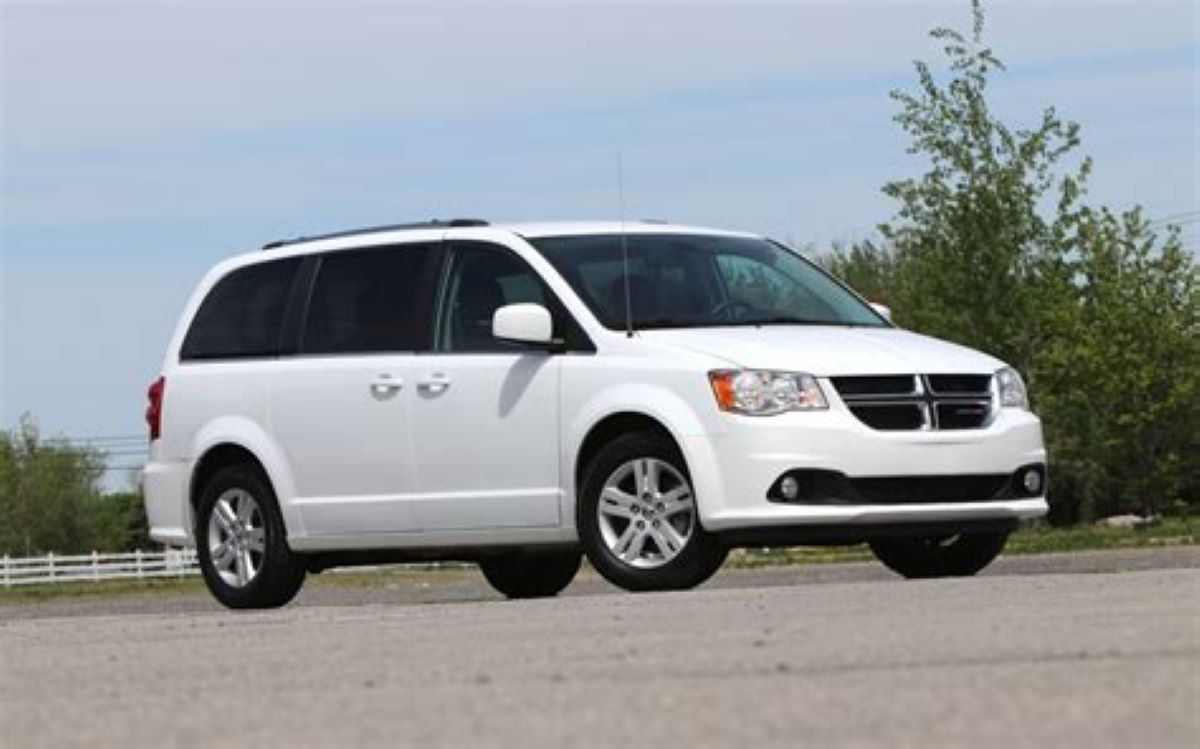
Families in states like Wisconsin and Minnesota often had vans with solid drivetrains that were sent to the junkyard simply because the body structure gave way. For many households, these vans became the poster child of the “rust bucket.”
2. Chevrolet Cobalt
The Chevy Cobalt, while mechanically decent, gained a reputation for poor corrosion resistance. Owners in Ohio and Pennsylvania frequently reported rotting subframes and brake line corrosion well before the 10-year mark.
Even though GM galvanized panels in theory, drainage and underbody sealing were poorly executed. Many Cobalts ended up scrapped despite having low miles, simply because road salt had eaten away the structure beyond safe repair.
In 2007, Chevrolet introduced a facelift for its existing small-class sedan, the Cobalt, marking a good moment for a budget-friendly car.
The world economic crisis was starting to gain momentum and affected nearly all automakers not long after the Cobalt’s release, hitting the Detroit-Three and the city itself particularly hard.
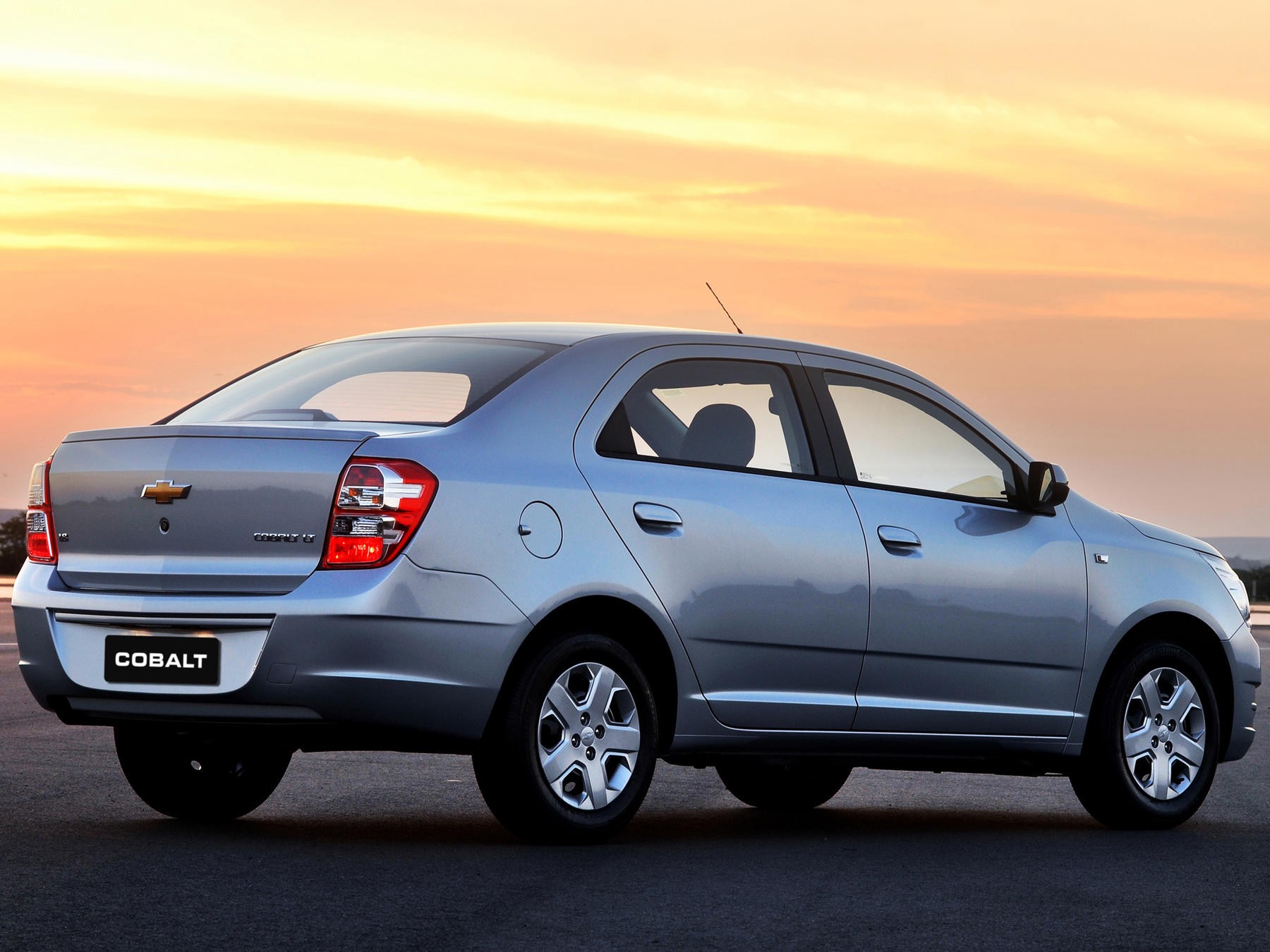
Yet, the Cobalt offered an affordable option with a recognizable bow-tie grille and a sense of legacy behind it.
The GM design department had already succeeded in creating a simple successor to the Chevrolet Cavalier and Pontiac Sunfire models in 2004, and the 2007 facelift enhanced those strengths.
Its rakish design, featuring a curved greenhouse and short rear overhang, amplified the vehicle’s dynamic appearance, while larger headlights improved nighttime illumination. The standard model came with 15-inch steel wheels, though buyers could opt for alloy wheels up to 18 inches in diameter.
The interior saw only minor updates, and while the three-color interior scheme wasn’t universally praised, most customers didn’t mind as long as leather seats were available as an option, automatic transmissions were offered on select trims, and there were front cupholders for convenience.
The naturally aspirated 2.4-liter engine now produced 174 hp, while a supercharged variant reached up to 260 hp, allowing the Cobalt to compete with the new hot hatches and sport coupes from various Japanese automakers.
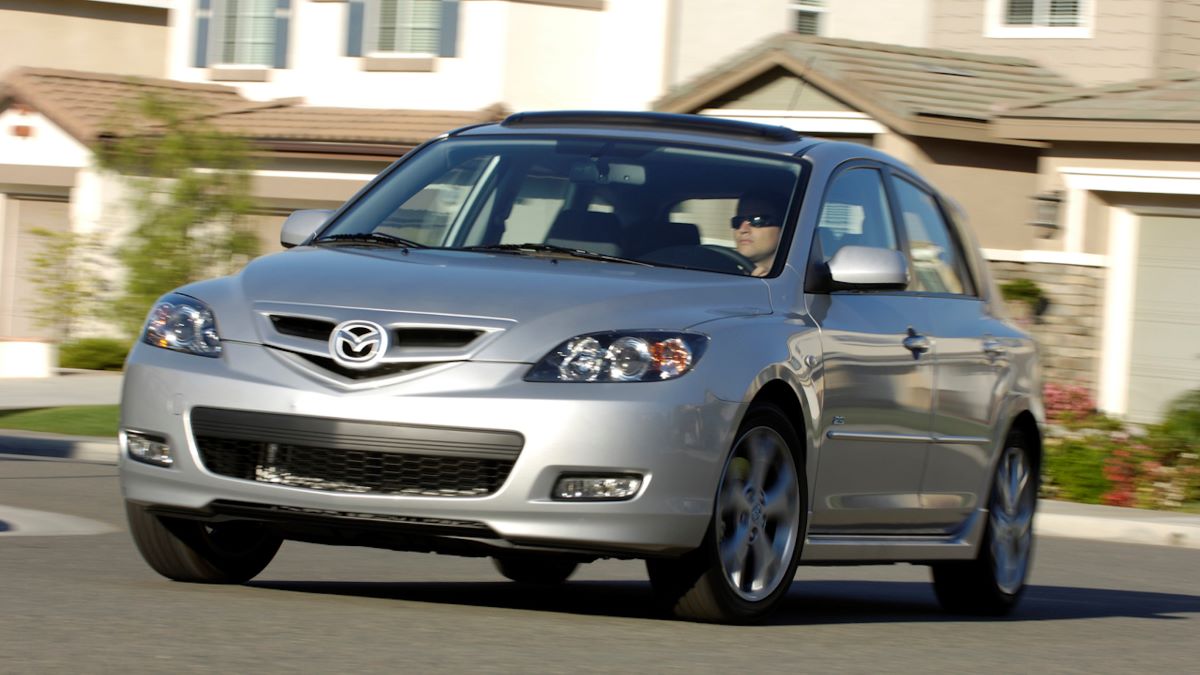
3. Mazda 3 (Early Generations)
Mazda has improved dramatically in the past decade, but earlier Mazda 3s (2004–2009 especially) were notorious for rusting out in the Rust Belt.
The wheel arches, rocker panels, and rear subframes disintegrated at alarming rates, sometimes within just six to eight winters.
In states like New York and Michigan, it was almost expected that a Mazda 3 would fail state inspections for structural rust before reaching 150,000 miles.
The company’s rust warranty claims skyrocketed during this era, forcing Mazda to revamp its anti-corrosion practices in later models.
The Mazda 3 is a family hatchback, not an SUV or crossover, and certainly not pretending to be something it isn’t.
These days, automakers rarely create an entirely new platform from scratch for just one purpose, which is why the Mazda 3 also gave rise to the CX-30, essentially a taller, pseudo–off-road version of the 3. Mazda’s philosophy leans heavily toward simplicity.
There are just two petrol engines available: a 2.5-liter naturally aspirated unit producing 138 bhp with cylinder deactivation technology, going against the turbo trend, and the ingeniously designed 2.0-liter e-Skyactiv-X high-compression engine, which offers diesel-like efficiency of 51.4 mpg.
This engine produces 184 bhp, making it the faster option, capable of 0-62 mph in 8.1 seconds. Both engines can be paired with either a six-speed manual or a conventional automatic (not a twin-clutch).
The automatic adds roughly £1,500 to the price and slightly compromises CO2 emissions and fuel economy, so it’s a convenience option that must be truly desired.
Additionally, both engines feature a mild hybrid system that powers the electrics through brake regeneration.
Mazda emphasizes that the fourth-generation 3, introduced in 2019, was redesigned from the ground up, with meticulous attention to everything from minimizing “visual noise” in the cabin to reducing friction in the engine.
Special focus has been placed on noise, vibration, and harshness, the feel of the switchgear, the responsiveness of the infotainment system, and harmonizing the quality of the cabin’s white lighting.
These are subtle improvements that rarely make headlines but reflect a highly thoughtful, very Japanese approach, resulting in a comfortable, easygoing hatchback with very few flaws.
The Mazda 3 is also striking in appearance. Its proportions, roofline, and rear light roundels evoke echoes of the Alfa Giulietta, standing in contrast to the over-designed Ford Focus.
The 3 achieves an elegant balance: long-nosed and neatly proportioned, though the C-pillar is a touch thick.
First introduced in 2003, the Mazda 3 has sold over six million units worldwide, more than a million of which reached Europe. Its strongest years were 2005 through 2008, although sales have seen some decline since then.
4. Ford Escape (2001–2012)
The first two generations of the Ford Escape looked like promising compact SUVs, but Rust Belt owners quickly discovered their Achilles heel: rear subframe rot.
Countless Escapes were retired after inspections revealed dangerous structural rust, particularly around rear suspension mounting points.
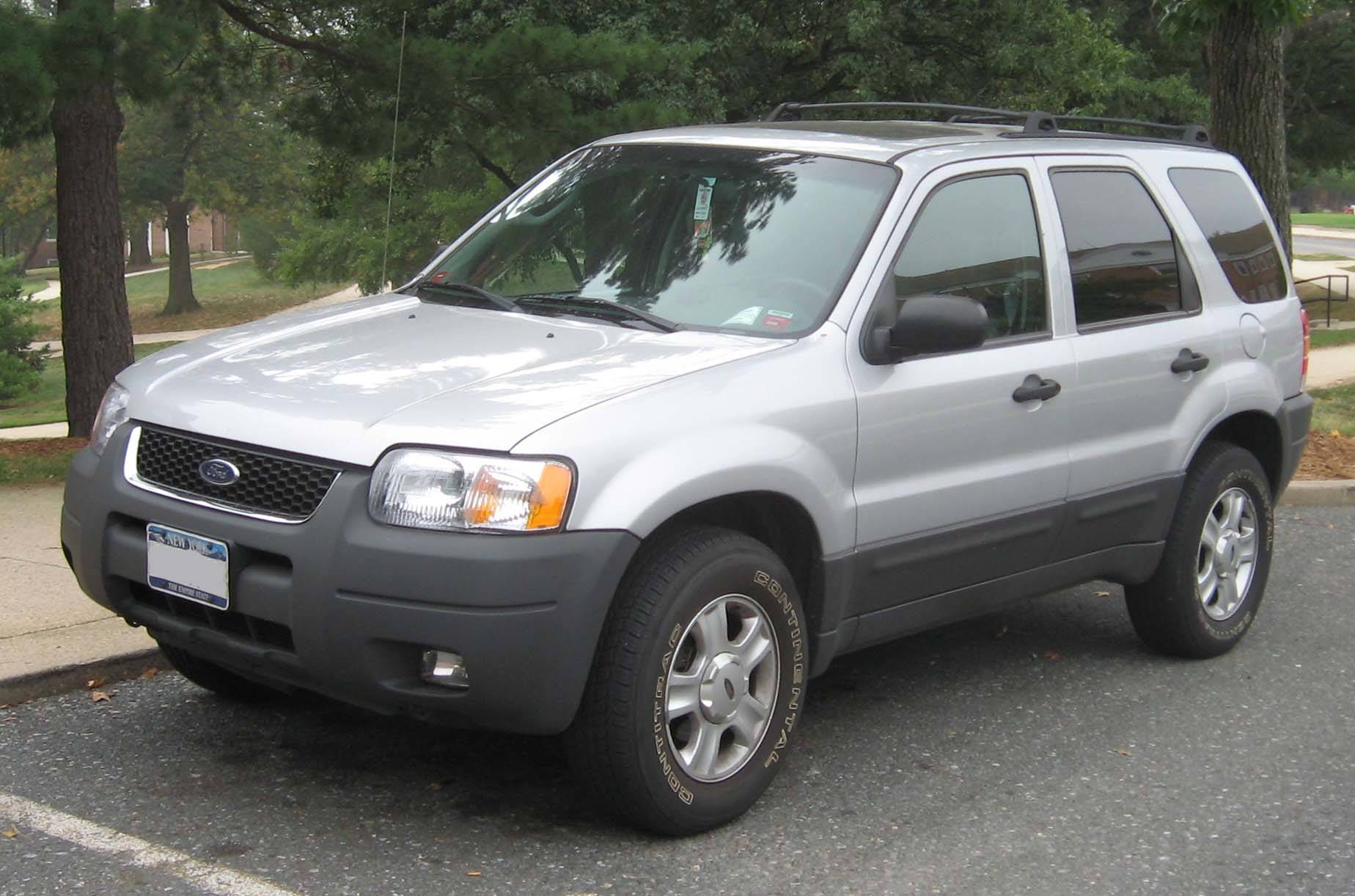
While some Escapes were mechanically capable of 200,000 miles, the body corrosion often cut their lives short. For drivers in Michigan and Illinois, it was common to see Escapes with intact interiors but unsafe frames.
These days, Ford is hitting more home runs, and without any chemical enhancement. The 2012 Ford Escape, however, isn’t quite one of them, as this long-serving platform continues largely unchanged until a full redesign expected next year.
That’s not to say the Escape has been left behind. Despite its aging design, it remains a popular choice among compact crossover buyers, consistently ranking among top sellers thanks to its attractive styling, spirited performance, and a range of high-tech features.
Notable innovations include Sync, Ford’s affordable voice-activated interface for audio controls, and Auto Park, a system that identifies likely parallel parking spots and steers the vehicle while the driver manages only the gas and brake.
The Escape is also unique in its segment for offering a hybrid version, which delivers around 30 mpg in combined driving.
While these features are impressive, potential buyers should note that the 2012 Escape still lacks some items commonly offered by competitors, such as a telescoping steering wheel and a sliding/reclining rear seat.
Folding the backseat is also more cumbersome than the simple flip-down designs found in many other crossovers.
Braking is another weak point, as the Escape uses rear drum brakes rather than the four-wheel disc brakes favored by most rivals, resulting in less stopping power and greater susceptibility to fade.
All trims of the non-hybrid 2012 Escape can be configured with front- or all-wheel drive. A 171-horsepower 2.5-liter four-cylinder engine is standard, while a 240-hp 3.0-liter V6 is optional on all trims except the XLS.
The four-cylinder pairs with a five-speed manual (XLS only) or a six-speed automatic, while the V6 comes exclusively with the automatic. Properly equipped, the V6 can tow up to 3,500 pounds.
Fuel economy for the four-cylinder with front-wheel drive and six-speed automatic is 21 mpg city/28 mpg highway, dropping to 20/26 mpg for all-wheel drive, with a combined rating of 23 mpg for FWD and 22 mpg for AWD.
The six-cylinder Escape returns 19/25/21 mpg for front-wheel drive and 18/23/20 mpg with all-wheel drive.
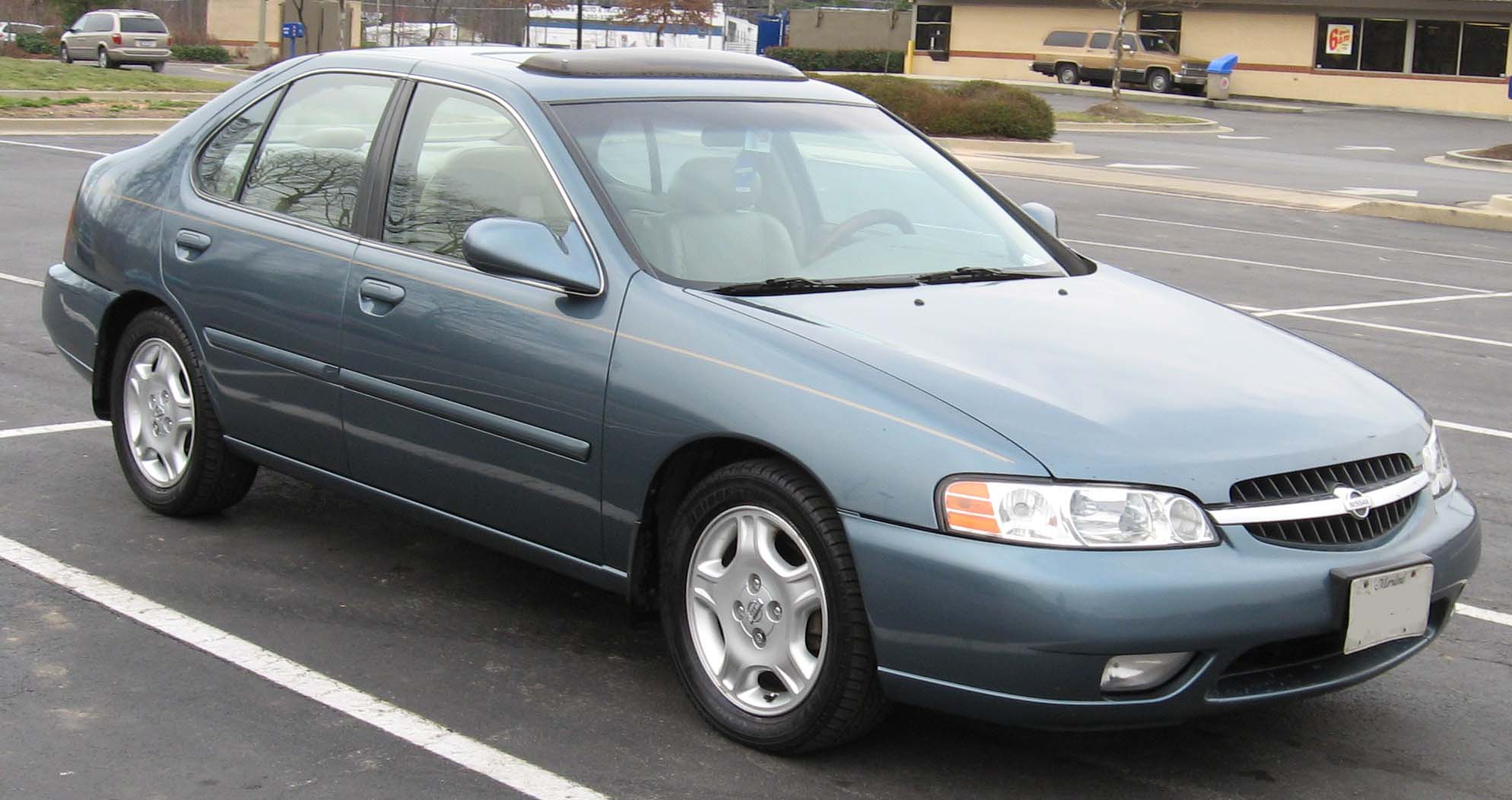
5. Nissan Altima (Early 2000s–2010s)
The Nissan Altima may be one of America’s most common sedans, but it’s also one of the Rust Belt’s most notorious rust victims. The problem areas are usually the floor pans, rocker panels, and rear suspension mounts.
In snow-prone states like Minnesota, Altimas from the early 2000s often displayed massive rust holes by the time they were 8–10 years old.
Nissan’s cost-cutting during that era led to thin metal, poor sealing, and little protection against salt exposure. Although newer models have improved, the reputation still lingers in Rust Belt communities.
Rust in America’s northern states isn’t just cosmetic it’s a safety issue. Corroded frames, brake lines, and suspension mounts can fail suddenly, putting drivers and passengers at serious risk.
While modern manufacturing techniques like galvanization, better paint formulations, and electronic rust inhibitors have improved longevity, the reality remains that some vehicles are simply engineered with better protection than others.
For Rust Belt drivers, survival often comes down to a combination of smart vehicle choice and proactive maintenance. Regular undercarriage washes, professional rust-proofing treatments, and prompt repairs to paint chips can make a world of difference.
Still, as the vehicles above demonstrate, some models were built tough enough to fight off the salt for decades, while others practically started rusting on the dealership lot.
In the end, the difference between a 20-year-old Toyota 4Runner still commanding decent resale value and a 10-year-old Dodge Caravan destined for the junkyard often comes down to one thing: resistance to the Rust Belt’s relentless grip.